
HOLIDAY DONATION DRIVE - SUPPORT MSW - DO YOUR PART TO KEEP THIS GREAT FORUM GOING! (Only 13 donations so far - C'mon guys!)
×

Michael Collins
-
Posts
13 -
Joined
-
Last visited
Content Type
Profiles
Forums
Gallery
Events
Everything posted by Michael Collins
-
 The day one does not learn something is a wasted day. Why carry them when there will be no requirement. And yes, there have been very many various booms over the years and more to follow I'm sure.
 -
Great discussion panel here. I had always used that booms were fixed at one end and were more like forearms. Yards are yards but were also used as booms when the need arose. Just has 1/2 the length sticking out past the articulation point. Paintings from any time period are not my sole source of details and near the bottom of being used. I read each and item written on the ship, view every drawing I can find. Every bit of information is used to to compare, eliminate, verify something new. I used the paintings as they are visible and quickly absorbed into the mind. This is neither to confirm nor deny, just to point out all but the the existing vessels are subject to interpretation over exactness.
-
Are you saying the skysail booms are off? I count 4 booms. Oops - the first is 5 booms, I own it. Looks to be not near the same vessel but for floating. The two images are Butterworths. Look at the background vessel. I panicked and jumped. The second only 4 are shown. There would appear to be room for the skysail yards. but they are not shown? *EDIT* I do wholeheartedly agree that standard practice is for three booms on the topgallant mast.
-
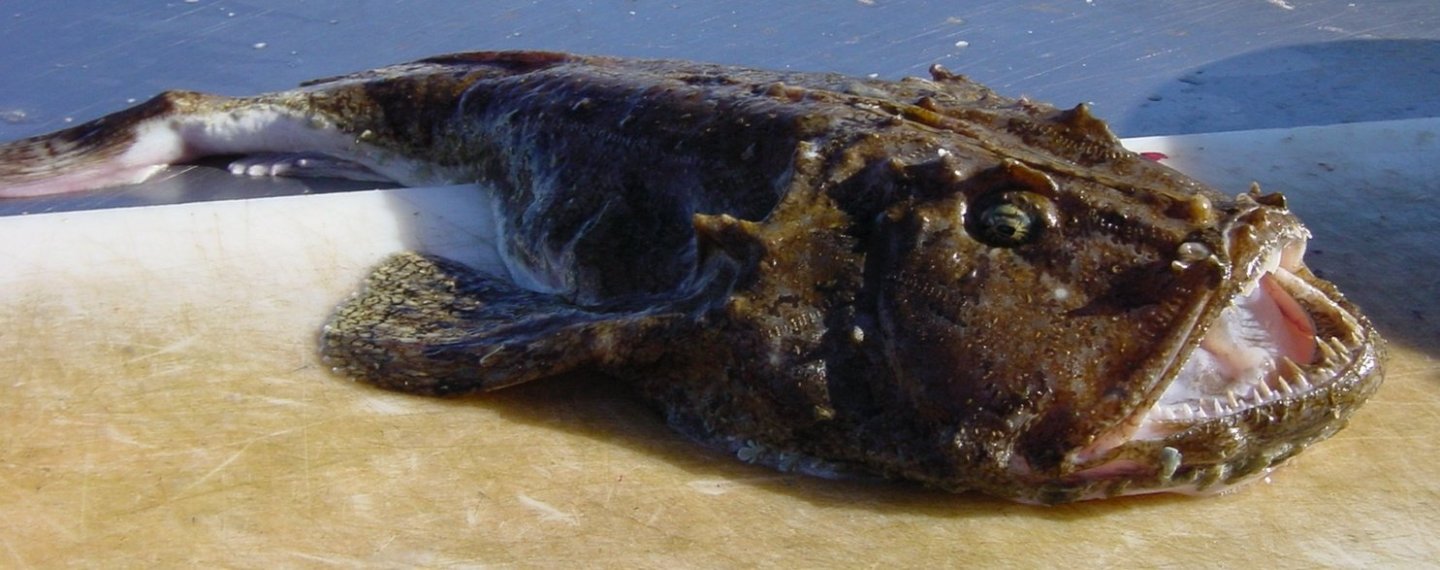
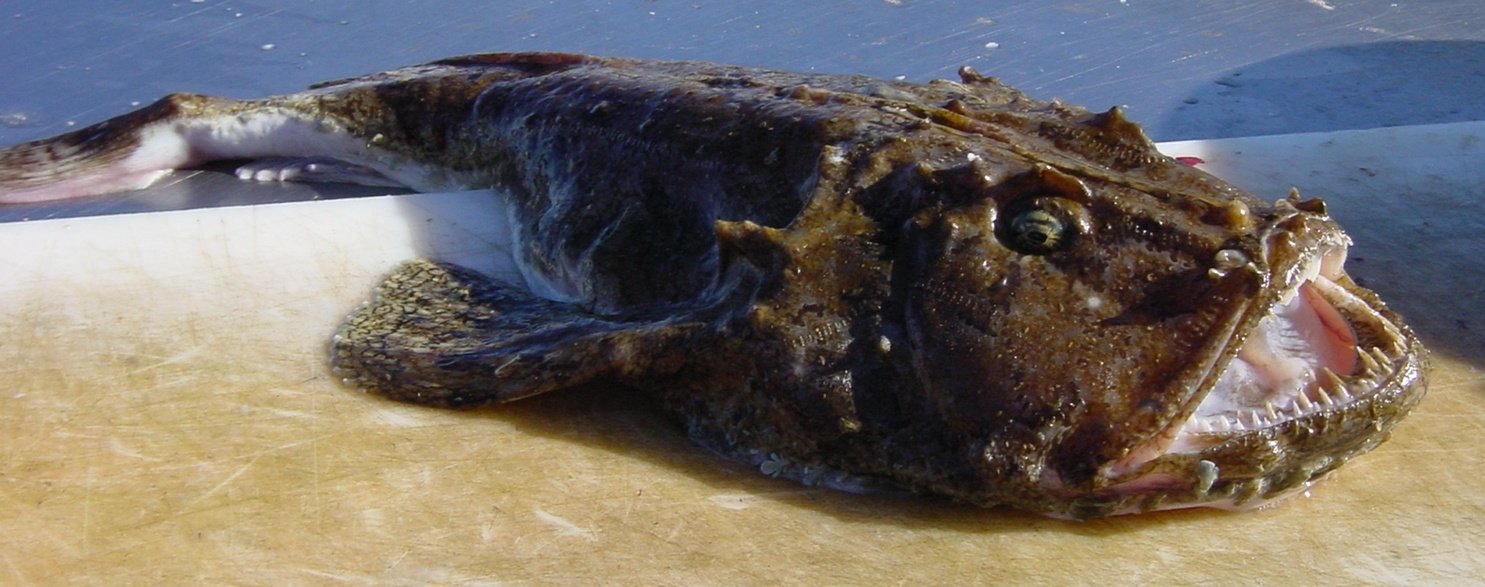
Now its just a stroll down memory lane. We had an large pregnant Angler Fish come up in the trawl, and they had to go through the same level of tests as the profitable commercial species. The female weighed 47 kilos (103 pounds). While hanging by her jaw she spawned. Her weight dropped 27 kilos to 20 kilos (44 pounds). 27 kilos of spawn slurping over the wet lab deck. It took the fire hoses to get the slime off - like Jell-O but goo and the ability to adhere to anything that came in contact with it. It was Crazy Glue that never dried. The image is just to show the species, not mine.
-
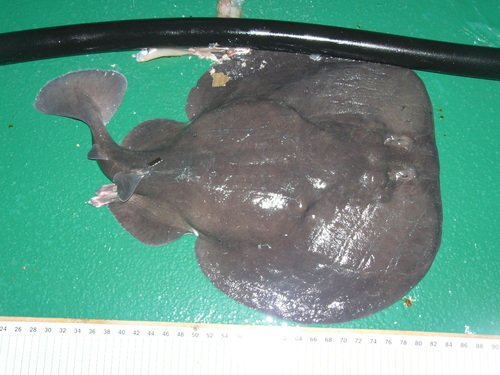
Exactly the same as figuring the truth about the replicas we build. We carried a decent library on the "Fishes of the North Atlantic" with us - even the chief scientists got stuck on several occasions. But just from looking at an Atlantic salmon, its entire structure does look closer to a trout than a West coast salmon. And as you say the salmo designation sort of distances is from the pack. I think the entire two years or so I was on the Hammond we only caught 2 salmon in the trawl. The weirdest that shallow tows produced was the Atlantic Torpedo. They are a ray and carry 220 volts around the perimeter of the oval head area, for stunning prey. The deep tows produced some really strange stuff, but most of it exploded on the way to the surface. But the luminescent colors and the fangs on these things are stuff from horror novels.
-
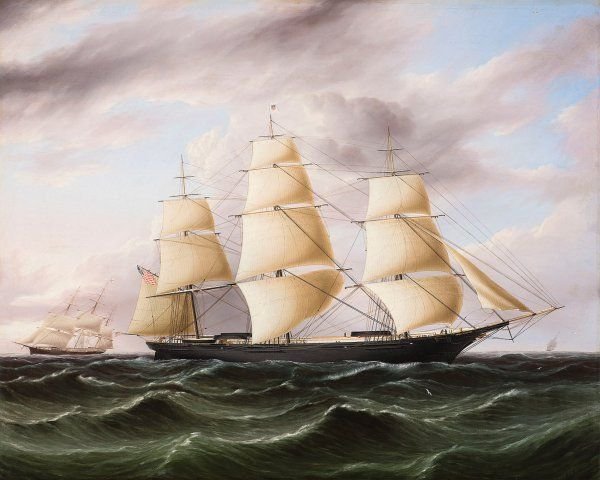
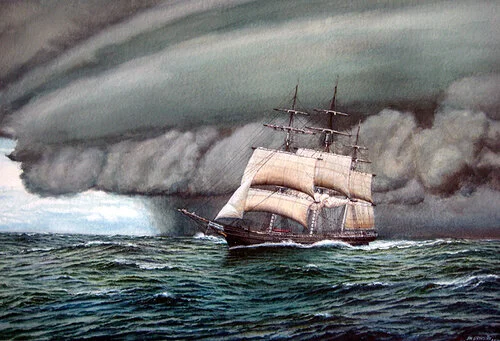
No, any of the drawings, paintings, etc showed nothing in this area. I've known others to carry the hood, but there was zero mention of it in the ragtag collection of "information" I had on her. Even back in 2010 there was so much information and misinformation floating around it was a kind of "pick and choose" what you like. And I must say since them the "info" has gotten more mesmerizing. I have read of hull lengths from 196.5 to 220 feet and many in between 198, 202, 212, 215. When the Butterworth paintings surfaced these were supposed to be the end all and be all of Flying Fish research. All that did was open another bag of hammers. Butterworth has depicted her with 4 sails per mast, no hood, and colorization that sets its own tone. I've found no less than 3 deck layouts of her - the one I chose was off of a set of 1951 plans I bought off of e-Bay. I've got a fairly nice library of clippers, but whereas she was always in the shadow of her older sister, there's not a great wealth of information on her. Boston Gazette spells out a lot of her dimensions, but given the loose or conflicting statements about her makes it a stab in the dark. Fished on all masts, fished on two, white masts with black bands, all white, all natural, black booms, natural booms Cutty Sark, Victory, Constitution and others are easier to get correct as they are still around. And many others are lucky enough to have photographed many times. Even Victory has changed her tune from yellow to a salmon color in the last X number of years. I must find the thread with McKay's hood on his ships. Below are 3 images showing 4 sails per mast on Flying Fish. And colors of the rainbow. Good thing its the love of ships that is the real driving force for our replicas. And no one can really prove one wrong. Thank you for your valued imput.
.jpg.44ec0bfabe2211e1310af99967e8e5dd.jpg)
-
At 1:24, I see carving in your future.
-
Well I cannot allow this reminiscing to be killed on my watch. We were mid to deep water surveying so we had zero fresh/shallow water to be near. Sent in to fish on known shoals not the shallow we seek. This means zero salmon knowledge of any kind, other than my great-grandfather and grandfather landed monsters in Ecum Secum in the 1910-1940s or so. The large ones were getting smaller in the photos as time passed. When we would do the Arctic trip of the survey season, we'd always stop in Nain, Labrador for frozen char. Are these the same species or related, more so than trout? Remember the scientific freezer in the wet lab? Don't get caught in there. I am totally amazed at this reunion of sorts. Not much of Mr. McKay's sleek lines discussed - hope its within boundaries. Sometimes it helps to know who is behind the keyboard that may influence the build. Things that are shown on blueprints may - nay, are sure to have changed over the years. The Hammond would change winces when extreme deep water tows were to happen. These were great as you'd only get one tow or possibly 1/2 - on the way back thought the second when your 6 hour shift was up. The fleeting winches would be changed. And it was worse with the hydrographic vessels. Baffin was changed almost be the cruise depending who would ride along with us on a survey. They had some weird stuff hanging off of the side of the ship. Or a magnetometer 4.5 miles astern and it takes 30-45 minutes to make a turn as you cannot upset it at all. Worst time - caught in a hurricane while surveying the sea mountains off of Yarmouth. About 200 miles offshore and no way to run - heave to as best possible and keep her nose into where ever "into it" felt like.
-
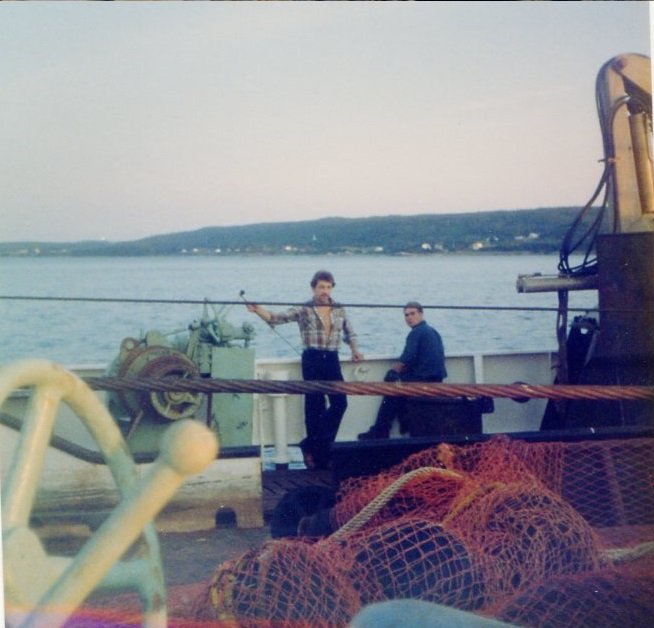
I was on her from February 1980 until April 1982. So we would have overlapped. I was one of the samplers onboard along with Alan Johnson and Barry Brown. We ate a lot of fish at home during that time. Other than Fred it seemed that most engineers and oilers kept themselves in the engine room. I remember jigging for squid in Chedabucto Bay because we couldn't get any trawling. At the same time the fishermen were dumping squid on the C.B. Causeway by the dump truck full. There were 4 female scientists and we had large tanks on port and starboard. The few squid we jigged were put into the tanks. The photo is of Gary Williams and Regal Lace on that trip sitting in the Bay. We did some Olympic diving off of the gantry. We did two tows on the way home and got tons of squid for the girls.
-
Kenchington - Chief Engineer's name Fred Bartle? We used to fillet up fish for Max and Neil as they never had time to come down to the sampling room. Fred lived there. But he expected that someone fillet his fish too.
-
Yankee Clipper - yes the ship was started in 2010. Then again in 2011. Then I stopped until 2023. I may have started a build log on one of the boards. But hopefully this time will finish her.
-
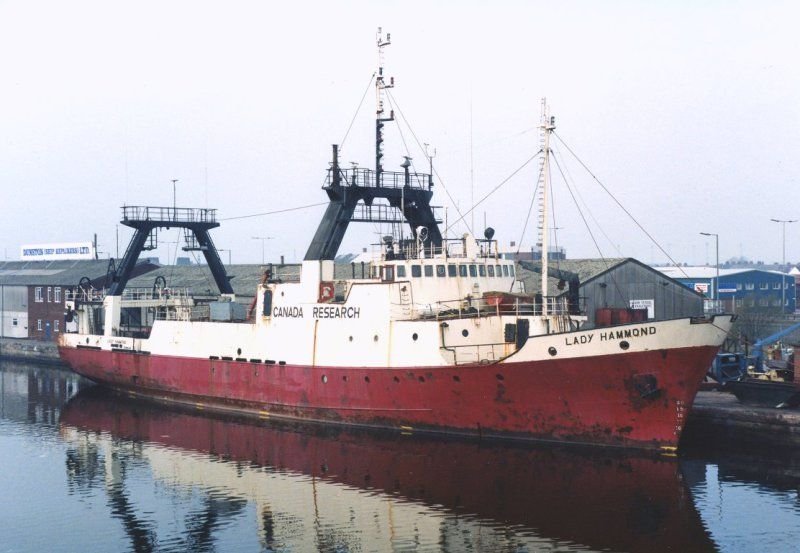
I was a hydrographer/cartographer during my time with the Canadian Hydrographic Service. Whenever possible we worked 12 hours a day and I'd do 5 or 6 hours, after I was back on board from a 34 foot survey launch. During weather, or ice, we'd either hide, or get blocked in by ice. In both cases that freed up a lot of time for me. And Holy Crow - the Lady Hammond. I sailed on her for nearly 2 years doing Fisheries Research before becoming a Hydrographer. Max Baker was her captain when I first went aboard and Neil Barnes was chief officer. She was a cork. Once I got sea legs on the Lady Hammond, there was no ship that bothered me. Used to jam yourself into the rack as she'd darn near go rail to rail in Bedford Basin. Worst sea vessel I've ever been on for sea manners. Se was originally the Hammond Innes built in England during the Cod Wars. All sides involved figured the fish would long be gone before the courts dealt with it. And they pretty much were. England just cranked those things out hoping to out fish the other nations. We'd do 12 days on 2 days off trips year round. Off of Scatarie Island or Sable Island in February in a cod wars trawler is no fun. But I did build one Bluenose on her.
-
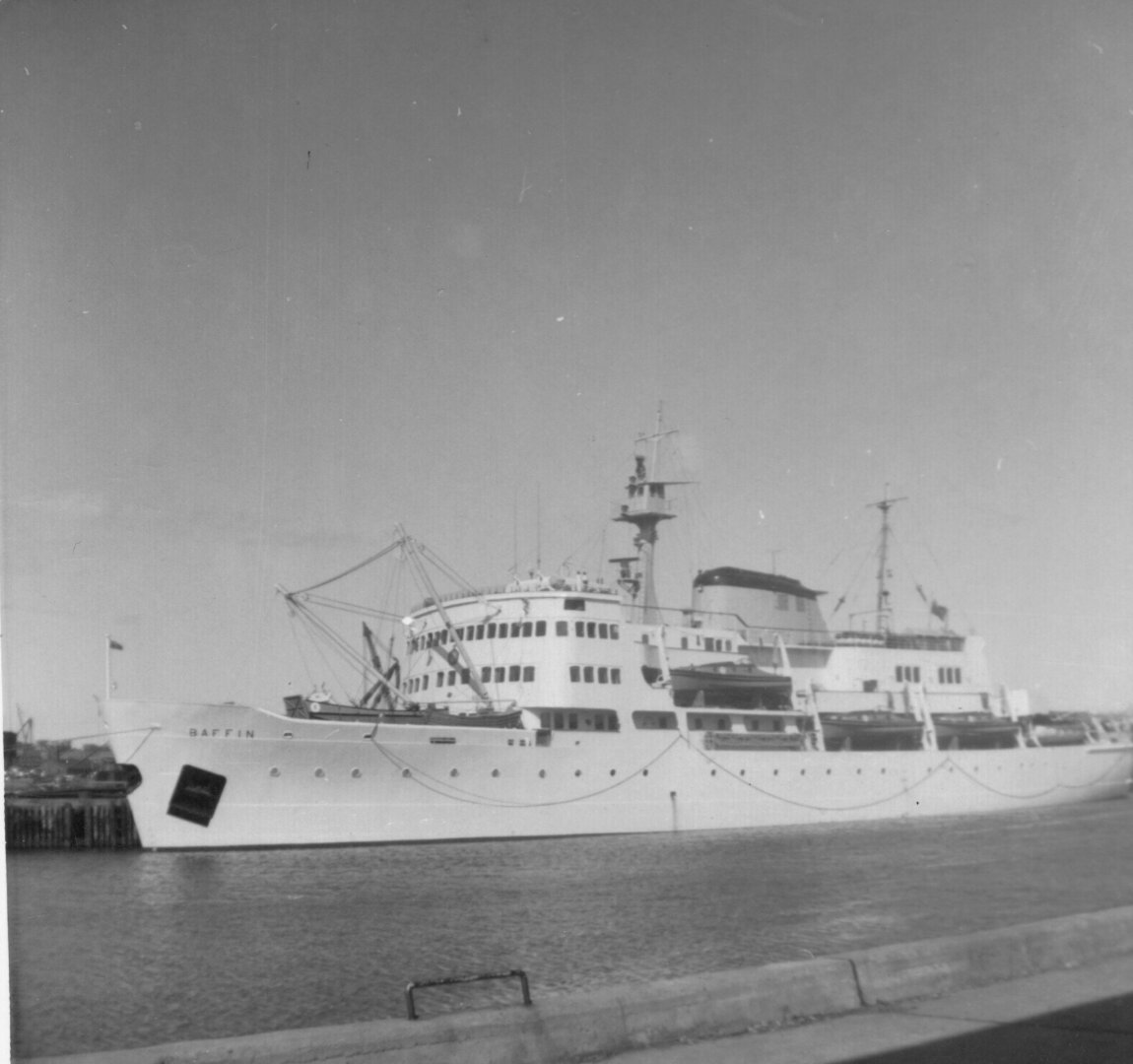
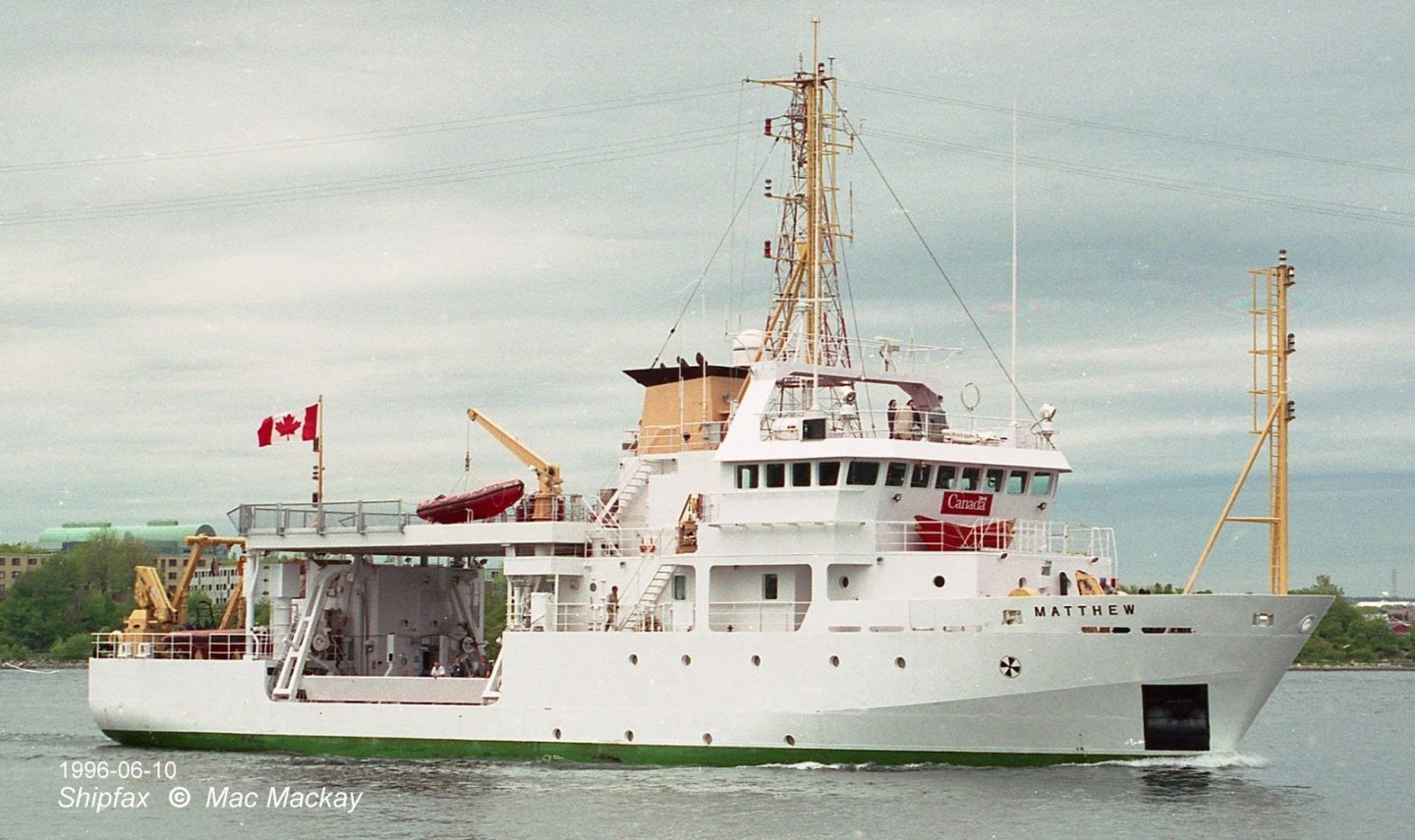
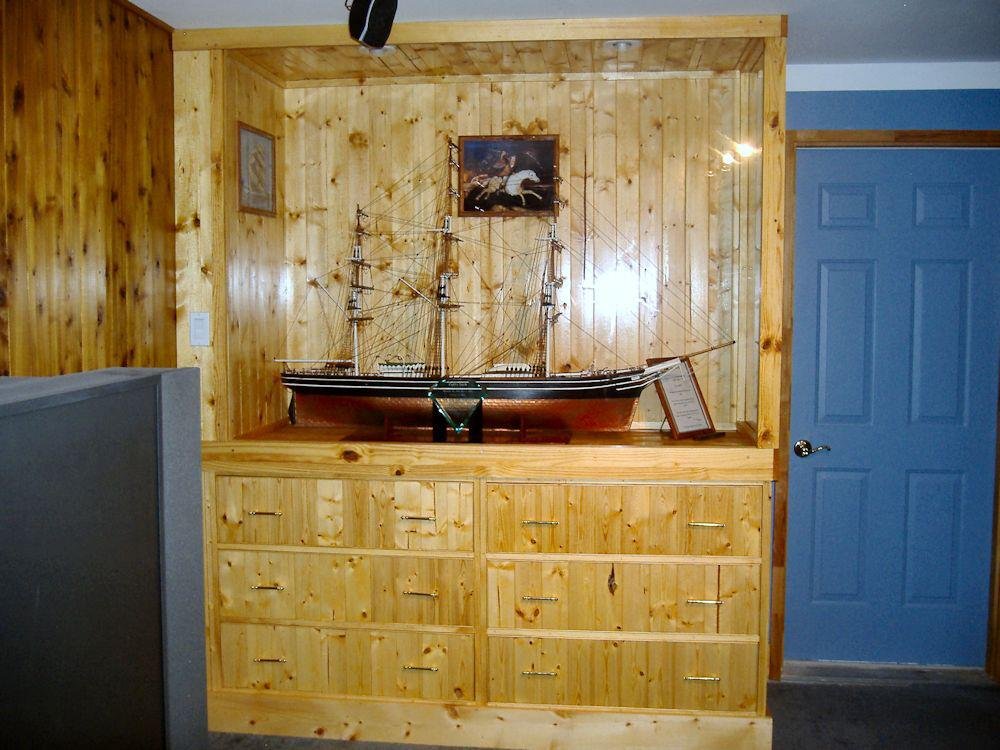
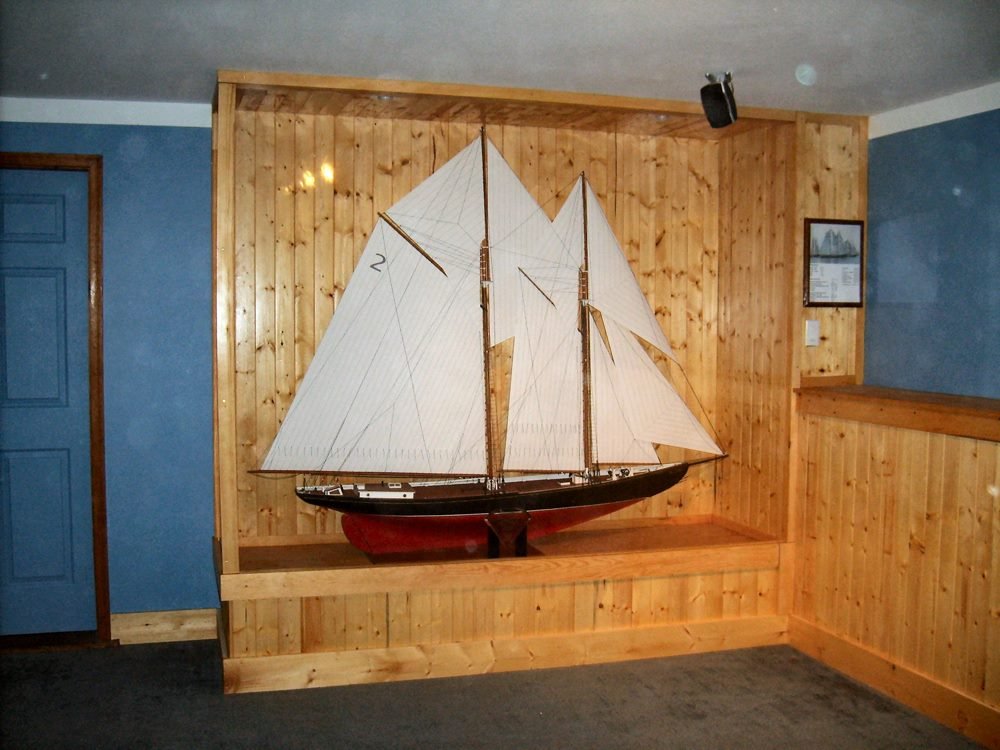
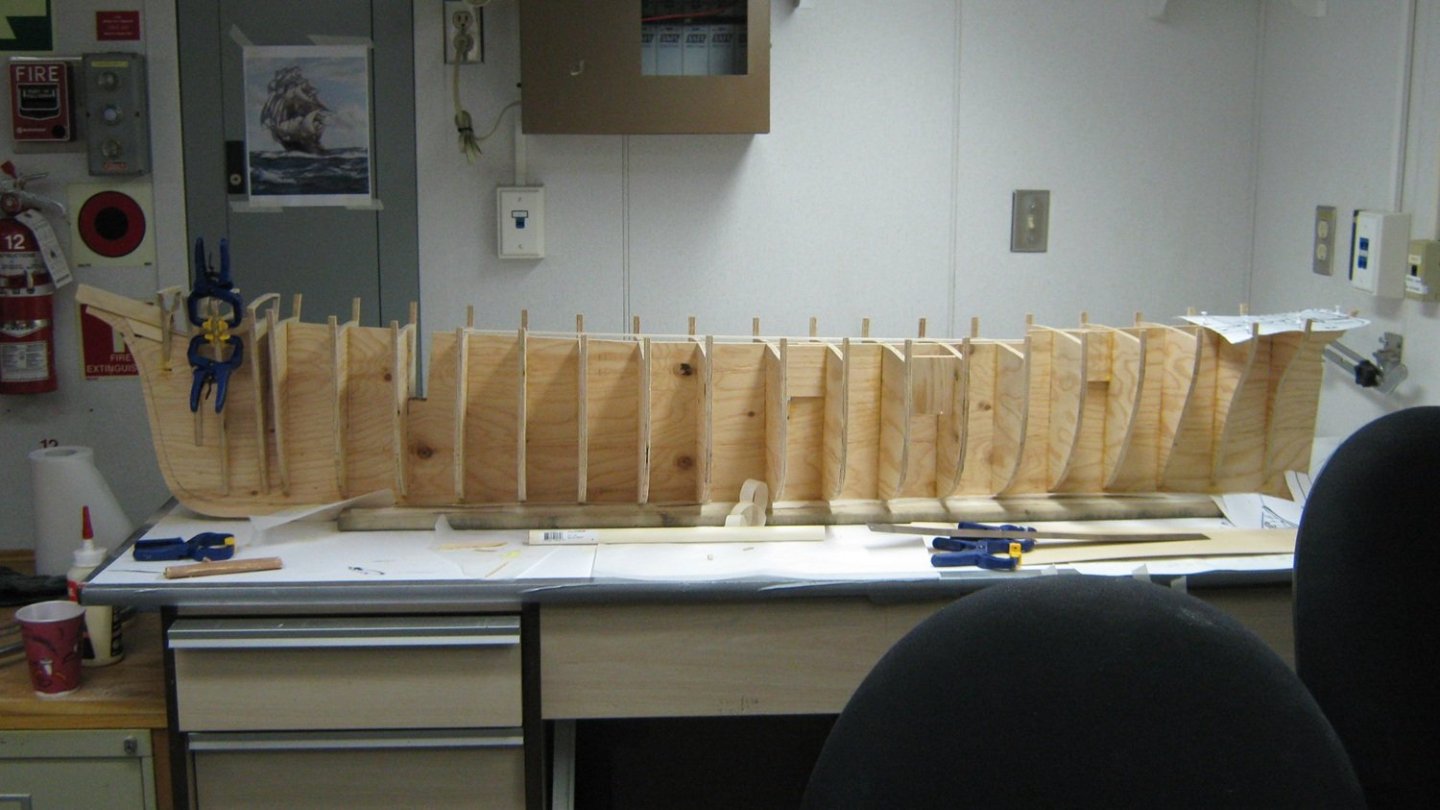
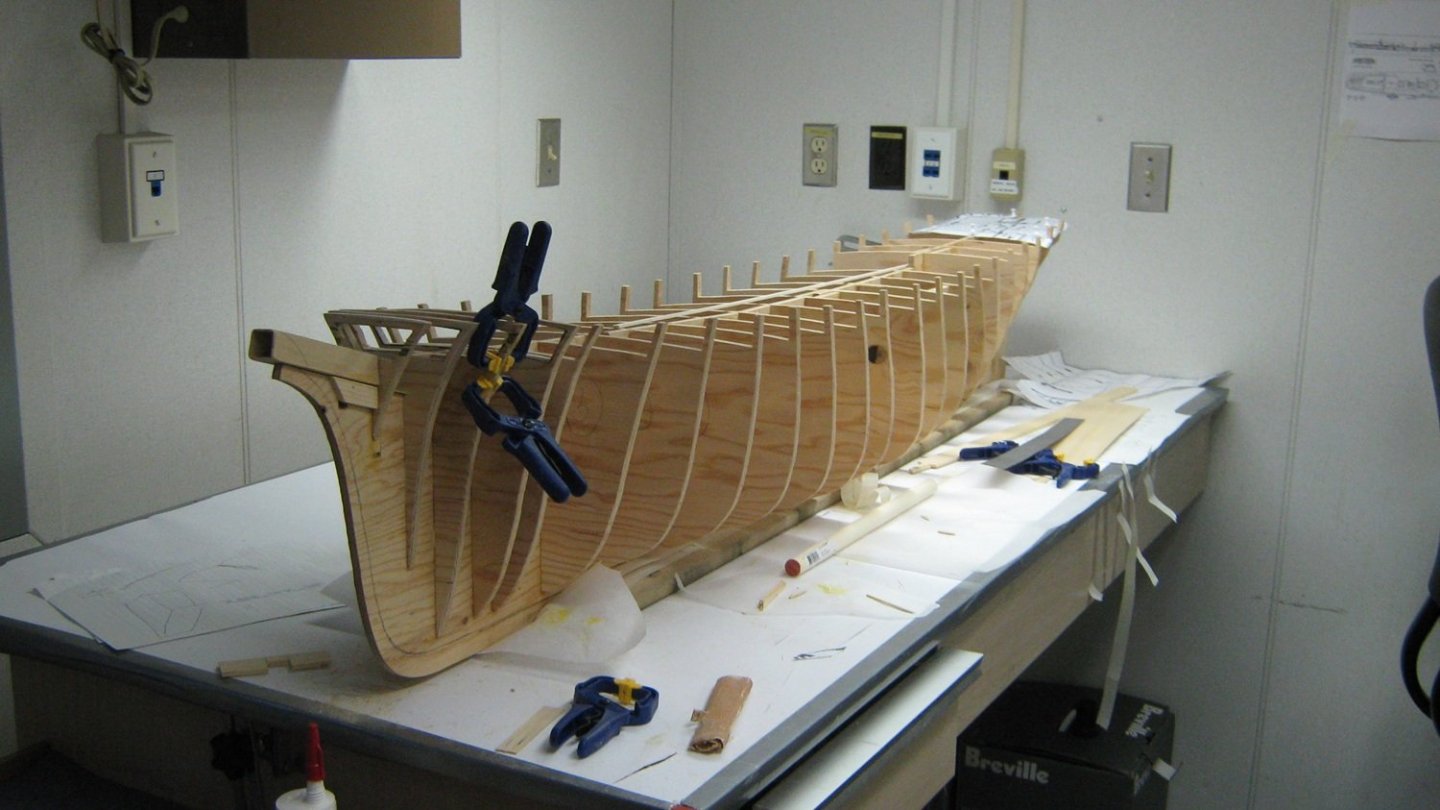
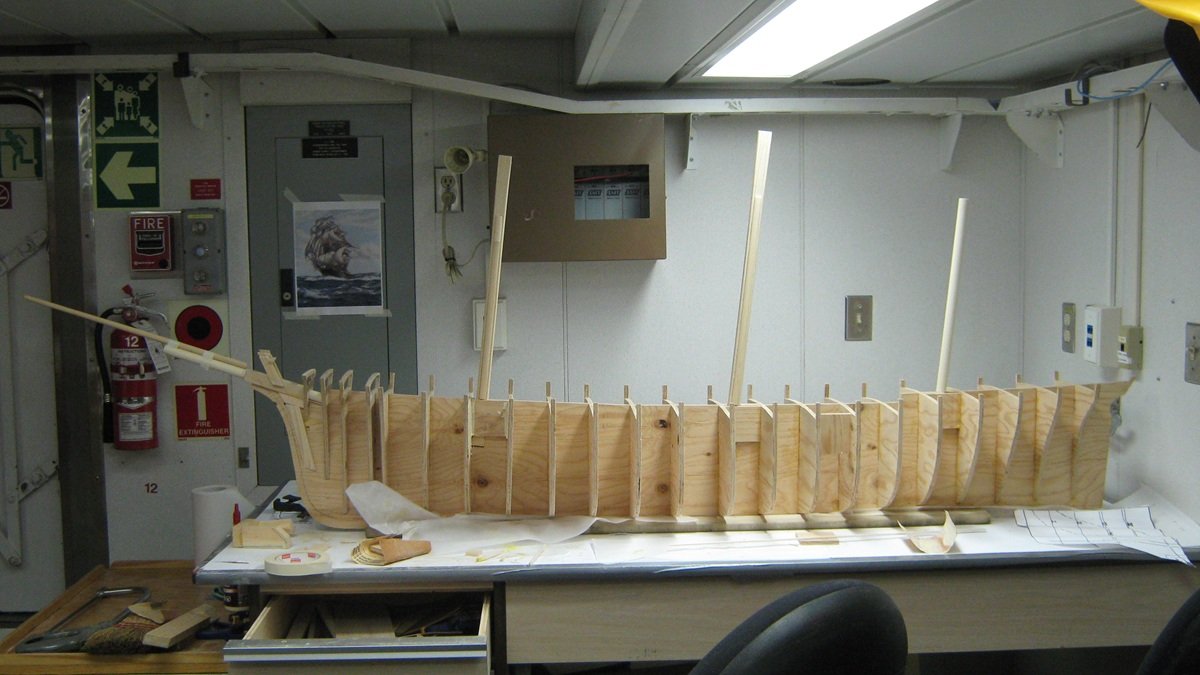
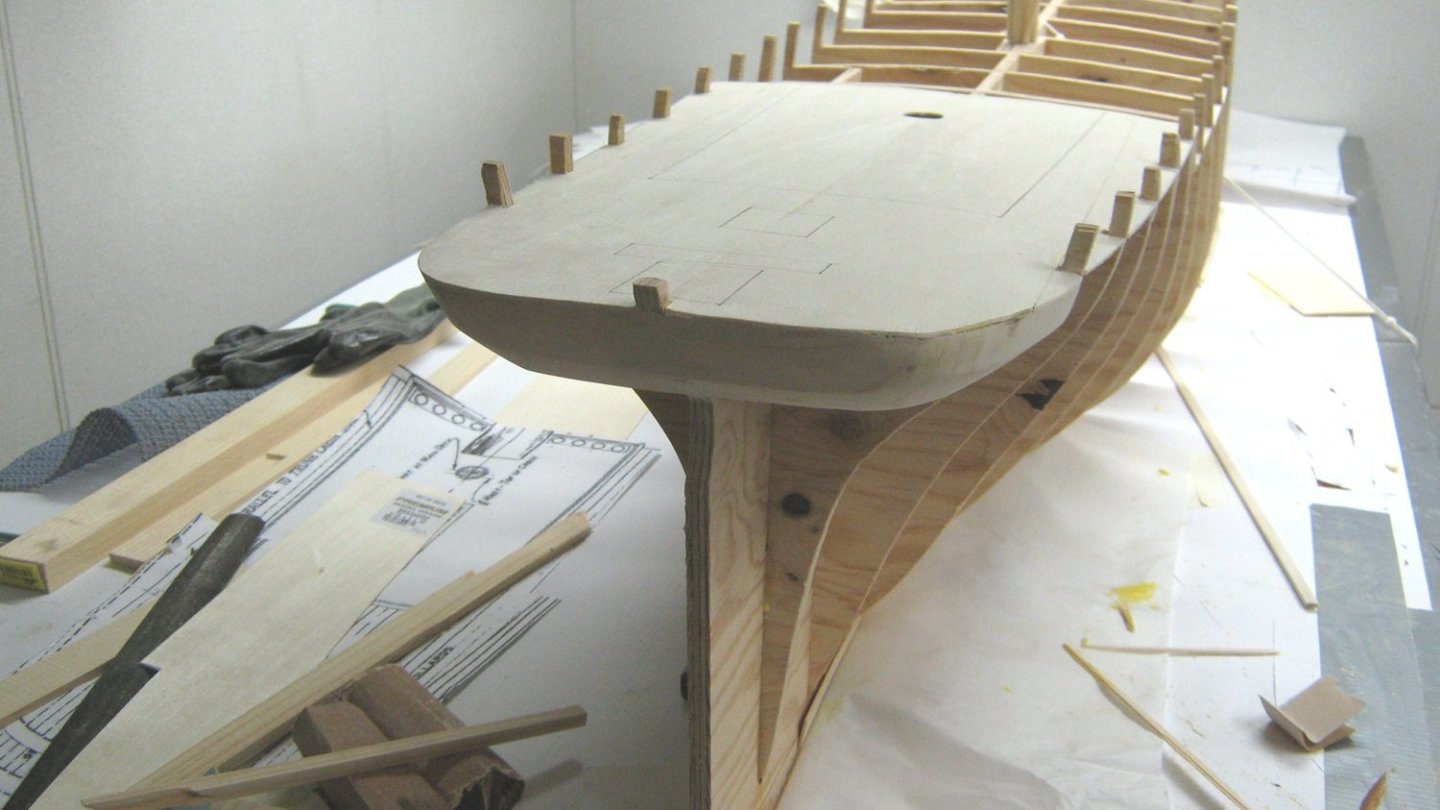
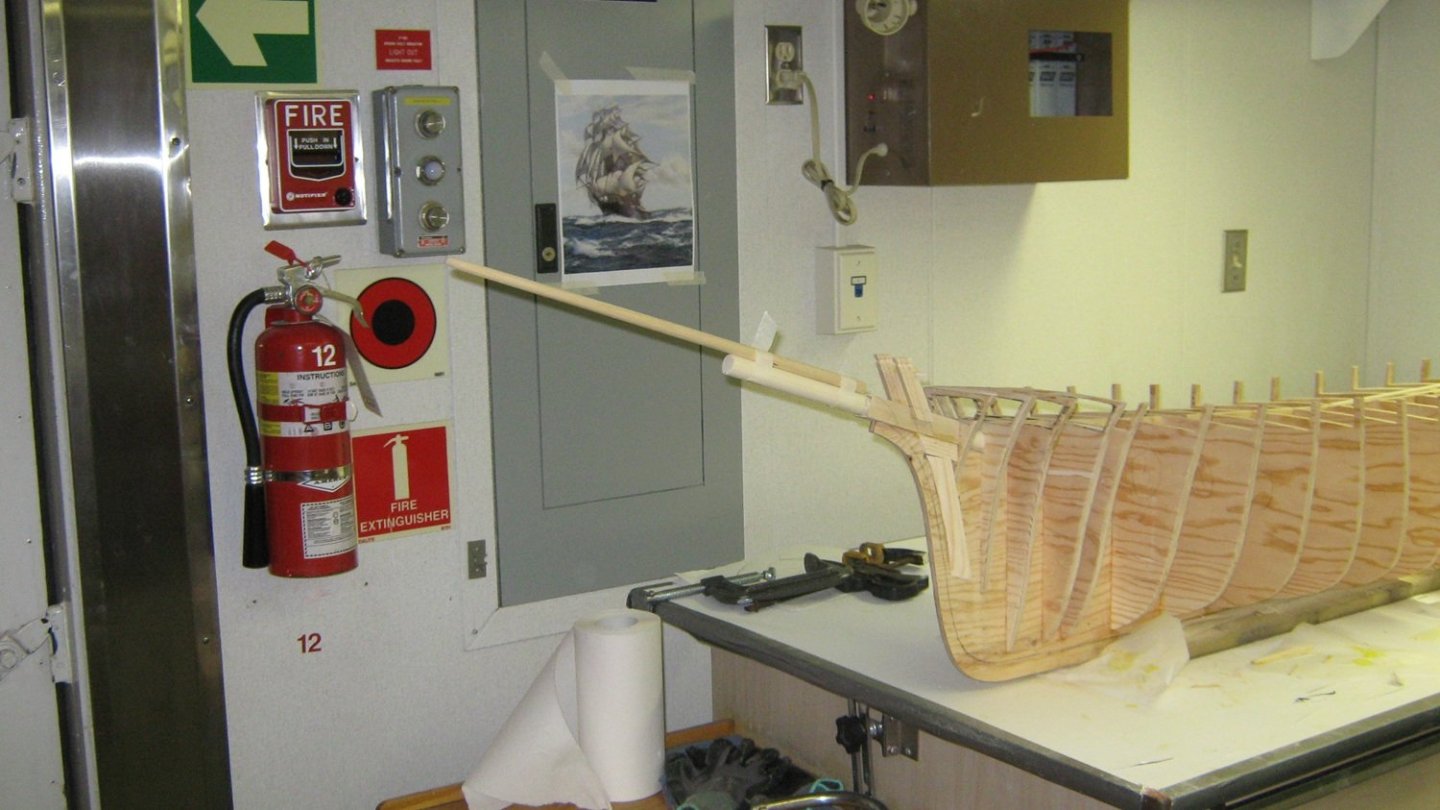
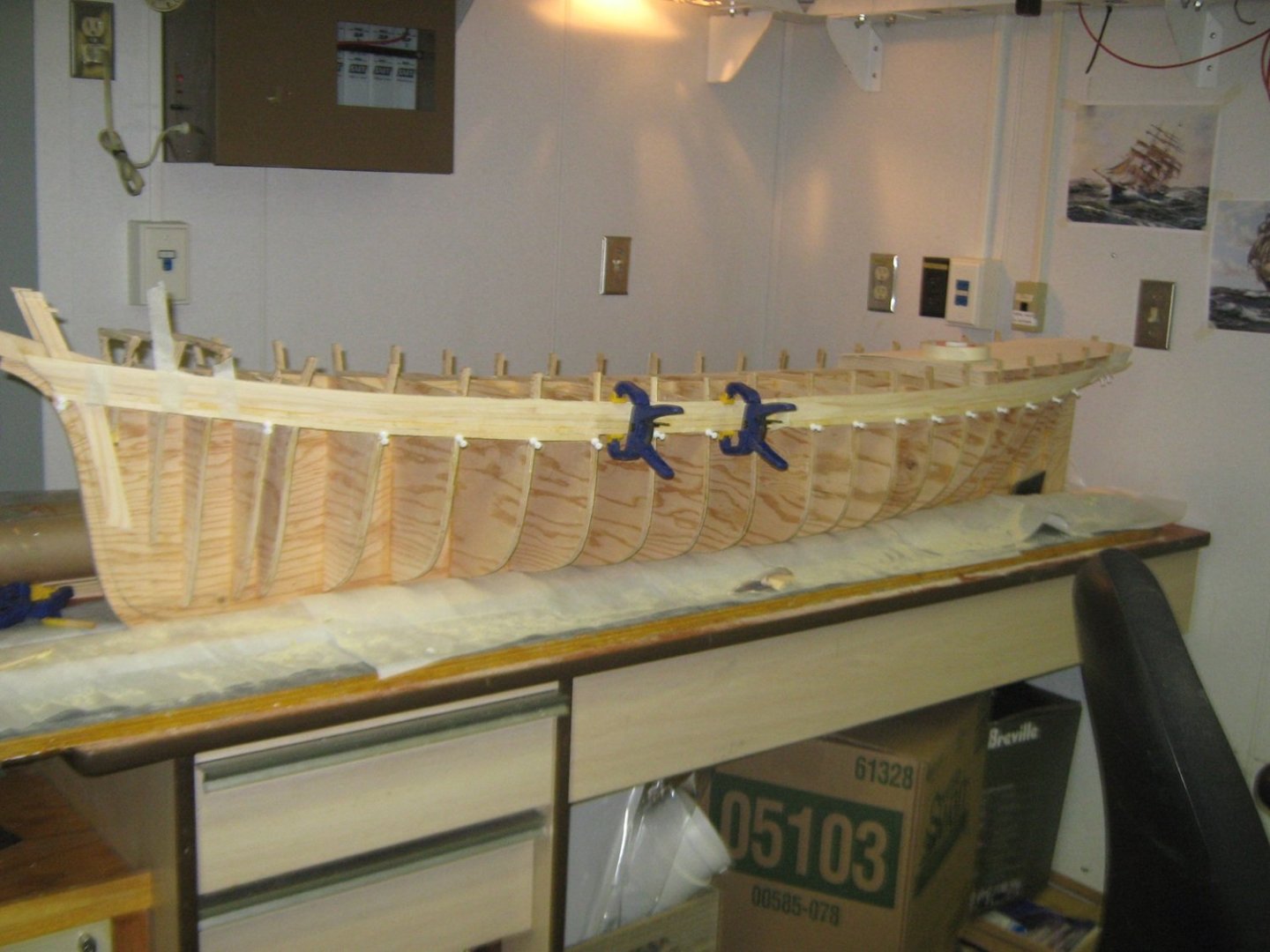
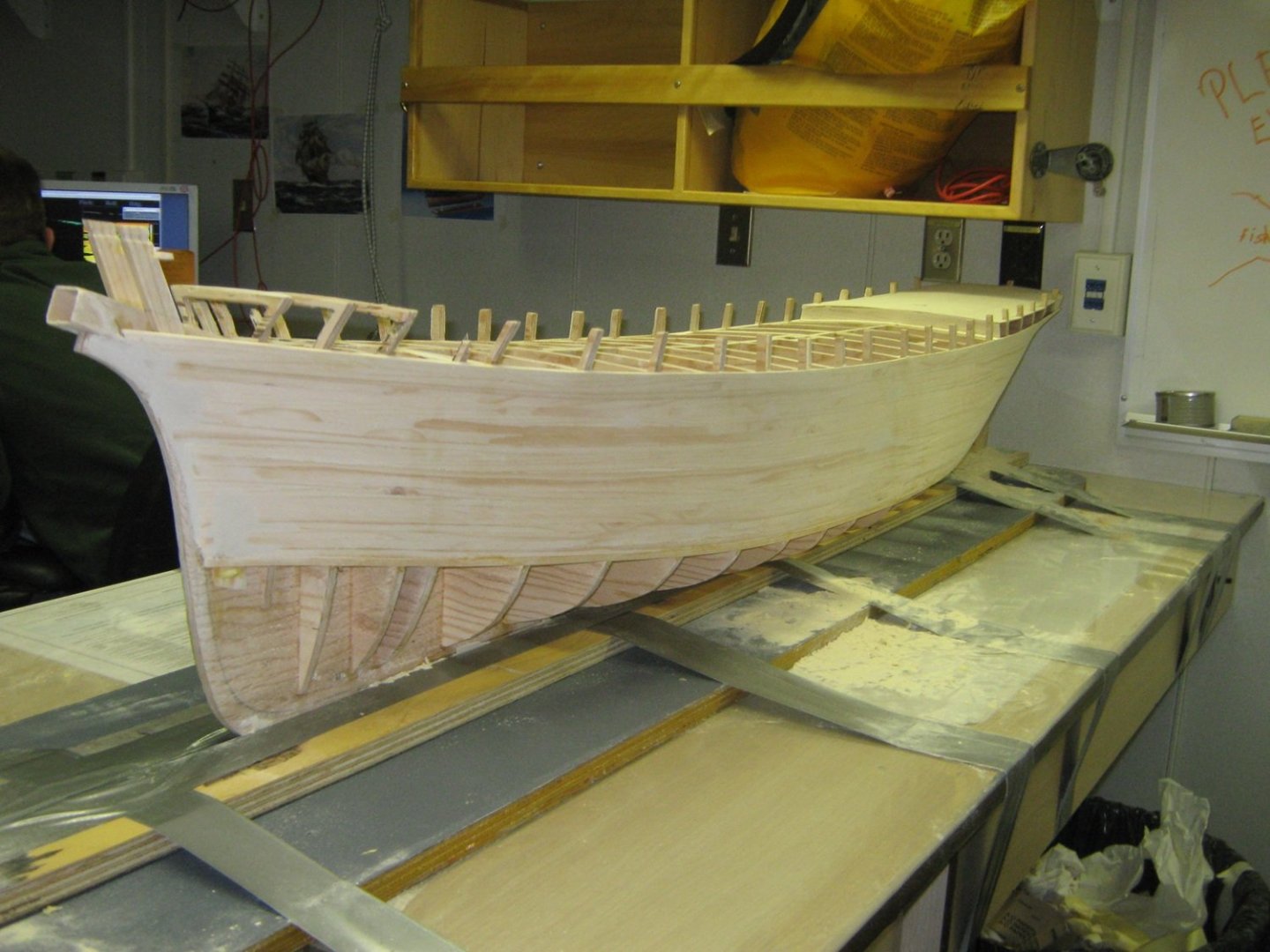
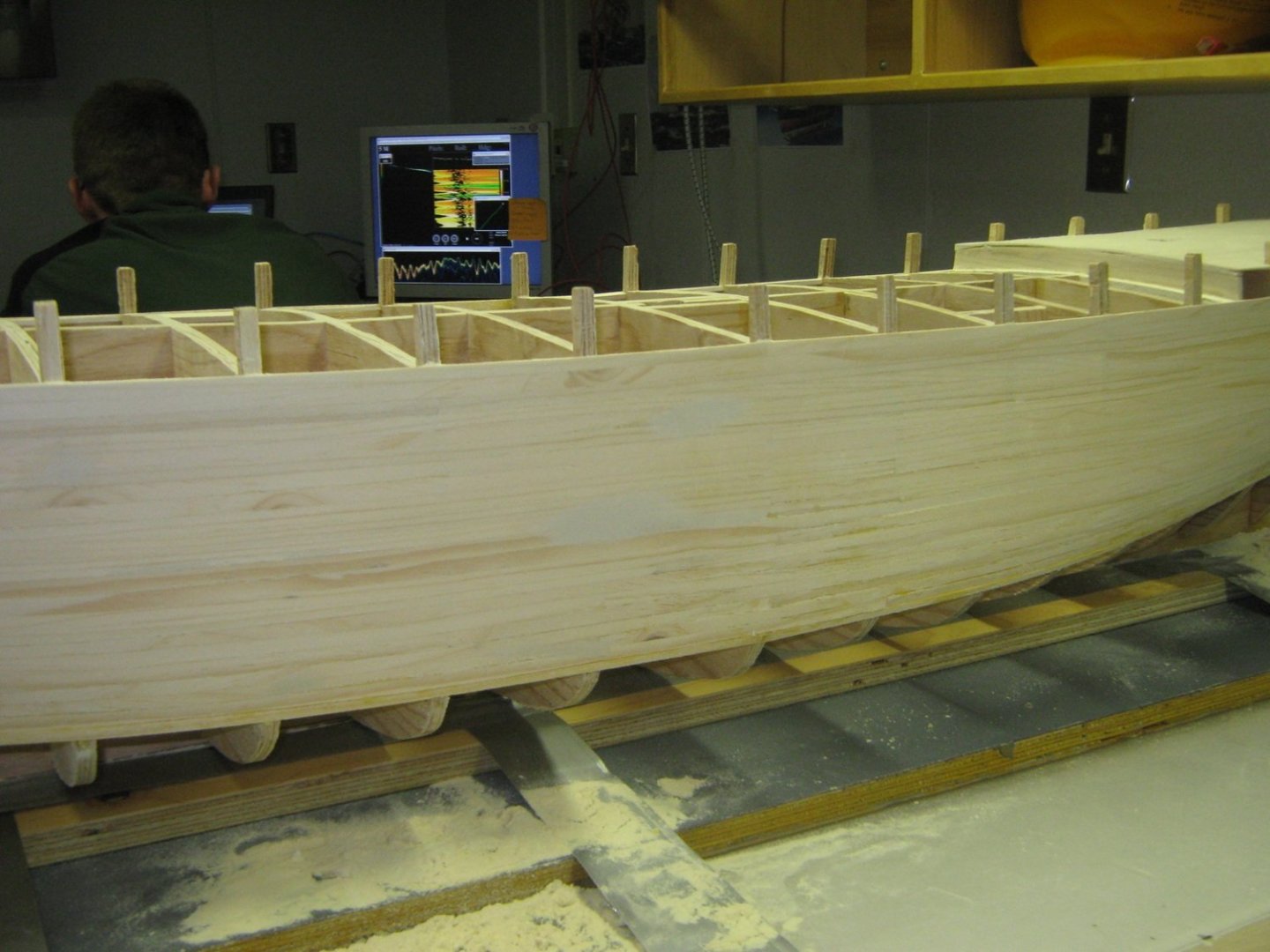
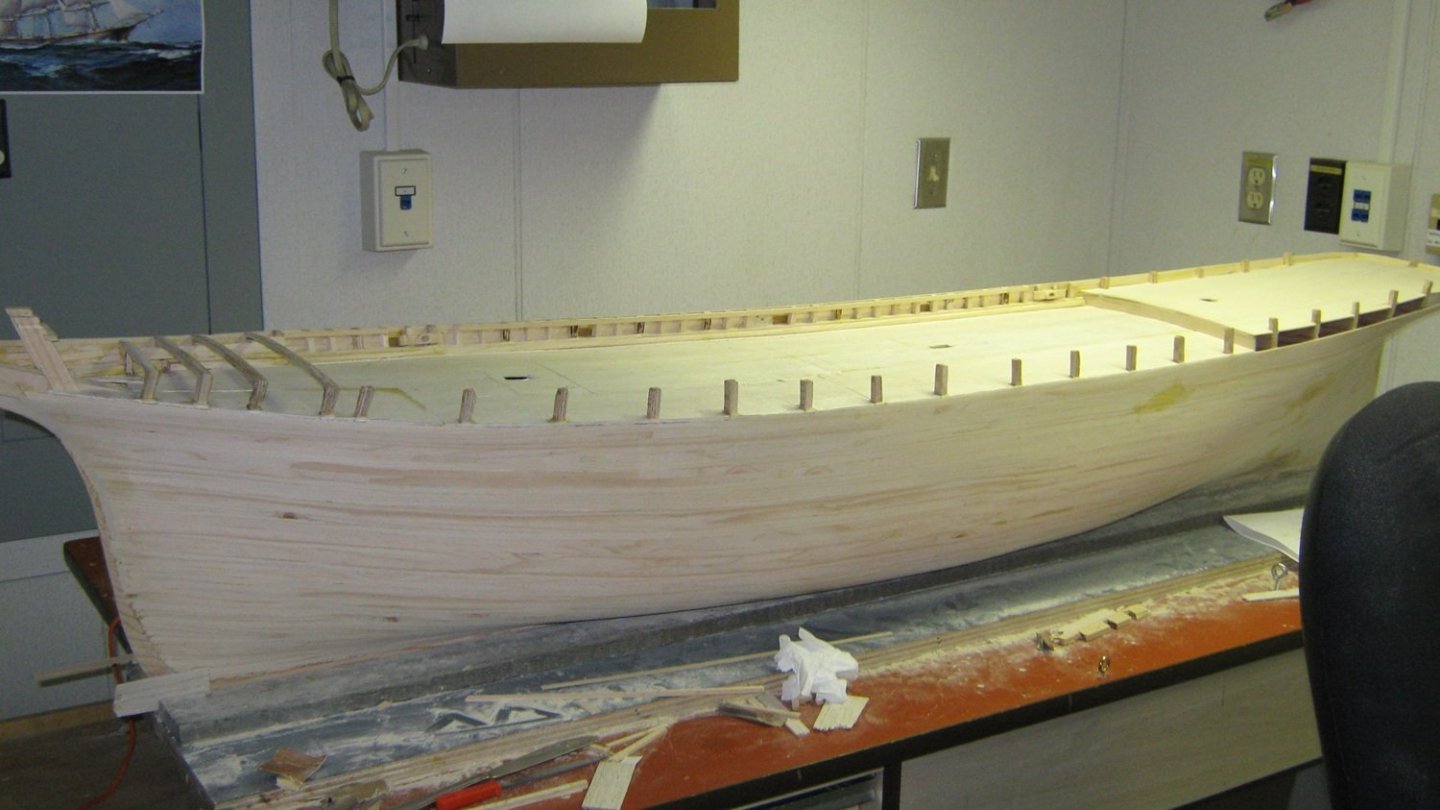
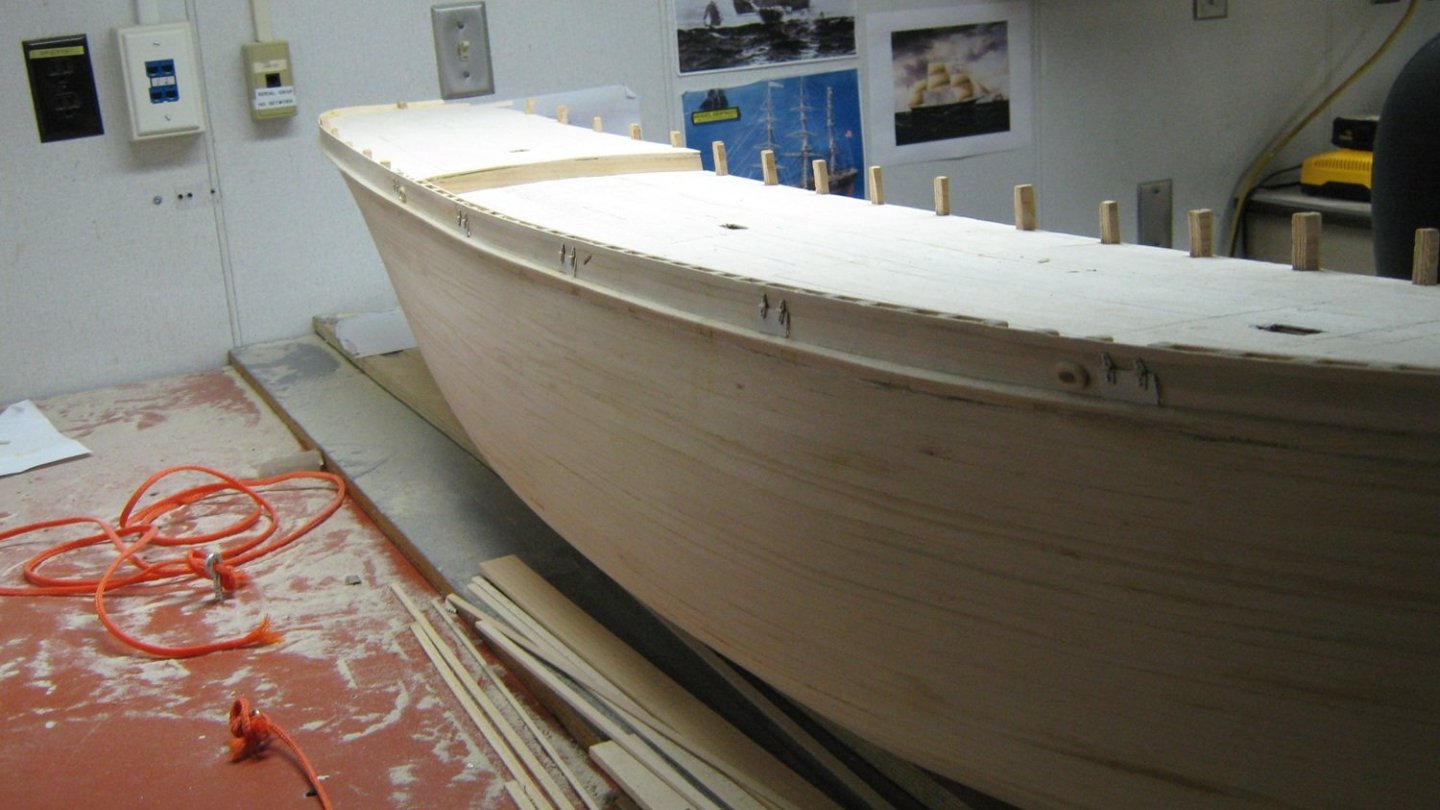
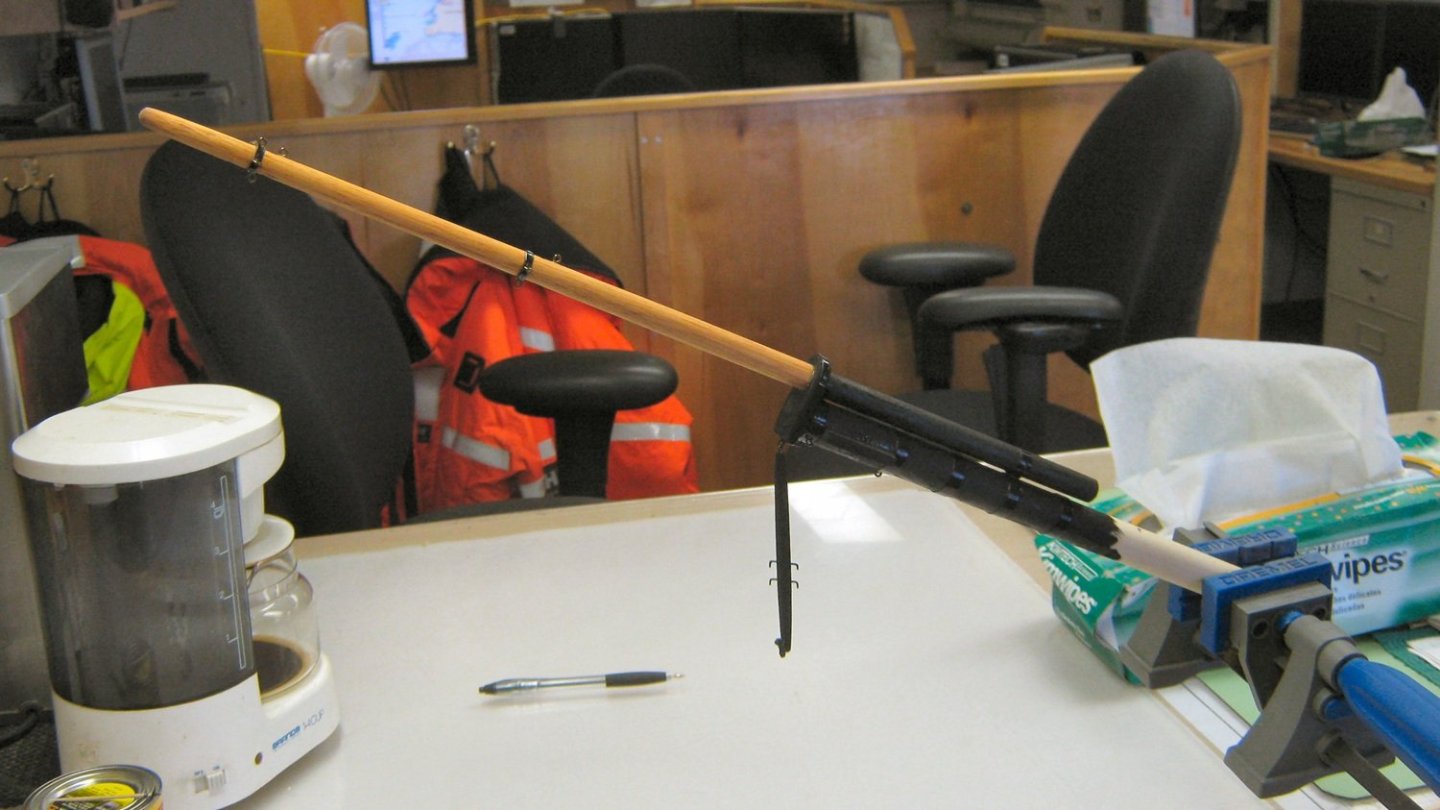
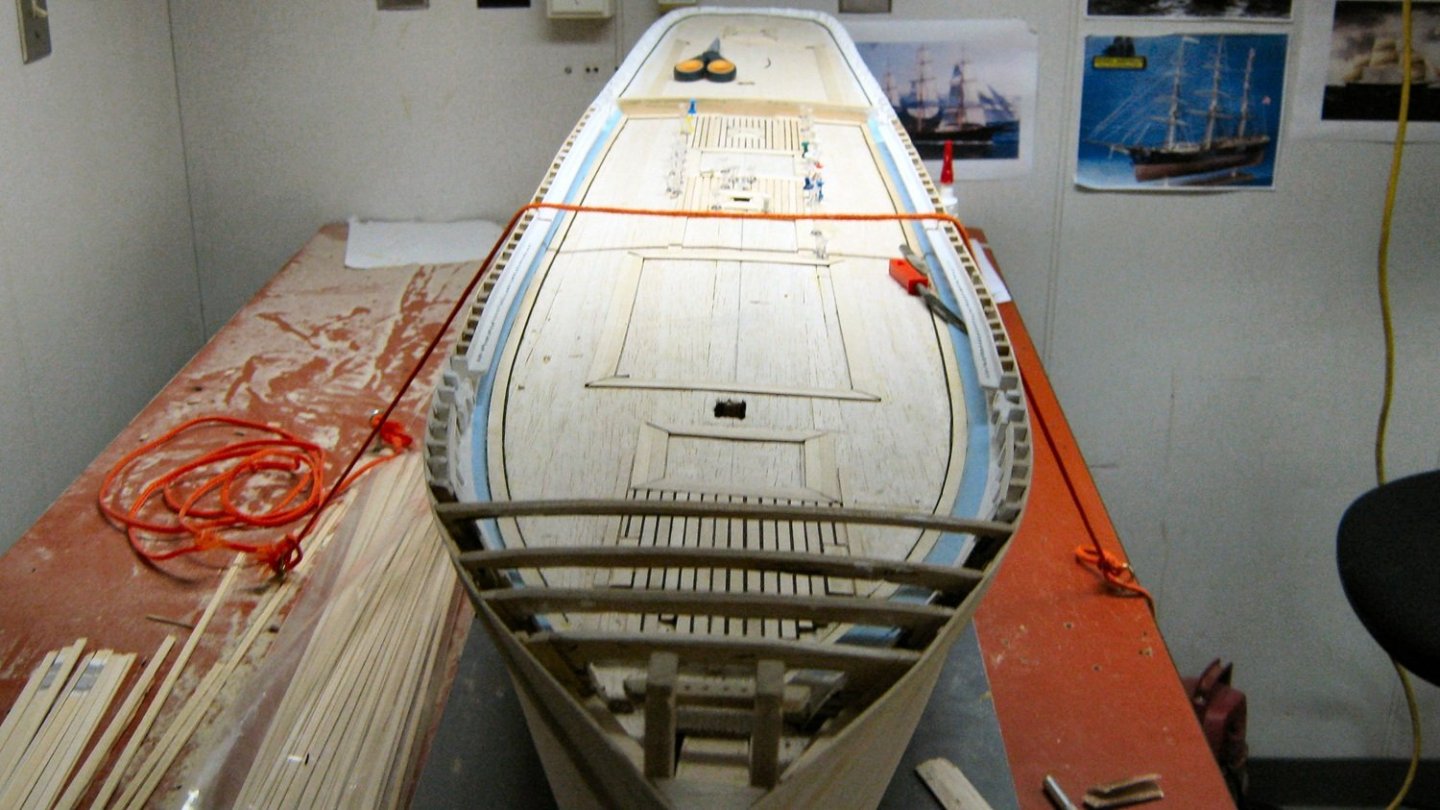
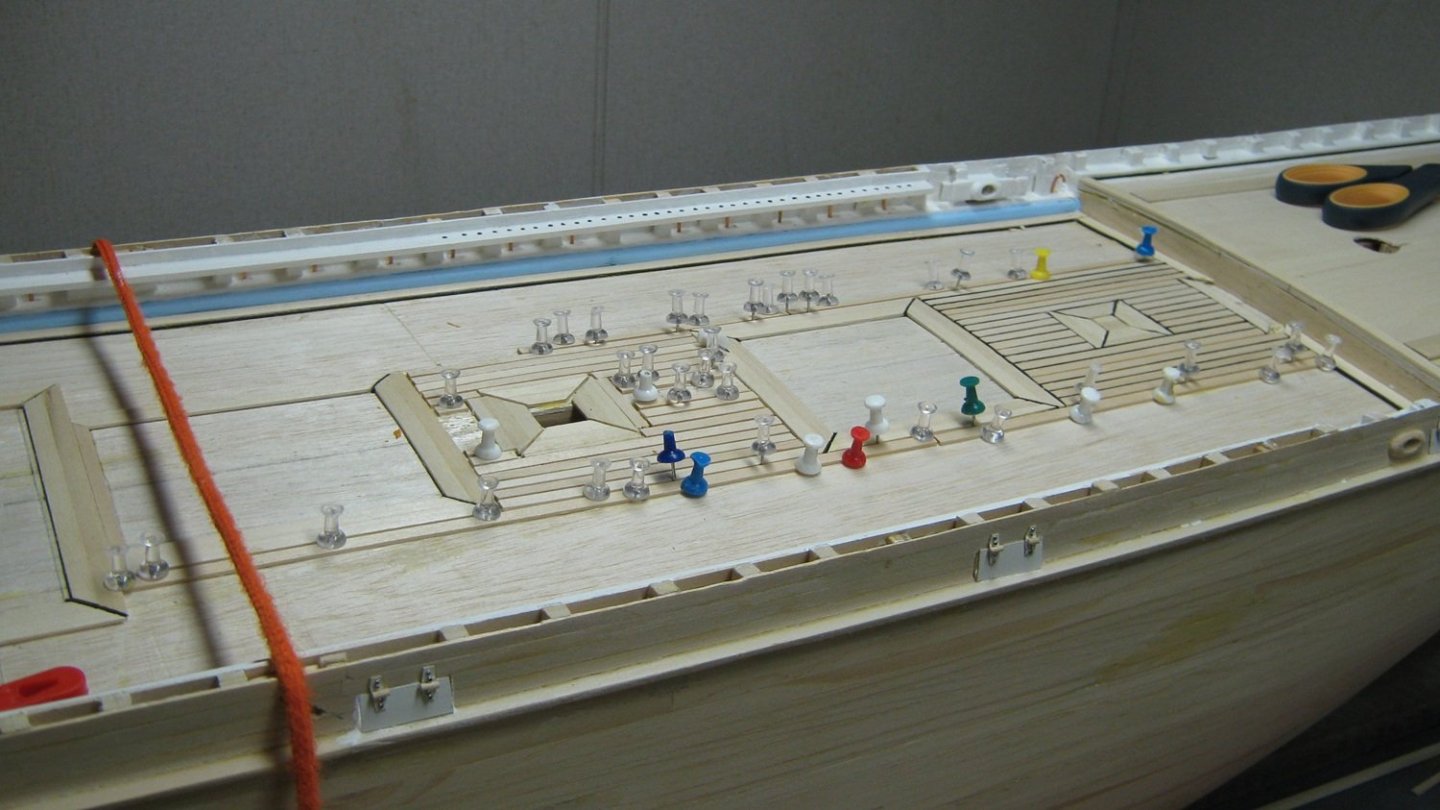
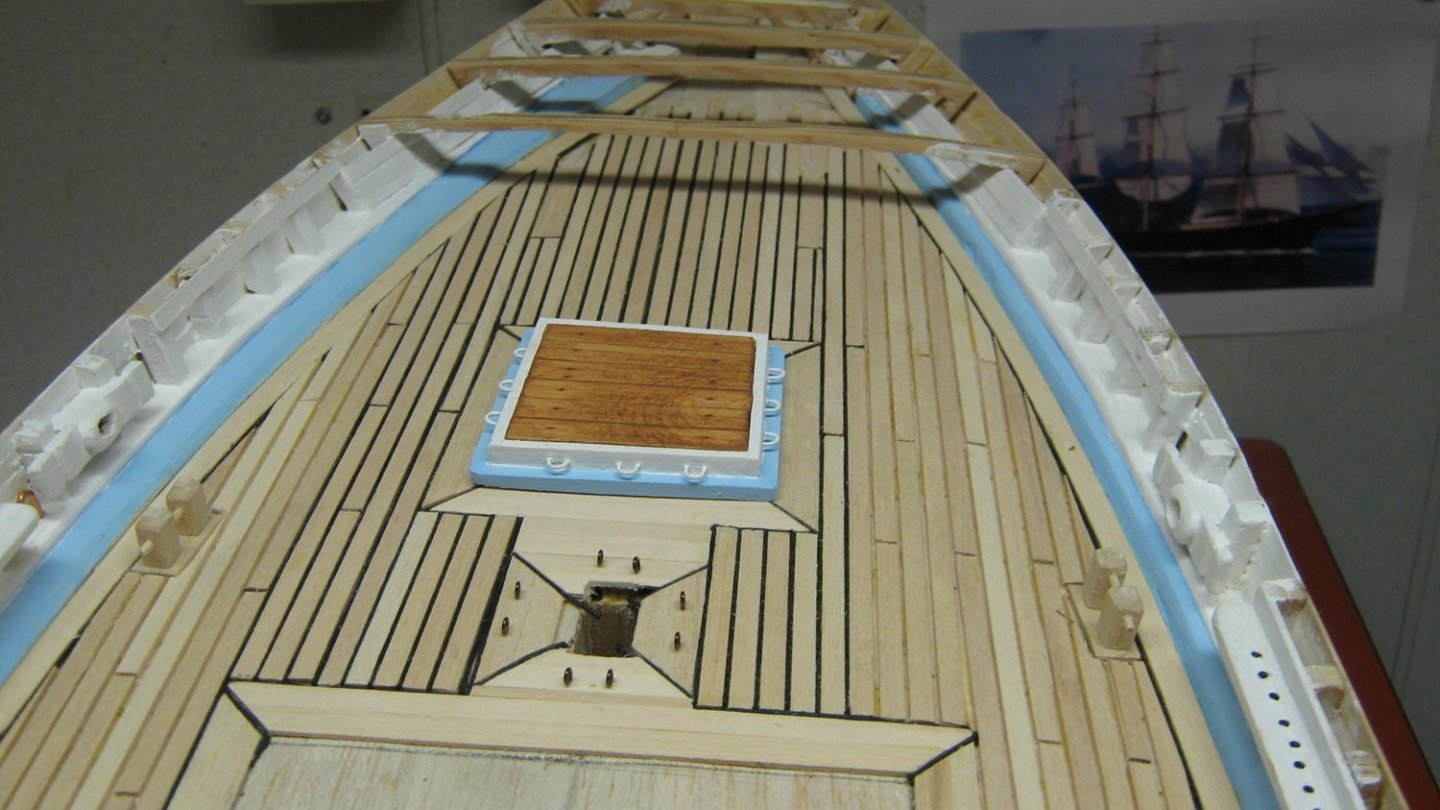
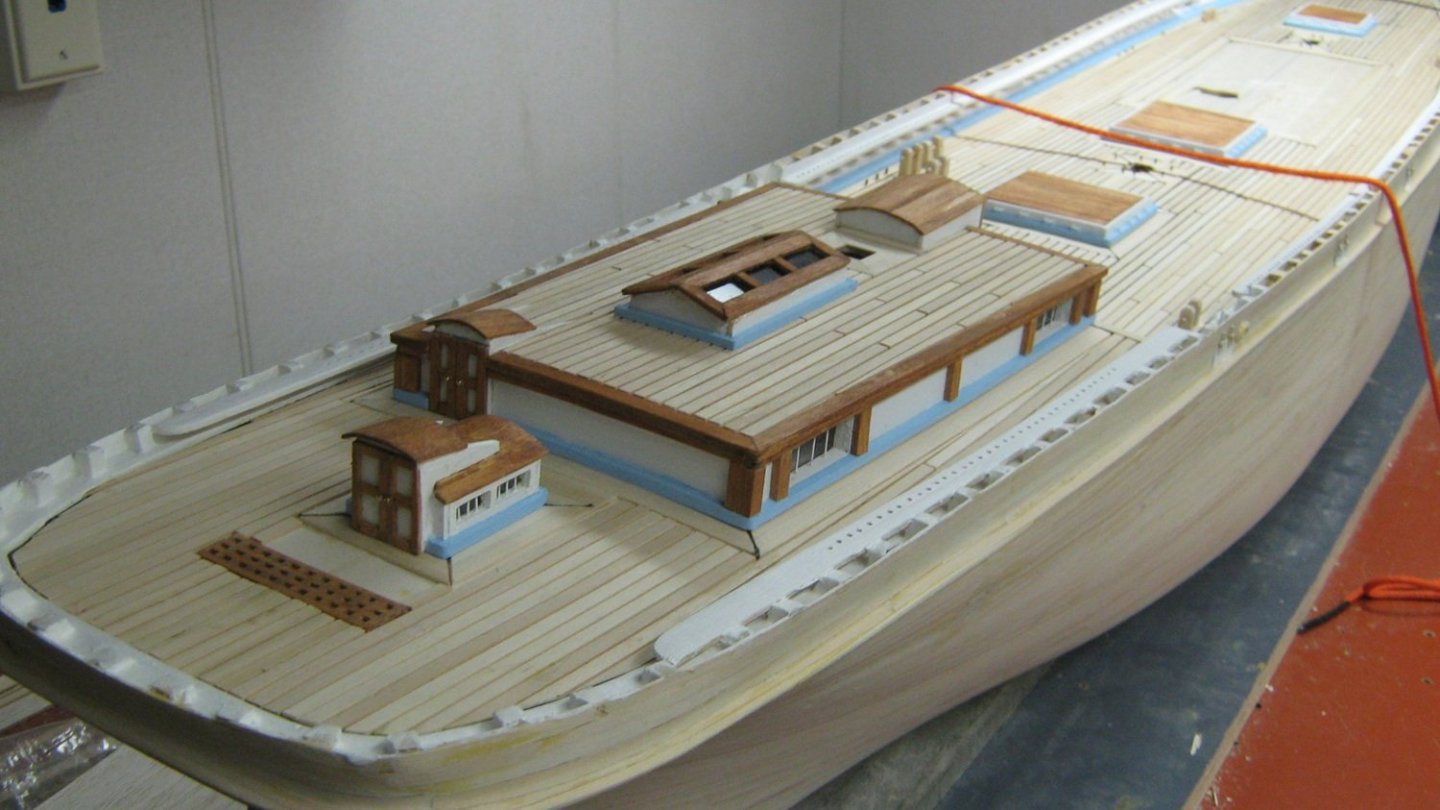
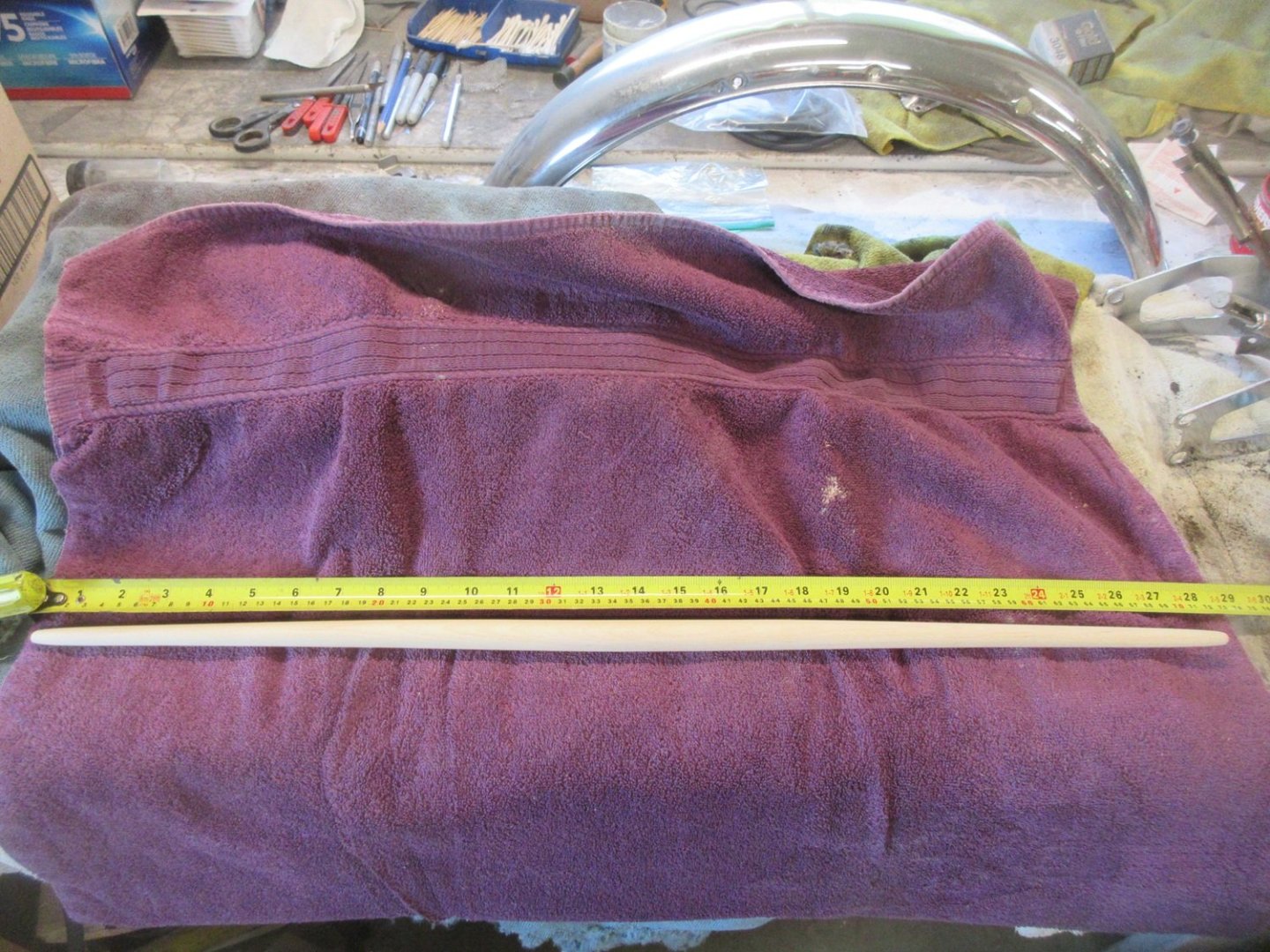
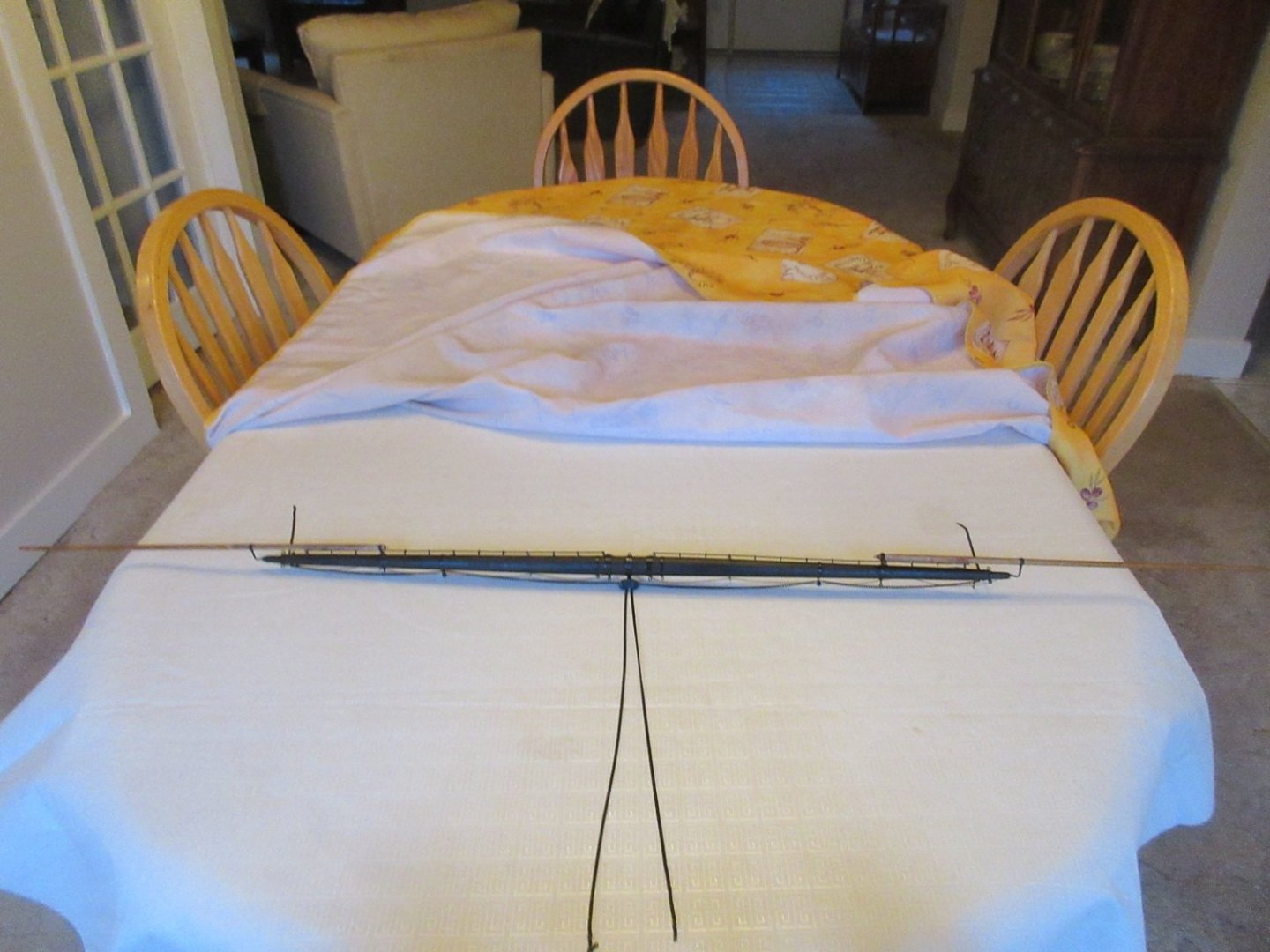
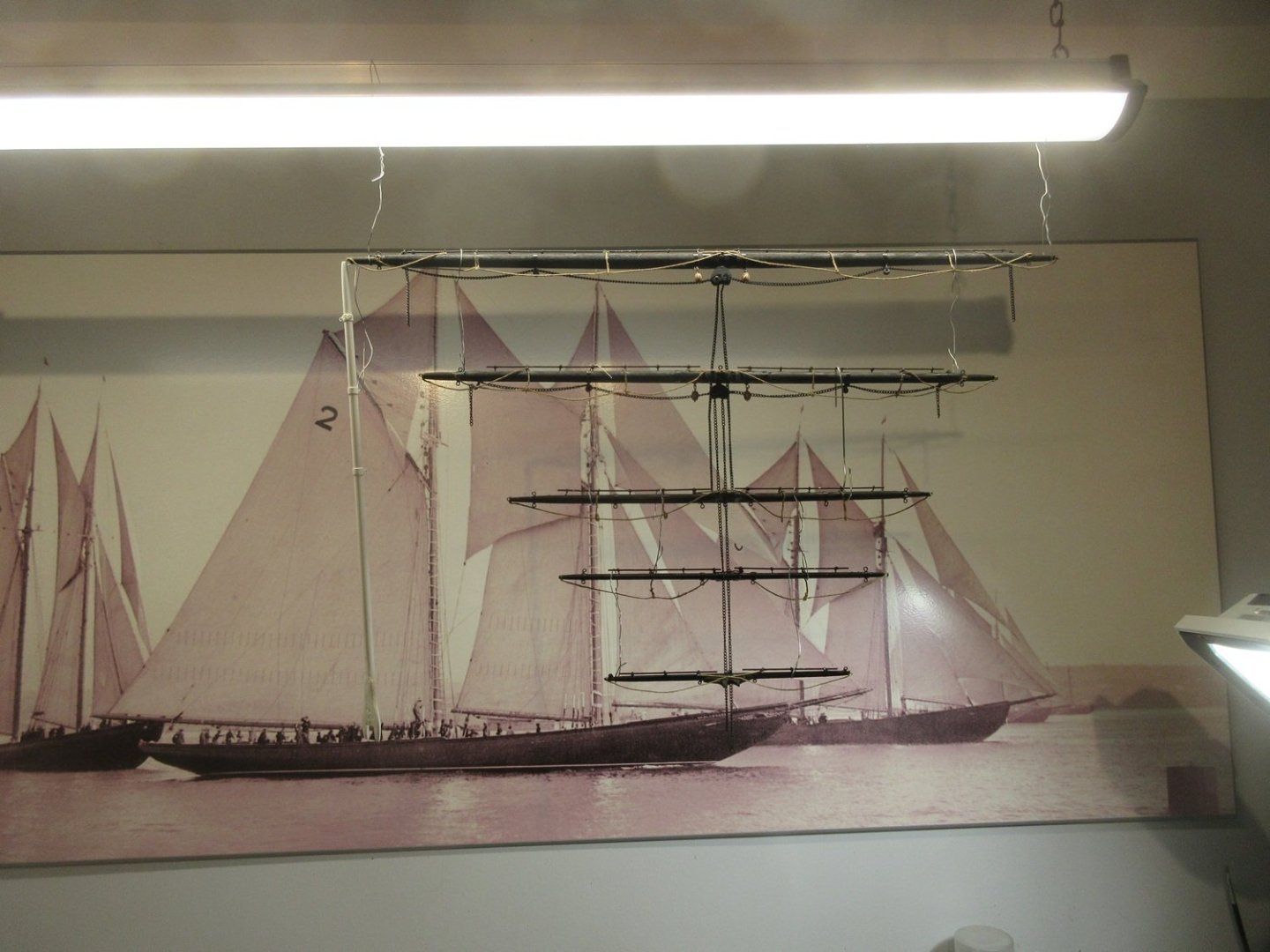
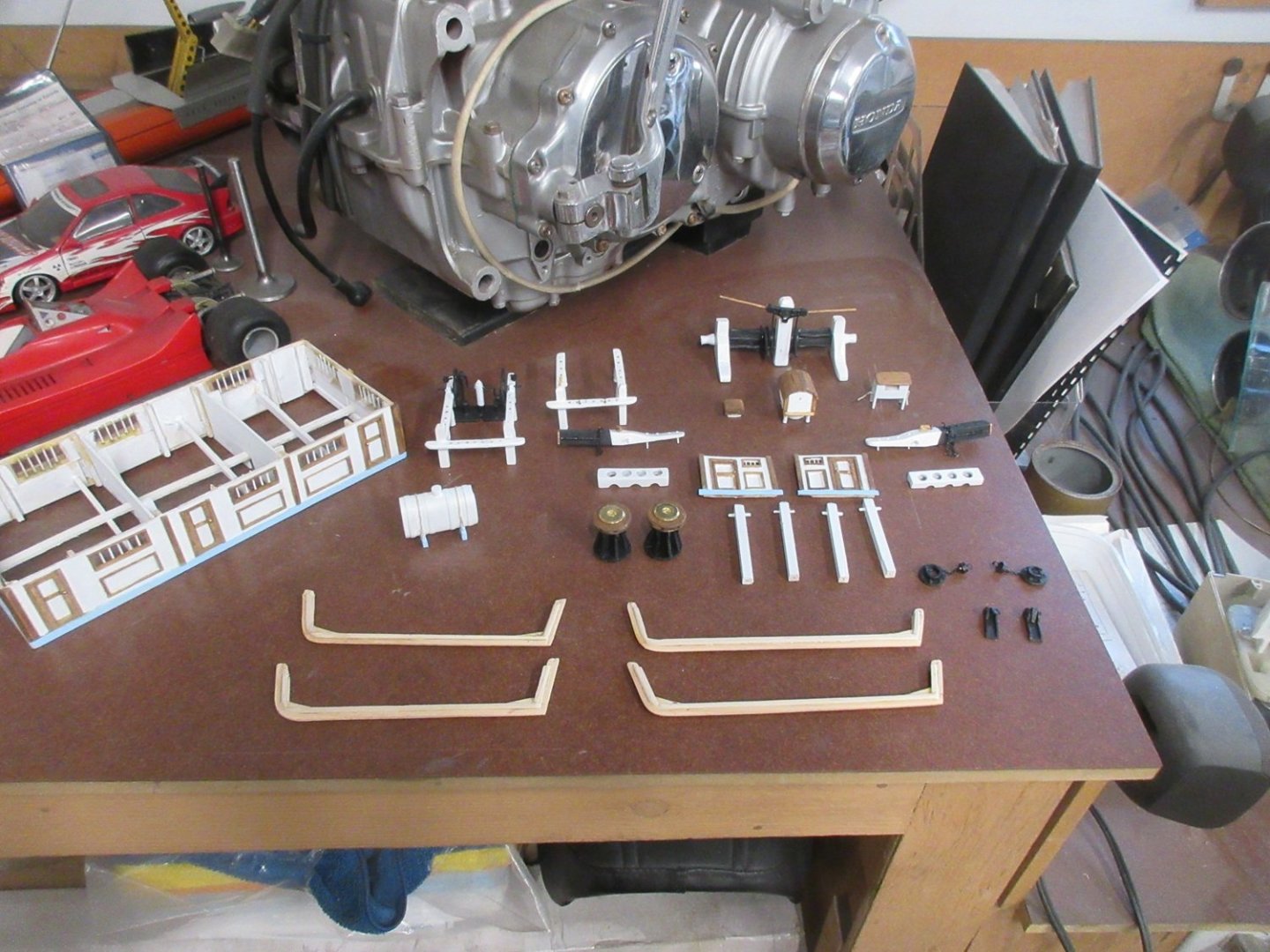
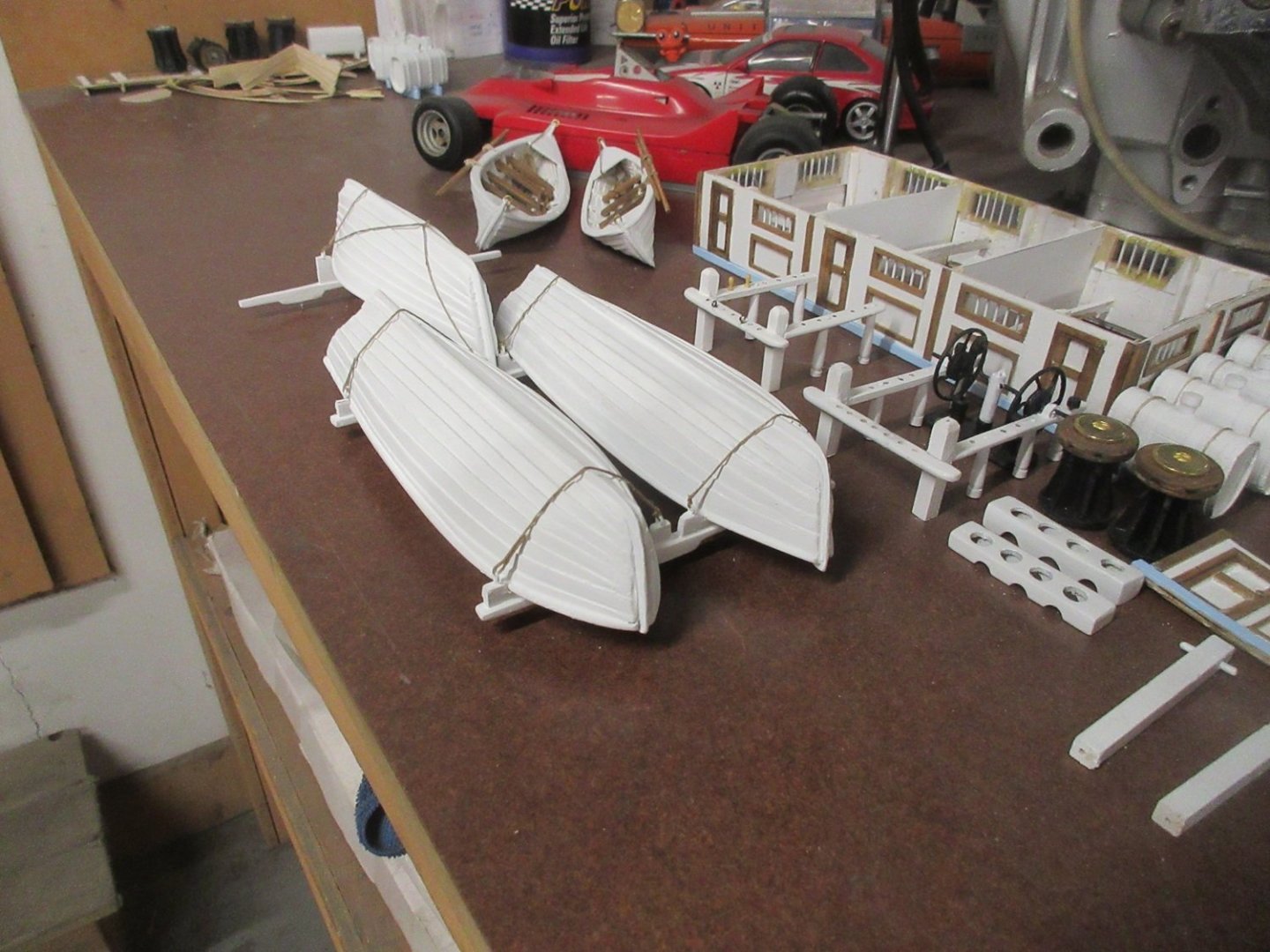
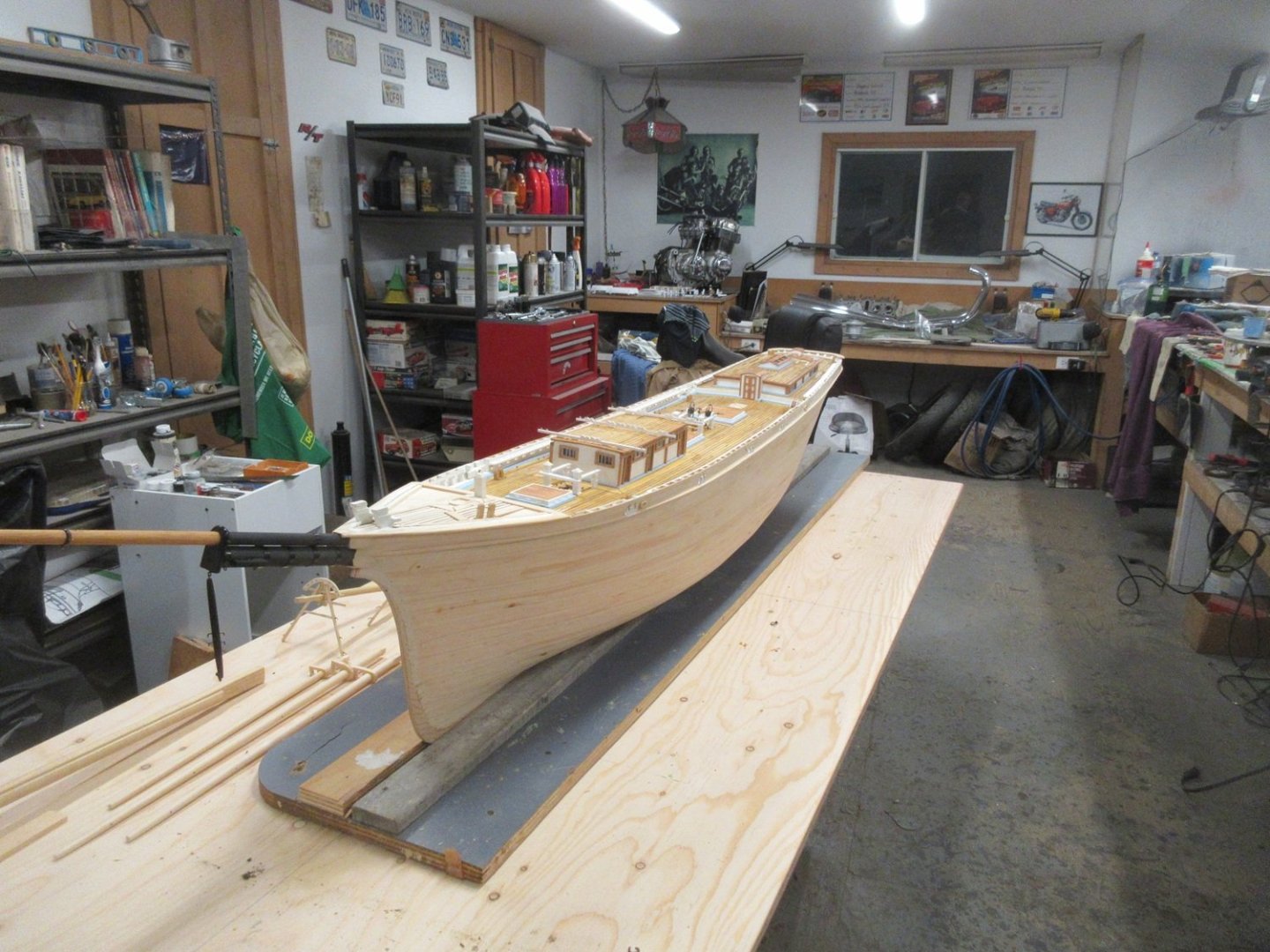
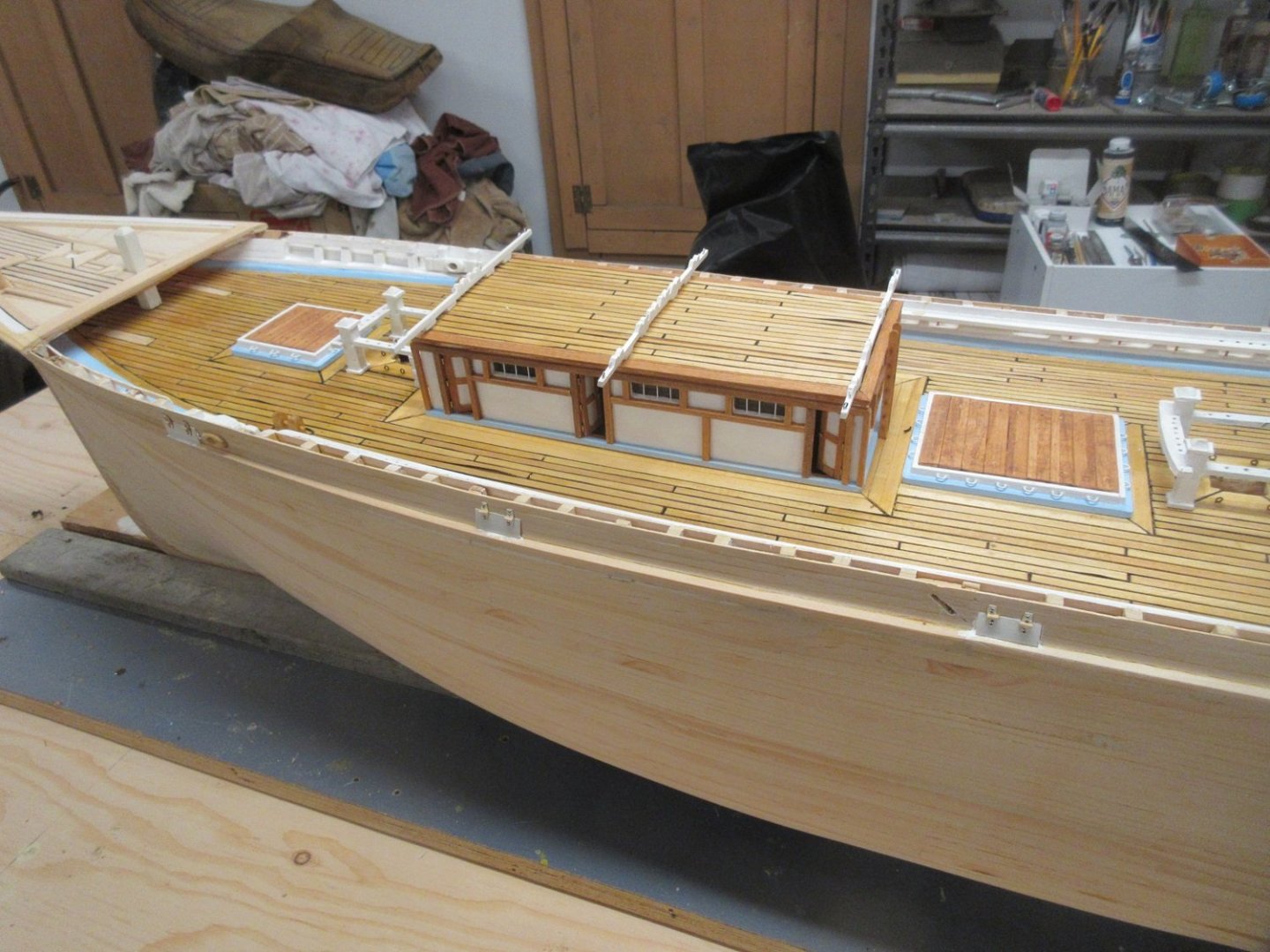
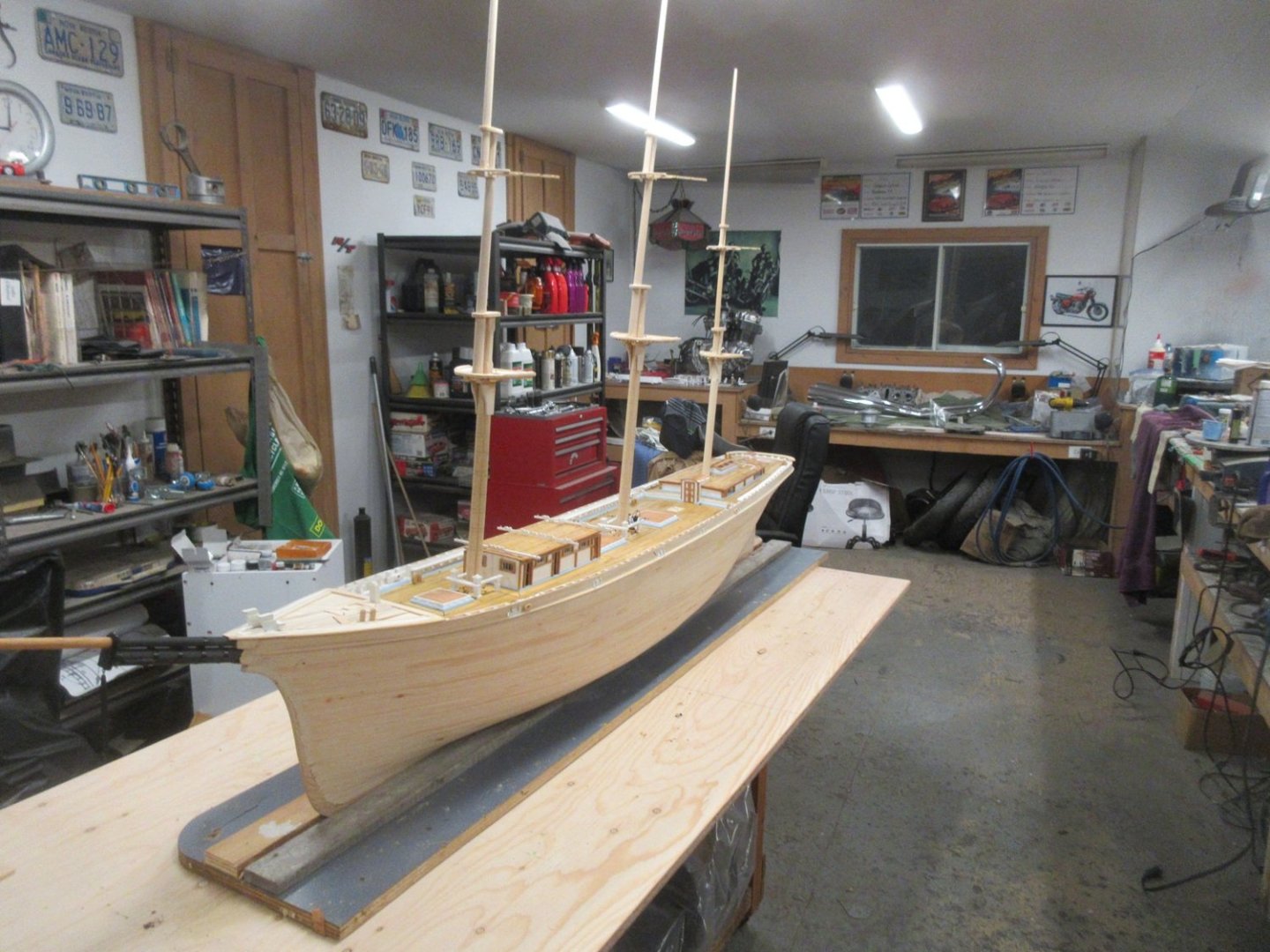
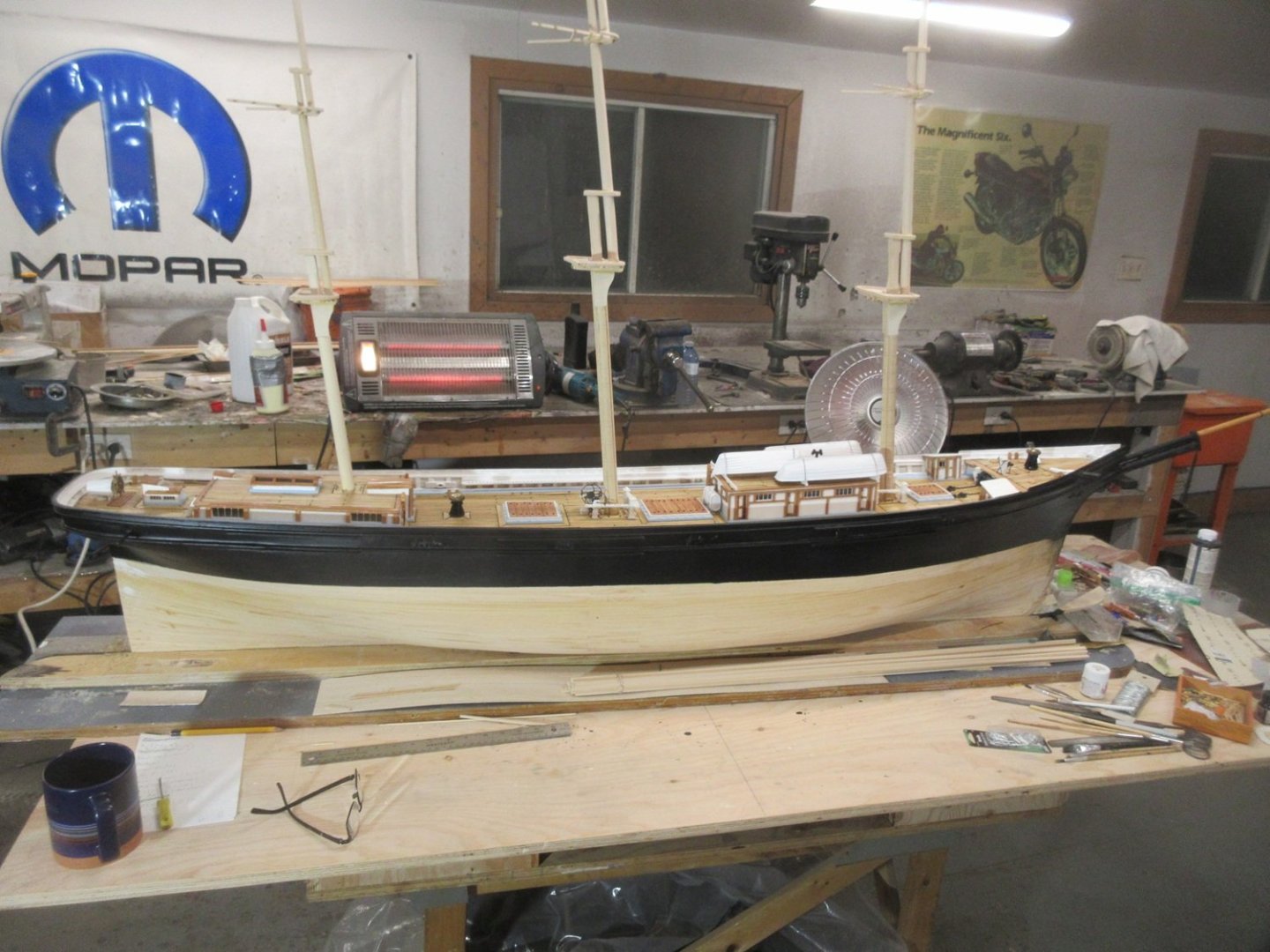
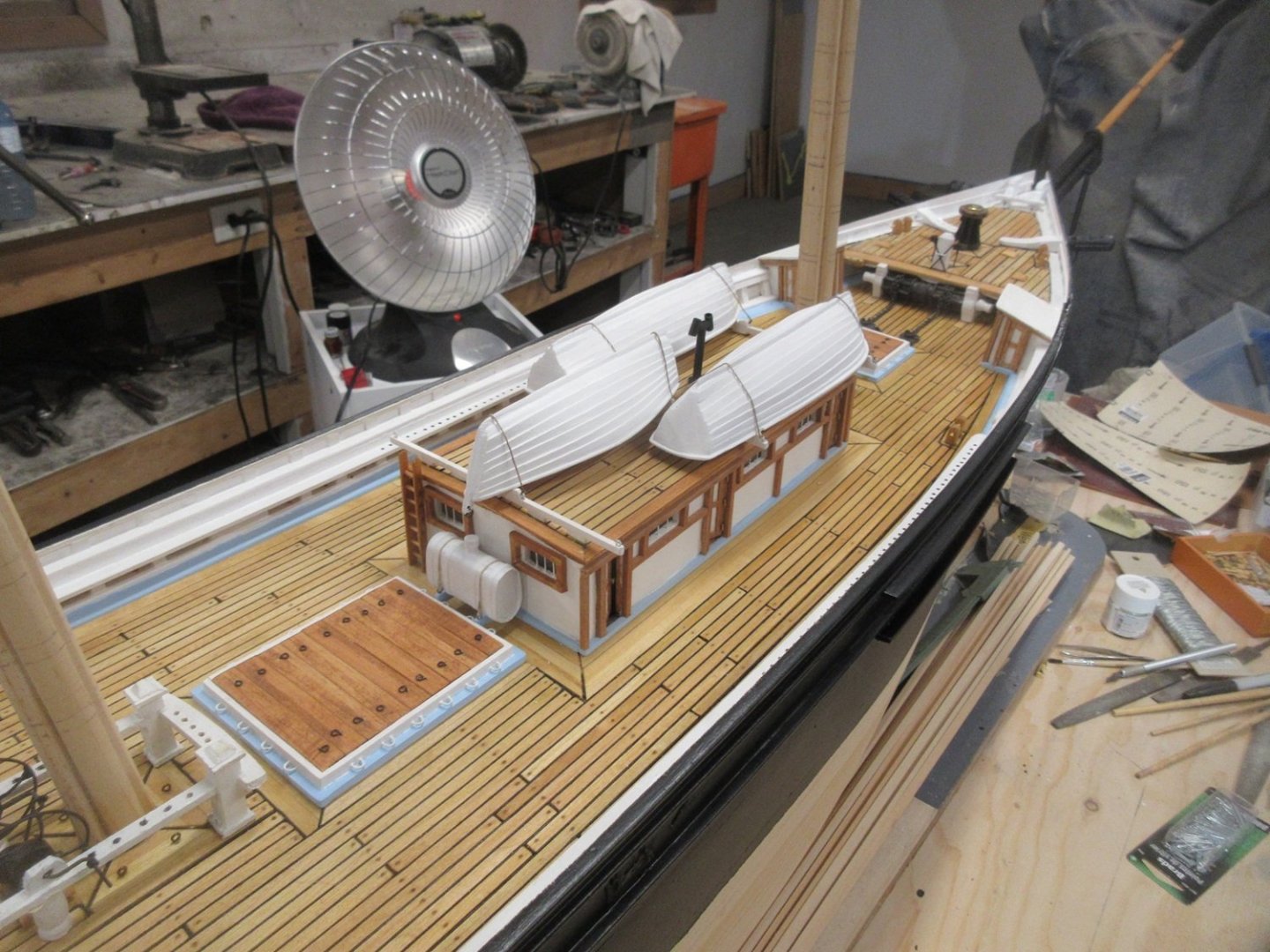
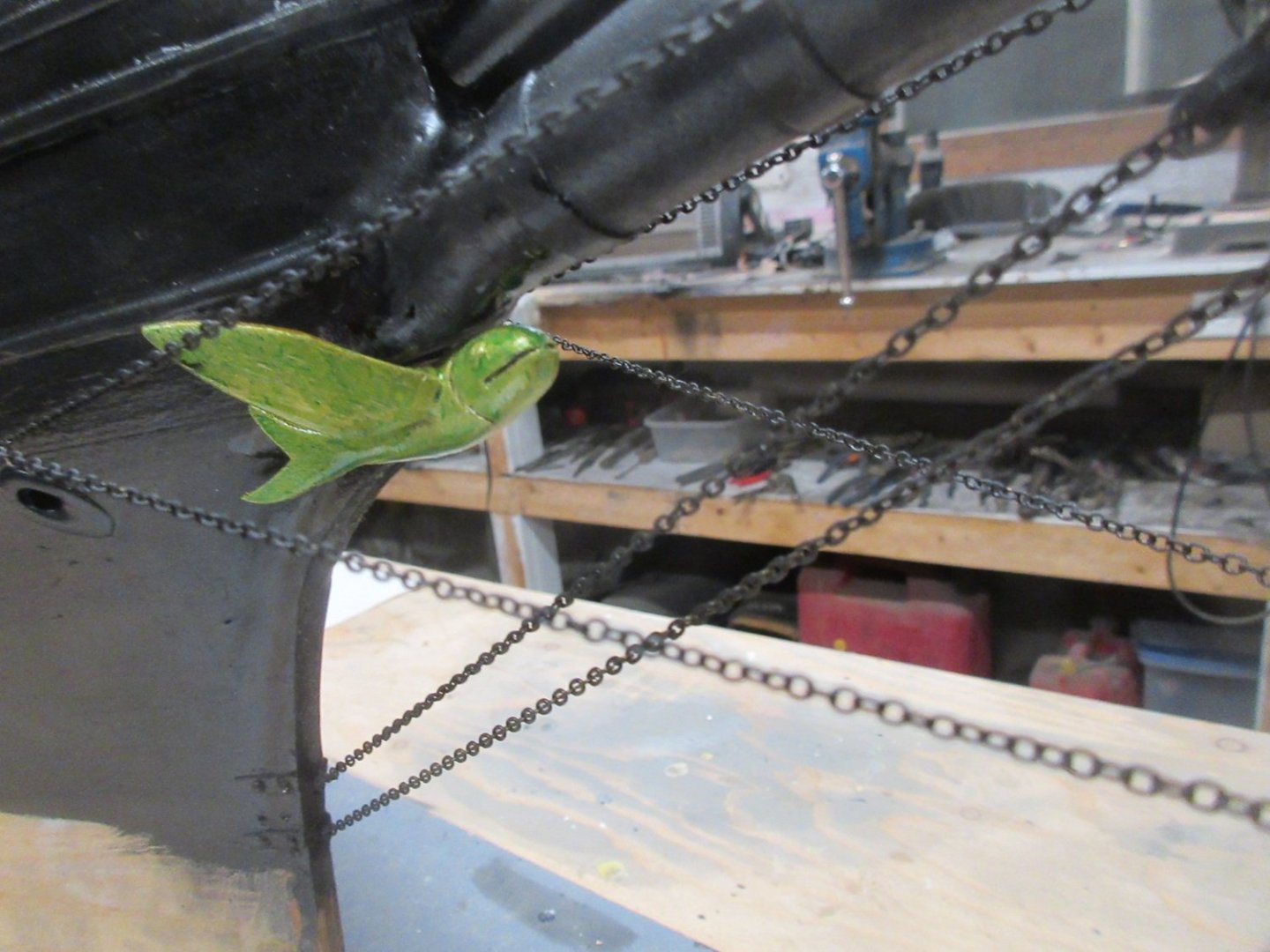
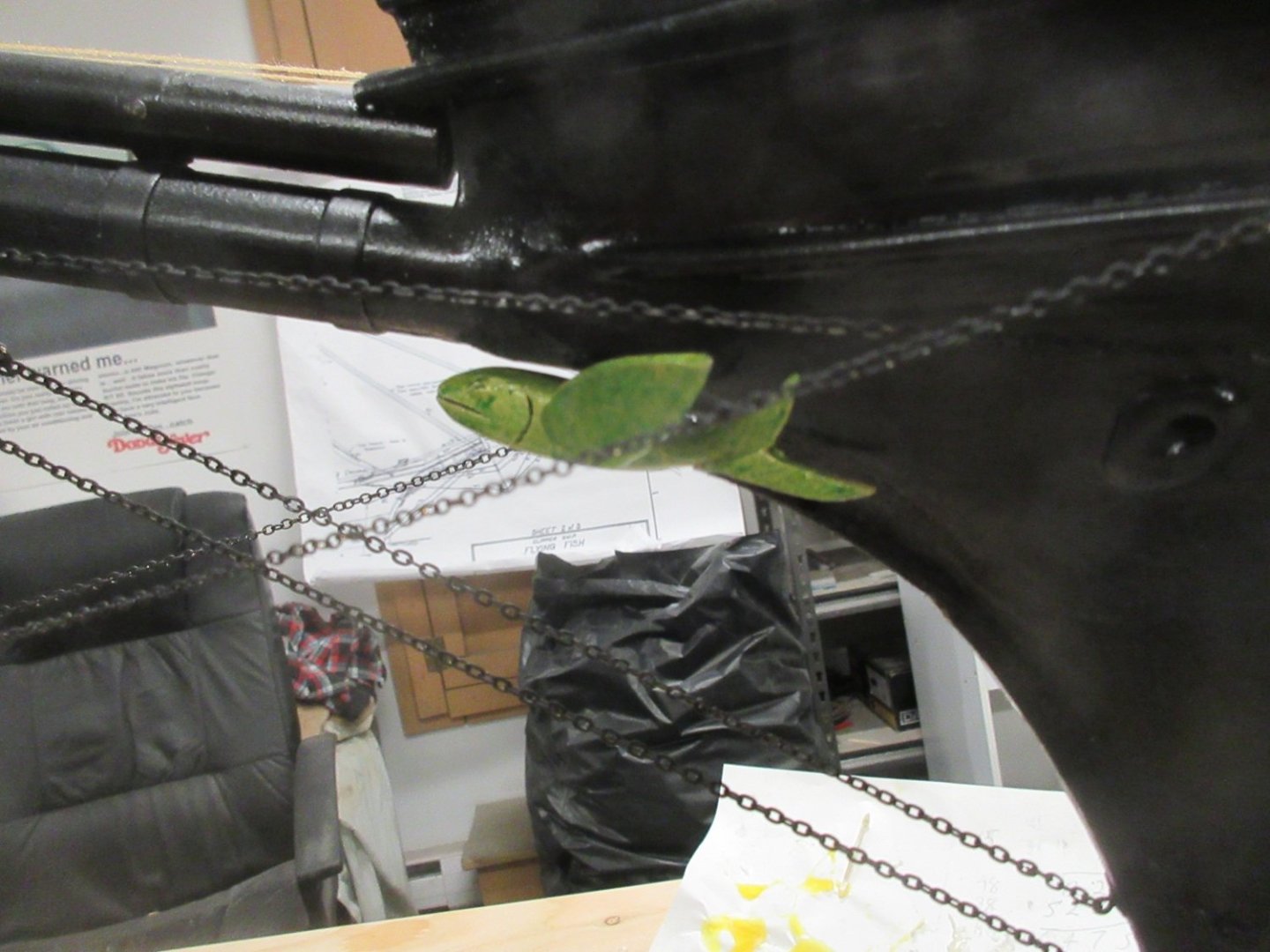
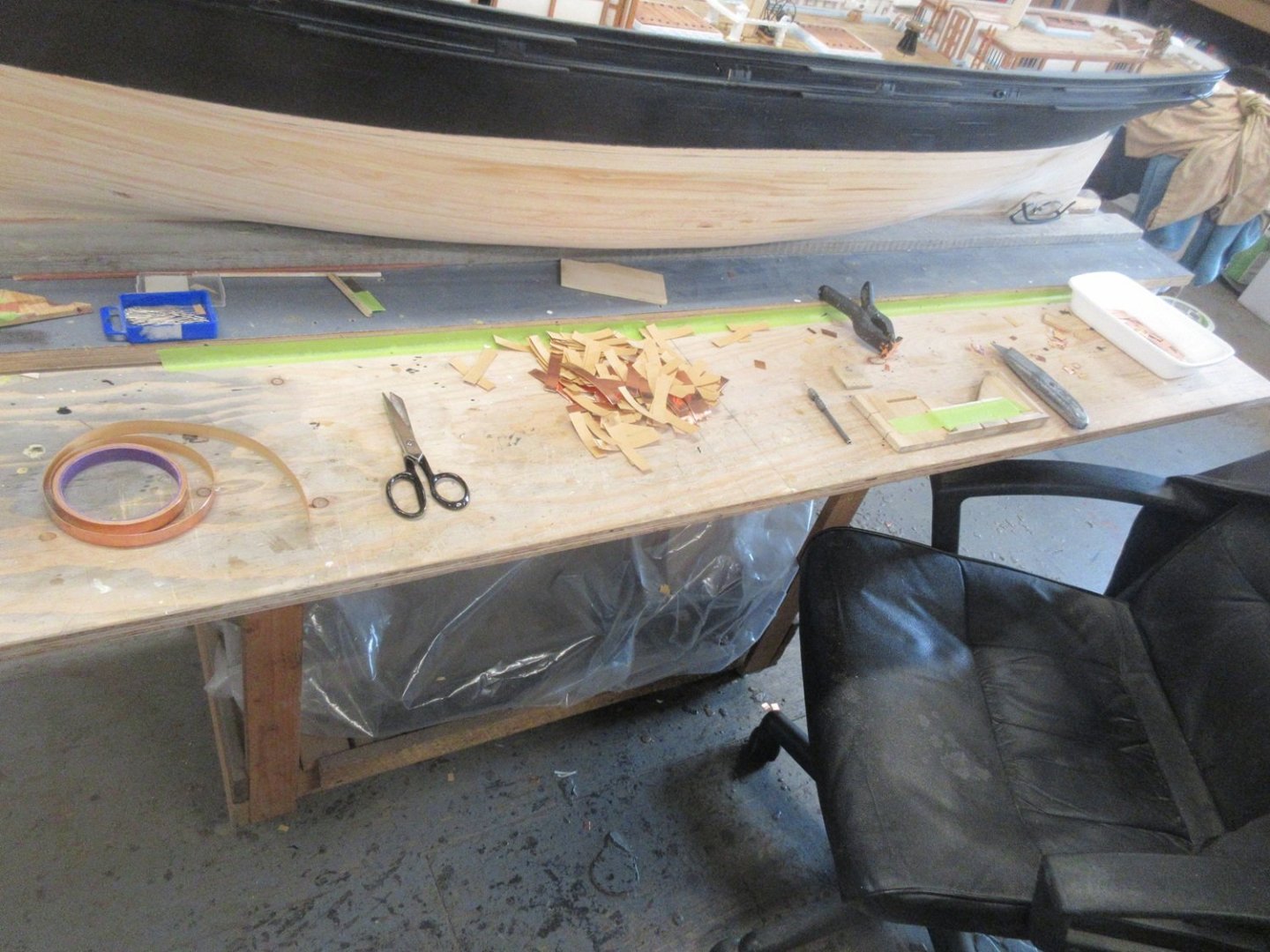
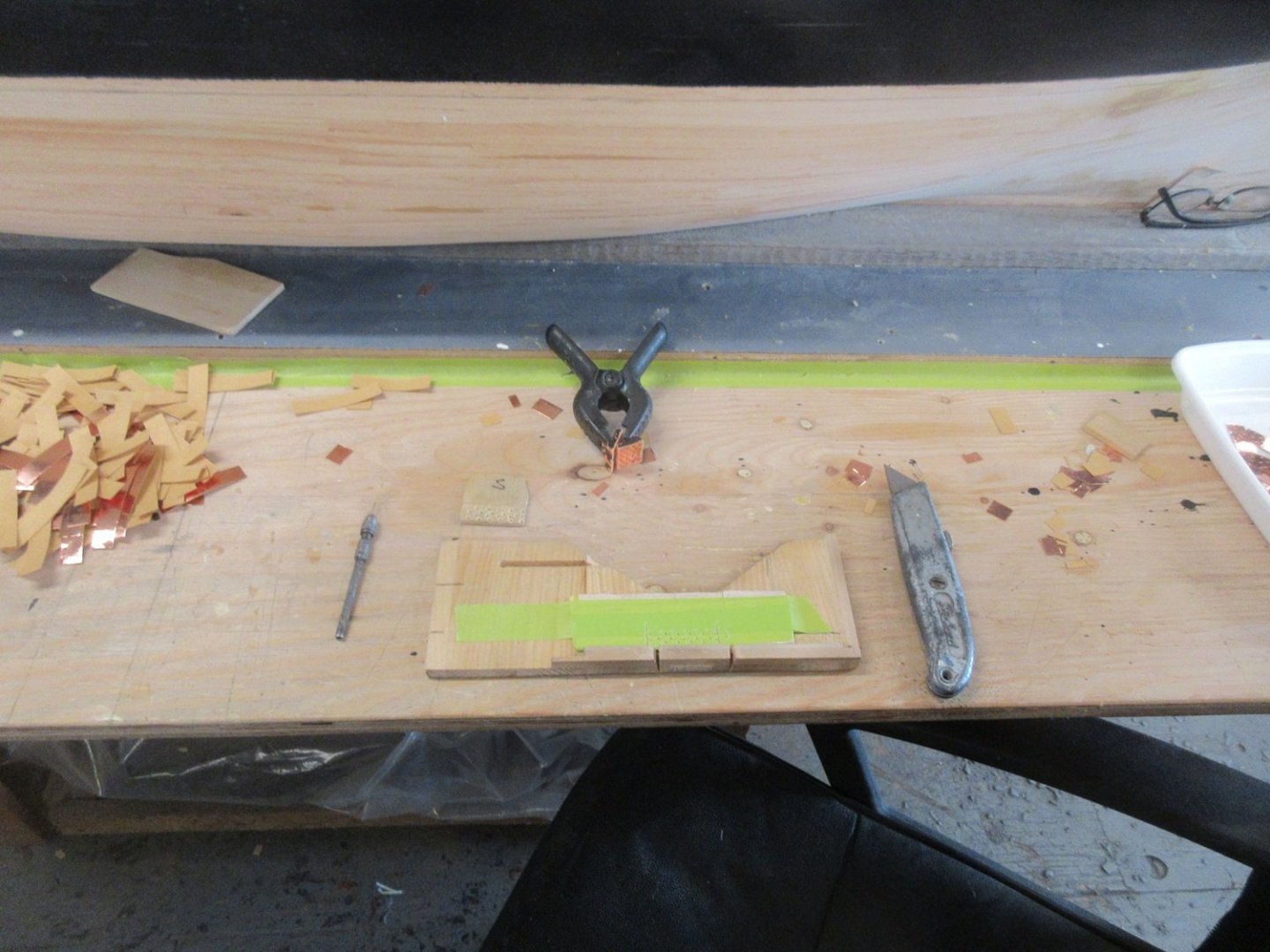
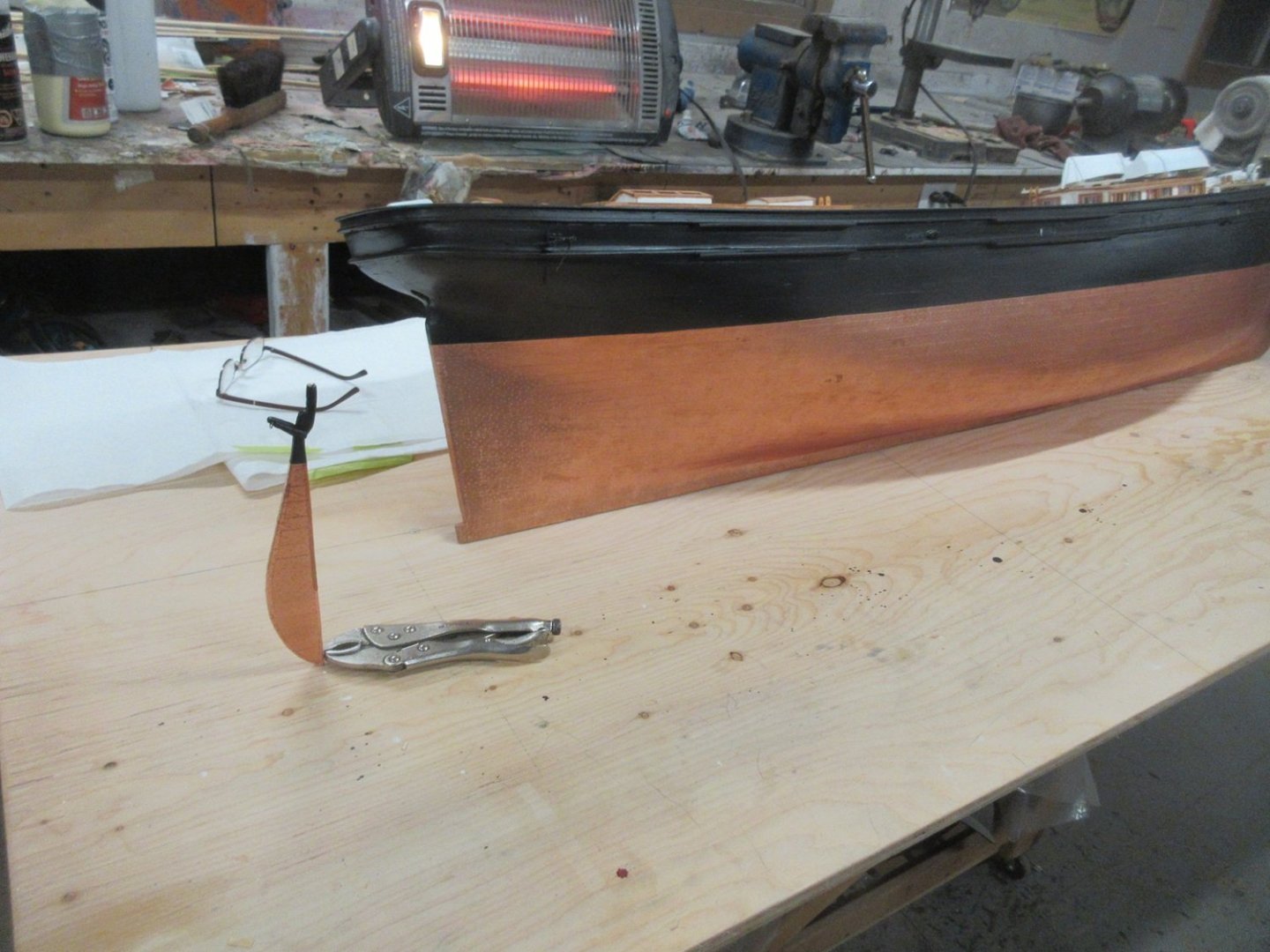
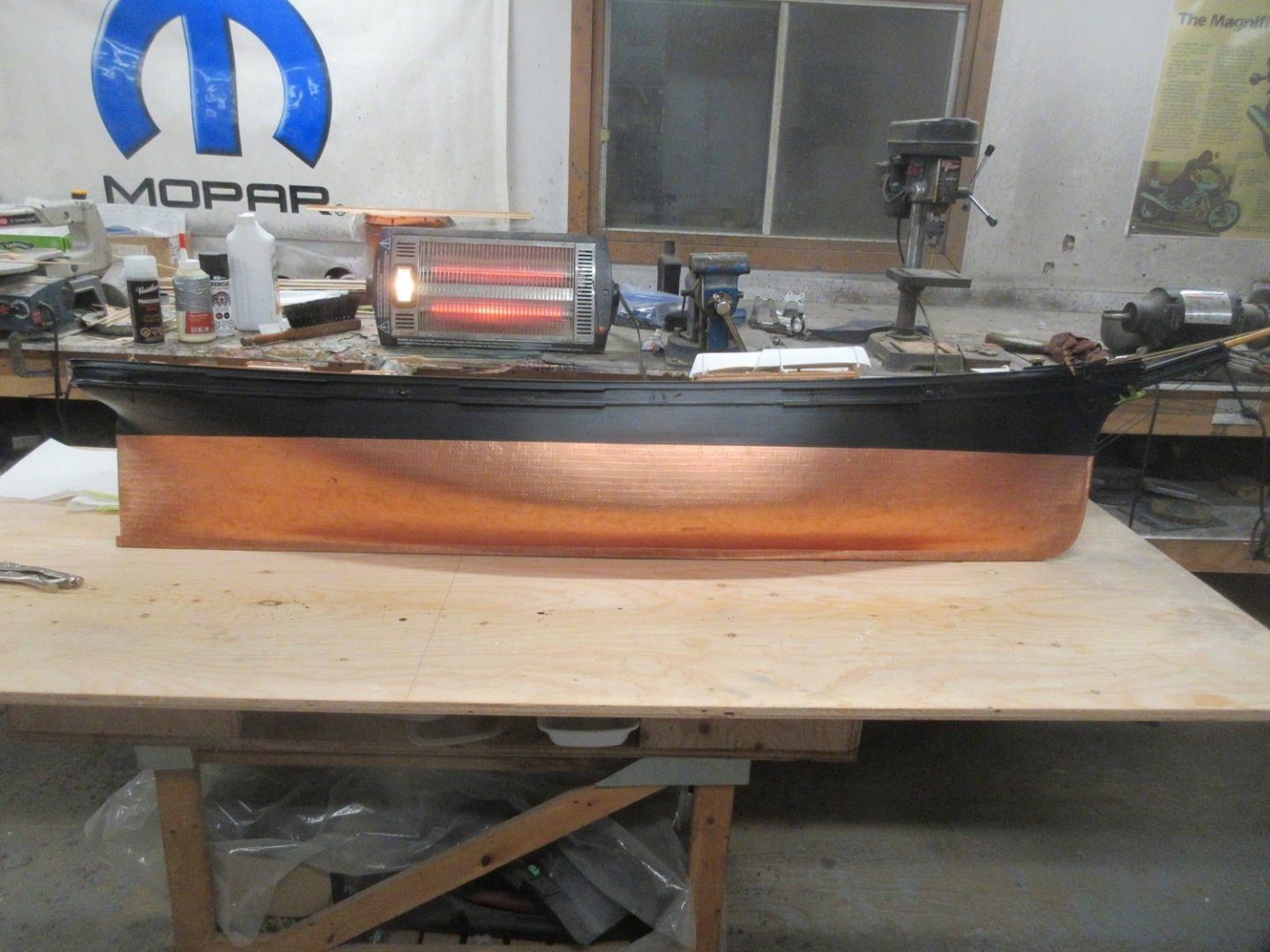
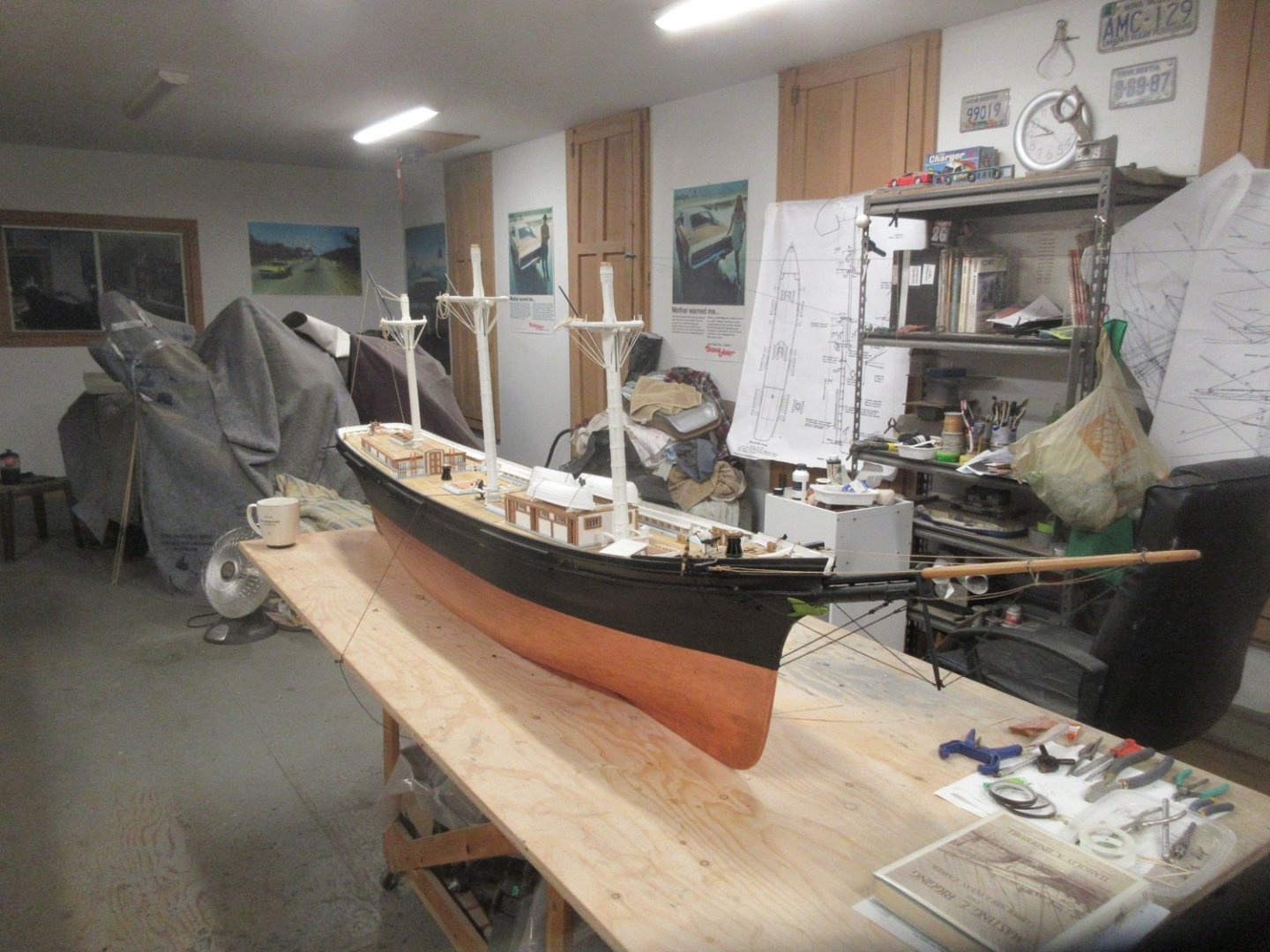
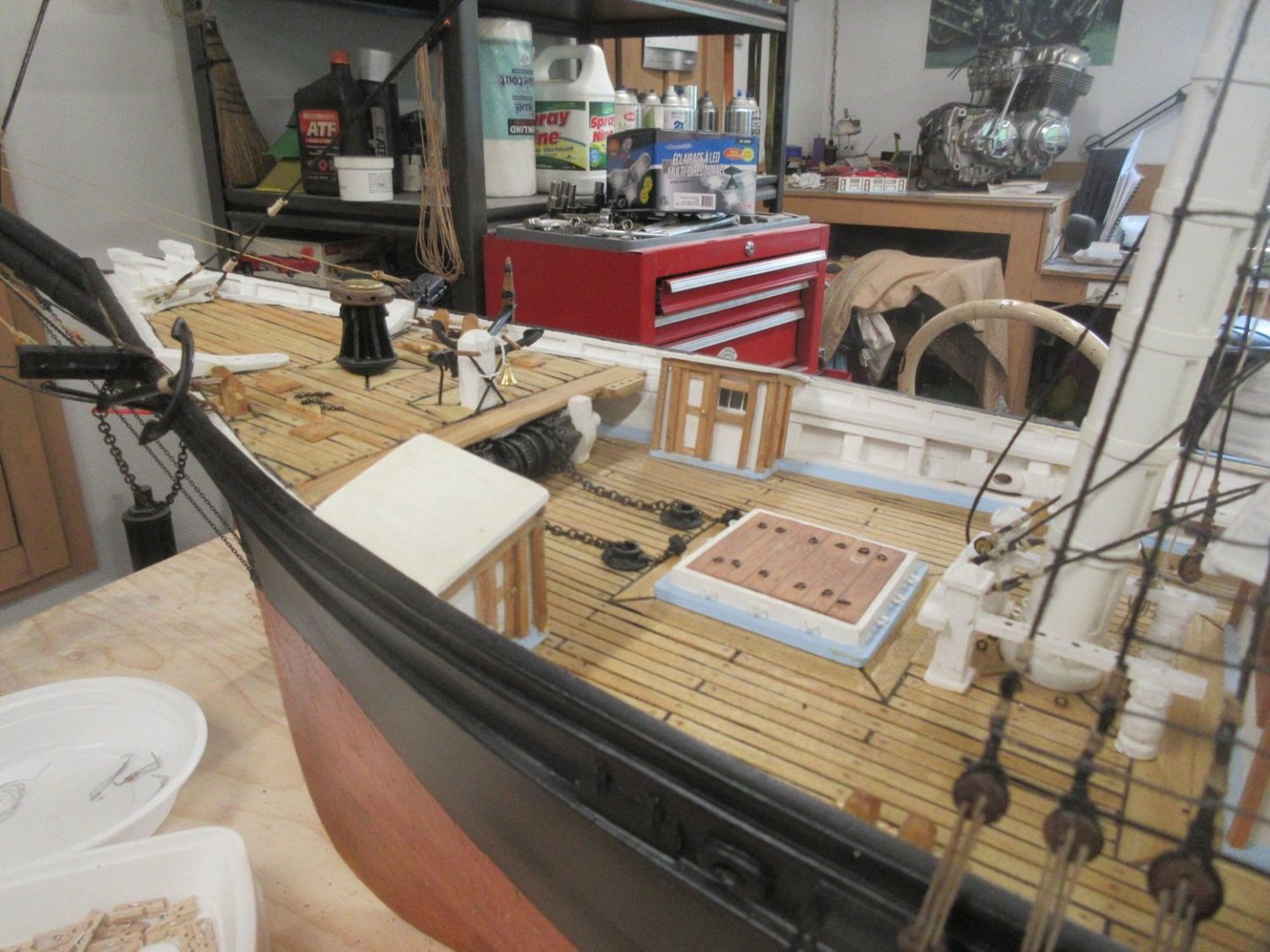
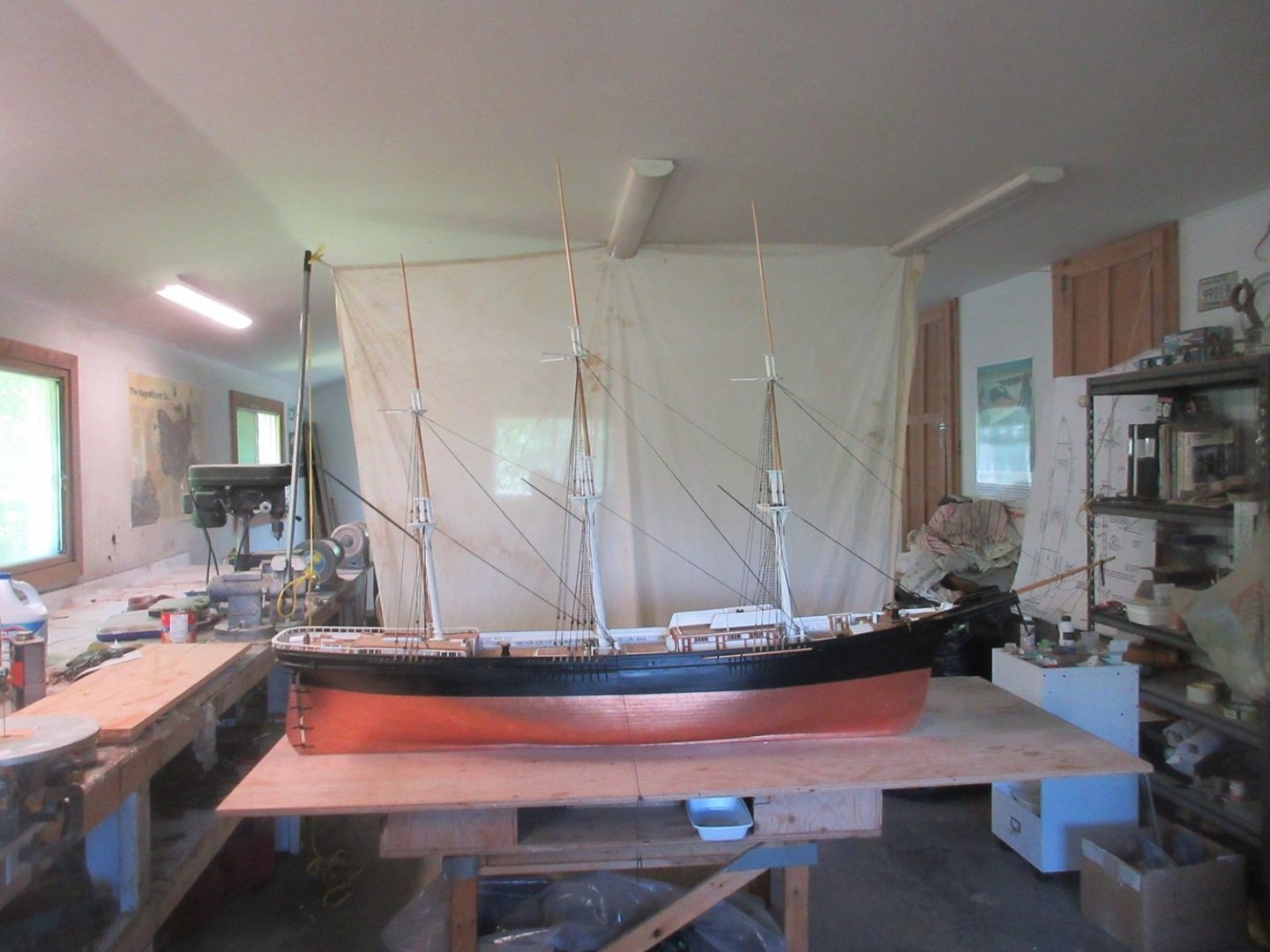
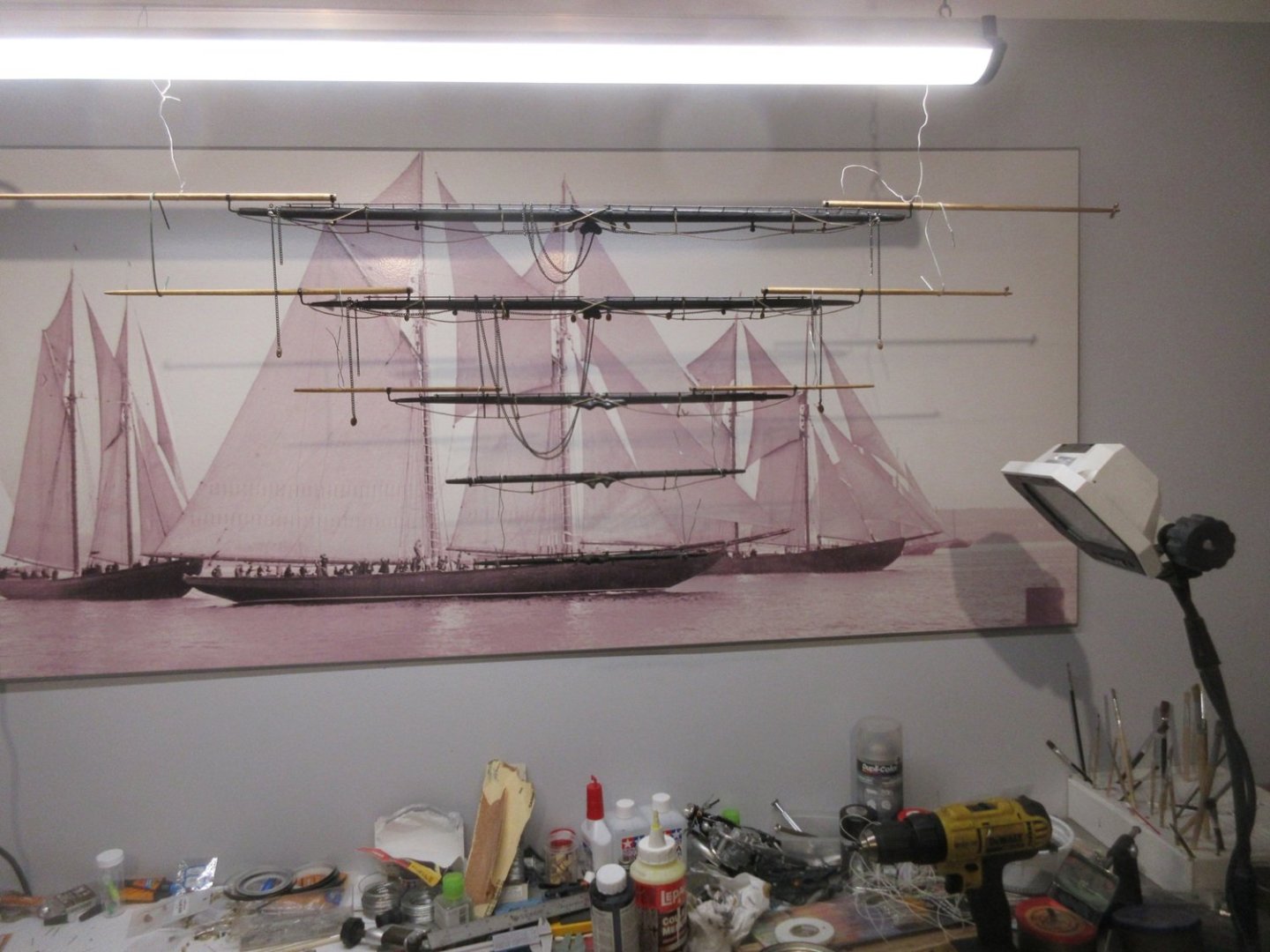
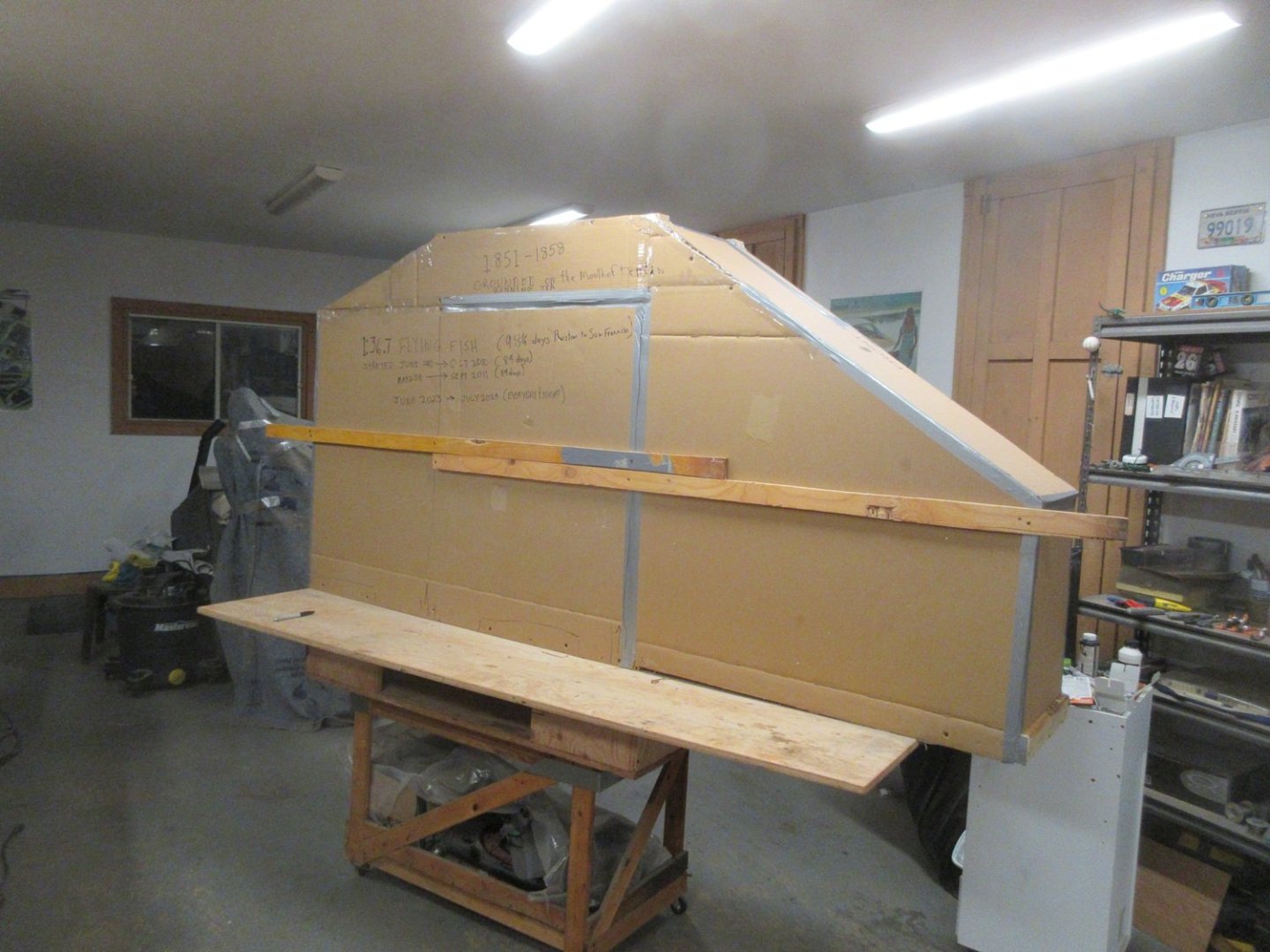
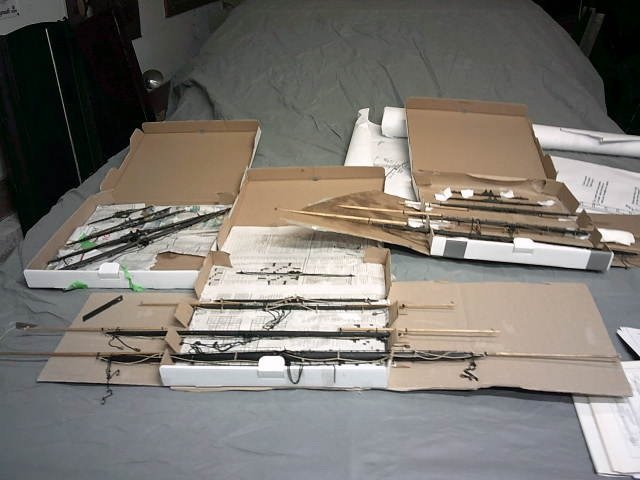
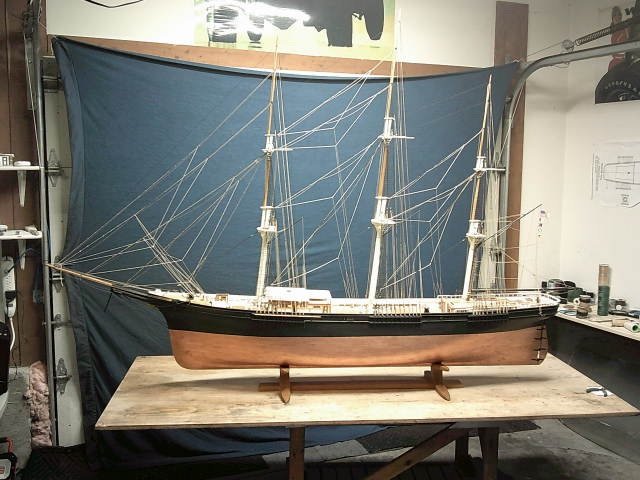
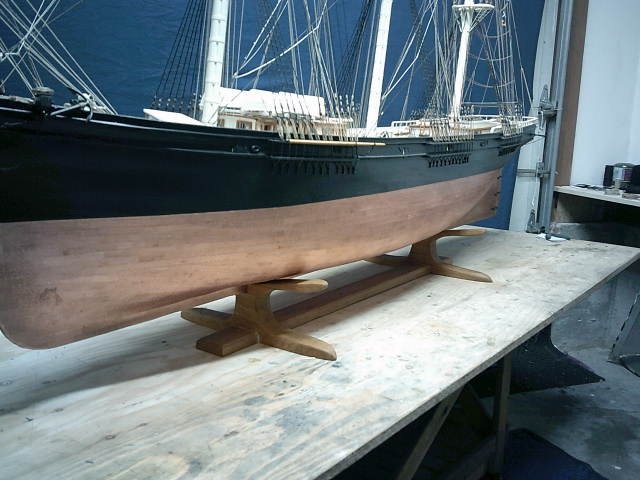
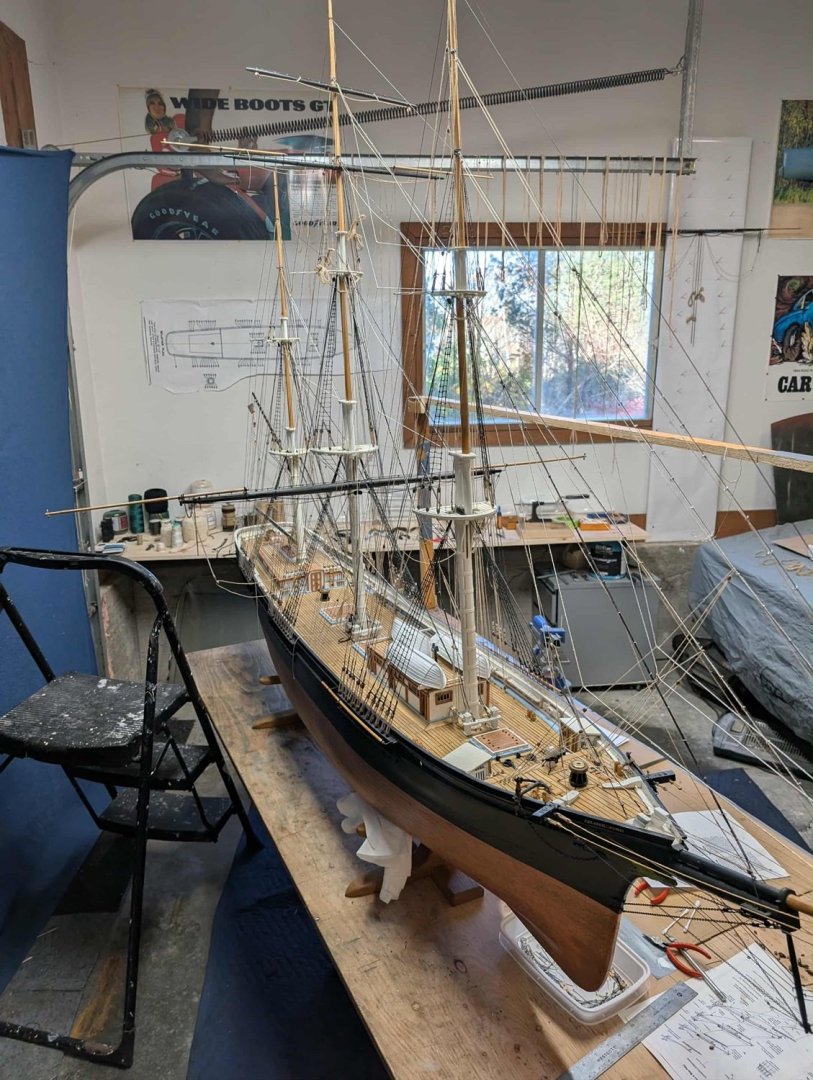
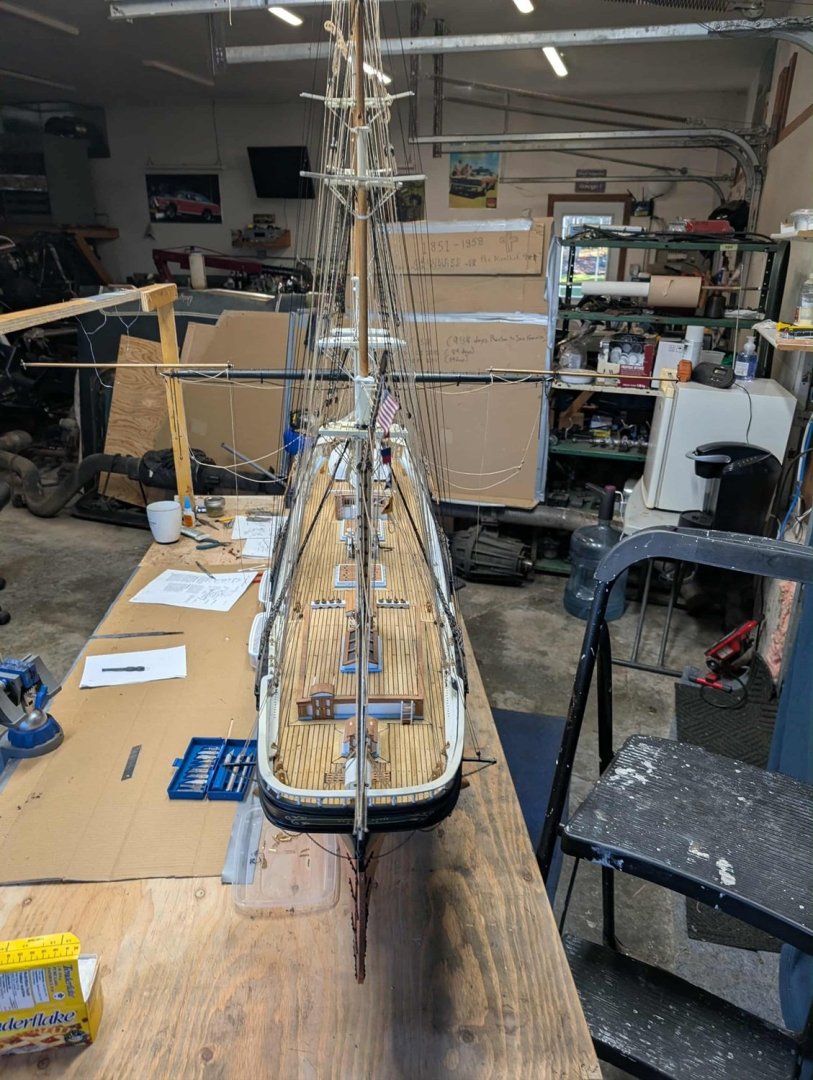
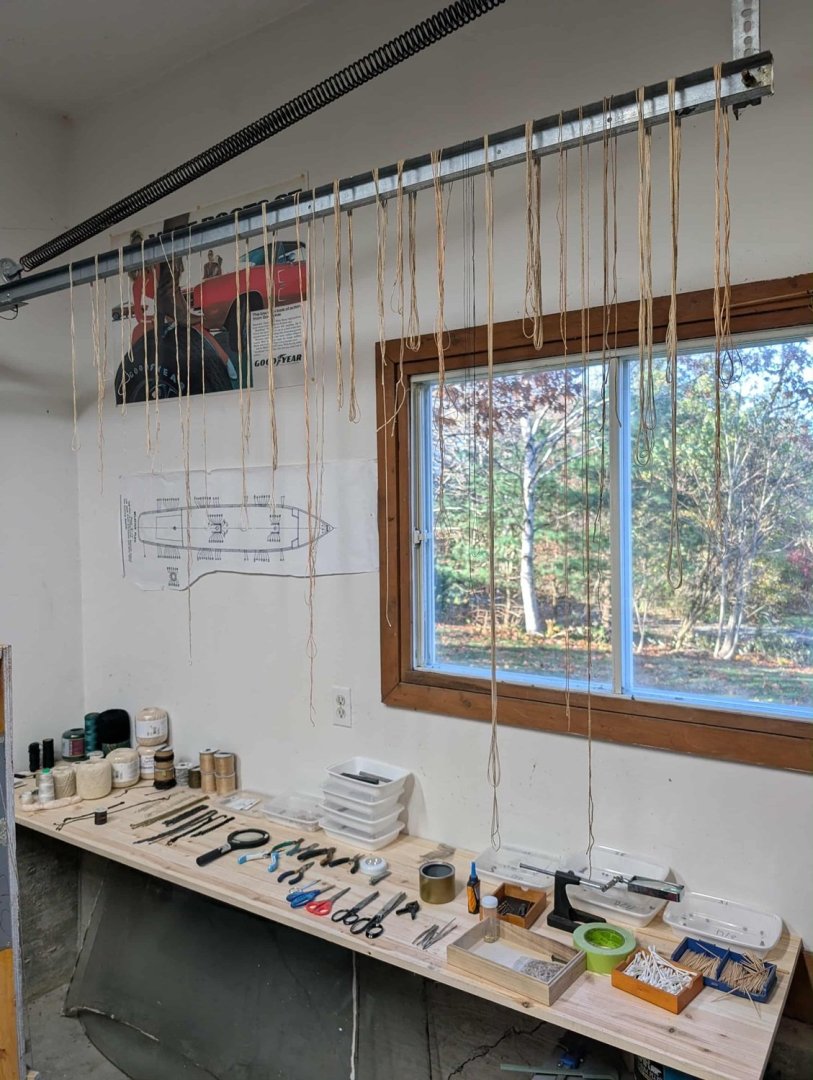
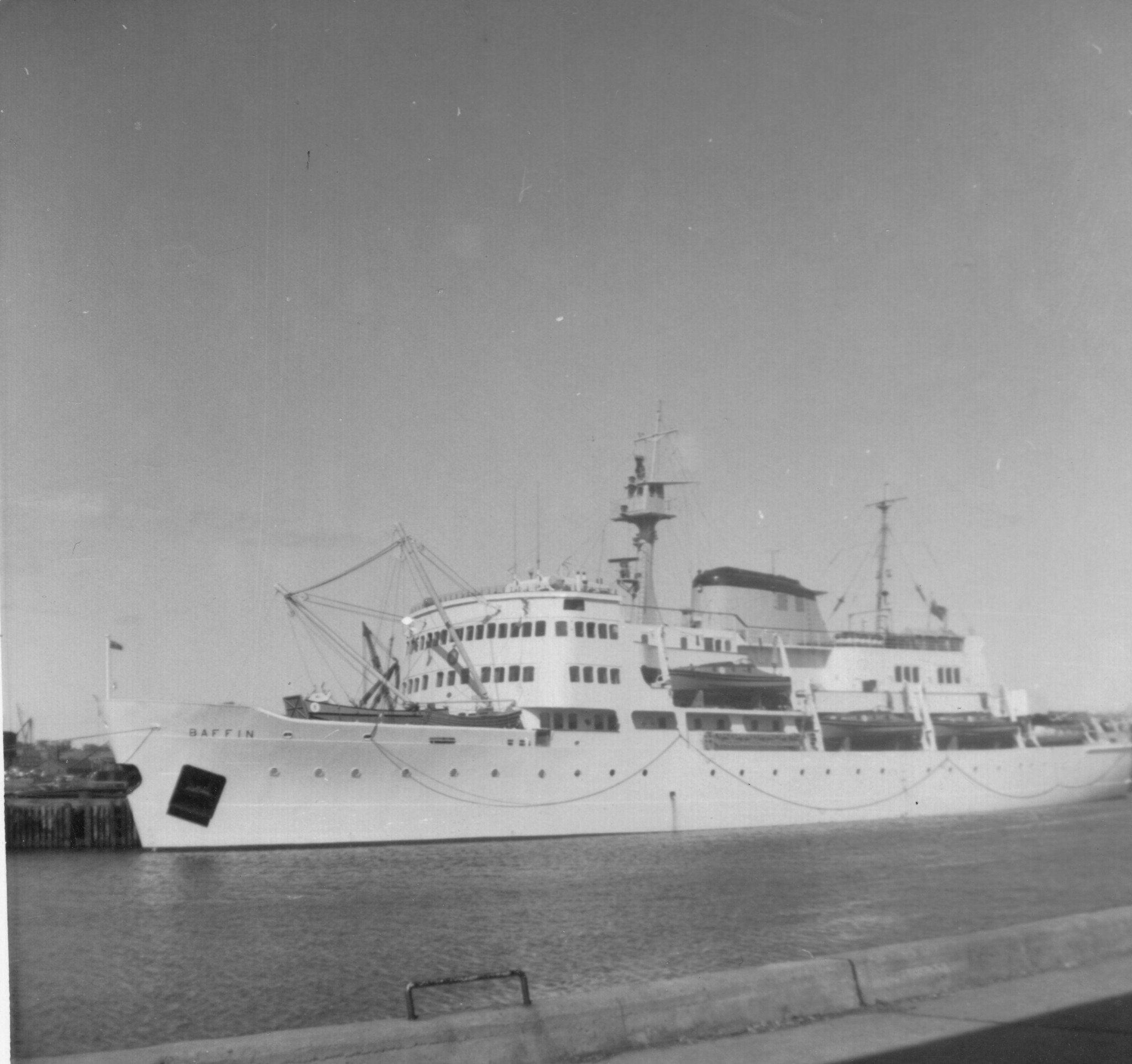
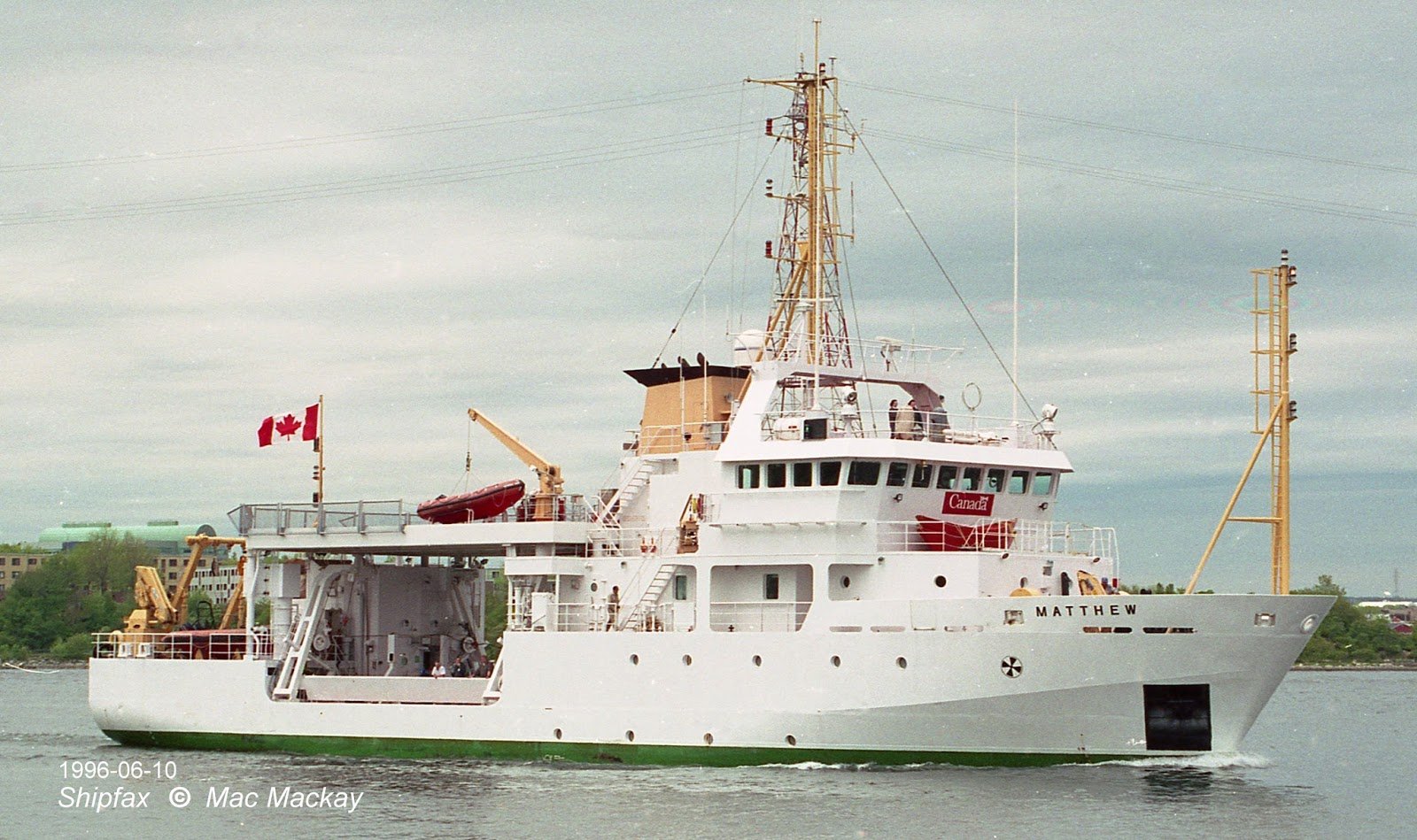
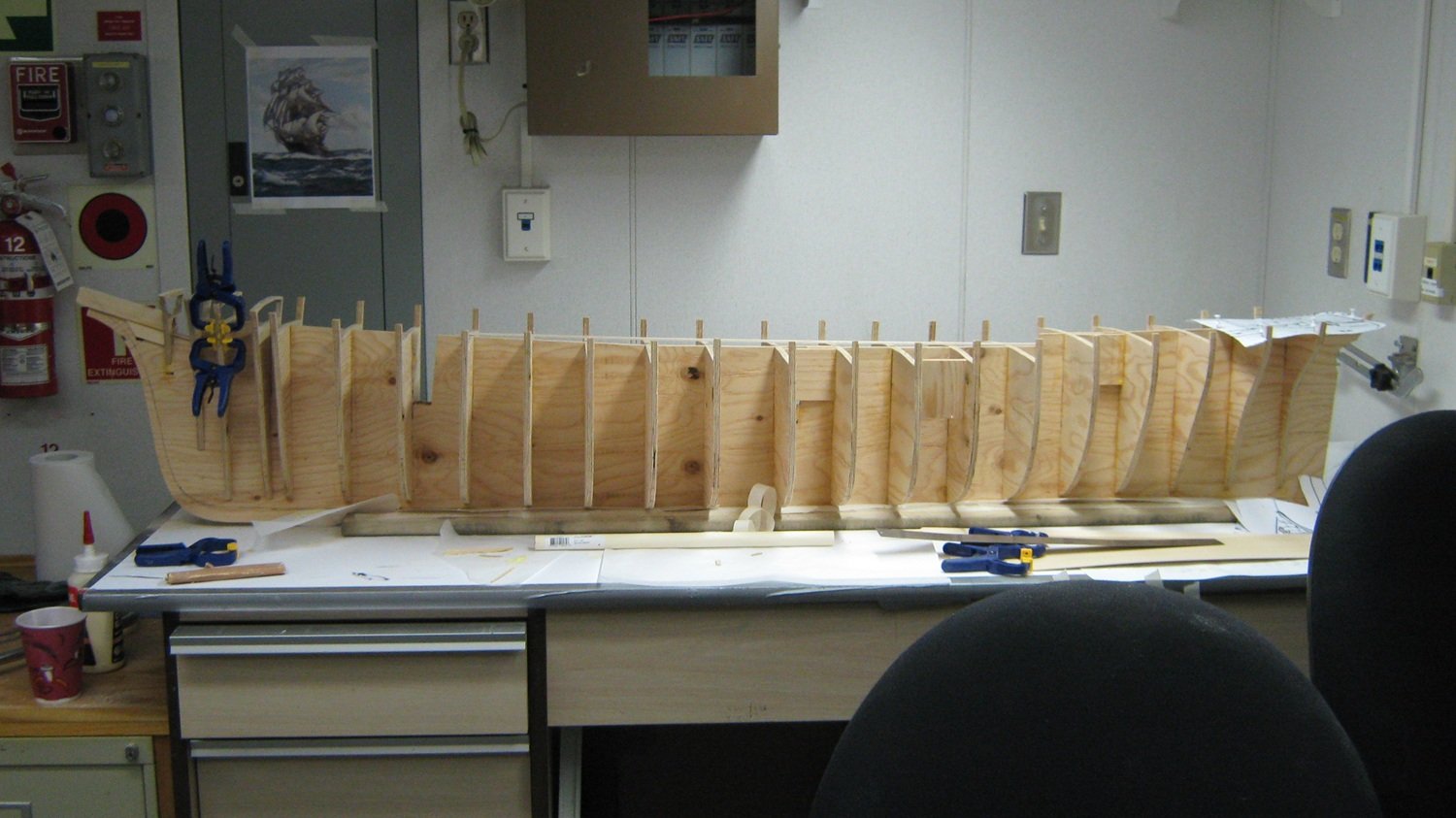
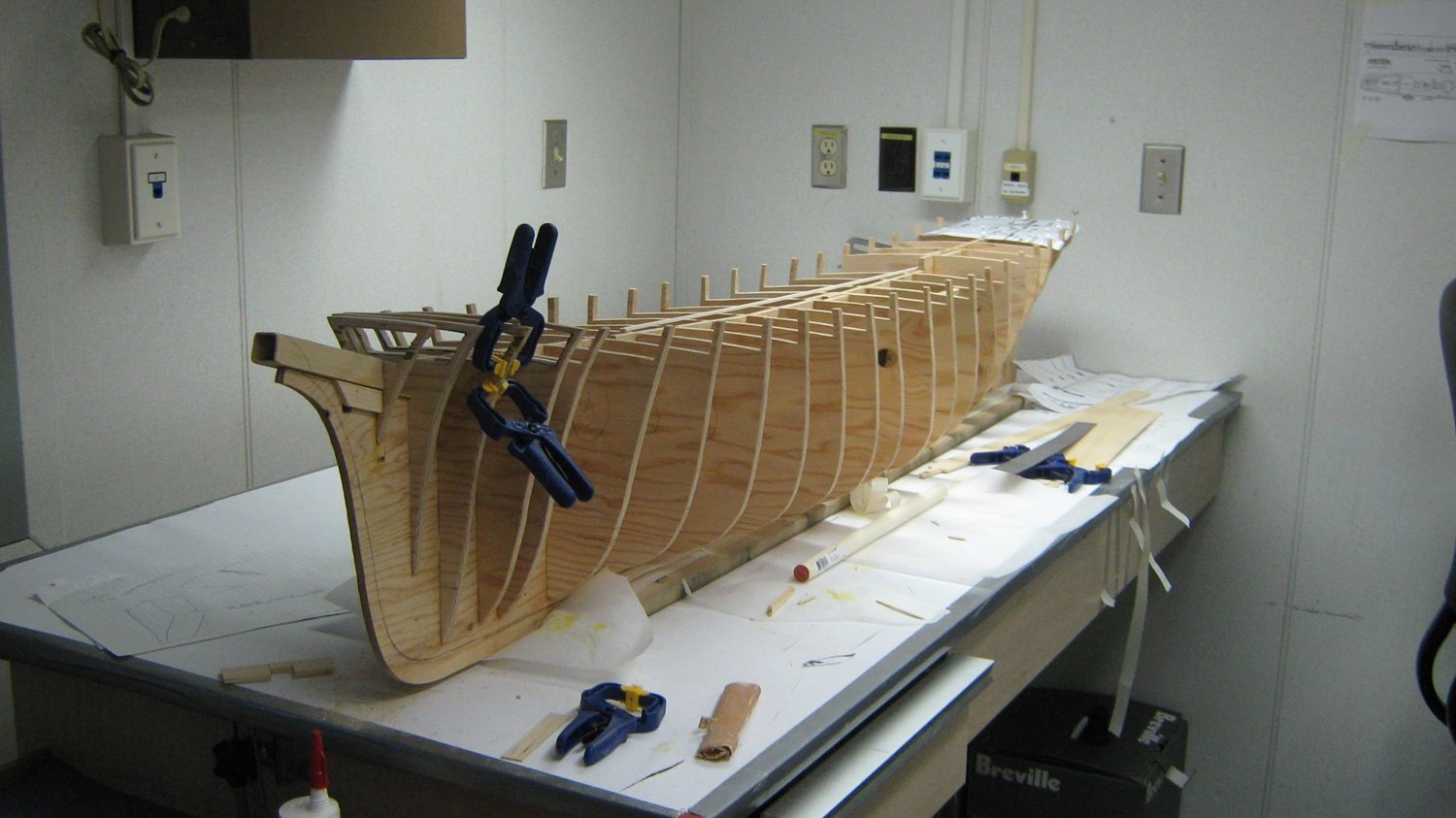
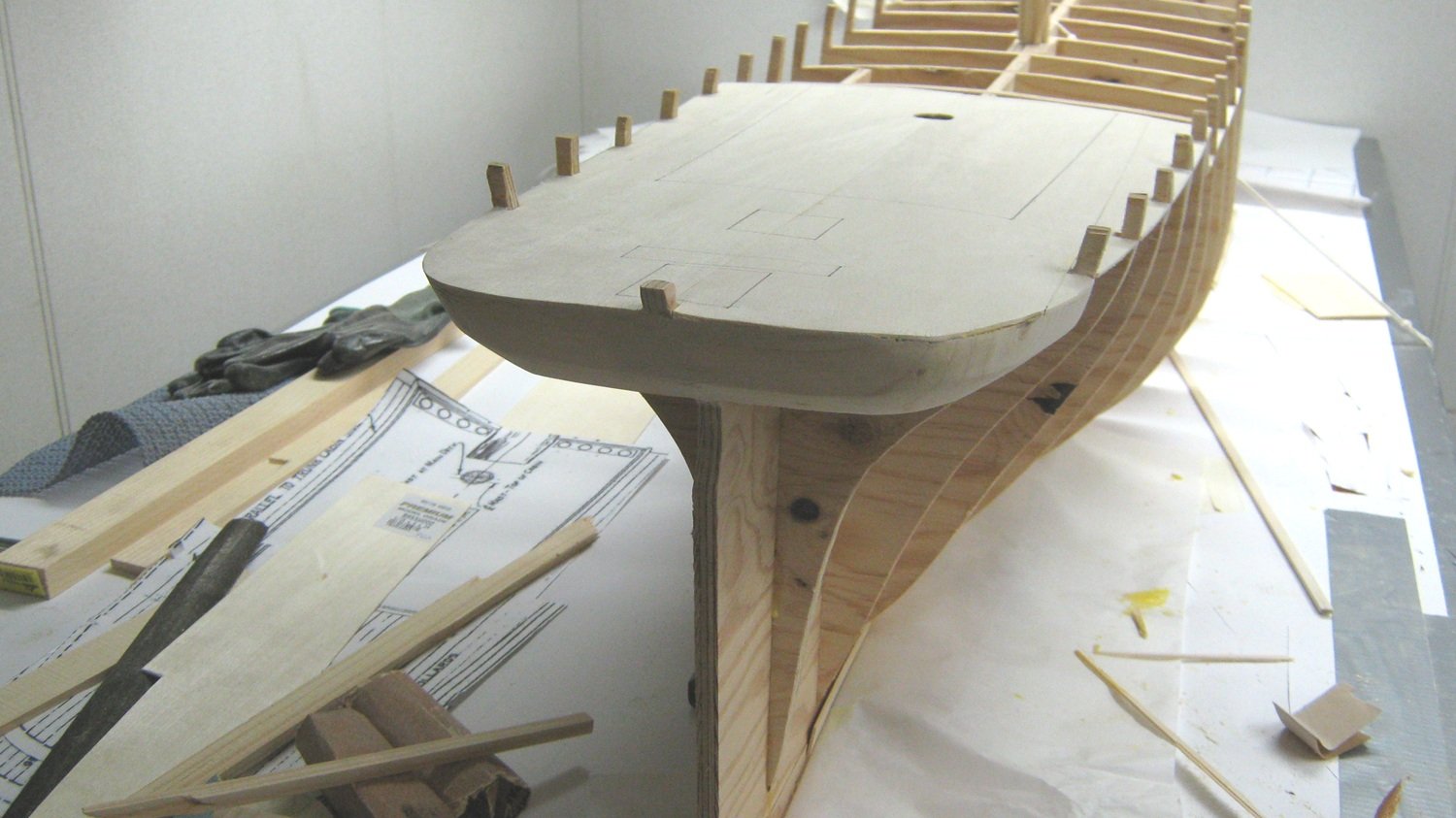
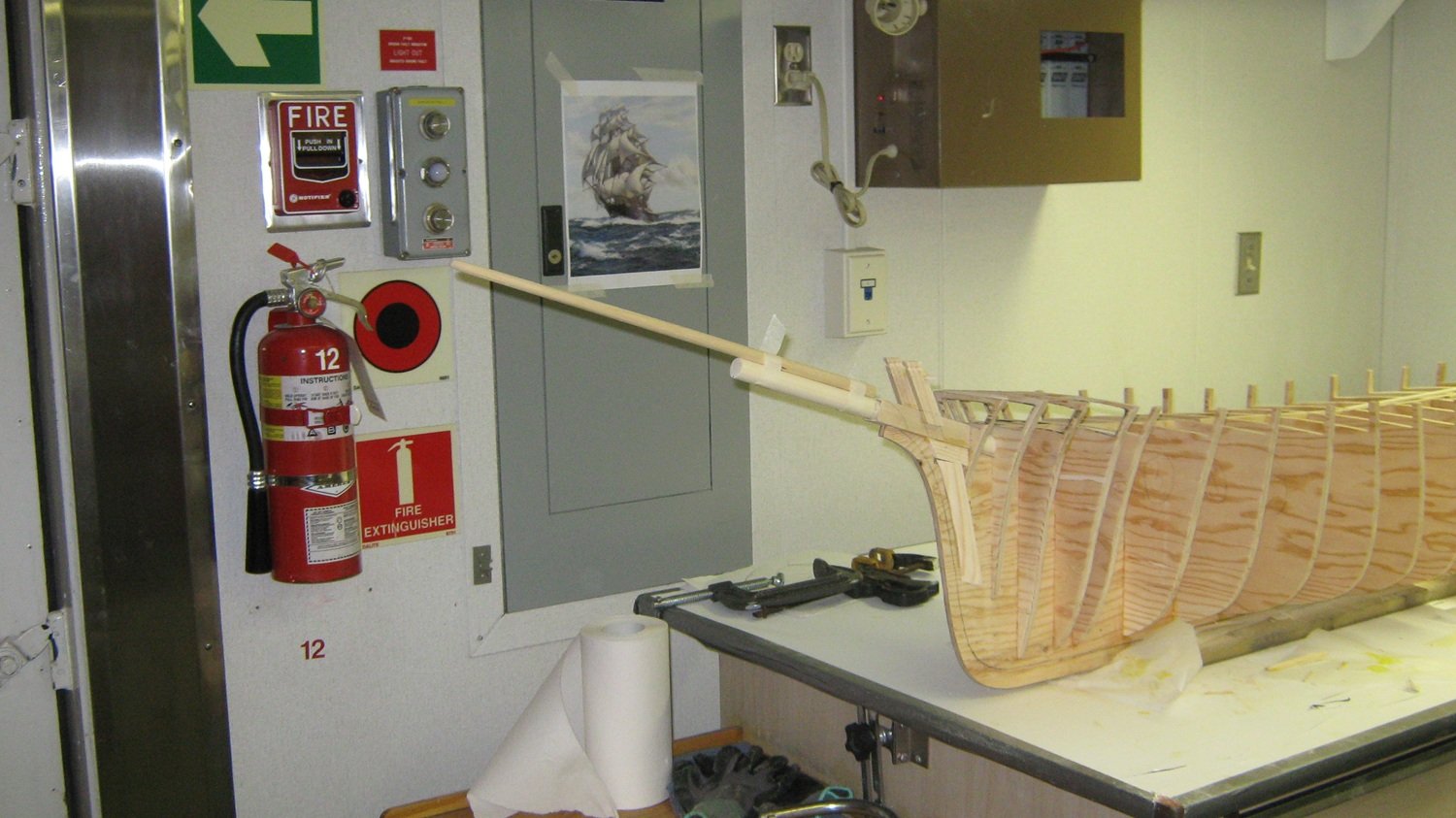
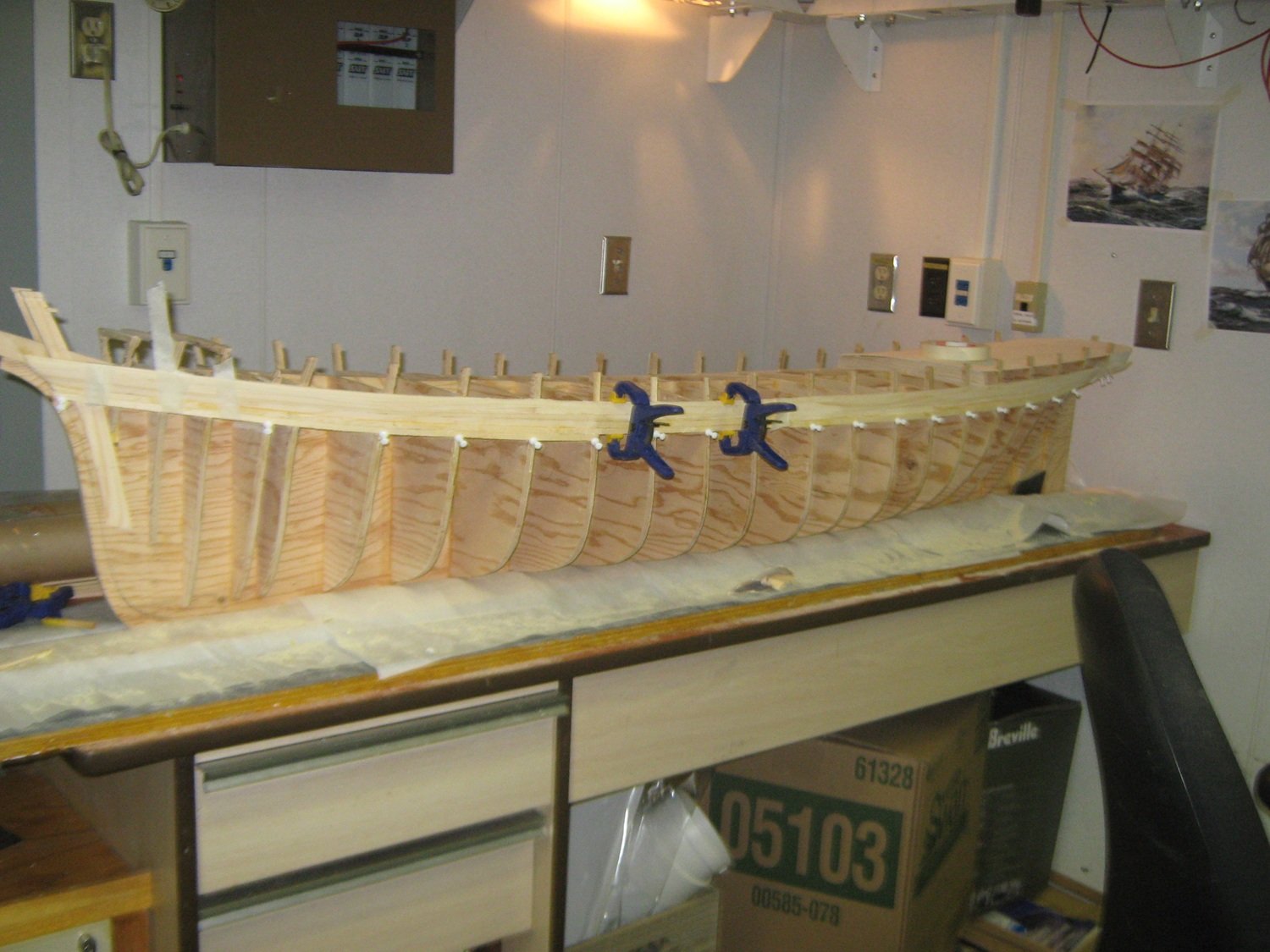
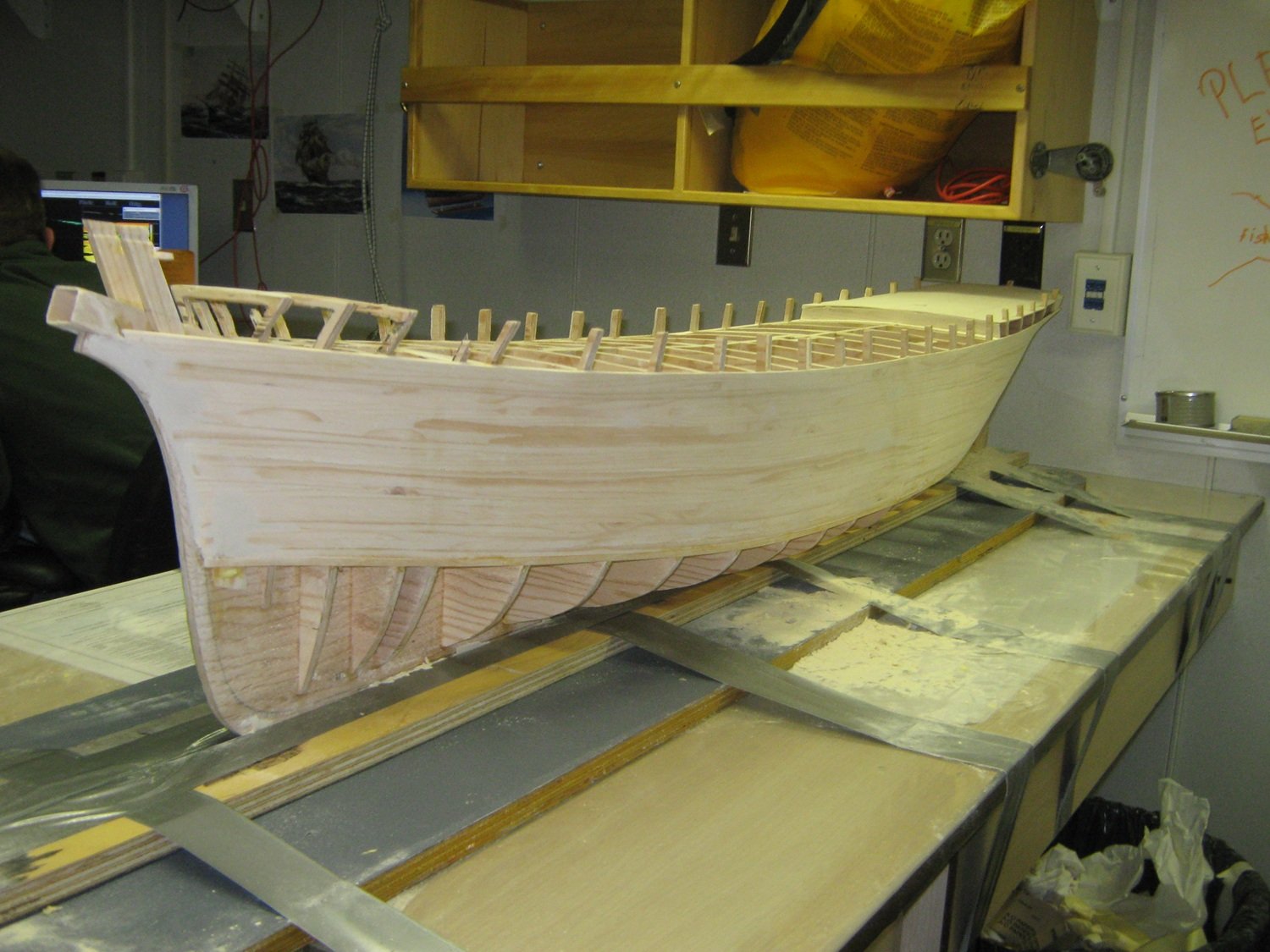
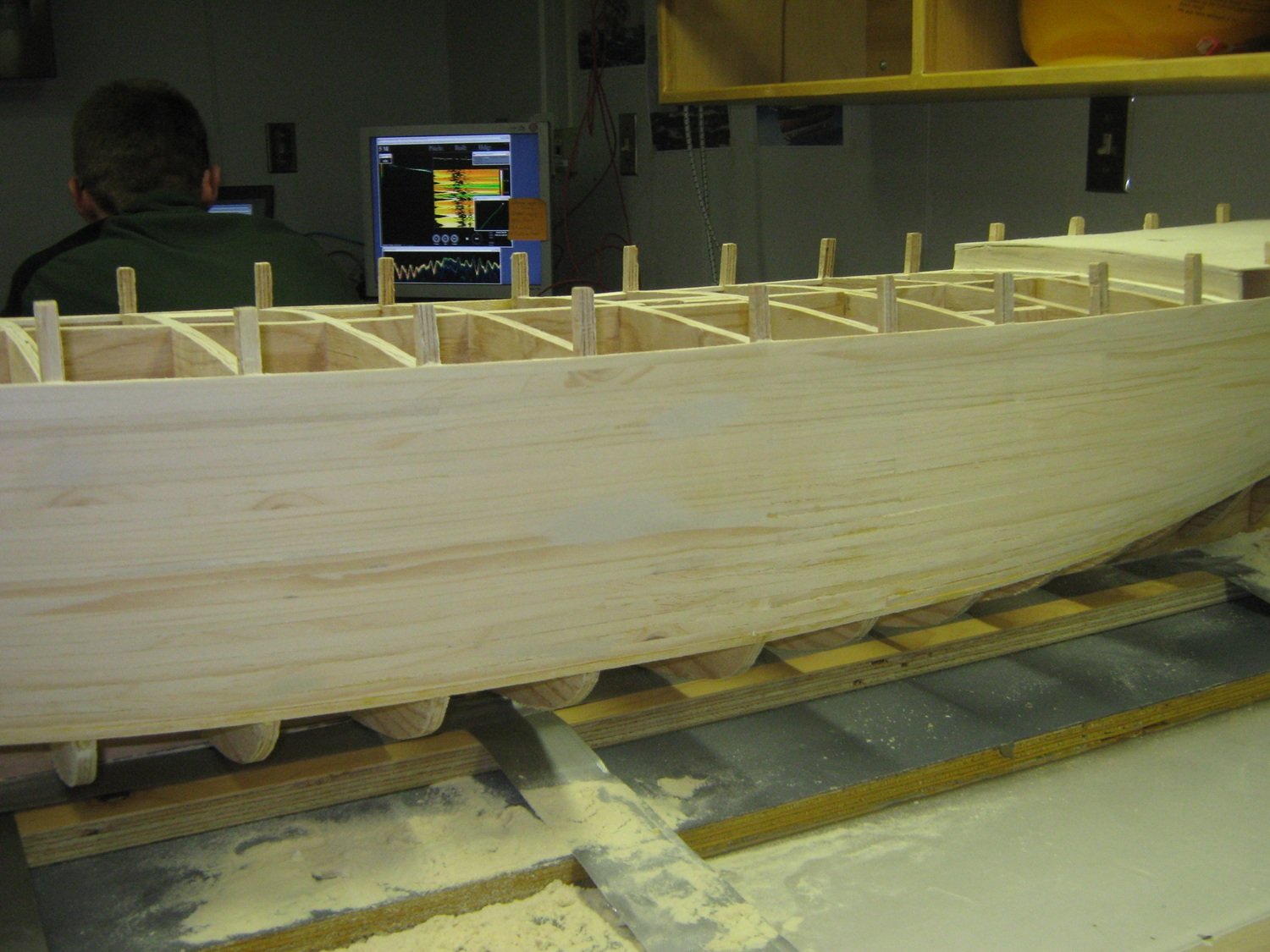
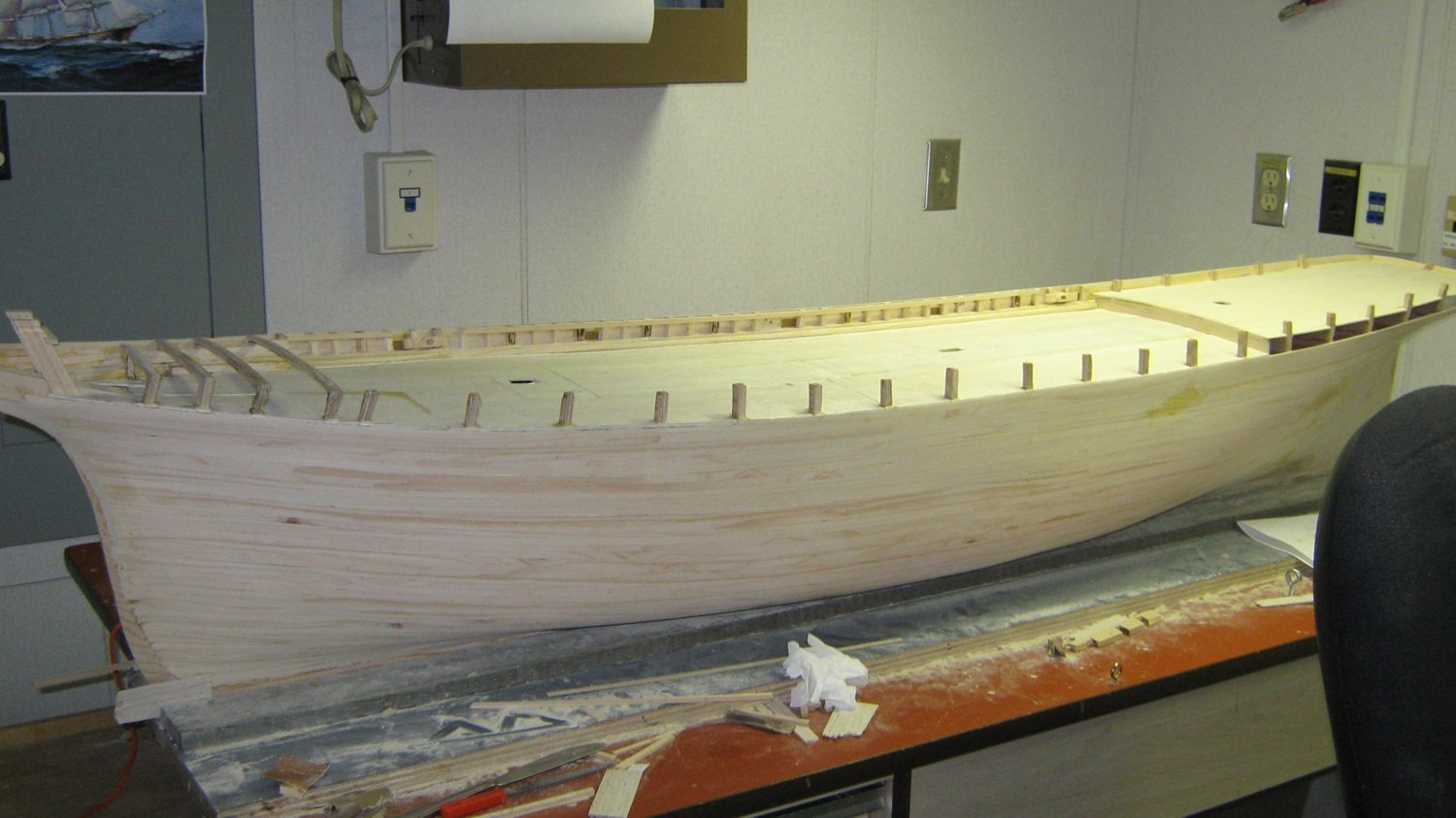
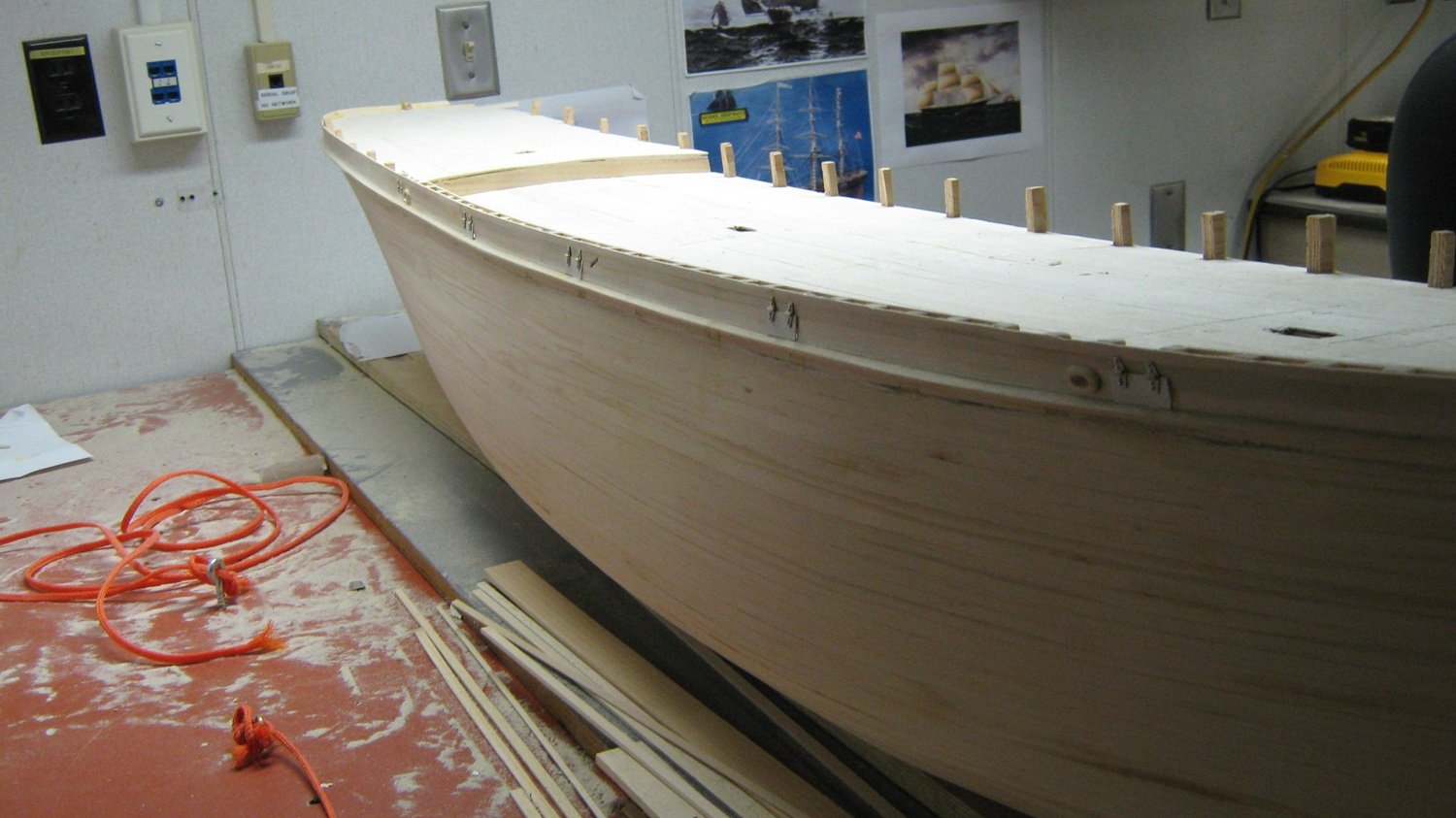
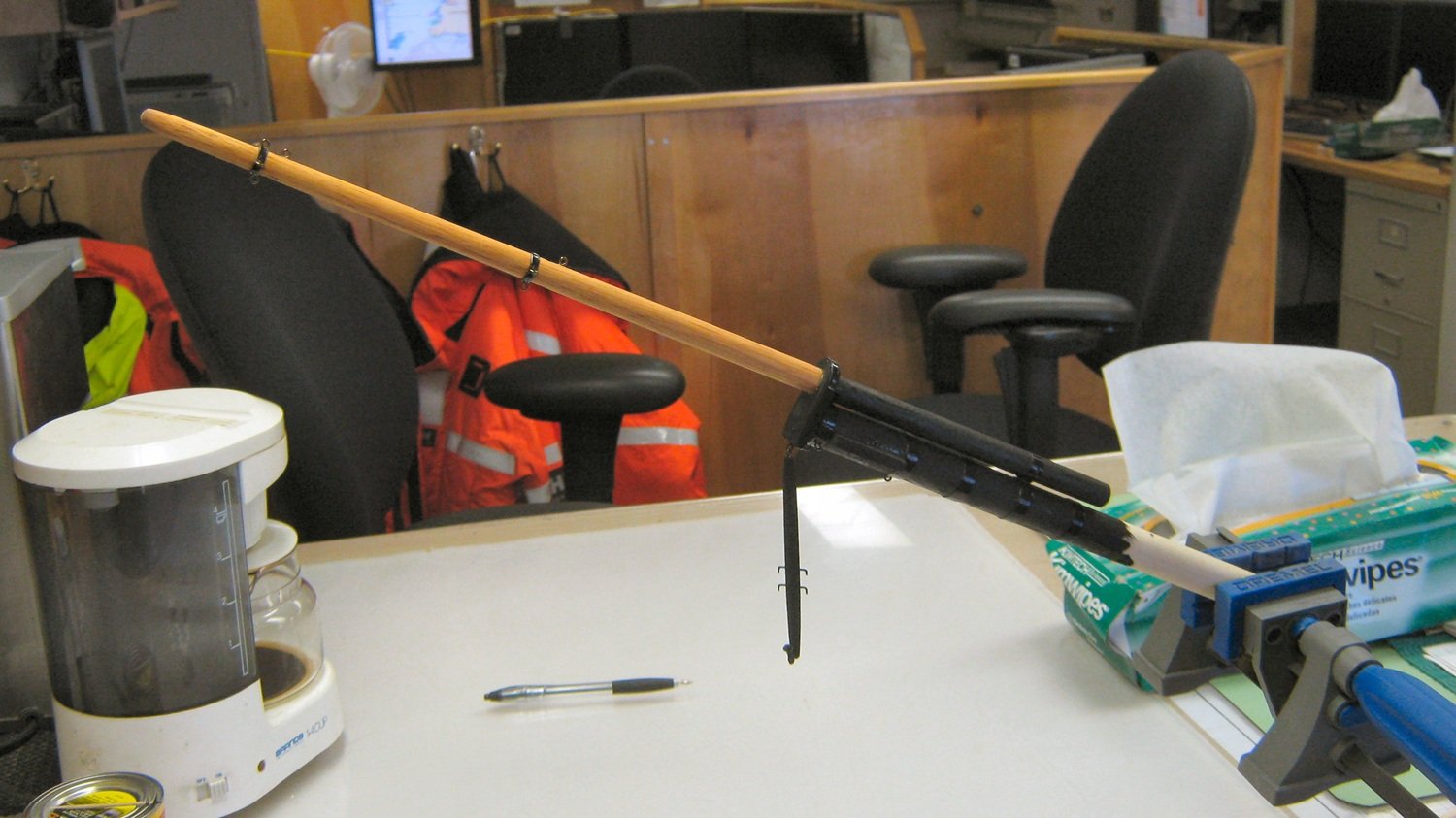
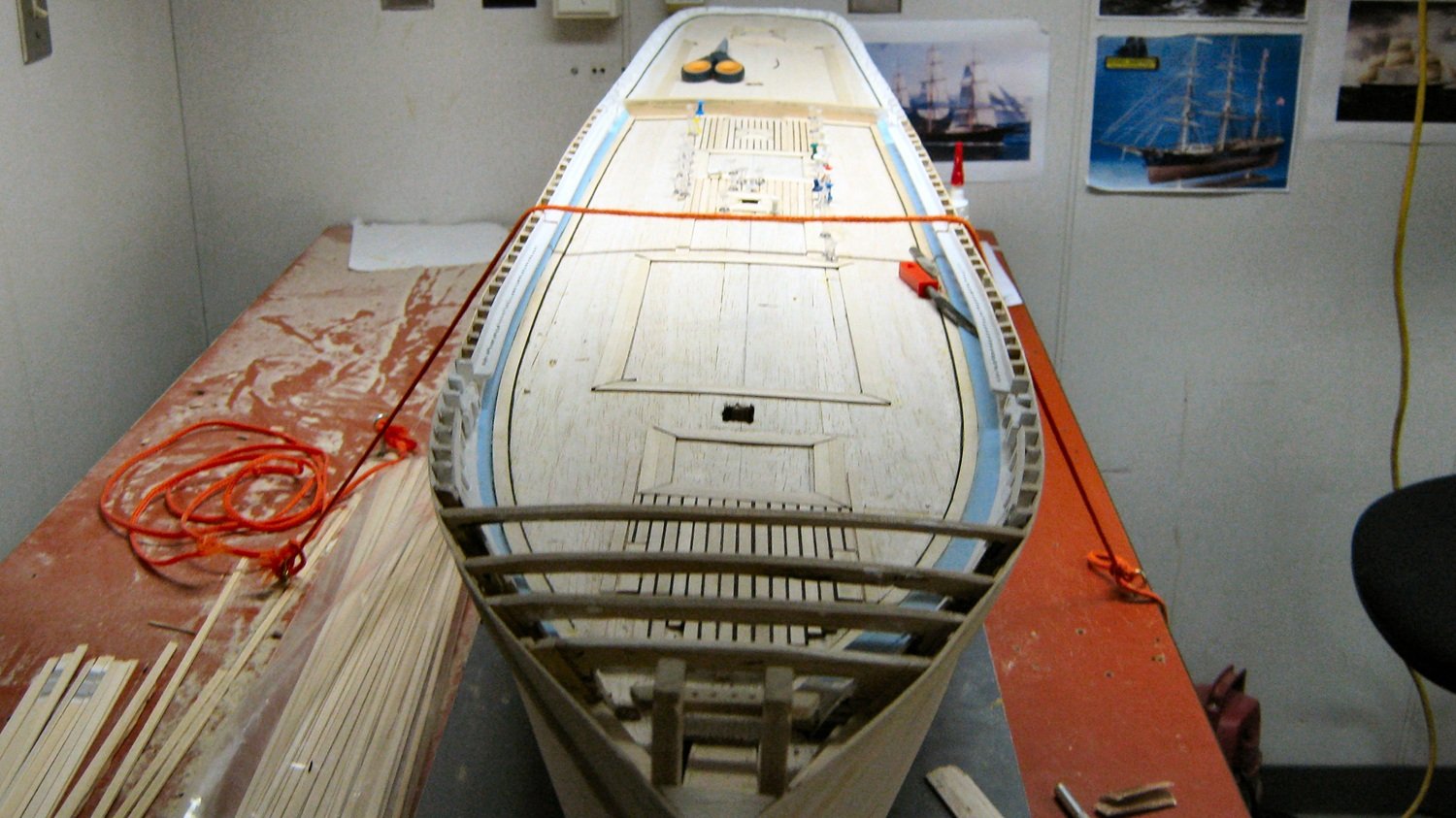
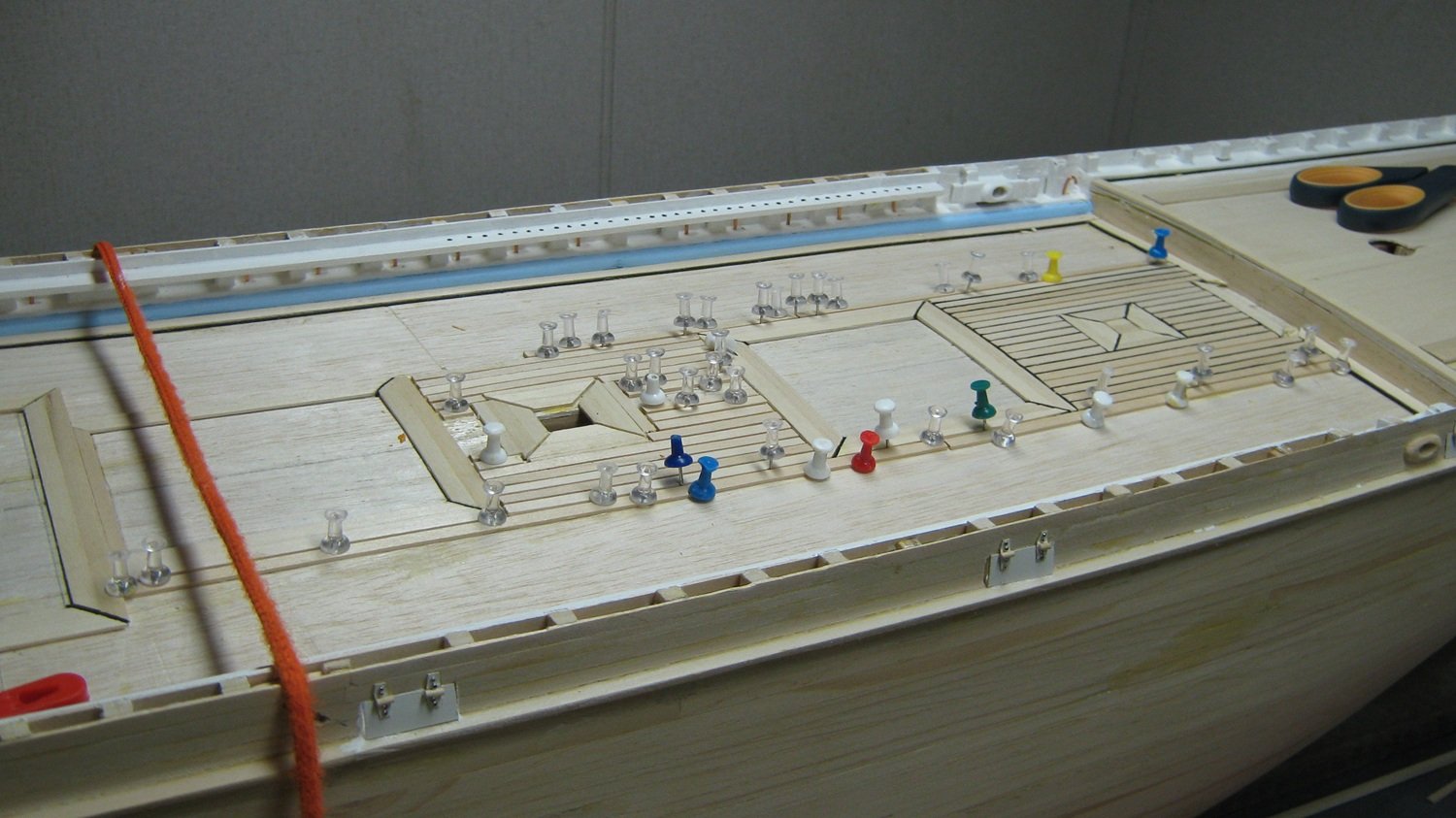
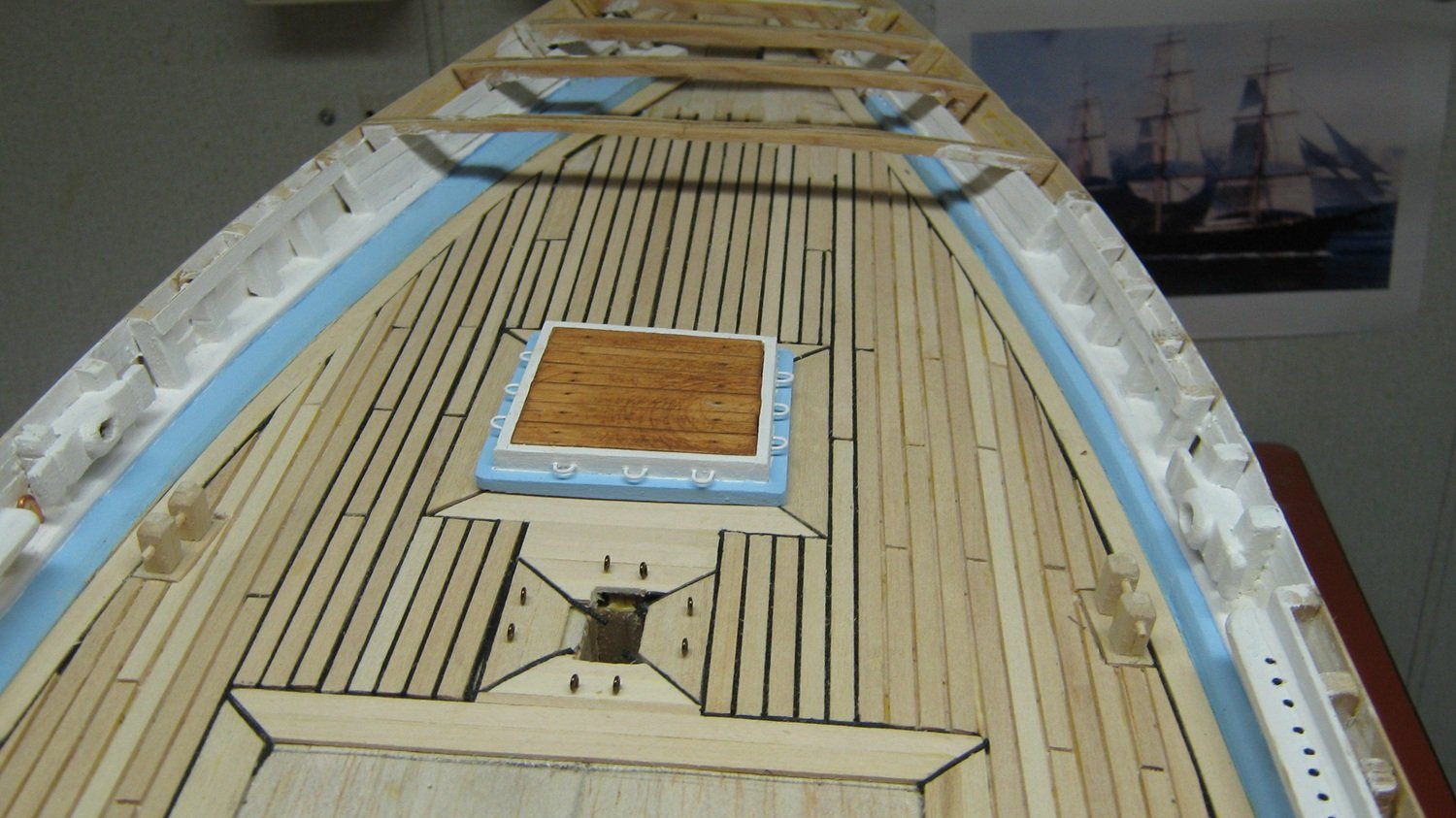
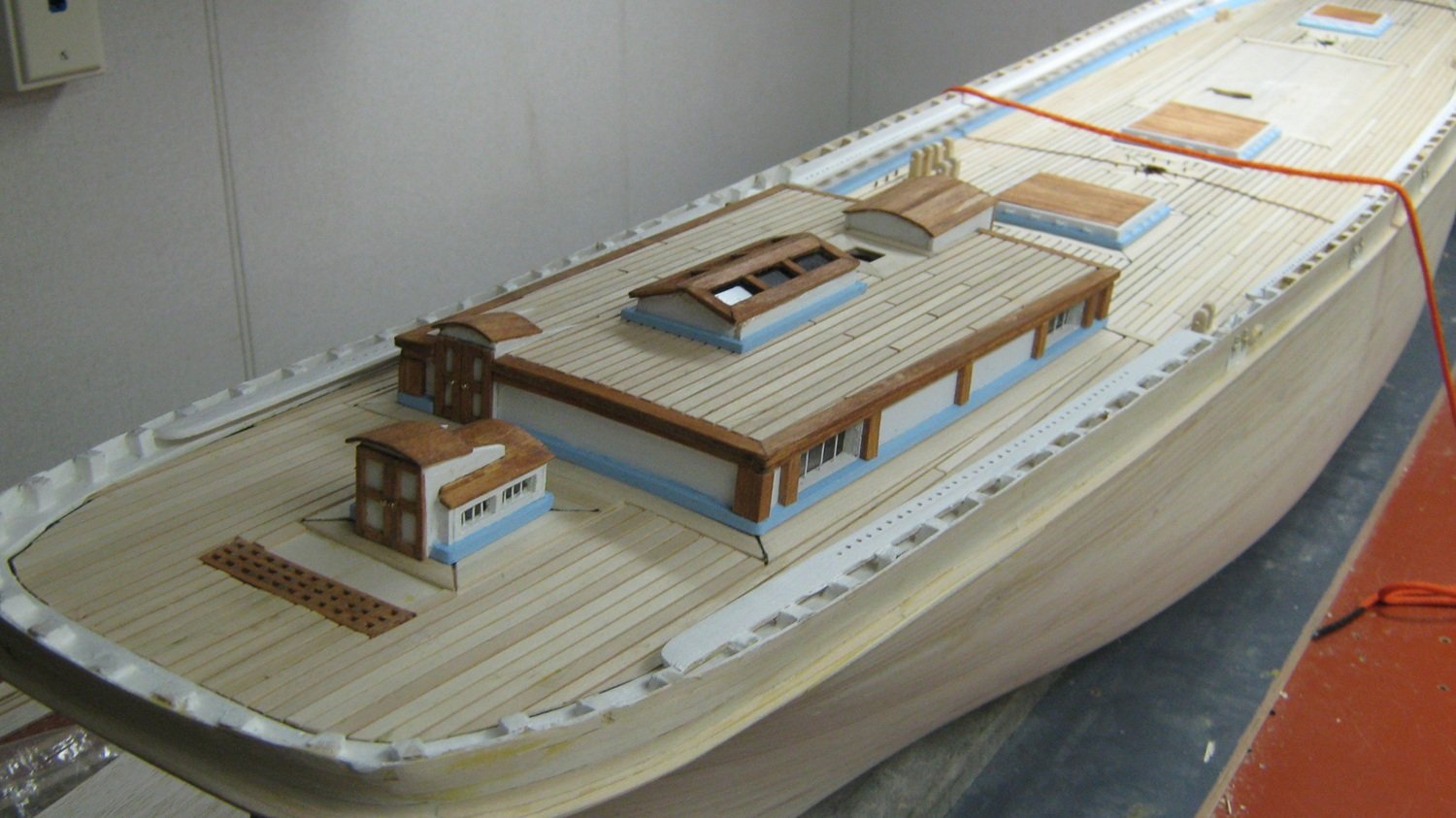
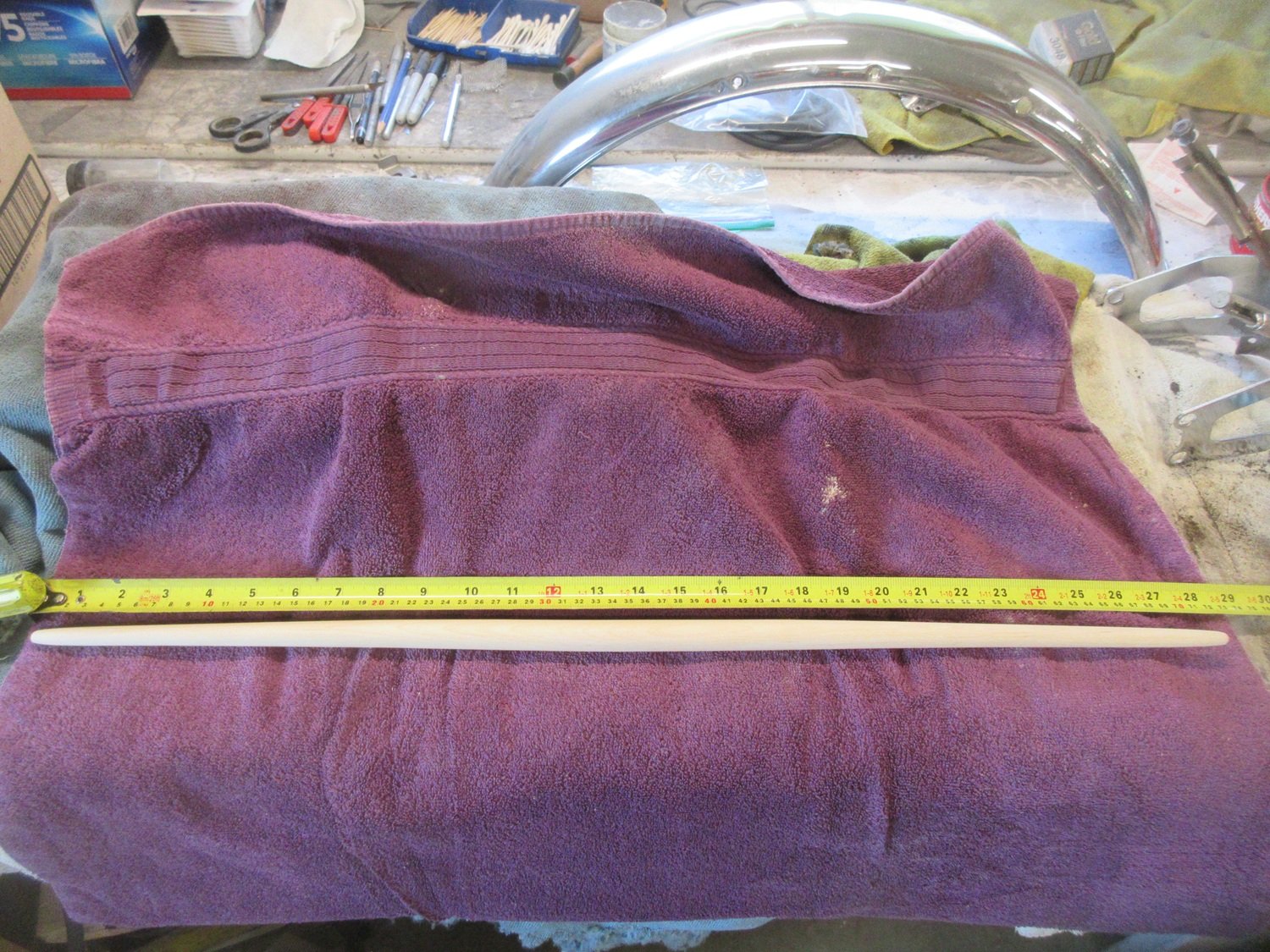
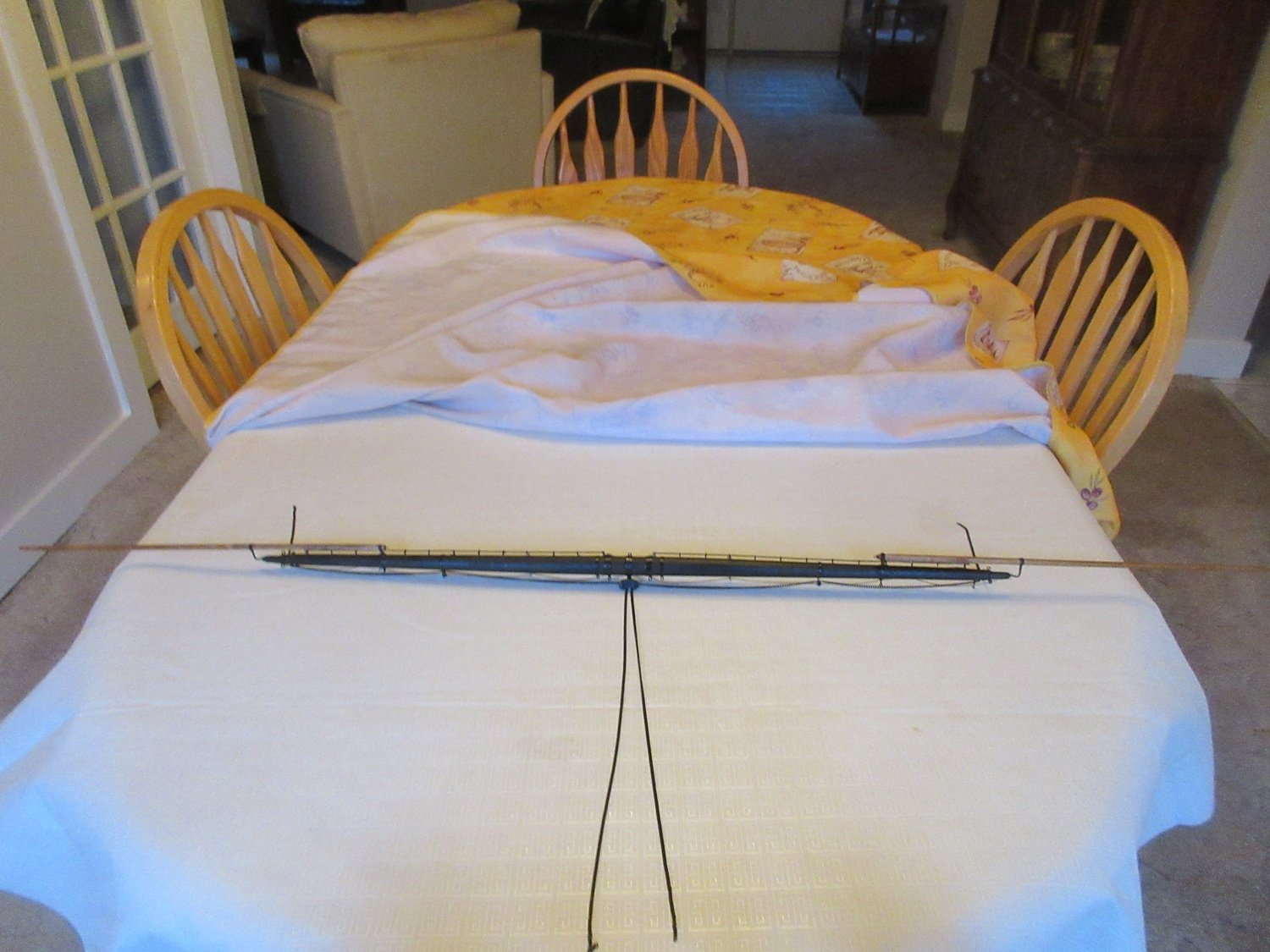
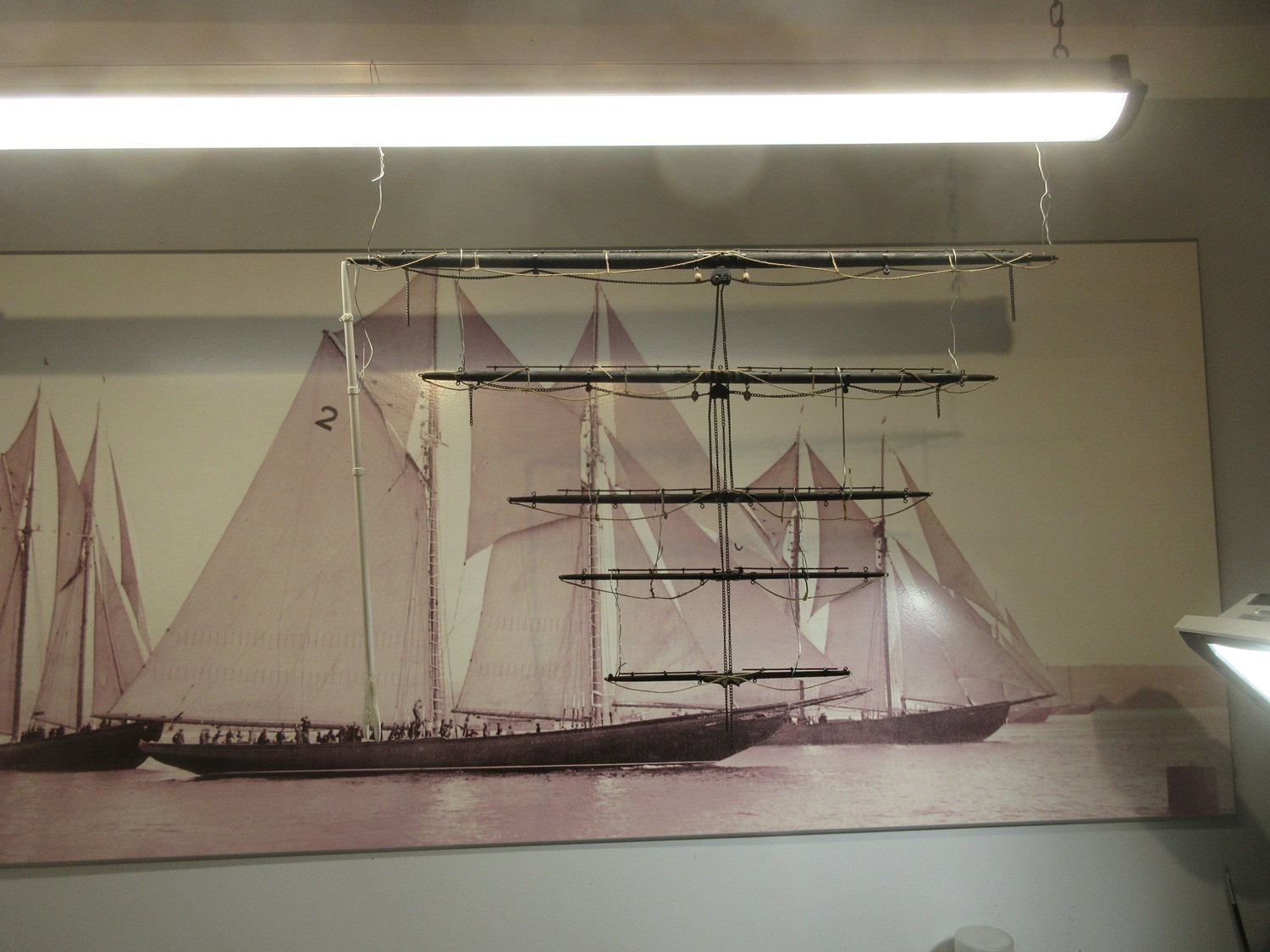
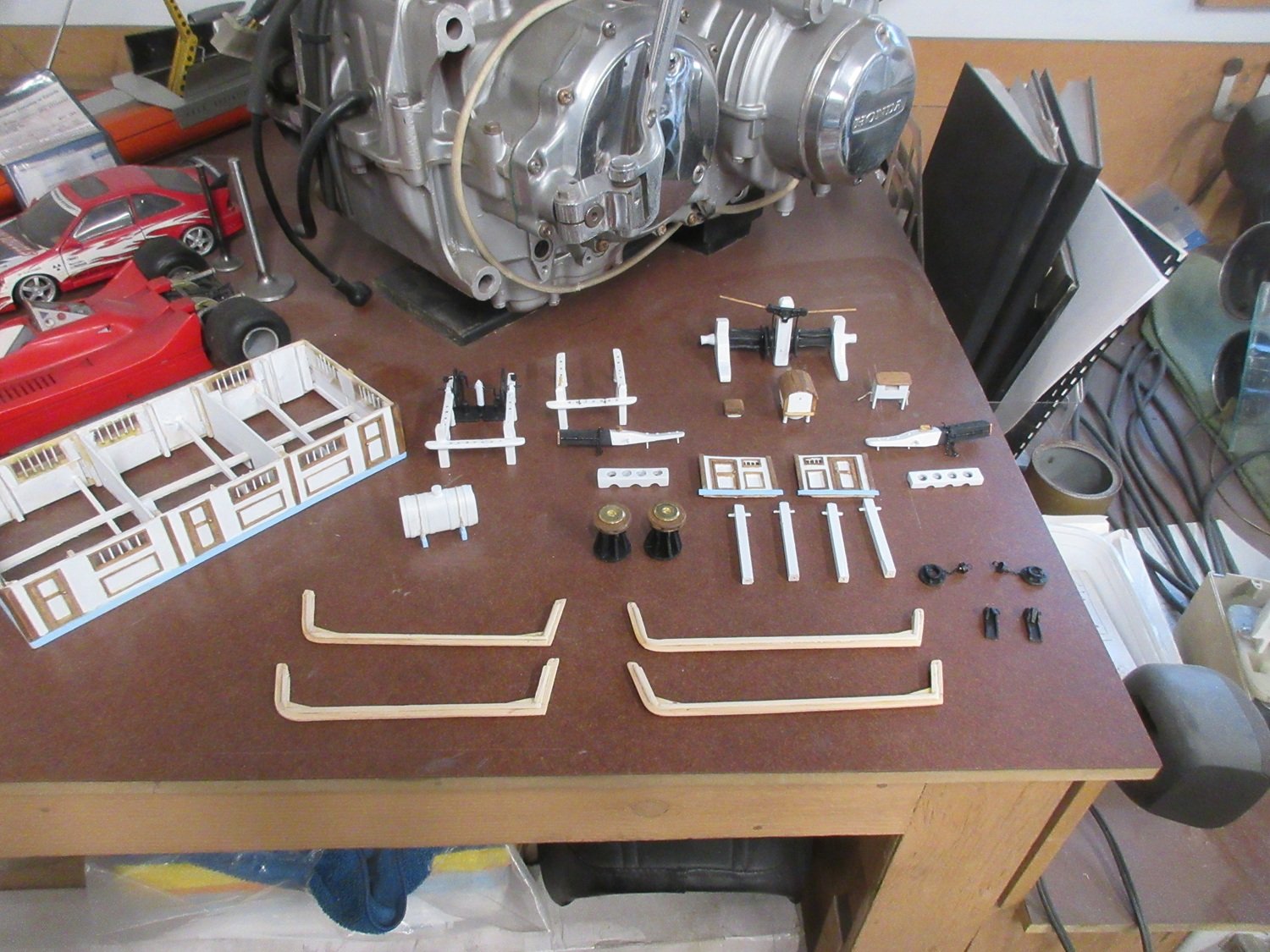
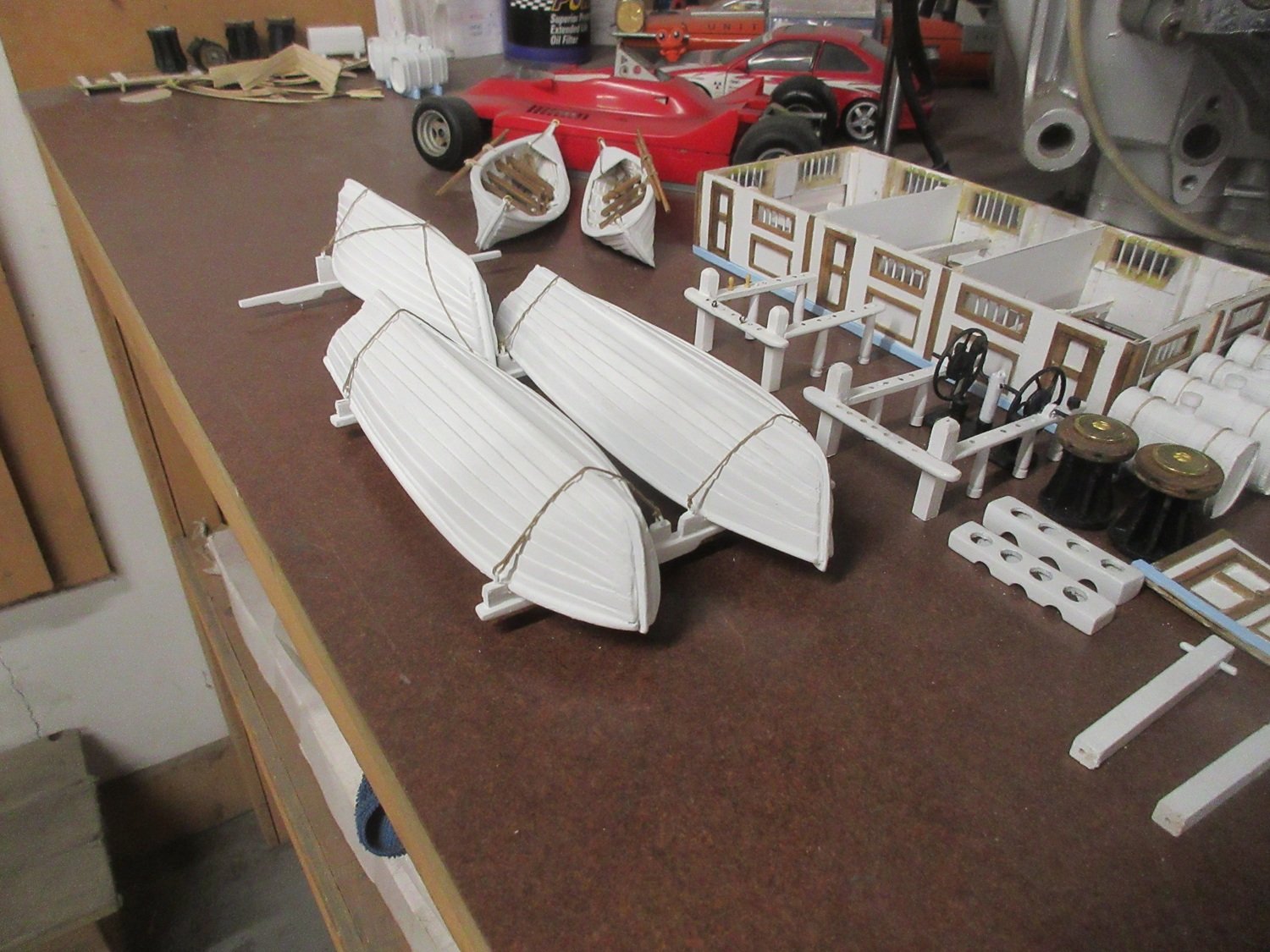
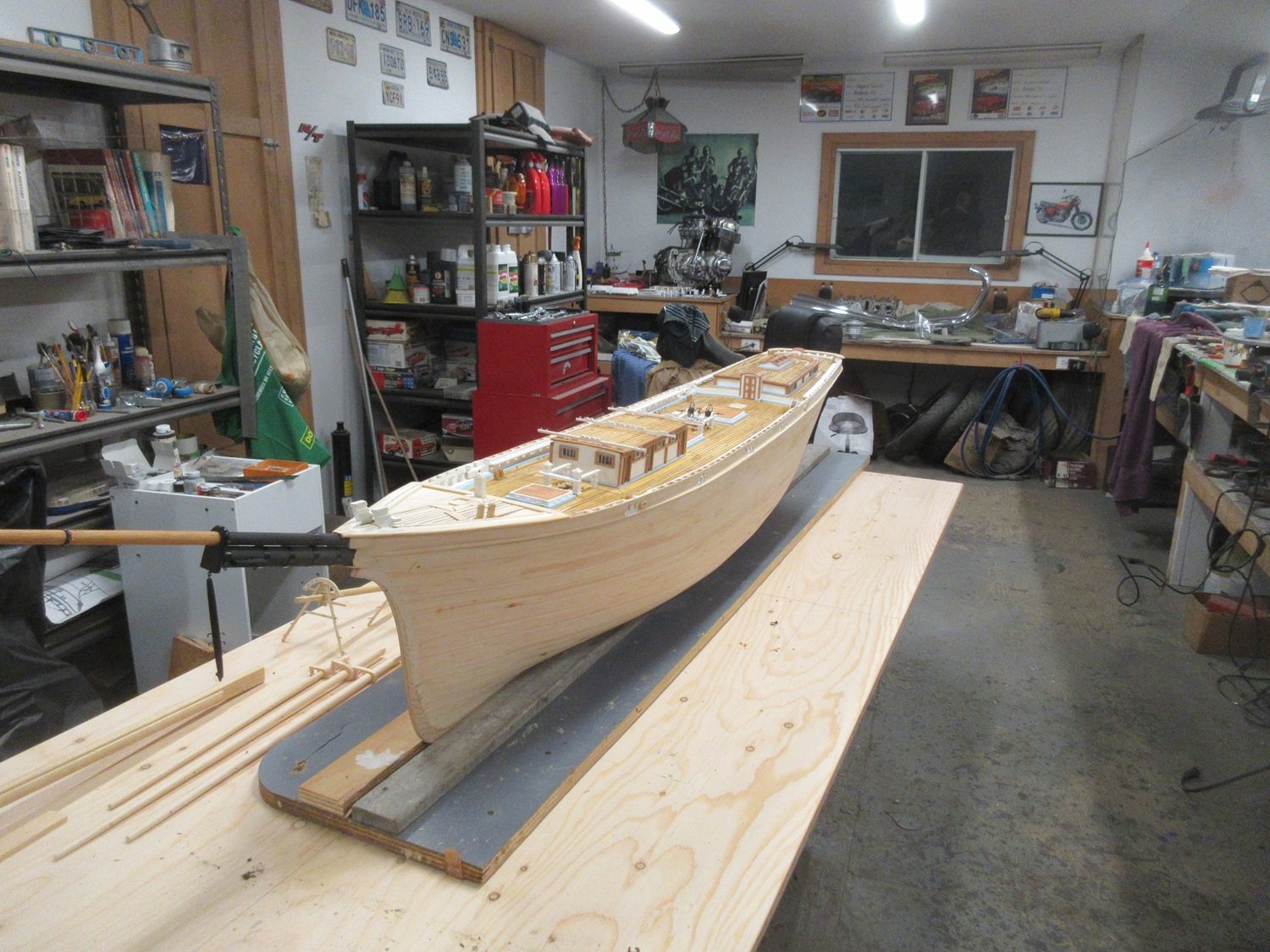
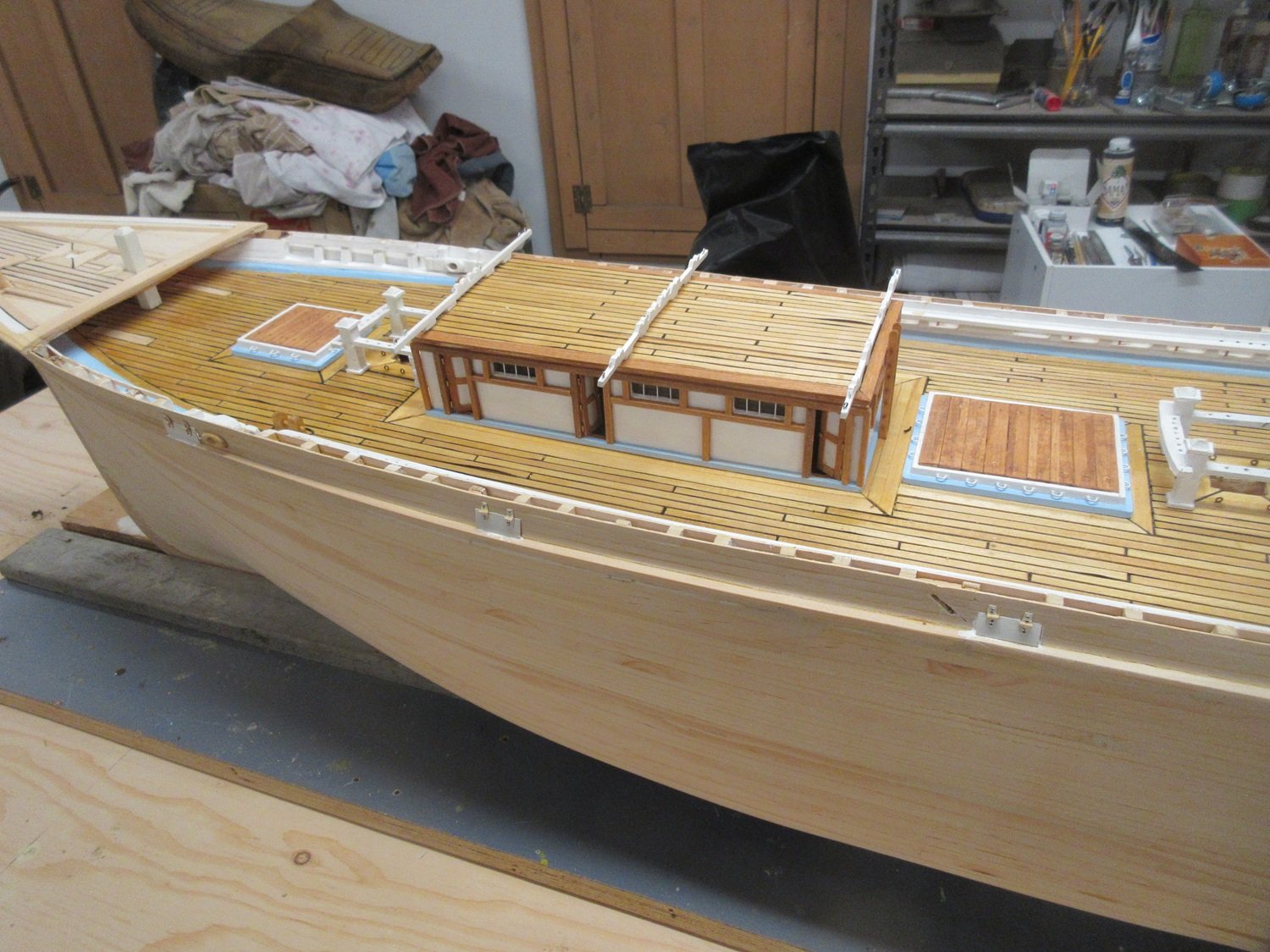
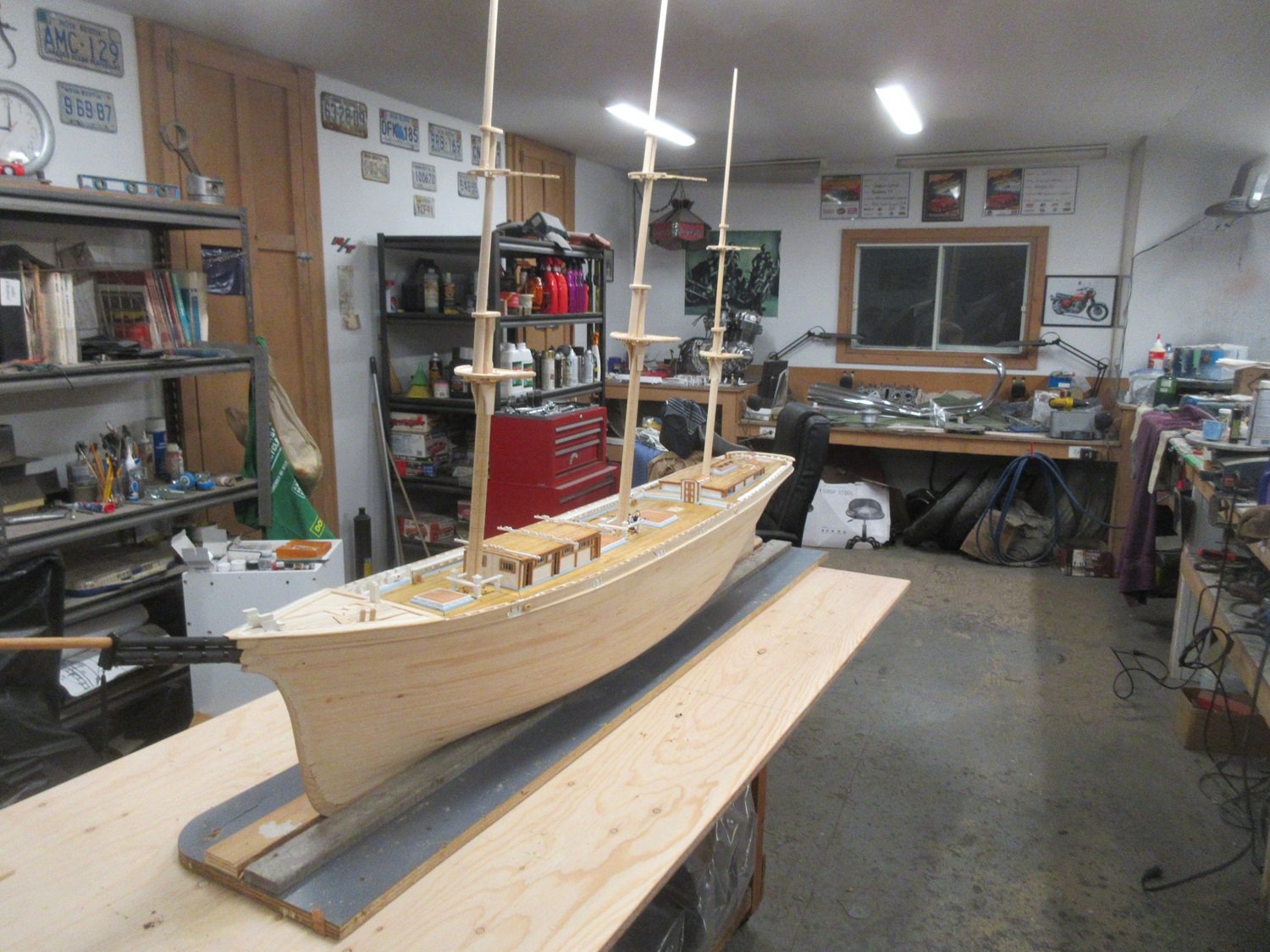
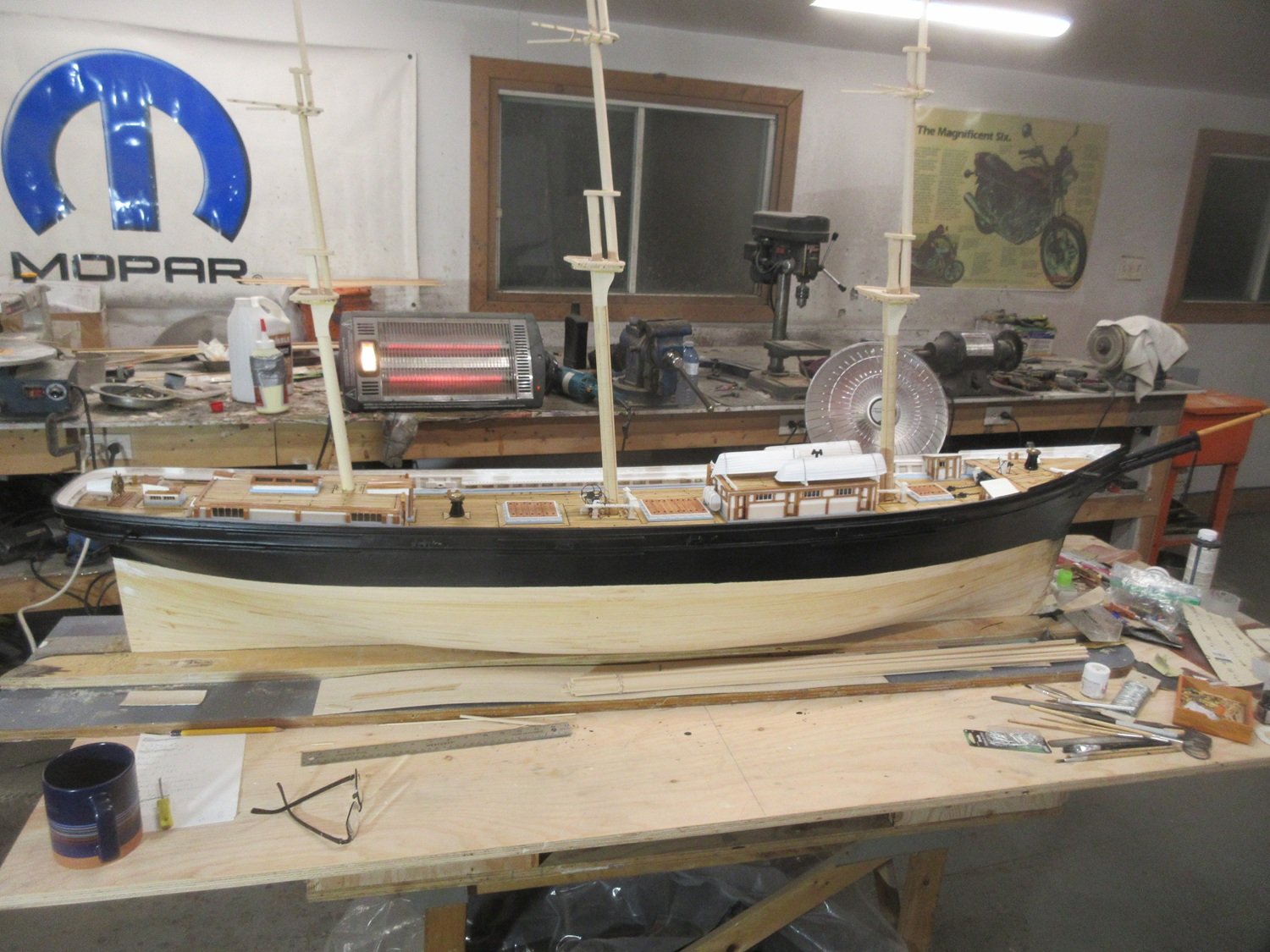
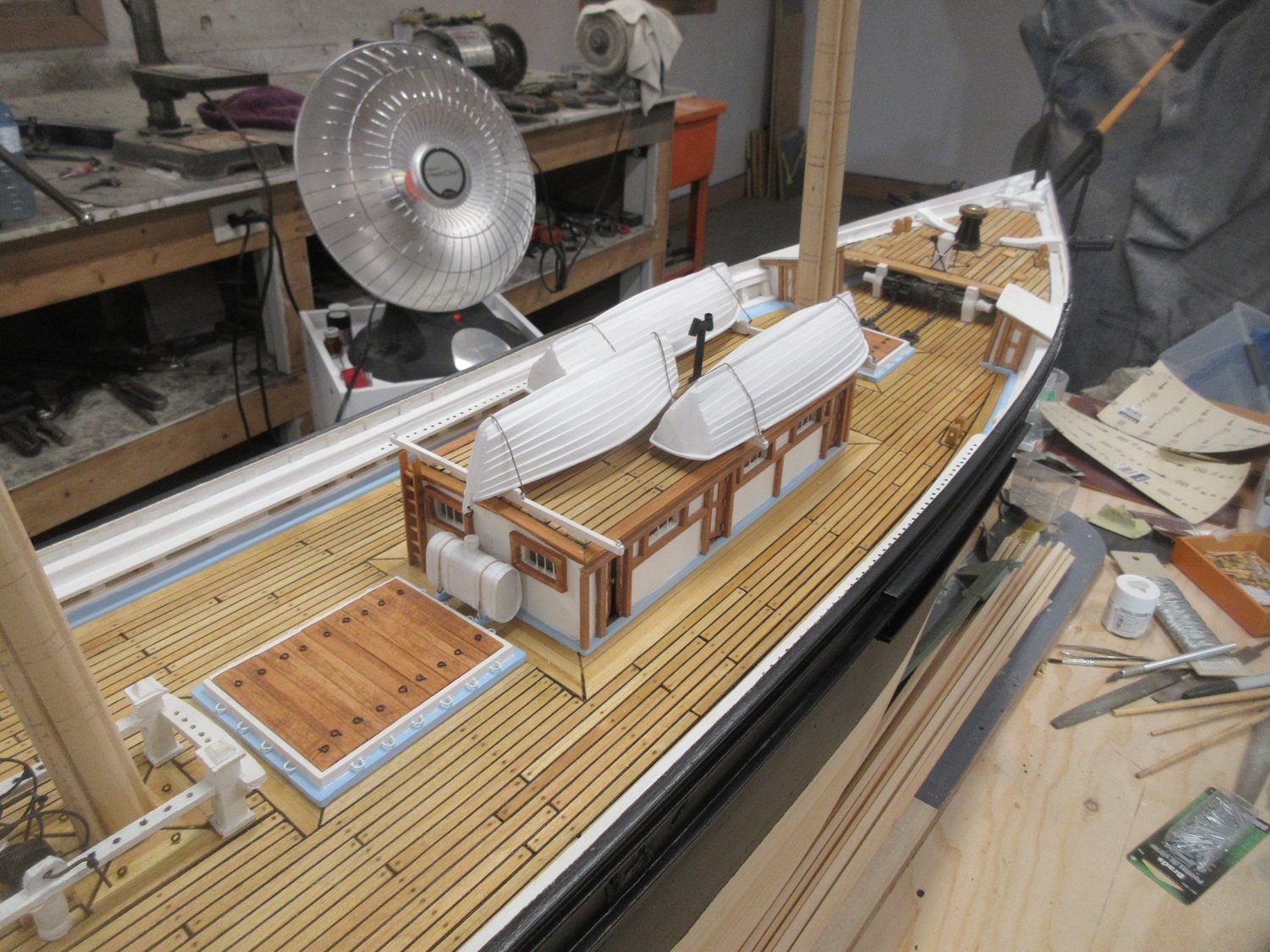
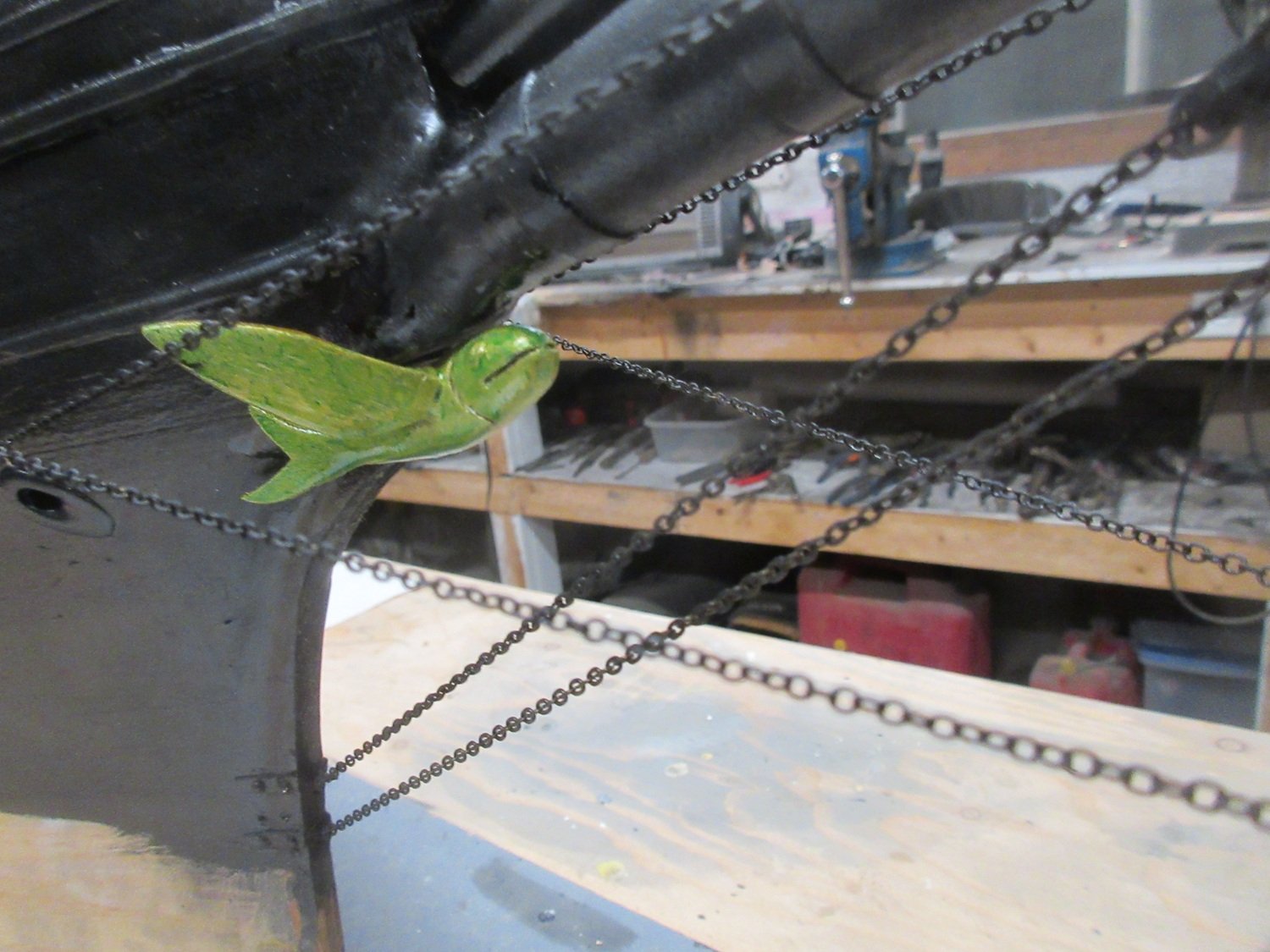
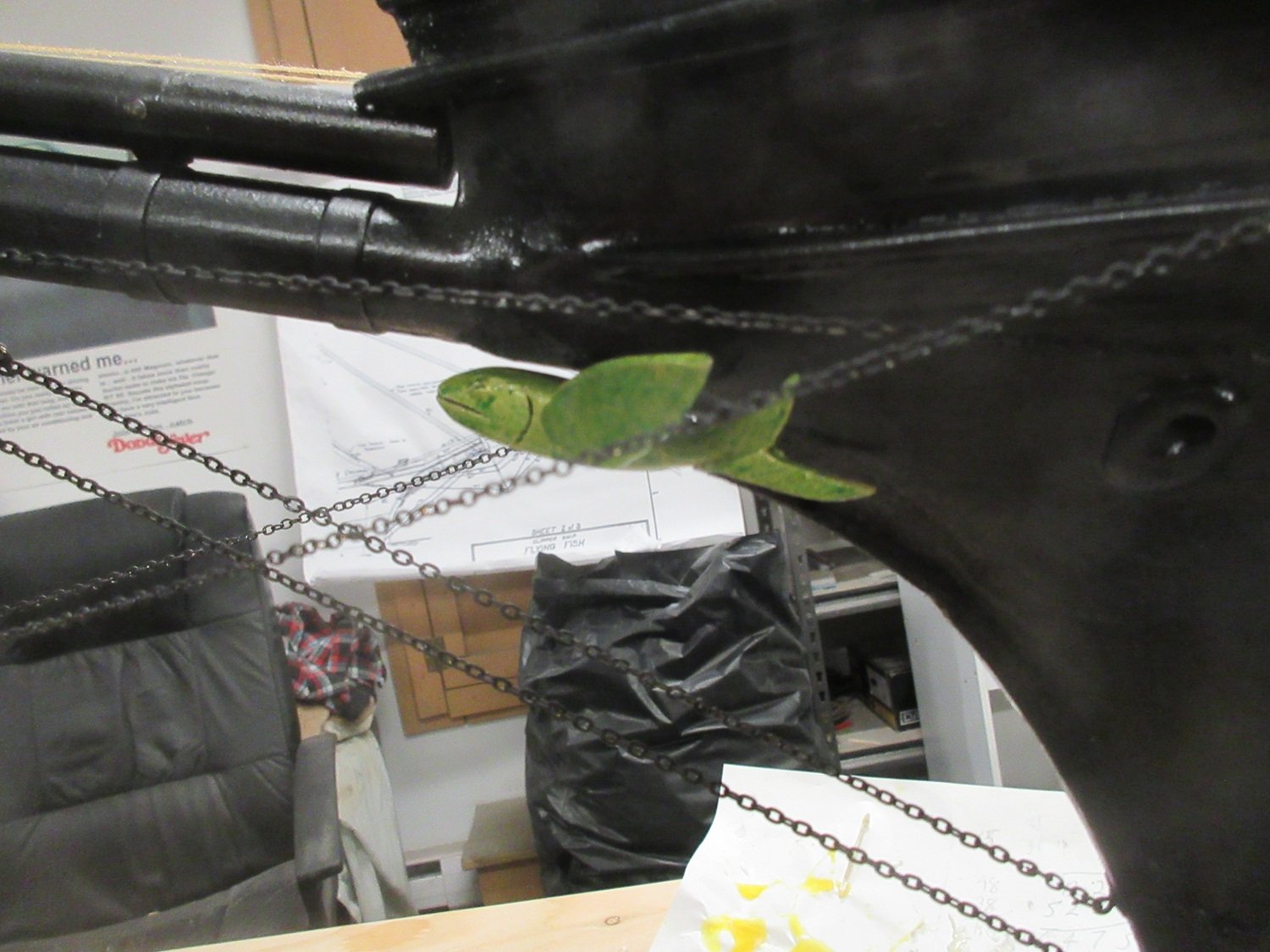
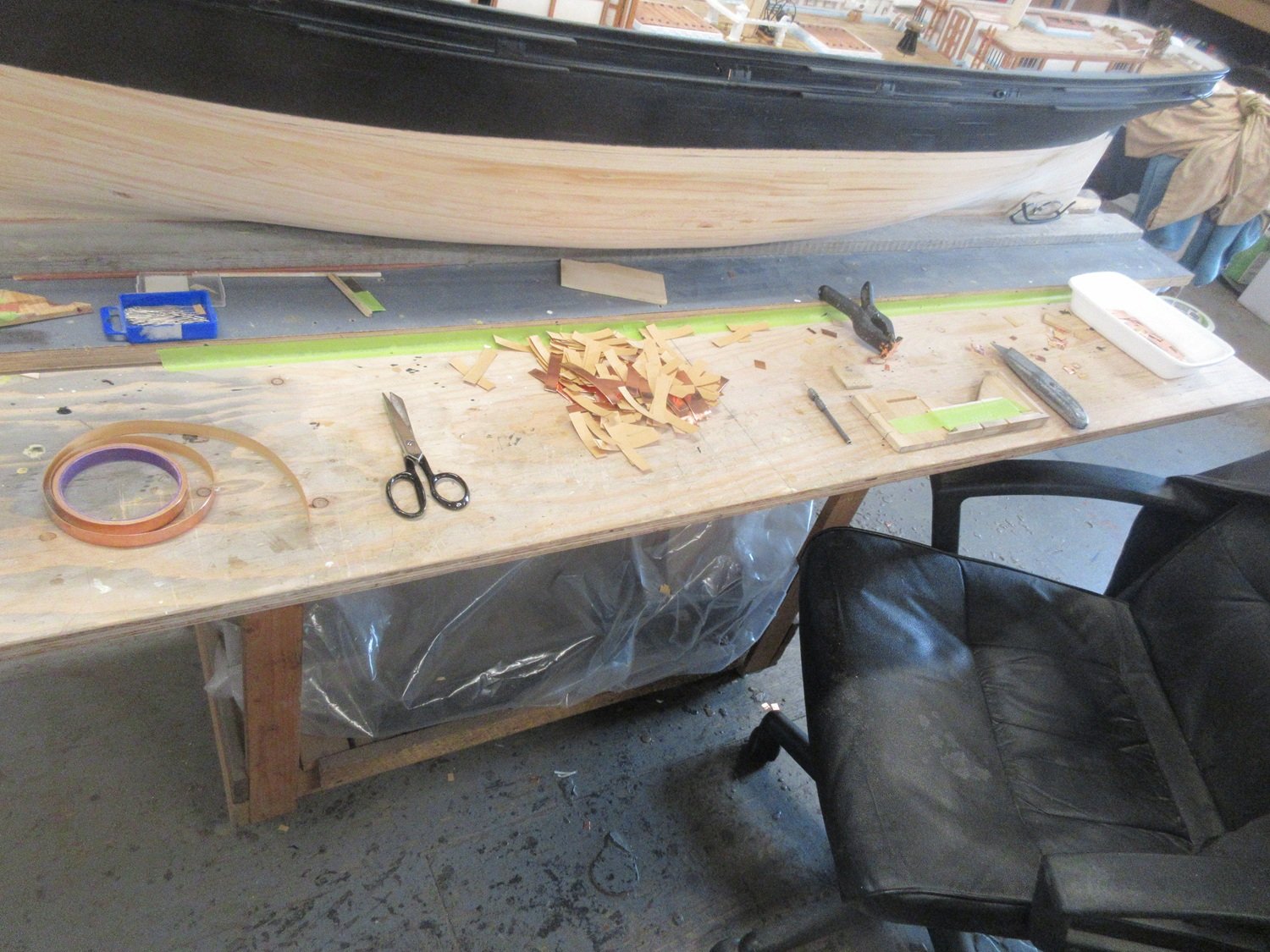
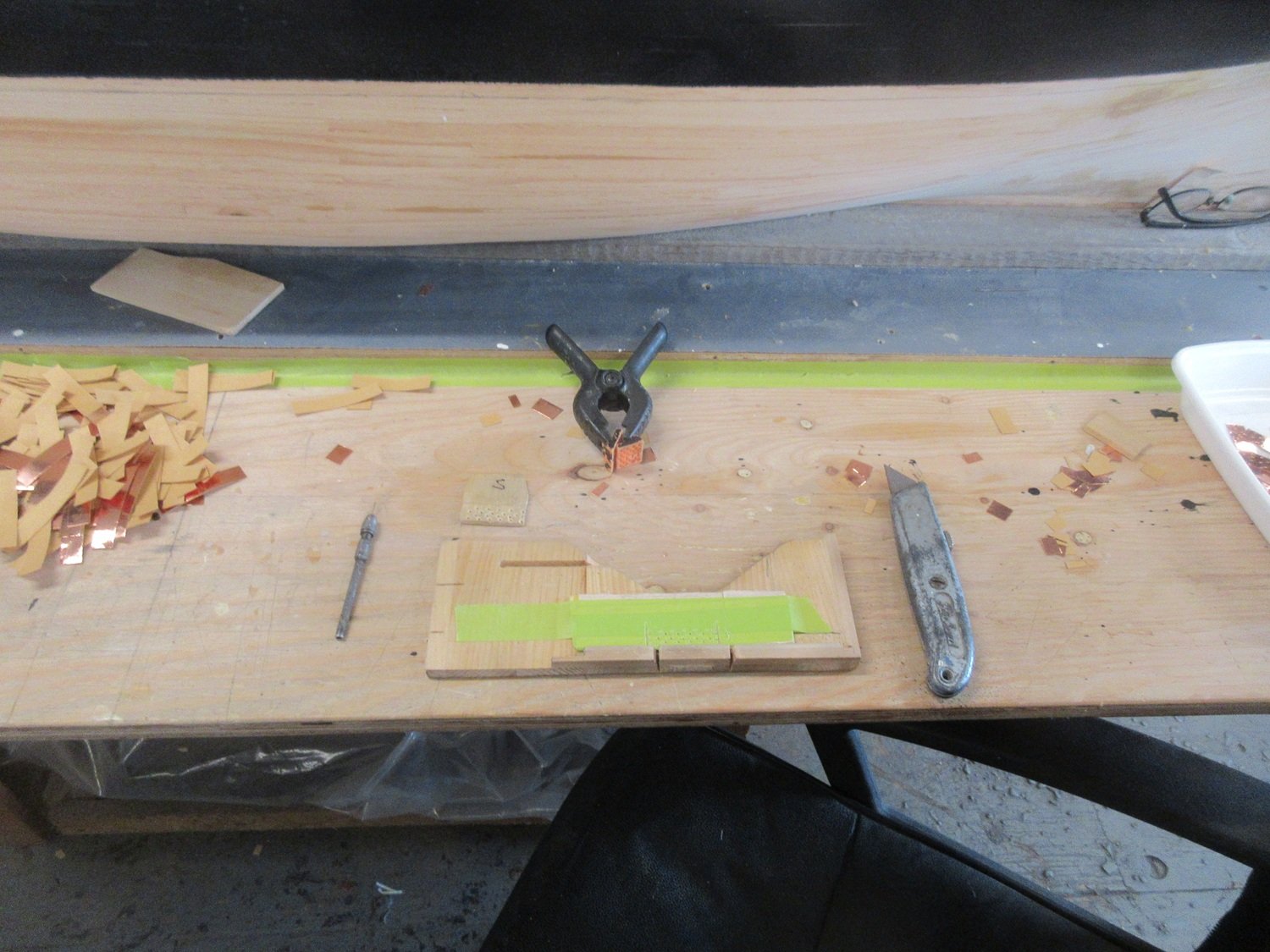
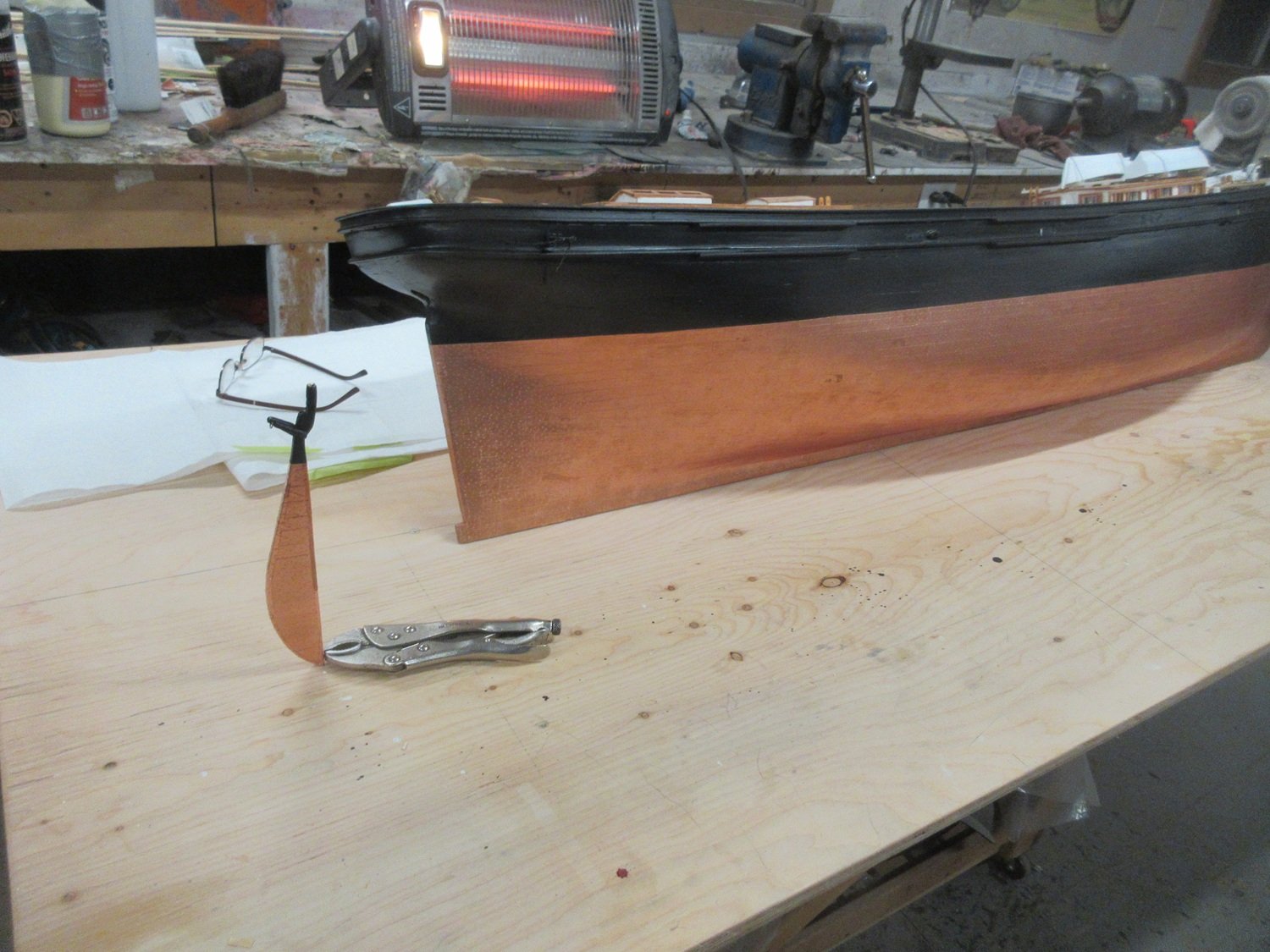
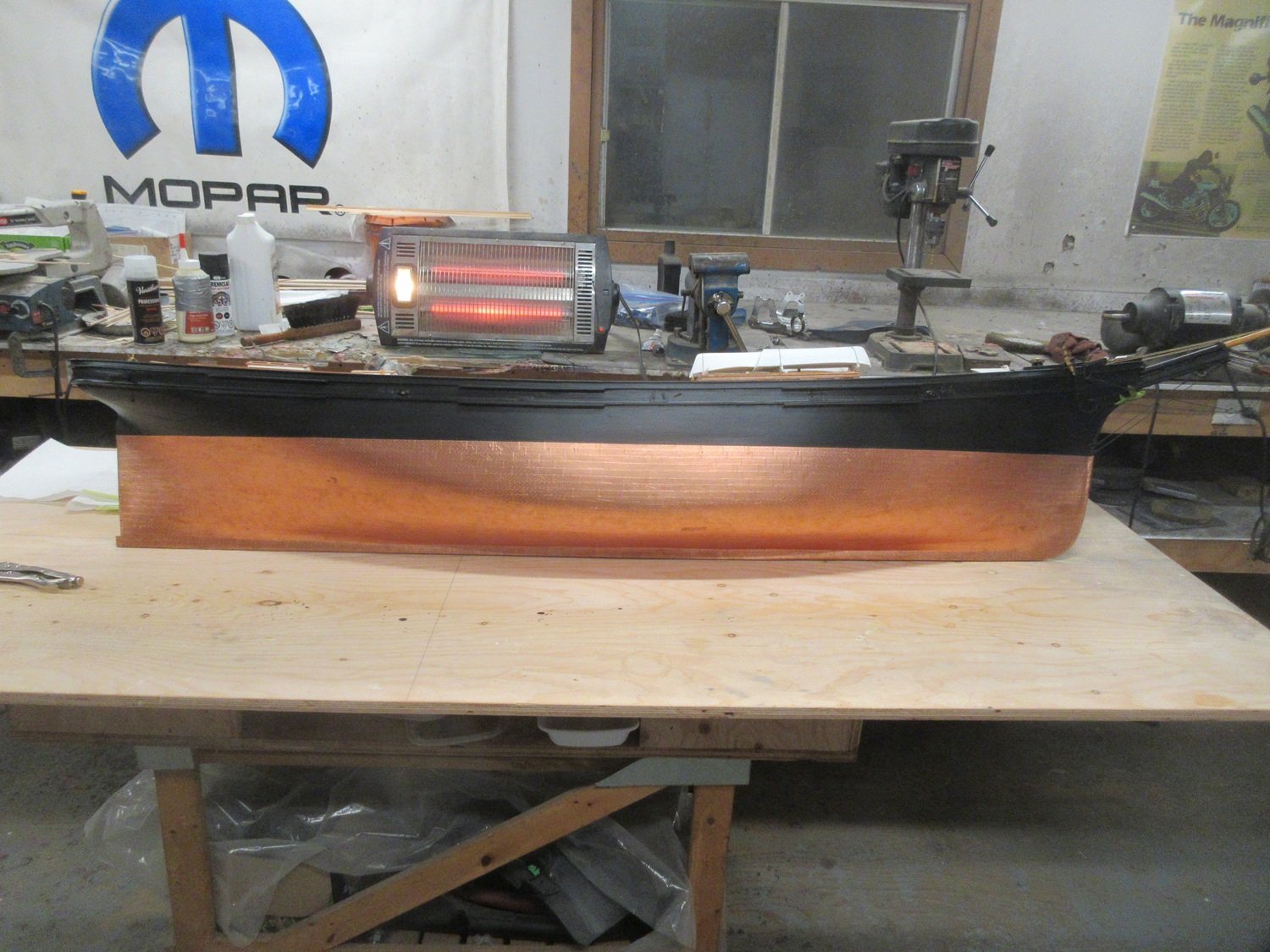
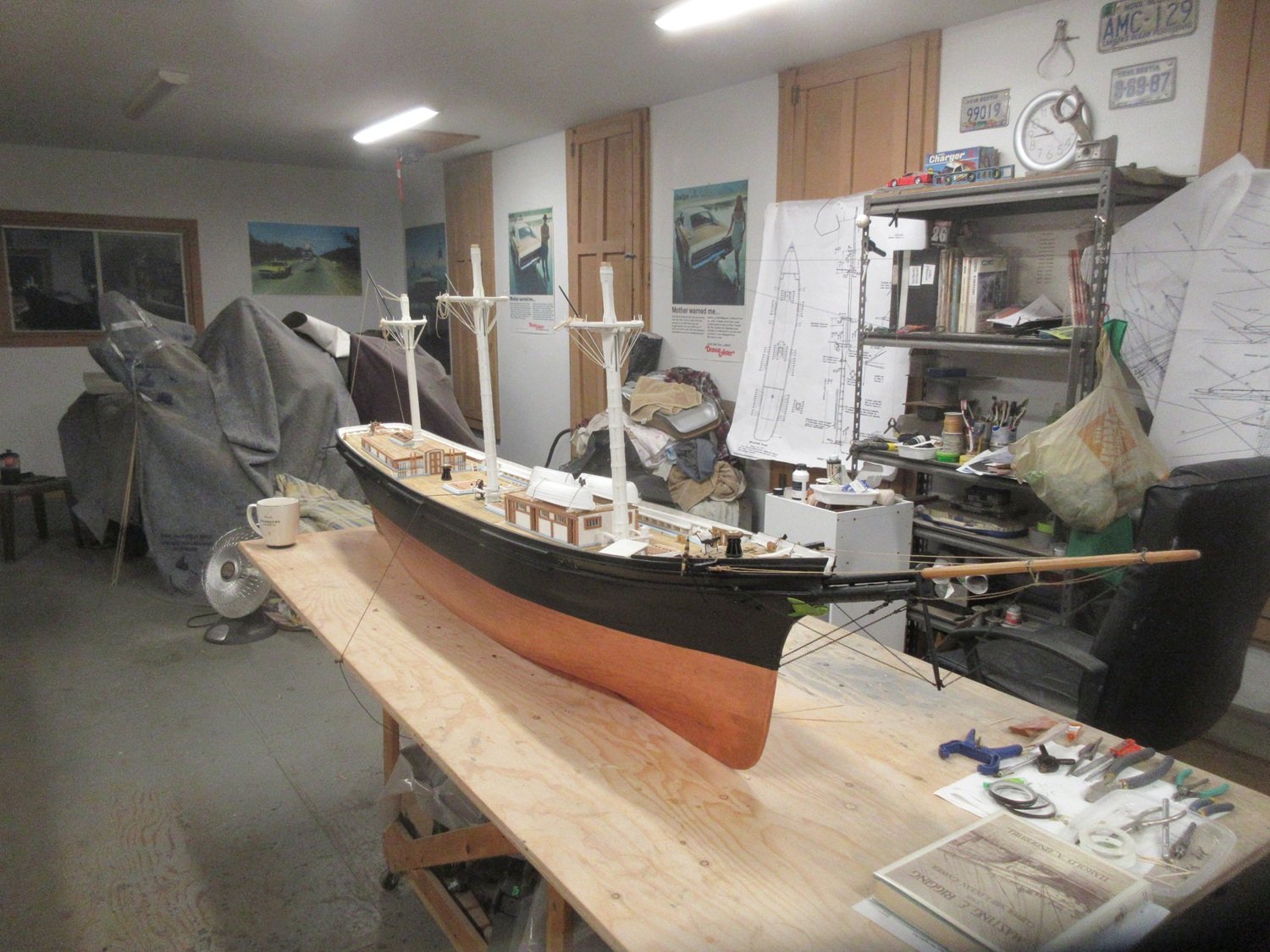
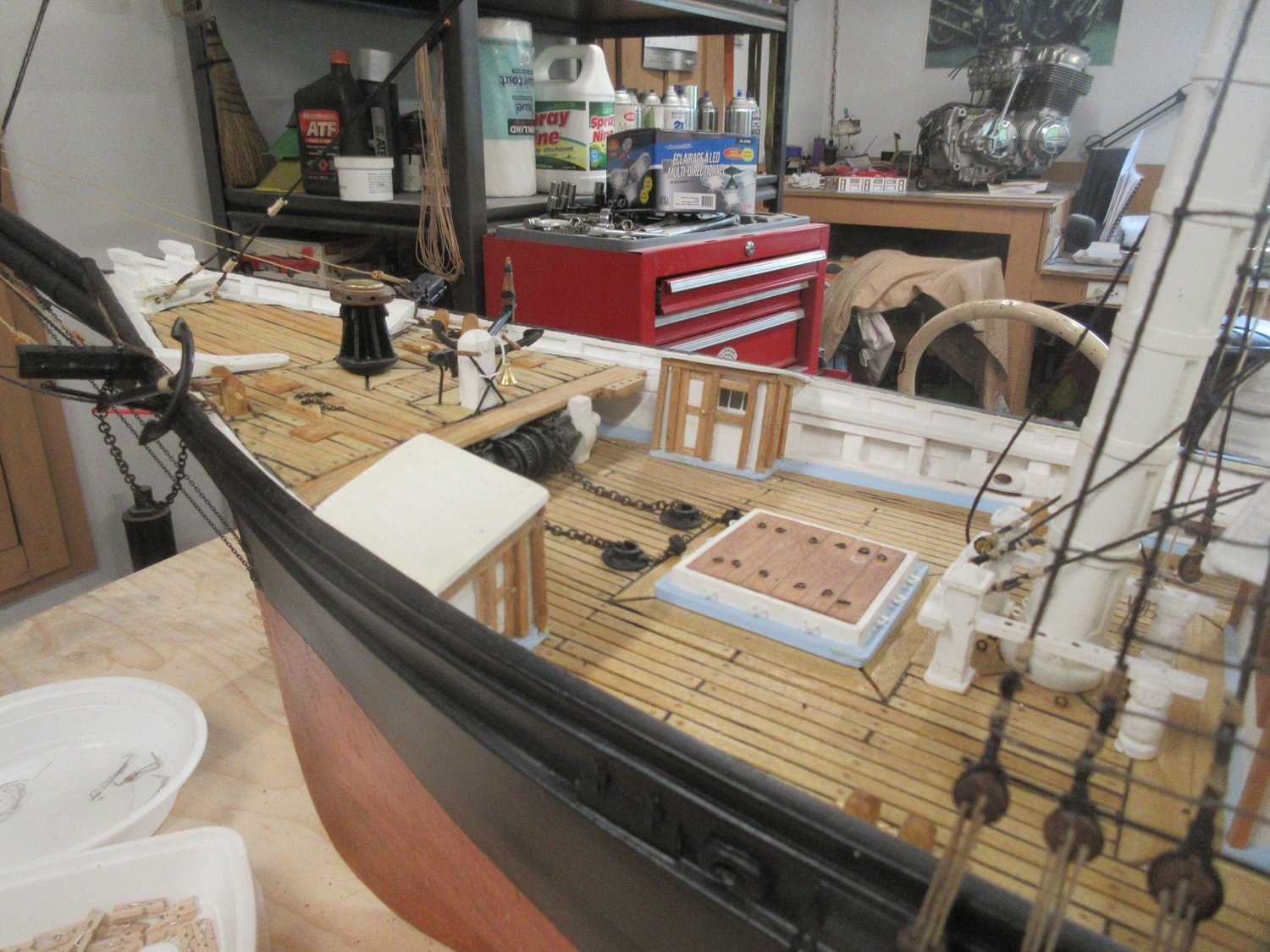
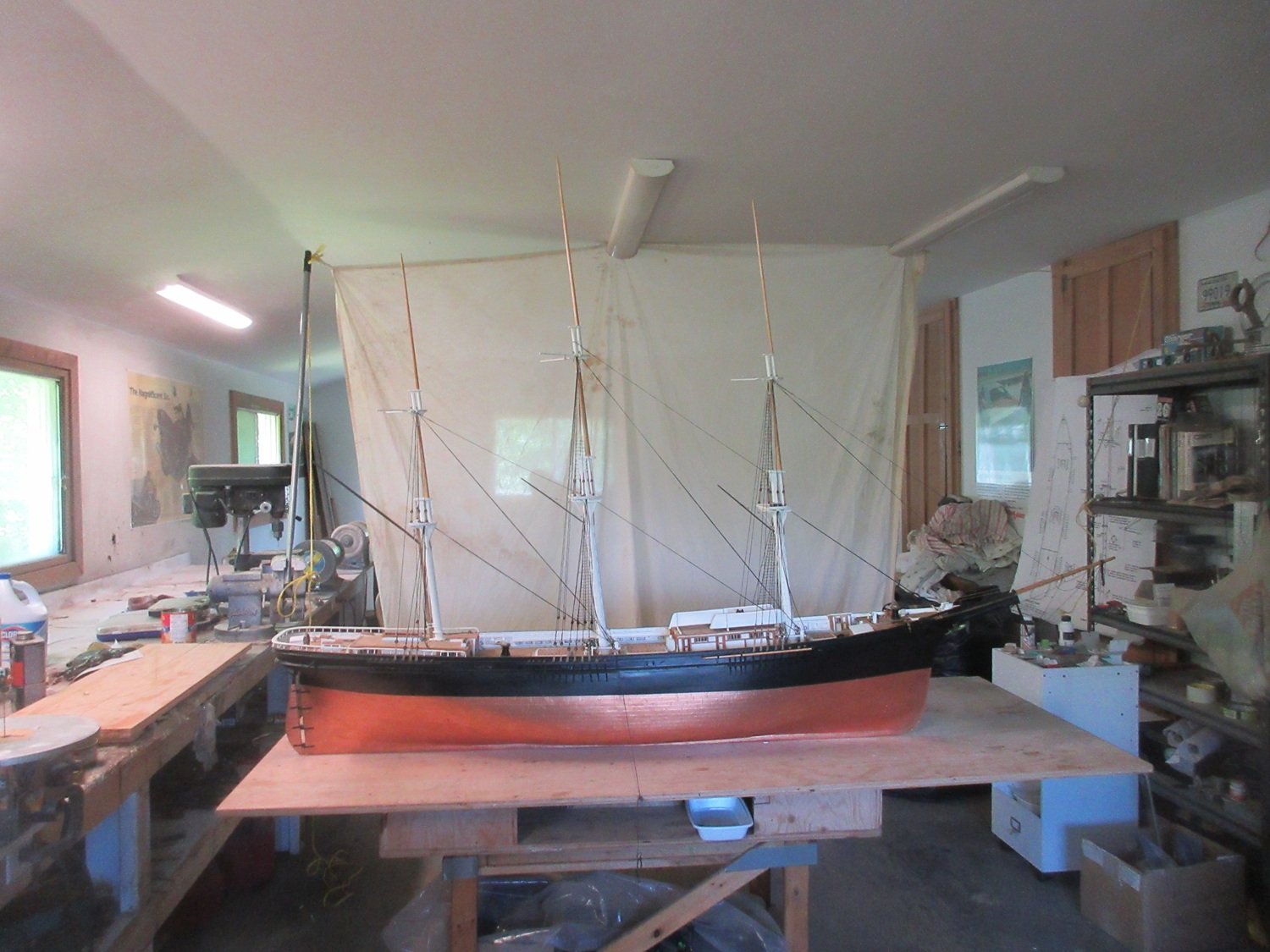
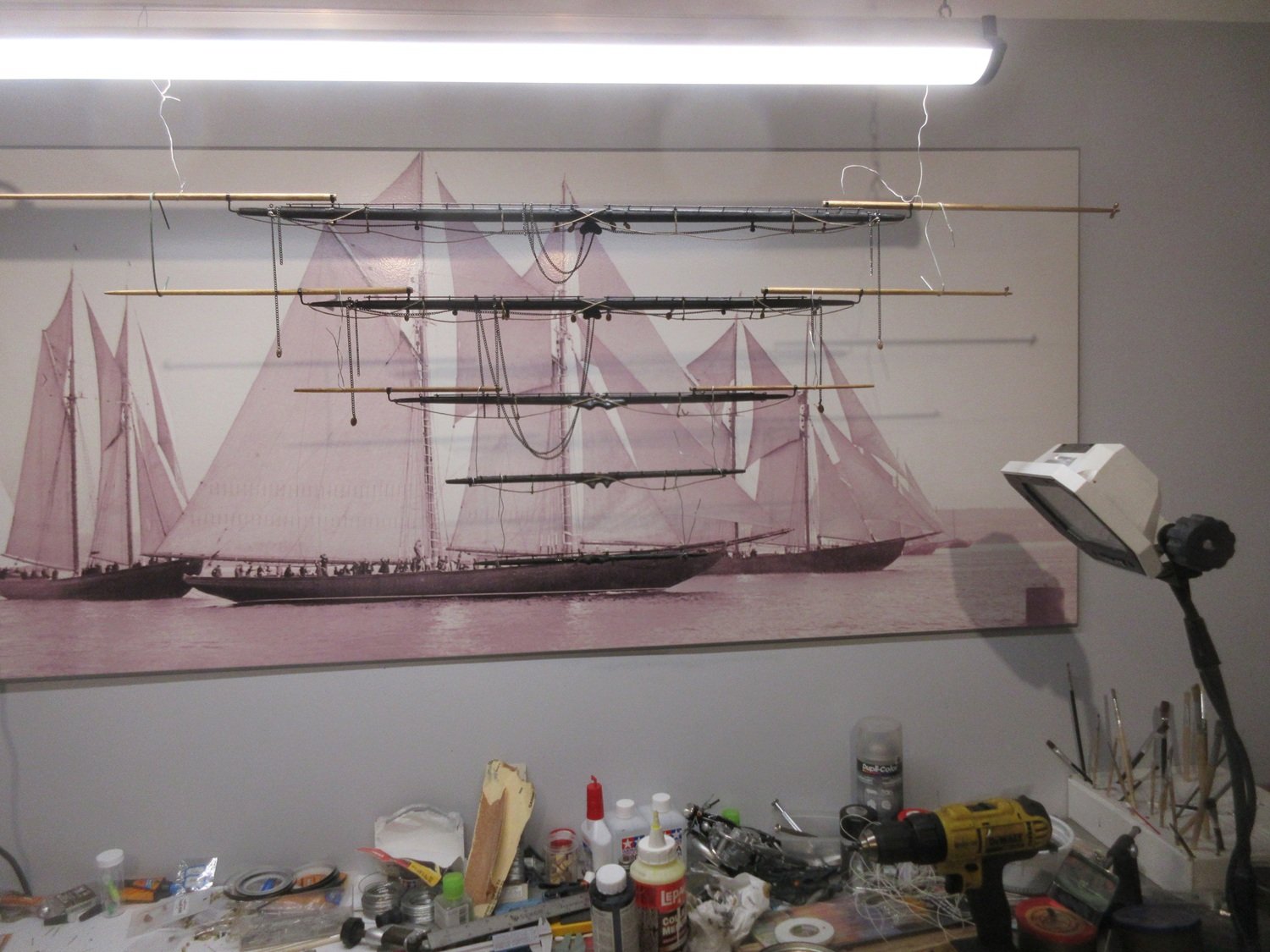
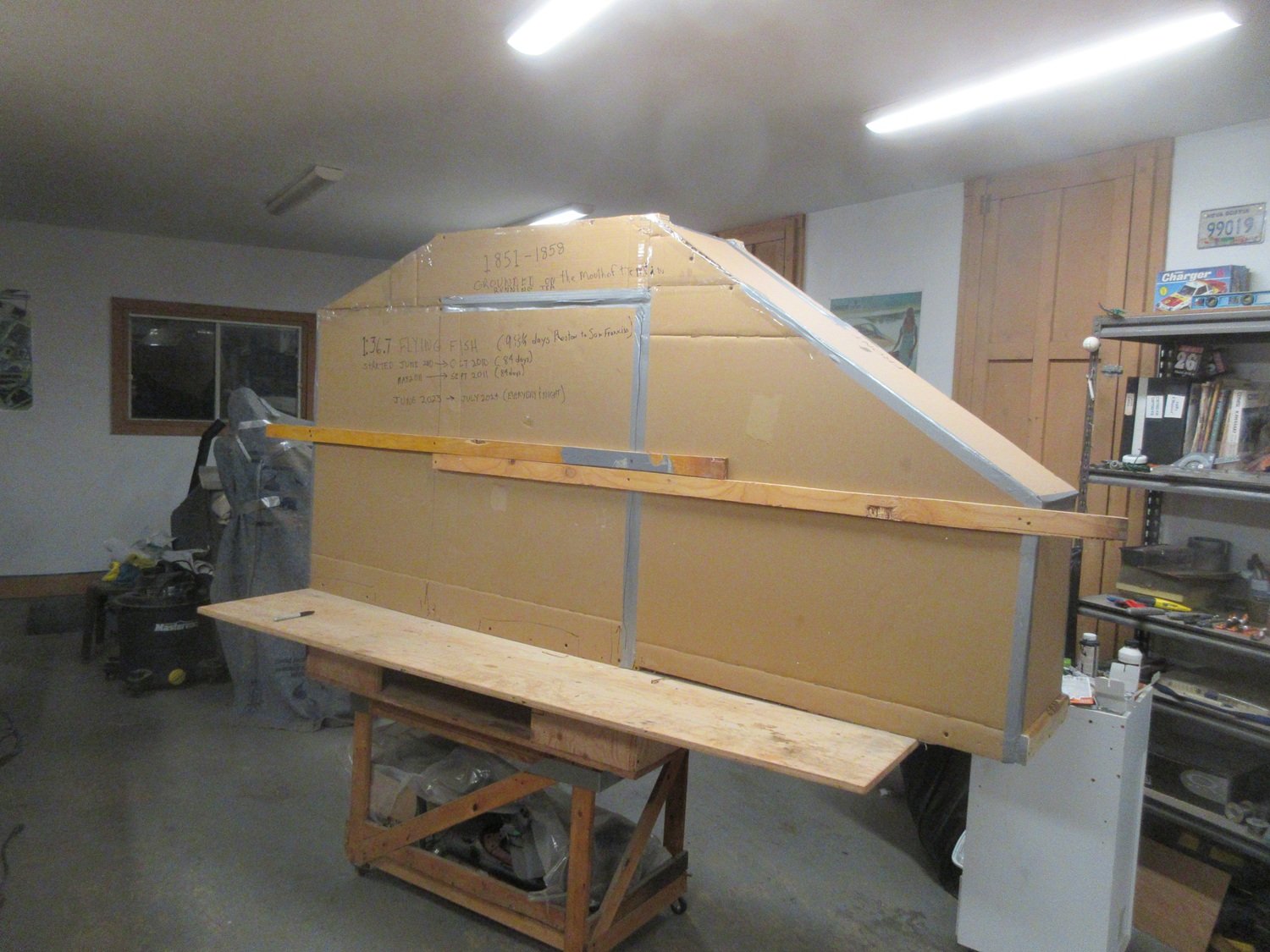
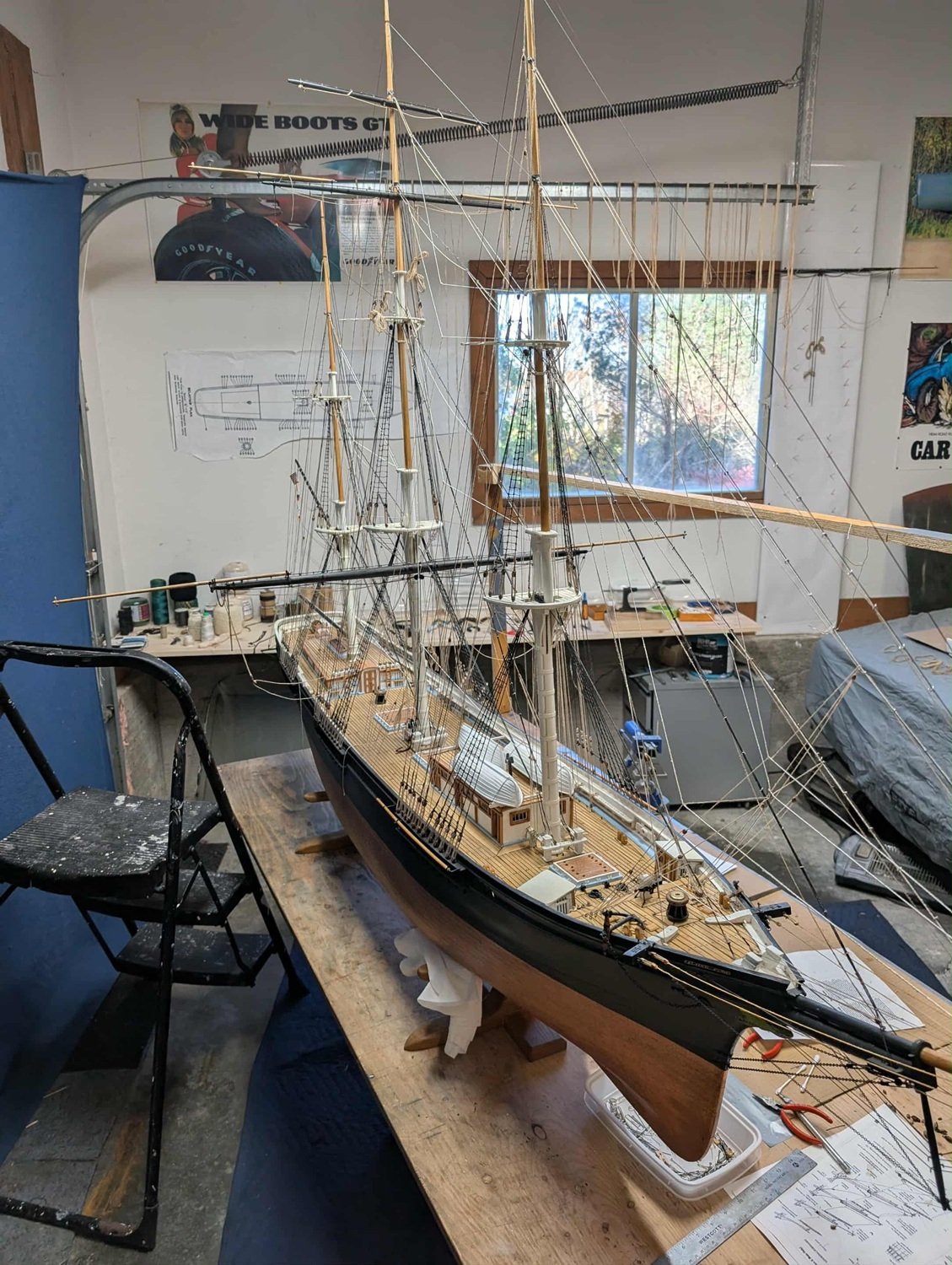
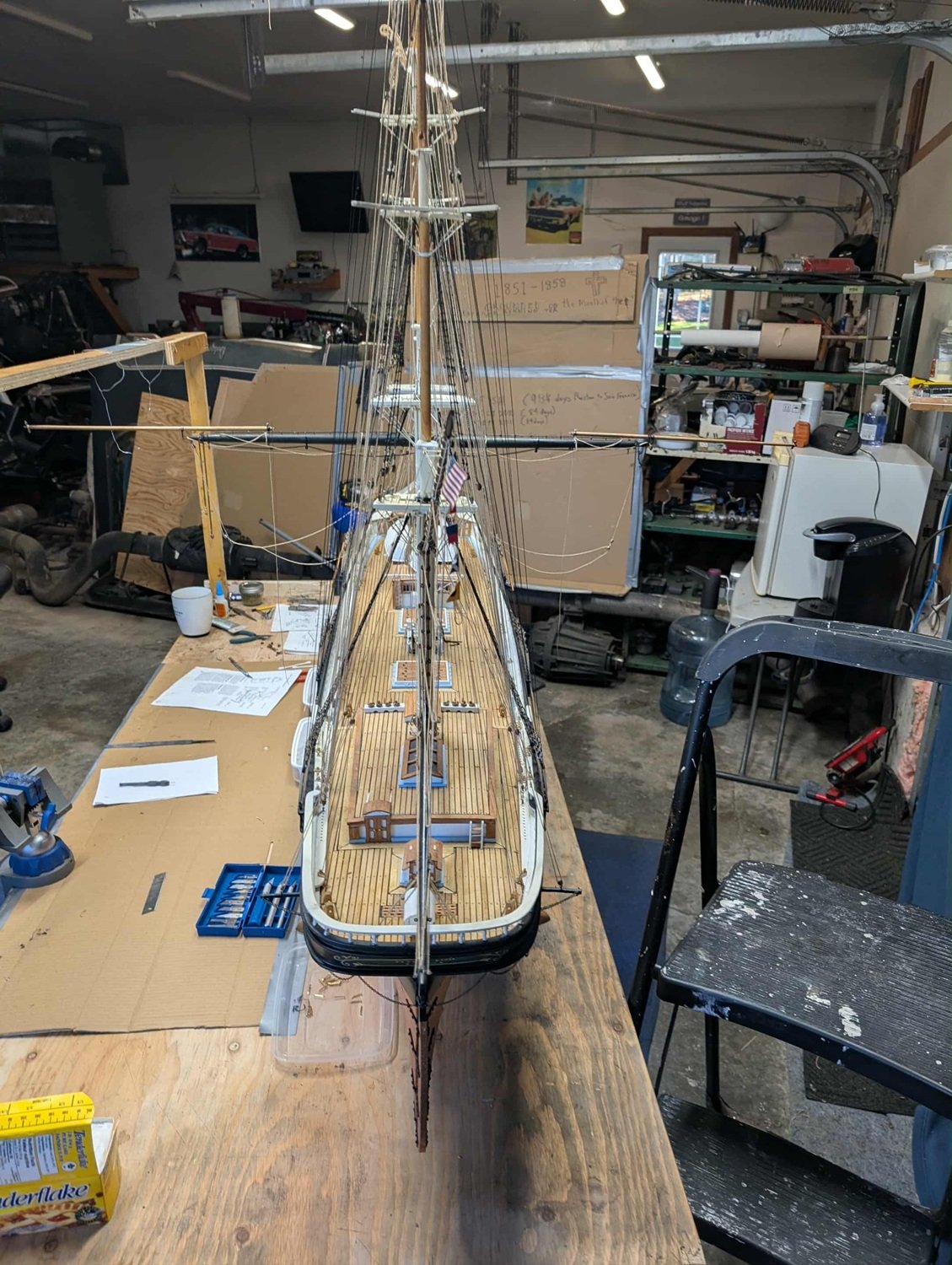
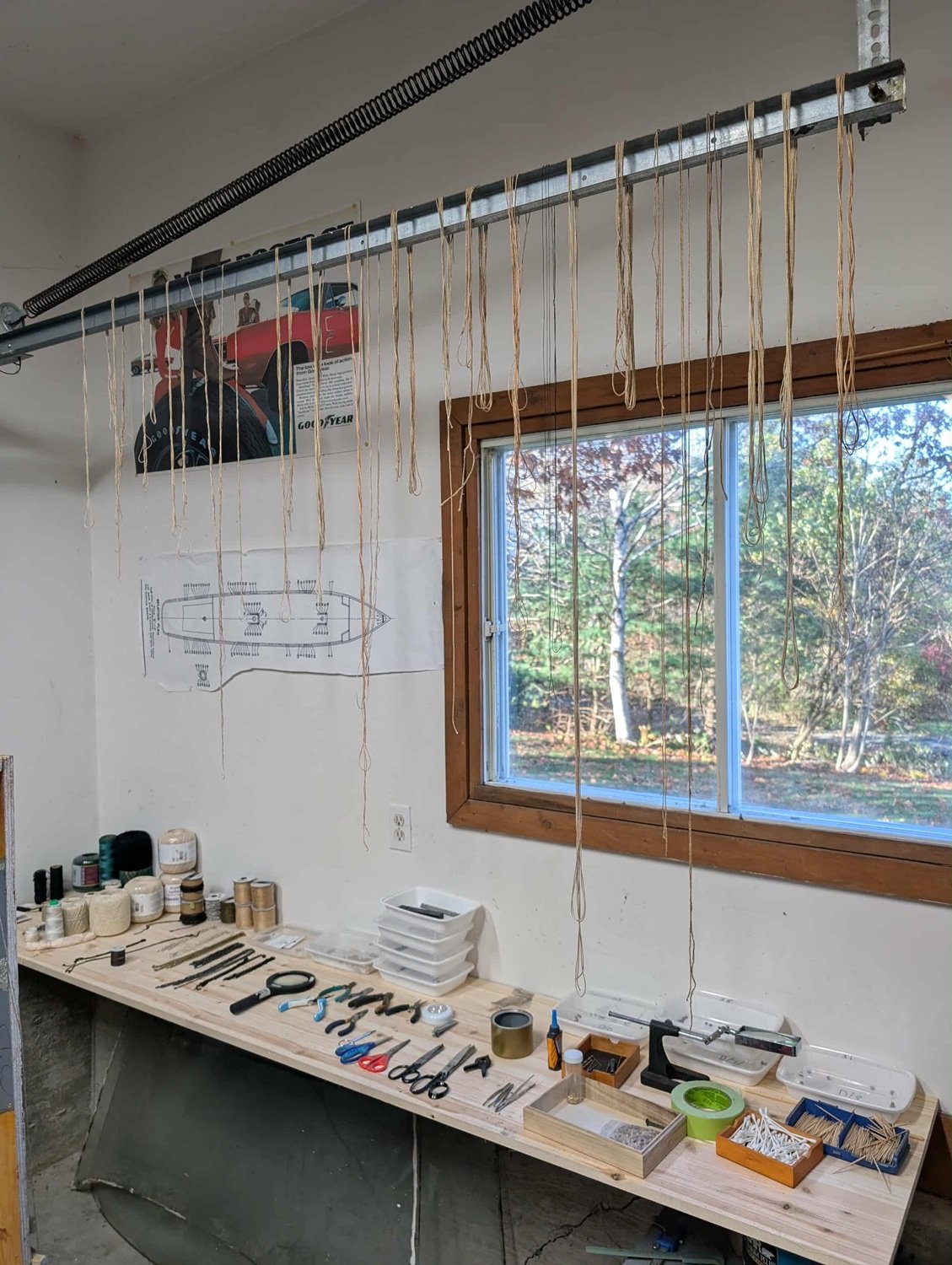
I've been building wooden ships for 48 years. Usually these are built on ships, before I was retired. I've built several Bluenoses and the Cutty Sark onboard the C.S.S. Baffin. Baffin had a woodworking shop on her and I did a lot of the work using her facilities. However in 1990 the Baffin could no longer be feasibly kept up and she was sold to India where she carried on as a passenger vessel for a while. After her I started the Flying Fish onboard the C.S.S. Matthew. She did not have a workshop and the keel and bulkheads were cut out onshore and a friend had a mill where he made me the pine planks. I started the Flying Fish in 2010 and worked on her for 3 28 day trips (84 days in total). In 2011I worked the same schedule of 3 trips; 28 days each. It was them crated up and left in my rec room until 2023 when I restarted her. I was retired then and worked from June 2023 to July 2024 - 384 days in total. Then it went through another crated period until June of 2024. Hopefully this is the last go at her before she's finished. The first photos show the C.S.S. Baffin that the Cutty Sark and Bluenoses were built on and the second is the C.S.S. Matthew that the Fish was started on. The 3rd and 4th images show those two as they now sit in the rec room. The rest are just a rough assemblage of chronological images of its construction over the years. I want to show her with all the running lines attached, even to the point of being erroneous. The staysails and studding sails will be used in conjunction. Also the sails will only be outlines in white so one can view all the lines in their entirety. As of now the staysails are done, but I am looking for a method to solidify rope for the rest. The bottom arc of the sail is the main area of concern. I've tried many solutions and potions, but none will make the rope rigid enough to handle. The second last try was using 18 gauge wire up from previous attempts with 22 gauge. The 18 gauge hobby is also too flimsy. I'm currently trying epoxy on the rope line and will see if this works. This was started from a set of 1951 Model Slipways plans that I had enlarged. I had researched the Flying Fish for over a year before I started her. There has been a dramatic change in her plans from the 1951 MS versions and also current findings have altered her again from those. So in areas of doubt or uncertainty I filled in the blanks with my own interpretation. The figurehead is a good example. It has been described as a "greenish gold flying fish". That's it. I have seen many images of what it may have looked like, but I went my own way. If it were the Flying Cloud, there's tons of research and items available. But I wanted the less traveled road. In the last decade of so there's been many who have picked up on the Fish also.


Our Emblem ®
