
HOLIDAY DONATION DRIVE - SUPPORT MSW - DO YOUR PART TO KEEP THIS GREAT FORUM GOING! (Only 72 donations so far out of 49,000 members - Can we at least get 100? C'mon guys!)
×


Michael P
-
Posts
52 -
Joined
-
Last visited
Content Type
Profiles
Forums
Gallery
Events
Everything posted by Michael P
-
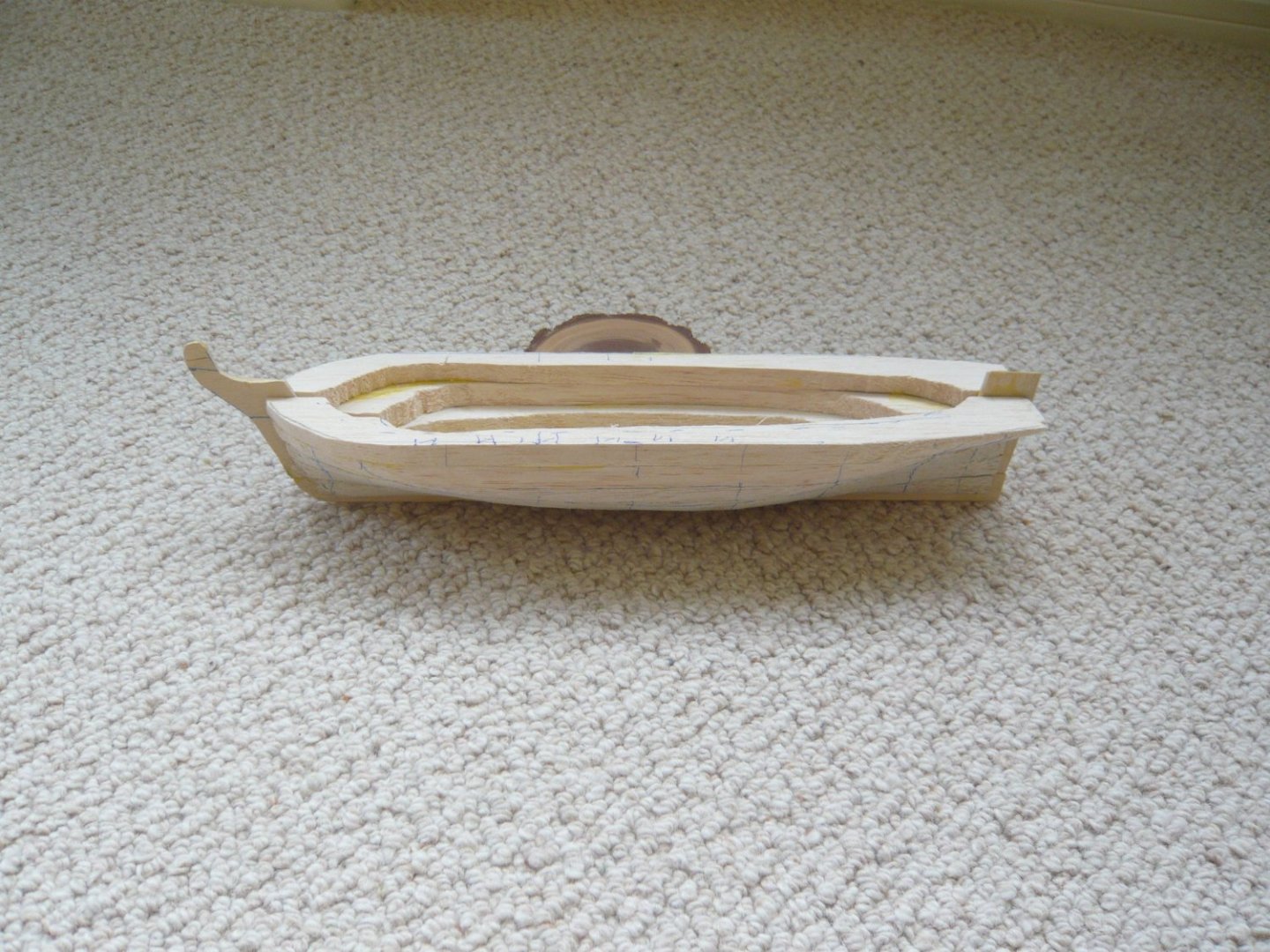
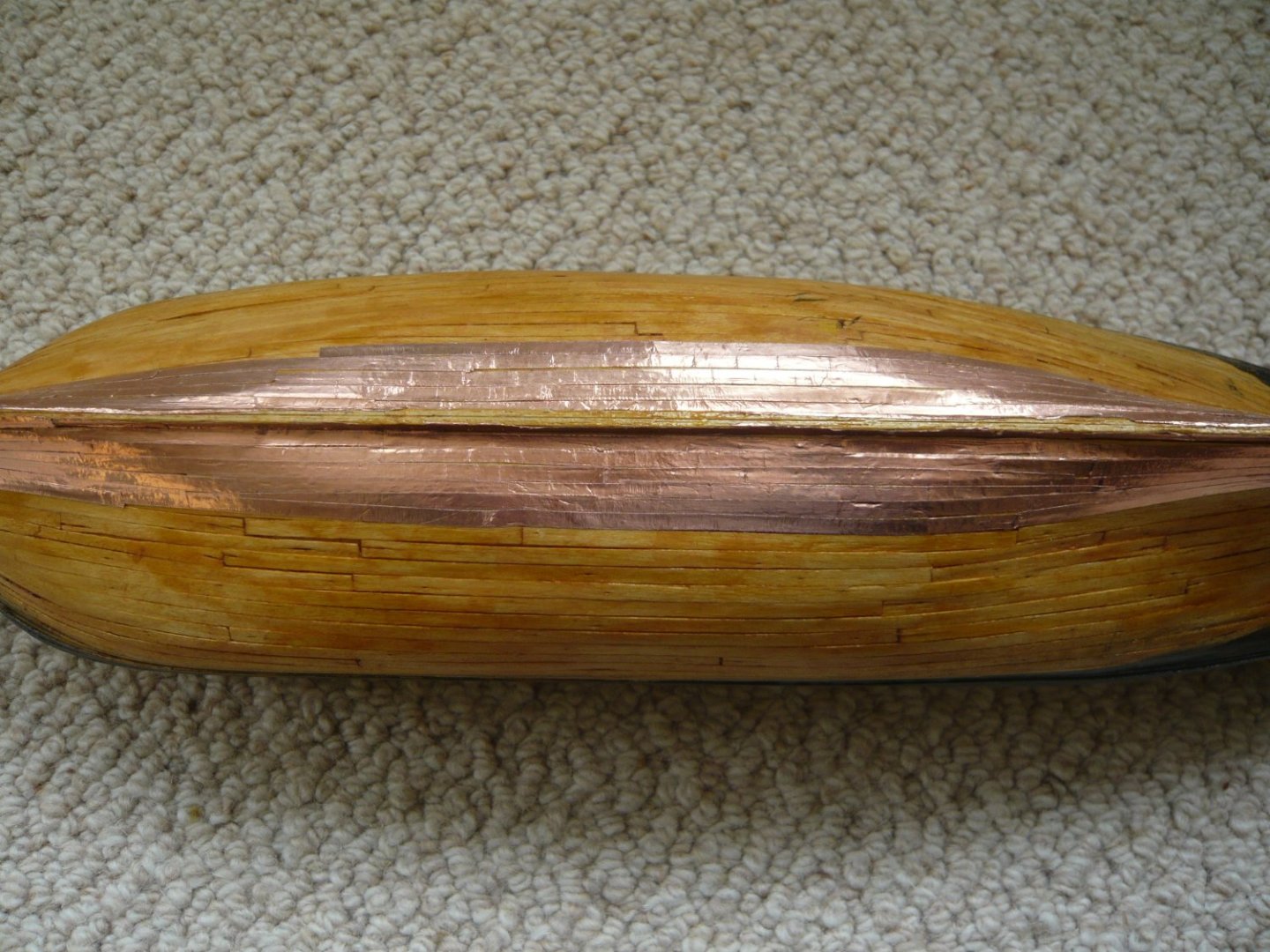
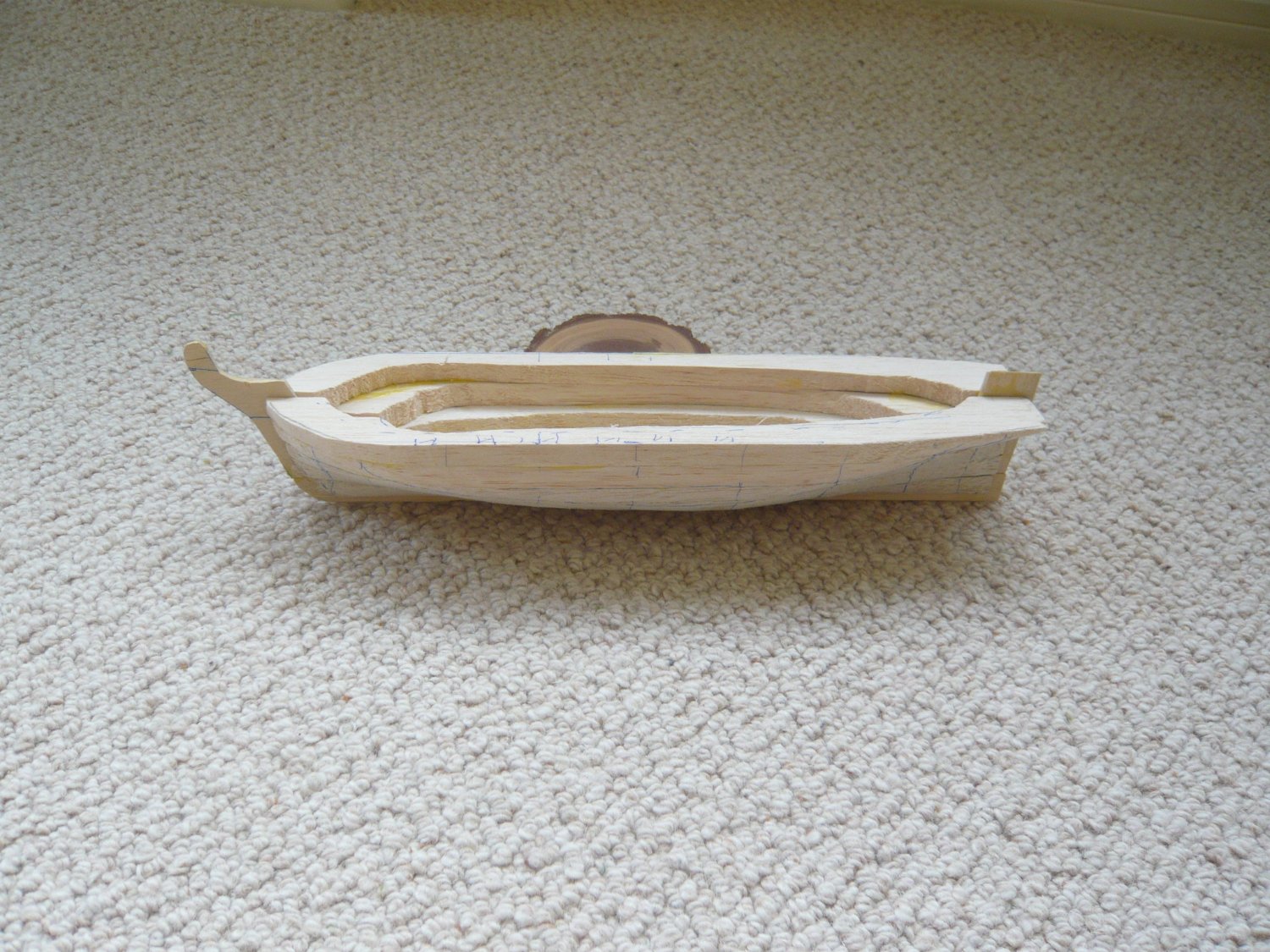
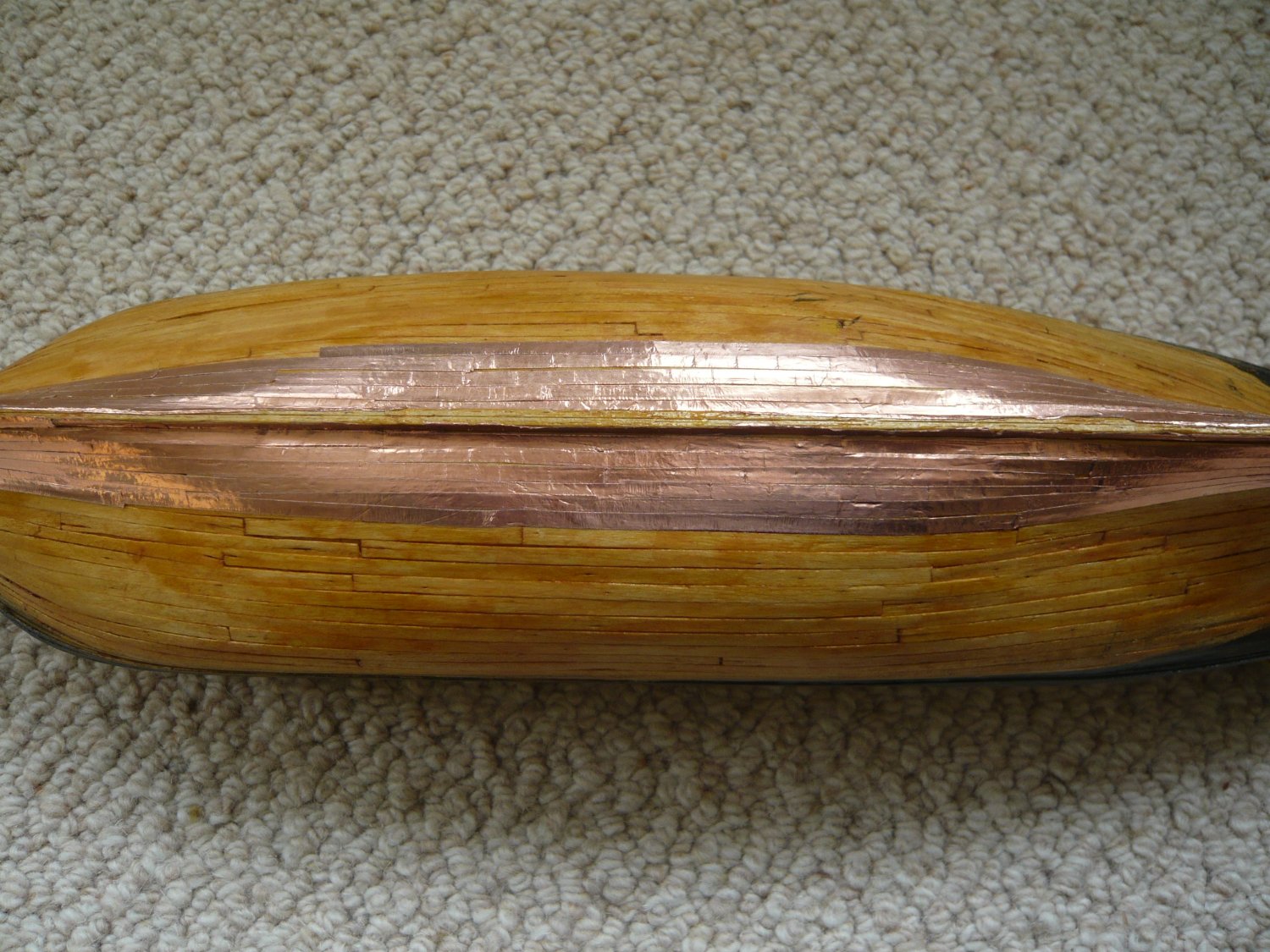
My present project is a model of Agamemnon. Why? Are there not enough models of this ship? Well, as a 64 gun ship, Agamemnon is not too big. At a very small scale of 1:150 there’s probably still room in the house. There’s even a book about her, by Anthony Deane, not that it contains much information about the design of the ship herself. And here are plans in the National Maritime Museum available online. There will, I think, be more differences between my model and the kit versions than just the scale. I should perhaps add that I am no photographer, but I’ll try my best. I’ve always built models on a bread-and-butter principle. That may horrify readers, but it was a standard late eighteenth-century method, and is advocated in what used to be (and in many ways still is) my bible, Barrot de Gaillard’s Construisez des modeles reduits de marine. What will probably appal even more is my use of balsa wood for the bread-and-butter core, but this does have advantages. It does not shrink or warp (as my surviving teenage models testify), and it’s remarkably easy to work. The photograph shows how depressingly crude the model is at this stage. The shot of my Sphinx possibly suggests that Agamemnon may come out all right in the end. Planking. It seems unnecessary to plank the whole of the hull, when all the underwater section will be coppered. But planking helps to smooth out any inconsistencies in the bread-and-butter hull. I have gone over the top to some extent, in that the wales are done in anchor-stock fashion. It may well not show once it’s painted, but since it can be done this way, why not? I did cheat, by cutting a single piece of wood in a zig-zag pattern. That way, it fits together neatly – almost too neatly. Coppering. The advice with a model on this scale is to avoid coppering. Nevertheless, I’m having a go. Many kit models have sticking-out pimples on their copper plates. These are presumably intended to indicate nails, but a look at a coppered ship, such as Trincomalee, suggests that the heads of the nails lay flat. Photos of City of Adelaide also show no sign of pimples or protuberant nails. The coppering of USS Constitution is new, but again, there are no pimples in the photographs I’ve seen. So, my model is to be coppered with 2 mm adhesive tape, made in China and bought through Ebay, with no attempt made to mark the nails. One problem is that the joins are very hard to see; I chose therefore, rather than using small pieces of tape, to mark the divisions by scribing them. It's important, of course, to make sure that the surface to be coppered is absolutely smooth. Being old-fashioned, I used French polish.
.thumb.JPG.7883e52014a85ab2388dfabd7e454b06.JPG)
- 61 replies
-
- 10
-

-

-
- Agamemnon
- Ardent-class
- (and 2 more)
-
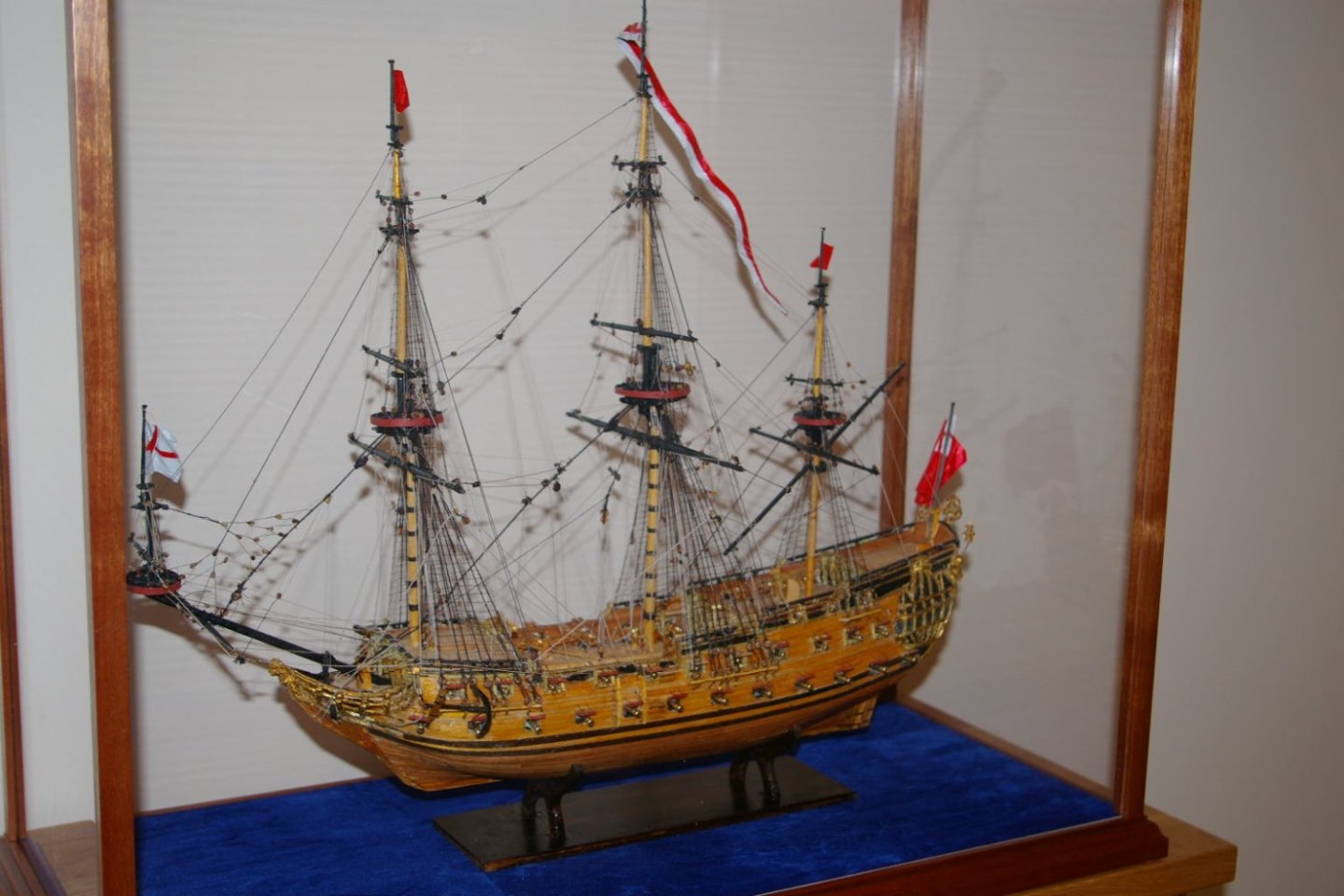
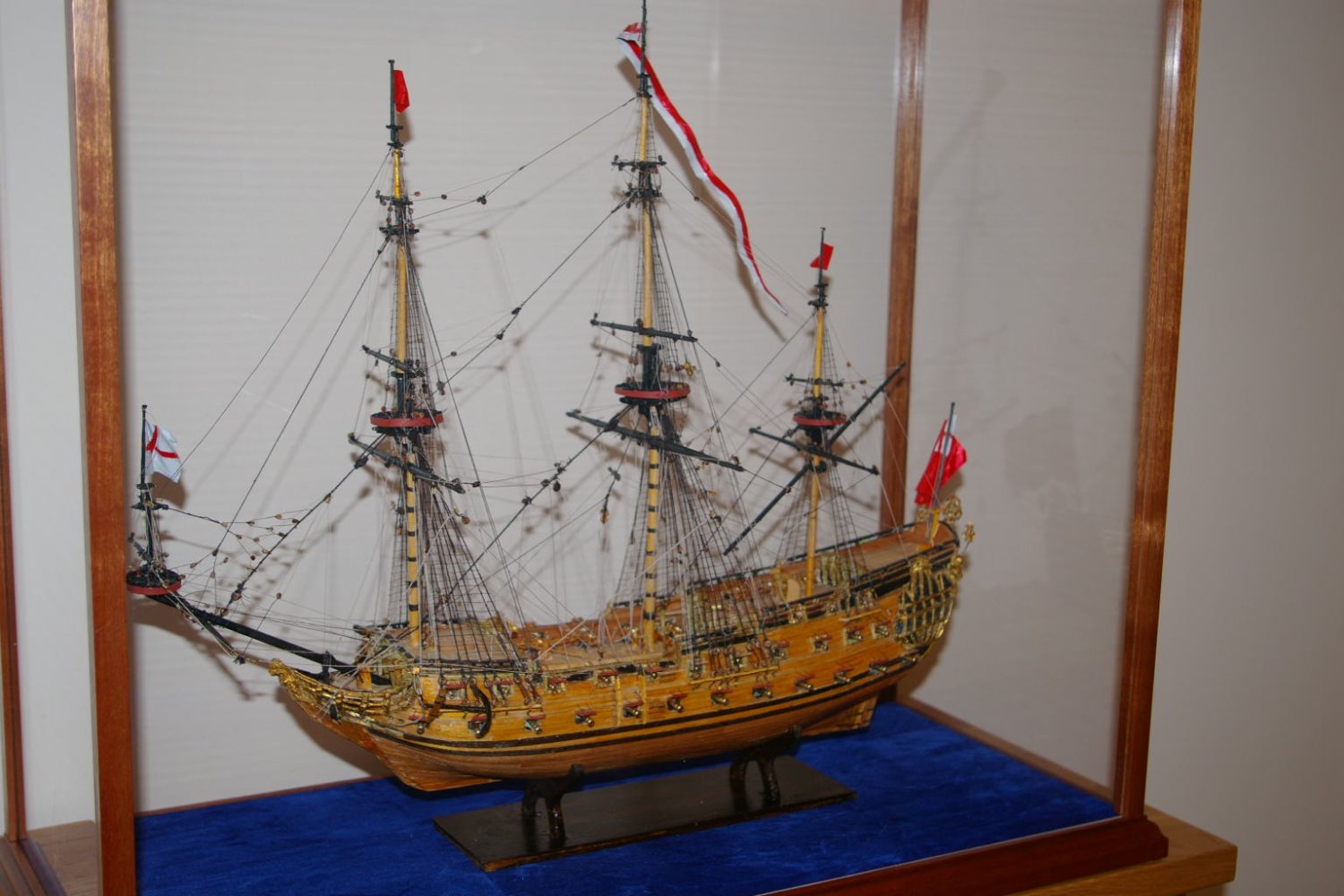
As a teenager, I used to make model ships. One even won 3rd prize in a Model Engineer exhibition in London, though it looks very crude these days. Then a few years into retirement (now aged 80), I thought I’d try again, and so far have made models of HMS Sphinx, Winsby (later renamed Happy Return), RMS Britannia, and a late Elizabethan galleon based on the well-known Mathew Baker drawing. The present project is HMS Agamemnon. Not a kit (I've never made a kit model), and quite small at a scale of 1:150, as there's no room in the house for anything big. And the scale adds to the challenges. I'm attaching a photo of Winsby, which has a keel length of about 12 inches.
- 13 replies
-
- 17
-
.JPG.8439daa0fdd74e28872cd47af622461f.JPG)
Our Emblem ®
