
HOLIDAY DONATION DRIVE - SUPPORT MSW - DO YOUR PART TO KEEP THIS GREAT FORUM GOING!
×


Willi
-
Posts
79 -
Joined
-
Last visited
Content Type
Profiles
Forums
Gallery
Events
Everything posted by Willi
-
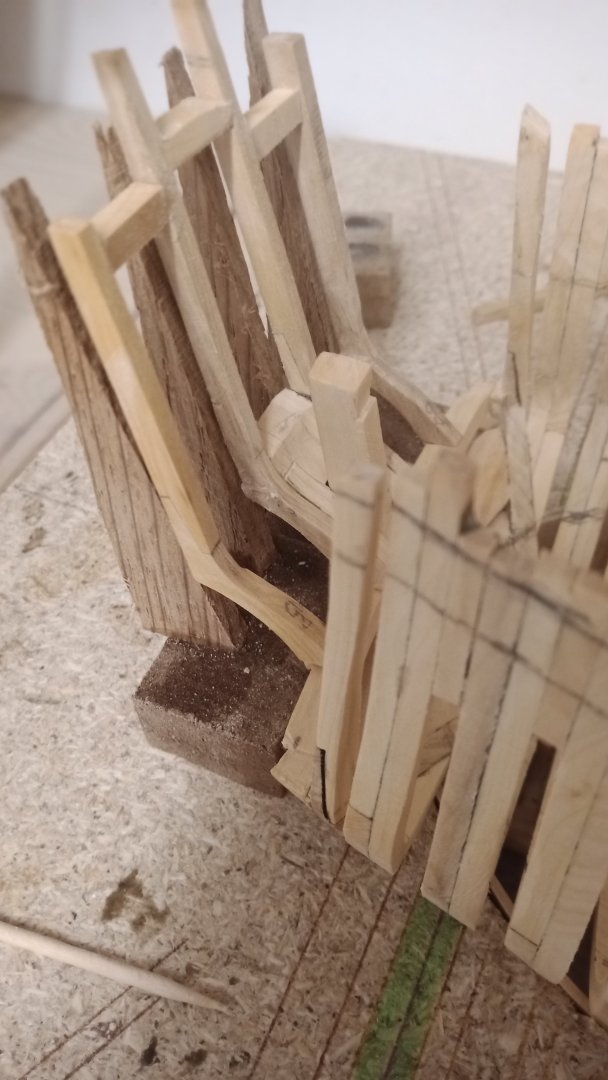
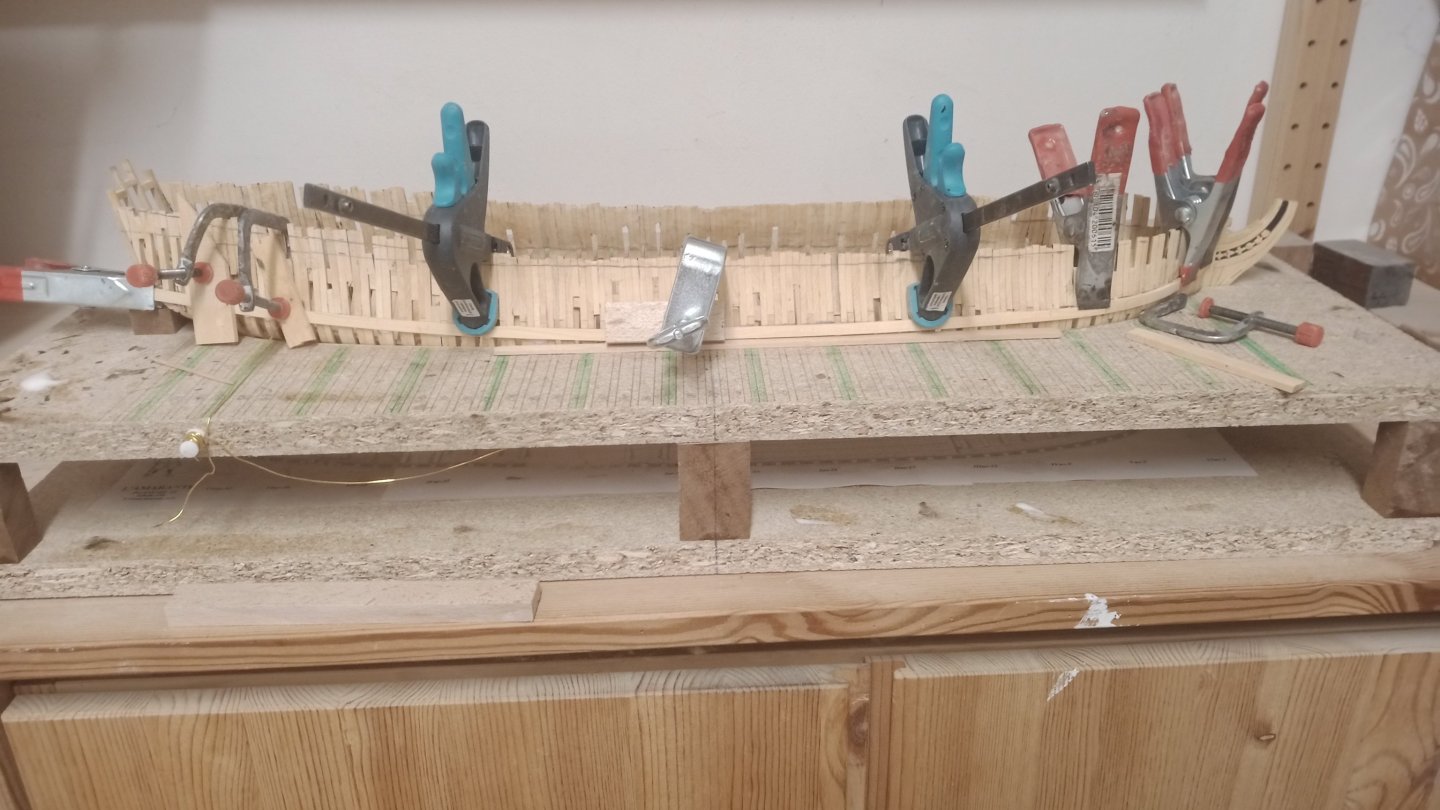
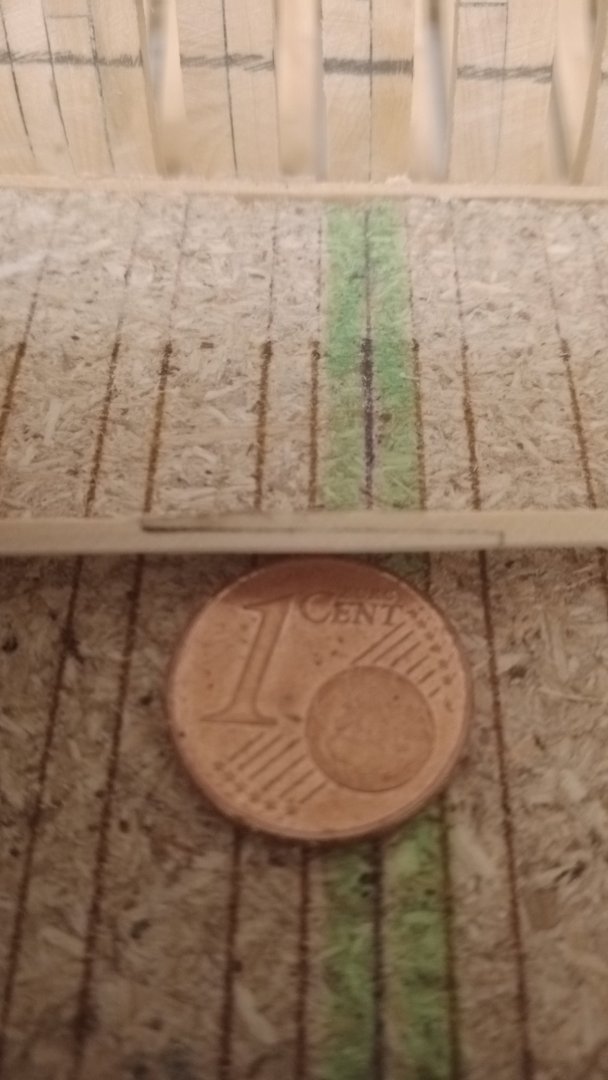
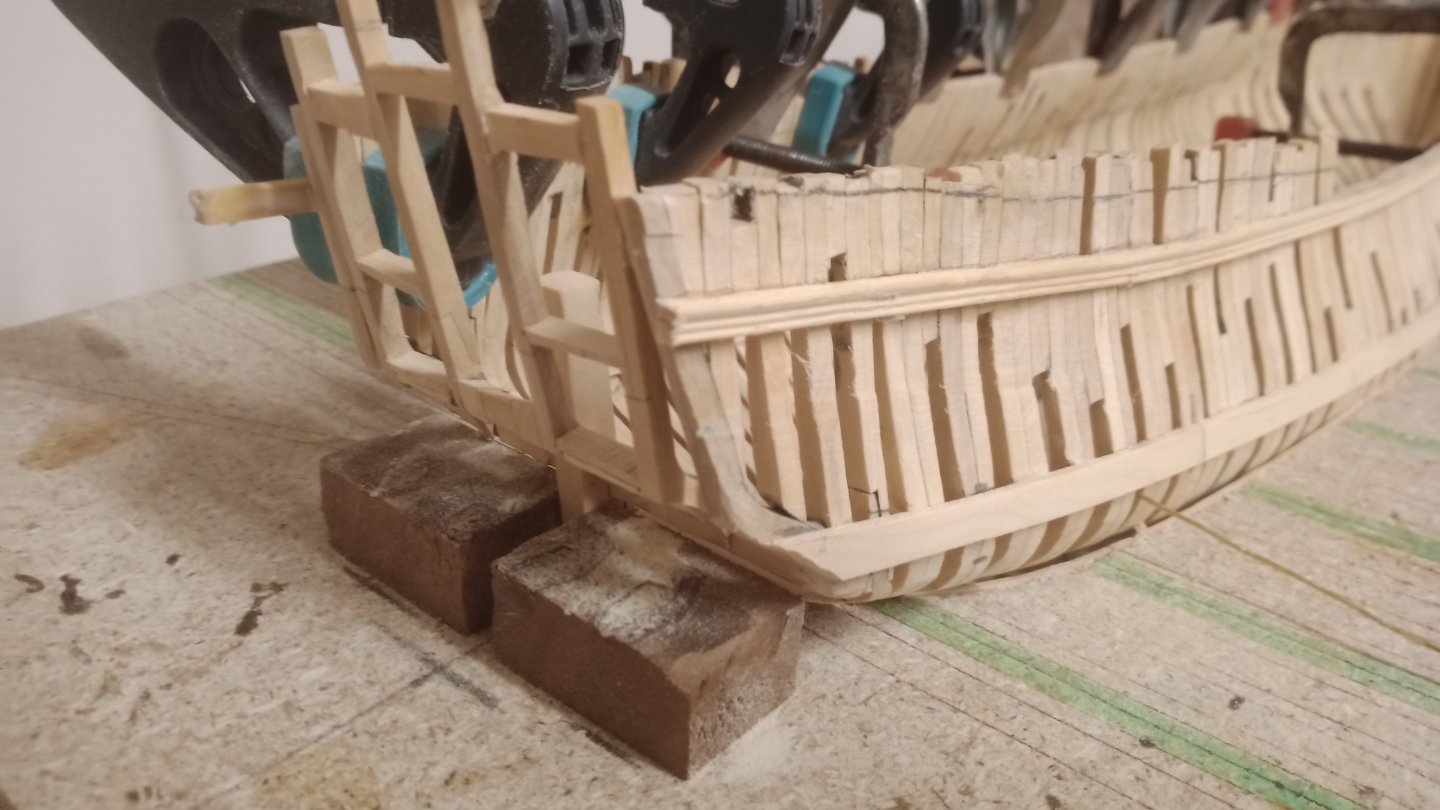
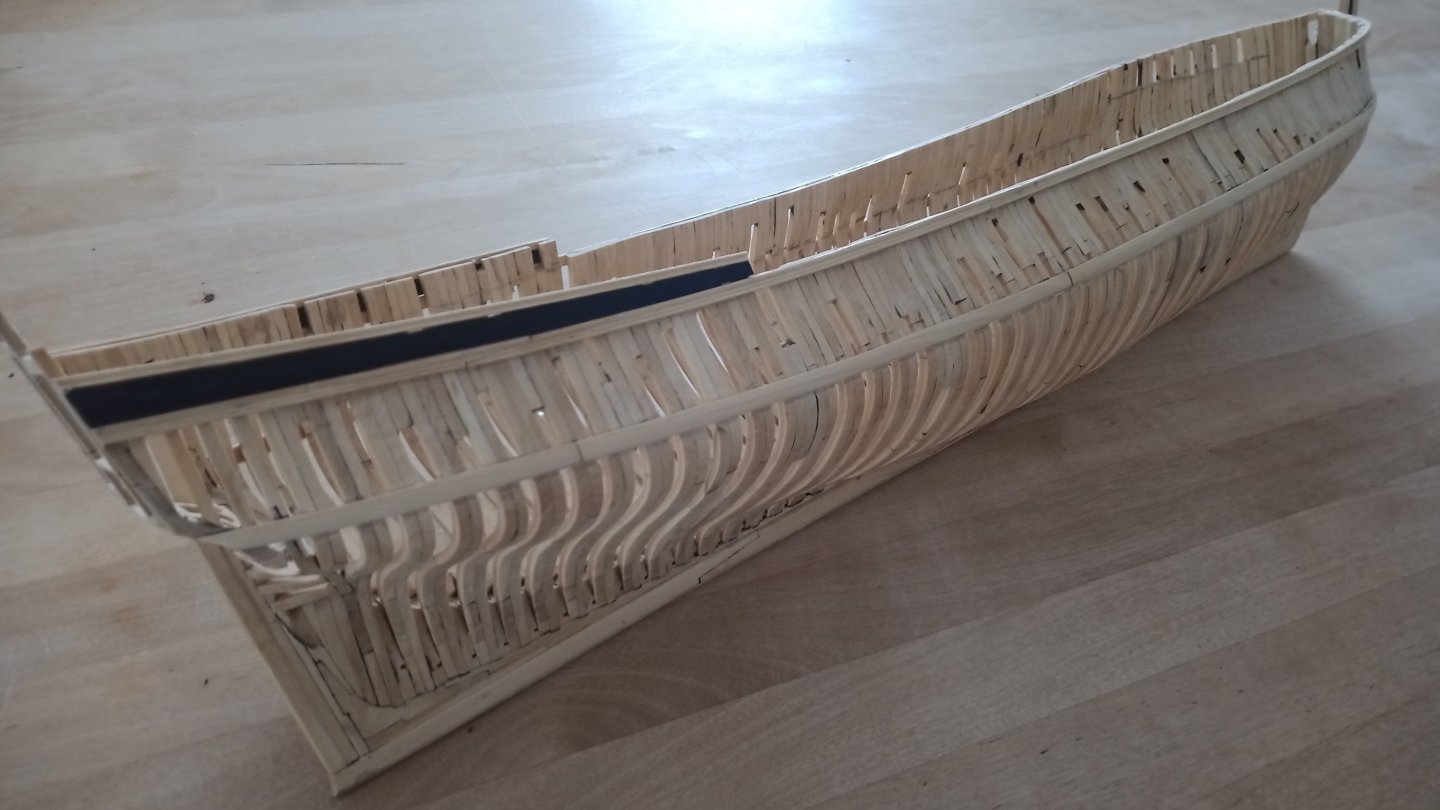
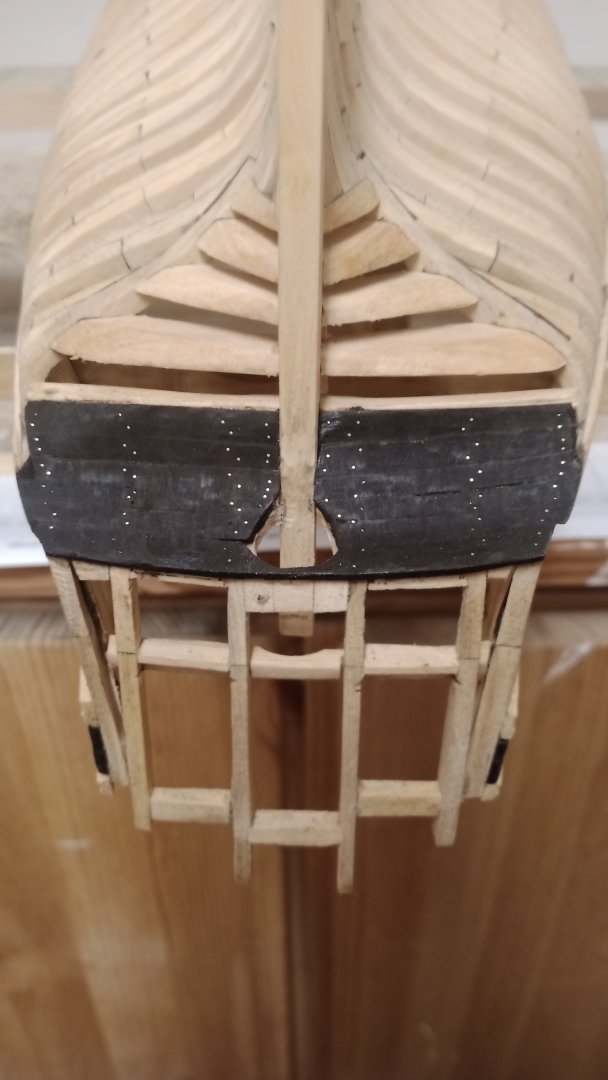
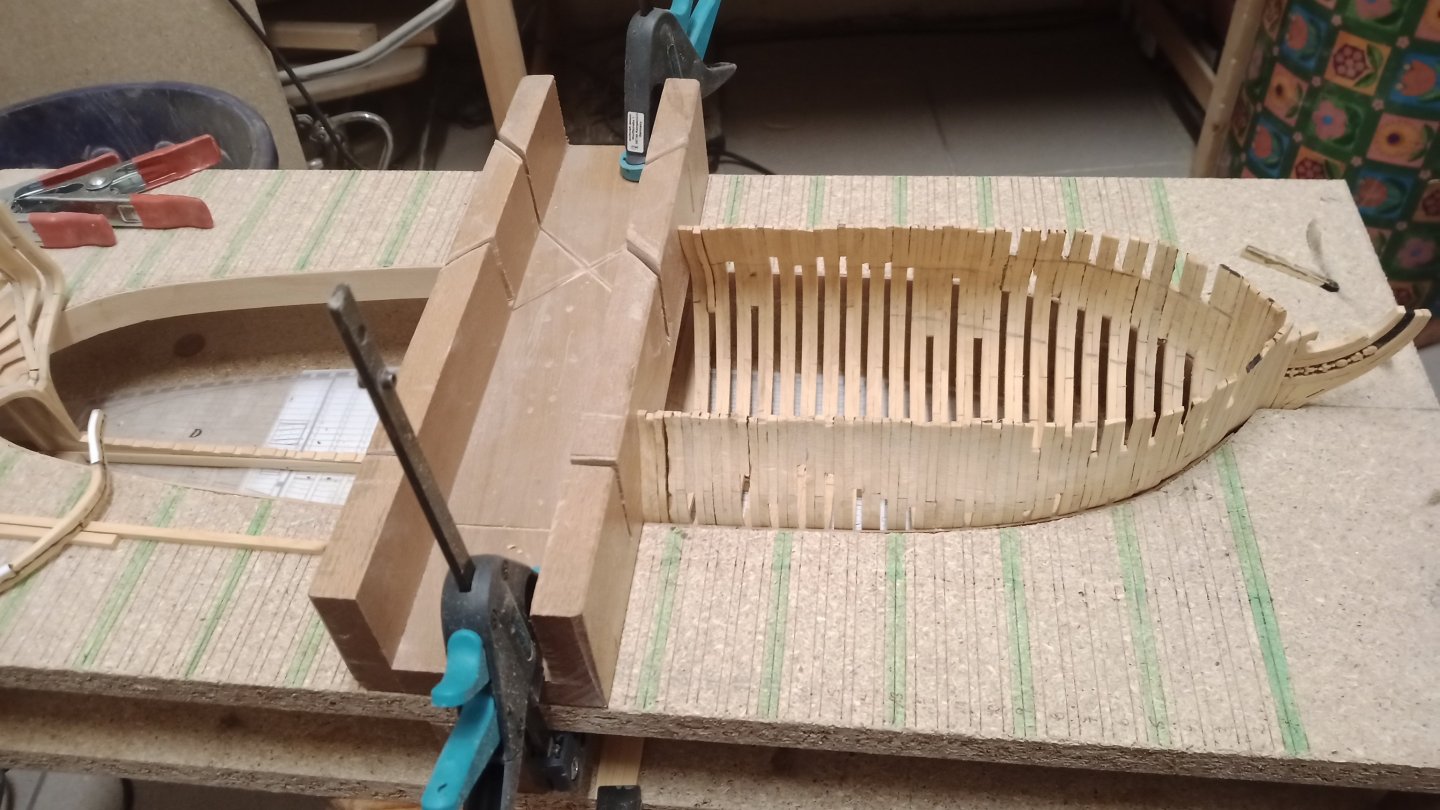
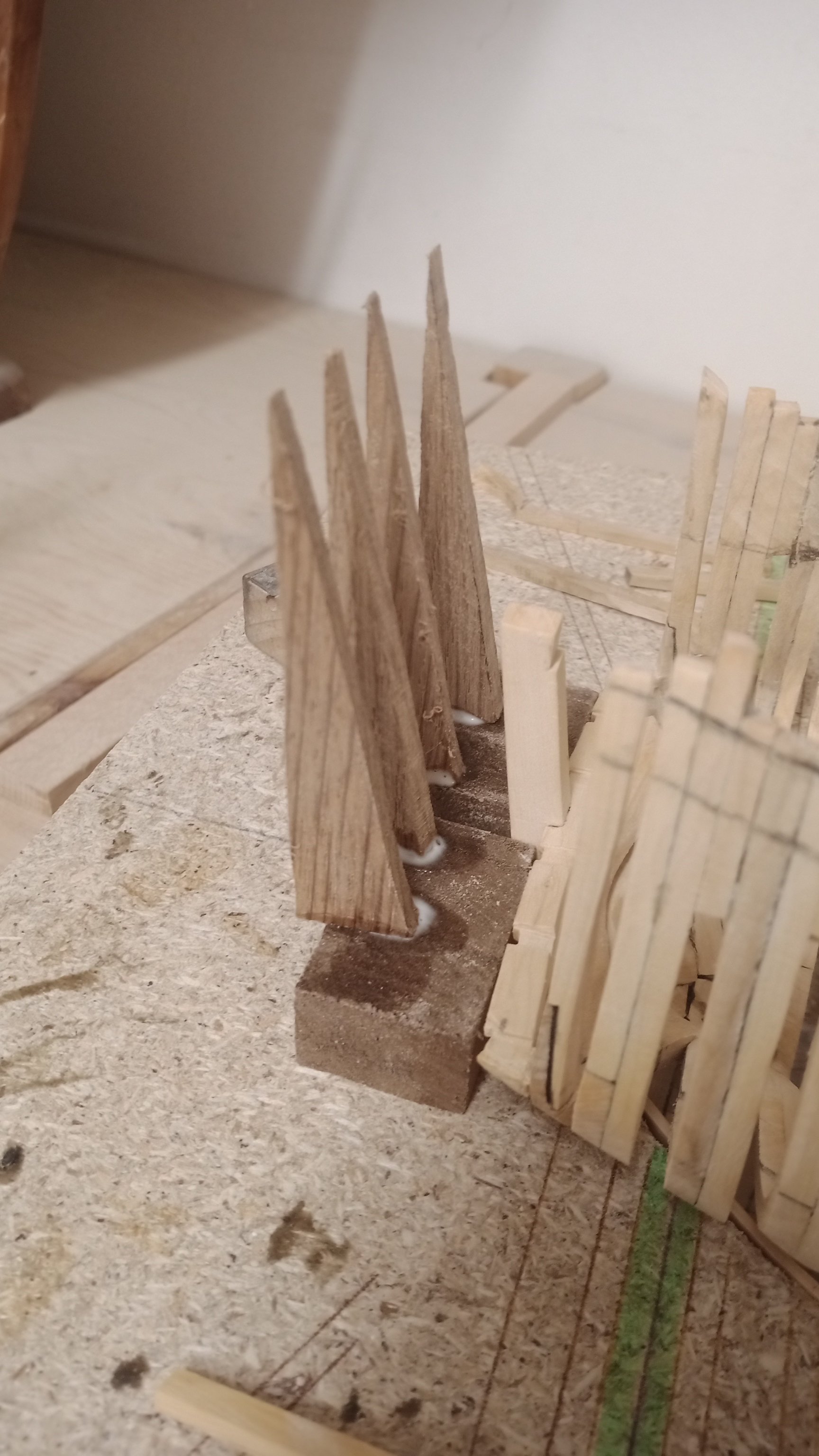
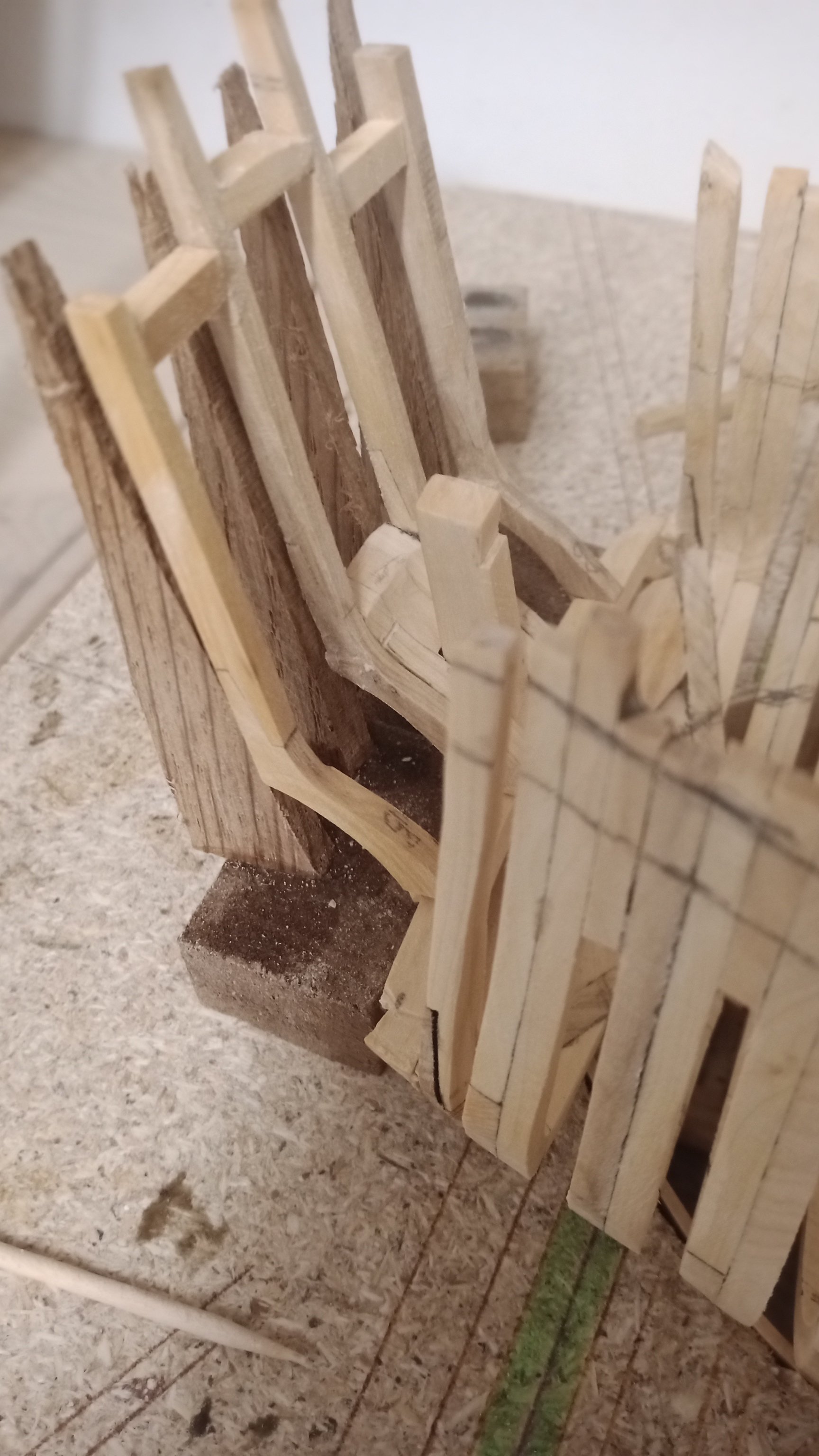
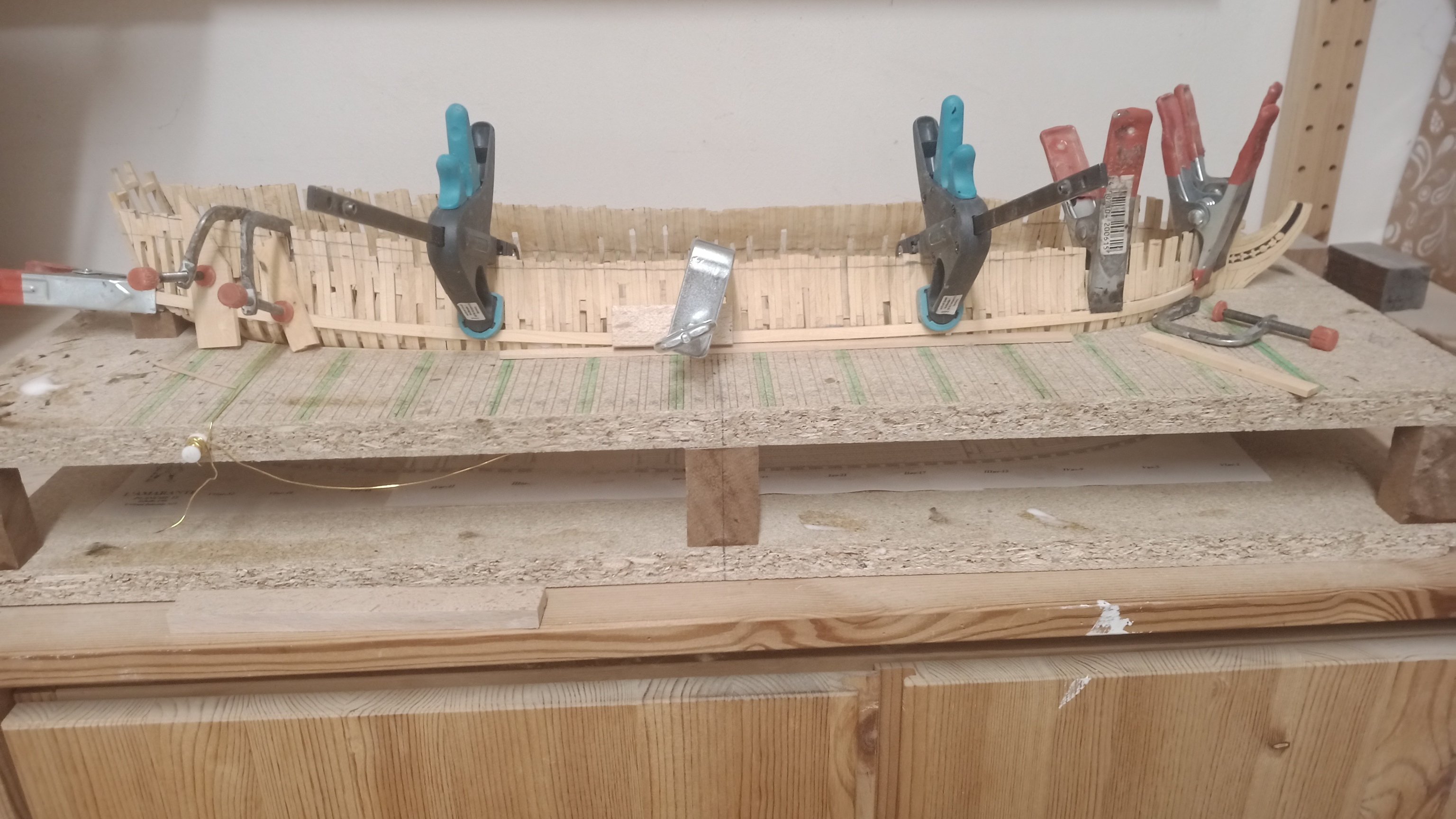
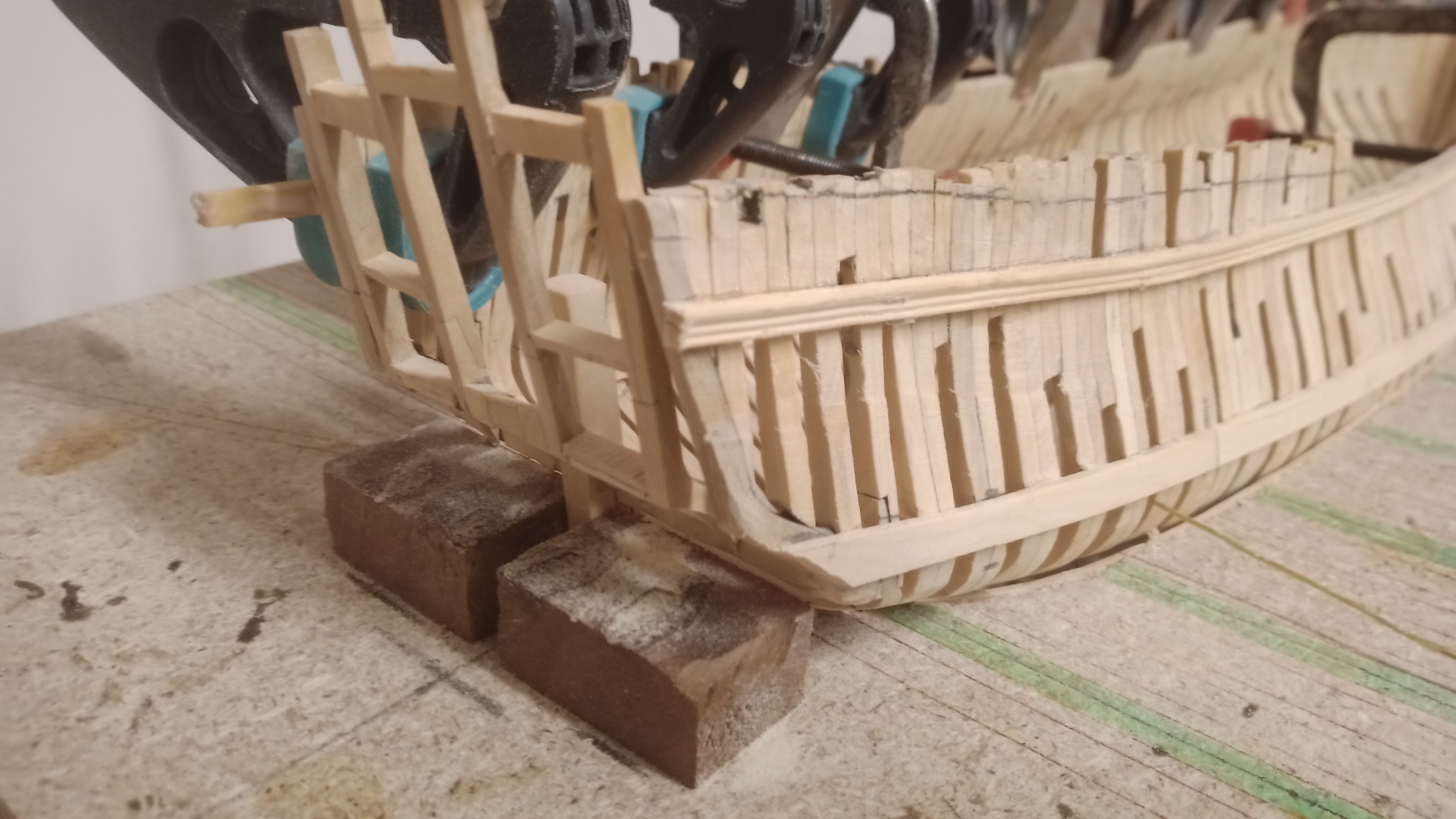
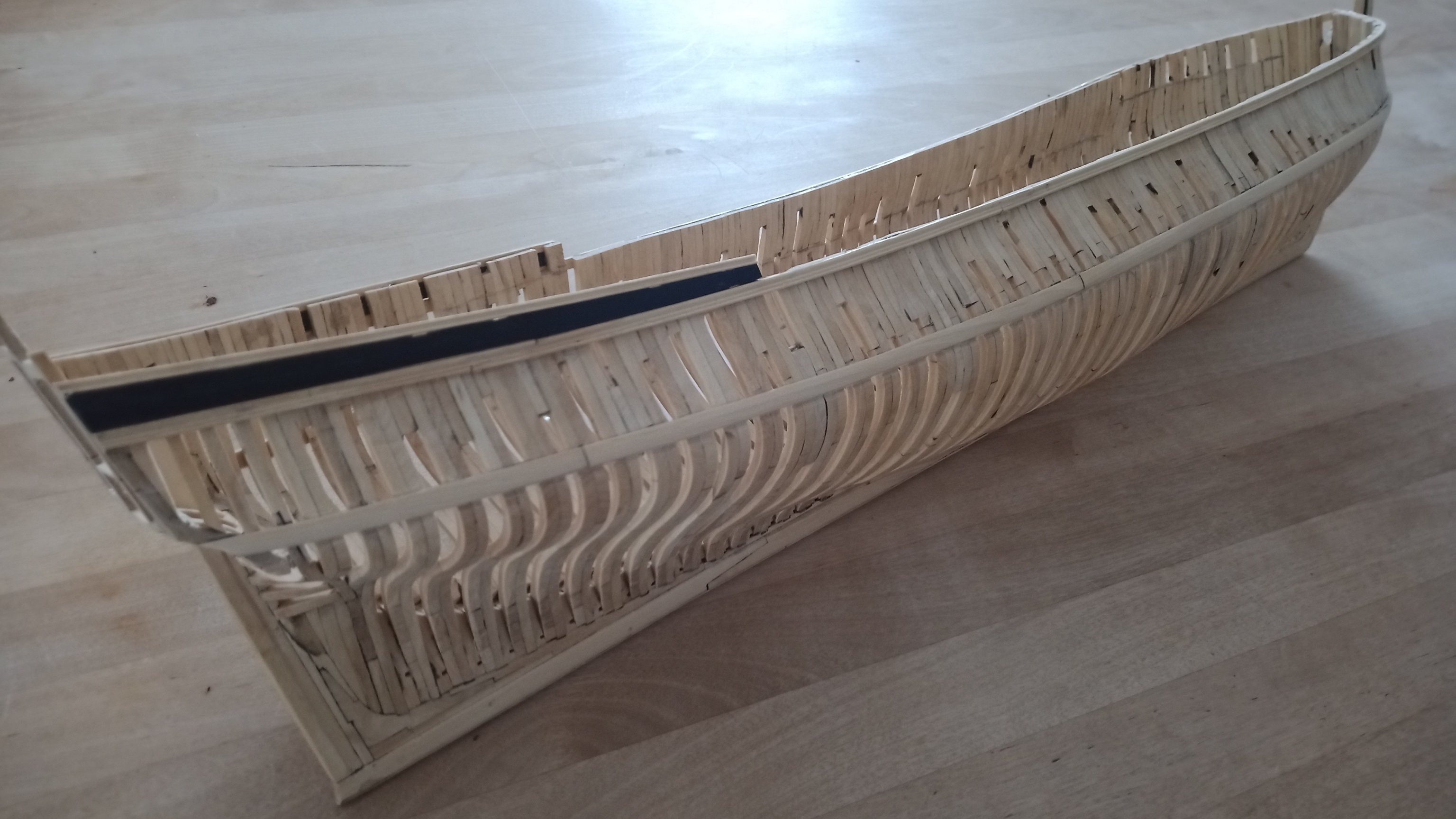
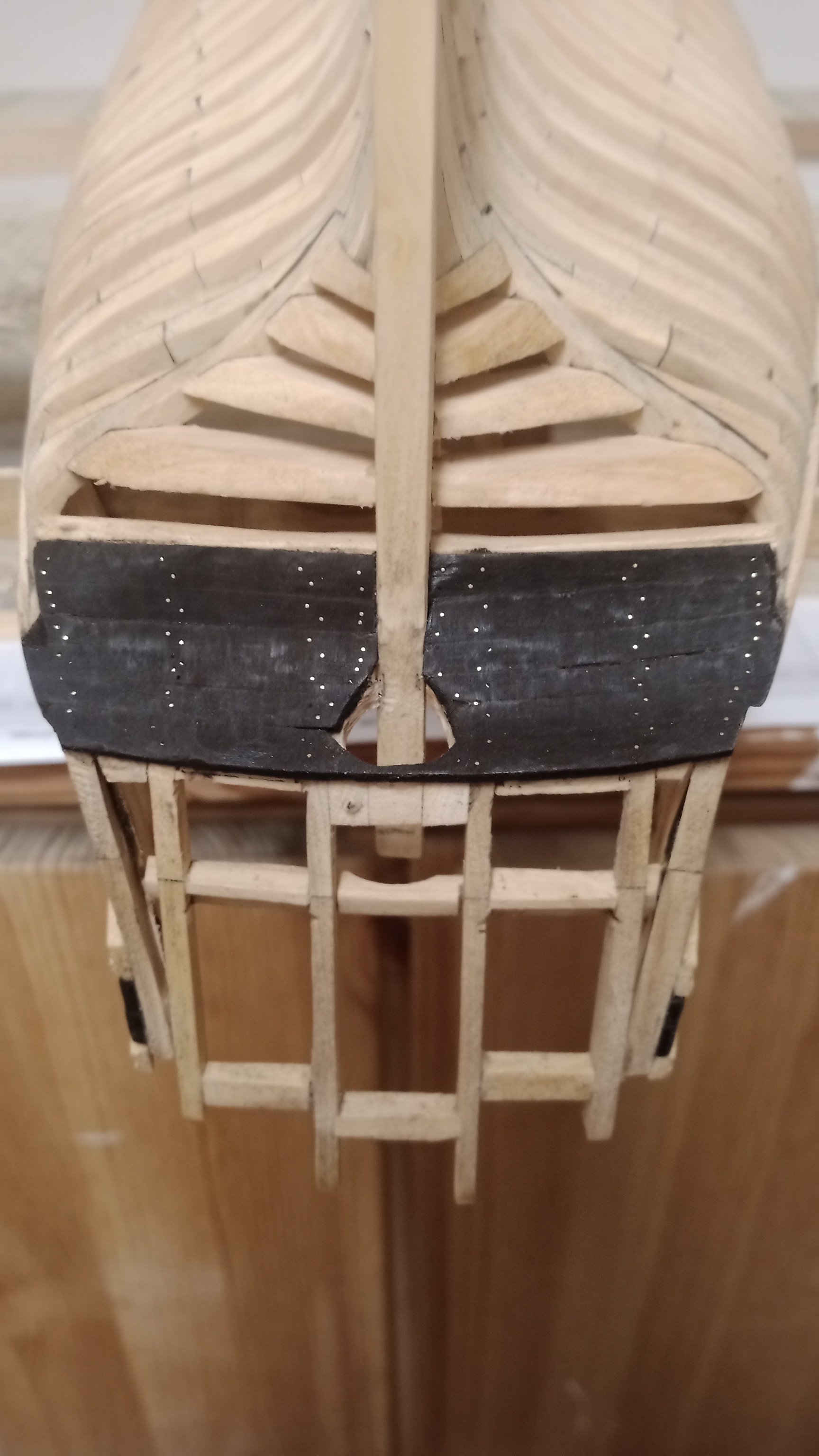
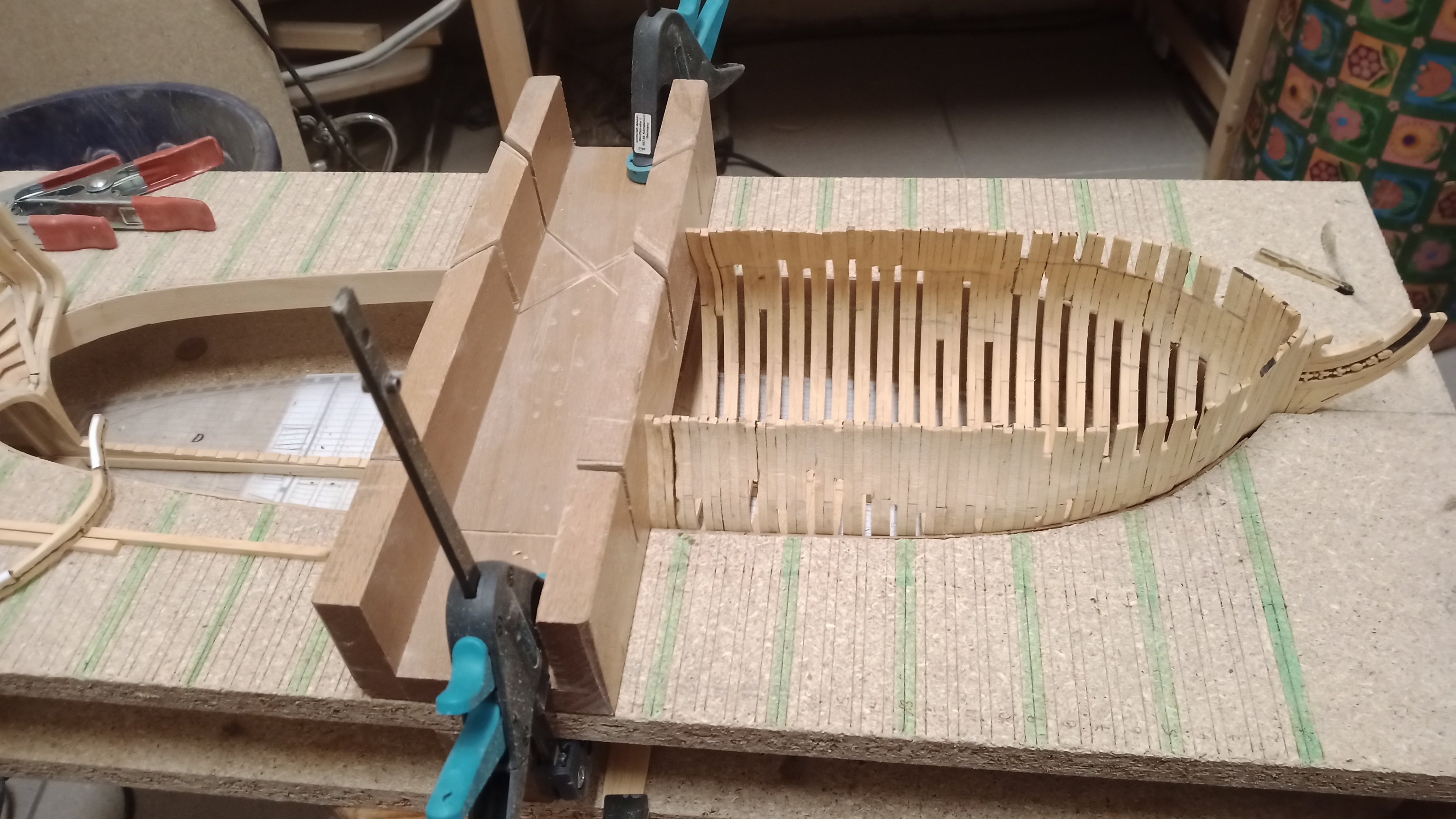
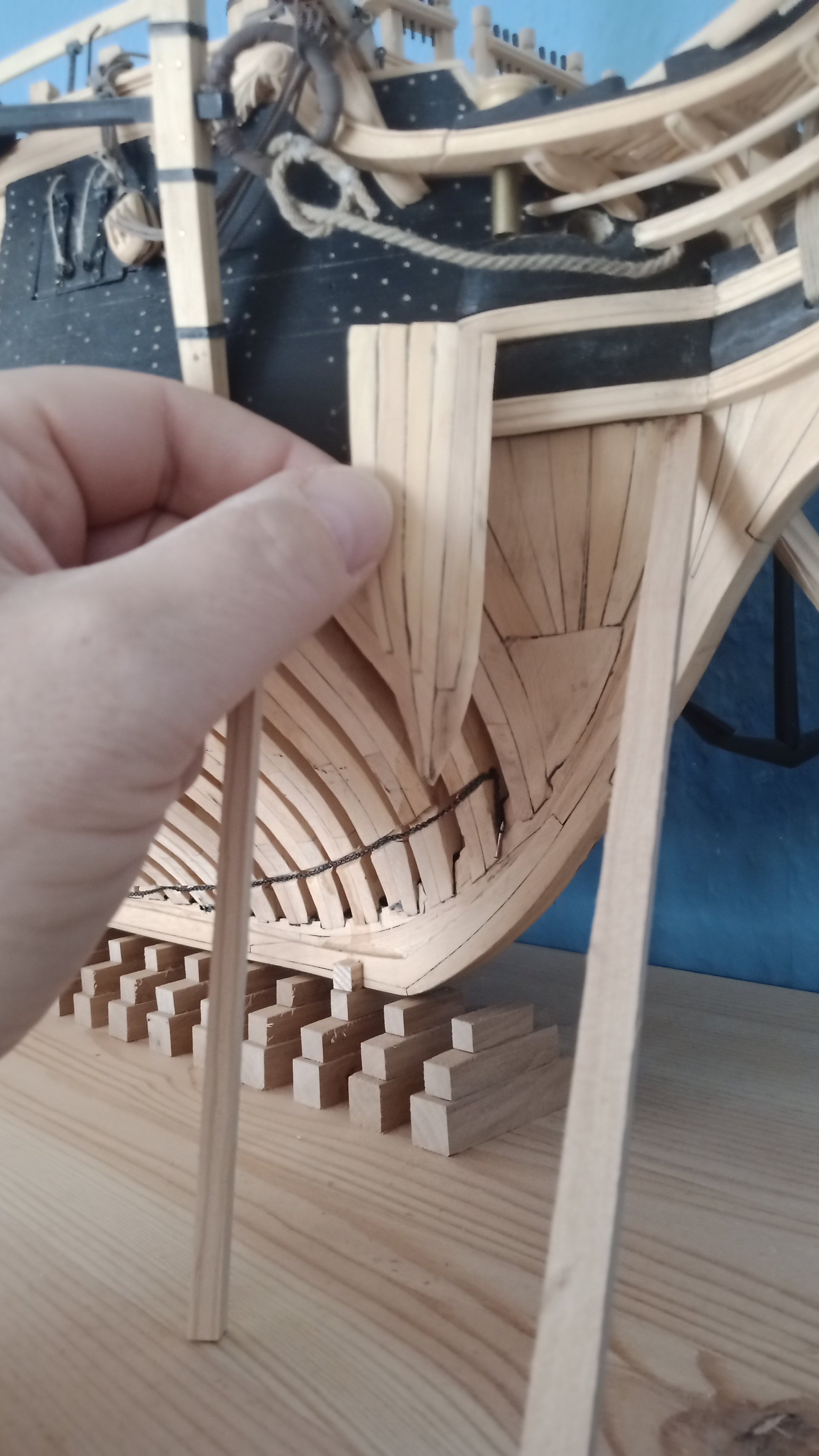
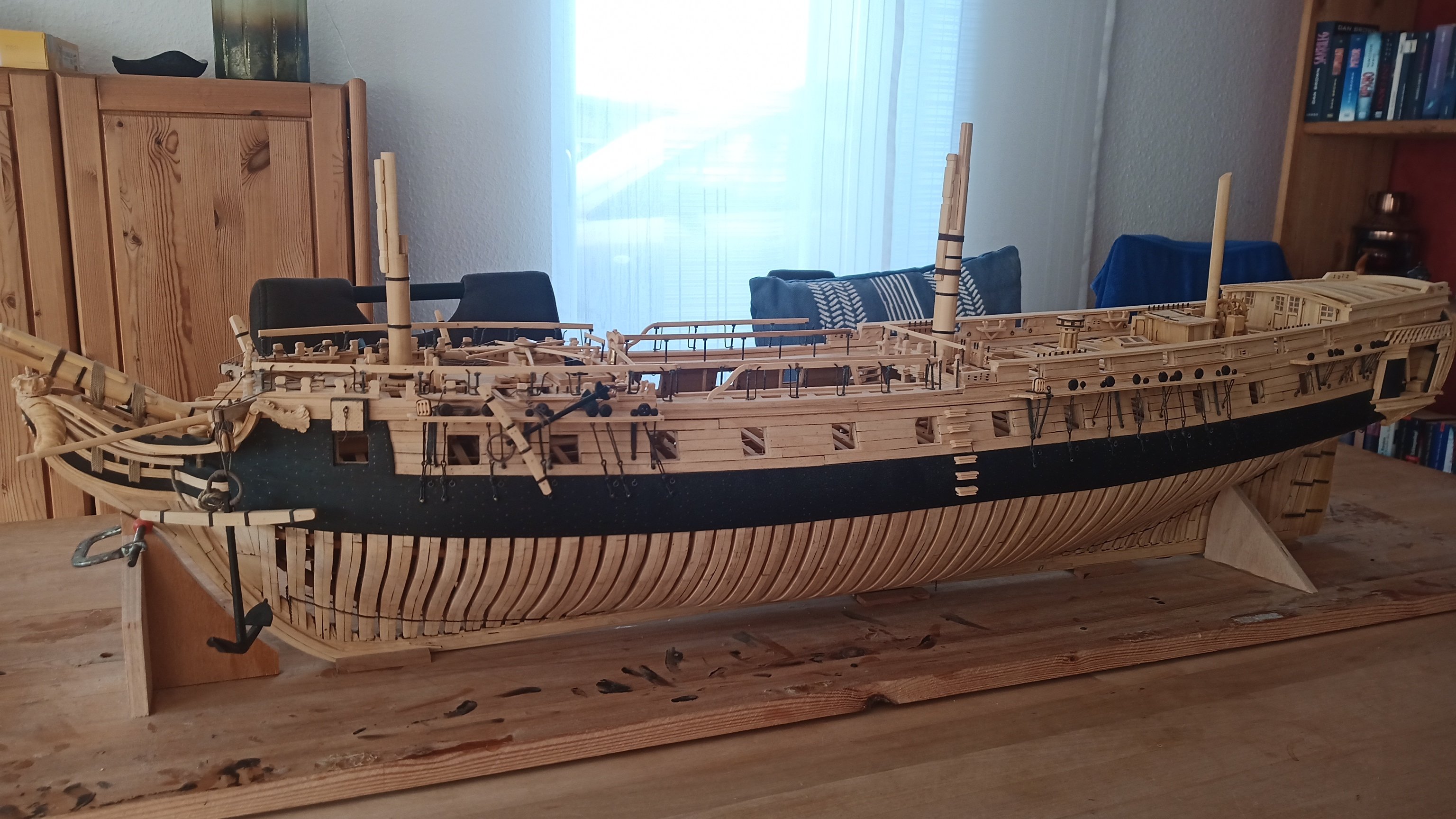
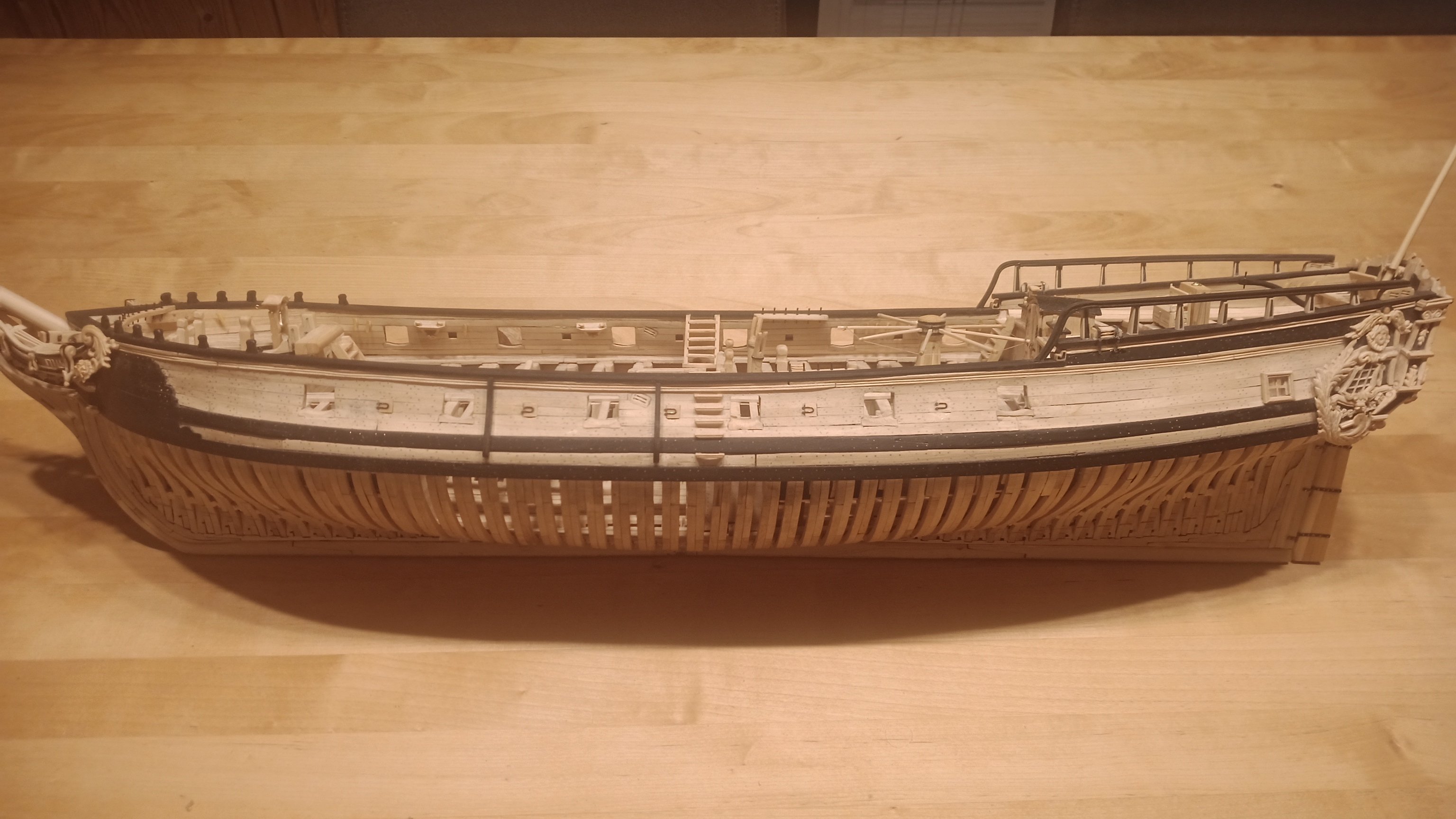
 Hello everyone All frames in place. The finishing touches are still missing. Jig for installing the stern timbers. First plank (the one between the wales) For greater strength, the plank was lashed vertically. Installation of the waist rails (?) planking goes on to be continued... Herzliche Grüße Willi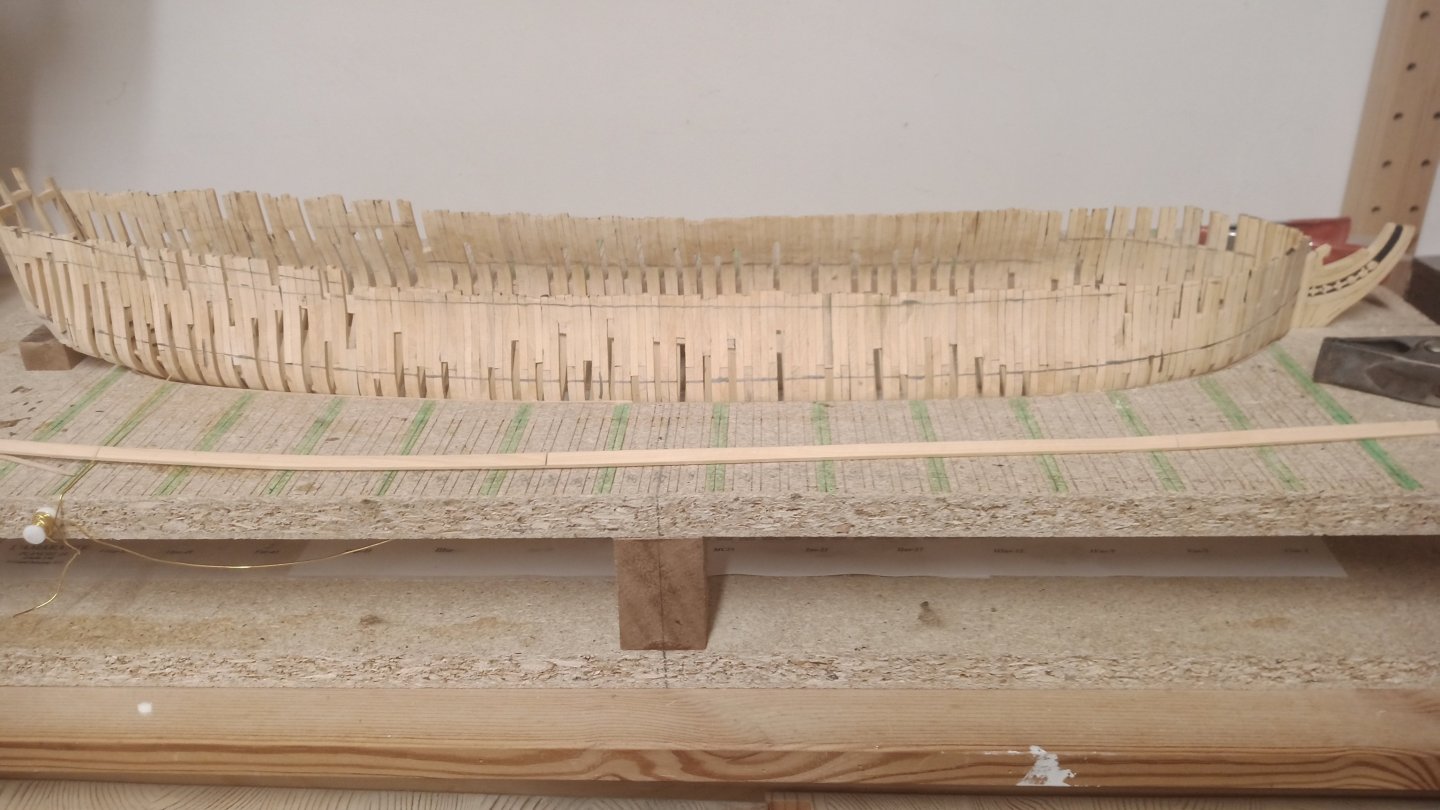

-
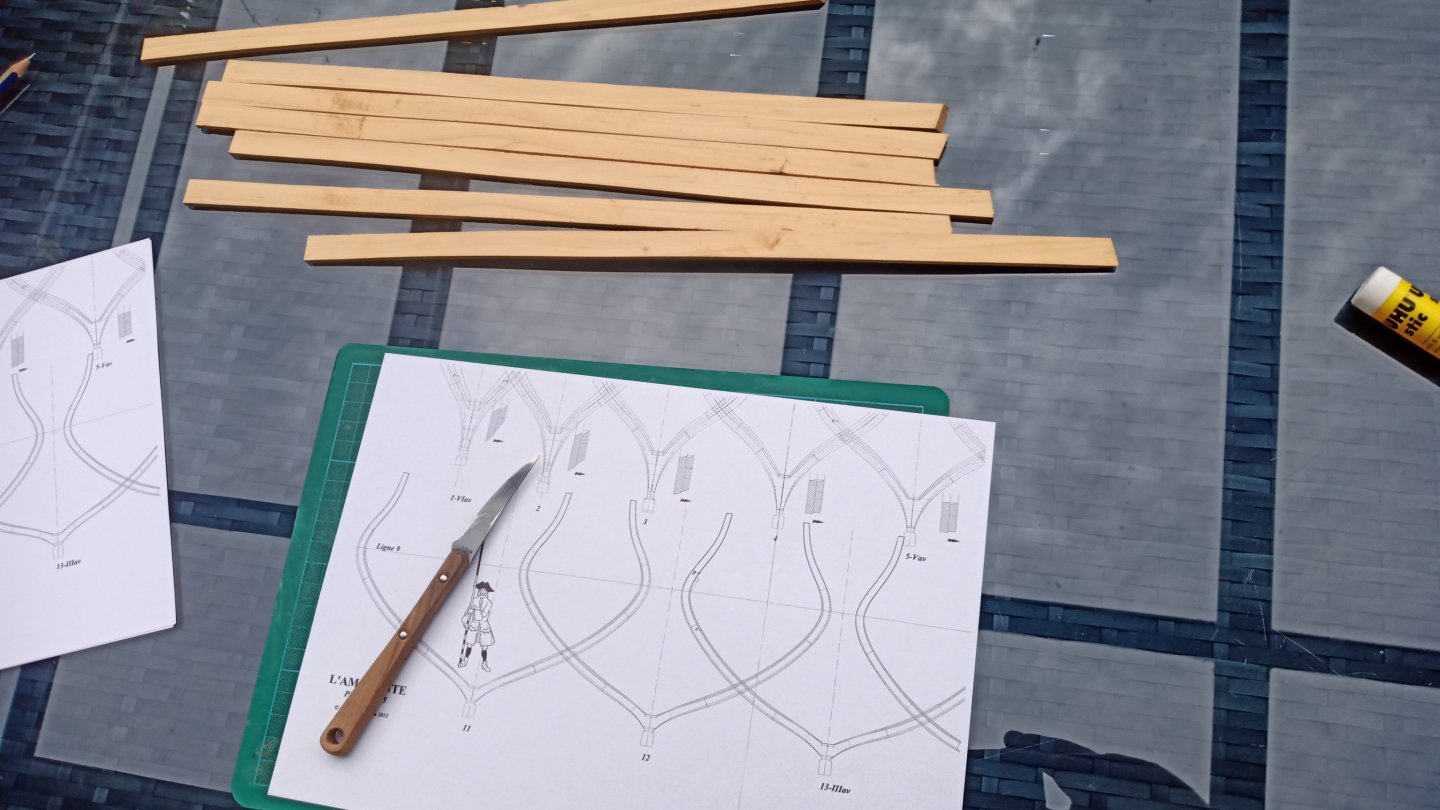
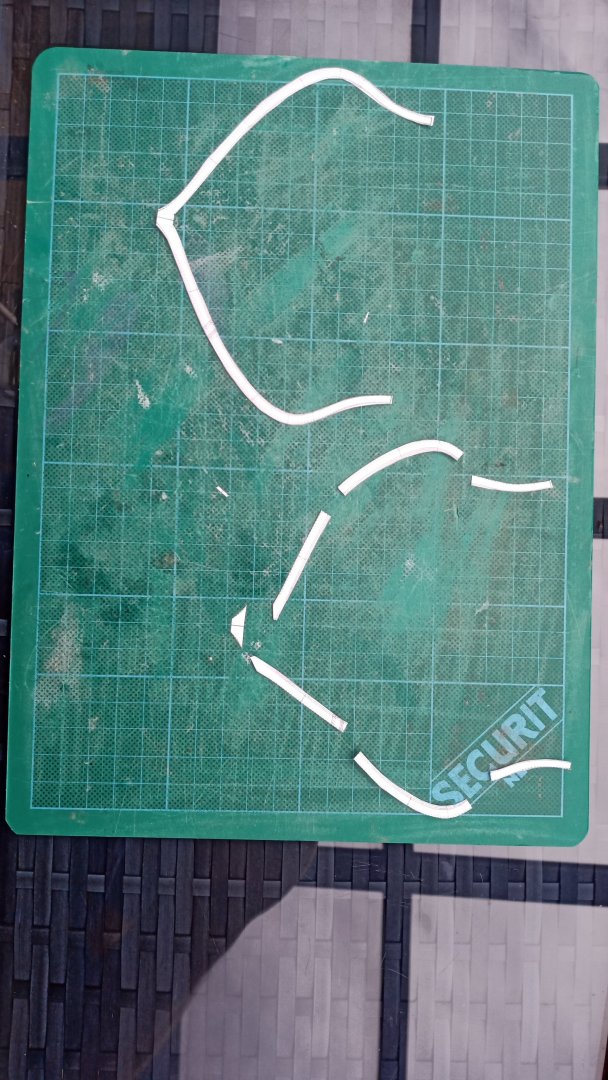
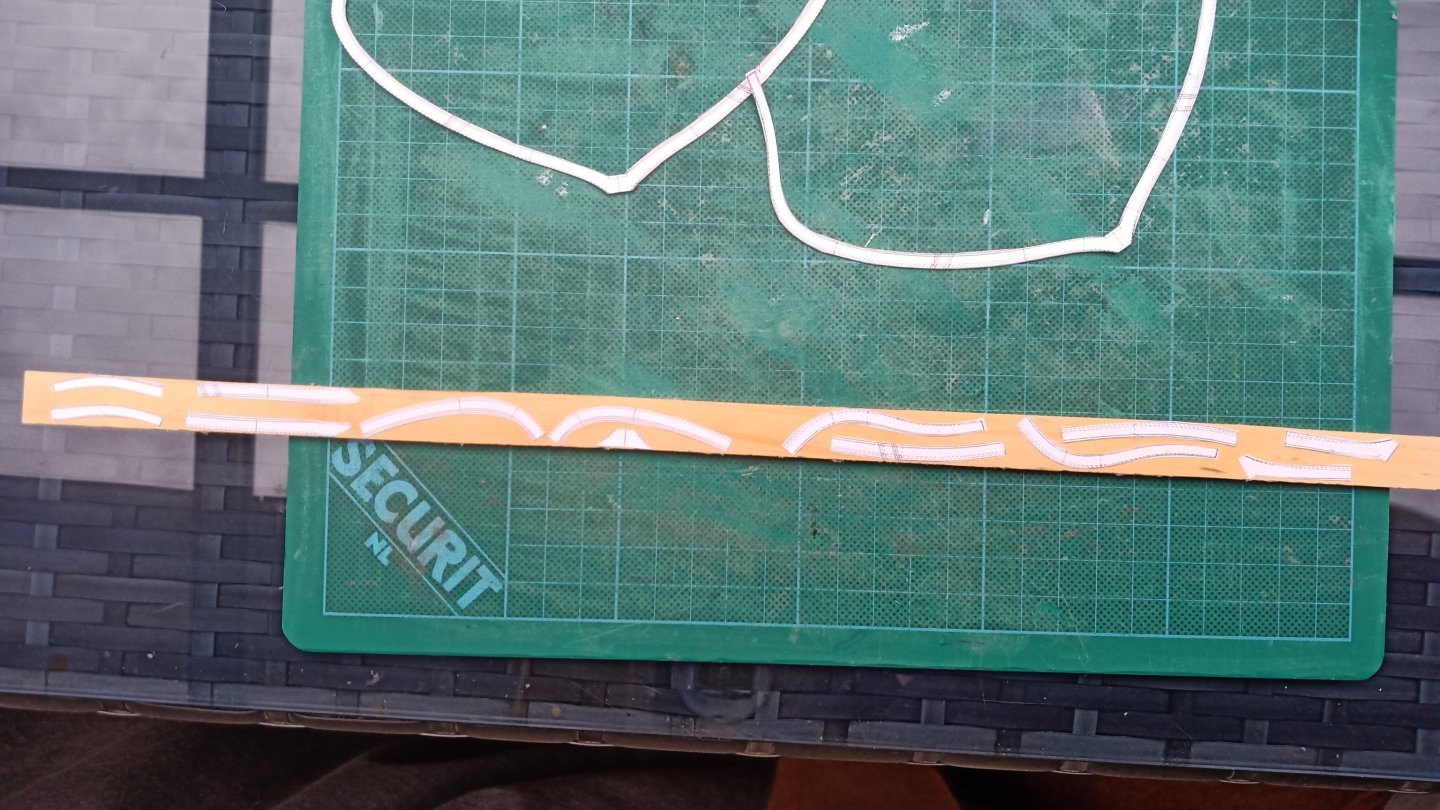
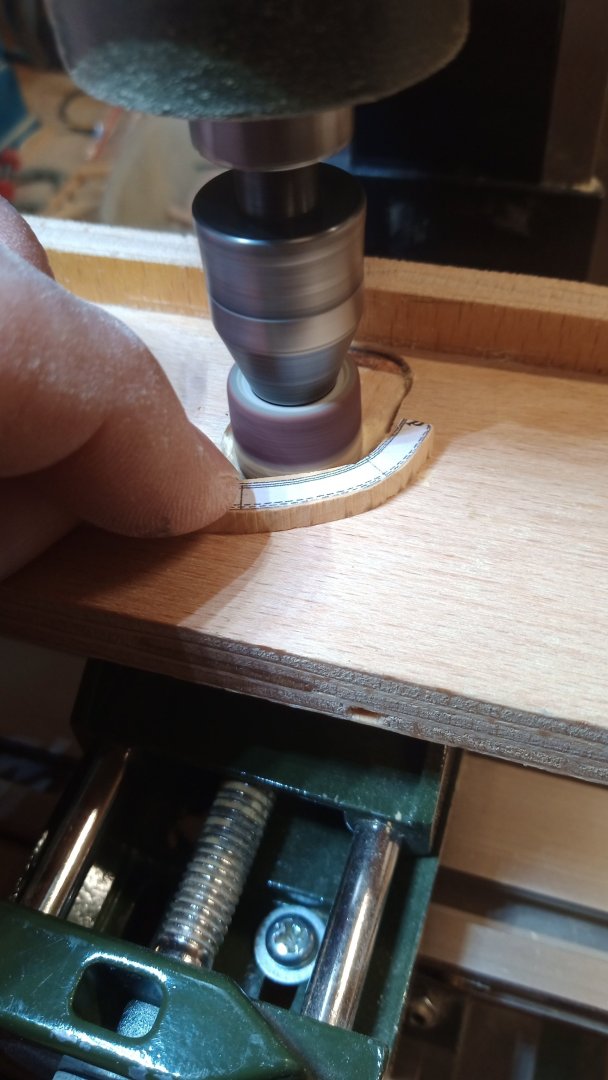
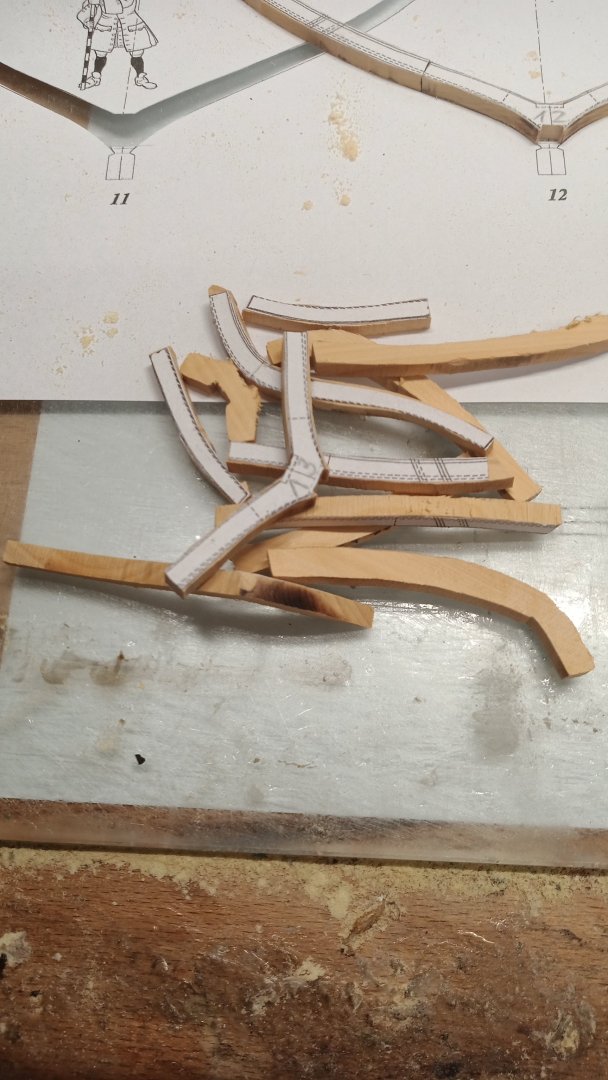
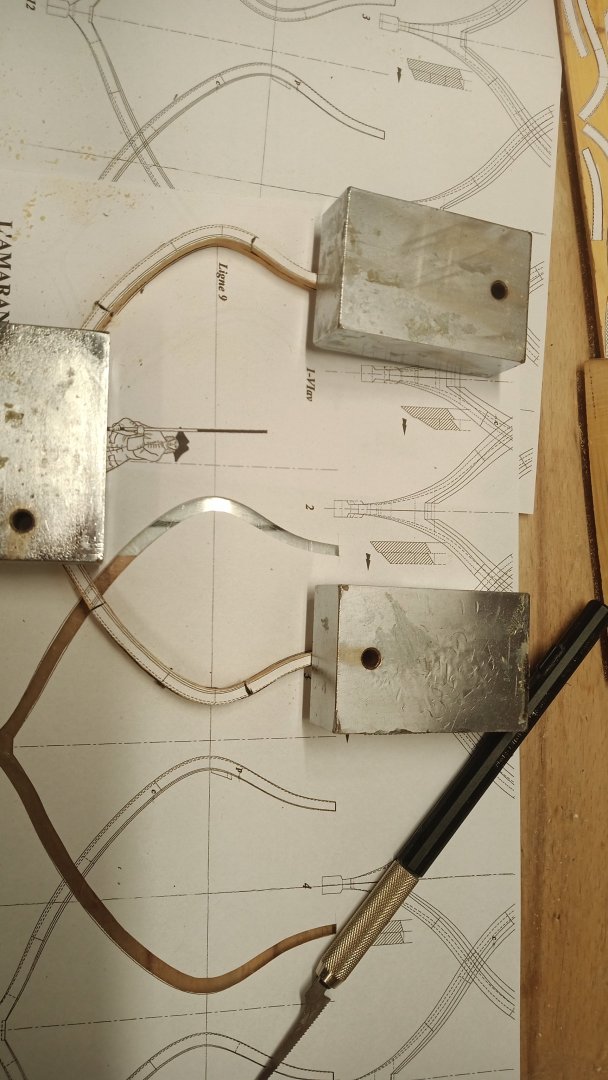
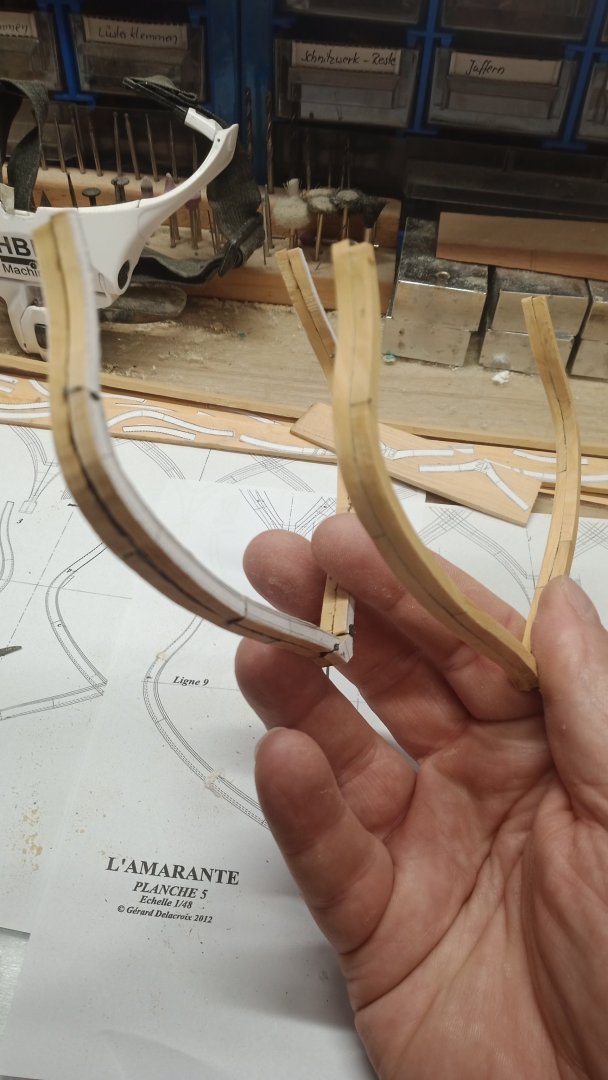
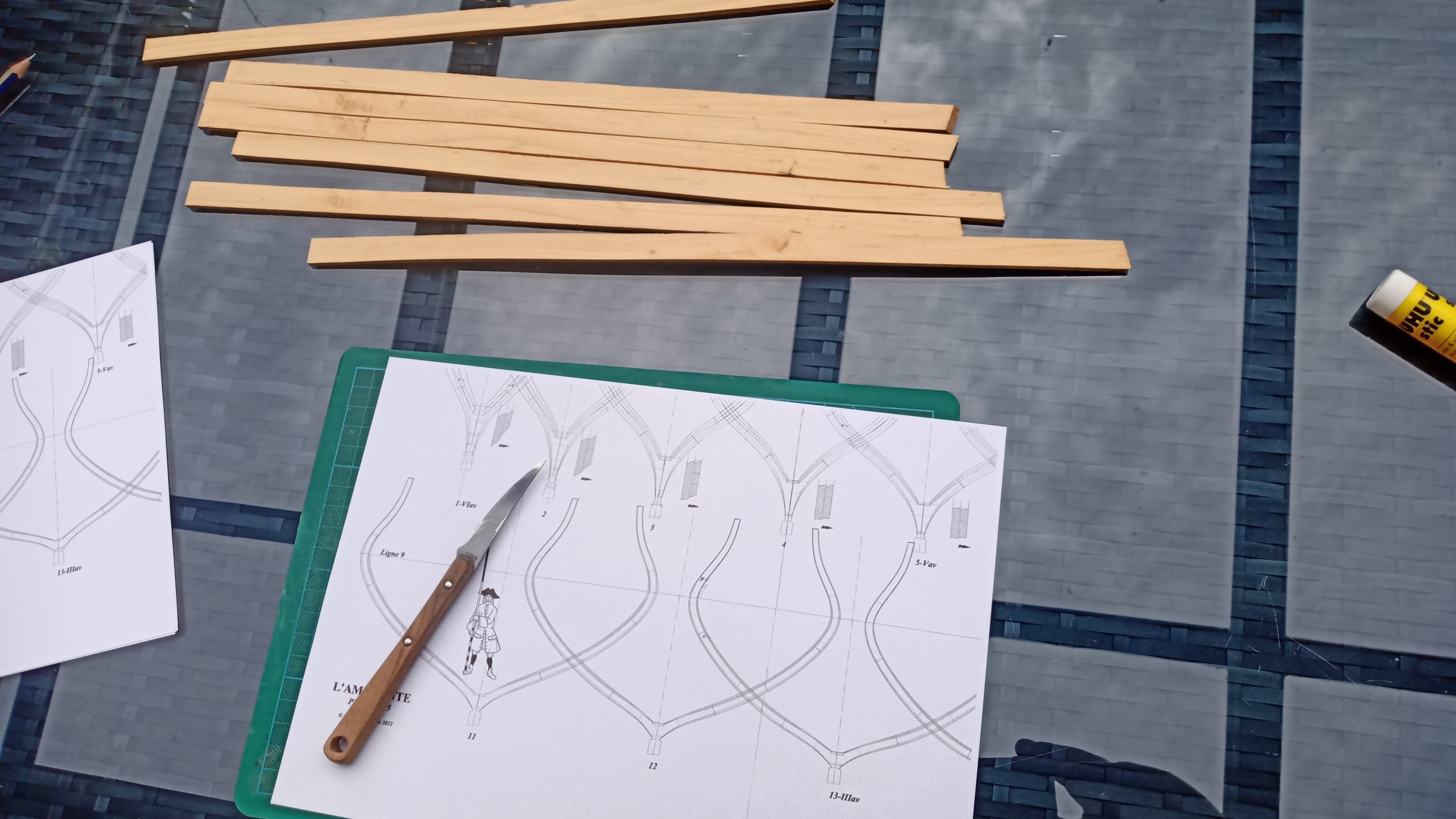
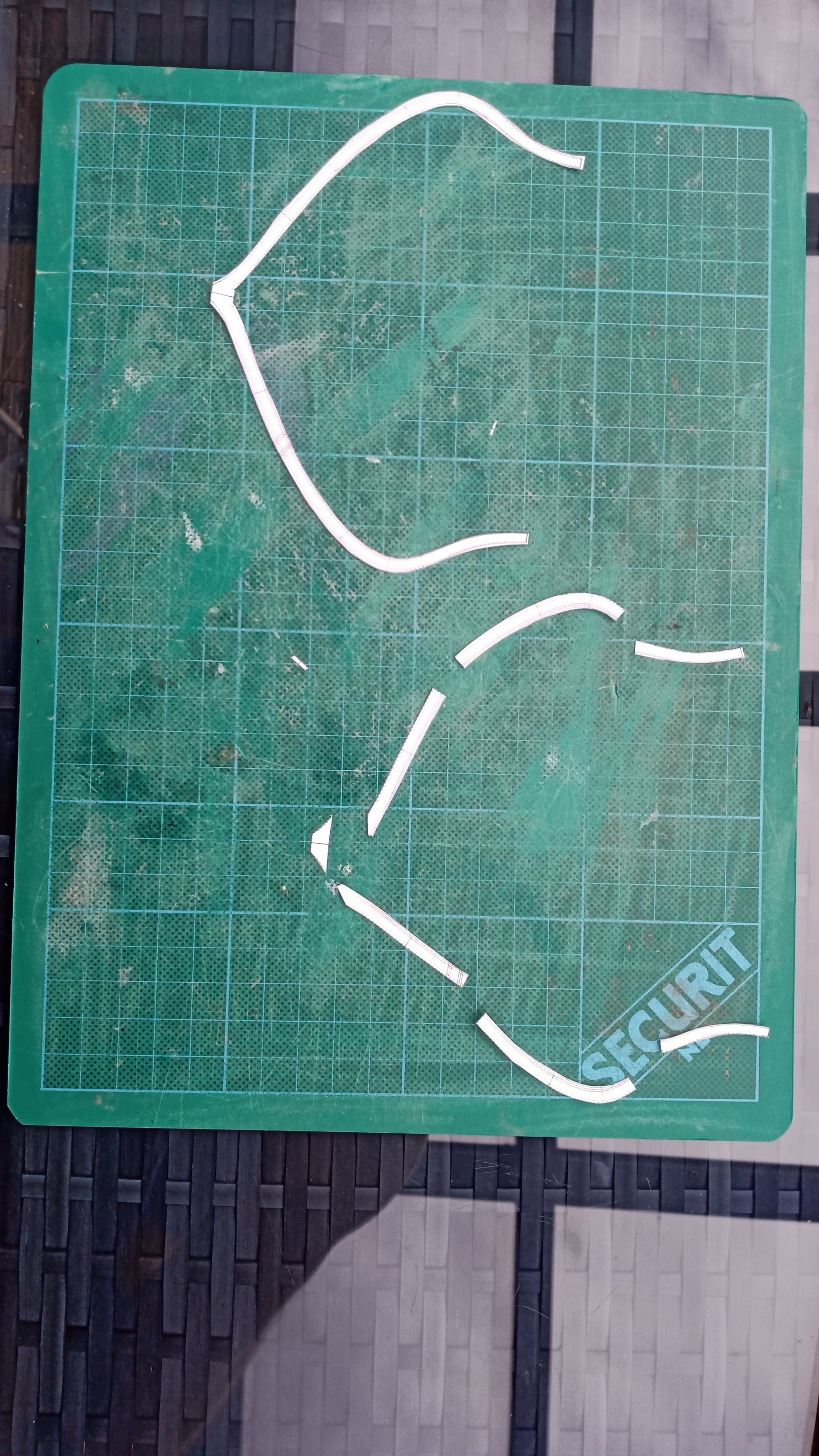
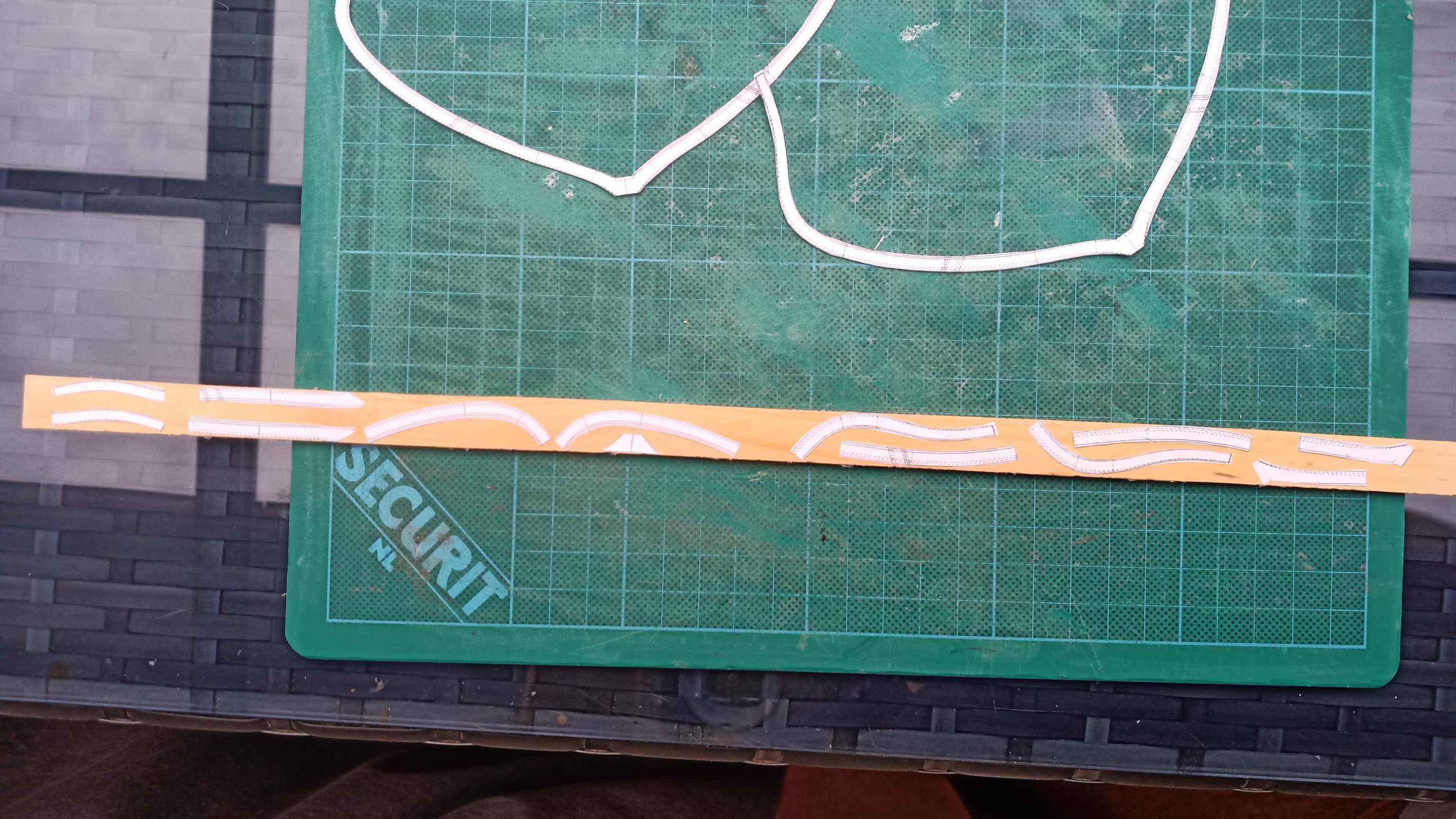
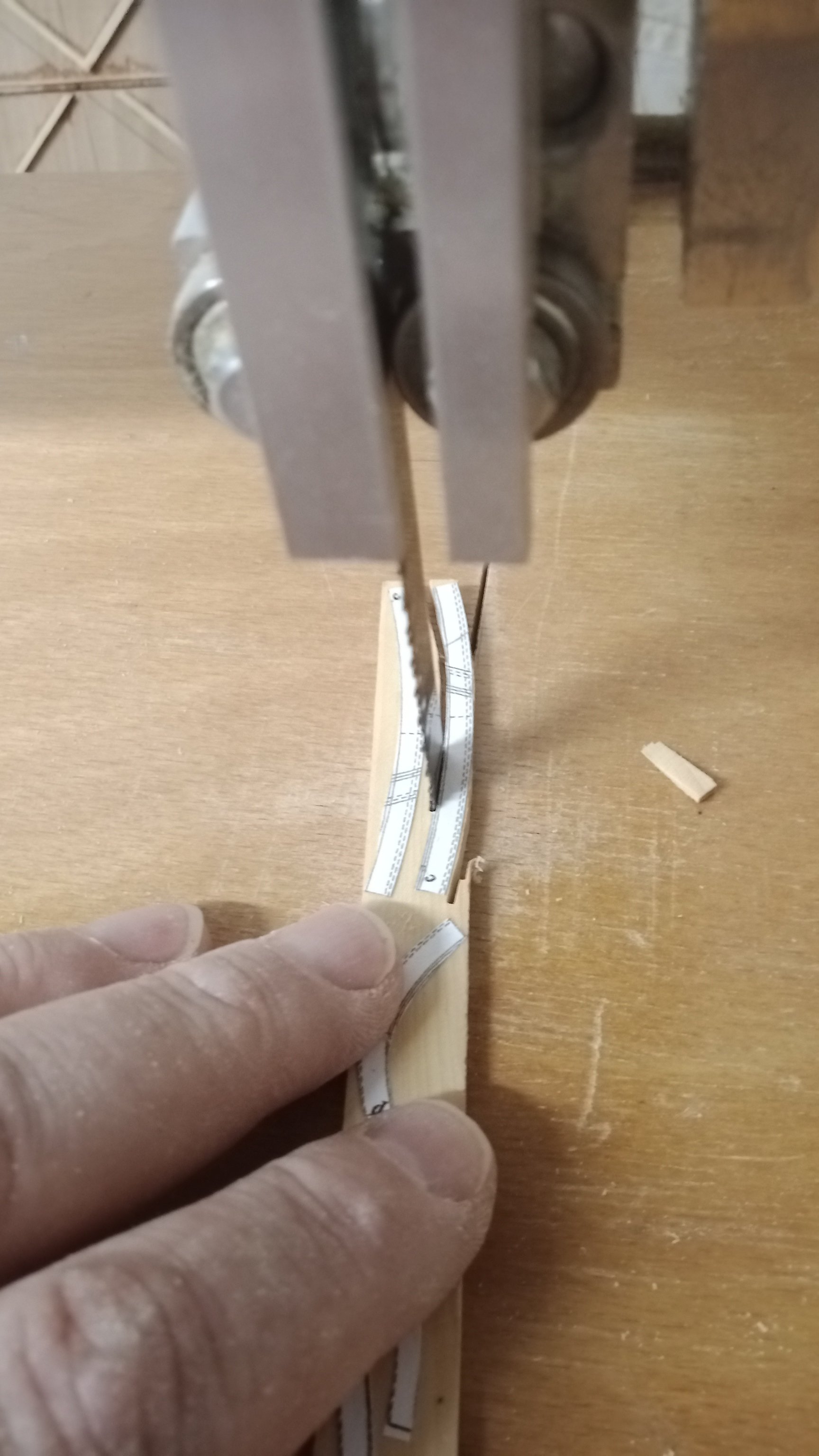
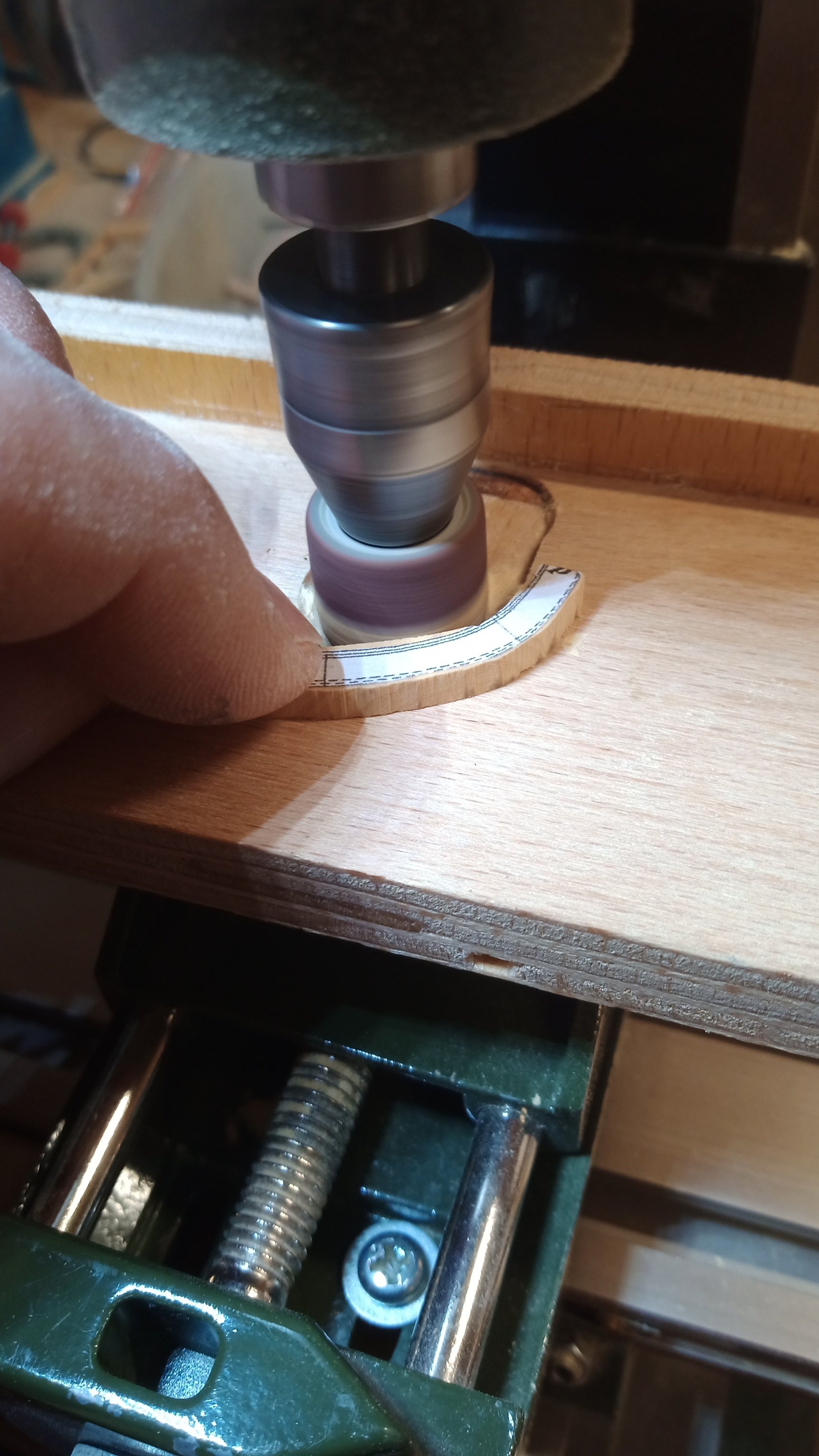
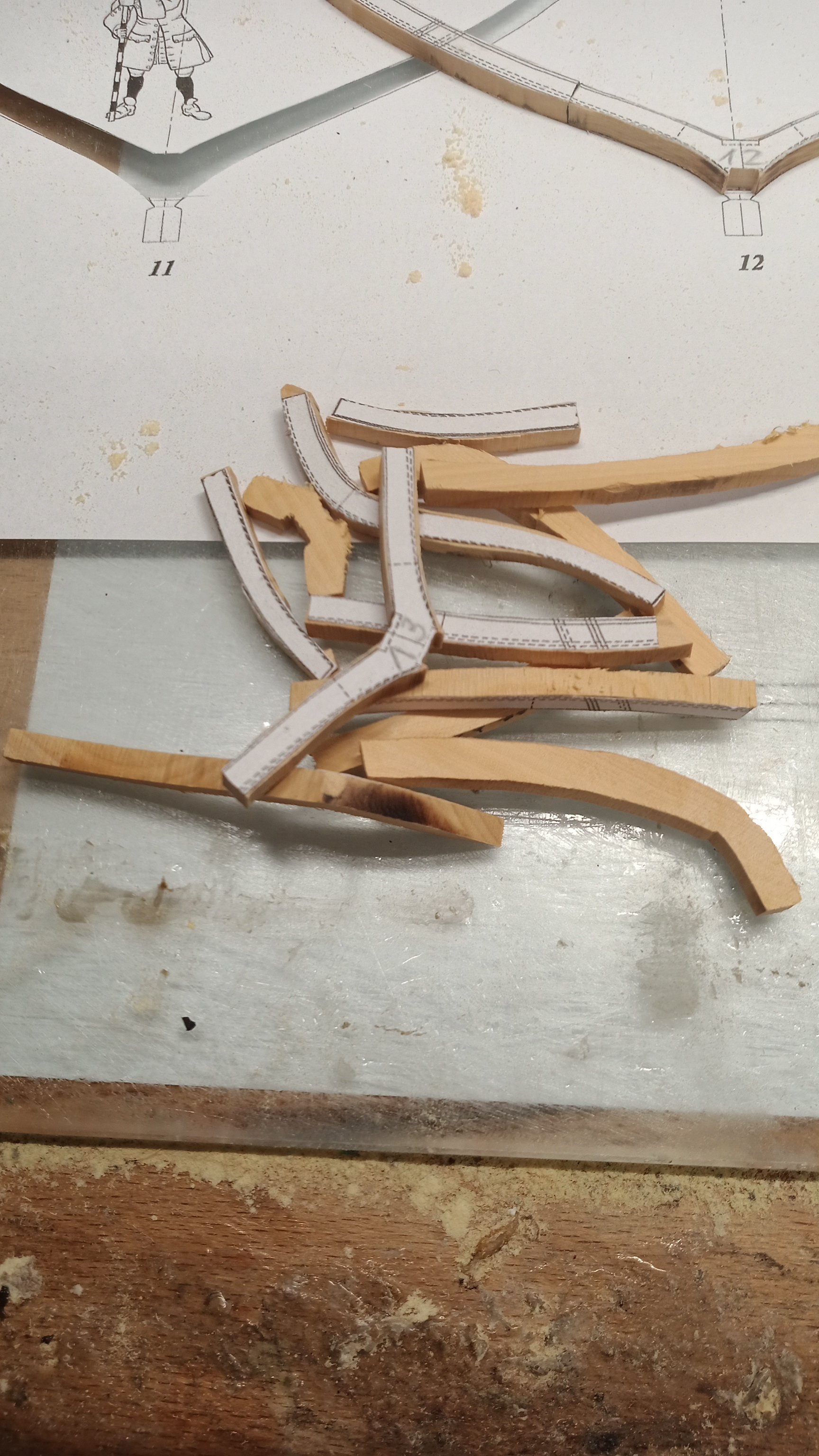
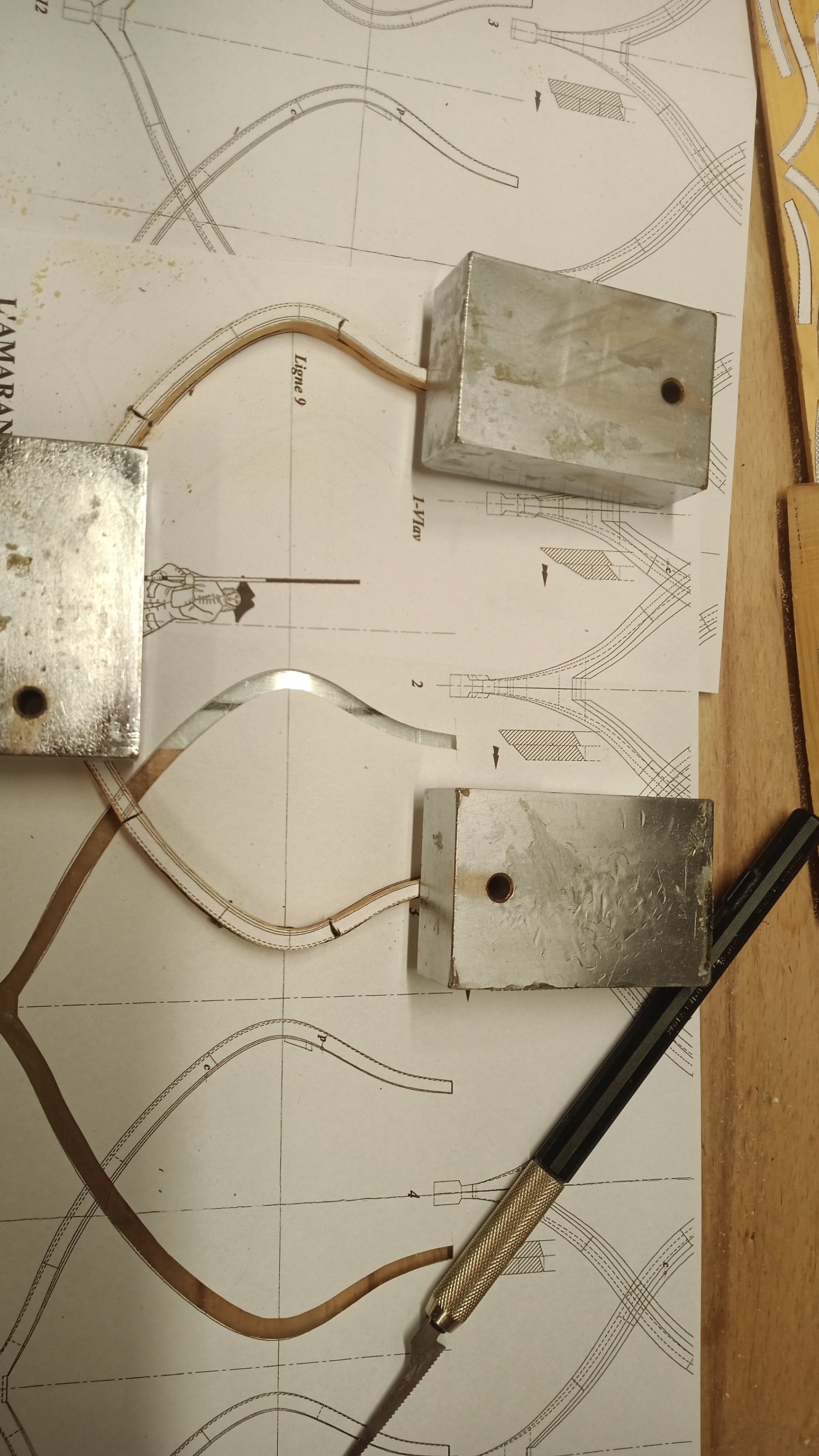
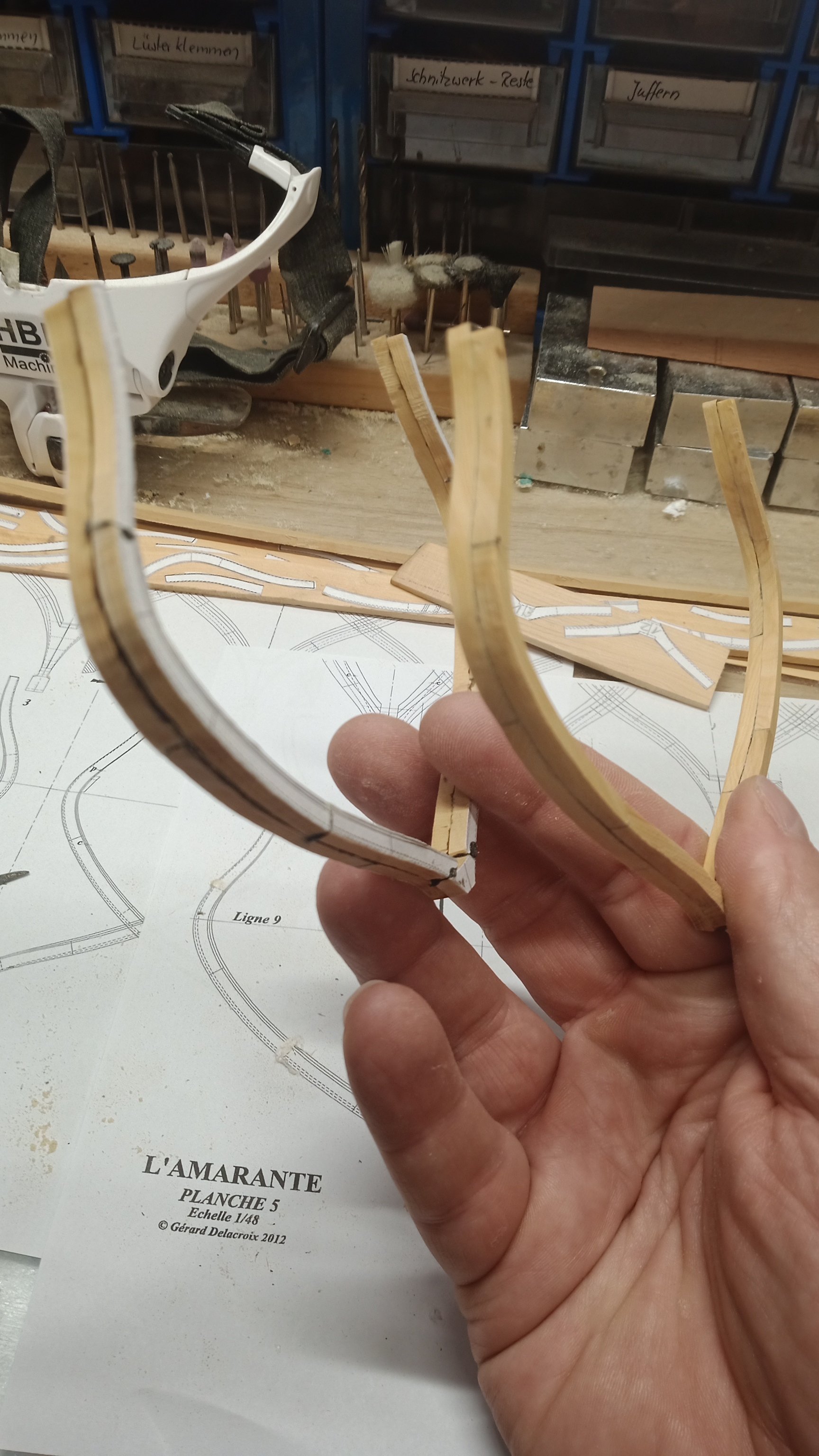
Hello everyone Hello everyone The rear (hopefully these are the correct terms or are translated correctly) How I made the frames: Copy the plan, cut out the paper frame. Disassemble the paper frame into its individual parts. Glue the segments onto a boxwood strip. Consider the grain as much as possible. Cut out. Clean, sand. Reassemble the individual parts to form the two frame halves (almost like a puzzle). Assemble the frame halves (left before, right after pre-shaping). Installation to be continued Herzliche Grüße Willi


-
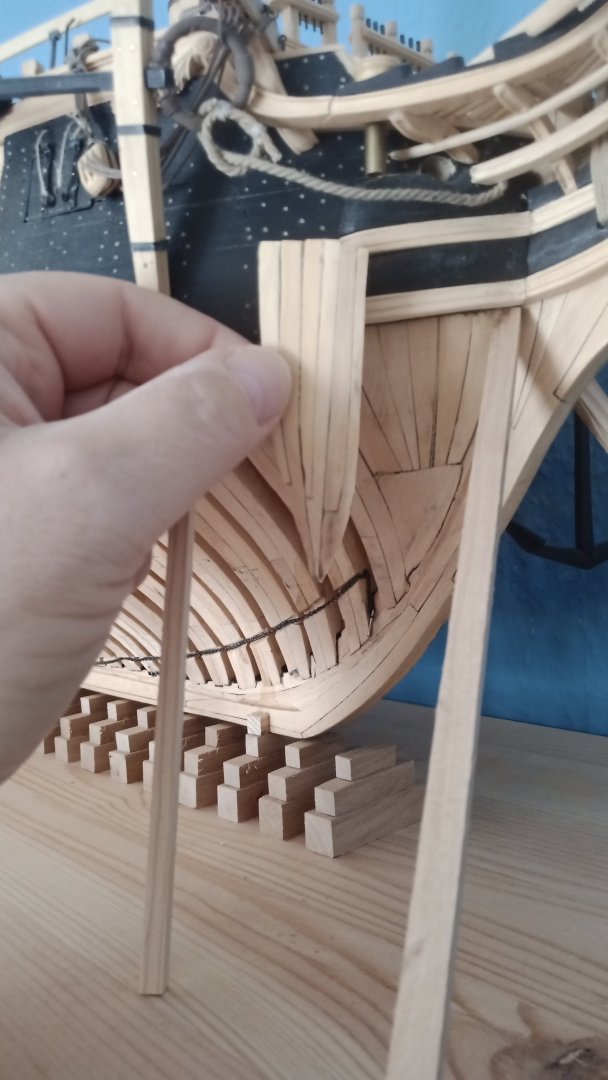
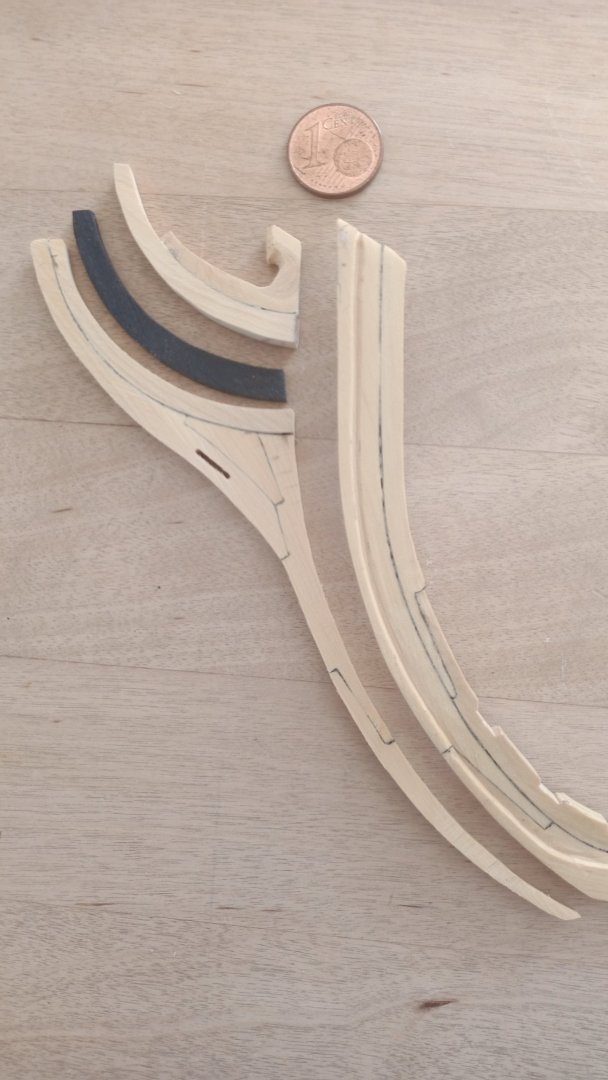
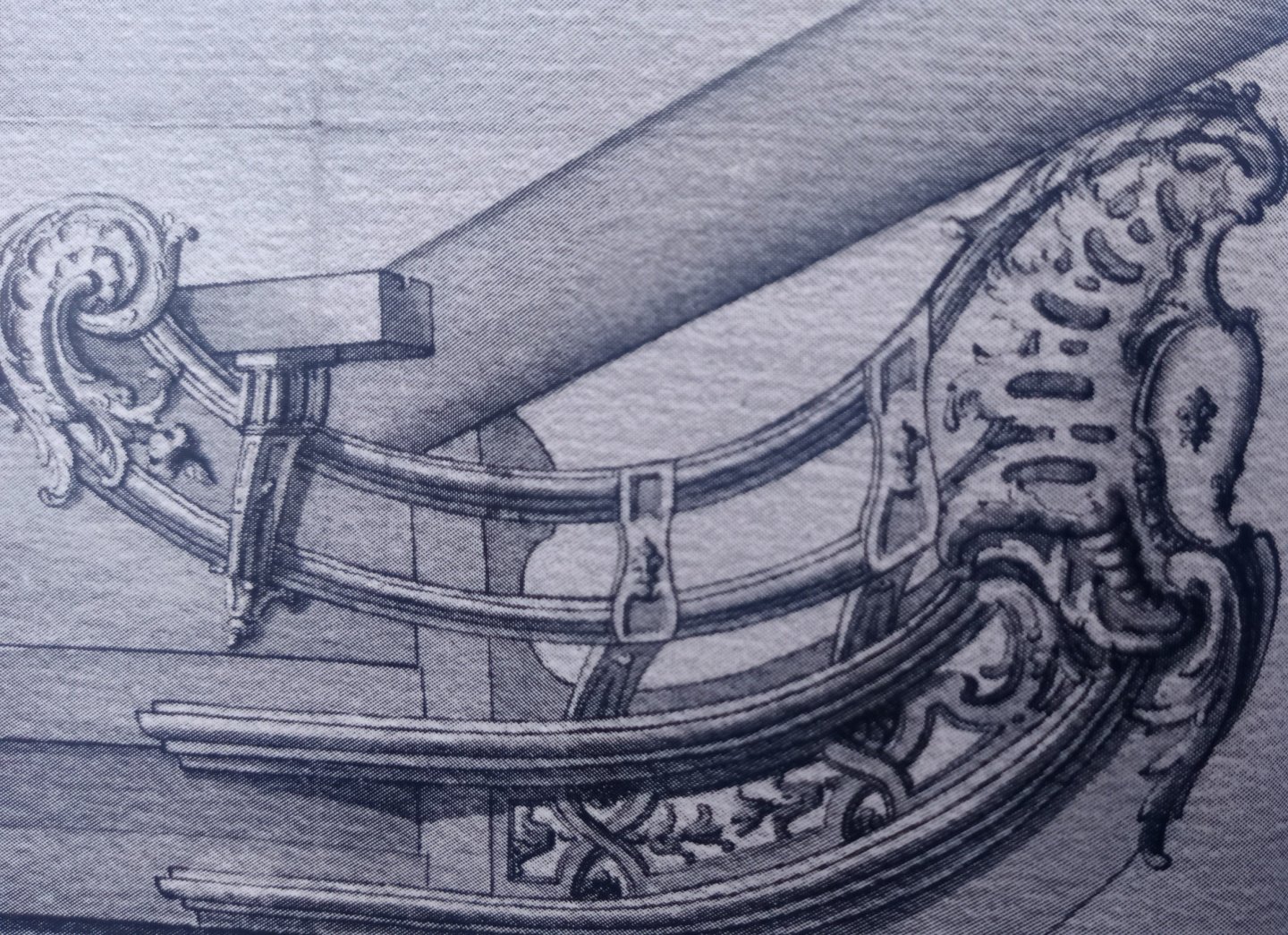
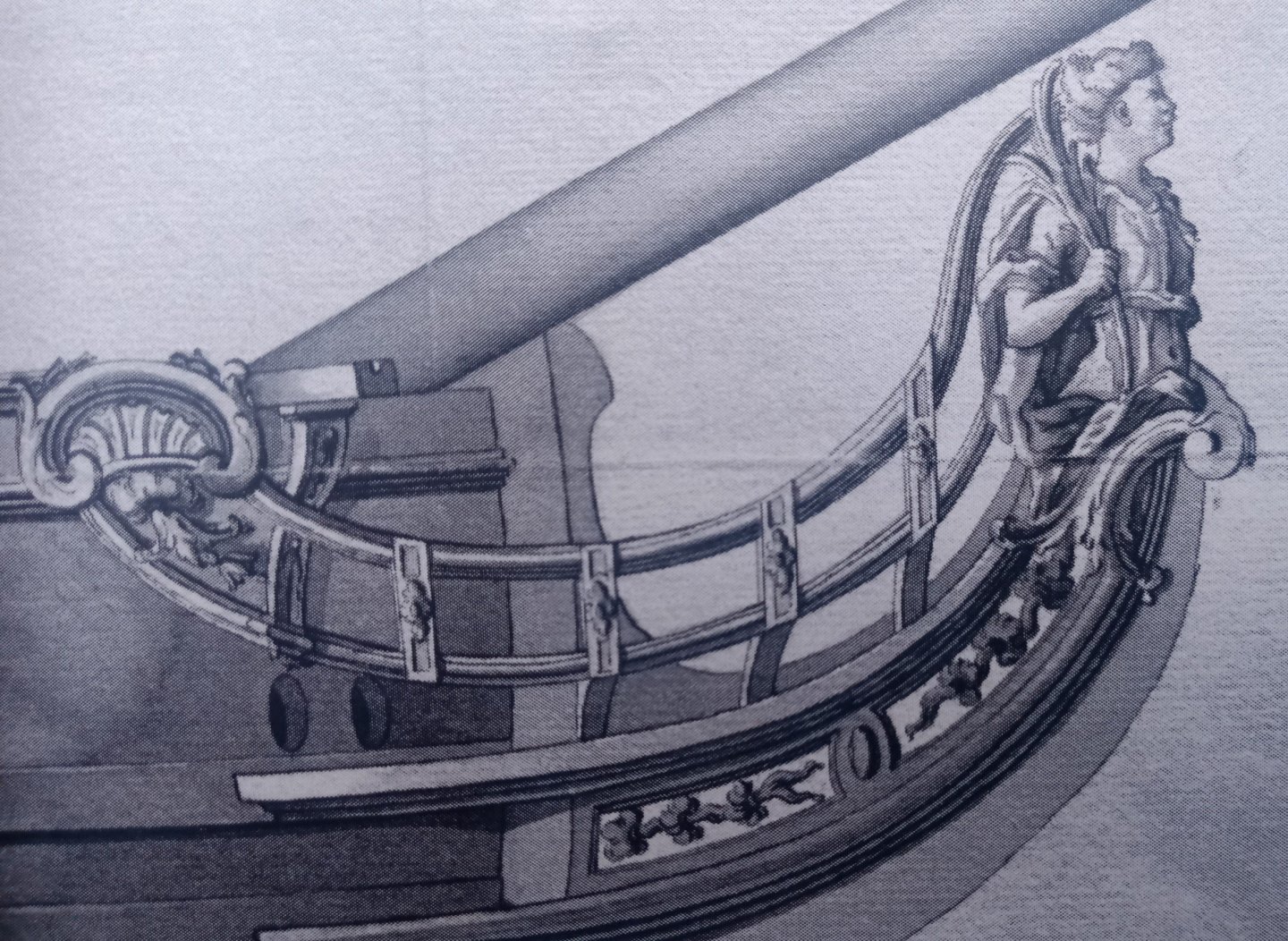
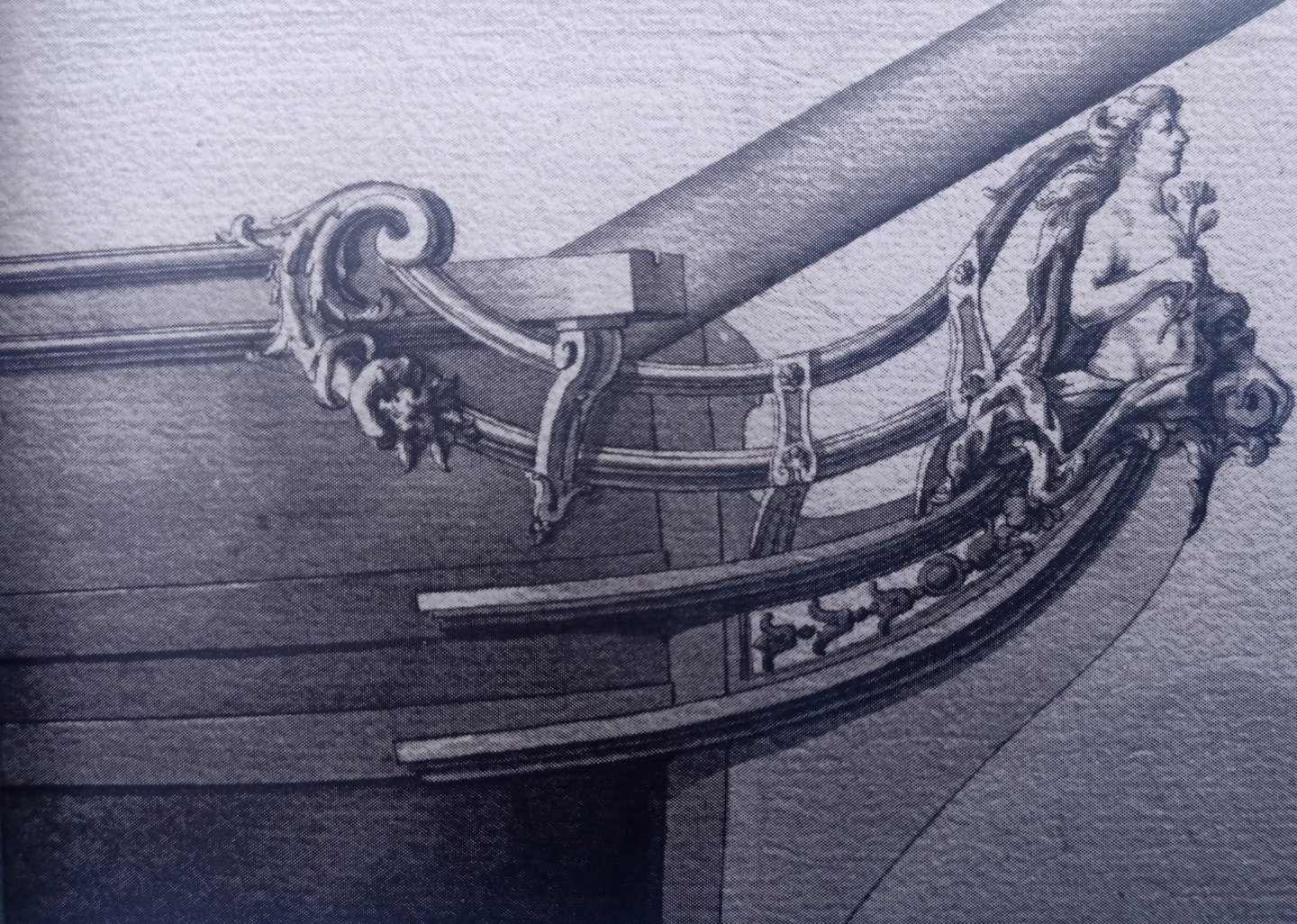
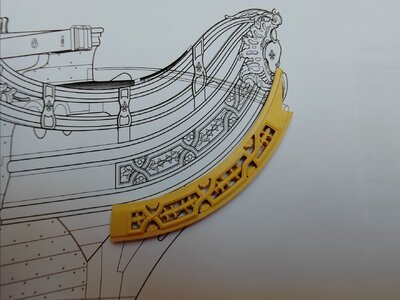
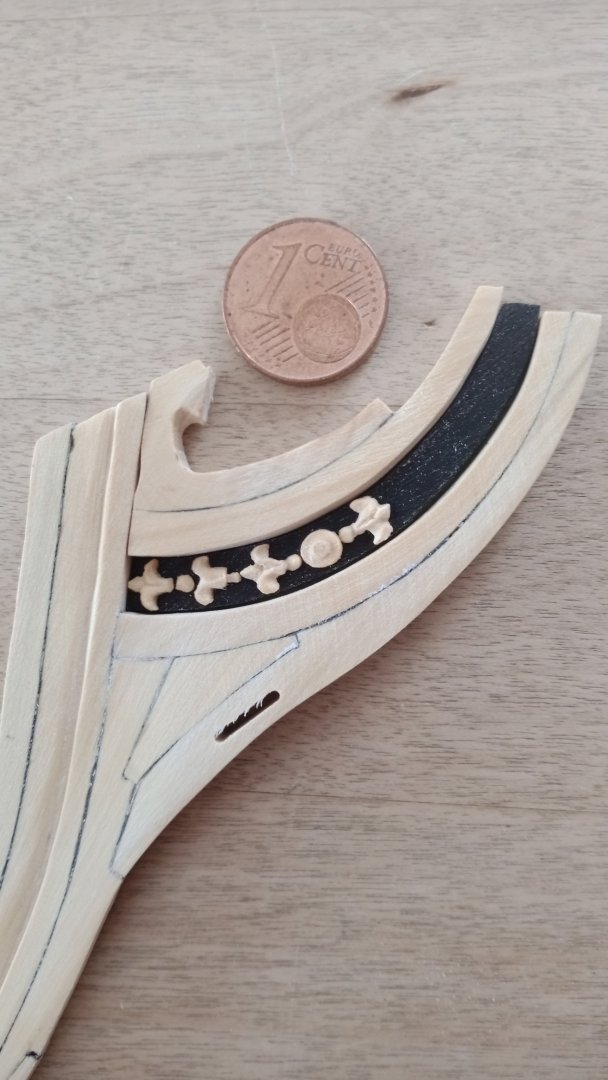
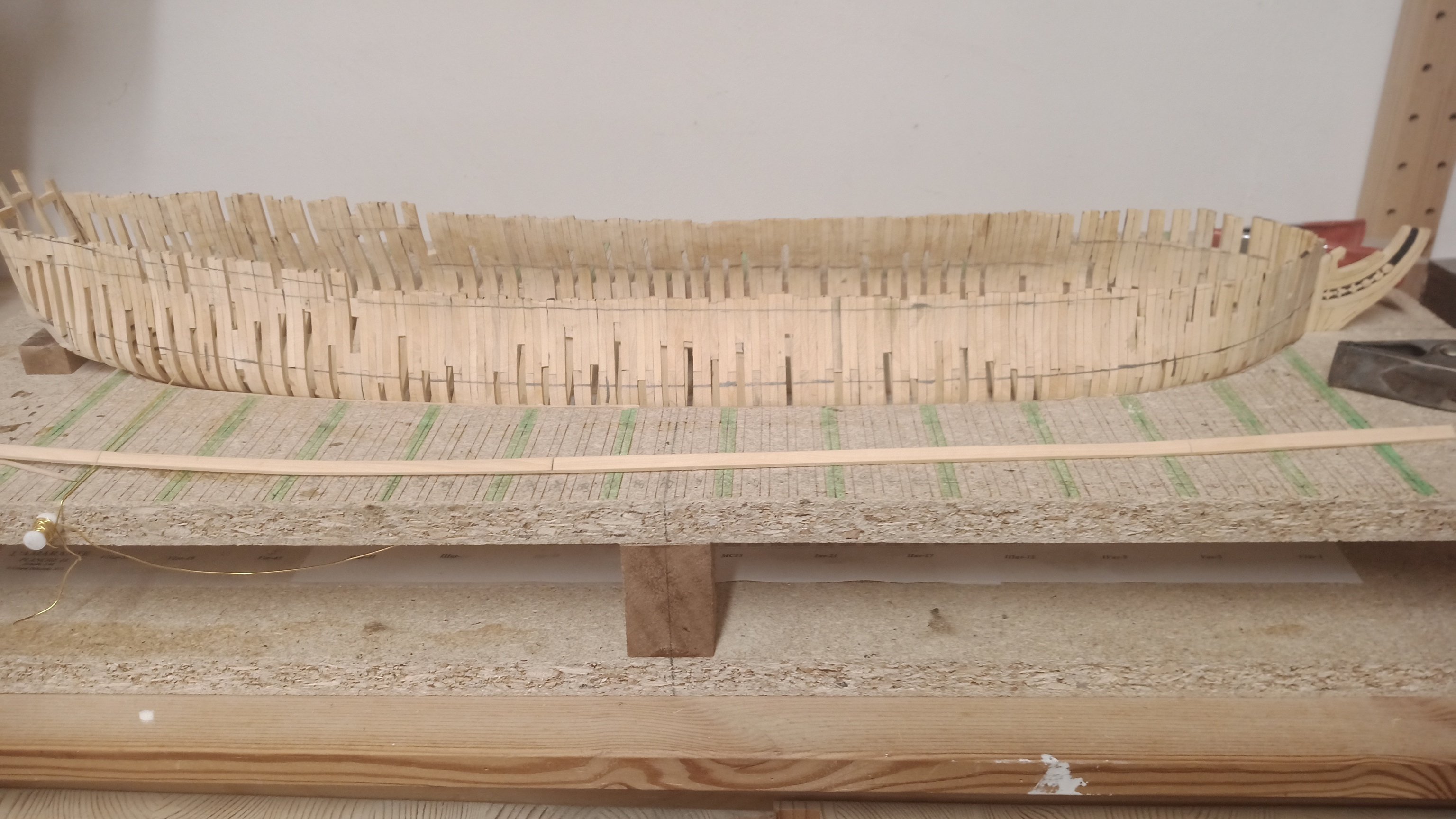
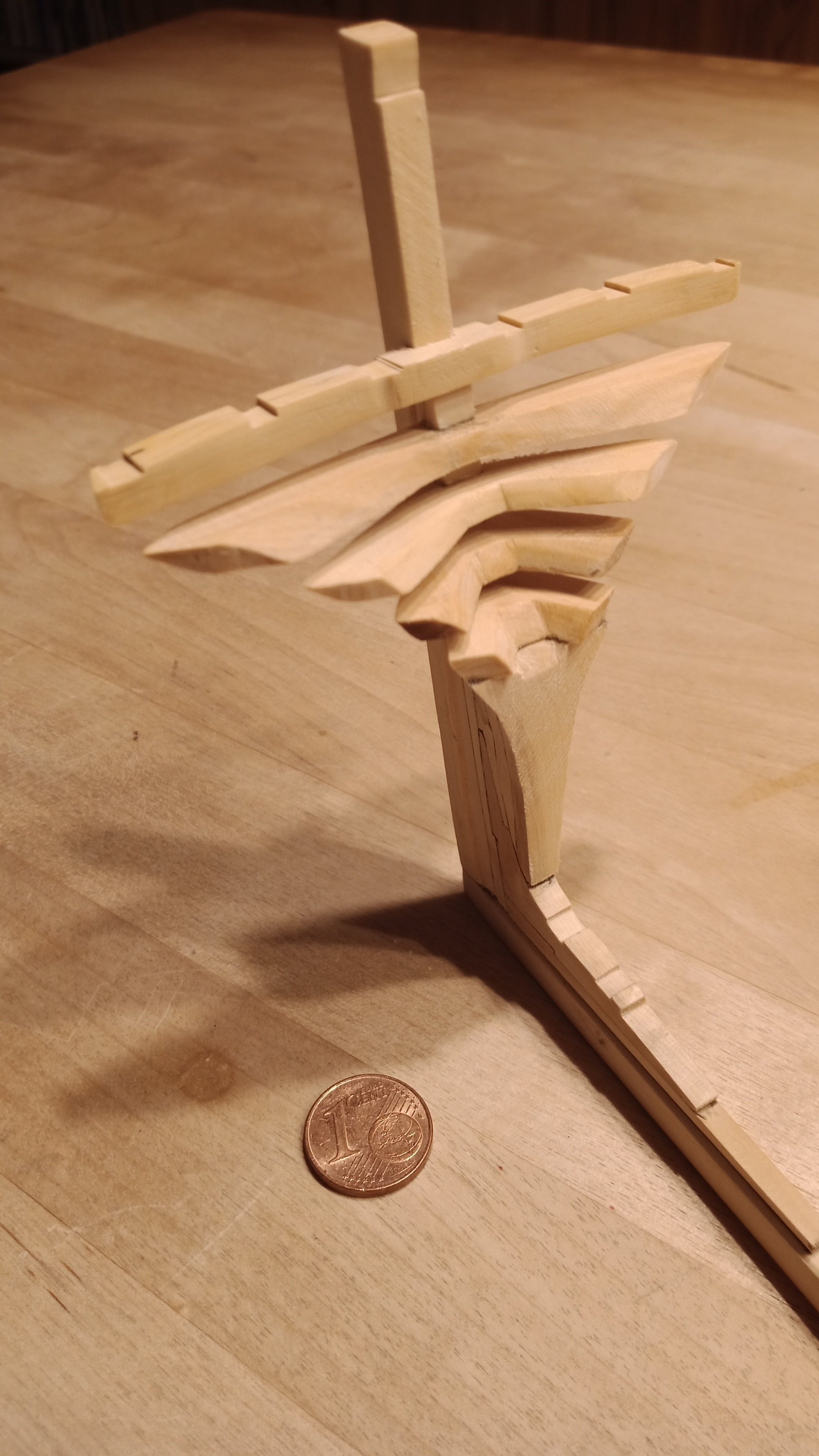
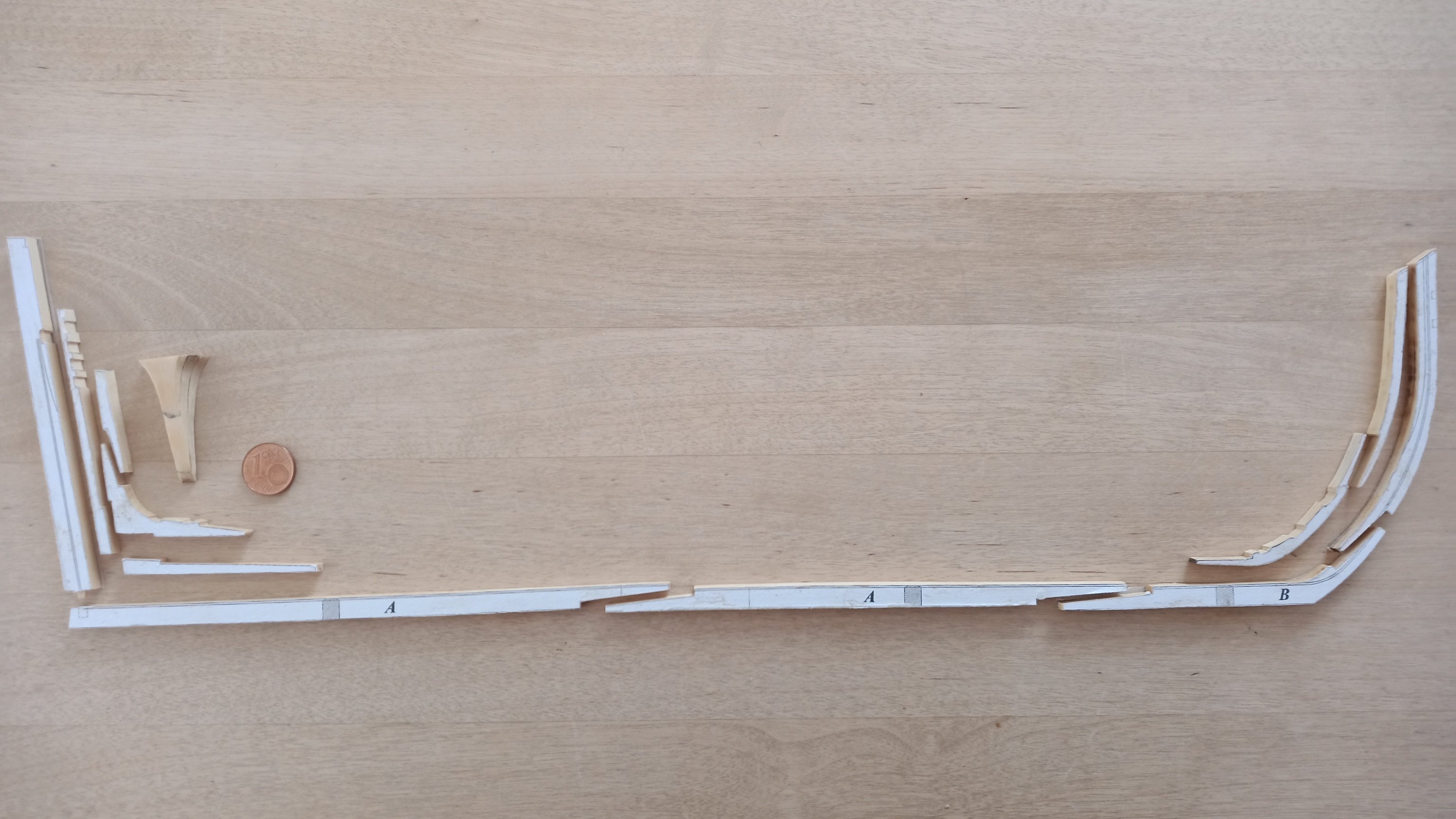
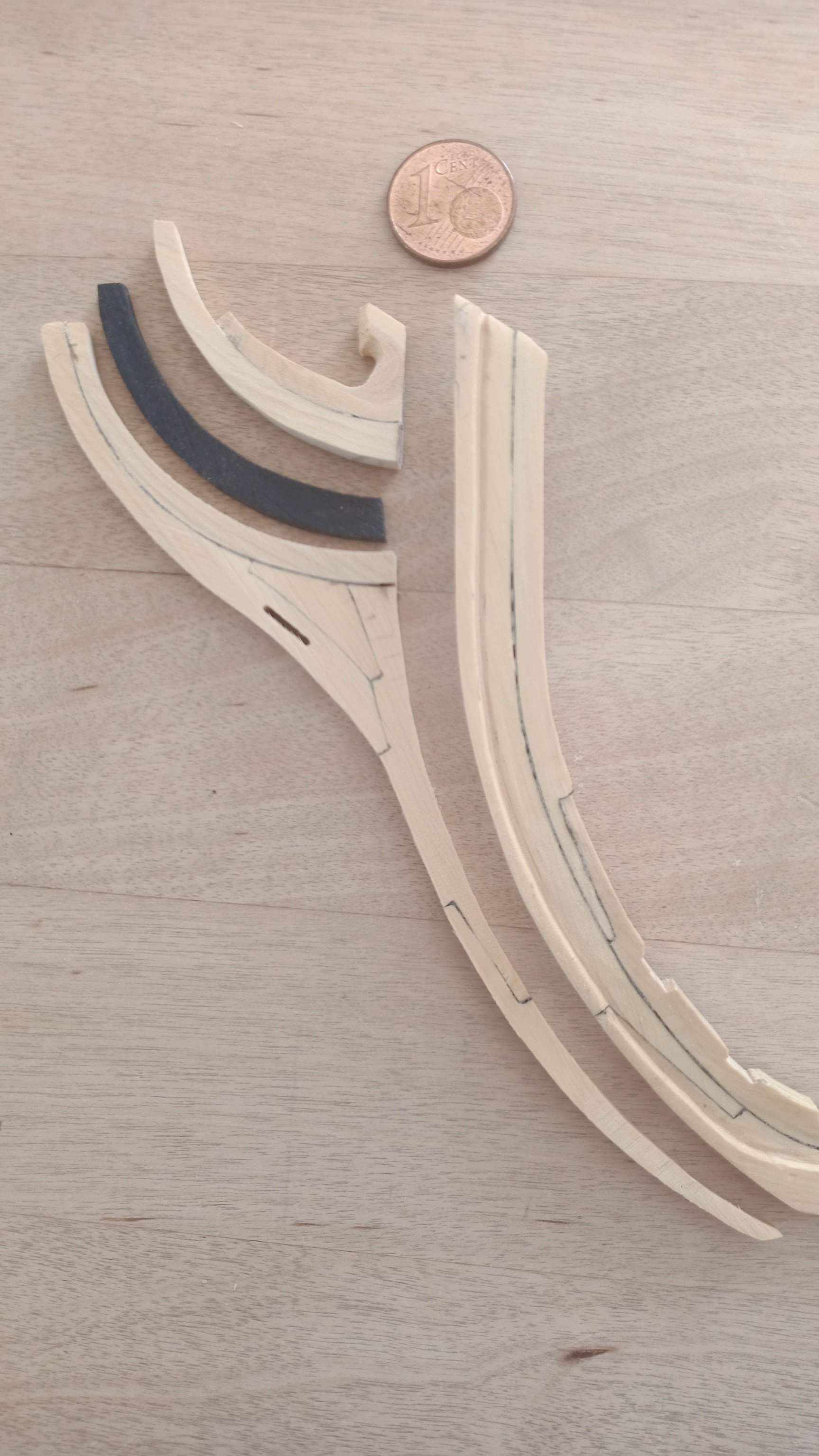
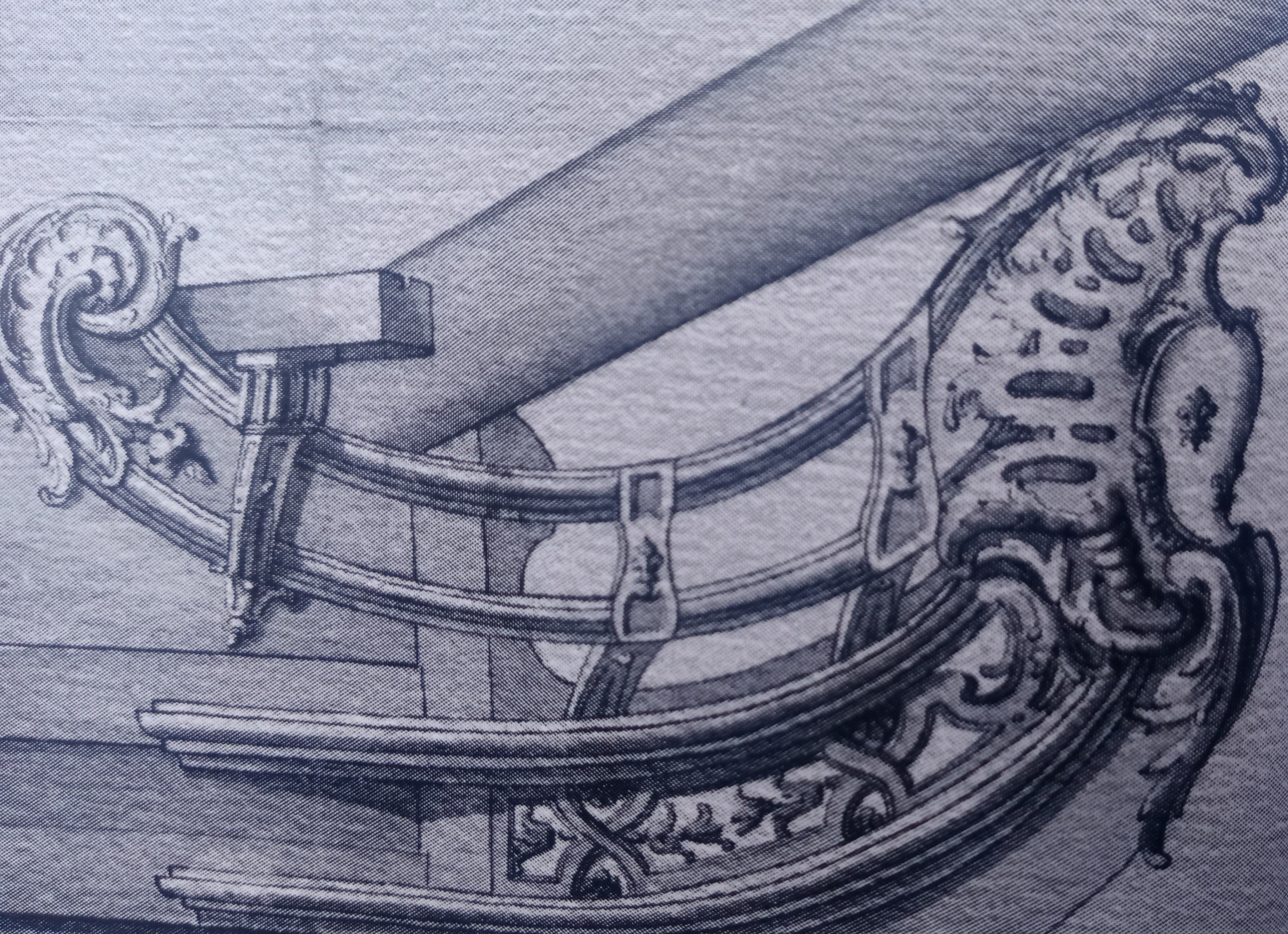
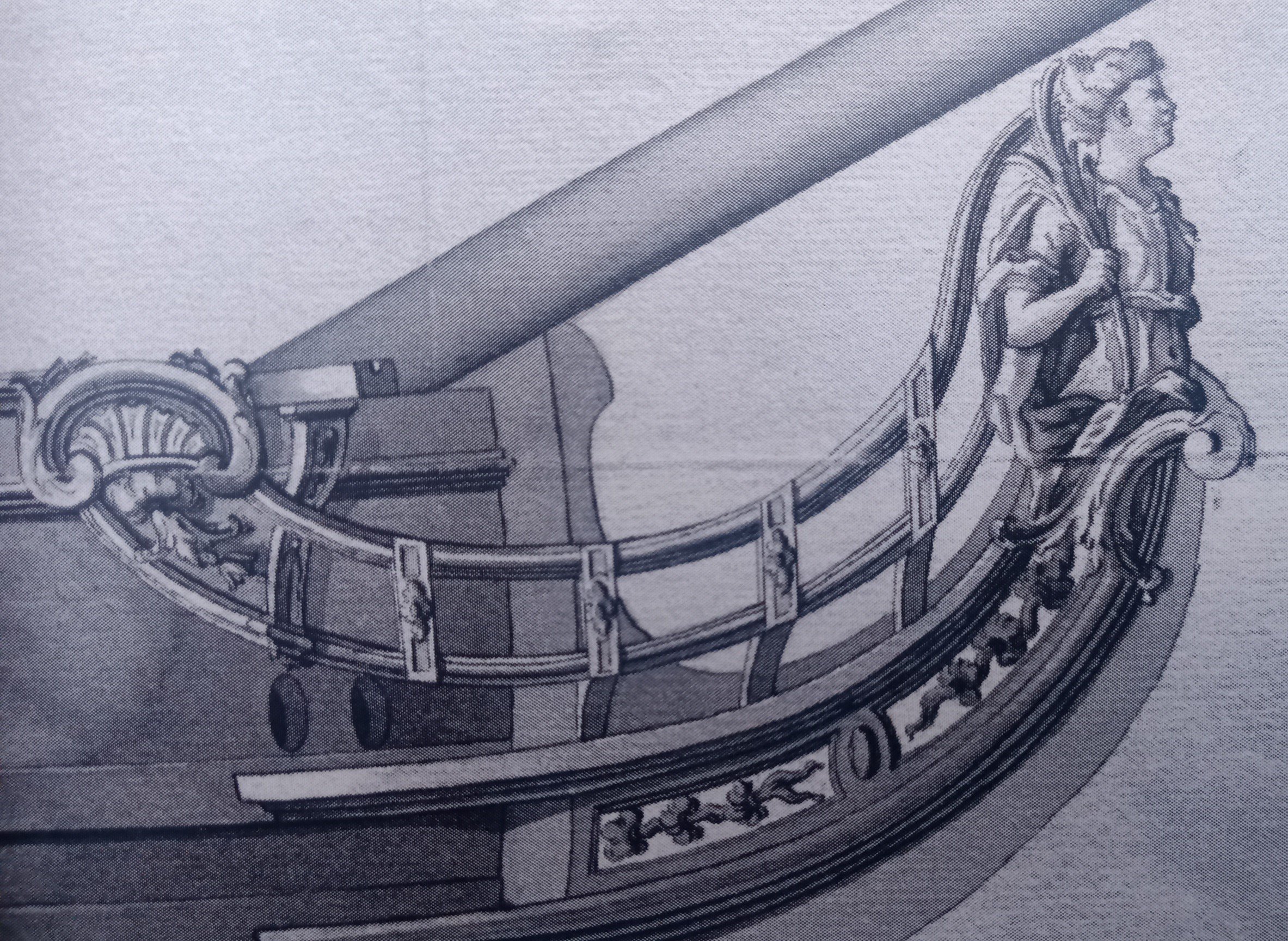
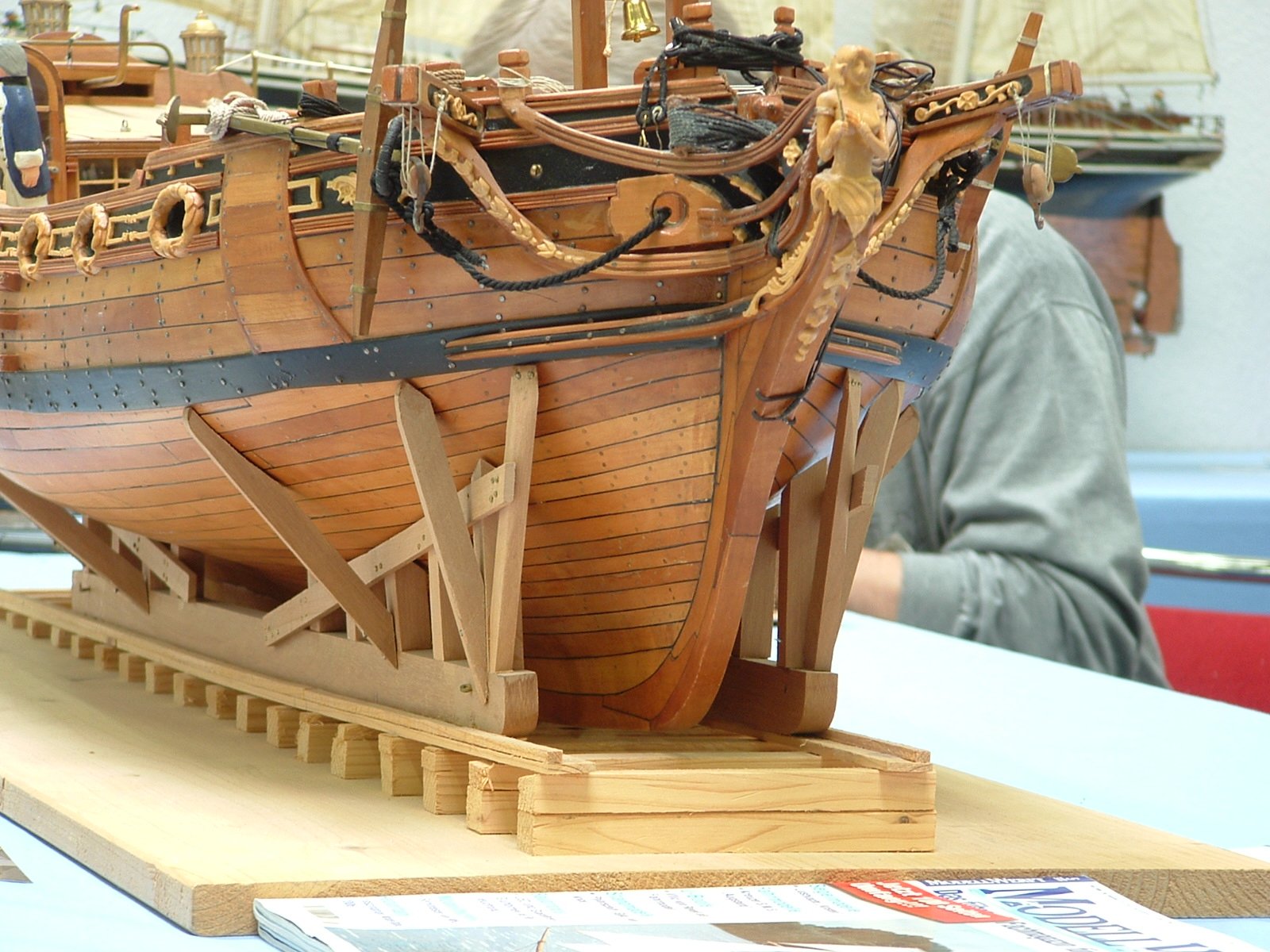
Hello everyone I've been asked several times to post a construction report. So I'm trying to fulfill this request with my current project. I'll start with a summary of the construction progress so far. This will be done in several steps and will probably take some time. I started in June 2024. the hawse timbers (compared with those of la Vénus on the same scale): The pictures show what happened next. At this stage, a decision had to be made. The first carvings on the bow had to be created now, as this area will be difficult to access later. This meant I had to decide on one of the three sister ships. They differ almost only in their decoration. For his plan, Gérard Delacroix chose L'Amarante. Its figurehead was an ornate coat of arms. La Palme and L'Anémone had female figures as figureheads instead of coats of arms. My decision...well, what can I say...I prefer a pretty woman.😉 In conjunction with the decorations on the stern, I chose the l'Anémone. The carvings on the bow were interpreted by Giampierro Ricci and Vladimir (marsalv) as open, or free-floating. However, this seemed too delicate to me for such an exposed element subject to heavy seas. My interpretation is therefore as follows: to be continued...

-
Hello everyone I'm overwhelmed by the warm welcome here in the forum, thank you very much. It is amazing how much expertise and craftsmanship I have already discovered here, although my journey through the forum has only just begun. Please excuse the delay in getting back to you, but although it's hard to believe, there is life beyond model building. A number of people have expressed the wish that I start a build log here. As an example, Mike is quoting: This question isn't so easy to answer. Currently, as mentioned, I'm busy building the 1:48 scale L'Anémone. The construction is already well advanced. All that's missing are a few eyebolts and rings, the bumpkins, and the figurehead. If you'd like, I could try to post a summary of the construction so far and then finish it here. If you'd like to see the full construction report, you can do so in the German forum for ship modeling and history. https://www.segelschiffsmodellbau.com/t9743f2748-quot-L-An-eacute-mone-quot-franzoesische-Korvette.html Herzliche Grüße Willi
-
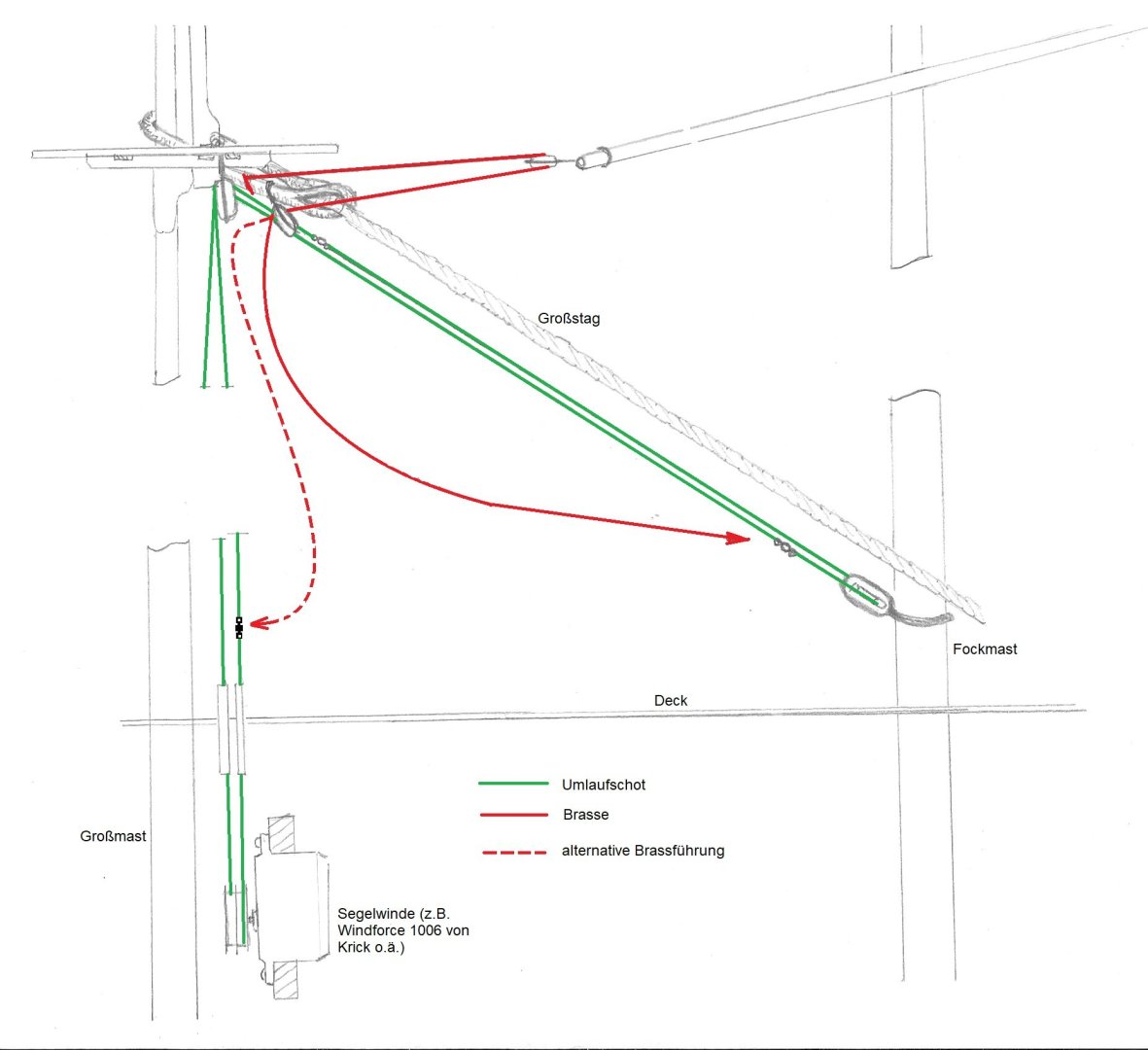
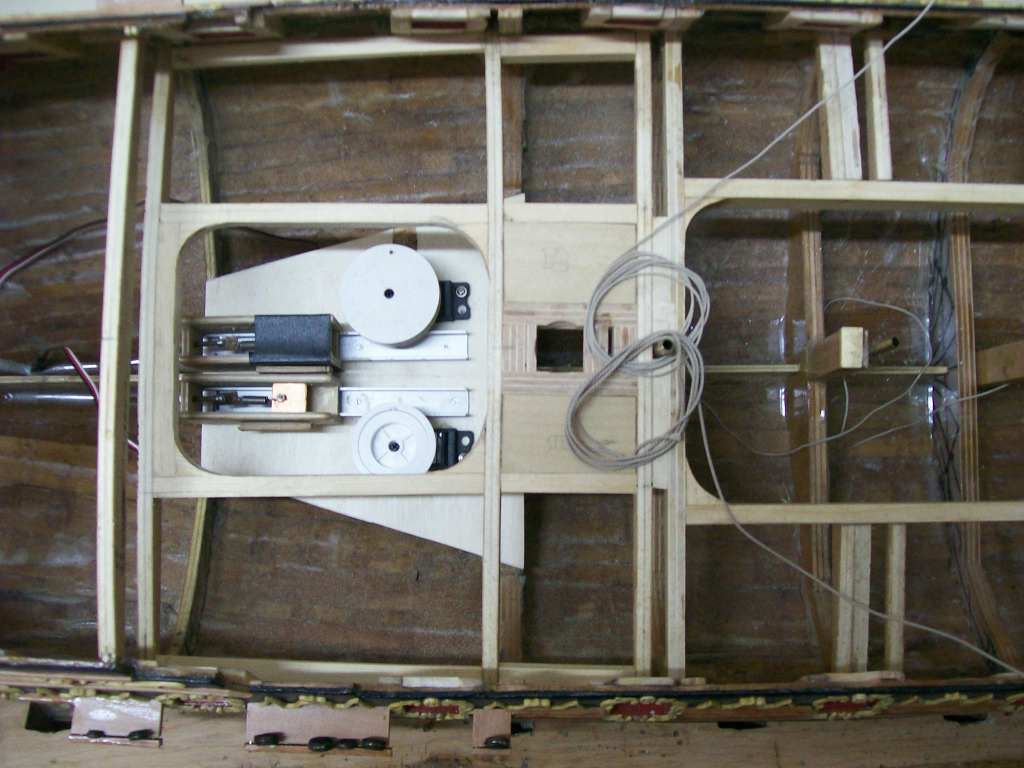
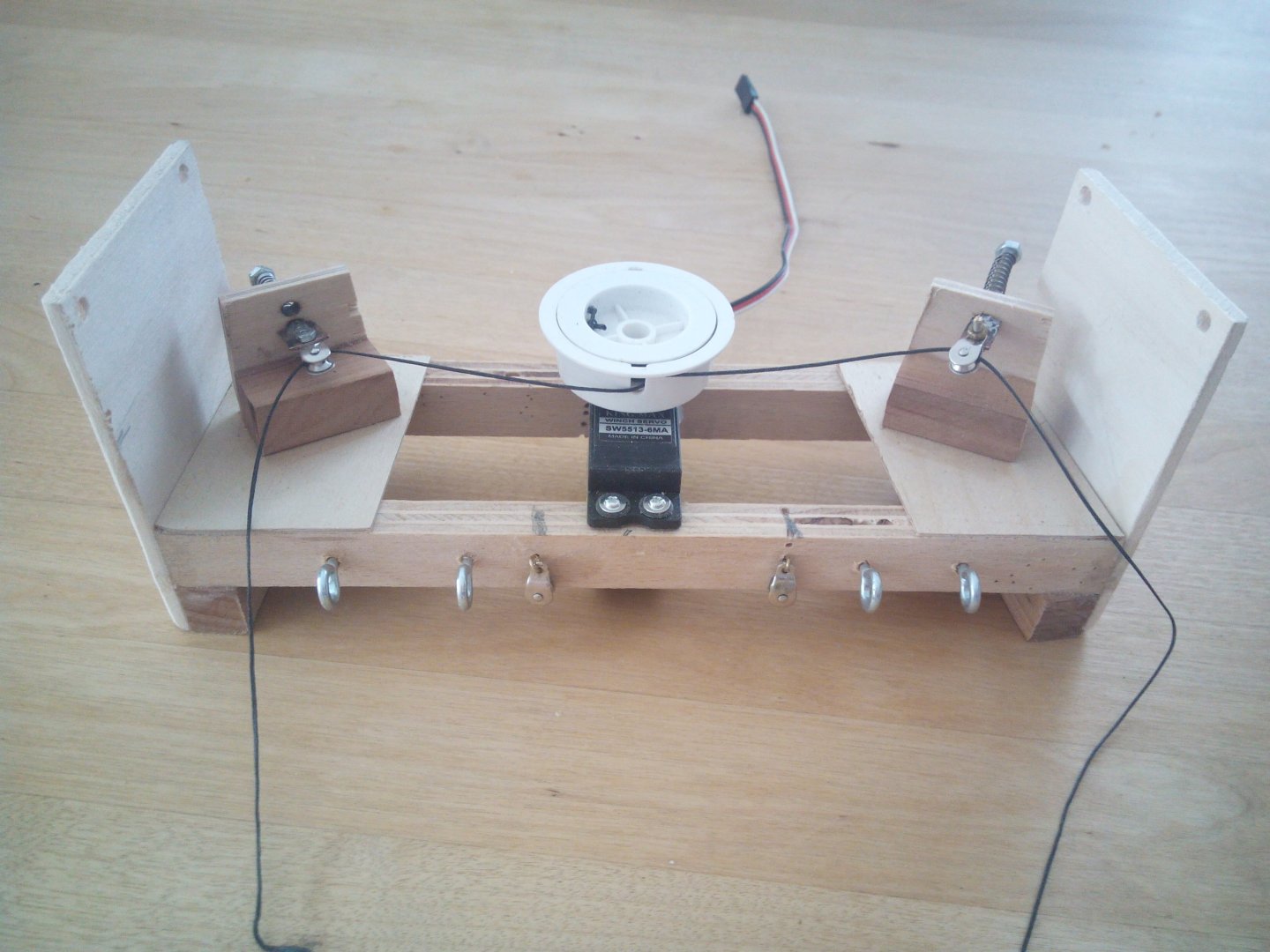
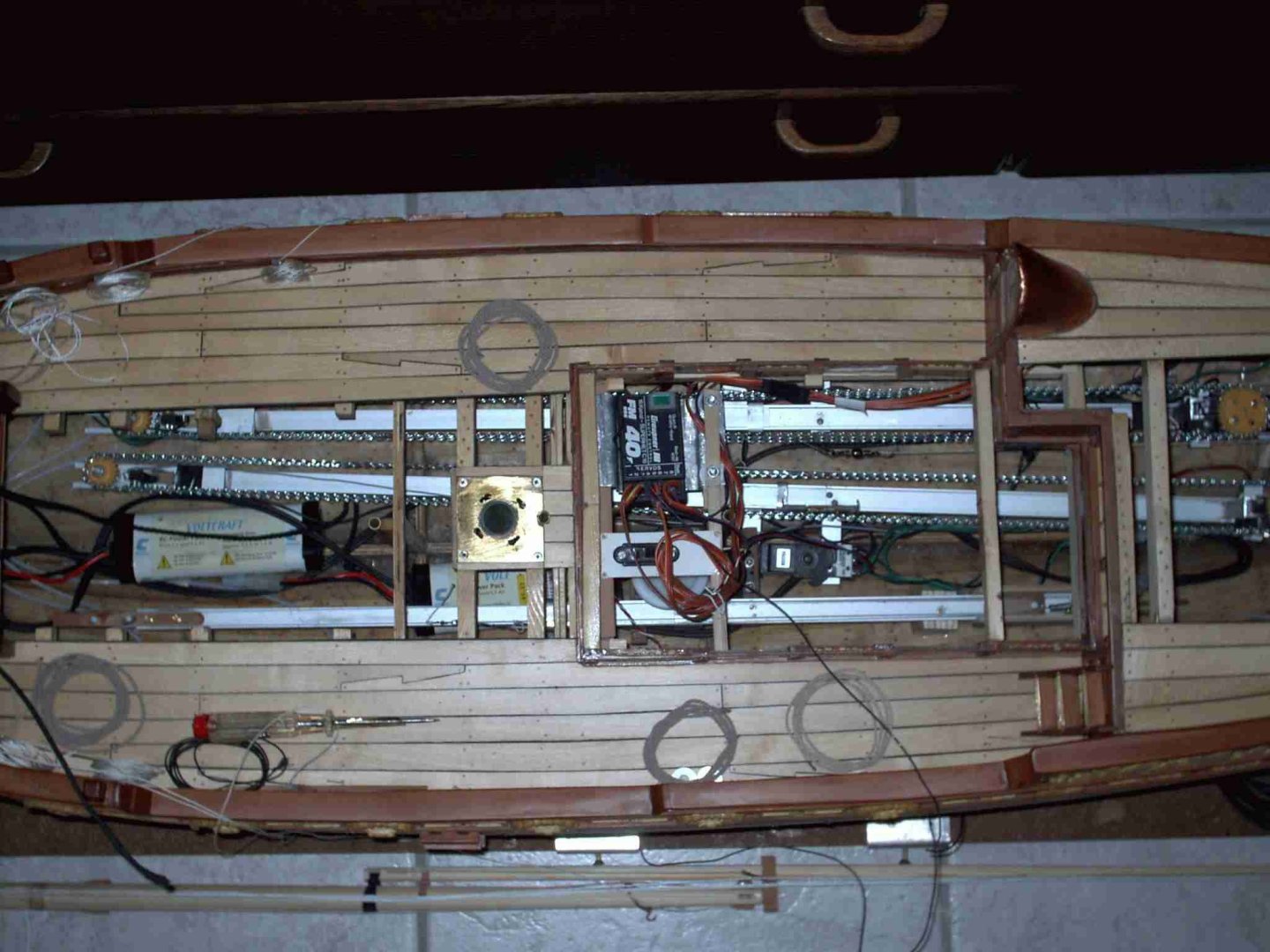
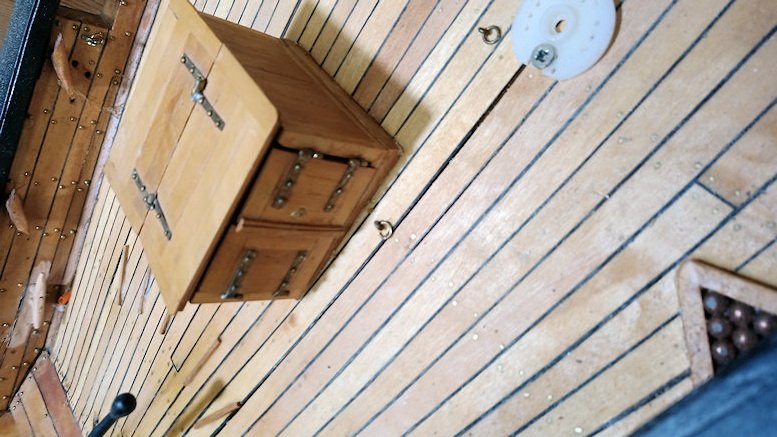
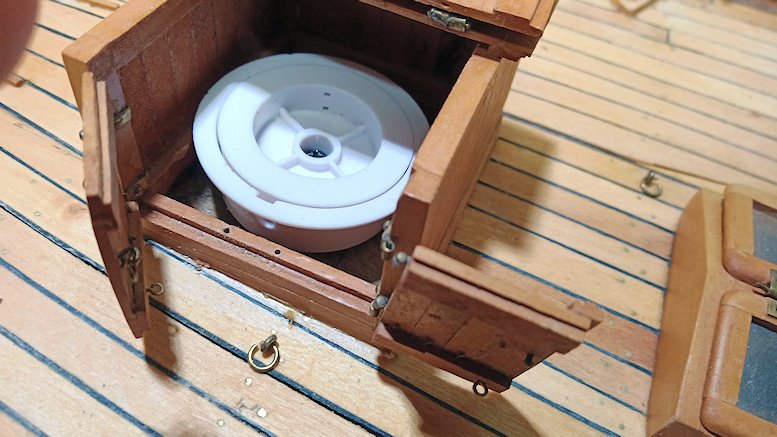
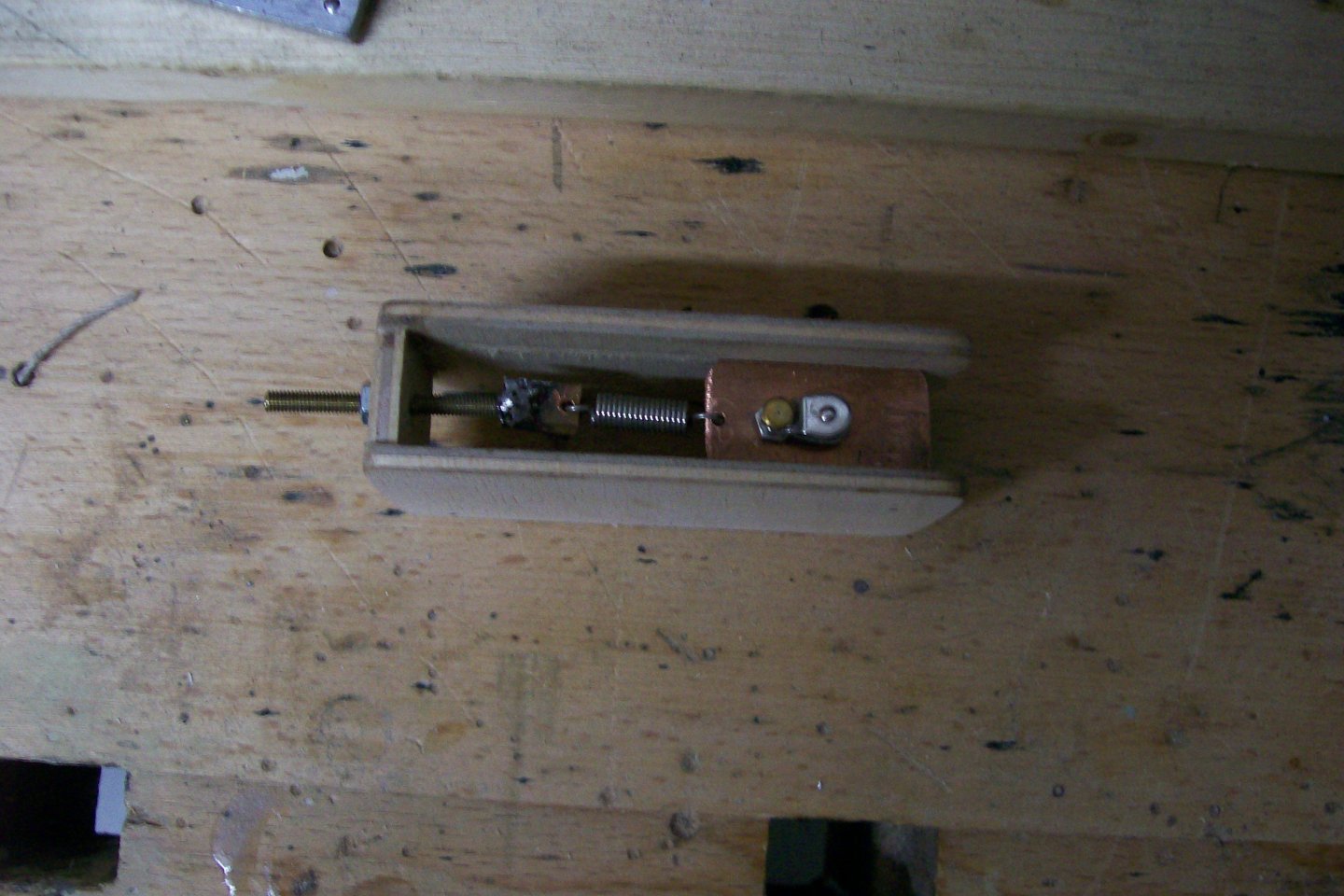
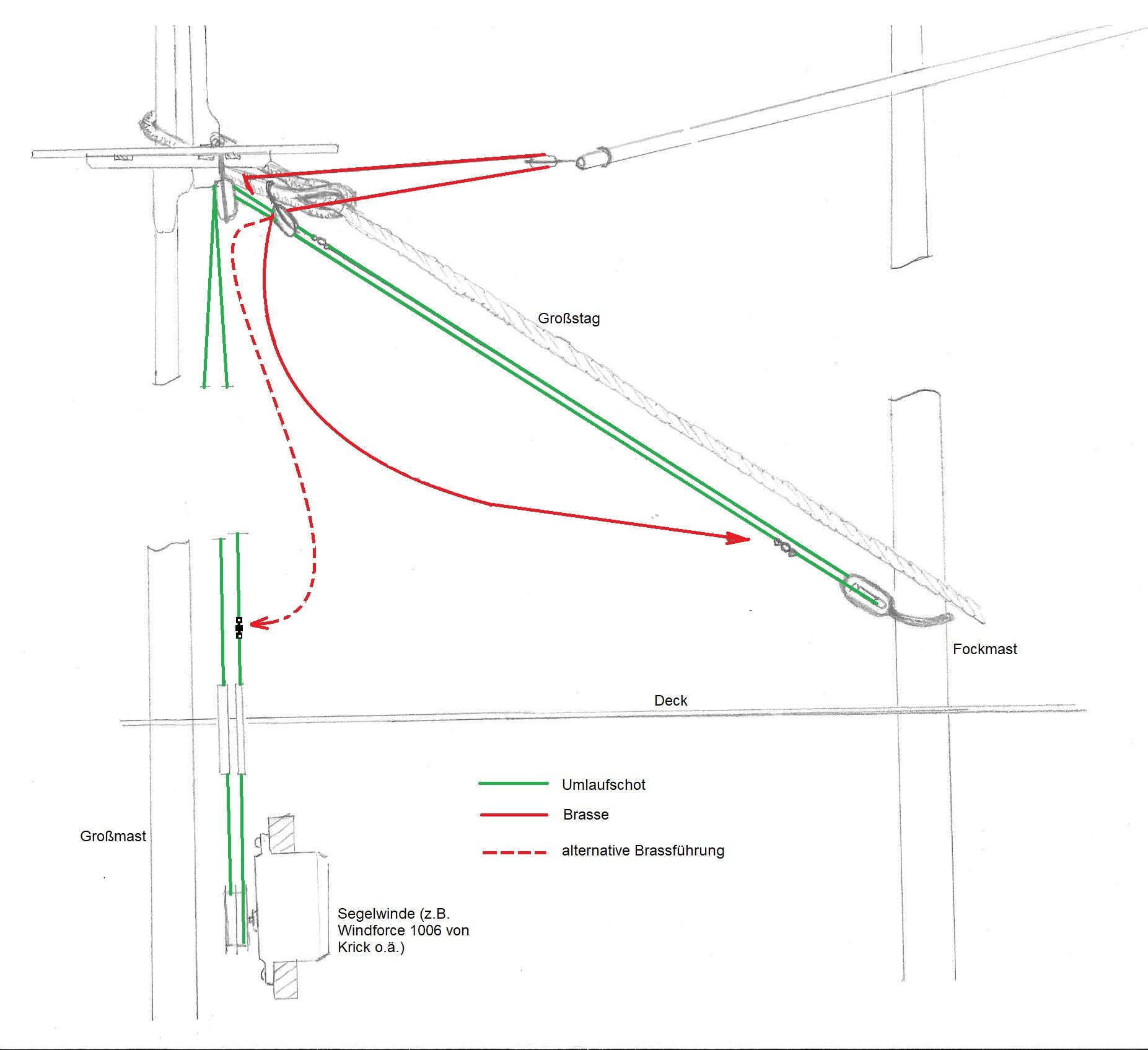
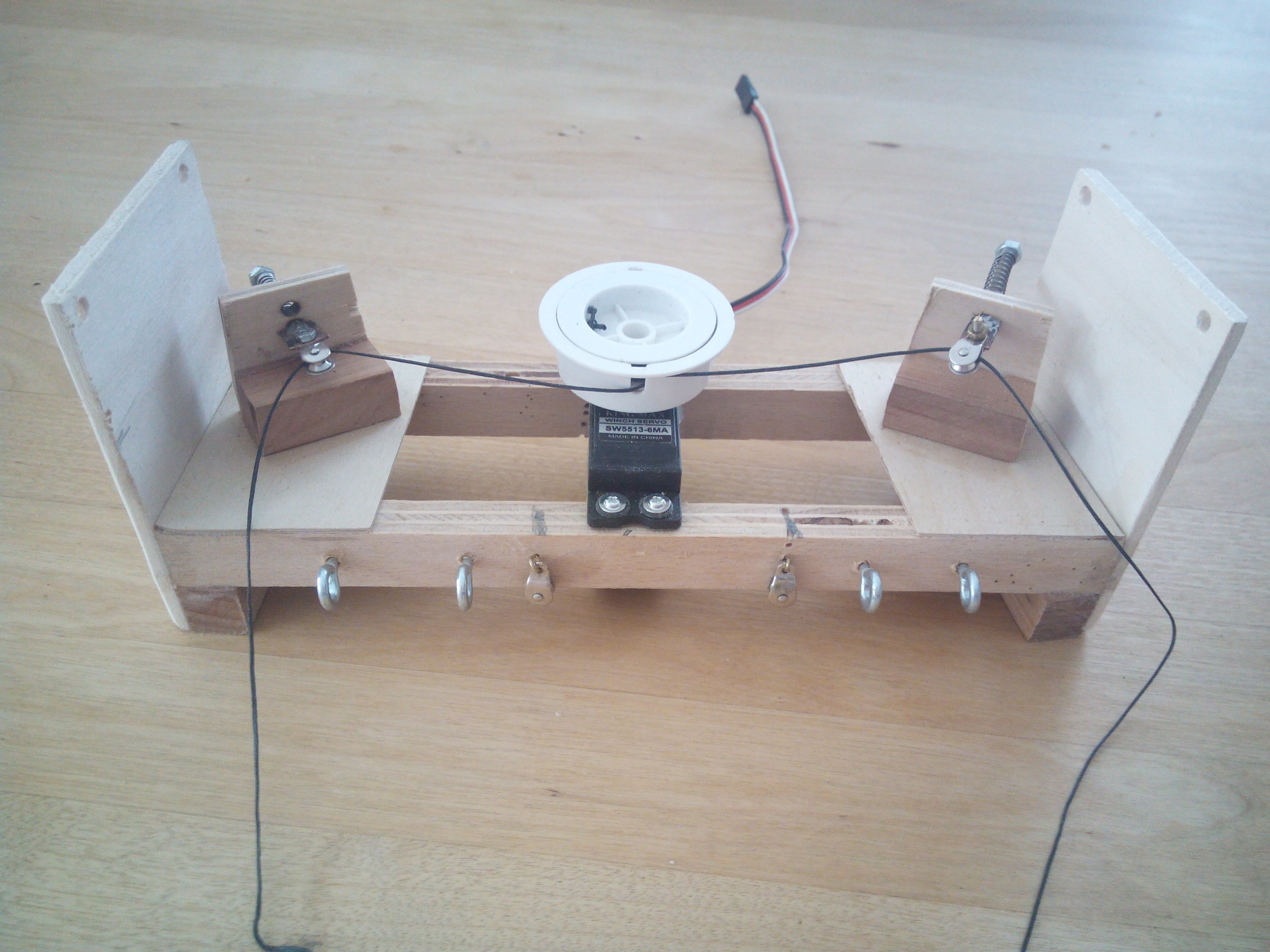
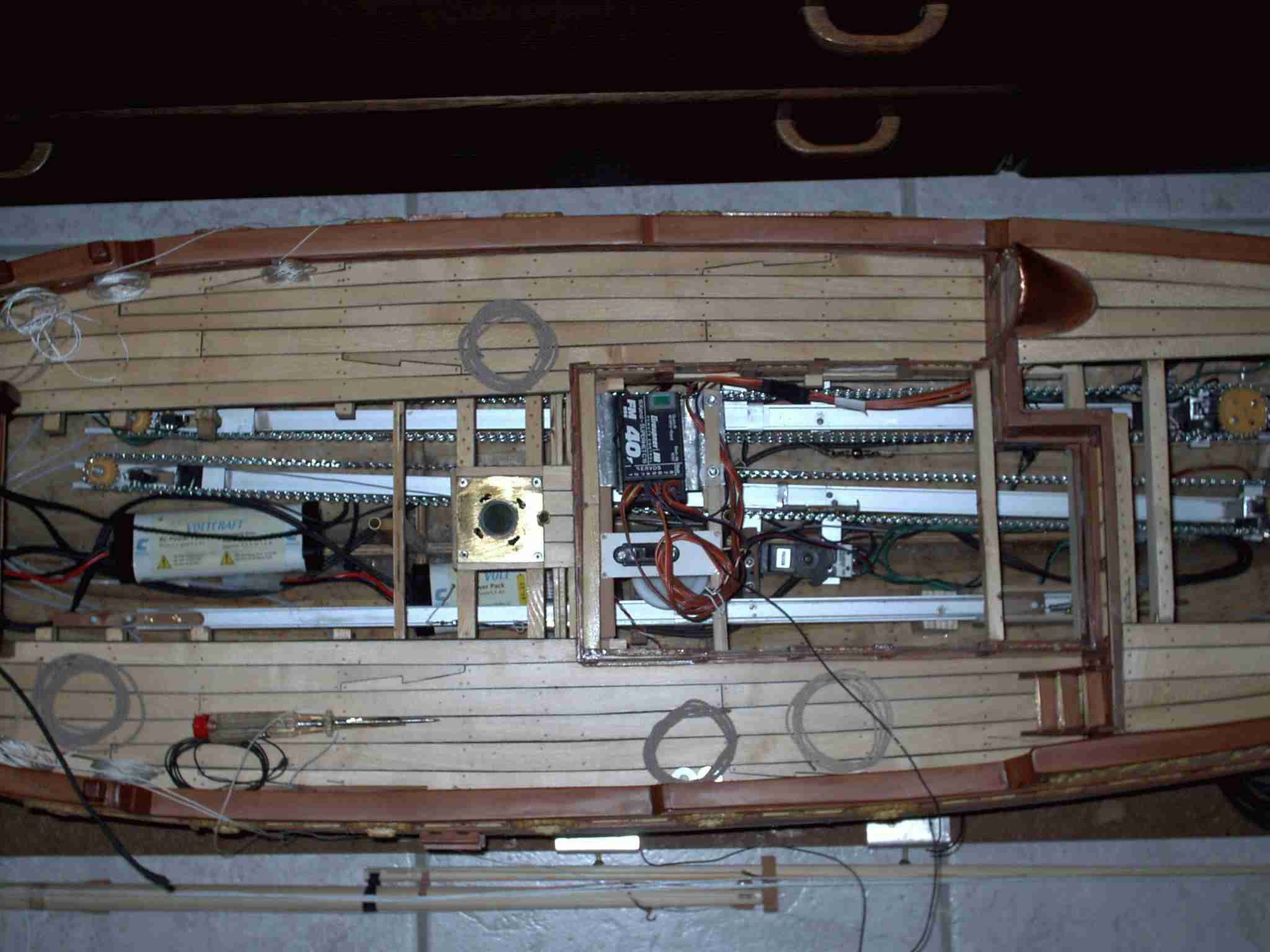
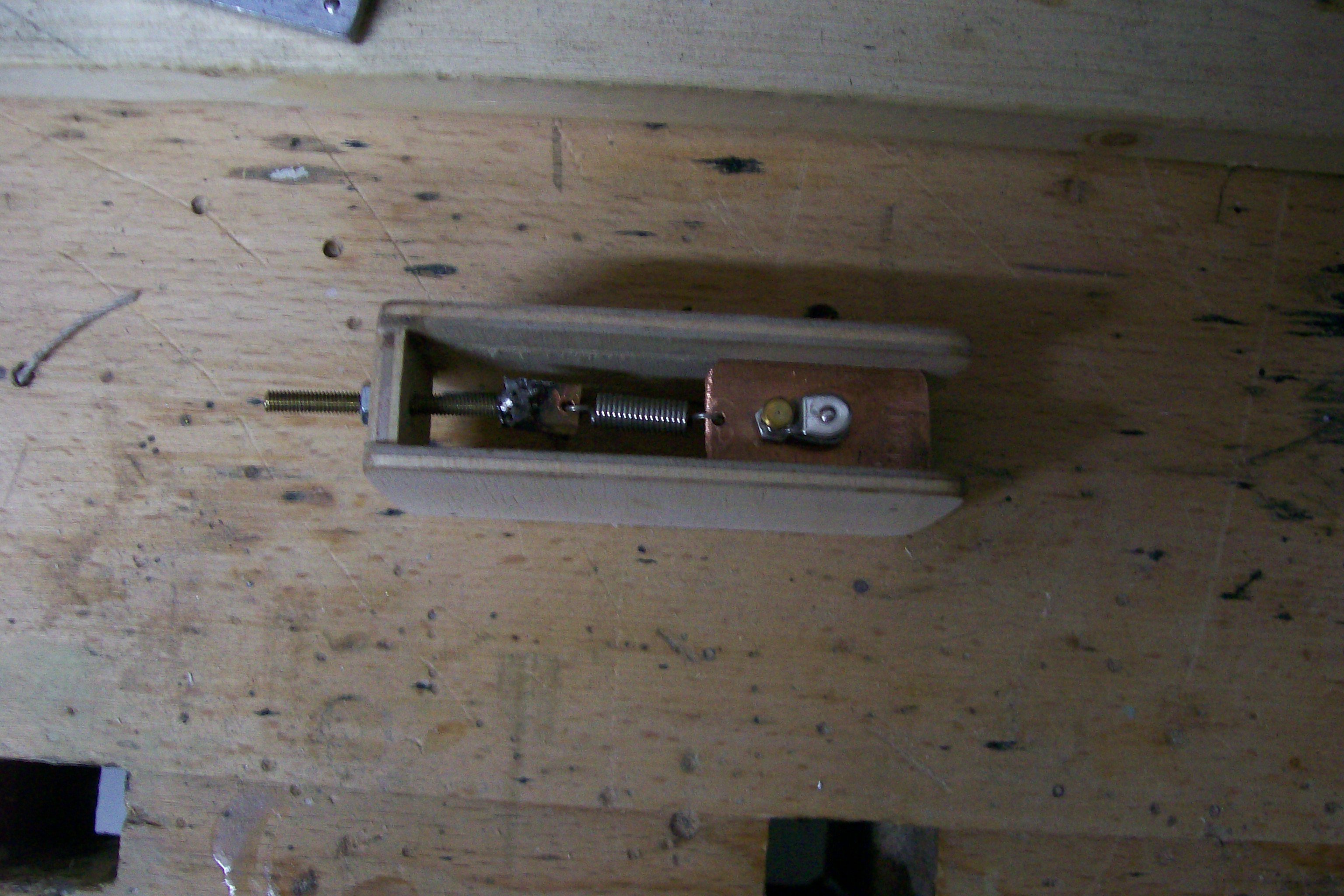
Hello Mike It's been a while since I built these RC models, but I'll try to answer your questions as best I can. I have a preference for boats with square sails. This presents a problem. If the braces are shortened on one side, the constantly changing angles cause the brace on the other side to hang loose. To prevent wooling, I use a system developed by a member of the mini-sail group. The principle is a wraparound sheet to which the braces are tied. This circulating sheet can be installed below deck, but there are other options, as the drawing shows. The drawing shows the steering of the sails on the foremast of the Chapman frigate. How exactly the technology is installed depends very much on the options offered by the model. Some examples: This picture shows the technology in the Chapman yacht. The following pictures show the technology installation on the cutter "Le Cerf." The sail winch is installed in the companionway, and the circulating sheet is led forward and over the deck through small holes (not yet installed on this photo). All braces are led from the bowsprit onto the circulating sheet. The foresails and mainsail have their own winches. Different models, different solutions. There are a few things to keep in mind with everything. The circulating sheet has a winch with a double spool. When one spool is wound, the other is unwound. Since the circulating sheet is wound onto the spools in multiple layers, the length pulled out changes with each revolution. To compensate for this, it is important to equip a block with a spring at the turn point to keep the sheet taut at all times. This could look something like this: Not all systems always work flawlessly. It has proven advantageous to run the circulating sheet above the deck. This provides easy access and makes repairs easier. I can't remember how many times I have rebuilt or completely replaced the entire technology in my models. Over the course of several decades, it has continued to evolve, and the development continues. Time and again, problems have to be dealt with, such as winches that are too weak, brass angles that are too small, too little travel, or lines that wrap around a cannon or a beting. Nowadays, I actually spend more time sailing than on repairs. It used to be the other way around. The Chapman schooner, in particular, sails quite reliably. Perhaps I'll figure out how to upload a video of it soon. Here's the link to a video of the Chapman schooner: Herzliche Grüße Willi
- 23 replies
-
- 13
-

-

-
Hello Thomas Thanks for your interest. Regarding your question: After some experimentation with different varnishes, I achieved very satisfactory results with a polyurethane resin, which can be purchased in Germany under the trade name G4 from Voss Chemie. When applied in several coats with decreasing dilution, it provides good protection against water. It's transparent, so you can still clearly see the wood structure. The only drawback is that it has a very high shine. This can be remedied by applying a coat of matte stair varnish after the actual varnish has cured. This should also be based on polyurethane resin. A fiberglass mat was laminated on the inside with epoxy resin.
-
I'd like to add captions to the images, but I can't find the option to edit my post. Perhaps someone can help me?
-
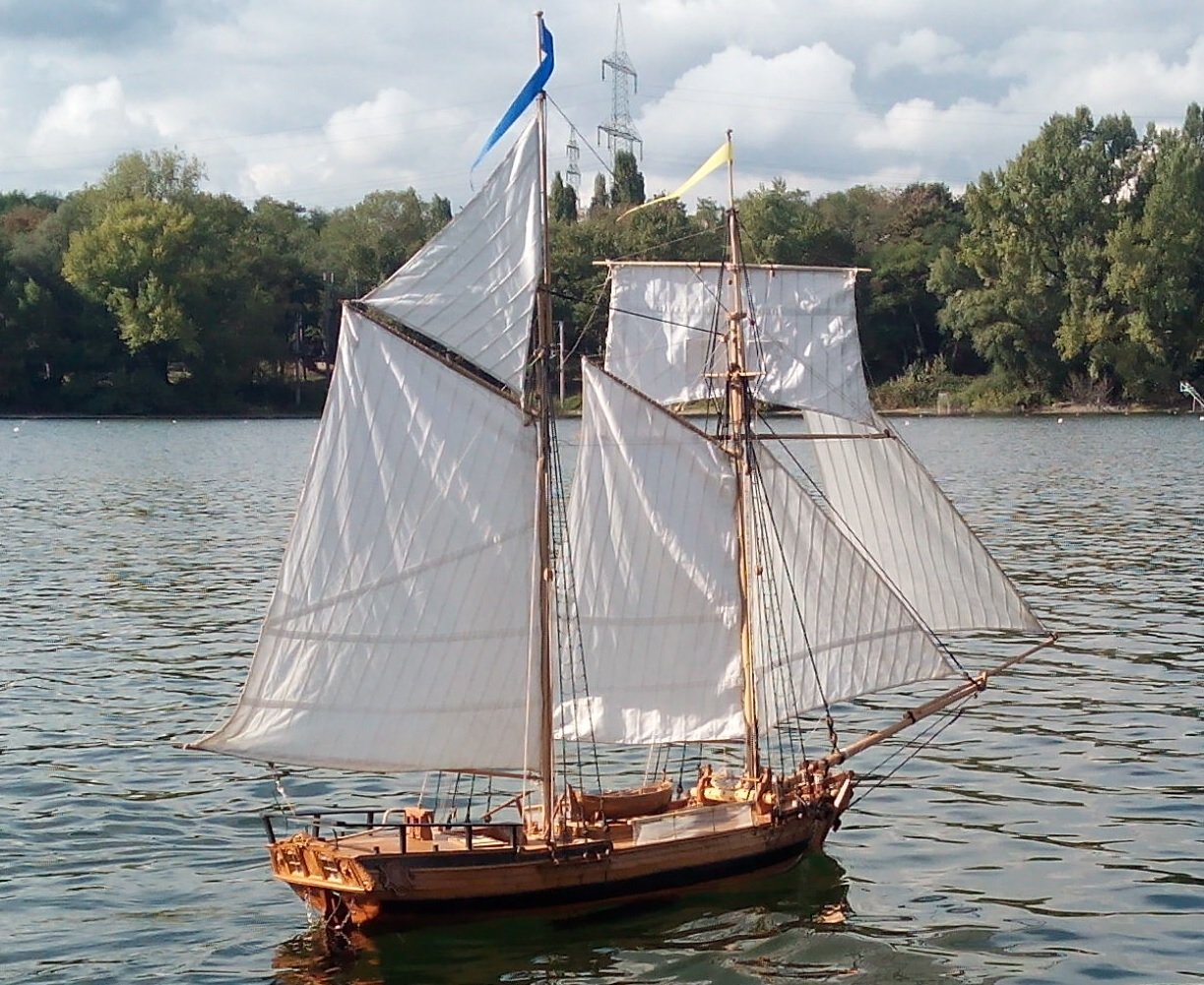
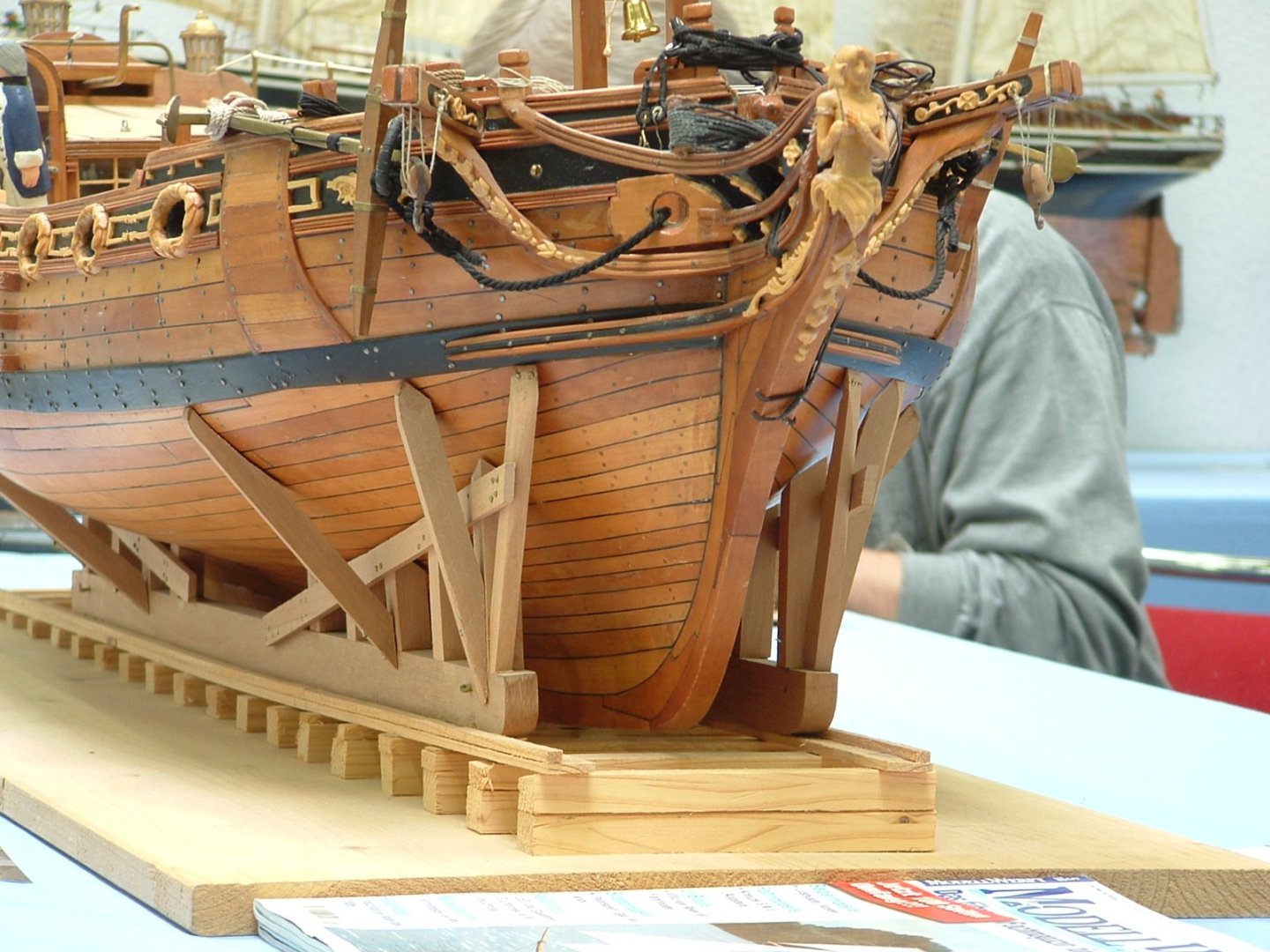
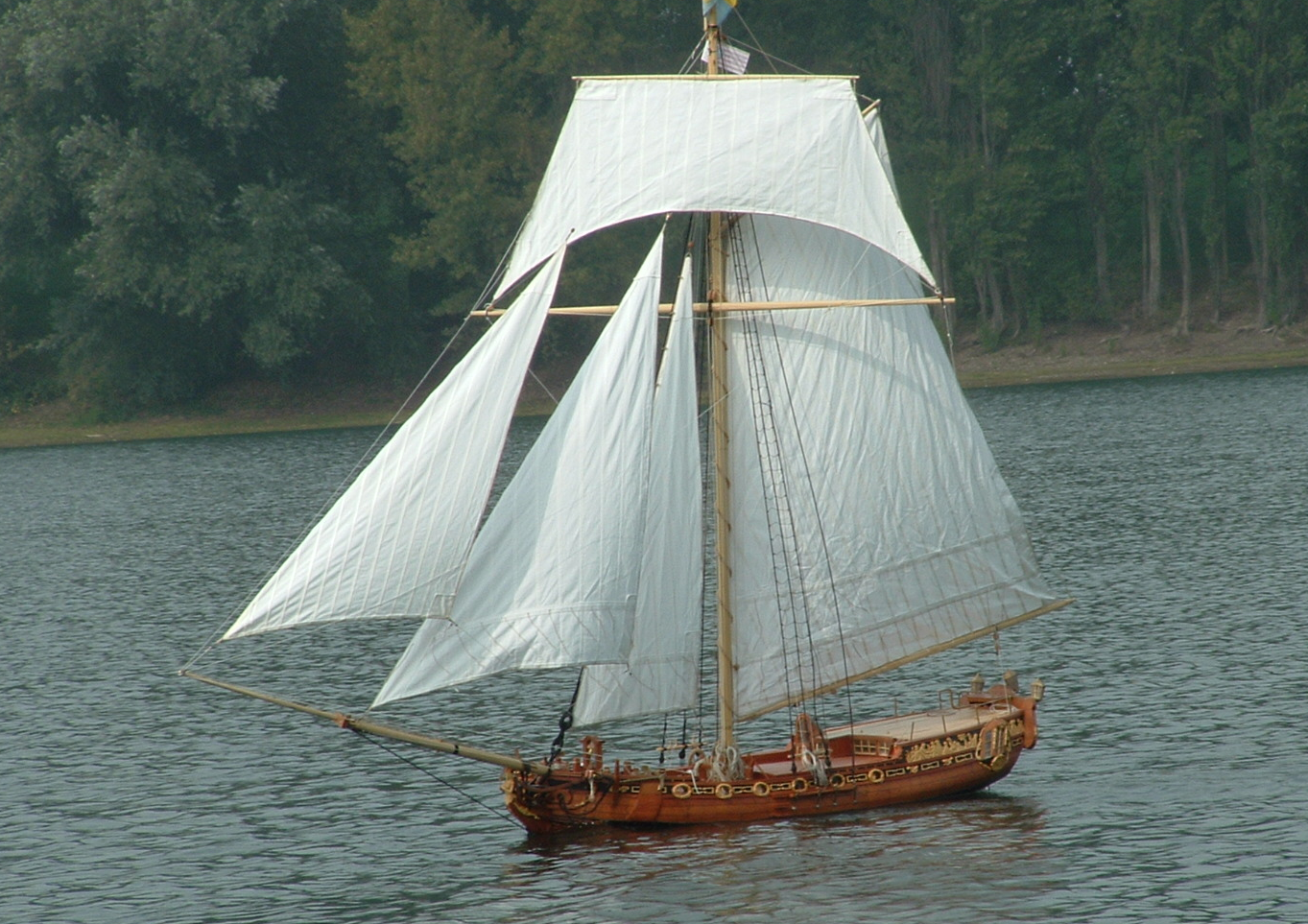
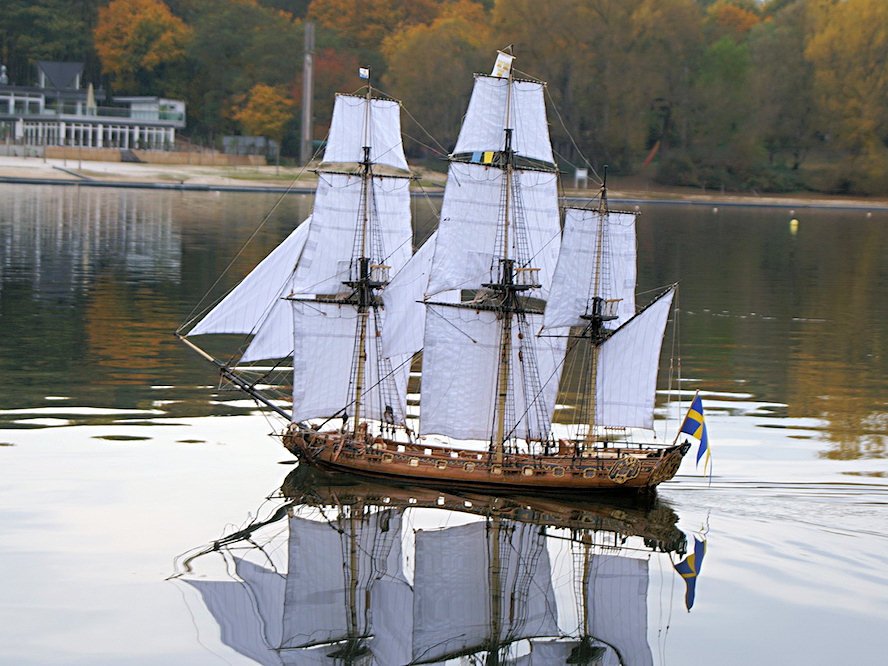
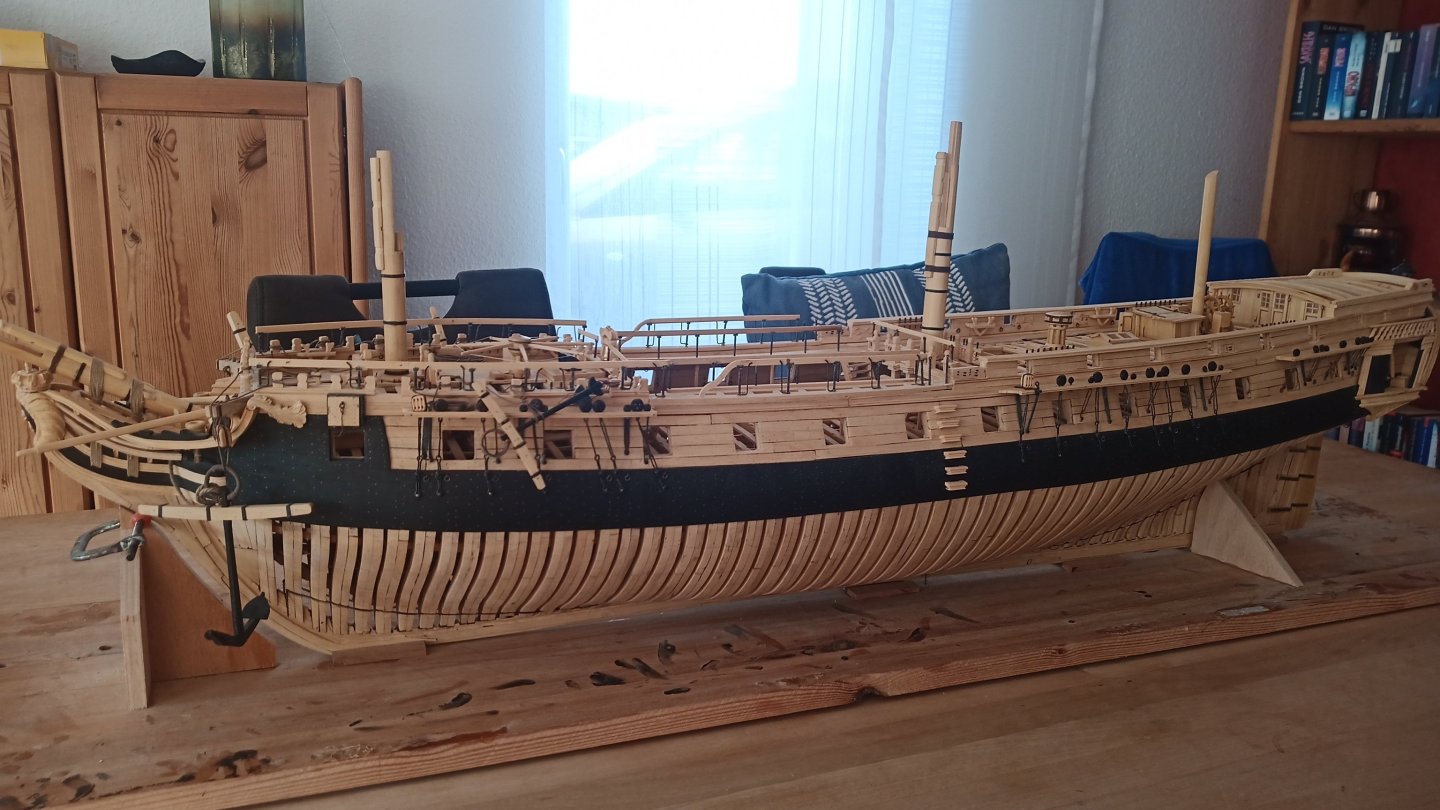
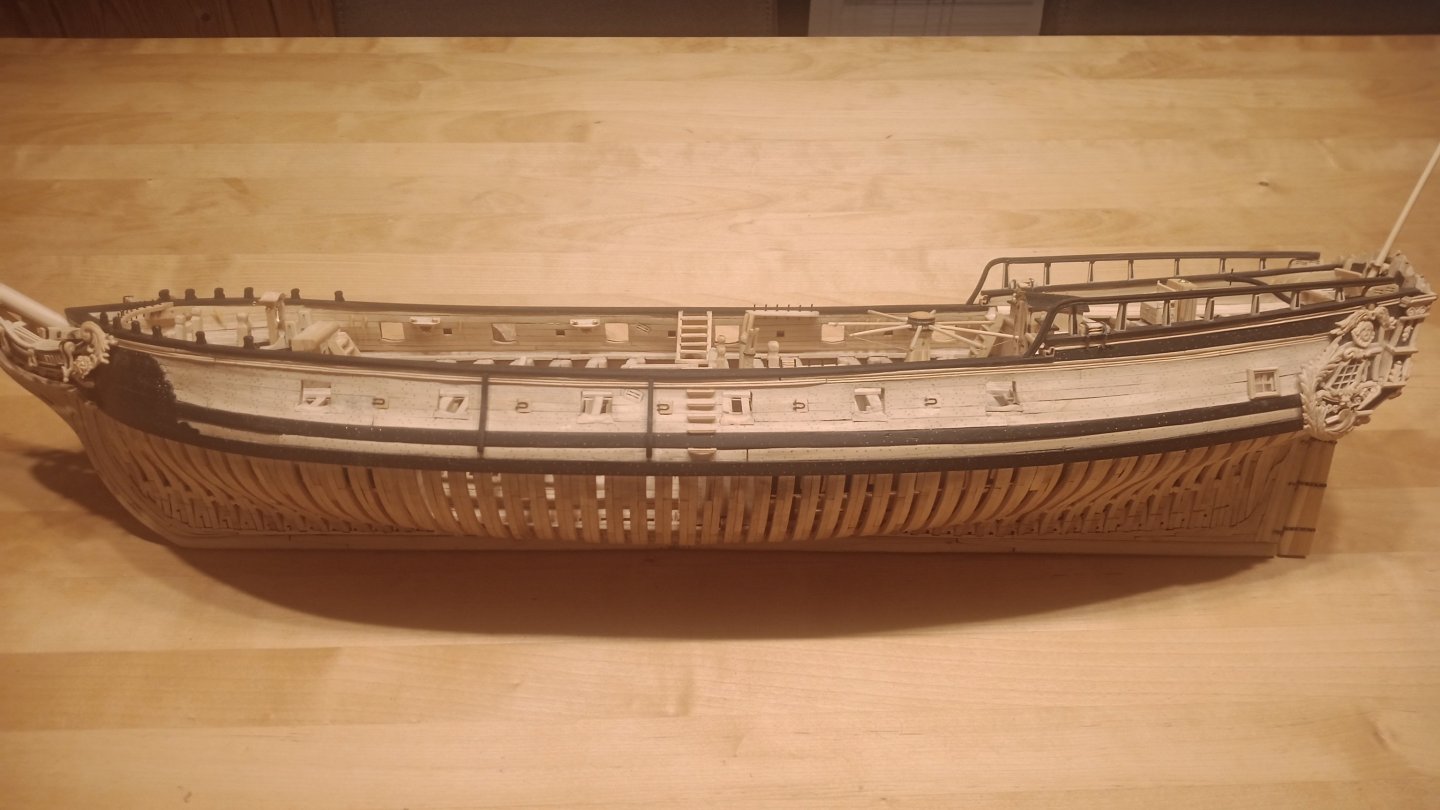
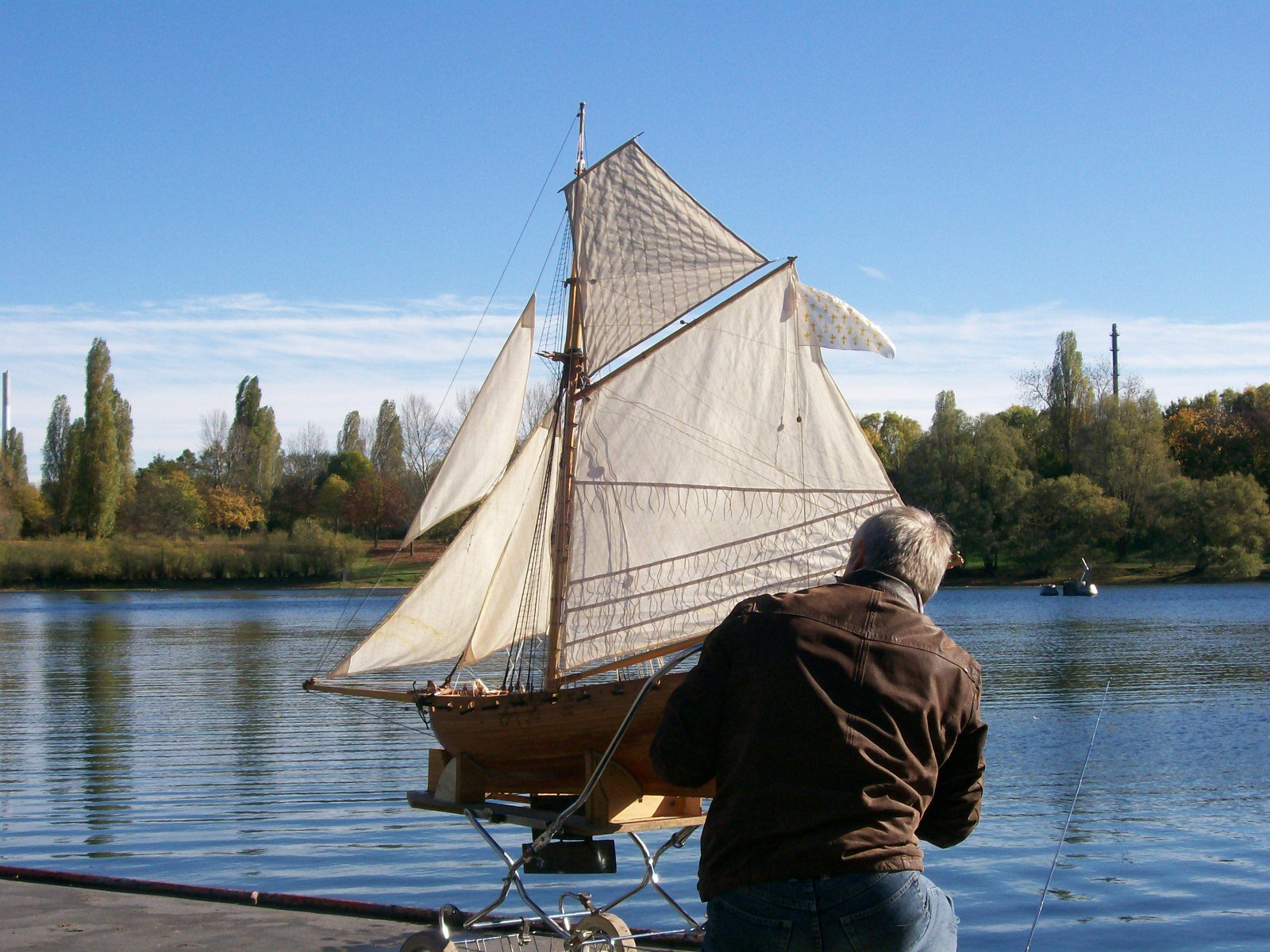
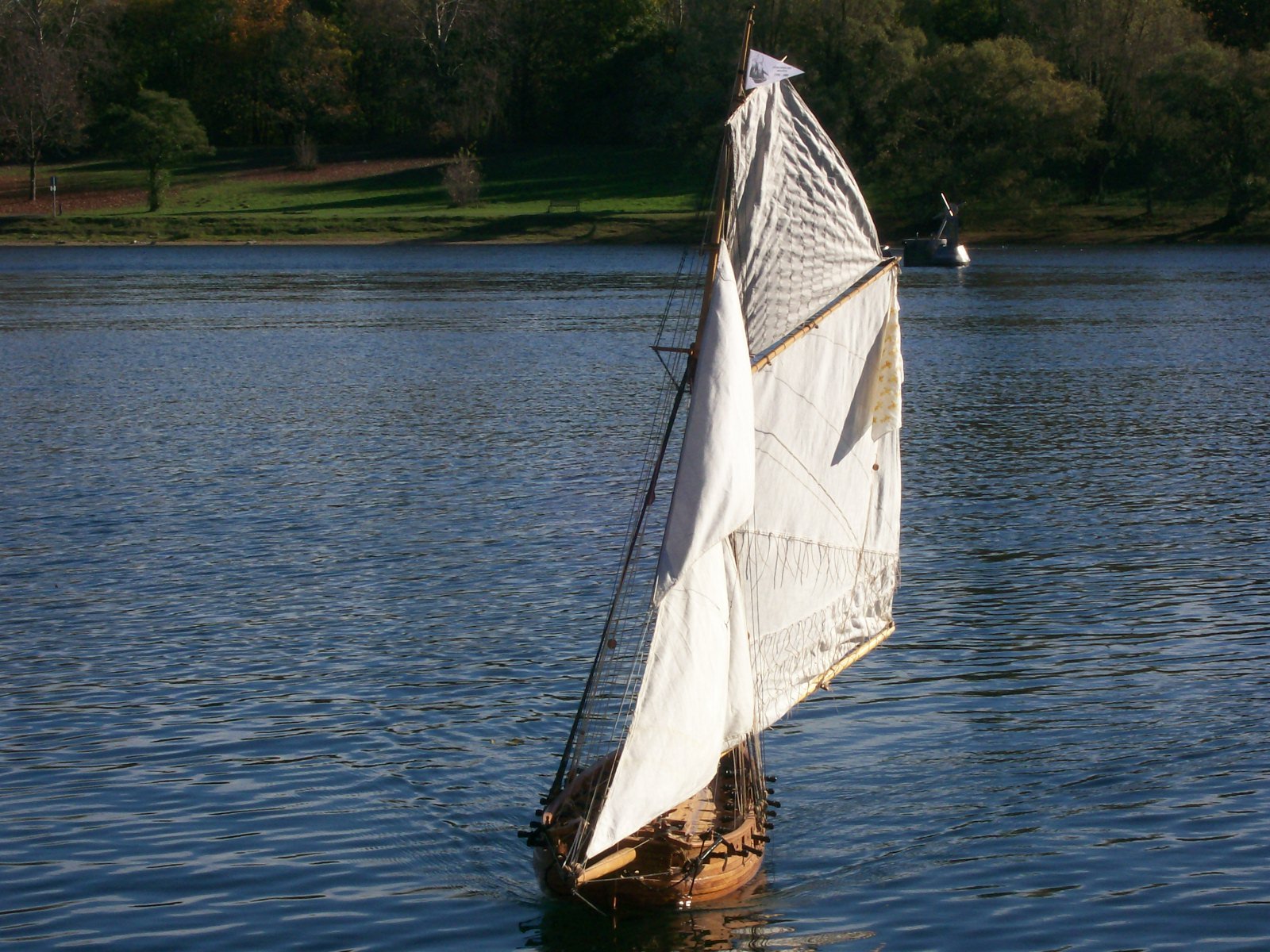
A warm hello to everyone I've been registered here for some time now, have even written a few comments, and haven't introduced myself yet. Please excuse this oversight. I wanted to familiarize myself with the forum structure first. I hope my introduction is in the right place. My name is Willi and I'm from western Germany, not far from the Dutch border. When it comes to model building, I used to build exclusively RC-controlled, historic sailing ships, which I did as part of my membership in mini-sail. I specialized in ships from Frederic af Chapman's Architectura Navalis Mercatoria (ANM), but the French naval cutter "Le Cerf" is also included in 1:25 scale. Because the ships sail better then, they are built very large, which led to a lack of space in my house. So, some time ago, I started building static models. My first project was the French frigate "La Vénus" in 1:48 scale. I'm currently working on the small French corvette "L'Anémone," based on the plans of Gérard Delacroix's "L'Amerante," also in 1:48 scale. It will certainly be interesting to put the two ships side by side and compare their sizes. I'll try to post a few pictures of the different models and look forward to a lively exchange. French cutter Le Cerf: Swedish Scooner 1768 from Chapman (ANM Page 50 Pl. XLII No. 4) Swedish Yacht 1768 from Chapman (ANM Page 52 Plate XLIV No. 3) Swedish Fregate 1768 from Chapman (ANM Page 51 Plate XLIII No. 1) La Vénus L'Anémone



- 23 replies
-
- 29
-
-
-
L'Amarante by marsalv - 1:36 - POF
Willi replied to marsalv's topic in - Build logs for subjects built 1501 - 1750
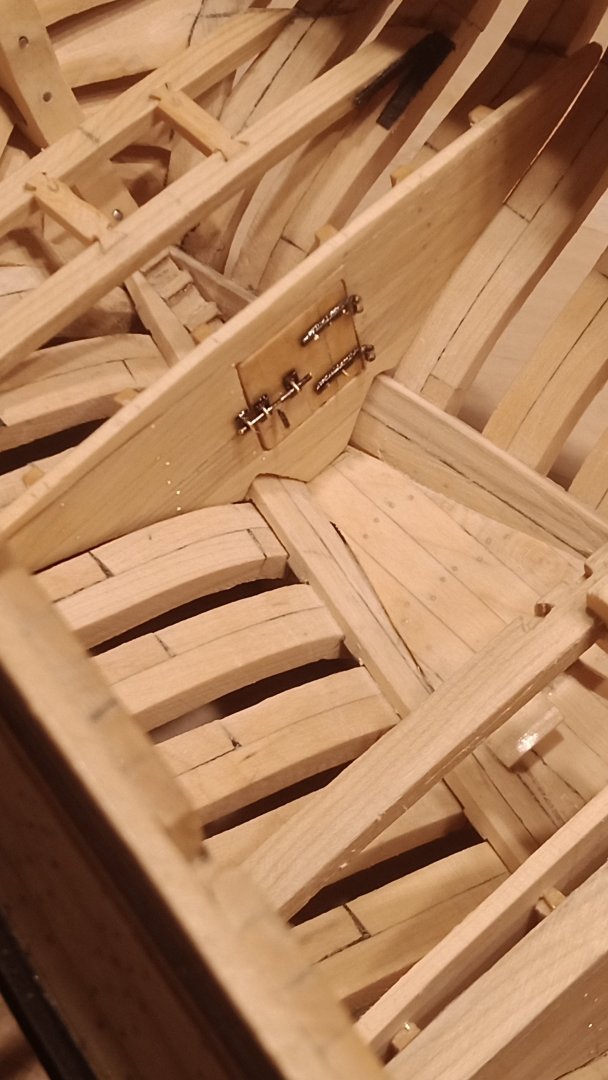
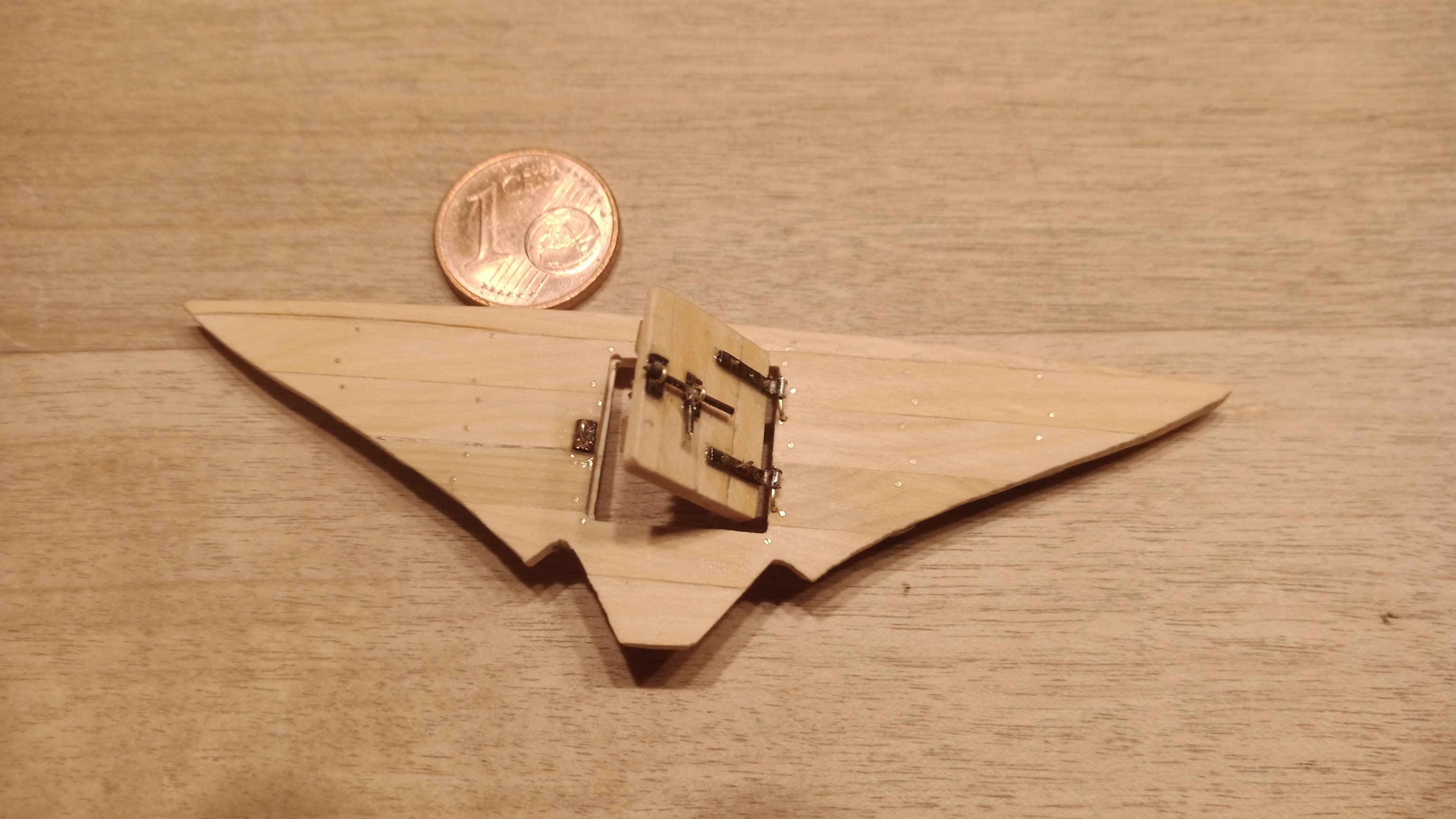
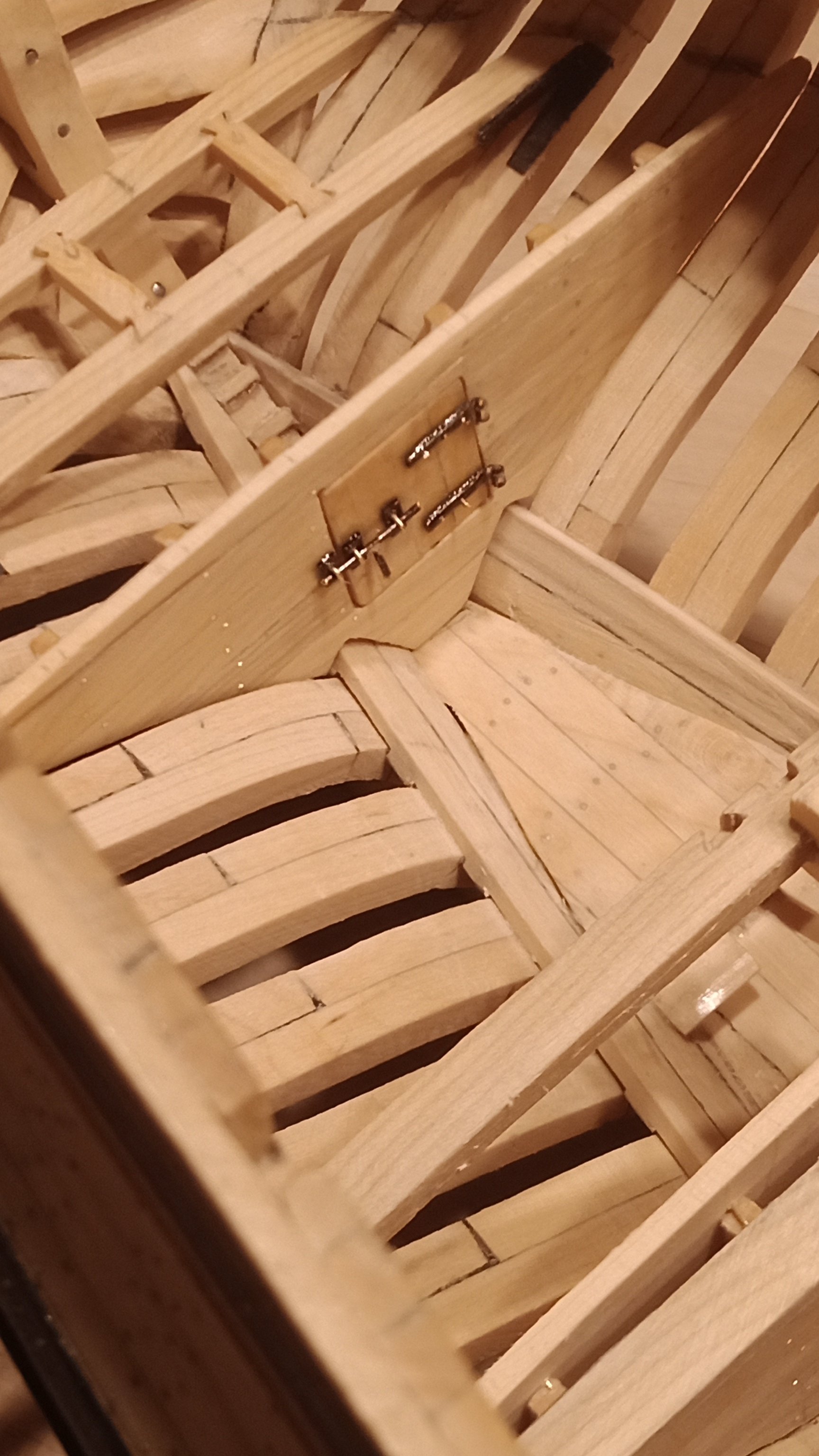
Hello Vladimir Yes, I know Plan 16F; we build our models according to the same plan, as already mentioned. I don't want to downplay Mr. Delacroix's achievement, but a door that doesn't open can't be right, even if it was designed by a master. Giampierro Ricci didn't notice or correct the mistake either. His model is still wonderful. But it's your model, so it's your decision. Your model is and remains a true work of art. Besides, that particular door will be virtually invisible later, so what does it matter? Herzliche Grüße Willi -
L'Amarante by marsalv - 1:36 - POF
Willi replied to marsalv's topic in - Build logs for subjects built 1501 - 1750
Hello Vladimir My name is Willi and I'm new here at MSW and this is actually my first post here. One of the reasons I signed up is your report on the construction of l'Amarante. I'm currently building l'Anémone using the same plans, but only in 1:48 scale and not in the outstanding quality you've shown here. It's a constant inspiration for my own build. It's precisely this quality that makes it almost seems like a sacrileg for me to point out a possible construction flaw. In #112, you show a superbly constructed door with very fine hinges. However, this door can't be opened in this form because its lower part blocks it against the side walls. The lower part would have to be a threshold and thus part of the bulkhead. The door itself only begins where yours reaches its greatest width when viewed from below. I'll try to post a few pictures that hopefully clarify what I mean. I hope you don't mind my objection, but I didn't want to keep my opinion to myself, because I believe that the perfection you demonstrate is based on the desire to build the model as beautifully and as flawlessly as possible. Herzliche Grüße Willi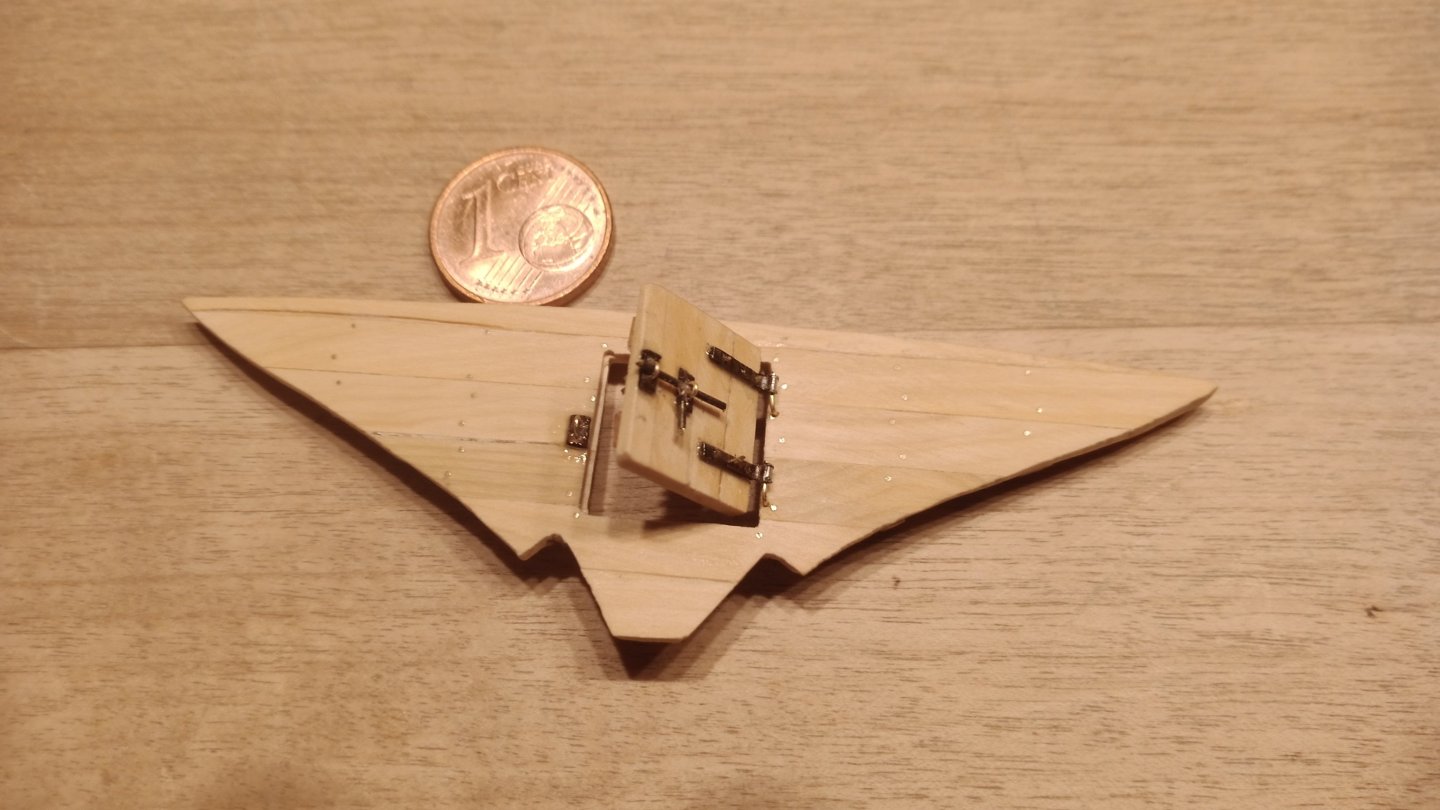



Our Emblem ®
