
HOLIDAY DONATION DRIVE - SUPPORT MSW - DO YOUR PART TO KEEP THIS GREAT FORUM GOING! (89 donations so far out of 49,000 members - C'mon guys!)
×


kljang
-
Posts
32 -
Joined
-
Last visited
Content Type
Profiles
Forums
Gallery
Events
Everything posted by kljang
-
kit review Kit Review - HMS ENTERPRIZE (1774) by CAF MODELS
kljang posted a topic in REVIEWS: Model kits
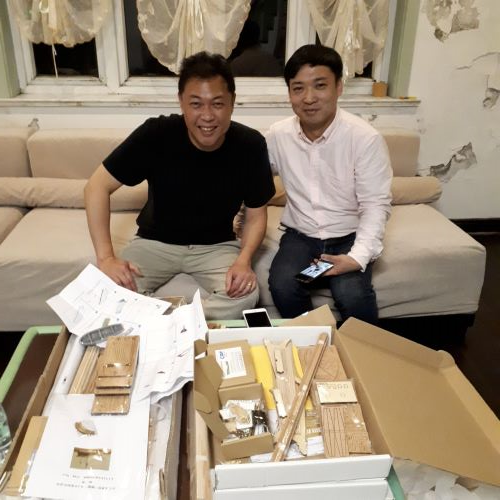
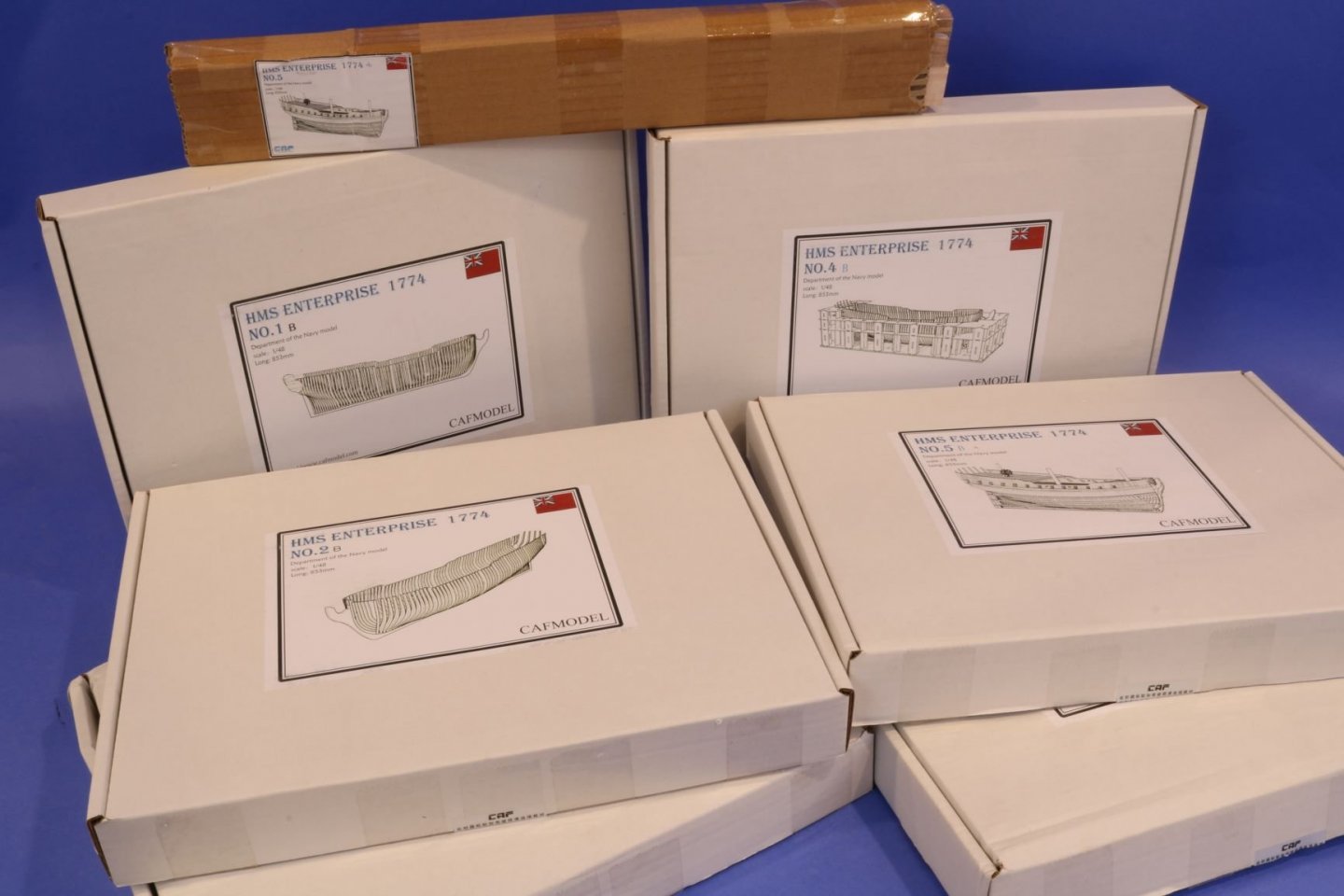
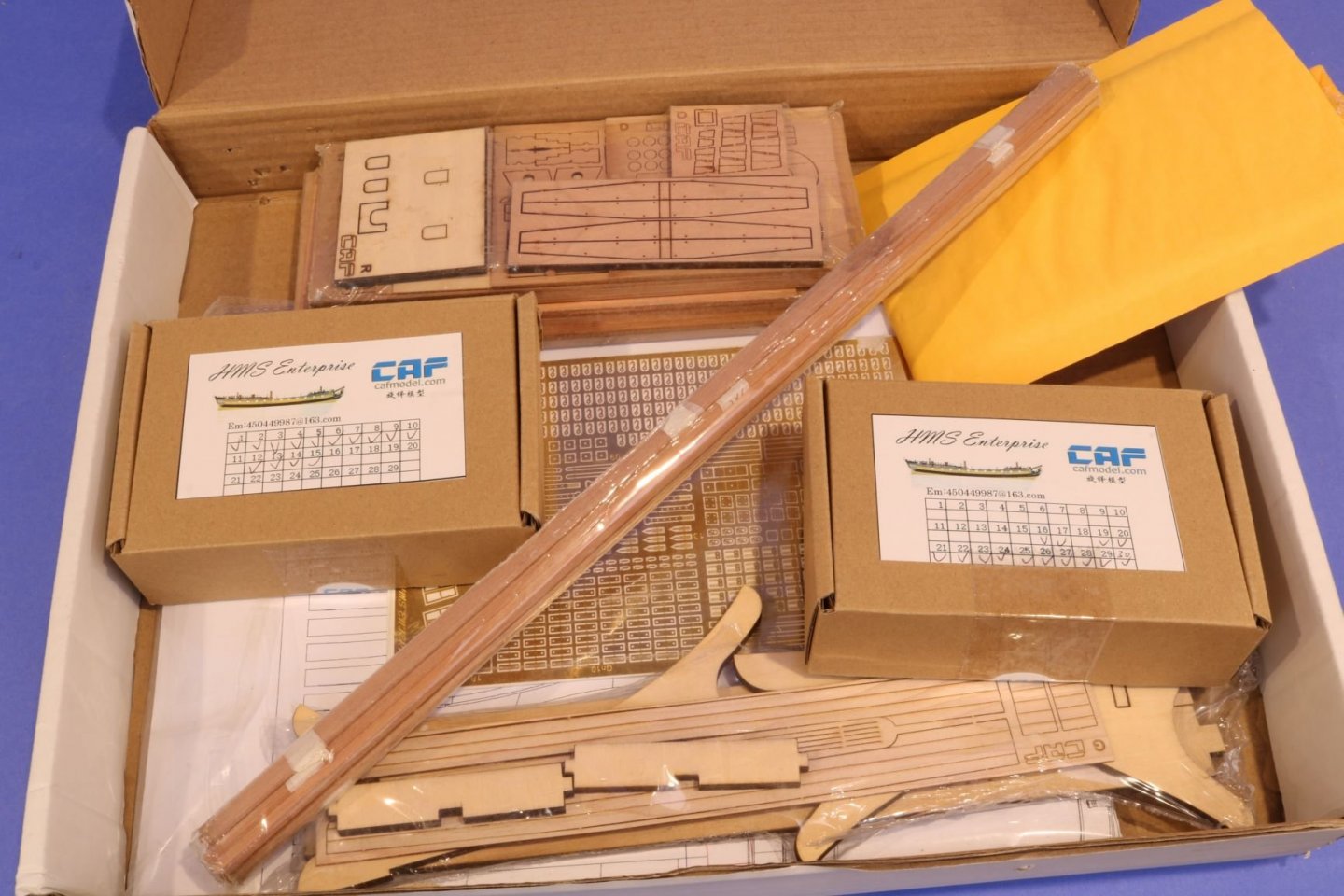
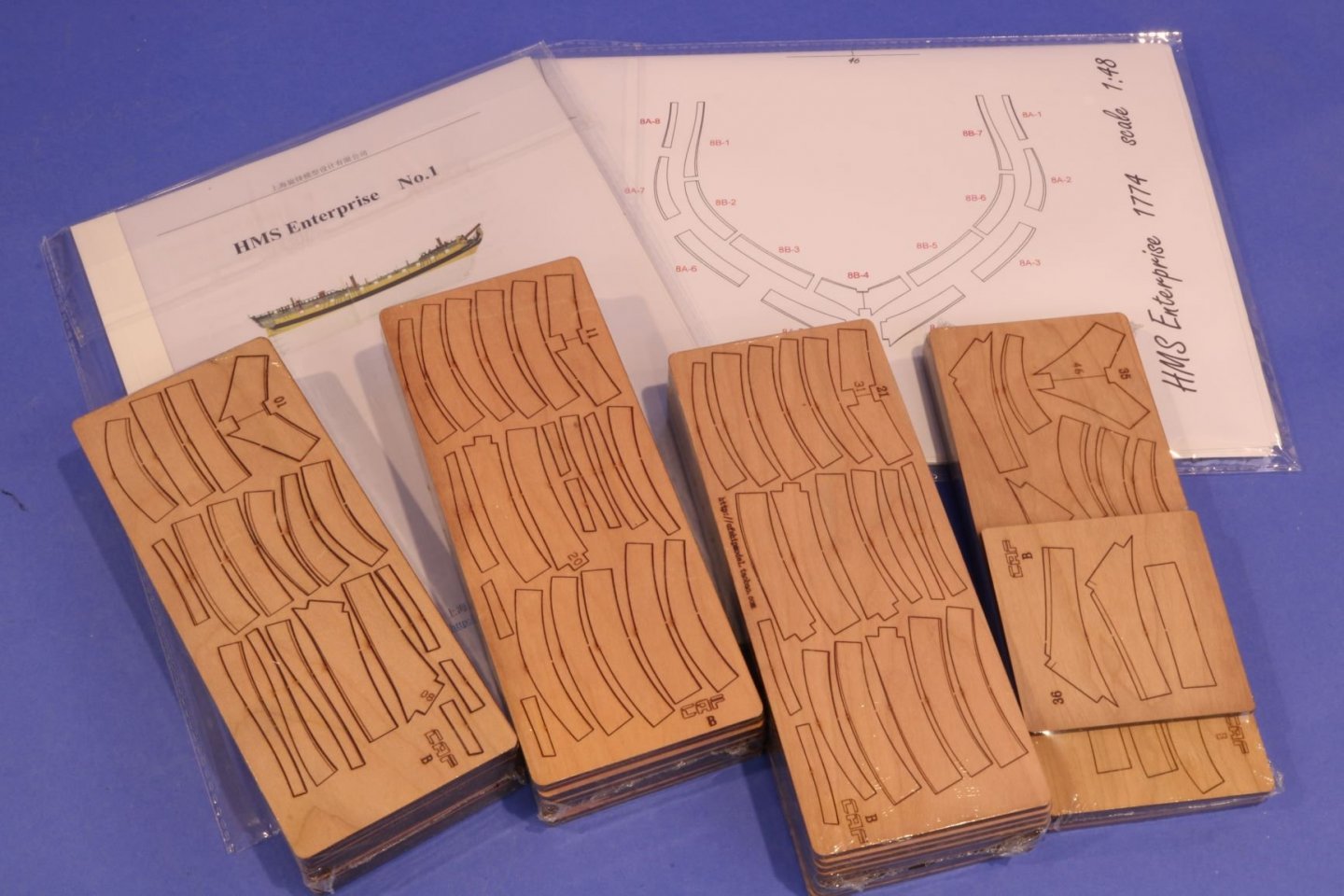
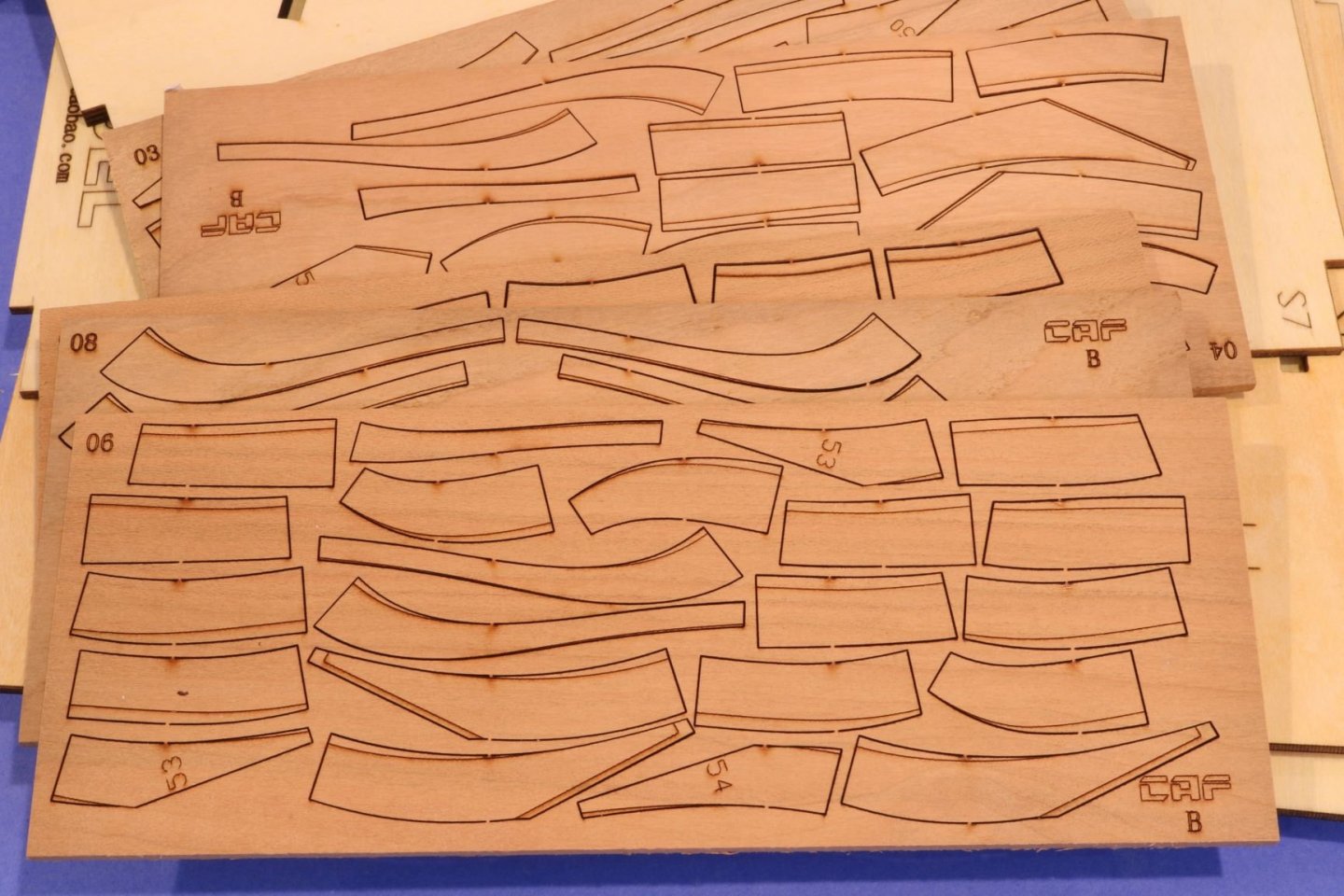
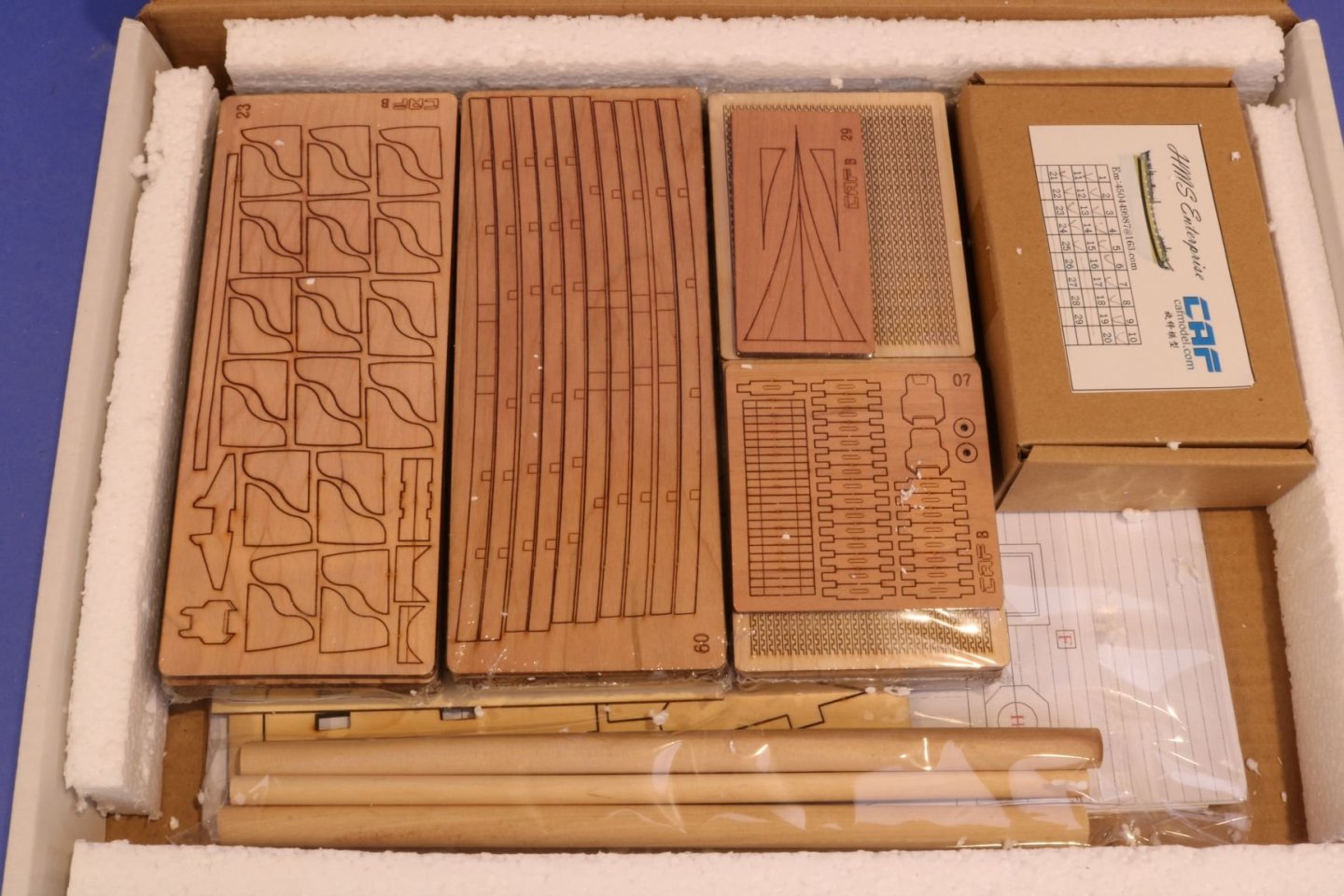
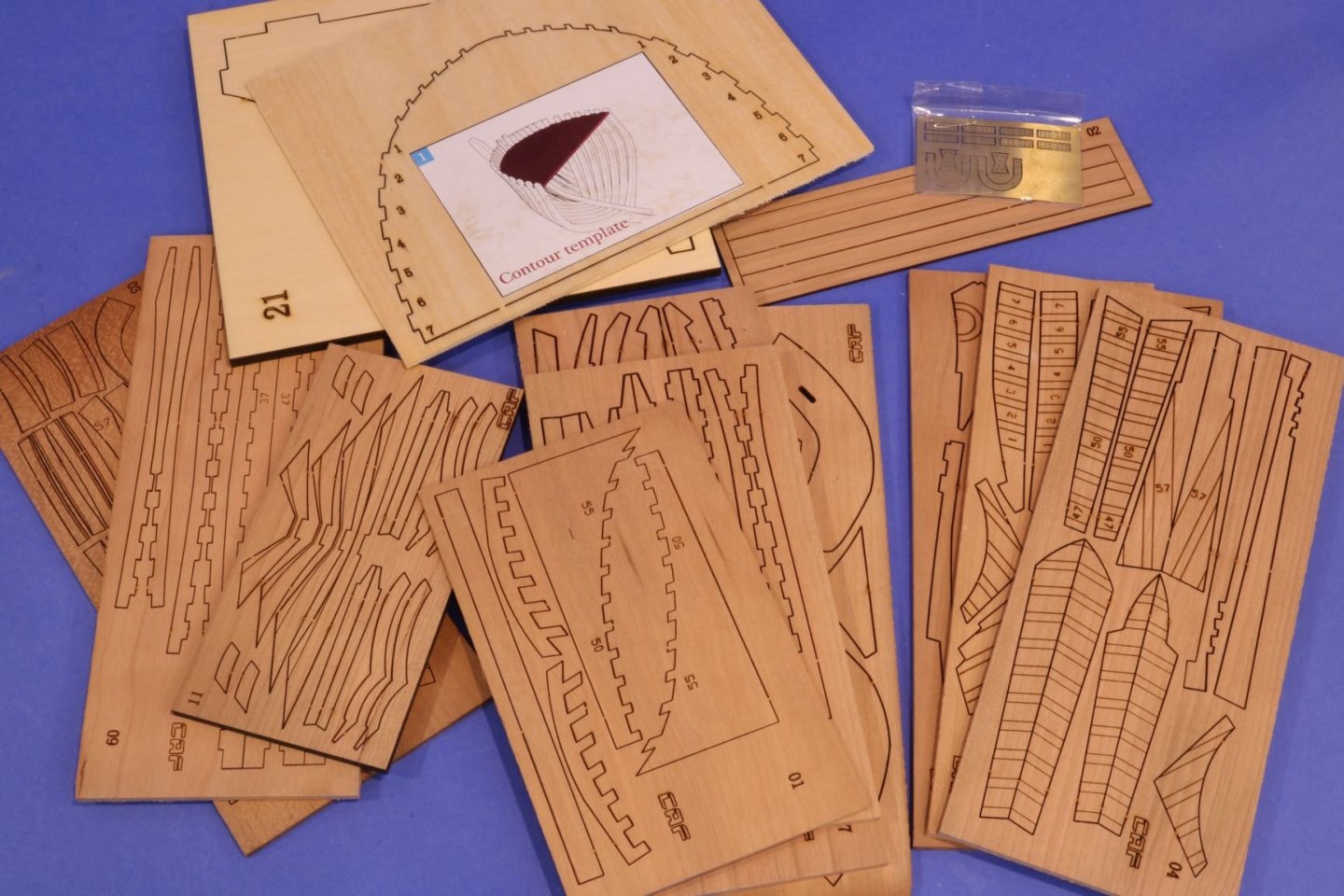
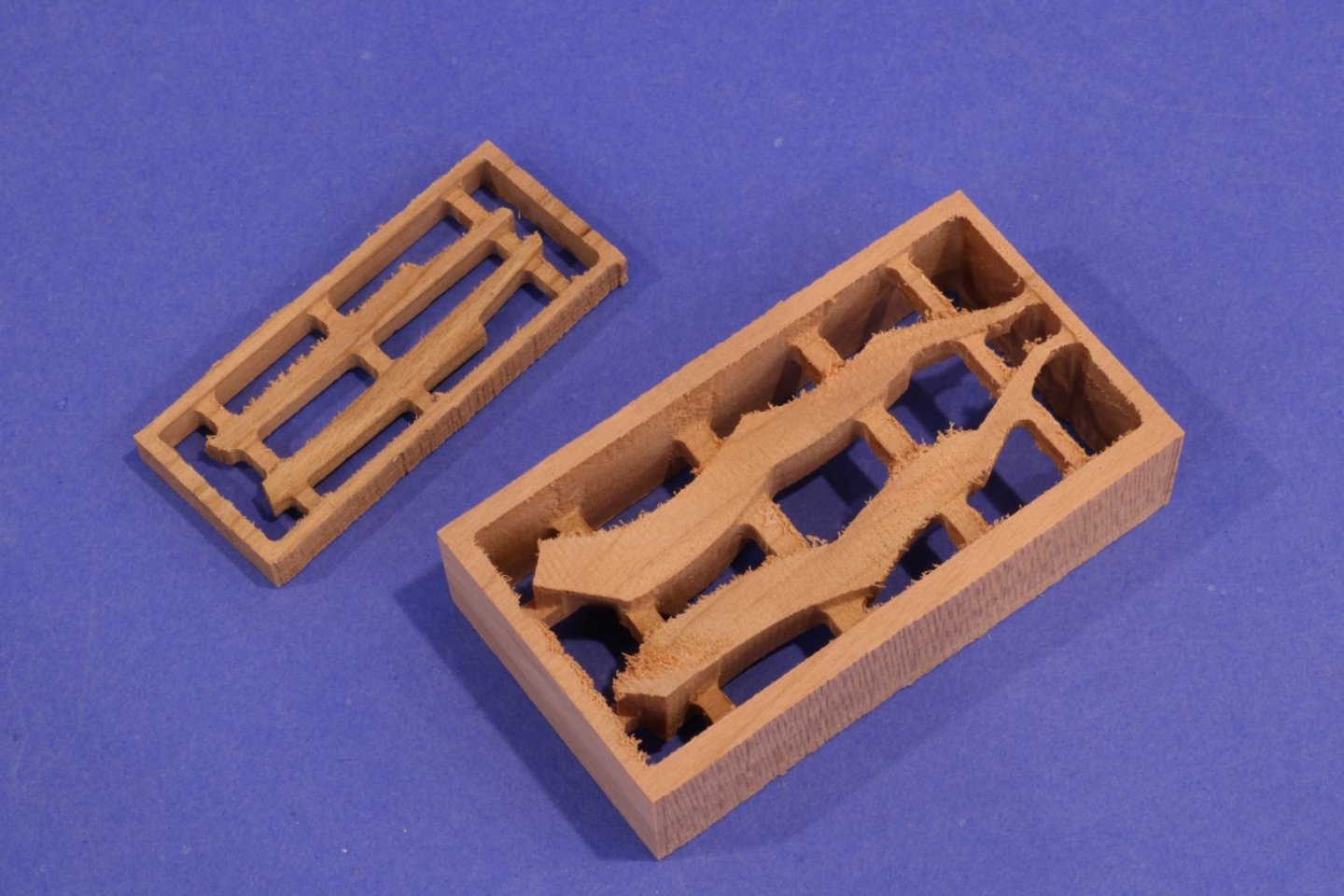
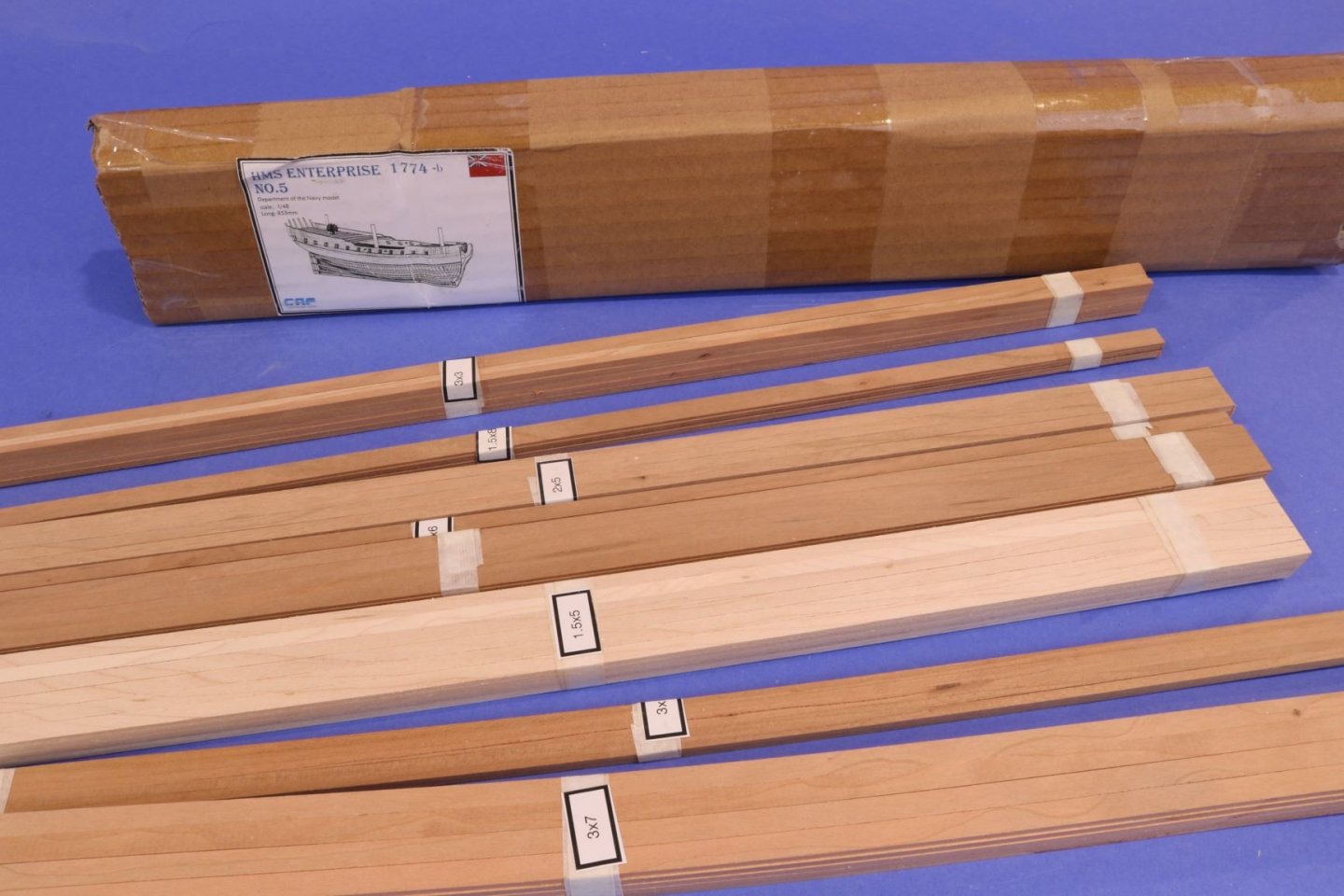
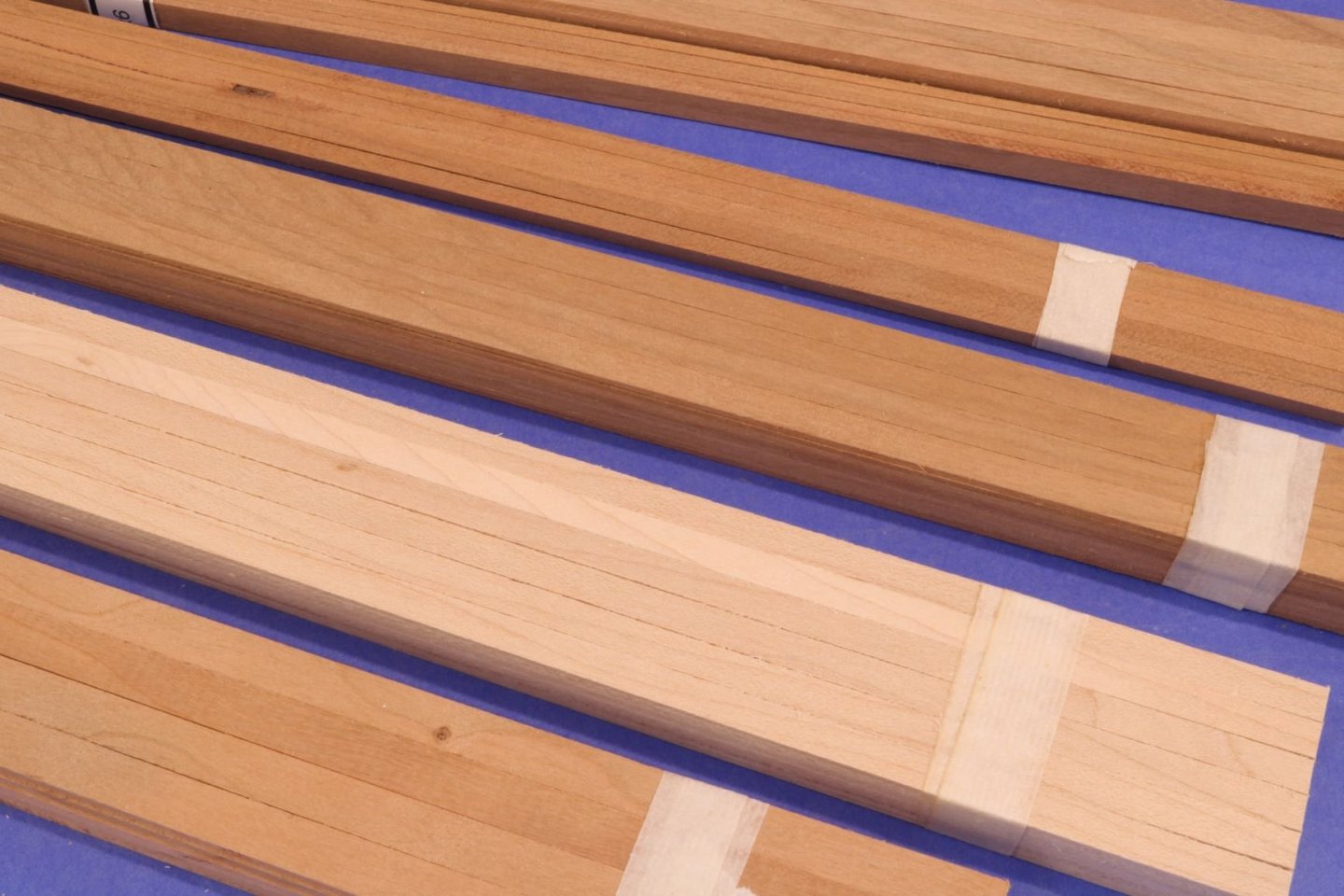
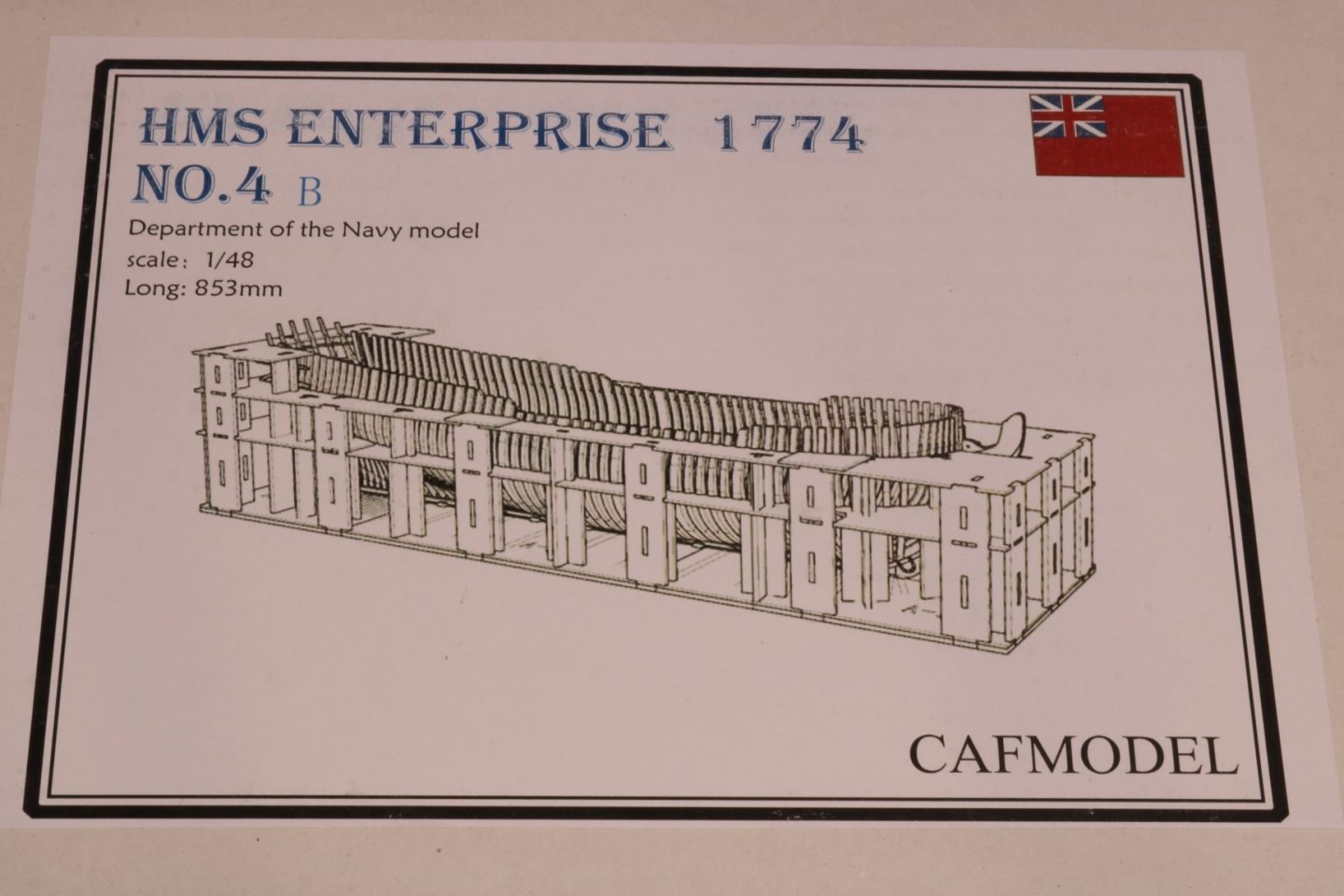
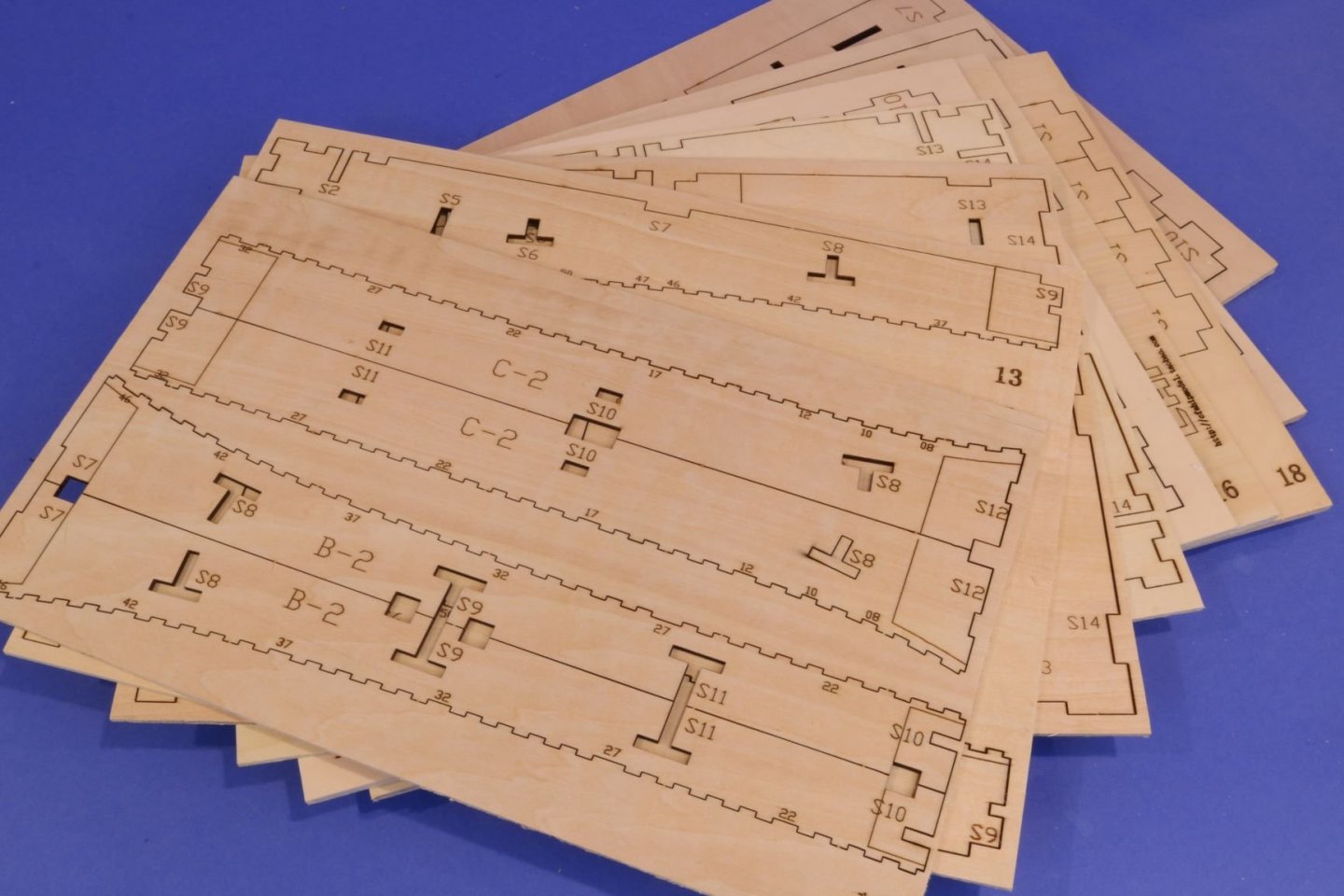
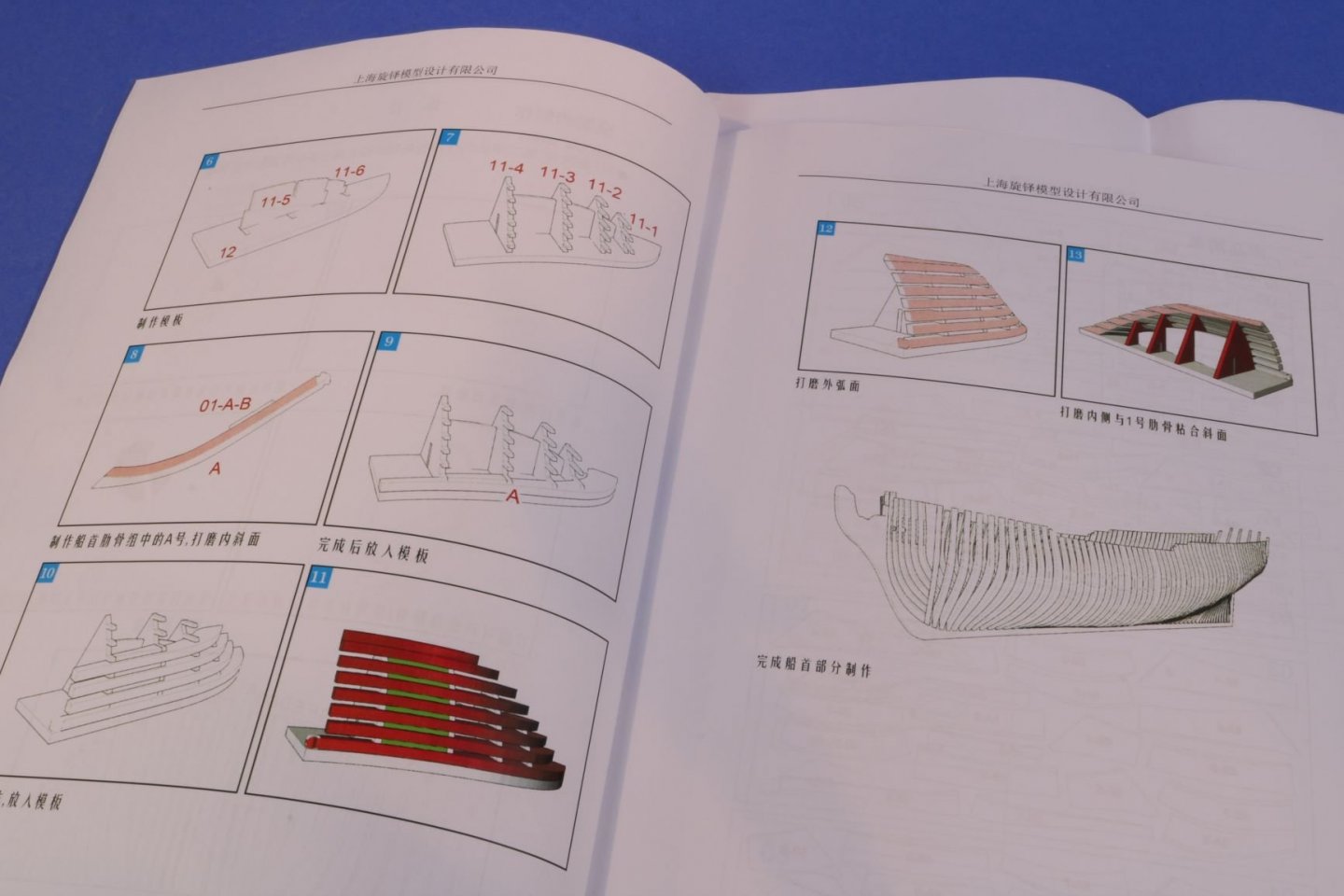
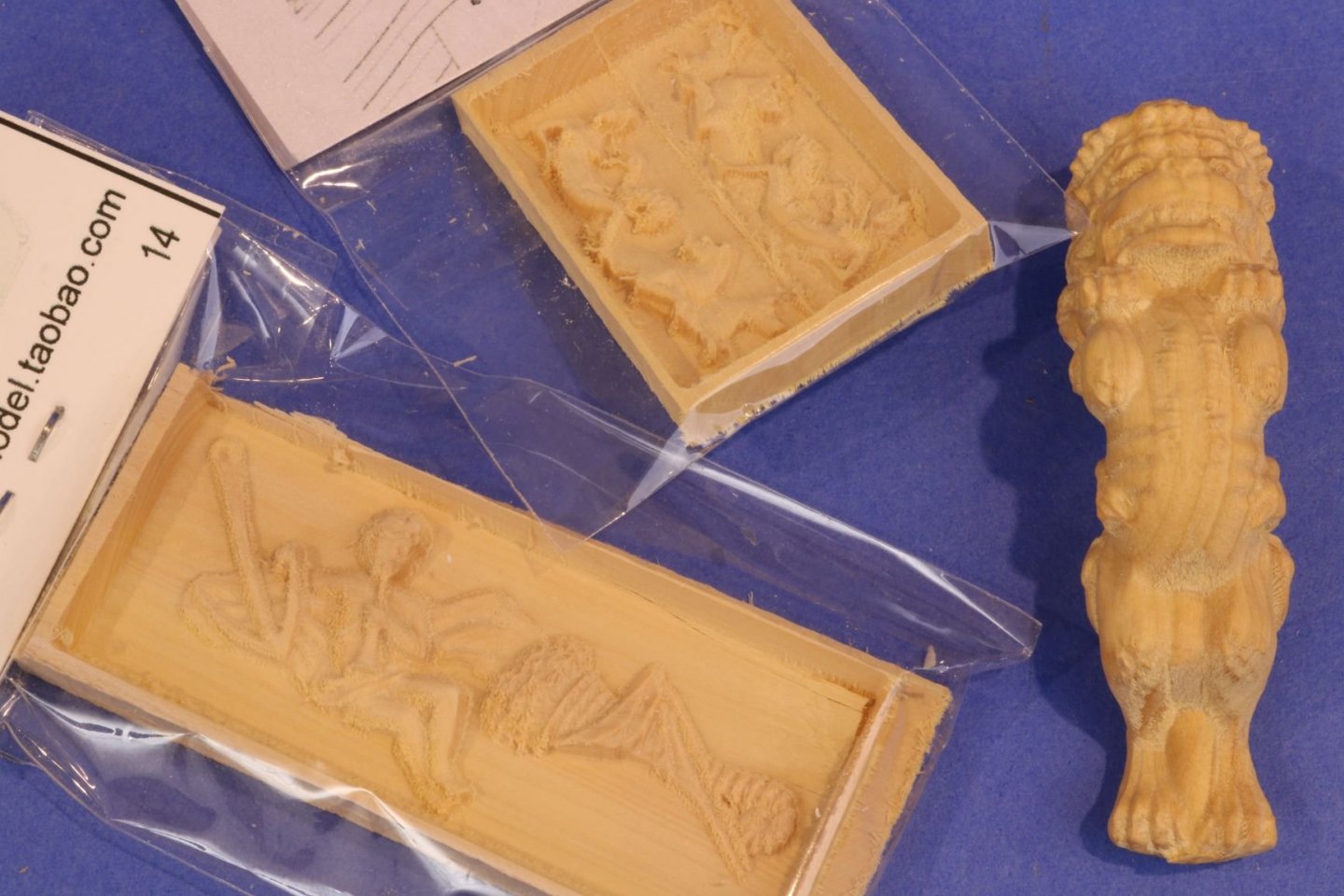
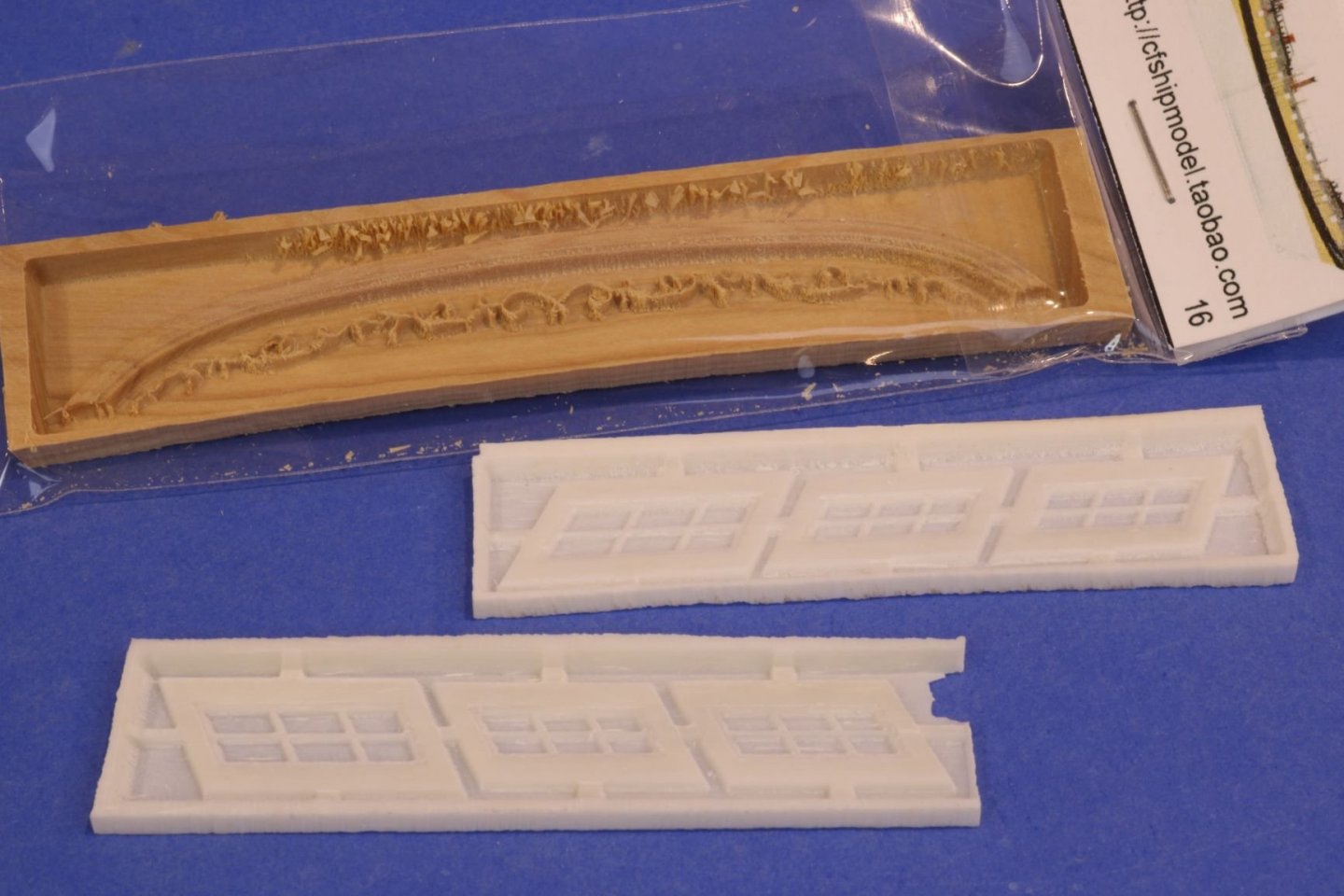
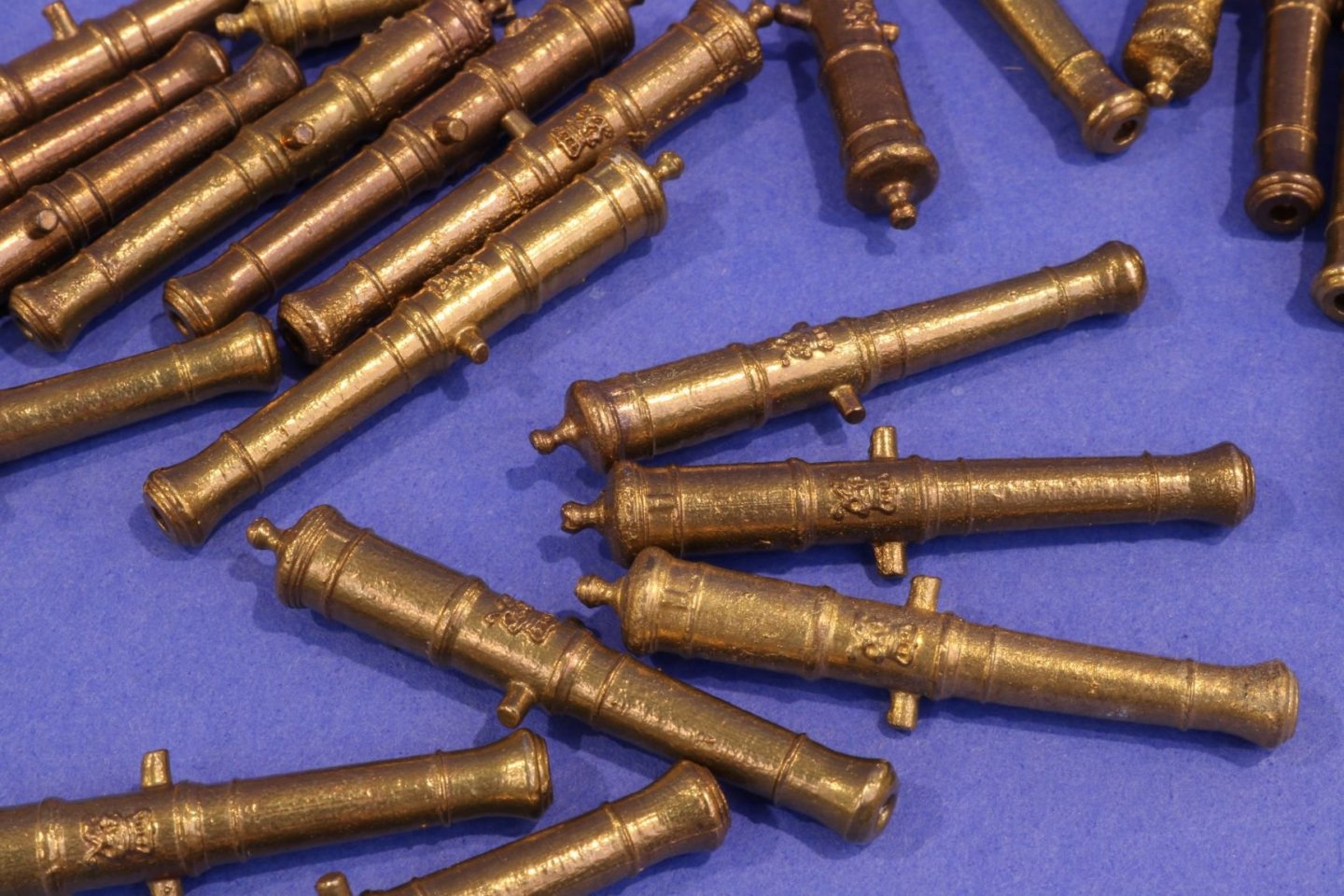
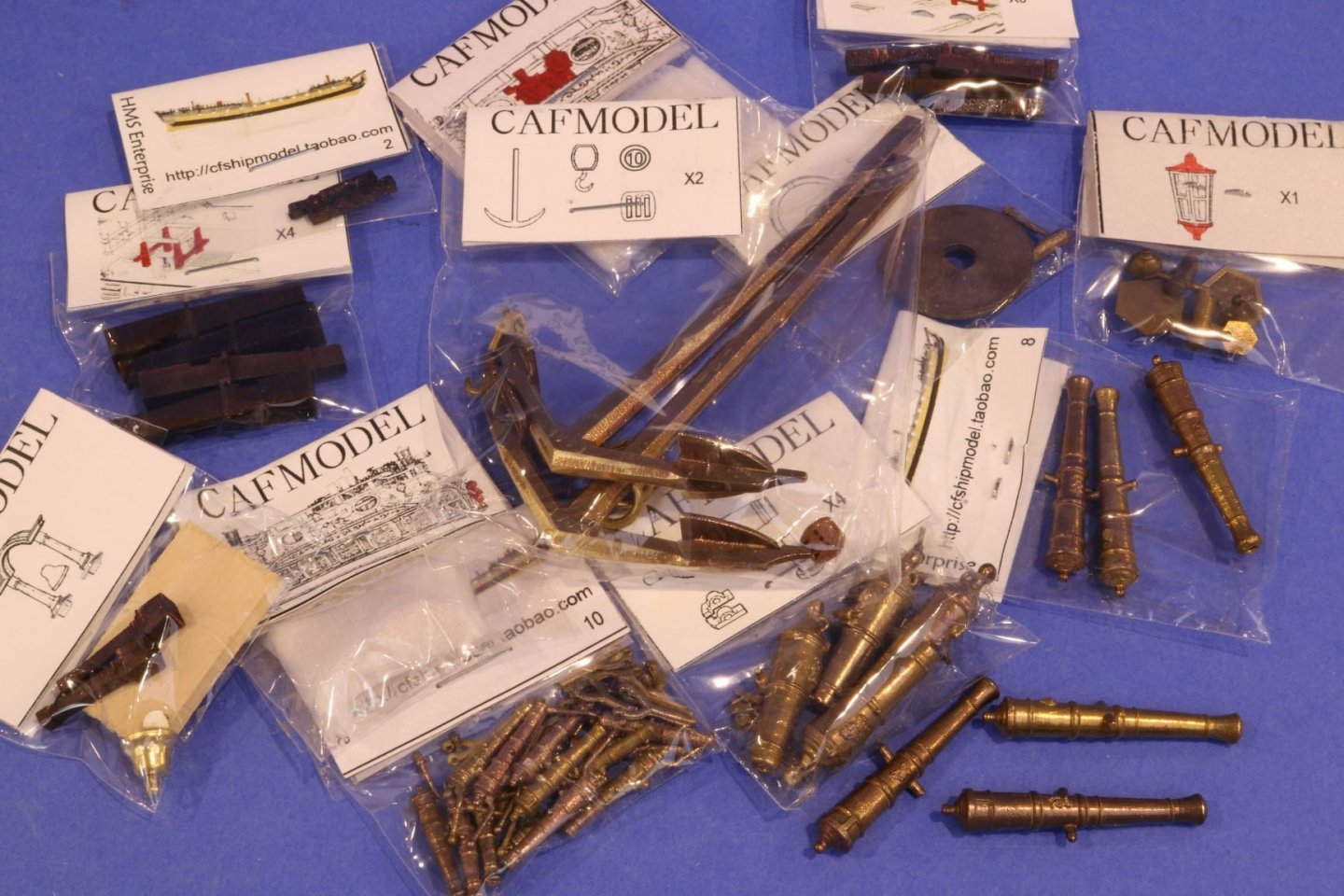
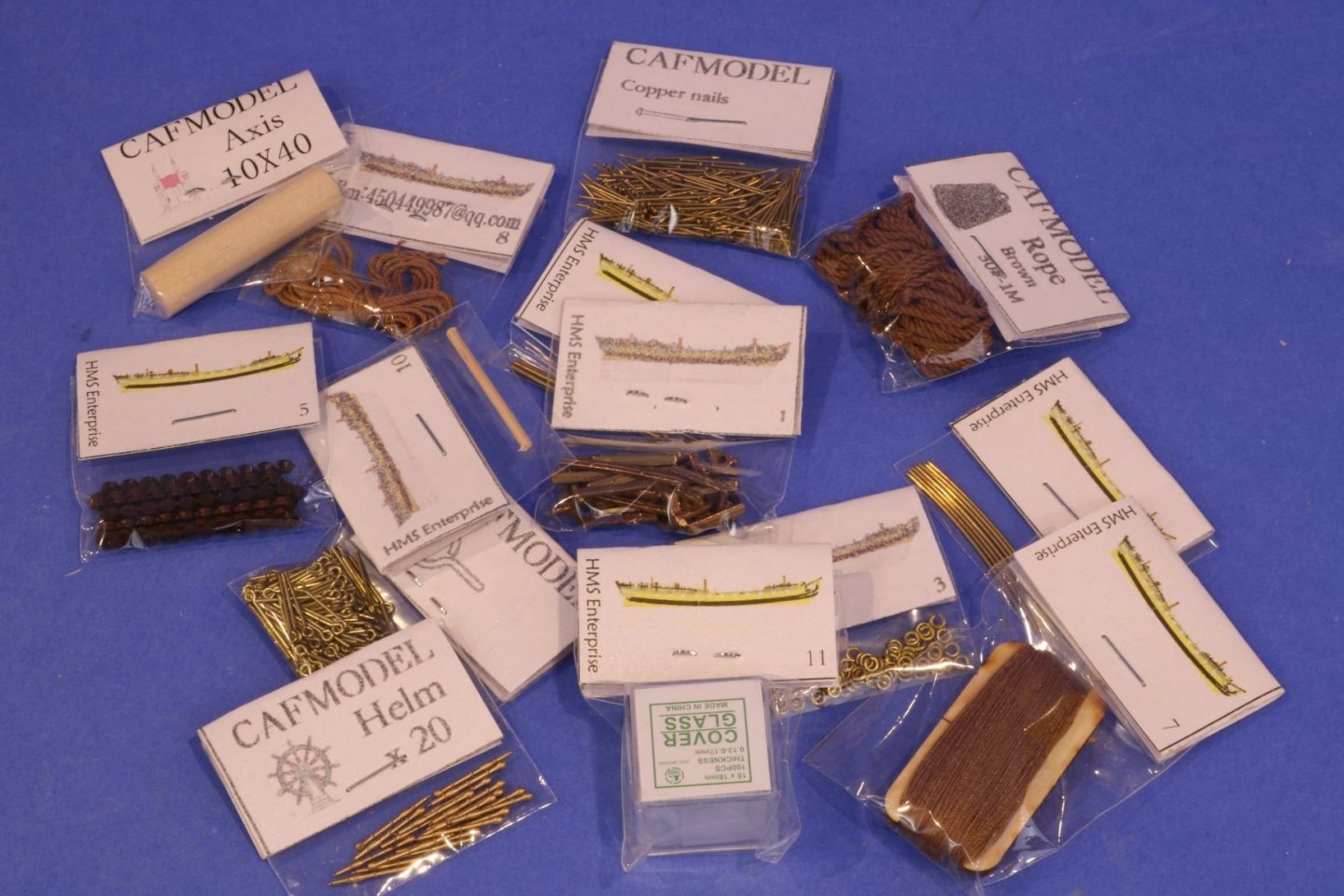
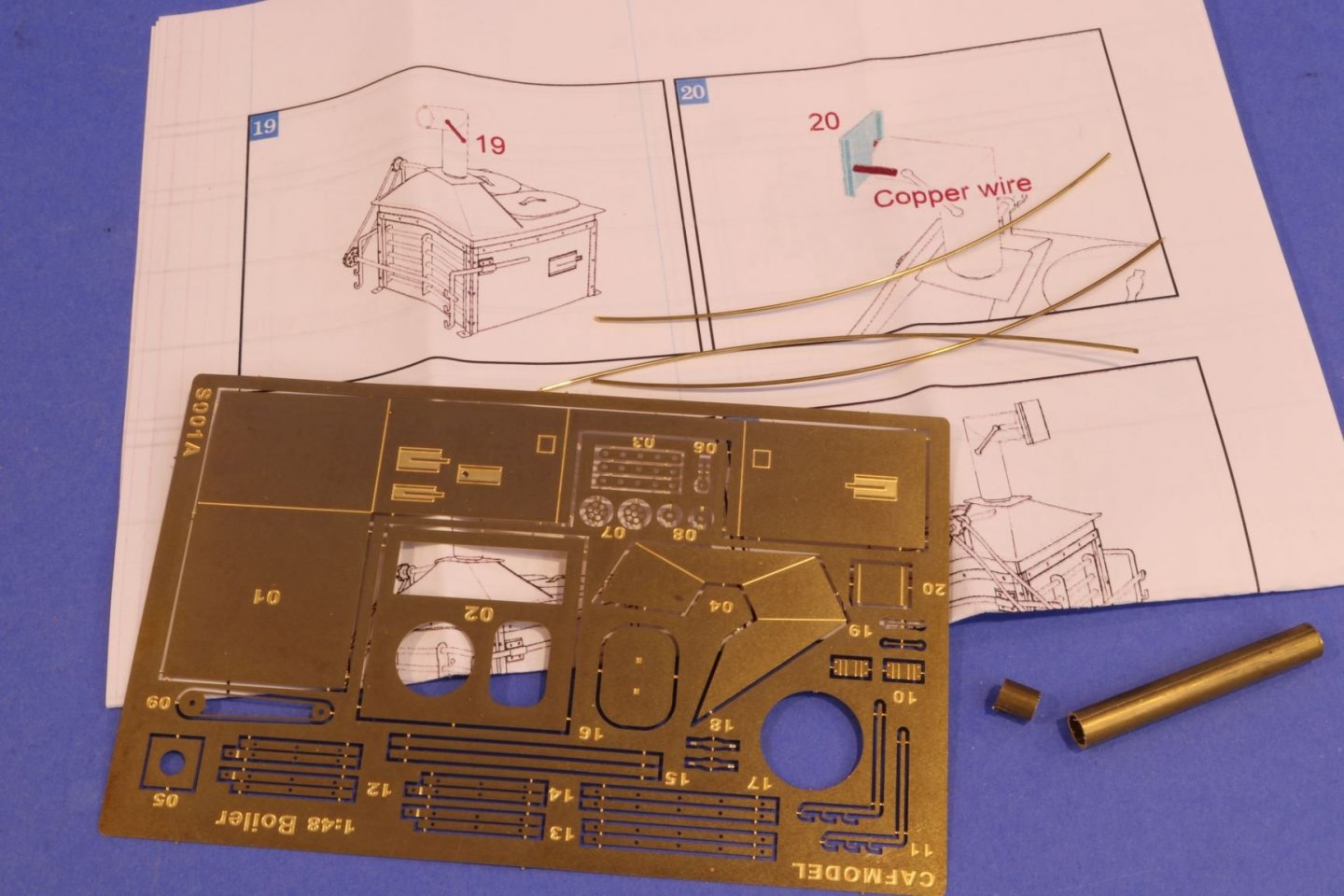
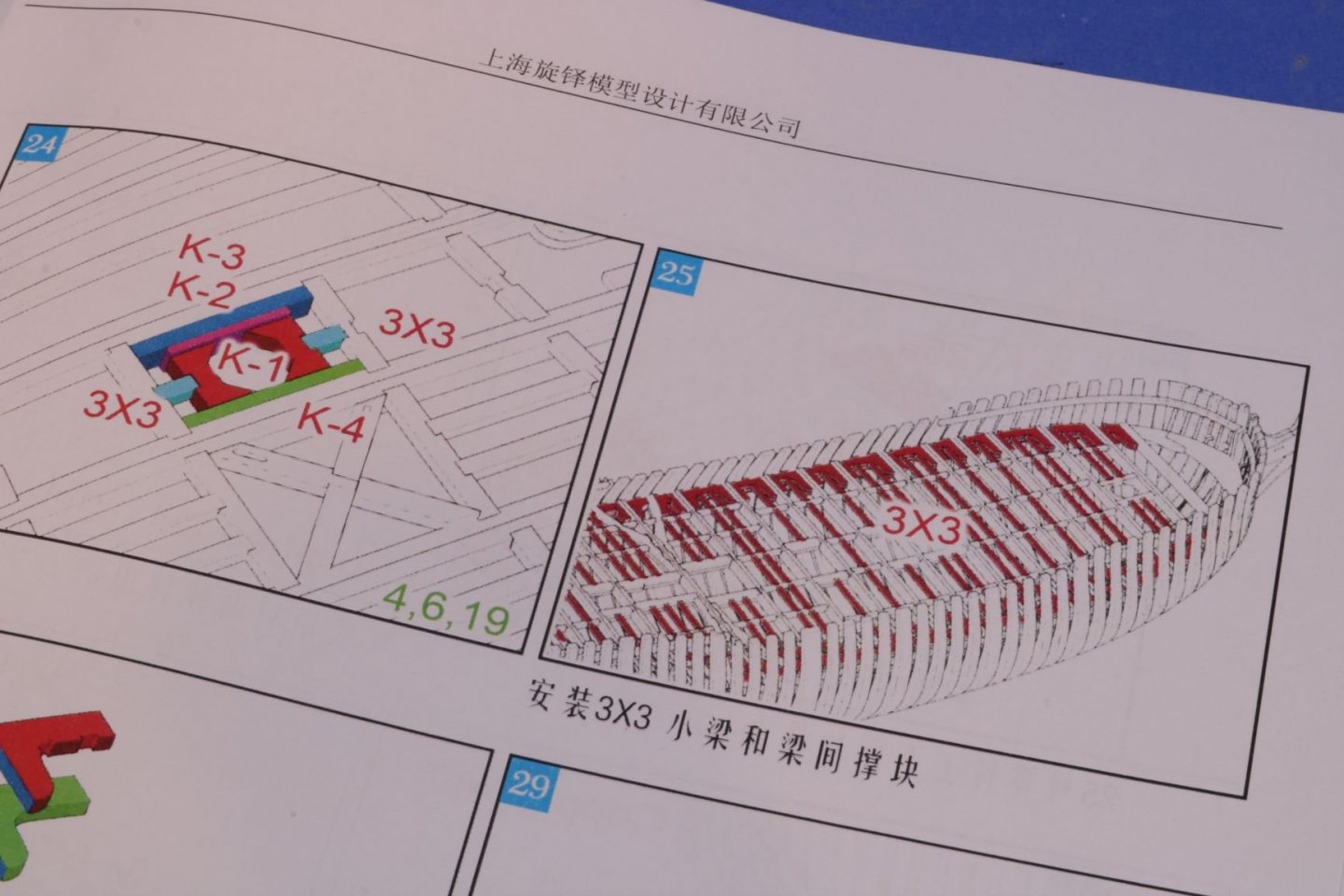
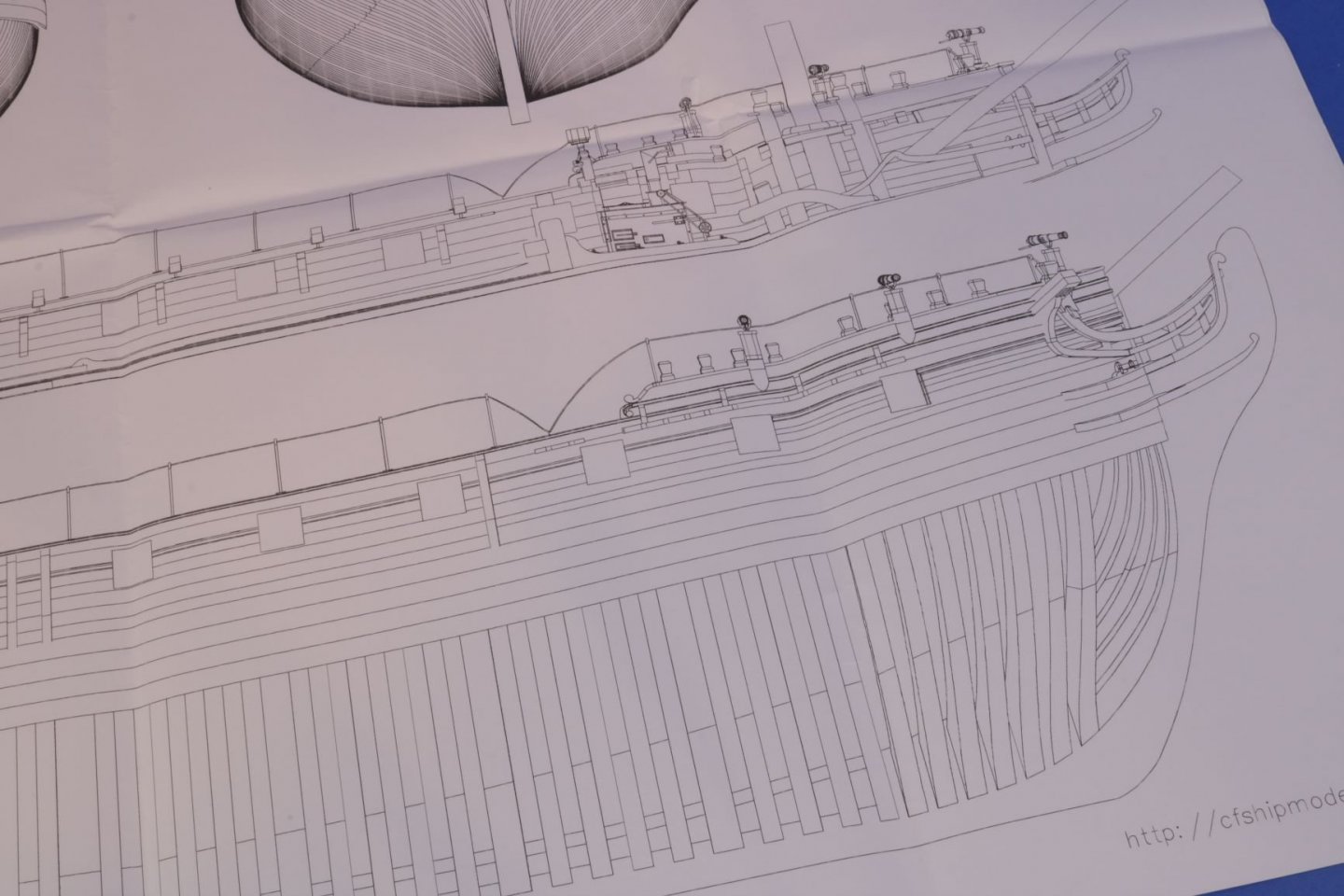
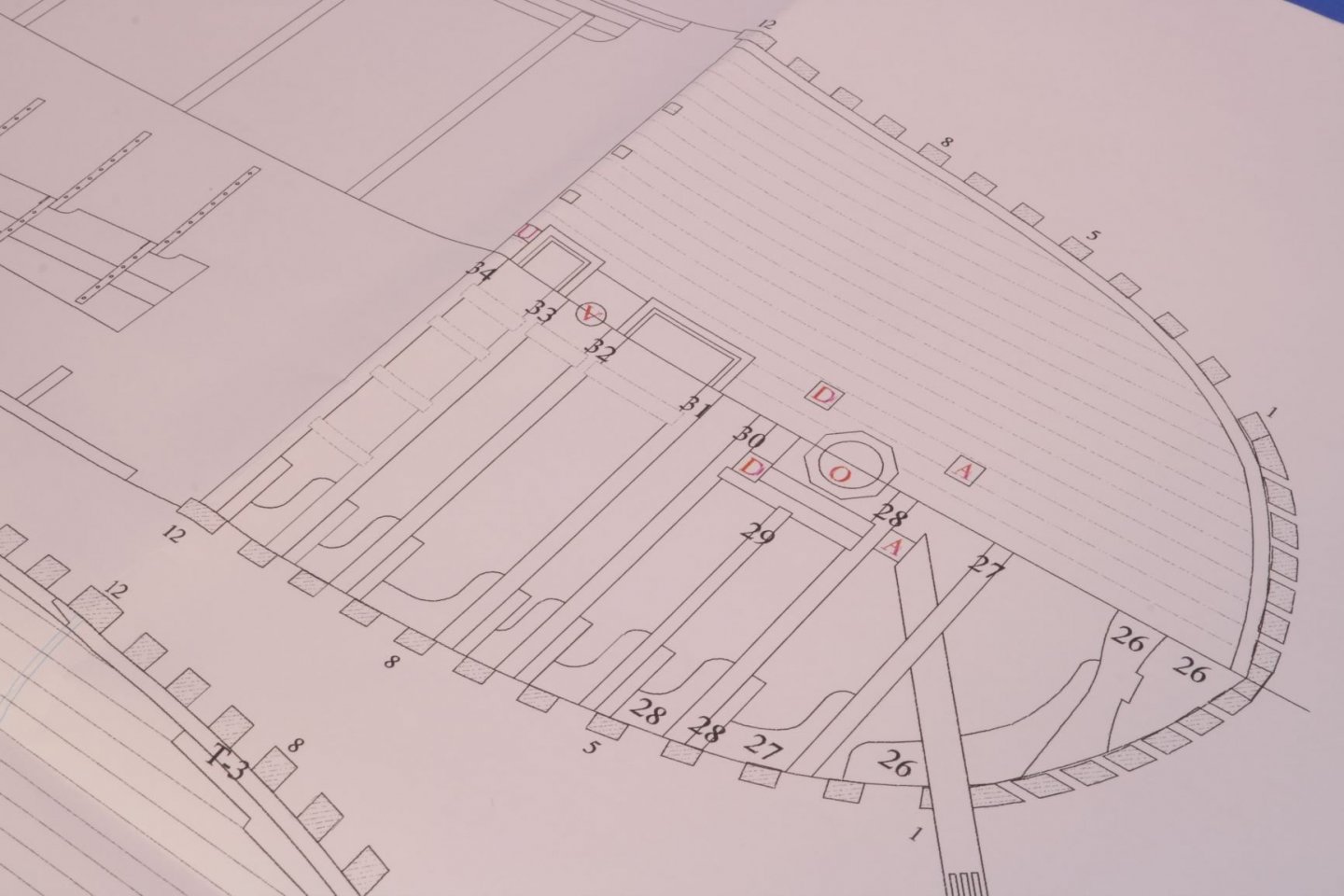
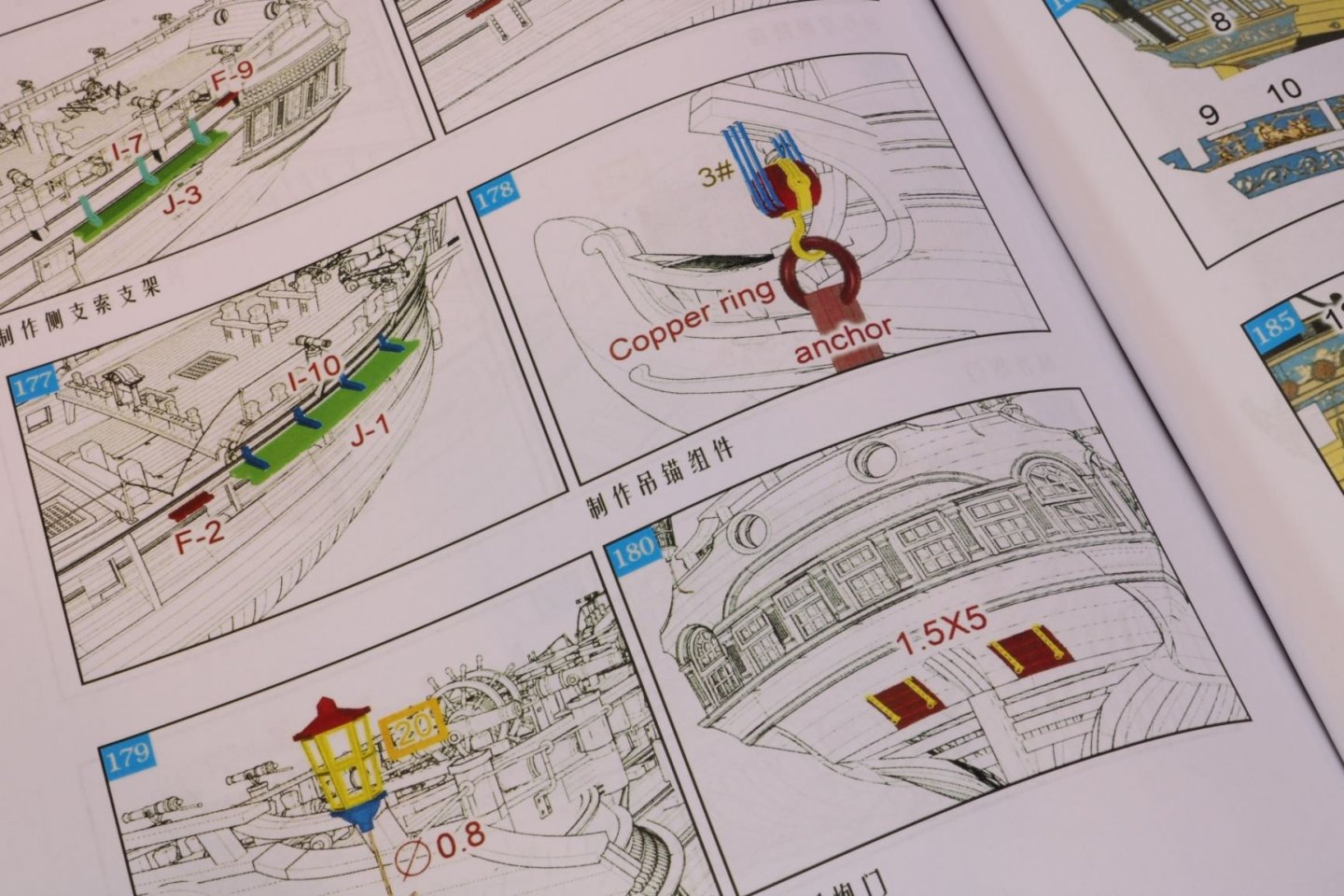
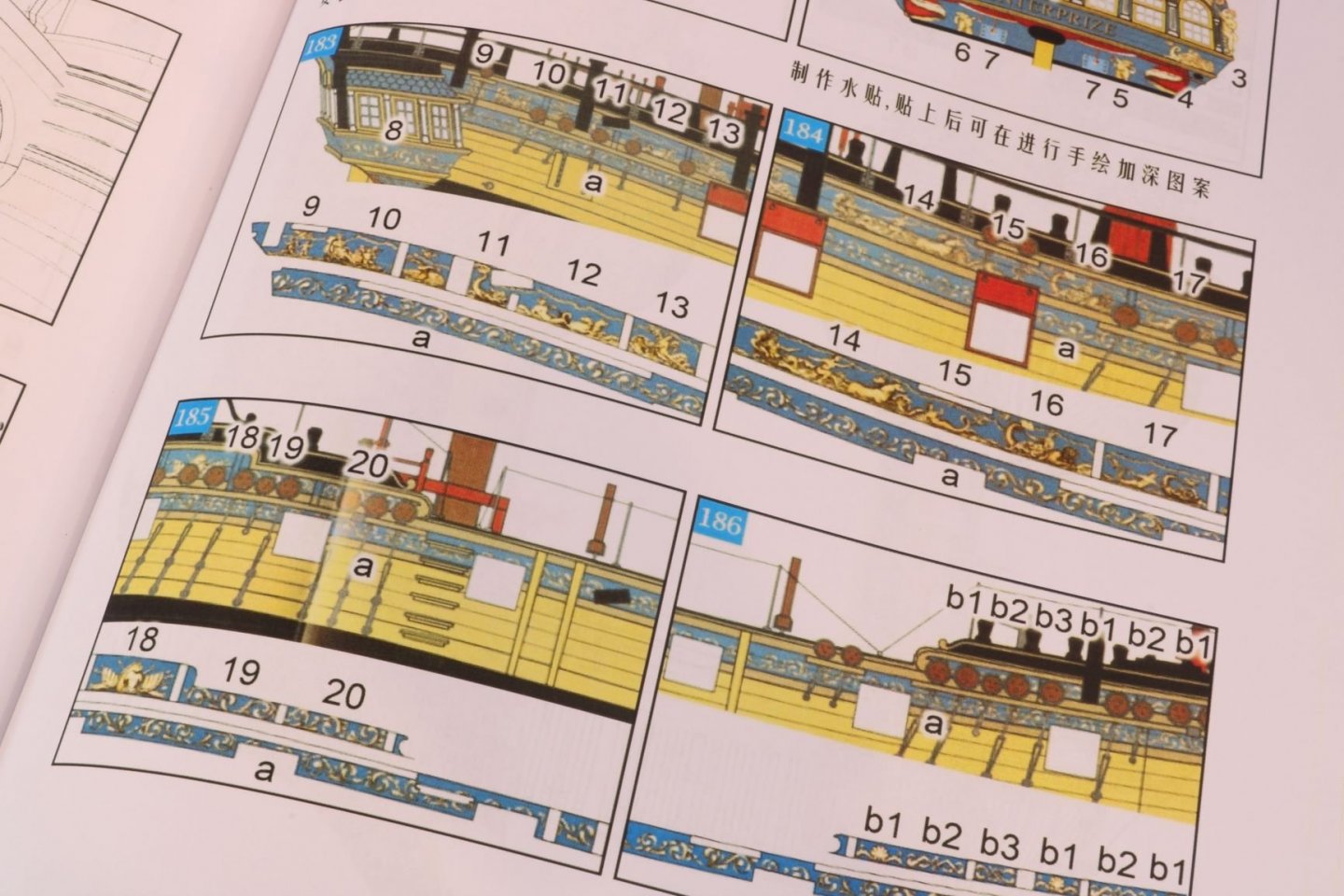
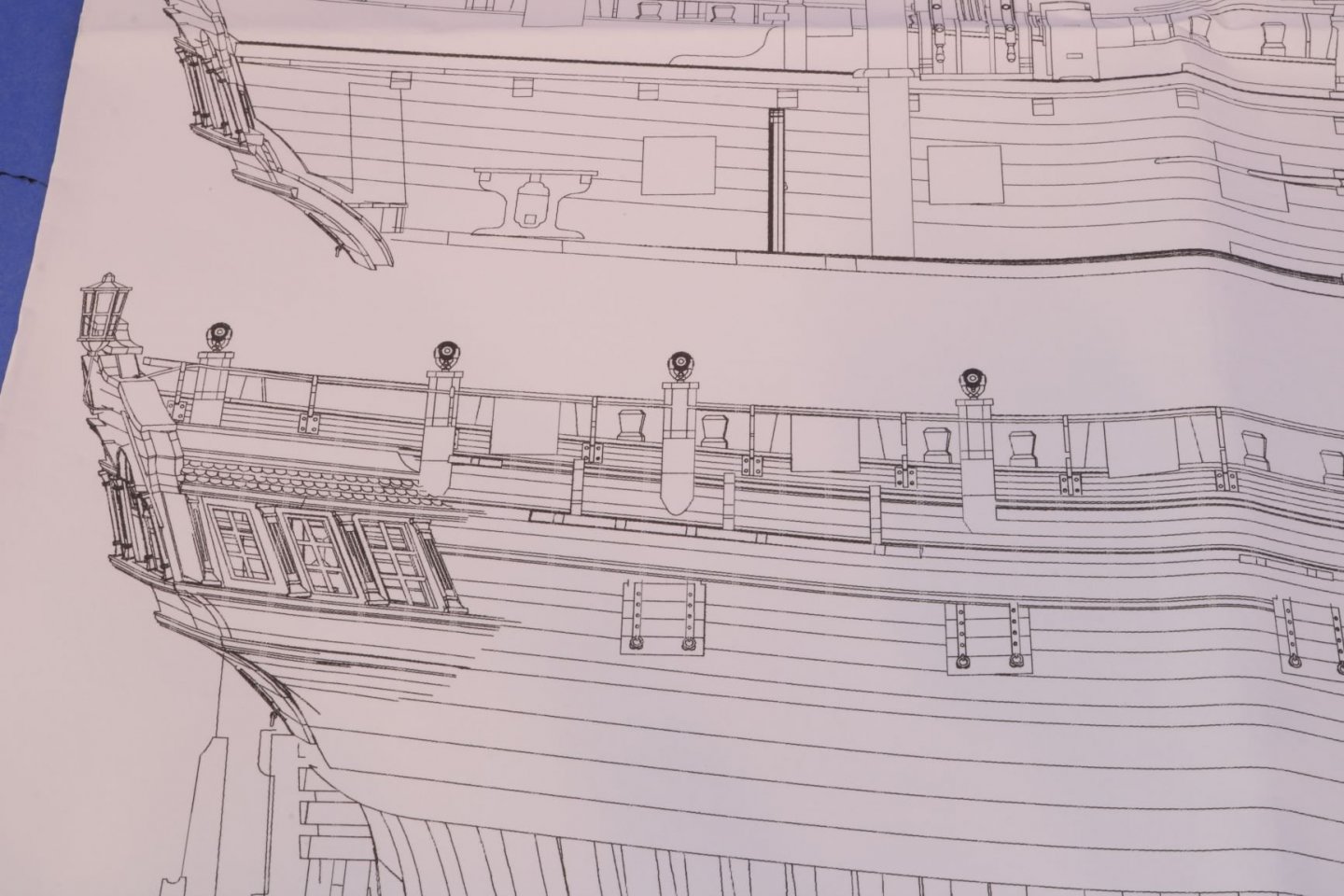
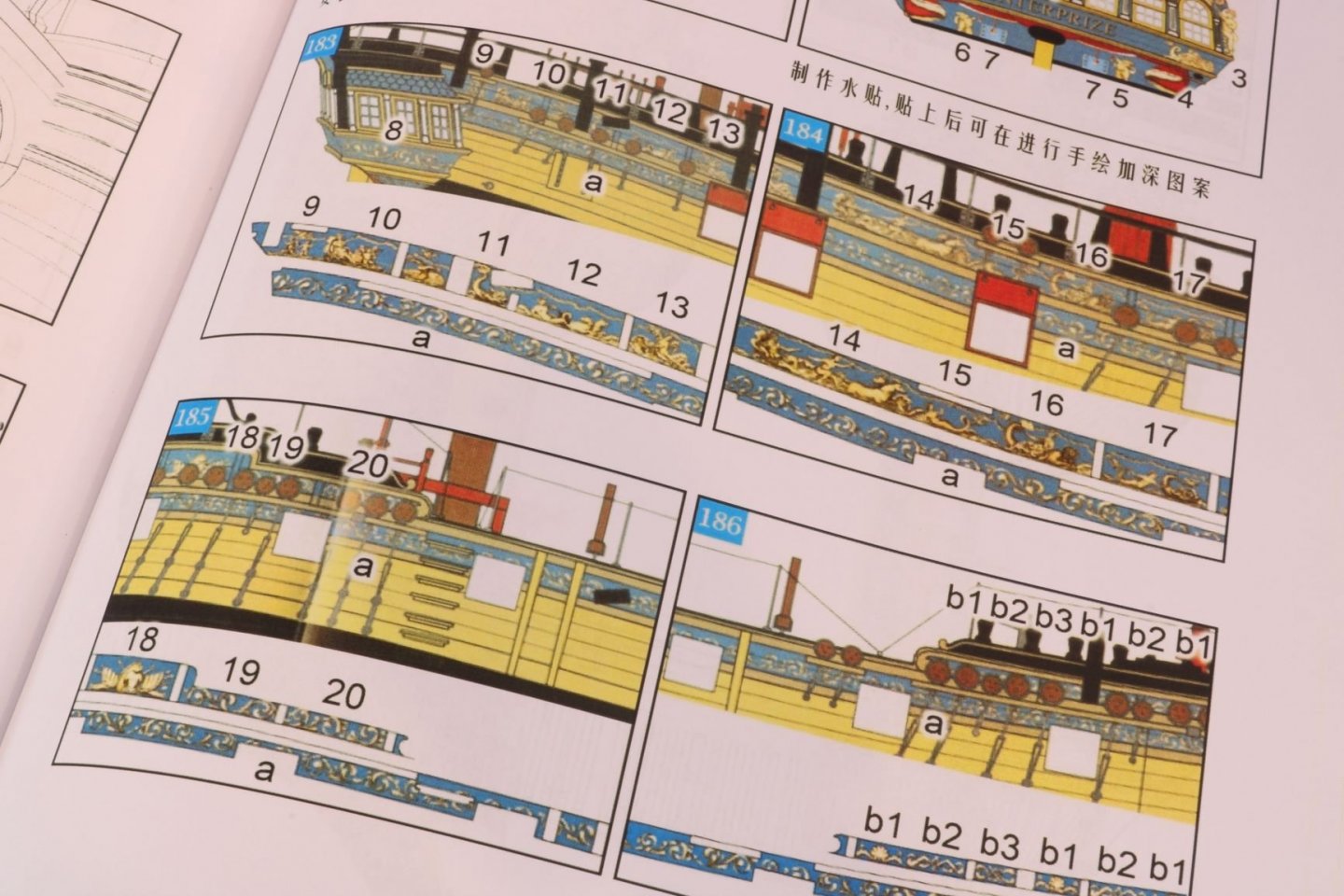
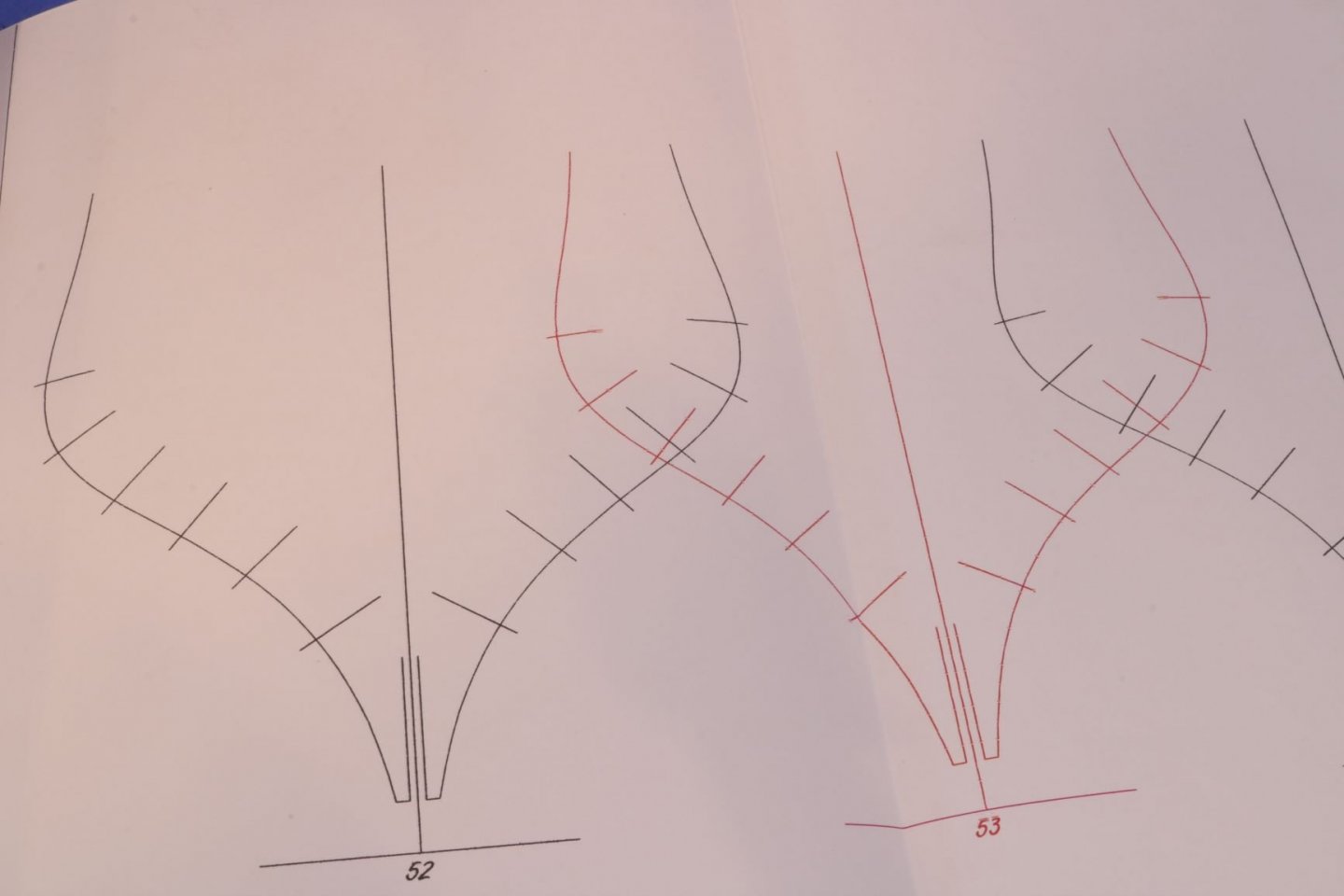
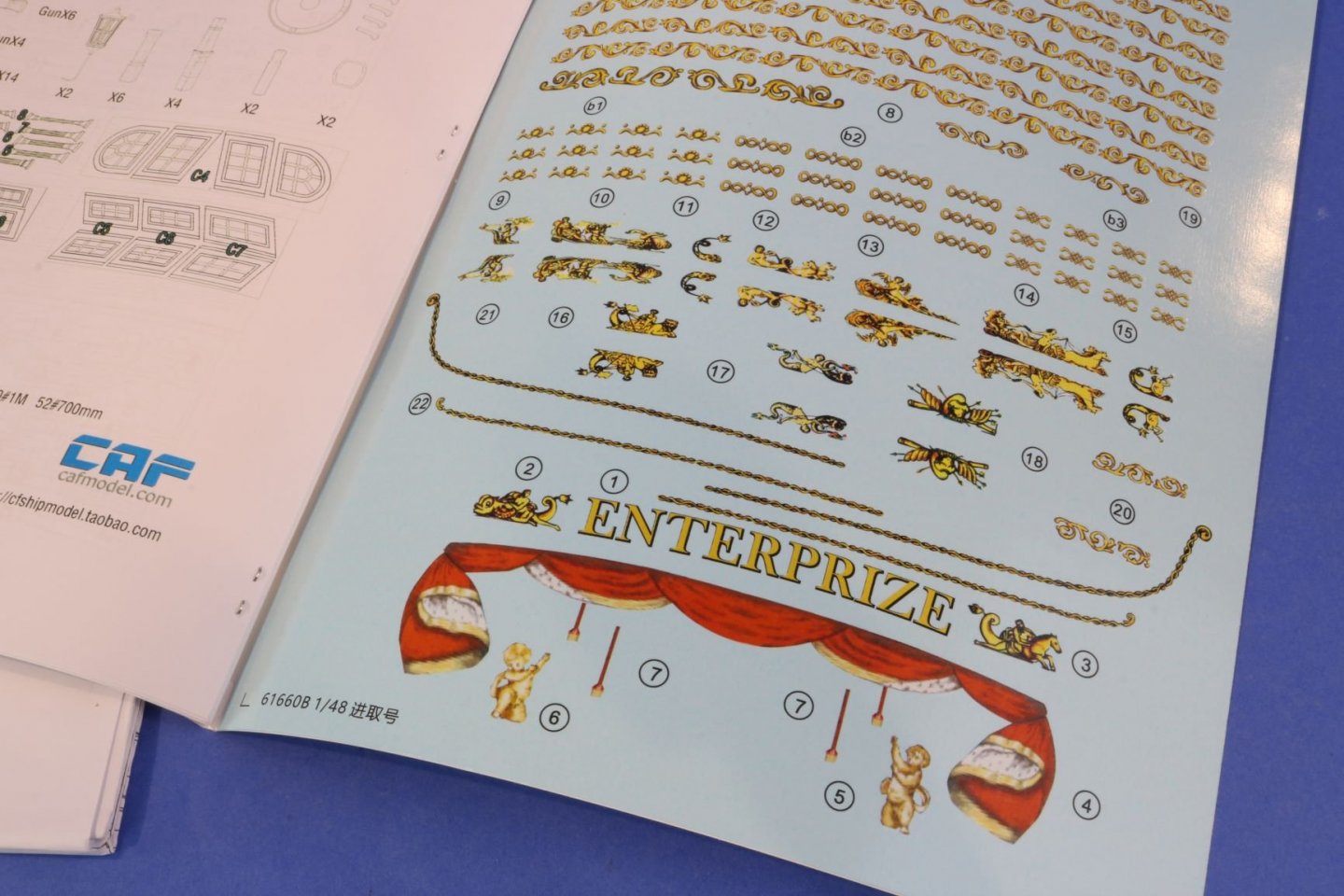
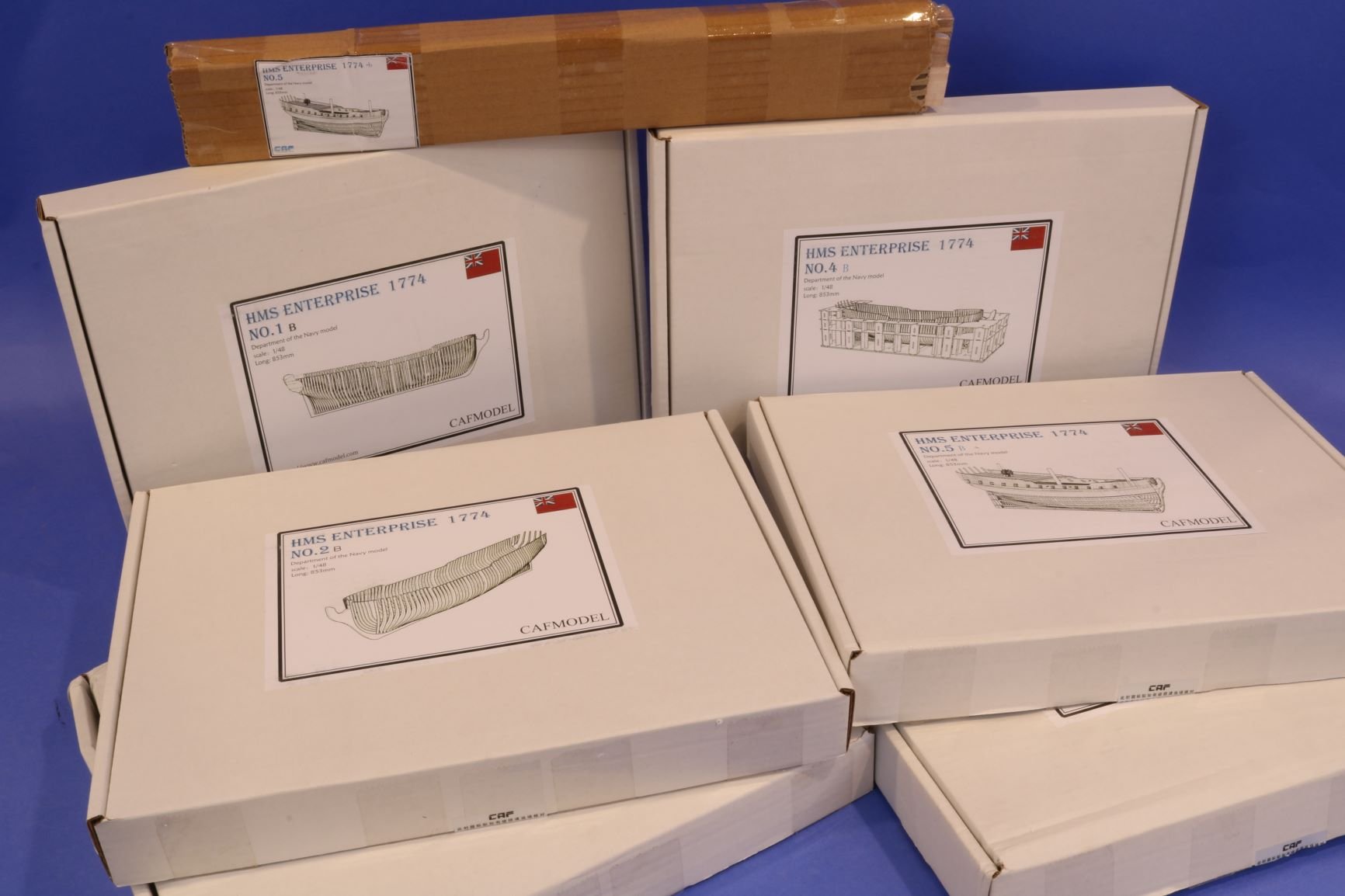
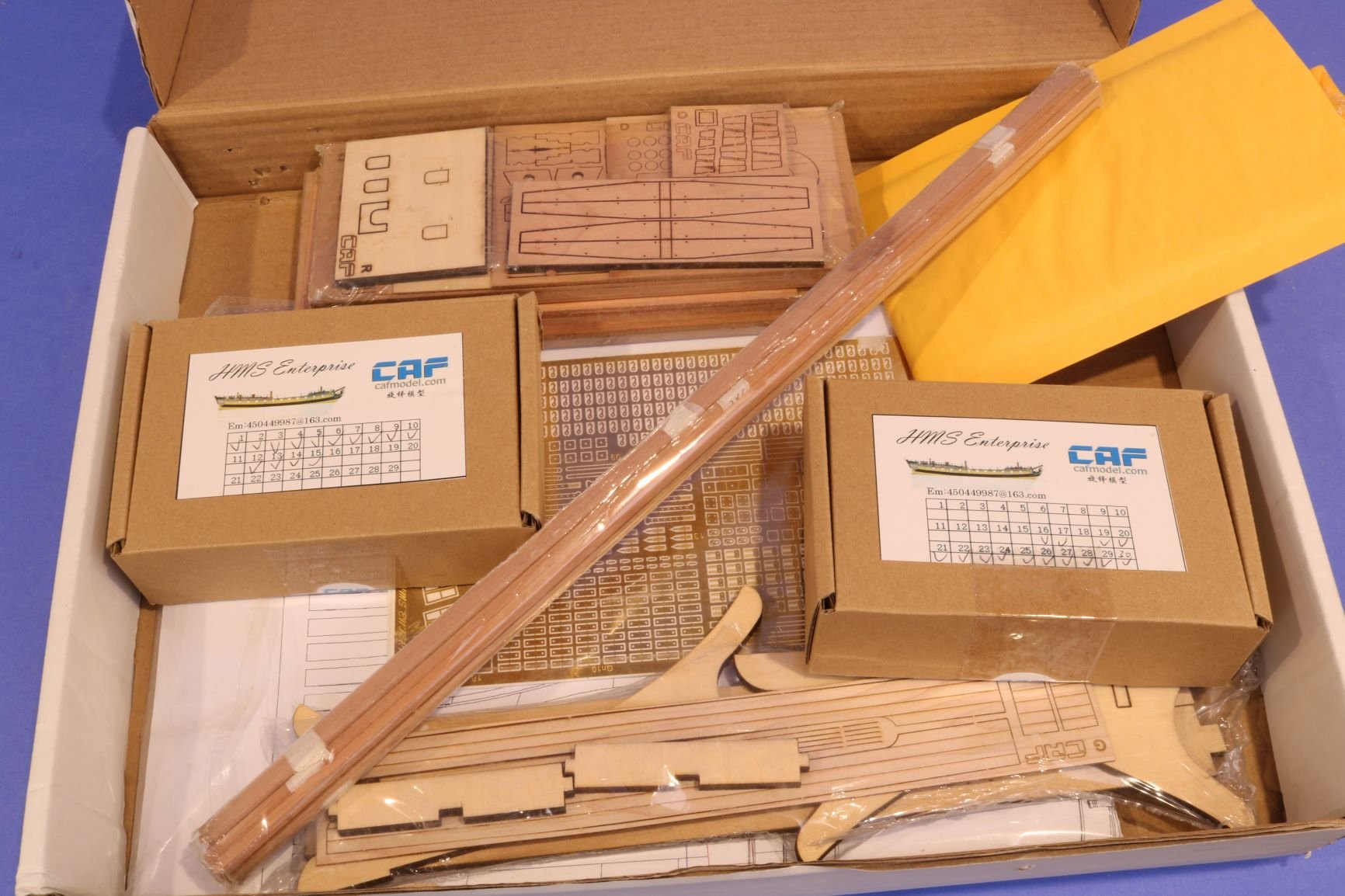
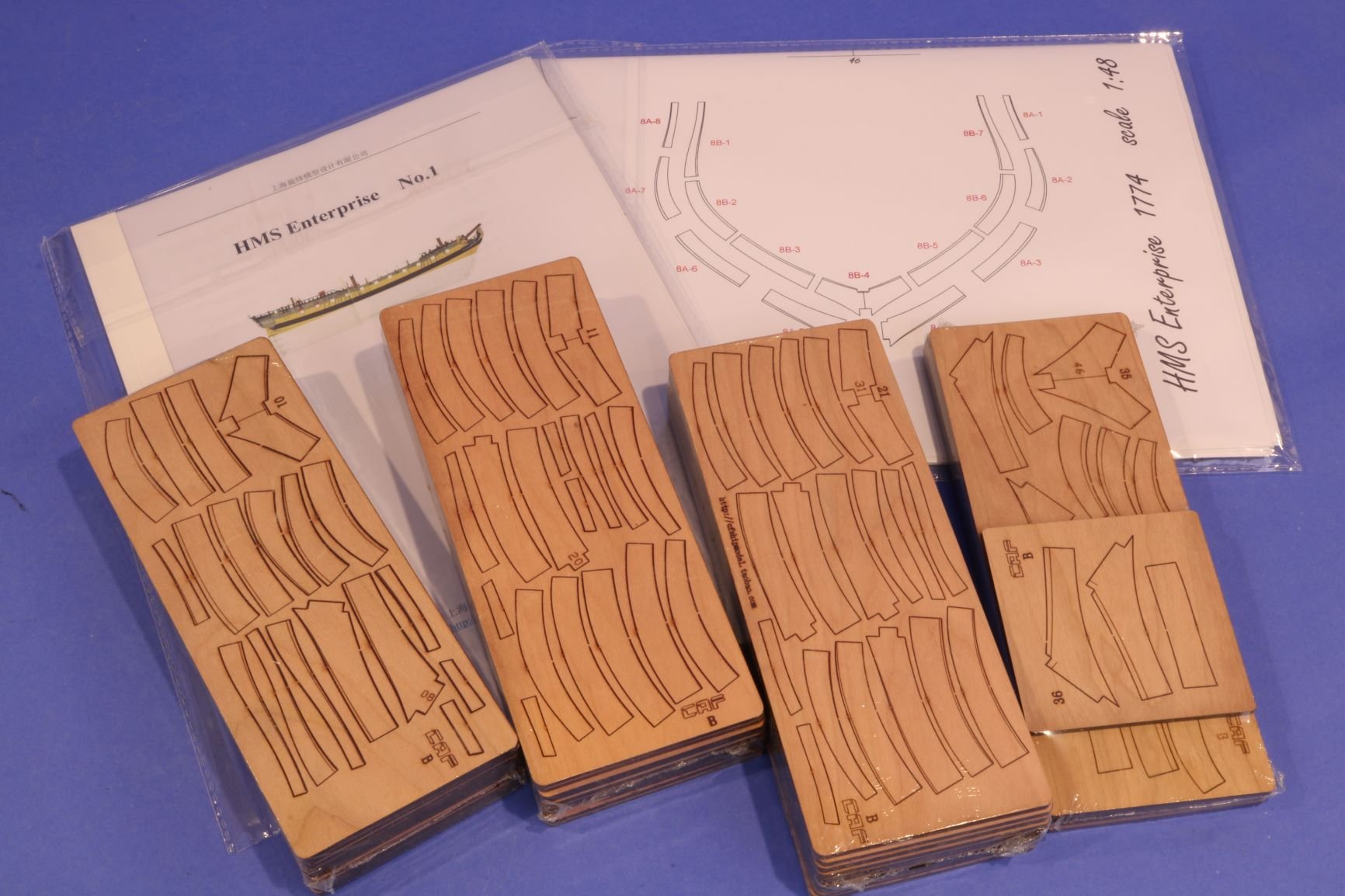
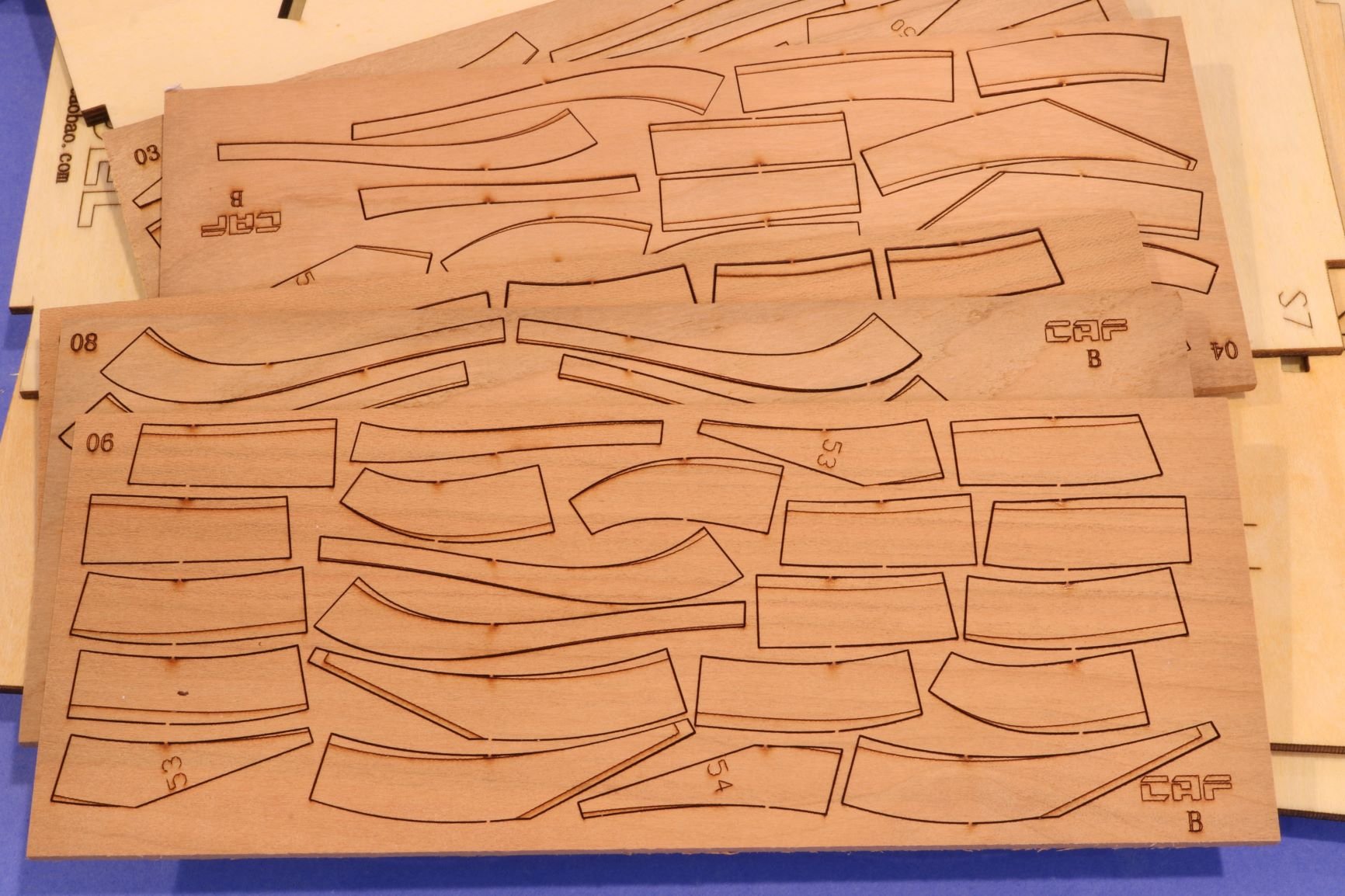
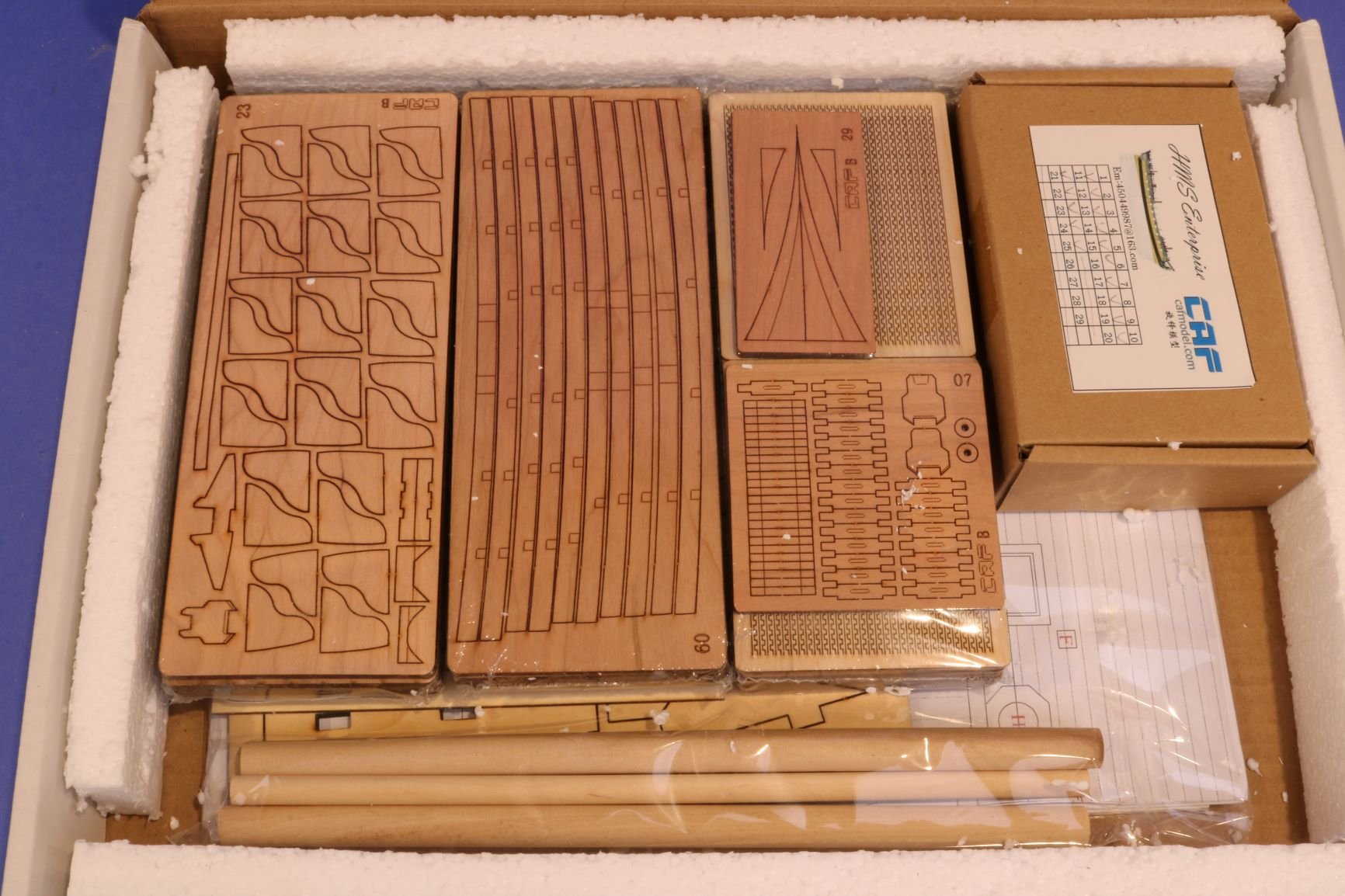
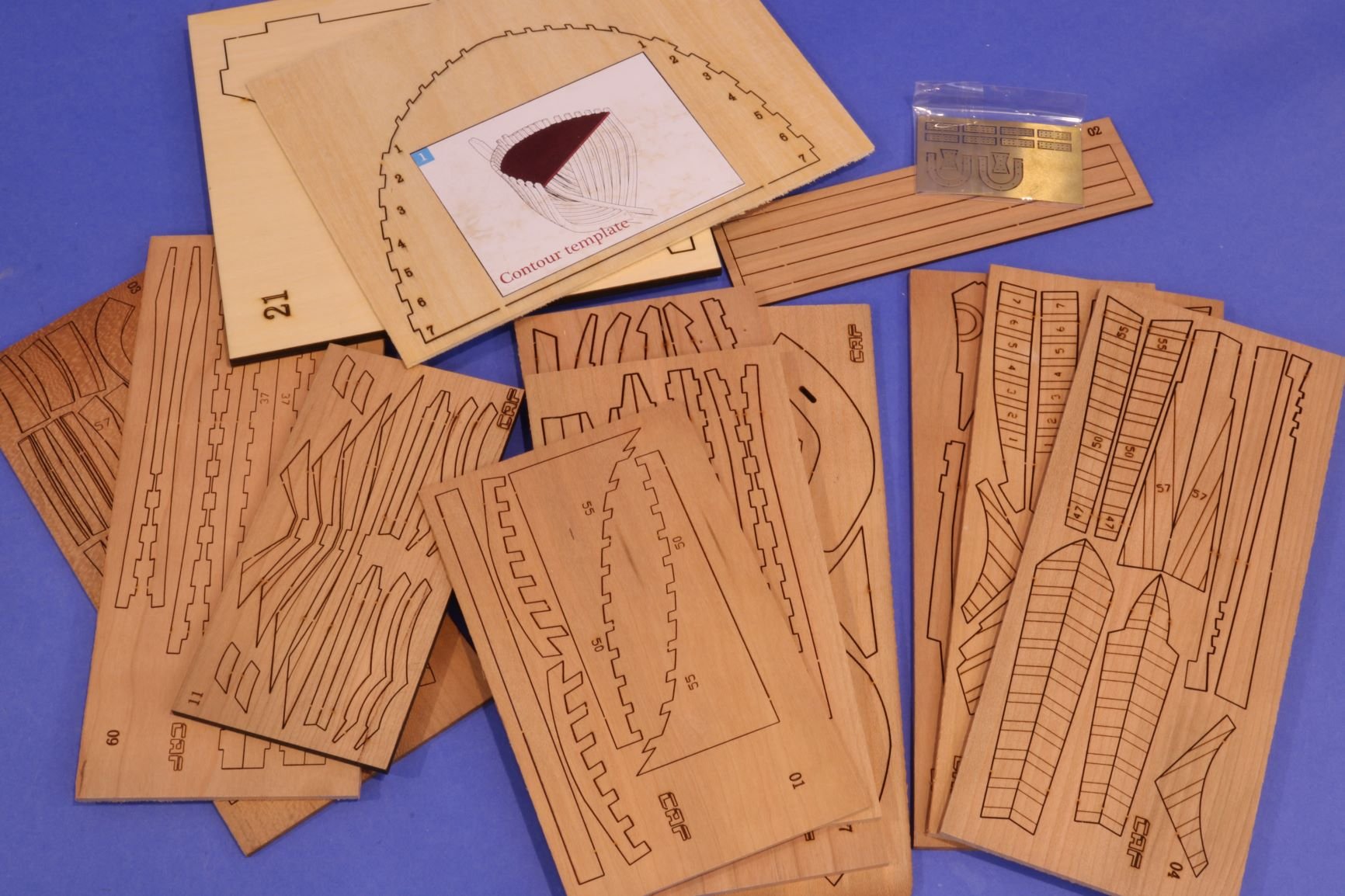
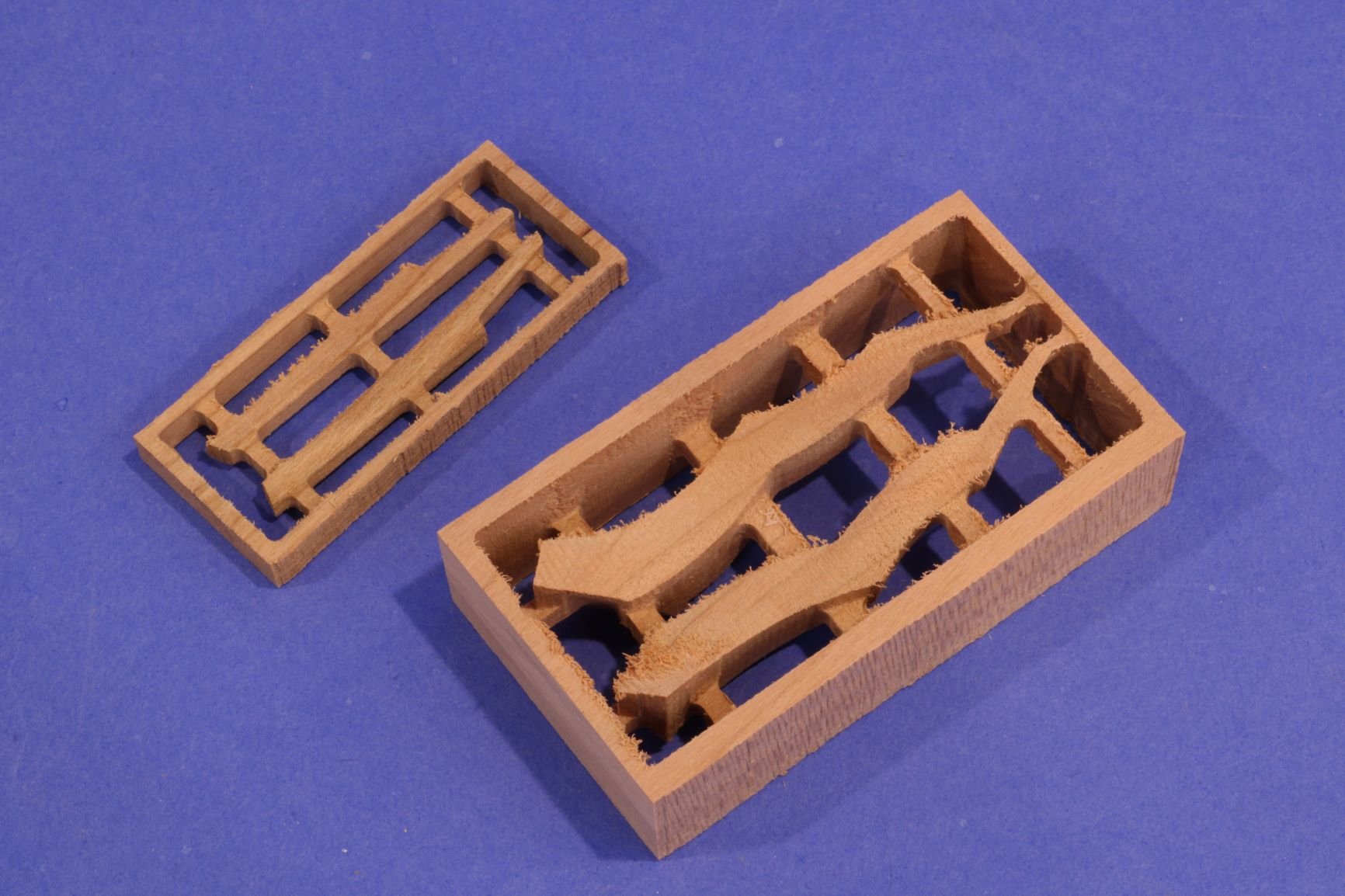
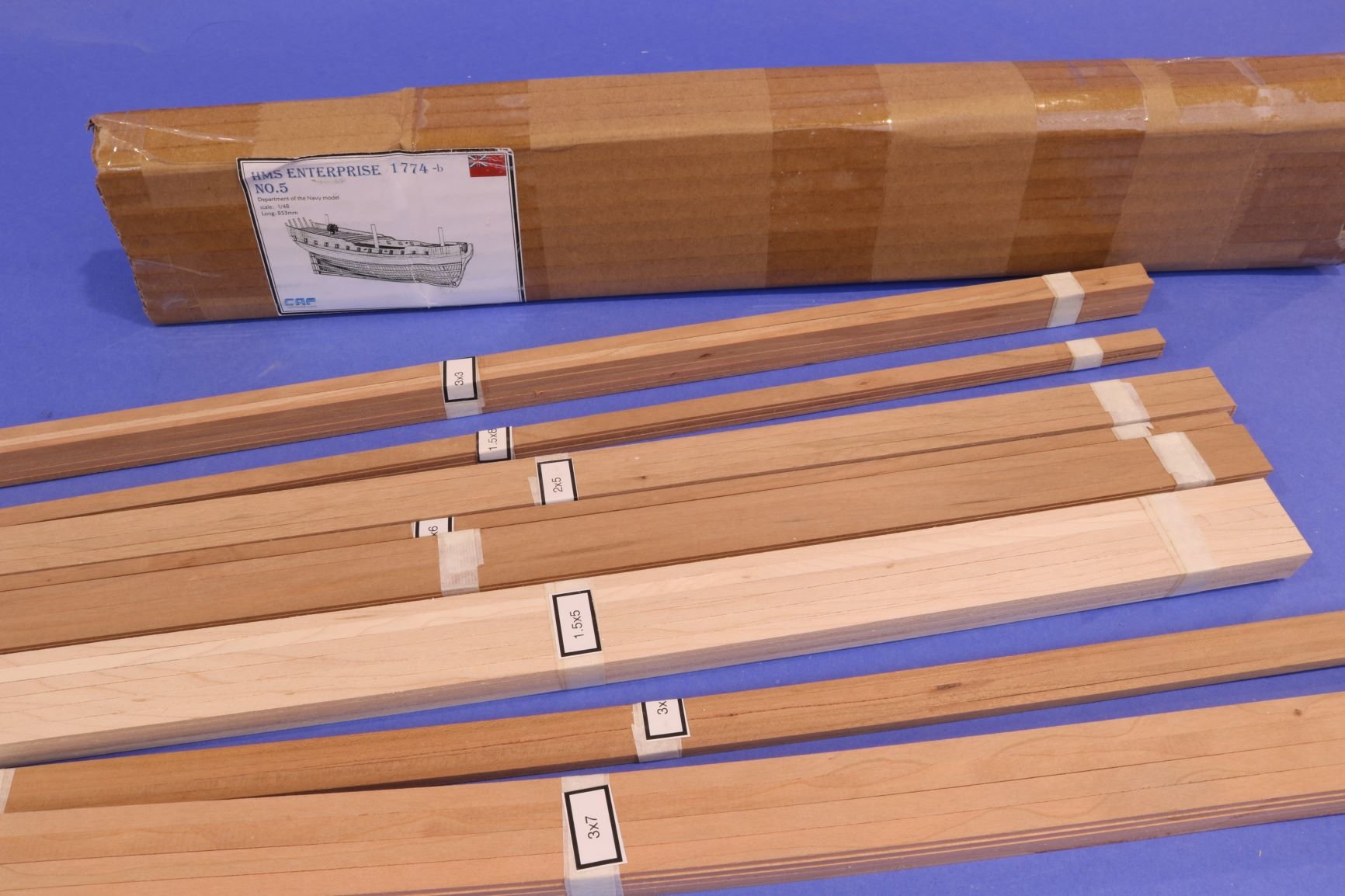
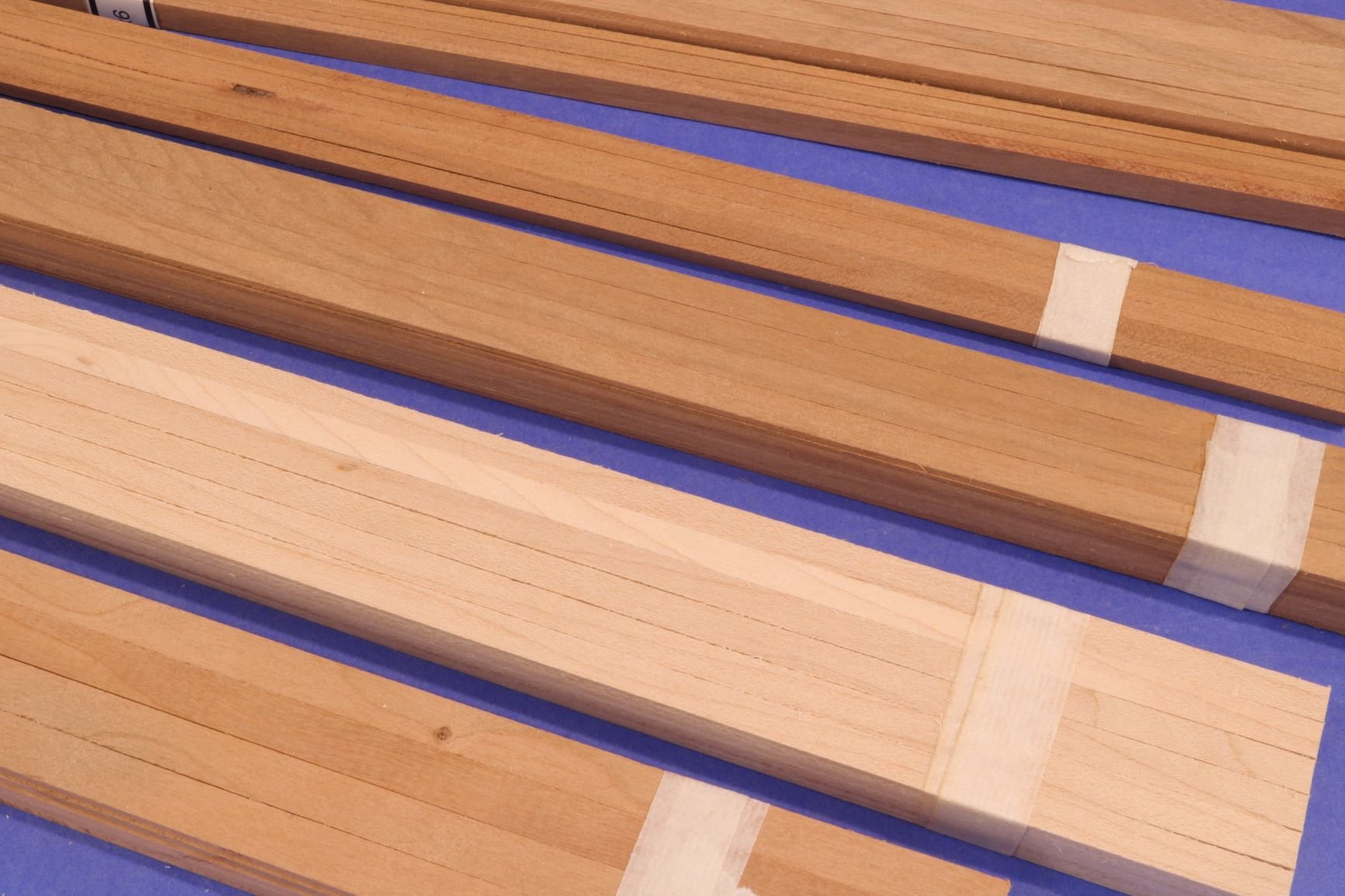
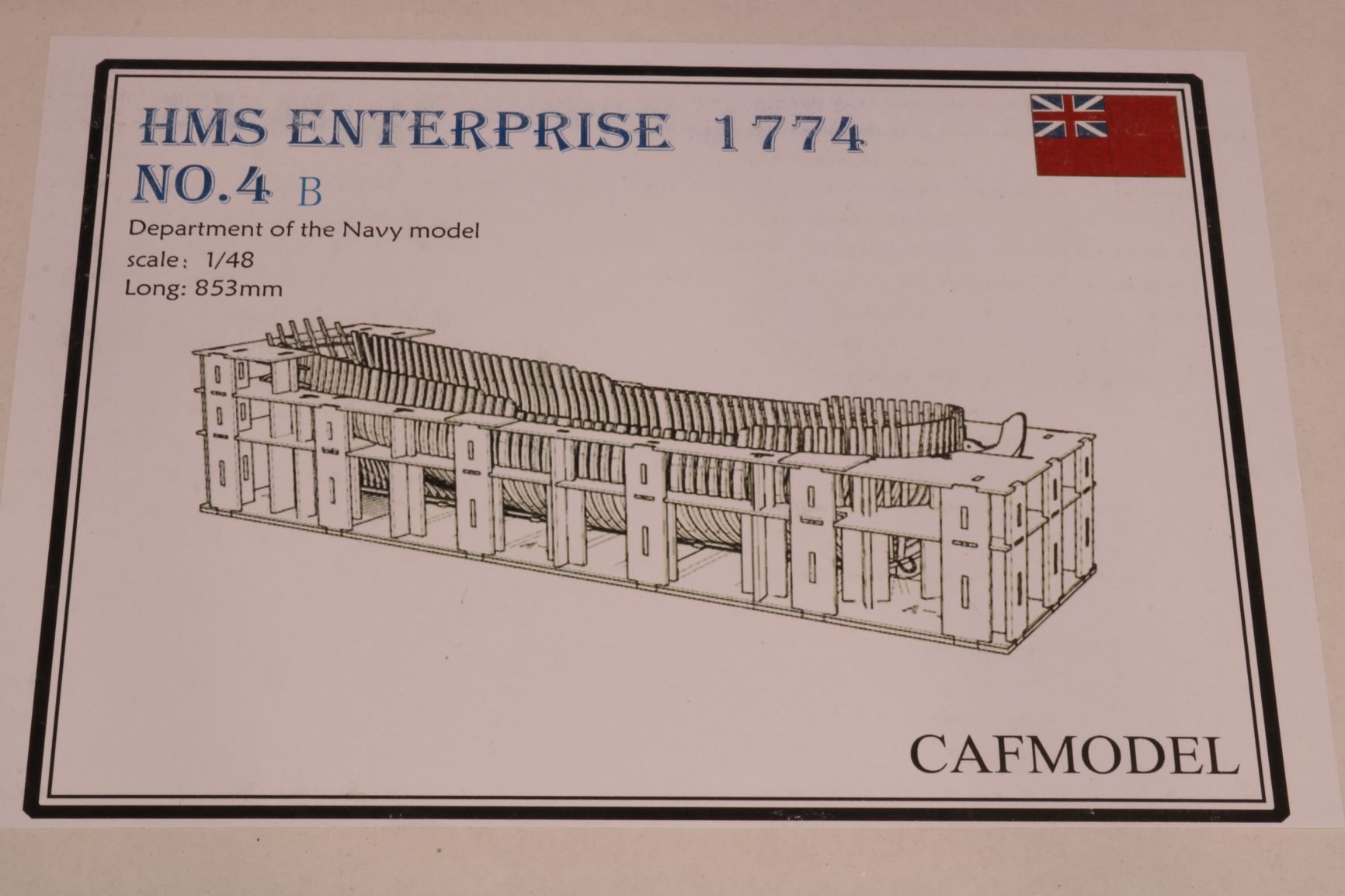
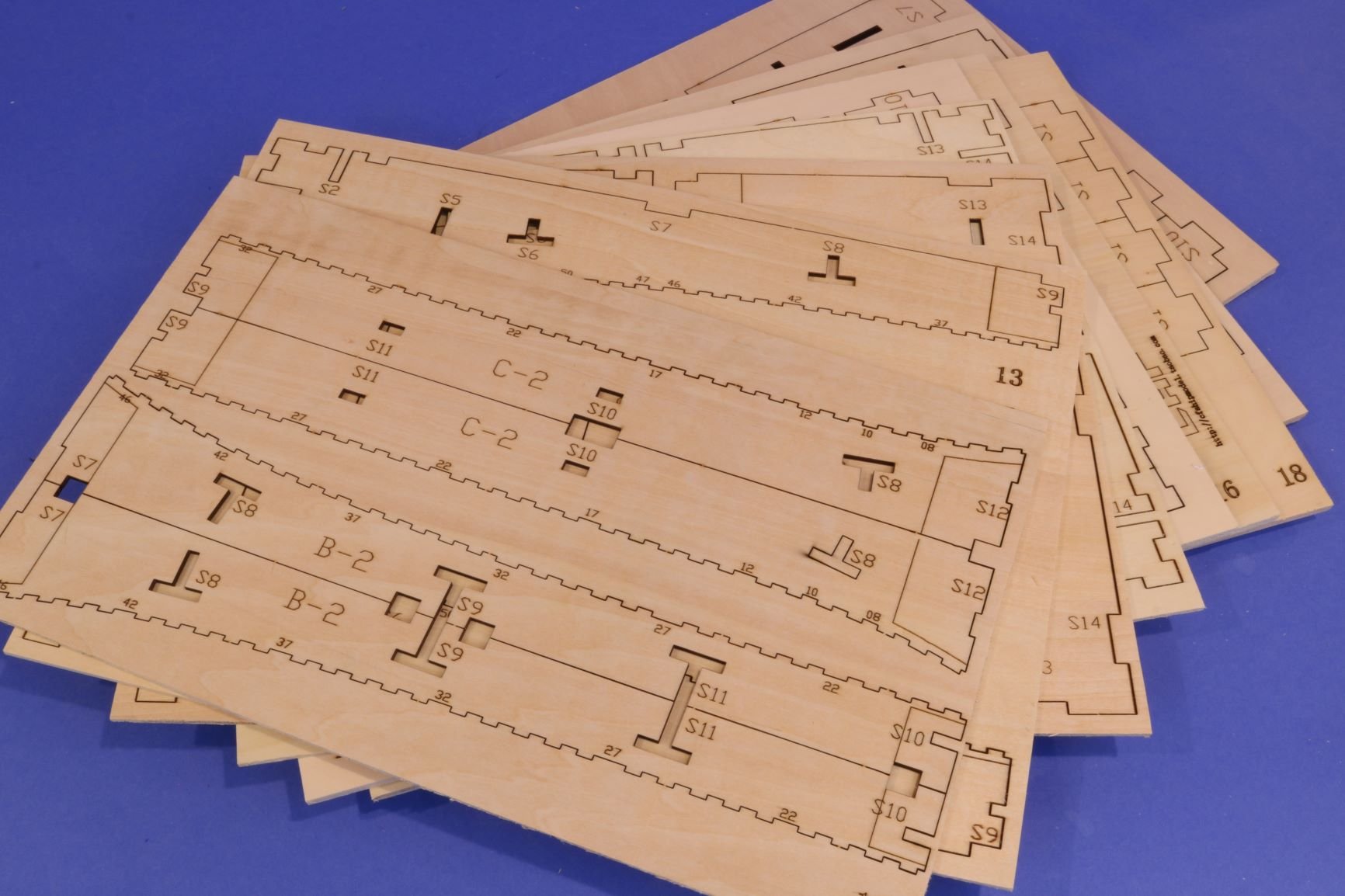
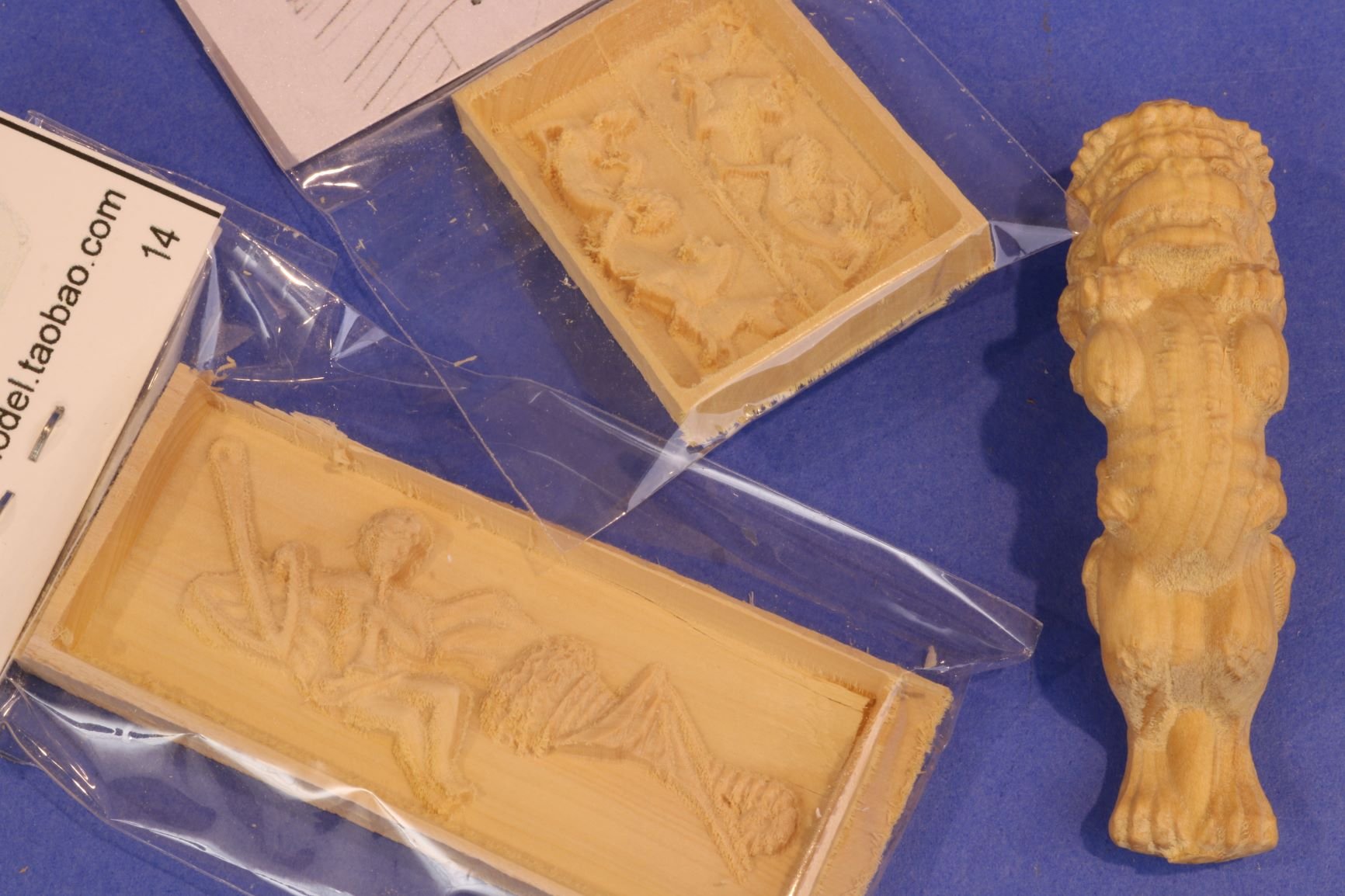
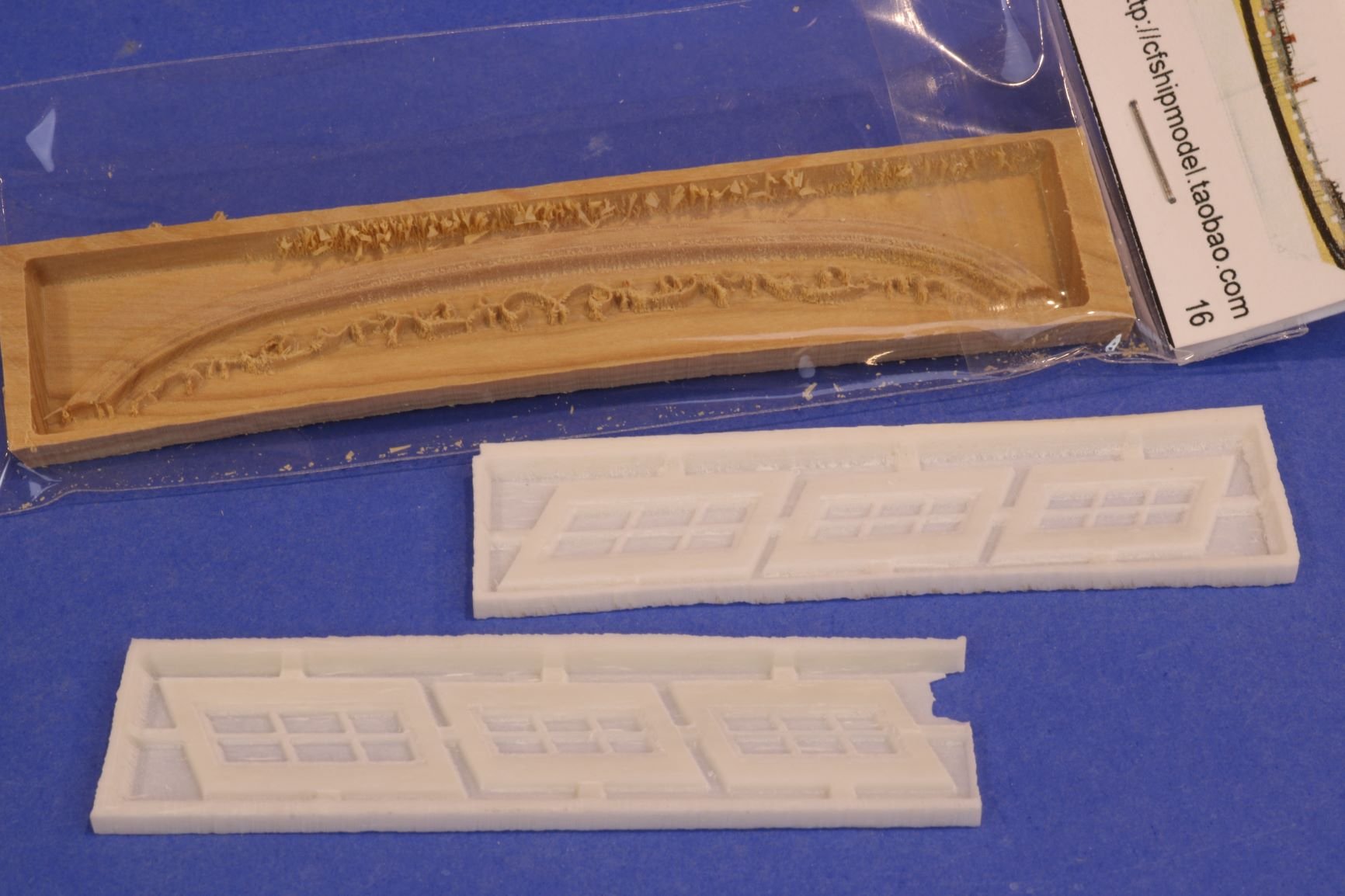
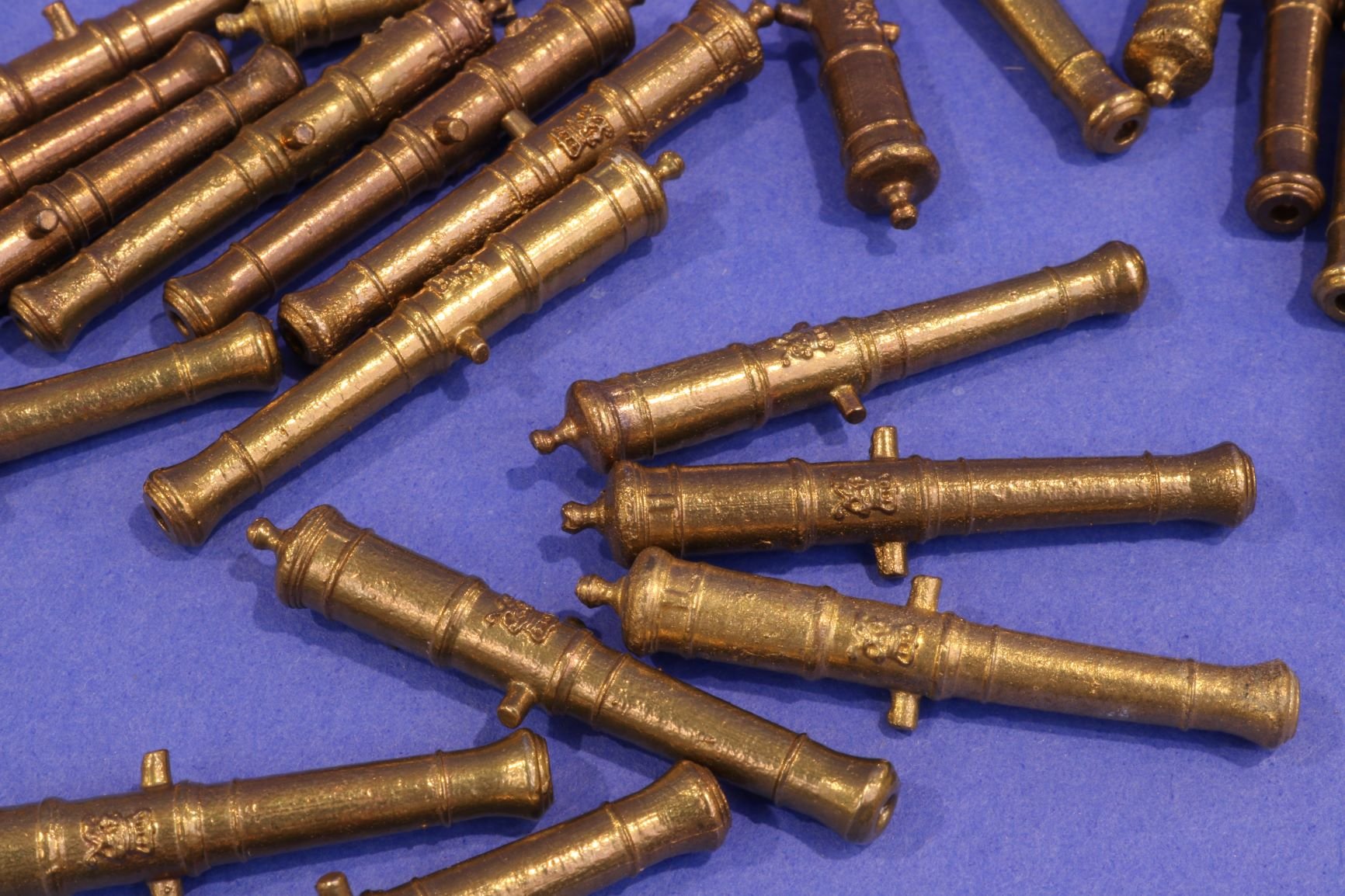
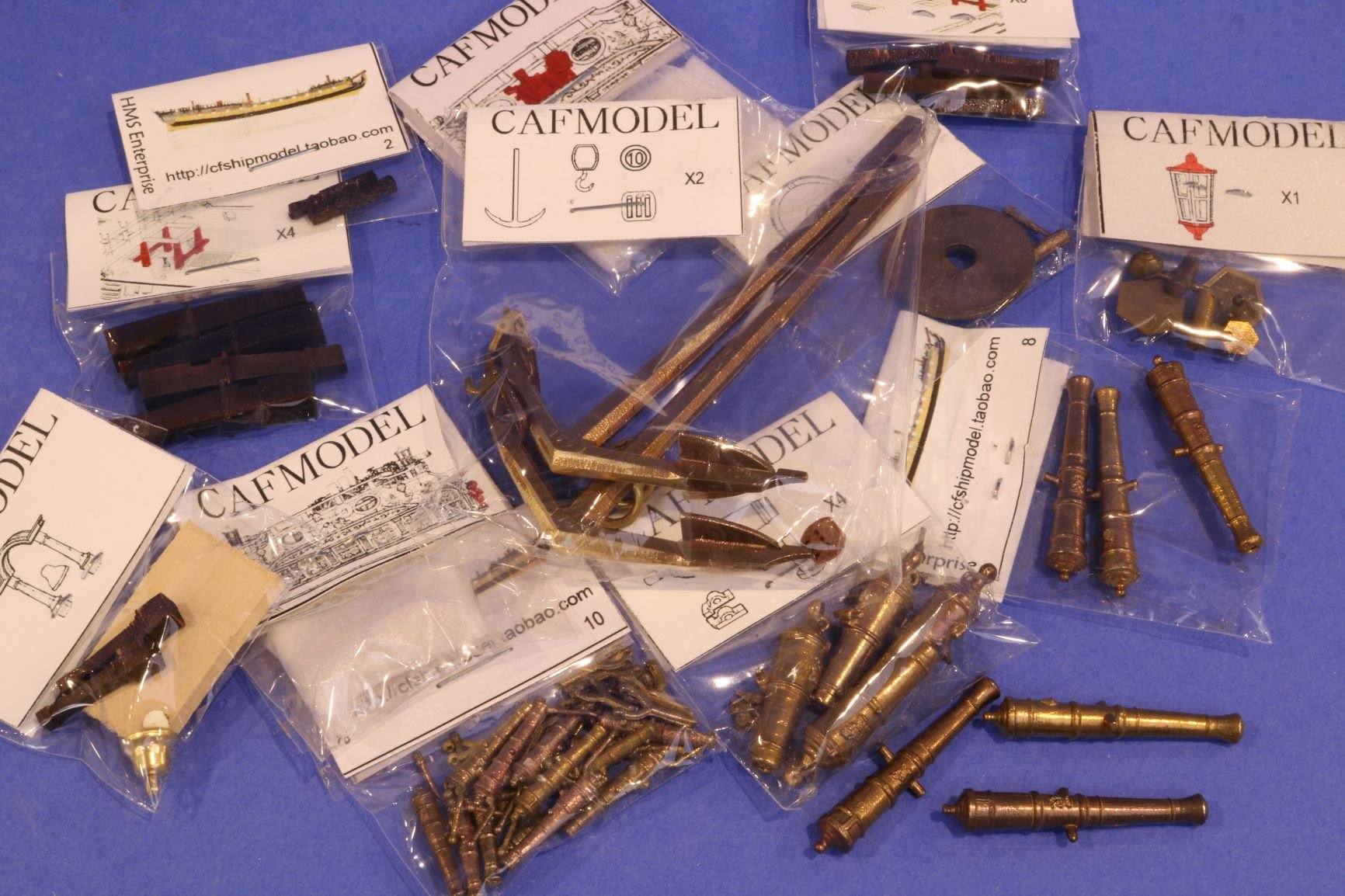
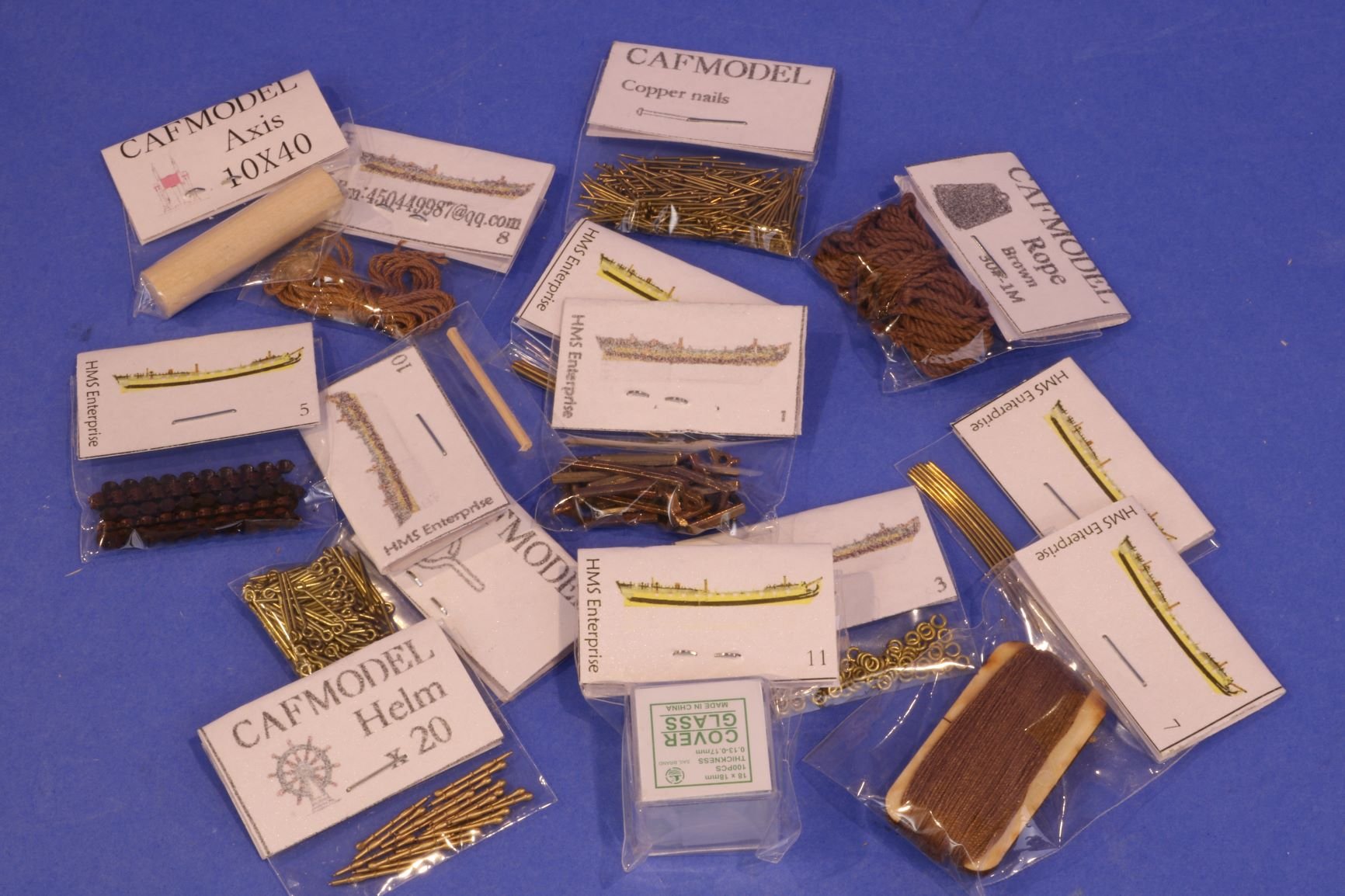
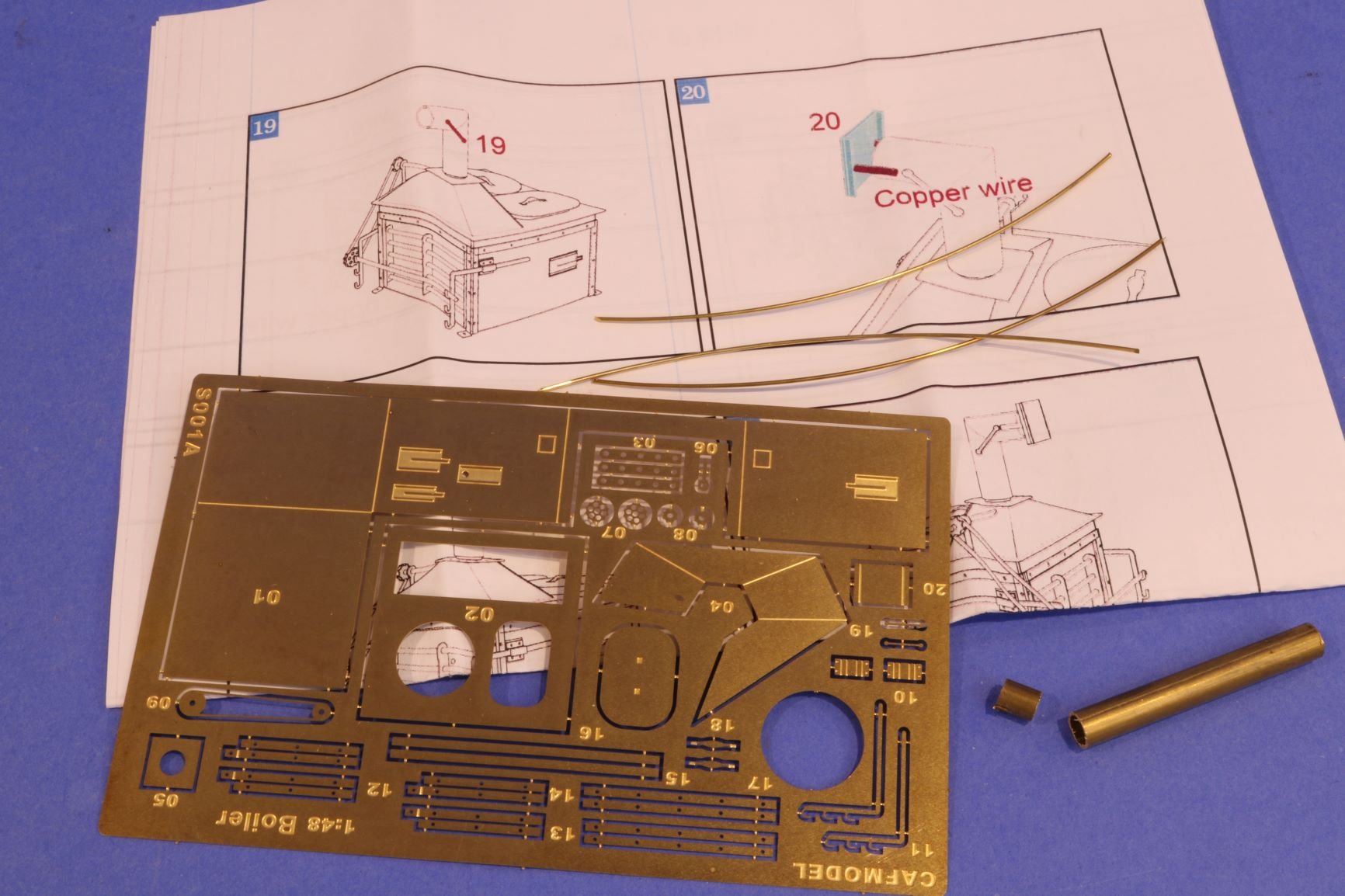
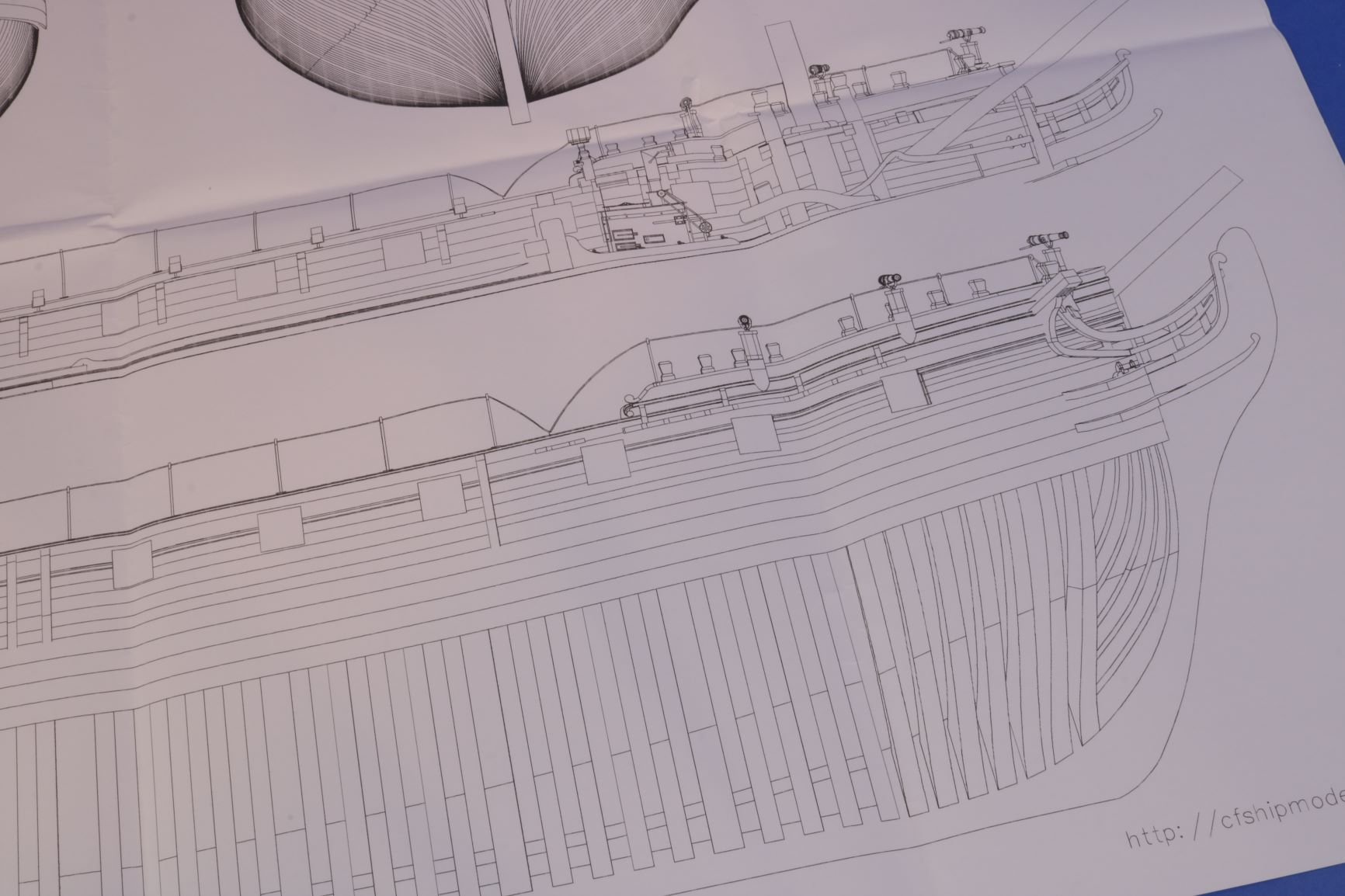
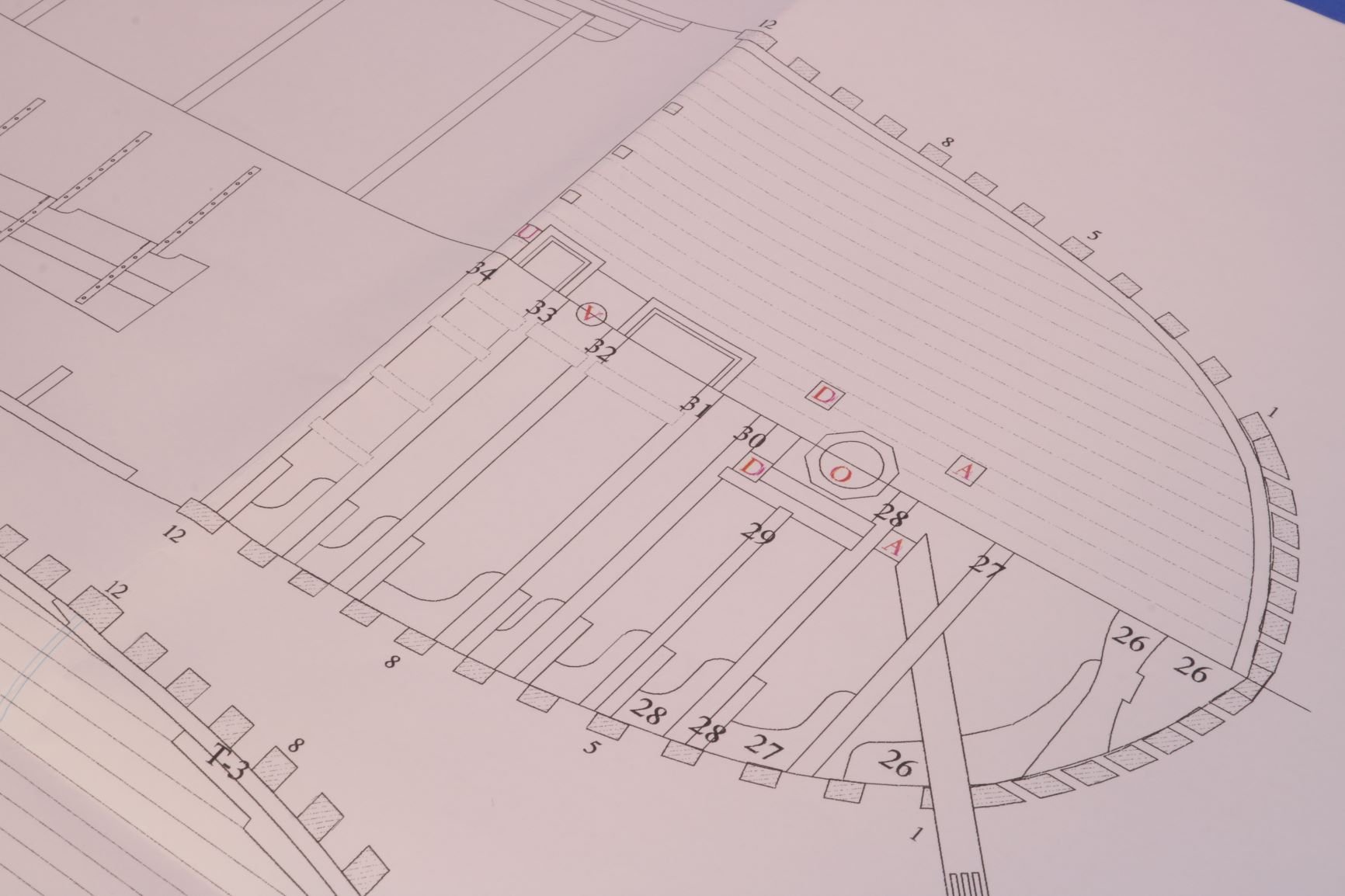
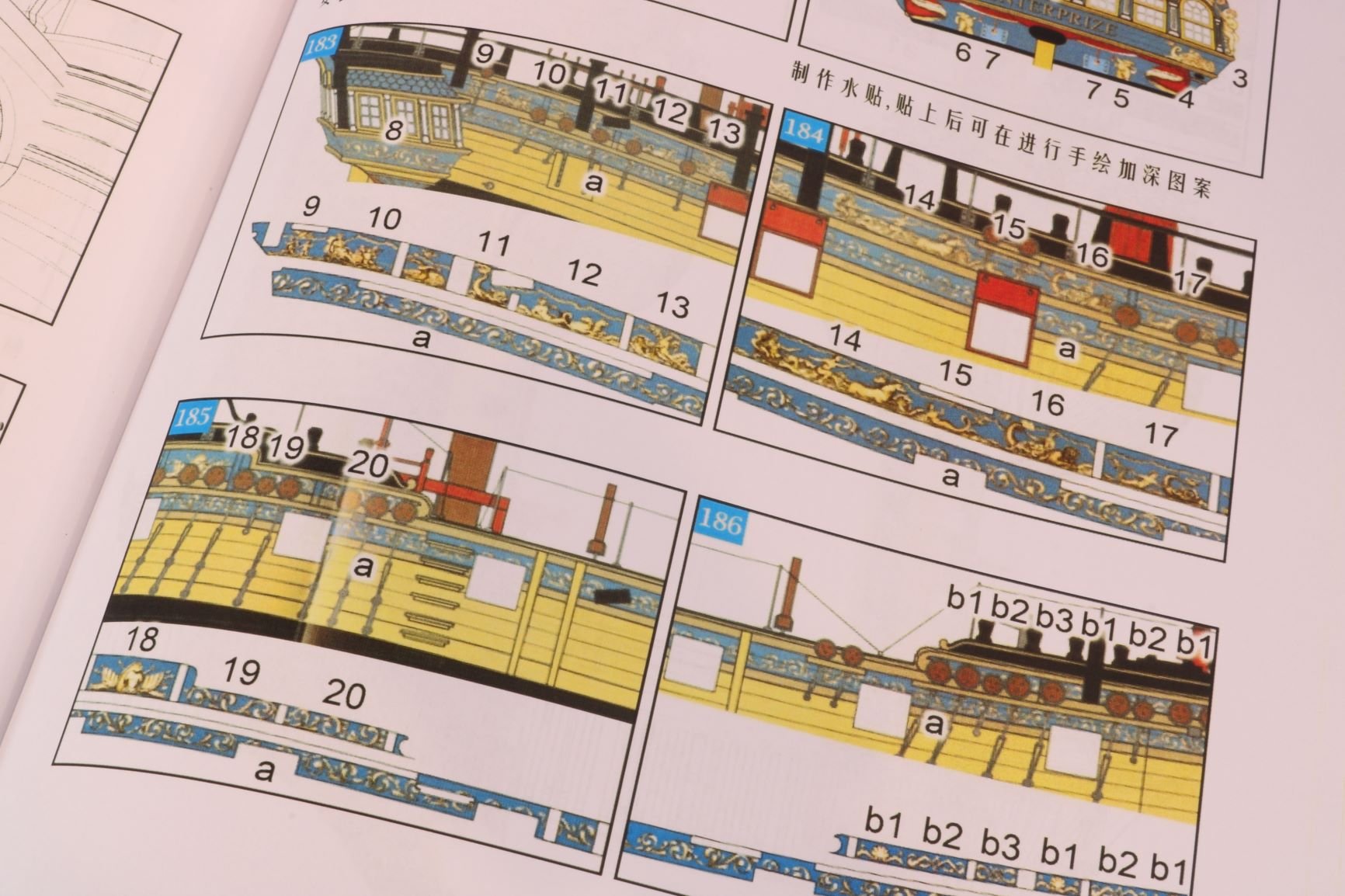
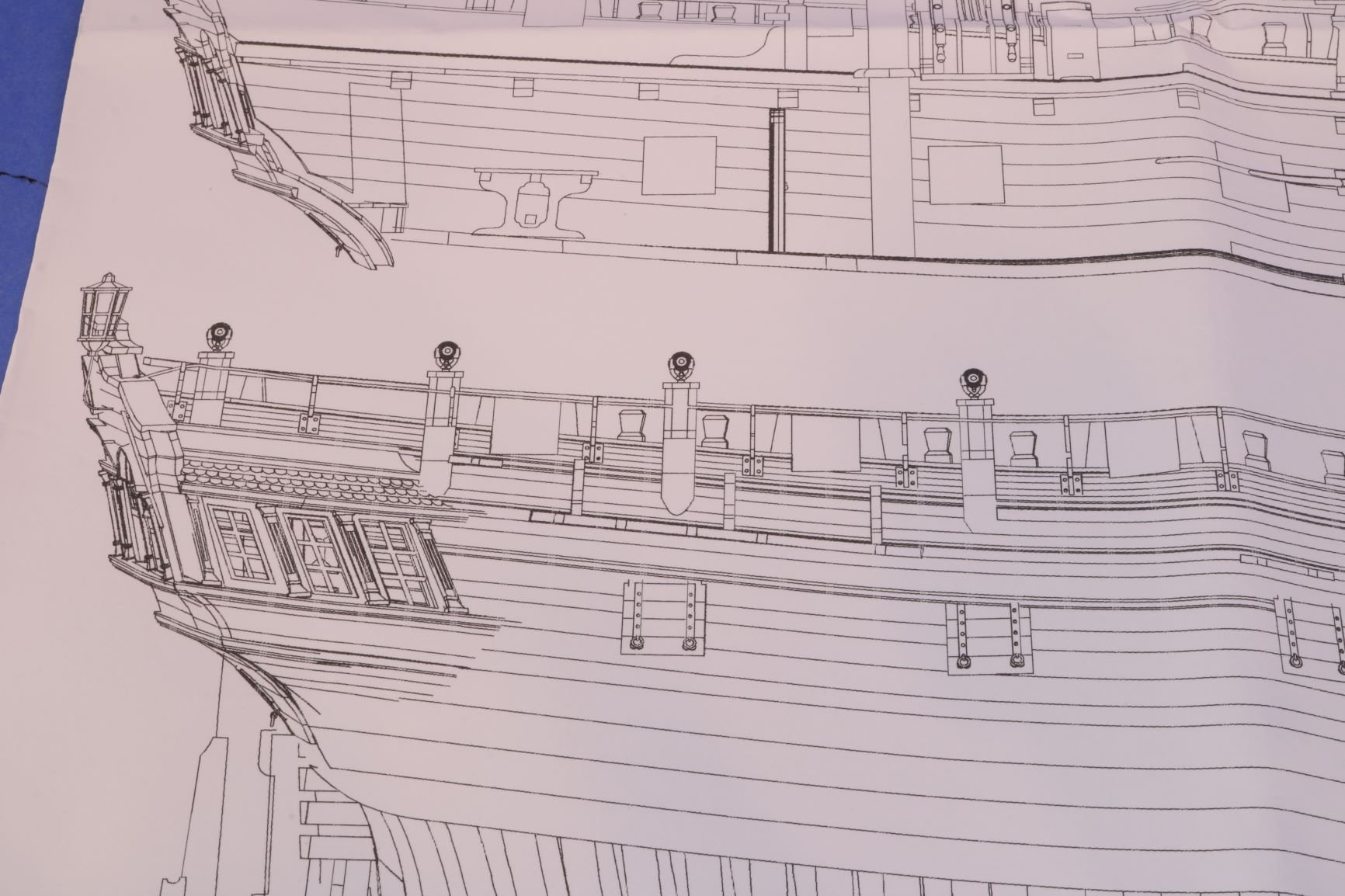
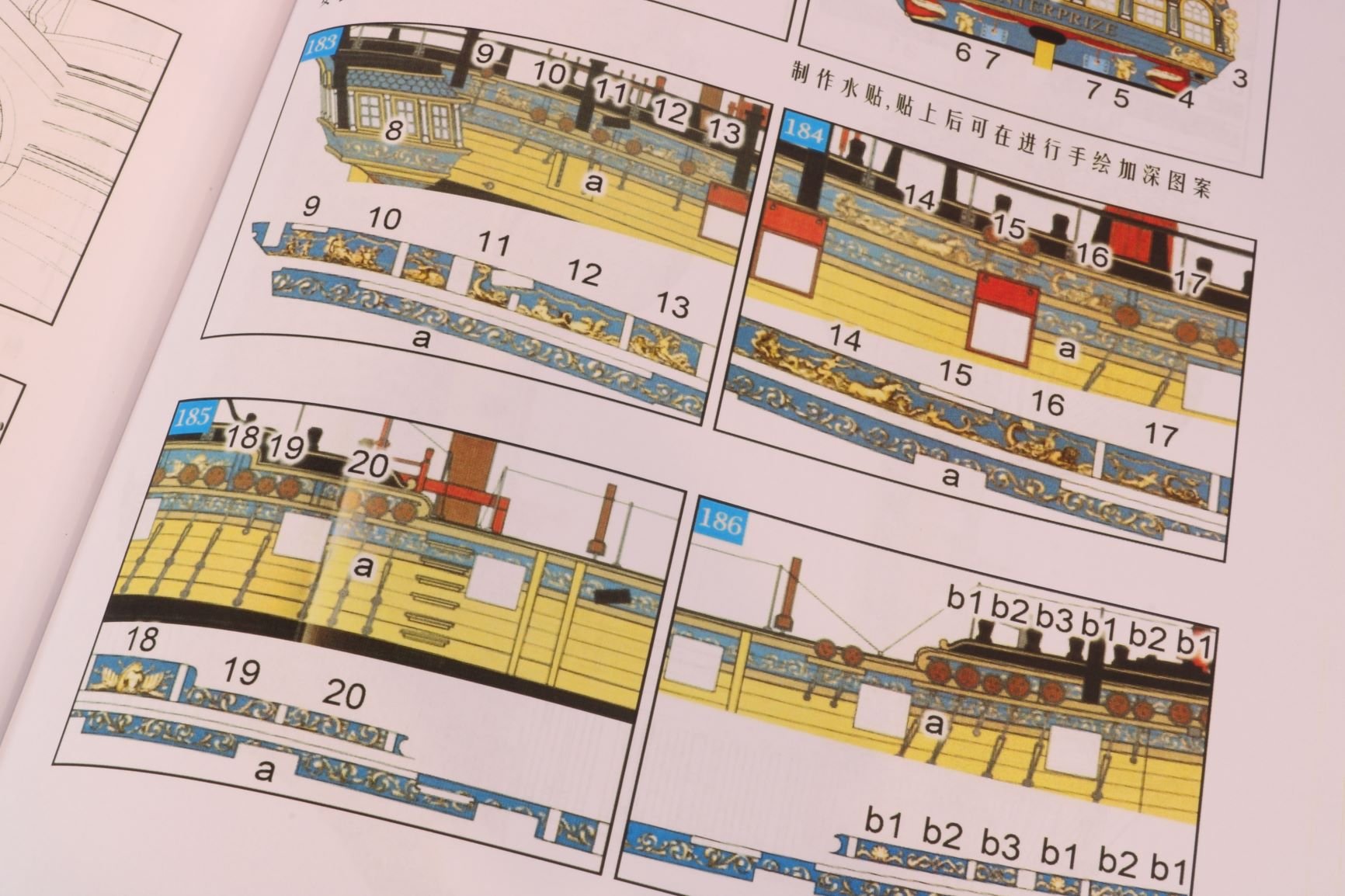
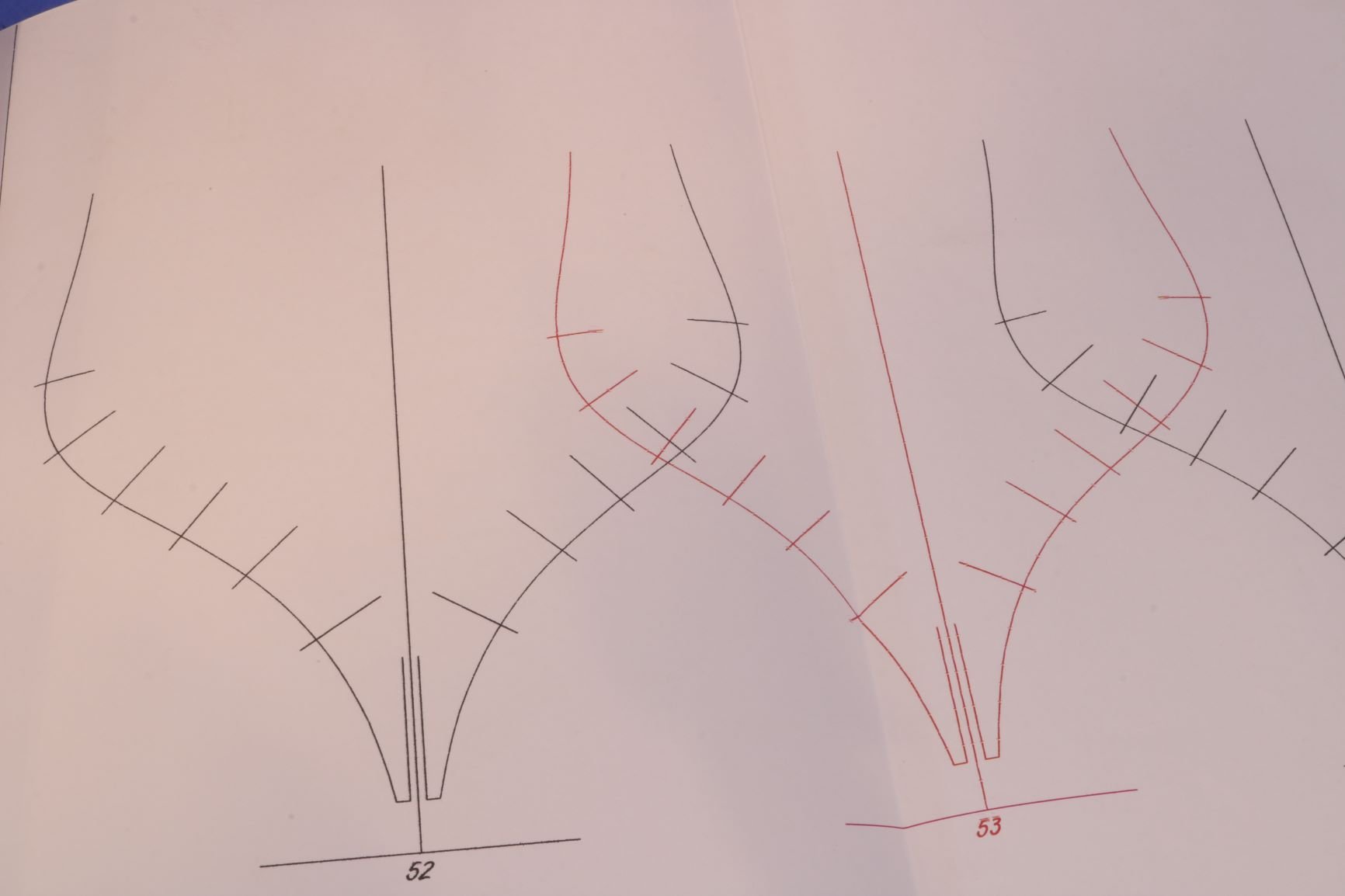
HMS Enterprize (1774) CAF Models Review by Dr. Kerry Jang HMS Enterprize was the lead ship of the Enterpize class of 1770. The class was designed by Sir John Williams with a gross dimensions and tons of 120’6” (gun deck), 99’6” (keel), 33’6” (beam), 11’ (depth of hold) and to carry 200,men. Armament was 24 x 9 pound guns on the upper deck, 4 x 3 pound guns on the quarter deck, and 12 swivel guns. She was ordered in January 1771, Keel laid on September 9, 1771 at Deptford, launched August 24, 1774; hulked in 1791. Twenty-seven ships composed this class. A pair of paintings of the ship by Joseph Marshall in 1775 is held by the Science Museum in Kensington and the National Maritime Museum in Greenwich. Enterprise served as a cruiser and convoy escort. Her most notable action occurred on June 7, 1780 whilst at Gibraltar when her crew spotted six Spanish fire ships drifting into the harbour toward the fleet at anchor. A warning salvo was fired to alert the fleet and the Enterprize’s cables cut to allow the ship to drift away from the hulks and opened fire on the hulks in an attempt to sink them. The Spanish fleet lay outside the harbour for any British ships trying to escape so the British seamen boarded the small the fire ships to attach lines to away from the fleet and burn themselves out. On April 27, 1782 near the Leeward Islands she captured the 22-gun American privateer Mohawk which was later taken into Royal Navy service. Mohawk was sold in1783. Enterprize was decommissioned in May 1784 and from 1790 she served as a receiving ship and hulked in 1791. In 1806 she was taken to Deptford and broken up in 1807. Lines, profile and decoration drawings of Surprize as built can be purchased from the Royal Museums Greenwich (National Maritime Museum). The Kit CAF MODELS of Shanghai, China has created a stunning 1/48 scale Admiralty model of HMS Enterprize. Before reviewing the kit a few words about wooden sailing ship kits from Chinese producers is warranted because they are not all created equal. In 2001 China was allowed to formally join the World Trade Organization (WTO) which meant the country had to abide by international trade agreements and practices such as copyright protection. Prior to 2001, China was the largest source of counterfeit goods that focused on covered luxury goods, cosmetics, sportswear, and appliances. As a result of joining the WTO, far fewer counterfeit goods are no longer produced or available in China, but remains a problem because copying has become a way of life and normal practice for many manufacturers. This problem is endemic among many wooden model kit producers in China who readily use copyrighted drawings to produce their kits without acknowledgement or licence, and these kits are readily available on shopping websites. They will continue to do this as long as it is profitable so do not buy these unlicensed and counterfeit kits. A concerted effort by Model Ship World and the Nautical Research Guild to highlight these practices and alert model makers to the counterfeit products is having success and has gone further to lend an open and willing hand to any Chinese producers who wish to abide by the WTO and international agreements. One of these companies is CAF MODELS located in Shanghai, China. CAF MODELS first came to attention for producing unlicenced kits of French vessels from the ANCRE collection of drawings and monographs. With the help of members of the Model Ship World community, proper agreements between ANCRE and CAF MODELS are being negotiated and to CAF MODELS’ credit, has stopped selling any models based on ANCRE material until an agreement is signed. These kits will return once the agreement is finalized and signed. In the meantime, CAF MODELS has a number of original kits for sale such as HMS Enterprize, with several more under development. CAF MODELS kits are designed and manufactured by Mr. CAO Feng, or in English -- Tom Cao. Tom is an engineer by profession and used CAD to design kits from Admiralty drawings and other references. His CAD designs have become very precise and is able to detect and correct draughting errors in commercially available plans and well-known sources. I had the pleasure of meeting him and his lovely family in Shanghai in 2018 where he kindly took me to his home to show me how he designed model kits and his extensive reference library. On a funny note, I am a third generation Canadian Chinese and speak Cantonese Chinese. Tom speaks Shanghaiese Chinese and our dialects are mutually unintelligible. The two of us had to use an English translator on his phone to converse! Tom is a talented and keen modeller and with his engineering training tries to design kits that are faithful to the actual construction practices of the actual ship or model with an eye to ease of construction for the modeller. The kits are continually upgraded to take into account improvements in design and materials or to correct errors. All kits are manufactured in house and Tom builds the lasers to cut them out. For his latest designs he is building a series of CNC cutting machines to avoid laser cutting char marks. Carvings for figureheads and relief carvings are done using CNC routers guided by 3D renderings. The wood used for the kits are cherry, boxwood, pear, and maple imported from North America and Europe. He experiments with other traditional materials such as ox bone for window frames to replicate materials used by traditional craftsmen of the 18th Century. Tom is in the white shirt and myself in the black t shirt. Note that the phone with a translator is open so we could chat and that the kit is the French bomb ketch SALAMANDRE based on the Boudriot plans. This kit is off the market until the licence agreement with ANCRE is finalized. The kit provides the parts to build a fully framed Admiralty style model of the ship that measures 33” in length with a beam of 8.2”. The kit arrives in a shipping carton containing 6 large boxes chock a block full with wooden parts and fittings, and a bundle of wooden strip stock. The boxes in total weigh in around 20 kgs! The parts in each box are well protected in foam and sealed in bags or cello wrapped to prevent damage and loss. The CAF kit is packed in six large boxes and a bundle of strip wood stock. Each box is numbered and along with the parts are numbered sheets that lay out the assembly steps and identifies all of the parts contained in a box. By way of example, the contents of box #1 contains several laser cut sheets of ship’s frames, instruction booklet, and 1:1 scale exploded view of how each frames is to be constructed. A closer look at the wooden parts show that each piece is neatly cut by laser with no excess burning and the bevel lines are etched into the wood. The wood on this kit is cherry, and it has a nice warm brownish tone and is very fine grained. The char marks left by the laser cutting on the edge is relatively light and most of it is sanded away during the fairing of the hull. All lasers cut parts on a slight angle (has to do with beam deflection as it burns through the wood) so some mating faces are not 90° degrees and must be gently sanded square using a disk sander. Typical contents of a box. Laser cut frame parts. The plans in each box contains 1:1 scale drawings to identify each part. A close up of the laser cutting. Parts are attached to the sheet using small tabs that are easily cut away with a sharp hobby knife. The kit contains thousands of laser cut parts. Deck beams, knees, dowels for stub masts, building jig parts, drawings and the first box of fittings made from a multitude of different materials. Some of the stem and keel parts and building jig pieces to construct the cant frames. The kit also contains some interesting some CNC cut parts that are cut in three dimensions to capture their unique double curvature shapes that cannot be cut using a laser. In other kits, such parts are provided as a metal or resin piece that must be painted to look like wood but in this kit it is wood. CNC cut wooden parts in three dimensions. Strip wood is labelled, clean and straight and cut by a saw. The Building Jig The model is built in an elaborate plywood jig that holds the keel, stem, stern and frames in the exact locations and square to one another. The building jig is also designed to hold the cant frames in the correct orientation so they can be built up and faired in place. The jig itself is made up of several parts and is a major project in itself. A selection of the framing jig parts. The jig parts are provided in good quality birch ply and slot together neatly with little or no sloppiness to the joints. Despite the care taken by CAF MODELS, the jig should be assembled carefully and one must ensure all joints are correct. Any misalignment will be transferred to the hull as it is constructed. An illustration as to how the cant frame bow jig is used. Fittings With box after box full of laser and CNC cut parts, there are also smaller boxes of fittings in wood, metal, glass, and bone. Of particular note are that the carvings and sculptures that adorn large ships of the line have always been difficult to reproduce for modellers who are not experienced at carving. Often kits provide a heavy metal or resin figurehead or carvings that must either be gilded or painted. Model makers have often wished that the carvings were provided in wood, just as seen on Admiralty models. CAF Models have done this by providing the carvings in wood. This is not pressed fiberboard but an actual 3D CNC cut set of sculptures as shown in the photos. Ships guns are in cast brass and are fully detailed with the royal cyphers. Anchors and other metal parts also provided as brass castings. All other of the required fittings are provided in brass, glass, wood and good quality cordage. Each is neatly labelled and packaged. Note that the spokes for the ship's helm are individual parts. Glass cover slips for microscope slides is provided to glaze the windows. The ship's stove is a miniature photetched brass kit, Instructions The instructions are contained in a series of booklets and plans. The instructions are pictorial in nature so that modeller does not have to rely on a working knowledge of Chinese at all. There are some English instructions which in some cases makes little sense because something got lost in translation - but with the picture the meaning becomes clear. Running the Chinese text through Google Translate provides a good sense of the Chinese instructions. The drawings and plans are crisp and the parts match the drawings precisely. Drawings are colour coded to keep things straight and are neatly and cleanly printed. Future kits will have better English instructions included. All parts are labelled and construction fully illustrated so no need to know how to read Chinese to build the model. Each booklet has several illustrated steps to construction. Full size profile and lines are provided. Frame plans to help align all of the separate futtocks. The kit also provides a full sheet of waterslide decals to reproduce the painted friezes adorning the ship’s side and stern. The modeller can paint these friezes if desired, but the decals provide a neat option. My advice for applying the decals is that the designs are cut close to the printed colours as possible, and applied to a glossy surface by sealing the wooden hull sides with a gloss varnish. The designs are later sealed with a coat of matt or satin varnish as desired. Conclusions If you want to build an Admiralty style model and don’t have the tools, access to wood stock, skills or inclination then CAF Model's Enterprize is an excellent way to build one. All that is required is included in the boxes that saves you from having to source materials and tools. All of the materials are top notch and having seen the prototype model at Tom's home, is well designed and goes together well. It is rare to find a kit this well produced and the innovation and constant upgrading CAF MODELS does on its kits ensures improves ease of construction, and quality of materials and design continually improves. The sheer complexity of the kit will keep the modeller busy for a long time and especial care and fitting of the many parts is the order of the day -- this is no different that scratch building so your skills will be challenged and honed over time. The kit is excellent value for the money. CAF MODEL's next kit is Le Coureur based on drawings from the National Maritime Museum, and a set of figures is being designed to crew the ship. The review kit was purchased directly from CAF MODELS courtesy of my wallet. Payment was by PayPal and China Post delivered it to Canada Post in excellent shape and in good time. Tom Cao stands by all his products and should you find a faulty part or broke something, he will help you with replacements. If you have an earlier kit and want the latest upgrades to it, you can contact him and he can supply it at a nominal cost. Tom is responsive to e-mail within a day or two in my experience. With scratch building, masting and rigging can be added to really make the model stand out even moreso. That is what I plan to do in due course. Happy Modelling! Kerry Jang Vancouver, Canada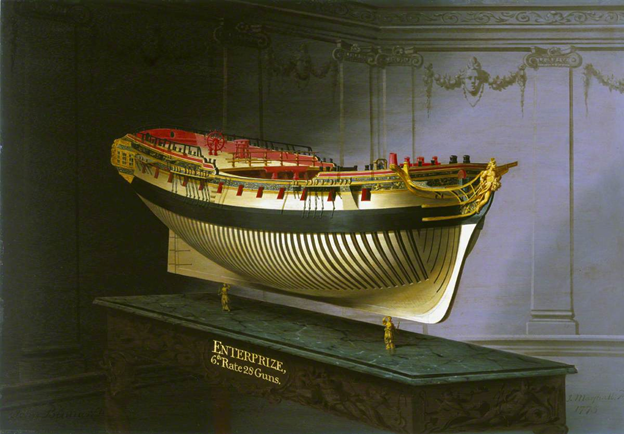
-
Painting such figures realistically is quite easy. I just follow the methods used by war gamers. Block in the colours, don’t bother painting eyes, etc. Drybrush with lighter shades and use the “dip” method to bring them alive. I use the “Army Painter” dips with excellent results. i love figure on ships and they really bring the model to life. Well done Tom! I’d also love some modern and WW2 figures in 1/96 to 1/72 scale. Sign me up! cheers, kerry
-
I recently took delivery of Tom’s HMS Enterprize kit. Wow! I saw the built up version at his home in Shanghai and was smitten. Tom regularly upgrades the kits as he figures out a better way or gets customer feedback. He tries to replicate the look and materials of the Admiralry models, even producing some of the carvings in bone. Quite an amazing product. Good quality wood, cast brass cannon, wooden carvings, etched brass, the list goes on. The kit came in seven boxes and weighed several kilo. I hope the arrangement with ANCRE gets done soon. I once tried to build Le Salamandre from the plans. I got a long way on it and just ran out personal steam. I’ve seen his kit and can say it will be a lot easier to realize a ship in frame and far more precisely than I could ever do. This model has been upgraded too, he changed how the cant frames are cut and assembled to make them easier to build and replicate actual construction. The method of building the cutter is also improved with a resin cast jig to lat frames and planks. Welcome Tom, and thank you Chuck! cheers, Kerry Vancouver, Canada
- 27 replies
-
- 10
-






Our Emblem ®
