
DONATION DRIVE - SUPPORT MSW - DO YOUR PART TO KEEP THIS GREAT FORUM GOING!
×


ccoyle
-
Posts
10,517 -
Joined
-
Last visited
Content Type
Profiles
Forums
Gallery
Events
Everything posted by ccoyle
-
 I also decided to purchase the available Fly upgrade kit, which basically consists of the extra stuff that was included in the Pegasus kit, but not part of the original Fly kit. It is well worth the money, in my view. Among the options in upgrade kit are wooden carriages to replace the kit's cast metal carriages. The metal carriages are virtually impossible to drill, something that needs to be done if one wishes to properly rig the guns. The upgrade kit also includes PE brass insignia and locks for the guns. The kit guns are not entirely true to English guns of the period and already have a cast insignia on them; I made do with turning the barrels over and adding the upgrade insignia to the bottom (now the top) of each gun.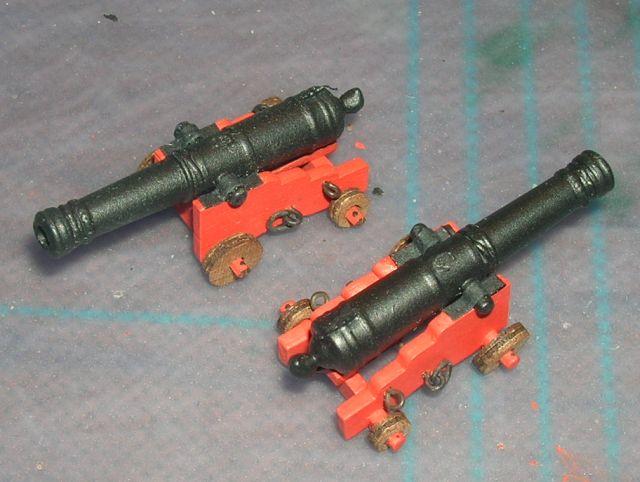
- 69 replies
-
- 2
-

-
- fly
- victory models
- (and 2 more)
-
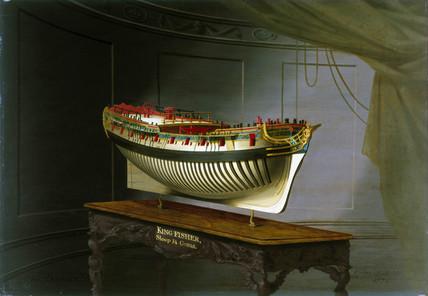
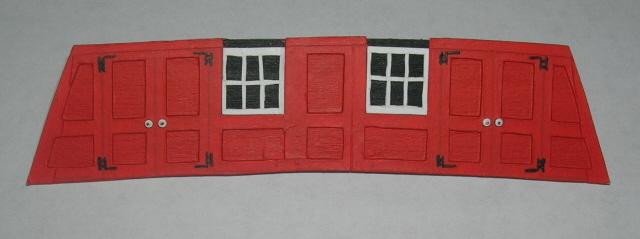
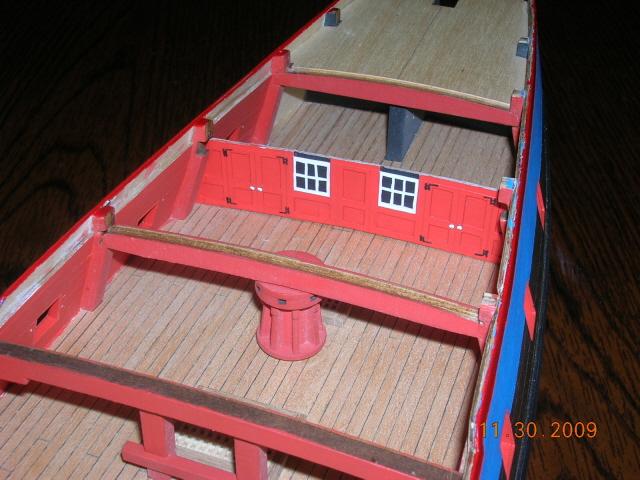
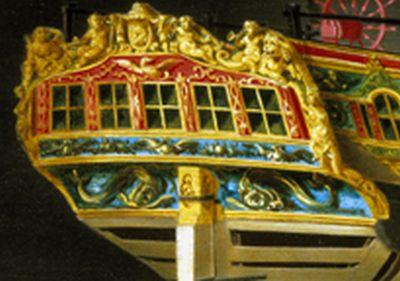
First off, I am using the Williams & Marshall paintings of HMS Kingfisher to guide my painting of HMS Fly. The operative word is 'guide' (as opposed to 'template'). Early on I decided to add screen bulkheads to the model. These were scratch built from scrap plywood and card stock. The door knobs are brass nail heads. This is the aft bulkhead - it is less detailed than the forward bulkhead, which is far more easily seen on the model than the aft bulkhead. The forward bulkhead windows are properly glazed. As you can see in this picture, the proper placement of the aft bulkhead is not between the existing kit bulkhead extensions, but slightly aft of them.
- 69 replies
-
- 3
-
-
- fly
- victory models
- (and 2 more)
-
OK, I'm going to try and recreate parts of my build log for HMS Fly. I have been working on this model for so long that it has now gone through the deaths of two sites - once at the old Dry Dock Models, and once during the Great Crash of 2013. First a little back story. I bought this kit waaaaay back in 2006 - it was one of the very first production kits off the line. It should be done by now, and if it were anyone else but me, it probably would be. But that's not the way I build. My modeling urges come in intermittent fits and spurts - periods of great progress followed by usually long spells of inactivity, at least on the wood front. I also build card ships and 1/33 scale card aircraft, so sometimes when you see Fly come to a halt, it means I have some other project on the front burner. During the ensuing years, many fine models of Fly and her sister, Pegasus, have been completed here at MSW, so I will not go back to the very beginning and show all the basic framing and planking, etc. Instead, I will highlight some of the bashing I did to the basic kit, mostly to give other builders some hints about what can be done with it. I'm not actually working on Fly at the moment, so don't expect updates in the very near future. Mostly I'm doing this to create a placeholder of sorts. So, on we go!
- 69 replies
-
- 3
-
-
- fly
- victory models
- (and 2 more)
-
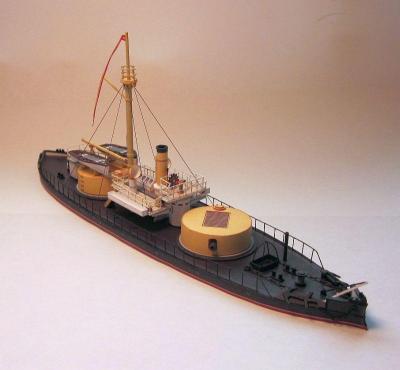
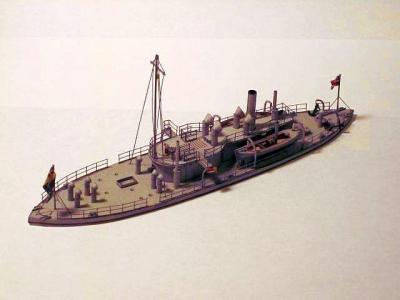
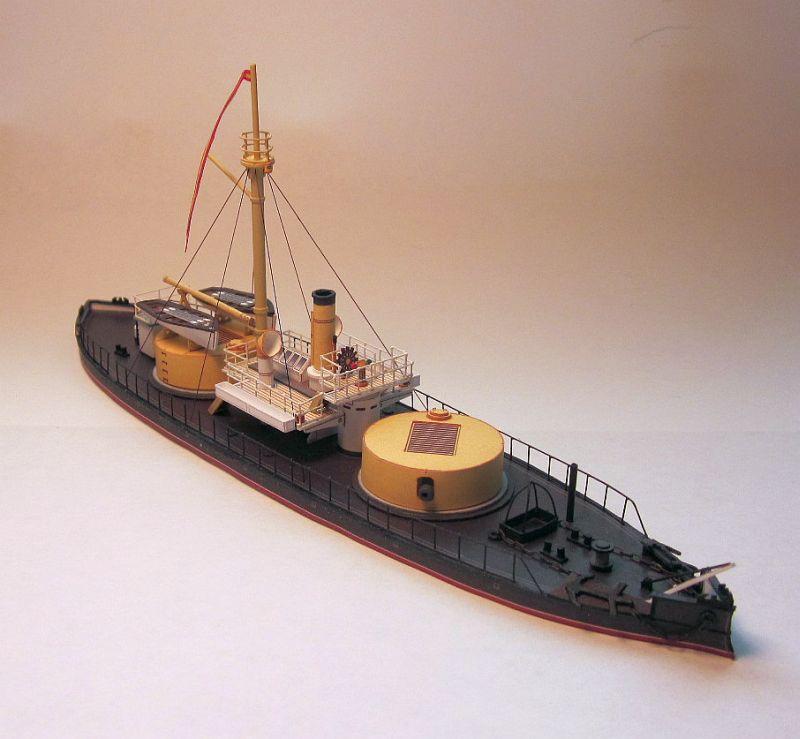
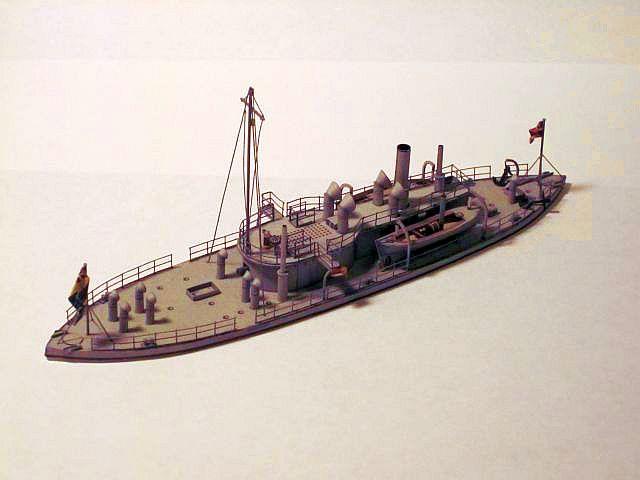
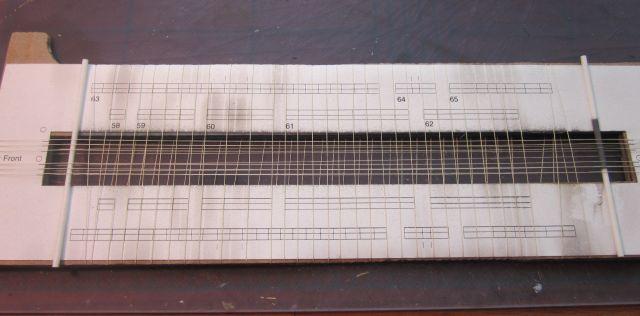
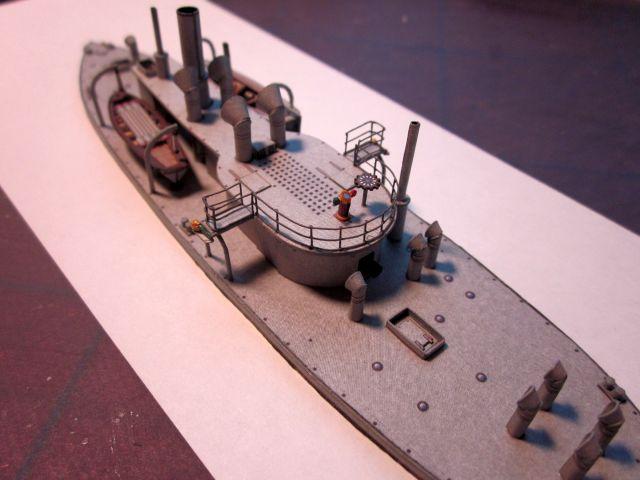
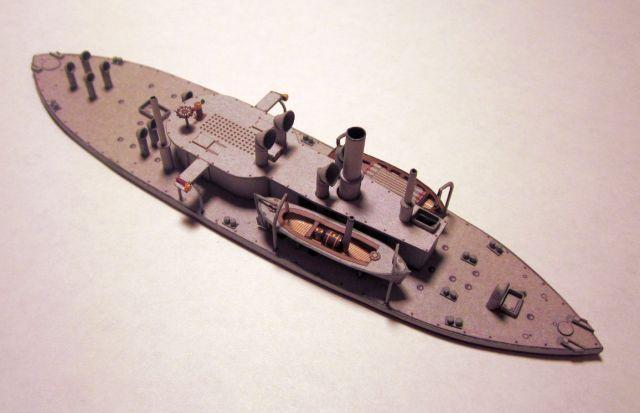
And before you know it, it's done! Actually, I didn't take many pictures during construction because I was in some haste to get this model finished in time for a convention. So, here it is. The railings are made from thread using the supplied jig and the technique mentioned in my log for Folke. Thanks for looking!
- 10 replies
-
- 7
-
-
- puigcerda
- paper shipwright
- (and 2 more)
-
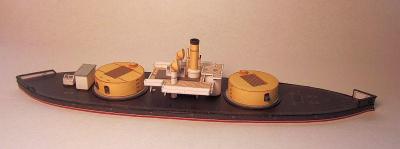
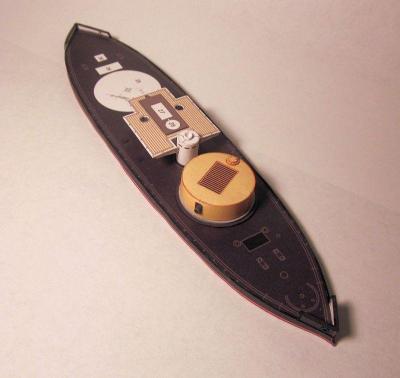
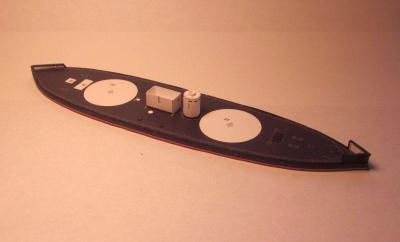
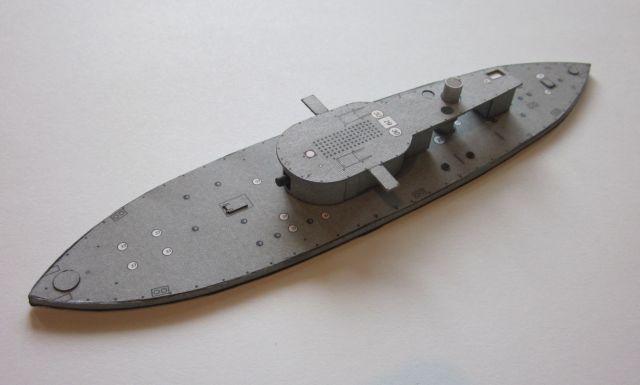
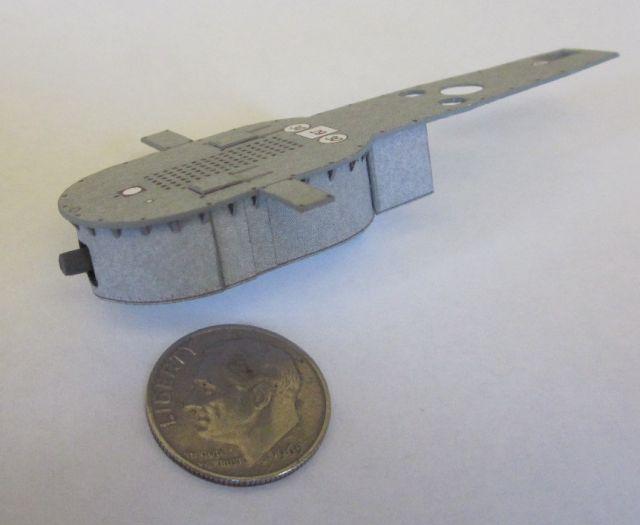
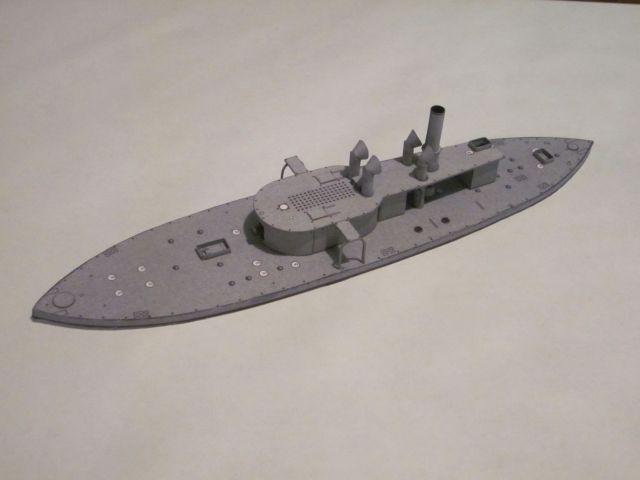
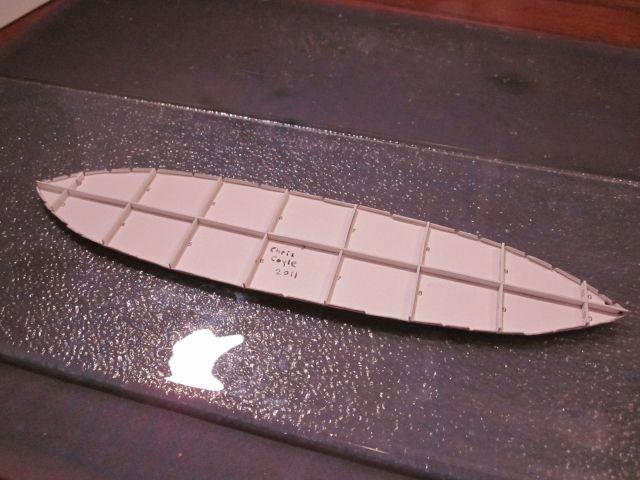
One of the hardest parts of building these small monitors is getting the hull right. Everything after that is gravy. The difficulty is due primarily to the very low freeboard and the necessity of preventing warpage. I tack the hull base plate to a small sheet of glass to hold everything flat during construction. The kit includes optional dressing belts, which I included; these are fairly difficult to install because of their extreme length and narrow width. Once the basic hull is complete, the addition of the superstructure and turrets goes rather quickly.
- 10 replies
-
- 4
-
-
- puigcerda
- paper shipwright
- (and 2 more)
-
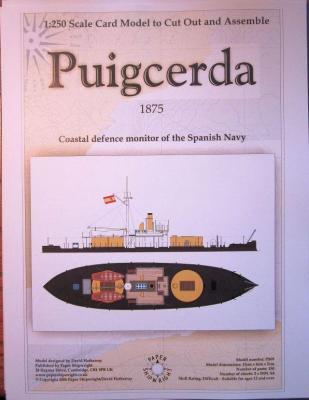
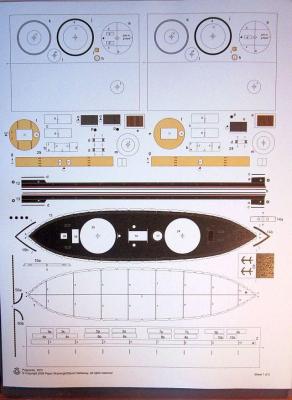
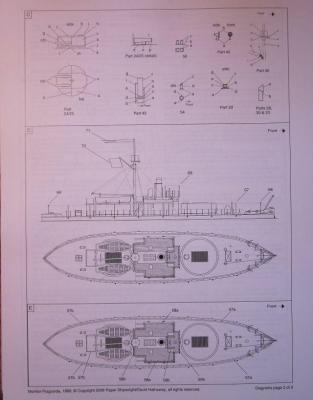
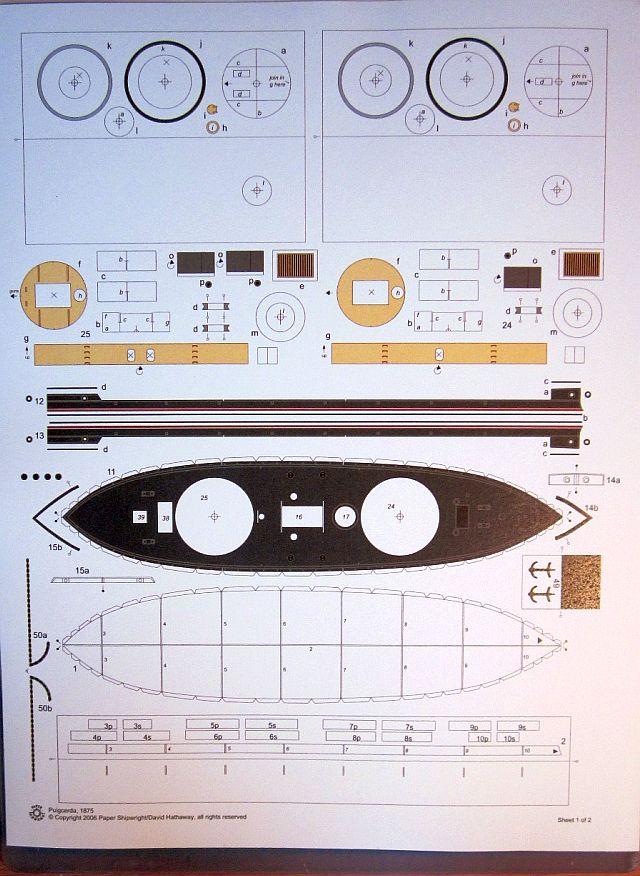
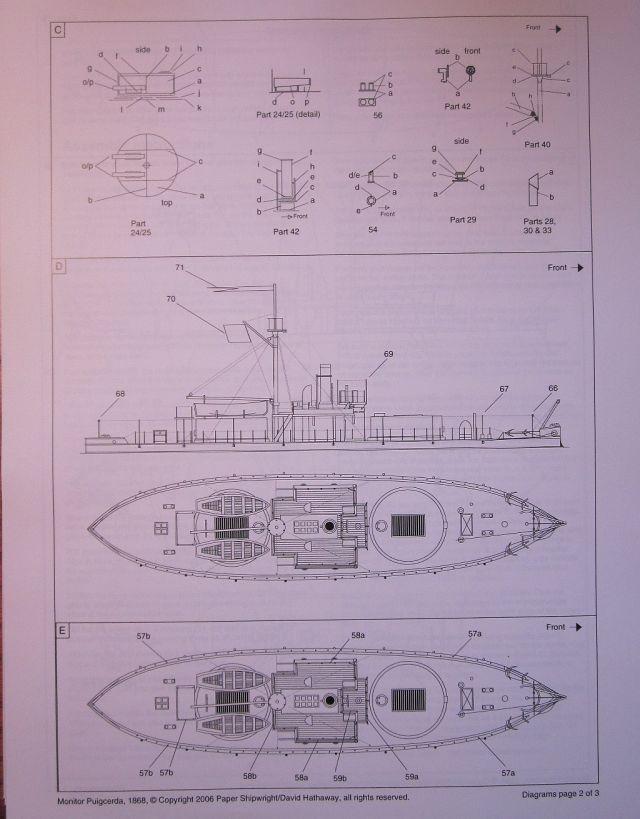
The Spanish monitor Puigcerda (named for the city in Catalan and the only monitor ever to serve in the Spanish navy) was commissioned in 1875. She displaced 553 tons and carried three bronze muzzle-loaders, one of 12 cm and two of 10 cm. After brief service during the Third Carlist War, she was laid up until the Spanish-American War in 1898. Re-armed with two 16 cm guns and two 12 cm guns, she patrolled the Vigo River during that conflict. She was sold out of the service in 1900 and converted to a civilian steamer. Puigcerda is another of the excellent offerings from Paper Shipwright. Designer David Hathaway's models are well regarded for their fit and detail. Despite their small size and relatively low parts count, builders should have some experience working with card due to the number of very small parts. My kit was a laser reprint sold by Paper Models International; their website is still up, but hasn't been updated in ages. The kit includes several pages of parts, instructions, diagrams, and railing jigs.
- 10 replies
-
- 3
-
-
- puigcerda
- paper shipwright
- (and 2 more)
-
The model goes together relatively quickly and makes an interesting finished product. It is by no means a difficult model compared to what else is available in card model subjects, but it does have a fair amount of small parts, so builders should have some experience working with card before attempting this or other Paper Shipwright subjects. Cheers!
- 6 replies
-
- 5
-
-
- paper shipwright
- folke
- (and 1 more)
-
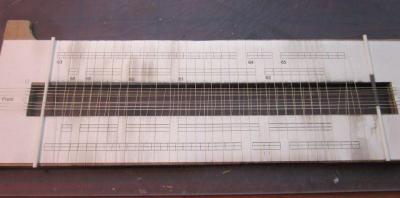
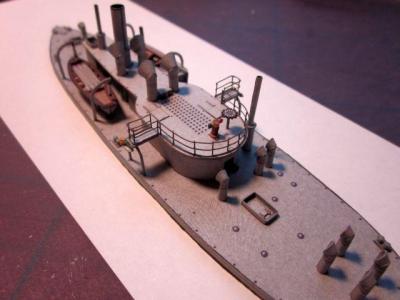
The railings are made by gluing the template to a piece of stiff cardboard, then wrapping quilting thread (very little fuzz) around the template. I wick some CA glue into the thread to fix the joints and stiffen everything, then spray the railings with an appropriate color. In this case, gray primer was perfect. The CA-stiffened thread trims nicely and is easy to bend where necessary.
- 6 replies
-
- 1
-
-
- paper shipwright
- folke
- (and 1 more)
-
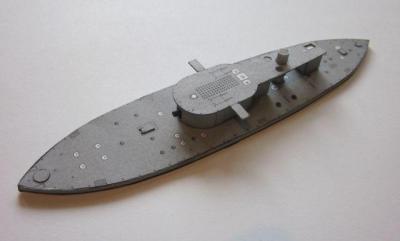
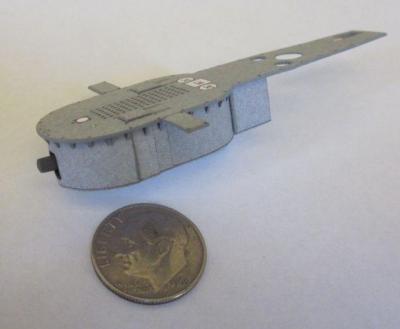
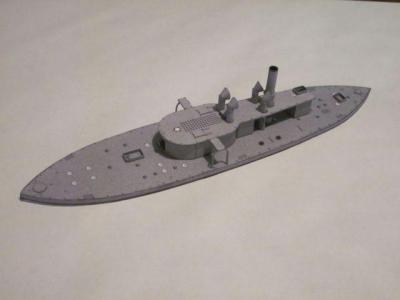
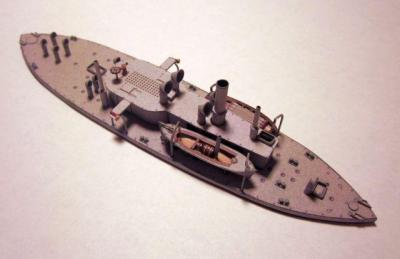
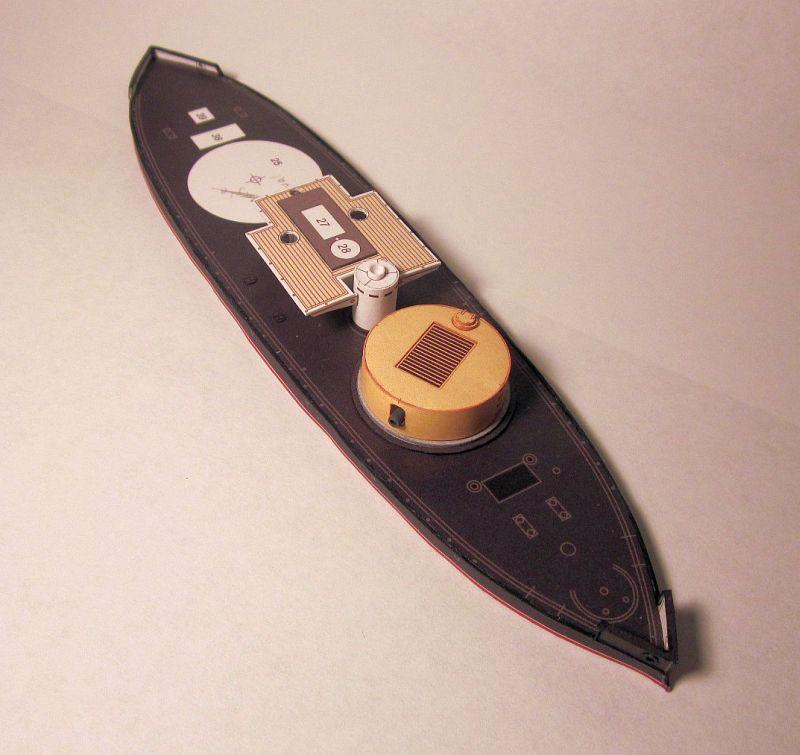
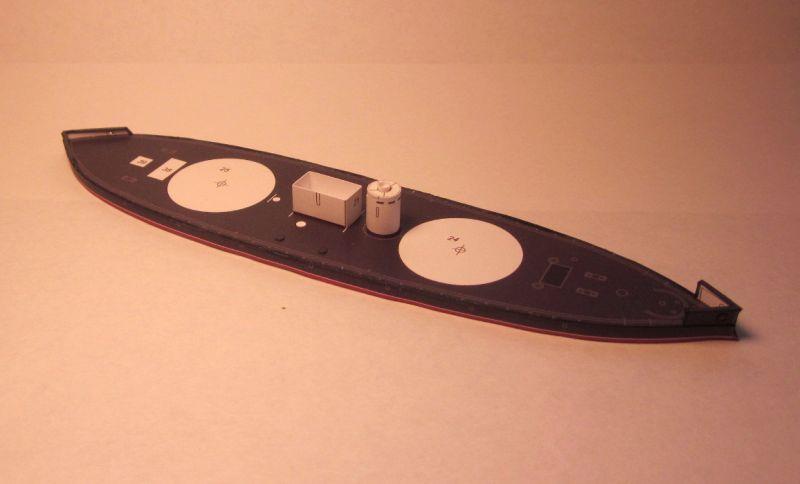
Next up is the addition of the hull superstructure. Once the turret is in place, the remaining build consists of adding various deck details... ...until the job is basically done, except for the railings. Not much to it on such a small subject.
- 6 replies
-
- 1
-
-
- paper shipwright
- folke
- (and 1 more)
-
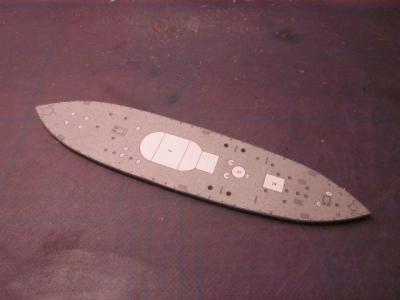
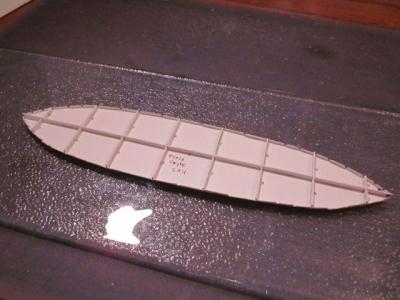
I built this model in the spring of 2011. Folke was one of a small class of monitors built for the Swedish navy. Alone among her sisters, she carried her main gun facing aft, the idea being that she could cover a flotilla in the event of a withdrawal. My particular kit is the laser reprint sold by Paper Models International, but the model can also be purchased directly from Paper Shipwright. Owner David Hathaway has designed a number of monitor kits, as well as a variety of working craft. These kits are well-regarded in the card modeling community for their fit and detail. The kit includes the printed parts on two sheets, instructions, diagrams, and railing templates. Step one is to build up the egg-crate style hull skeleton and attach the deck and sides, all temporarily affixed to a sheet of glass to prevent warpage.
- 6 replies
-
- 1
-
-
- paper shipwright
- folke
- (and 1 more)
-
Same designer, likely to have roughly the same level of detail. Go with whichever one makes your heart beat faster.
-
Nice work! Seeing it makes me want to get back to work on my own HMS Fly. Cheers!



Our Emblem ®
