
DONATION DRIVE - SUPPORT MSW - DO YOUR PART TO KEEP THIS GREAT FORUM GOING!
×

woodrat
-
Posts
835 -
Joined
-
Last visited
Content Type
Profiles
Forums
Gallery
Events
Everything posted by woodrat
-
 Yes Mark and Carl. It sounds too risky to use a laser printer. However, sails are a long way off. I have to draw up a sail plan. Fortunately I will be able to stand on the shoulders of giants to do this. The important thing is to remember that this is a mediterranean vessel and should be rigged as such. Sailors in the northern seas did things rather differently. Consequently, I will not be using deadeyes for this vessel and the standing rigging will look strange to some. Dick
 -
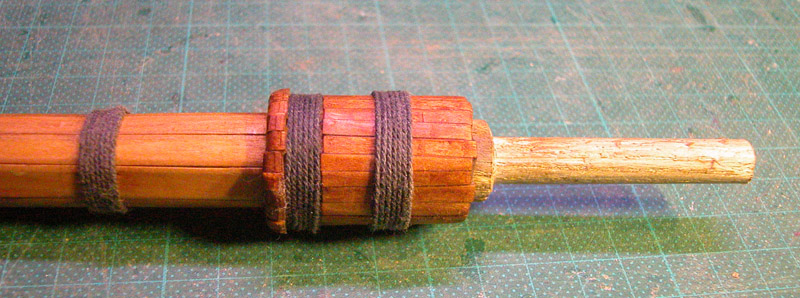
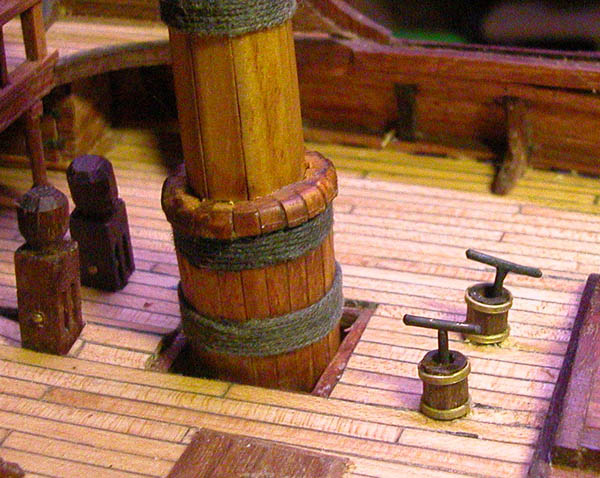
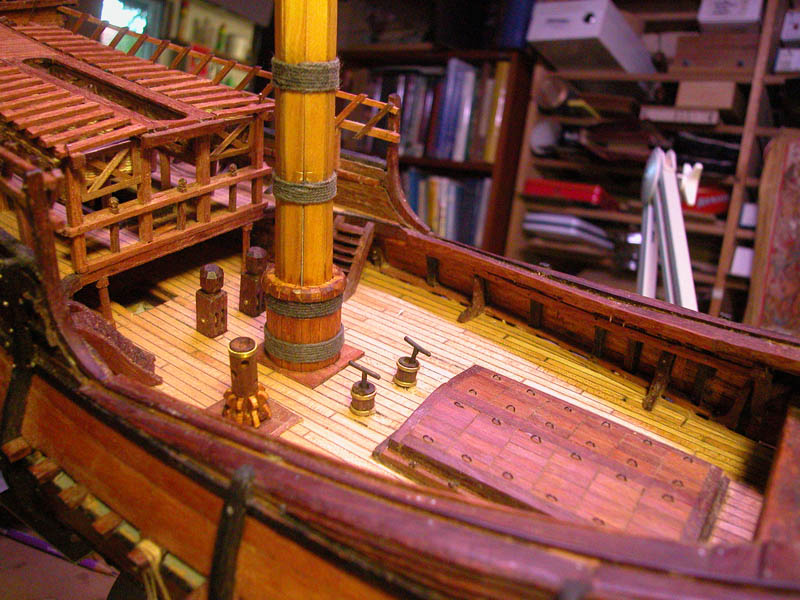
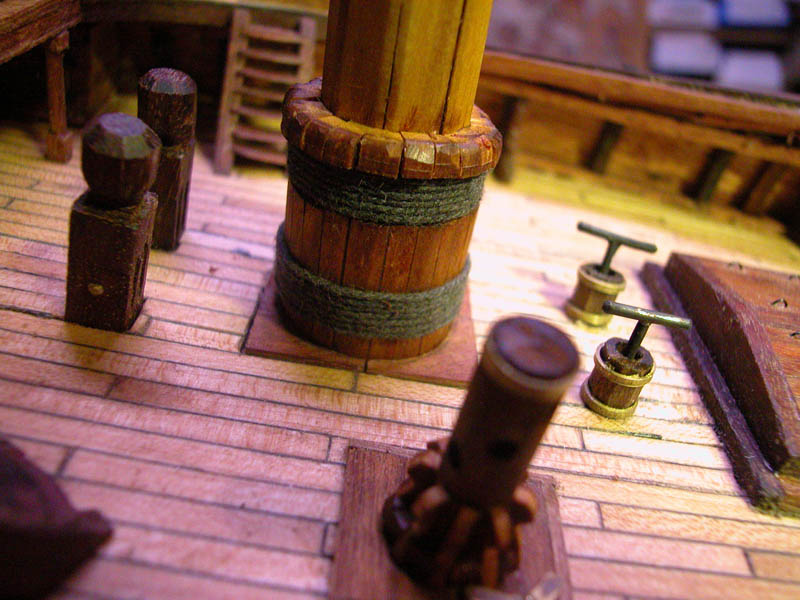
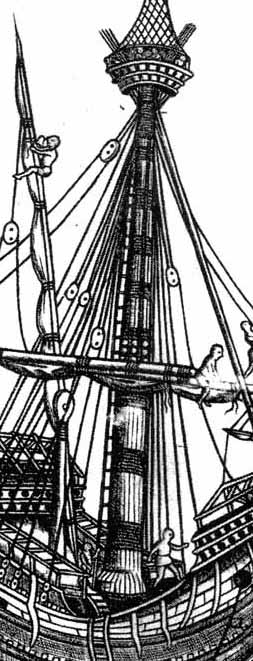
Have received my Silkspan and will experiment. Can you use a laser printer to print on Silkspan? Here are some pics of the typical mediaeval arrangement of huge wedges for the mainmast at the partners and the reinforcing wooldings. There were many variations on this . I do not exaggerate the size of the wedges: I need to go away and make some mediaeval blocks. Cheers Dick
- 632 replies
-
- 14
-

-
Thanks, Druxey. I will get some and experiment. Dope or fibreglass resin for stiffening? Dick
-
Thanks, Druxey. I dont have the Sea watch Books but maybe I should. Silkspan looks a bit stiff? Jesse, great idea with the balloons to give the sails a bosomy canopy. Presumably after drying you could cut the edges to shape. I am a long way from sails yet so I will look for more tricks on MSW as Steven suggests. Dick
-
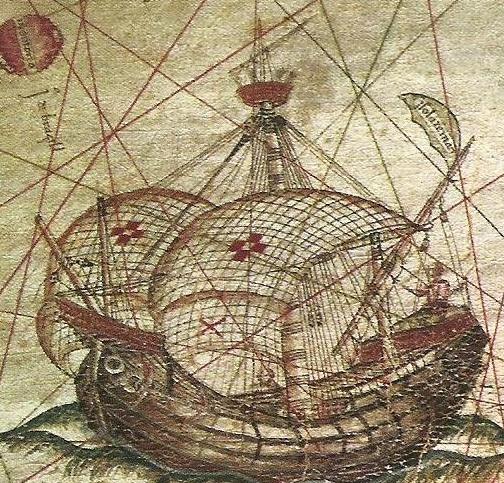
The problem is how to reproduce the bellied out appearance so characteristic of the carrack. It was thought by many experts last century that this was an exaggeration by artists but the ballooned out appearance is consistently shown. How do you cut the fabric to allow this? What fabric to use that would look like real canvas to scale. ? silk. How to stiffen it? glue hairspray plaster of paris. Is it all too hard to do? Dick
-
Thanks Steven, Jesse and Druxey and to all of you who have been following this thread. Your support spurs me on. This largely completes the hull build and now I can tackle (pardon the pun) the masting and rigging. There are good research publications on mediaeval rigging and this should be fun. I am still tossing up whether to display her under sail or furled but am tending toward the former. Cheers Dick
-
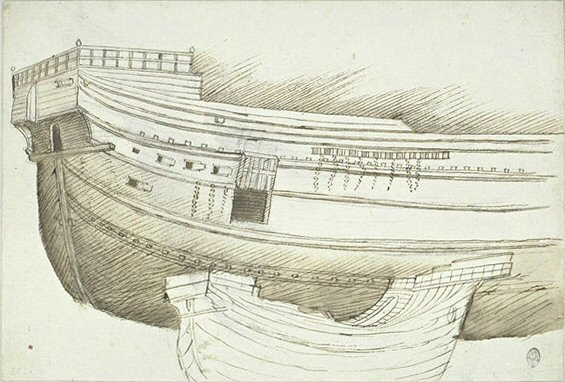
Thanks Steven and Carl. There aren't many but the illustrations I have managed to find show the port opening as shown and at least one shows a rope leading up to the rail. It would close by gravity and be probably held with a crossbar inside.To have it opening the other way would be hard to close by pulling from inside. This drawing is probably of a model and seems have the port on the starboard side! Thanks Dick
-
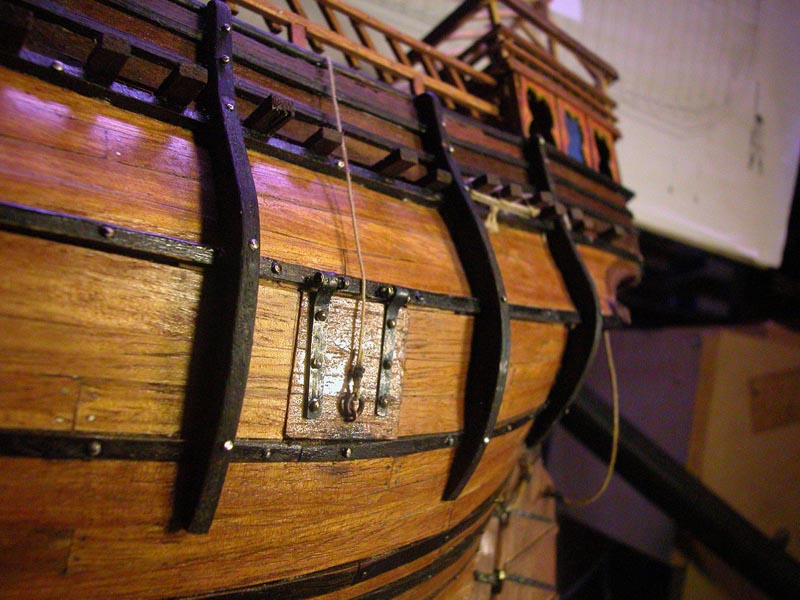
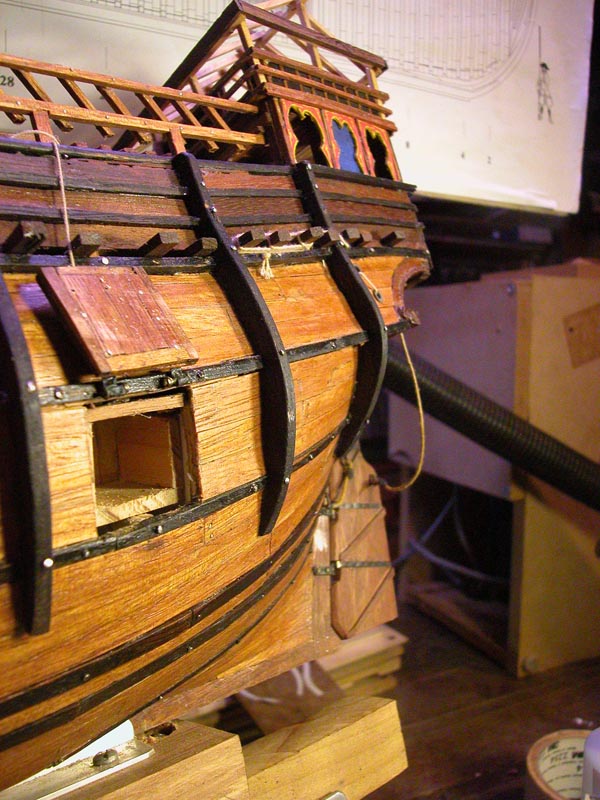
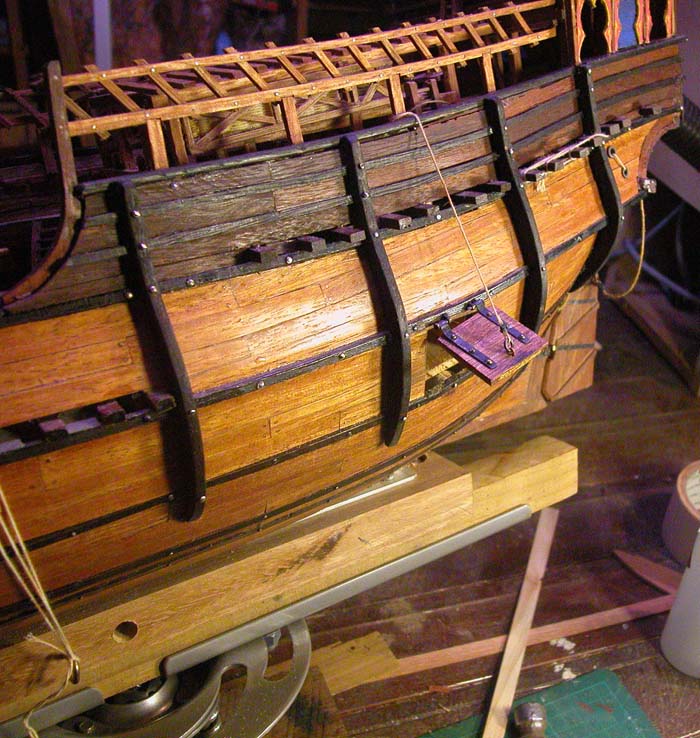
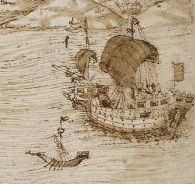
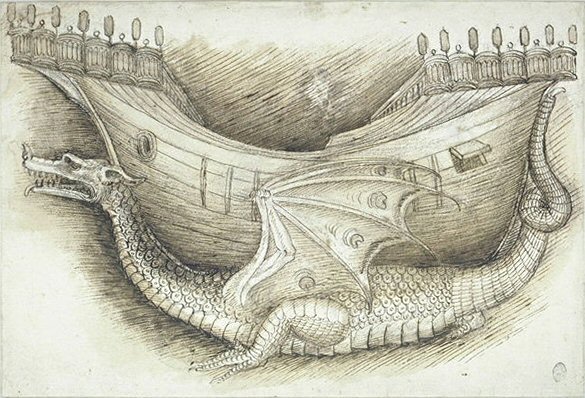
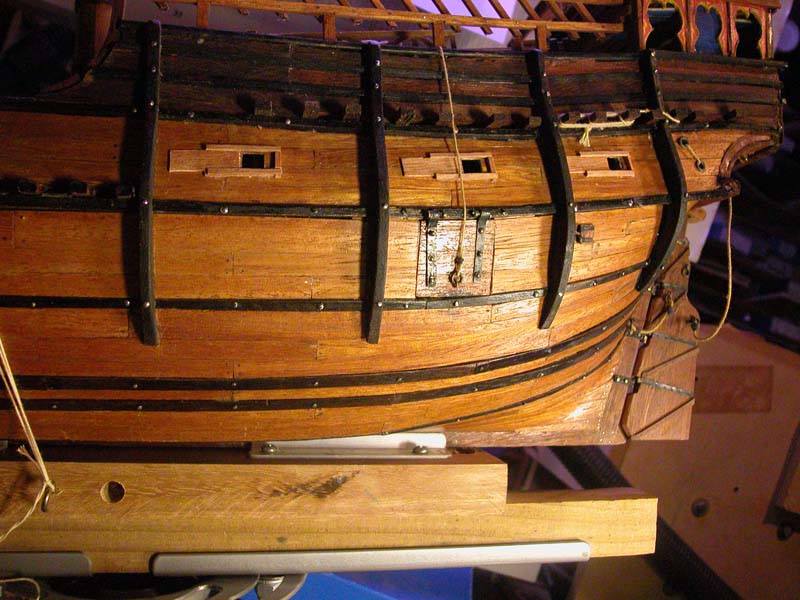
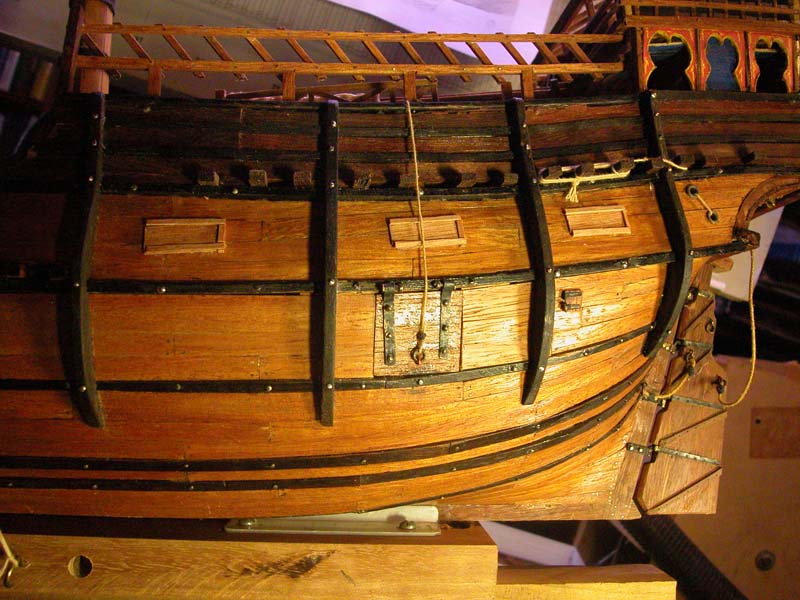
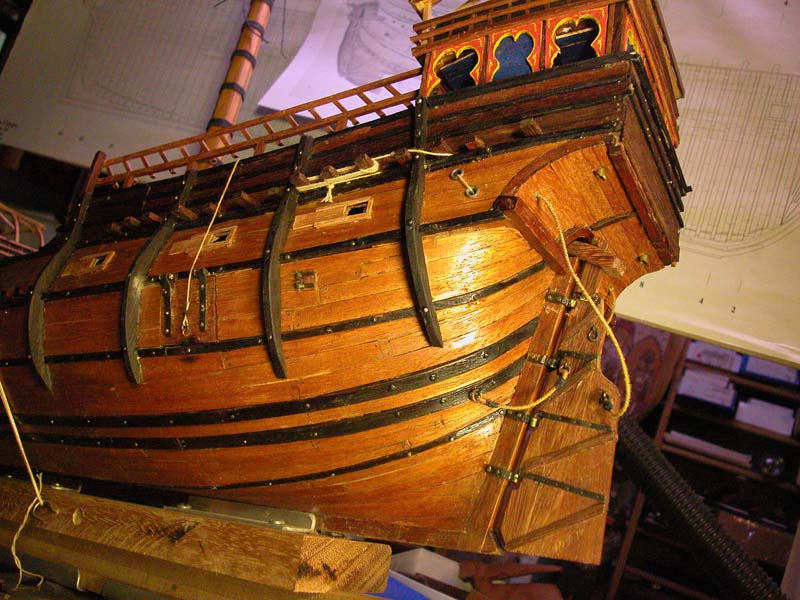
The loading port. The origin of the word port (opposite to starboard) is the loading port. In the days of the steerboard it is said that a vessel could not tie up at a jetty on the steerboard side for fear of damaging the steerboard and so the loading port was put on the opposite side, hence port and starboard Many 15th century illustrations show the loading port. Cheers Dick
- 632 replies
-
- 11
-
-
Thanks, Steven. I have cranked up the old ropewalk and hope to lay down some line soon. However there are a few finishing touches to do on the hull, namely the loading port and ventilator scuttles in the aftercastle. Dick
-
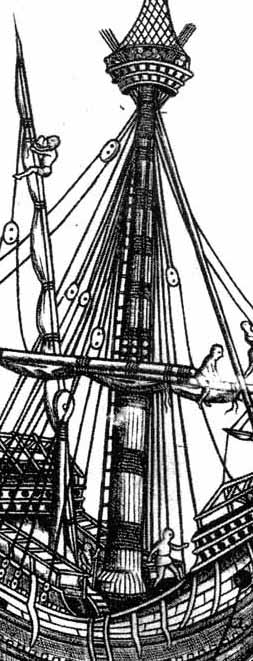
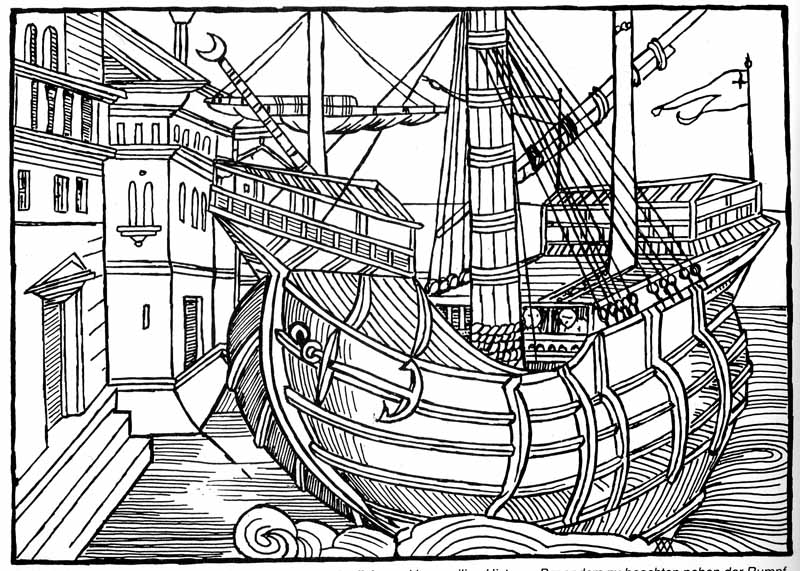
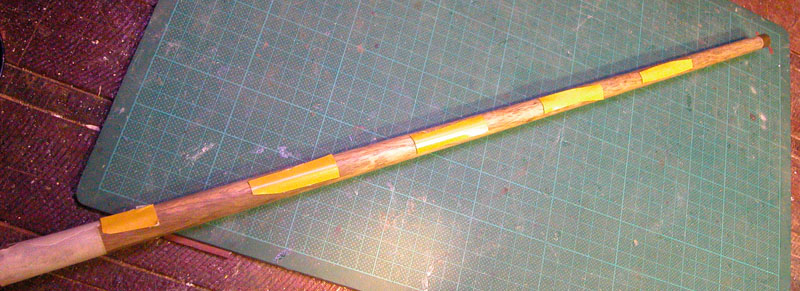
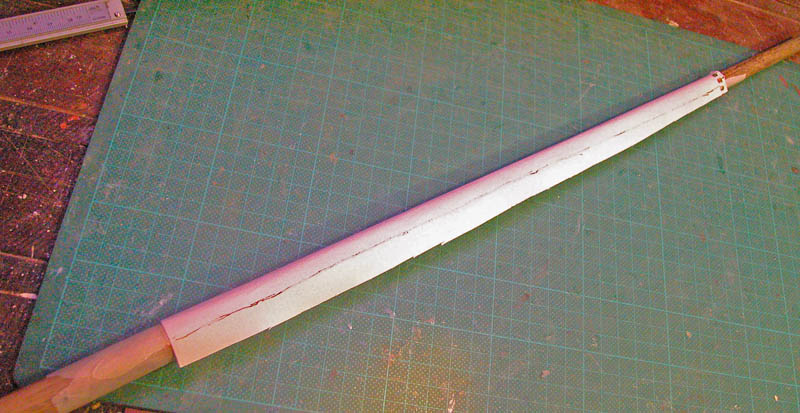
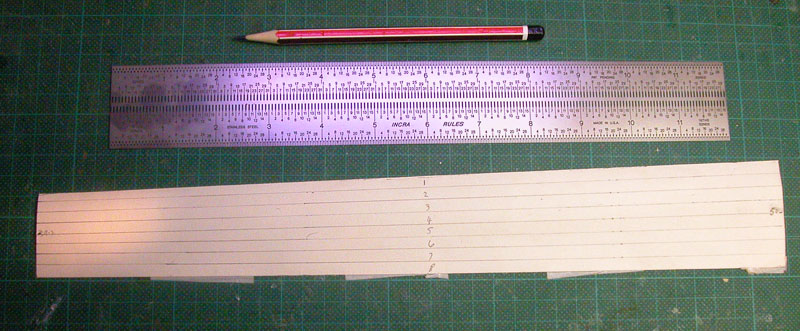
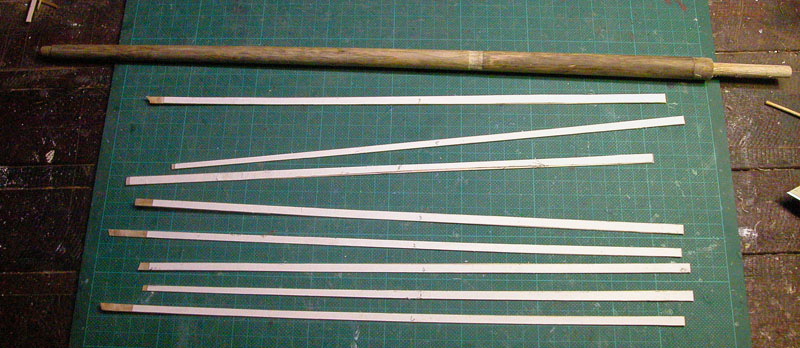
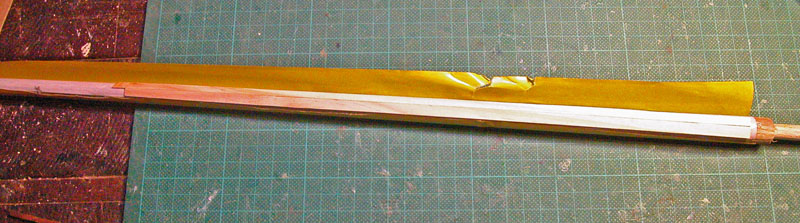
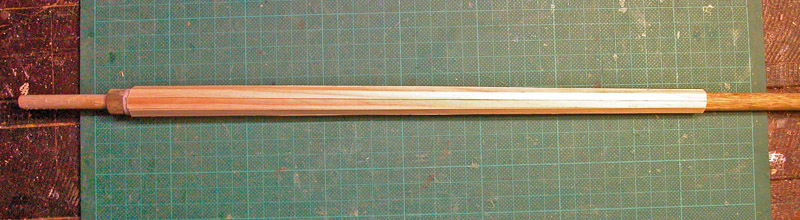
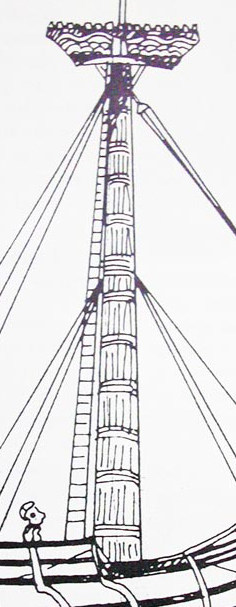
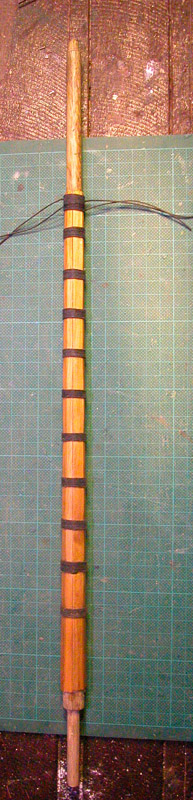
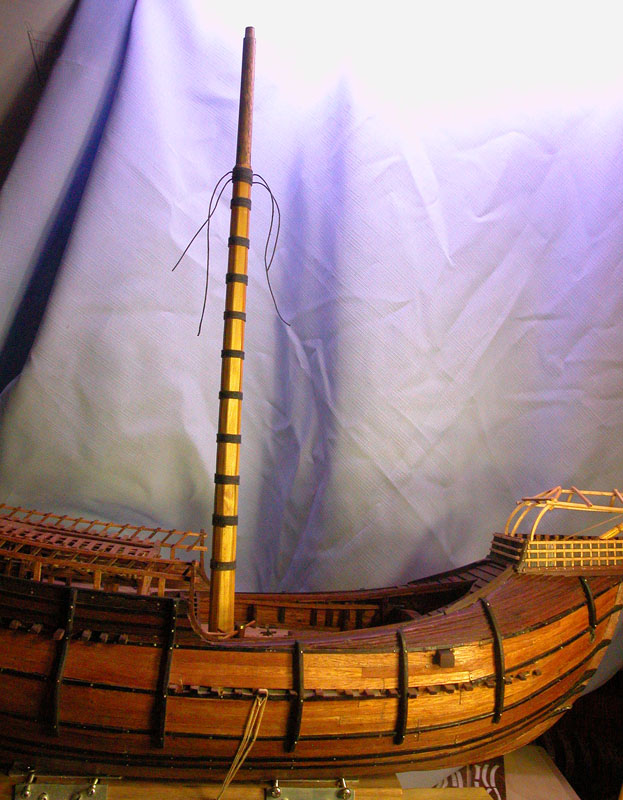
The mainmast. This tapered mast is often undersized in carrack models. Contemporary illustrations show a very substantial mast made even thicker at the base by long wedges inserted vertically into the partners. Although, as discussed previously, the mainmast was usually a built mast with a central spindle and at least eight outer spars, I did not have the carpentry skills to reproduce this in miniature. Therefore I chose to fudge it just a little while maintaining the look and feel of a mediaeval built mast. Many illustrations show the longitudinal lines along the mast that you would expect if the mast was built and not a single spar. or note the wooldings I started with a tapered spar Made a paper template Made strips with the template so that I would end up with eight tapered strips Glued the strips to pine strips Stuck the pine strips to the mast with double sided tape Vessels with built masts had quite a variable number of rope wooldings to reinforce the mast. However they did not use wooden hoops above and below the wooldings as was seen in later periods. It may be that the ropes were reinforced with nails to prevent the ropes slipping. The completed mast Cheers Dick
- 632 replies
-
- 14
-
-
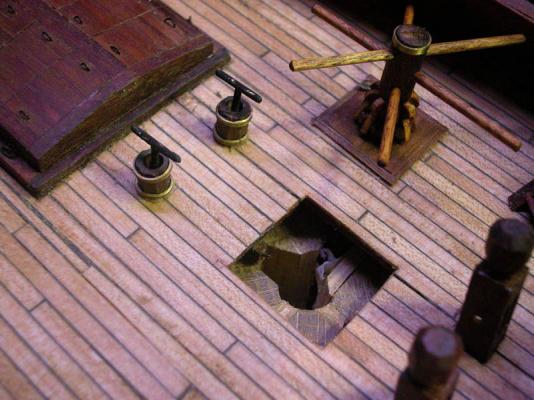
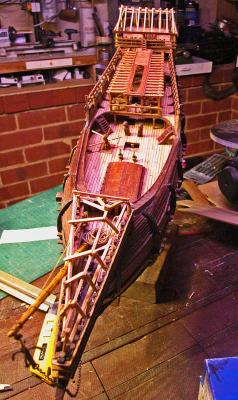
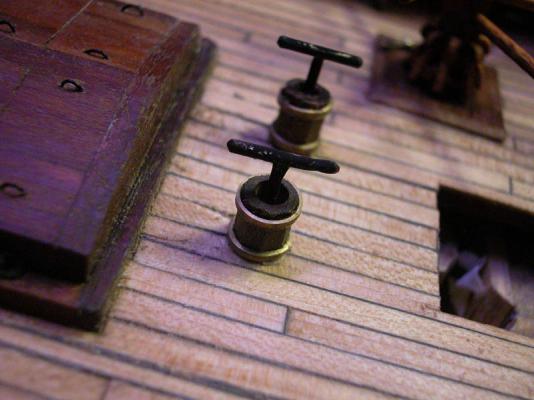
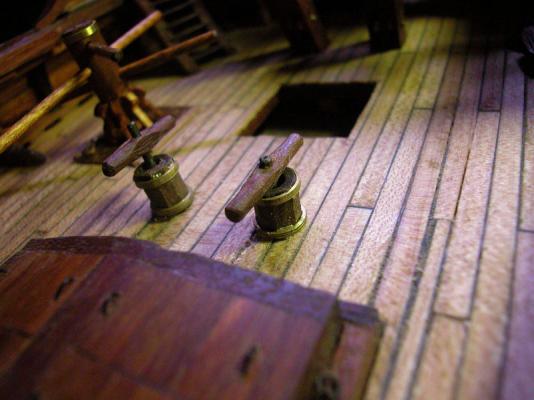
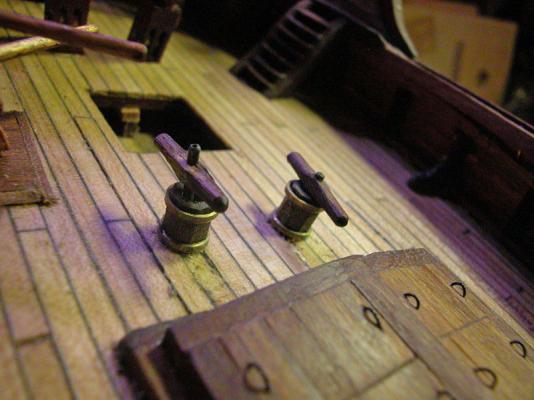
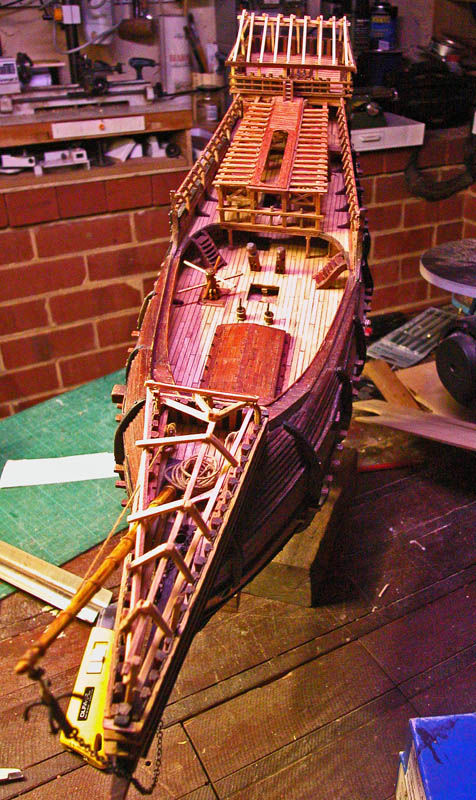
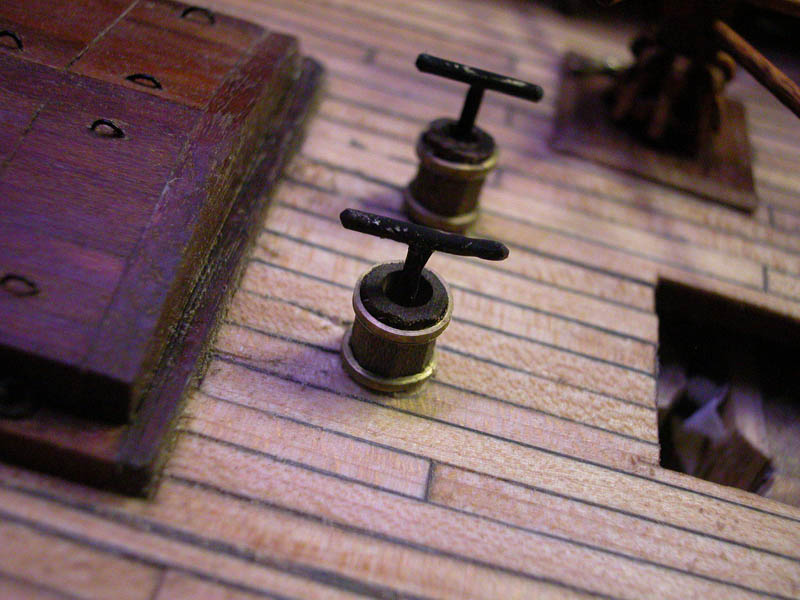
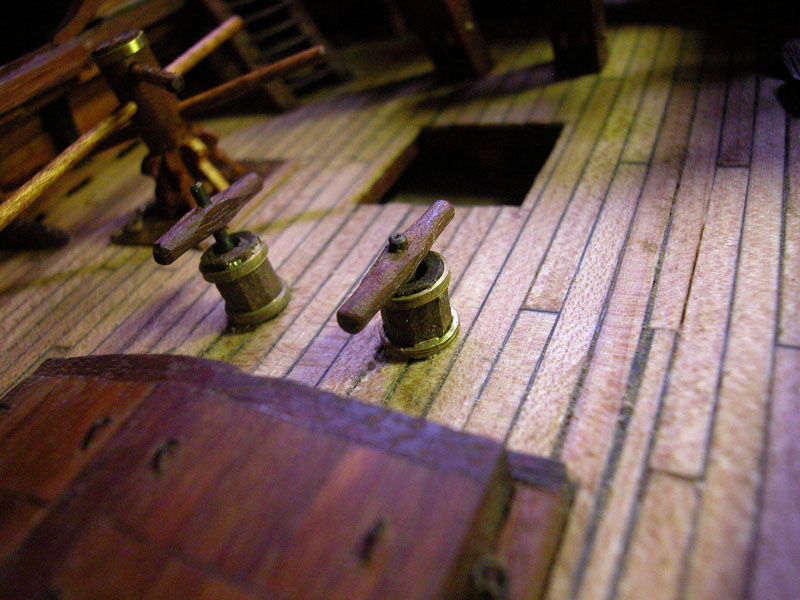
This the pumps with more realistic hand-grips note the asymmetry of the forecastle canopy to allow for the foremast and the bowsprit. Now to attack the mainmast. Dick
- 632 replies
-
- 13
-
-
Thanks, Druxey. I will thin them down. Those pumps must have been hell on the back and thighs!! Dick
-
The pumps are shown. I can find no evidence for a more complicated mechanism than this for the period. I think the pump handles are too thick. Dick
- 632 replies
-
- 11
-
-
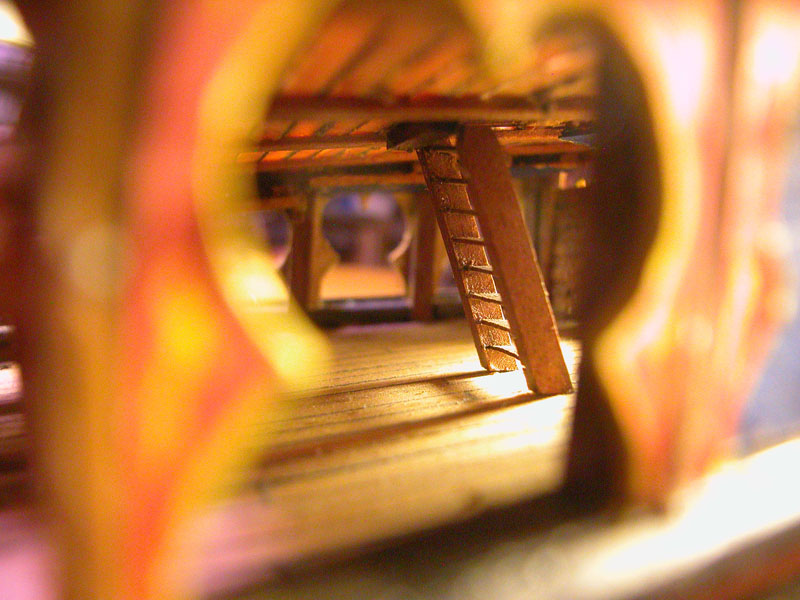
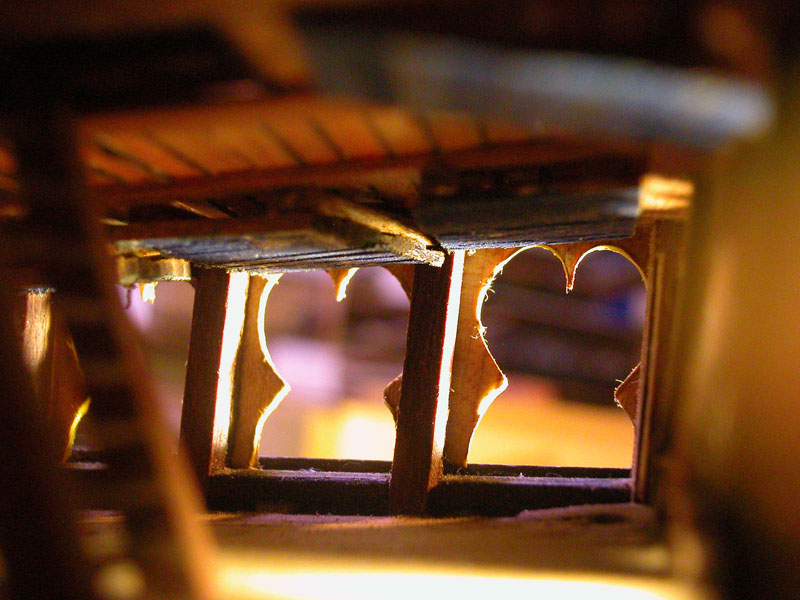
For all my photos I have used an old Nikon Coolpix 5000 digital camera. For these pics I shone a small LED torch through the windows and waited till the autofocus focused the desired bit. It didn't always work. Sometimes I post process with an image processing software but not for these images. I just reduced the image size and cropped. Dick
-
Thanks Steven and Jesse. Yes , I believe Zorzi sketched the vessel while in a slipway or dock. This would explain the incomplete planking on the main wales exposing the frames (see earlier discussion), the lack of masts and the lack of anchors. Also I would be loath to deride the ancient illustrators especially those drawing "from life". They are usually correct (vide Carpaccio) Cheers Dick
-
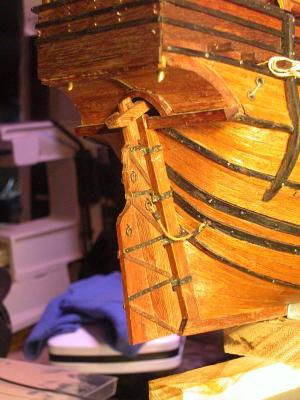
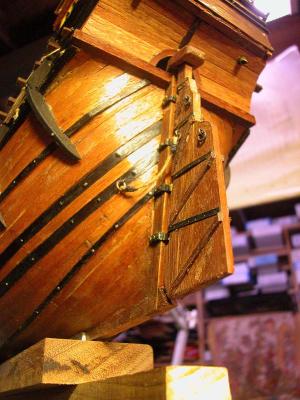
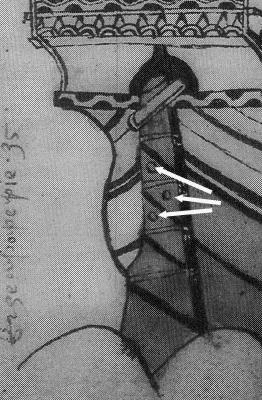
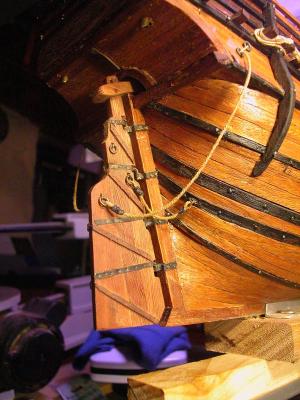
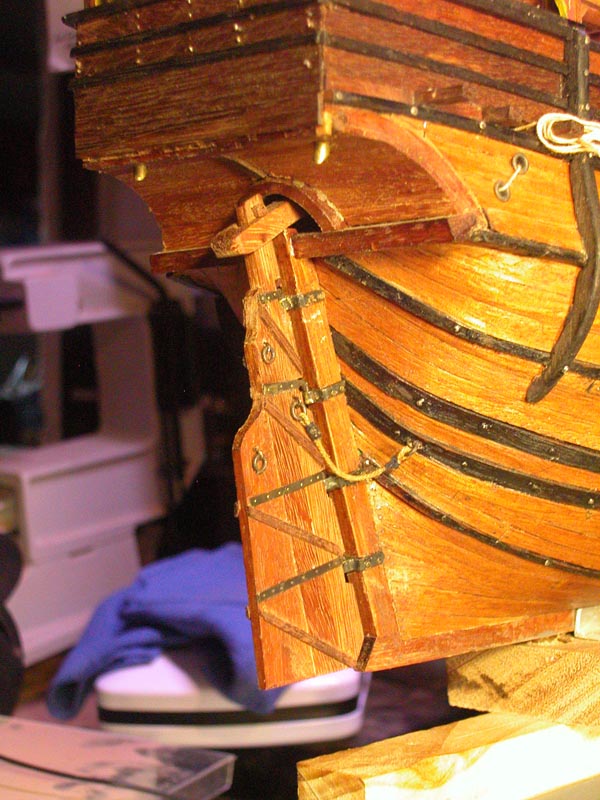
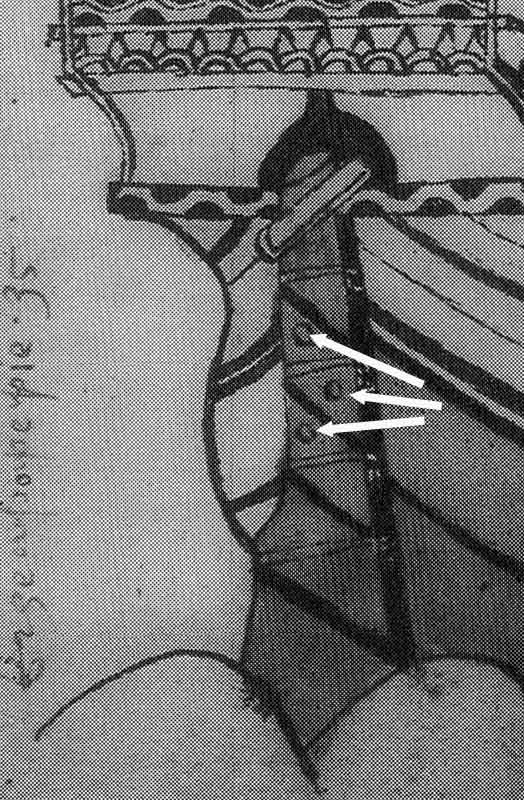
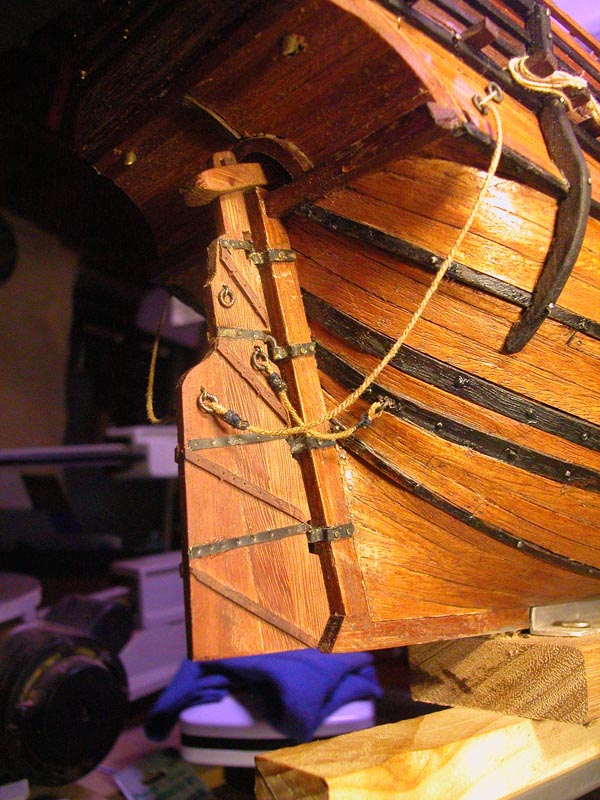
the three iron rings were I believe used for shipping the rudder and afterwards to attach rudder preventers A preventer is rigged A second preventer is led into the stern
- 632 replies
-
- 14
-
-
With this type of reconstruction, it is inevitable that future discoveries will make mine obsolete. Maybe it already is. But it's all about the journey, not the destination. Dick
-
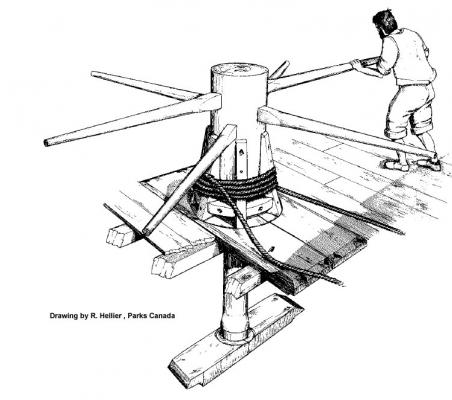
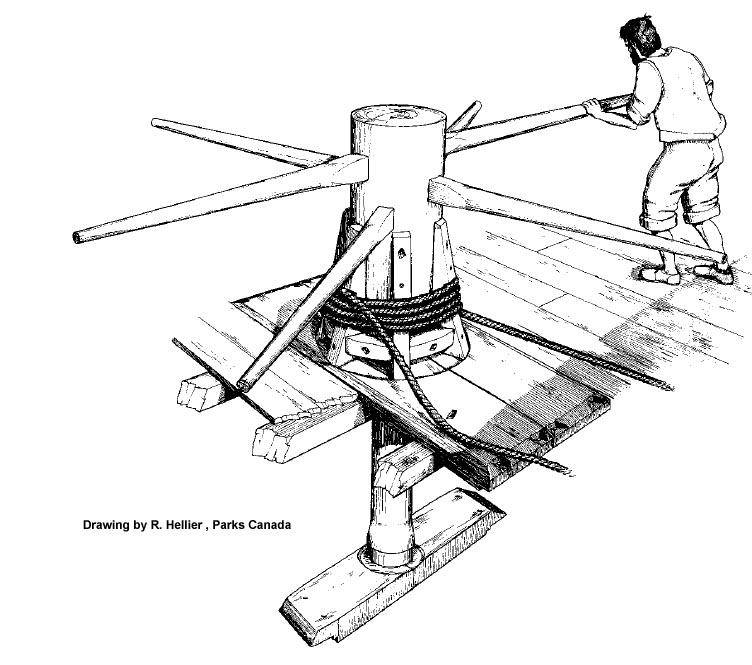
Thanks for the links. The Lomellina capstan is not sufficiently different to my capstan which greatly resembles the capstan found and reconstructed on the Red Bay Basque whaling ship of 1565. So I think I will leave the capstan as is. Maybe redo the bars. Dick
-
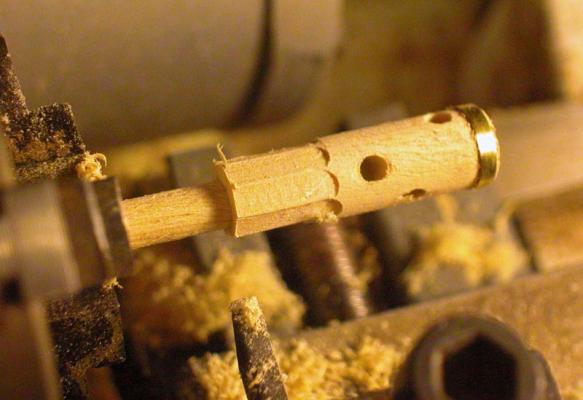
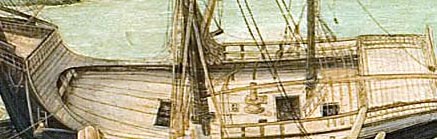
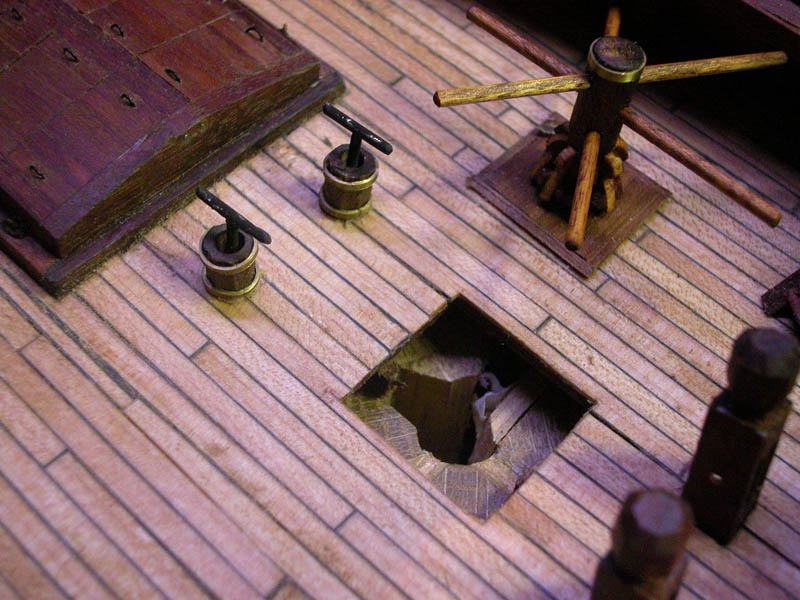
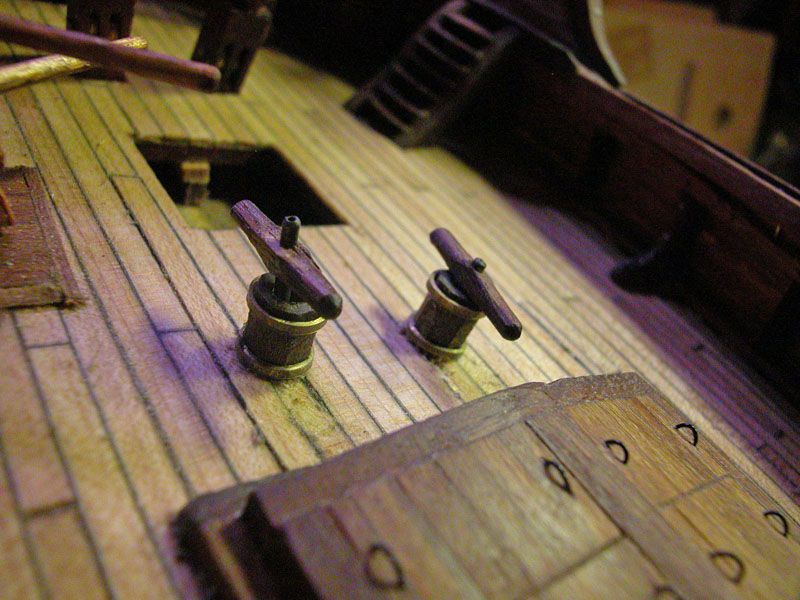
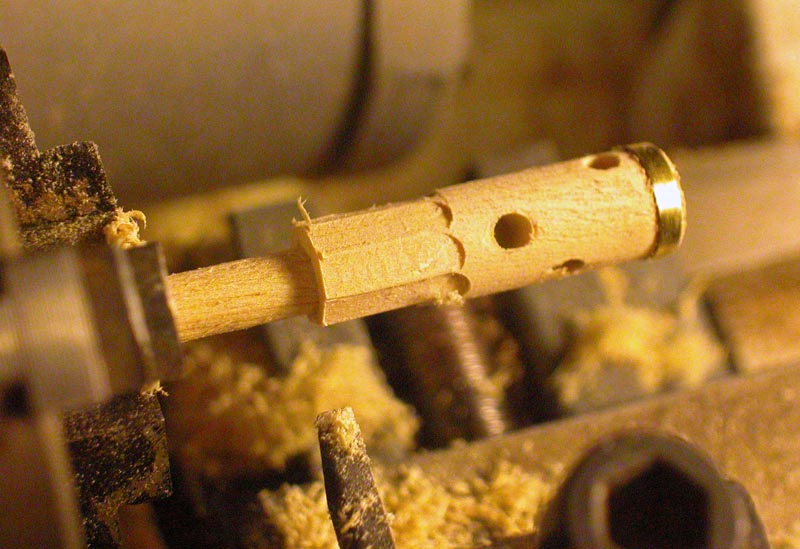
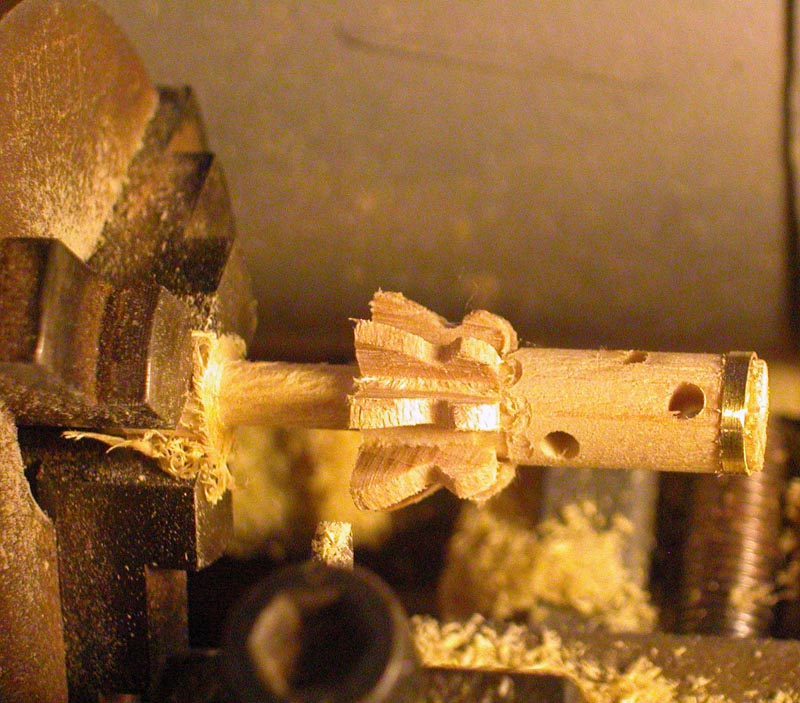
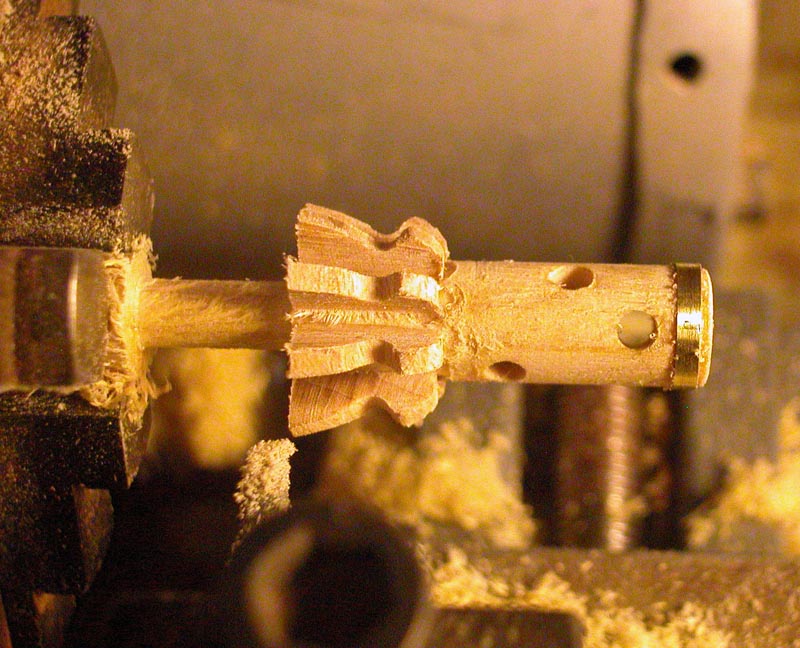
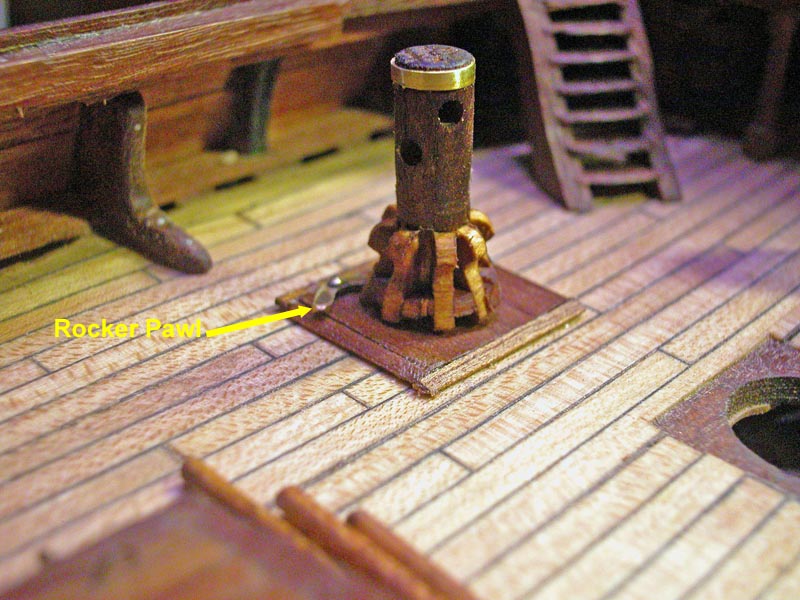
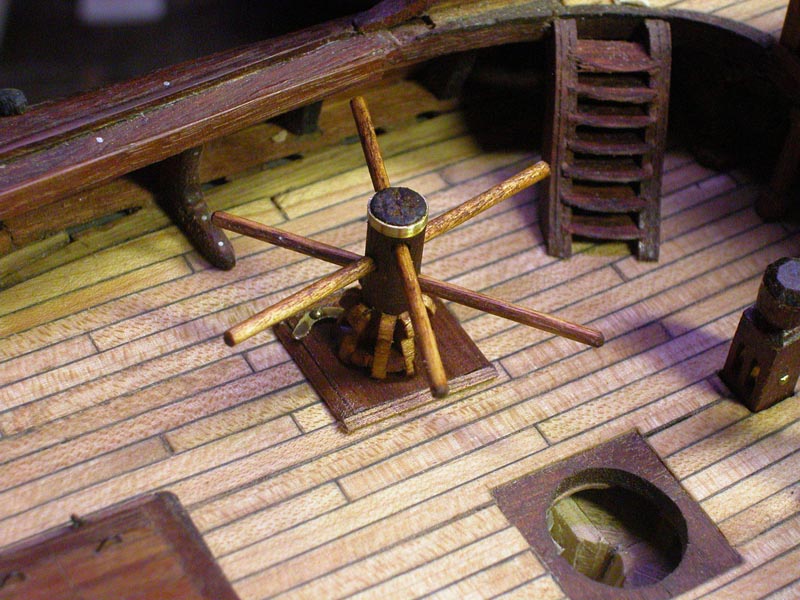
This is my concept of the capstan as it might have appeared. It is based somewhat on the capstan of the Wasa. The rocker pawl is a not unreasonable device for the period. The capstan will be used to assist raising the yard. this painting by Botticelli shows the capstan eccentrically placed in the waist Dick
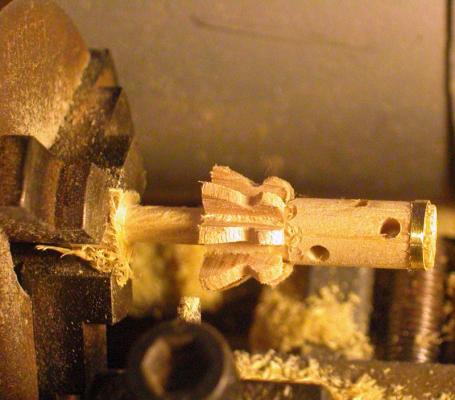
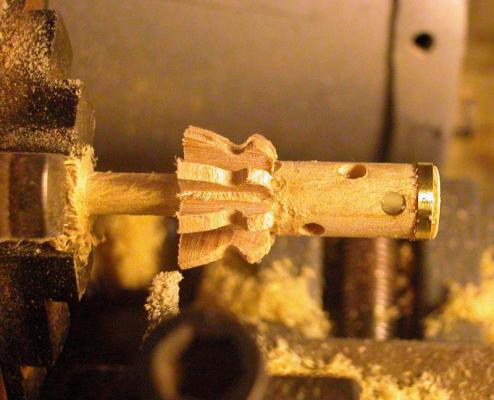
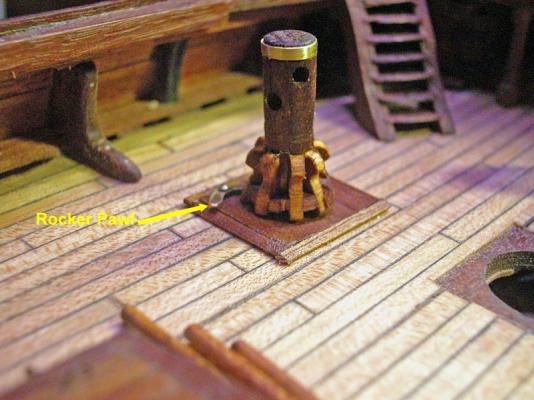
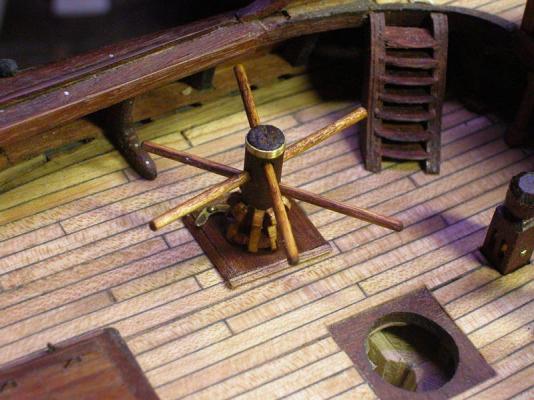
- 632 replies
-
- 14
-
-
The author's instructions for the Mariner's Mirror are downloadable as a .pdf from the web. I suspect I would be leaving myself open to a bunfight from the european and especially italian mavens of nautical architecture. But that might be fun! I have published in academic journals in the past and know there would be a lot of toing and froing with reviewers and editors, even if it was accepted. Glenn's opinion would certainly be valued. Dick
-
Thanks, Daniel. It was suggested by Dgbot earlier in this blog that it could be written up for the NRG magazine which could detail a little of the research and a lot of the build for ship modellers and I am considering this. Publishing it as a stand-alone publication would be rather presumptuous as I have no qualifications as a historian, nautical architect or archaeologist. Nonetheless, I may do it for myself and put it on the web somewhere. I wouldn't mind some feedback from someone in the nautical archaeology field. Is there anyone like that out there? Cheers

Our Emblem ®
