
HOLIDAY DONATION DRIVE - SUPPORT MSW - DO YOUR PART TO KEEP THIS GREAT FORUM GOING! (Only 53 donations so far out of 49,000 members - C'mon guys!)
×


rwiederrich
-
Posts
5,518 -
Joined
-
Last visited
Content Type
Profiles
Forums
Gallery
Events
Everything posted by rwiederrich
-
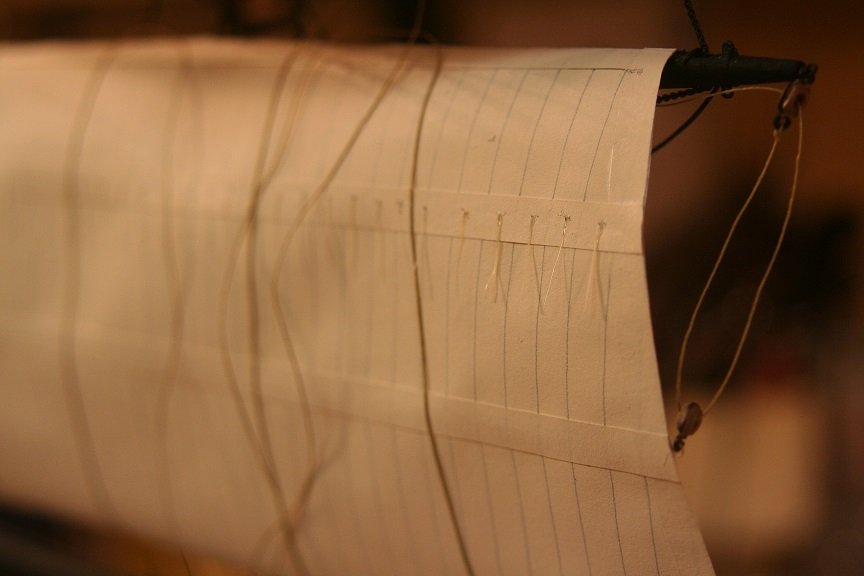
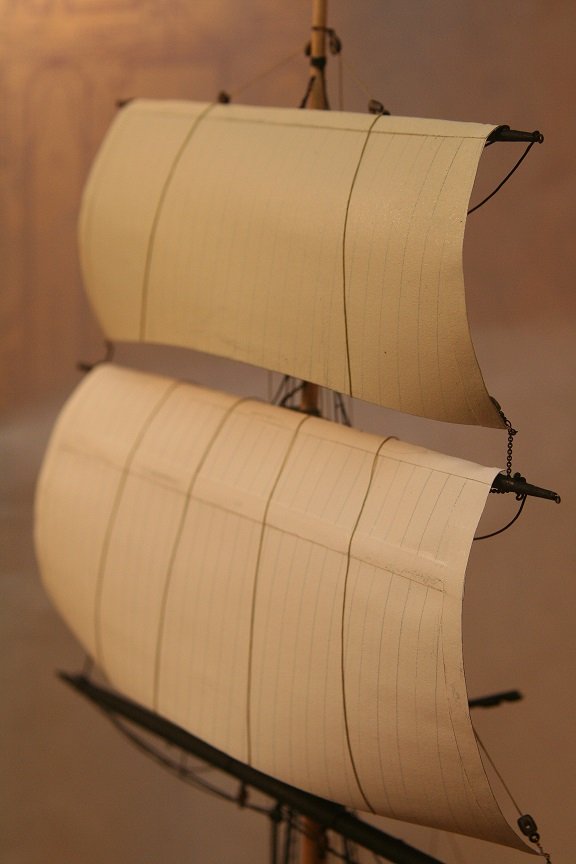
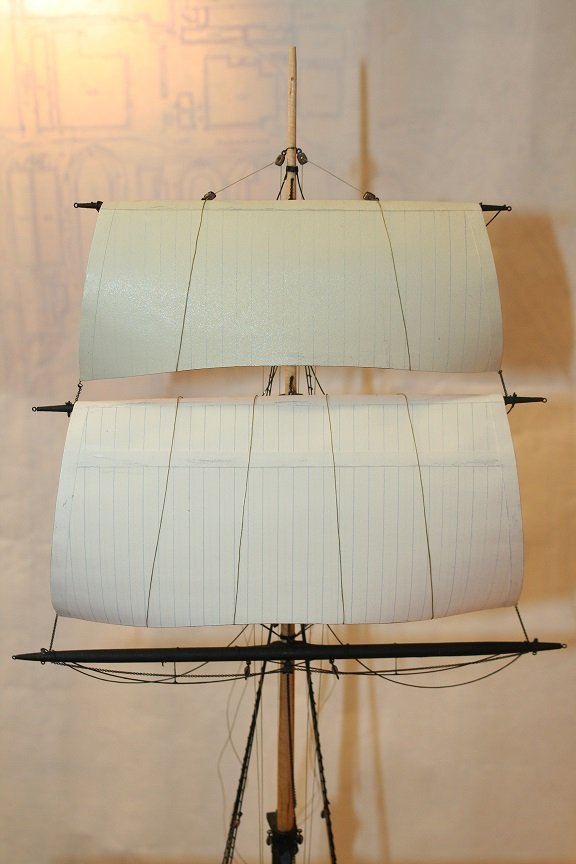
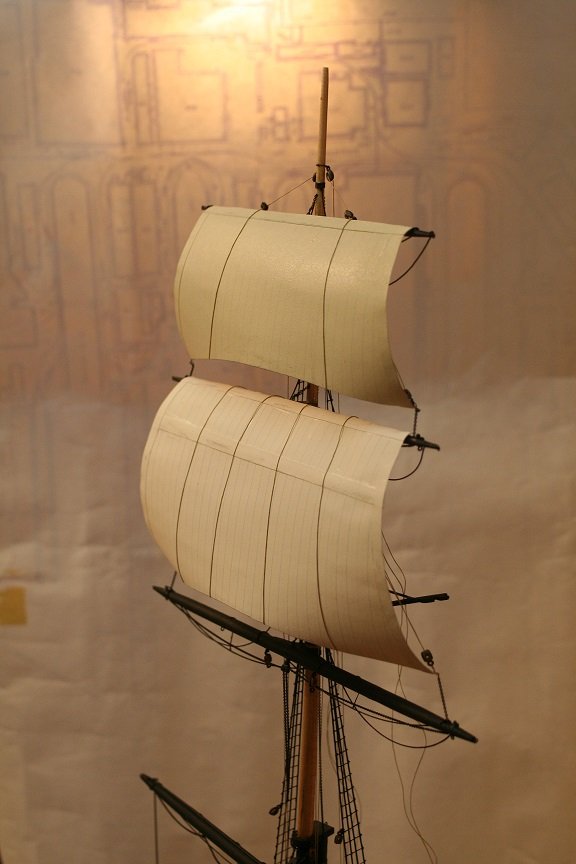
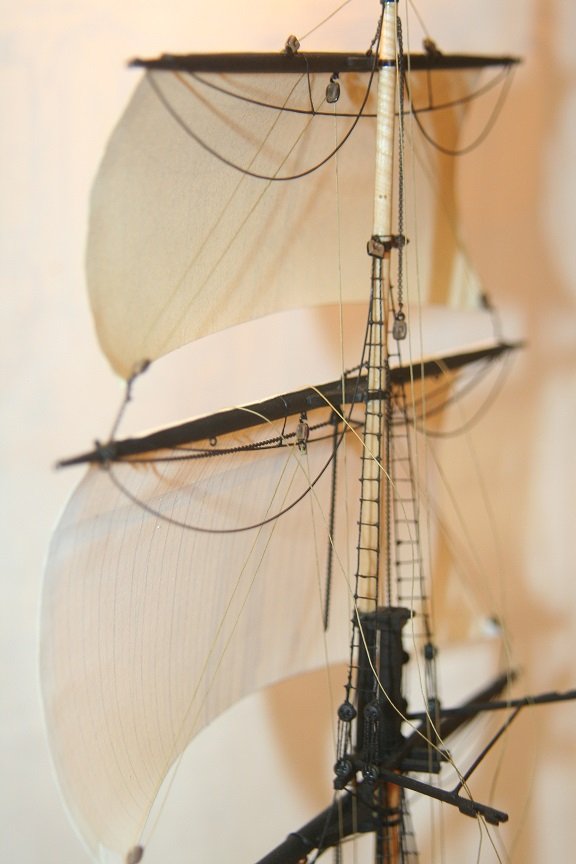
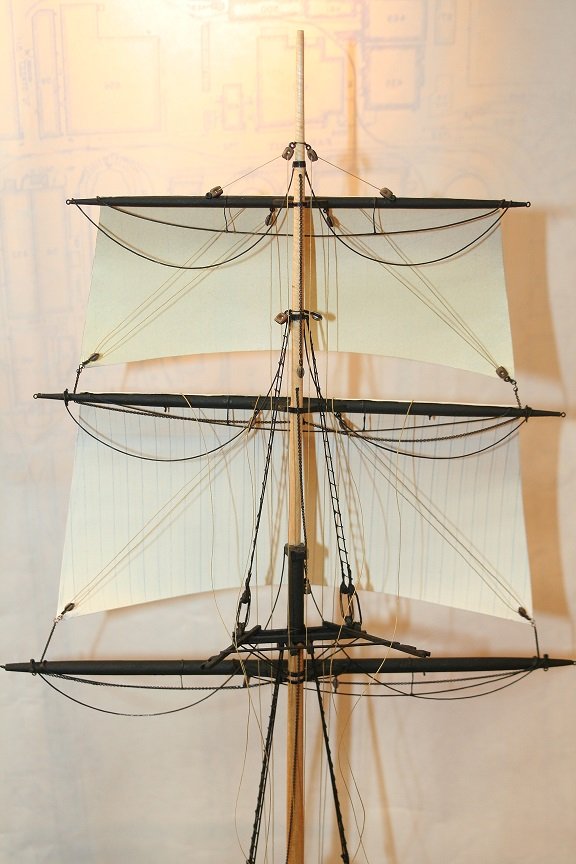
Next I spent some time making the upper topsail. Cutting, banding and painting...and adding the reef points.
- 1,208 replies
-
- 4
-

-
- great republic
- clipper
- (and 1 more)
-
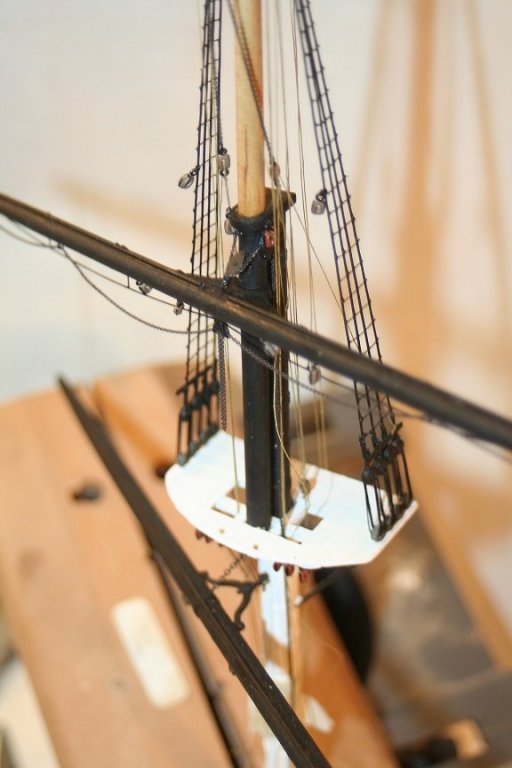
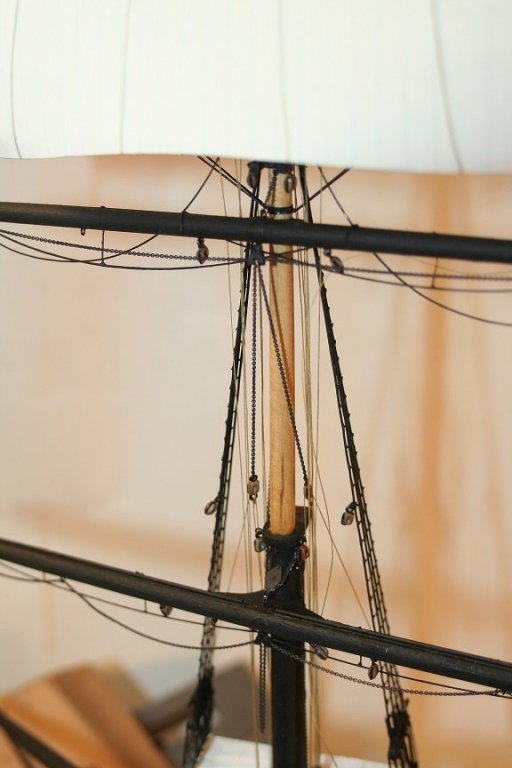
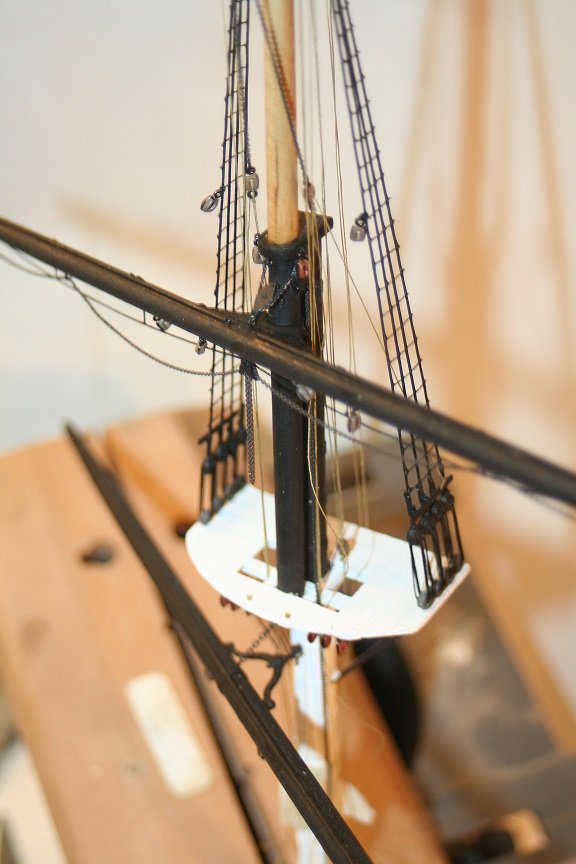
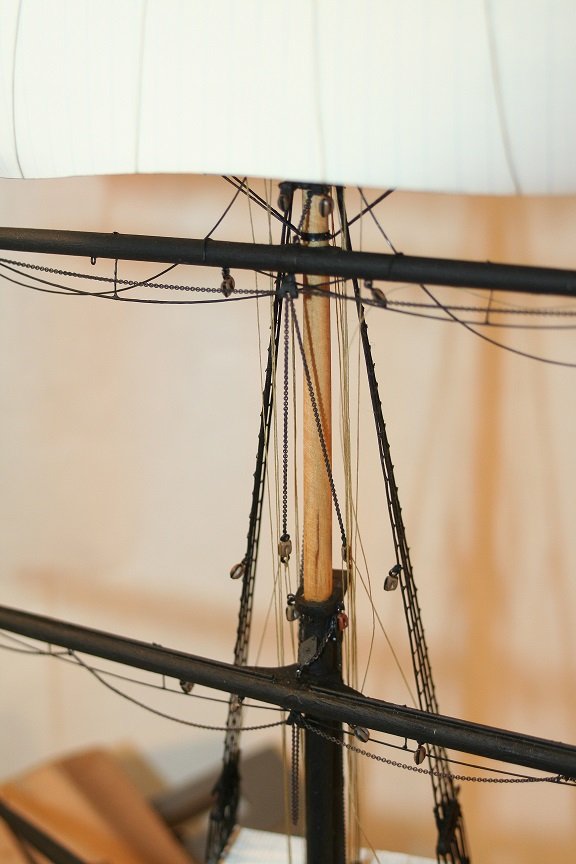
Thank you Ron..very much...I'll look into it. Spent some time working on the GR made and installed the upper topsail..but first I had to finish the topgallant sheet downhauls.....here are a few images.
- 1,208 replies
-
- 5
-
-
- great republic
- clipper
- (and 1 more)
-
This is the kind of information I'm talking about. Hints, techniques, and processes. I will get my hands on one...thanks. Rob
- 1,208 replies
-
- 3
-
-
- great republic
- clipper
- (and 1 more)
-
Thanks everyone....over the years I've developed my technique...but it is always nice to couple that base knowledge with what others have created for themselves. I am always trying to improve or at least incorporate new techniques into my own. No one is an island...and this subject is evidence to that meme. Rob
-
No...I'm saying she would not have set stuns'ls for the passage. She possessed 100 able seamen and 30 boys. Her massive yards and sails are why she had double winches for each mast and her patent steam engine to do all the heavy lifting. I can't imagine the weight of those massive yards and the sails that draped from them...and when they got wet....Ohhh boy. She must have been a sight. Rob
- 1,208 replies
-
- 3
-
-
- great republic
- clipper
- (and 1 more)
-
Thank you very much Ron....your sails are impressive. The only real issue I am working out is the geometry of the clew and the sheet in relations to the lower sheave. The actual force of the wind full sail would cause the sheet and the angle of the clew to aim directly at the sheet sheave/block. With heavy pre-formed sails this angle is compromised. I am working on a solution. I would like to get the newsletter. Your technique's are worth knowing. Rob
- 1,208 replies
-
- 4
-
-
- great republic
- clipper
- (and 1 more)
-
See...now that is the technique sensitive issue I was talking about....thanks. I've worked with Silkspan when building RC airplanes. My experience with it in THIS application always leaves the sail with micro wrinkles. Something I just wanted to avoid. Maybe I just suck at using Silkspan. Rob
- 1,208 replies
-
- 2
-
-
- great republic
- clipper
- (and 1 more)
-
No problem Tim....I have used tracing paper as well...especially for furled sails. Your example is extremely nice and you achieved the very look I did. Swell. One reason I chose NOT to use opaque tracing paper on the Great Republic is her sails would have been more of the heavier foul weather canvas, due to the more Southerly trade routes she was designed to travel, requiring more substantial canvas. Therefore I avoided the opacity of a fair weather set of sails. The main reason I did not use Silkspan. Your examples are wonderful. You chose to lighten your panel seams.. where I chose to darken them. Looks like a topsail schooner. Your sails look wonderful! Thanks for posting.
- 1,208 replies
-
- 2
-
-
- great republic
- clipper
- (and 1 more)
-
I'll be making some changes to the topsails...but I think I'm getting there. Rob
- 1,208 replies
-
- 2
-
-
- great republic
- clipper
- (and 1 more)
-
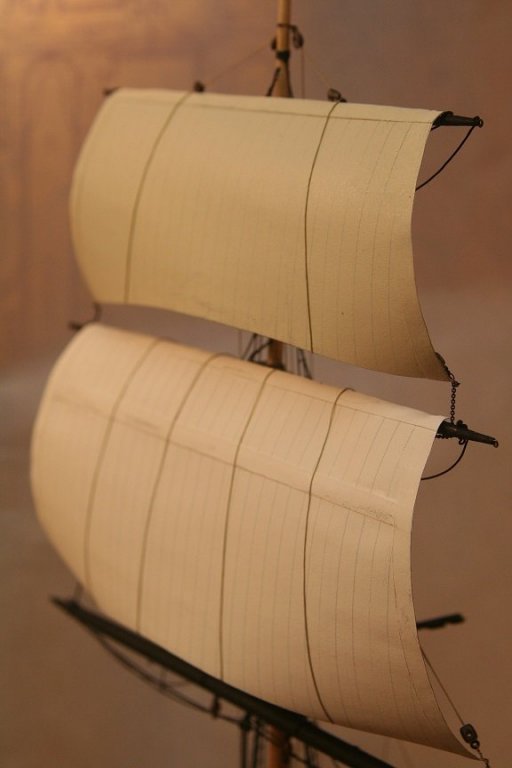
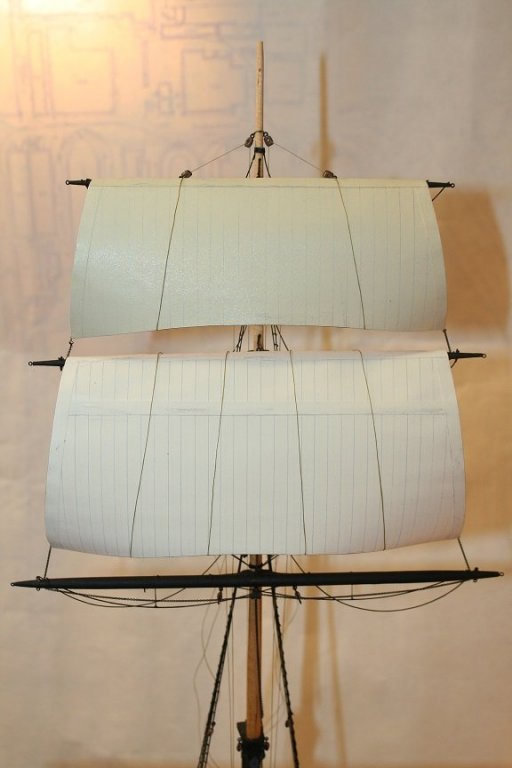
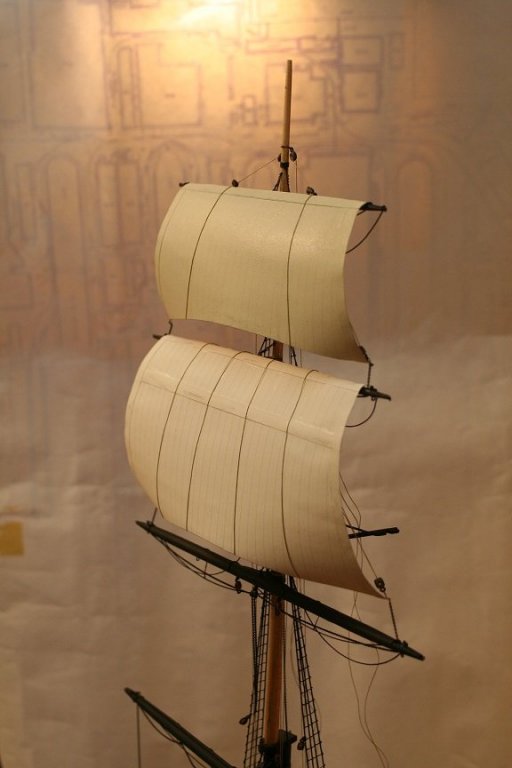
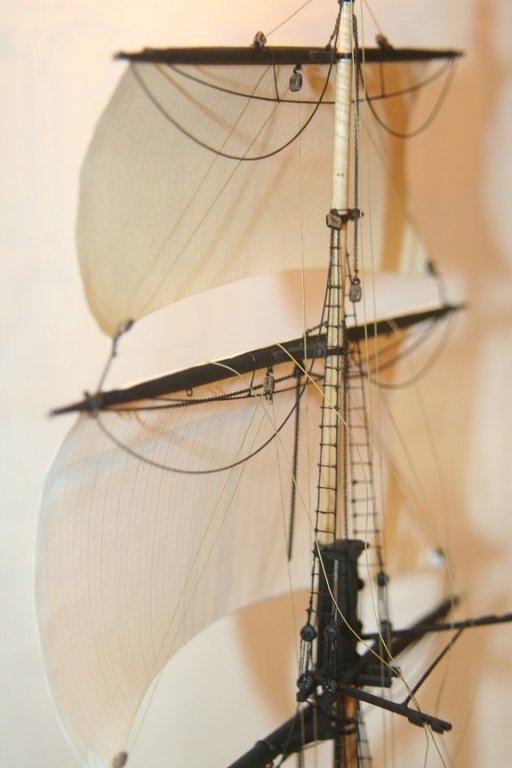
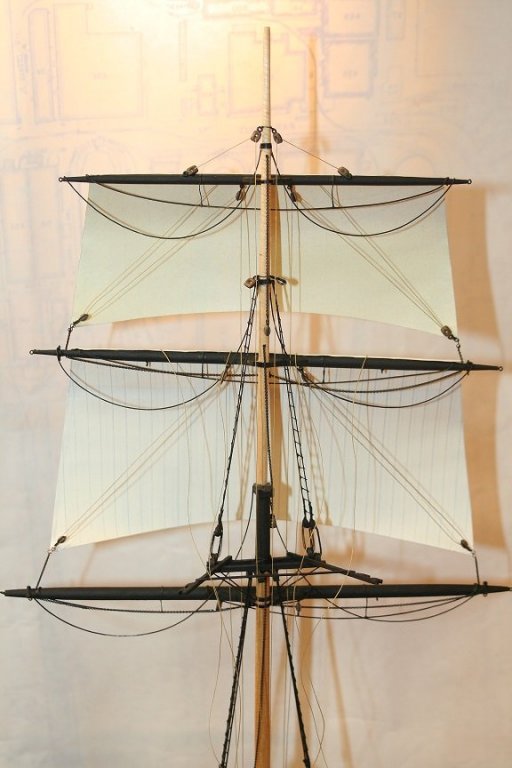
Here are some pics of the partially finished topgallant . Rob
- 1,208 replies
-
- 9
-
-
- great republic
- clipper
- (and 1 more)
-
I know... what a lame duck. I have 4 clippers in various stages...the Glory of the Seas is probably the farthest along....but GR is surpassing her quickly. Probably because I took up a different methodology of mast construction with the GR....and since she is on the bench currently....I'll finish her up first. I'll have too.... because I have no other place to put her until I build her own special shelf...and she can't have my work bench and she surely can't sit in front of my clipper painting over the den mantle. So....I'm forced to finish her first...... Stay tuned....I'll be at her soon. Rob
- 1,208 replies
-
- 3
-
-
- great republic
- clipper
- (and 1 more)
-
Or for those stuck in the doldrums....heehee. China tea clippers(British) were famous for rigging these fine weather sails nearly everywhere on their clippers....solidifying their characteristic billows on the annals of history. Unfortunately for those who had anticipated them on my Great Republic build, I will not be including them. Sorry to all stun sail enthusiasts. Here is a picture to wet your whistles.

- 1,208 replies
-
- 3
-
-
- great republic
- clipper
- (and 1 more)
-
Thanks... not quite sure were that log is....do you have a link?
-
I'm looking for others input on the subject. Do you have a technique or method you use to create paper sails. Any tips..ie...painting...detailing....rigging...weathering...? I am forever desiring to increase my technique base. I know there are some good ideas out there.......share-em. Rob
-
Read my remarks to Dawmer....Stun sails were not employed on the Great Republic...McKay designed her as an experiment. Her vast array of canvas was considered sufficient, especially, when her designed trade route was for a fast passing around the Horn and to Australia. In latitudes far too treacherous for stun sails. I believe Palmer added them later, but that is when her redesign brought her back to a more traditional carrier. The Great Republic was a one of a kind vessel. Extreme clipper(for speed), Ginormous(Over twice as large as any other clipper)...built like a tank to withstand the most extreme weather conditions...carried the most advanced winches and the first to carry a steam engine for lifting yards/sail and cargo. She was designed to take on the Cape and all the fury the weather at those latitudes could throw at you. Stun sails were for whooses. Rob
- 1,208 replies
-
- 4
-
-
- great republic
- clipper
- (and 1 more)
-
I know right....but the Great Republic didn't carry them during the period I am modeling........her expanse of sail was the largest ever placed on a sailing ship(120ft main sails)...and by the way...she wouldn't have set them on her journey down the coast from Boston to New York anyway. Not one contemporary painting or model of her depicts her with stunn sails set. I still have to rig the buntline blocks on the yard for the topgallant and I'll be finished with that yard...and on to the upper topsail. Pics will be forthcoming. Rob(I know...*it never happened* unless you have pics)
- 1,208 replies
-
- 5
-
-
- great republic
- clipper
- (and 1 more)
-
Dave....so true. Many years ago after I built my third Cutty Sark model...I diverted. I refocused and began modeling period HO steam model layouts. those are a bit more diversified in their subject matter. In addition to model railroading...I build Refractor telescopes(In my machine shop area of my shop)...and I dabble in furniture making as well(In my wood working area). So...I've had to diversify my hobbies to stay interested. I'll jump into one for a time and as I finish up a project(Or not), I tend to get re-inspired, and then I'm back at clipper ship modeling(Or what-ever). I have 4 scratch builds on the ways...not to mention several telescope projects...and now my wife needs me to build her a new Maple mantle for the living room before Christmas. Hang in there, and I'll bop in and see your new log...great job. Rob
- 742 replies
-
- 4
-
-
- constitution
- frigate
- (and 1 more)
-
Here is another example of what I am trying to achieve. Slight billowing that would be expected with a ship with all sails set....Cept stun'sls Rob

- 1,208 replies
-
- 4
-
-
- great republic
- clipper
- (and 1 more)
-
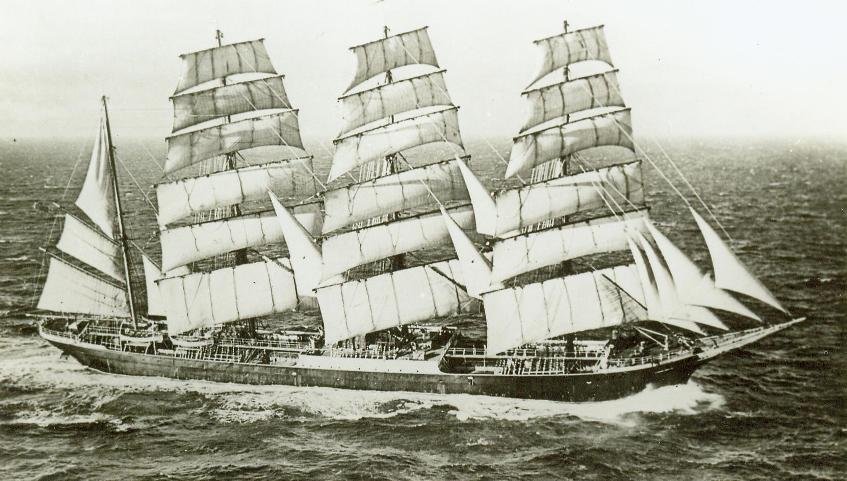
One other note to point out for those interested. Some might ask why not use silkspan? Silkspan is a very nice, nearly to scale material..but I have my issues with it. One; silkspan does not support itself very well, in larger portions, and therefore need some treatment. Starching or lacquering. This means the sail will need to be formed and then will need some kind of forming mold to support it while it dries. Secondly; Silkspan once painted, tends to demonstrate a crinkled or micro wrinkled texture. In larger scaled vessels this might be acceptable...even if you are modeling drying sails. Limp drying sails generally look wrinkled. However, I want smooth tightly pressed/billowed sails.... and my years of experience with paper sails shows me that they will last...especially once painted. They form very nicely and retail their shape...and being paper you can use simple white glue to make them. This images demonstrates what I'm looking for.
- 1,208 replies
-
- 5
-
-
- great republic
- clipper
- (and 1 more)
-
Dowmer...The details will get even better when I add the reef bands/points to the topsails and main course. One item I need to compensate for is the length of the sail. When it is *billowed* it shortens. I didn't want my model to have just *hanging* sails, but active ones.....so it takes a bit of 3D imaginational geometry. Kinda like when I make furled sails....I never use the actual size of the sail....but a modified version.so when it is furled it looks neat and tightly and clean...not oversized and bulky. The next couple of days might be a bit slower in the yard due to family issues...but I will attempt to keep moving forward. This is just the first mast...and I have 2 others along with the for and aft rigged spanker. Smooth sailing to all. Rob
- 1,208 replies
-
- 4
-
-
- great republic
- clipper
- (and 1 more)
-
The paint is the preservative. I mounted the topgallant and will take pics tomorrow. Rob
- 1,208 replies
-
- 4
-
-
- great republic
- clipper
- (and 1 more)
-
With these particular sails I am detailing the edges and seams with pencil highlights..adding wear and tear shall we say...just enough to validate the sail, because they are supposed to be new canvas prior to that eventful night the Great Republic burned. Rob
- 1,208 replies
-
- 2
-
-
- great republic
- clipper
- (and 1 more)
-
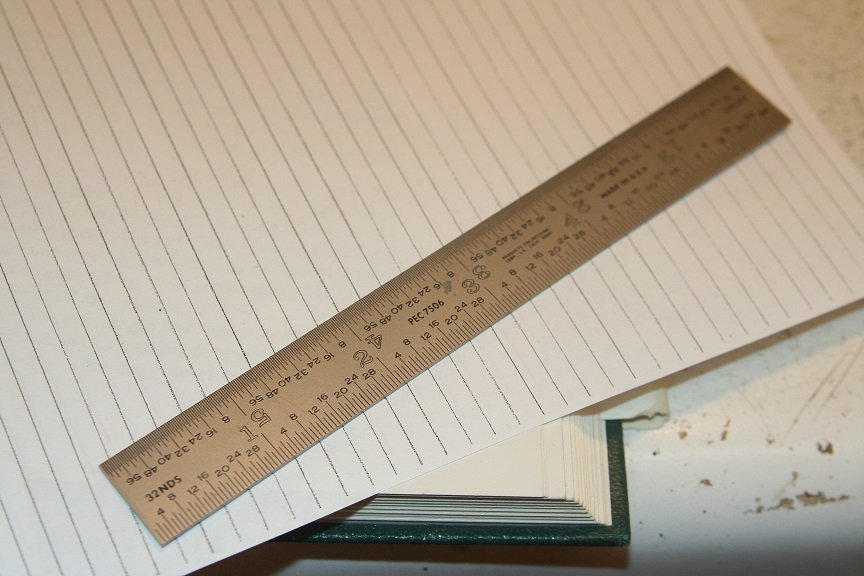
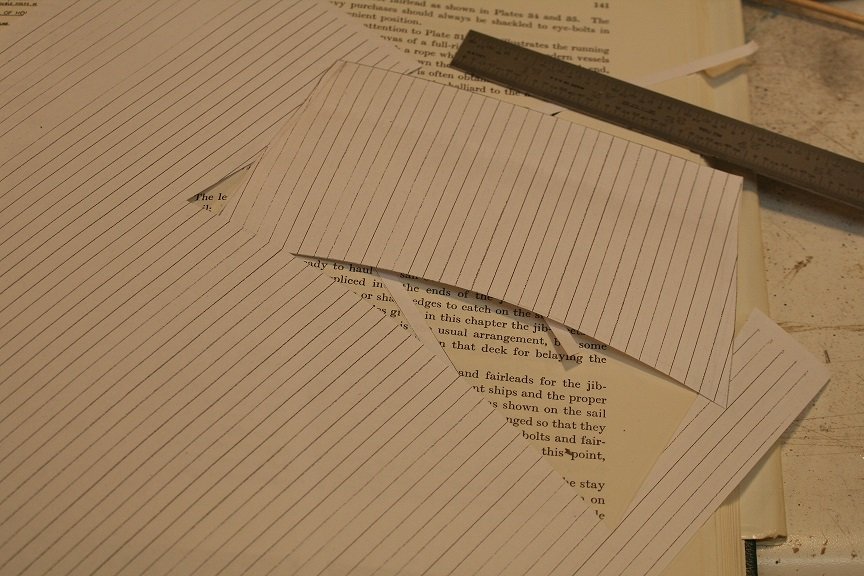
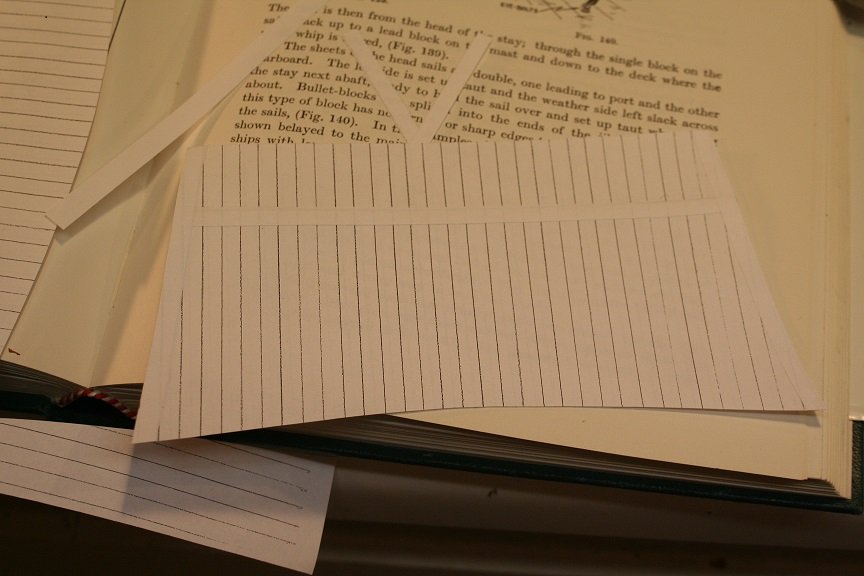
One thing I failed to mention about the panel lines on the paper. I drew them out fist on both sides...then double sided copied them over and over....and I reduced the saturation to make the lines as dim but recognizable as possible.....so all that is needed is to cut and paint(after you added the bands of course). I have enough copies to last till the cows come home. Rob
- 1,208 replies
-
- 2
-
-
- great republic
- clipper
- (and 1 more)
-
Once you've decided on the opacity of the panels...let it all dry then add the bunt and clew lines. Reef bands and reef points will be added only on the topsails and the main course. I will glue the sail directly to the yard...since the jackstays will typically be hidden by the bent sail...in my scale I opted to not add the detail. If the yards were bare poles..I surely would have added the jackstays. Rob
- 1,208 replies
-
- 1
-
-
- great republic
- clipper
- (and 1 more)
-
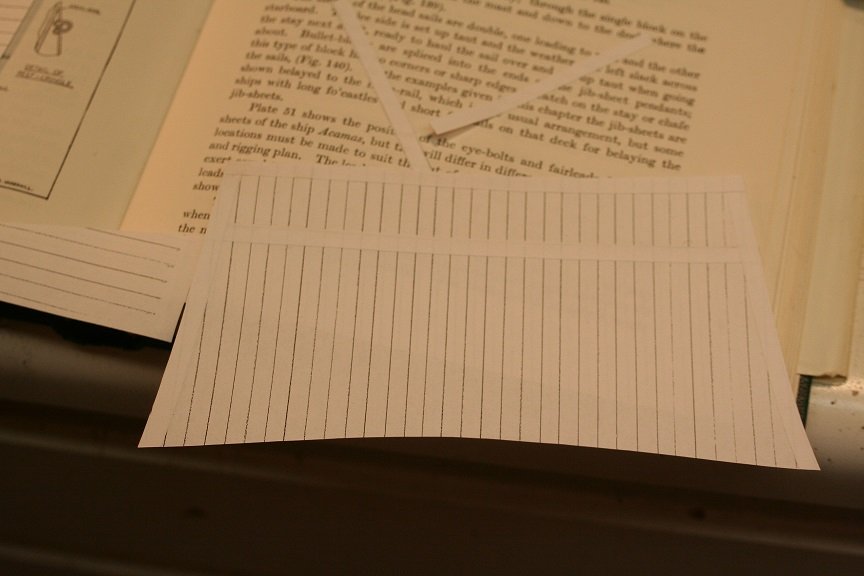
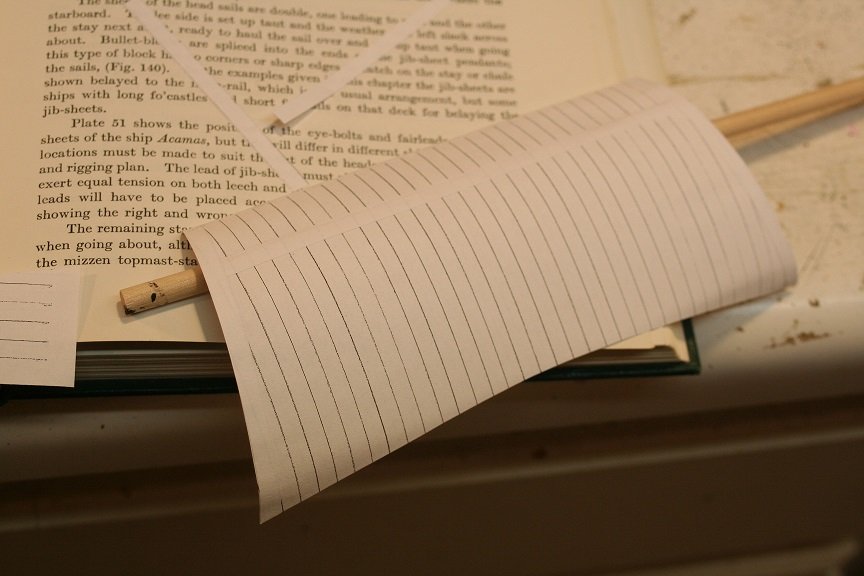
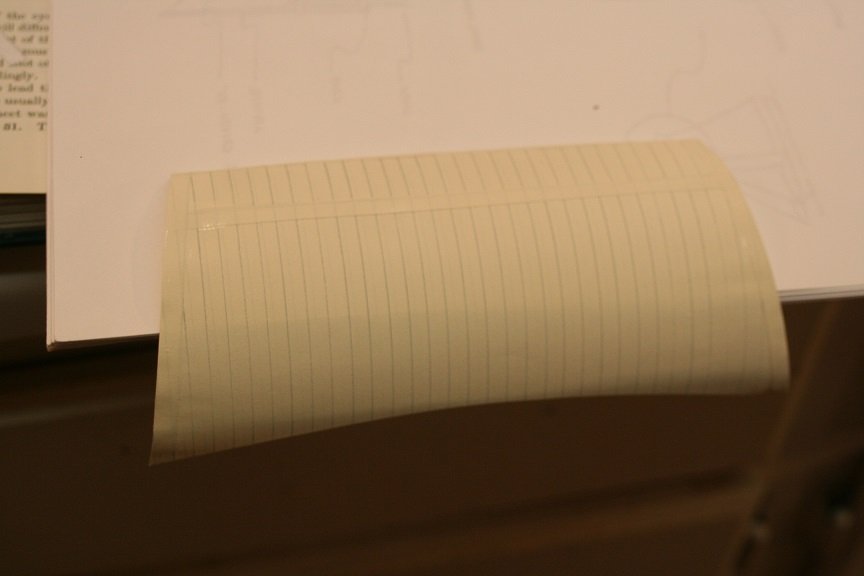
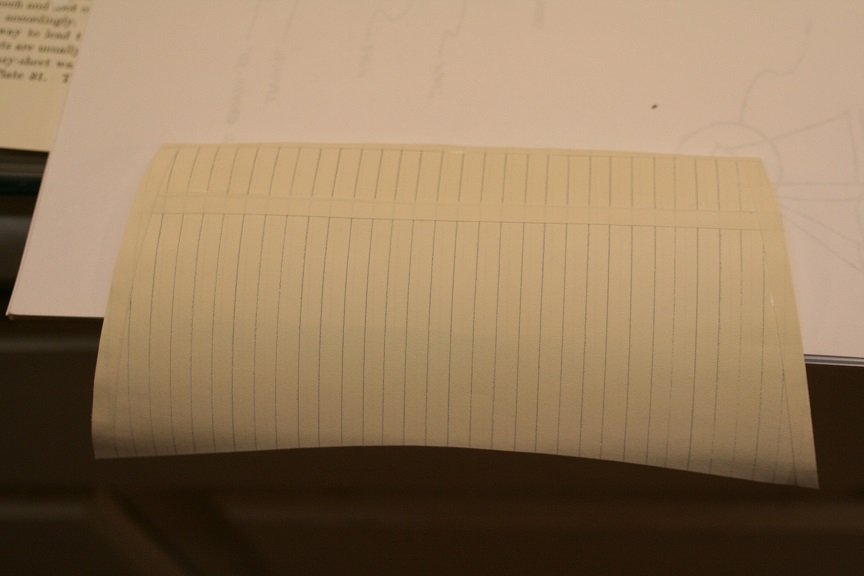
Thanks for the fine compliments, and comment. Their construction is very simple..first you take a piece of copier paper...draw in scale all the panel lines...mine is 3/32 to 1ft. Don't forget both sides. Then you measure and cut out the sail to size. I then cut and place banding using simple white glue(dries fast). You'll have to follow the design of the period and vessel you are building. Next I form the sail by rolling it over a 1/4" dowel..working it gently and rolling it to form the billow. I then us two colors of tan/cotton paint to simulate slightly different sail colors...to add dimension and realism. I'll paint one sail slightly darker then another...if you know what I mean. Several light coats per side will do....you want the panel lines to show through opaquely. Once done you can then add the hardware for the clews and sheets. I still have to add these on this topgallant sail. Rob
- 1,208 replies
-
- 9
-
-
- great republic
- clipper
- (and 1 more)


Our Emblem ®
