
HOLIDAY DONATION DRIVE - SUPPORT MSW - DO YOUR PART TO KEEP THIS GREAT FORUM GOING! (Only 24 donations so far out of 49,000 members - C'mon guys!)
×

Egilman
-
Posts
4,377 -
Joined
-
Last visited
Content Type
Profiles
Forums
Gallery
Events
Everything posted by Egilman
-
 Know your terrain, it's drilled into you from the first day of TAC school.... One of ideals they hammered into your brain, trust your maps, learn to use them, all else fails and you don't have a map, scout the terrain..... (or plan on living under it) But then the next ideal they drill into you, follow the plan, with one caveat, when the balloon goes up, (first shots are exchanged) throw the op plan in the trash, it can change in a micro second, prepare to adapt to change.... (that's when ideal #1 becomes most important) Order of priority, your men, your mission, you never forget the two, you never want the troops to gain permanent knowledge of the terrain.... Preserve the first to gain the second.... With the comms used today, the live training they undergo, it's all designed to reduce the confusion on the battlefield...... I don't think there is anyone today who can truly understand maneuver warfare of the early 19th century, most troops today would consider it suicide...
 -
Agreed, the problem with the Russian pilot veterans was they learned to fight in an entirely different type of combat over Russia, most air combat over Russia occurred in the mid altitudes, between 10 & 20k ft... they needed aircraft that could fly well in that environment it's why they loved the P-39's so much, they excelled in that environment, their own aircraft were designed to fly in that environment as well..... The Germans didn't have much in the way of high altitude aircraft and what they did have wasn't being used in Russia.... A different type of combat altogether, much like the P-40 against the A6M over China, they learned to get the most out of the equipment they could using the tactics that worked for them the last time out... They were completely unprepared for the US Airforce and the air superiority tactics learned in the last war...... But the one thing you know about the Russians, they learn fast and adapt quickly..... it wasn't as easy in Vietnam basically because we kinda forgot what we had learned in WWII, (and confirmed over Korea) superior equipment does not compensate for training and experience...
-
The Mig 15 over Korea was a surprise to US pilots, it was far superior to our F-80's & 84's and anything the Navy had as well... it was smaller faster and more maneuverable.... It's one deficiency was it's armament of 2- 20mm and 1- 30 mm cannon, very effective weapons but minimal ammo loadout... It could not hang in a fight and suffered compressibility problems in a high speed dive.... According to Chuck Yeager, it was a plane you had to pay attention to and stay within it's flight envelope or it would kill you... When Yeager told Russian pilots of his opinions of it, they exclaimed (you dived in it!) they were dumbstruck at why he would risk his life like that... The F-86 was a vast improvement over the F-80's & 84's but still less than what was needed against the Mig 15, so how did the F-86 gain an 8-1 kill ratio against the Mig 15? Superior ACM training... our pilots could fly the F-86 right to the edge of the envelope the Russian pilots (even the aces amongst them) could not... And the air combat tactical doctrines worked out in WWII were still valid.... They knew where the Migs were coming from so they would regularly sweep thru the skies when the bombers were flying missions and intercept them before they could get to the bombers.... Flying high with their superior dive speed they would blow thru a formation of Migs taking out more than a few of them and the Migs could not follow... And they knew they were flying against Russian WWII aces.... The F-86's would stay high, the Migs would stay low, the bombers would stay at medium altitudes until reaching their targets.... For the Russian pilots, this took advantage of the Mig's greatly superior rate of climb and the inability of bomb laden aircraft to manuever.... The F-86's would dive into the oncoming Mig formations and the Migs would usually try and scatter, this is why there are many many accounts of low altitude turning fights between Sabres and Migs.... You dive in on the Mig and make a high speed pass and hope you got guns on it before it turned away and you had to use your energy to run.... This revealed a problem with the early Sabres, if you tried to pull too many G's in a turn you could wrench (twist) the tail out of alignment so low level high speed dogfighting was specifically frowned upon.... What the record really shows is the superior training and experience of our pilots over the Russian pilots, it made up for the deficiencies of our equipment....
-
51 to be exact 43 of them in the US.... (most are in private hands) Well over 100 on display worldwide.... And the North Korean AF still flies them.... (chuckle)
-
That is a Korean War version which would be predominantly bare unpolished aluminum with stainless steel panels..... A very distinctive look..... I'm sure you will do it justice Dan.... I'm in.....
-
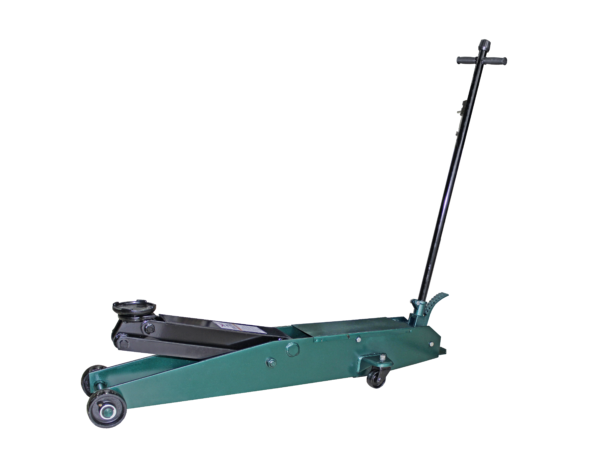
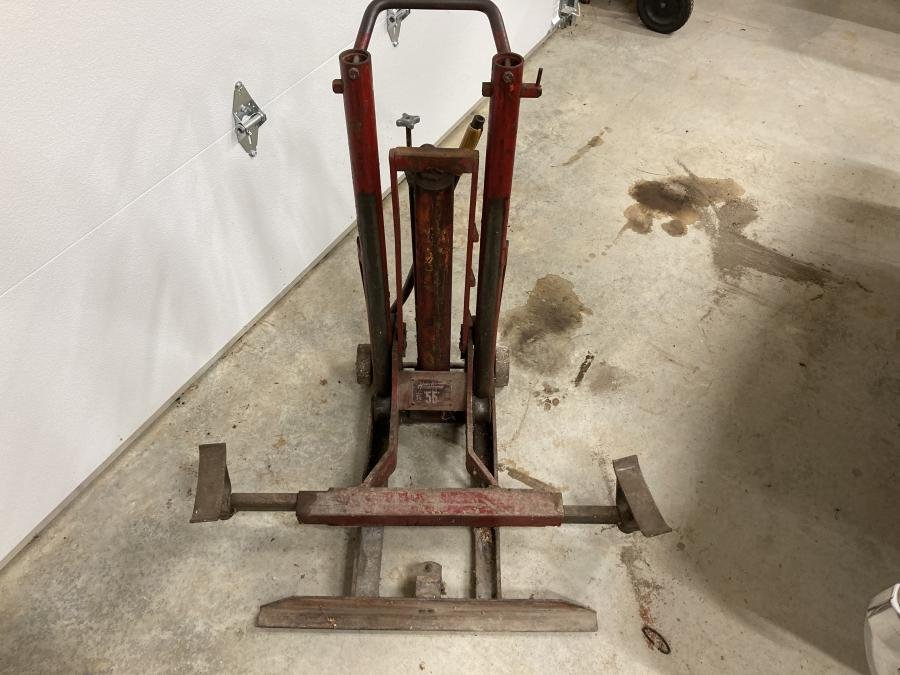
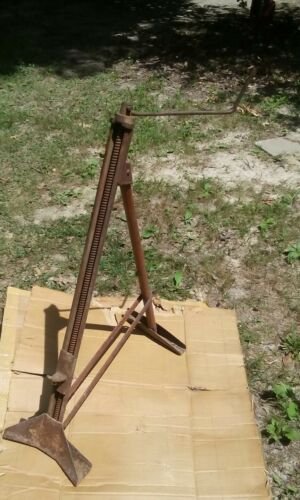
Hi Gary, yes that would definitely give a focal point and highlight the vehicle......... Chain hoists and pits were not the only way they lifted/ got under cars back then.... They had screw, air and hydraulic jacks.... For example.... Screw... Long reach hydraulic... And high lift bumper jacks both hydraulic and air... I've used all of them, of course the high lift bumper jack is no longer used on modern cars, (in fact no bumper jacks are used anymore) but in the '40's a shop would have had all of these in their equipment stash.... Screw jacks were folding and generally went on the tow truck or whatever vehicle they used for bringing in broken down vehicles.... They would fold into a small package..... I don't know if anyone makes a miniature of these, but it would add a bit of the old time feel to an auto shop....
- 189 replies
-
- 11
-

-

-
My father went into the army in early '42, my aunt Alice took a job with Pratt & Whitney in late '42 at their Bridgeport, CT. plant assembling aircraft engines.... she eventually moved to their Waterbury CT. plant in '44... She was trained to assemble aircraft engines.... R-2600's to start eventually R-2800's... She passed in 2006 at 82... but not before retiring in '95 as a senior engine line supervisor, (assembling turbines) Not all of them lost their jobs to returning servicemen, some were good enough to have long careers after the war....
-
And the prodigal son returns.... Welcome back! Will be good to see this finished as well....
-
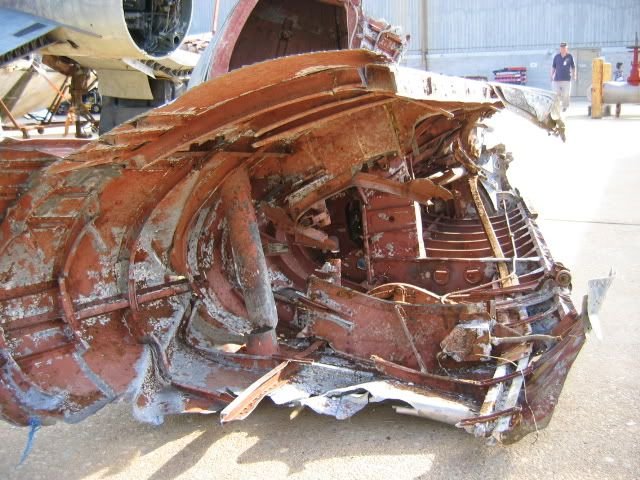
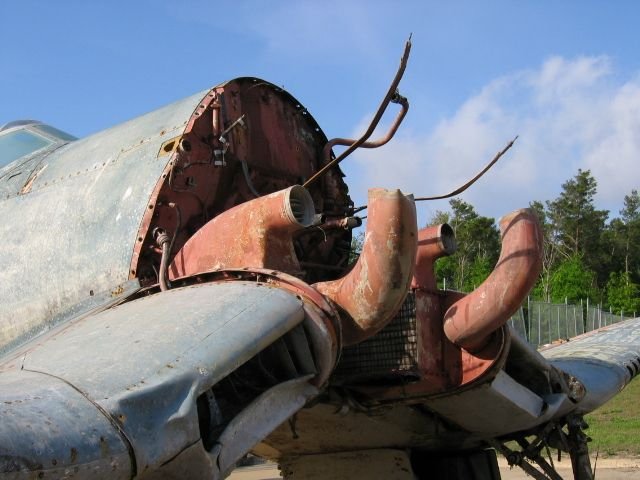
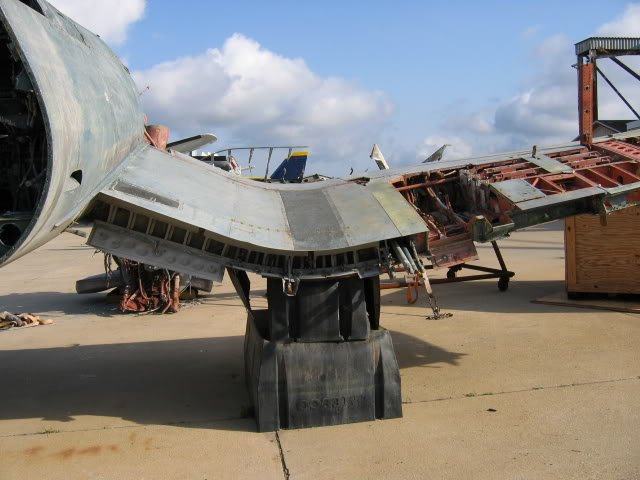
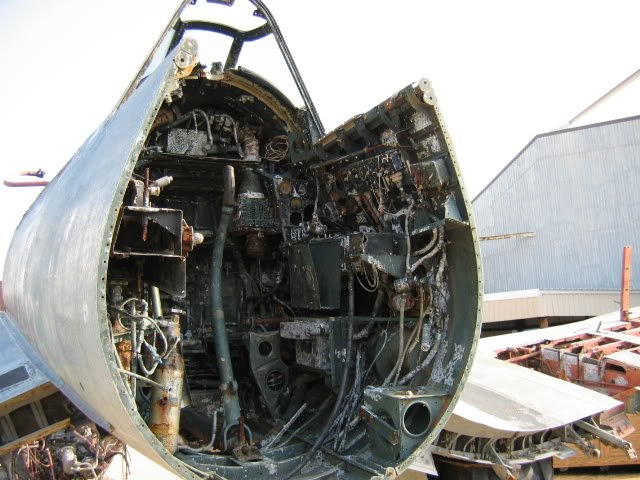
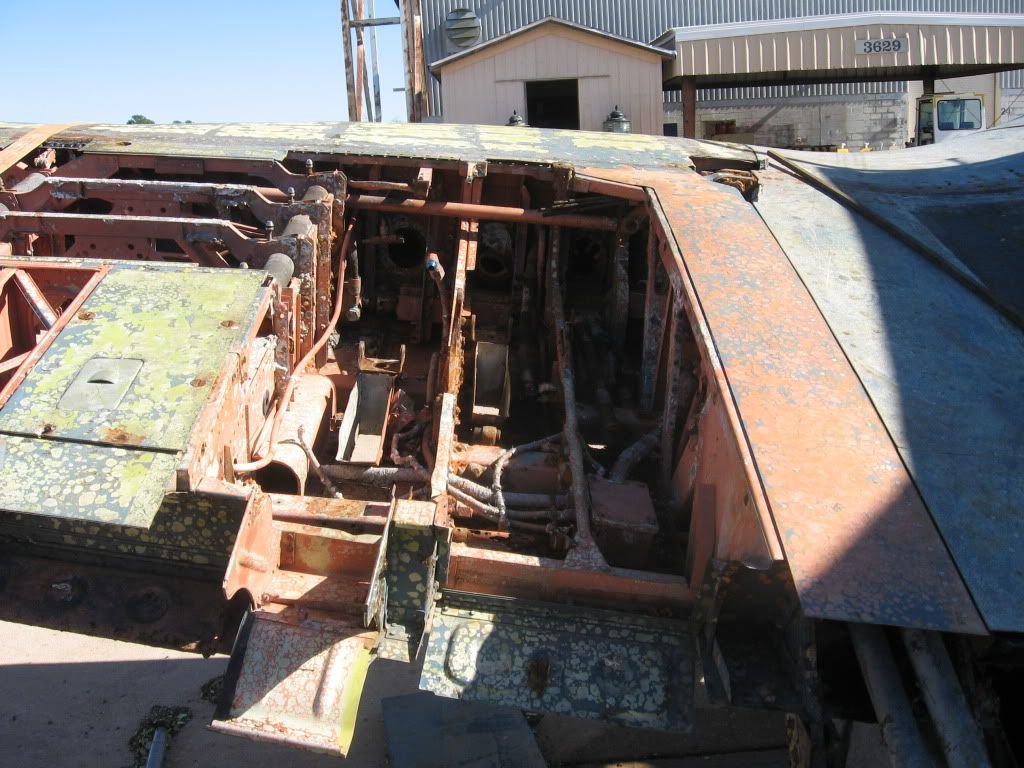
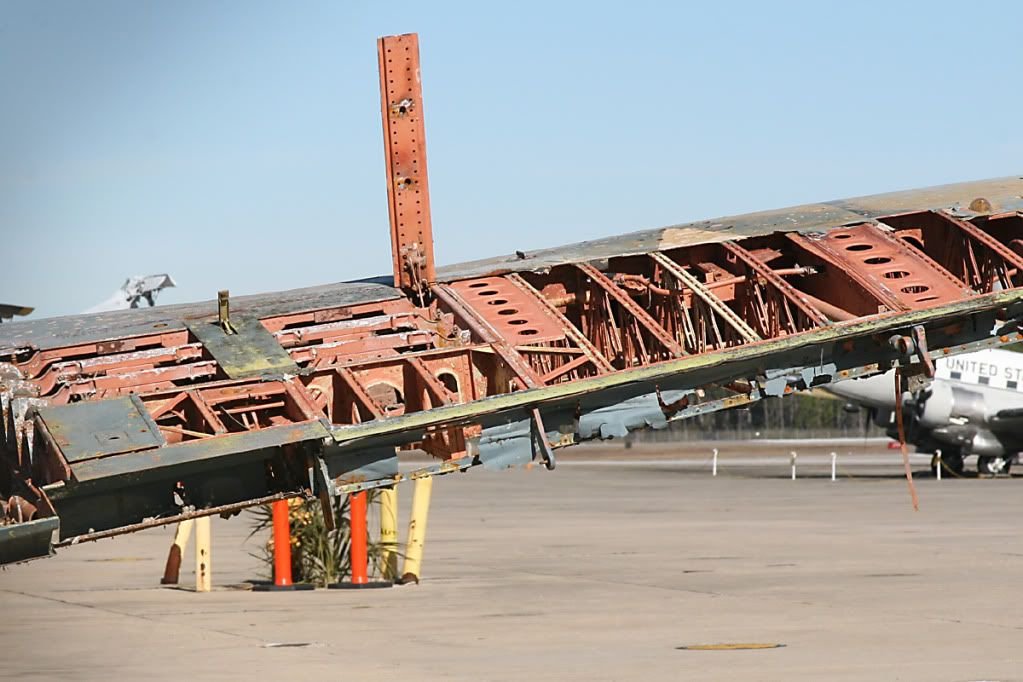
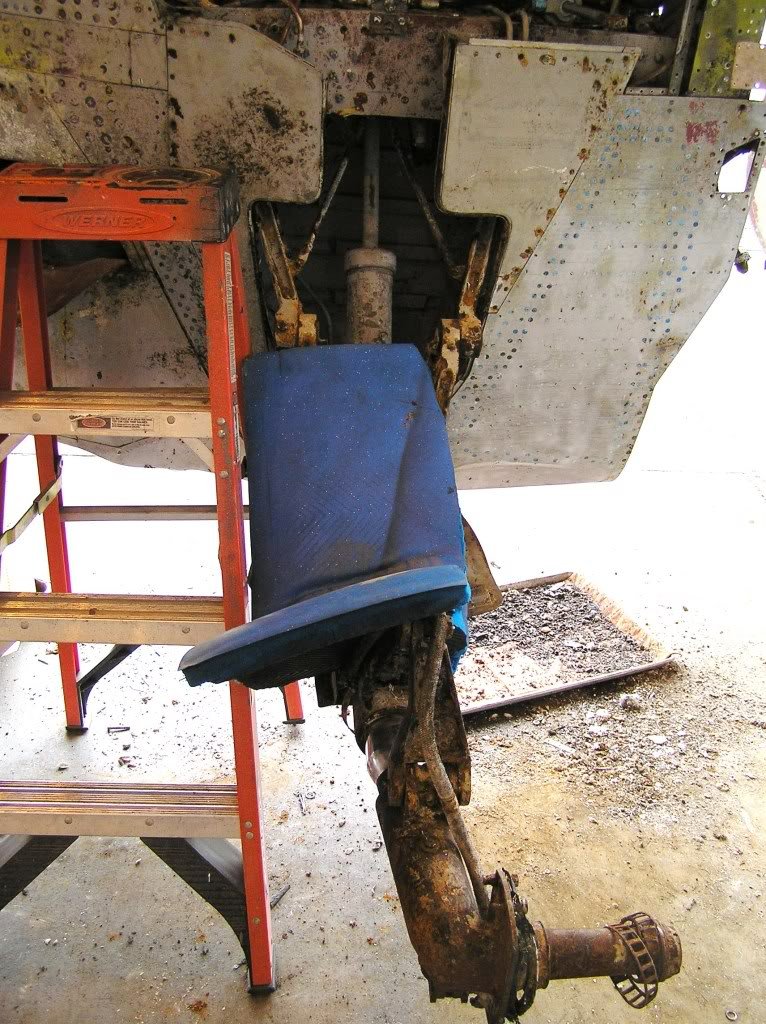
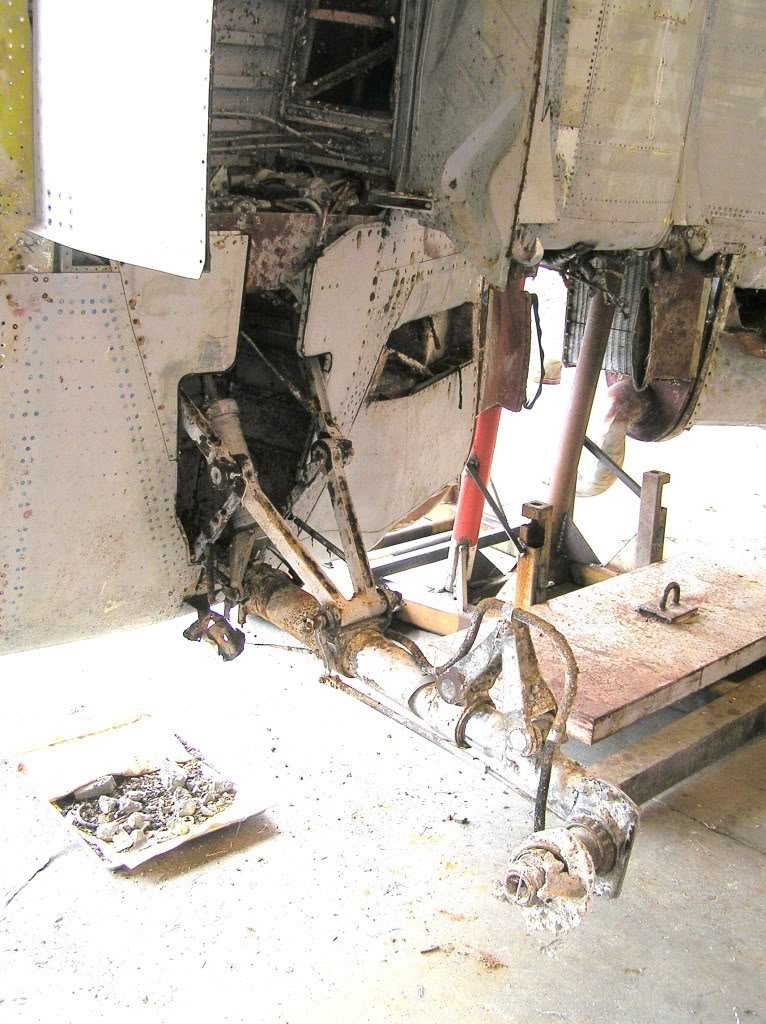
Probably late but Tamiya's Interior green is a couple of shades darker than MM's ZC green, absolutely accurate for an early birdcage F4U-1 or 1A corsair.... This is the basic early corrosion treatment and the colors used to about mid '43... (stolen from Large Scale Planes) From what I've gathered over many years for an F4U-1 and some Early -1"A" -"Salmon" ( with Indian red paste in the chromate base to achieve the shade color/tone)- on everything as a secondary primer coat in interior and exterior application. Fuselage, tail sections, outer wing panels, cowling interiors. This is excluded in... - Cockpit- dull dark green/interior green derivative of a Vought/Brewster/Goodyear application and variations based on paint stocks and manufacture at the time. Excluded are from "Salmon" are the tops/ bottoms of the wing center section, parts of forward fuselage, eg: accessory section covers and sometimes tail gear wheel bay, colors explained below. -"Yellow" zinc chromate primer- exterior of center wing section throughout production. At times the tail gear bay and engine accessory section depending on production block time frame saw "Yellow" zinc chromate in these areas. But later became standard on F4U-1"A" production. There's more to this but these are basics. Images illustrating this from the same source...... The images I believe are from an early corsair some sources say it was recovered from Lk Michigan and being restored up there and others say it is from an F4U-1 Corsair being restored in Pensacola FL... Video of a Corsair being restored in California.... So dark ZC Green on the cockpit, ZC yellow everywhere else that will show, open engine and fuselage panels pink salmon..... That's what they were.... Hope it helps....
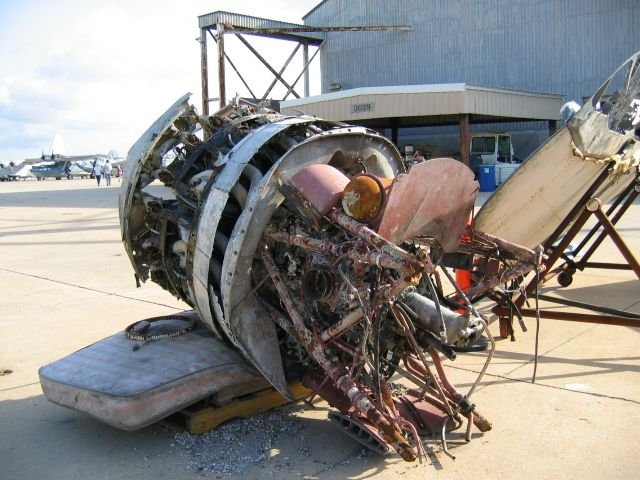
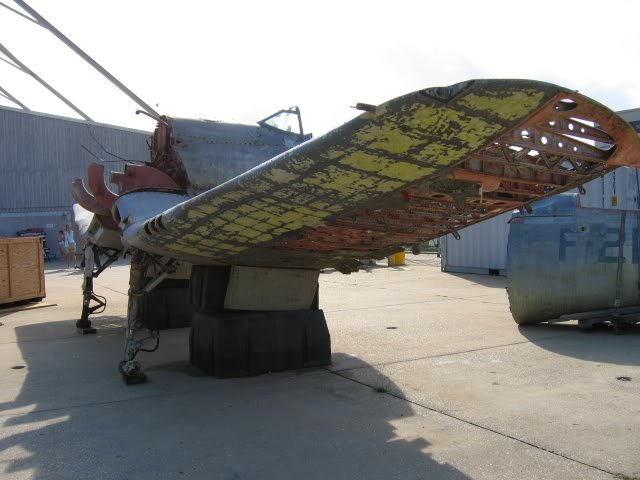
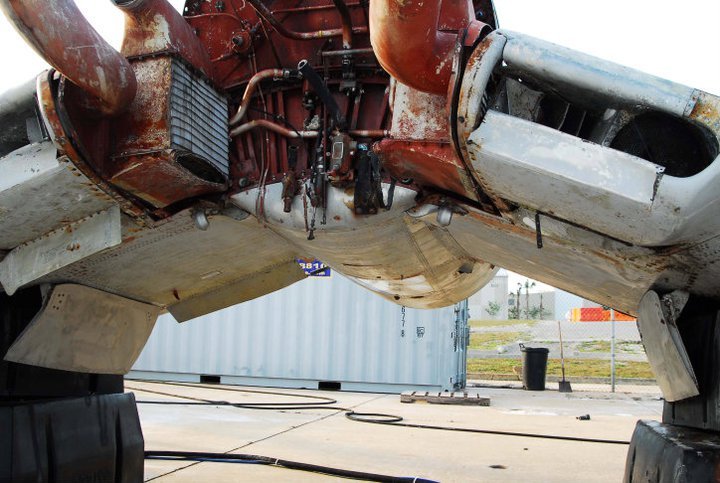
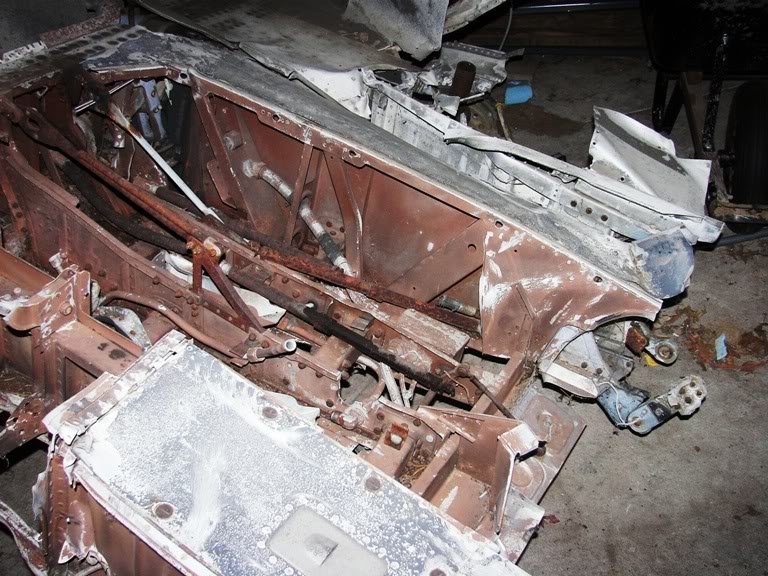
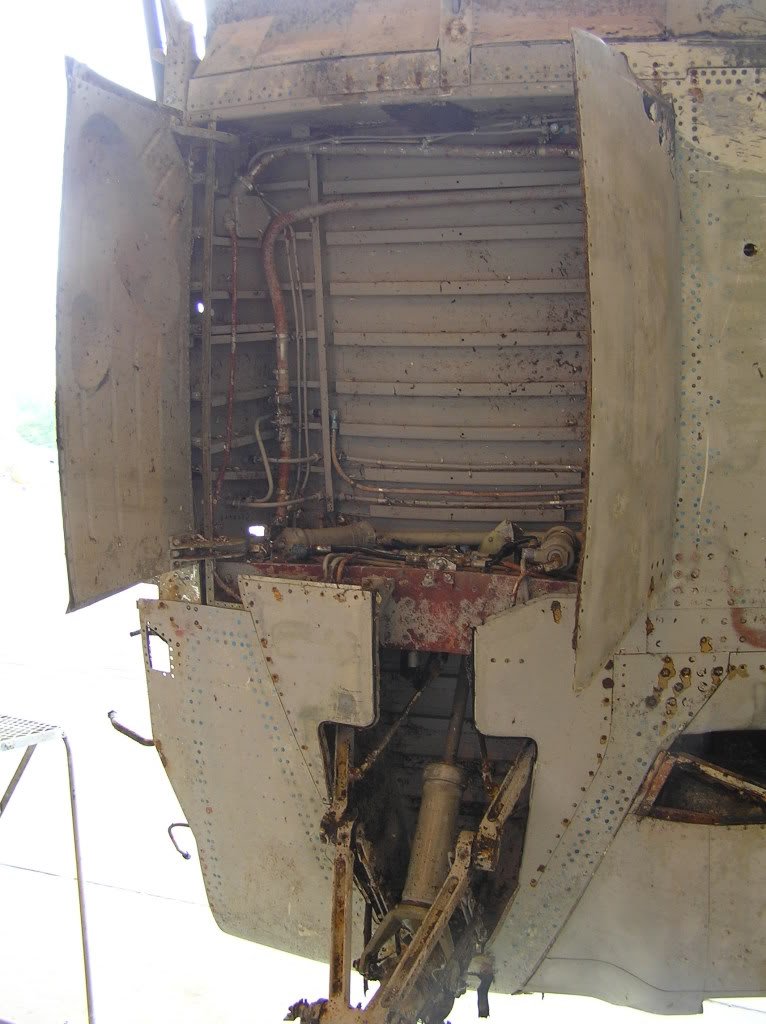
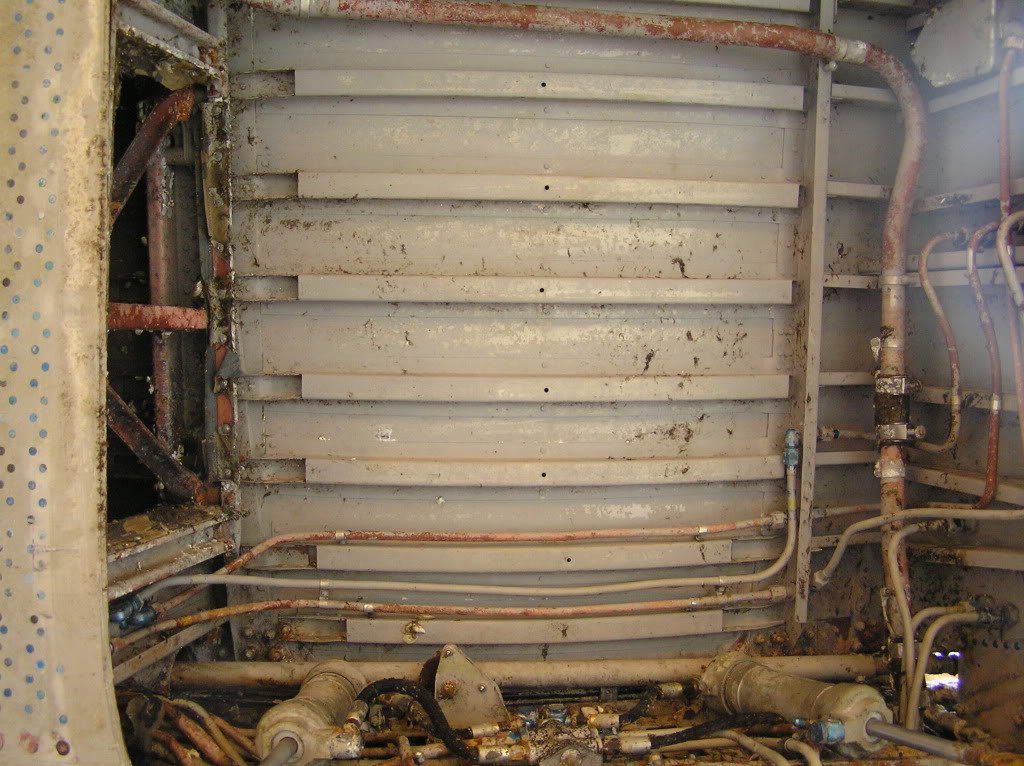
-
Coming out very nice, the upcoming blending is going to really make it stand out.... Wear patterns over aluminum are difficult to reproduce in scale..... But I think I see where your going.... Excellent work Bob....
-
Well, skirts are cool, but I draw the line at wearing dresses....
-
You know the old sayin..... "Whatever floats your boat" {chuckle} She's a gorgeous lady whichever side it up..... Seriously she looks good, she sure passes the 4 foot rule for DIY hand builts I must say.... Much better than I would have done.... And, I'll hazard to say, If the top side comes out as well as the bottom did I would be proud to paddle her anywhere, anytime..... (sorry, I had to quote it, it was too good to pass up, now I'll go slinking back to my hole)
-
Oh now THAT will get the job done and look very good in the process.... Well done brother.....
-
Chris, Generally, it works like this... Allow 24 hours (or more) between coats for poly paints, unless specified by the product. Specifically, later coats may require 48 hours to cure before you can sand them again. As far as toughness/durability, it greatly depends on what formulation of paint your applying.... Here is a website that goes into that question for a variety of brands and types.... Practical Sailor Topside-Paint Endurance Test 3-Year Checkup..... Very interesting read.....
-
Suggestion Brother.... A strategic drop of canopy glue in an unseen place.... (personally I use Formula 560, probably cheaper on evilbay) If any pieces move, they are easily separated and re-positioned without damaging the paint or plastic, failing that, postage stamp thin pieces of bluetack will do the same thing.......
-
Whistling Death was the nickname given this aircraft by Japanese Marines, It was based upon their experience and admiration for the job this AC could do in an air-ground delivery role... (trust me, they REALLY understood) In my opinion one of the five best aircraft in the world coming out of WWII.... I'm in.... Hey Chris, GPM does a reasonable Corsair..... (not quite Halinski, but very close)
-
If it is an original craftsman built timber slab table from the 16-1800's I wouldn't worry about parking my semi on it... any built after that, I wouldn't take the chance..... Why, mechanical fasteners.... They allow you to build lighter with less select, thinner wood and hence a lot weaker... That table in the pic, has enough wood in it to make four modern tables.... Hence more profit for the table maker...
-
Sorry Brother, without more pics you can't even tell what they are much less where they go.... In the pics they look like picnic tables, but you have already ruled that out... Without more info I haven't a clue and submit there is no way to say....
-
If I remember it was a fabric tape over wax paper The Ketone would liquefy the wax which penetrated every thing and left the stains you see, it worked a lot like cosmoline once it dried, and left darkened paint especially on flat paint... They could wipe it off with gasoline, but that would damage the paint adhesion which would require a complete repaint.... They eventually realized that it was easier to use carriers to transport aircraft as they could be immediately used when delivered and it didn't change the time before repainting... So they ended the practice....
-
Yep the green is very well faded... then you also have that oily dirt staining reflecting in the sun, (traffic pattern, probably combined with some paint wear) It appears on all the aircraft in the pic... and the same oil staining along the horizontal stabilizer, (where they would push the aircraft on the ground when backing it up) Looks like you are a long ways to replicating the faded green paint, but that traffic and handling pattern is going to be a bear.... Very nice work....
-
Looks good Chris, just one question though... Doesn't Nationalists wing look about a scale foot shorter than White Tails? Or is it just the perspective of the pic making it appear that way?
-
Thanks Gary, I try to give some context to what I'm building, and it's the family here that really adds the great stuff..... Welcome to the thread and feel free to add anything you like.......
-
There are several variations as well.... "A Helicopter is 10,000 parts flying in loose formation around an oil leak" And another... "Helicopters don’t fly, they beat the air around it into submission" Amazing pieces of machinery......
-
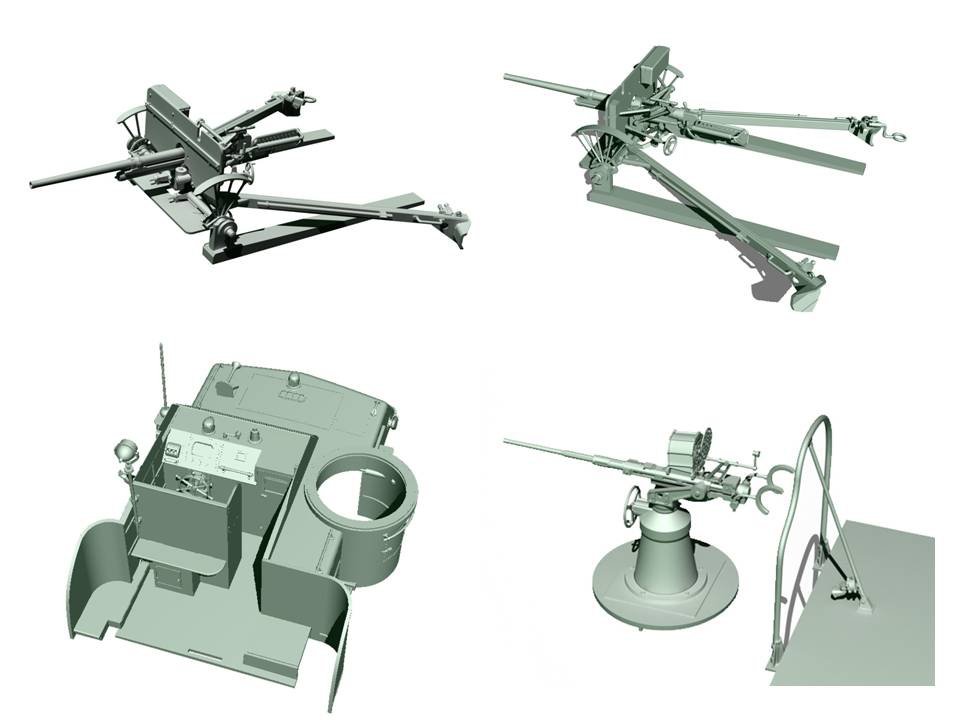
Just in case you want to brother....I'm sending you two scaled drawings of the M-3 37mm..... In the correct 1/29th scale... And an image that shows how it was mounted.... In case you decide to do it, these have the proper images my friend... M3 37mm Gun 1-29 scale 1.tif M3 37mm Gun 1-29 scale 2-1.tif



Our Emblem ®
