


marsalv
-
Posts
620 -
Joined
-
Last visited
Content Type
Profiles
Forums
Gallery
Events
Everything posted by marsalv
-
L'Amarante by marsalv - 1:36 - POF
marsalv replied to marsalv's topic in - Build logs for subjects built 1501 - 1750
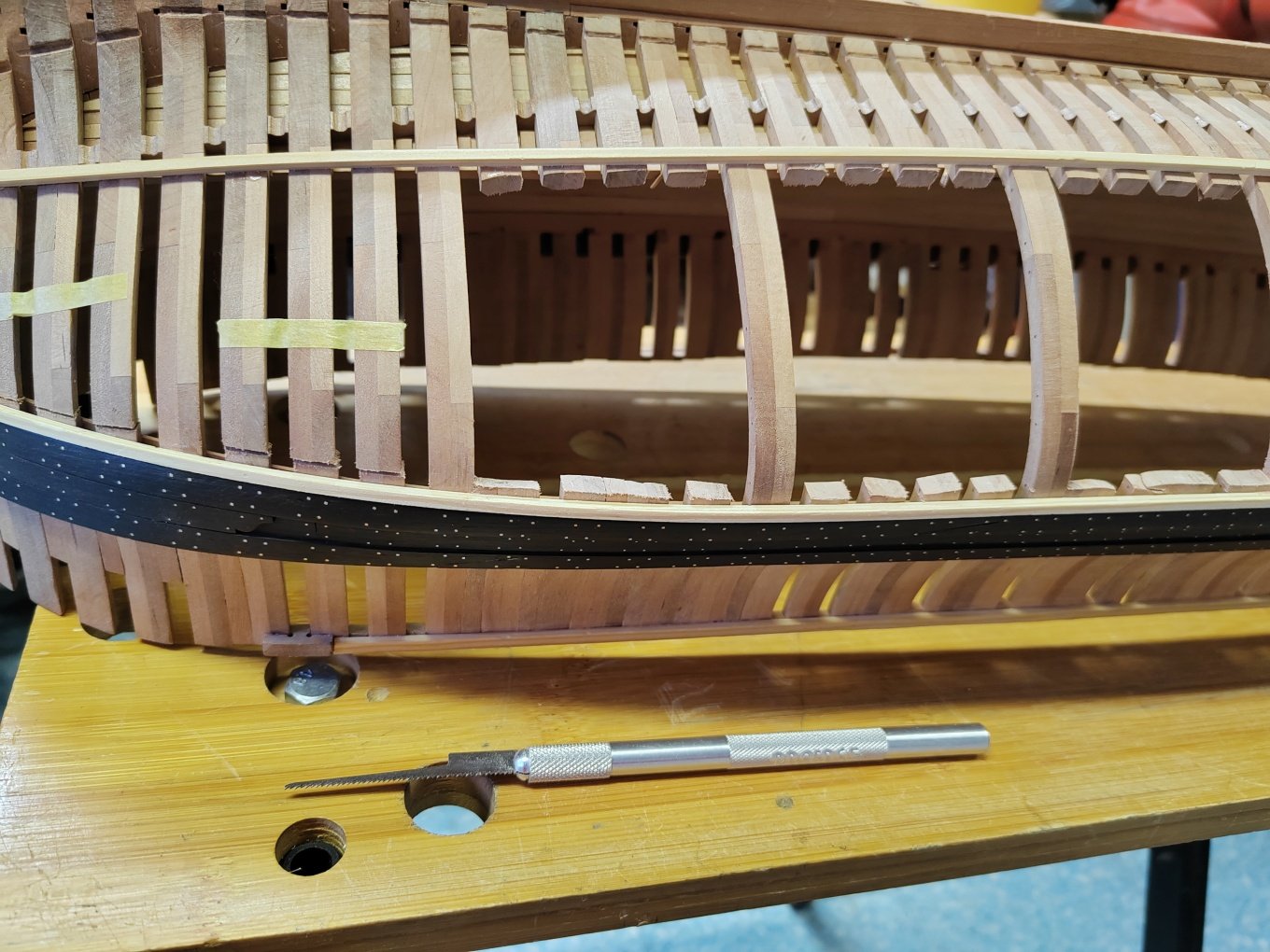
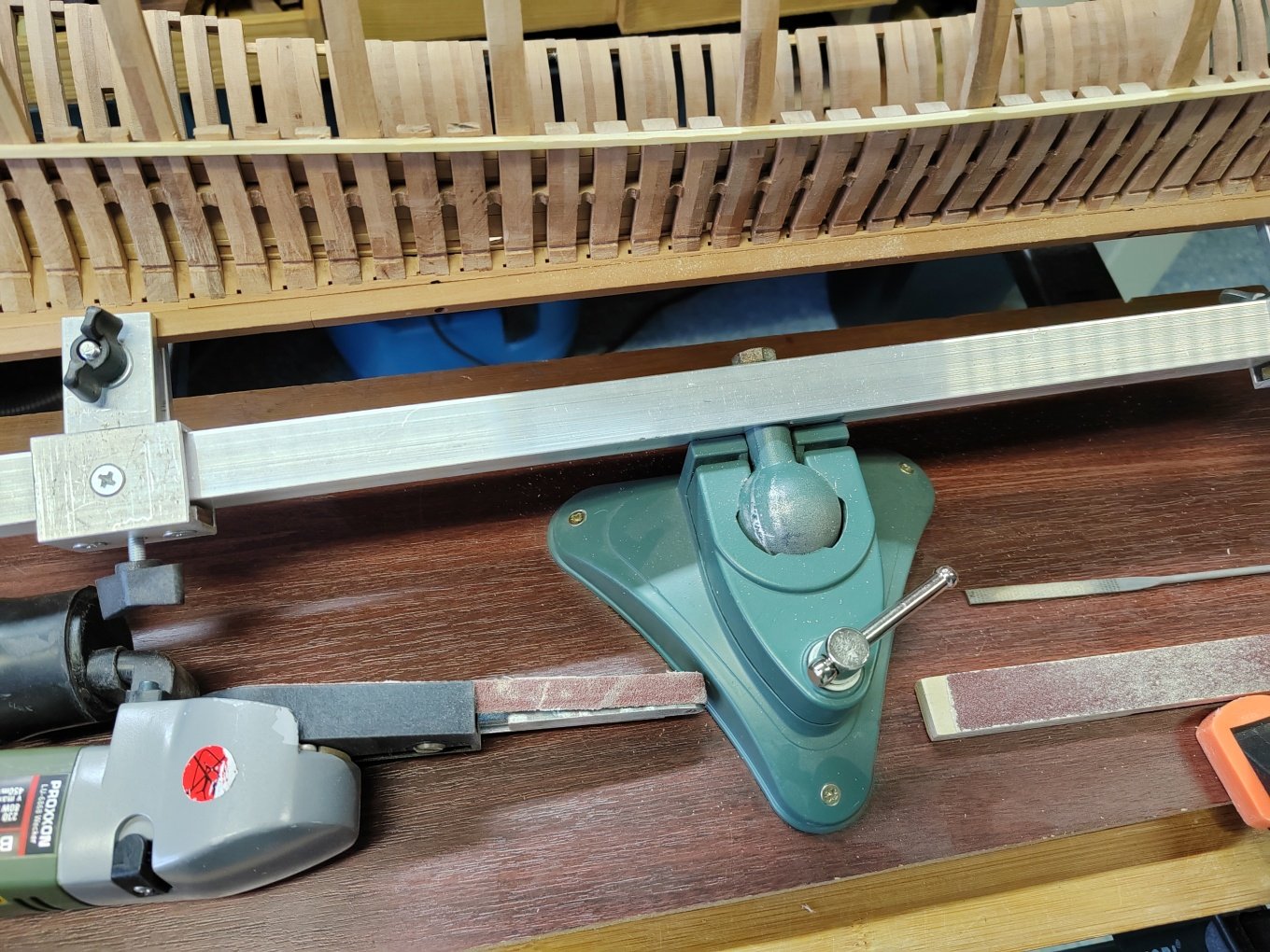
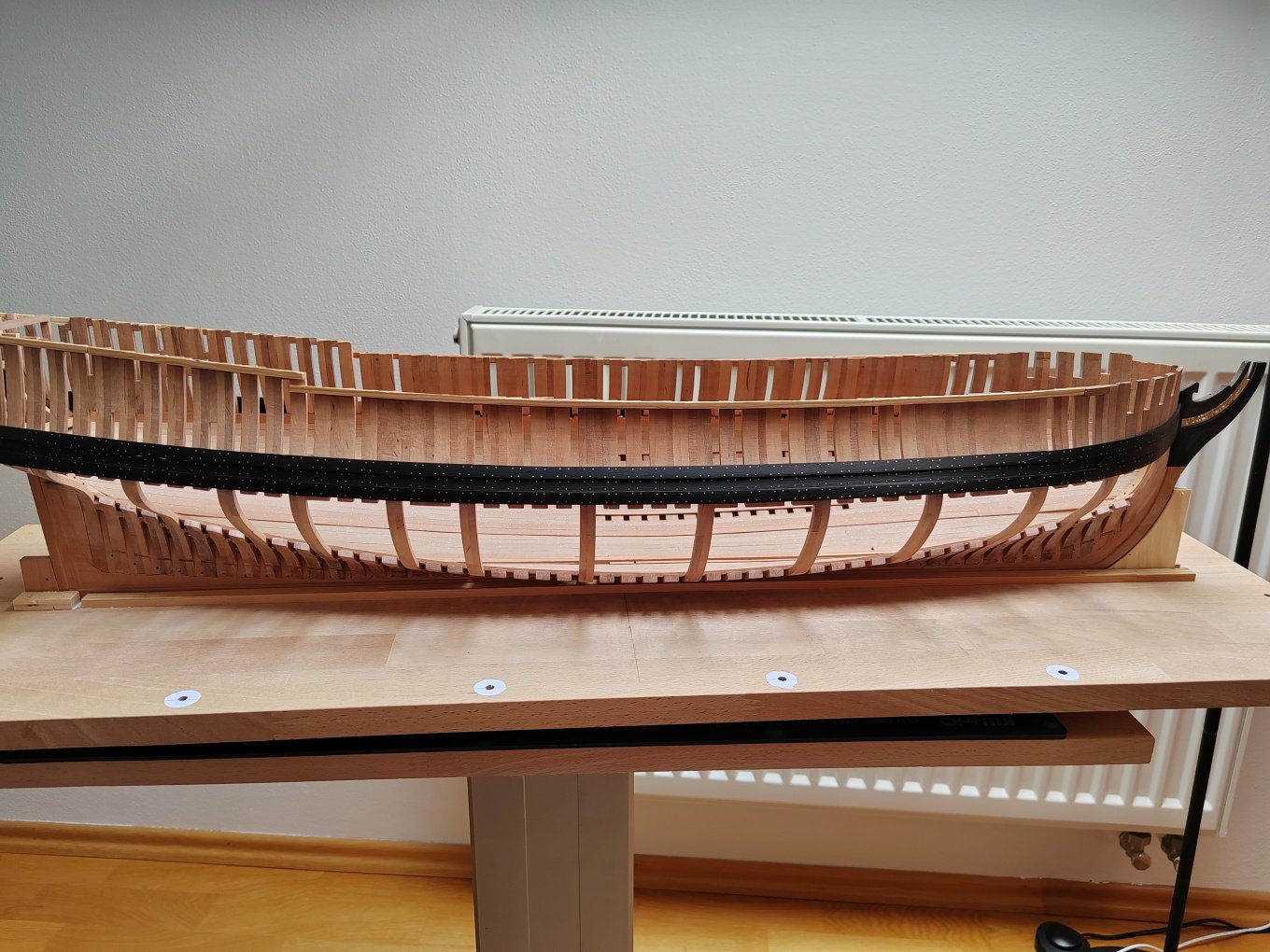
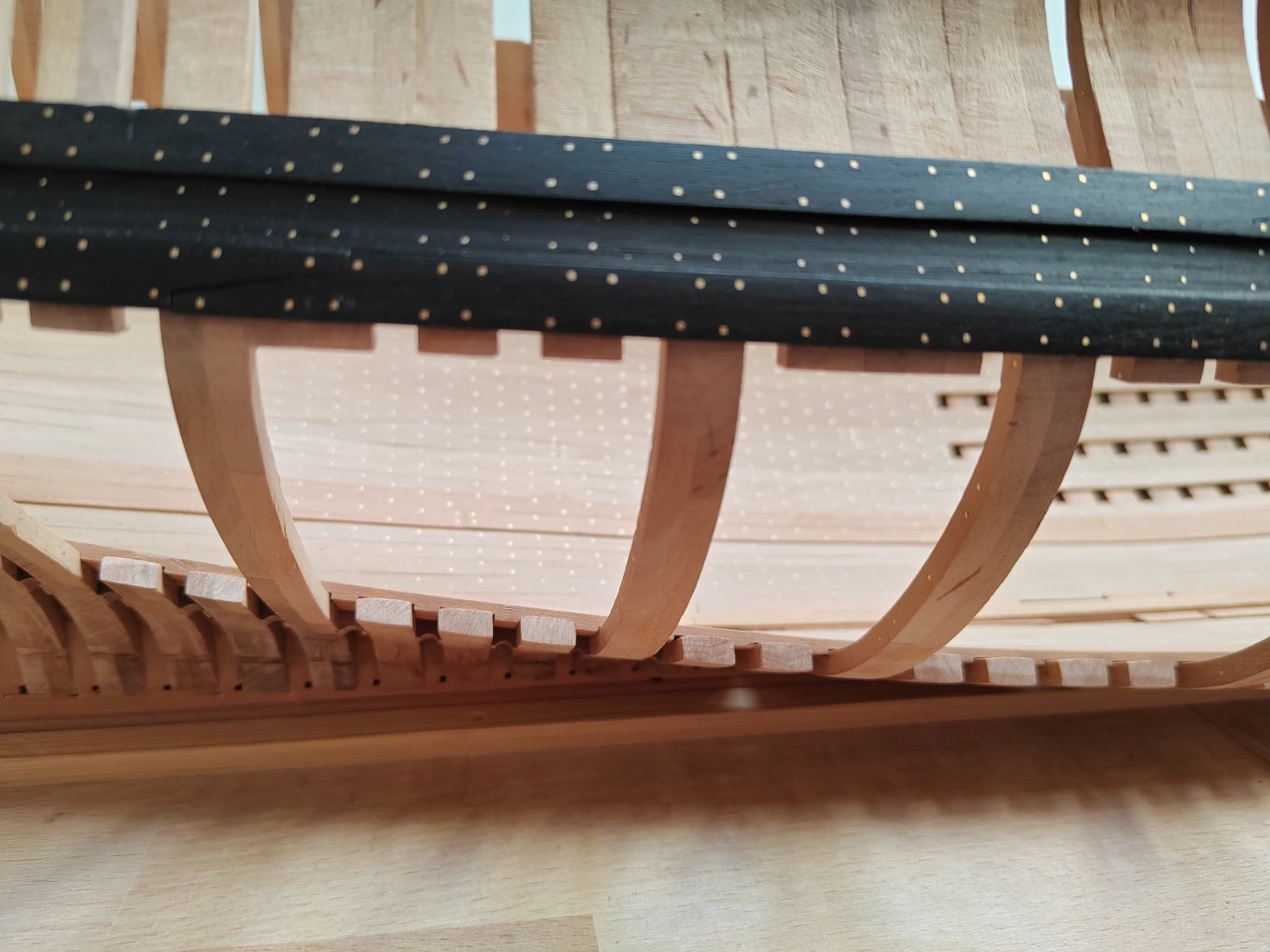
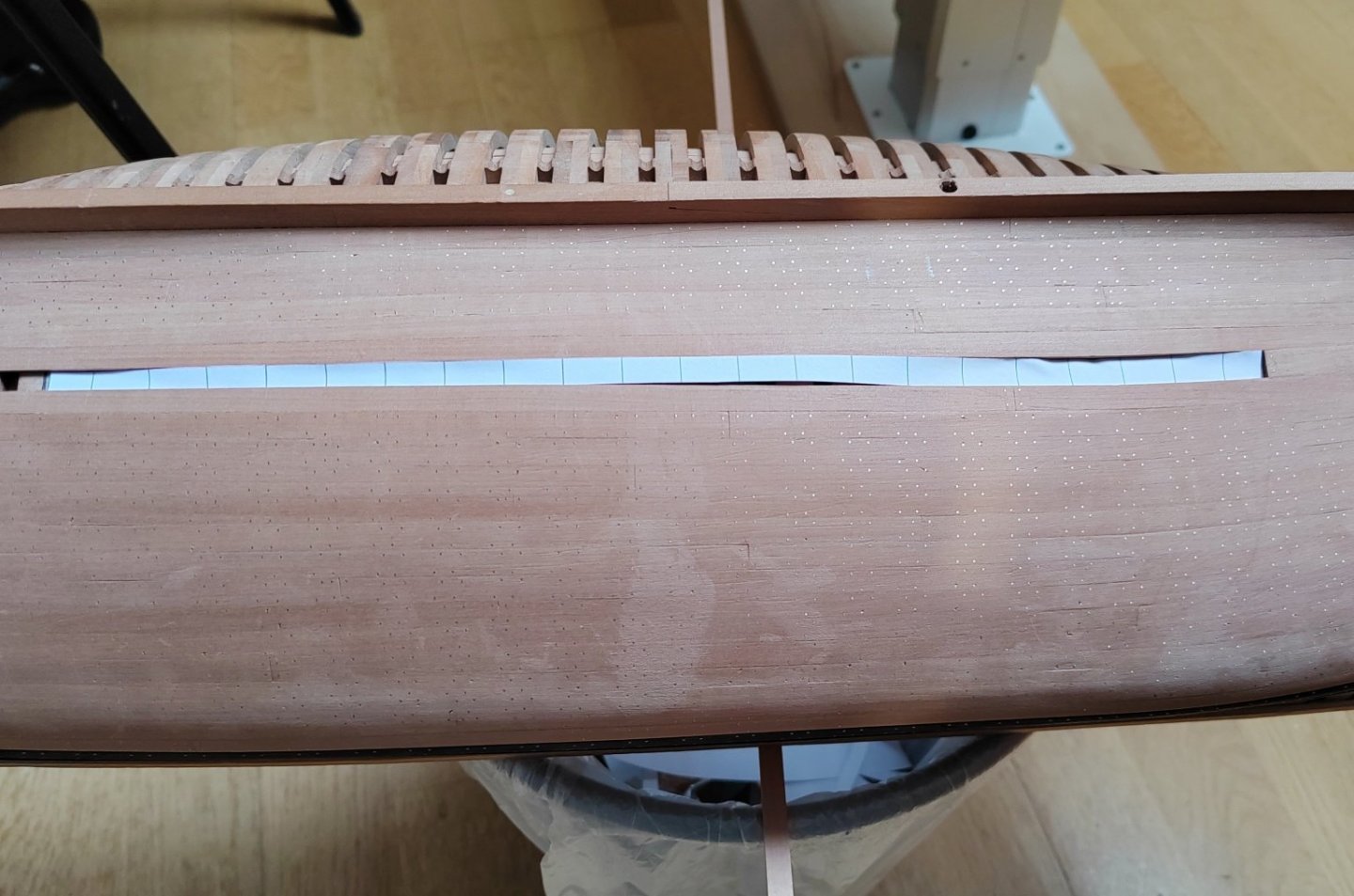
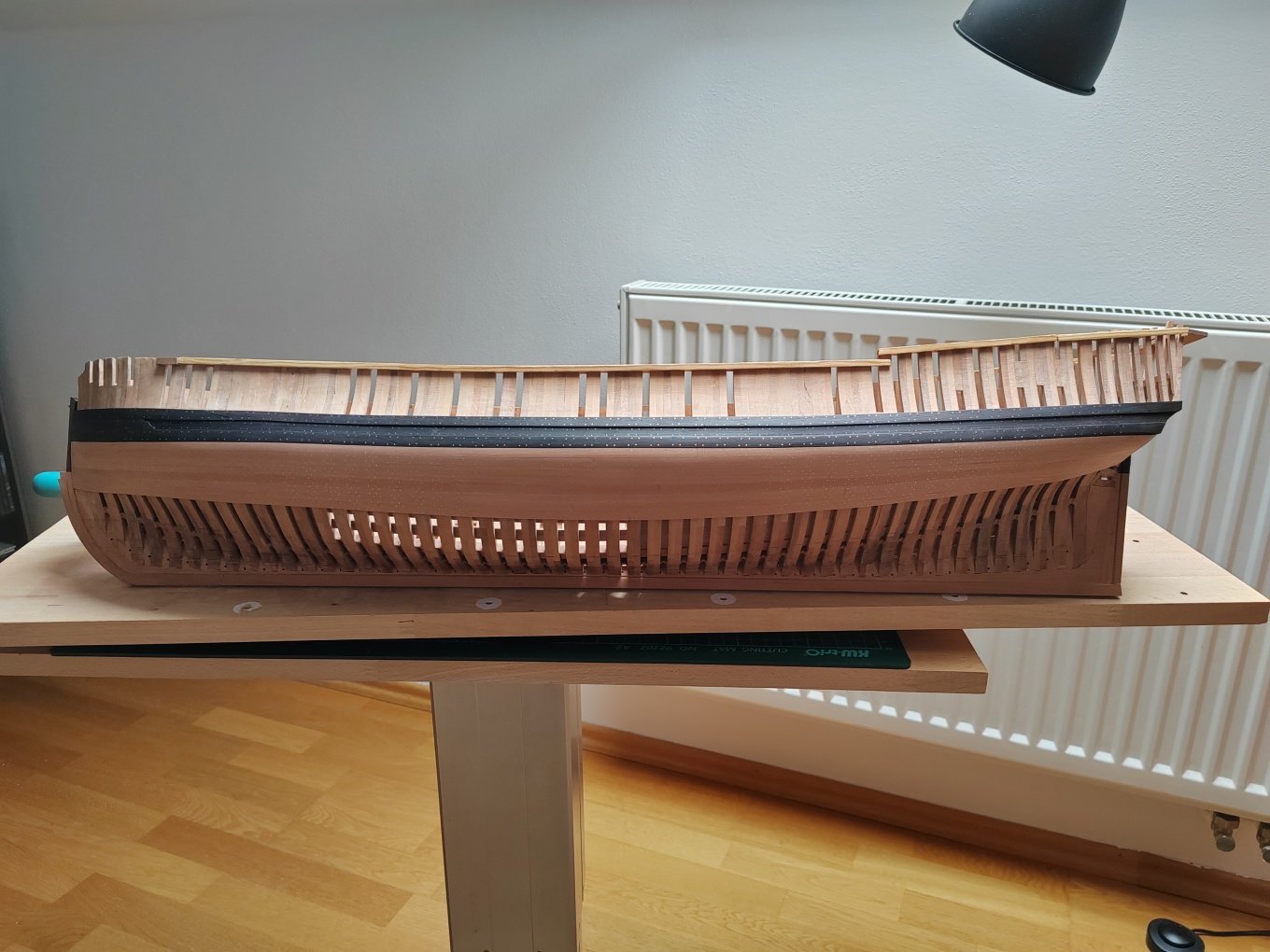
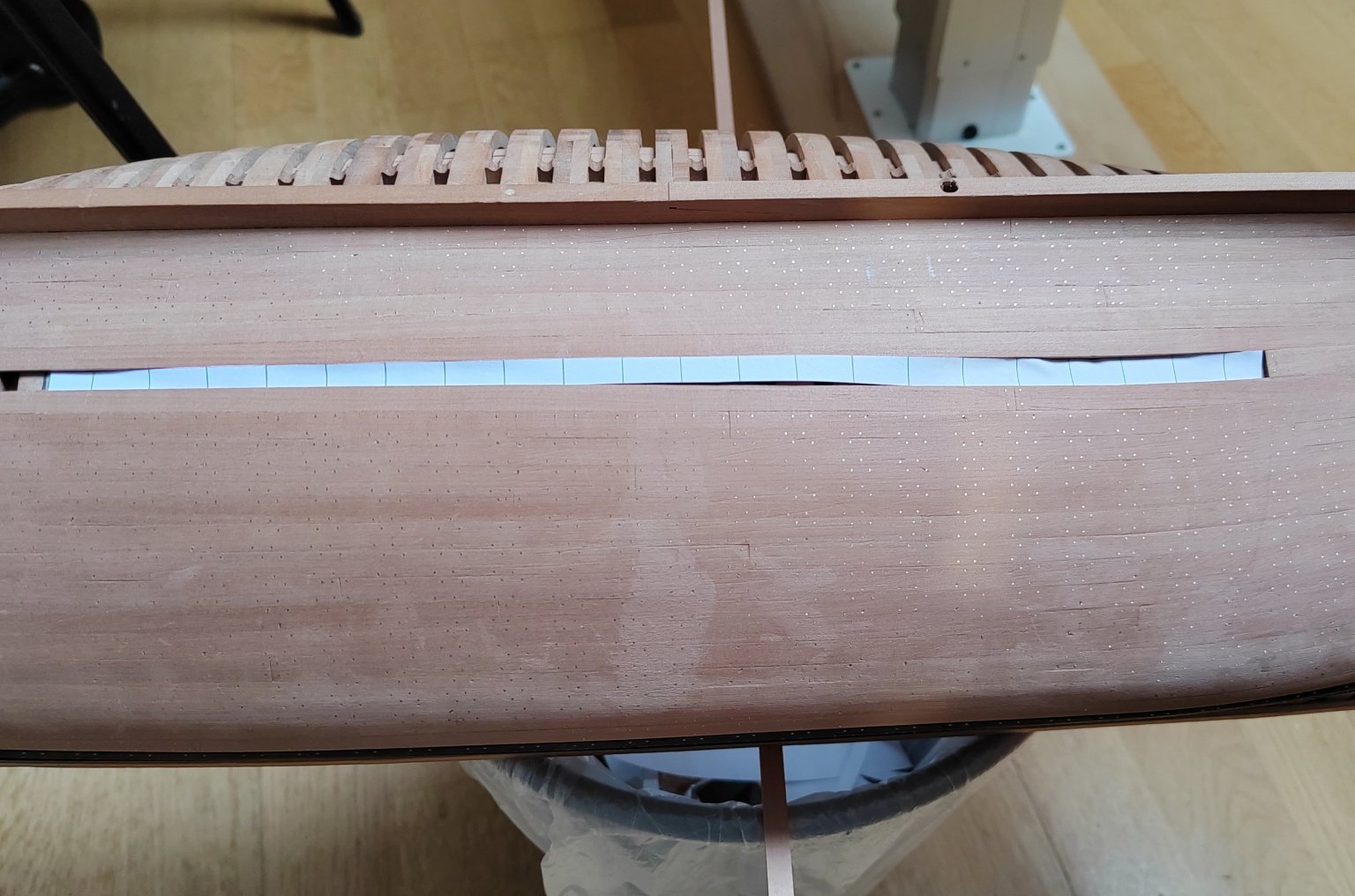
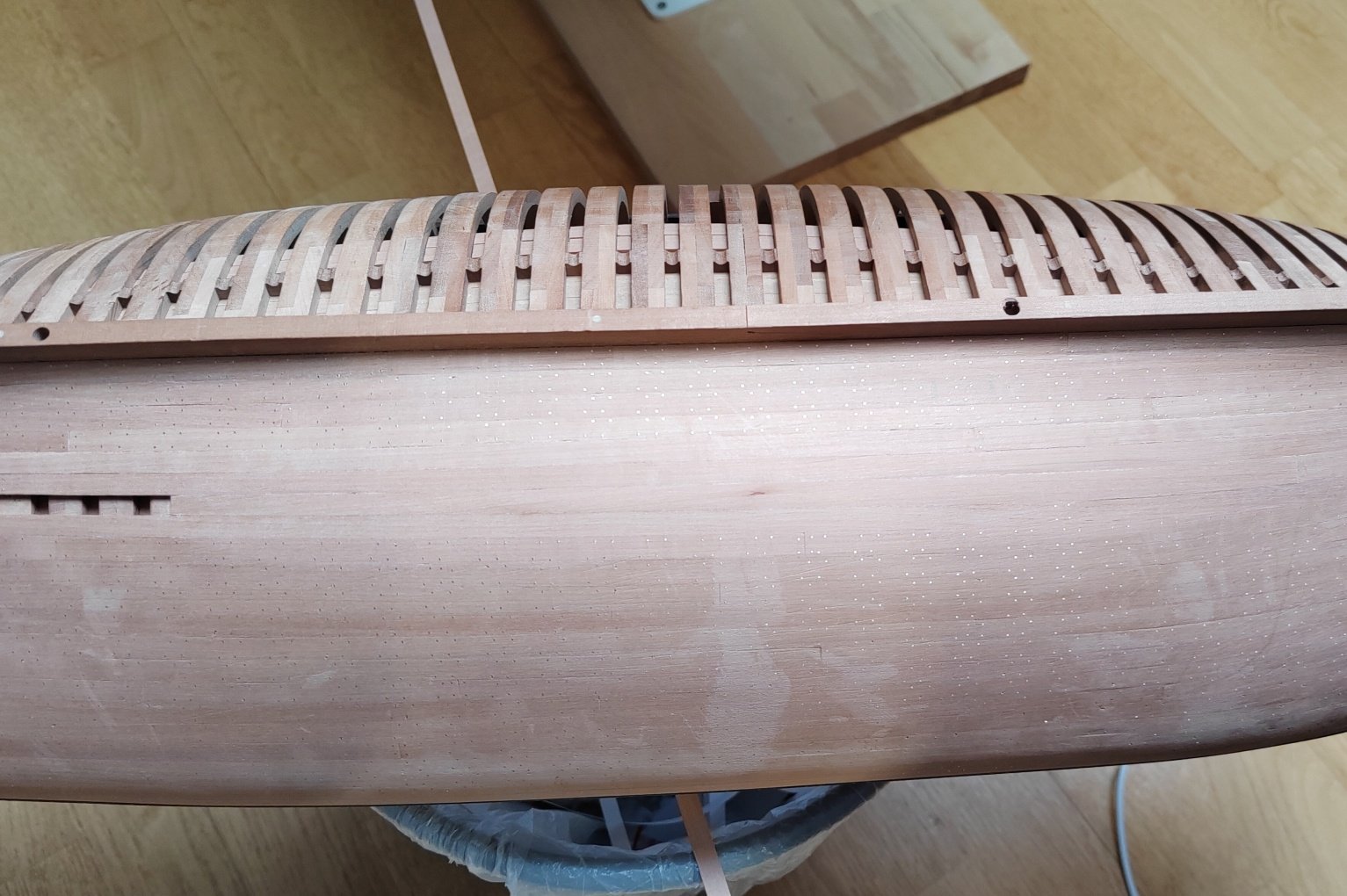
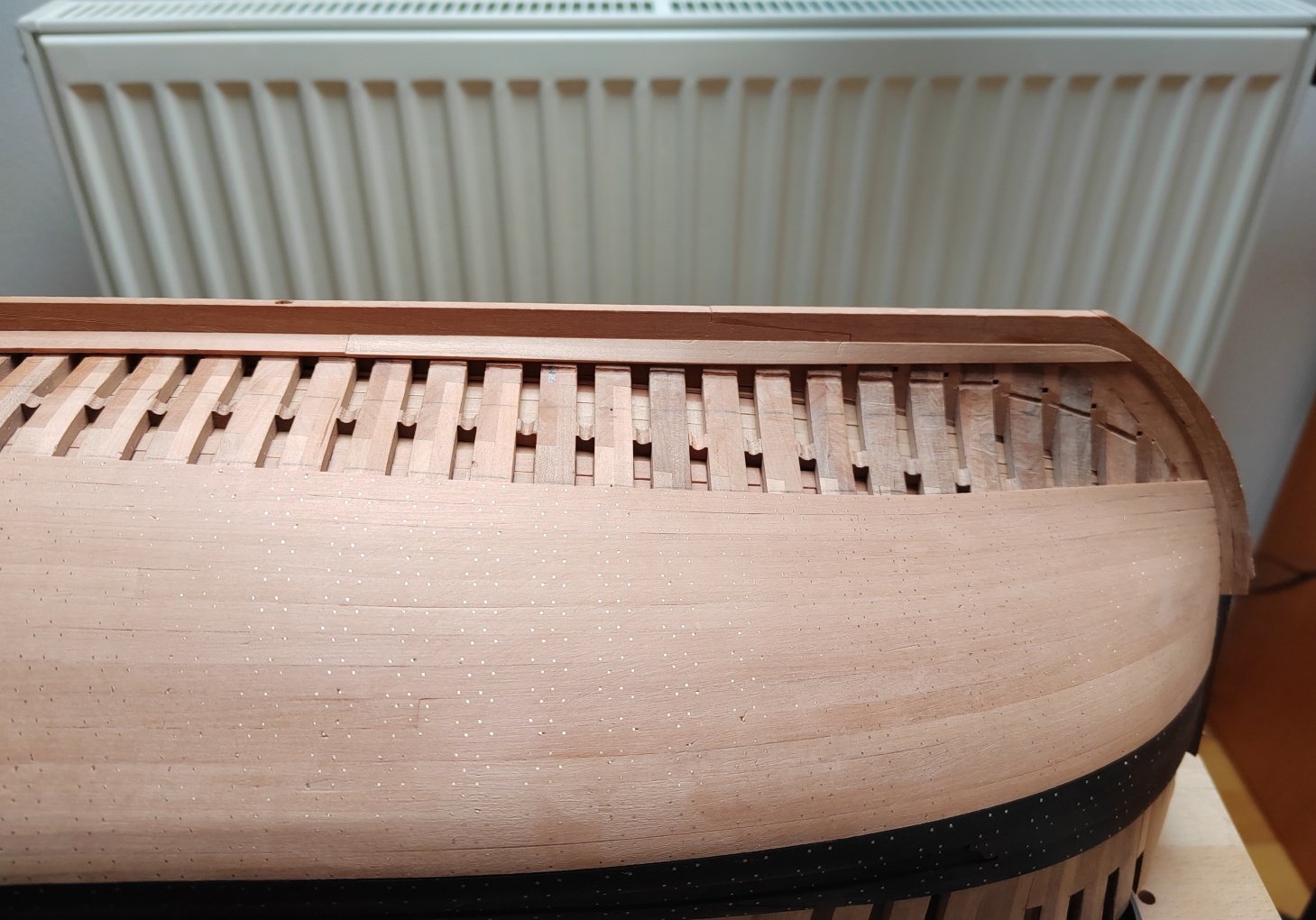
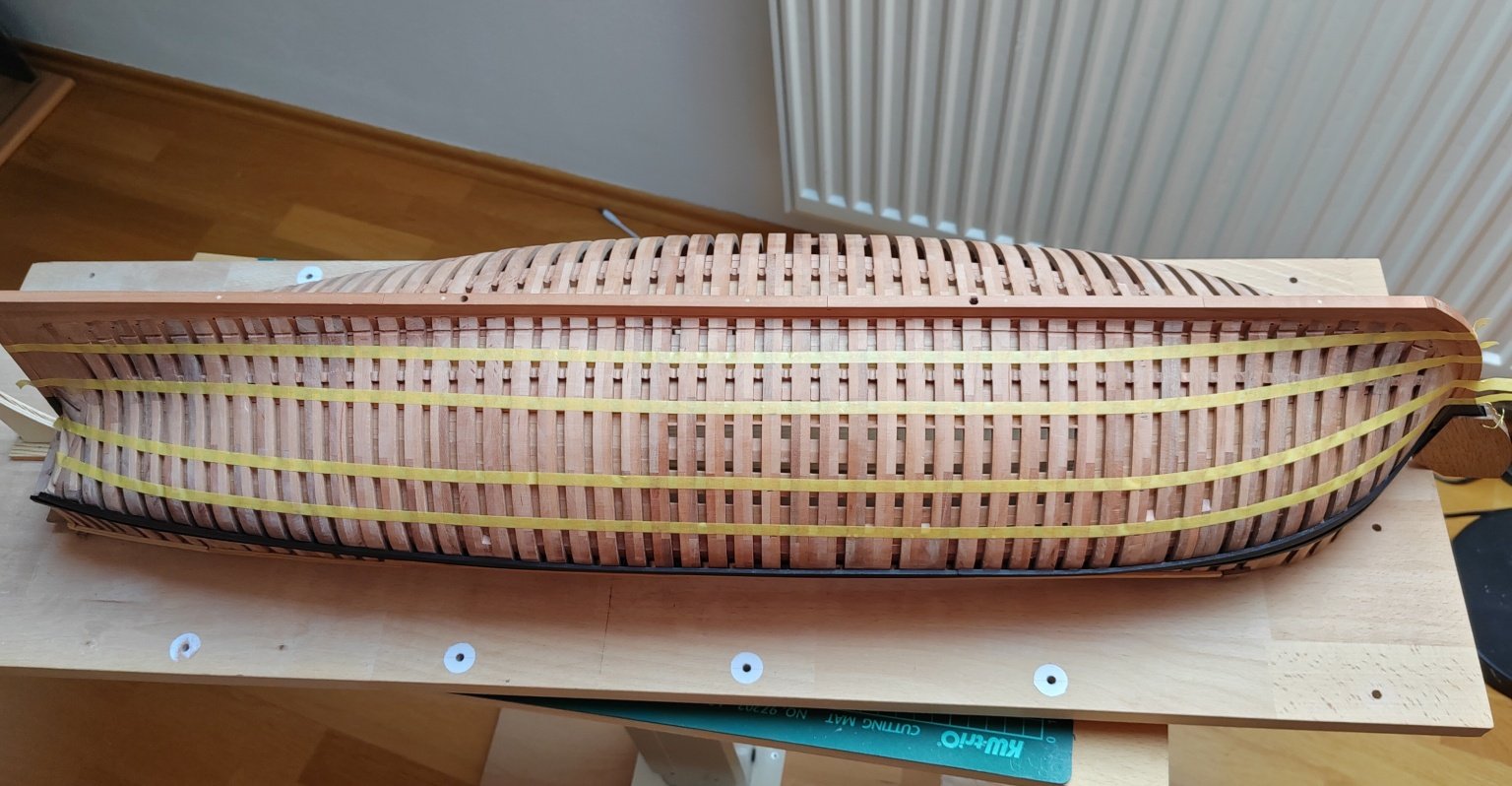
It's time to cut out the "windows" in the unplanked half of the hull. And since Christmas and the end of the year are approaching, I would like to wish everyone a Merry Christmas and a Happy New Year 2025.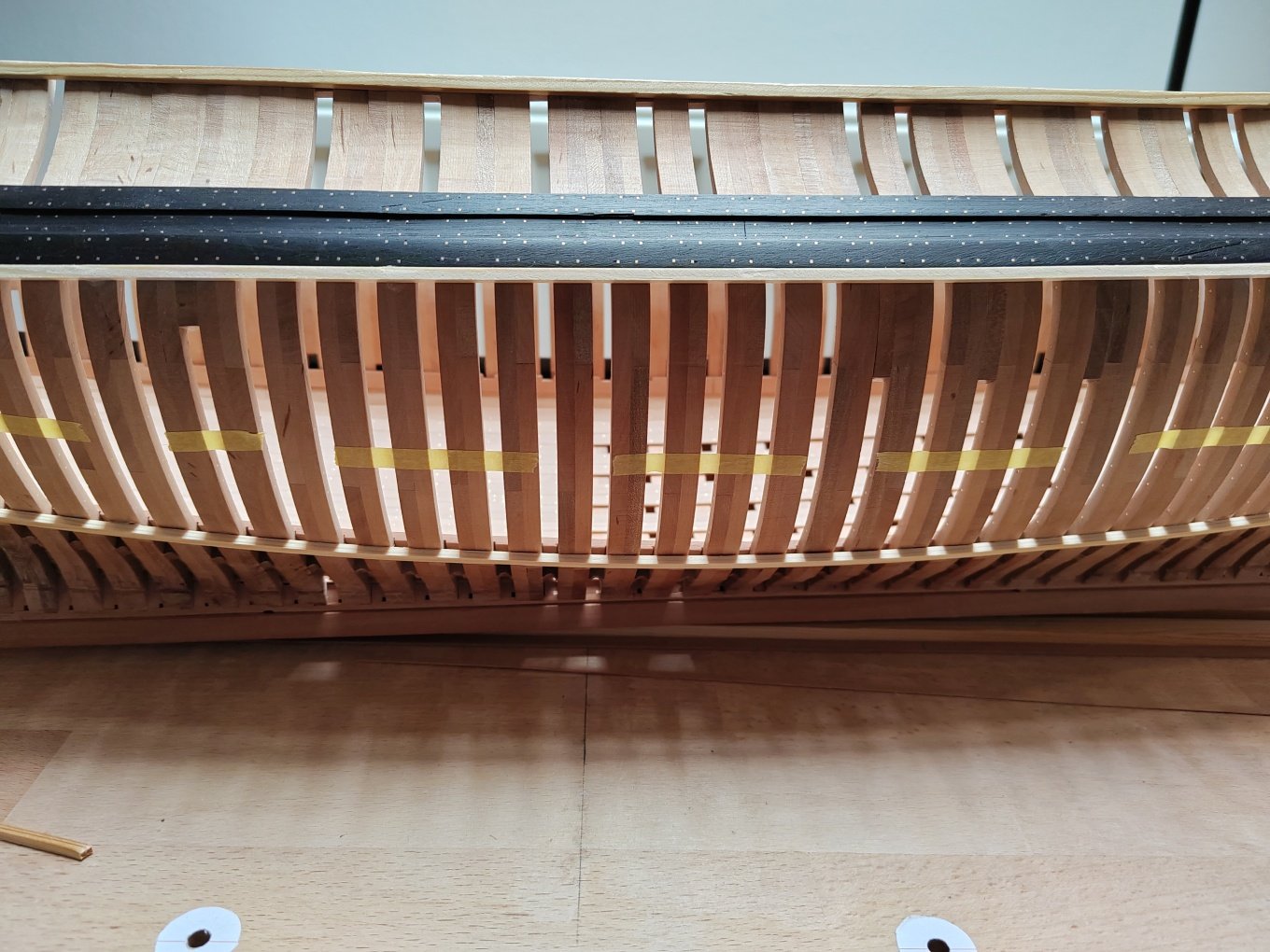
-
L'Amarante by marsalv - 1:36 - POF
marsalv replied to marsalv's topic in - Build logs for subjects built 1501 - 1750
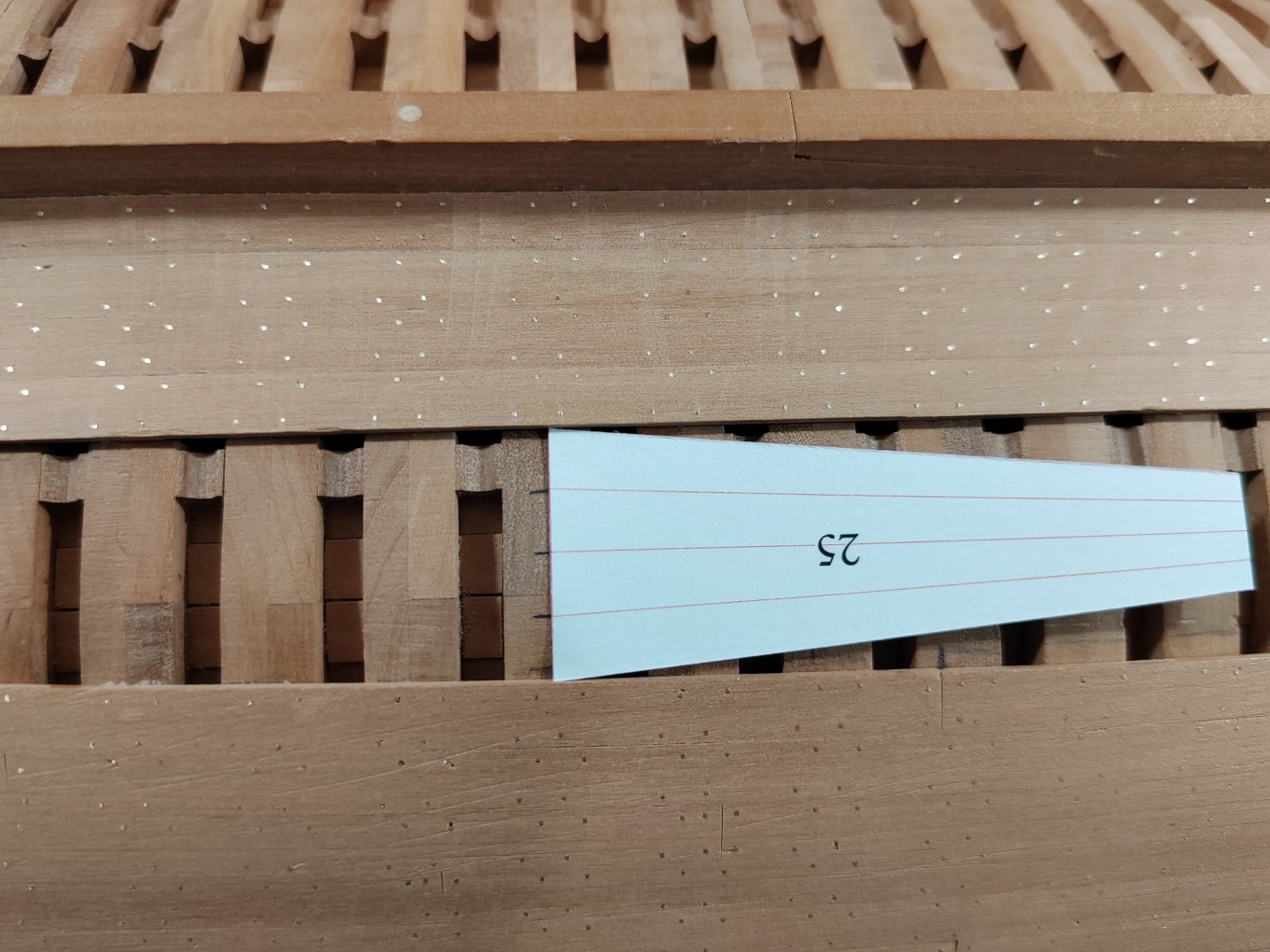
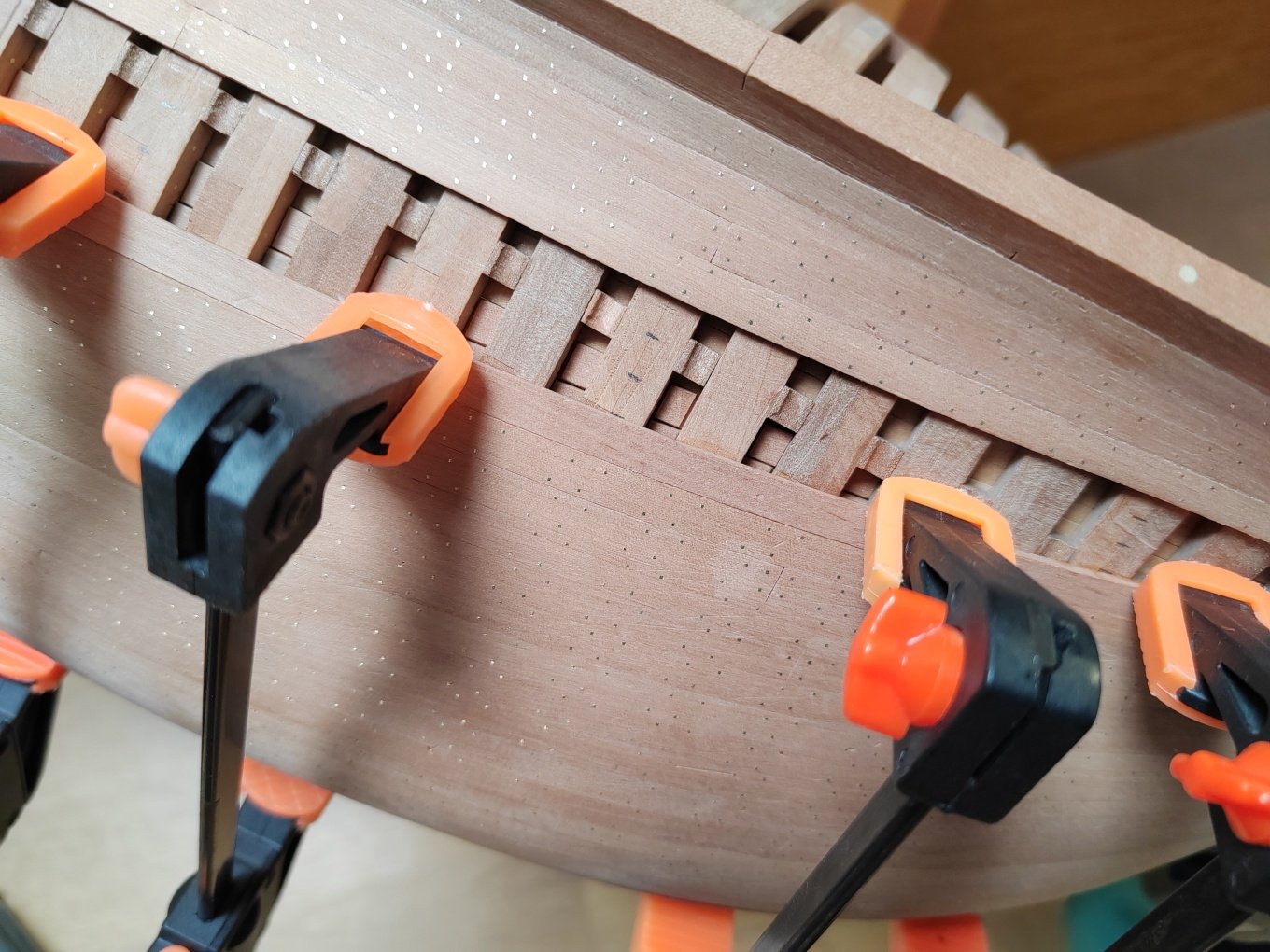
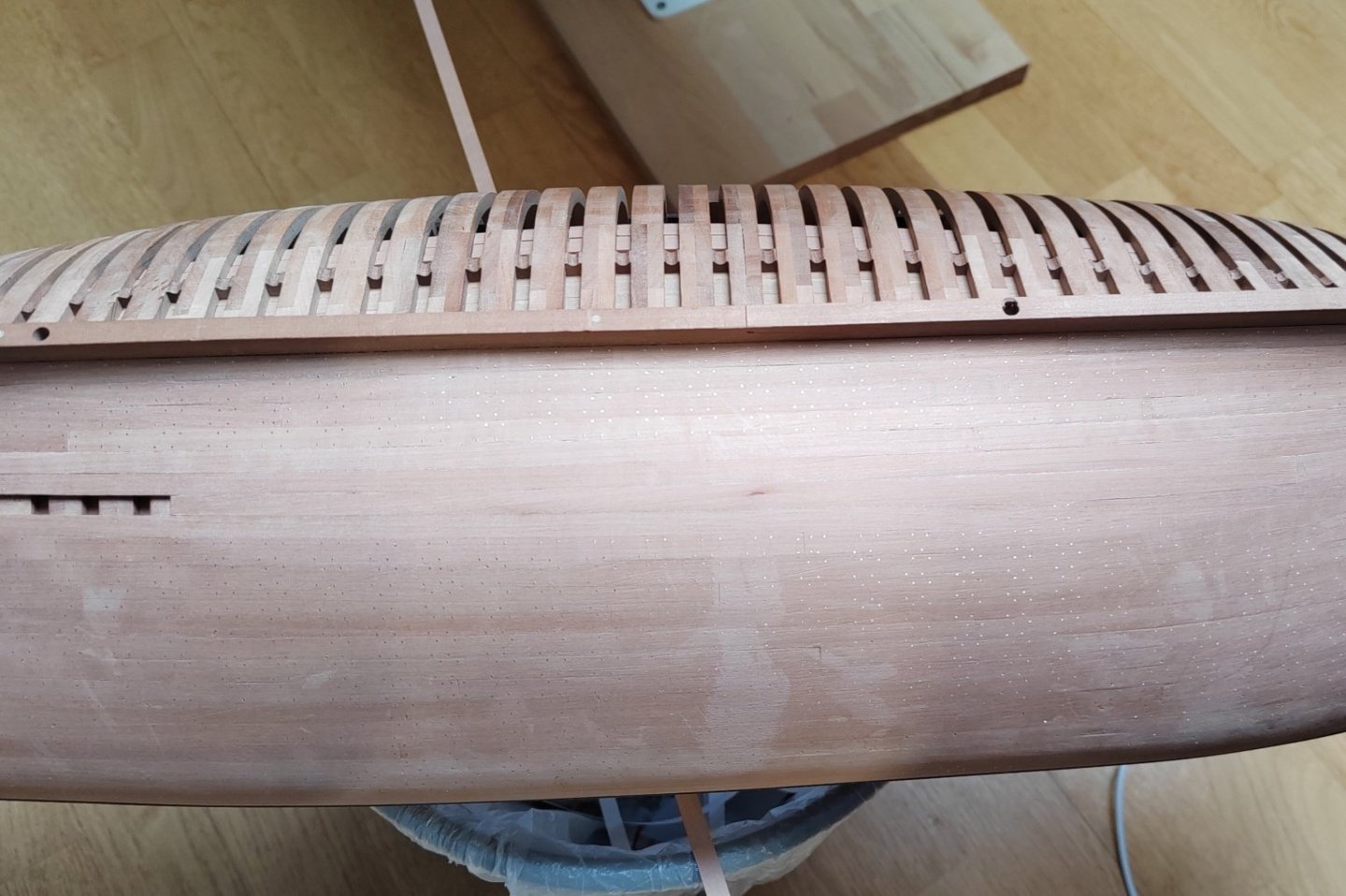
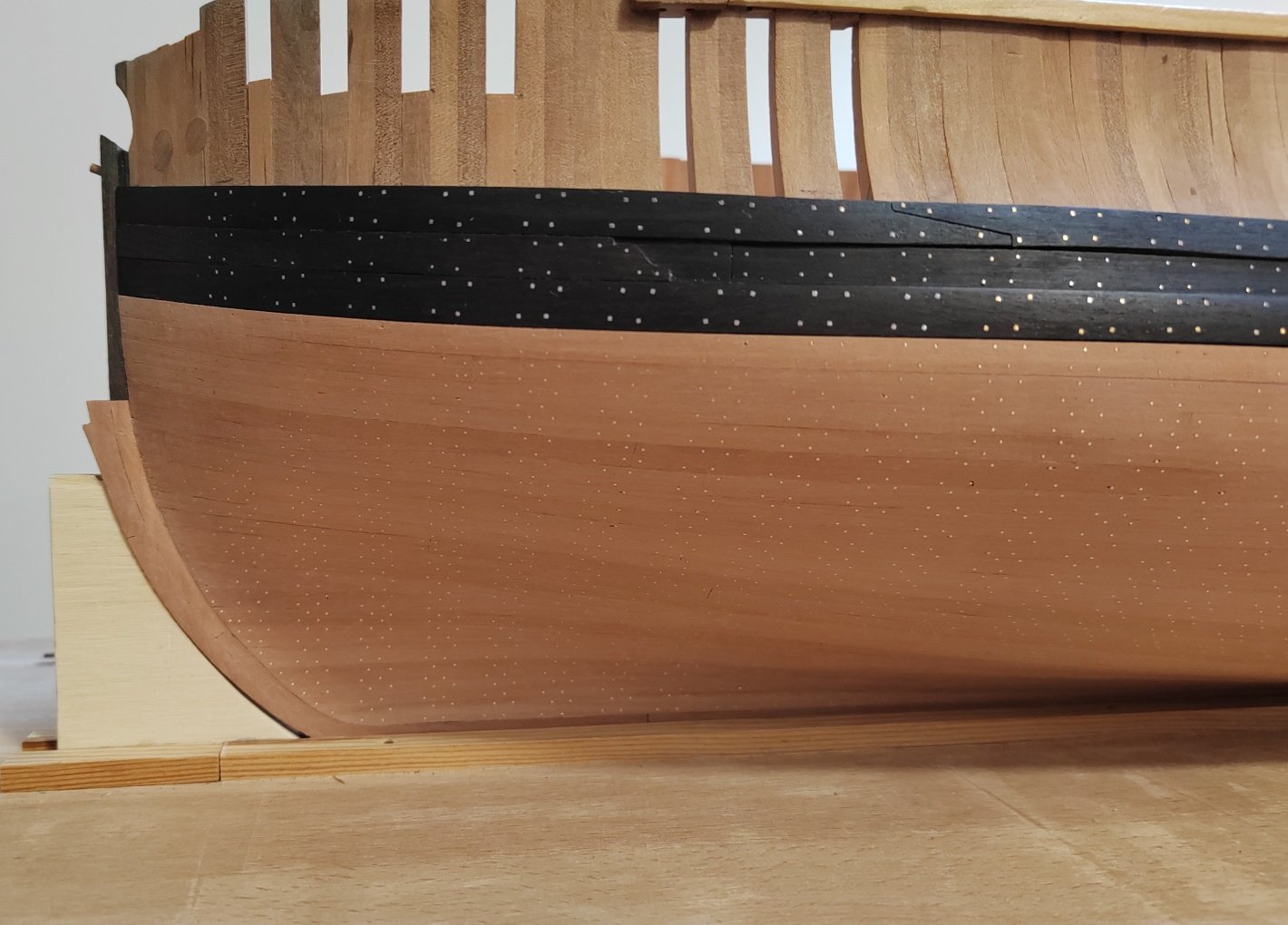
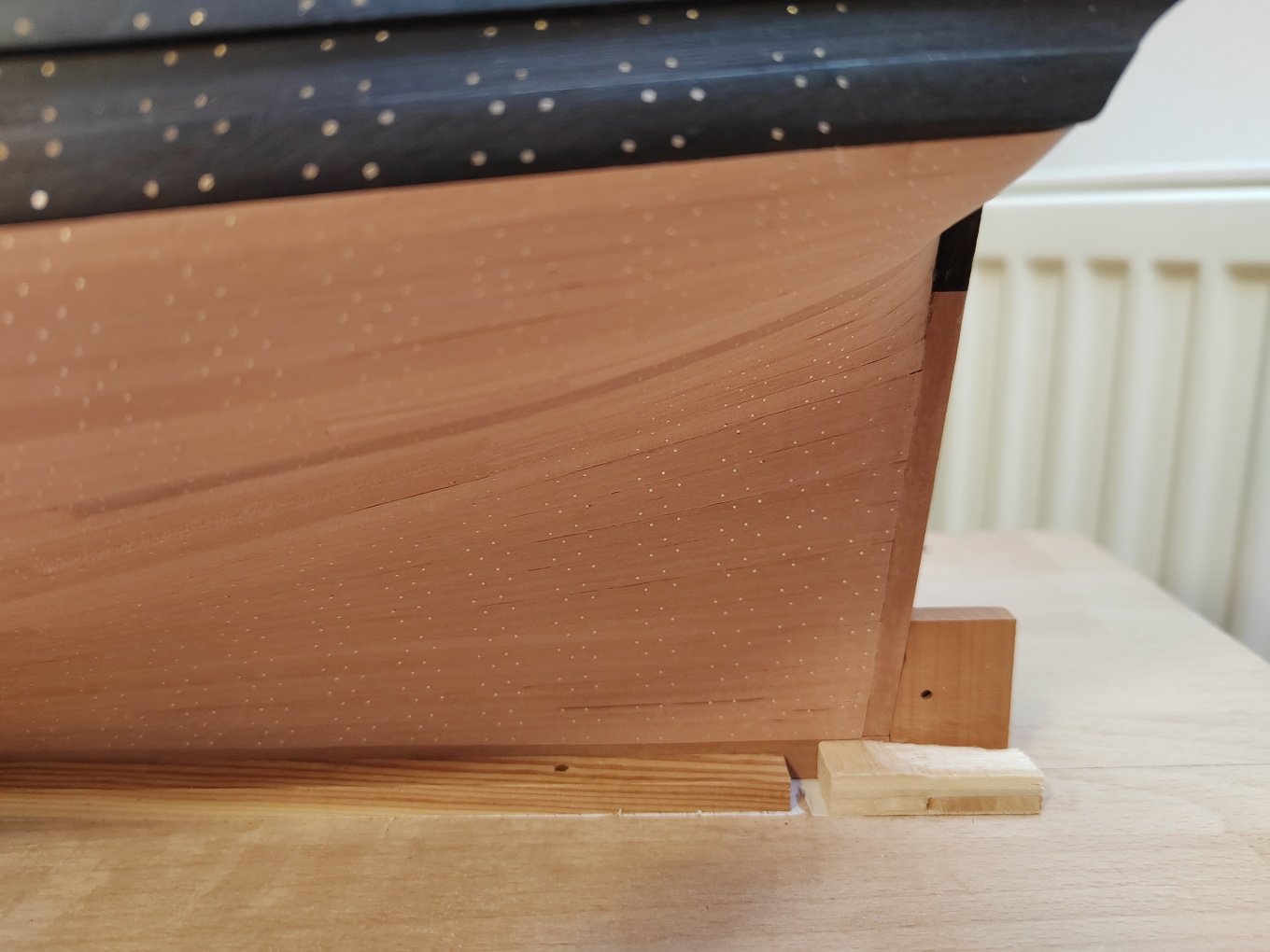
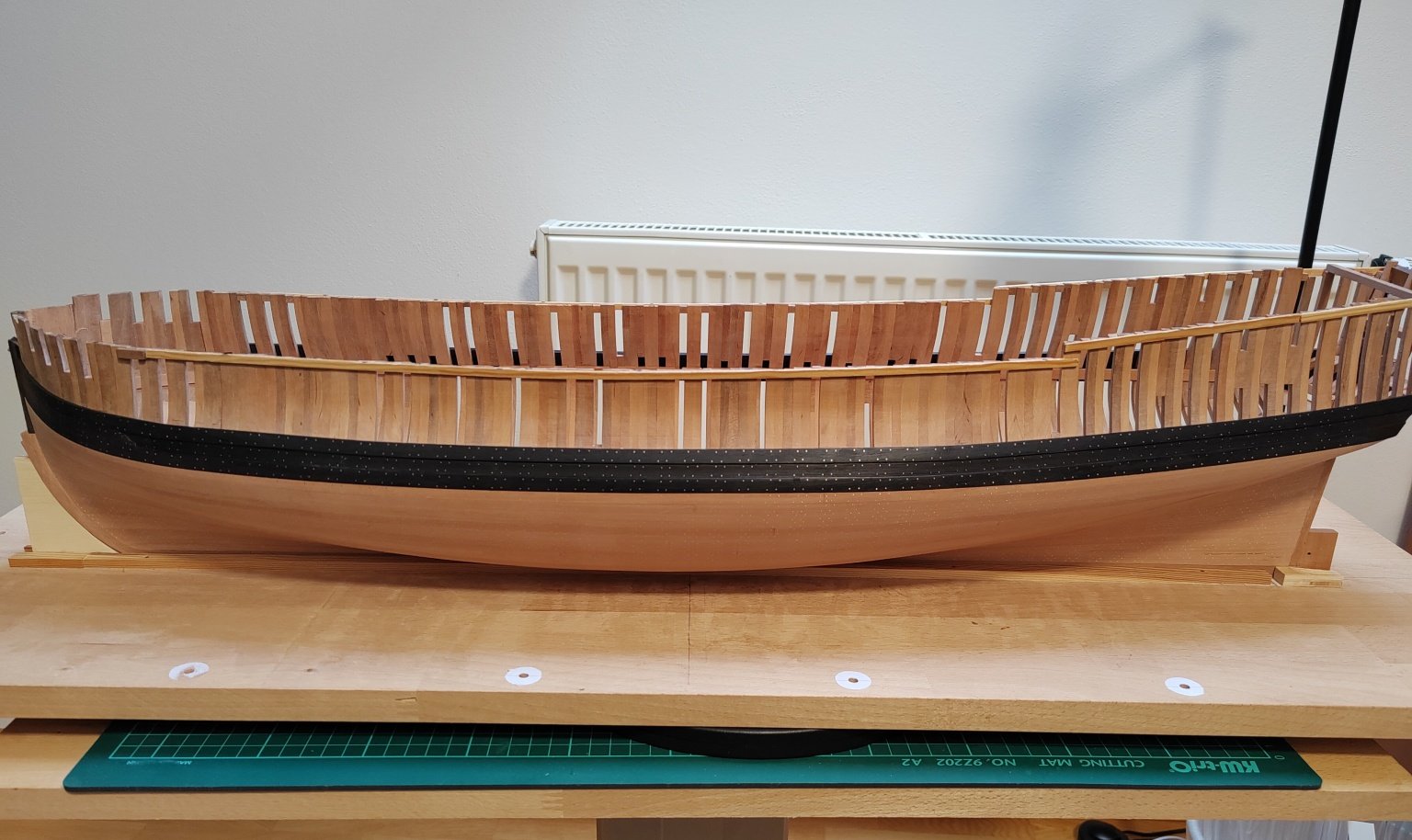
The hull planking is finally done. I'm glad to have it done .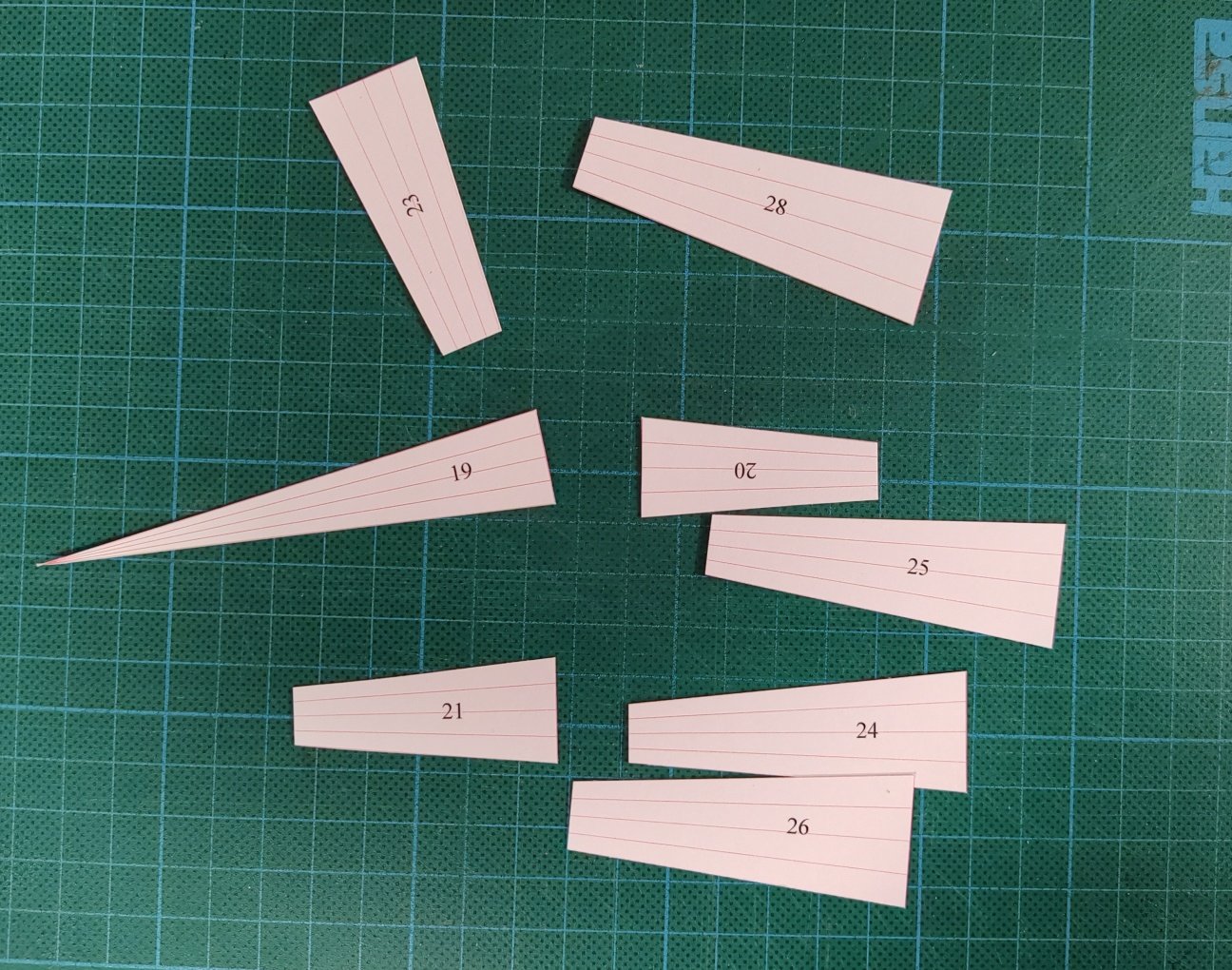
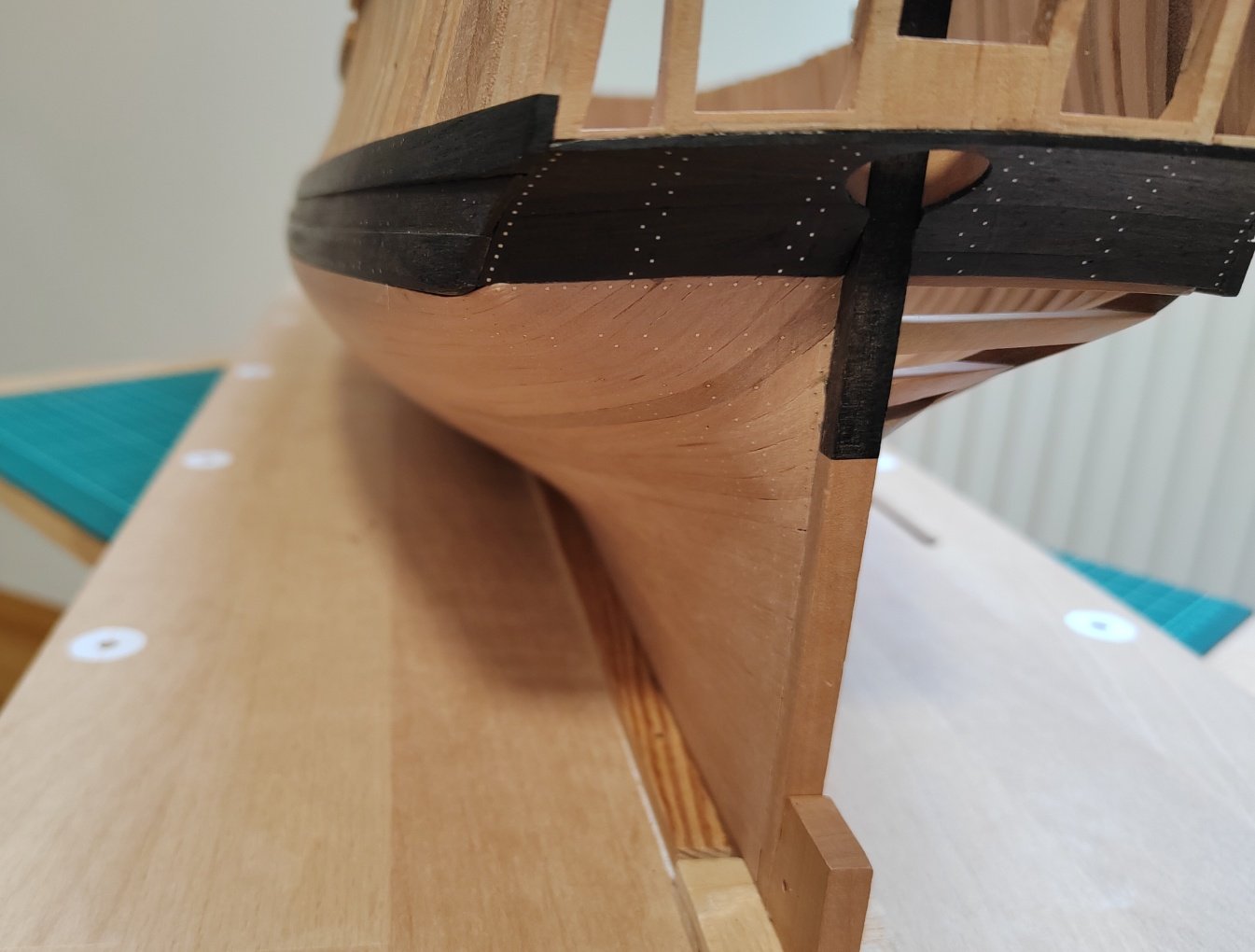
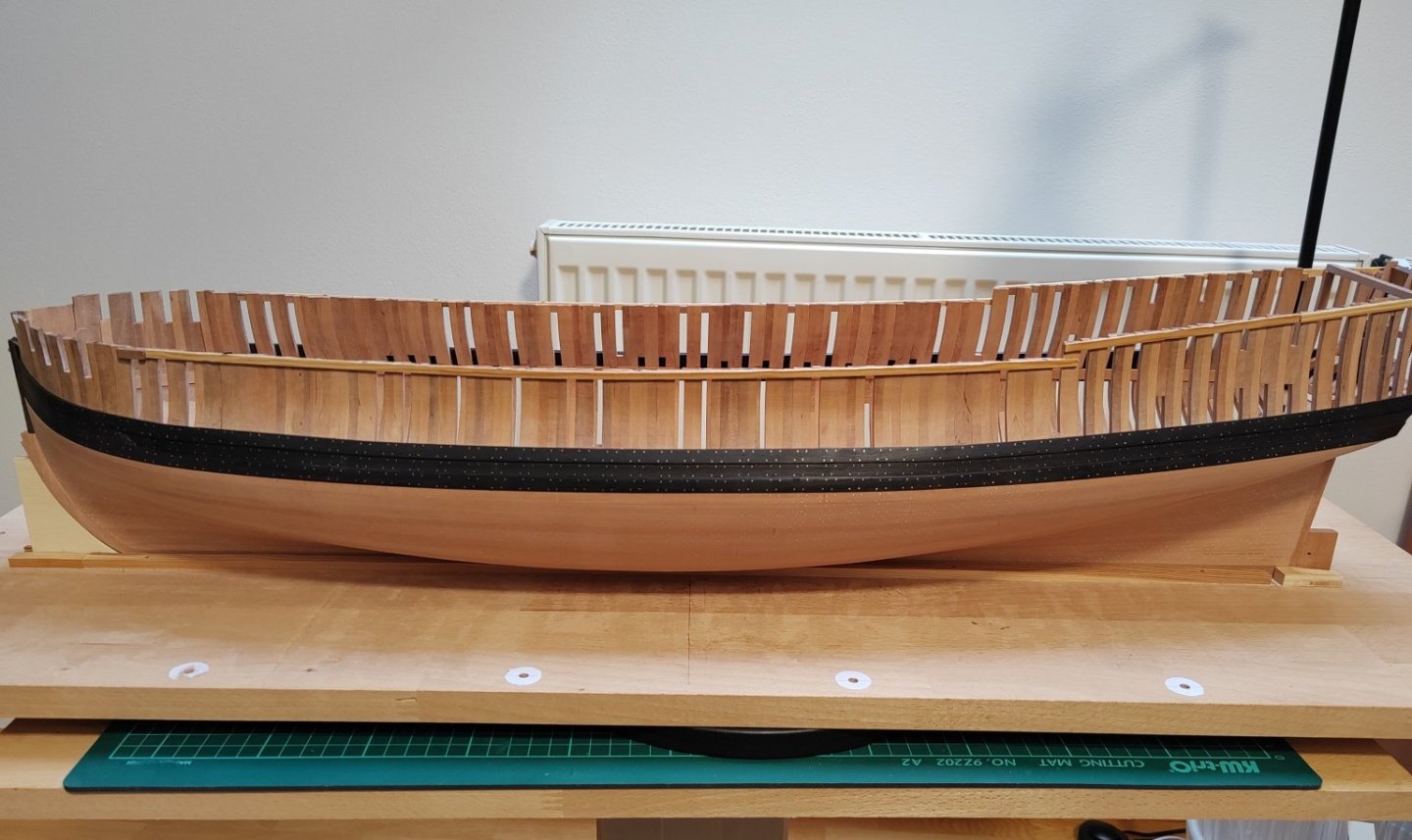
-
L'Amarante by marsalv - 1:36 - POF
marsalv replied to marsalv's topic in - Build logs for subjects built 1501 - 1750
Don't worry, the other side will be without planks and partially open, so the inside of the hull will be visible. -
L'Amarante by marsalv - 1:36 - POF
marsalv replied to marsalv's topic in - Build logs for subjects built 1501 - 1750
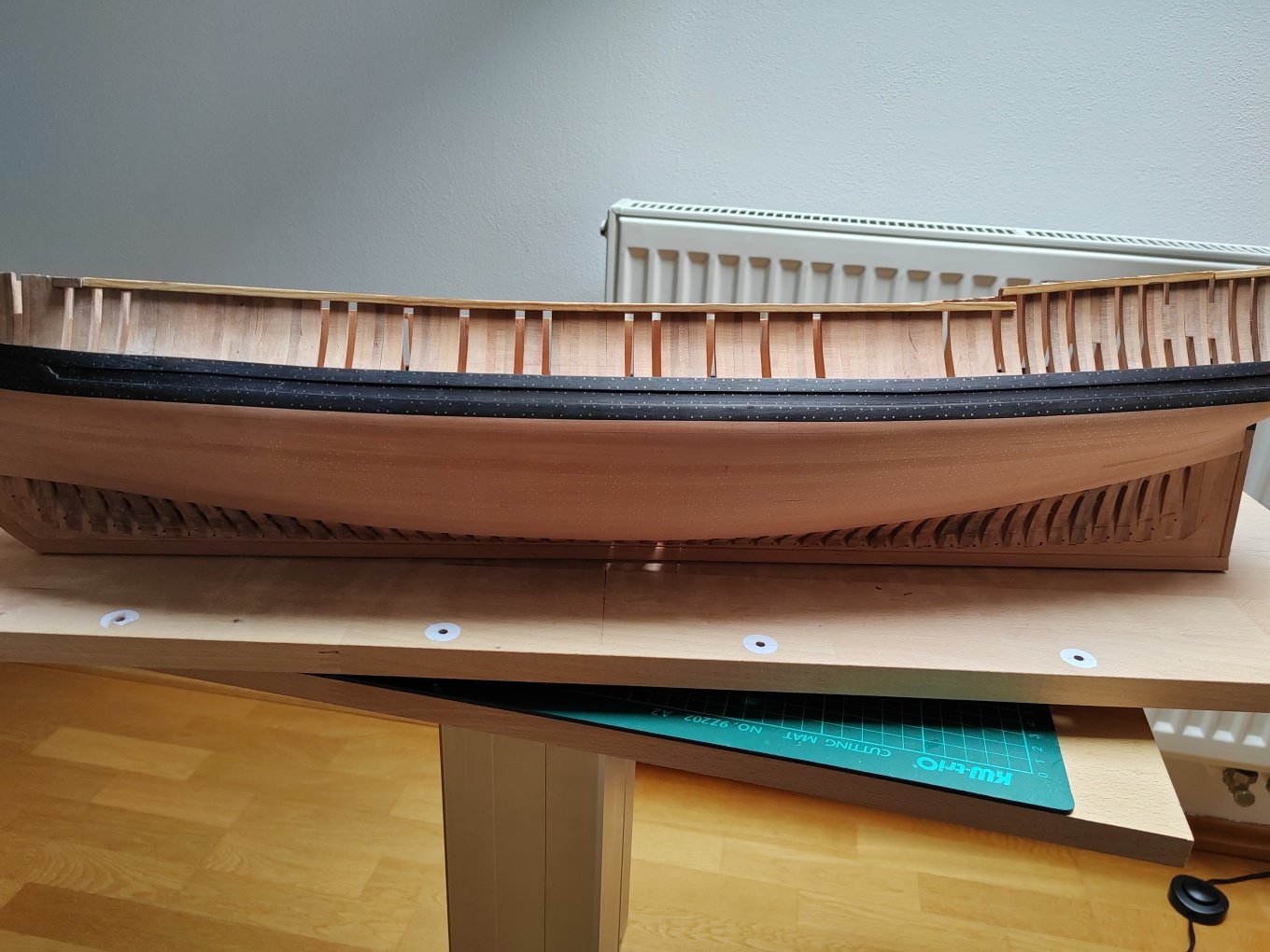
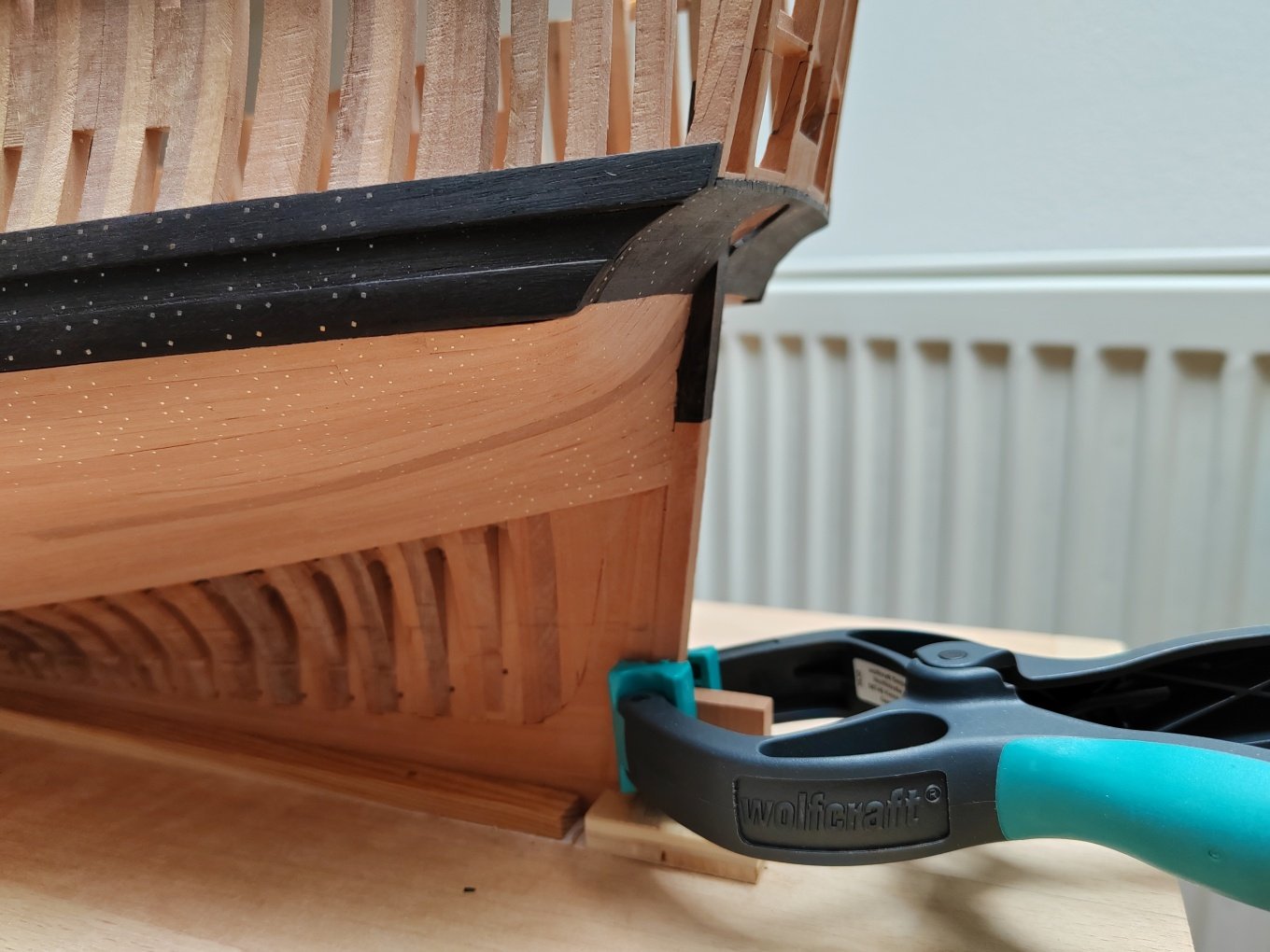
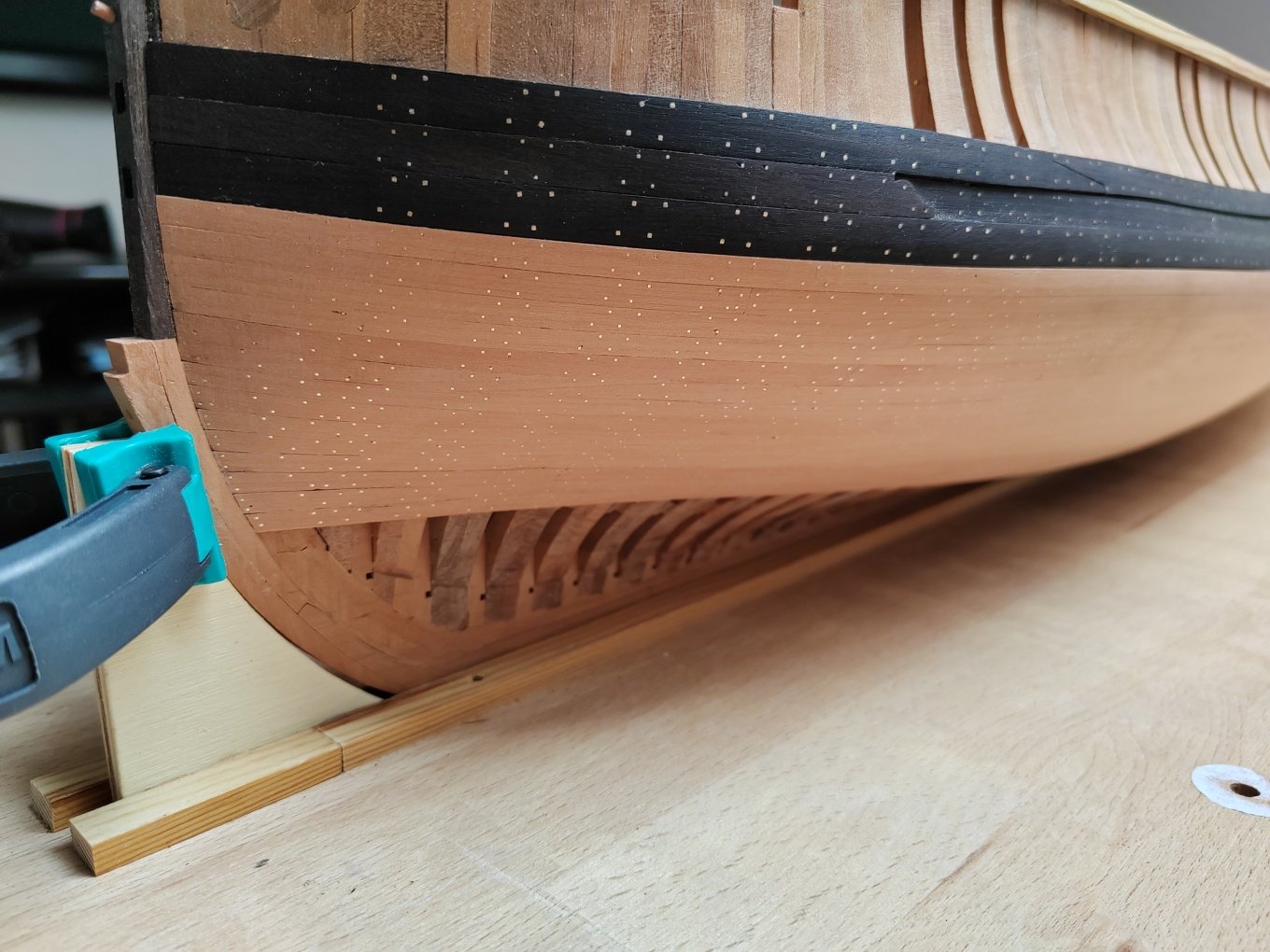
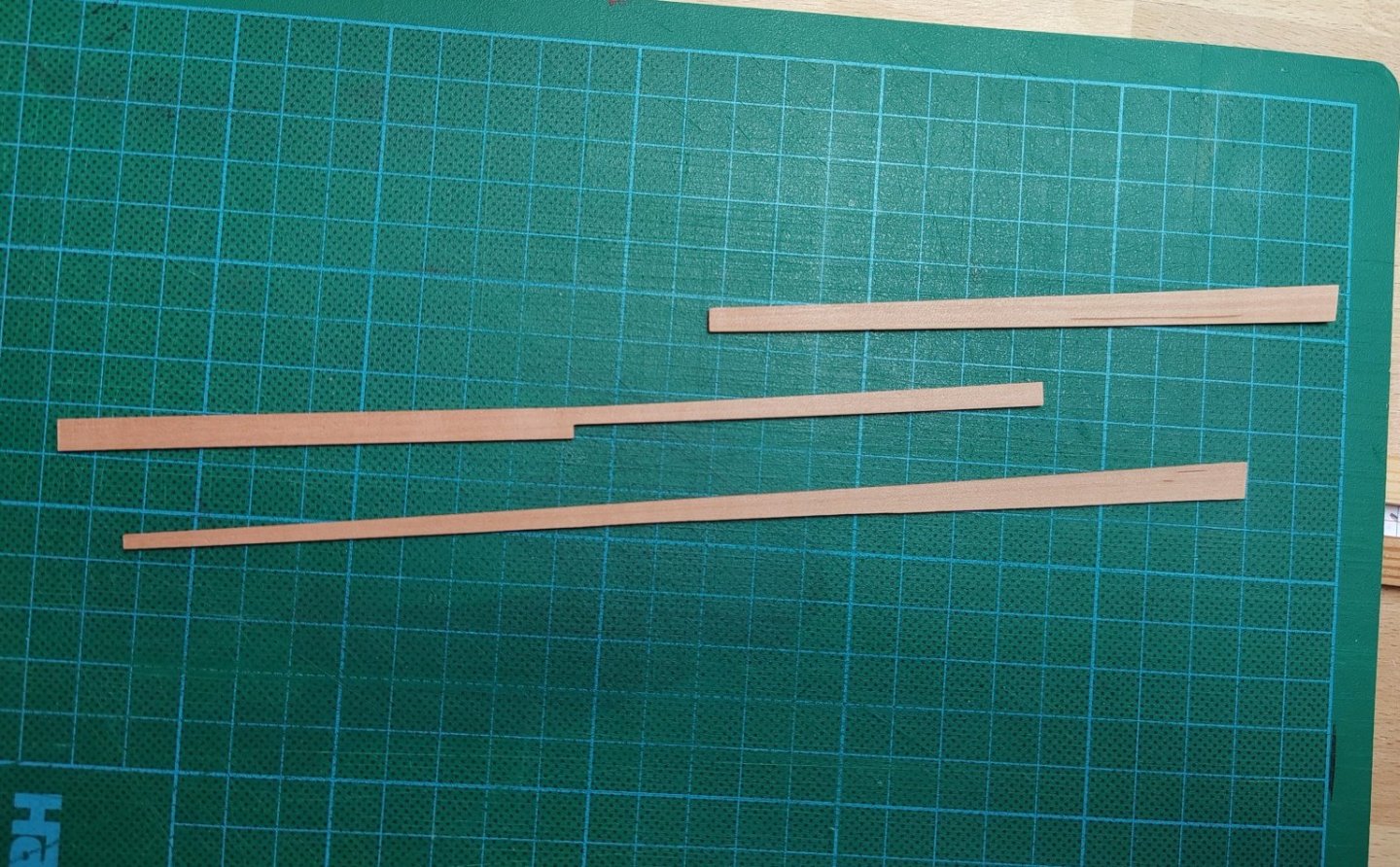
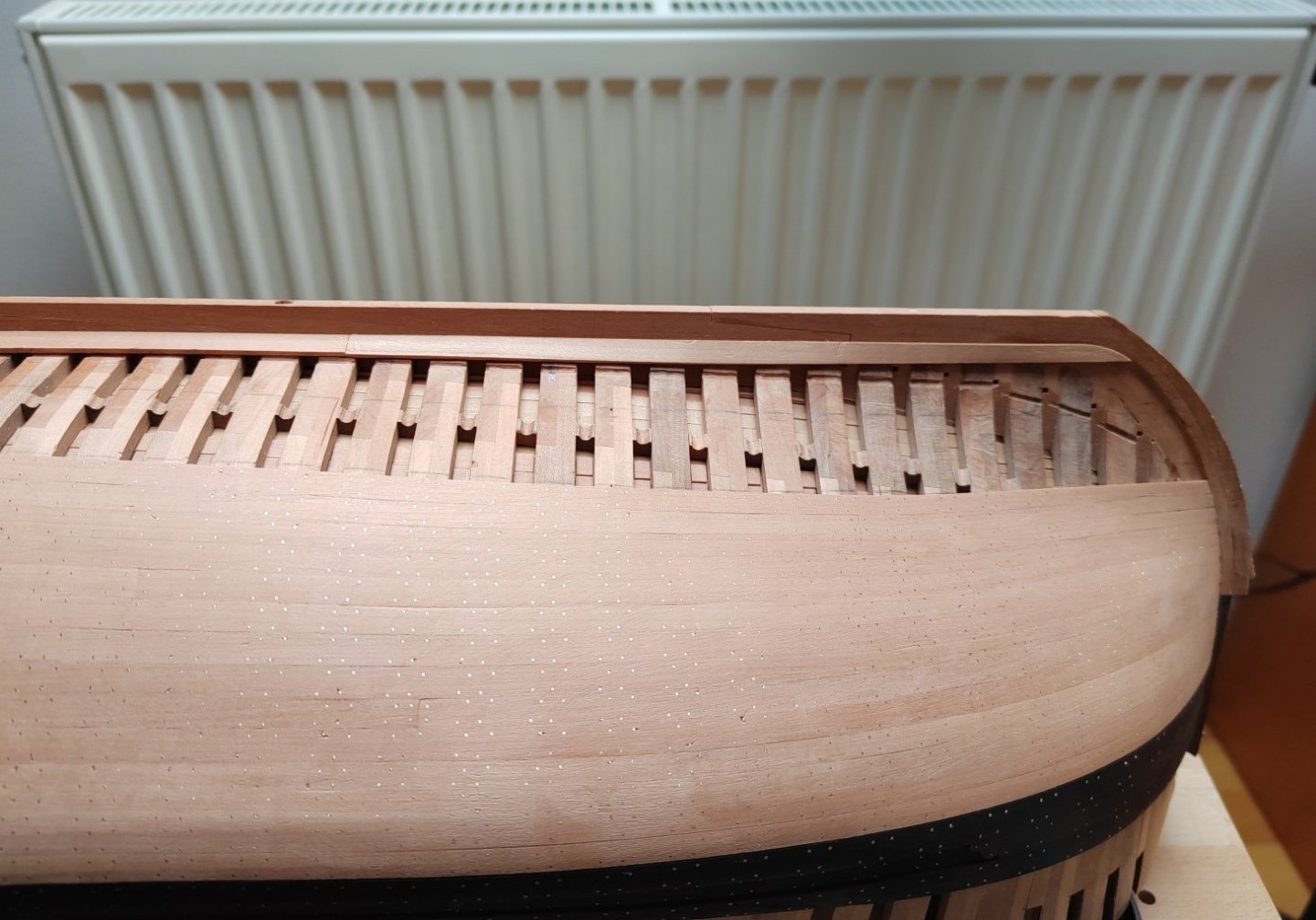
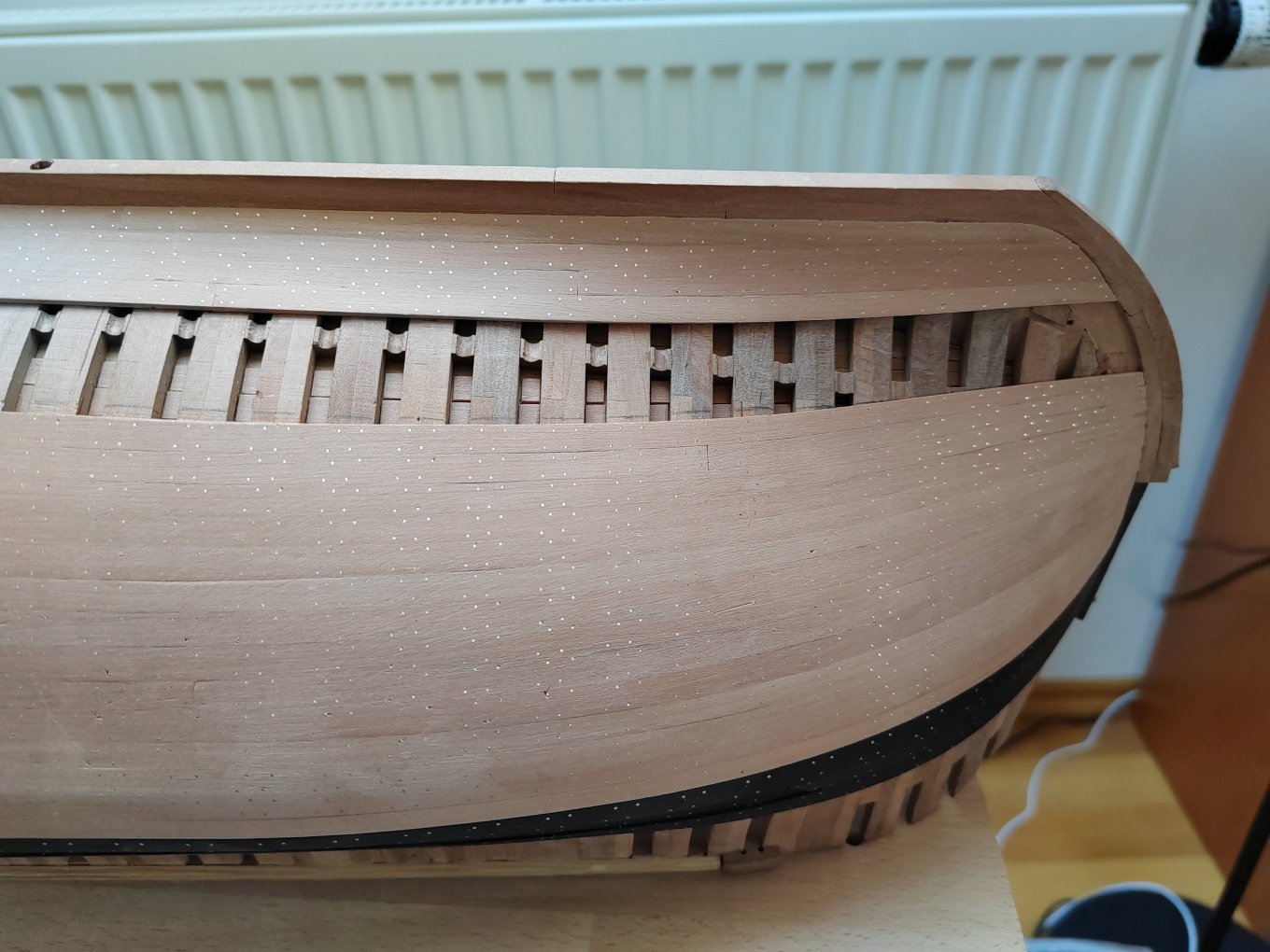
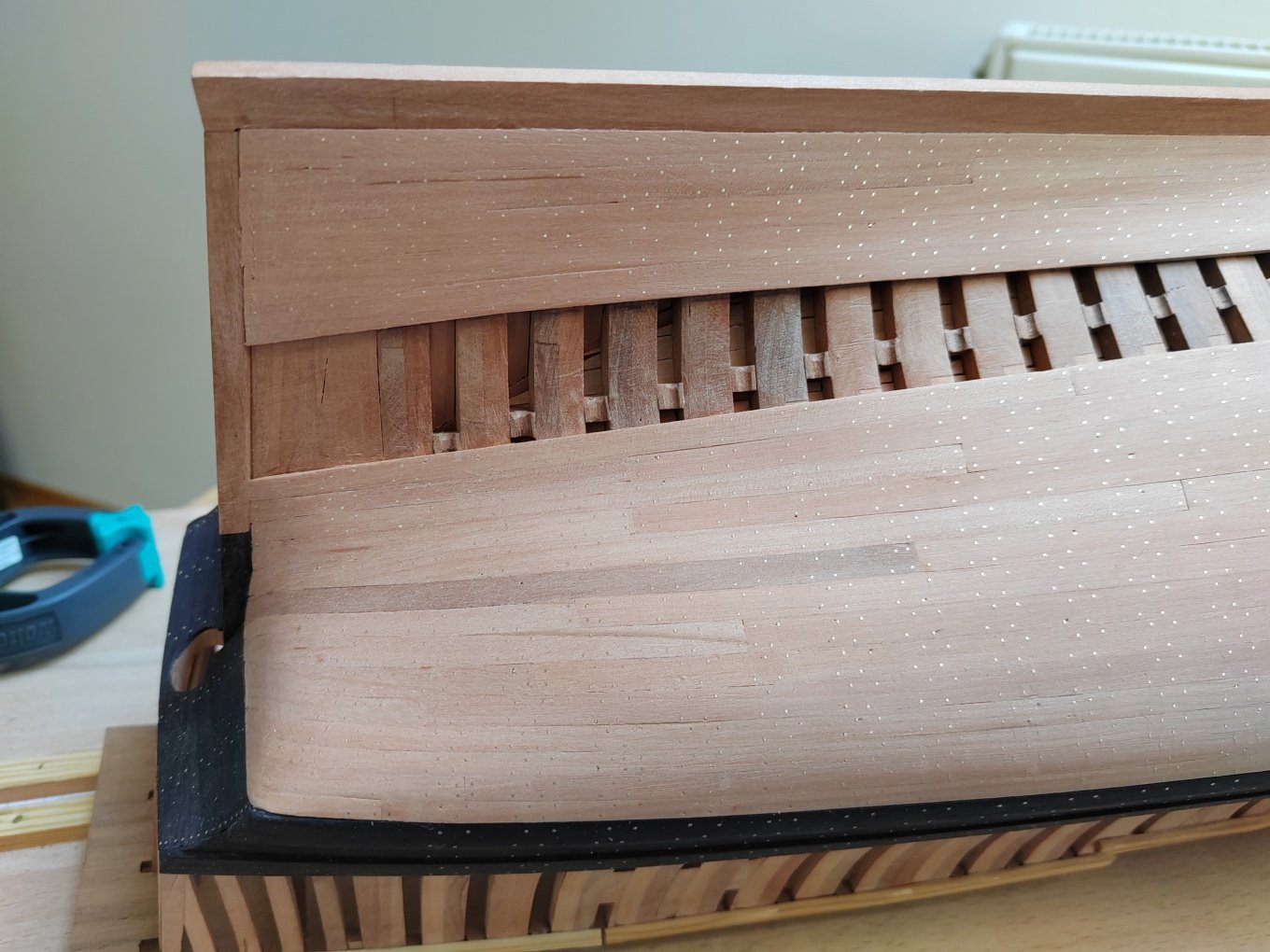
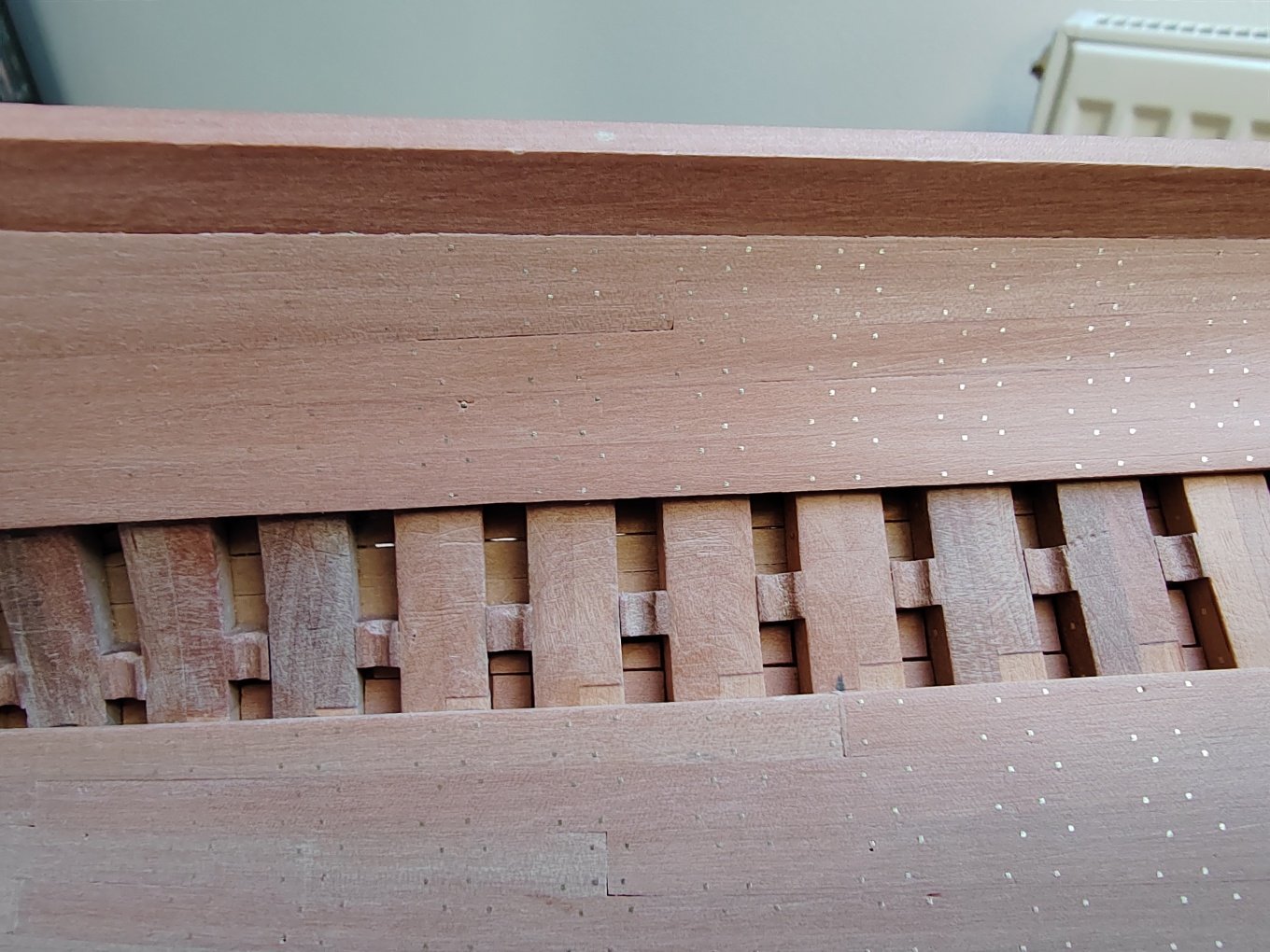
I continue planking and nailing the hull. All that remains is to glue the last 4 planks and make the final sanding.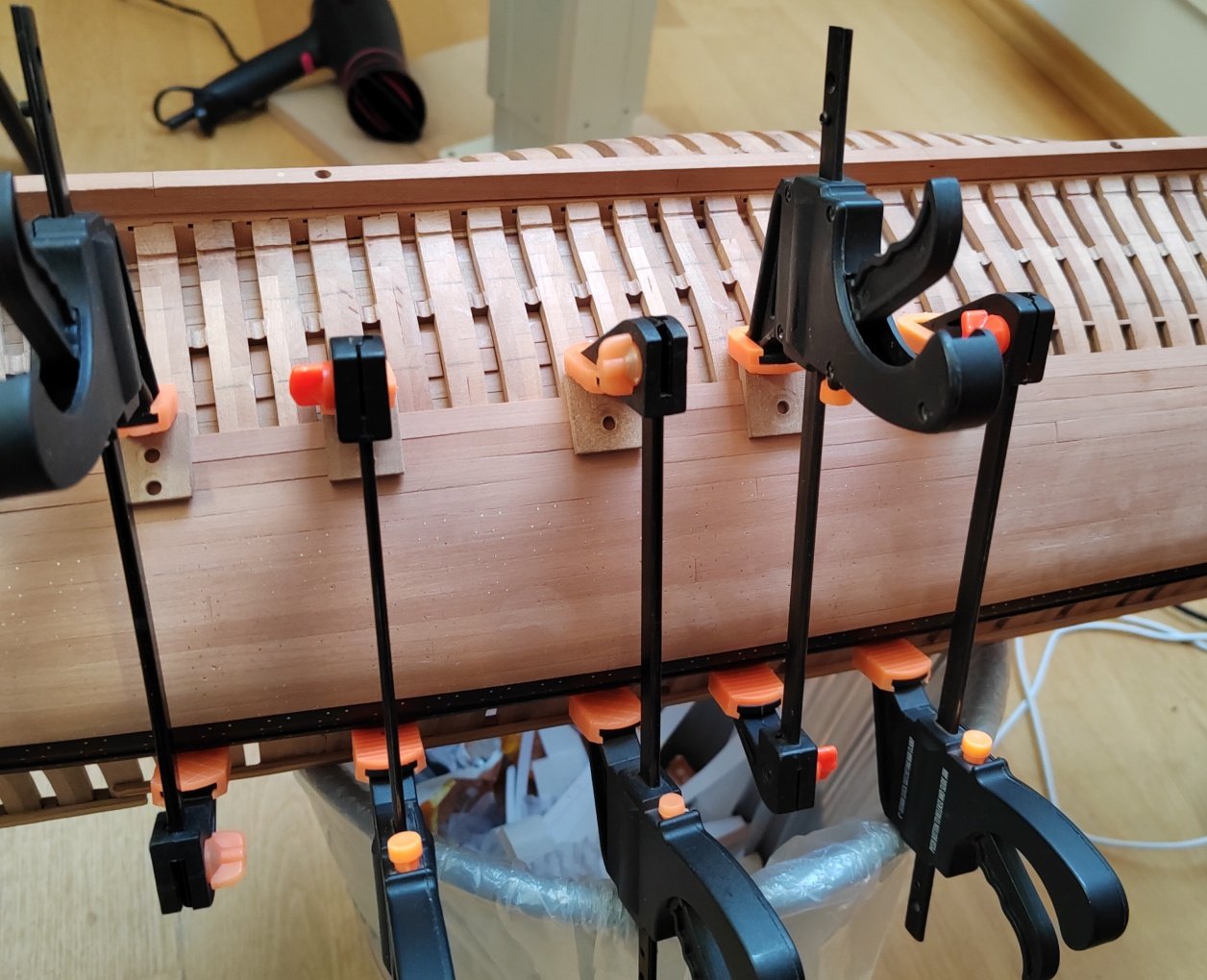
-
L'Amarante by marsalv - 1:36 - POF
marsalv replied to marsalv's topic in - Build logs for subjects built 1501 - 1750
Thank you guys for nice comments. To druxey - For Le Gros Ventre I did the same as you, but there were some problems when gluing the knee of the head - the knee of the head does not fit well to the keel and a small gap can form there. That's why I've chosen a different procedure now, the joint between the knee of the head is perfect, but it has other negatives. To EspenT - Unfortunately, the monograph does not contain digital drawings, so all drawings are scanned and further processed in a CAD program. The list of wood species is as follows: unsteamed pear (used for internal planking), steamed pear (has a slightly pinkish color shade - external planking), black hornbeam (substitute for ebony). Boxwood will also be used (carvings and decorative moldings), castello boxwood (planking above the wales), maple (decks). That's about it. -
L'Amarante by marsalv - 1:36 - POF
marsalv replied to marsalv's topic in - Build logs for subjects built 1501 - 1750
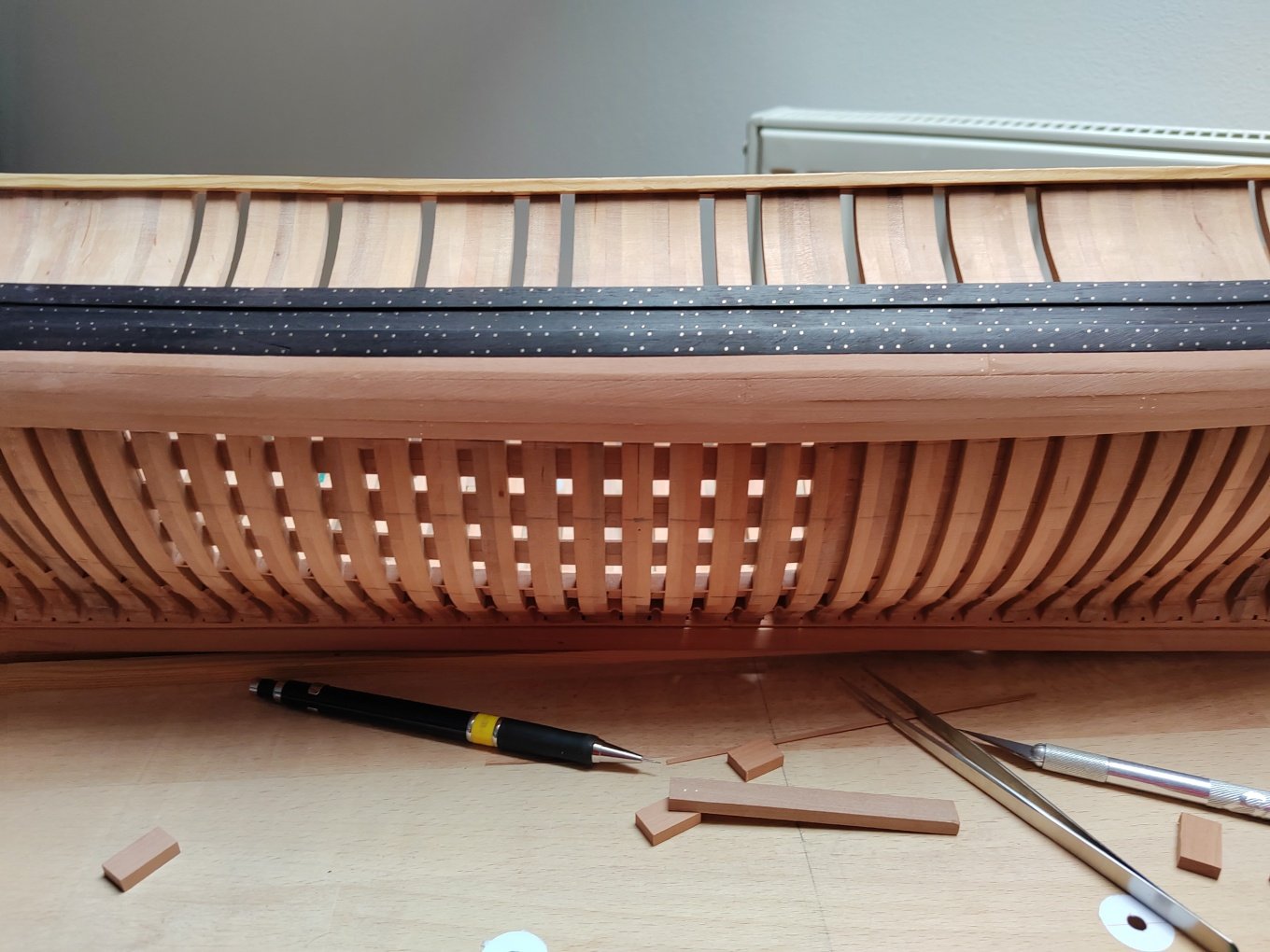
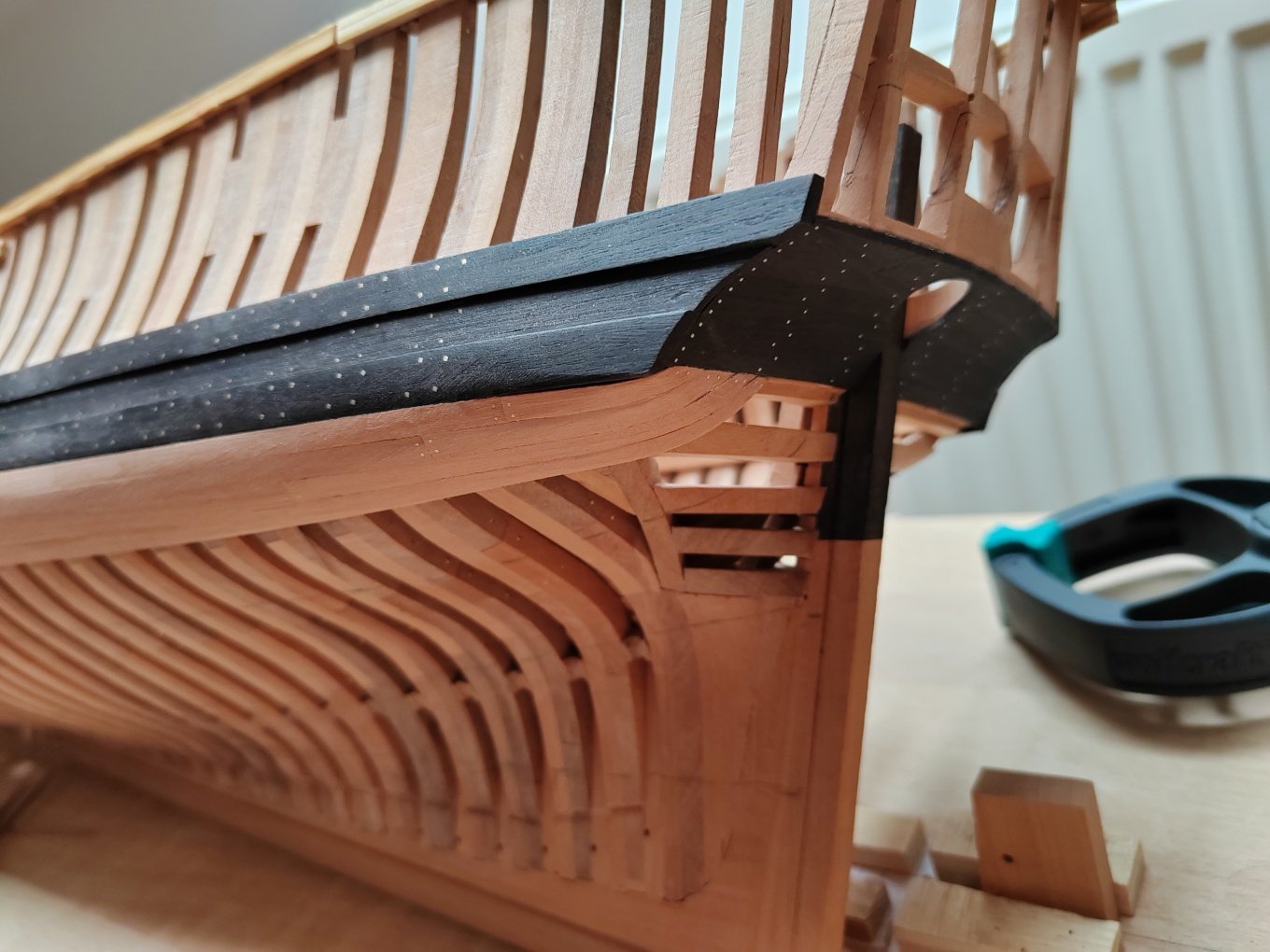
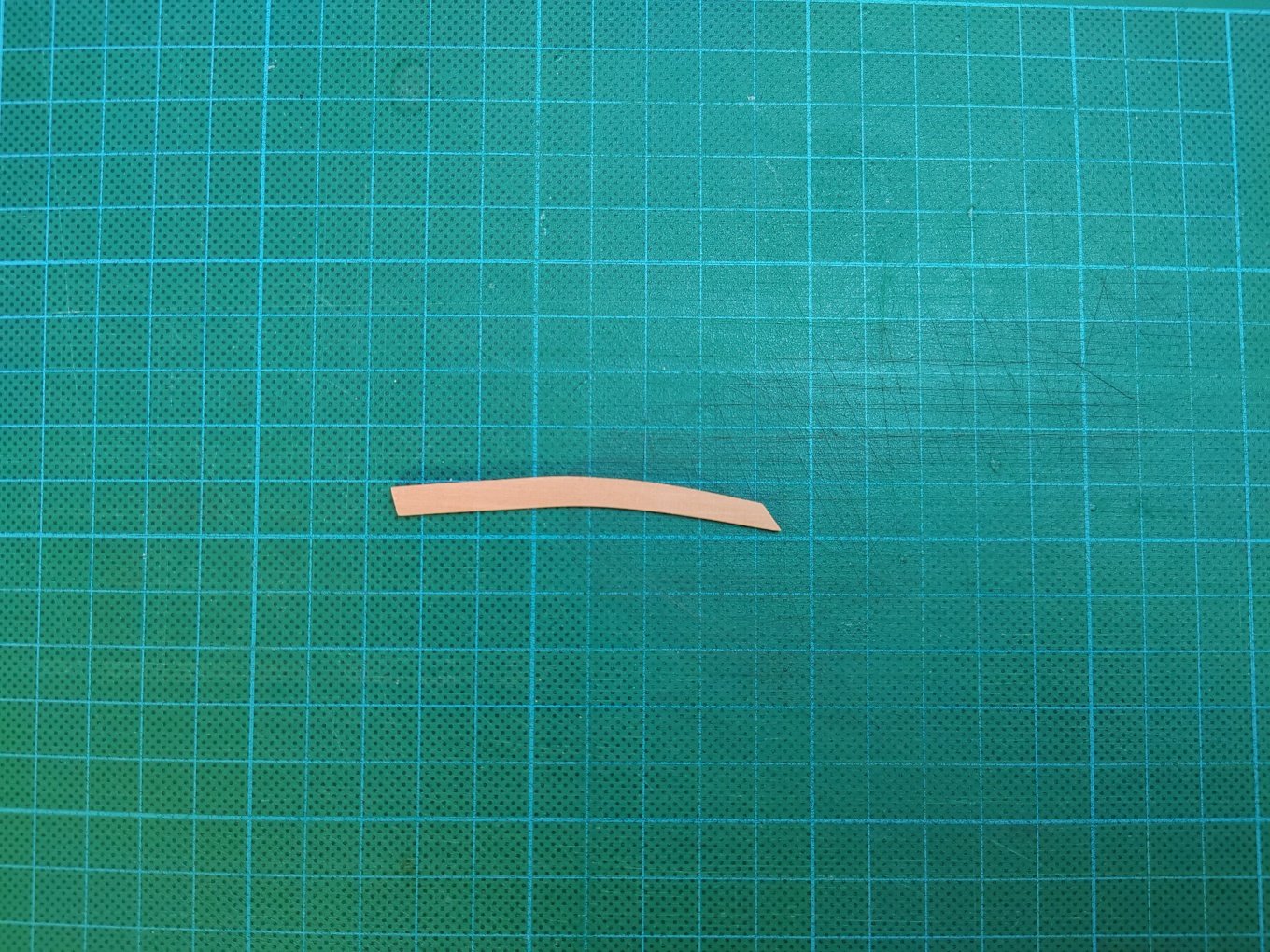
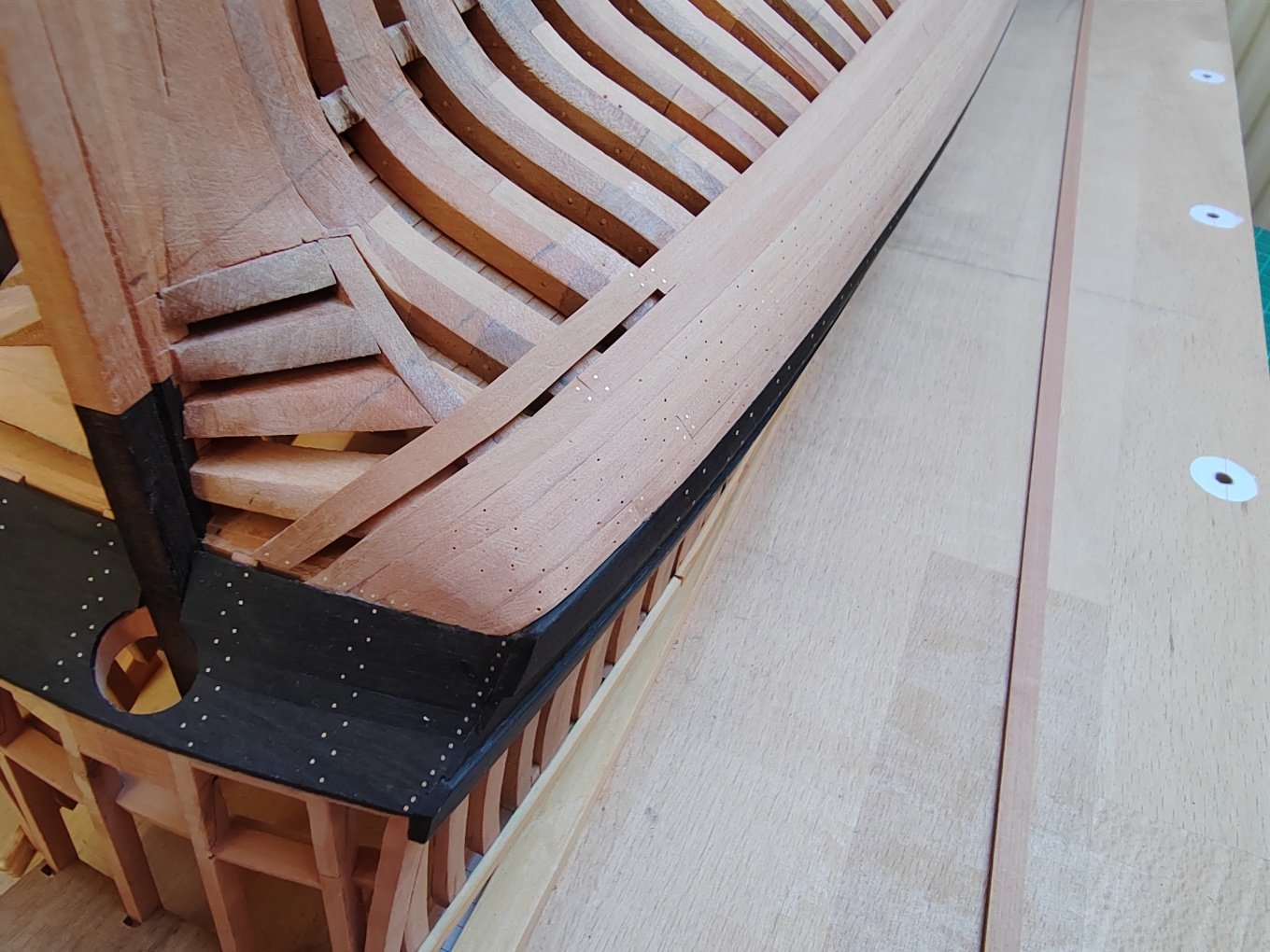
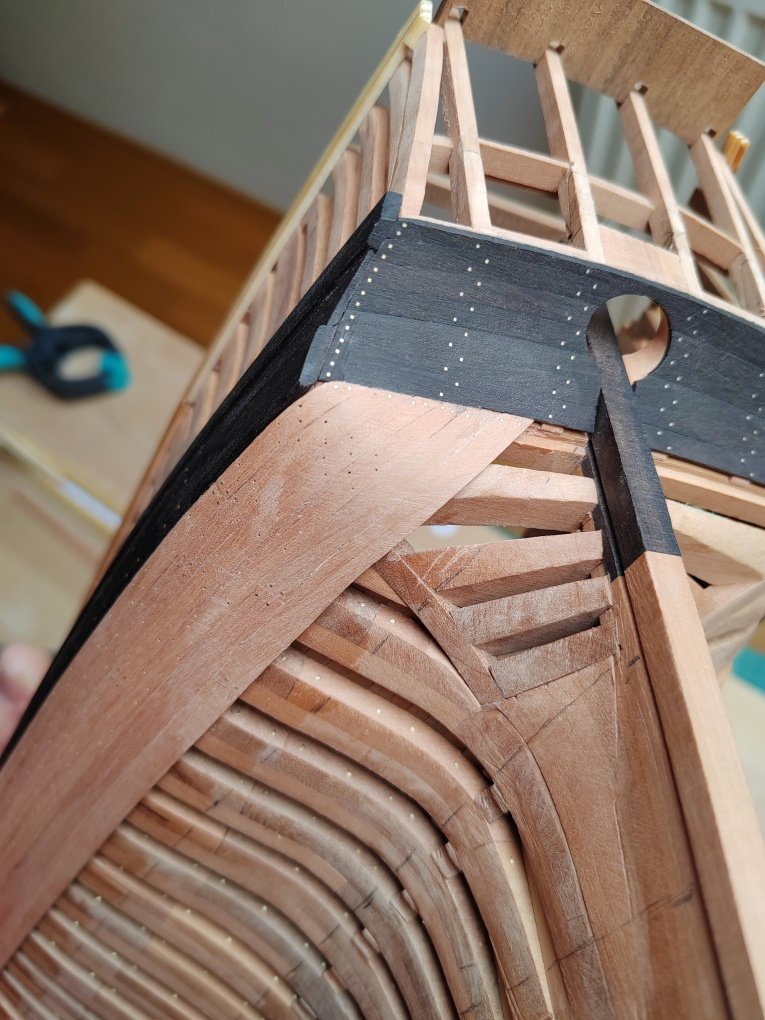
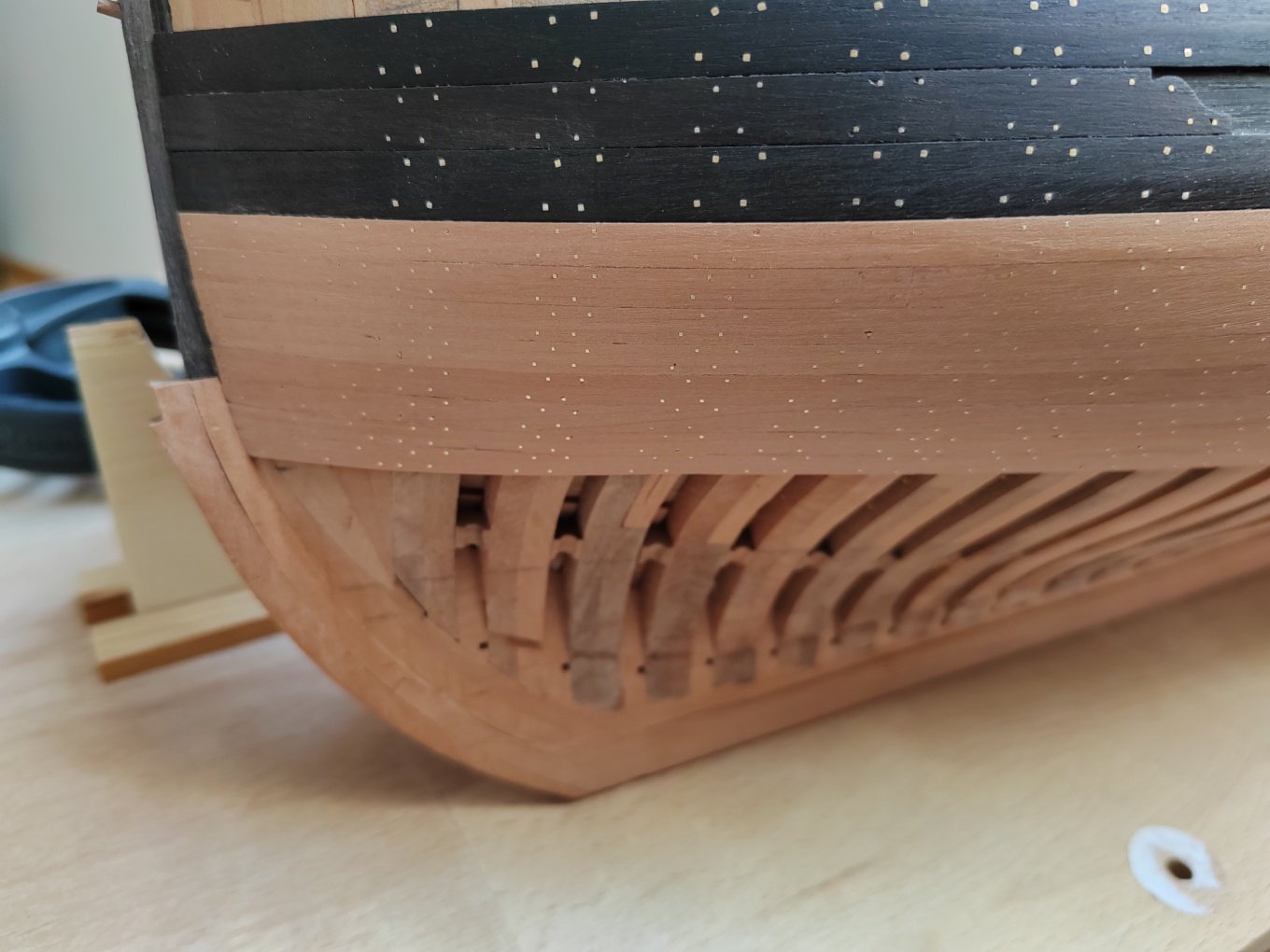
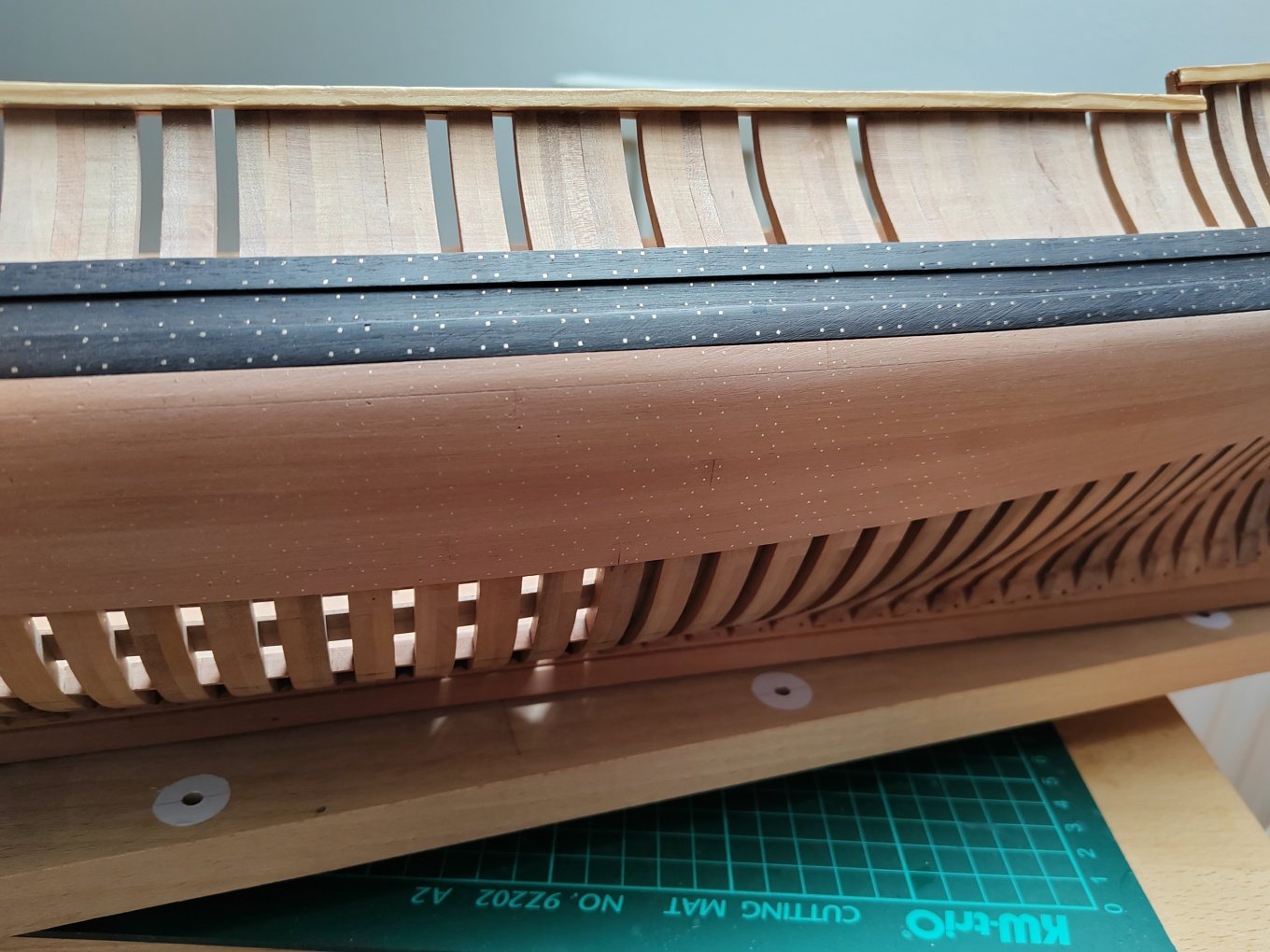
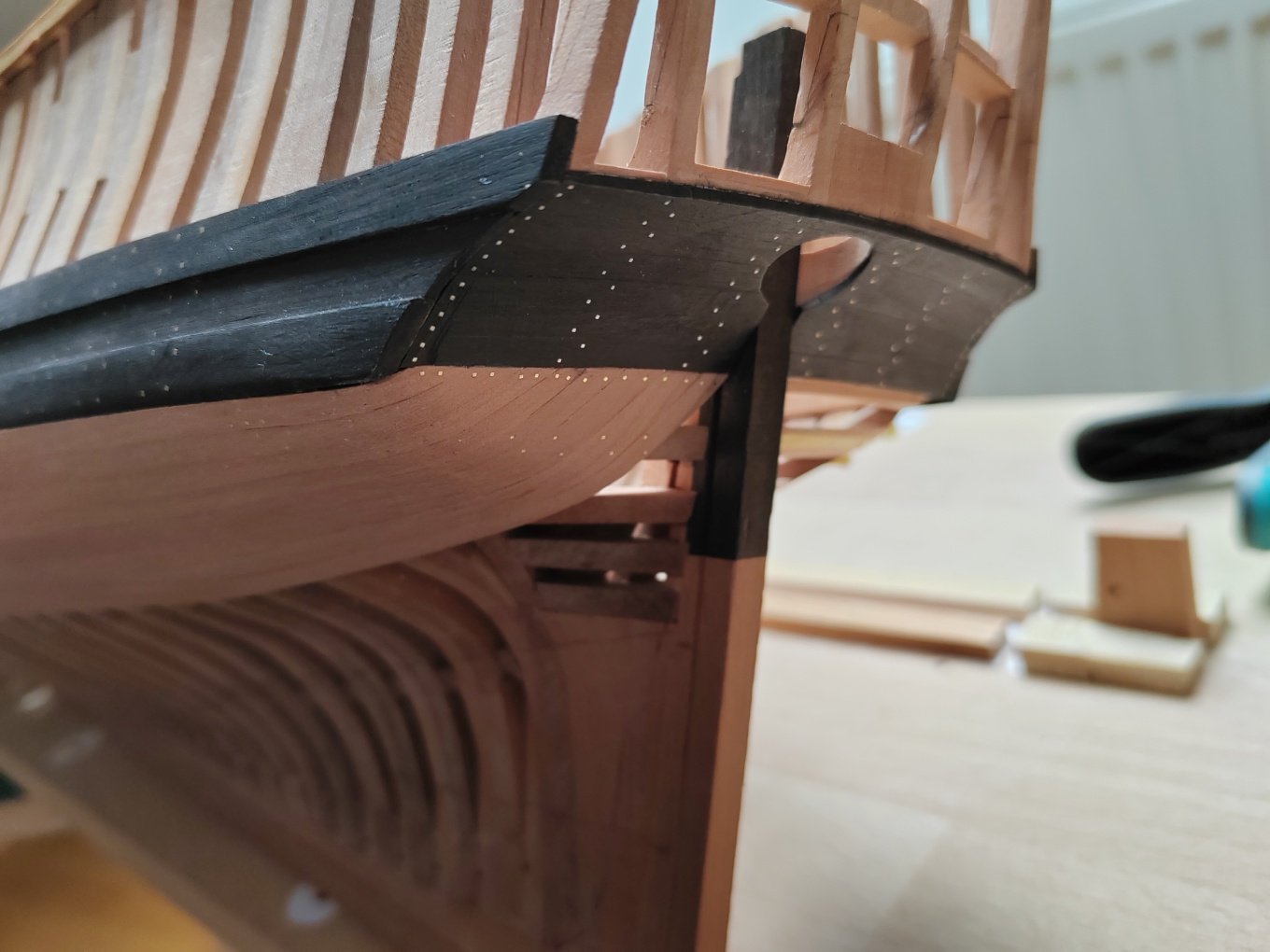
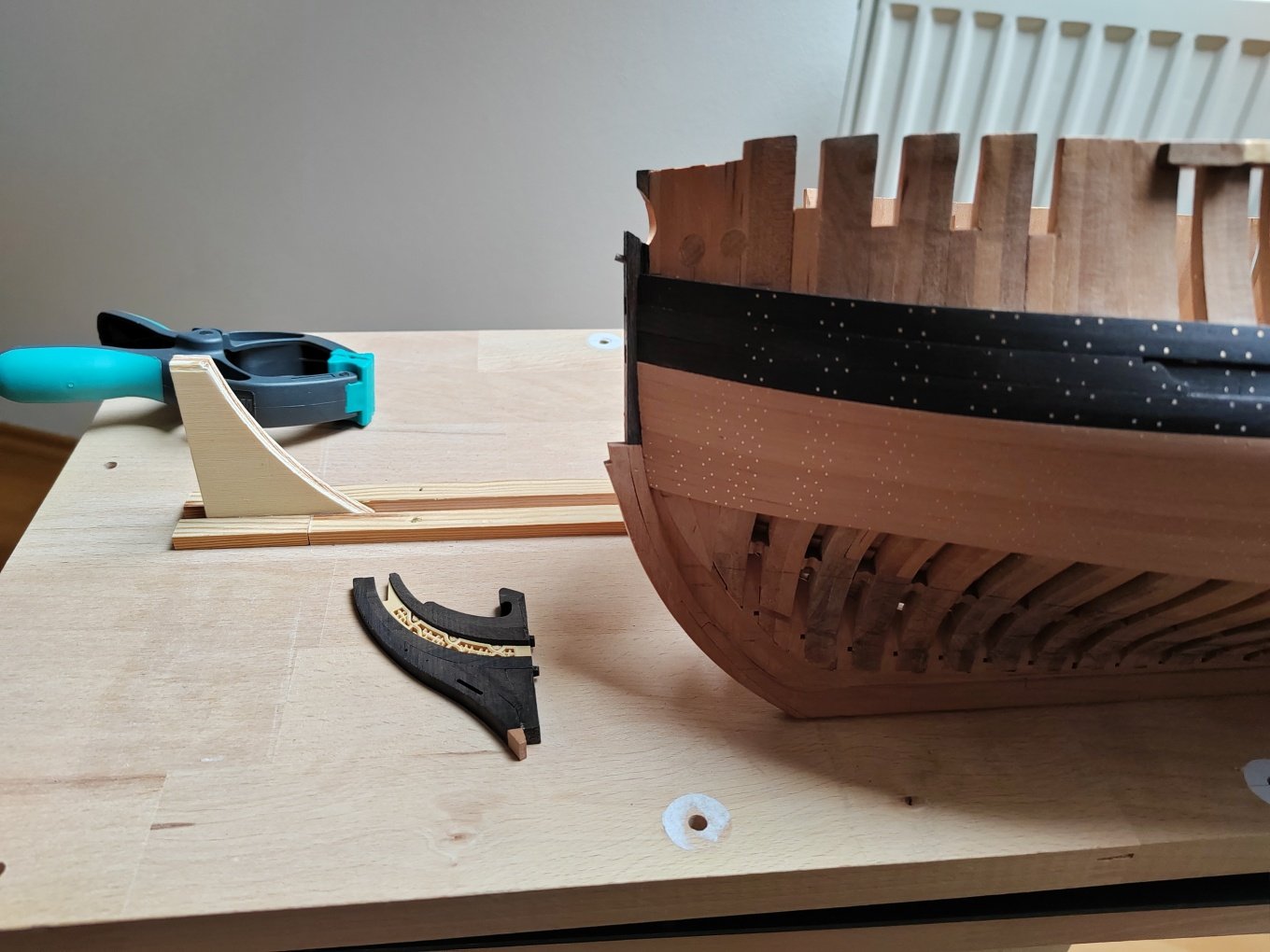
I'm continuing with planking, it's going very slowly - so far I have about two-fifths of the hull done, including nailing. And although I was as careful as possible when manipulating the hull, I managed to break off part of the stem. Fortunately, it is only in the glued joint, so the repair will not be difficult.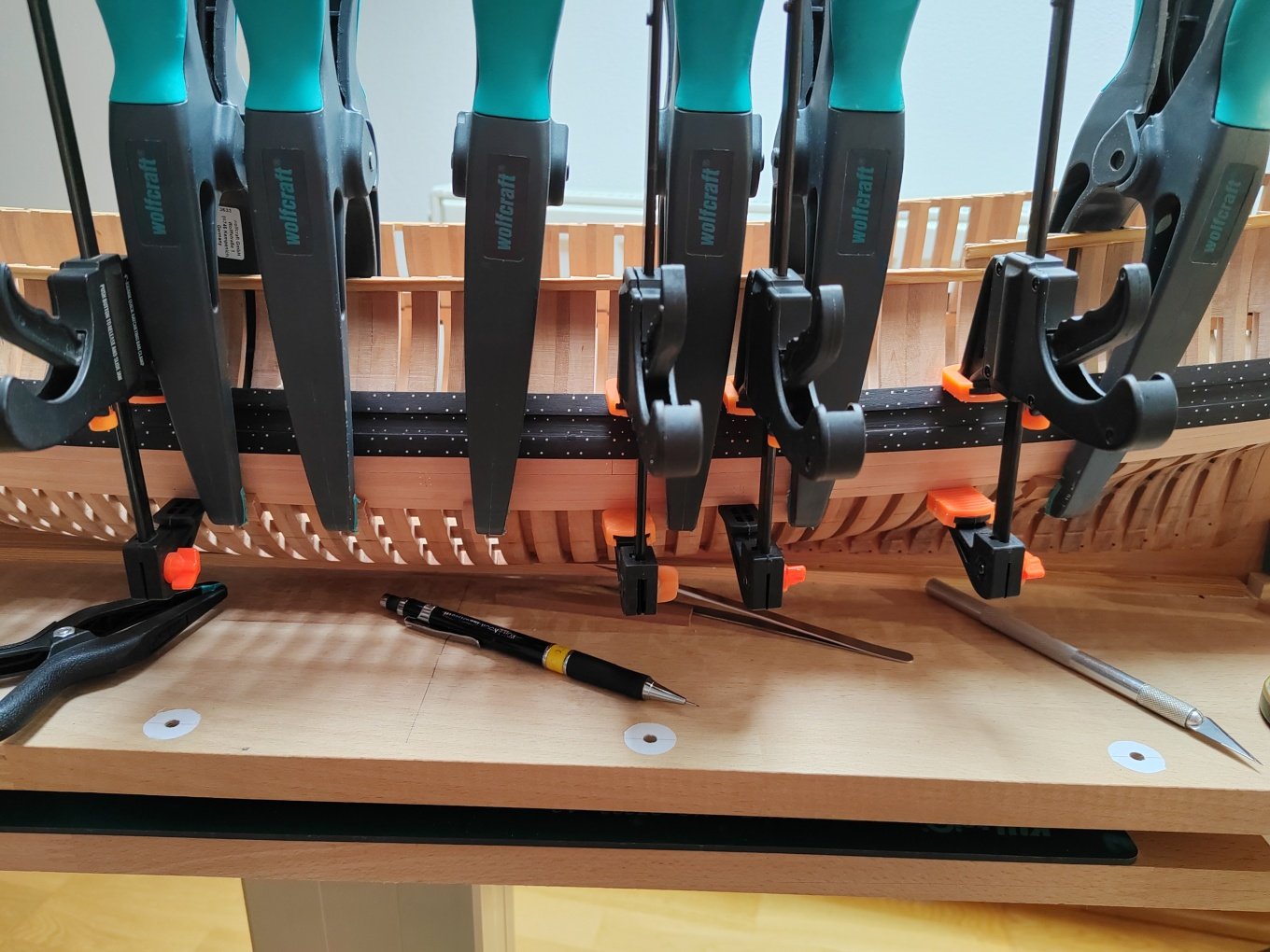
-
L'Amarante by marsalv - 1:36 - POF
marsalv replied to marsalv's topic in - Build logs for subjects built 1501 - 1750
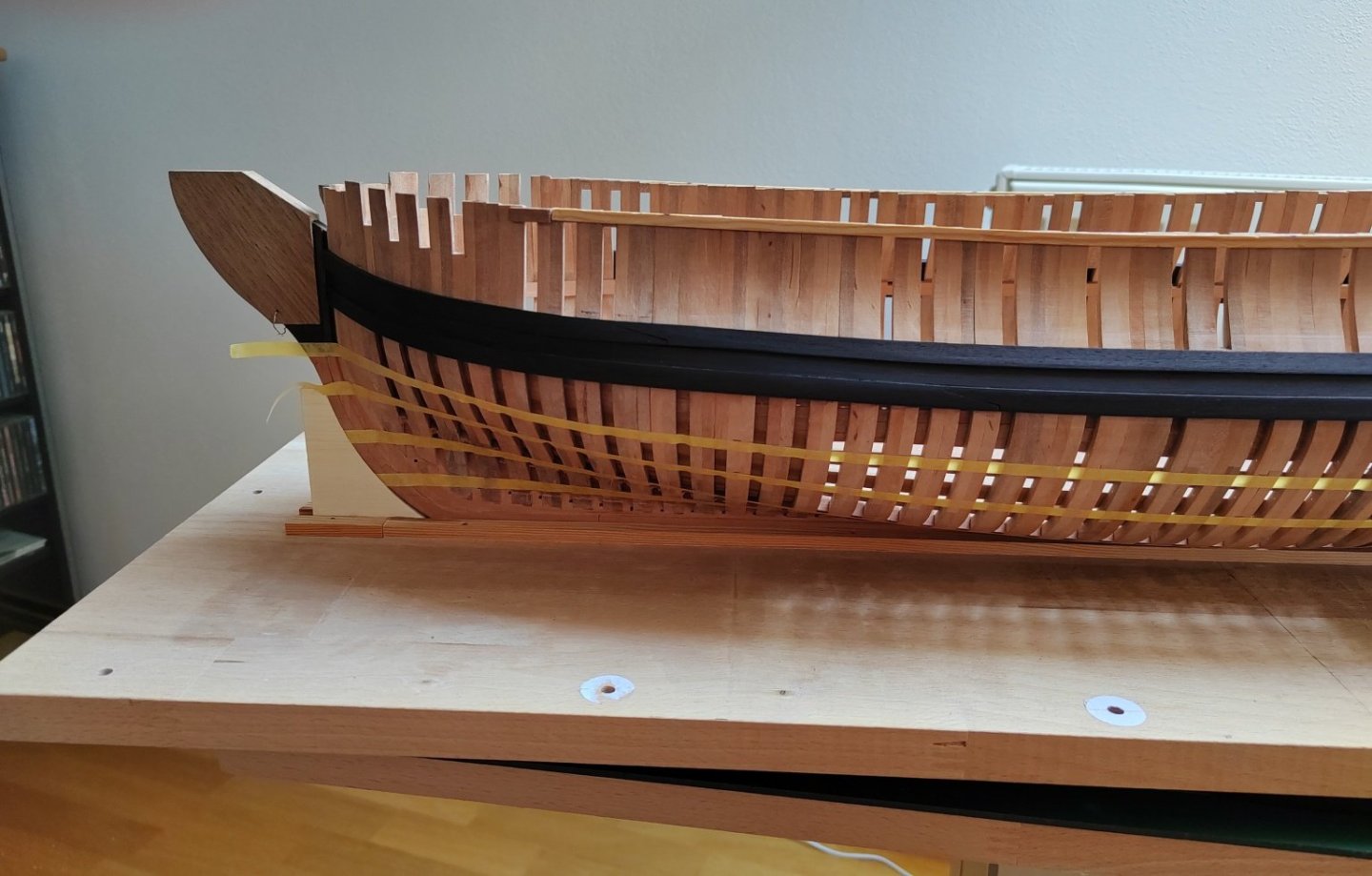
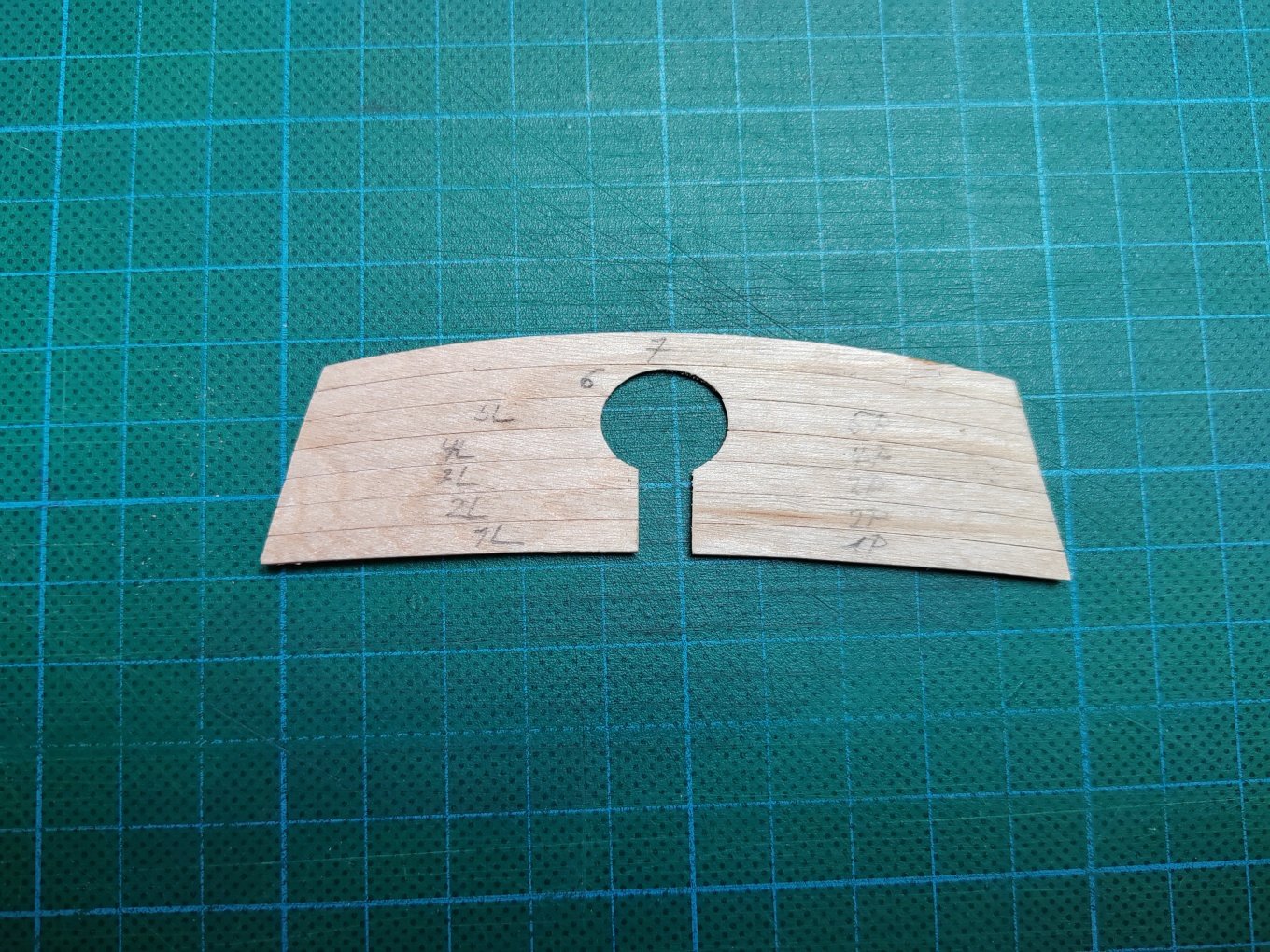
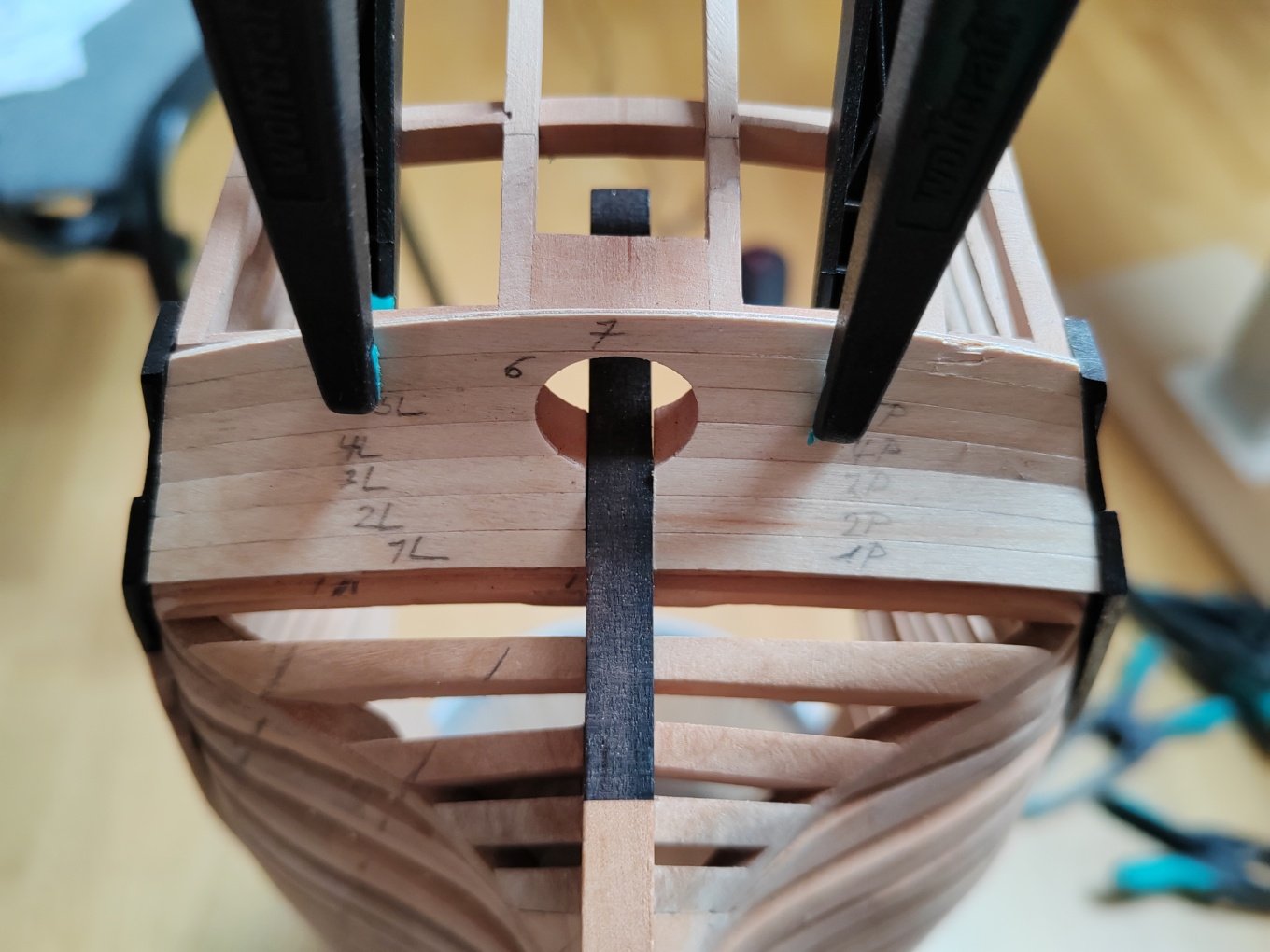
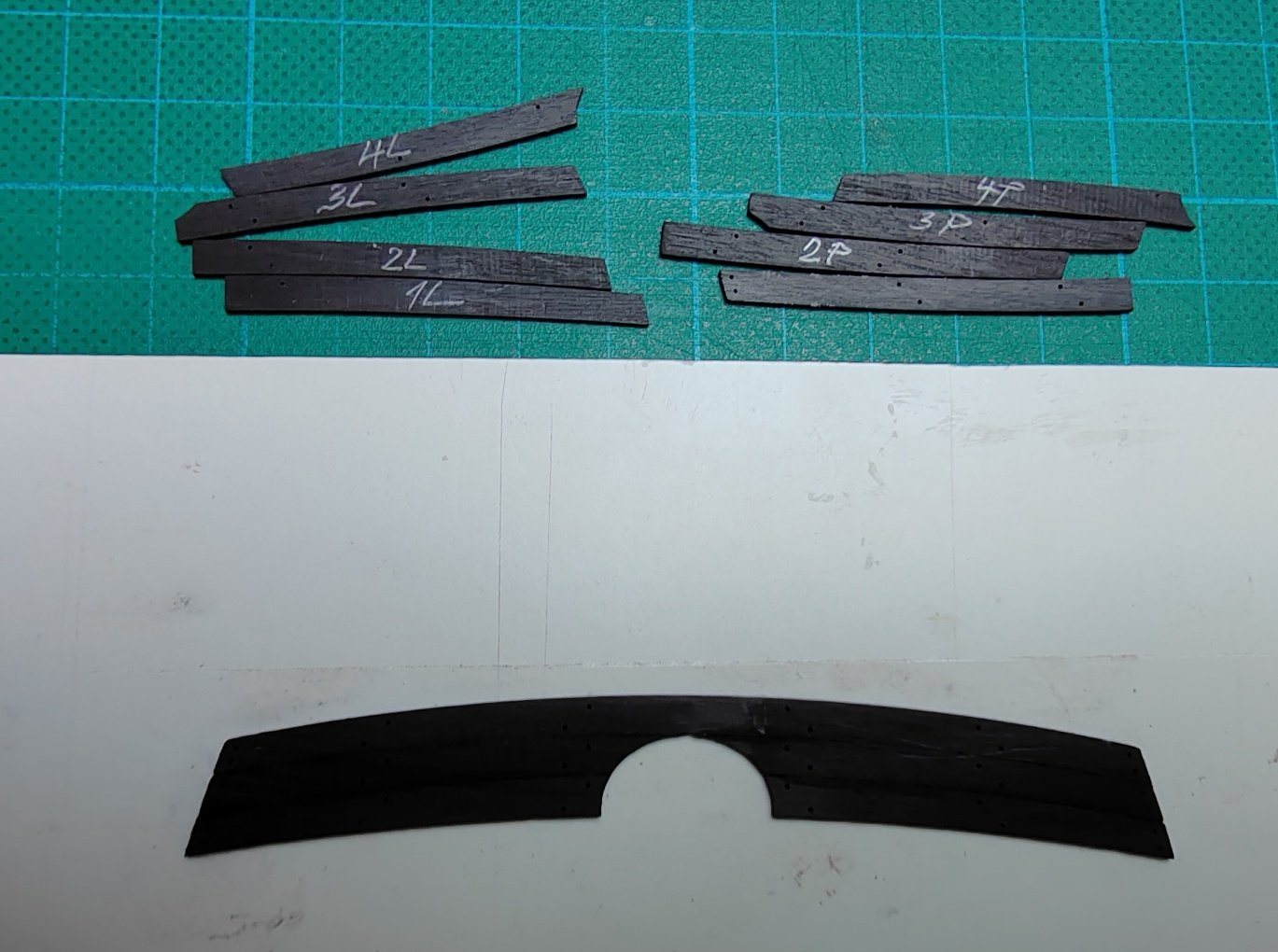
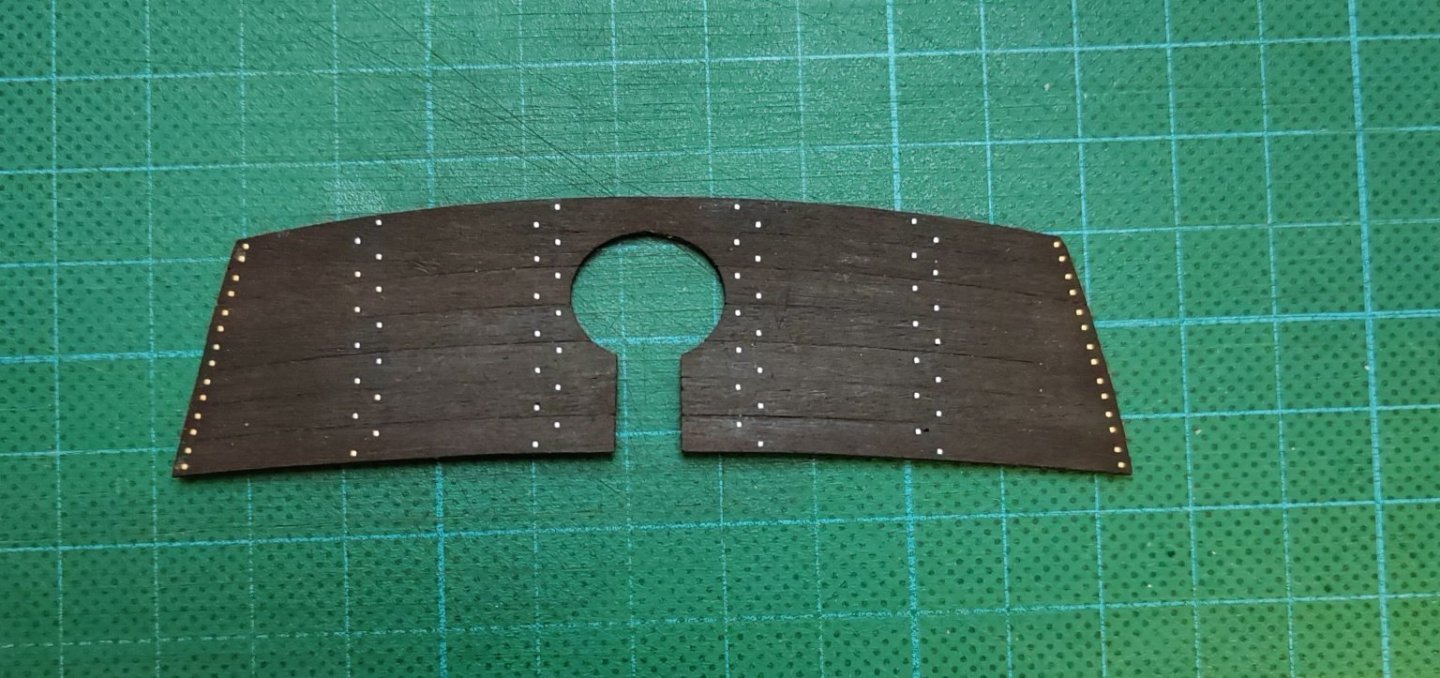
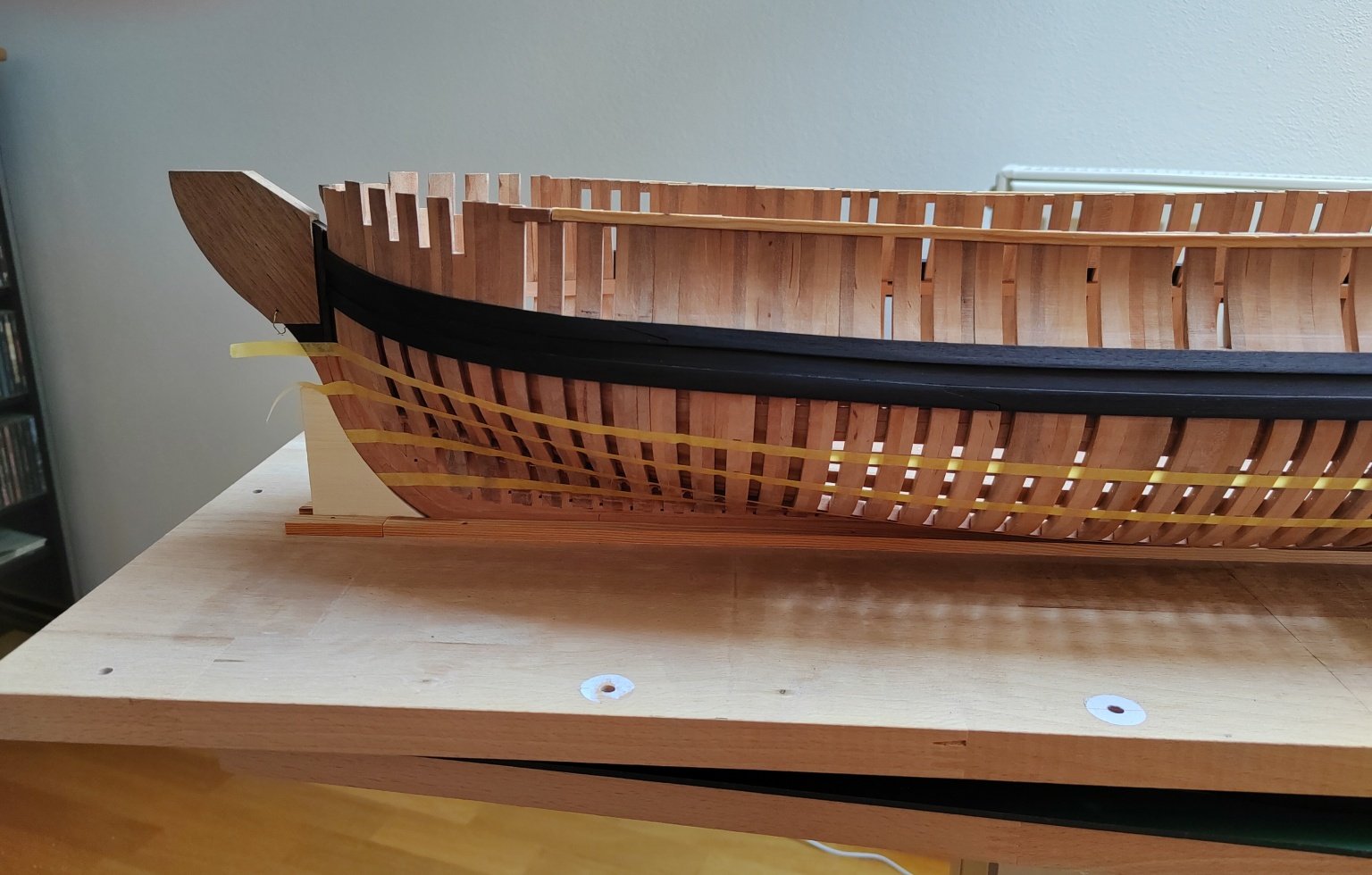
Thank you albert. I started planking the hull under wales. But I soon found out that in order to finish gluing the planks in the stern area, it is necessary to glue the planks on the stern first.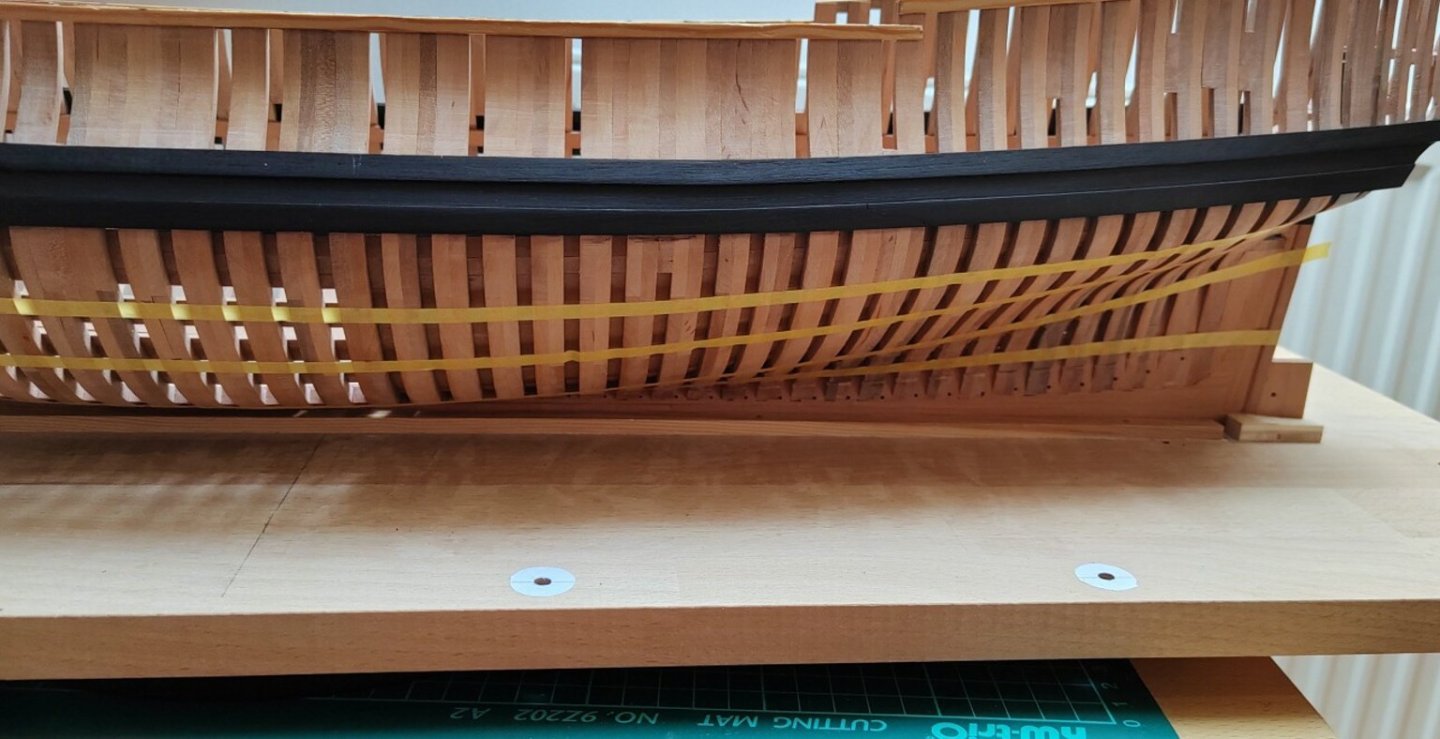
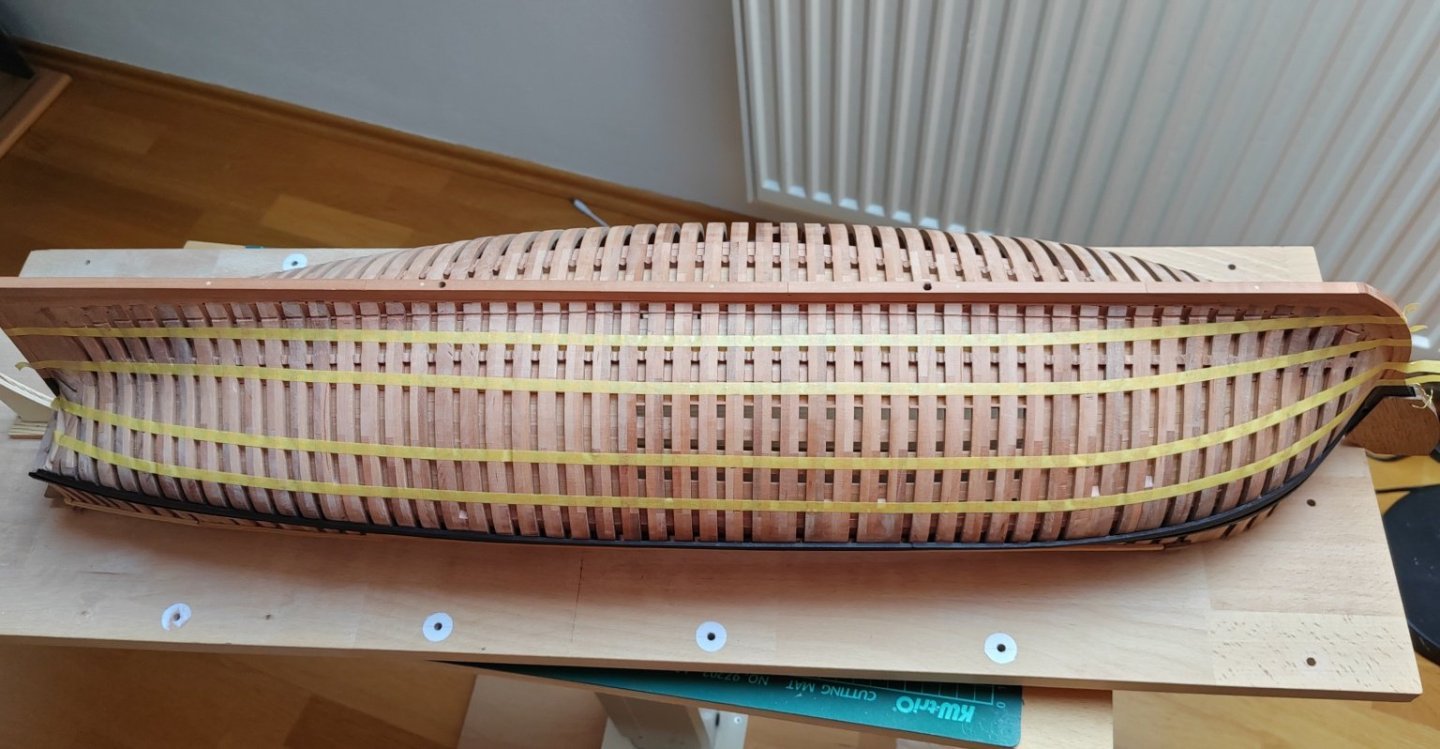
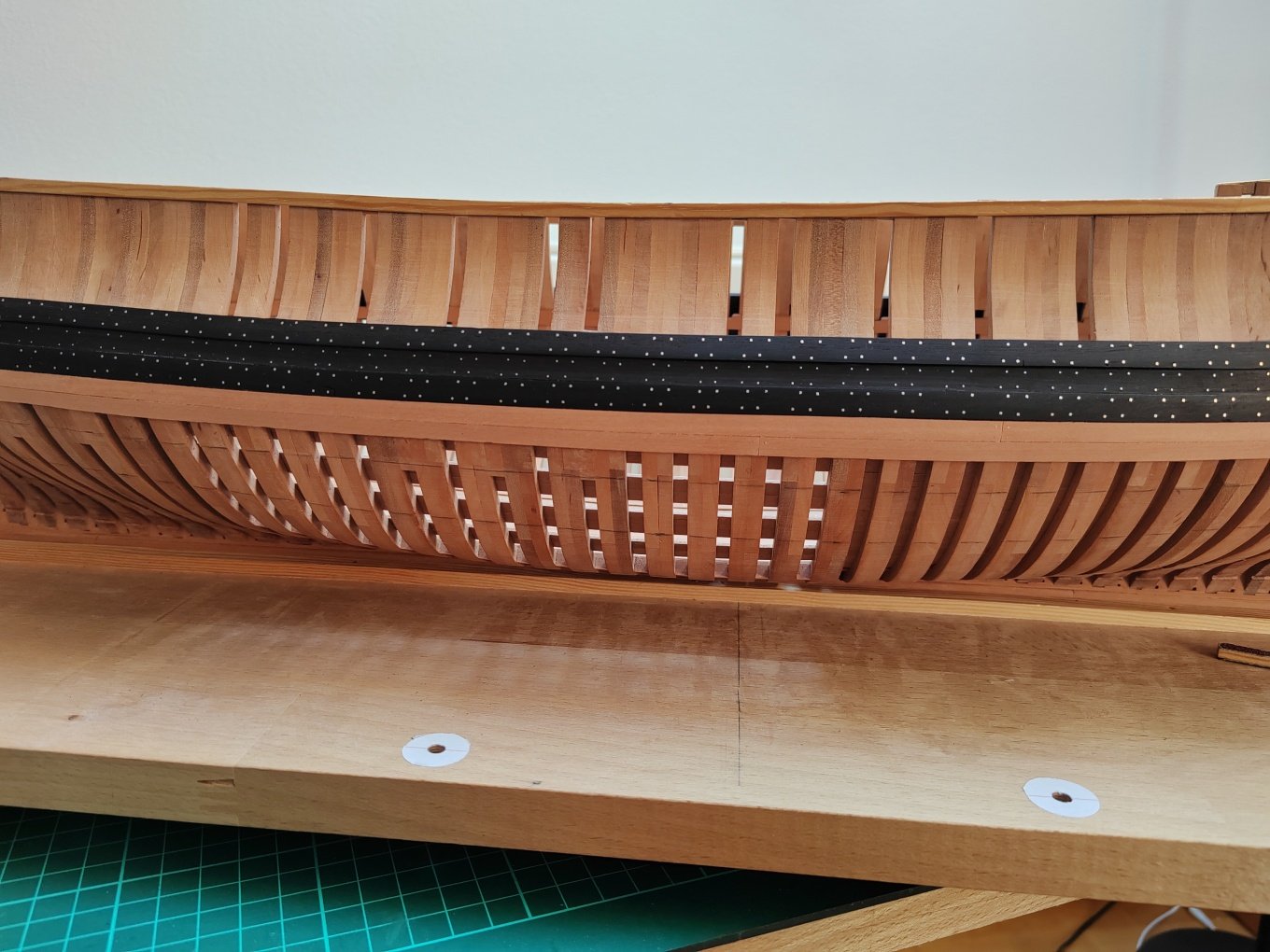
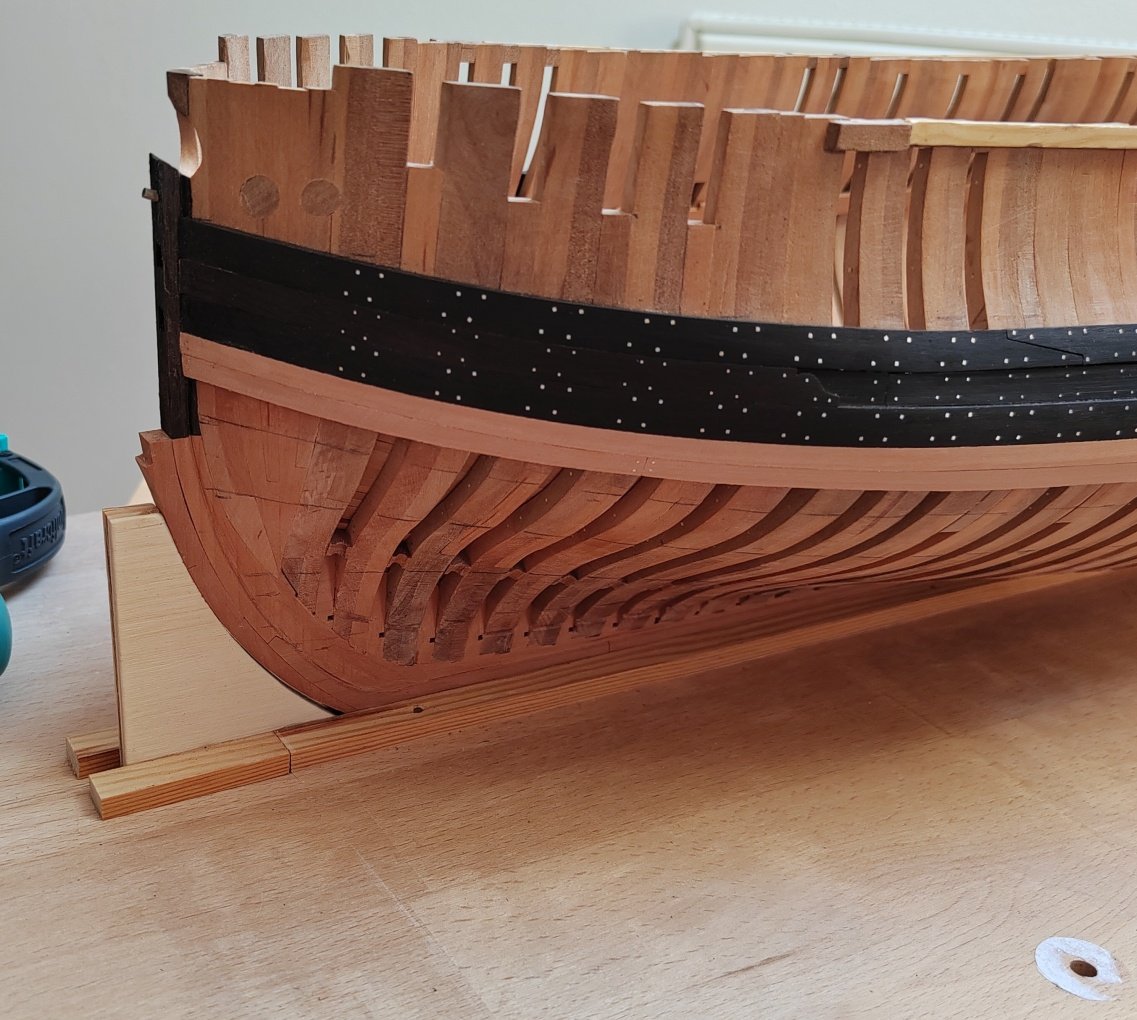
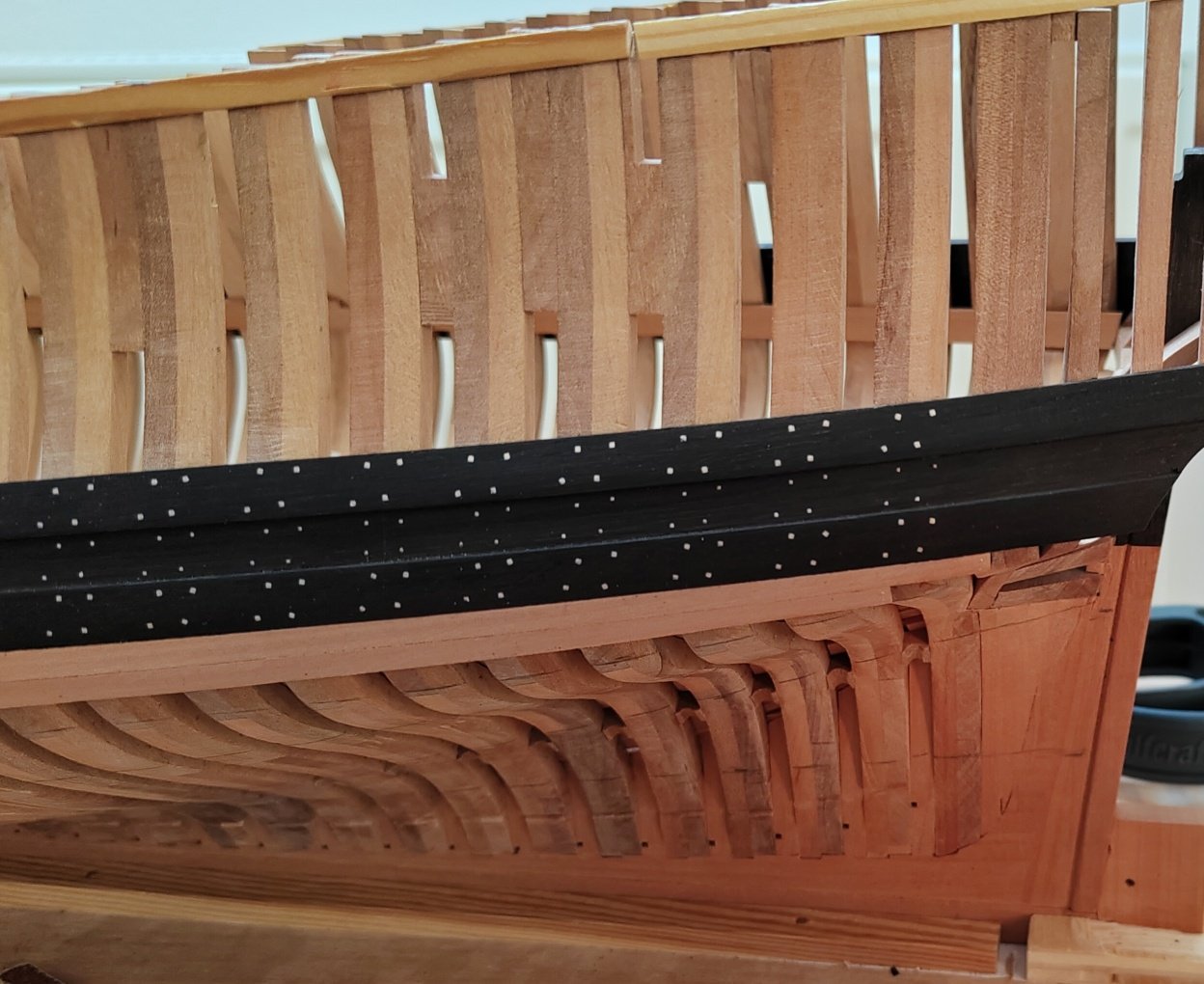
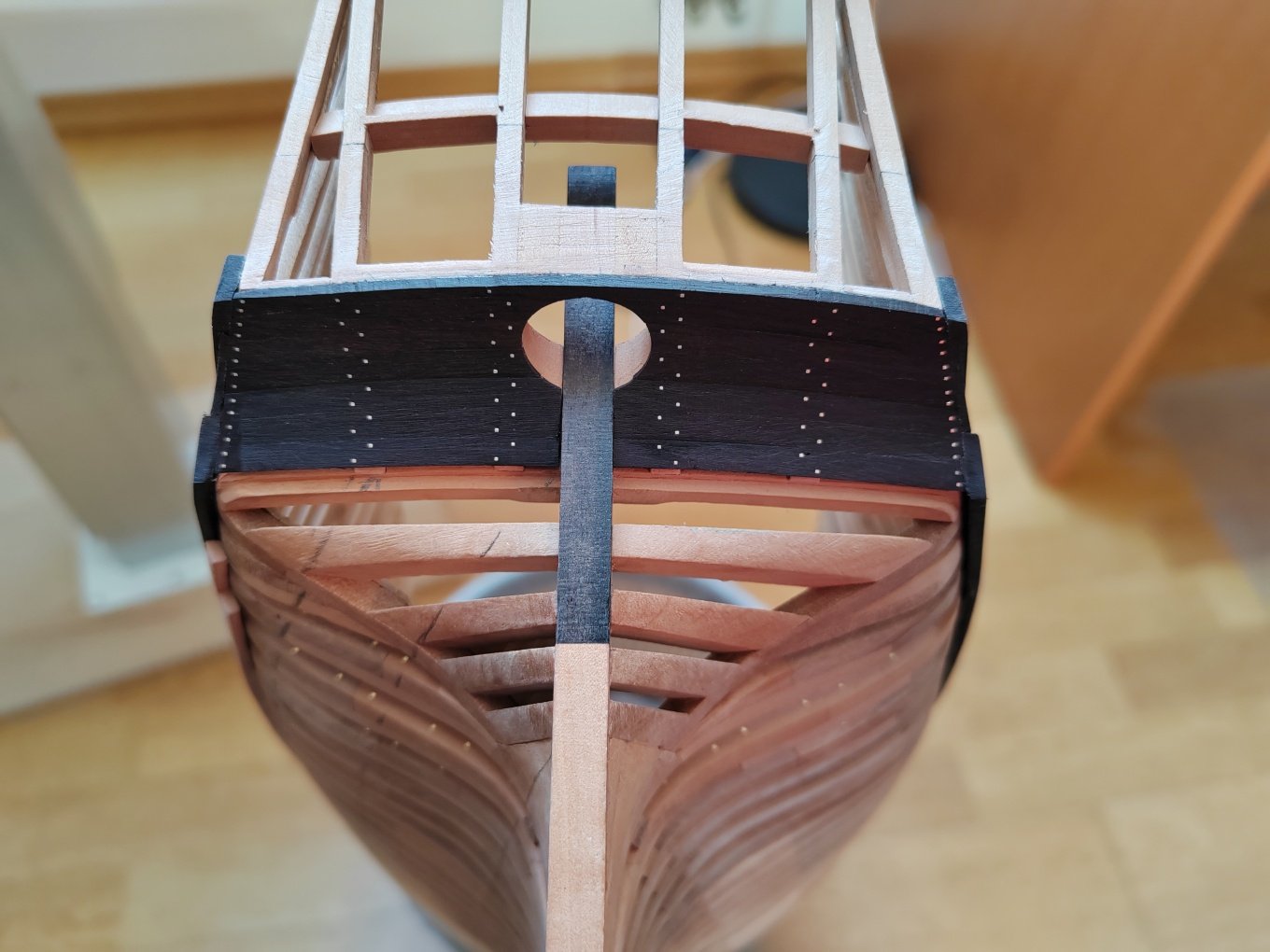
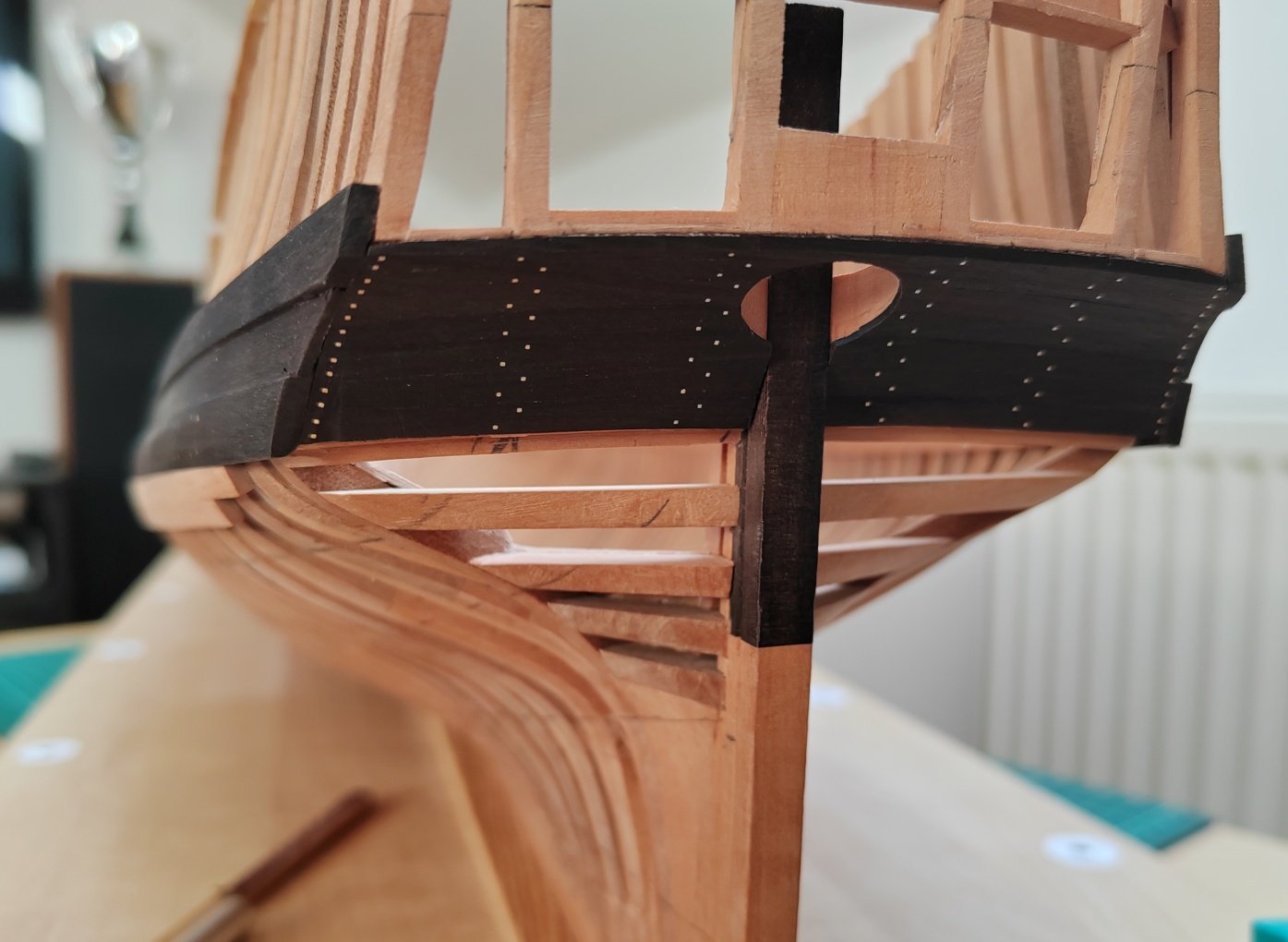
-
L'Amarante by marsalv - 1:36 - POF
marsalv replied to marsalv's topic in - Build logs for subjects built 1501 - 1750
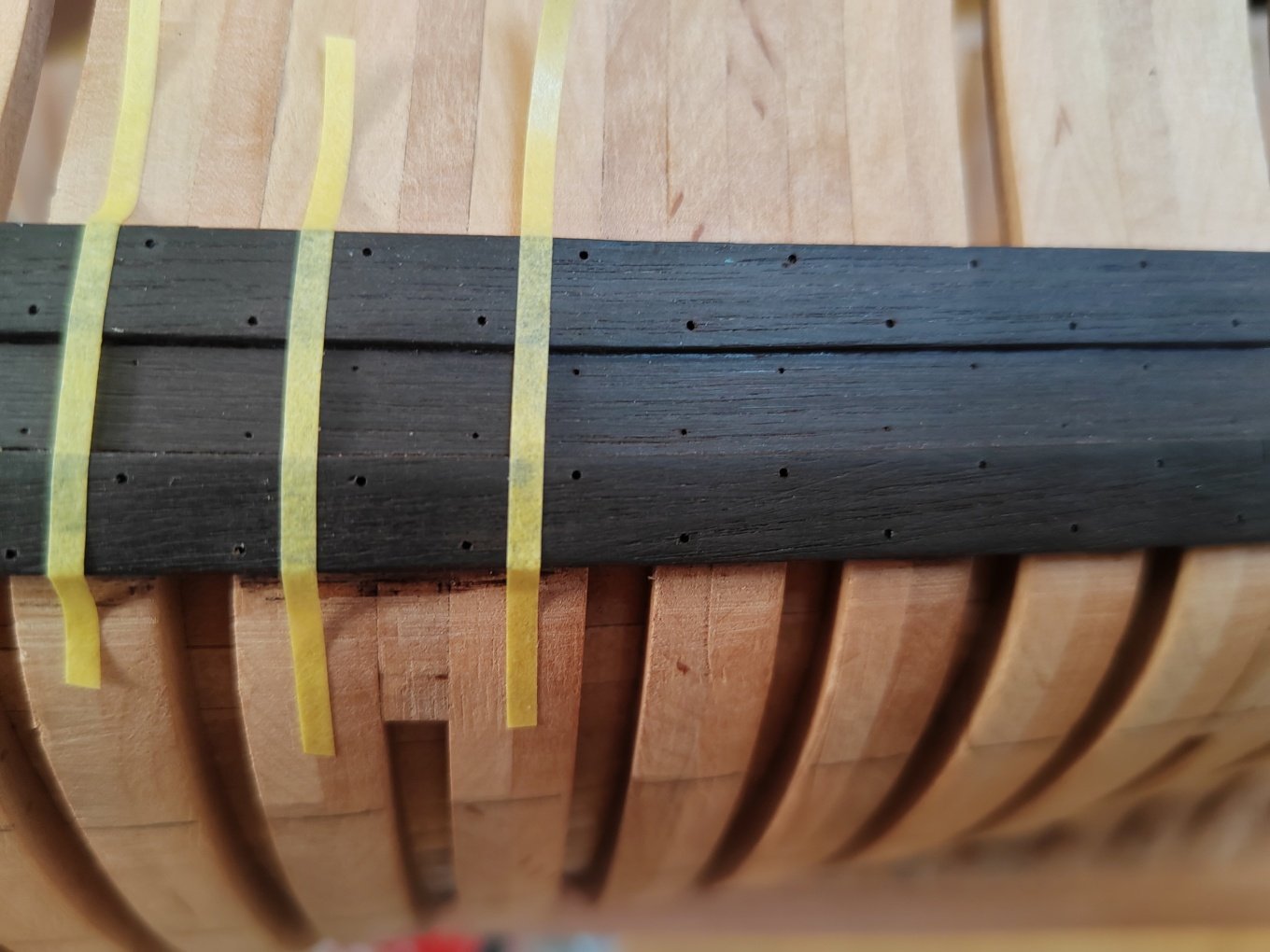
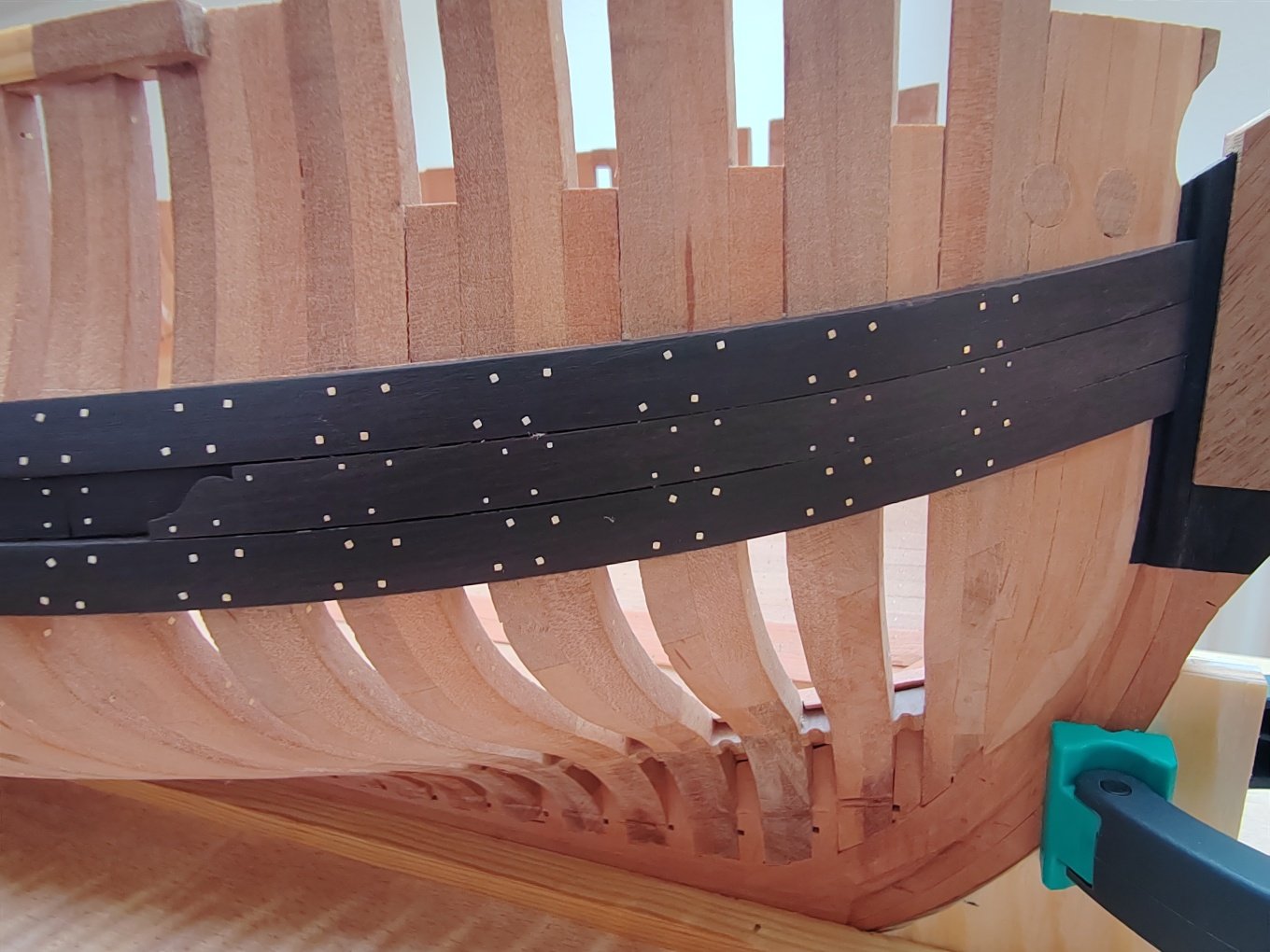
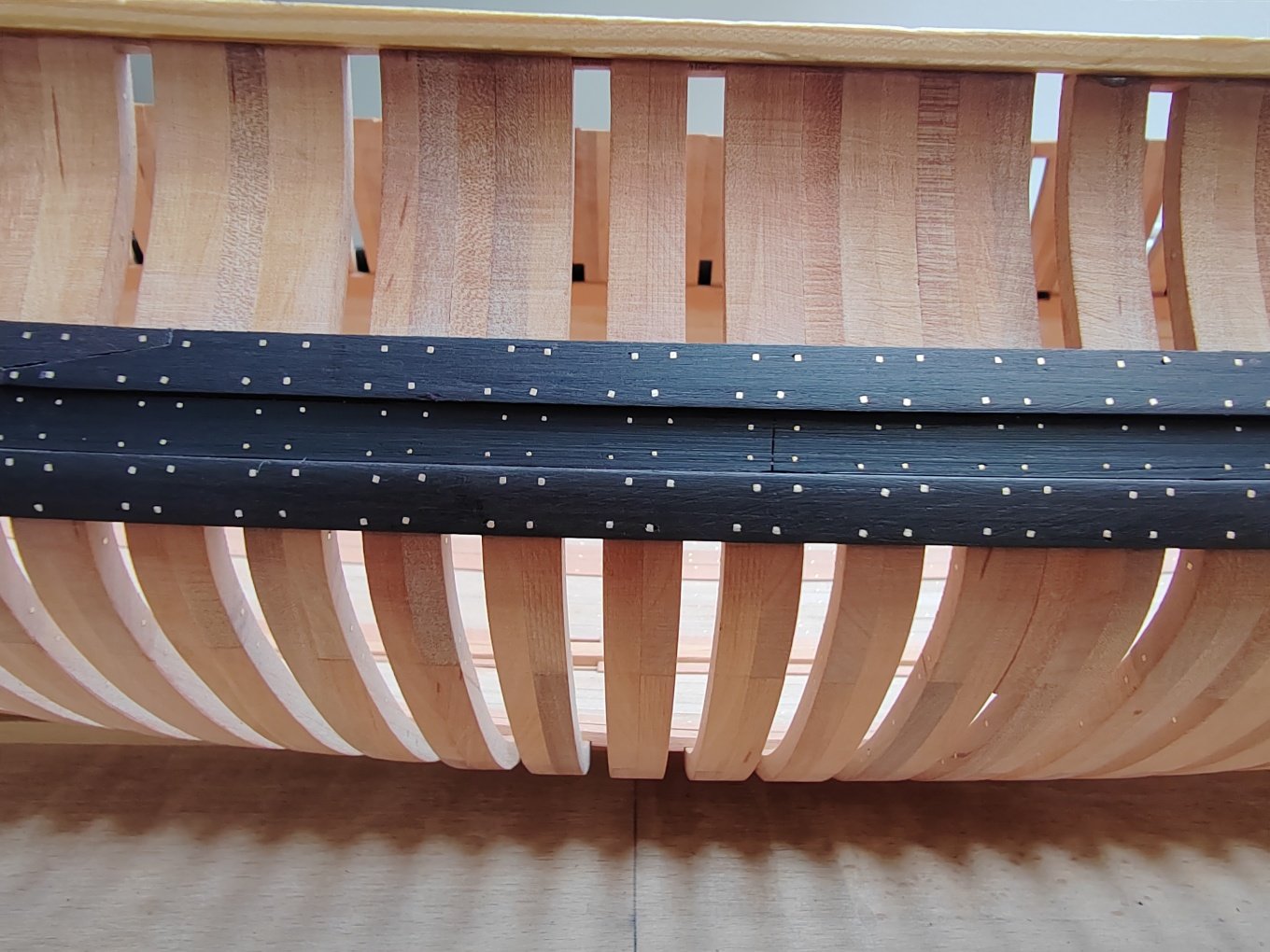
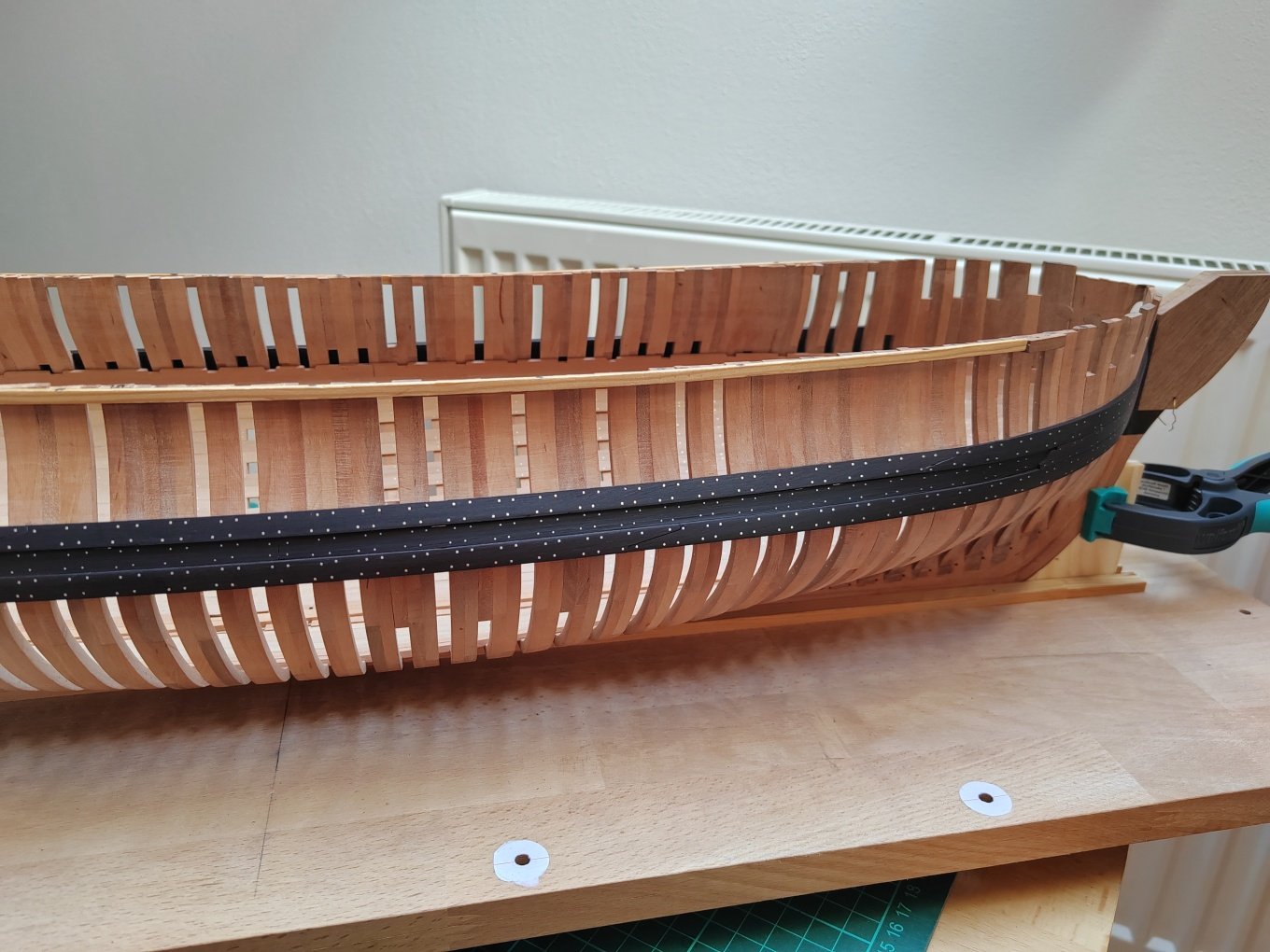
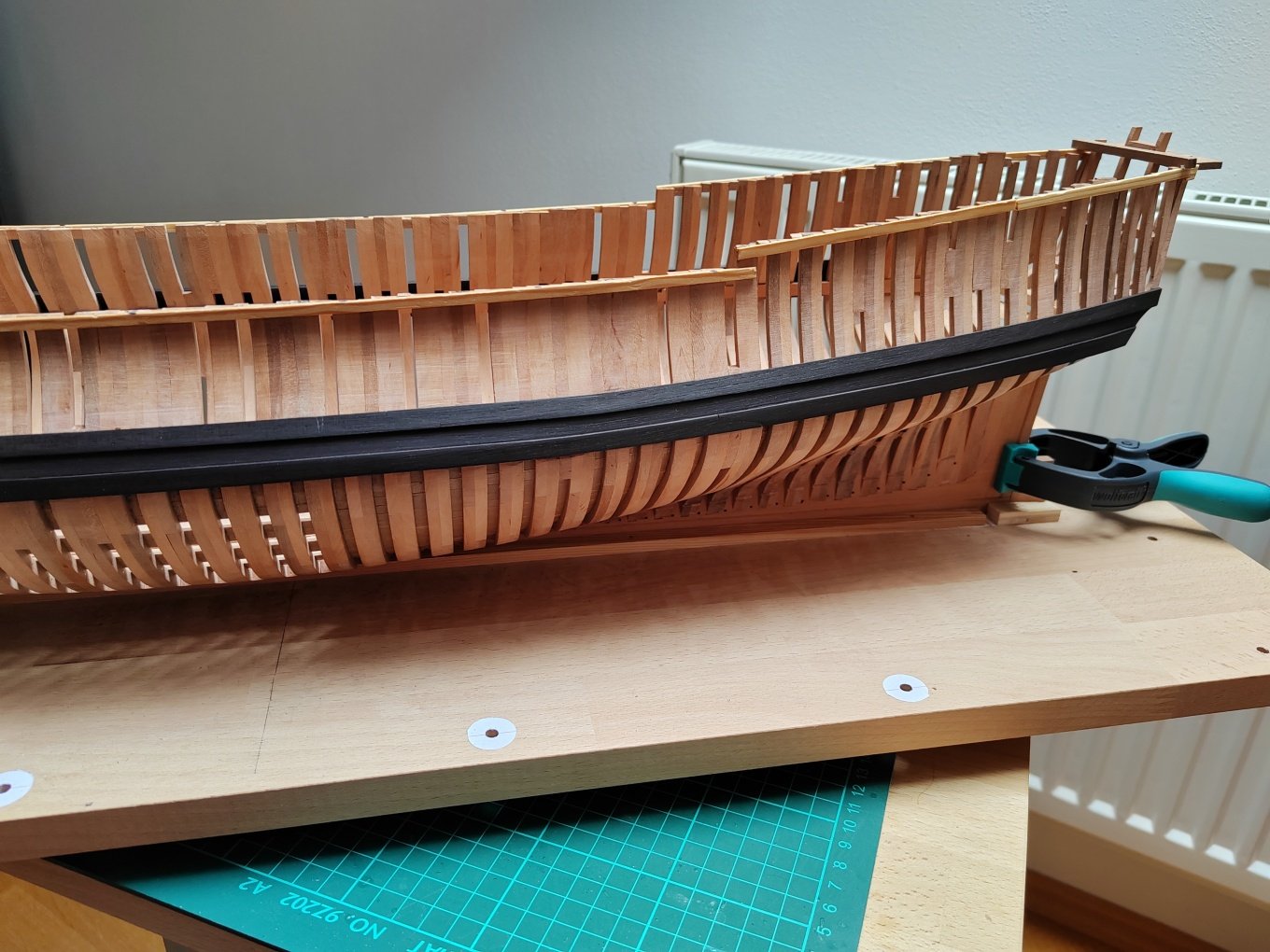
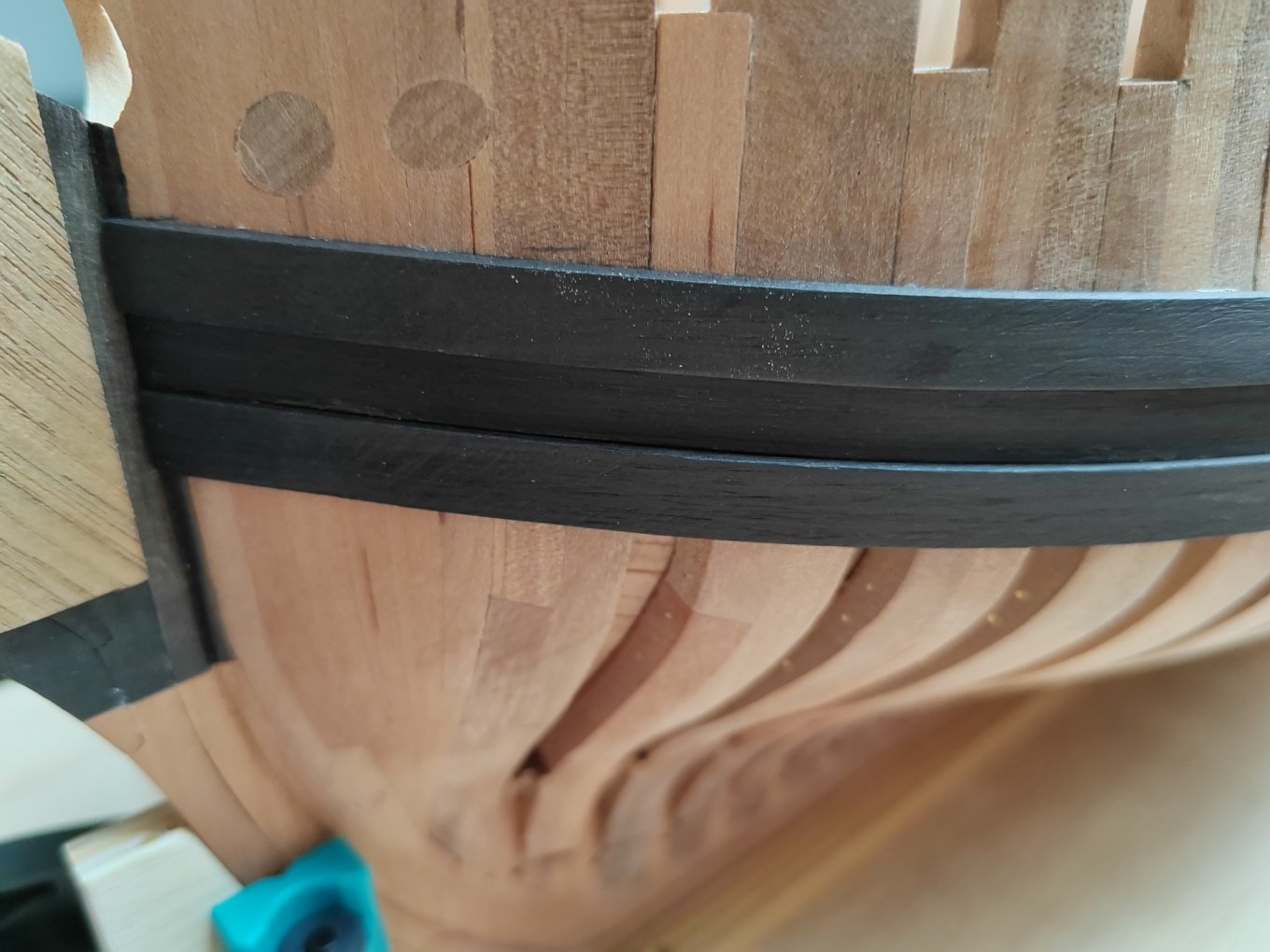
Nailing wales.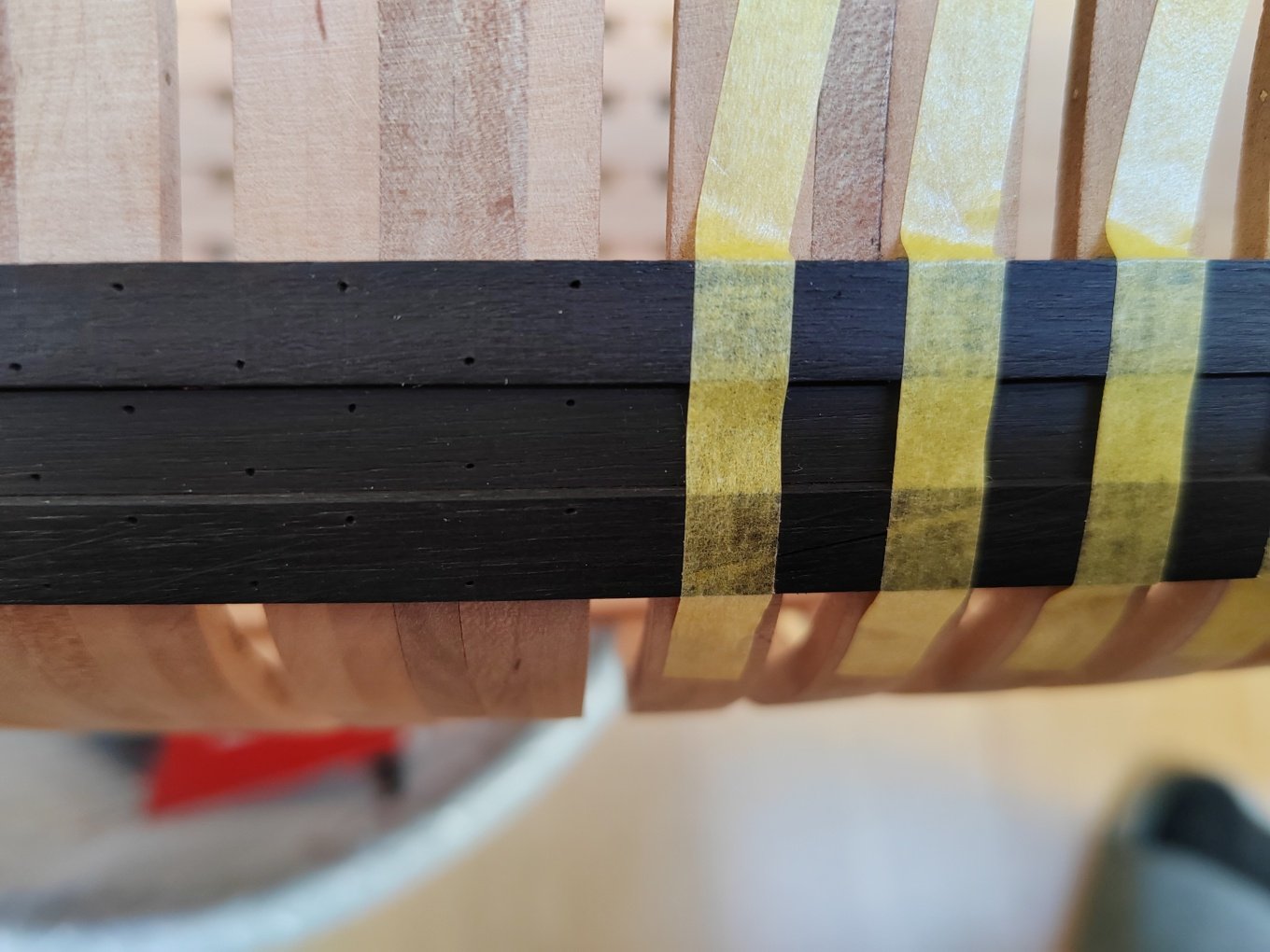
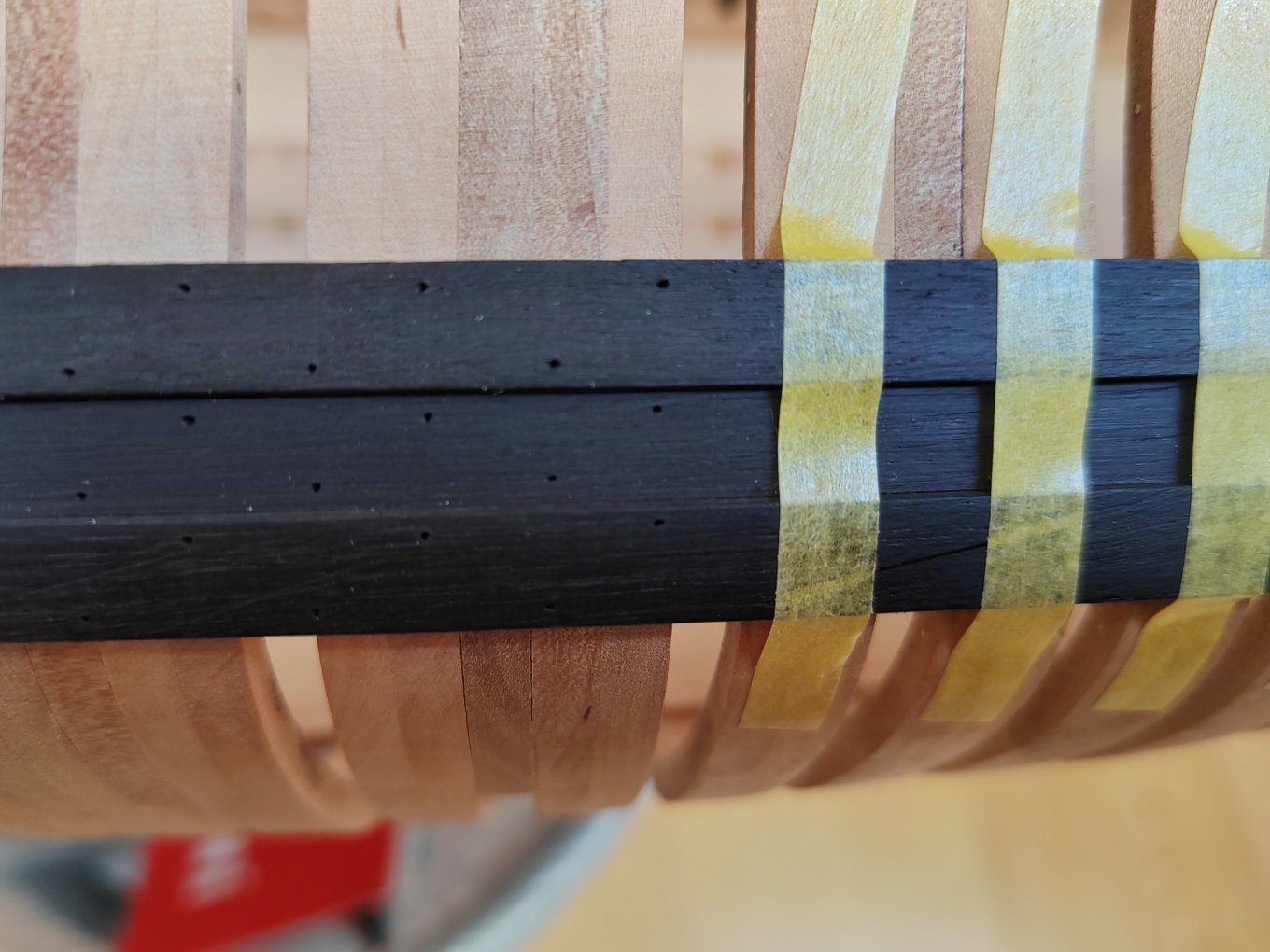
-
L'Amarante by marsalv - 1:36 - POF
marsalv replied to marsalv's topic in - Build logs for subjects built 1501 - 1750
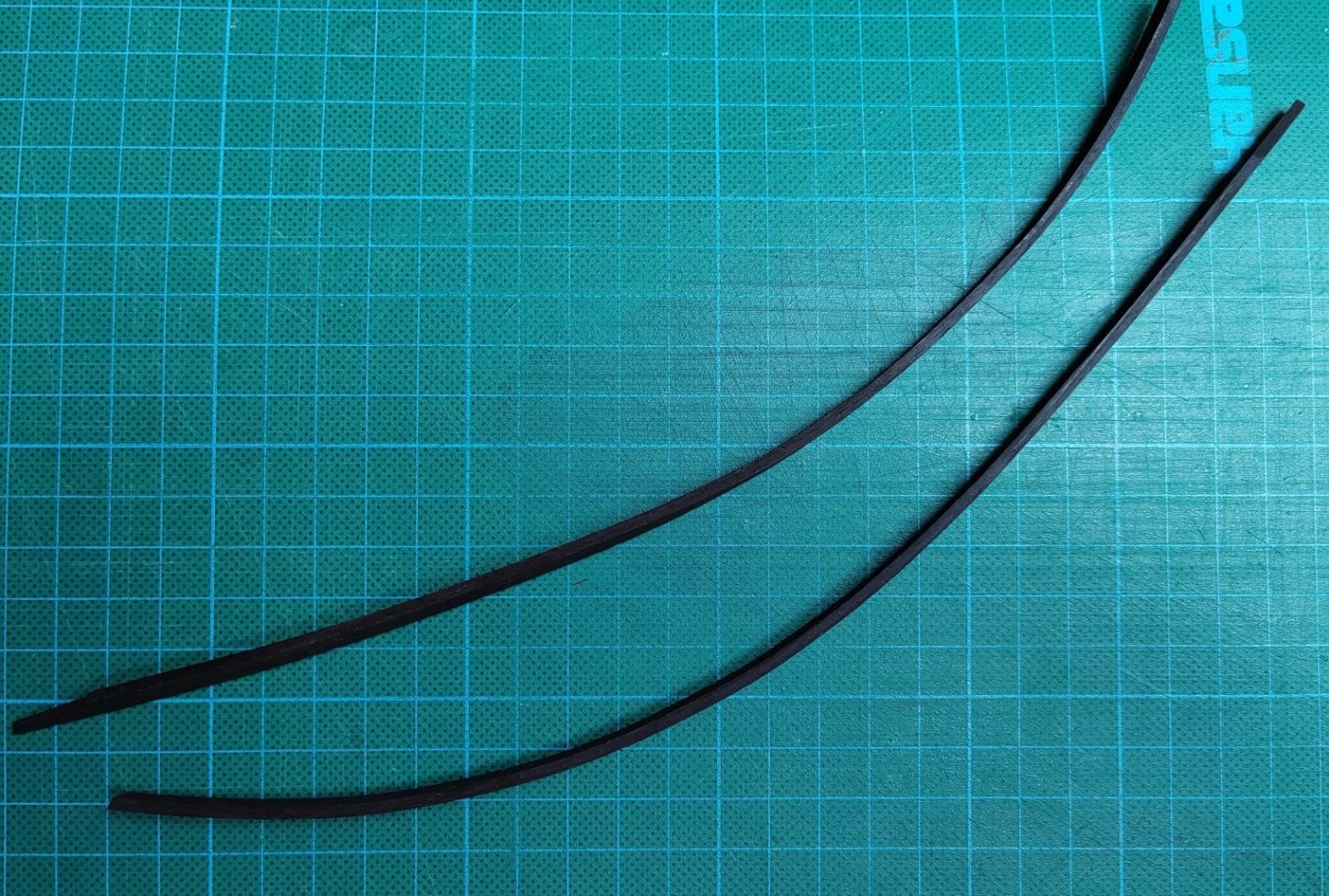
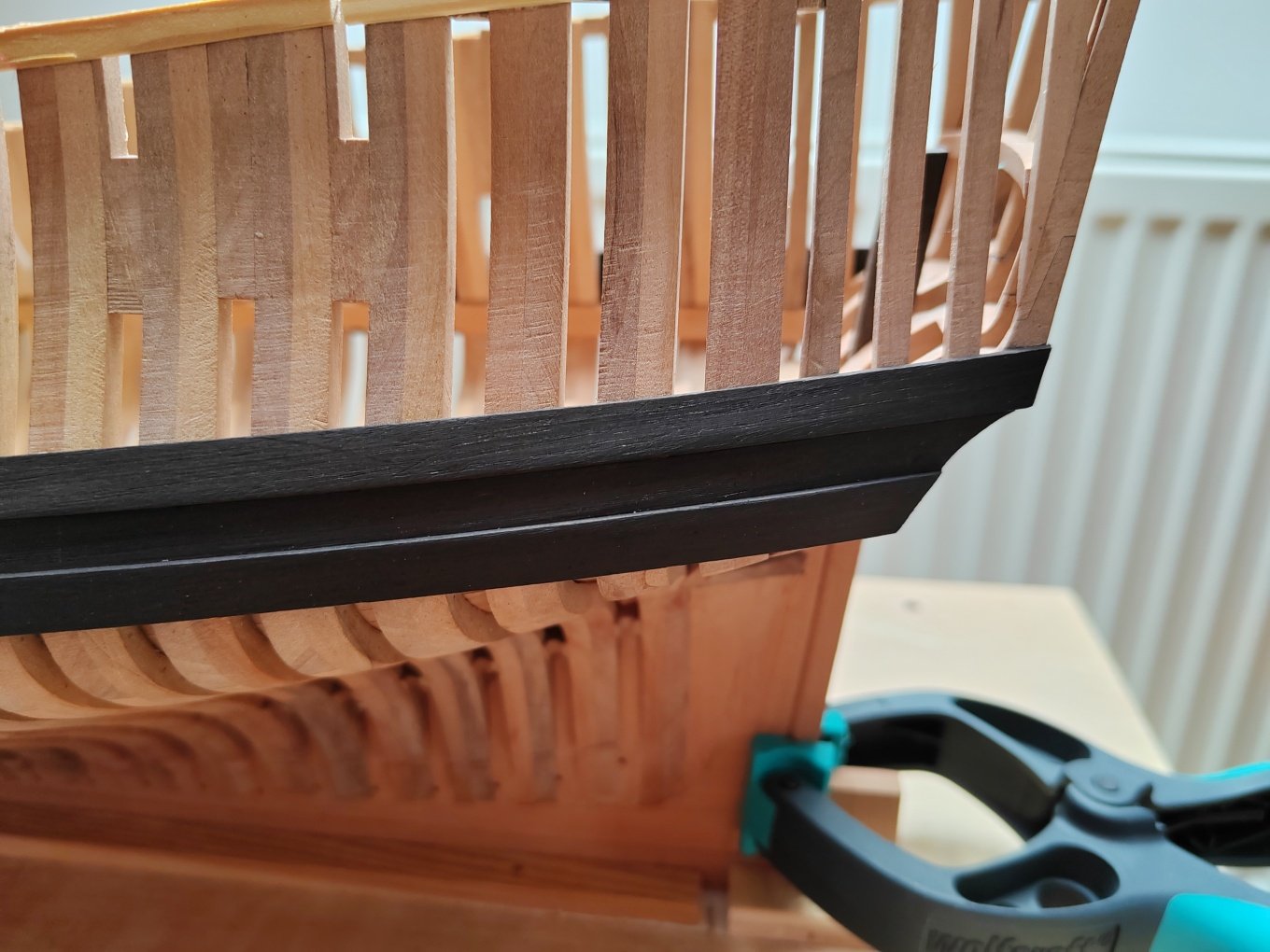
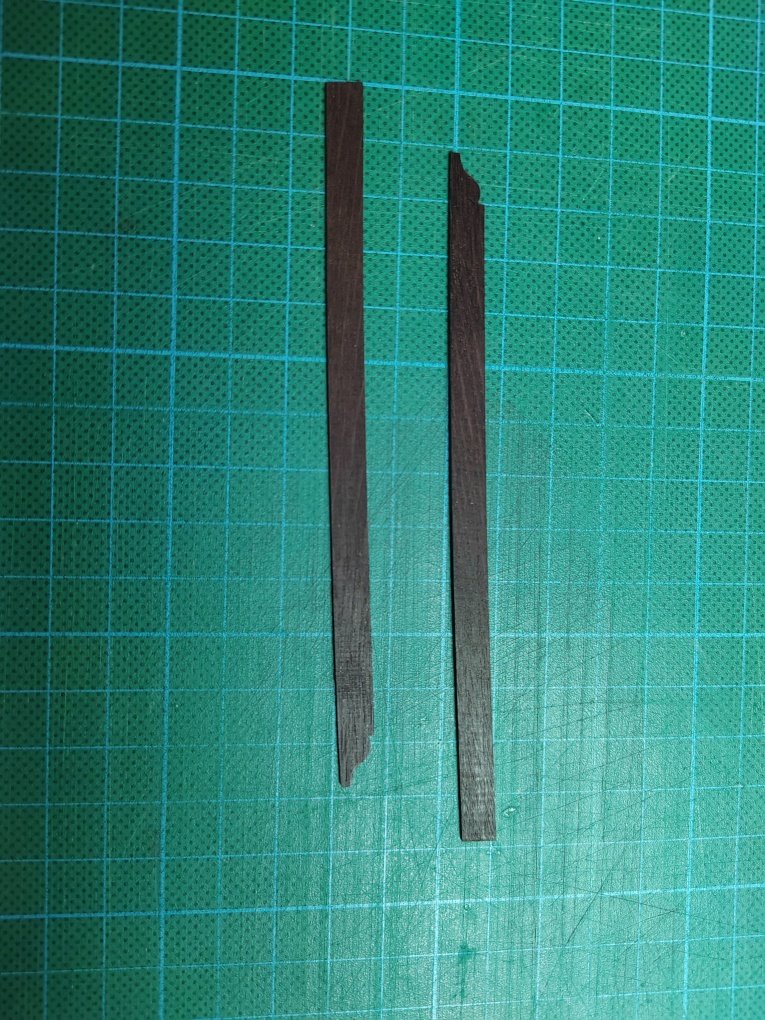
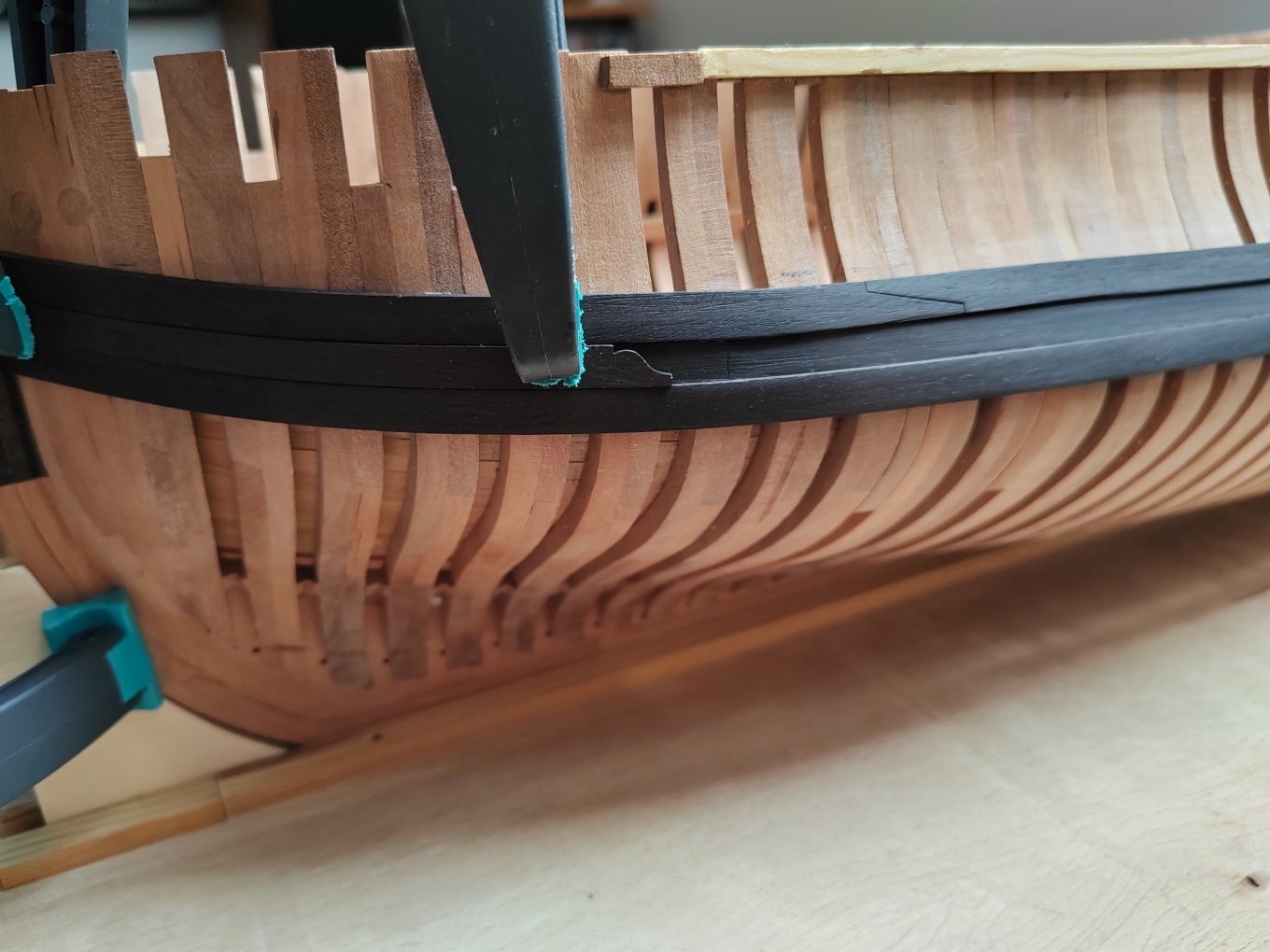
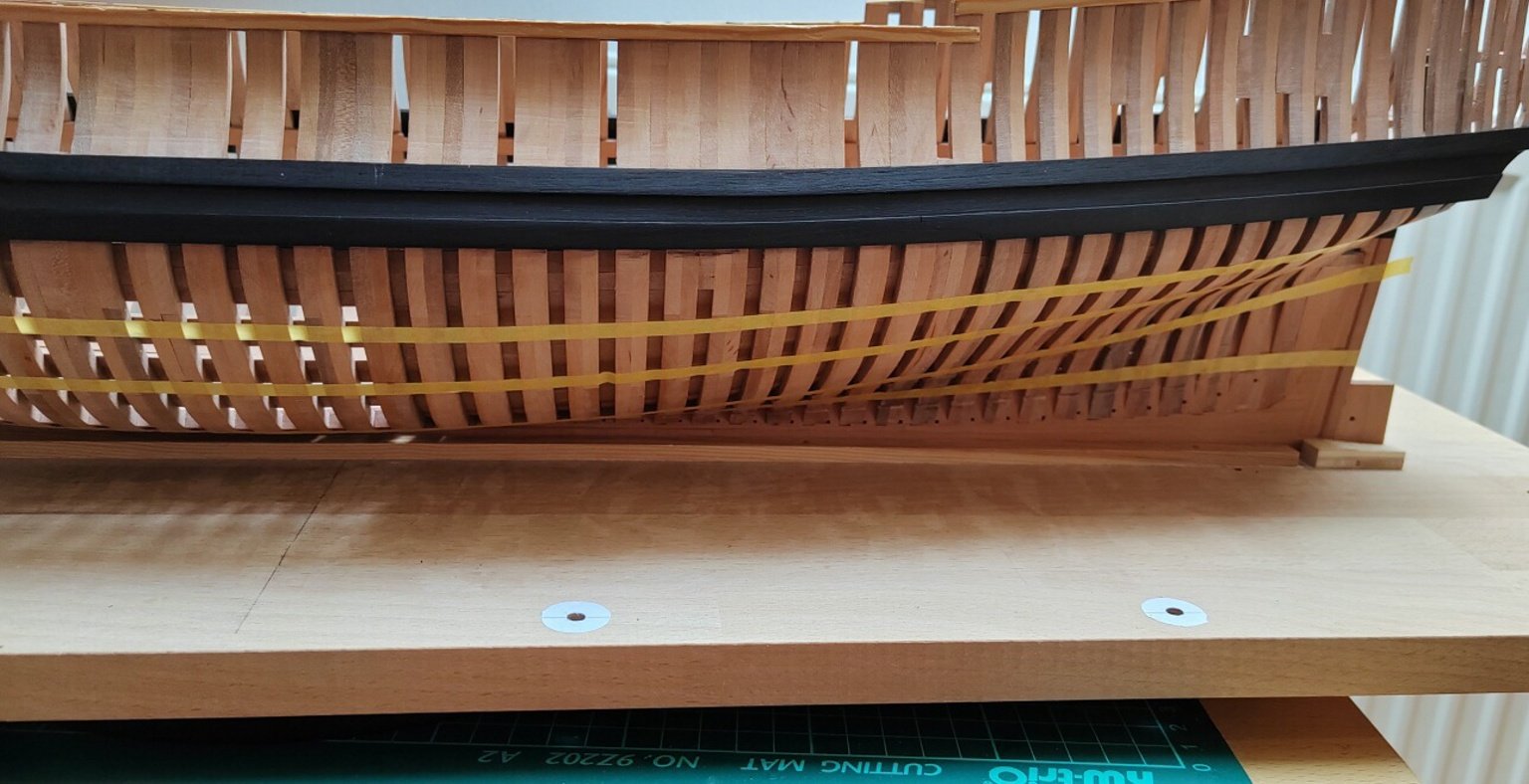
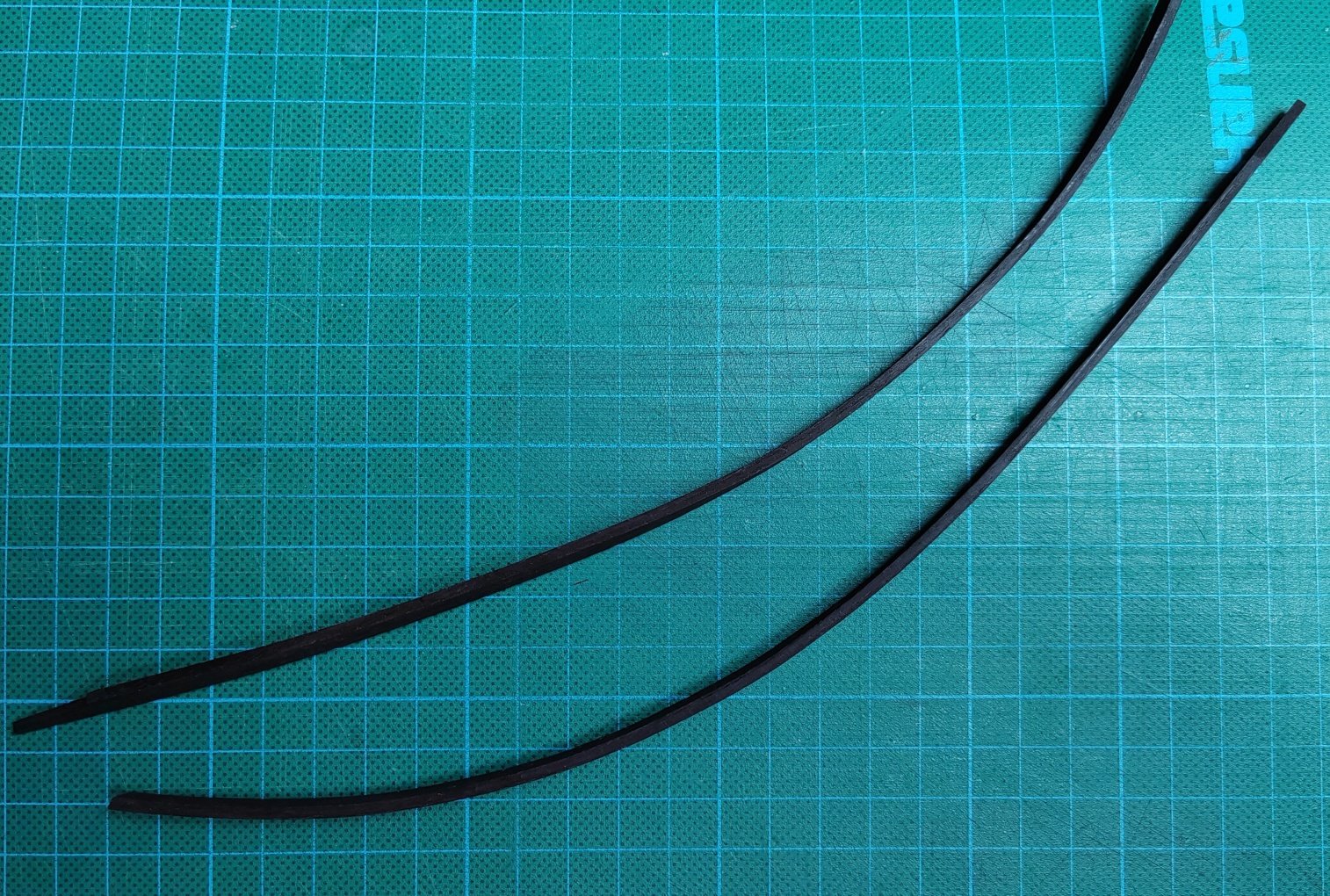
Thank you scrubyj427, the black wood is blackhornbeam, not ebony. Black hornbeam is a bit easier to work with than ebony . Installation of wales completed.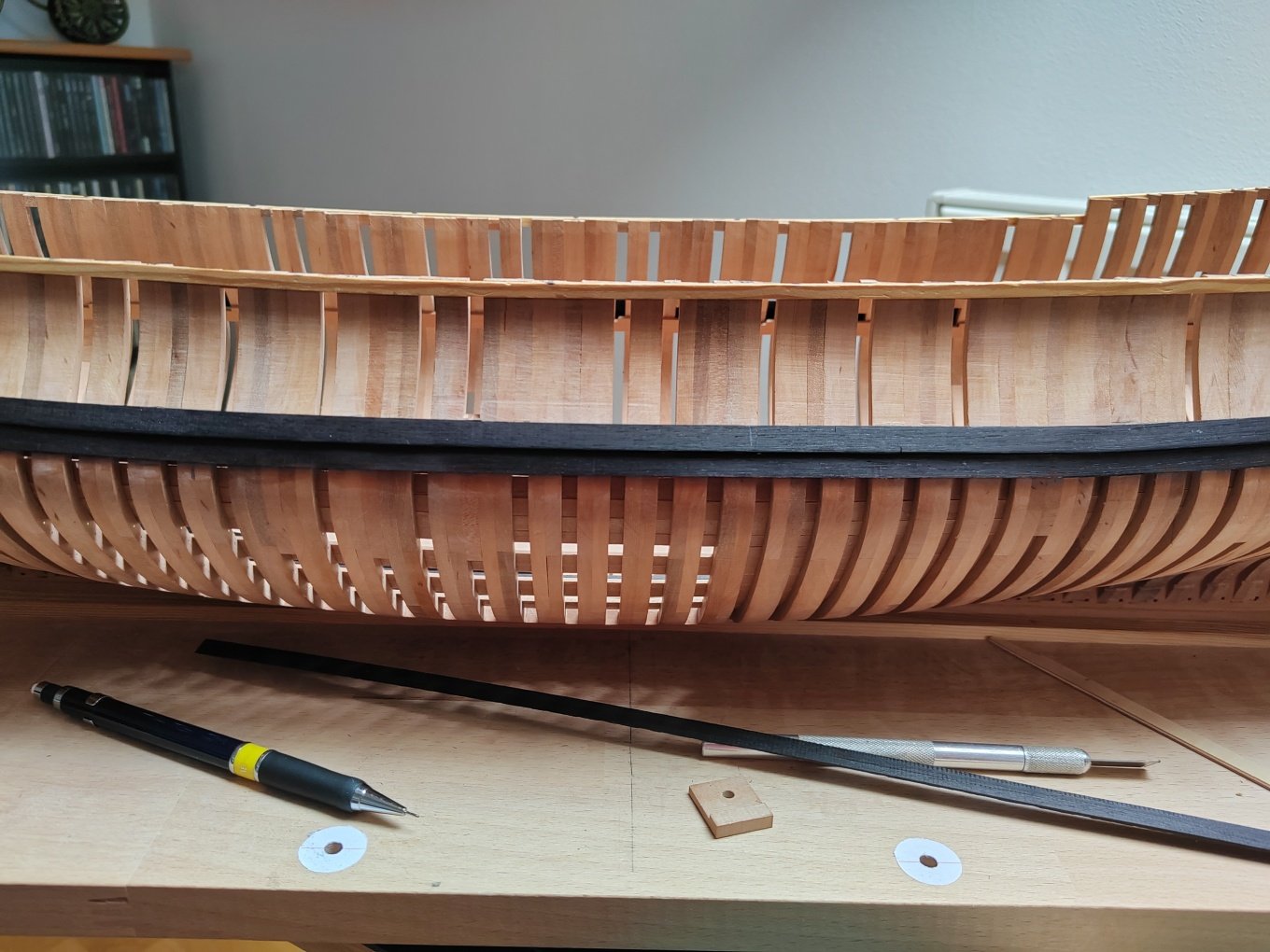
-
L'Amarante by marsalv - 1:36 - POF
marsalv replied to marsalv's topic in - Build logs for subjects built 1501 - 1750
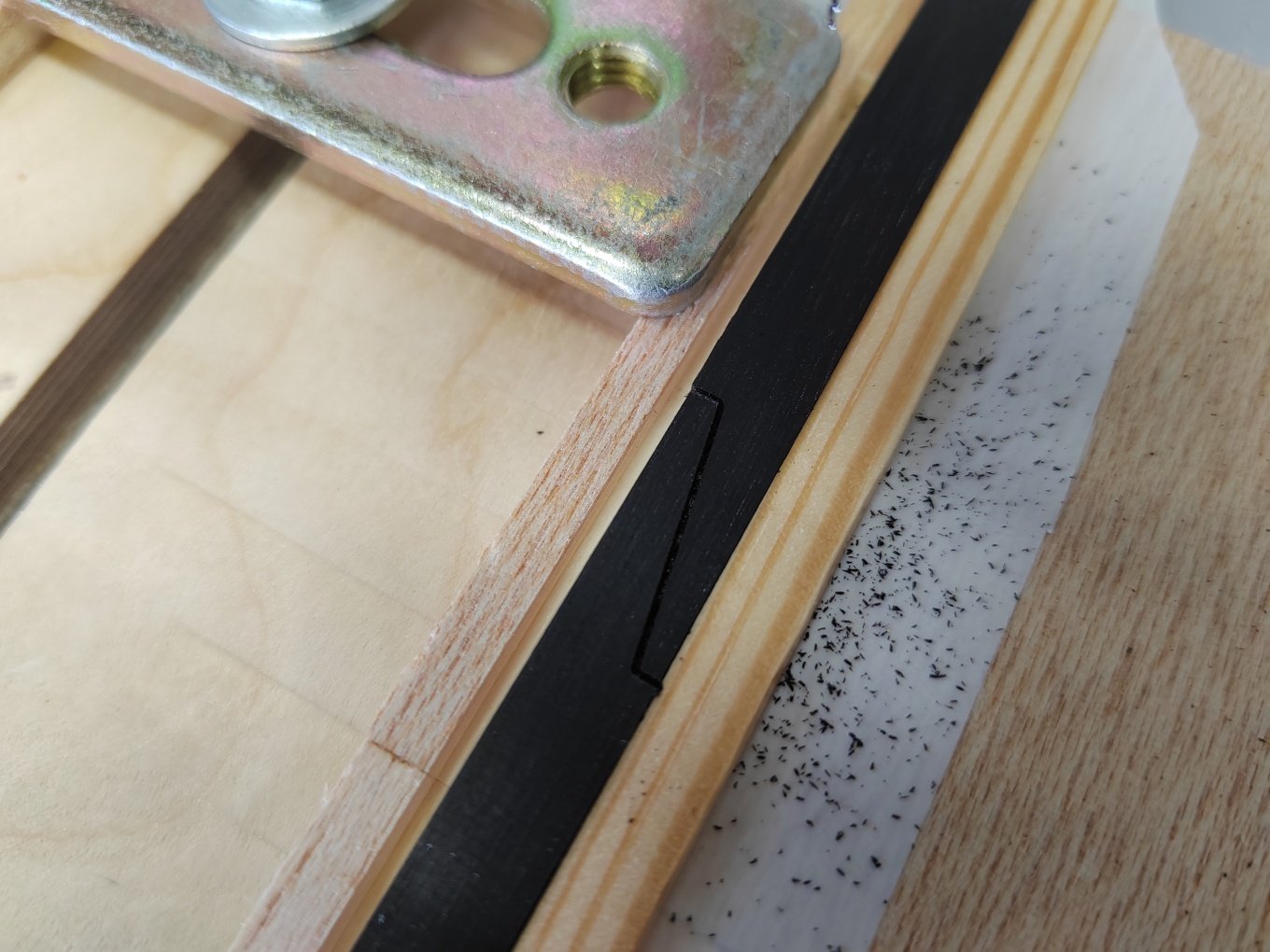
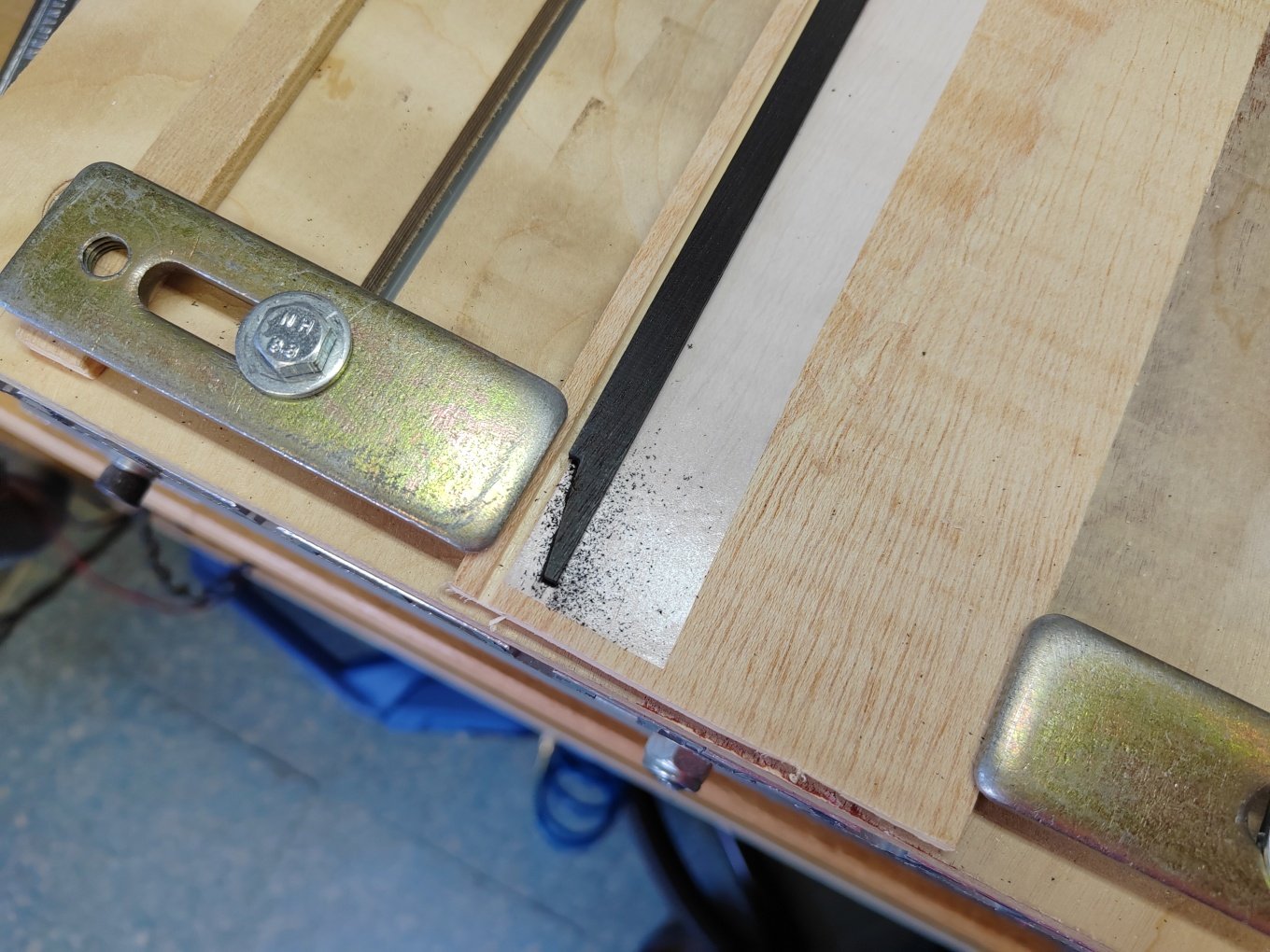
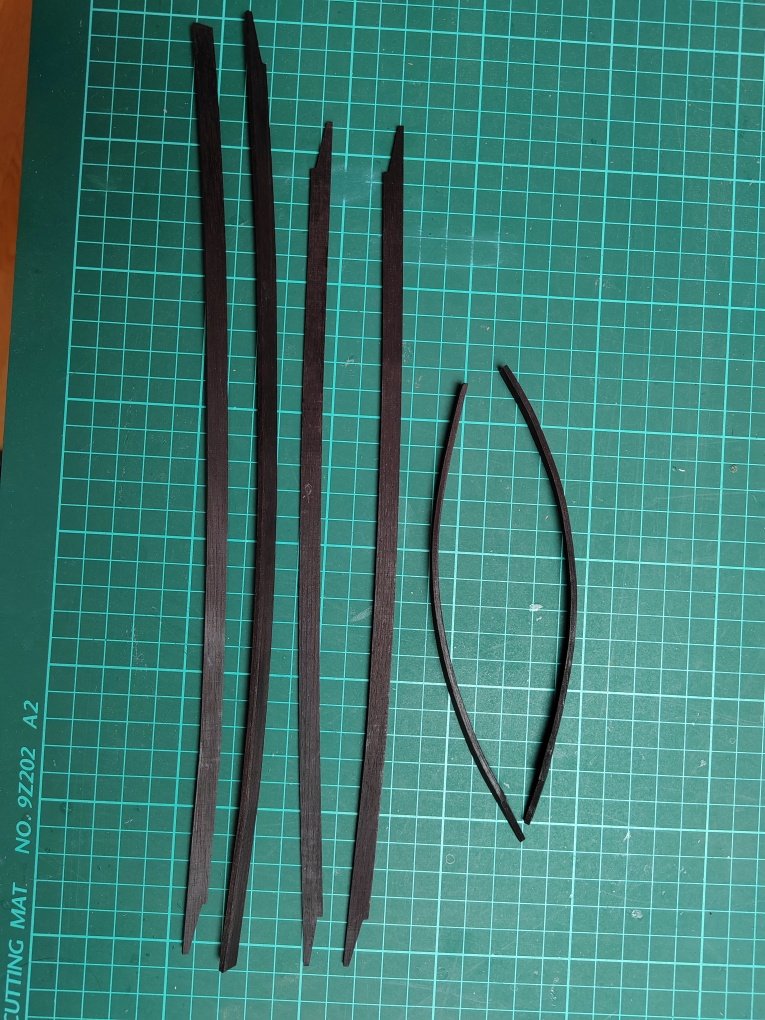
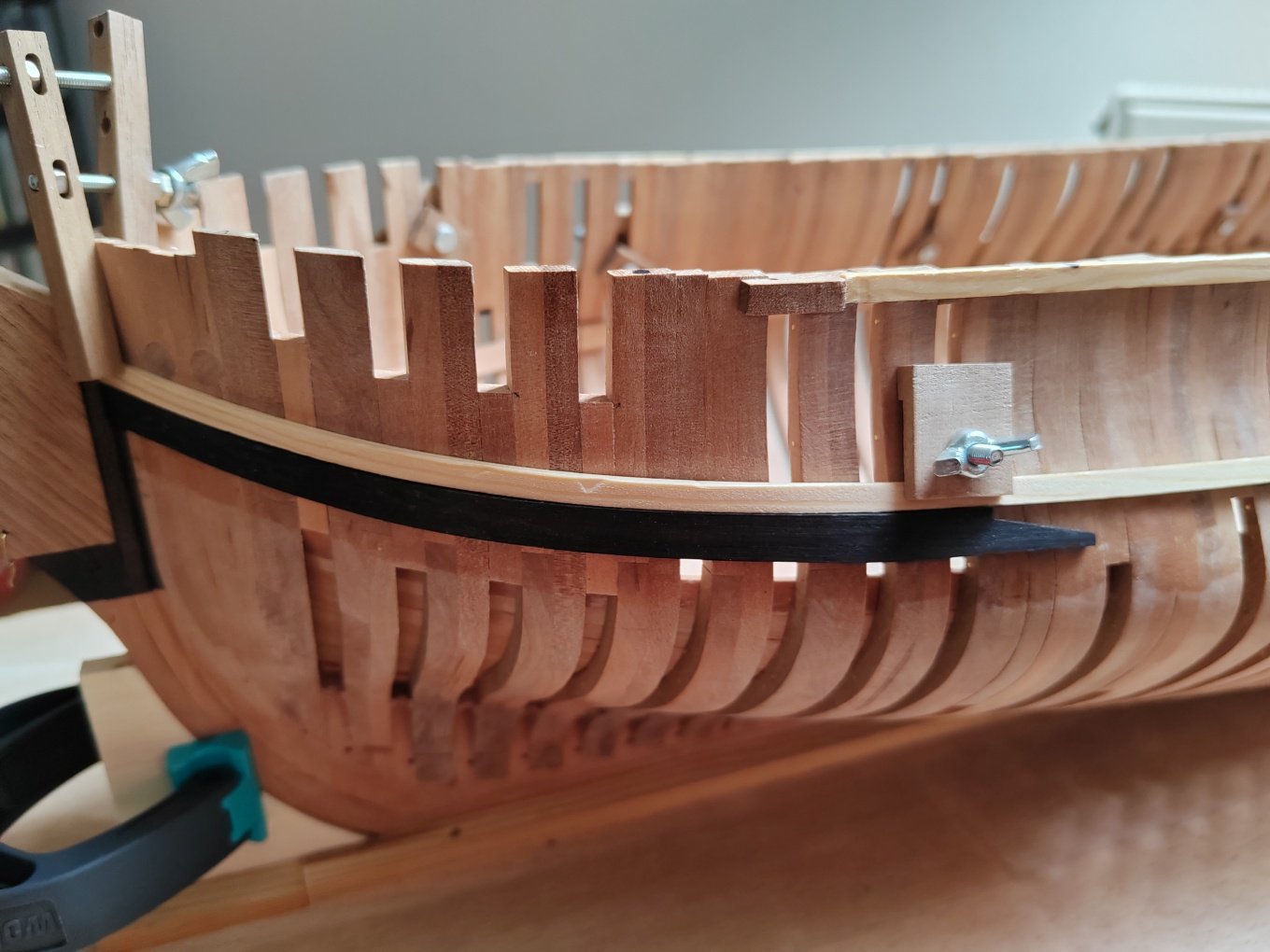
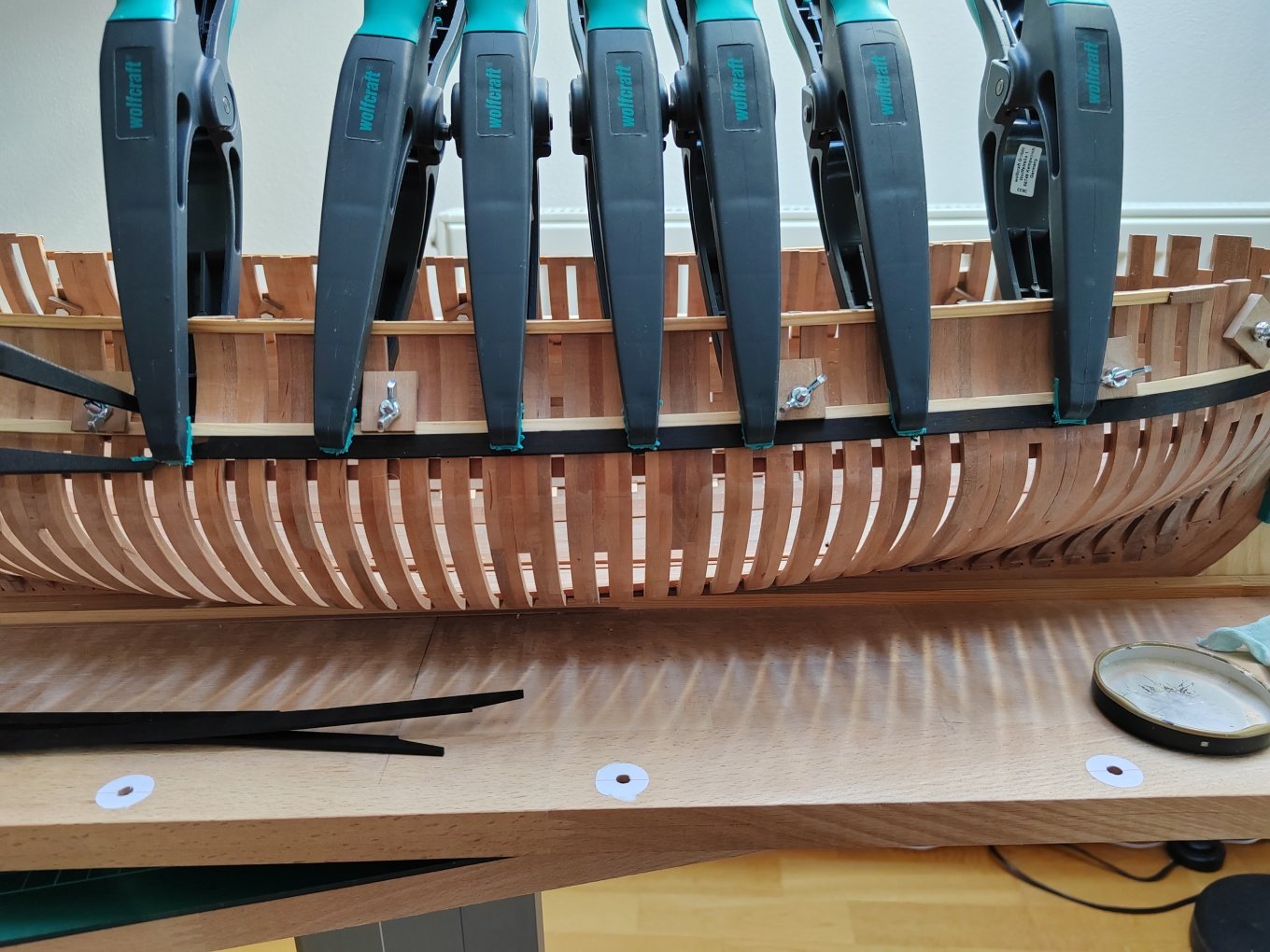
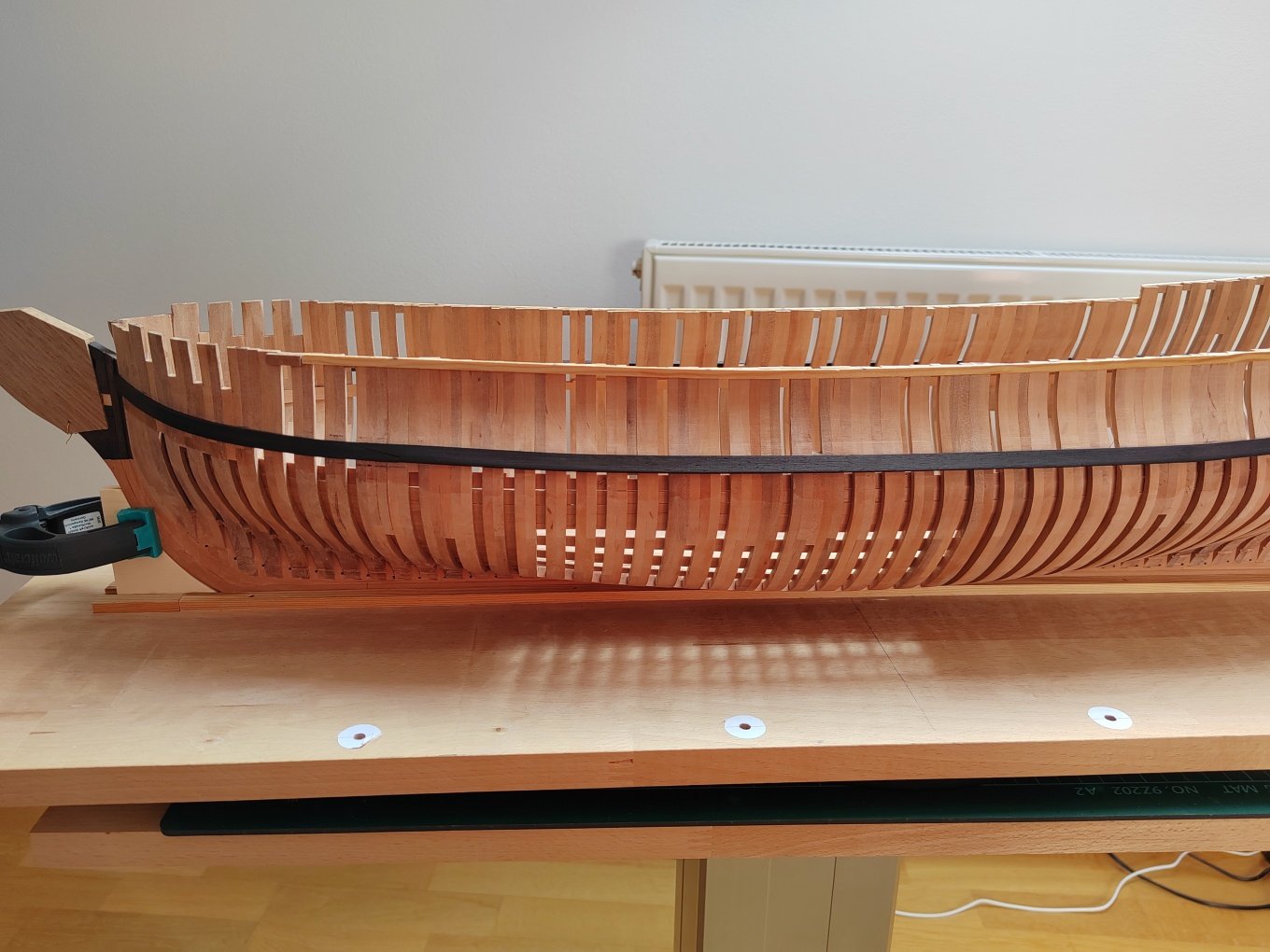
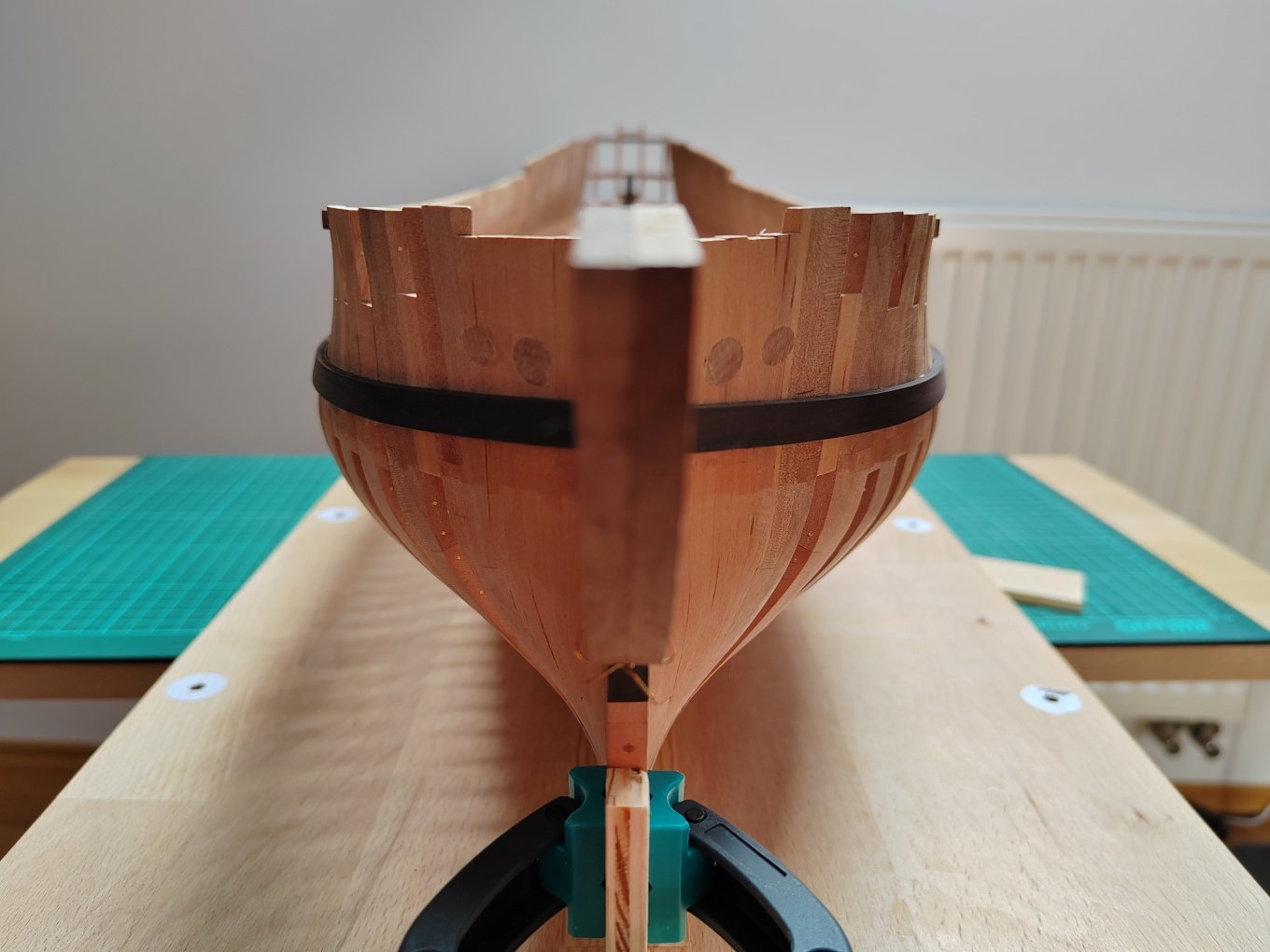
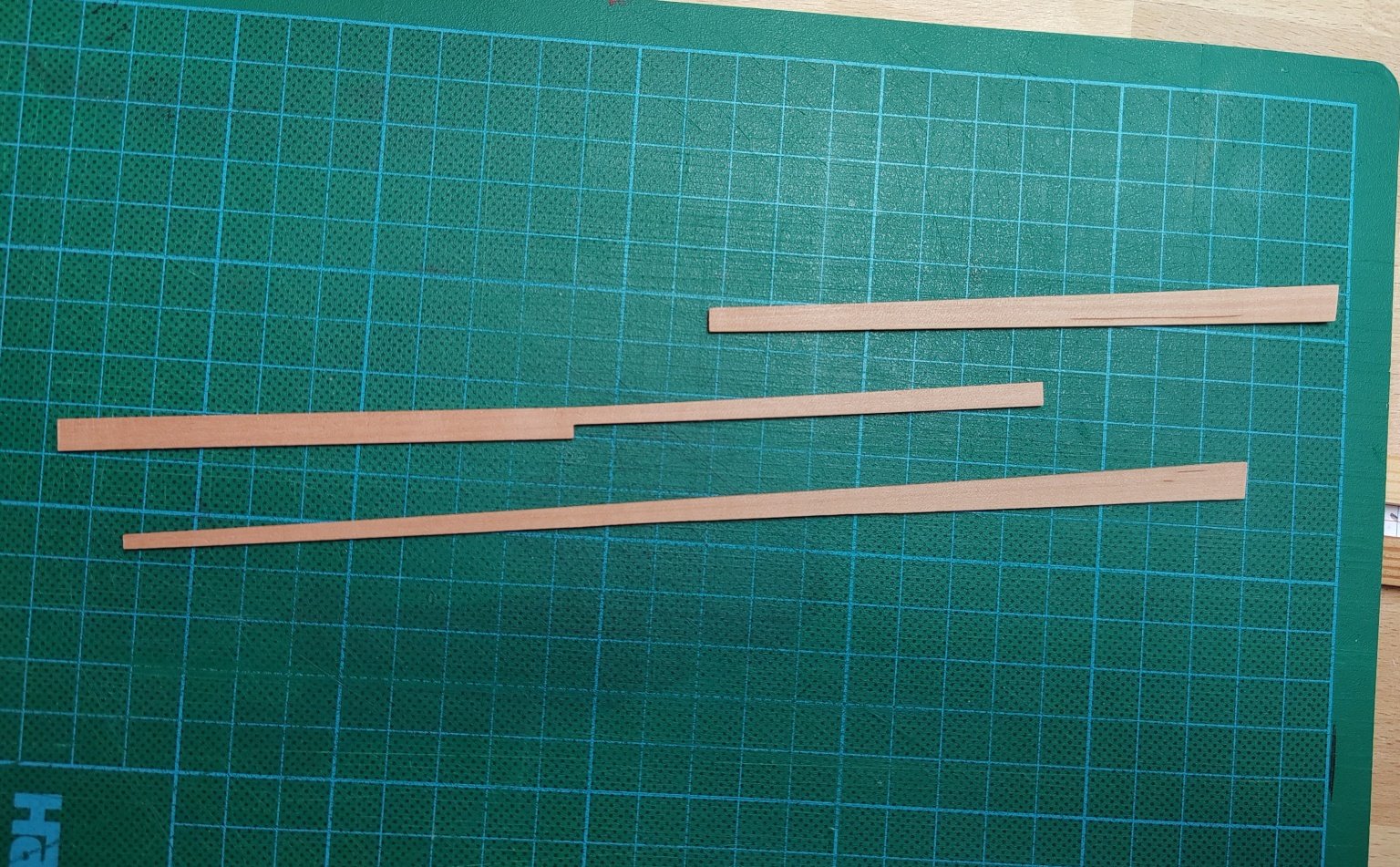
I proceed by installing wales. I decided to glue the upper wale first - using a "guide" strip. Wale is connected using a scraph joint and the one in the front part is directly in the bend, which significantly complicated the accuracy of connection and gluing.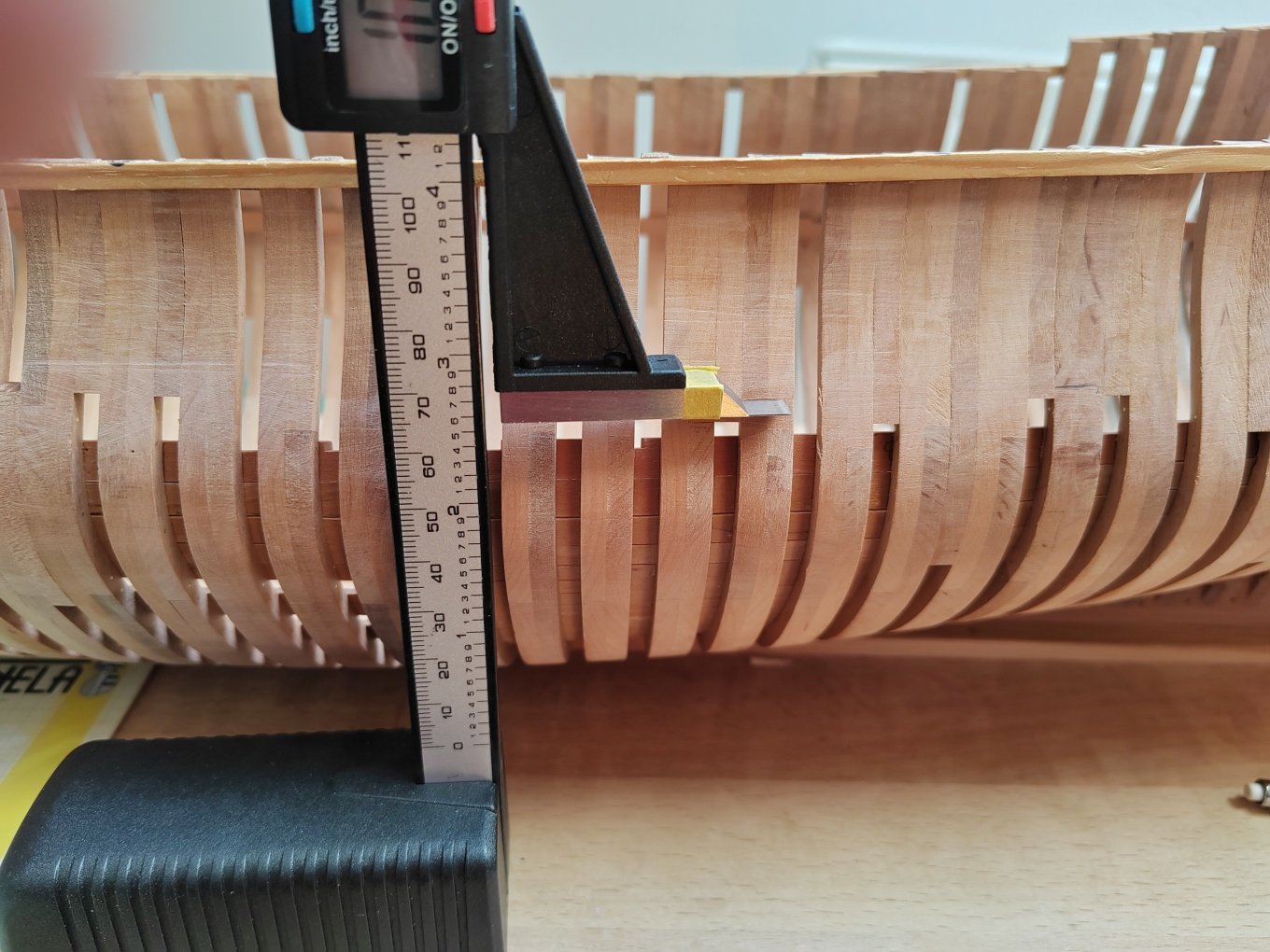
-
L'Amarante by marsalv - 1:36 - POF
marsalv replied to marsalv's topic in - Build logs for subjects built 1501 - 1750
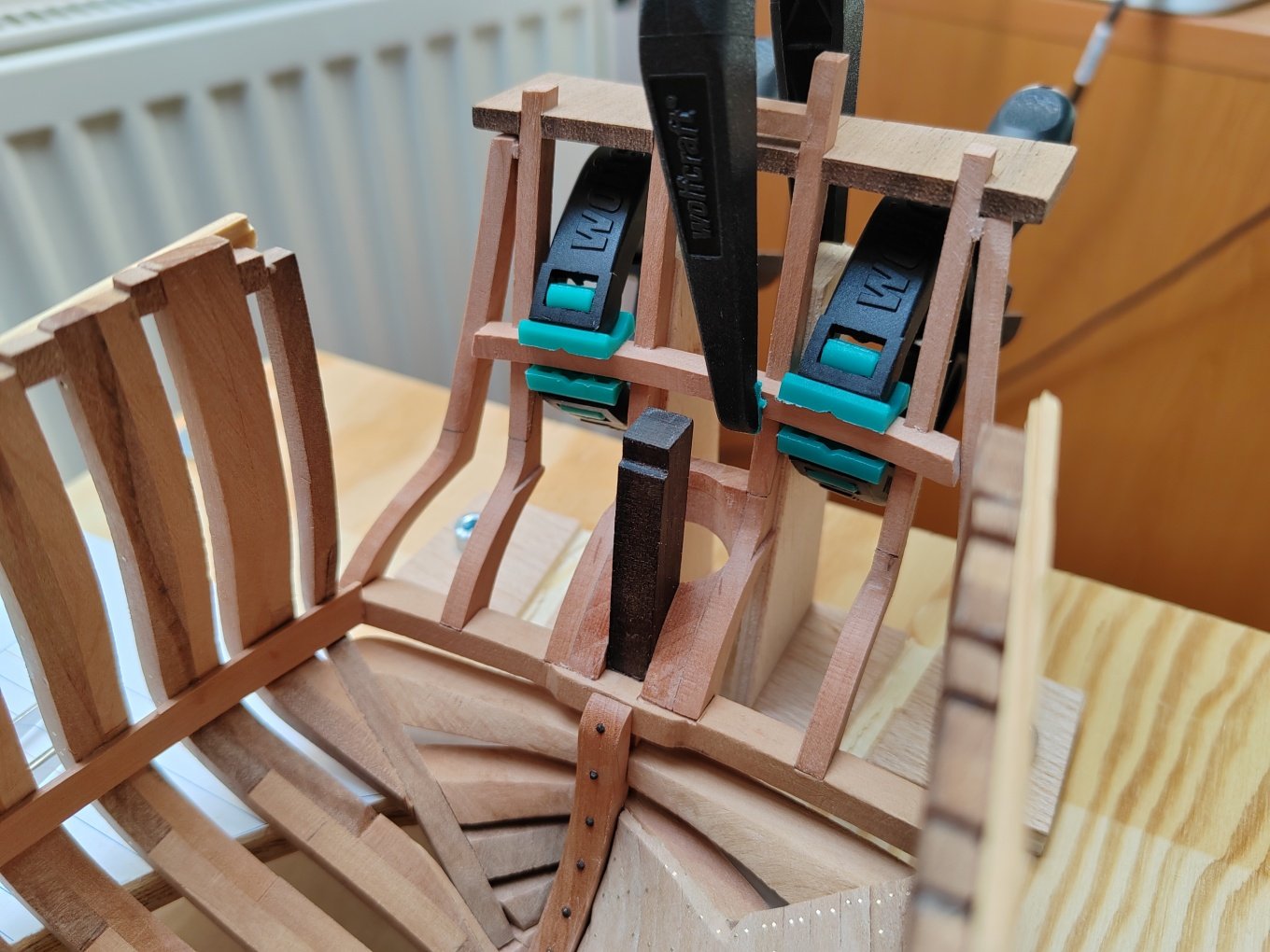
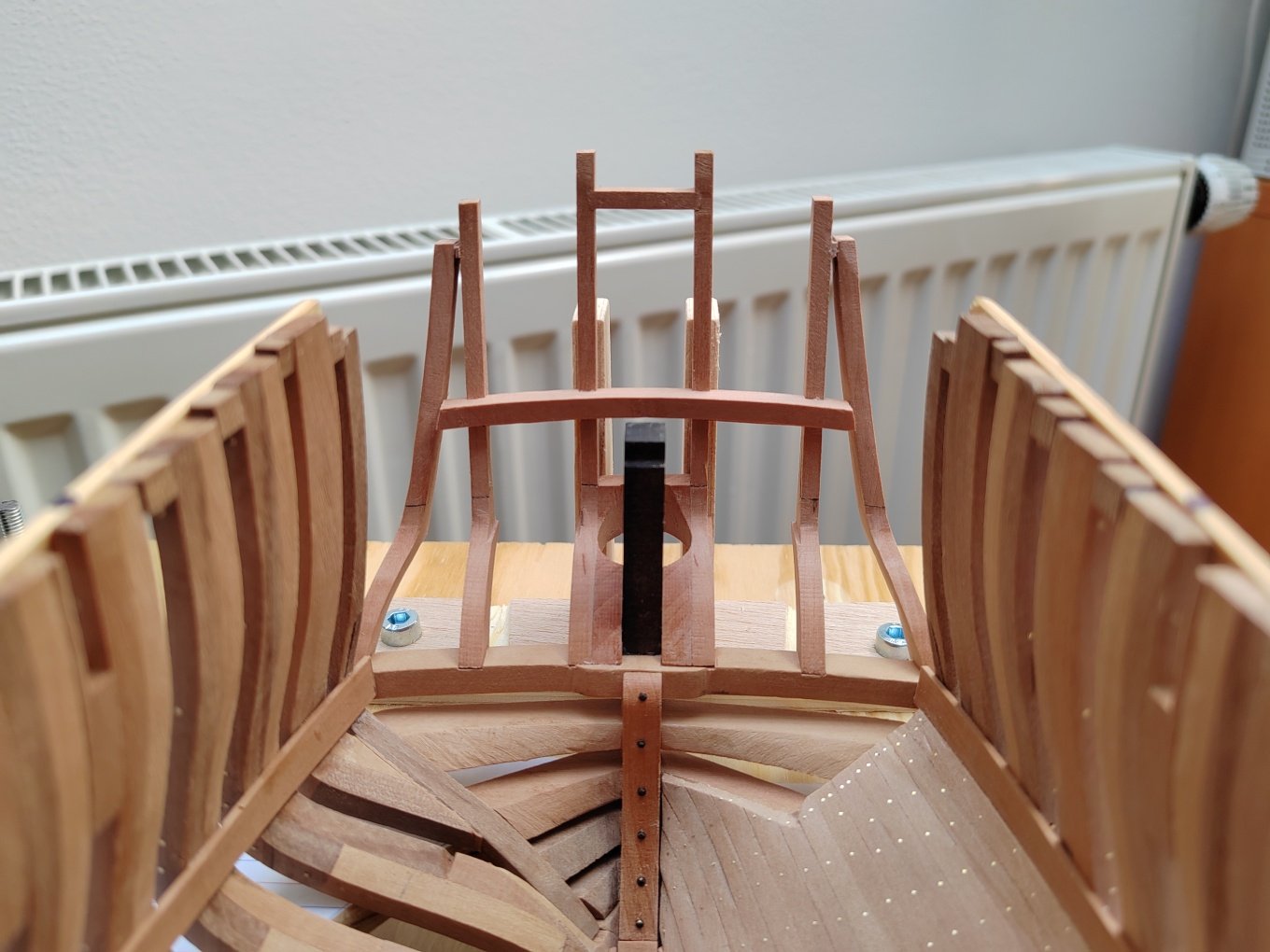
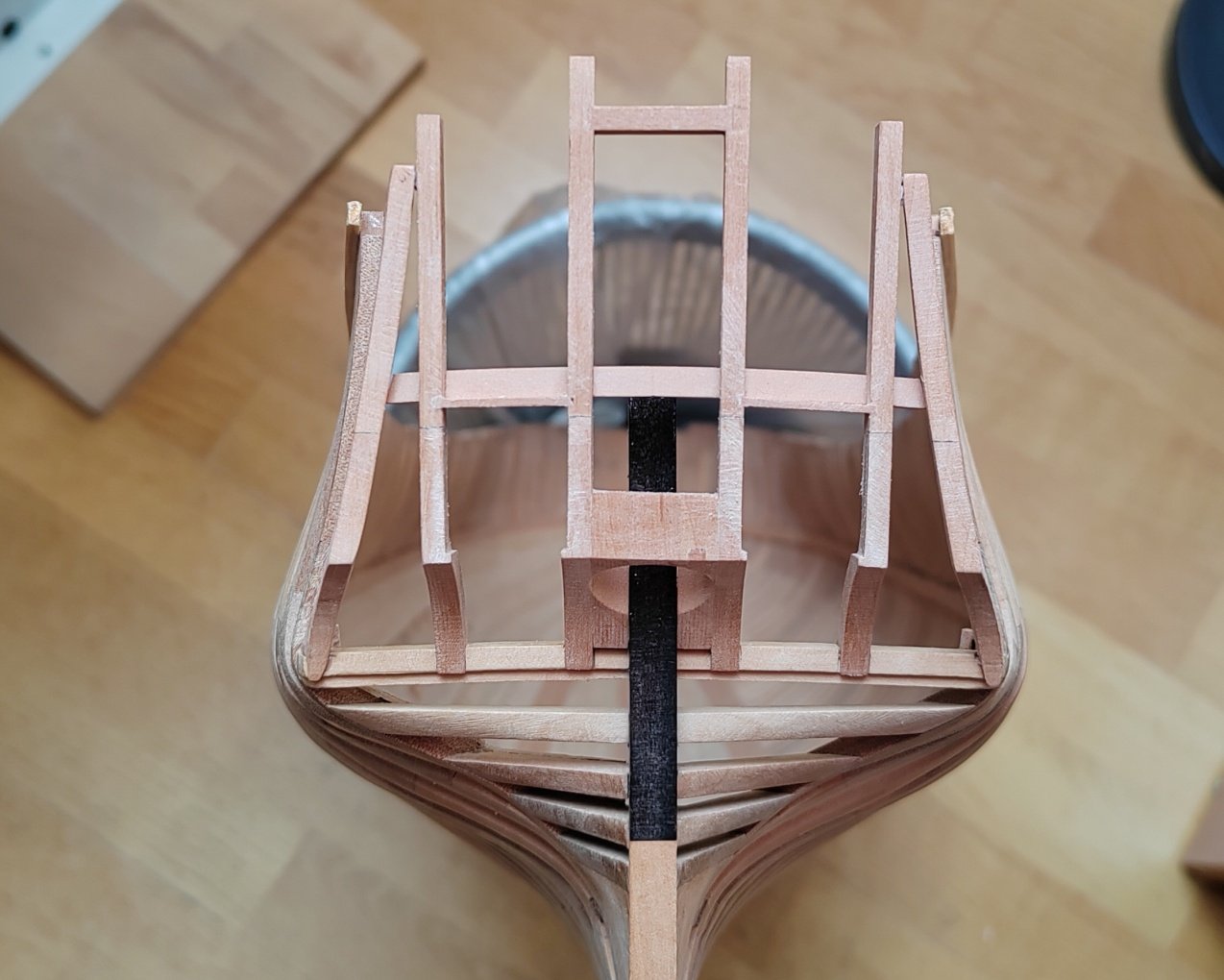
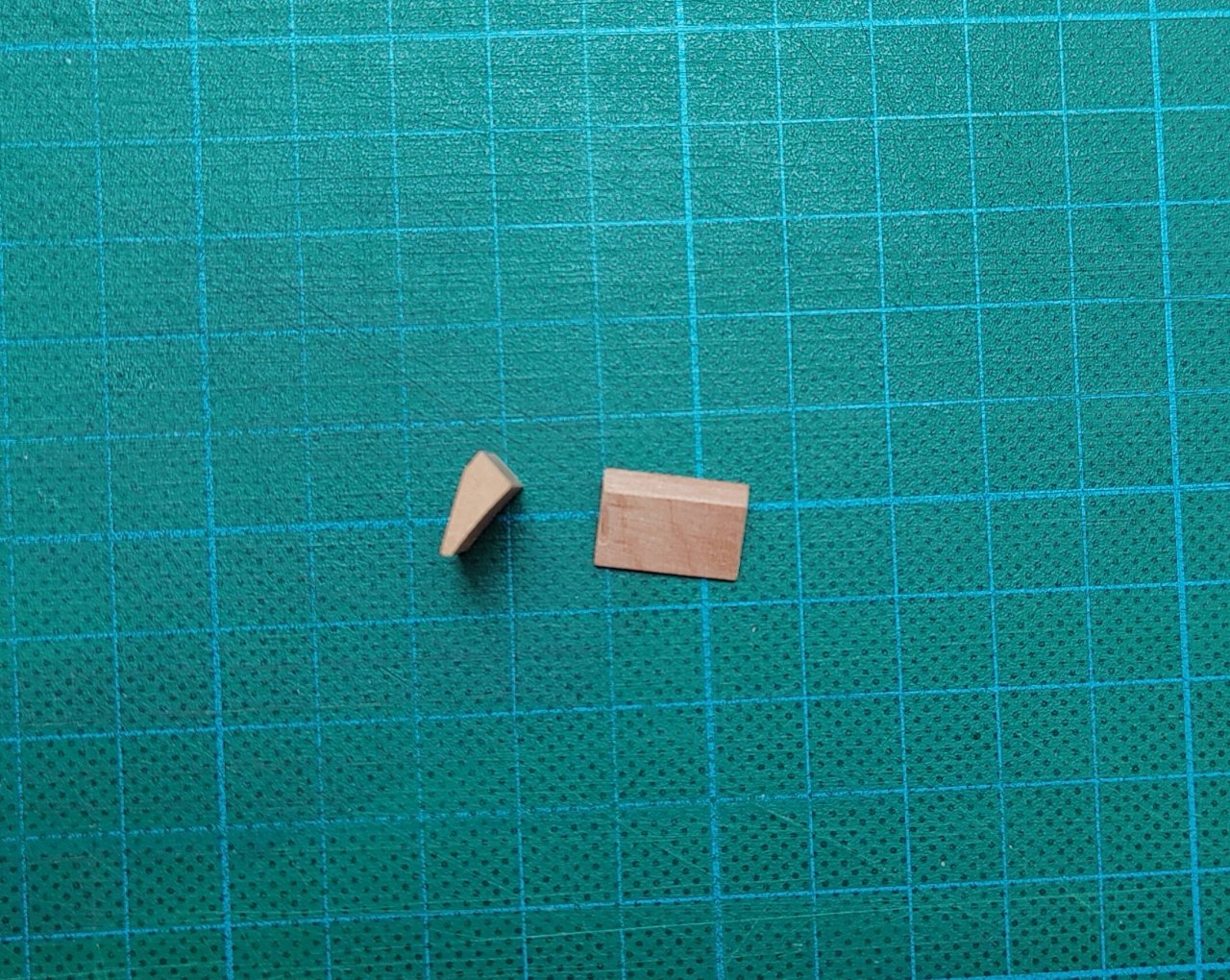
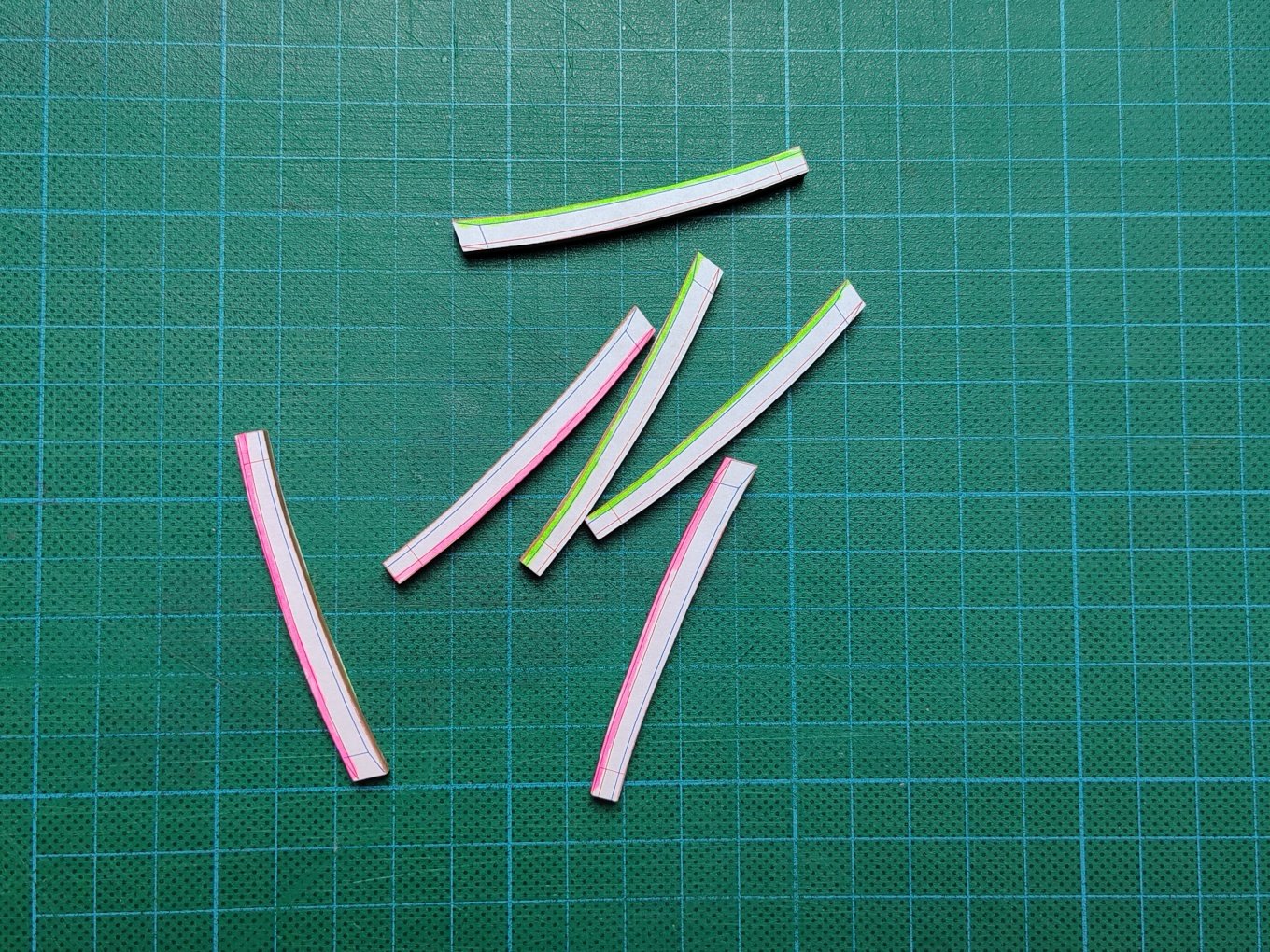
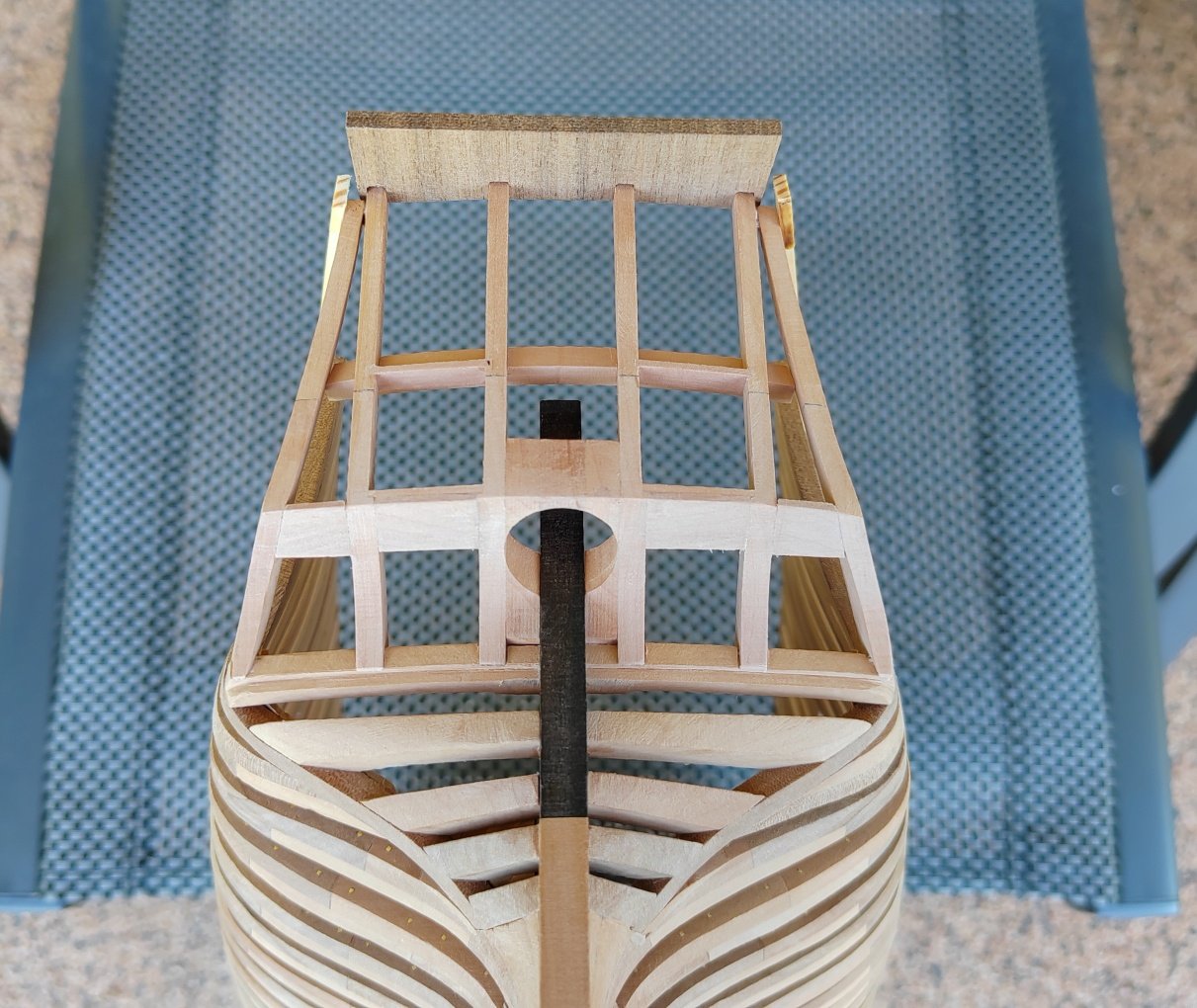
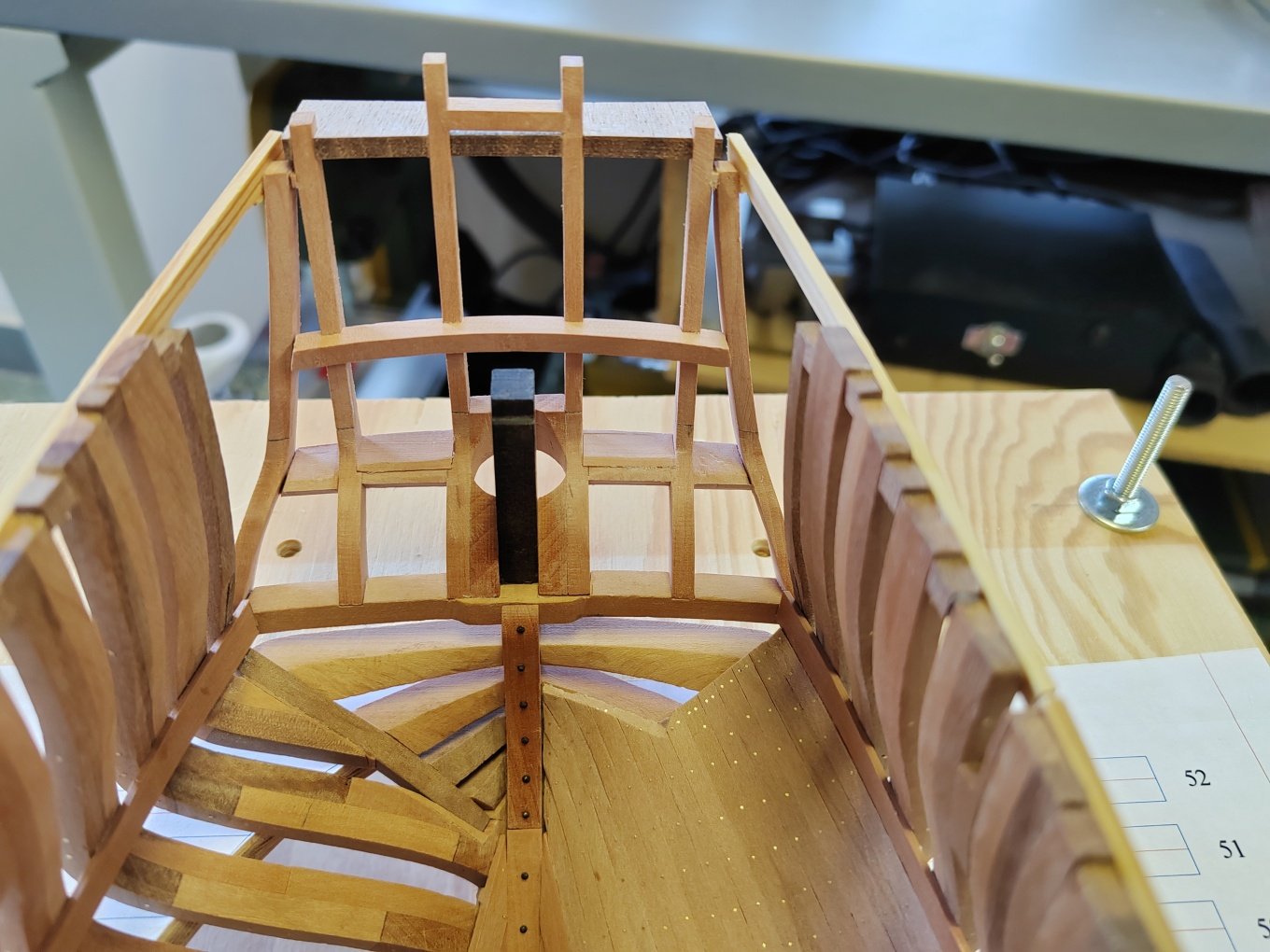
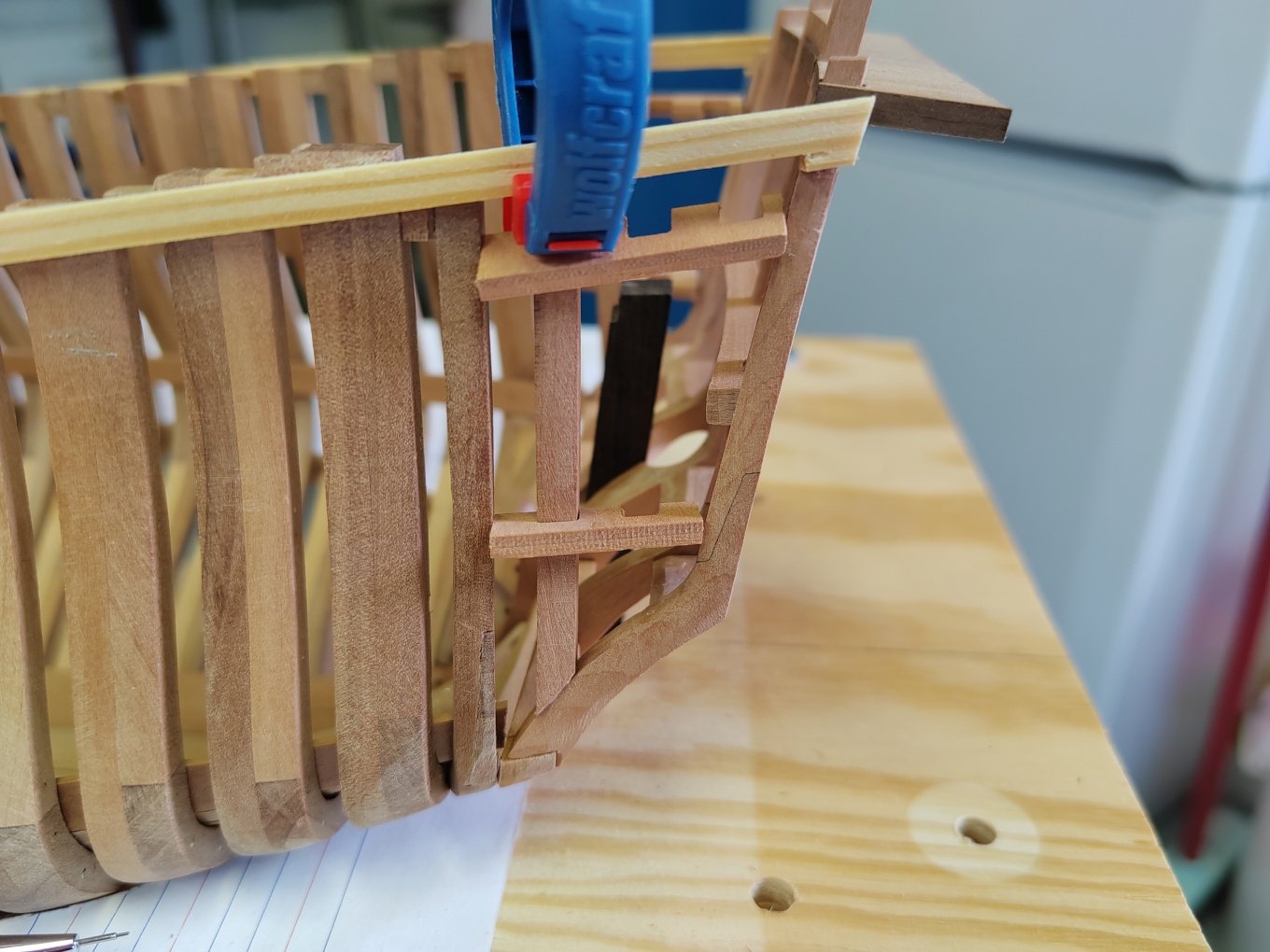
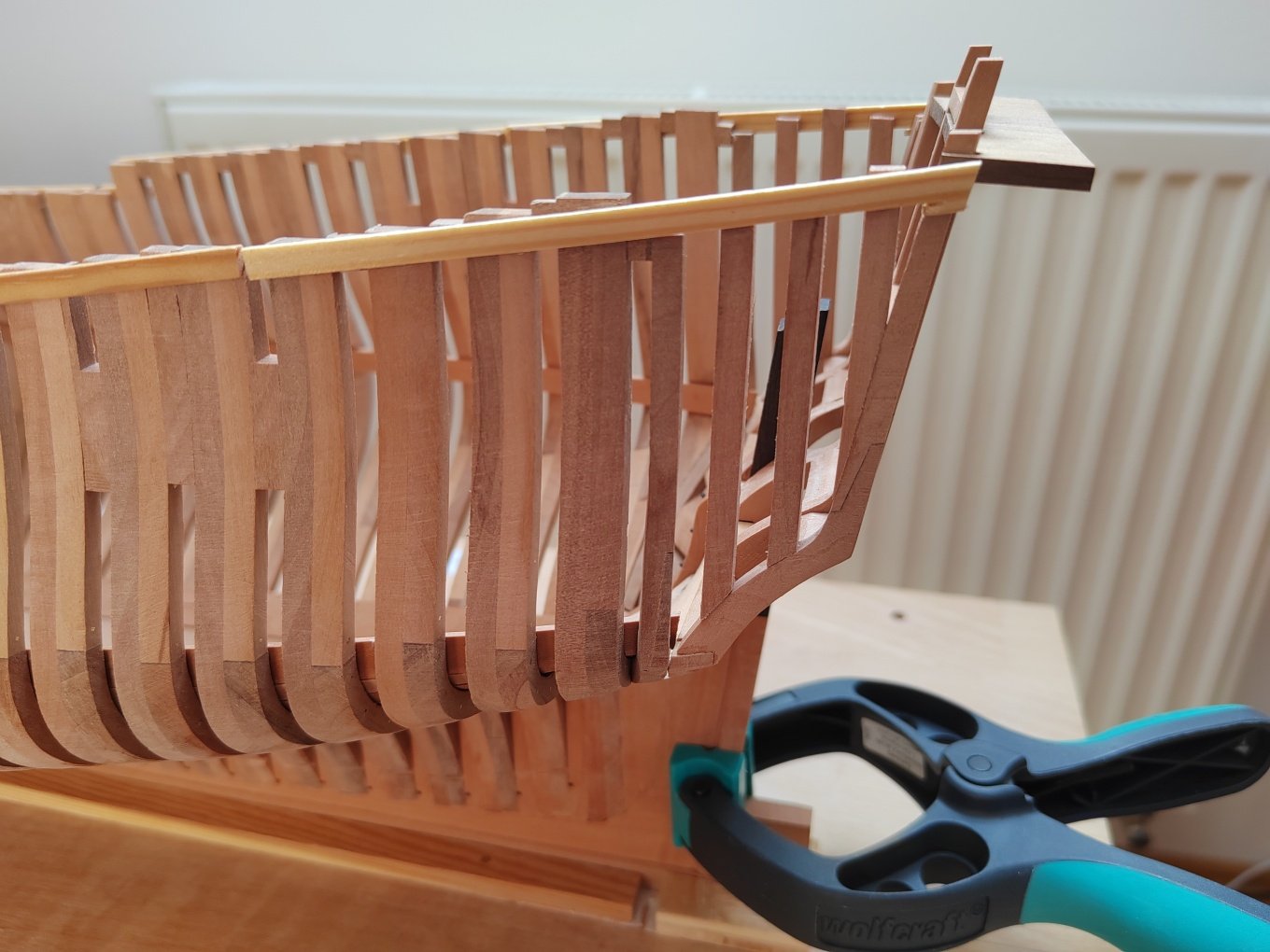
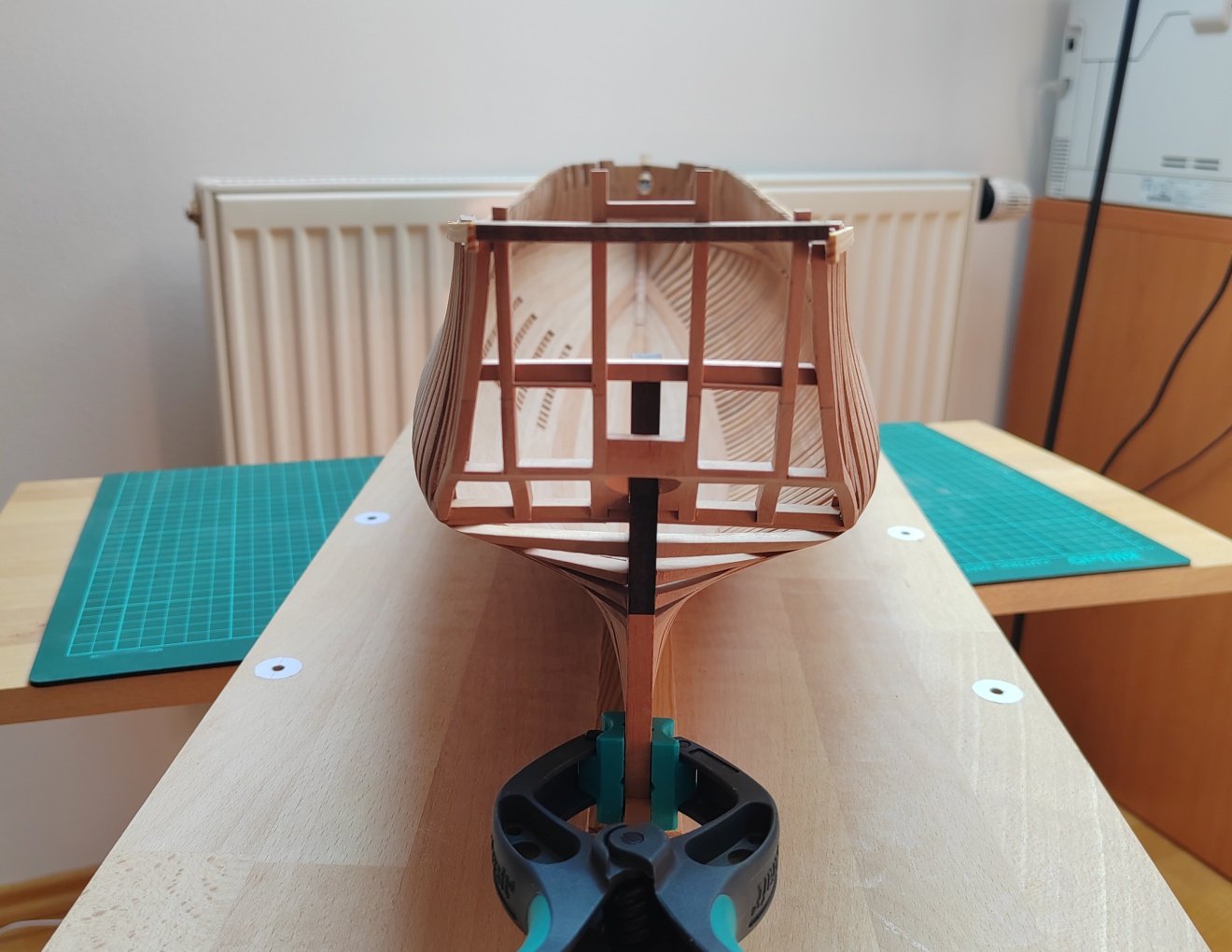
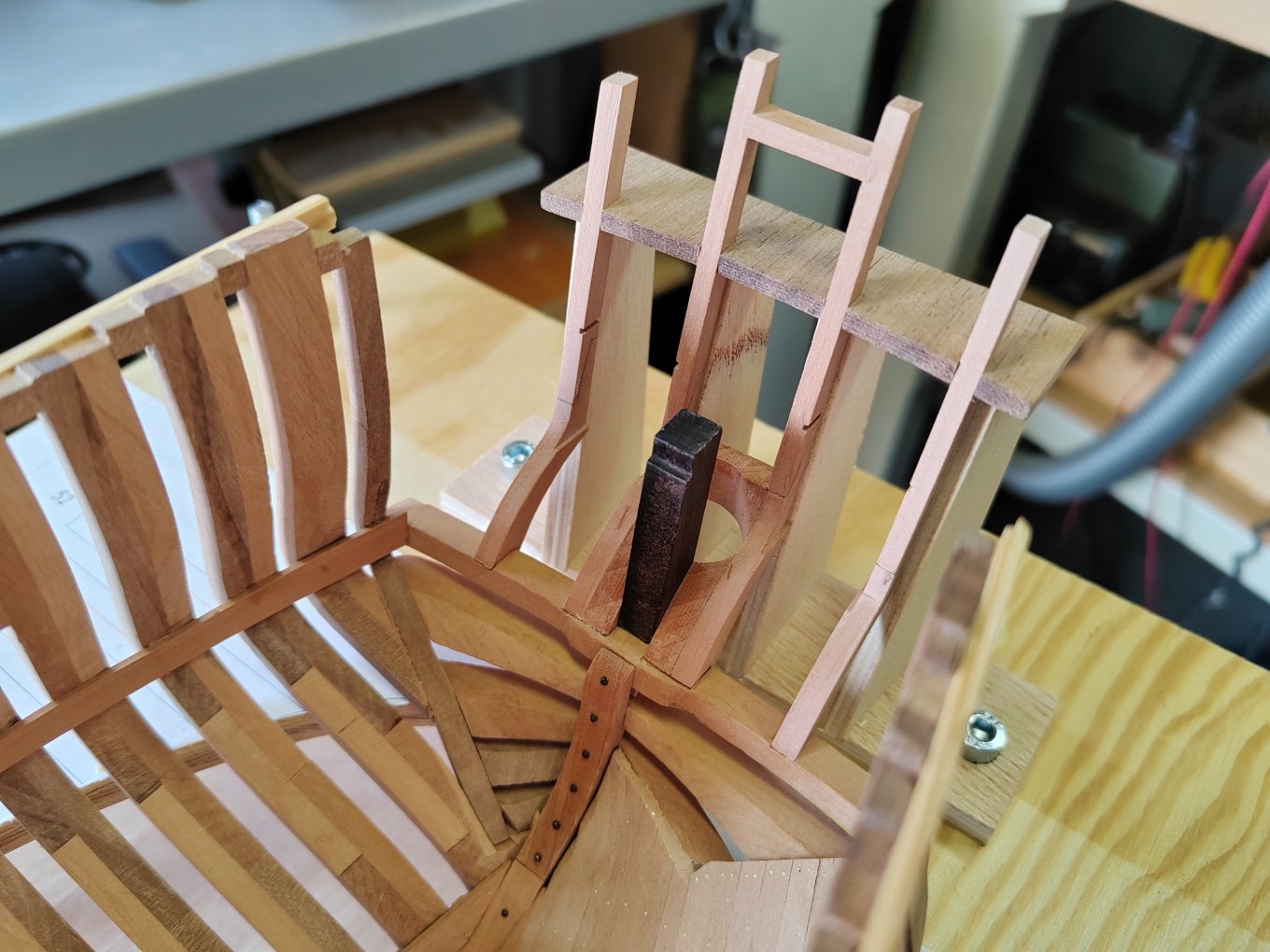
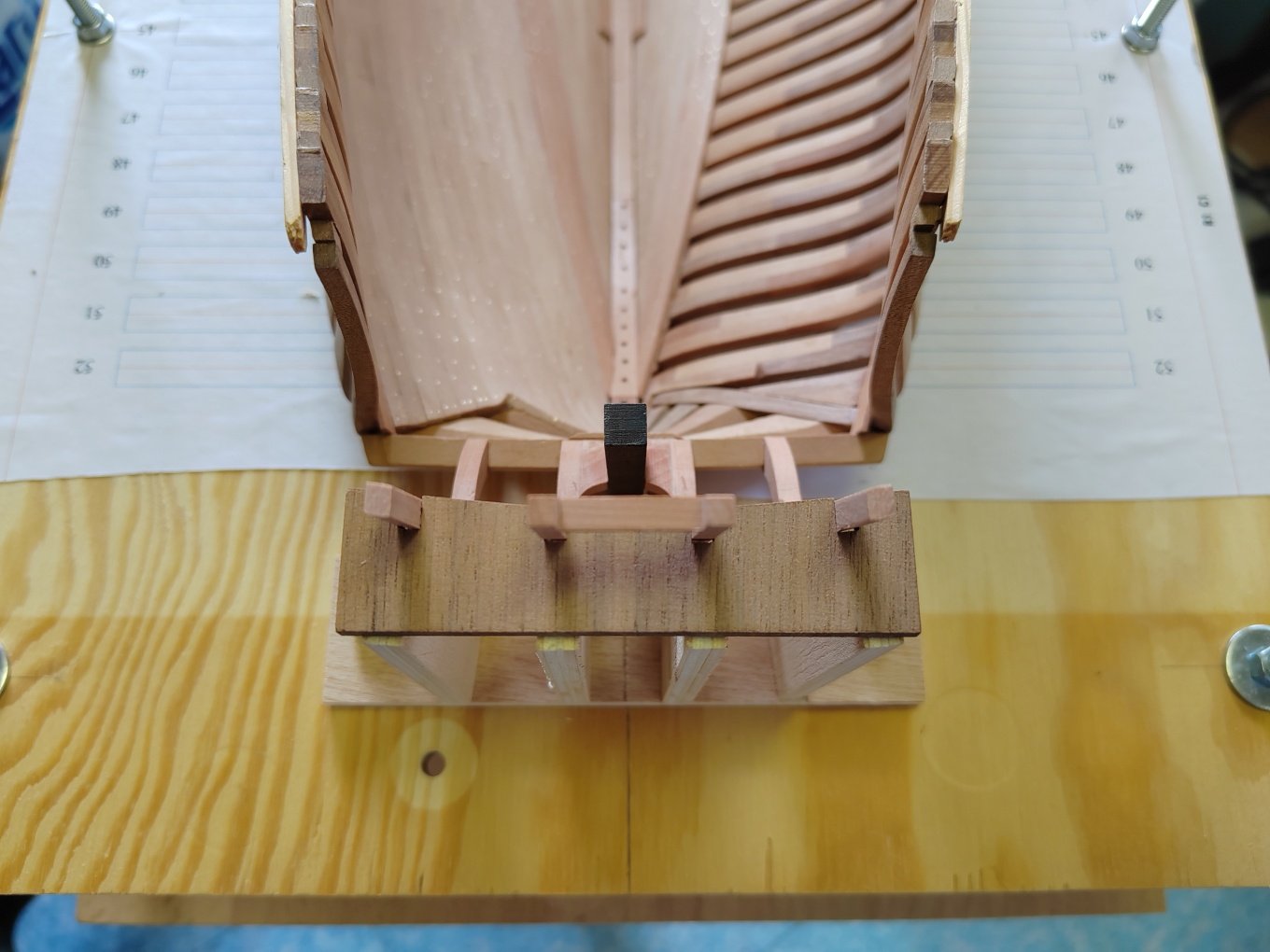
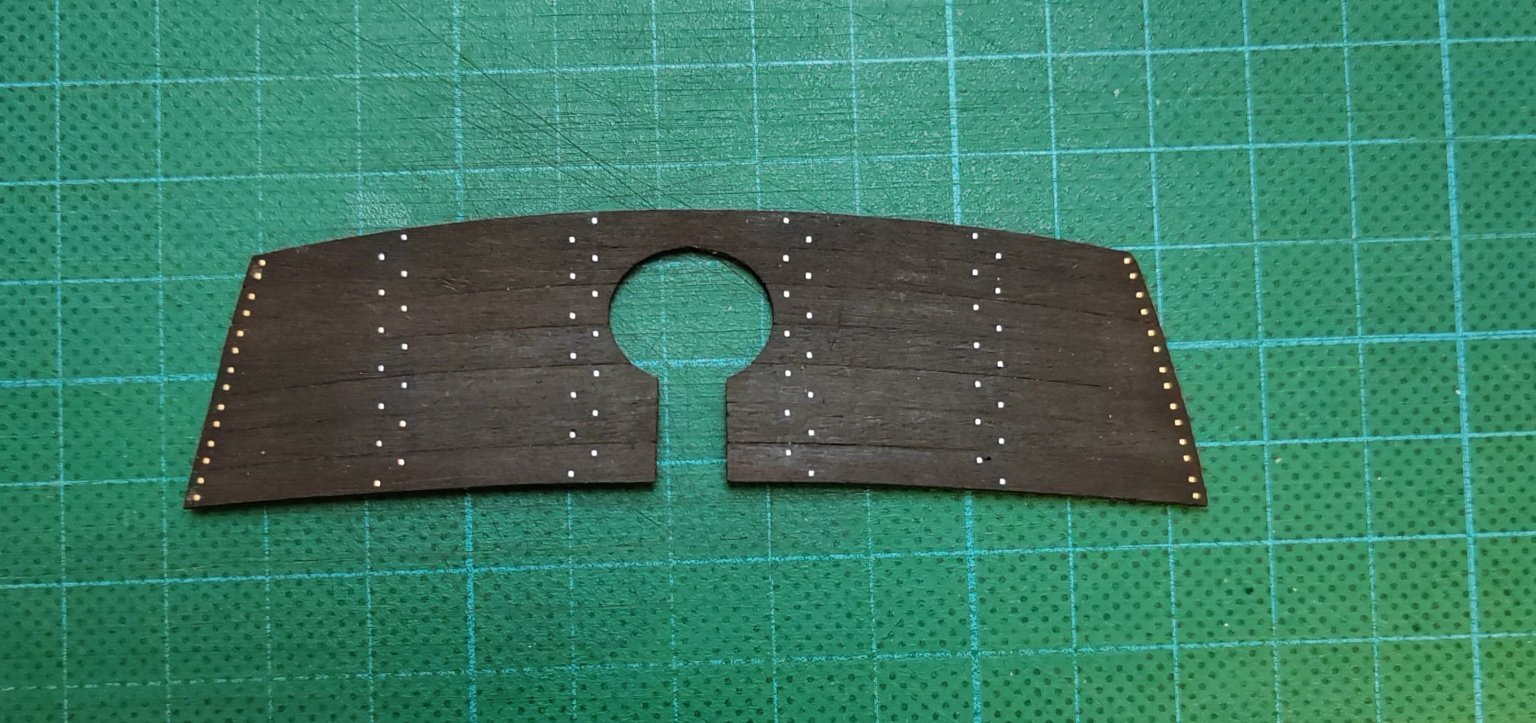
Thank you No Idea. Completed stern construction.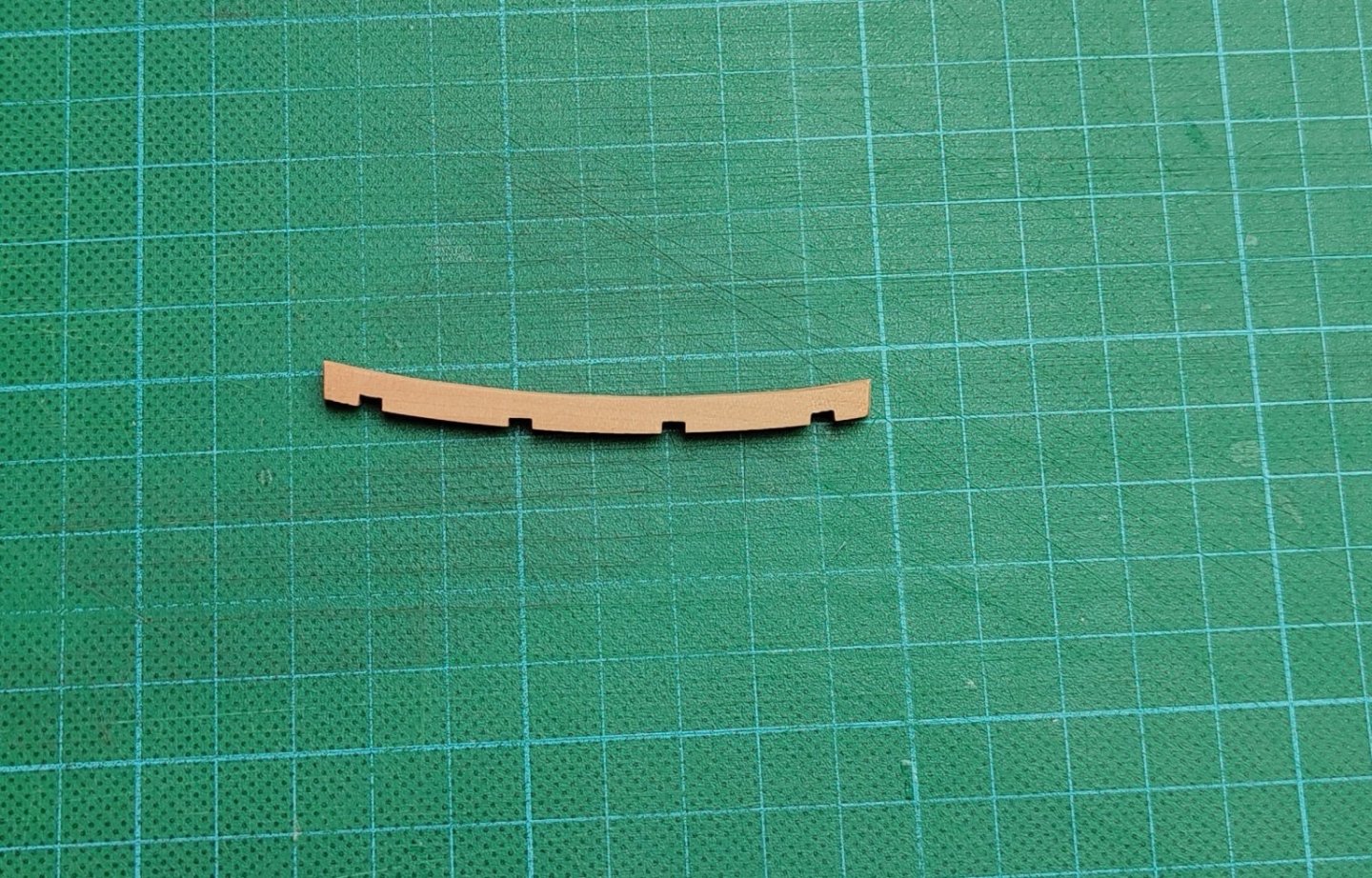
-
L'Amarante by marsalv - 1:36 - POF
marsalv replied to marsalv's topic in - Build logs for subjects built 1501 - 1750
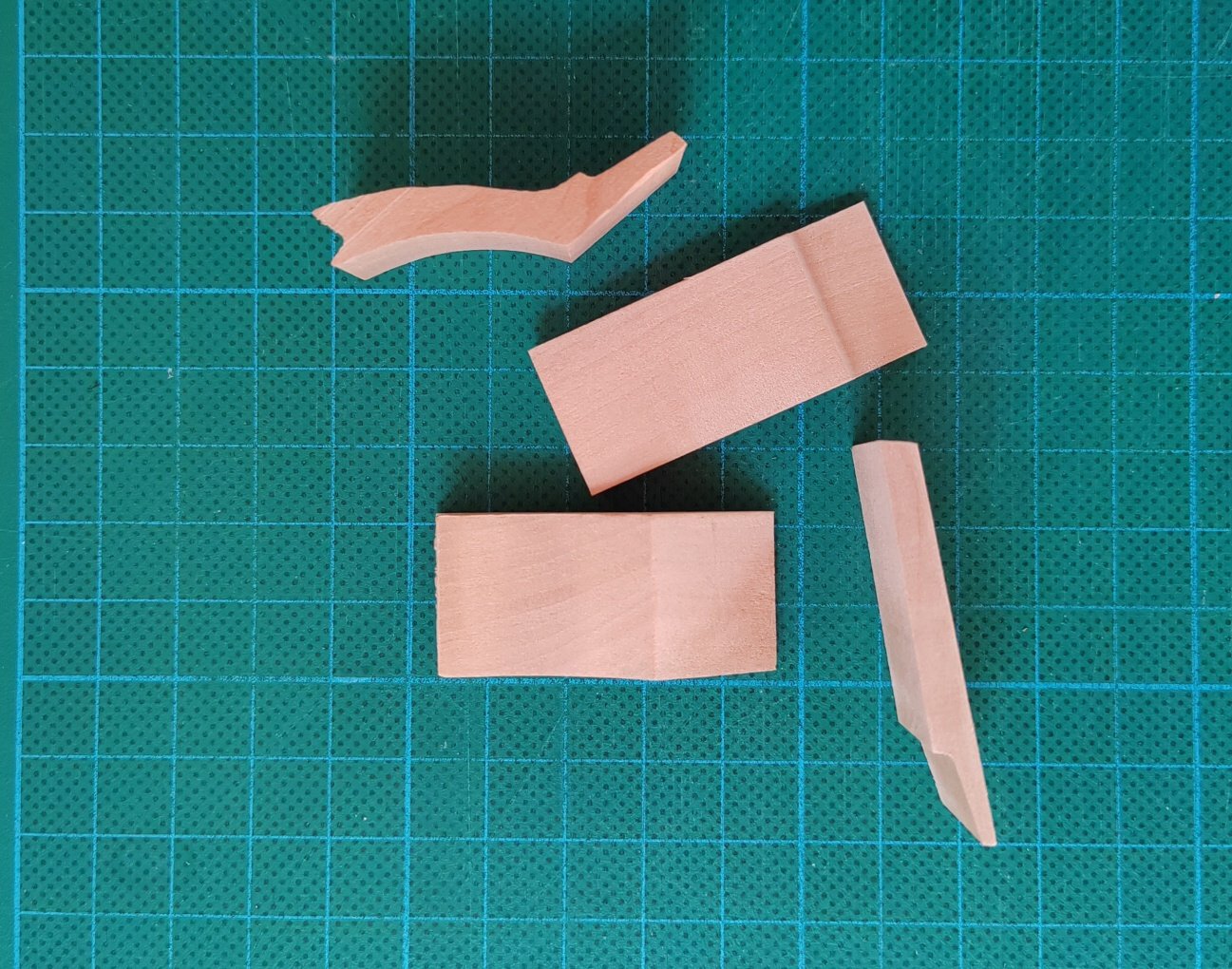
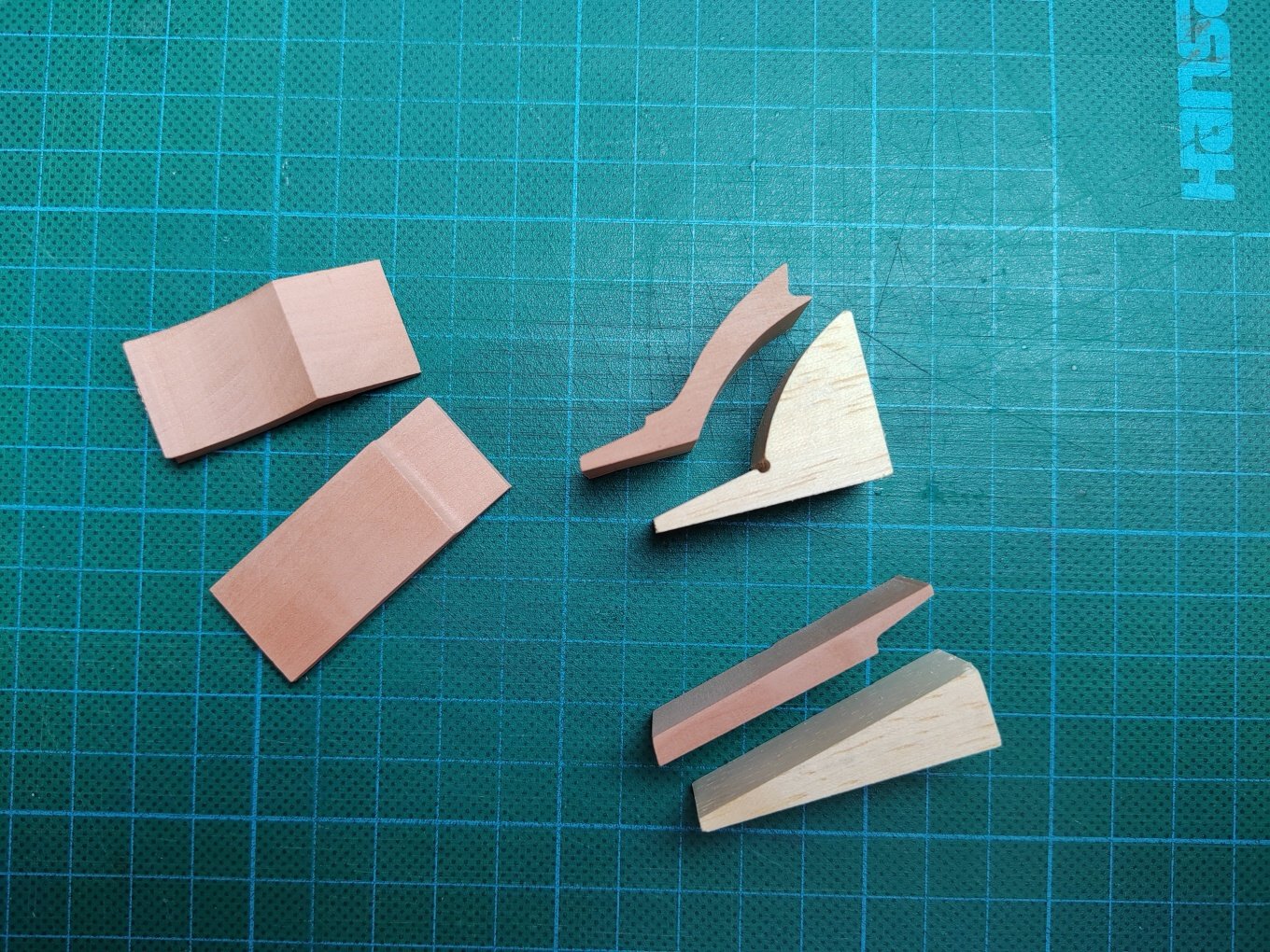
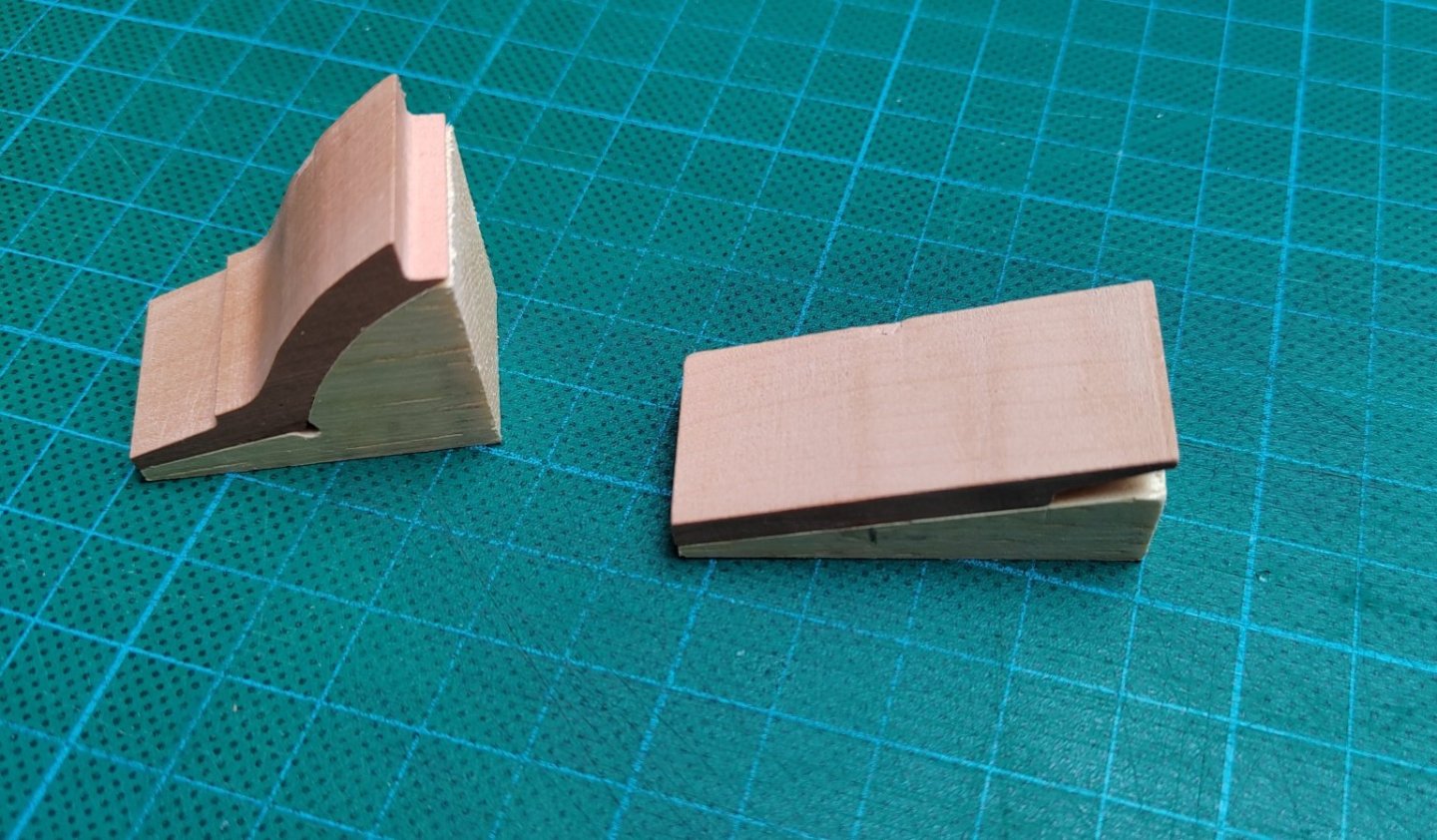
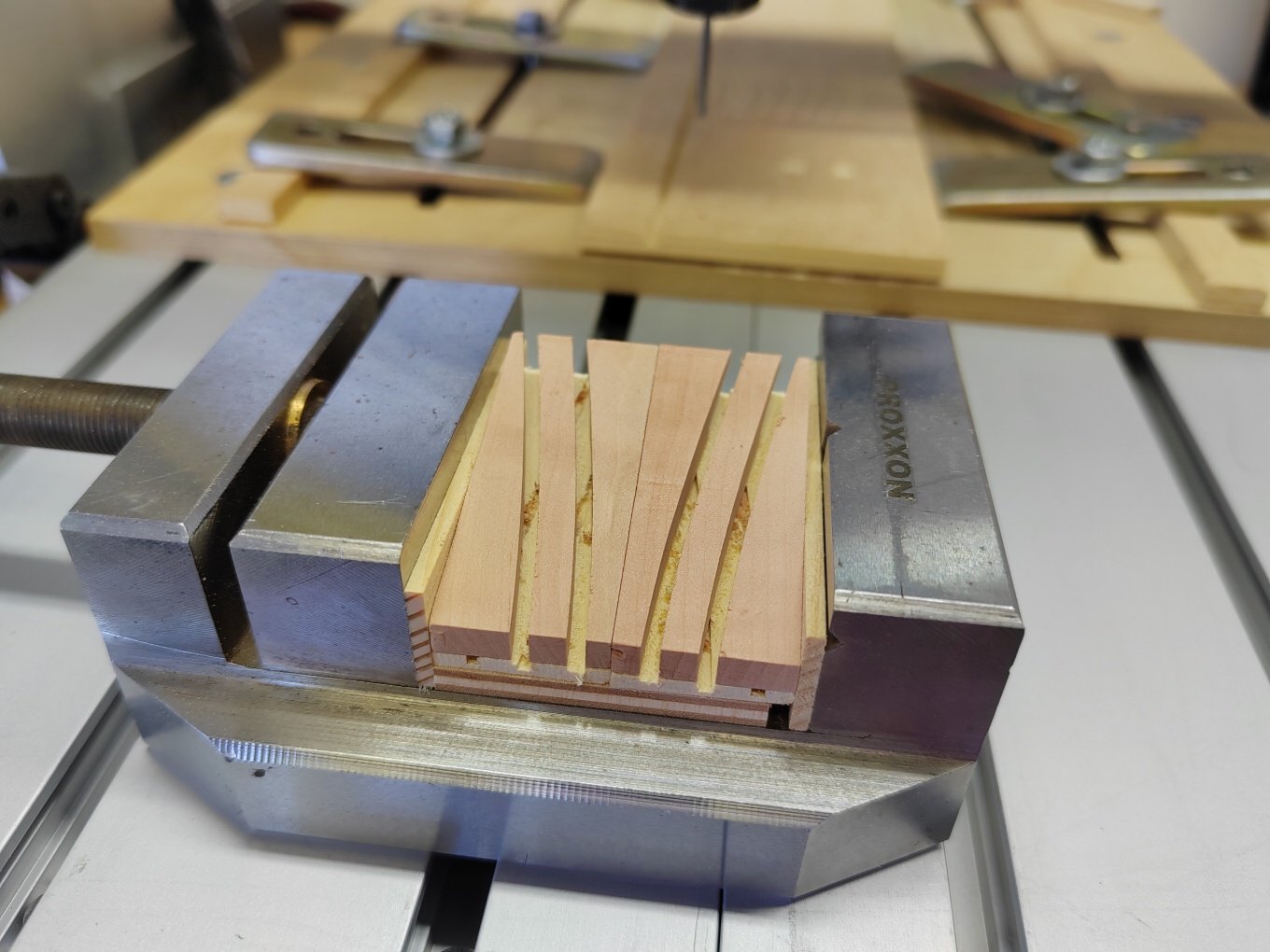
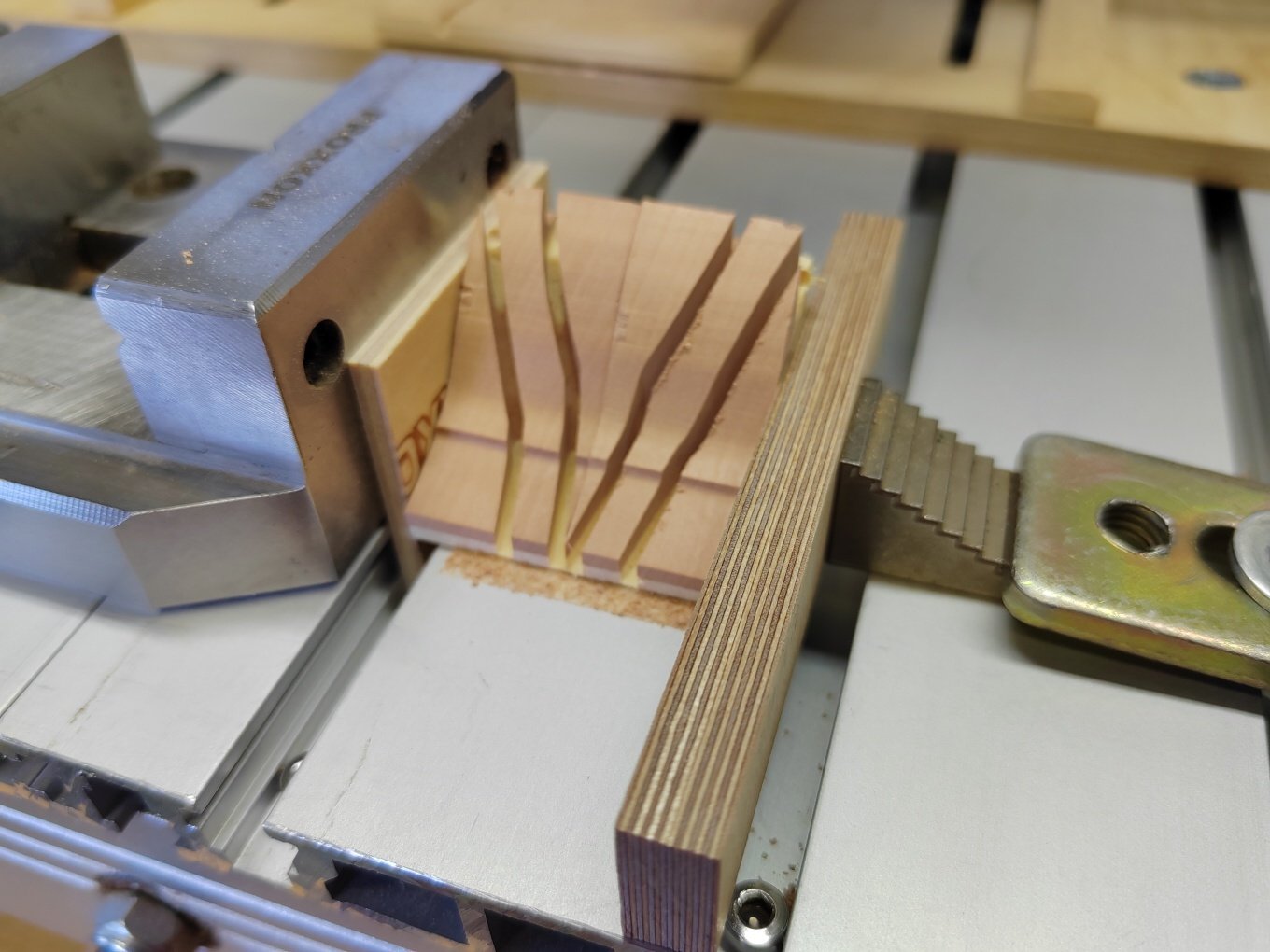
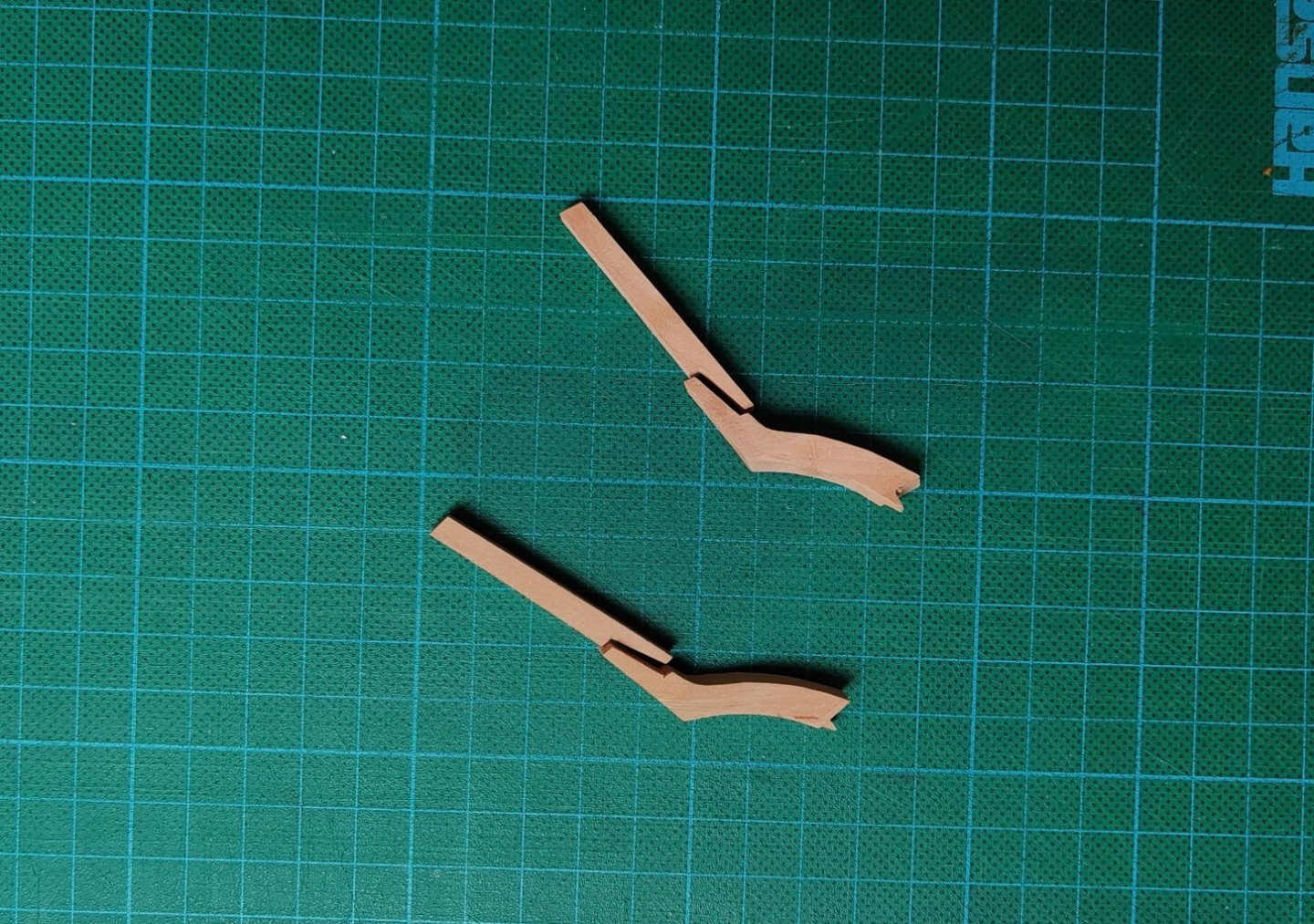
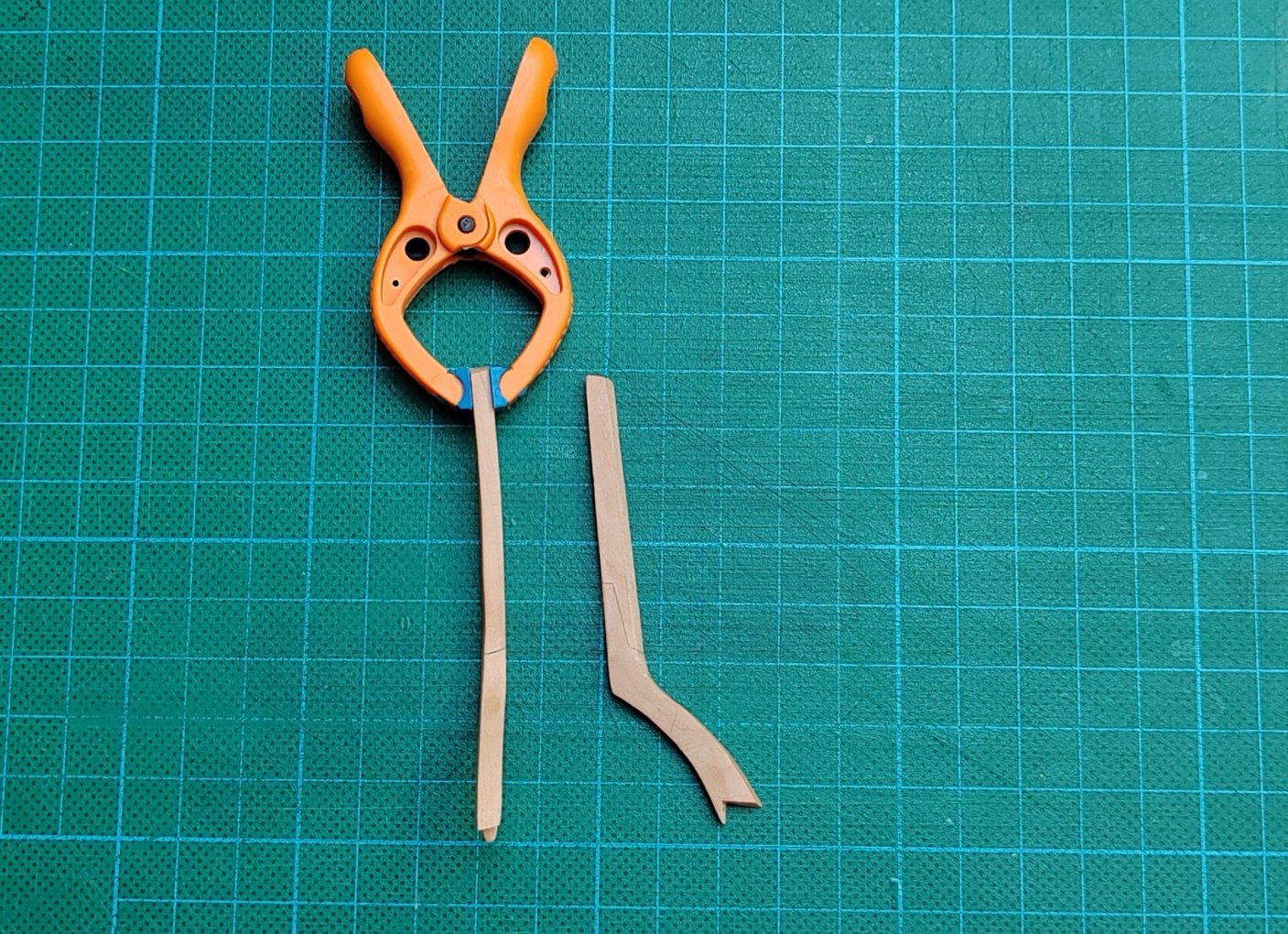
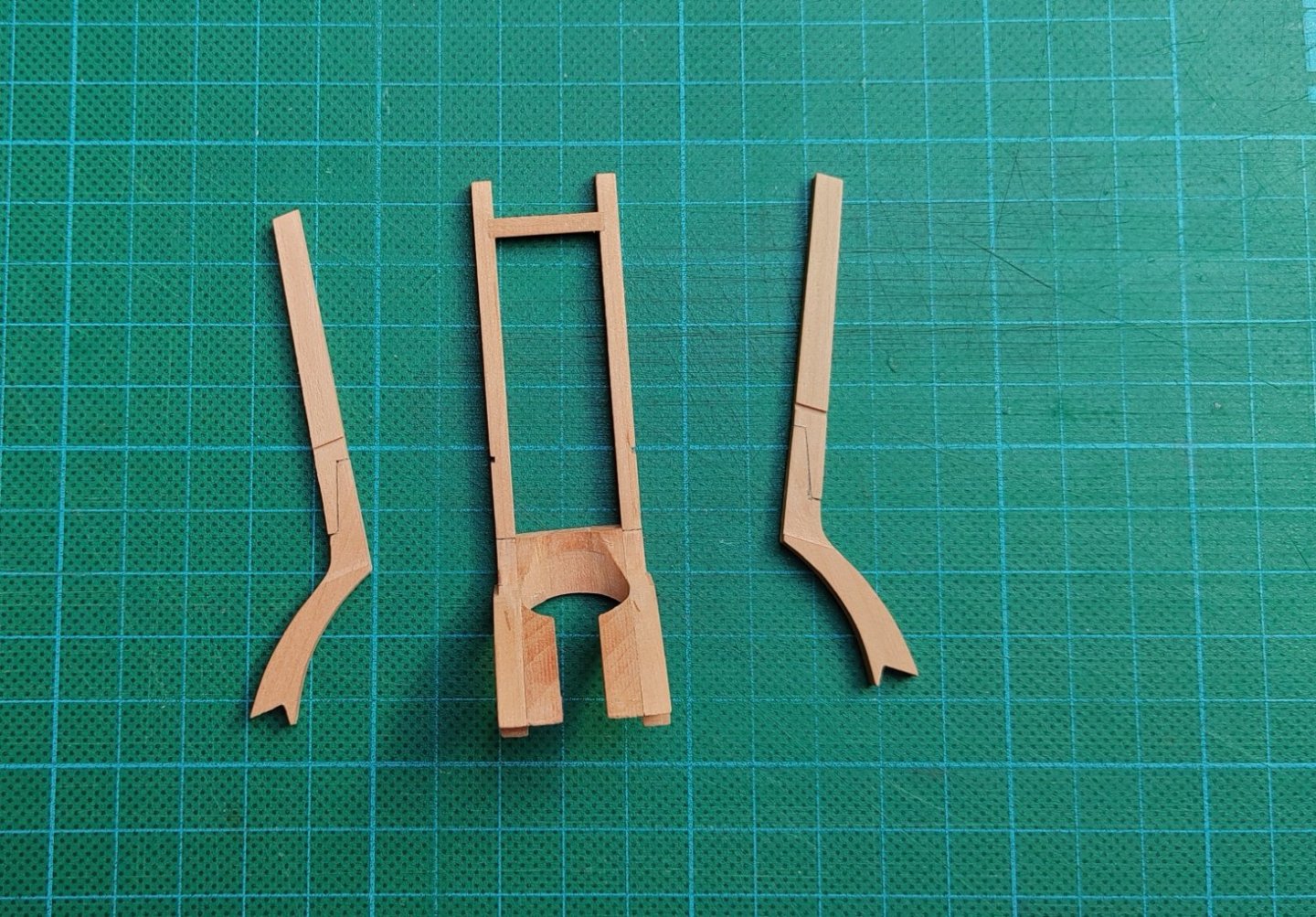
Now came one of the more complicated parts.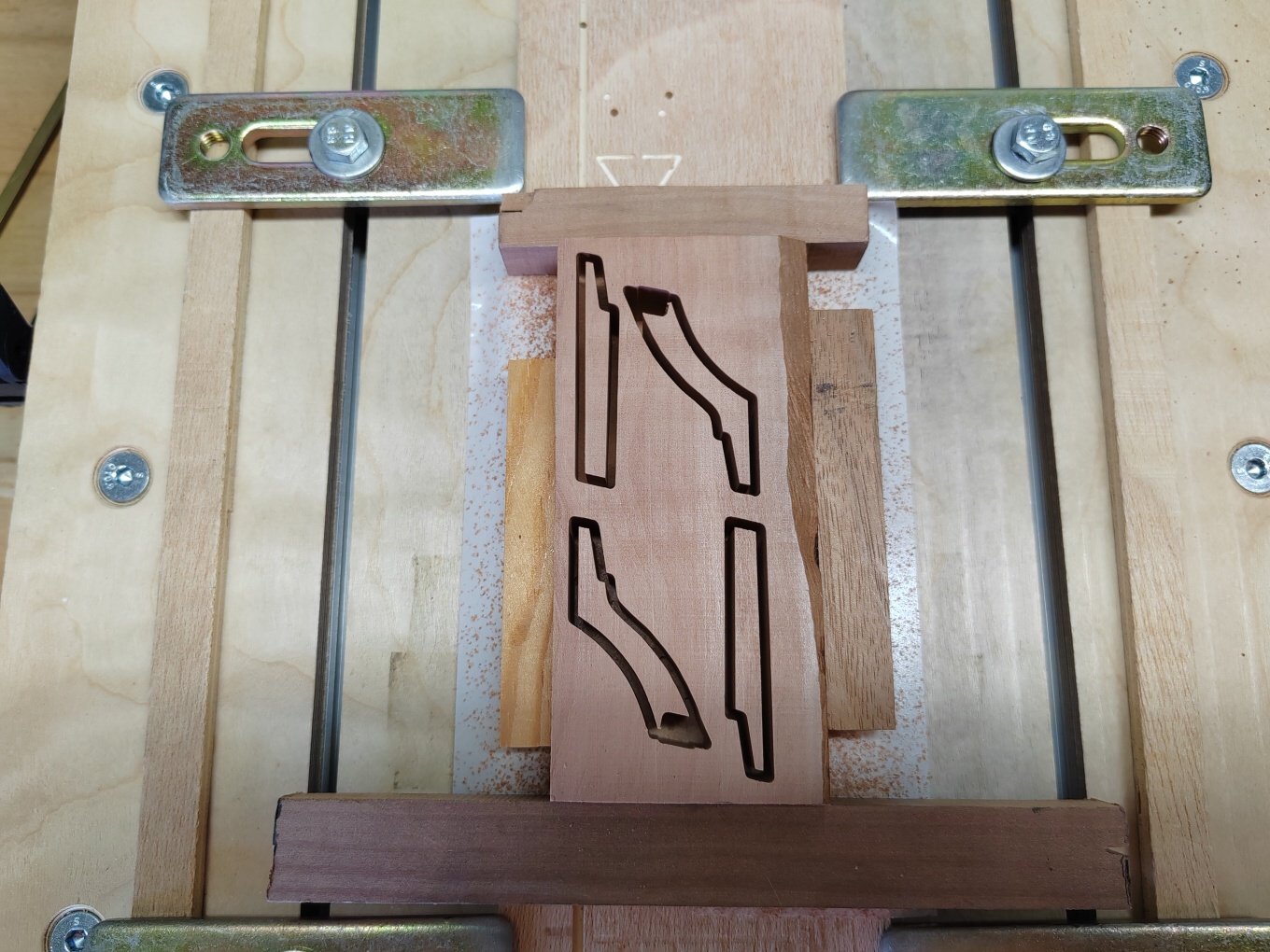
-
L'Amarante by marsalv - 1:36 - POF
marsalv replied to marsalv's topic in - Build logs for subjects built 1501 - 1750
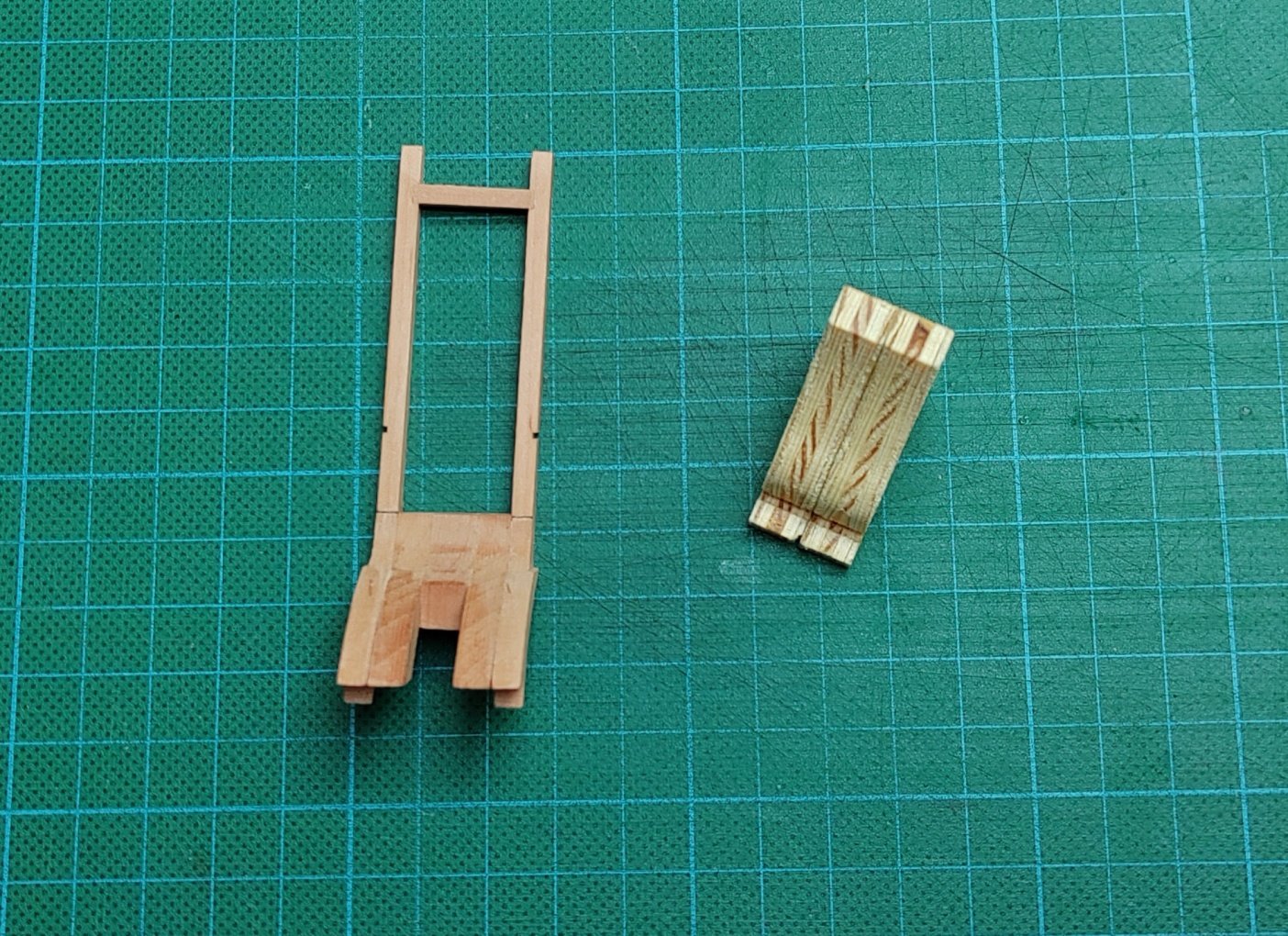
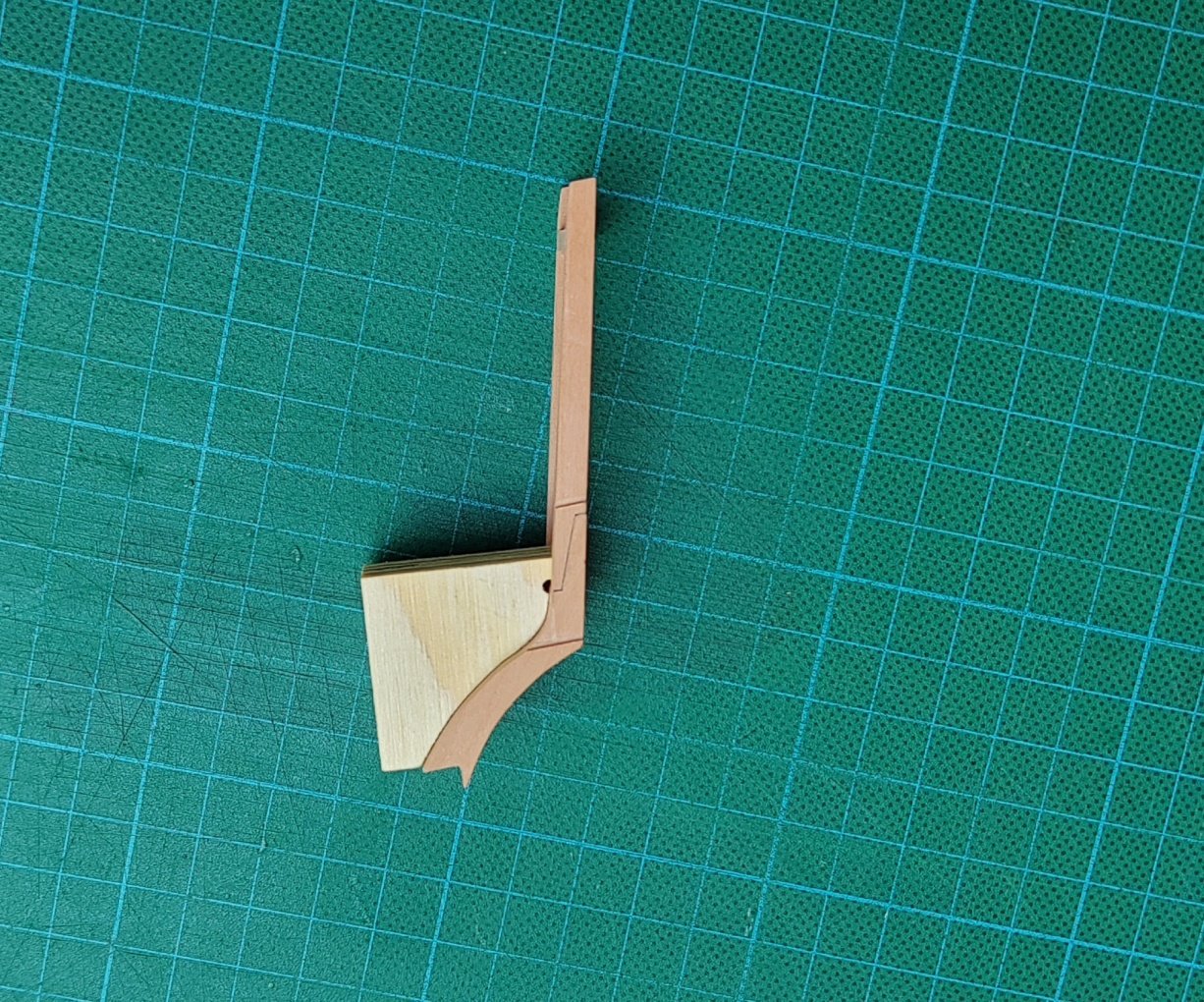
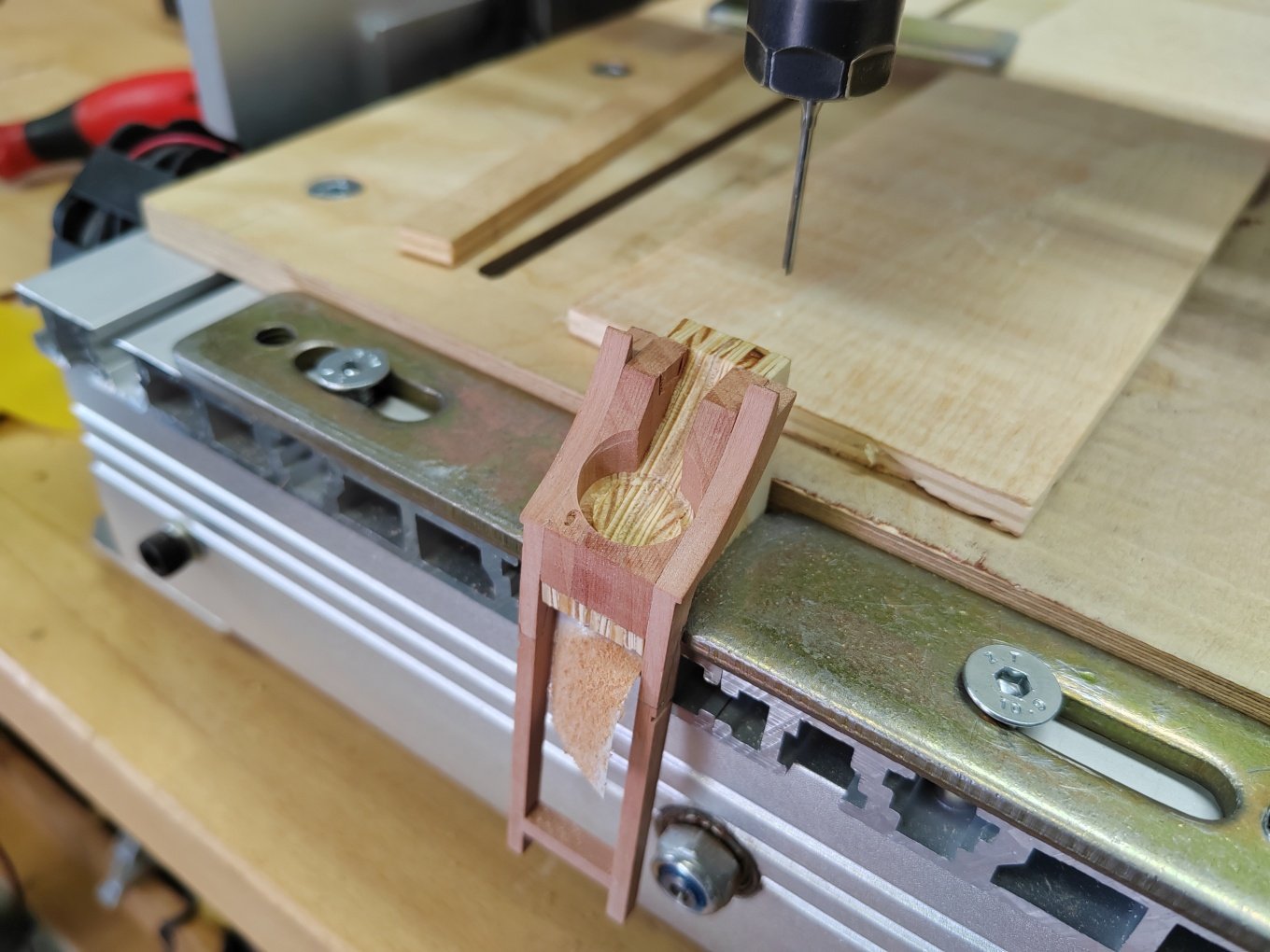
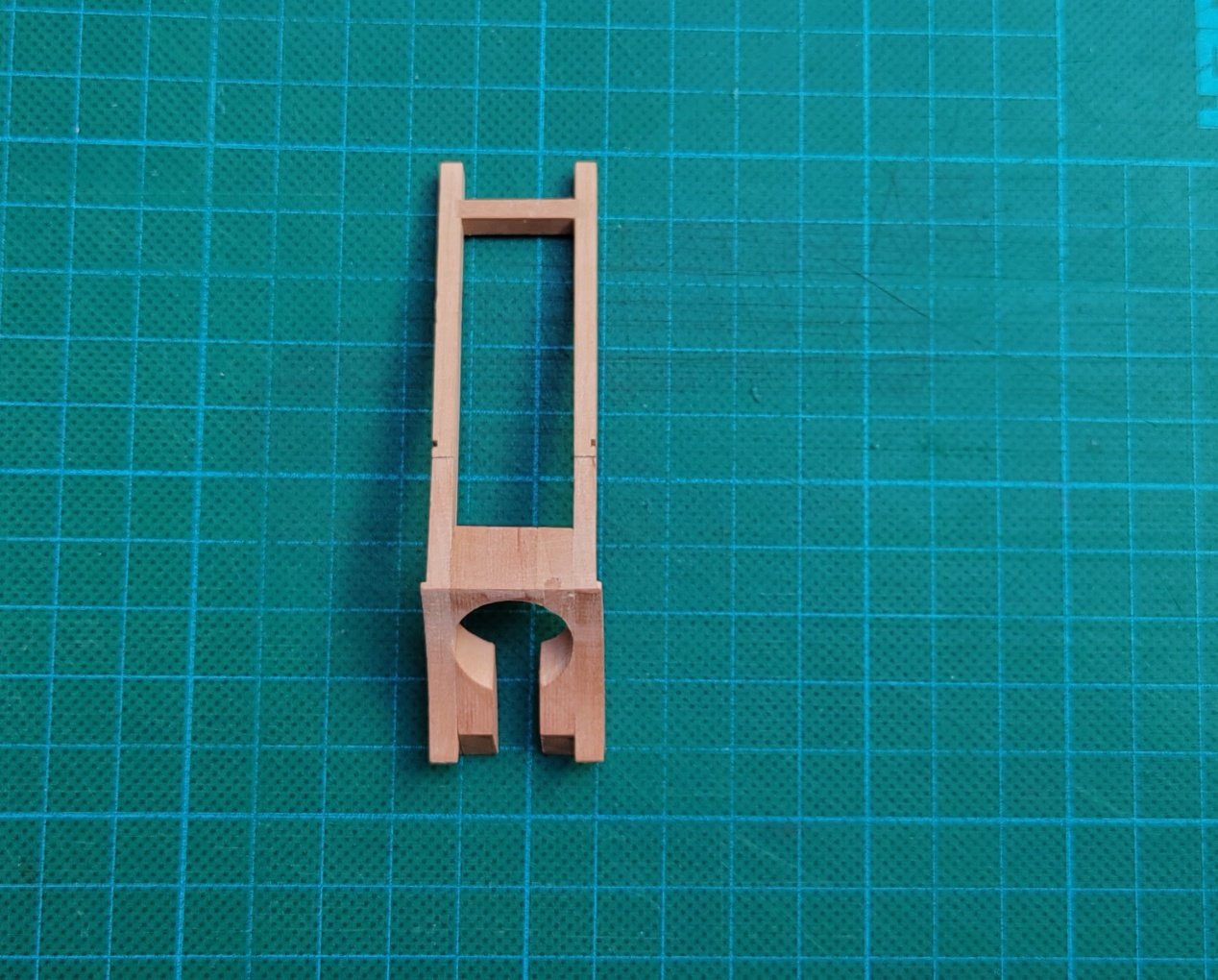
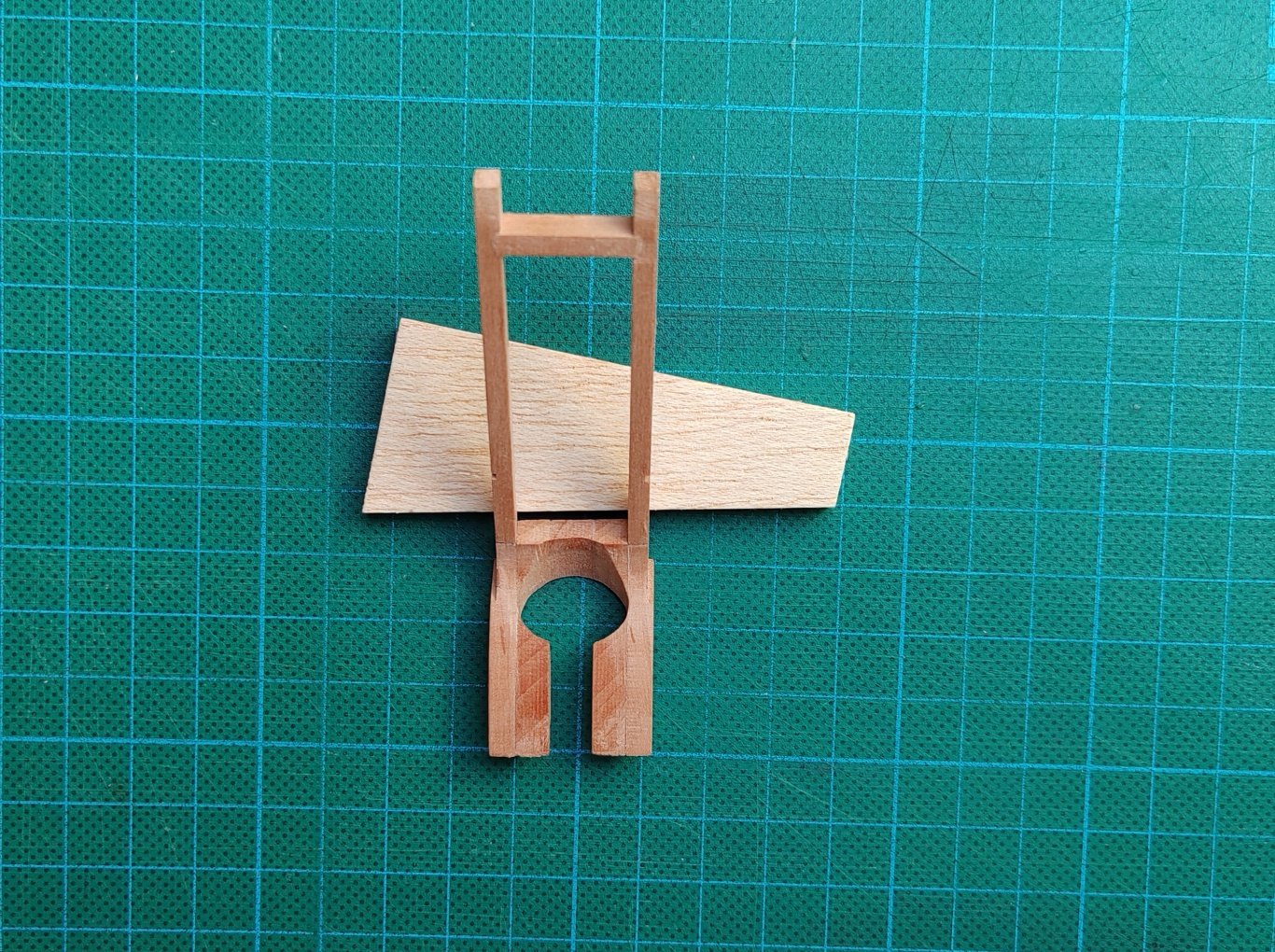
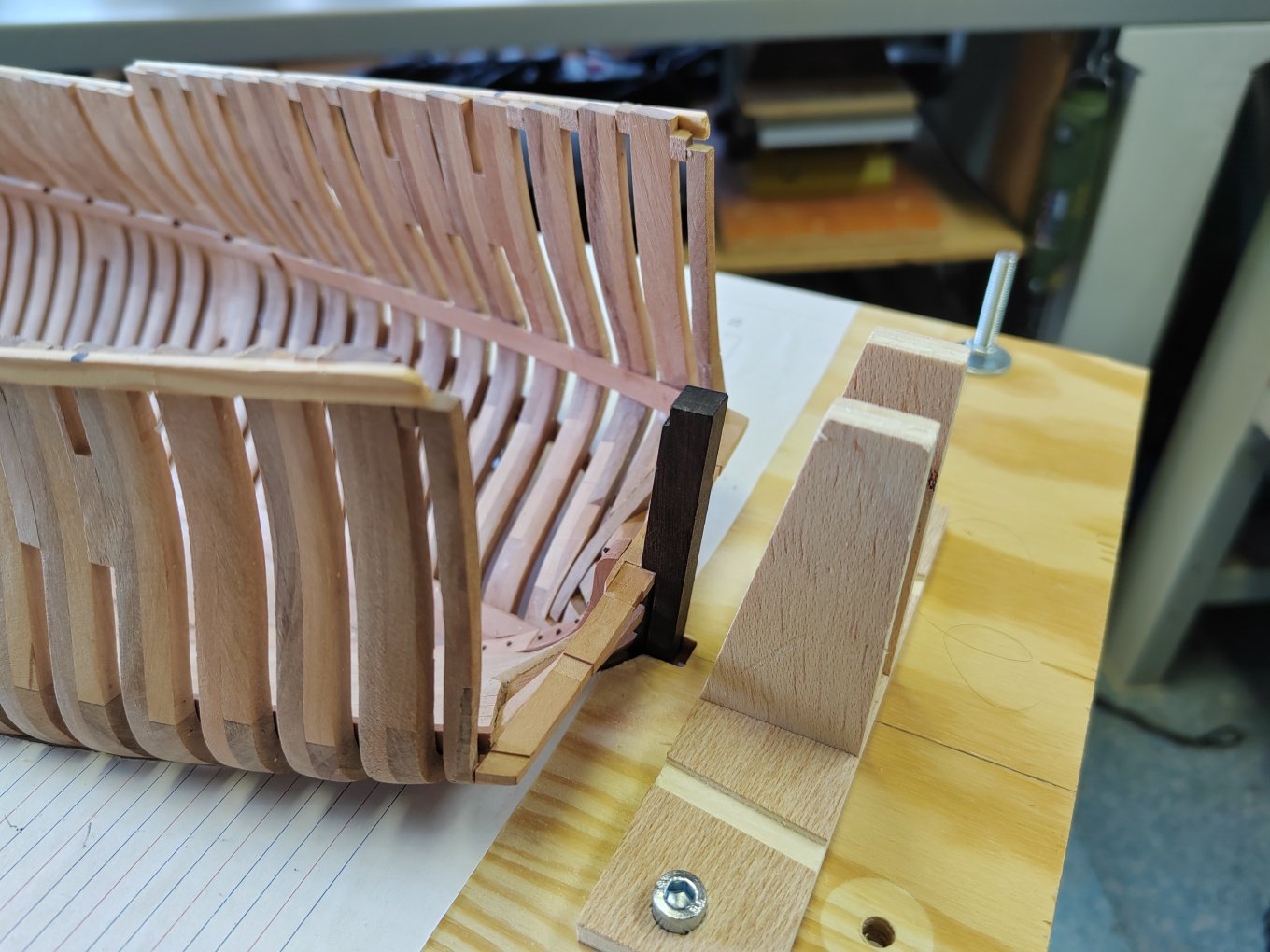
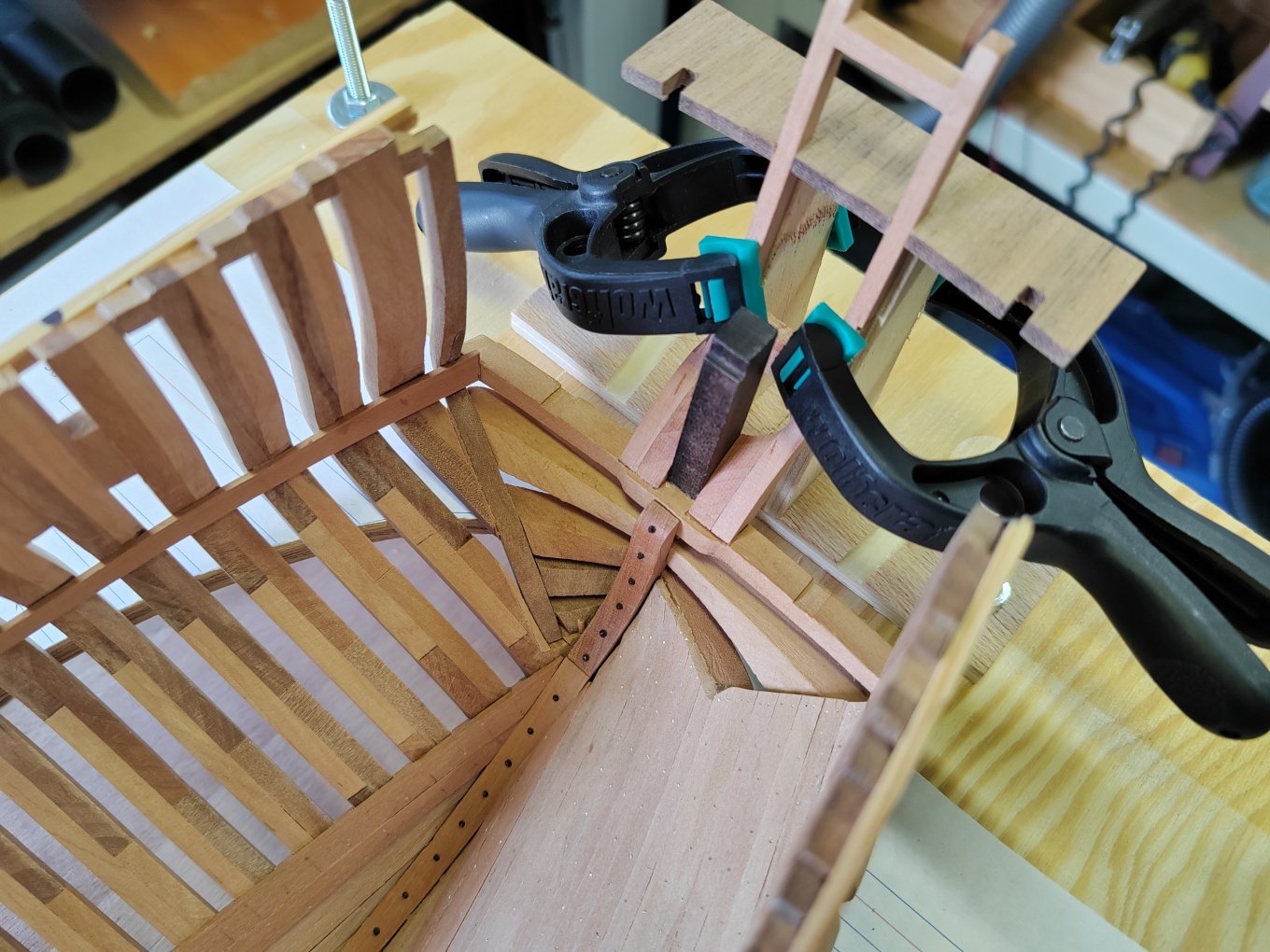
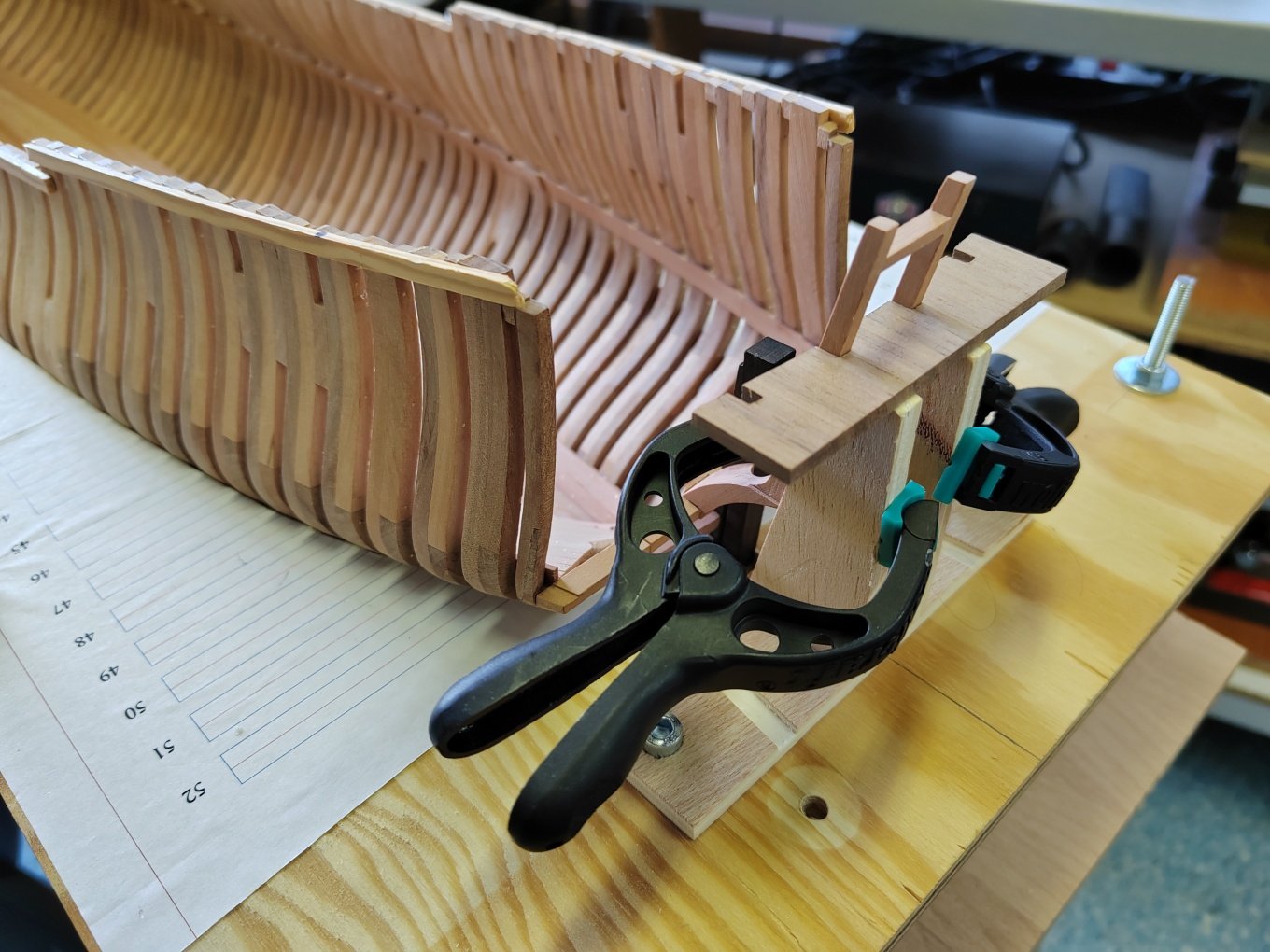
Thank you No Idea. I started to complete the stern.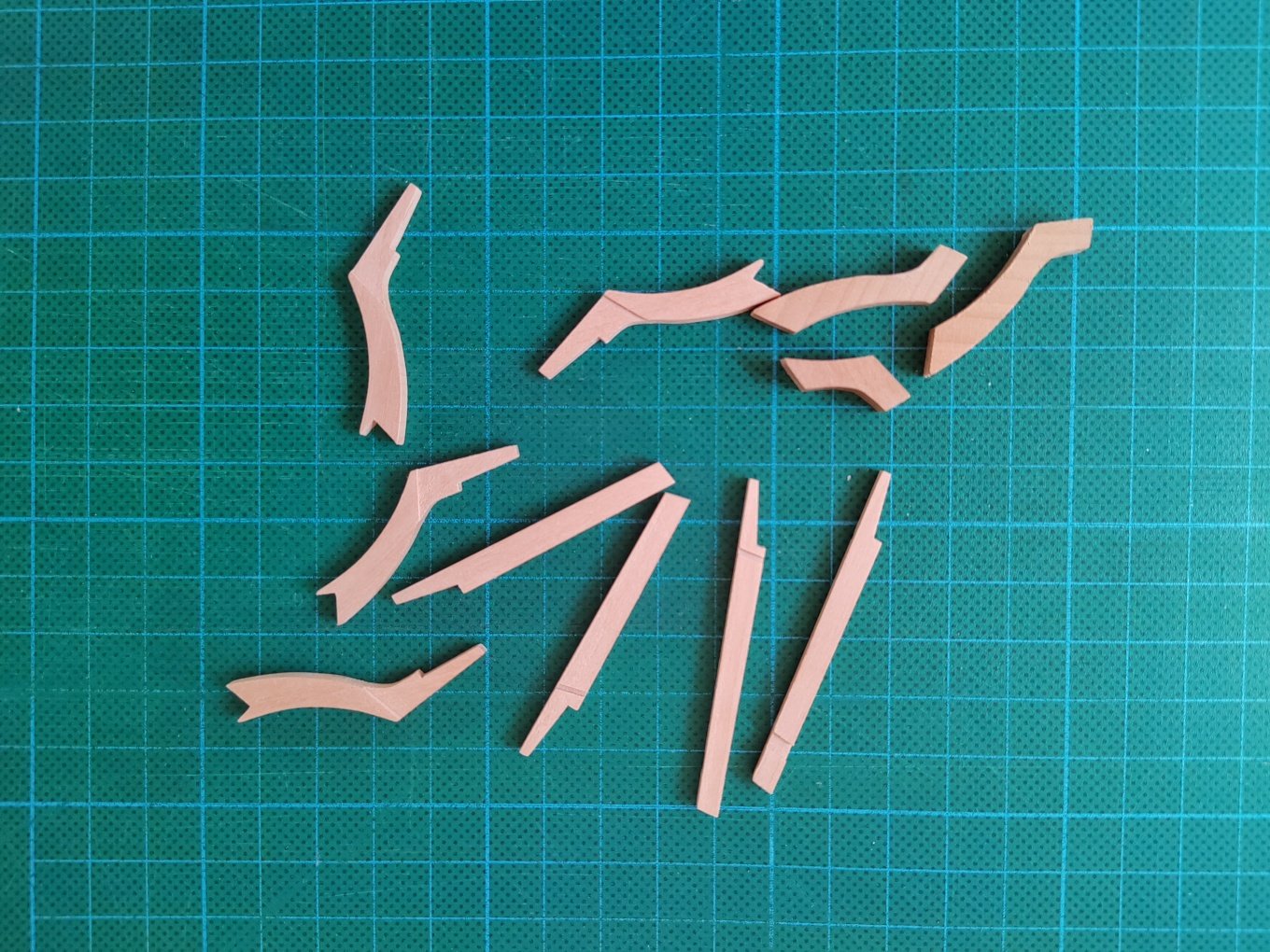
-
L'Amarante by marsalv - 1:36 - POF
marsalv replied to marsalv's topic in - Build logs for subjects built 1501 - 1750
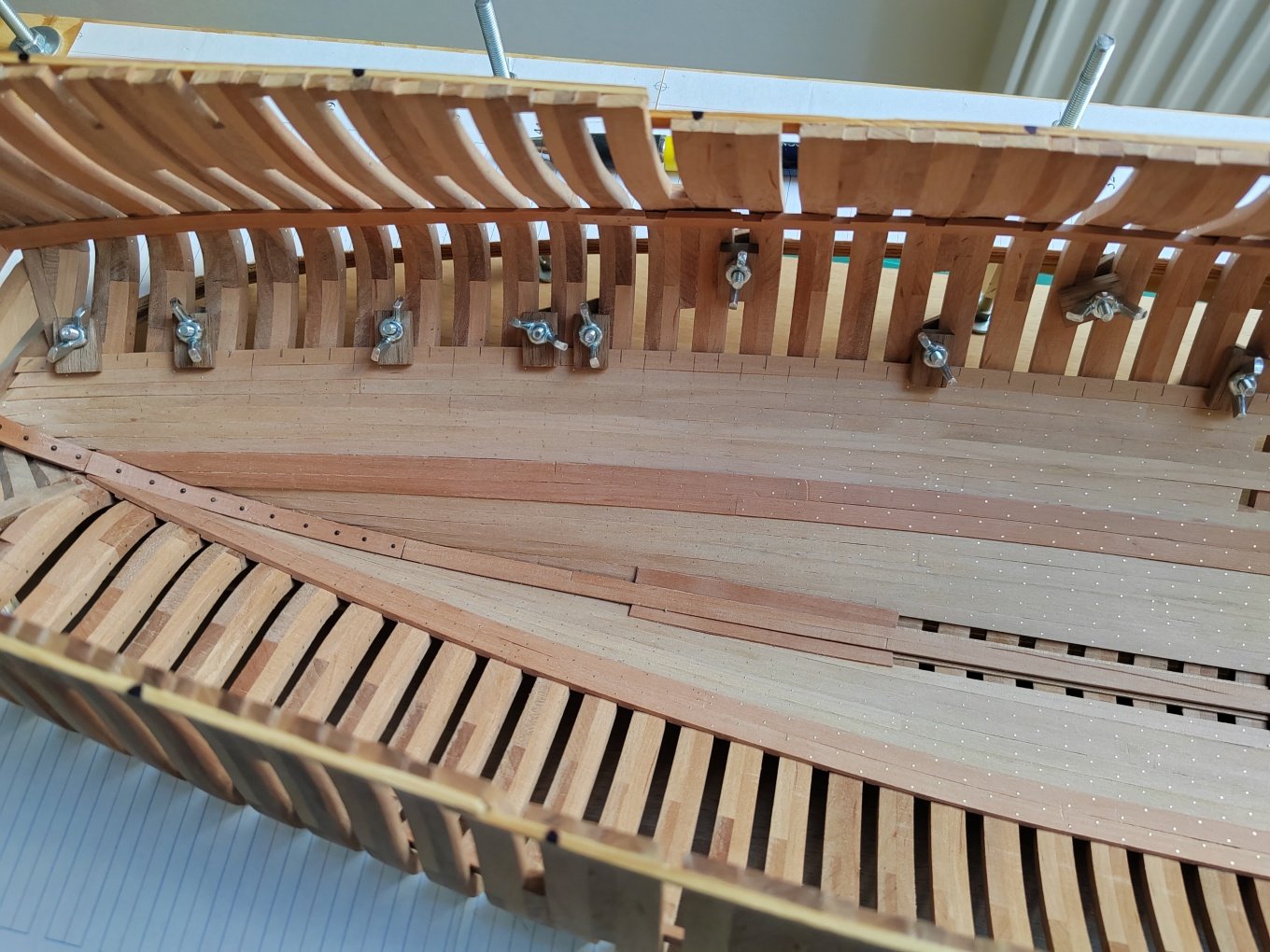
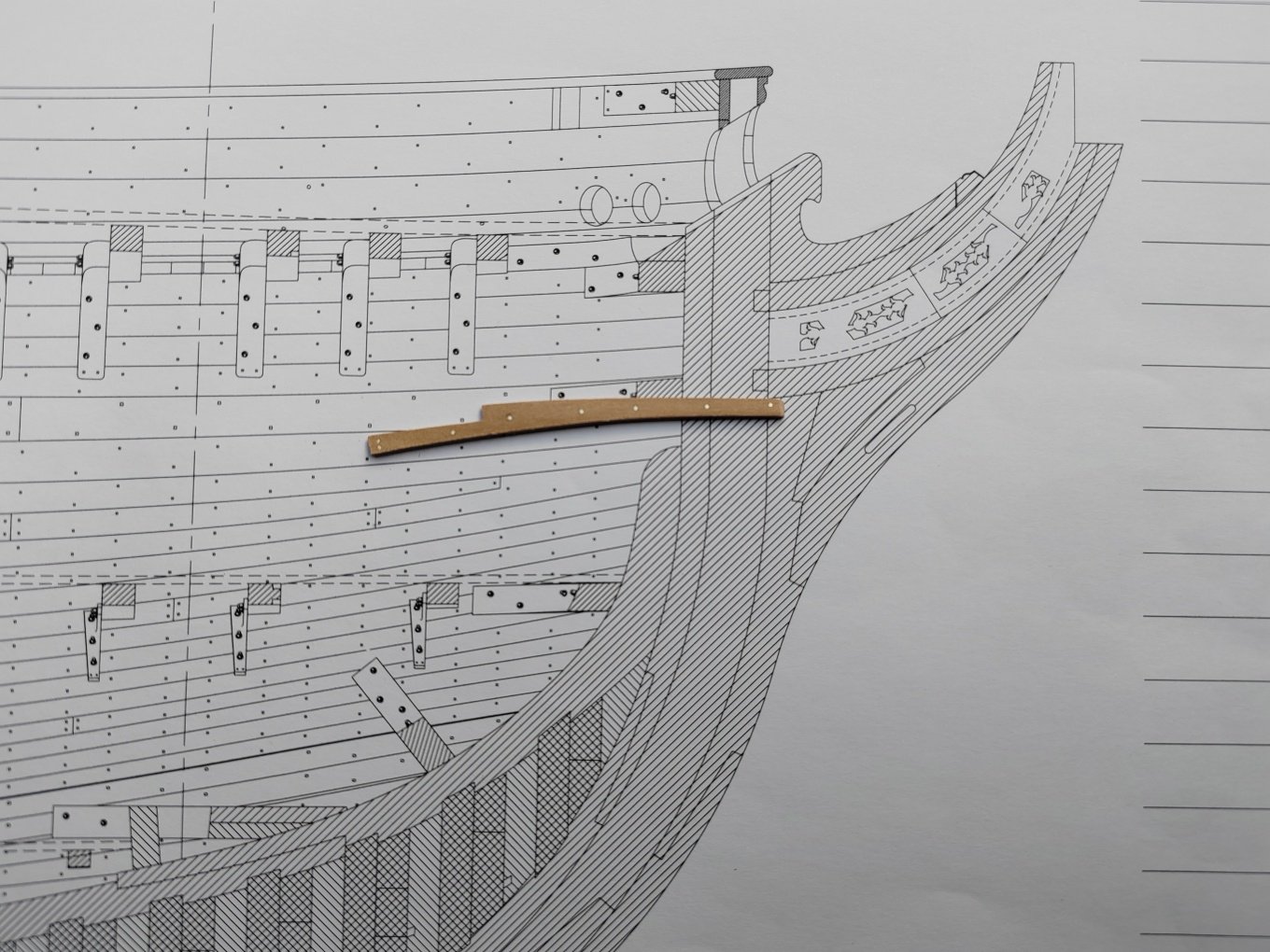
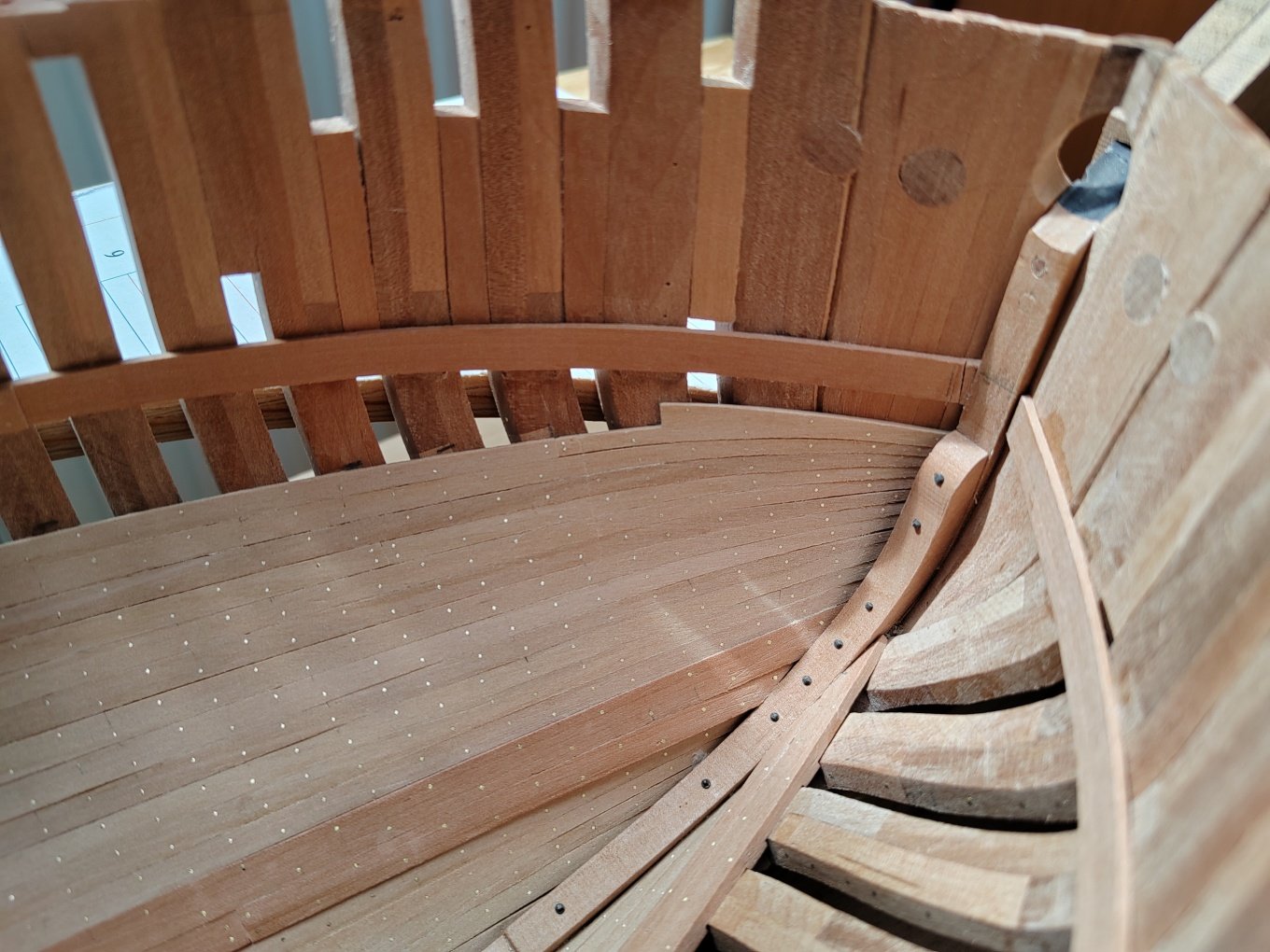
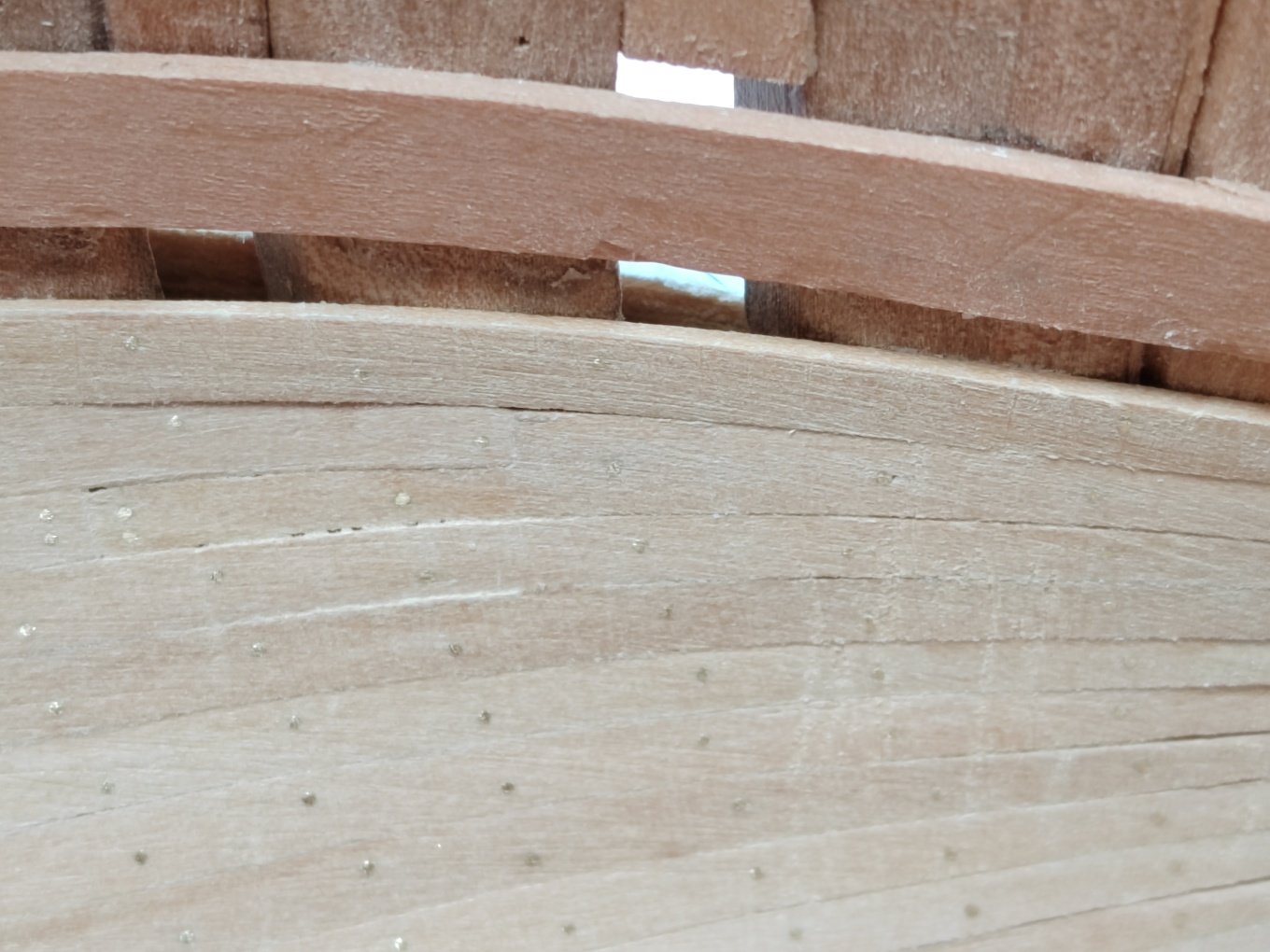
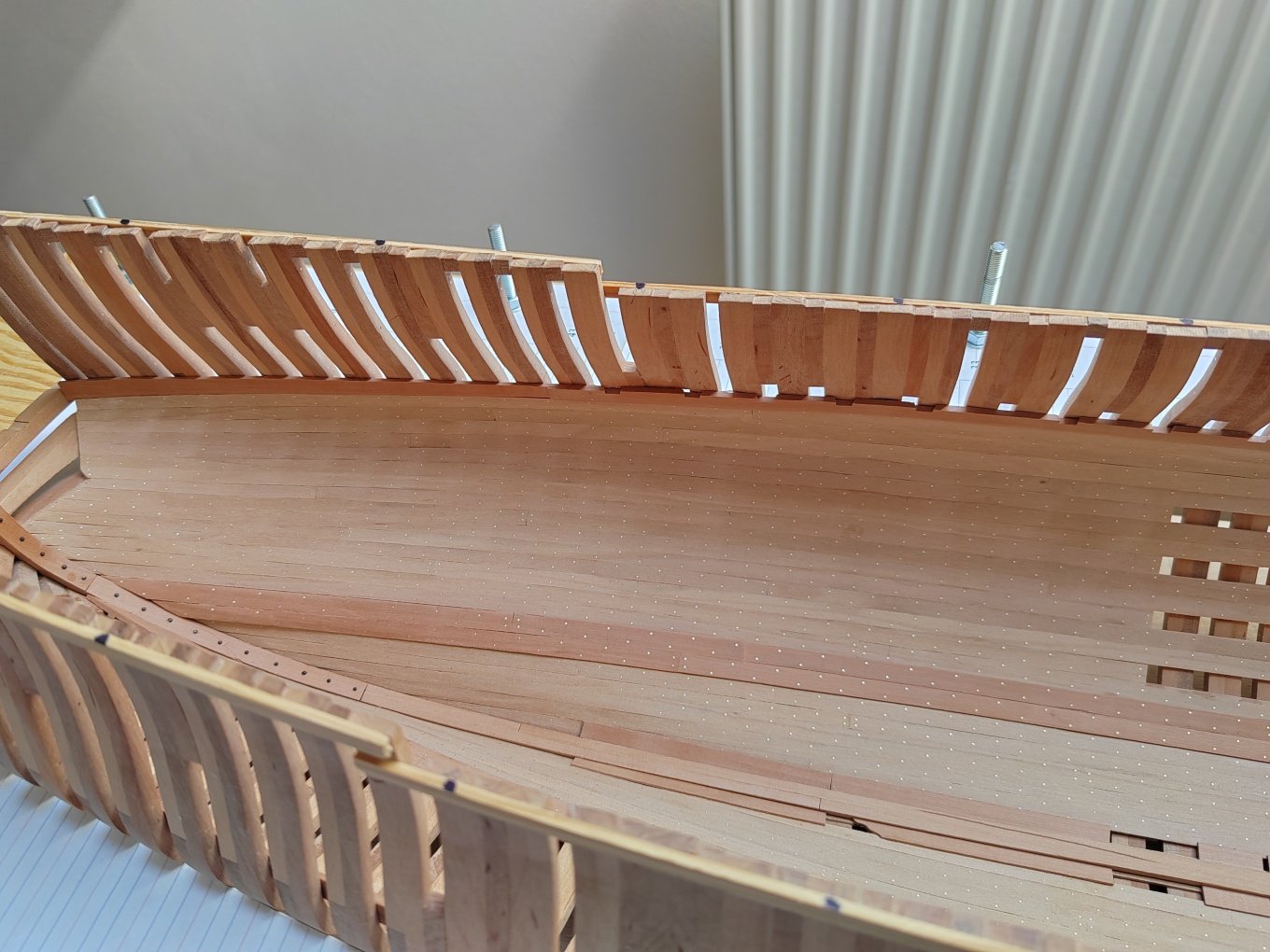
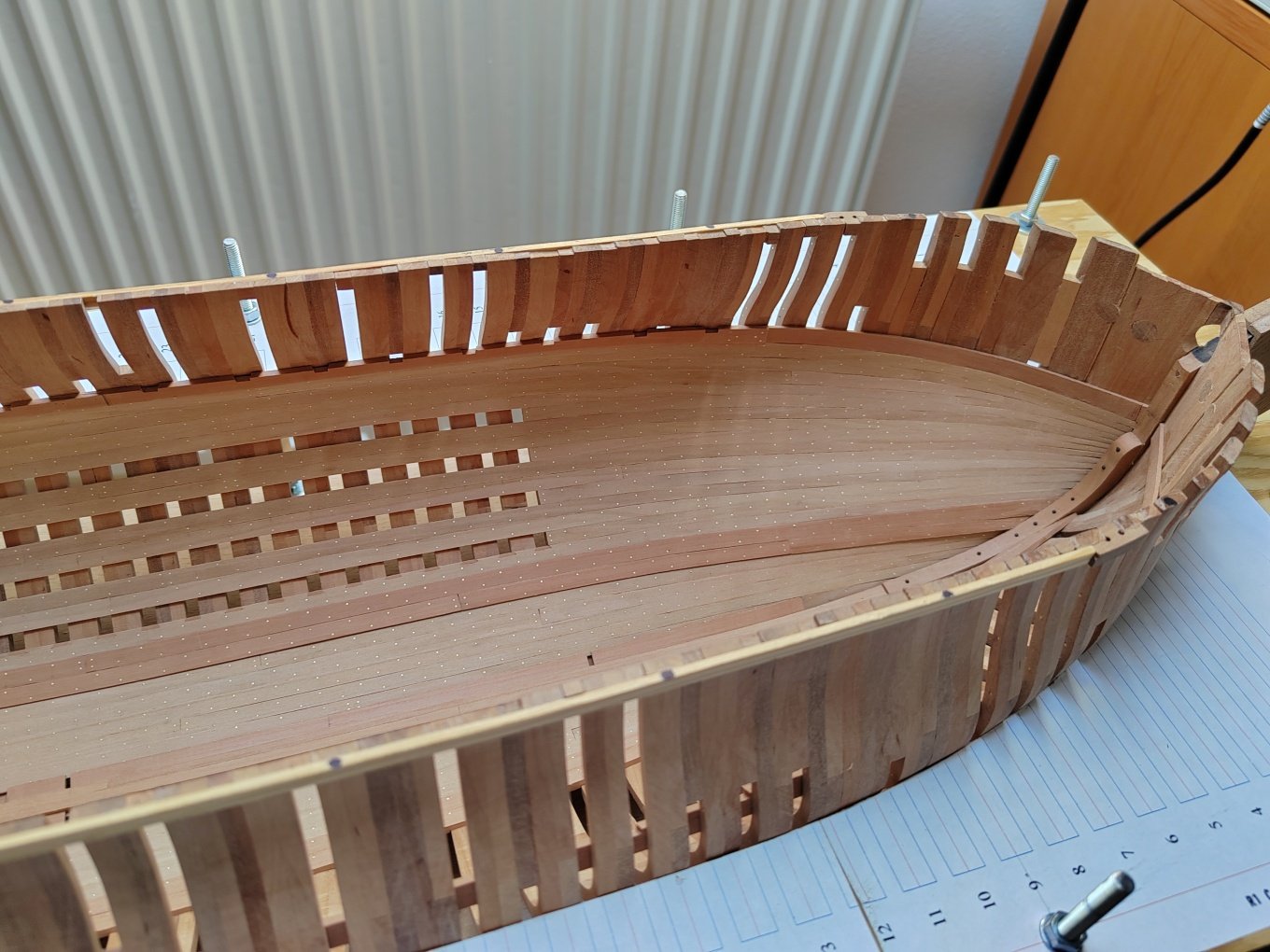
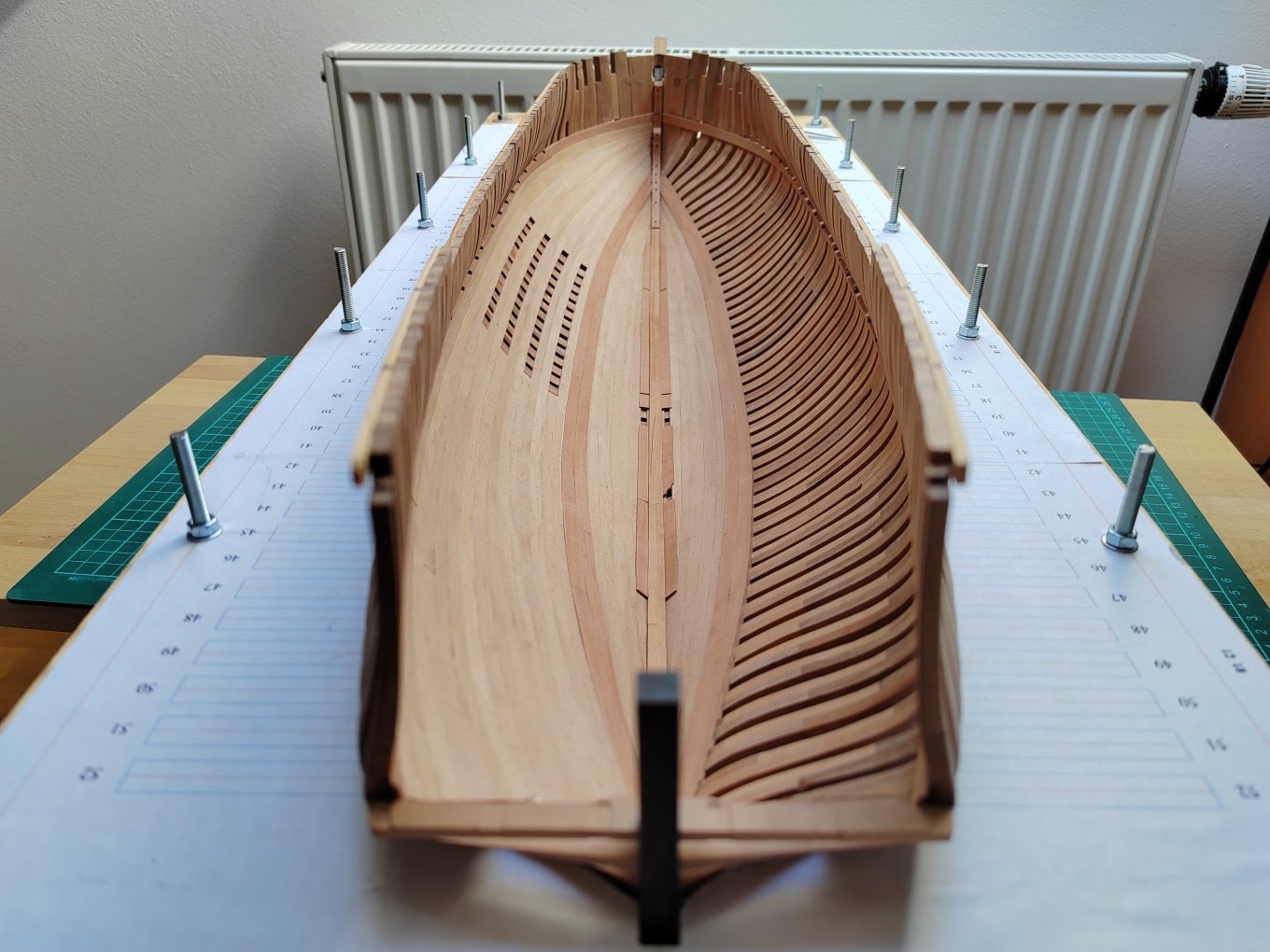
I finally finished the internal planking to the deck clamp level.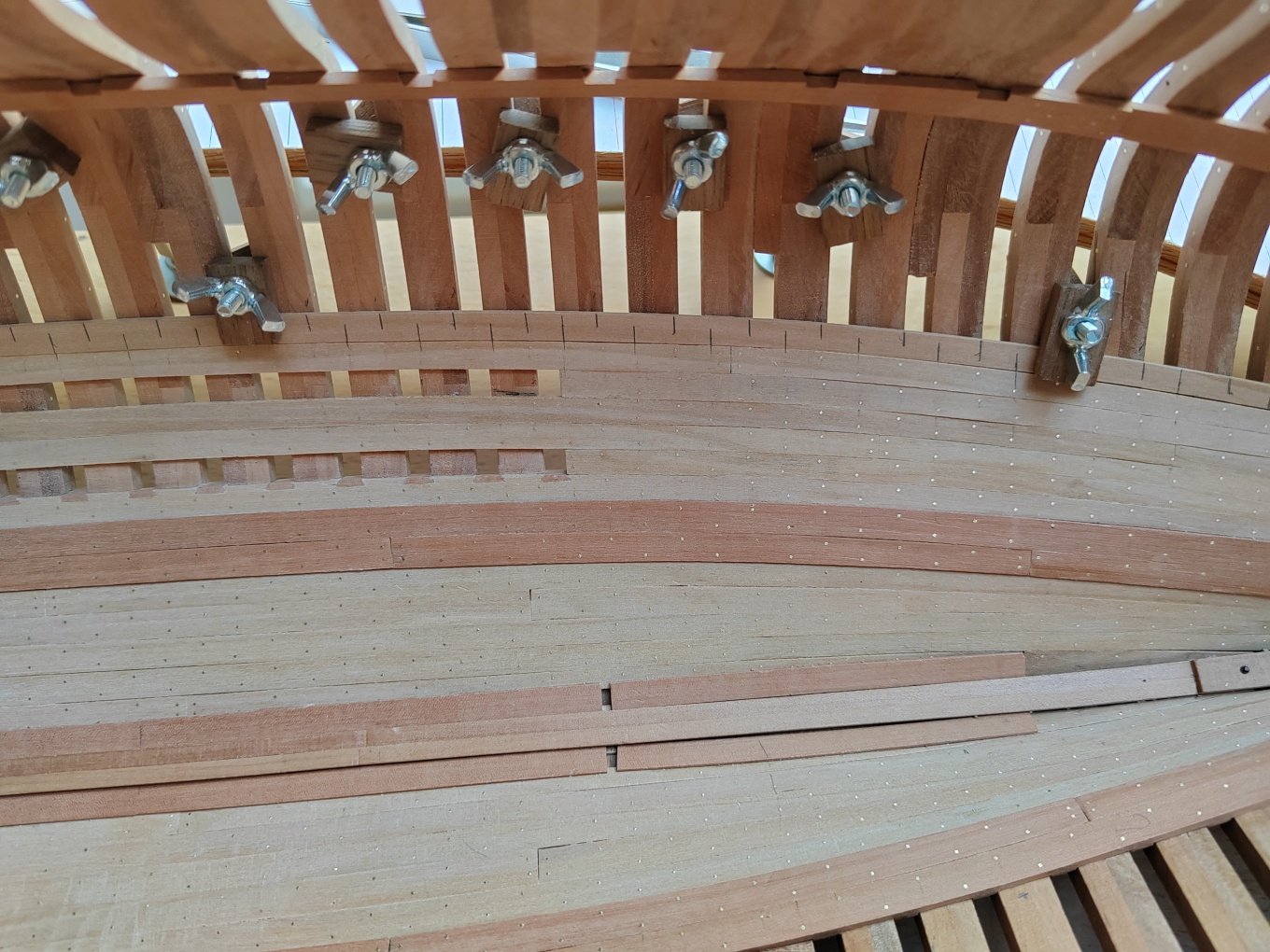
-
L'Amarante by marsalv - 1:36 - POF
marsalv replied to marsalv's topic in - Build logs for subjects built 1501 - 1750
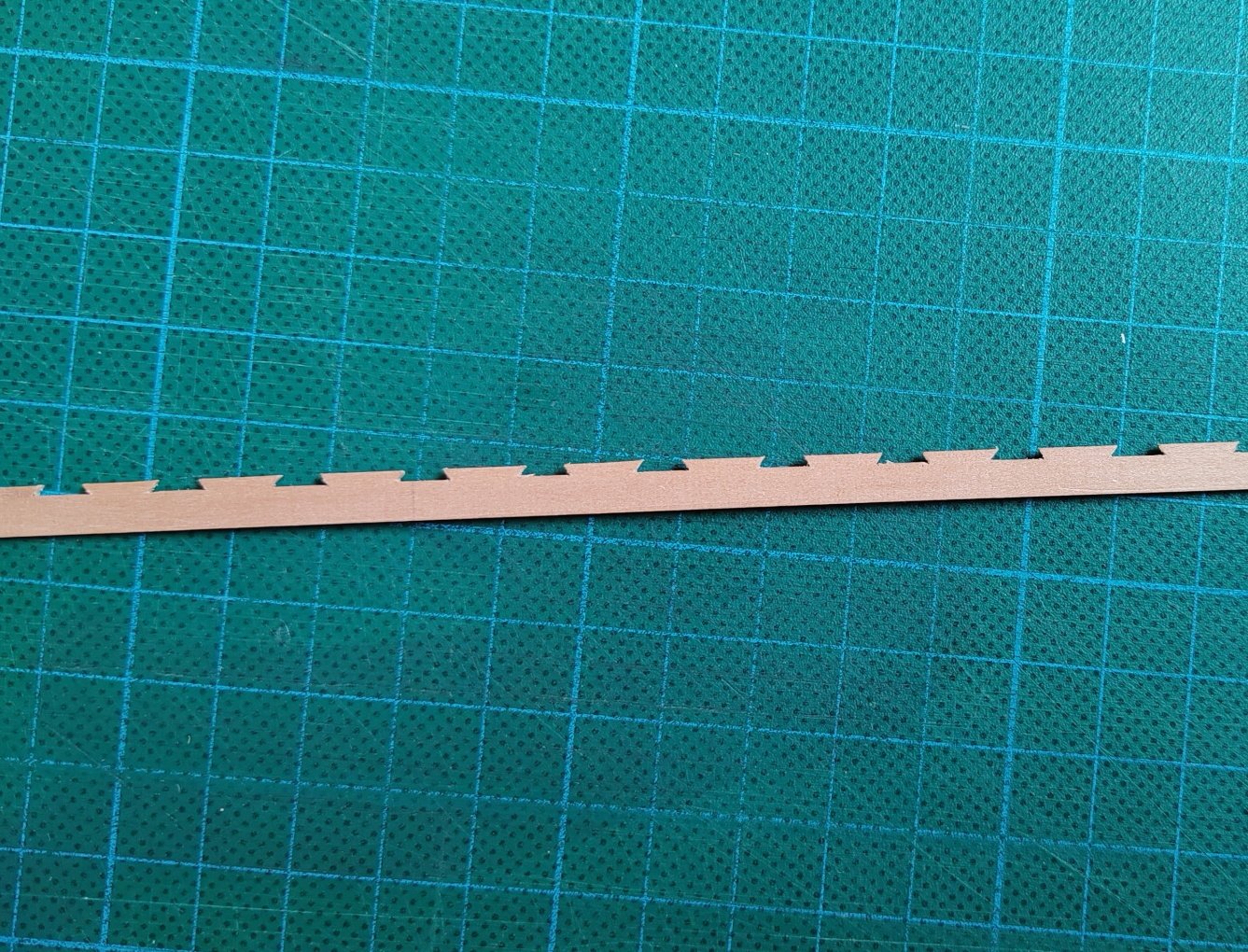
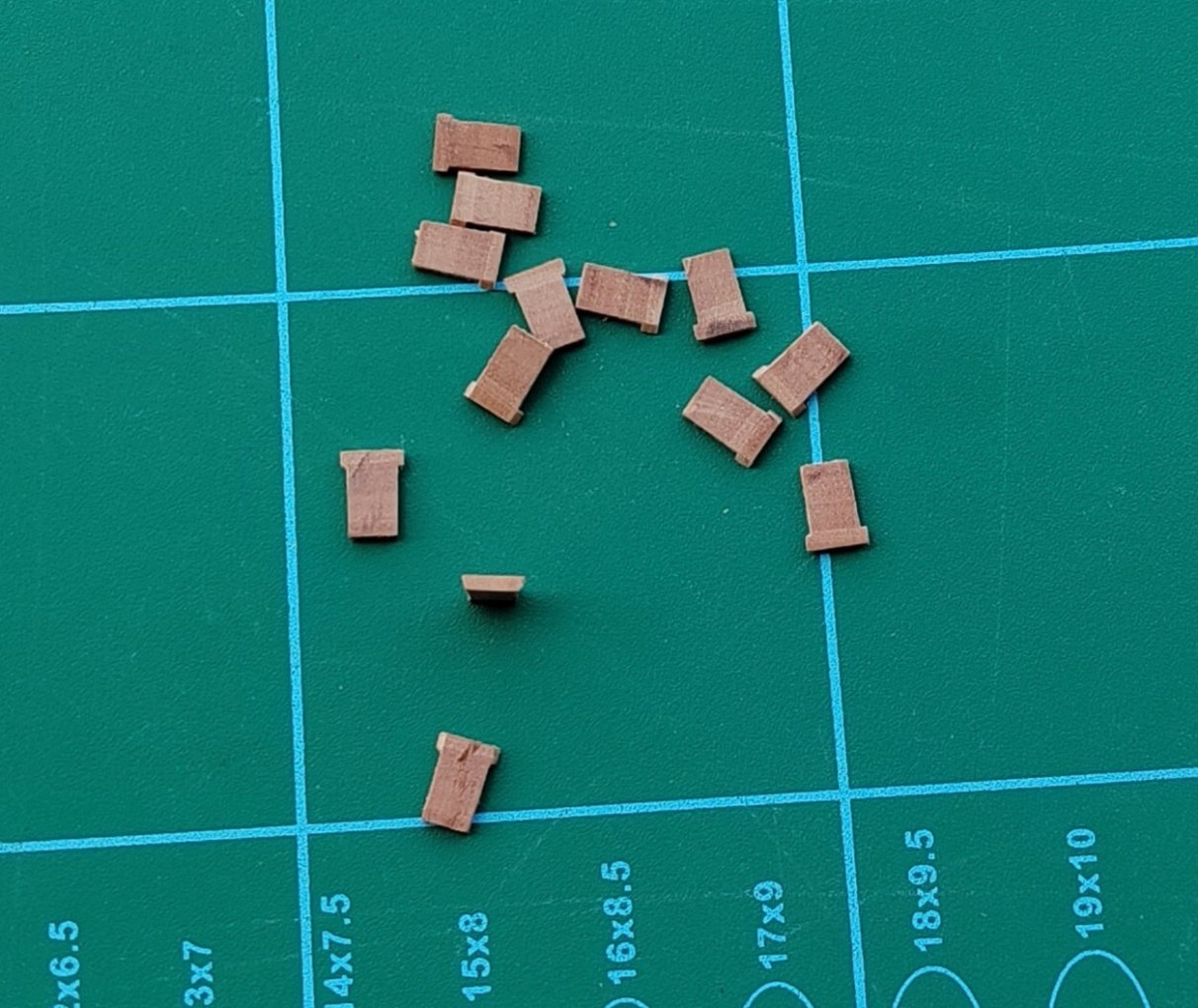
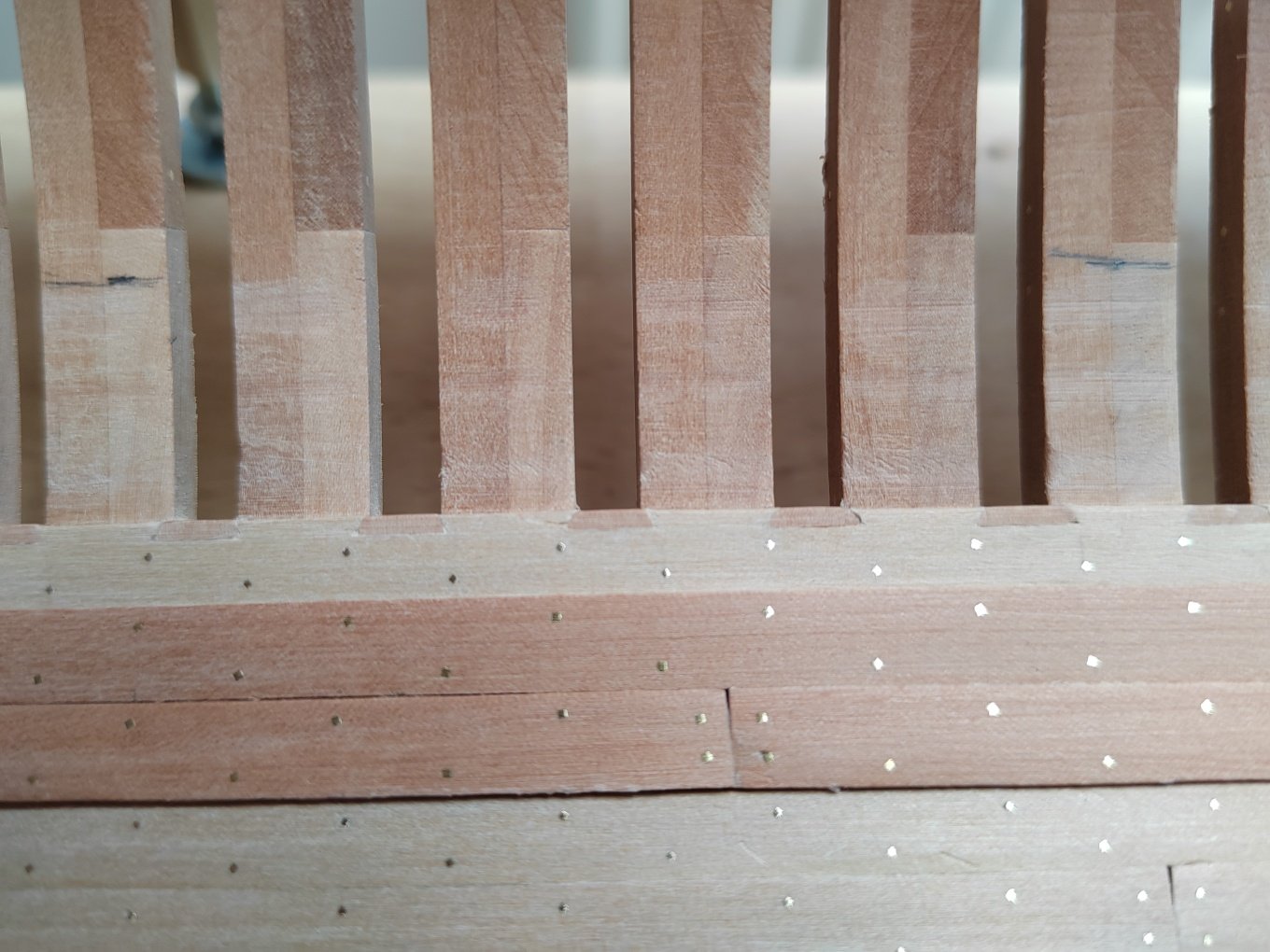
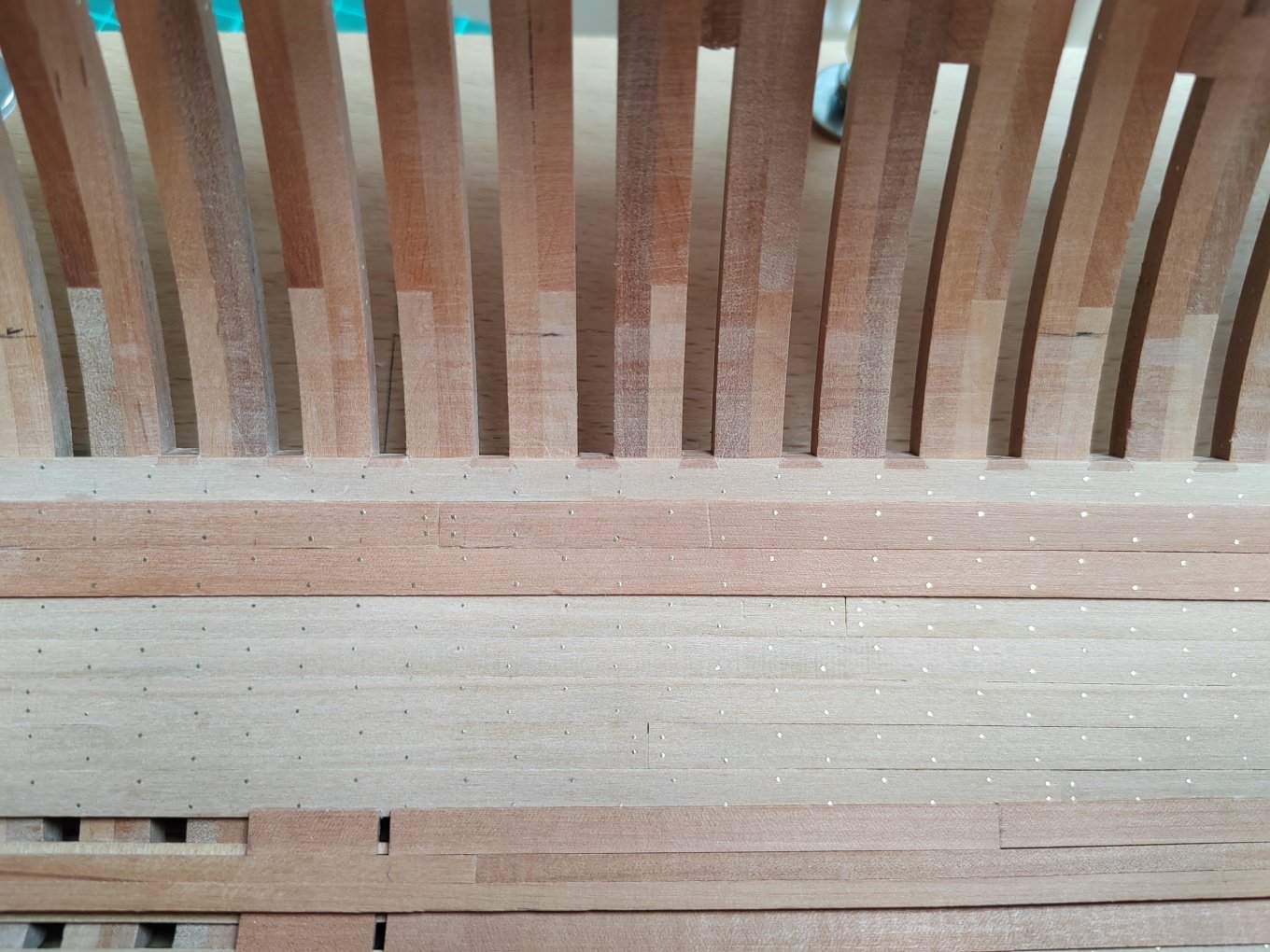
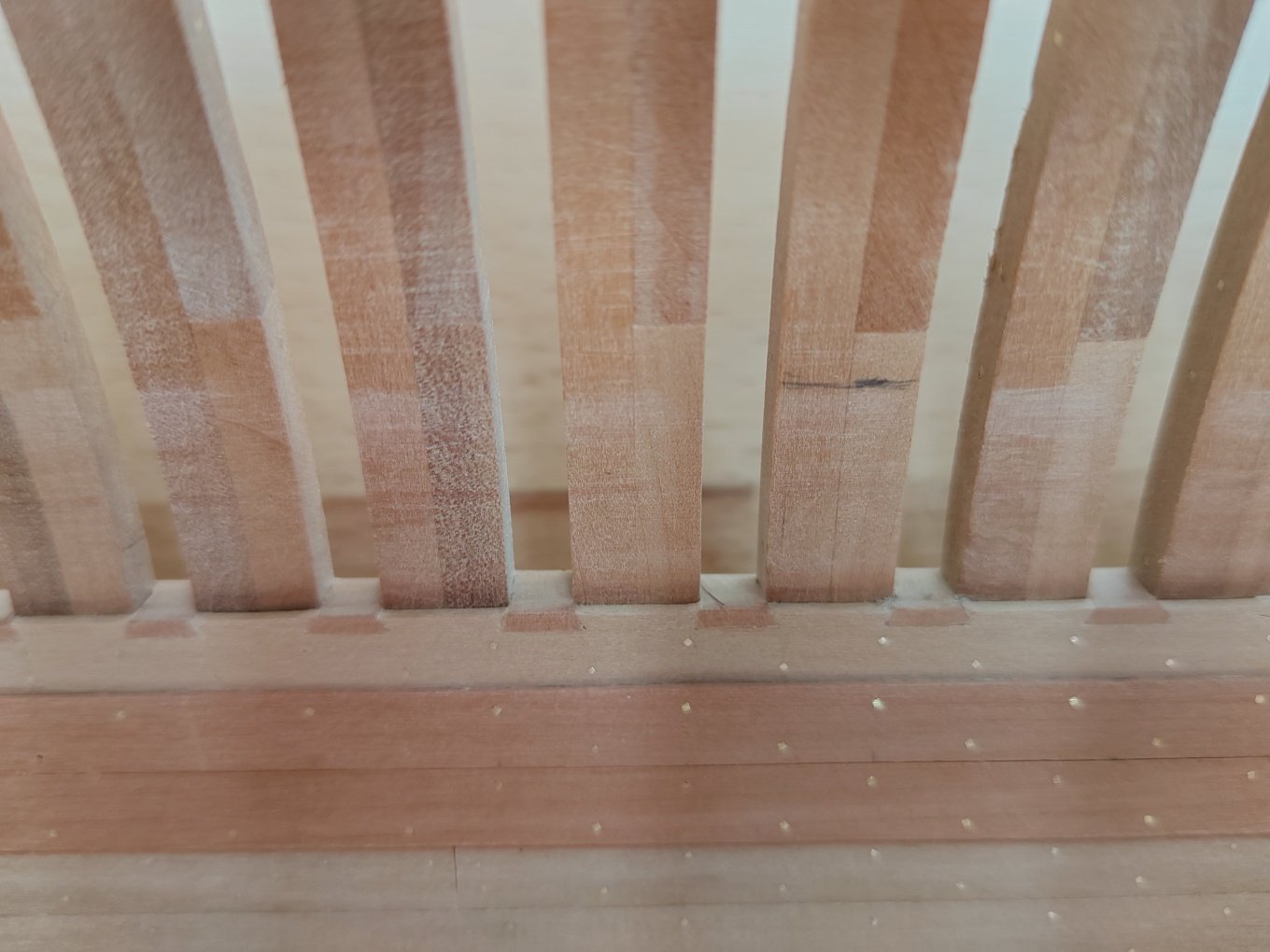
I started planking over the thick- stuff.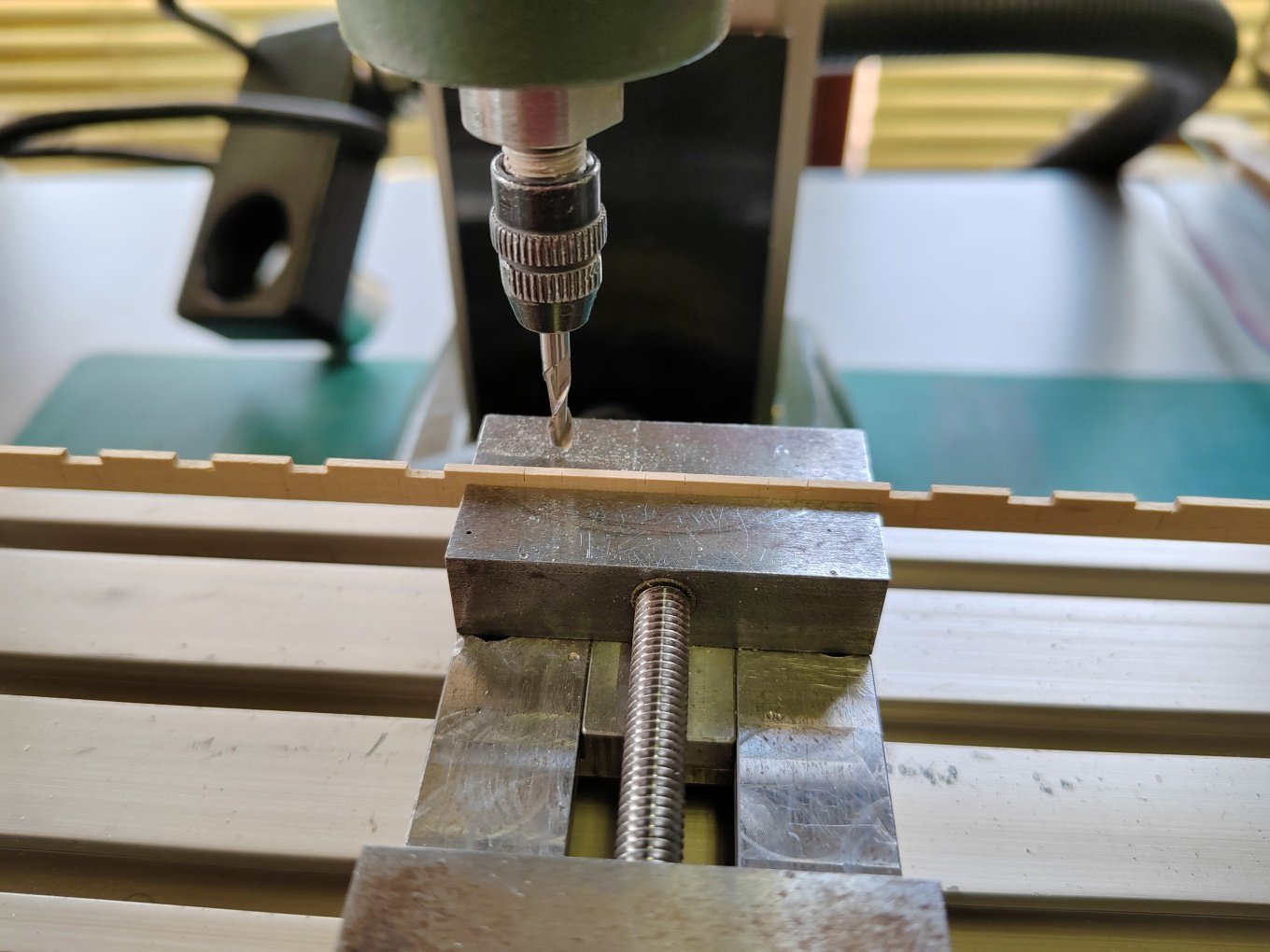
-
L'Amarante by marsalv - 1:36 - POF
marsalv replied to marsalv's topic in - Build logs for subjects built 1501 - 1750
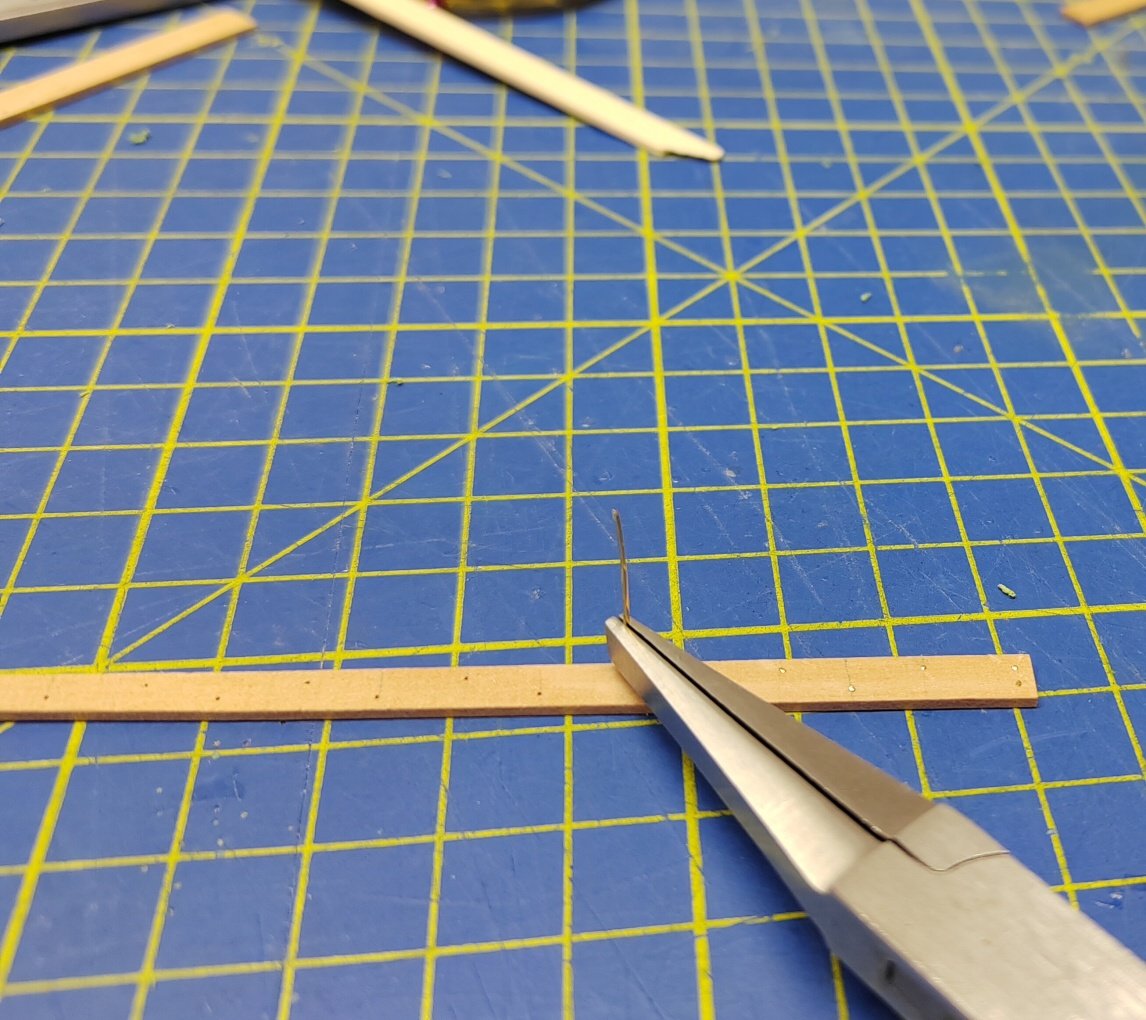
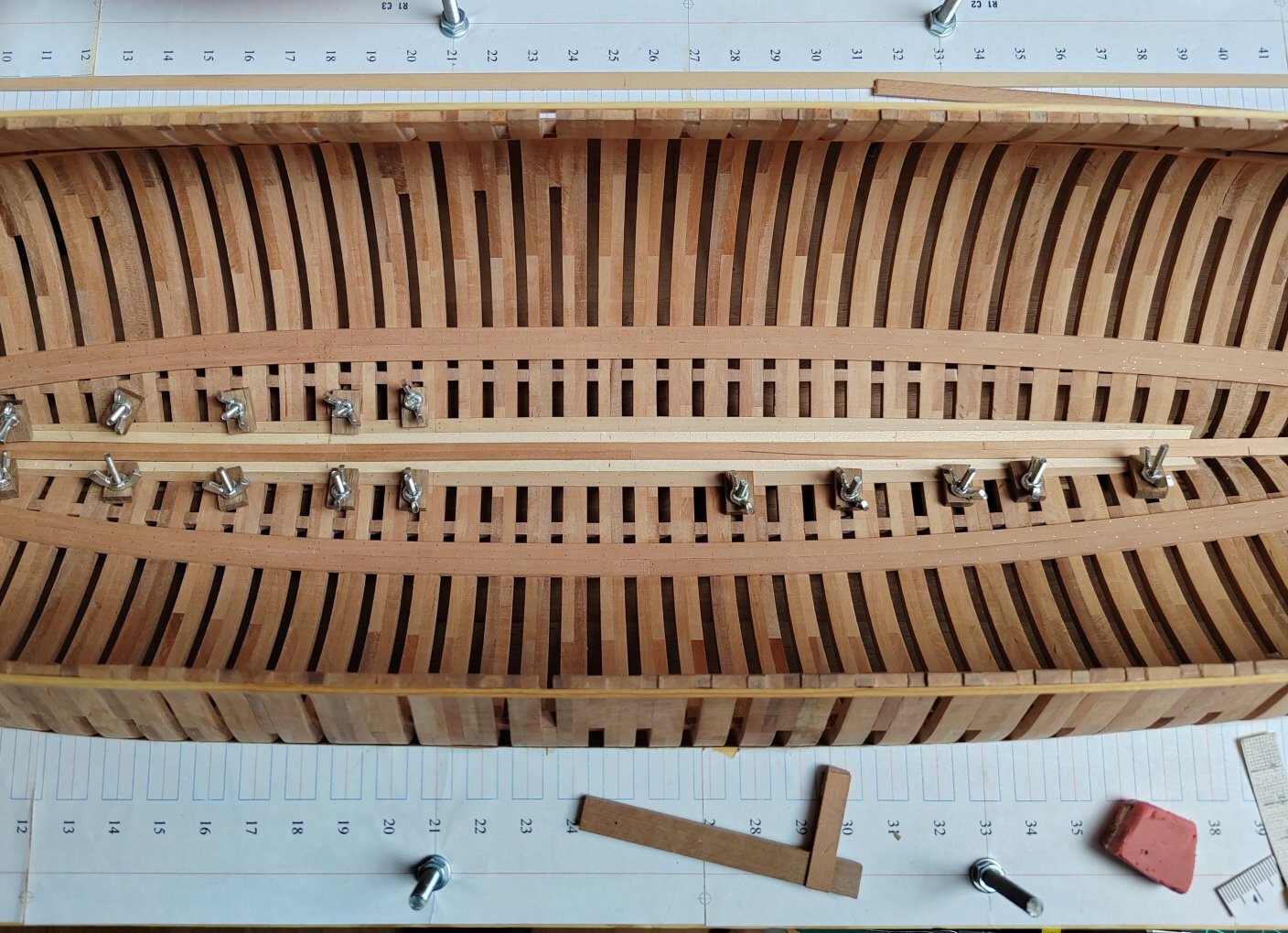
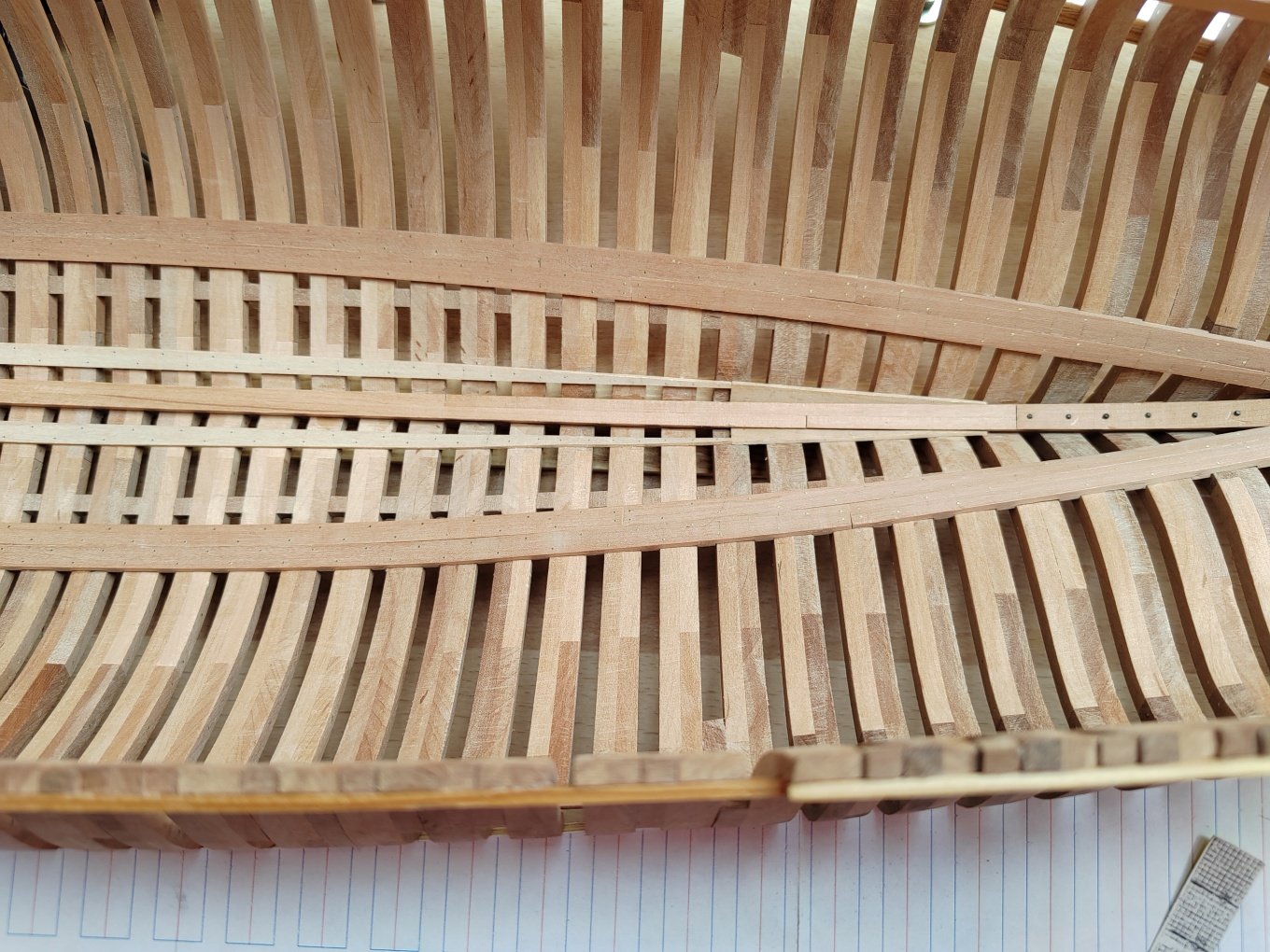
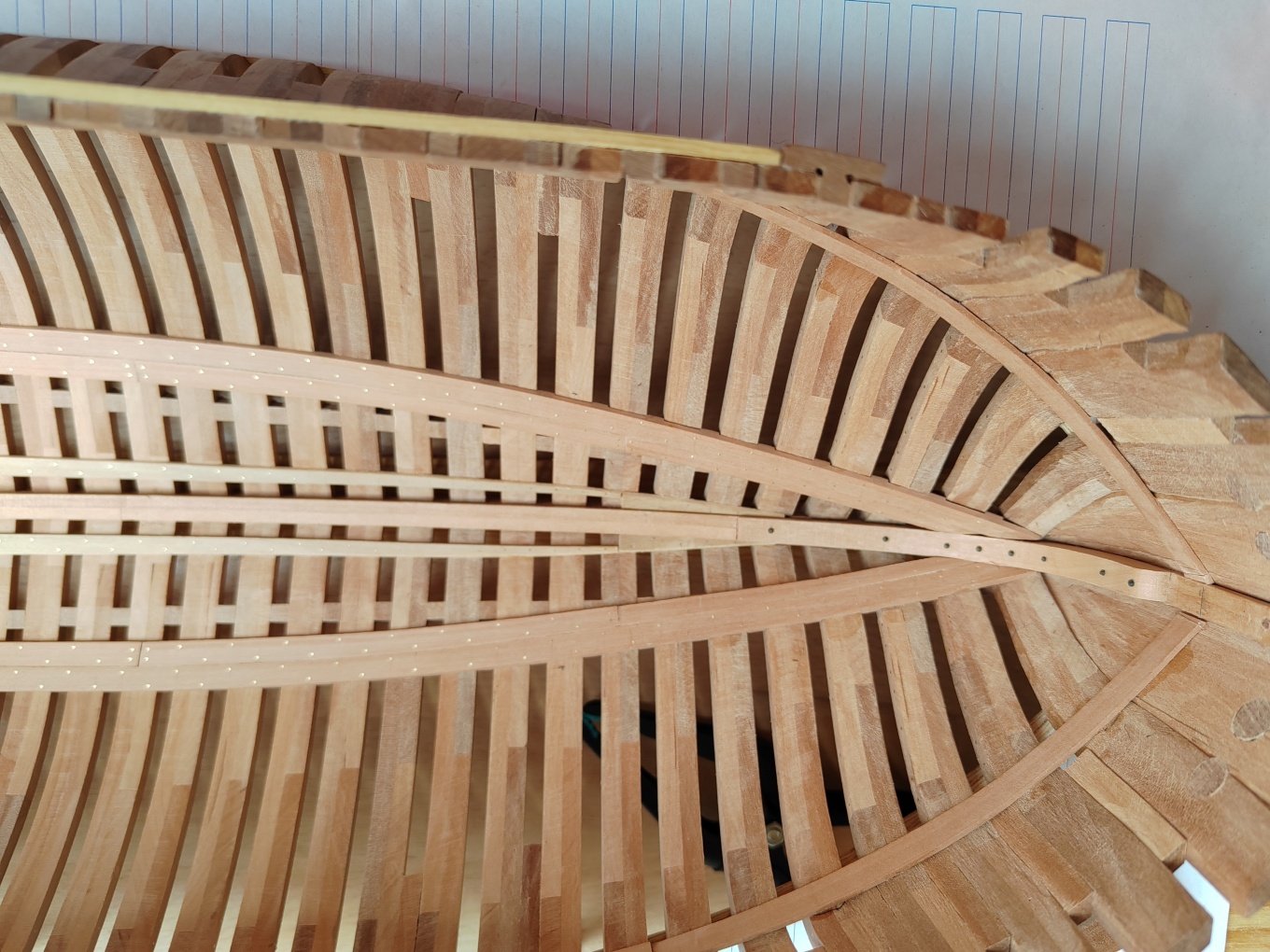
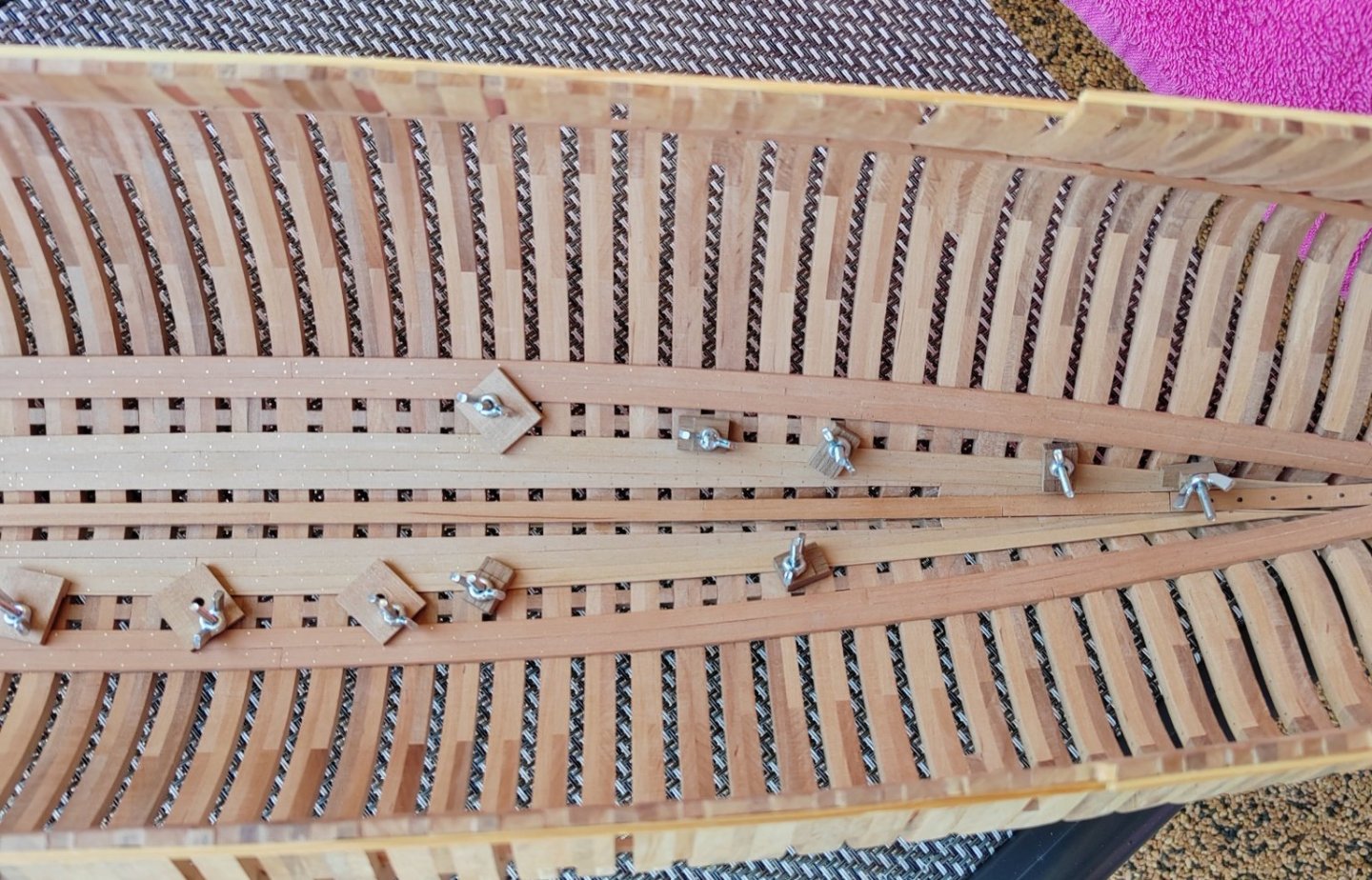
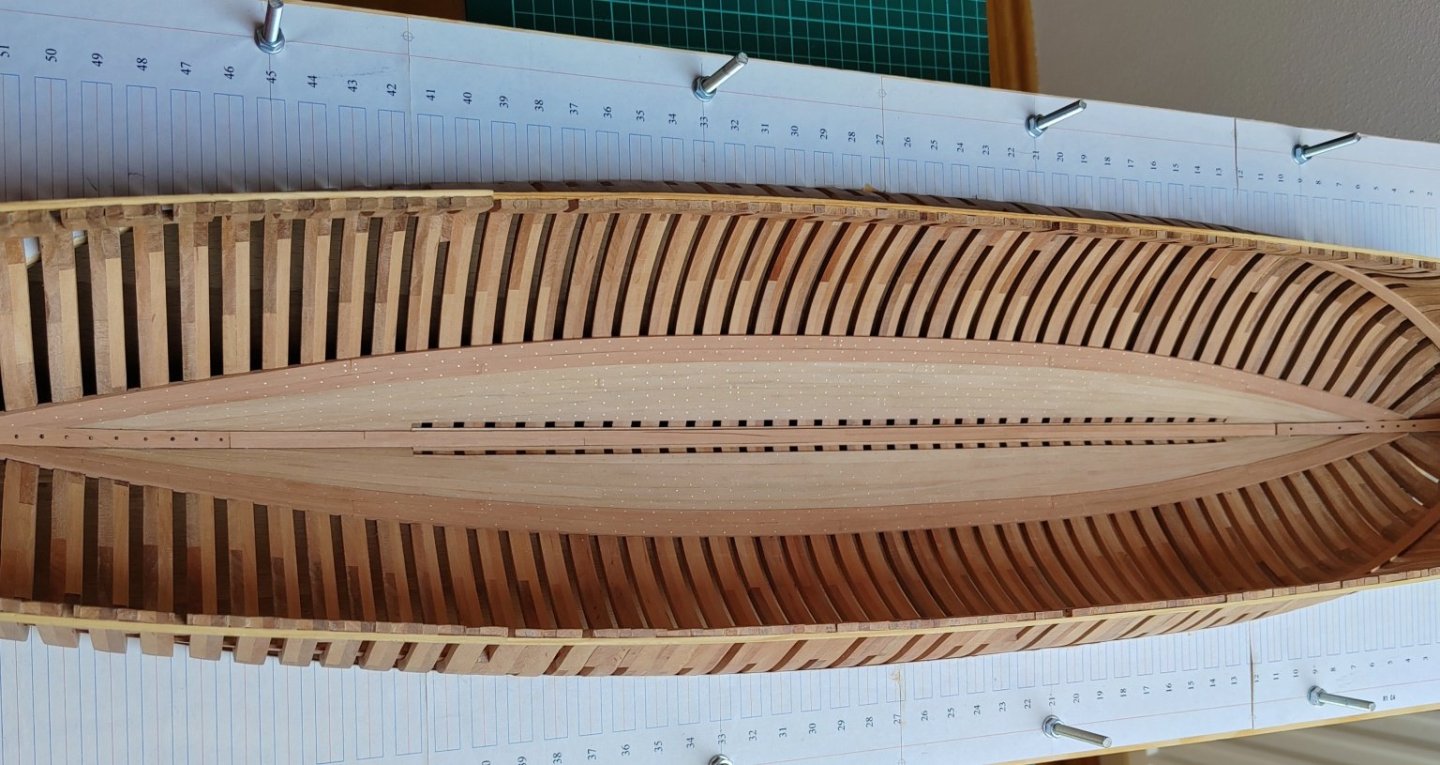
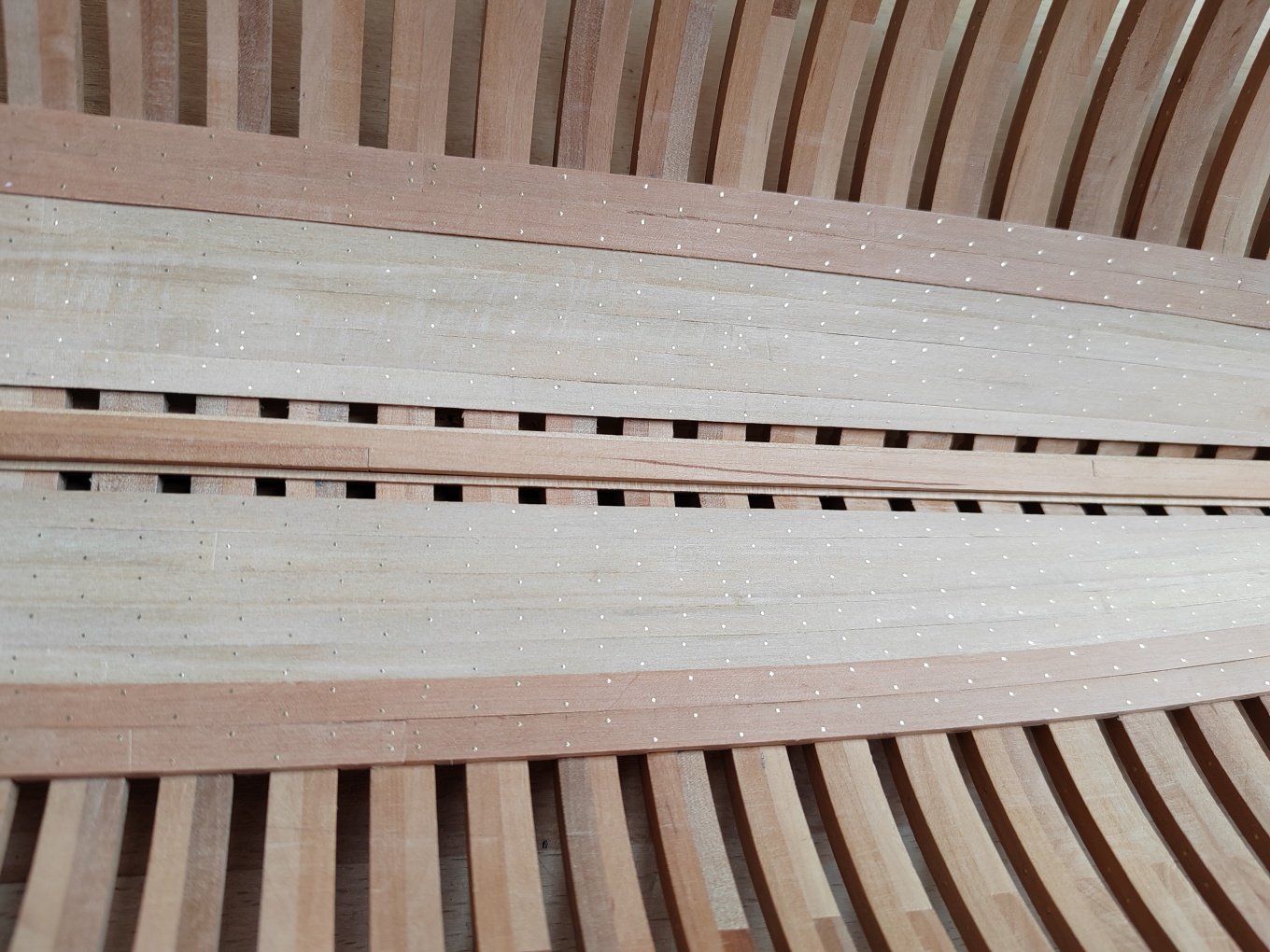
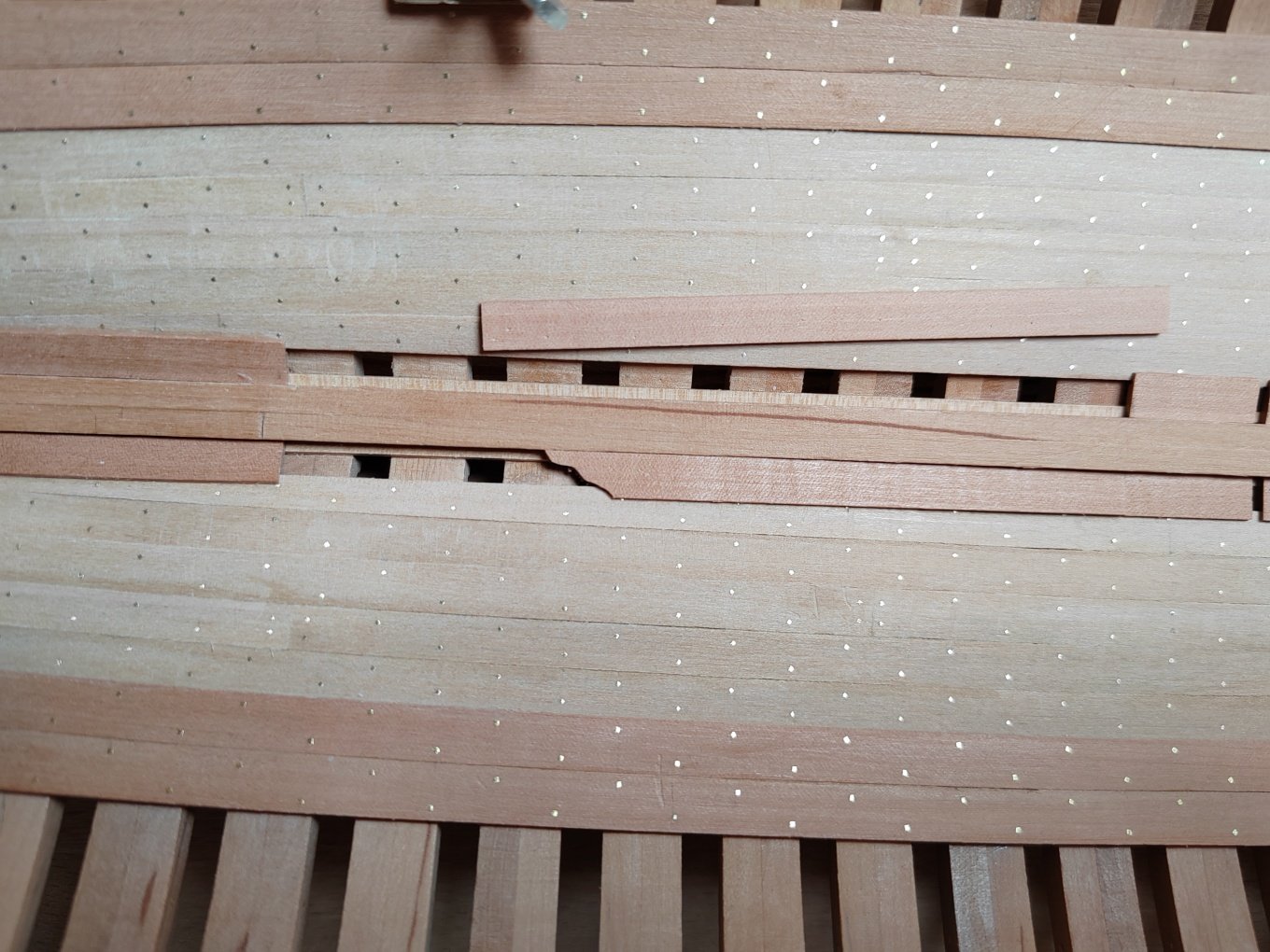
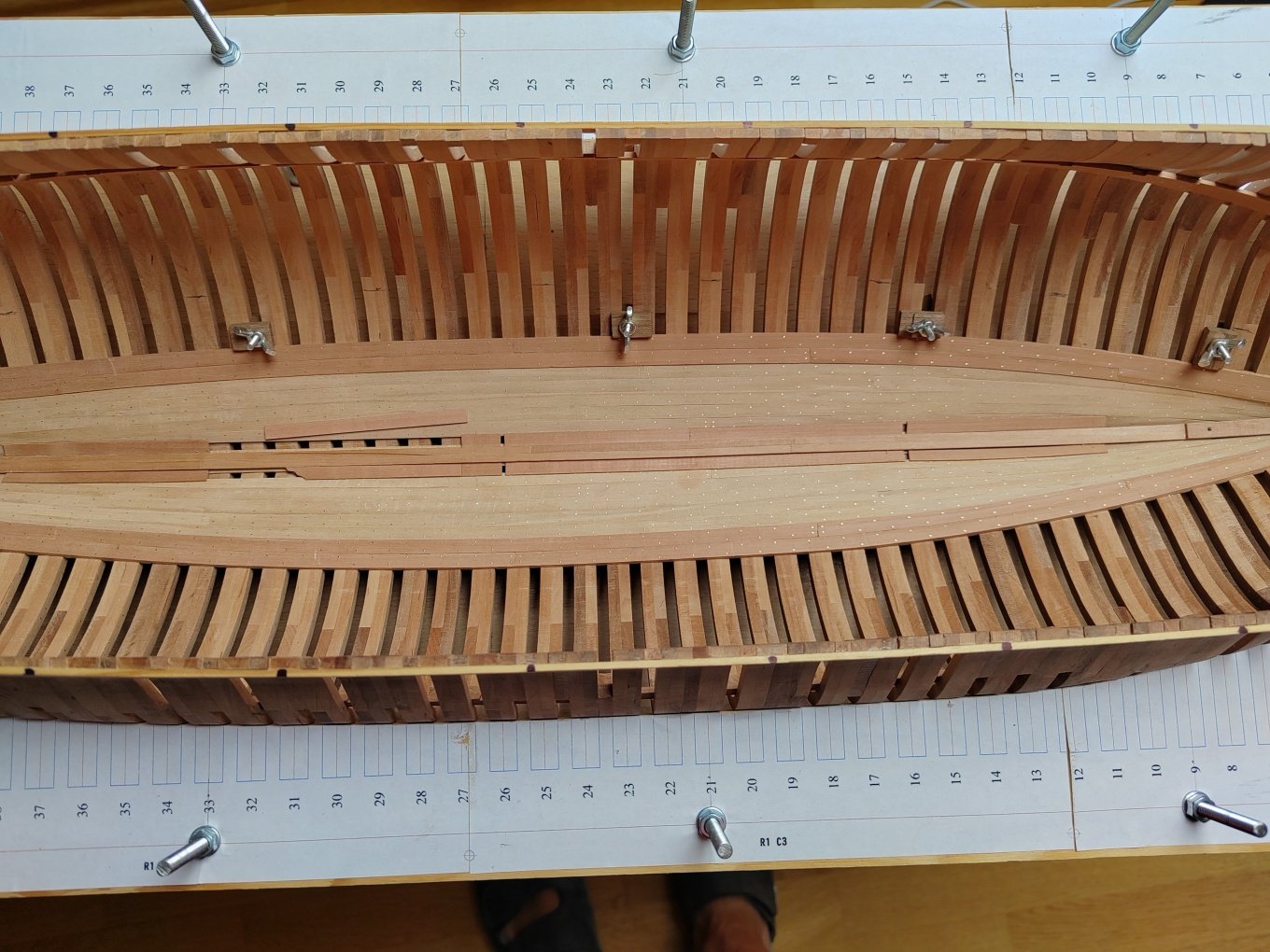
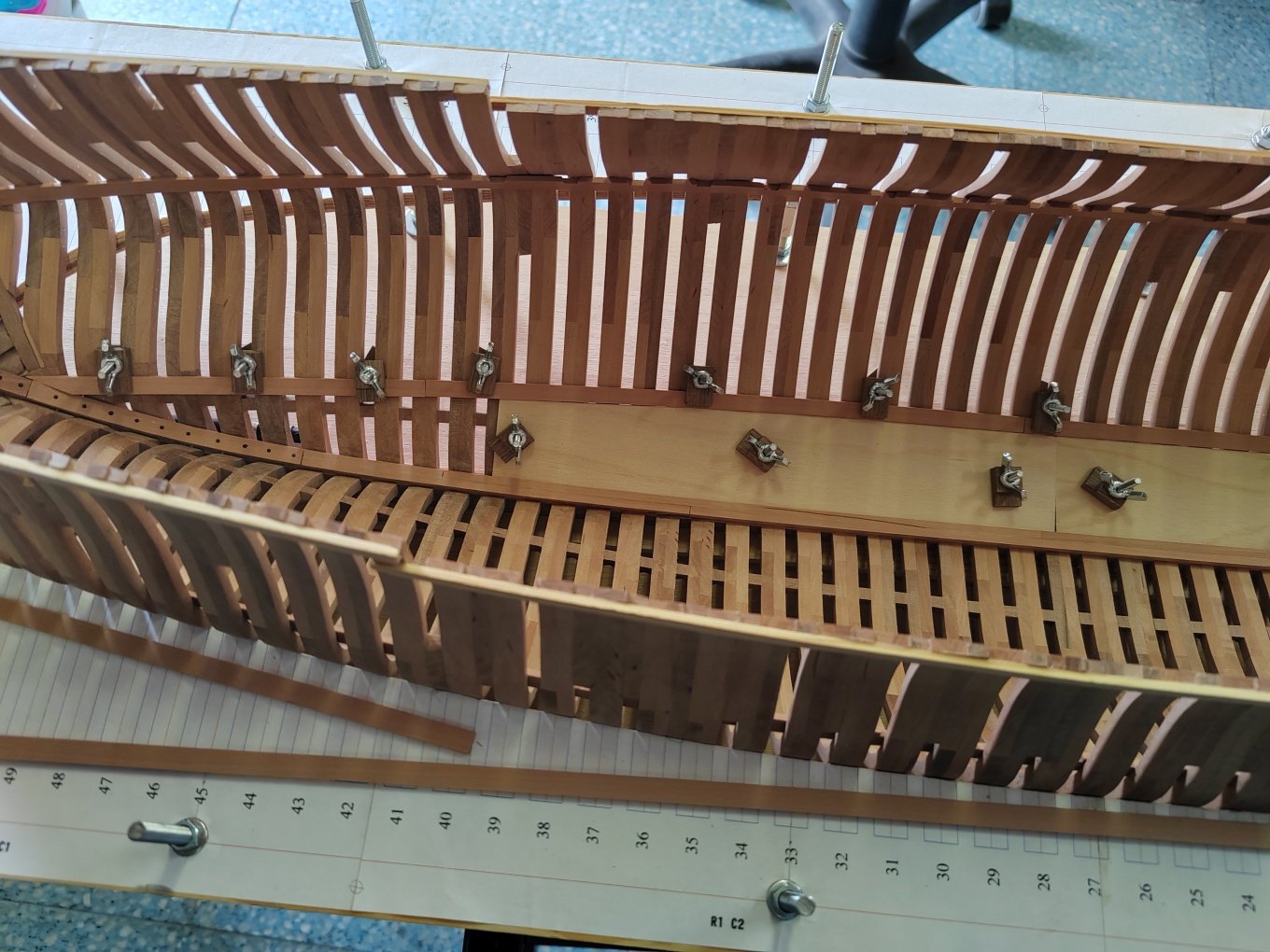
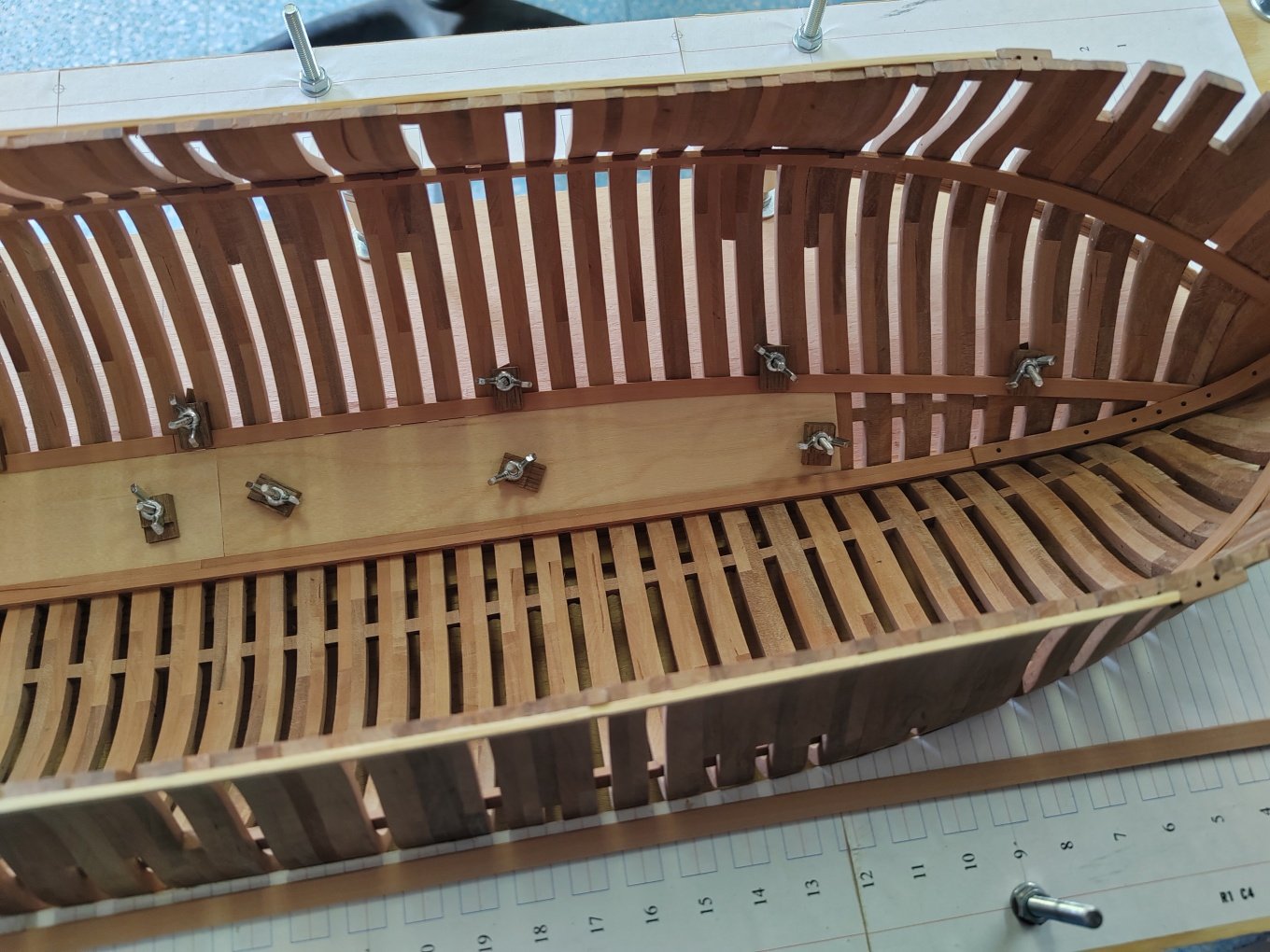
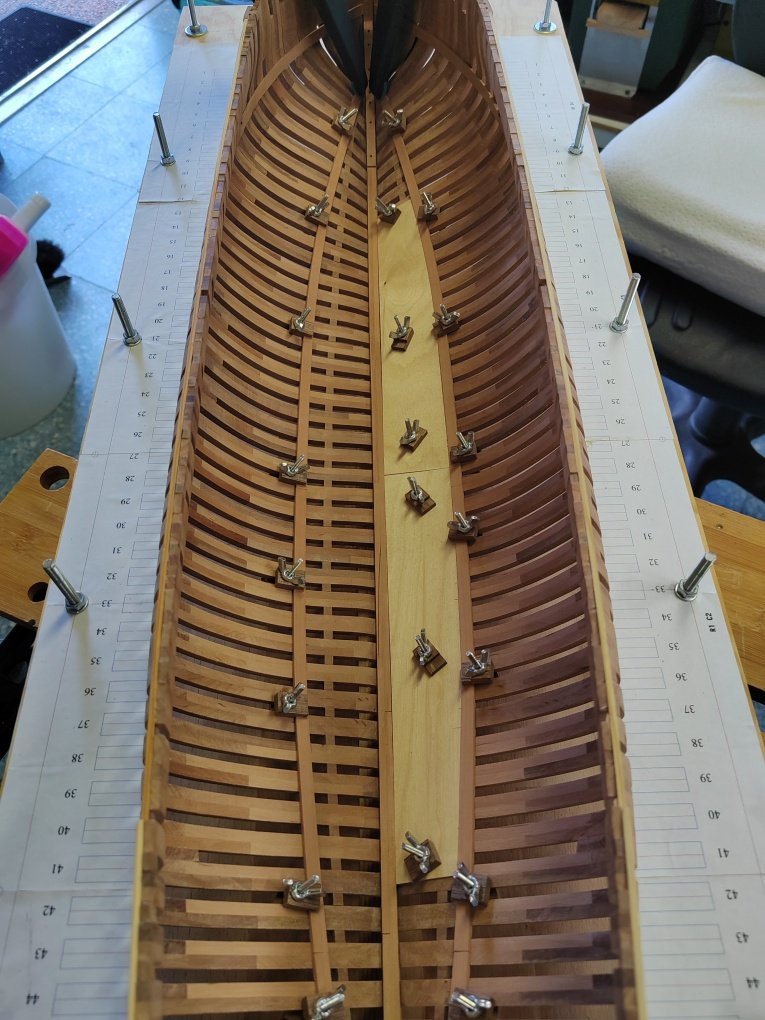
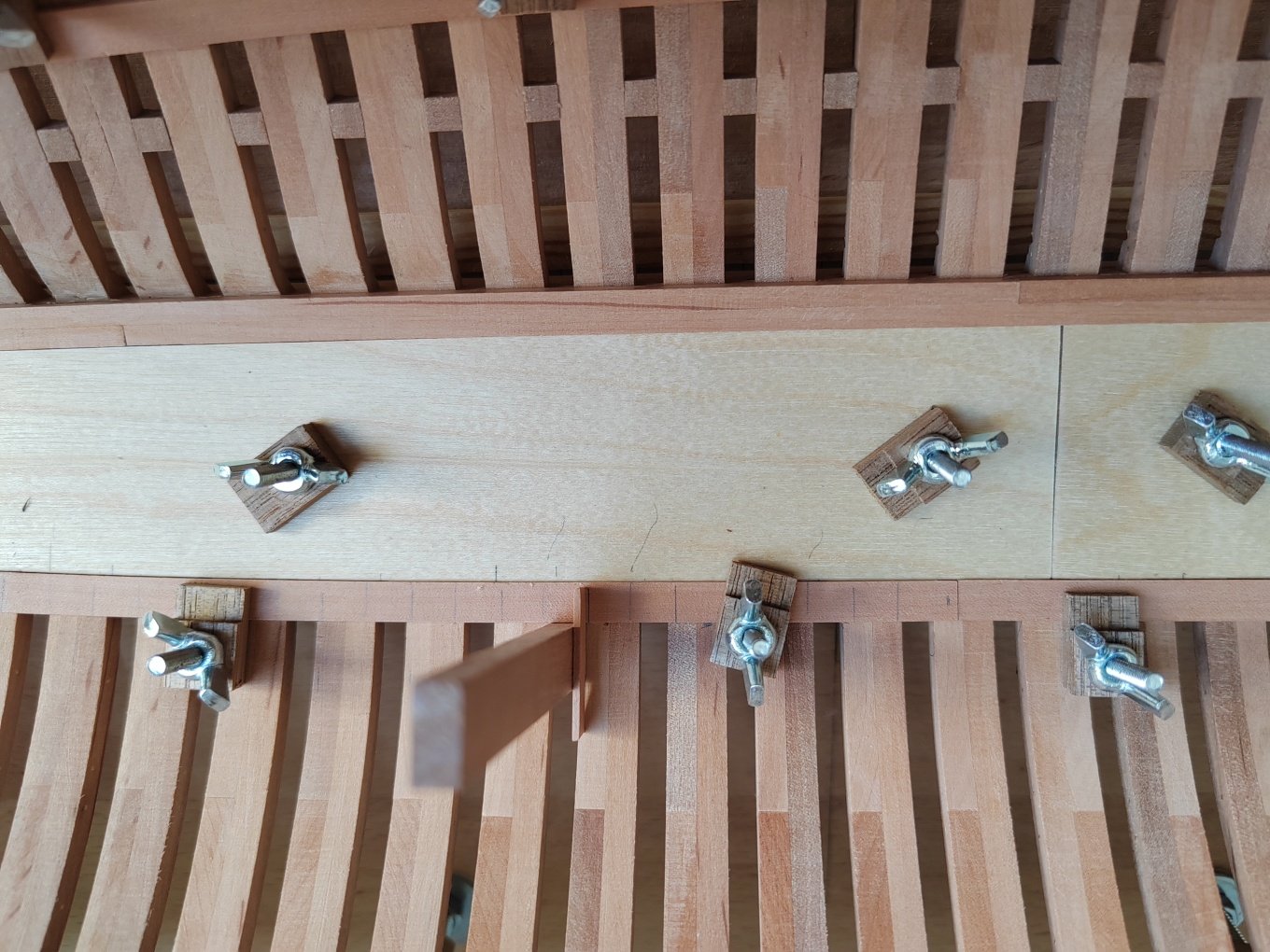
My posts have gotten me to the stage where the actual model building phase is, so now my posts won't be as frequent . The first part of the inner planking (the ceiling) is finished, including the limber boards.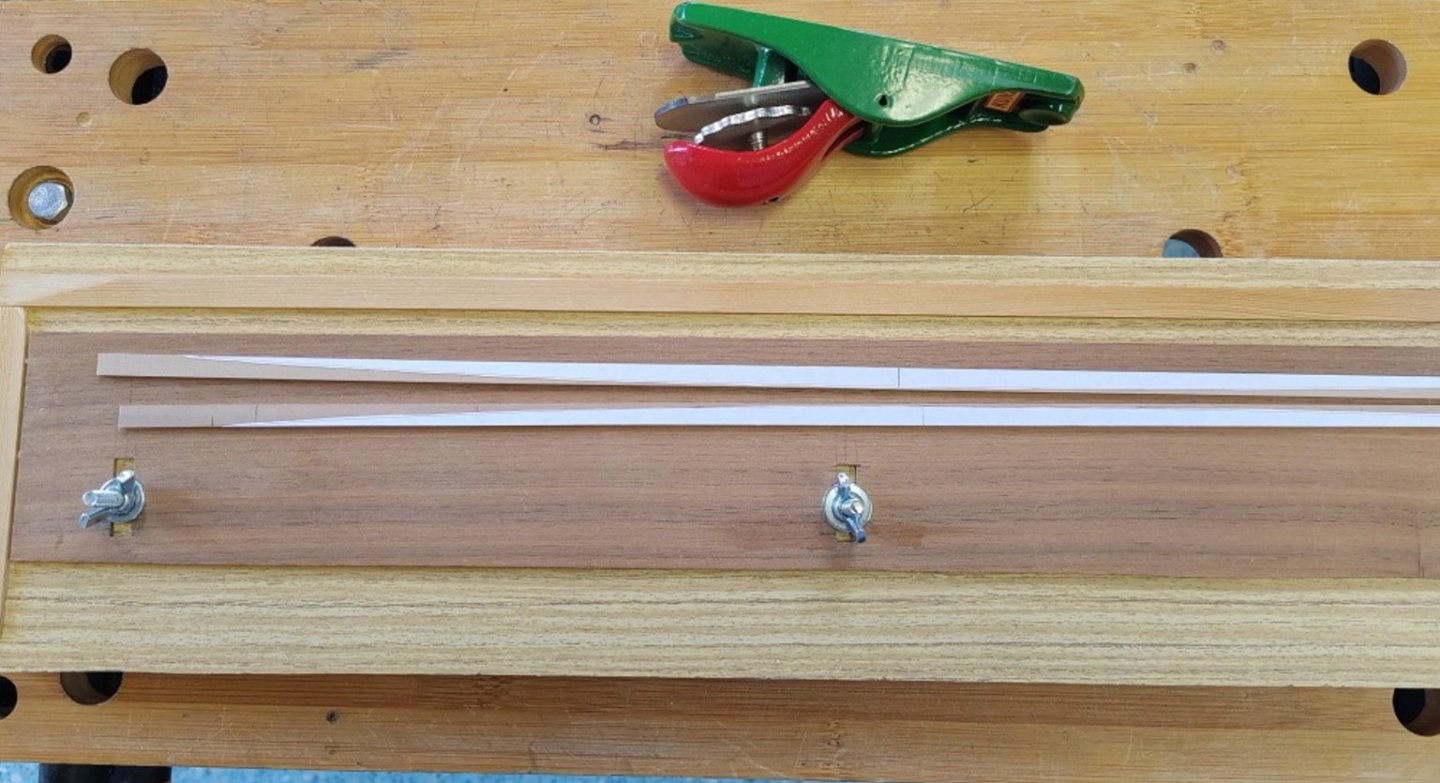
-
L'Amarante by marsalv - 1:36 - POF
marsalv replied to marsalv's topic in - Build logs for subjects built 1501 - 1750
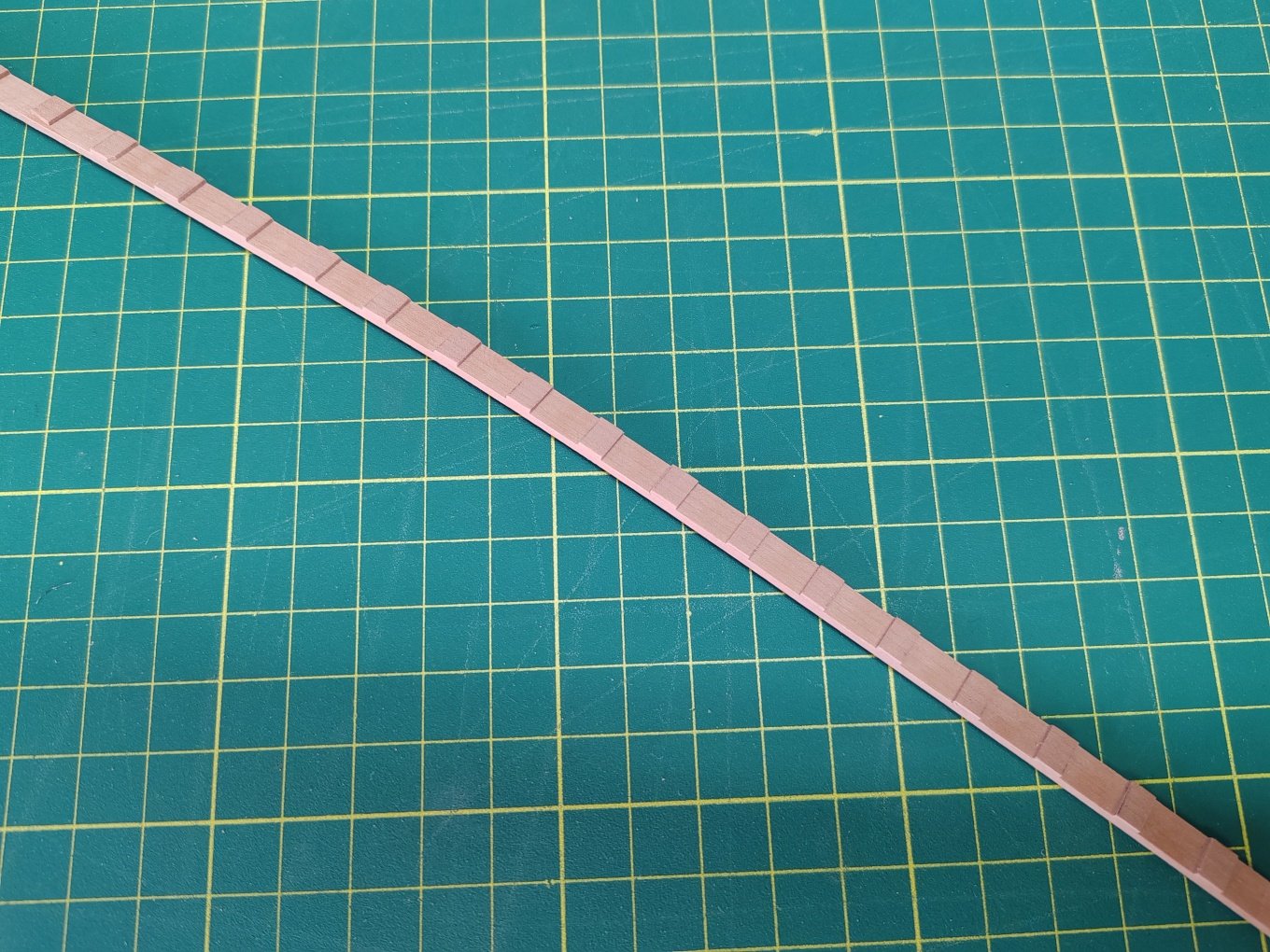
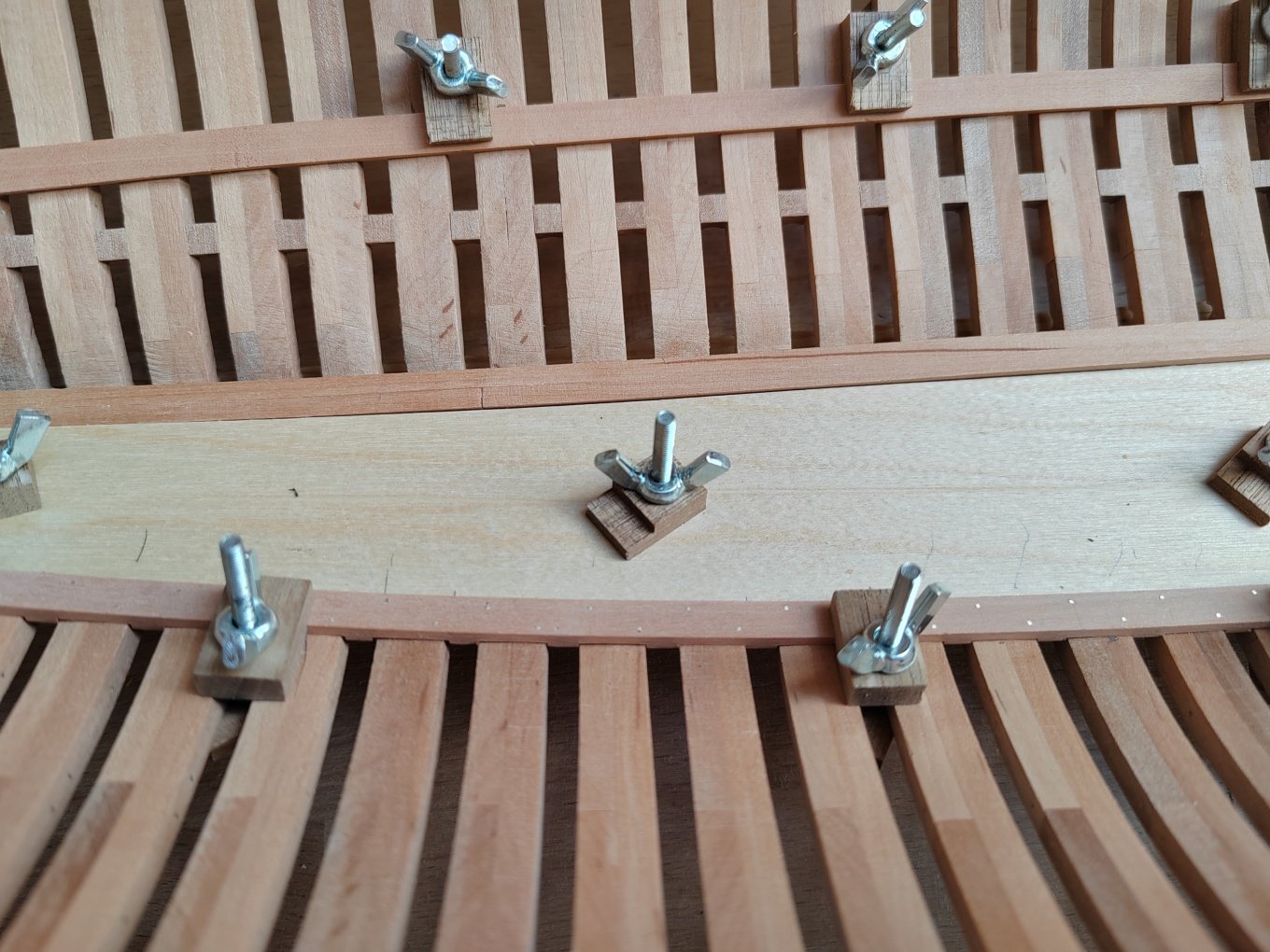
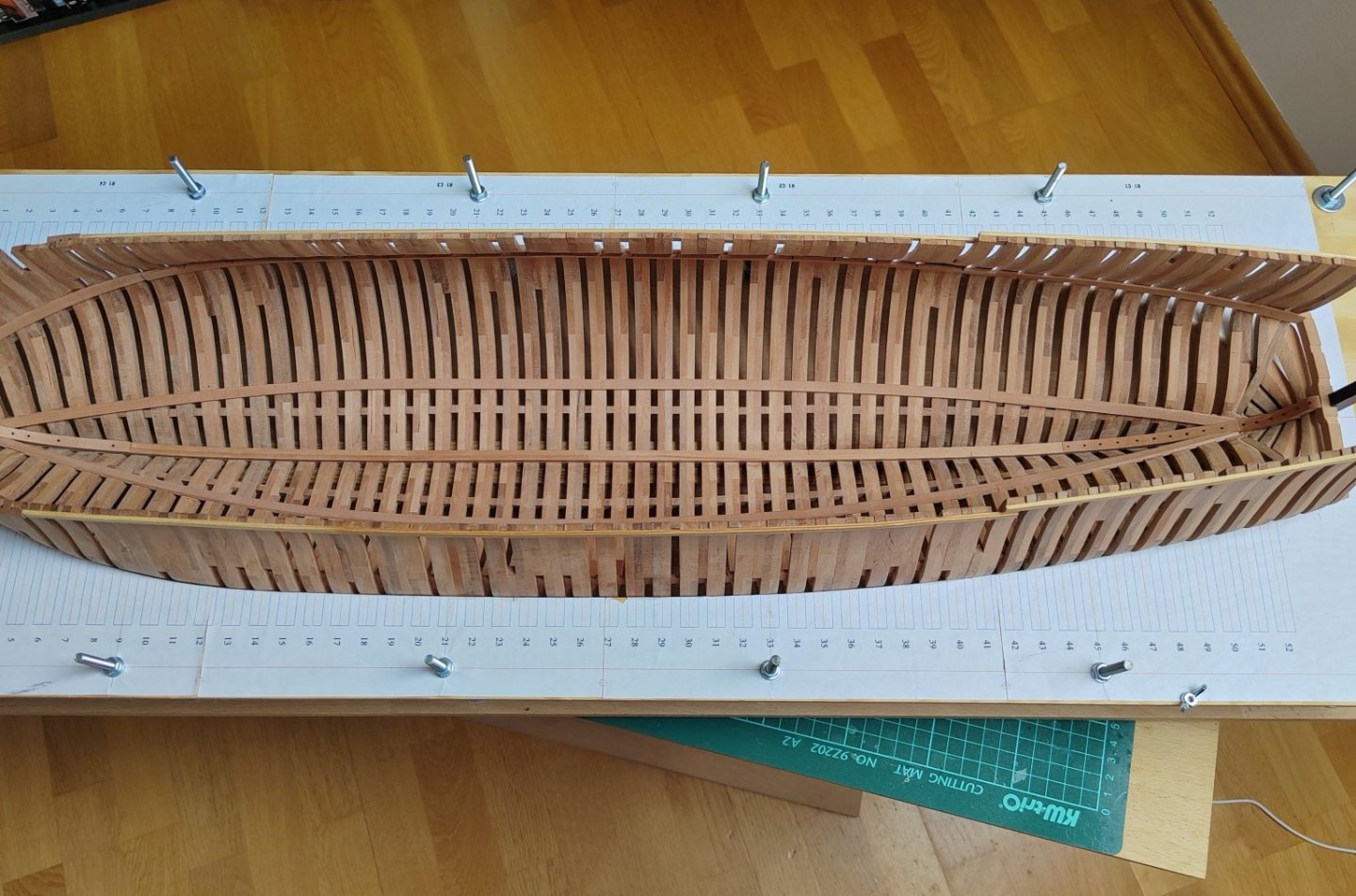
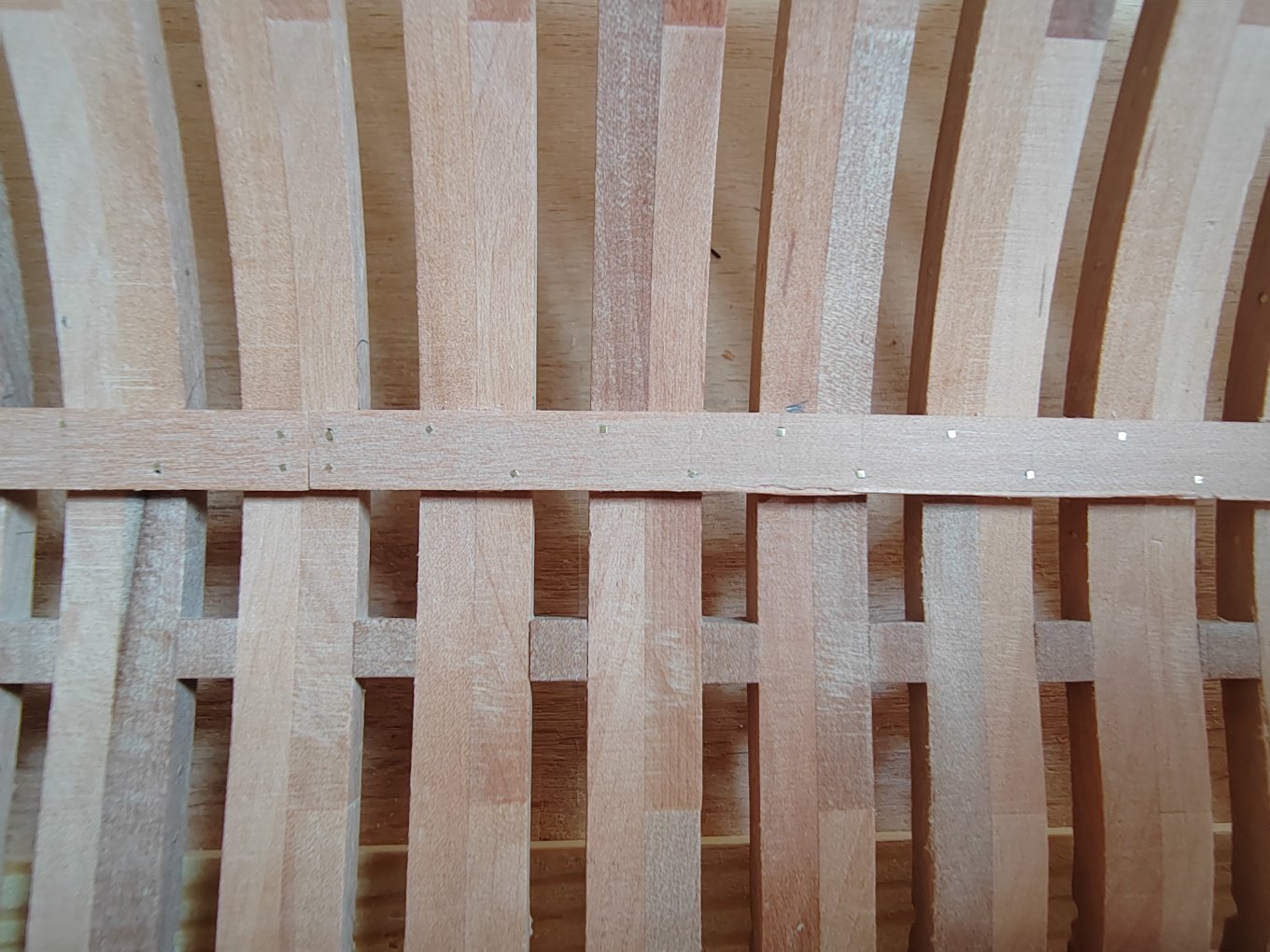
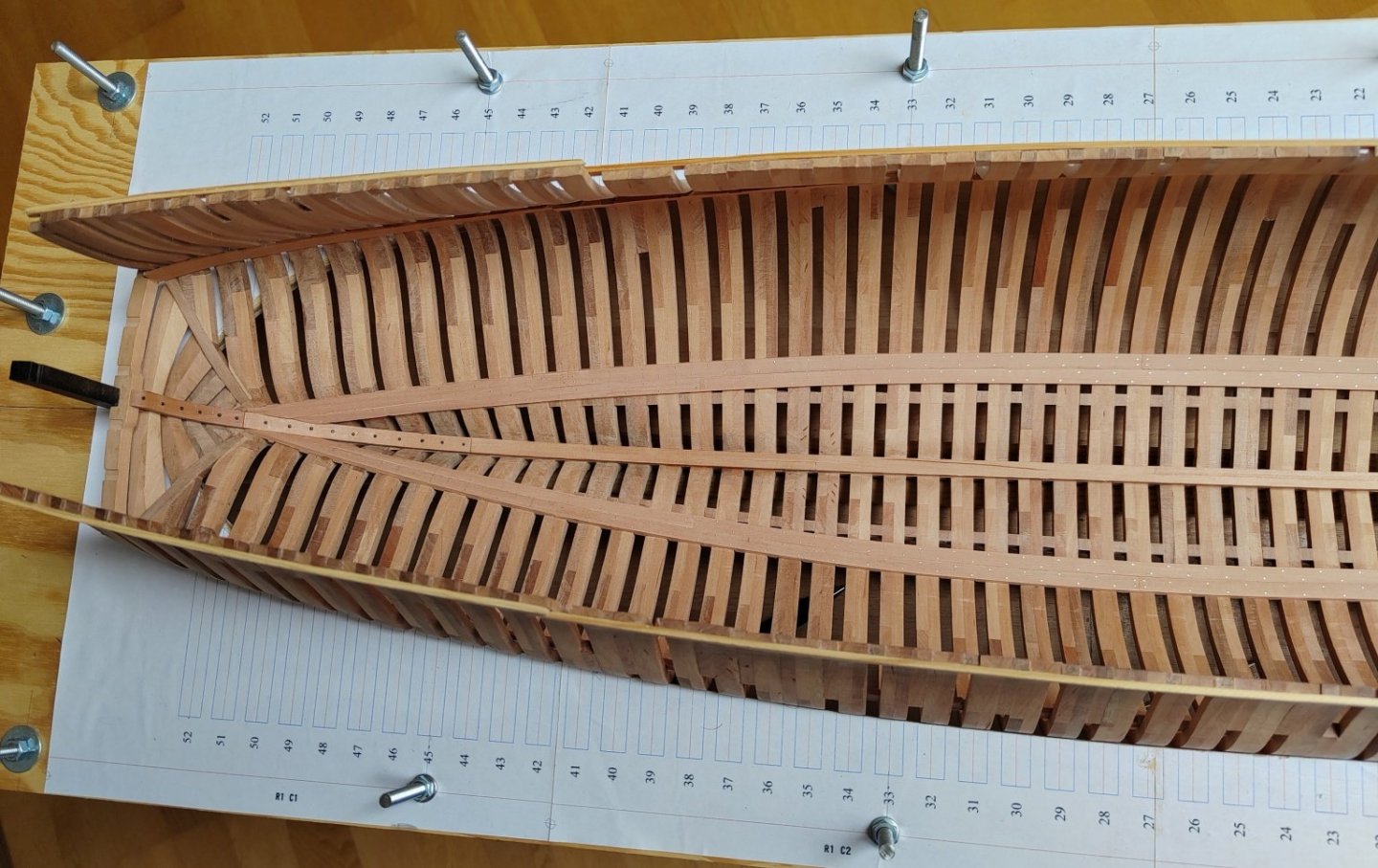
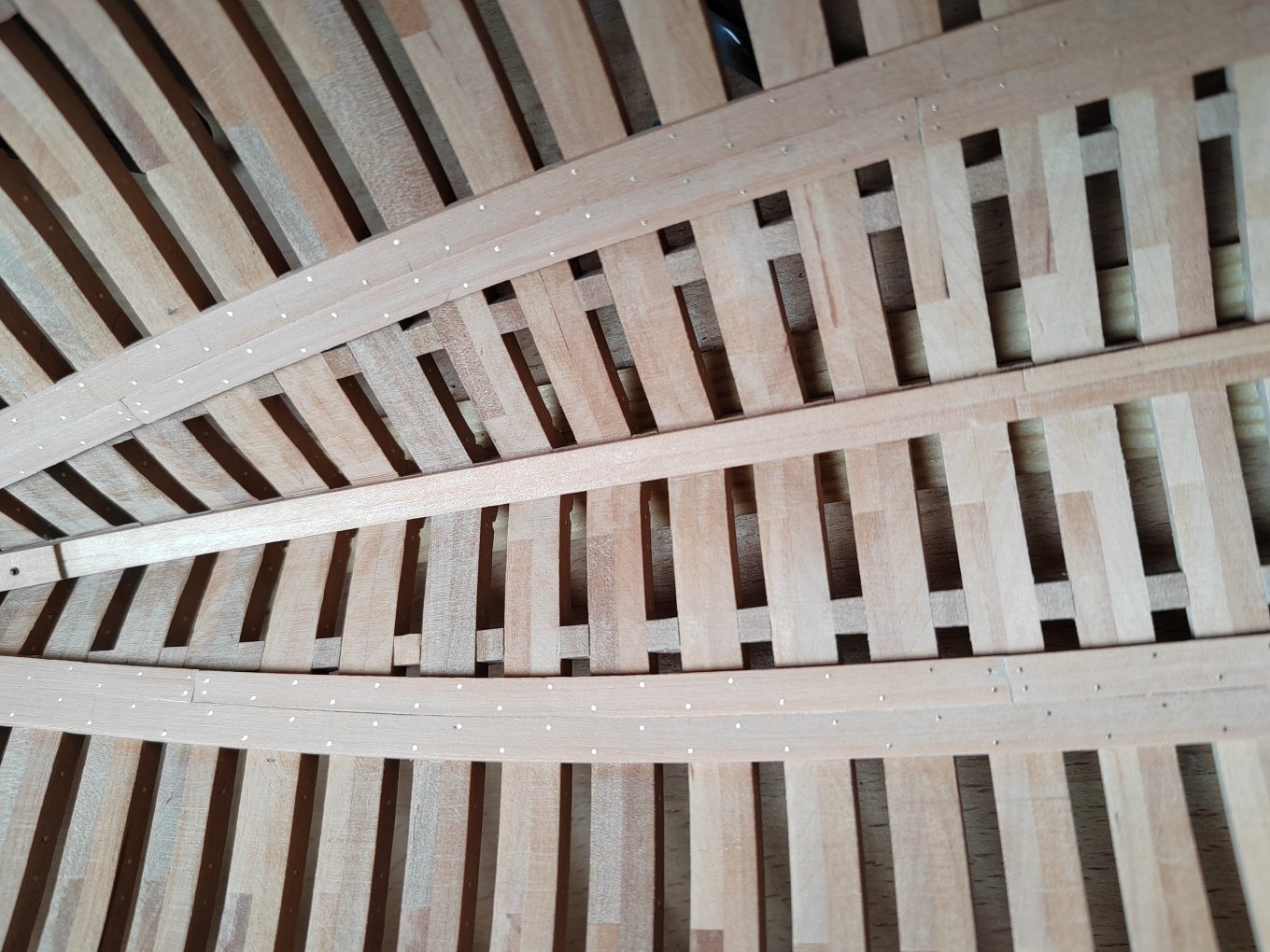
Thank you guys for all likes and nice comments. It's time for inside planking. The spirketting, which is made of two thicker planks, was installed first. These planks are slightly recessed below the level of the frames.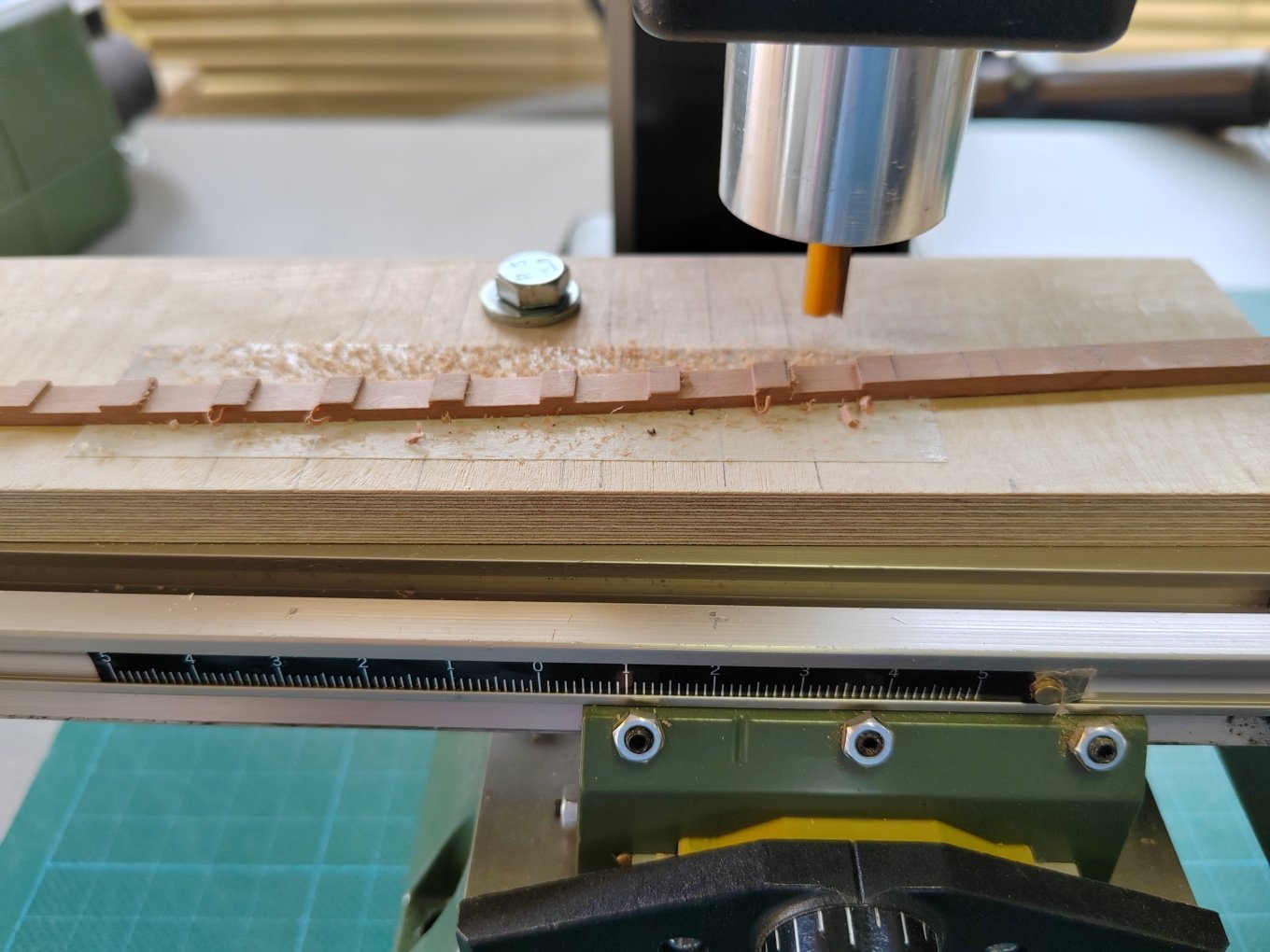
-
L'Amarante by marsalv - 1:36 - POF
marsalv replied to marsalv's topic in - Build logs for subjects built 1501 - 1750
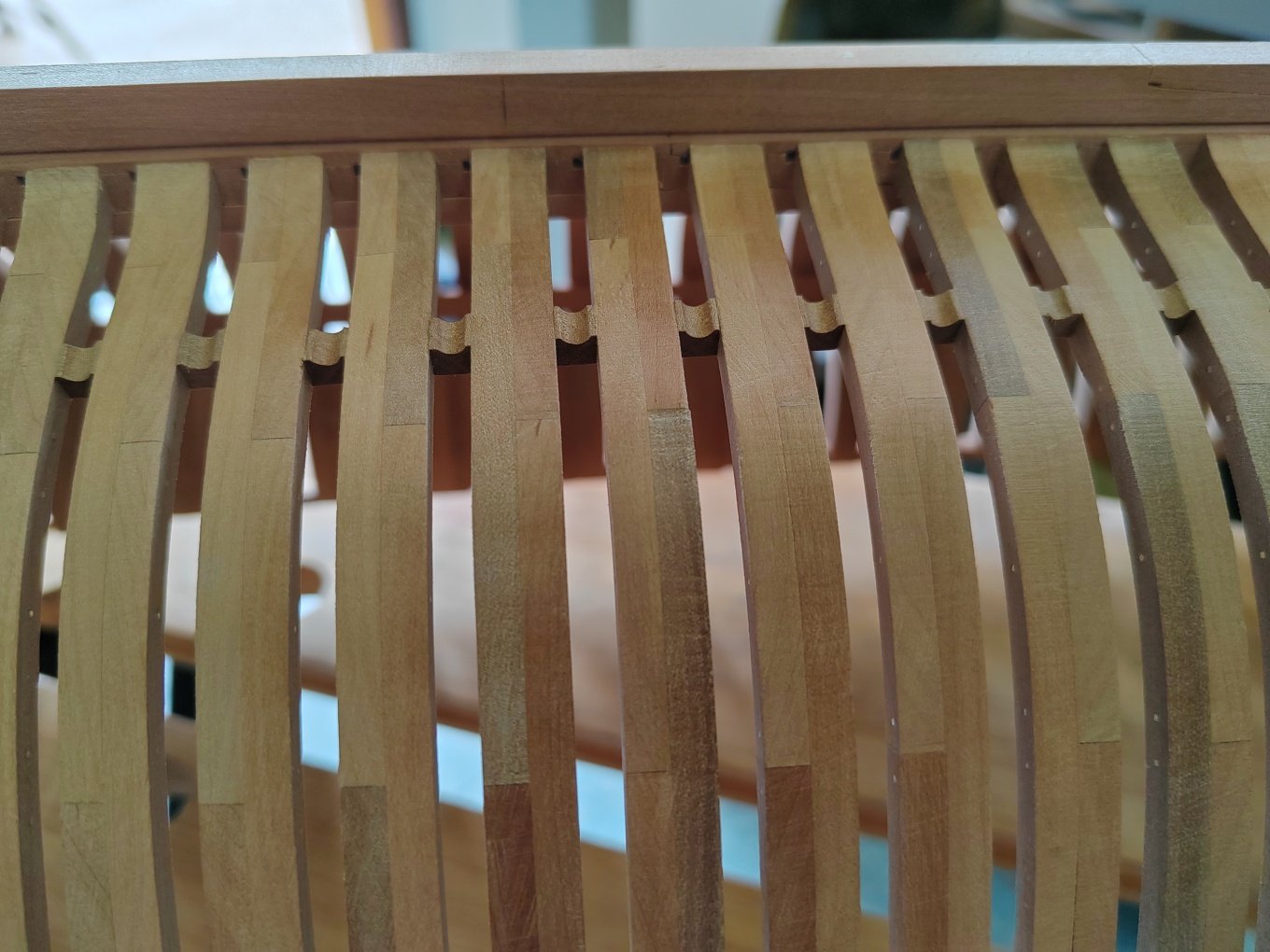
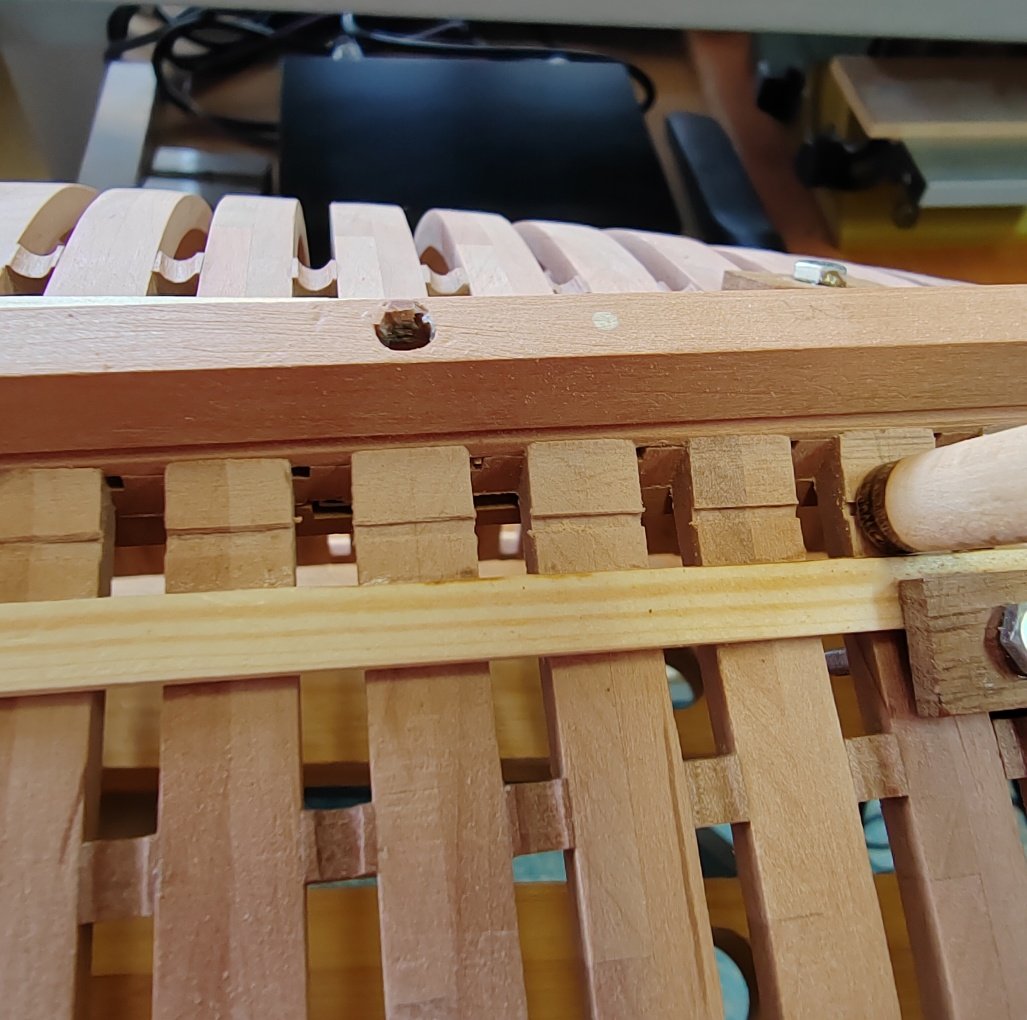
Thanky you Applying the deck clamp strengthened the hull so I could complete the limber-passage.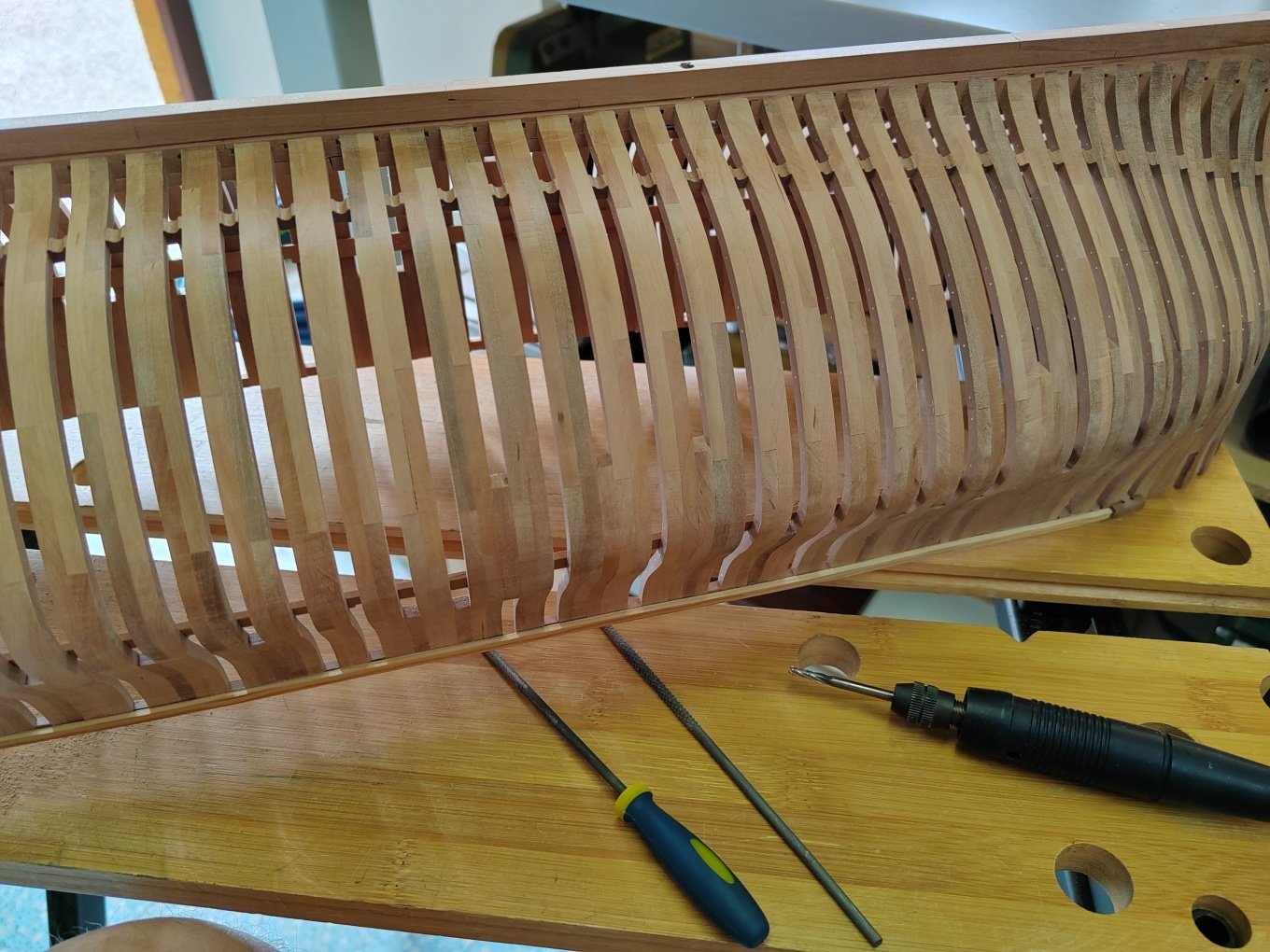
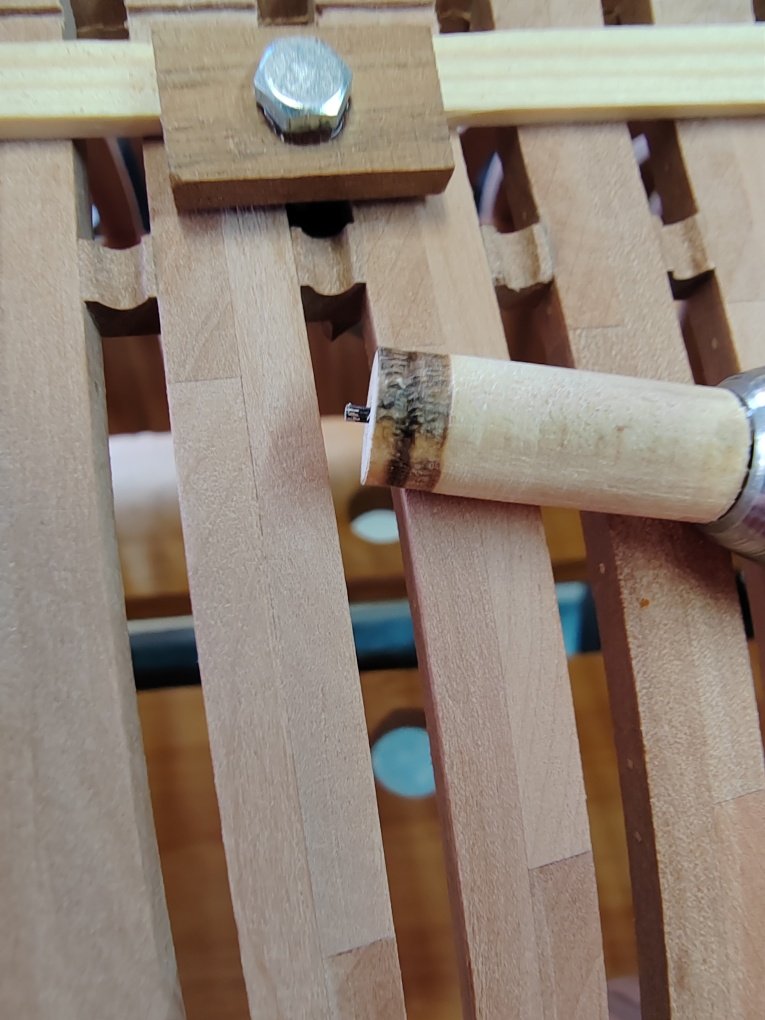
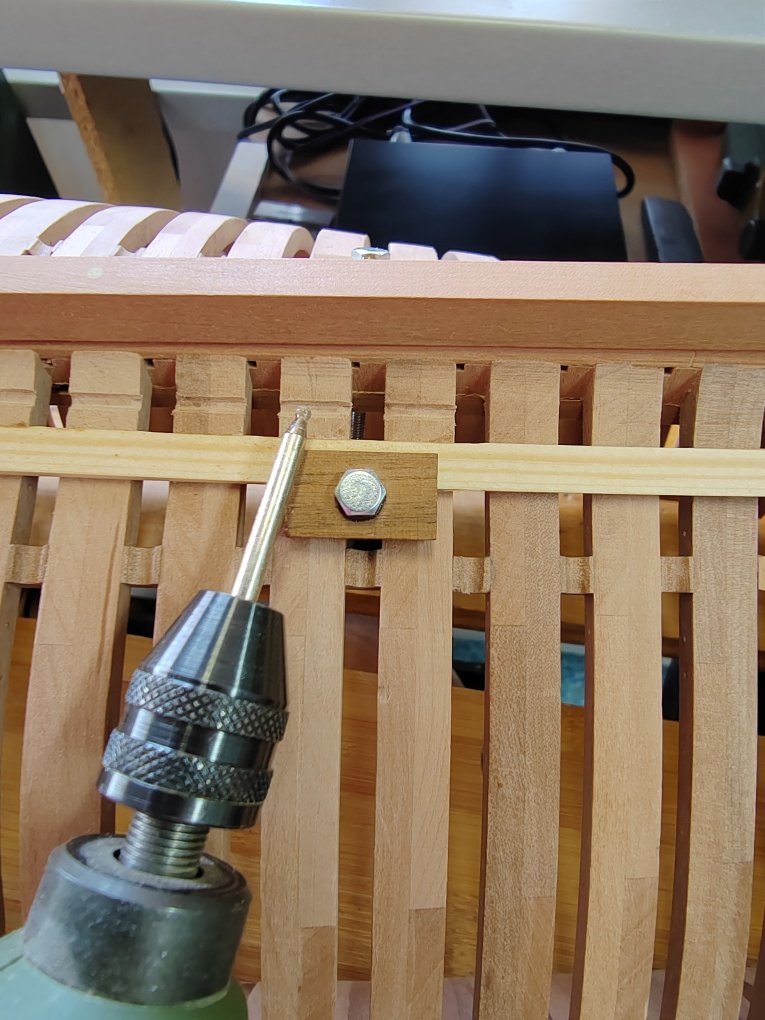
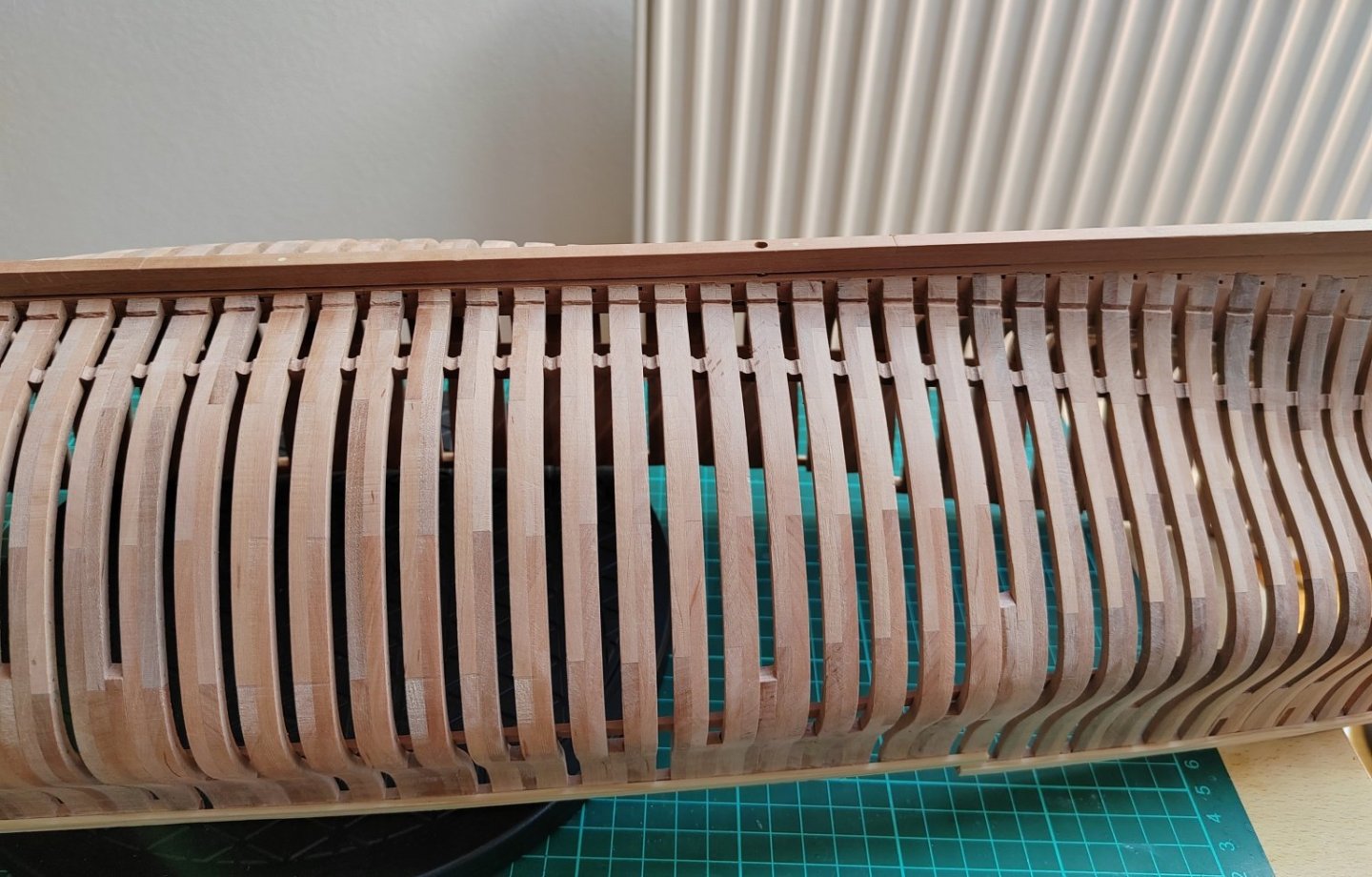
-
L'Amarante by marsalv - 1:36 - POF
marsalv replied to marsalv's topic in - Build logs for subjects built 1501 - 1750
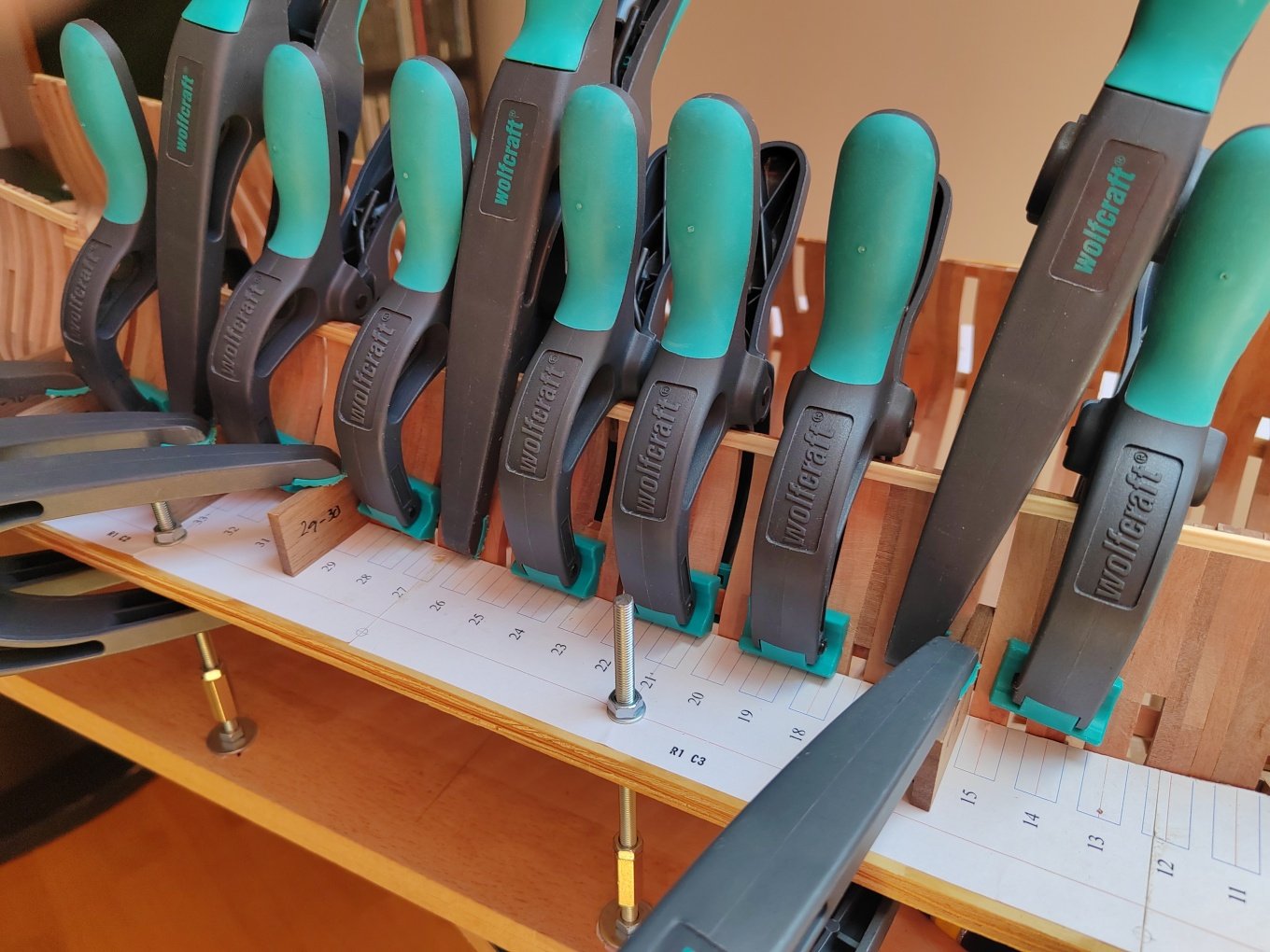
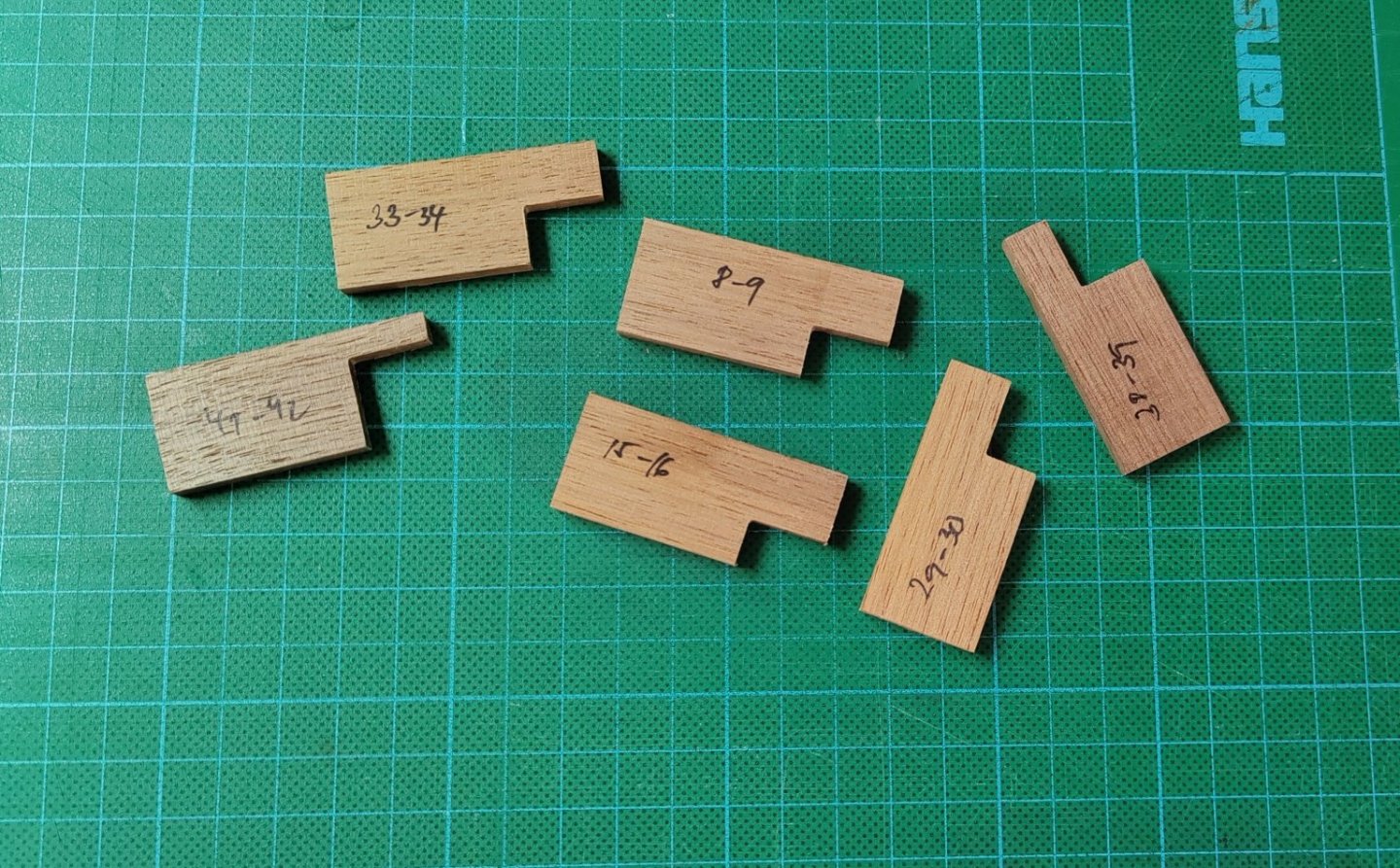
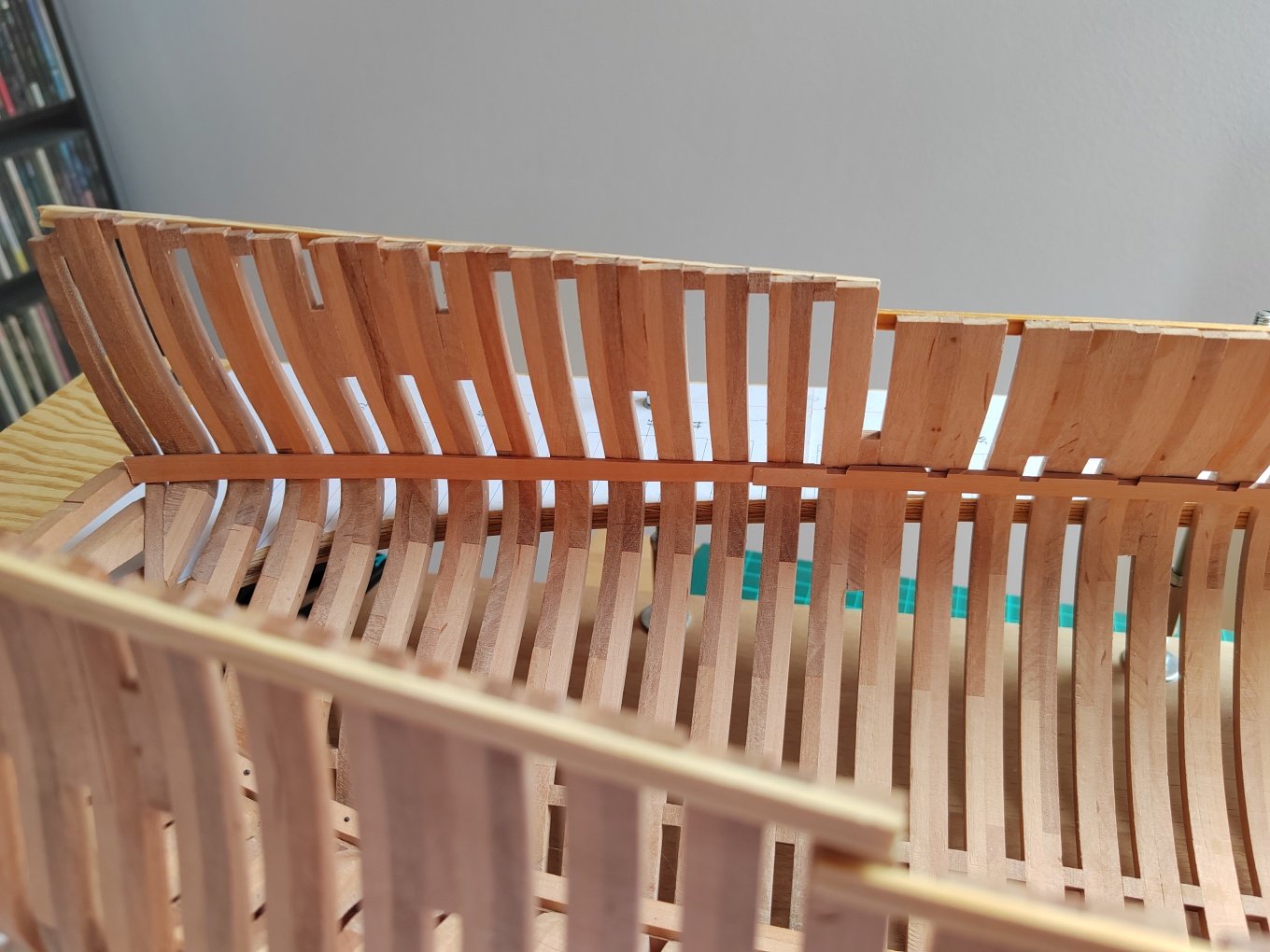
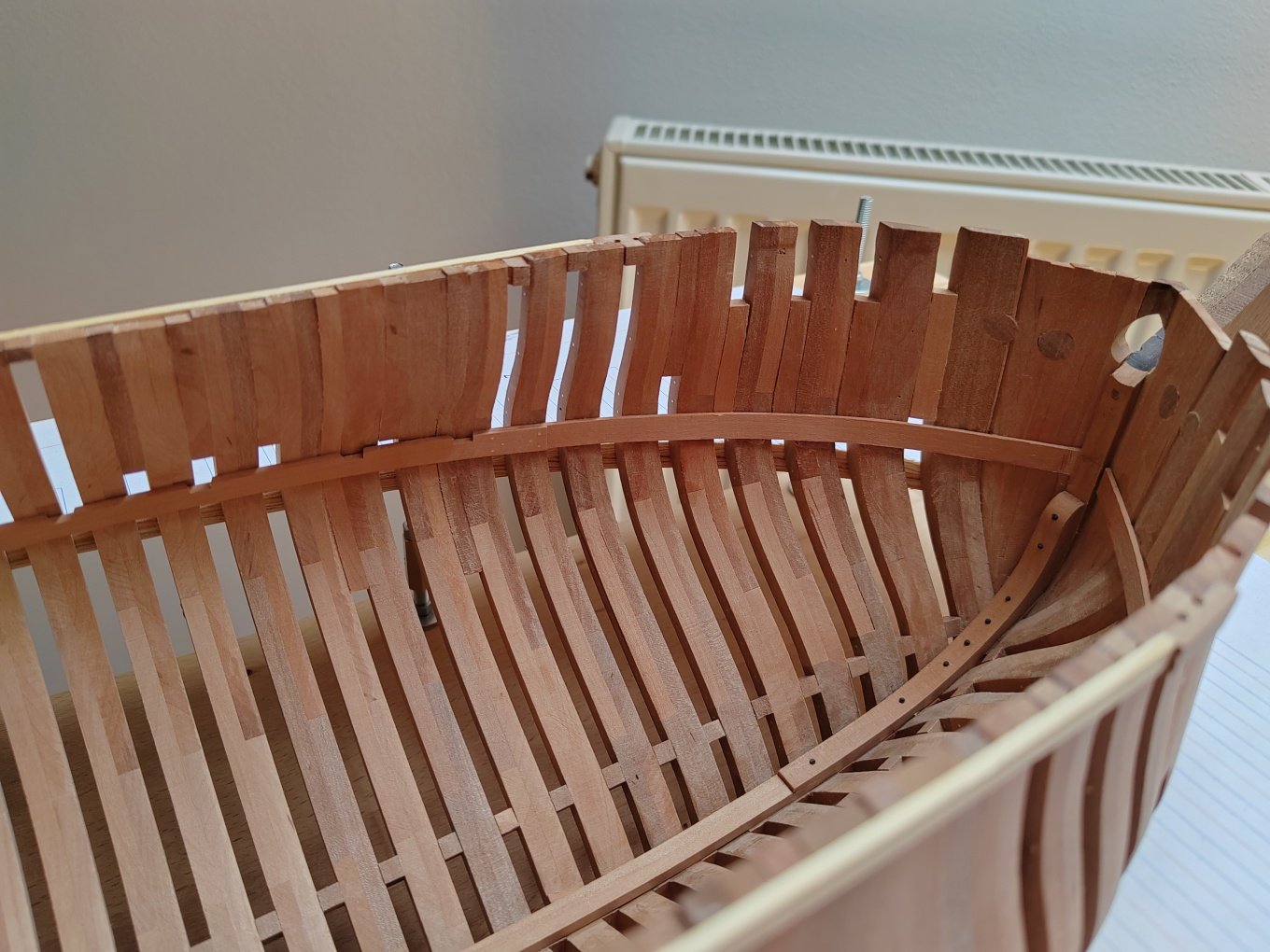
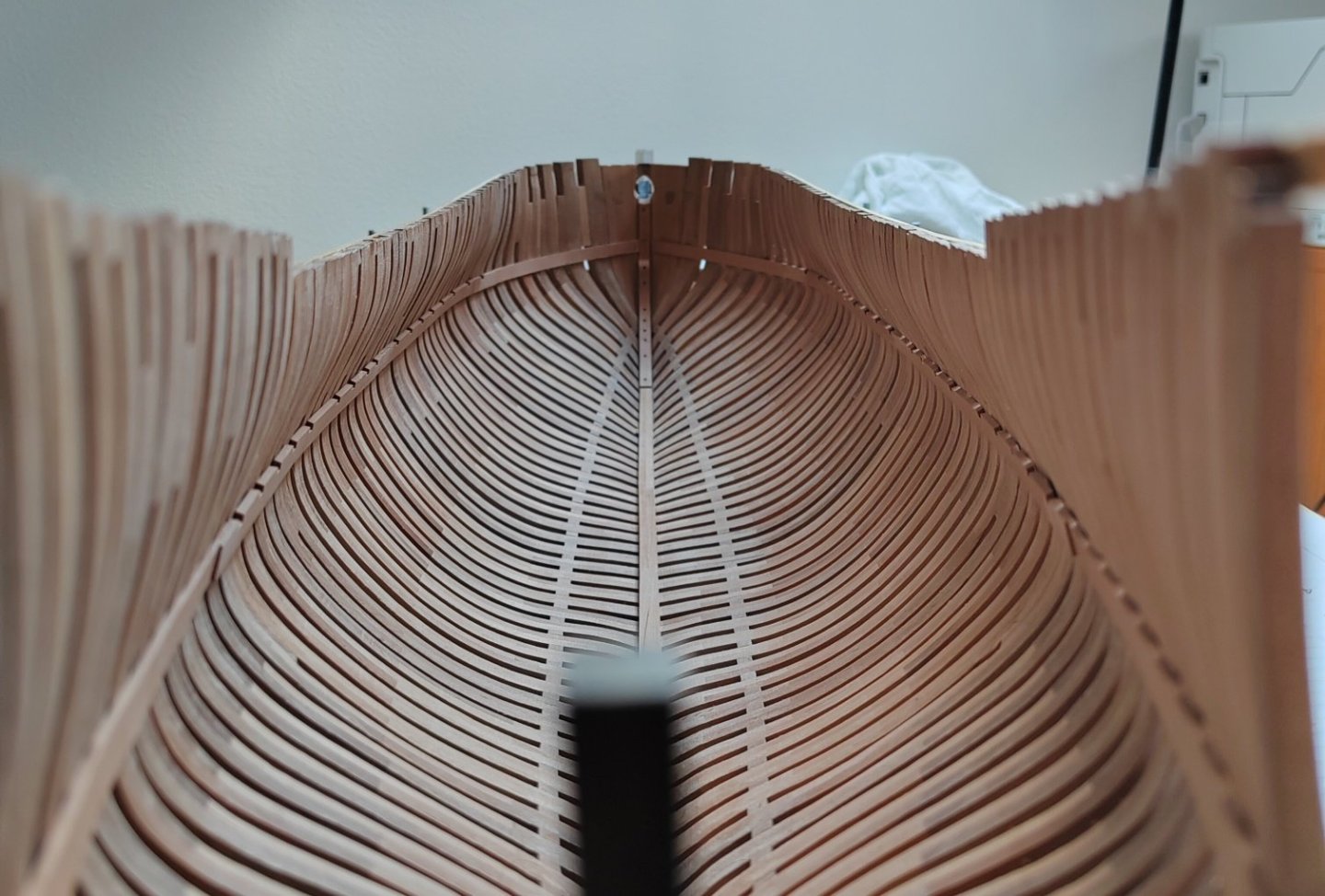
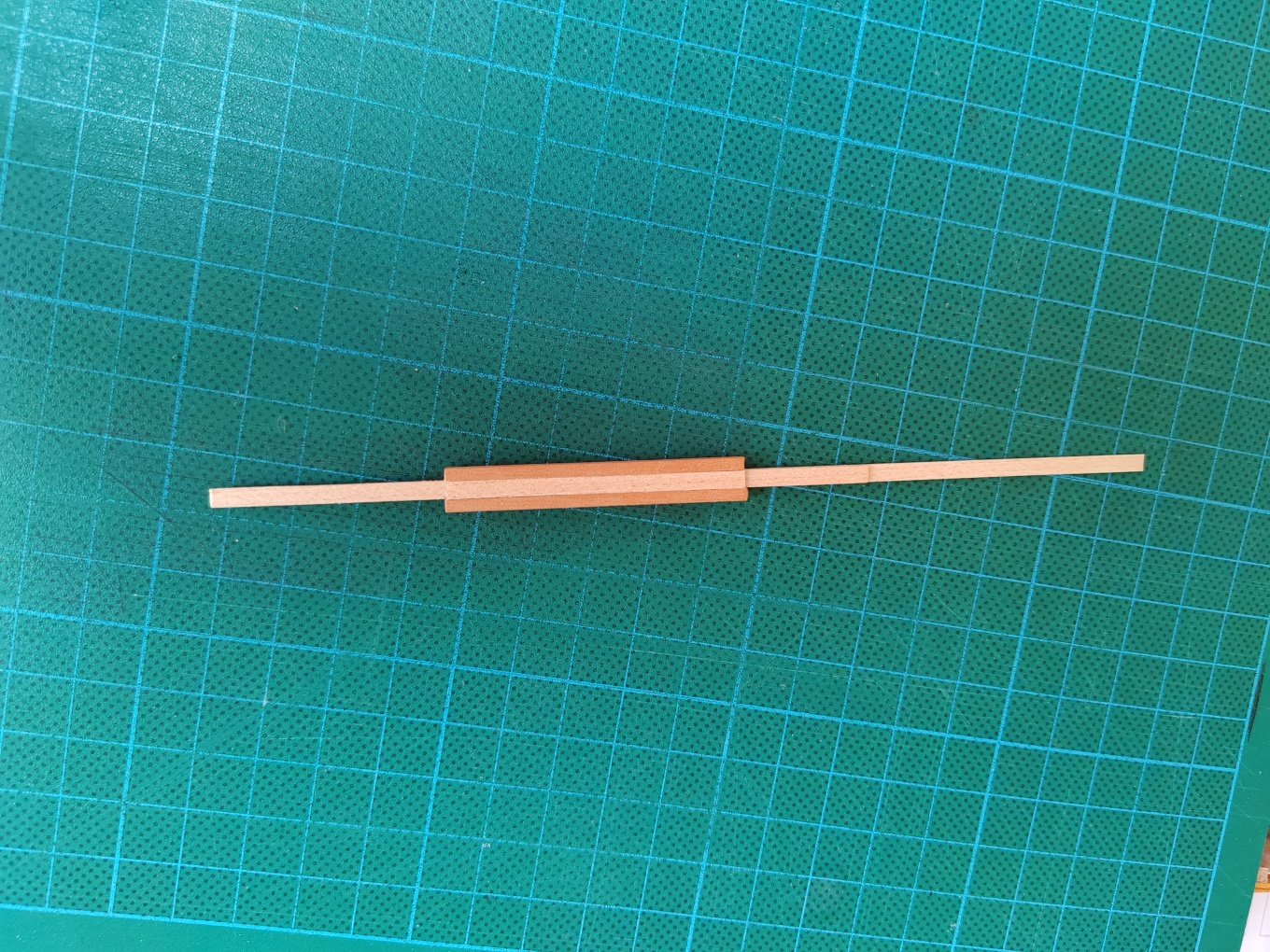
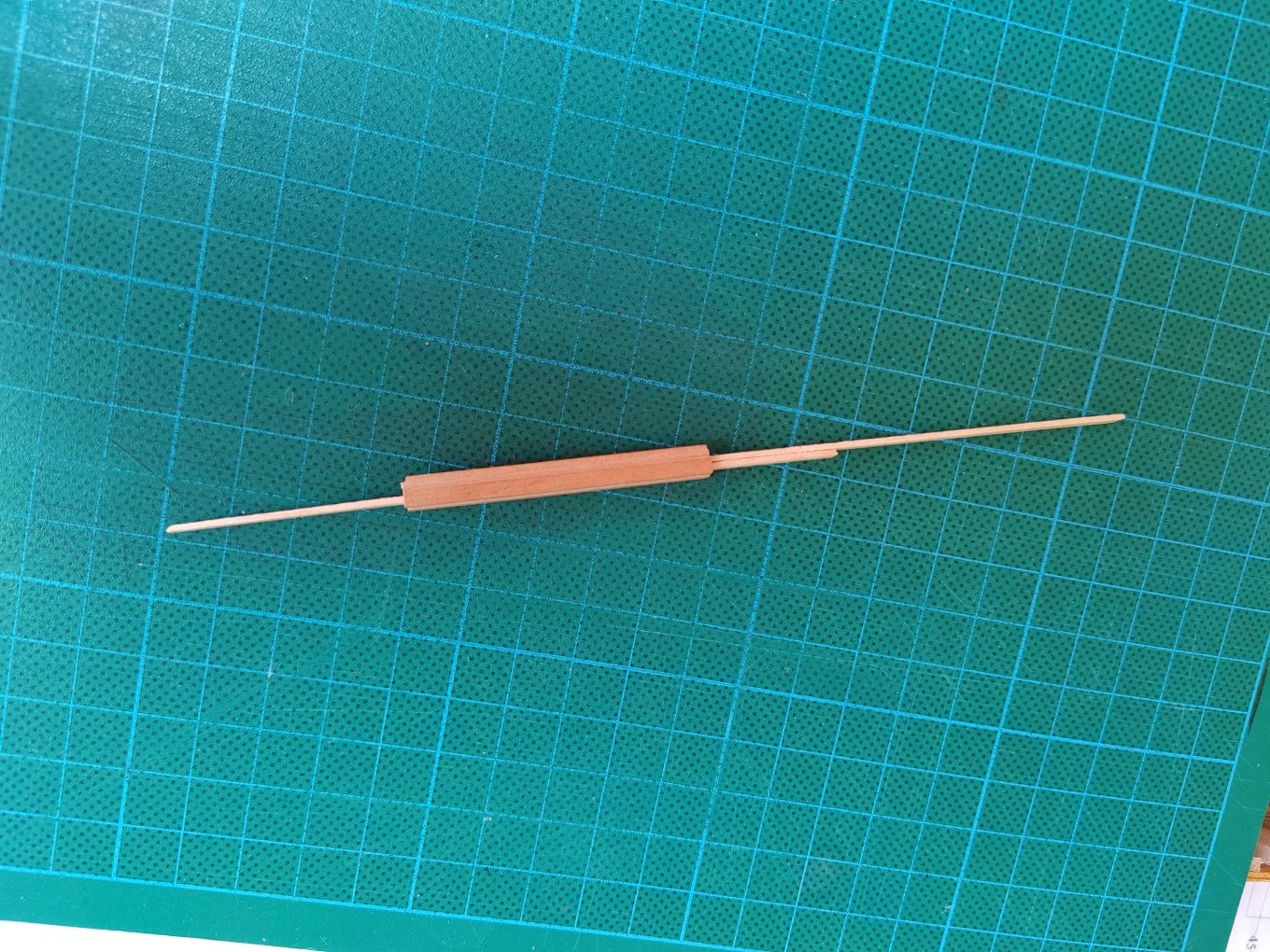
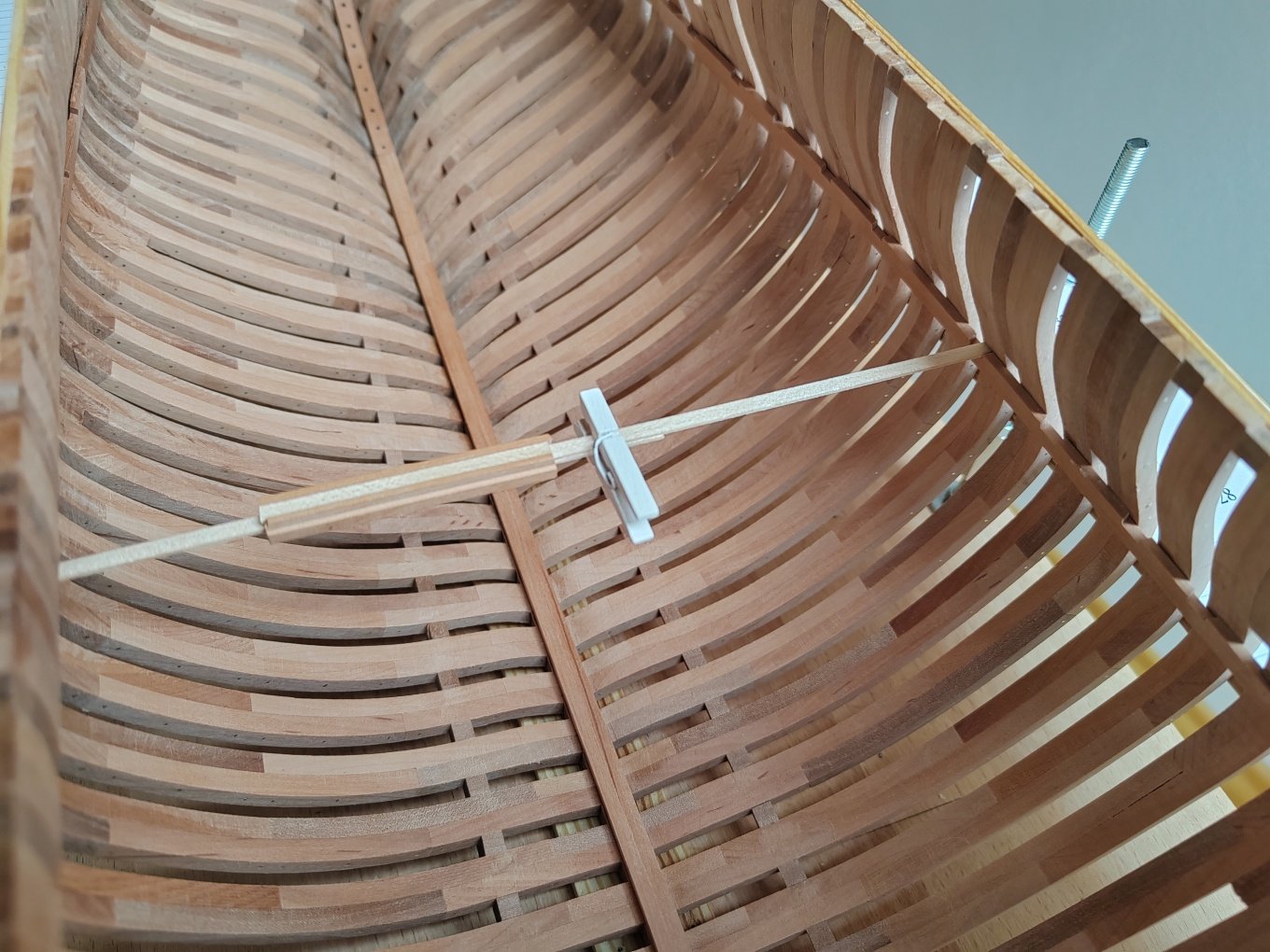
Gluing deck clamp, making temporary deck beams to check the location.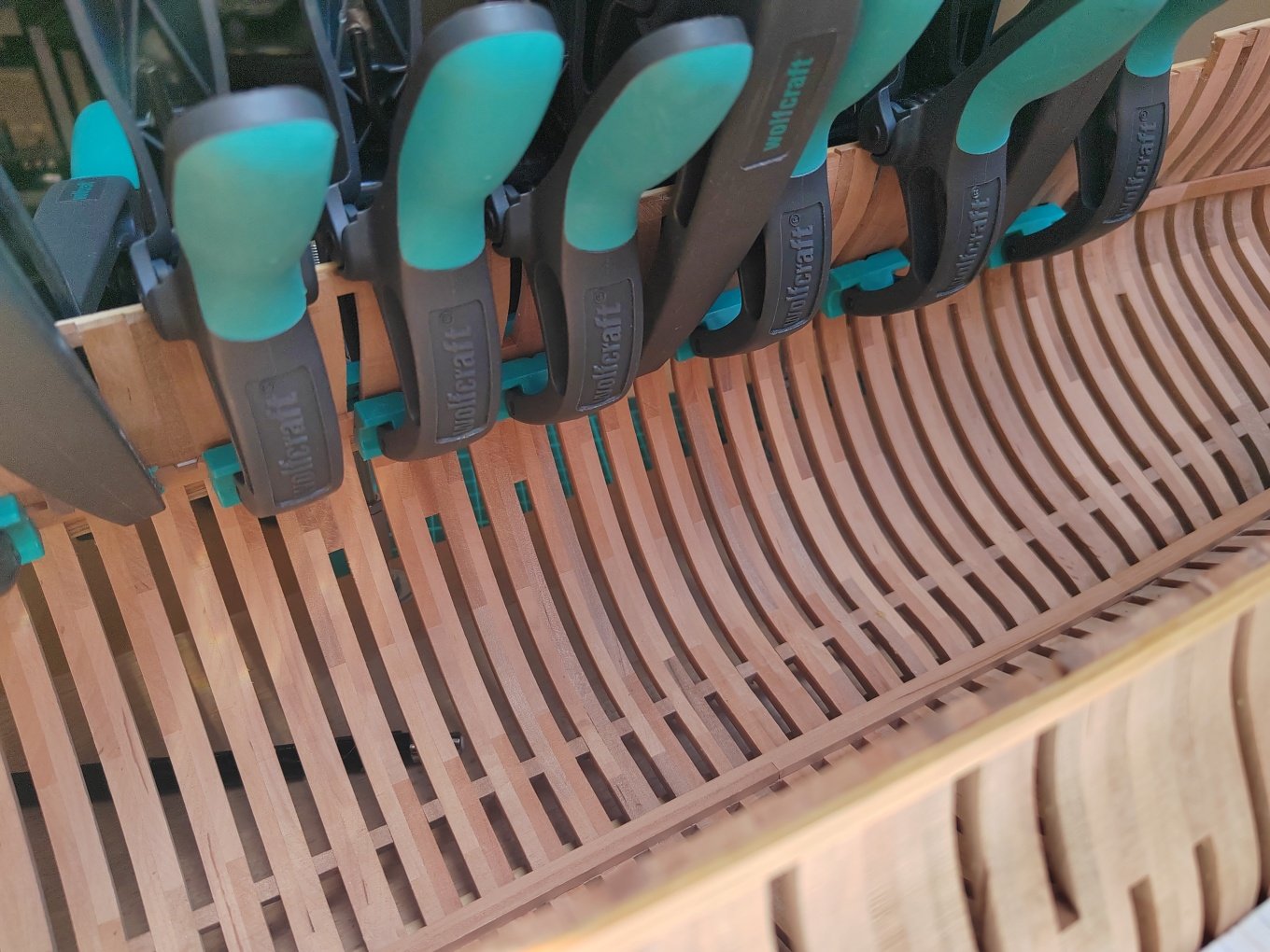
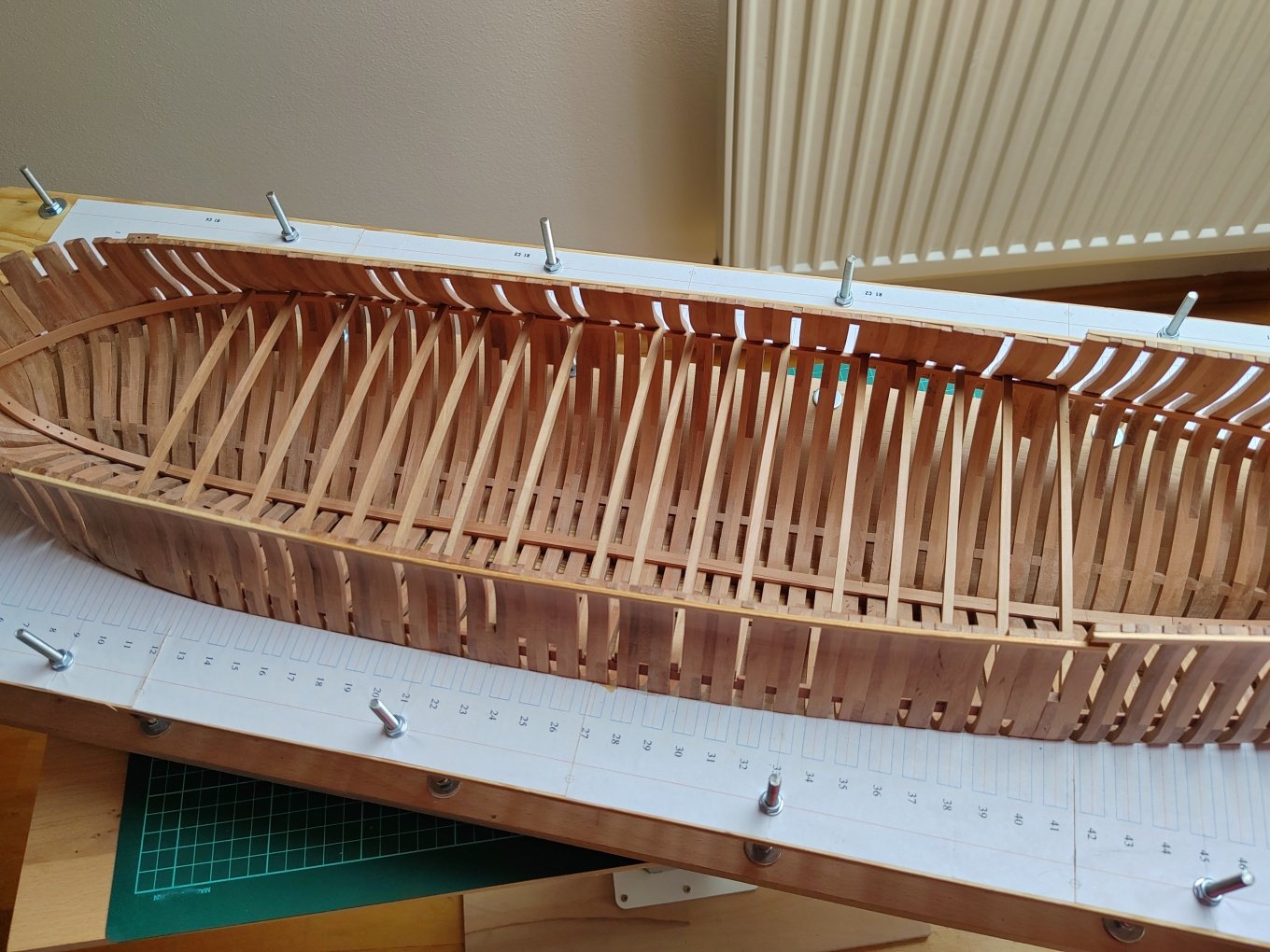
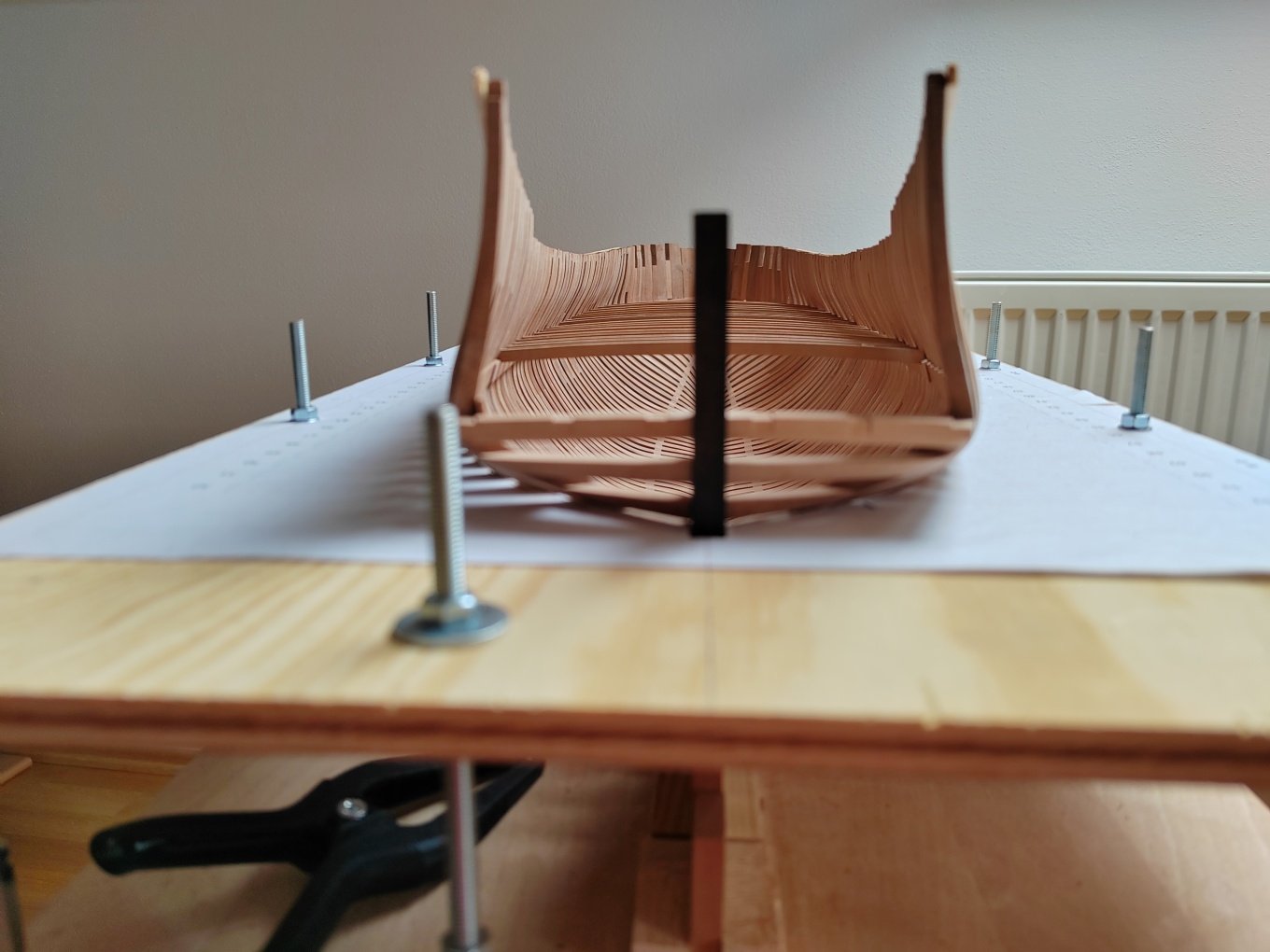
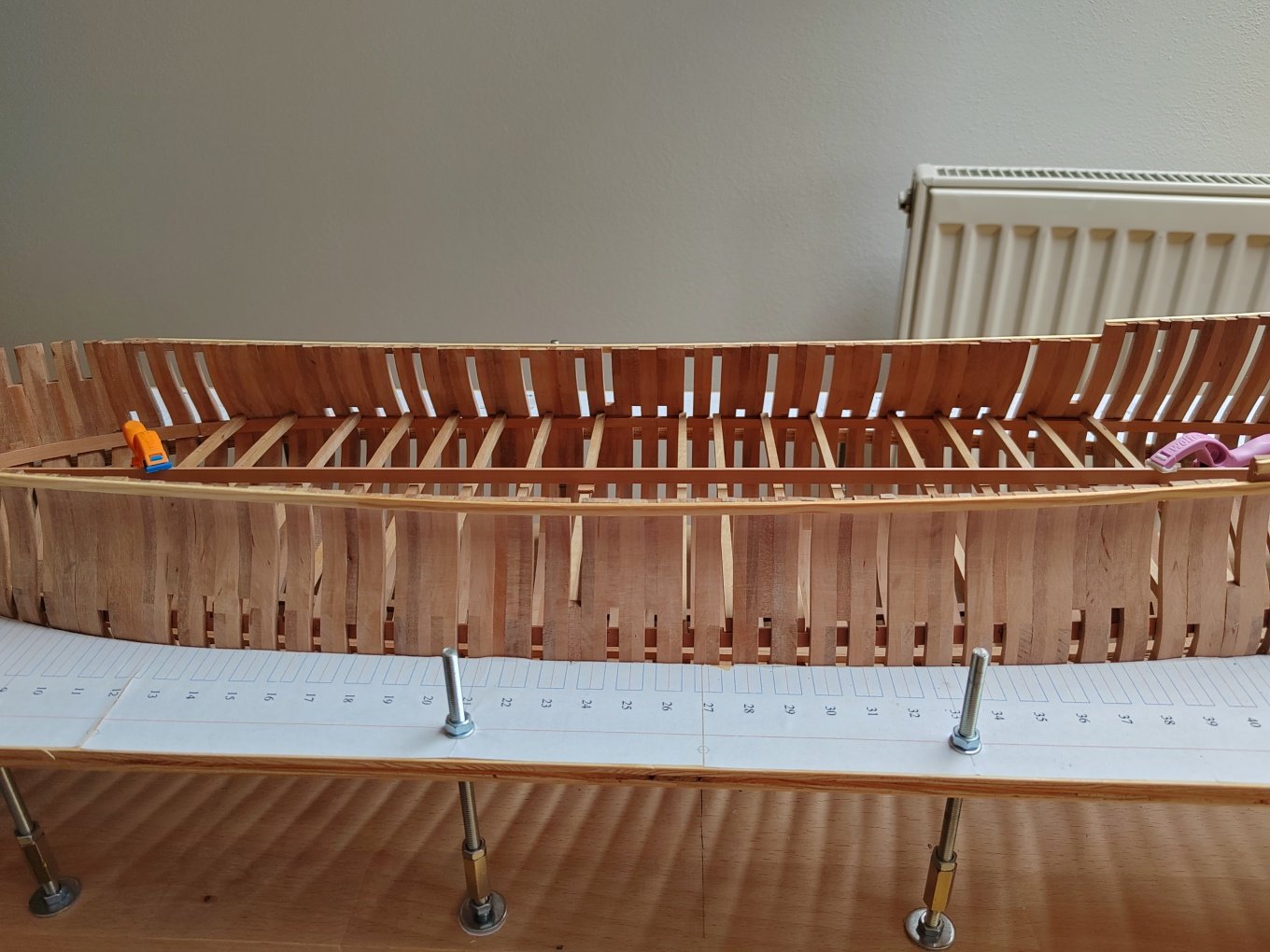
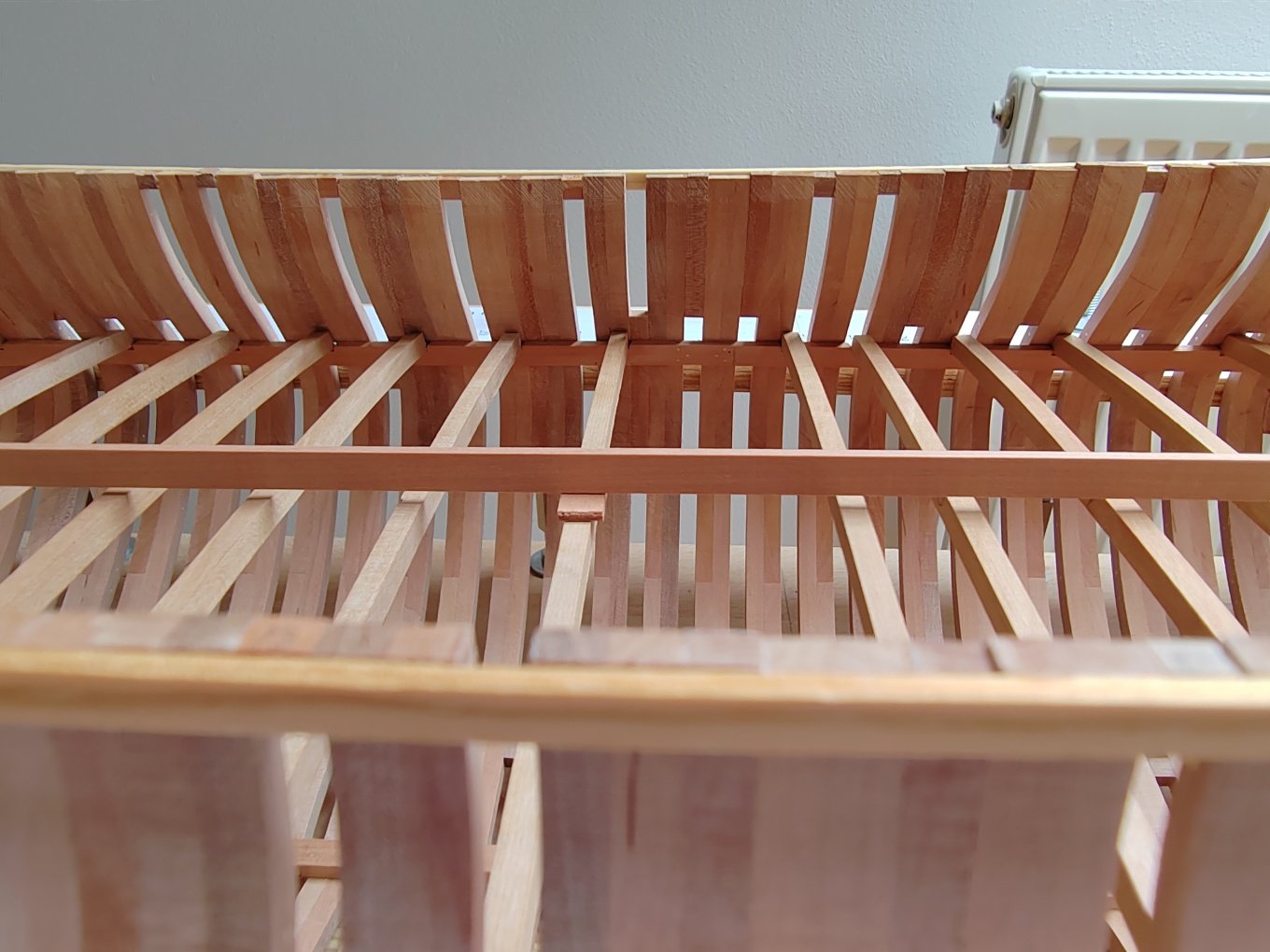
-
L'Amarante by marsalv - 1:36 - POF
marsalv replied to marsalv's topic in - Build logs for subjects built 1501 - 1750
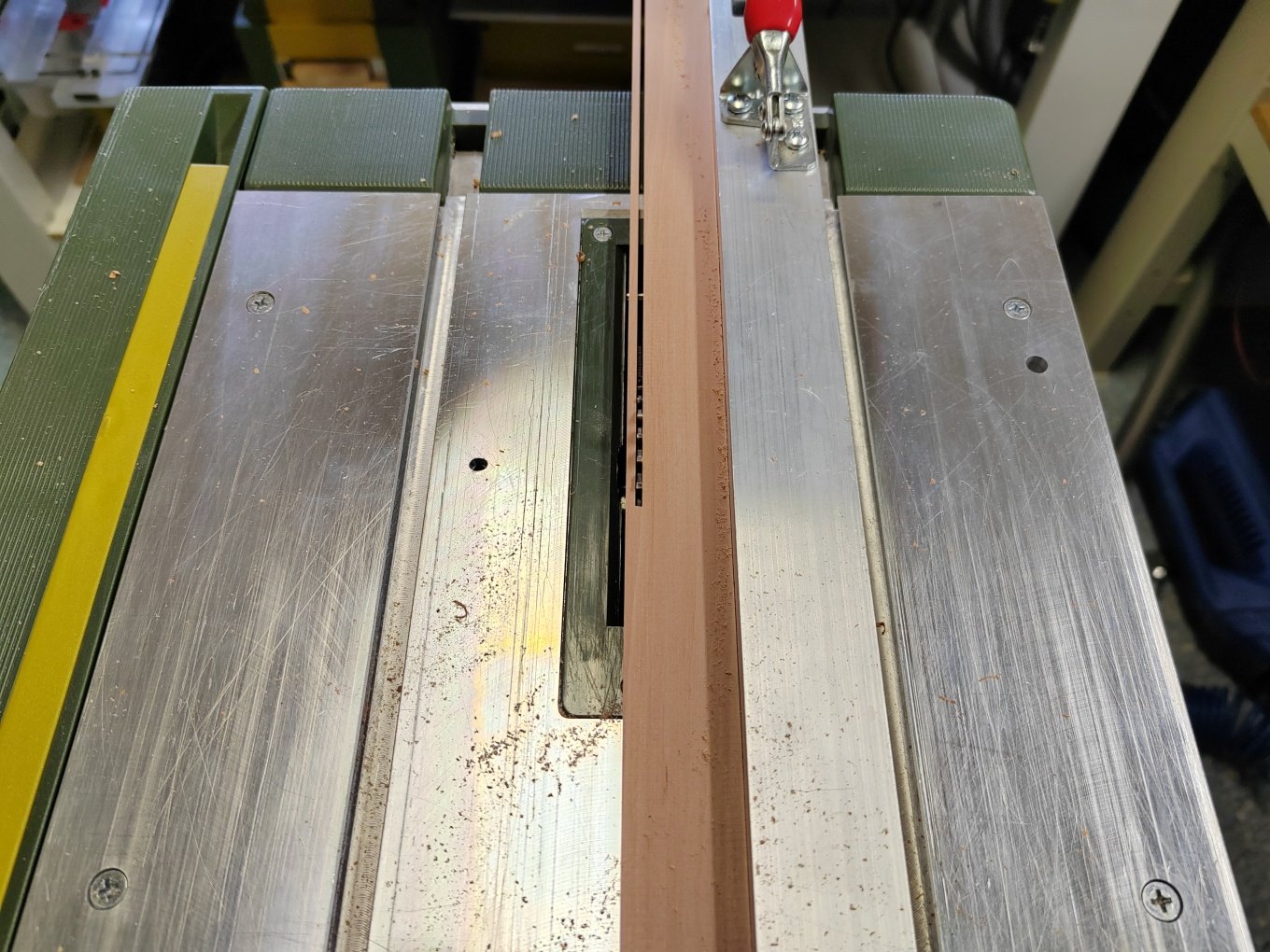
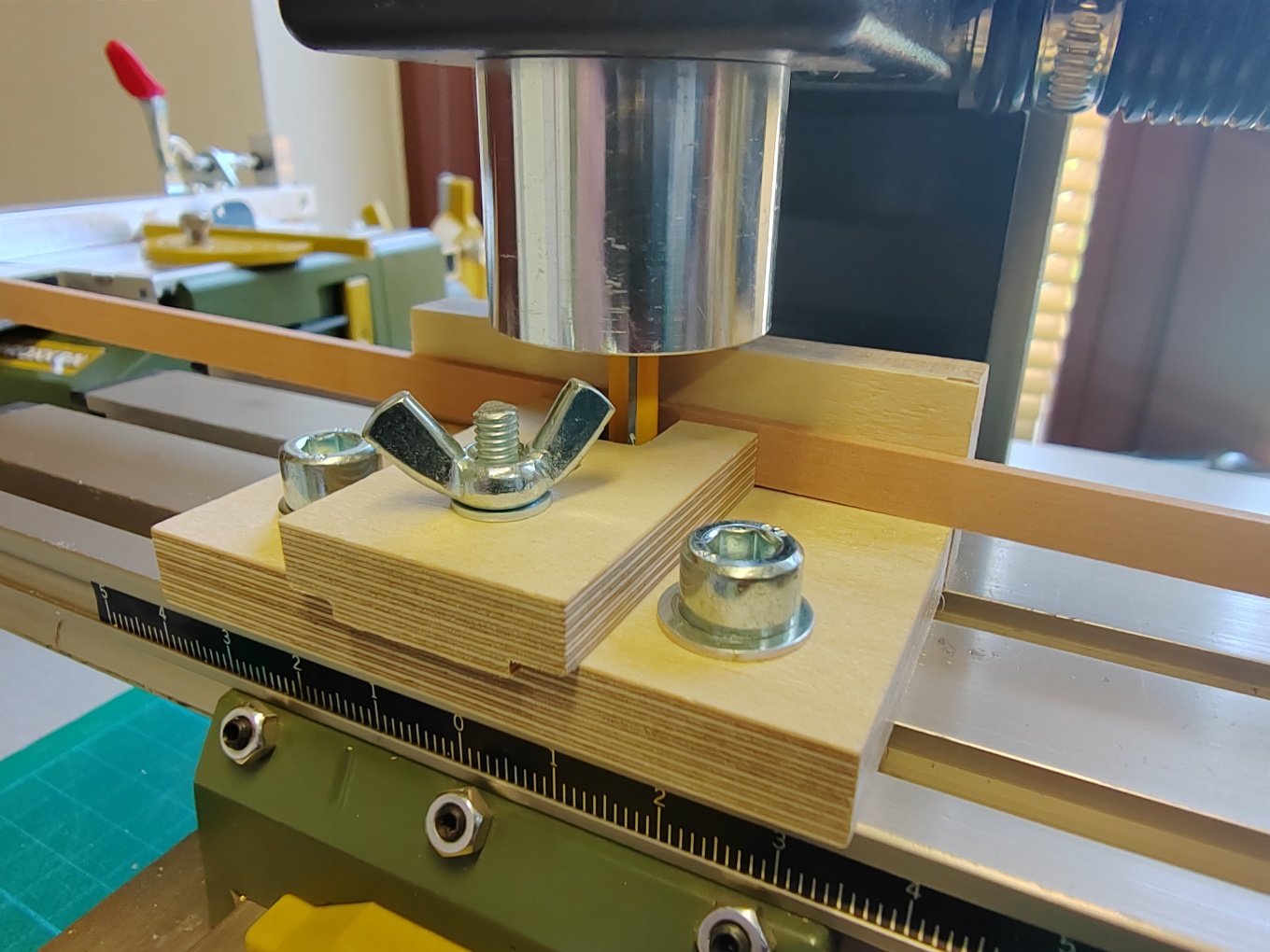
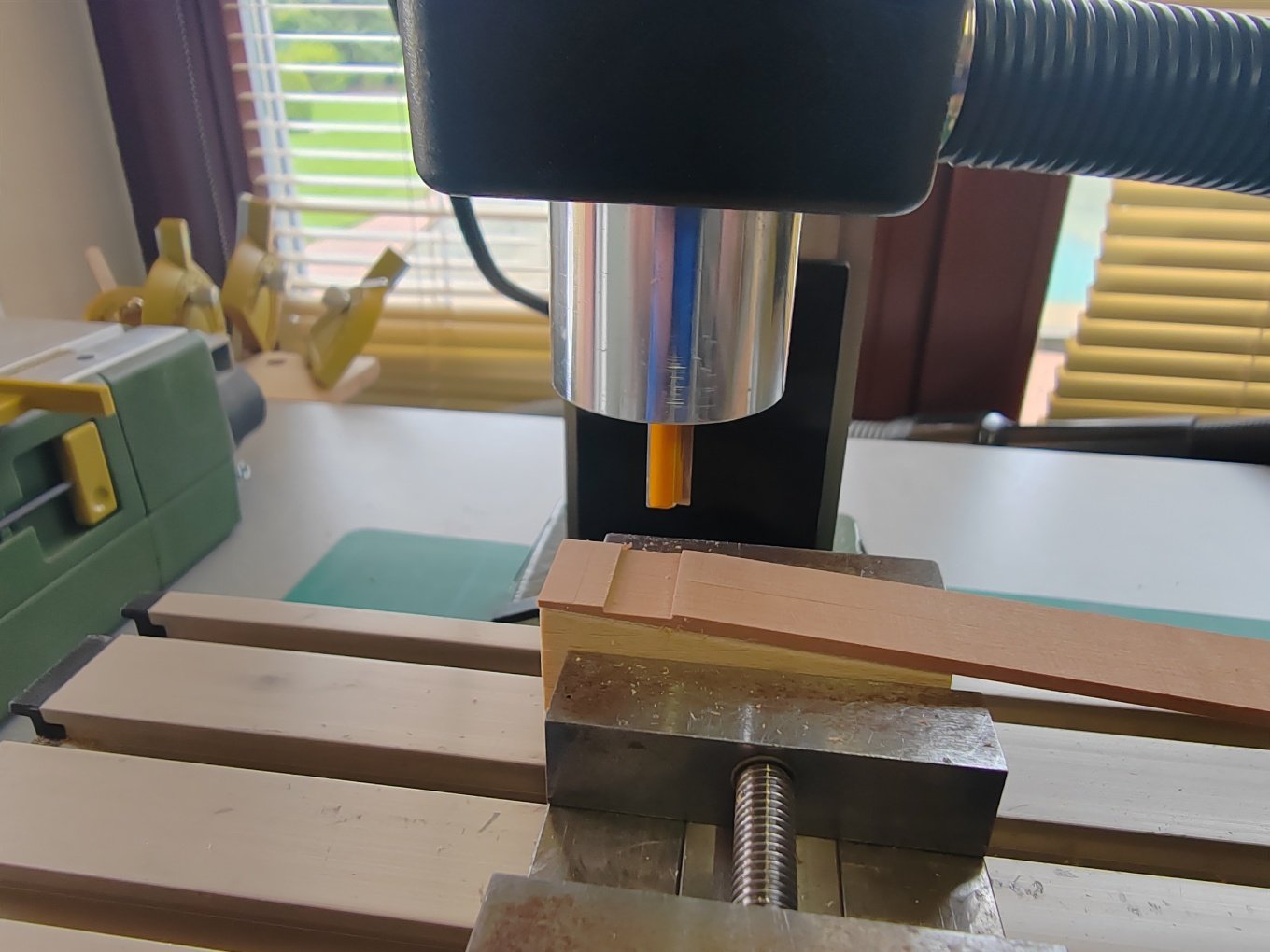
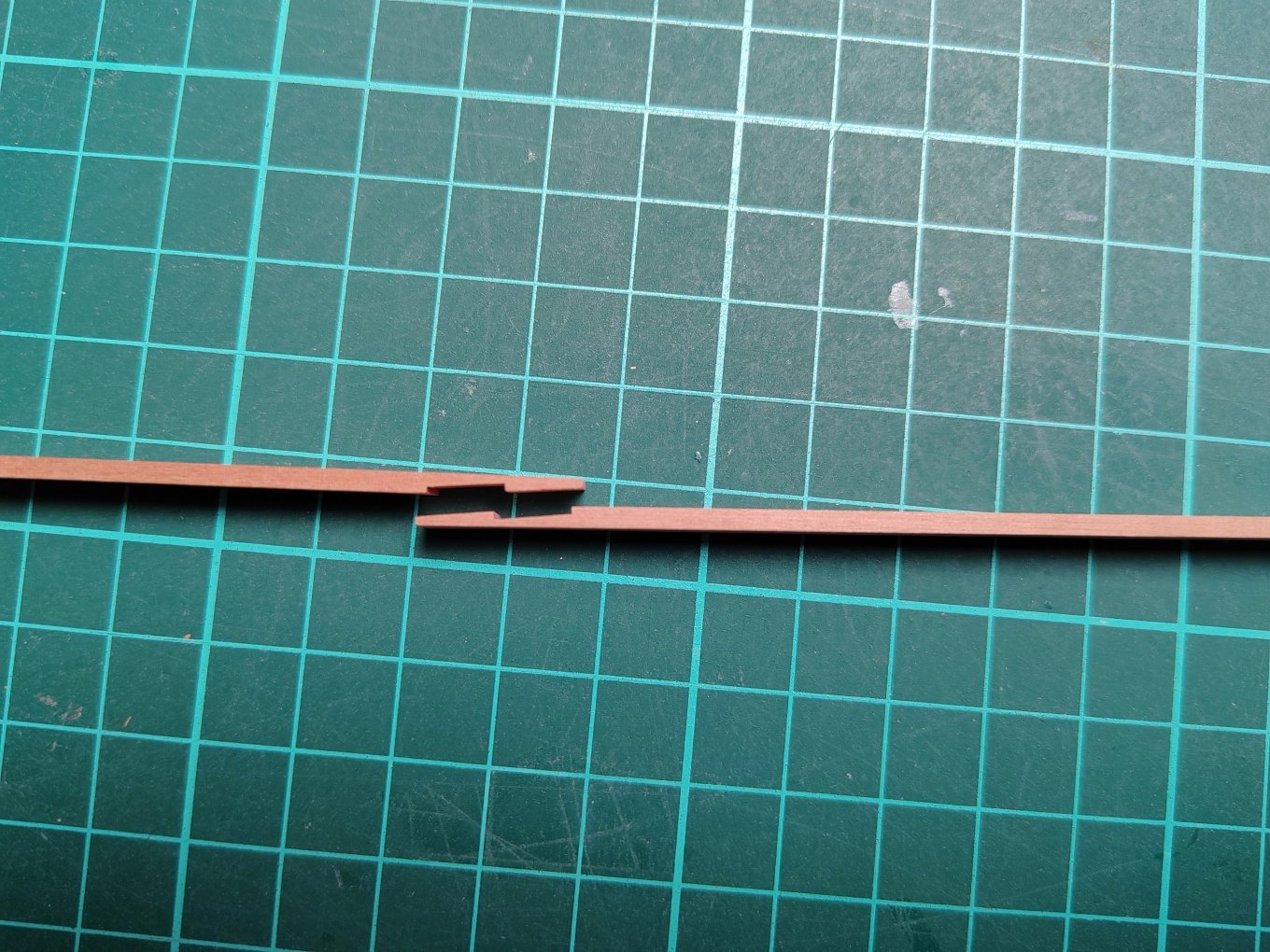
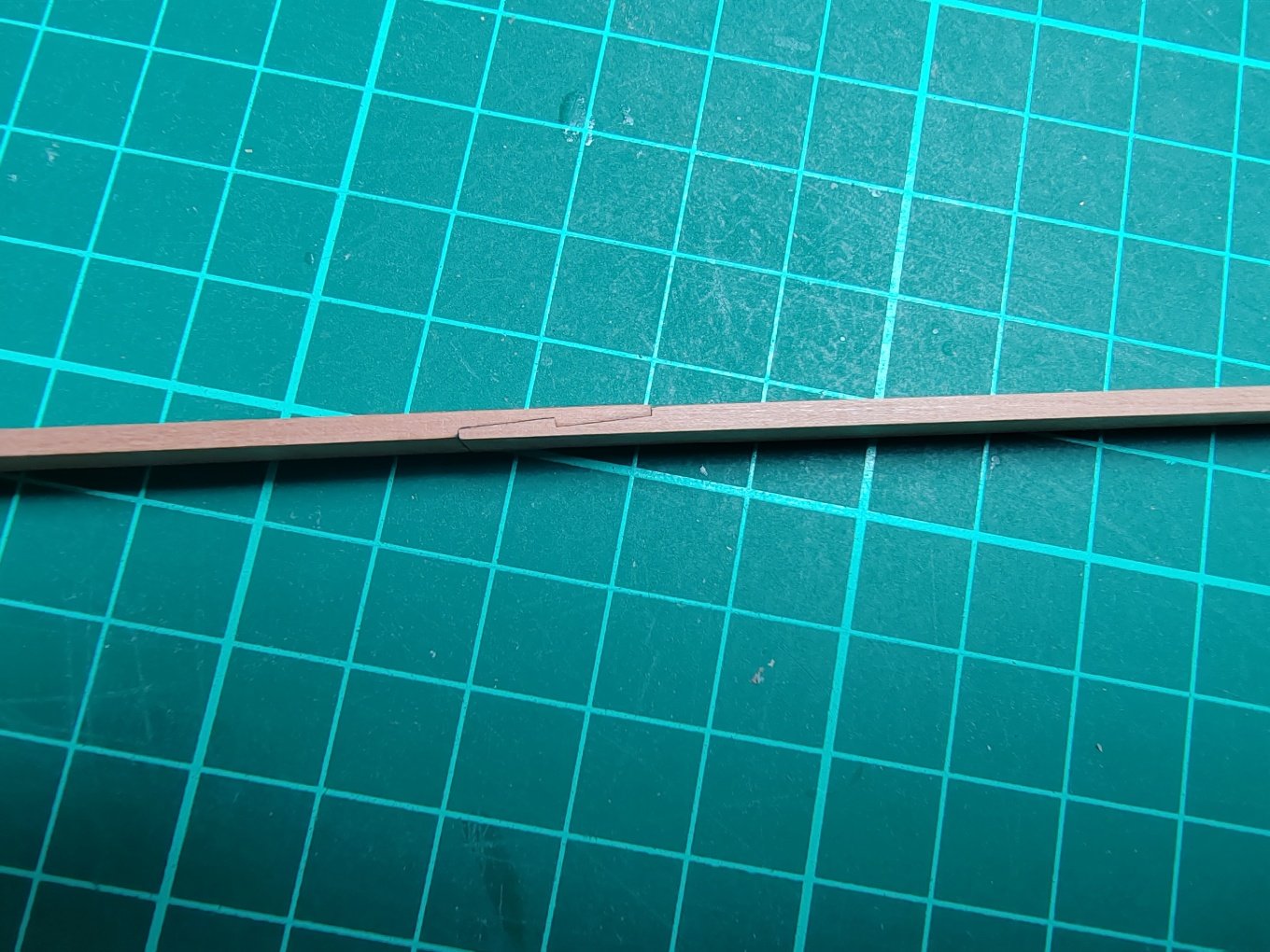
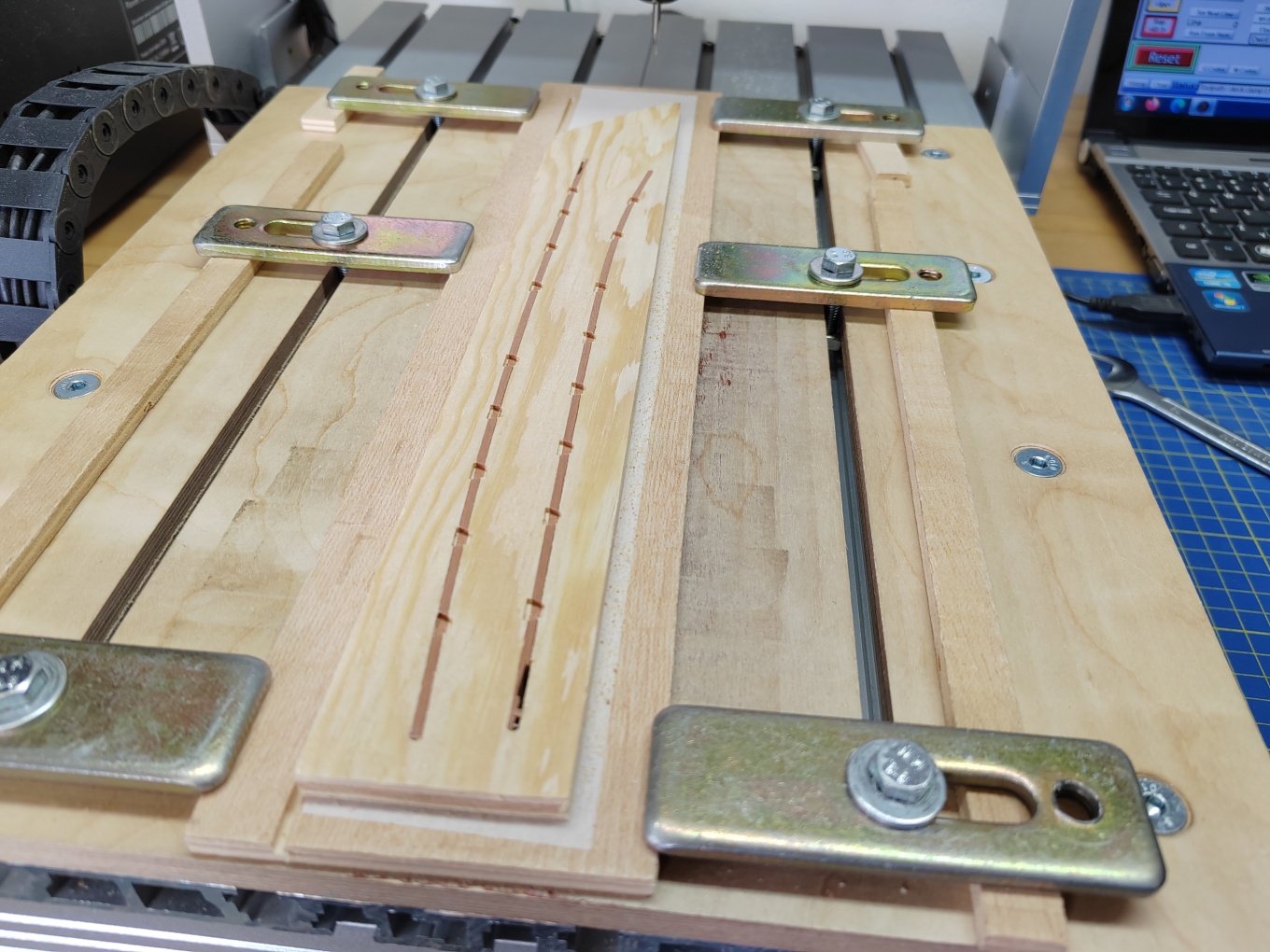
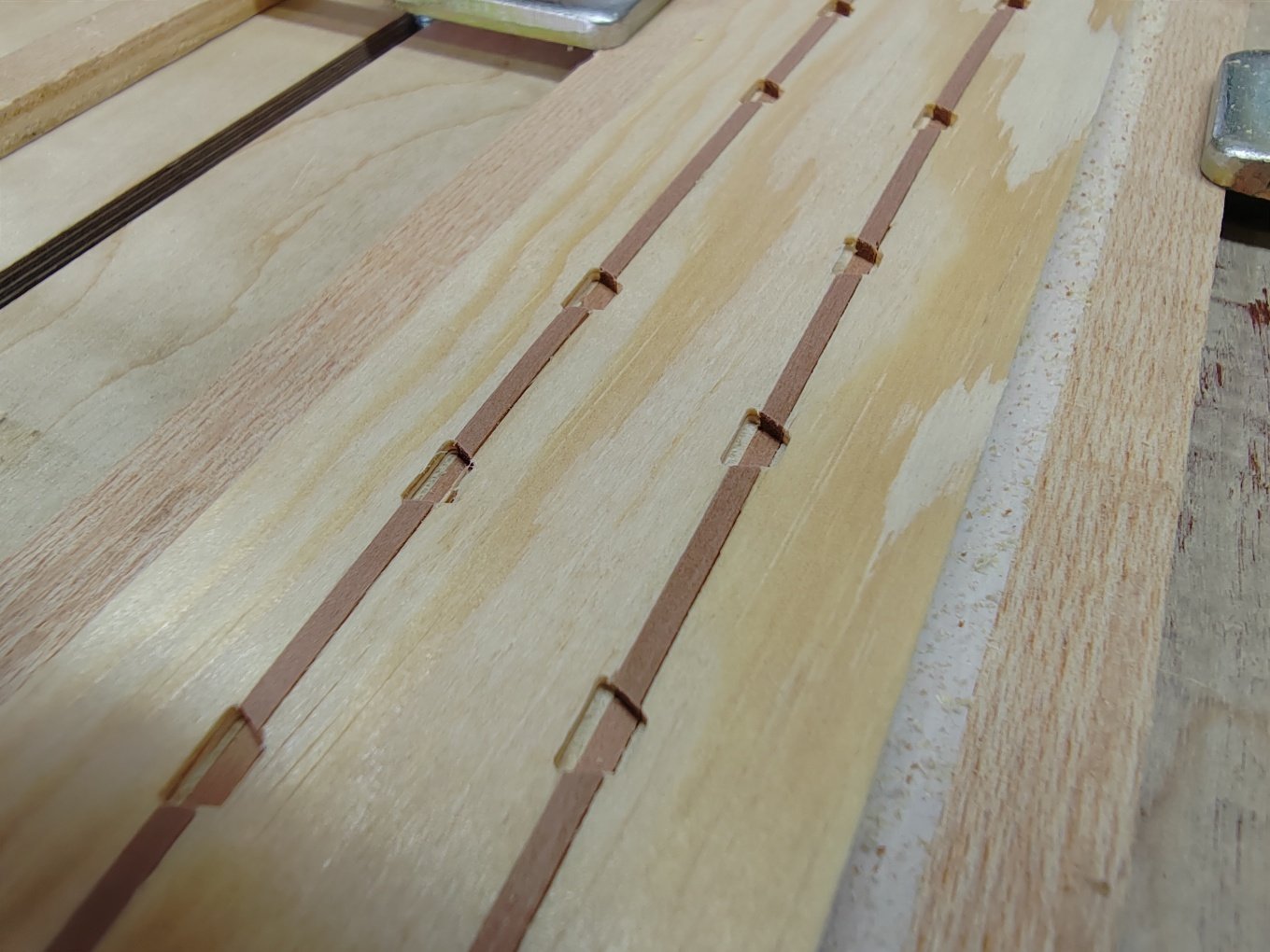
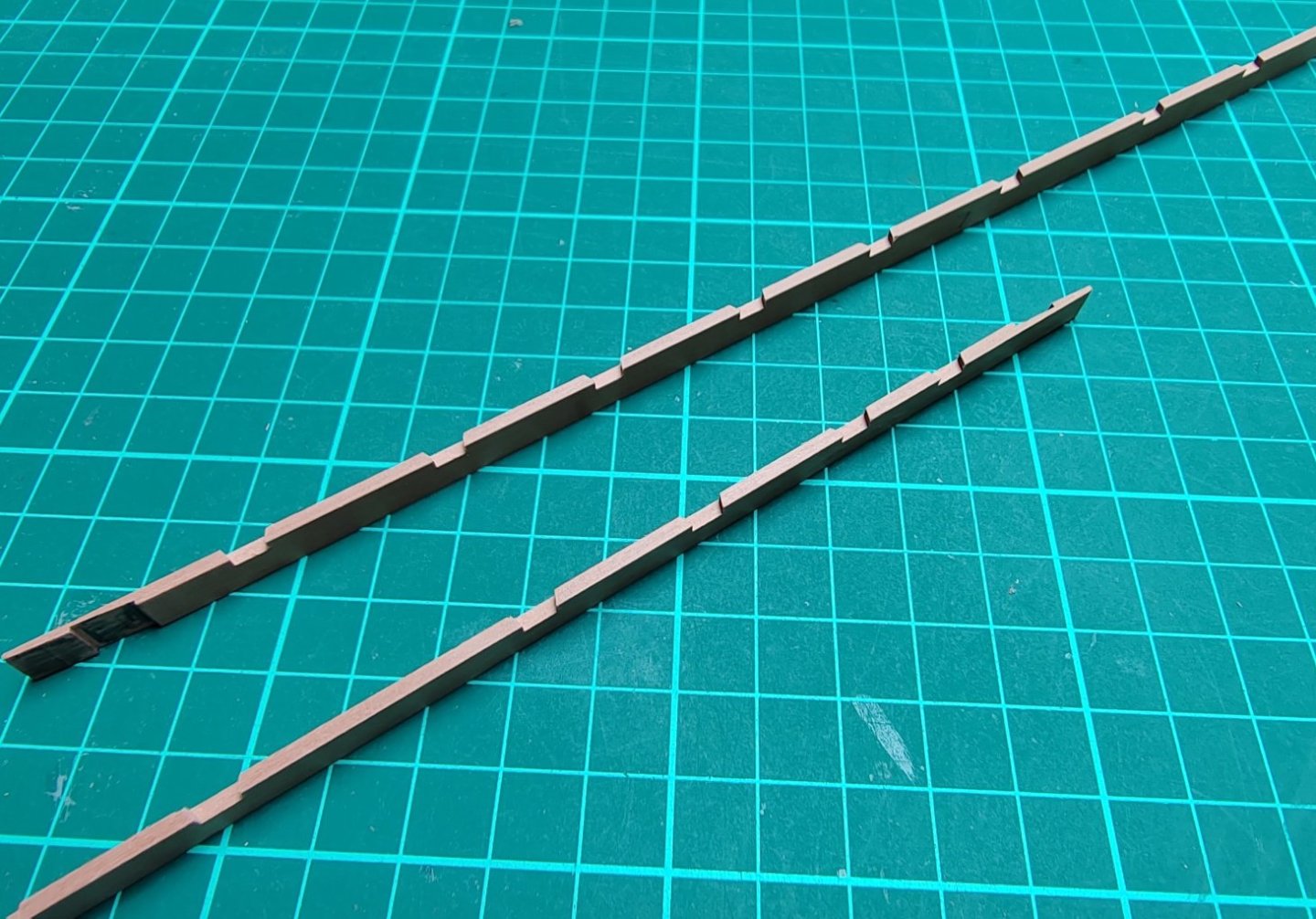
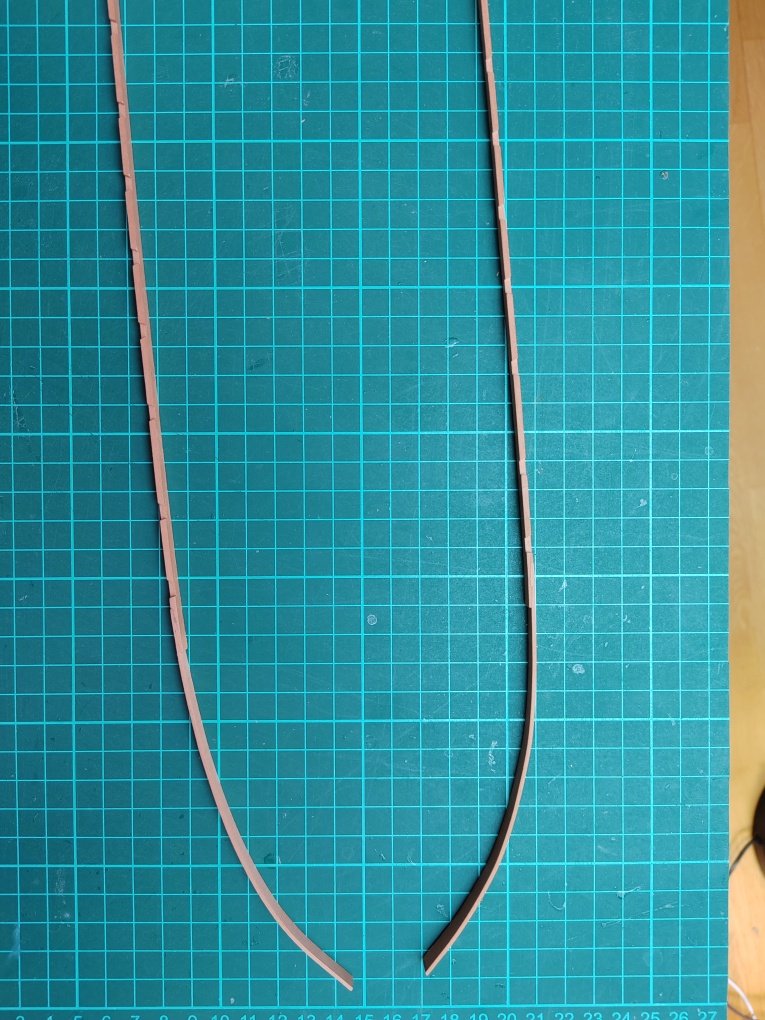
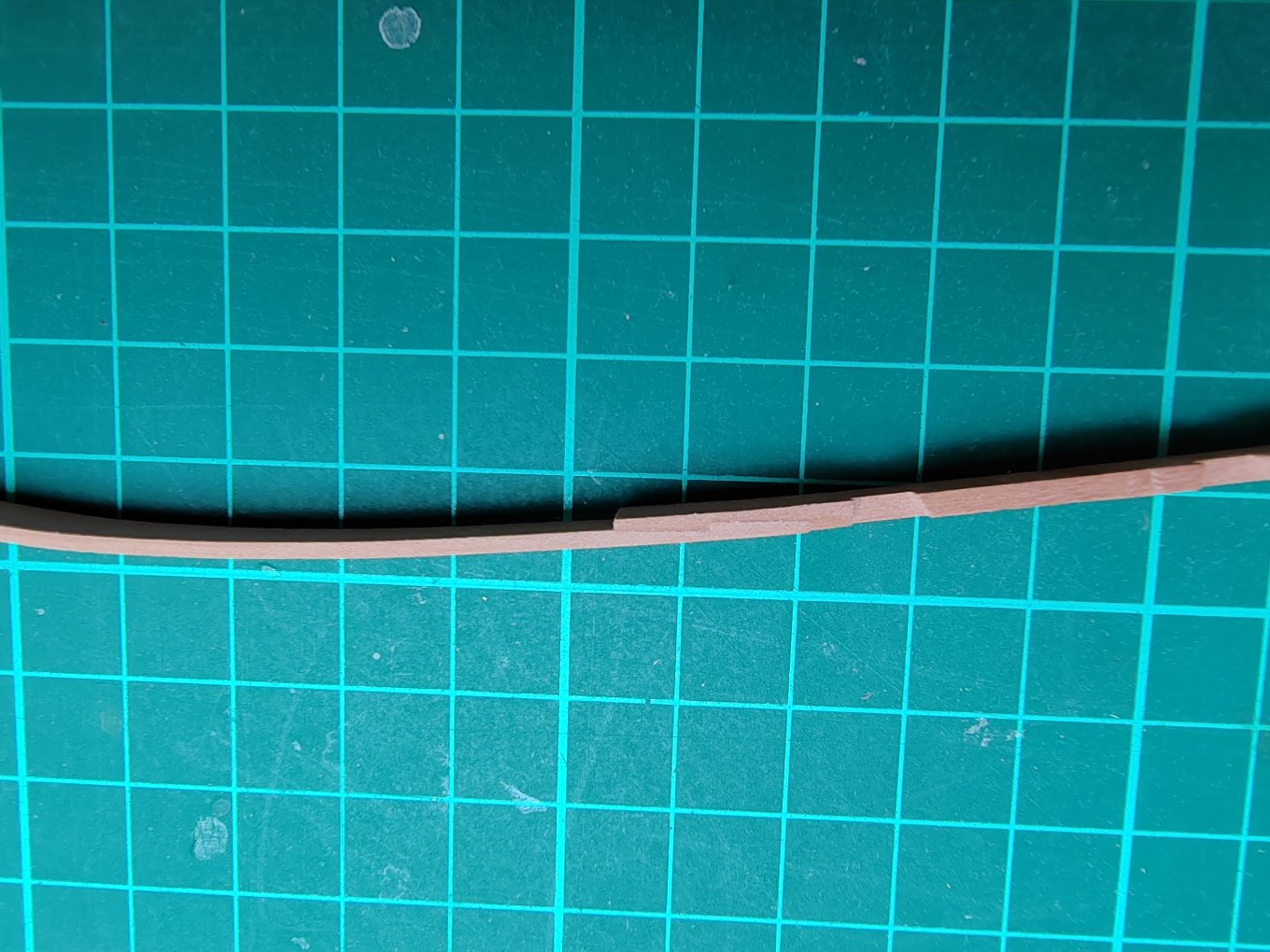
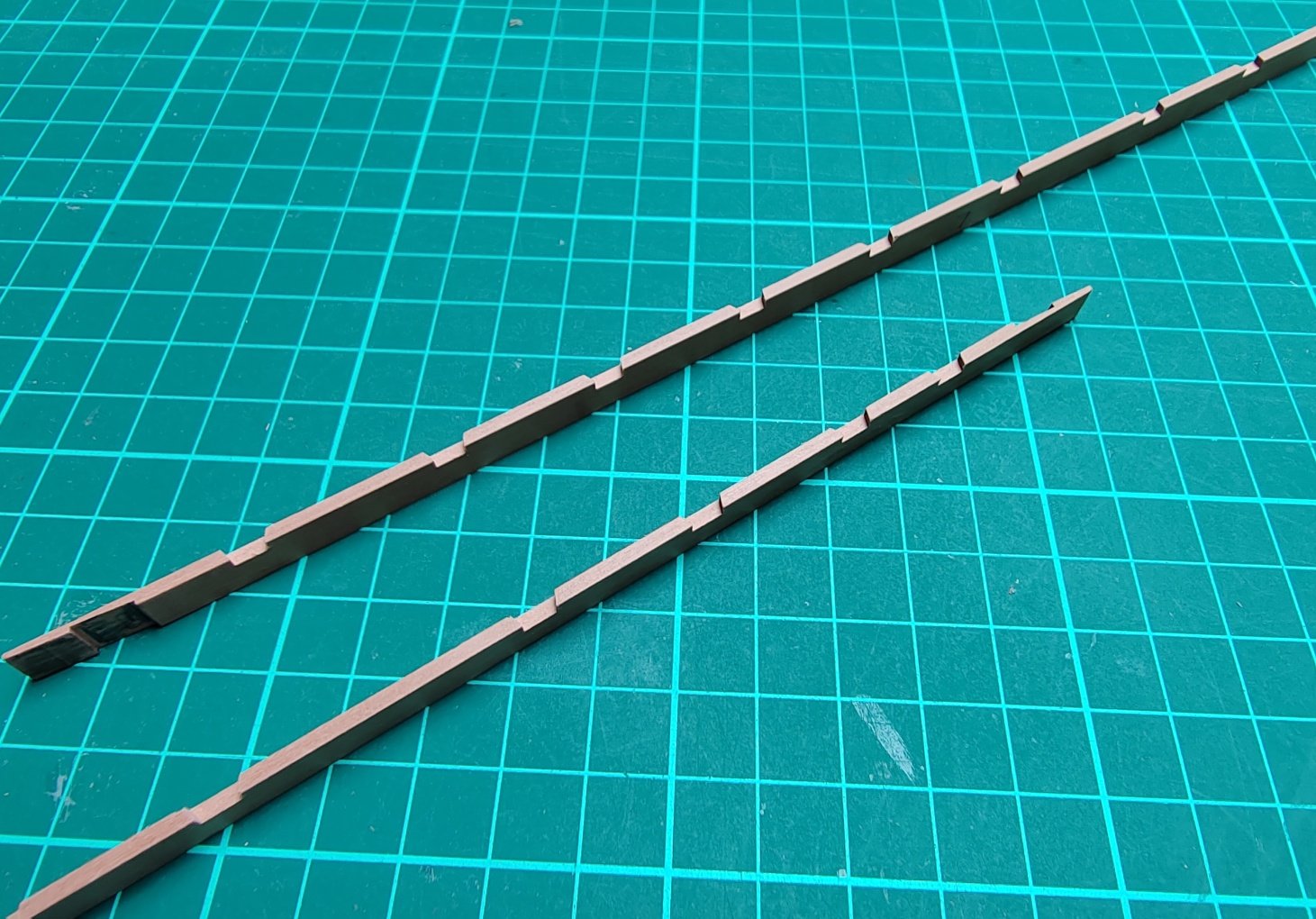
Deck clamp preparation.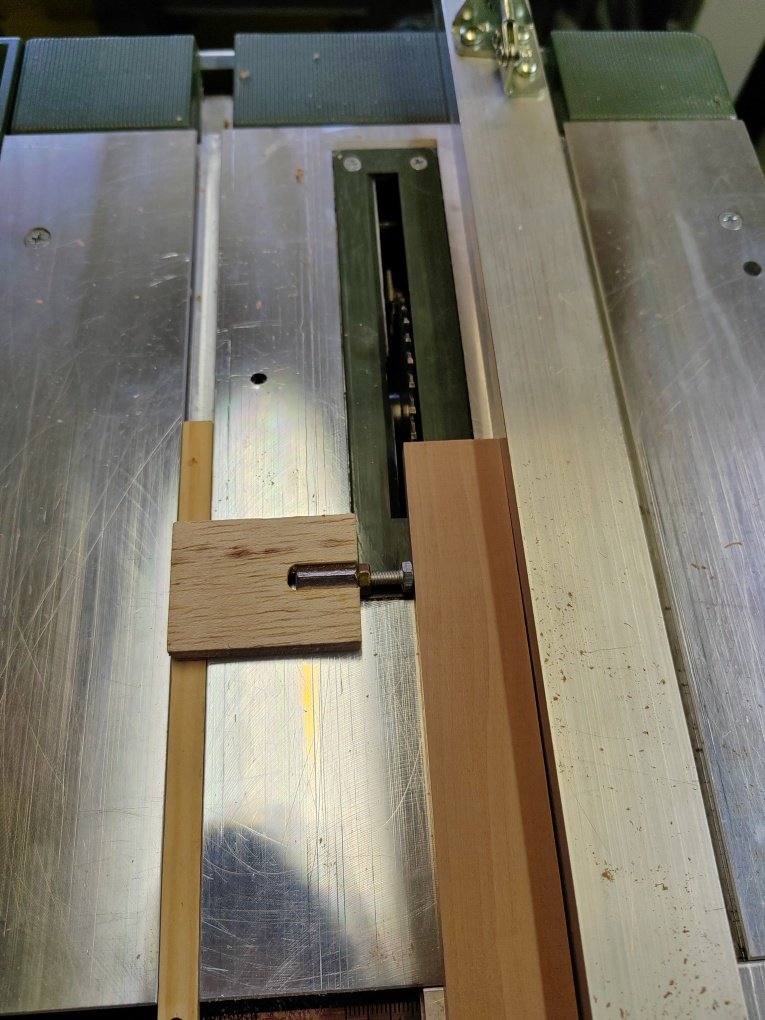
-
L'Amarante by marsalv - 1:36 - POF
marsalv replied to marsalv's topic in - Build logs for subjects built 1501 - 1750
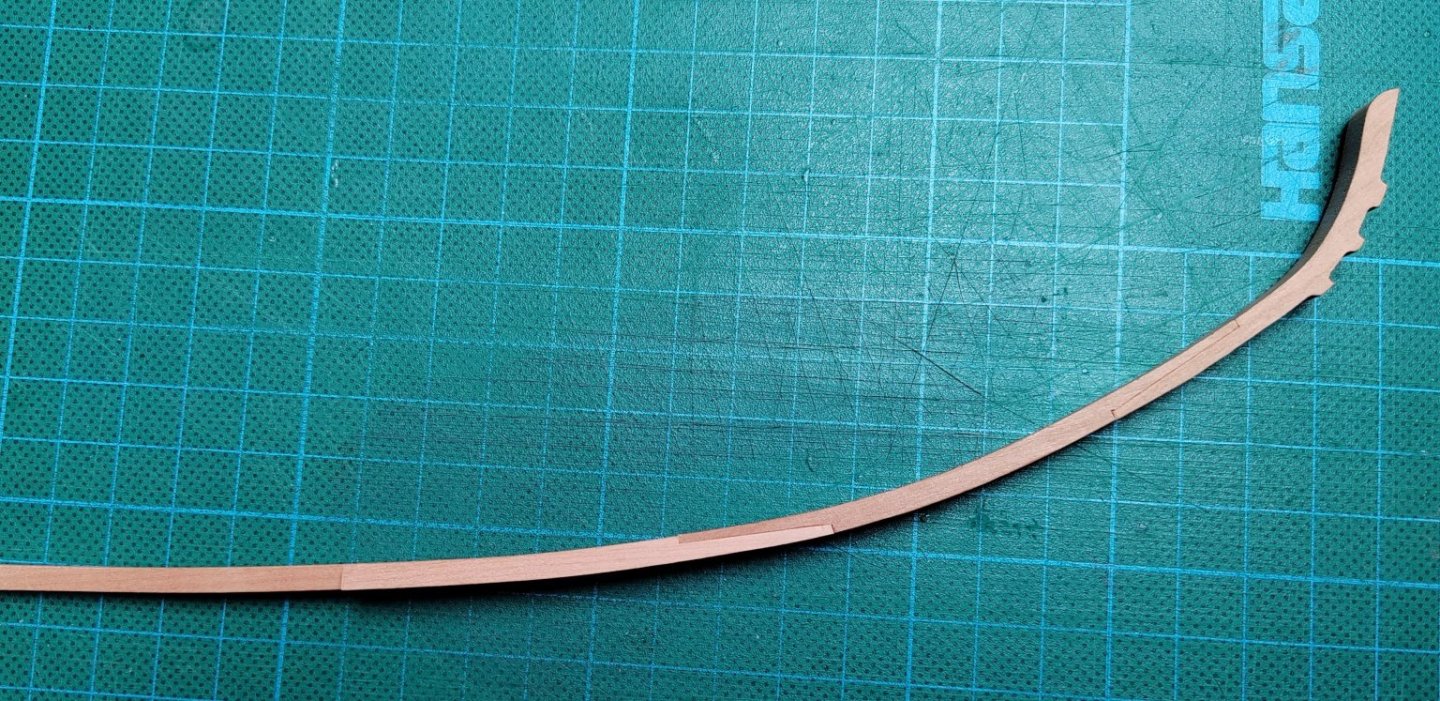
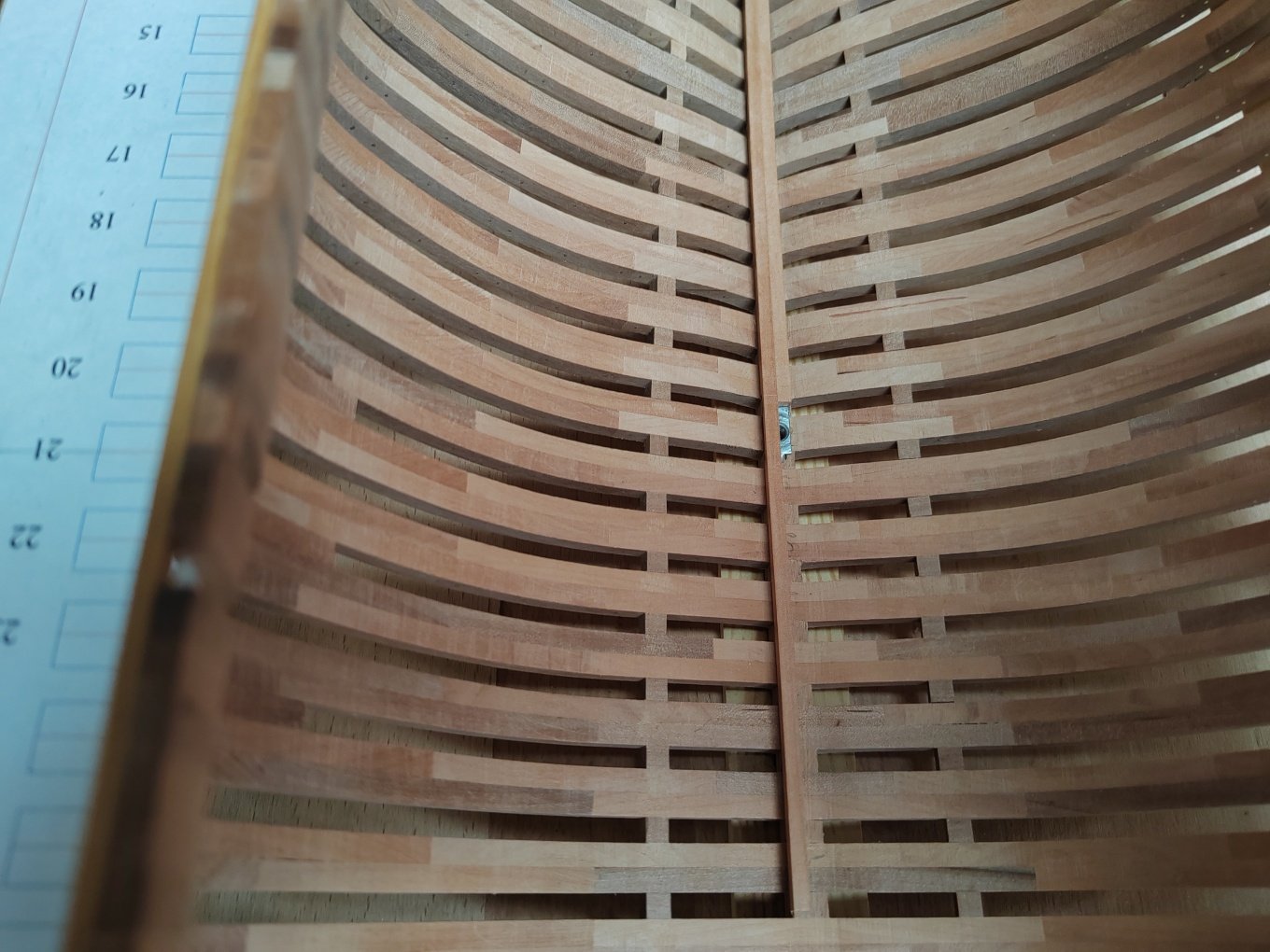
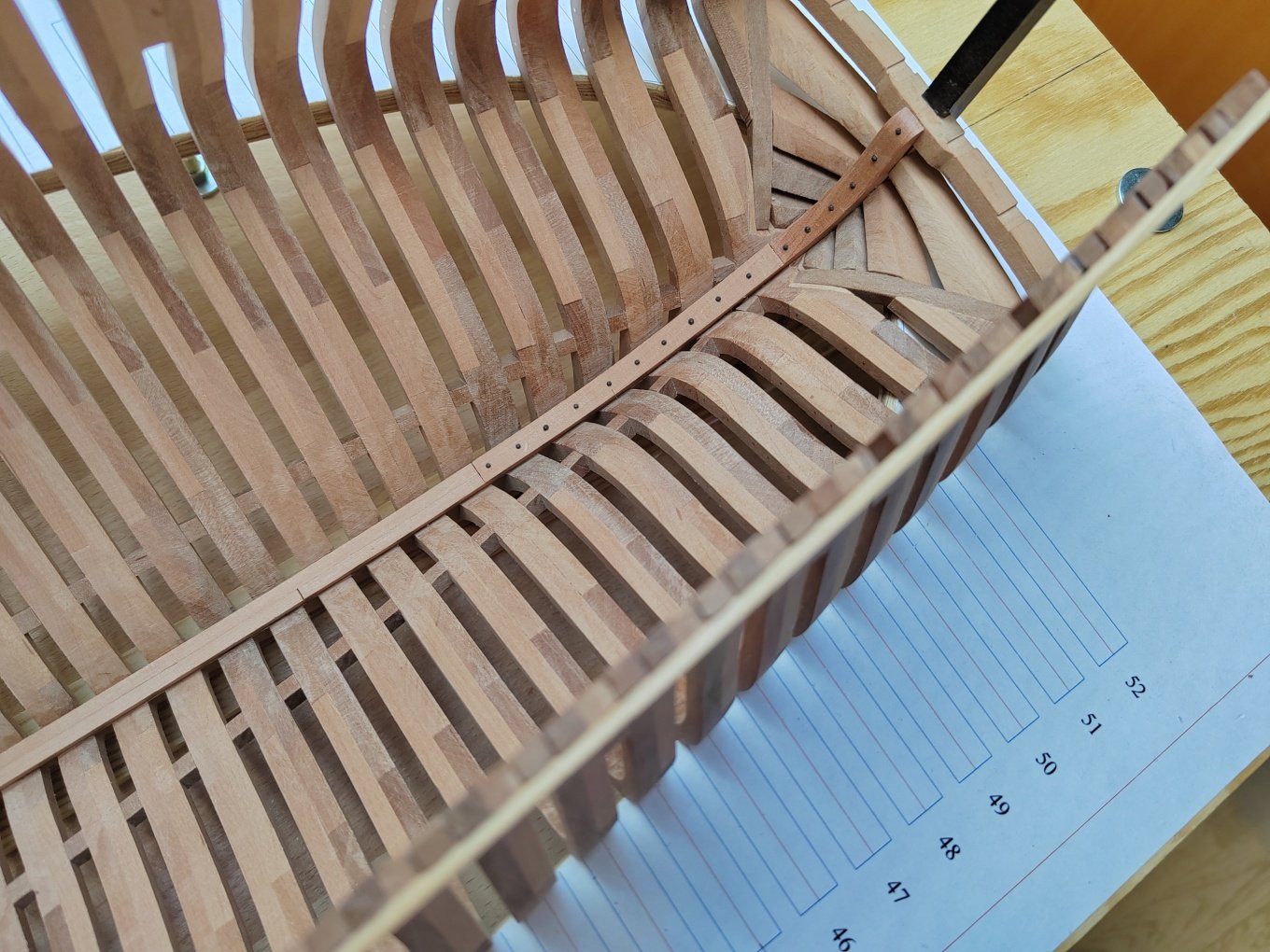
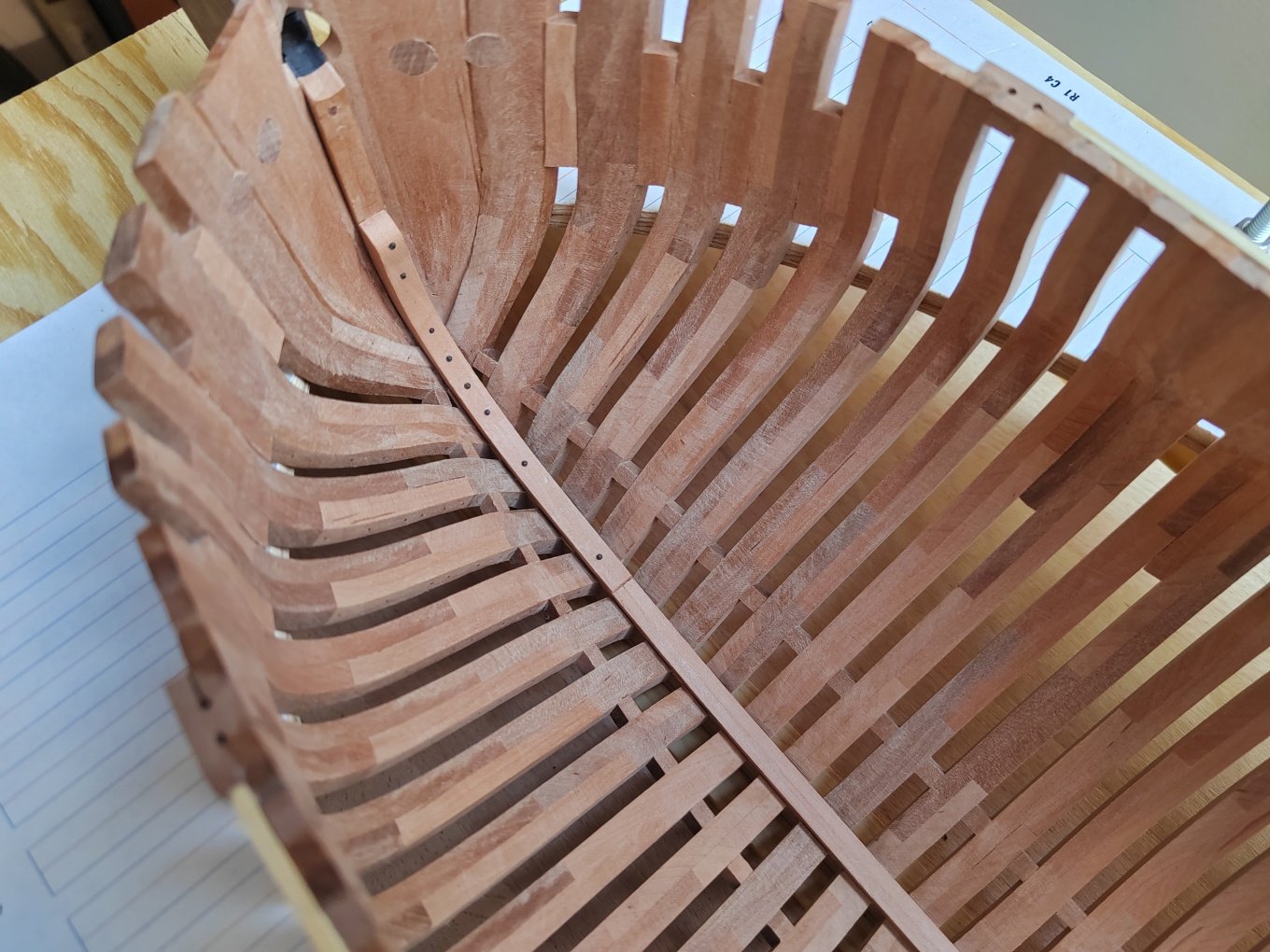
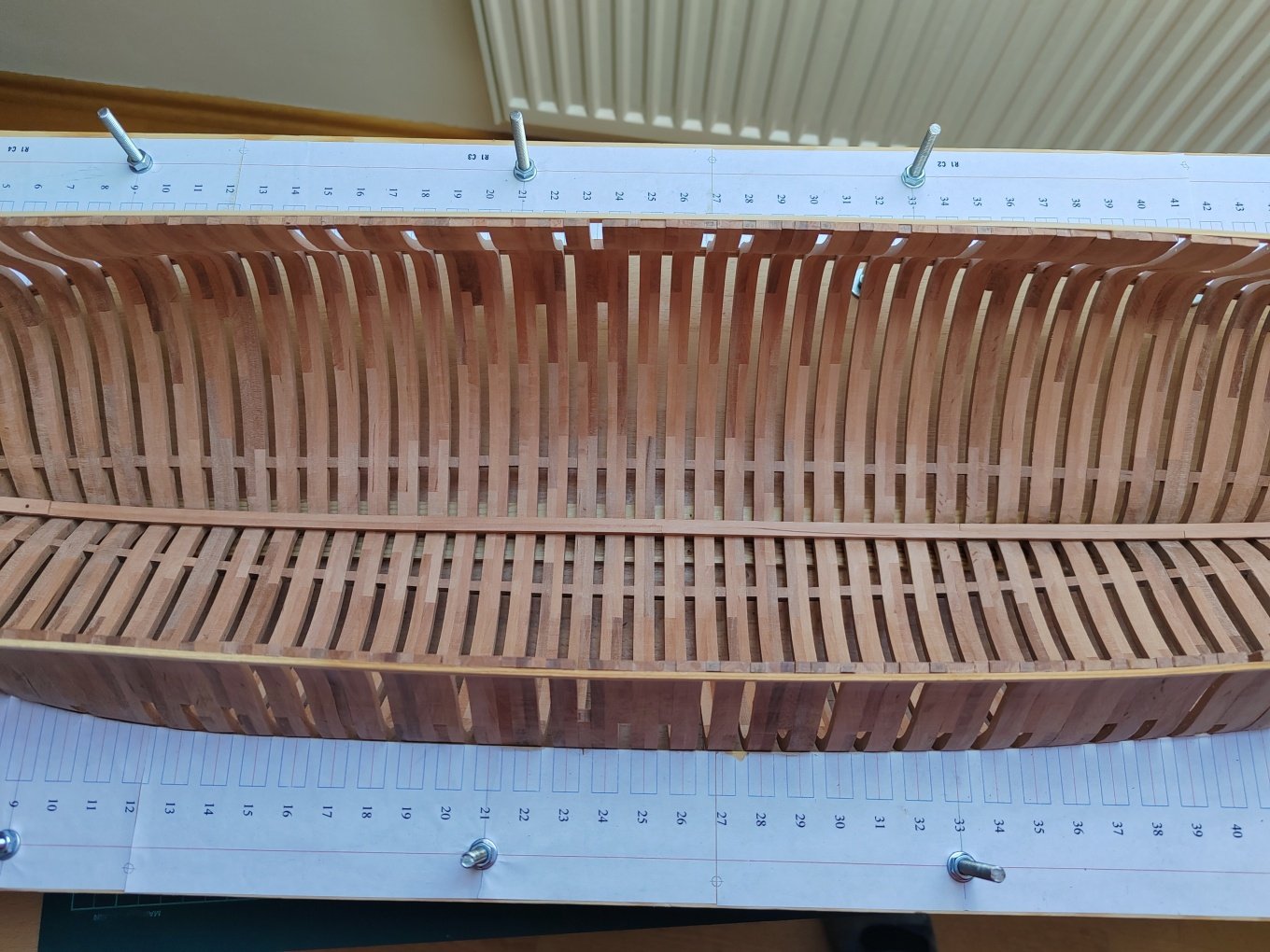
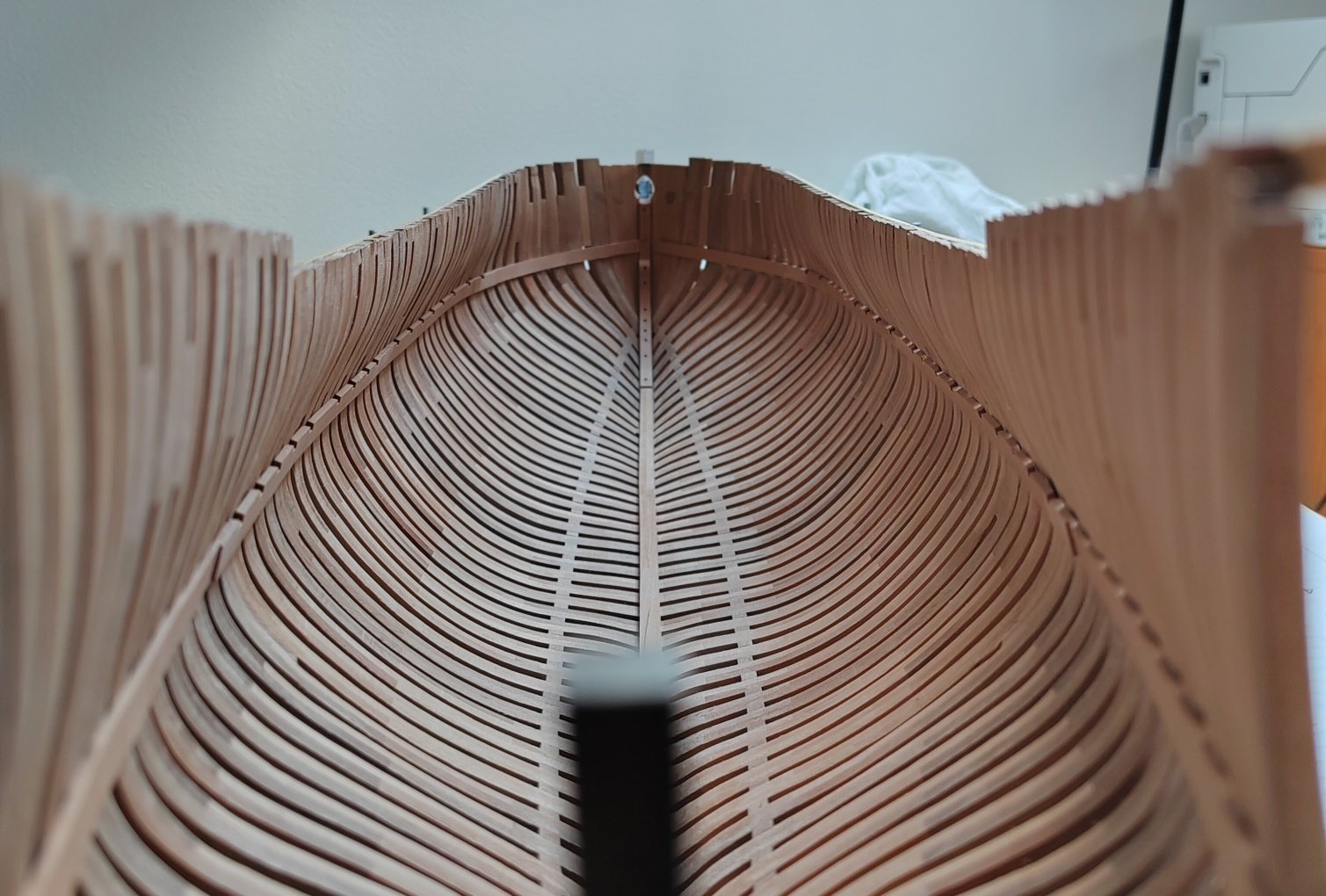
Added keelson. This completes the basic hull skeleton.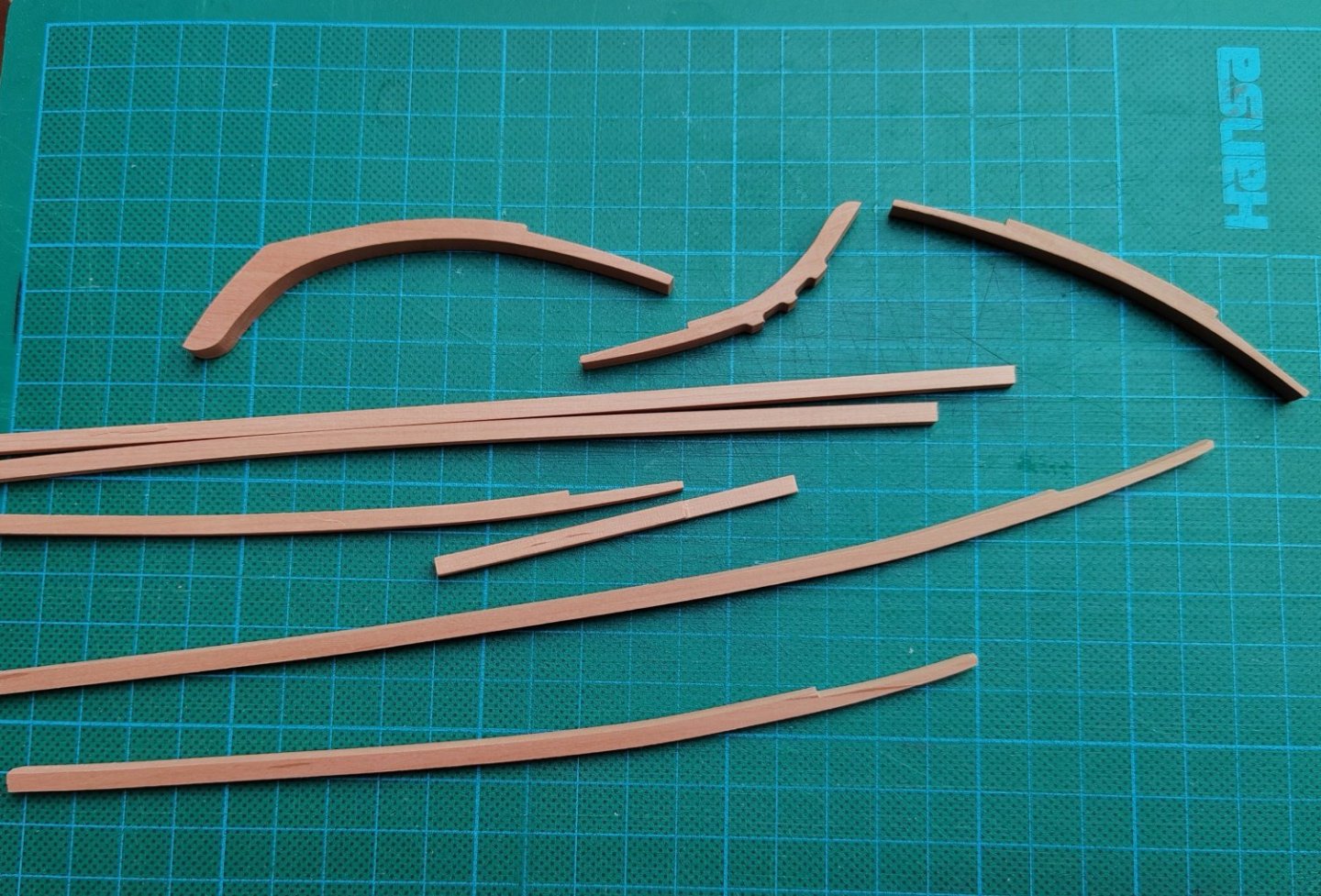
-
L'Amarante by marsalv - 1:36 - POF
marsalv replied to marsalv's topic in - Build logs for subjects built 1501 - 1750
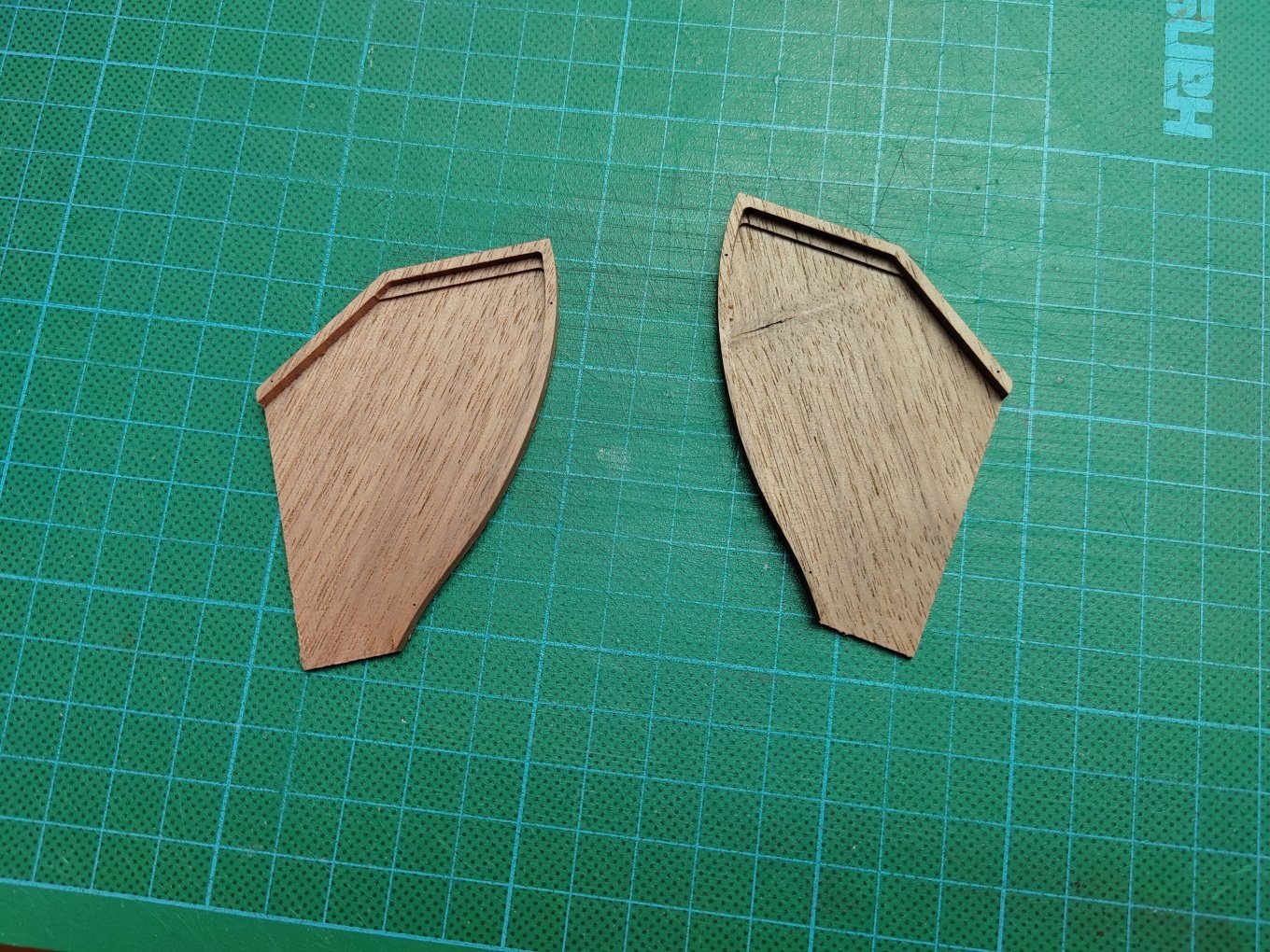
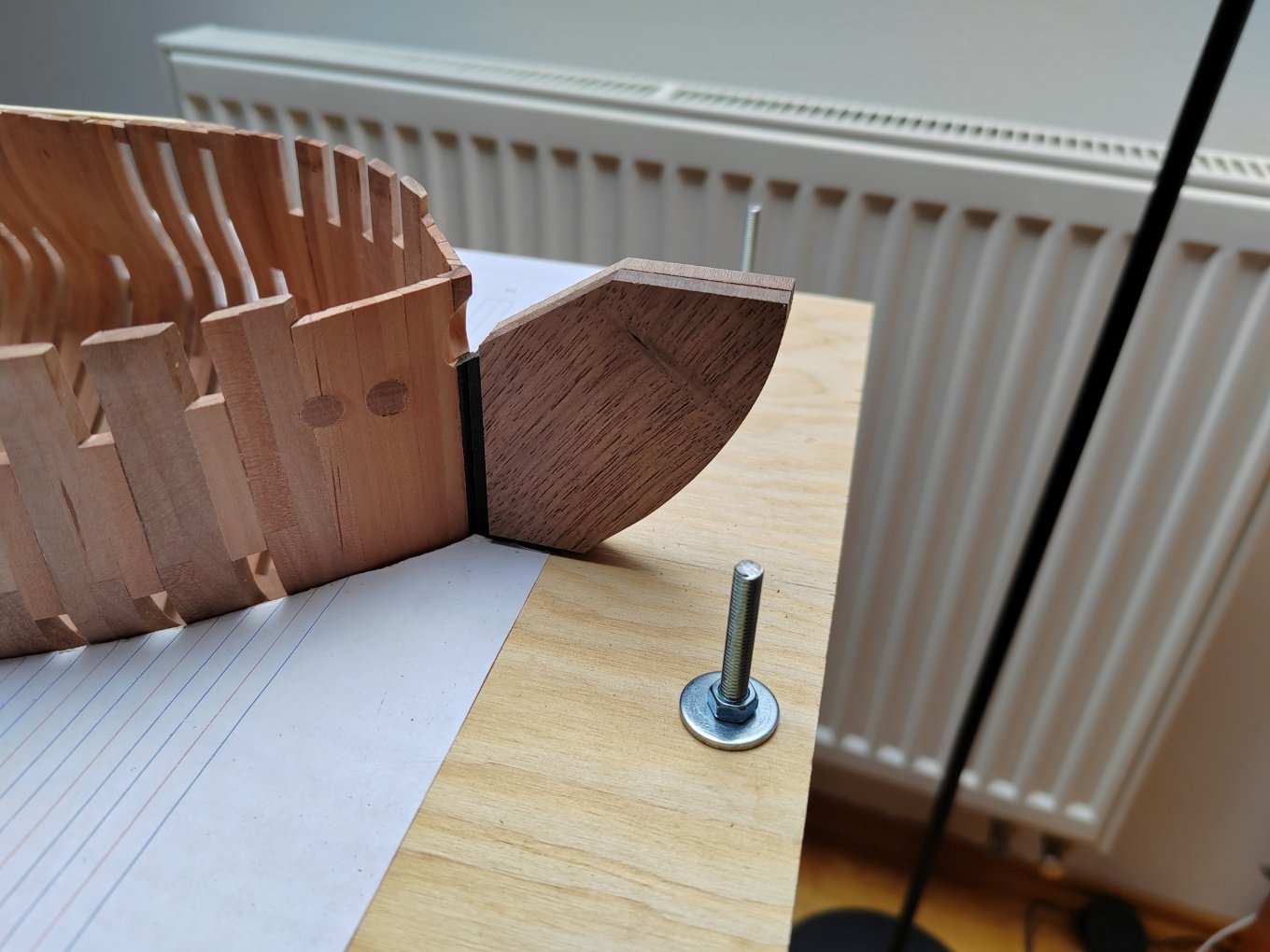
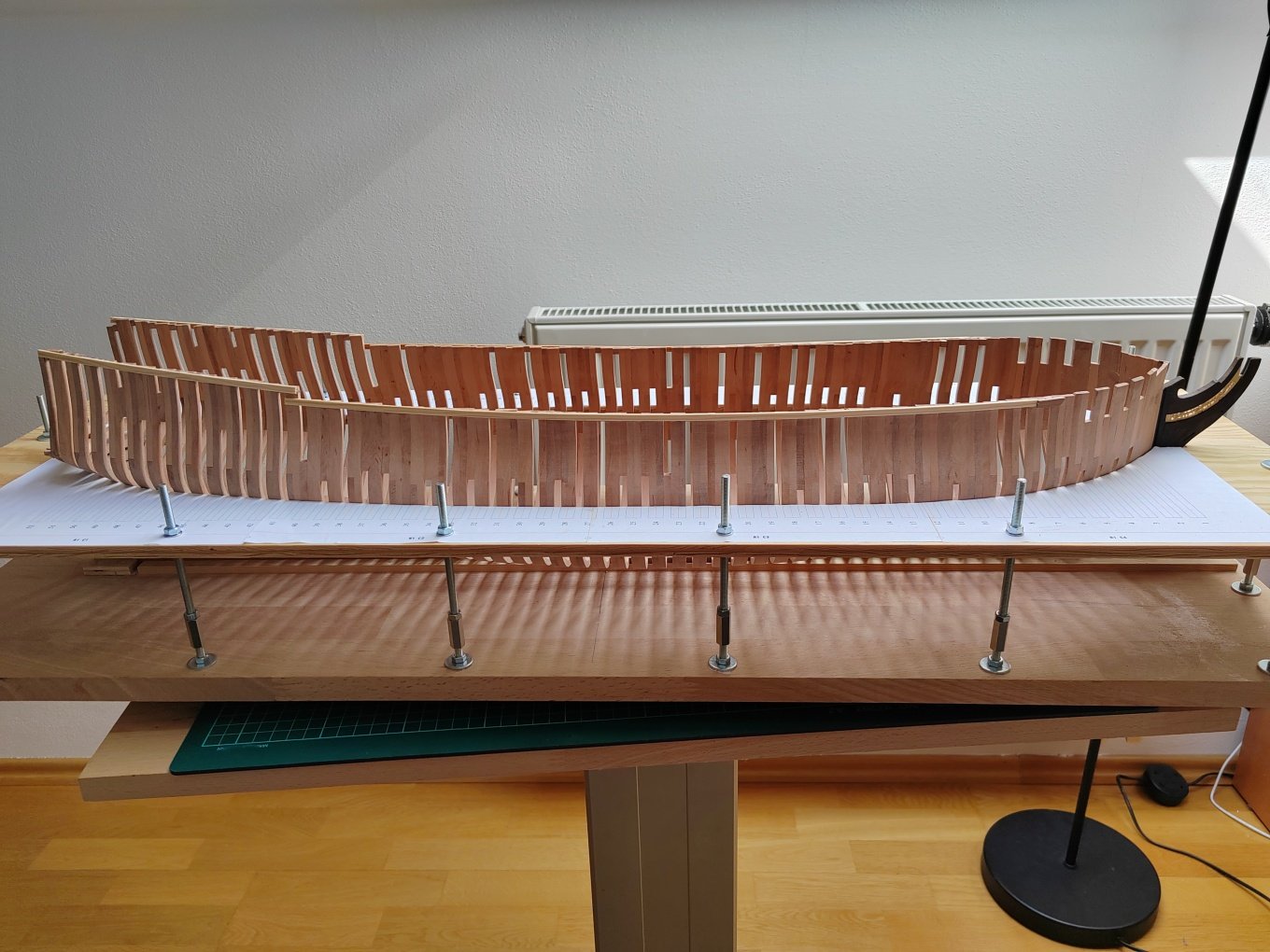
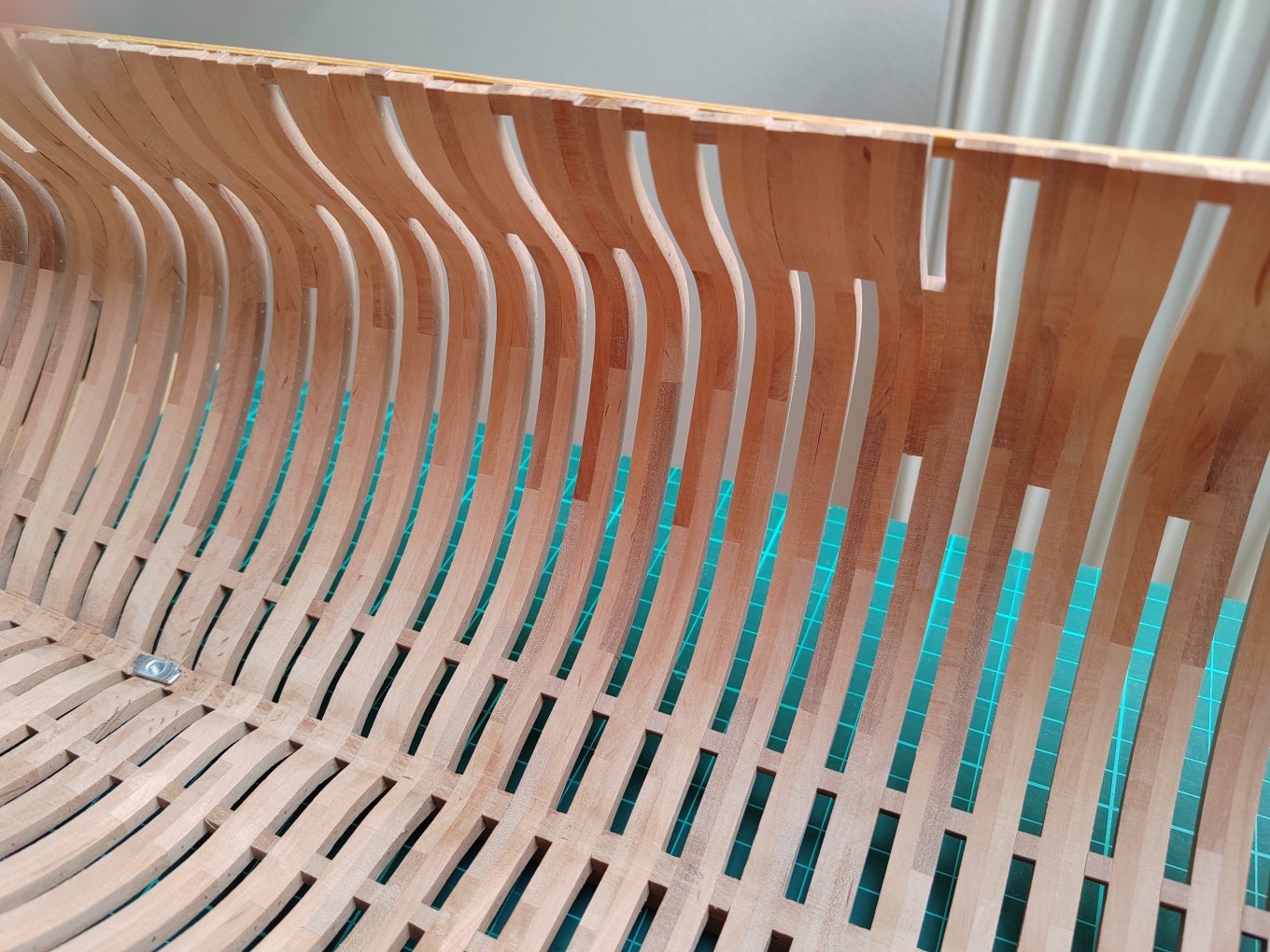
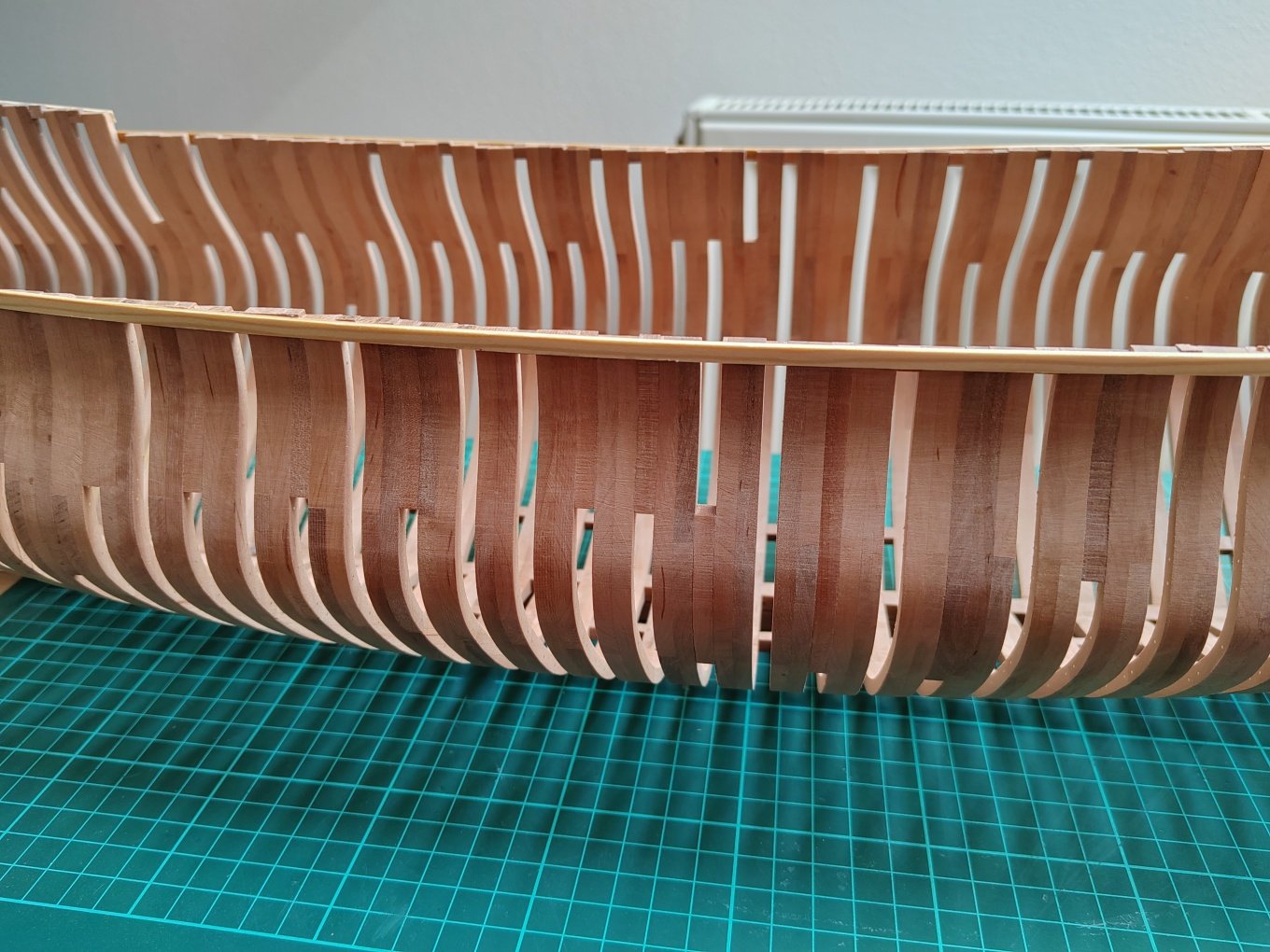
Hull sanding completed.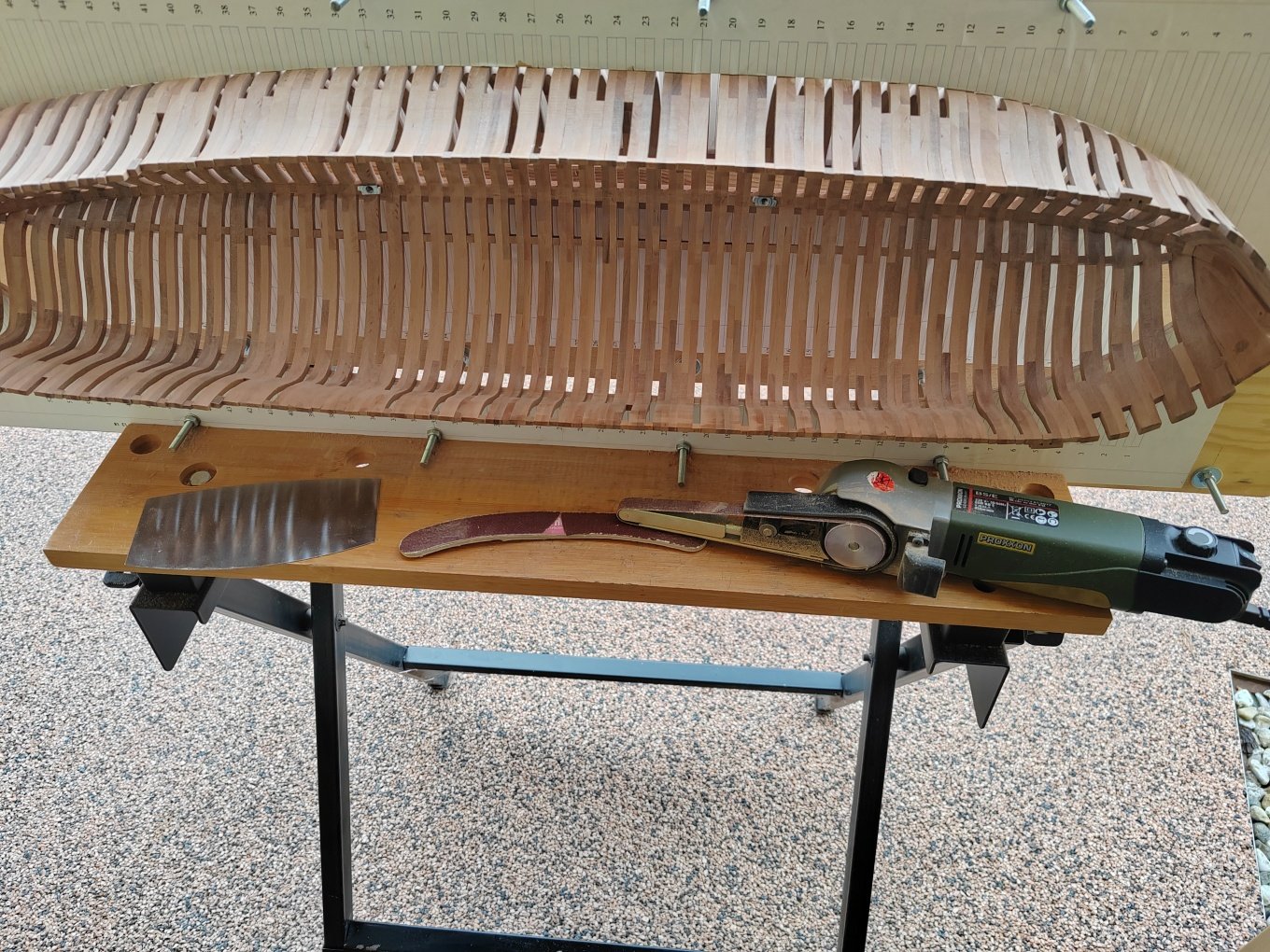
-
L'Amarante by marsalv - 1:36 - POF
marsalv replied to marsalv's topic in - Build logs for subjects built 1501 - 1750
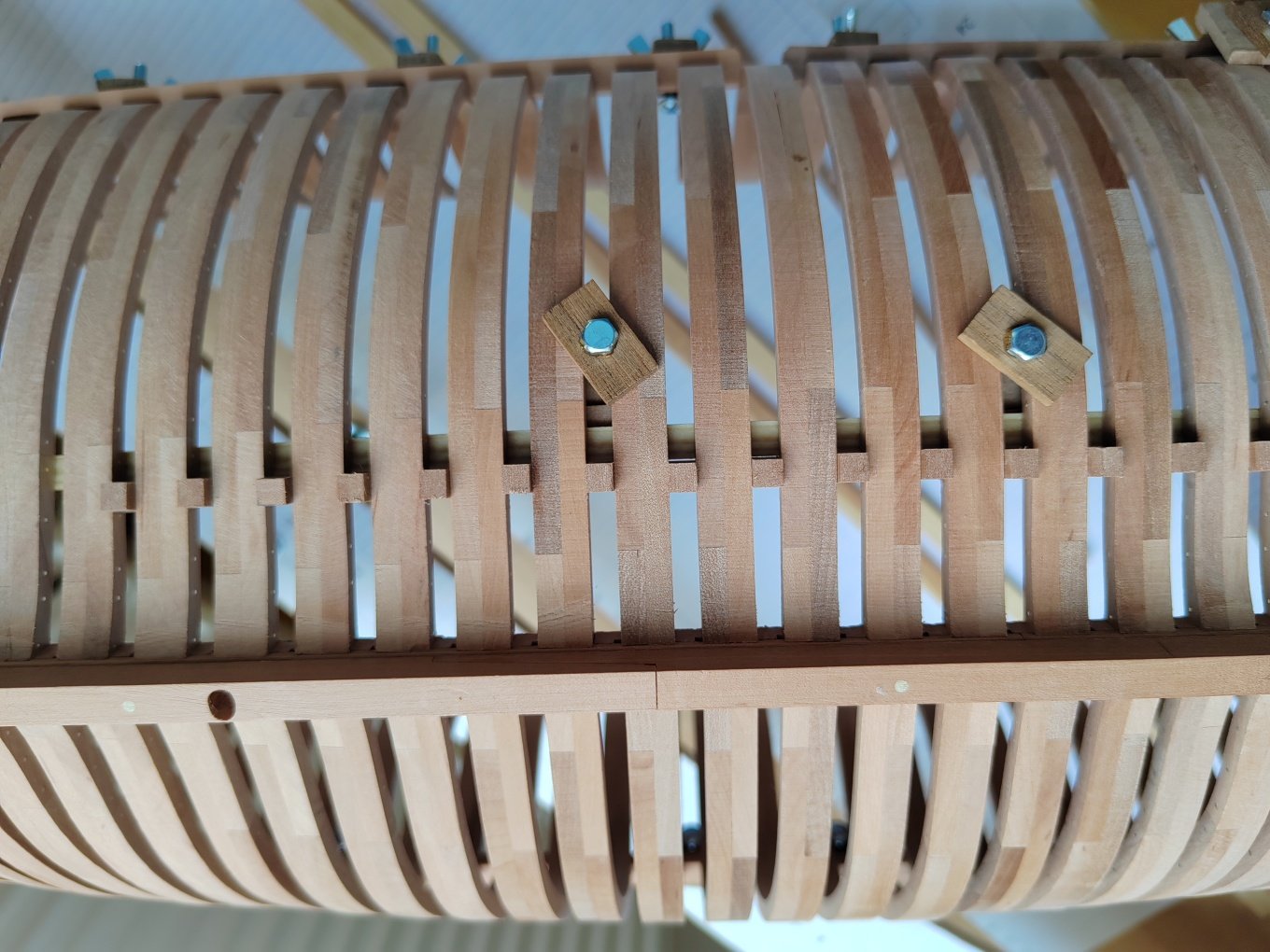
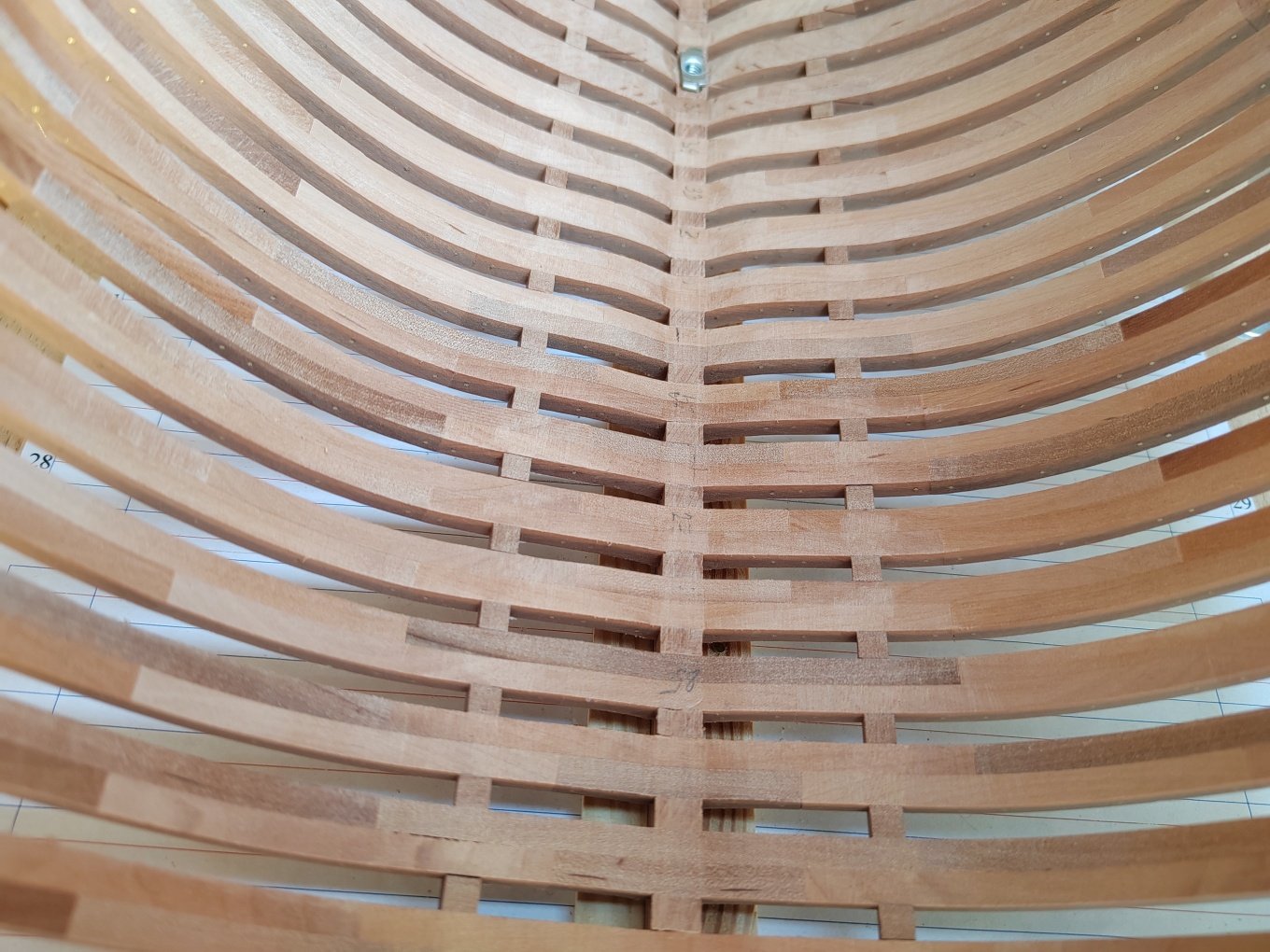
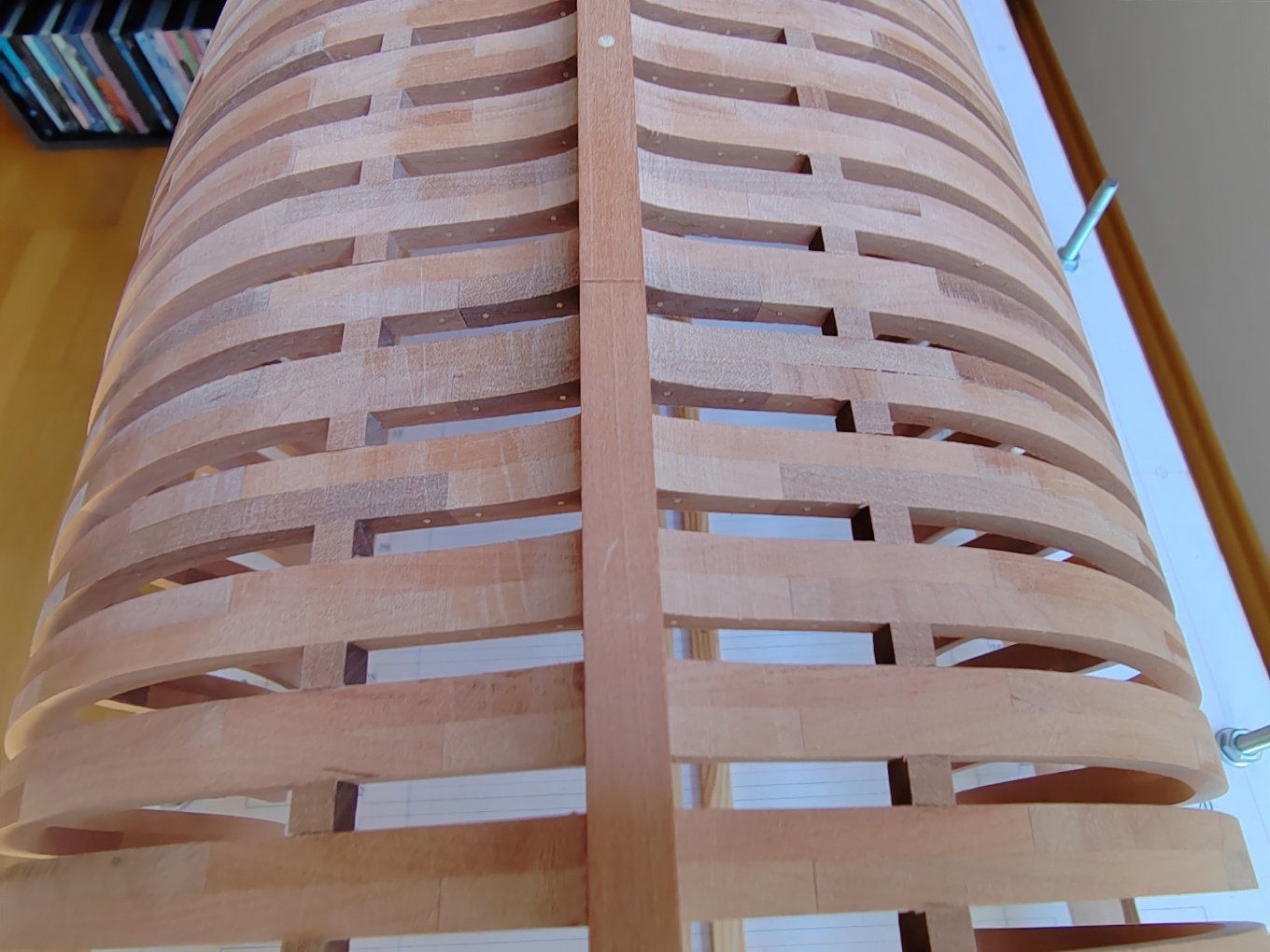
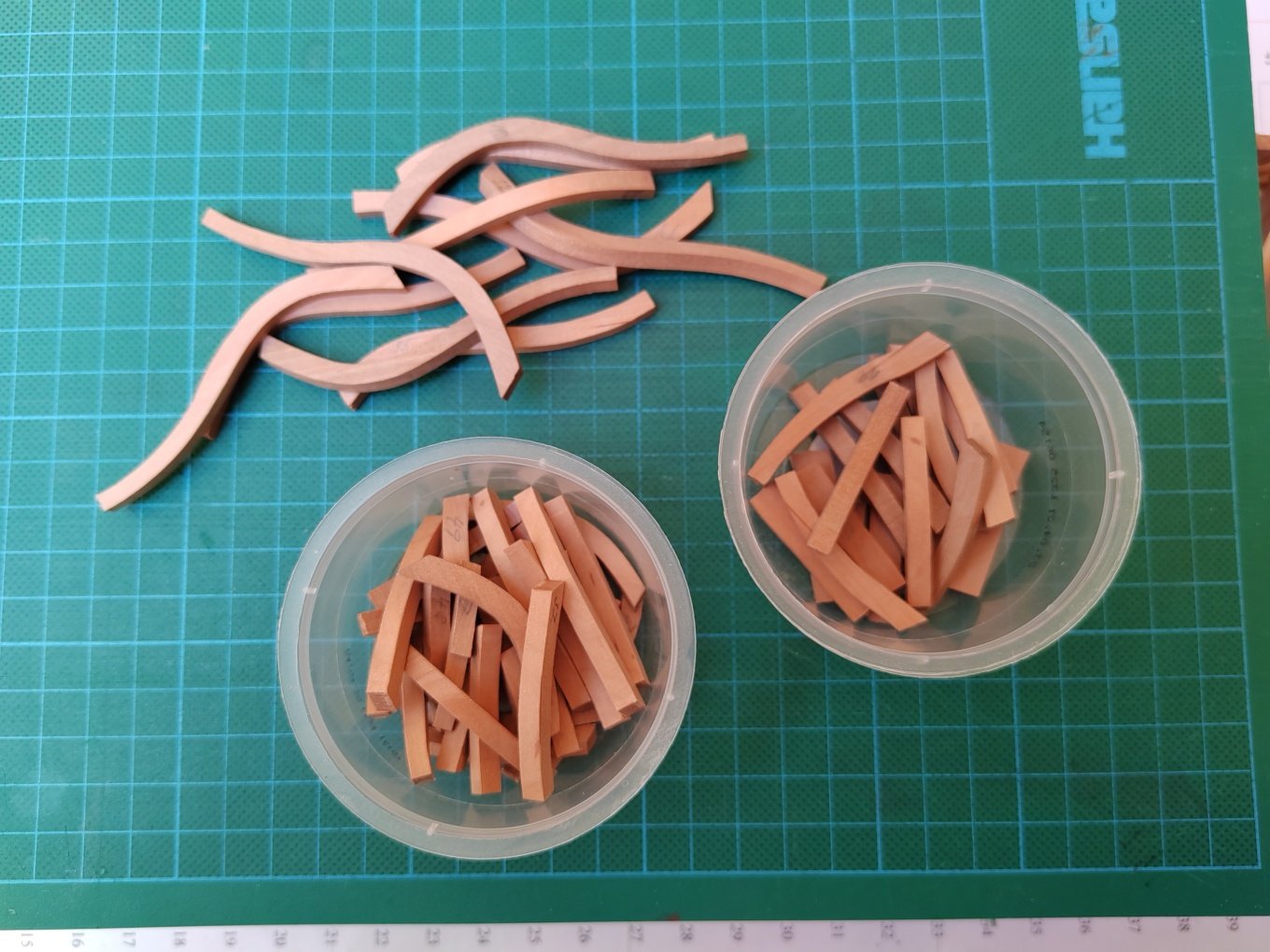
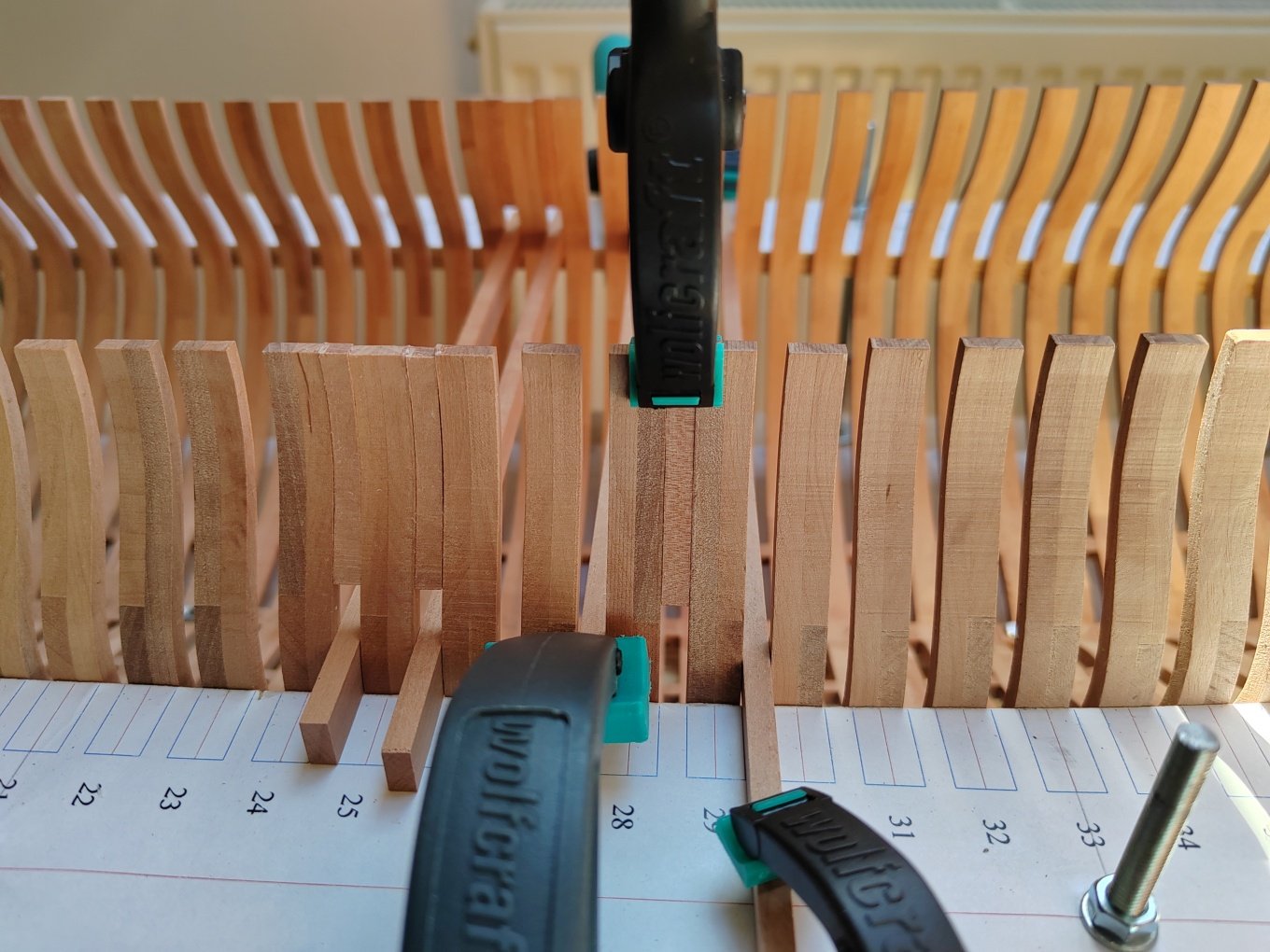
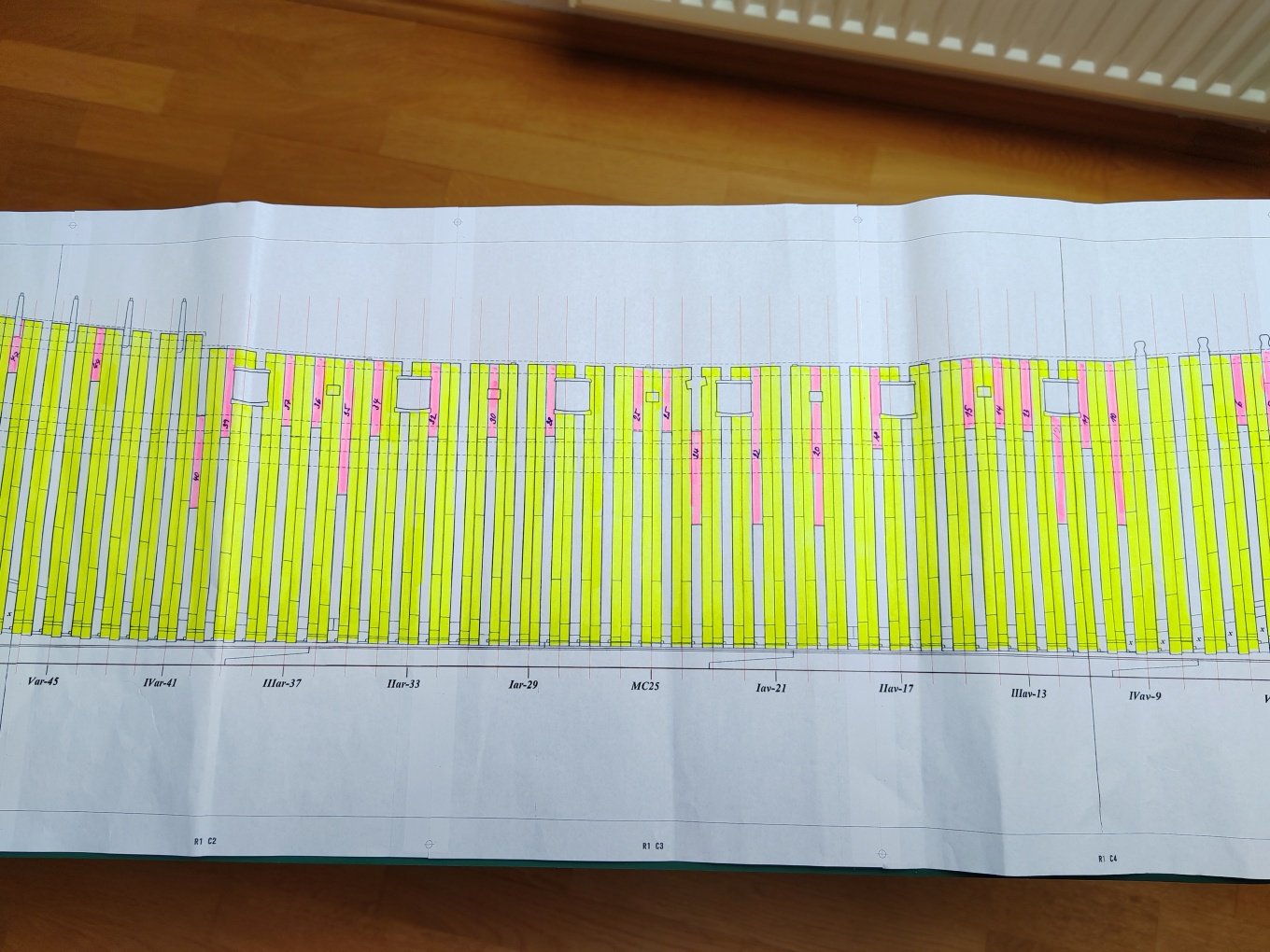
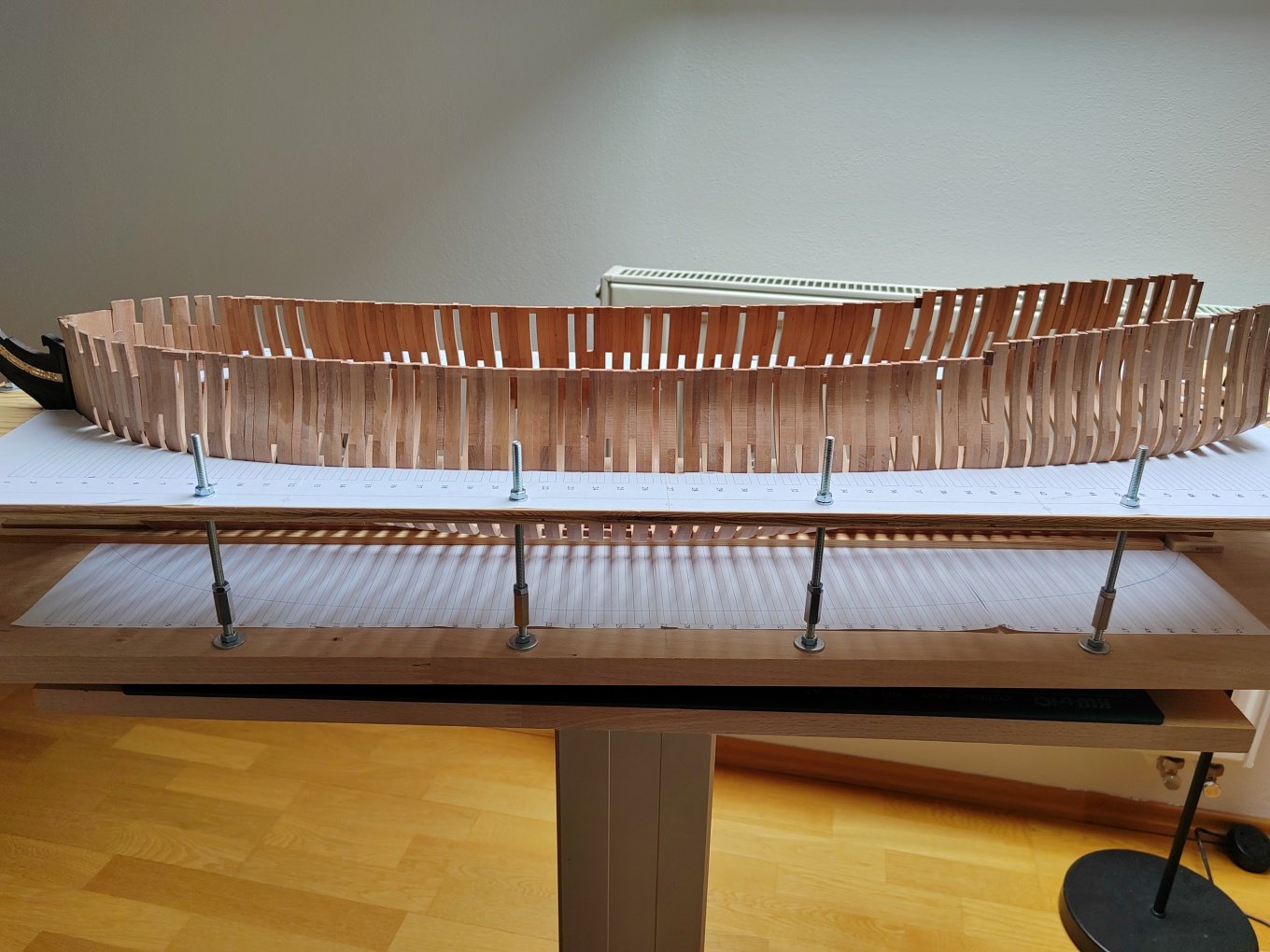
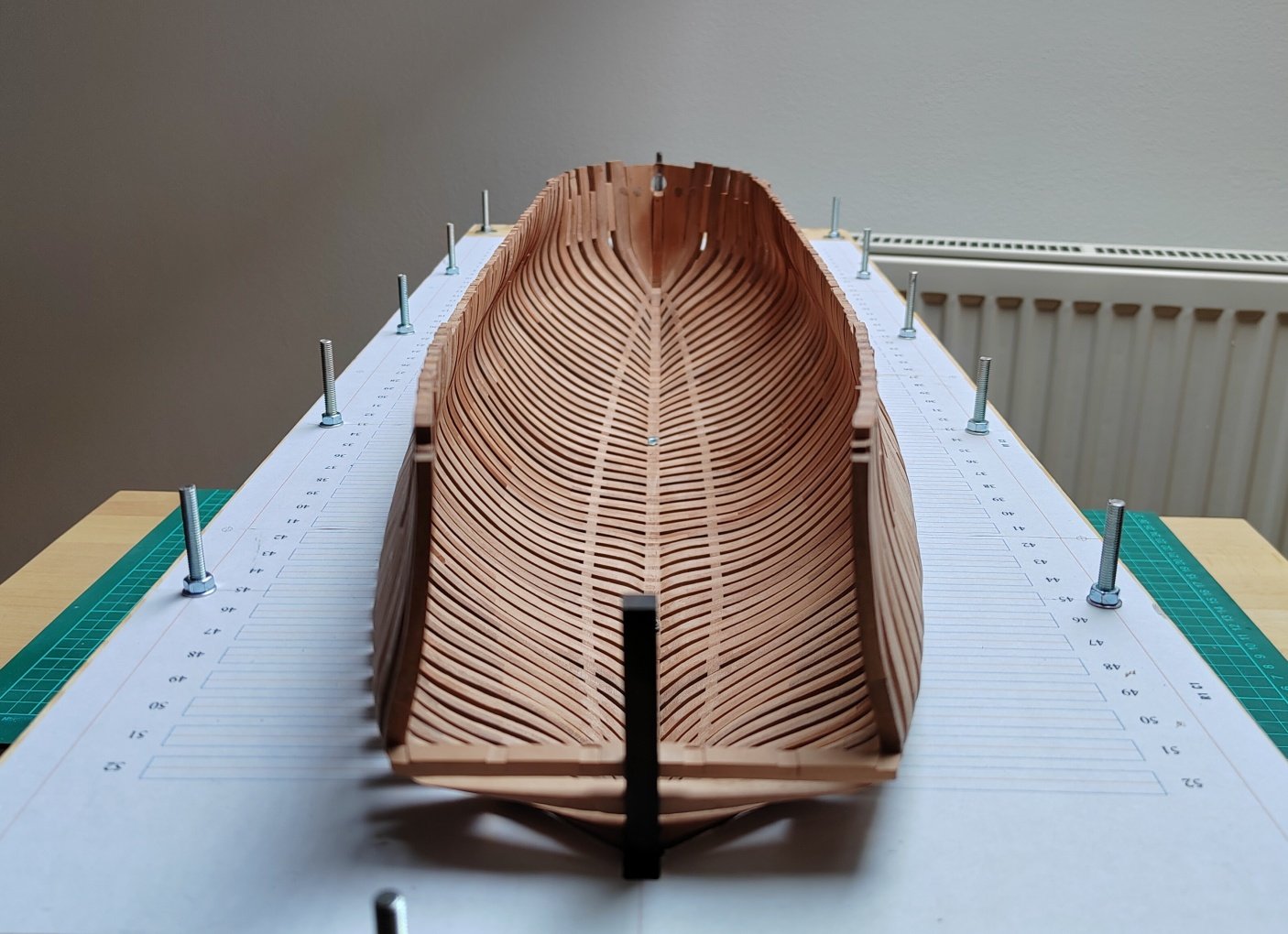
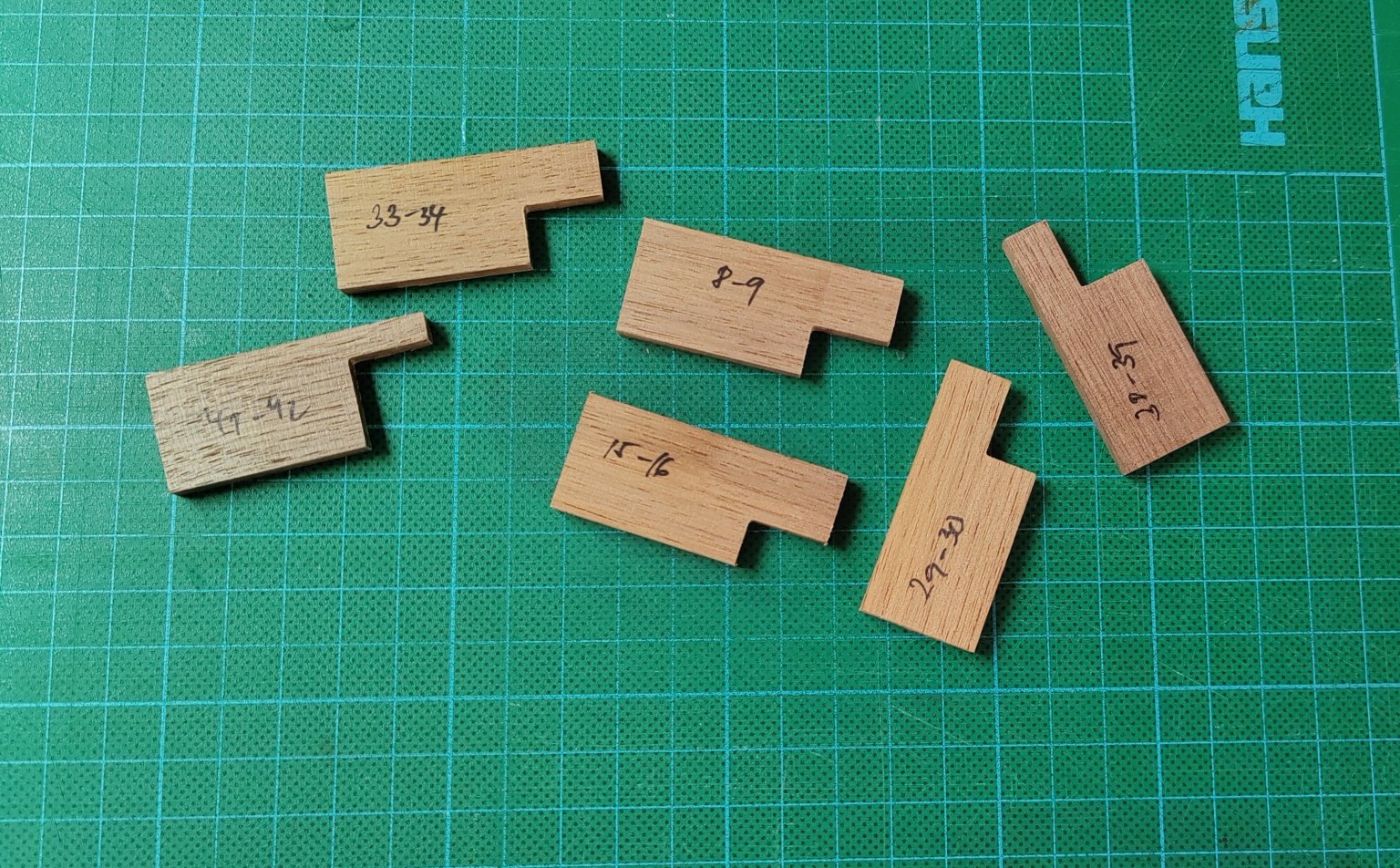
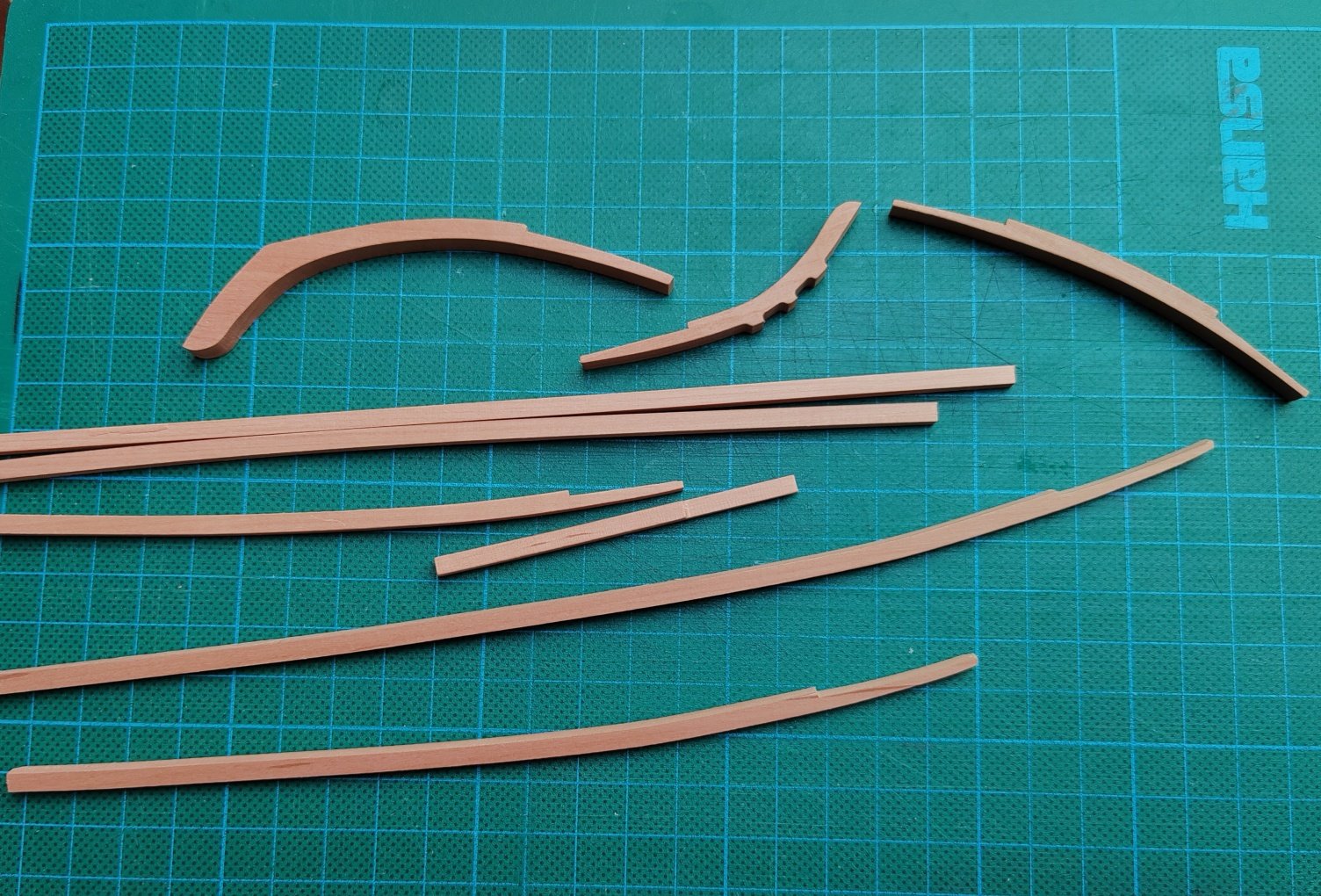
Thank you. Filling pieces.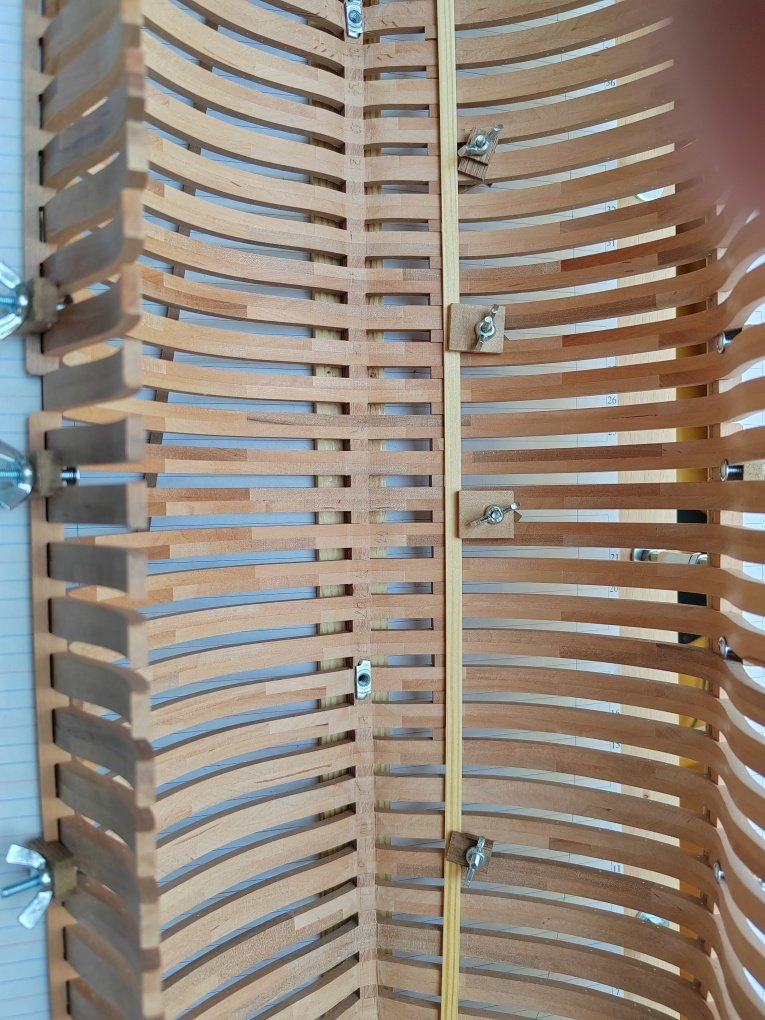
-
L'Amarante by marsalv - 1:36 - POF
marsalv replied to marsalv's topic in - Build logs for subjects built 1501 - 1750
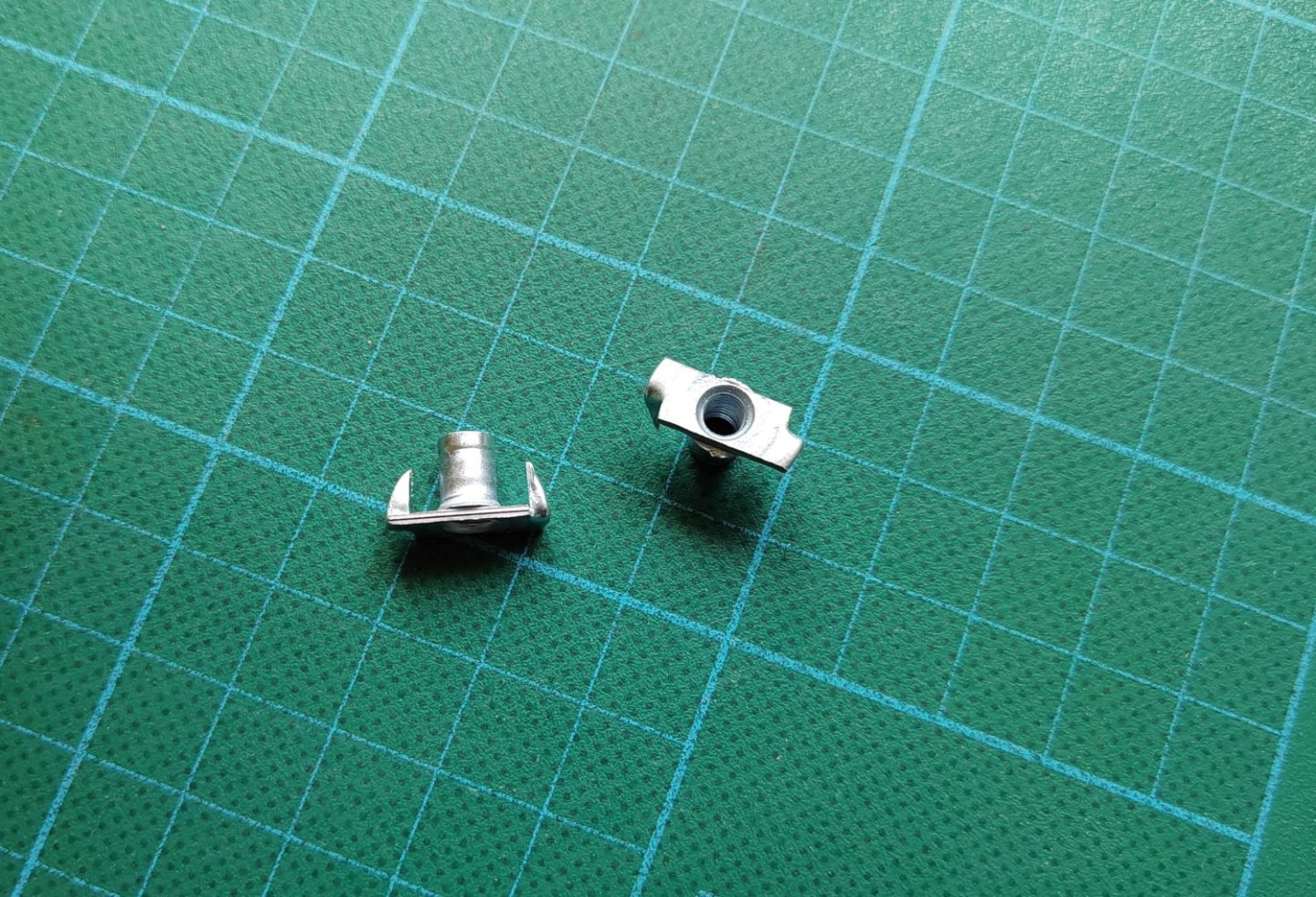
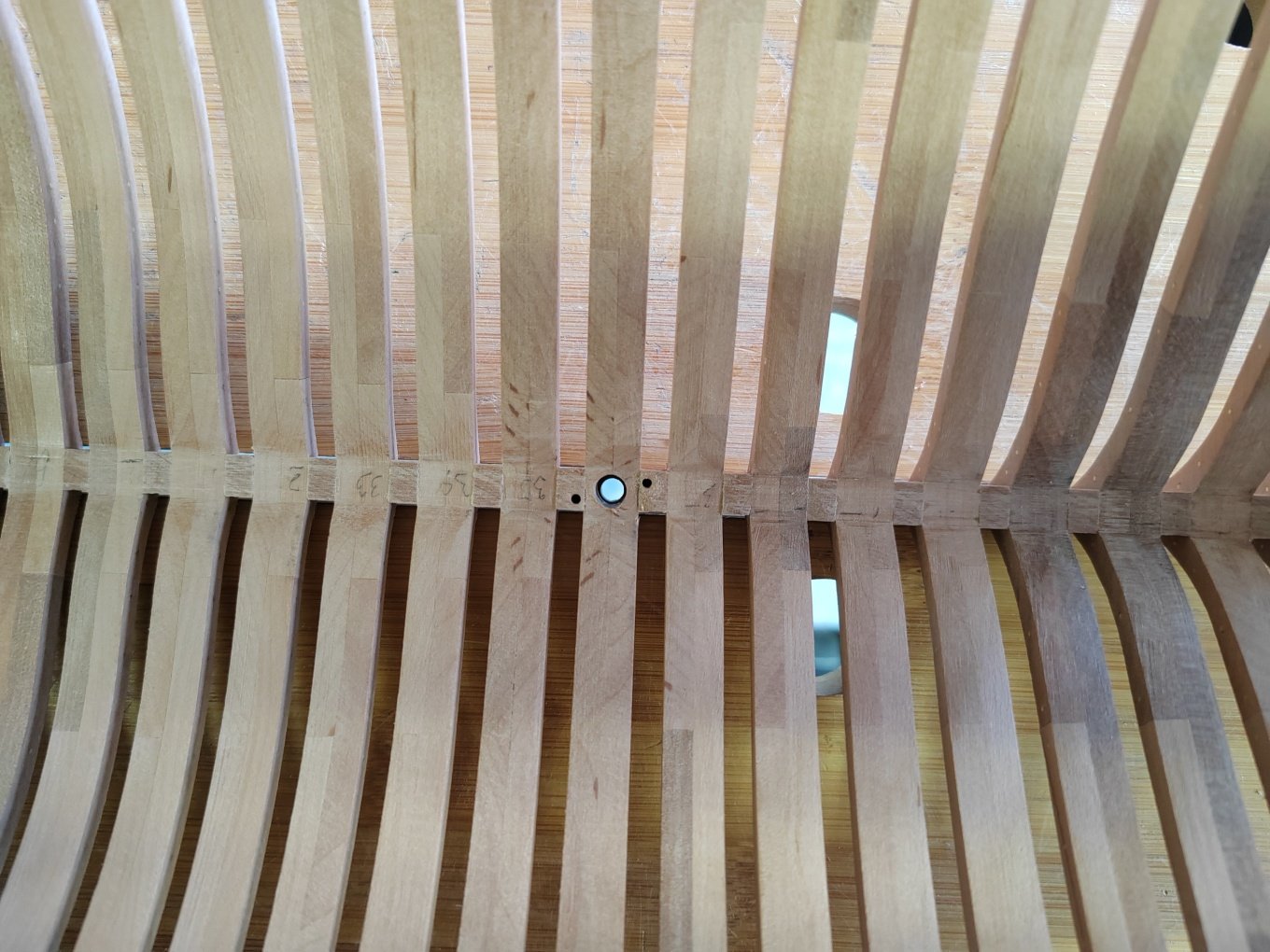
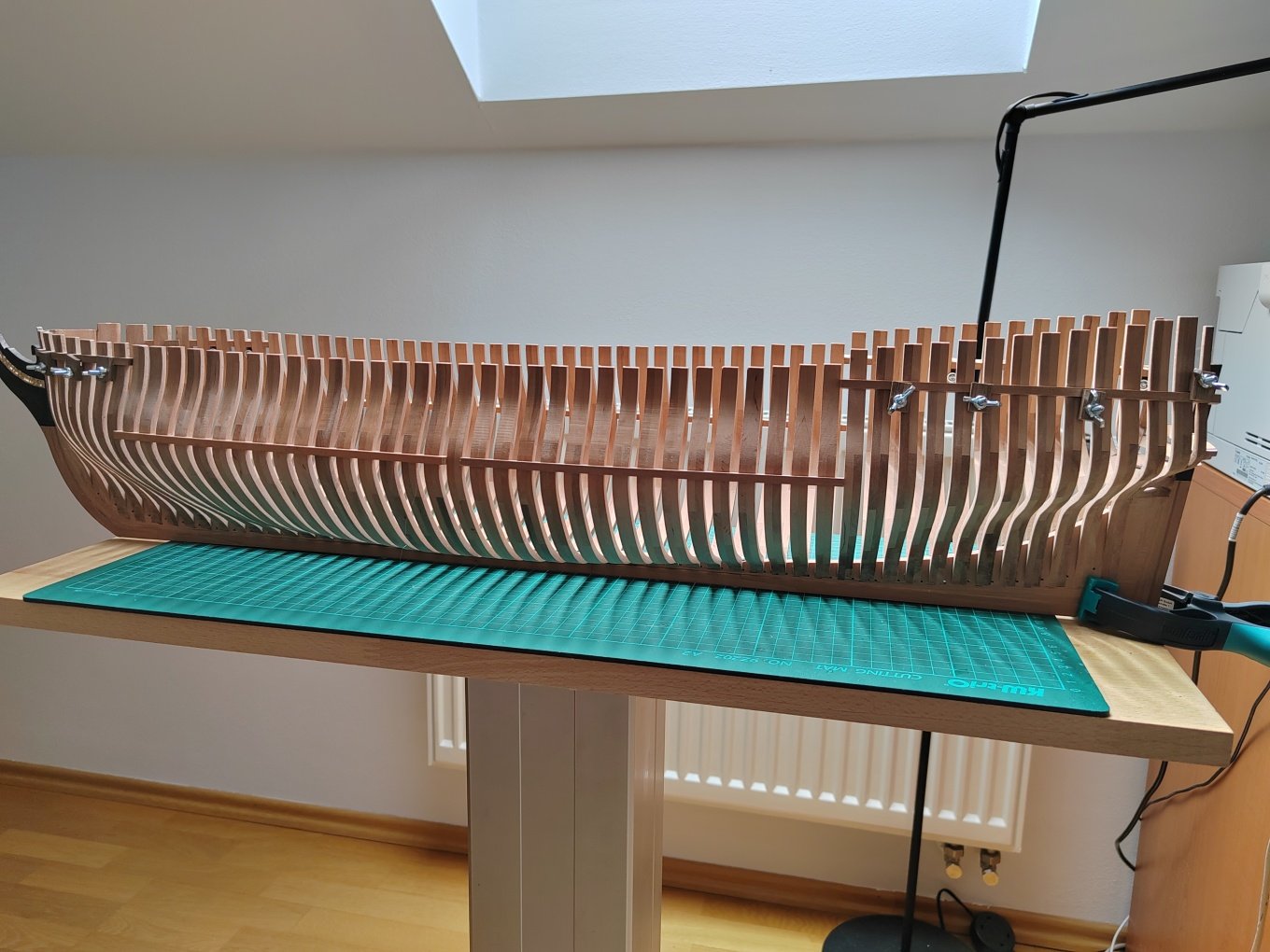
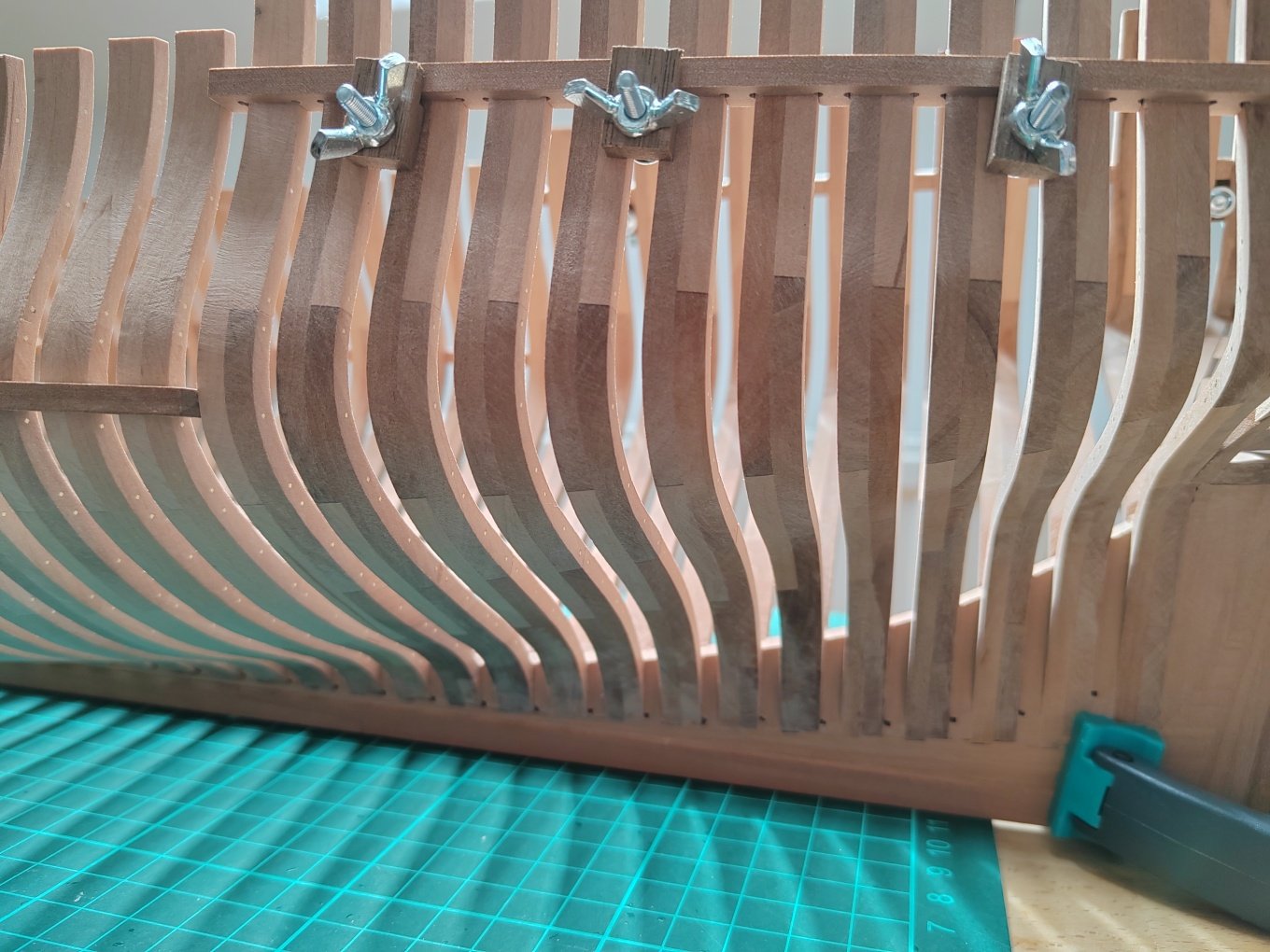
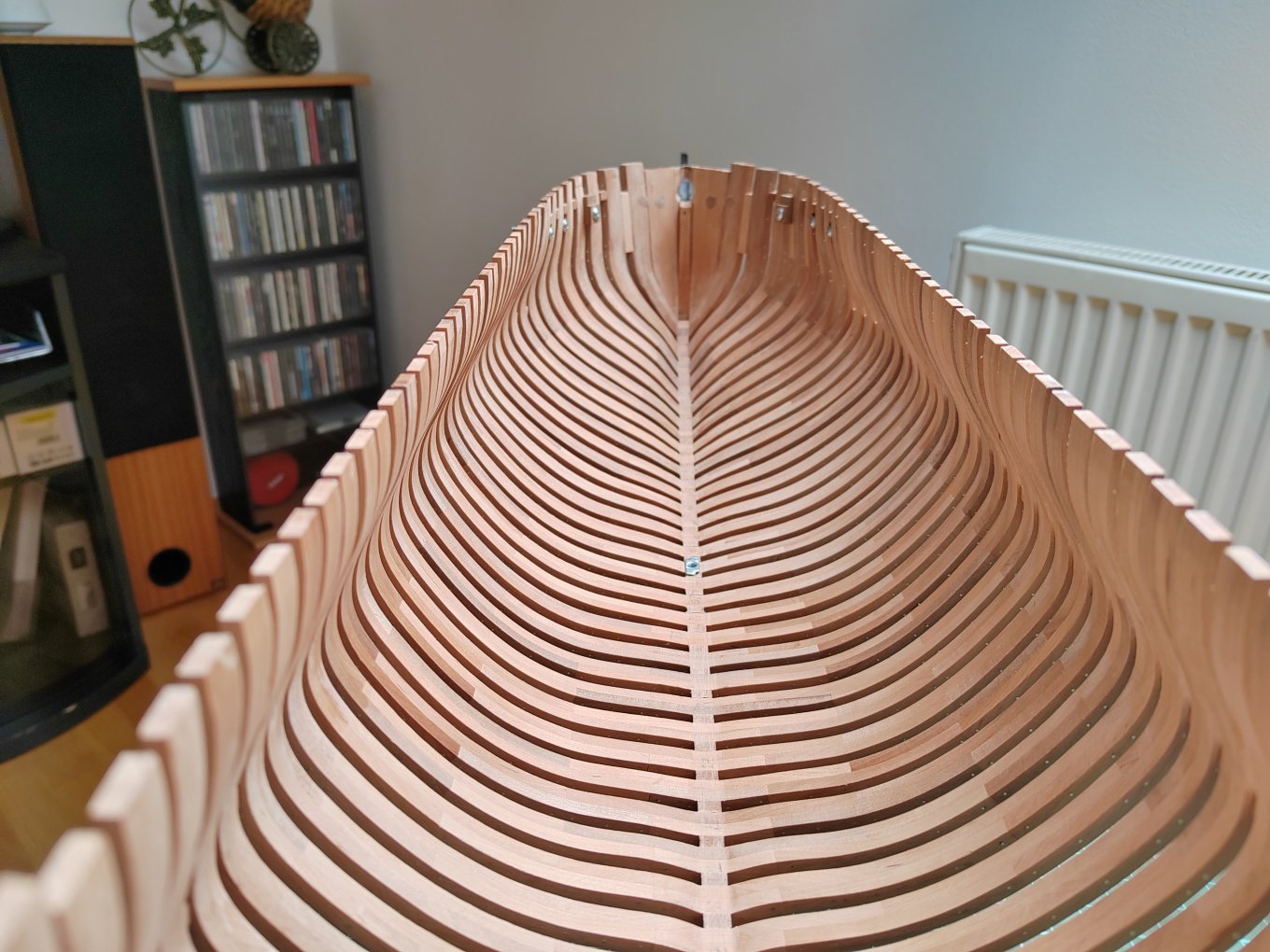
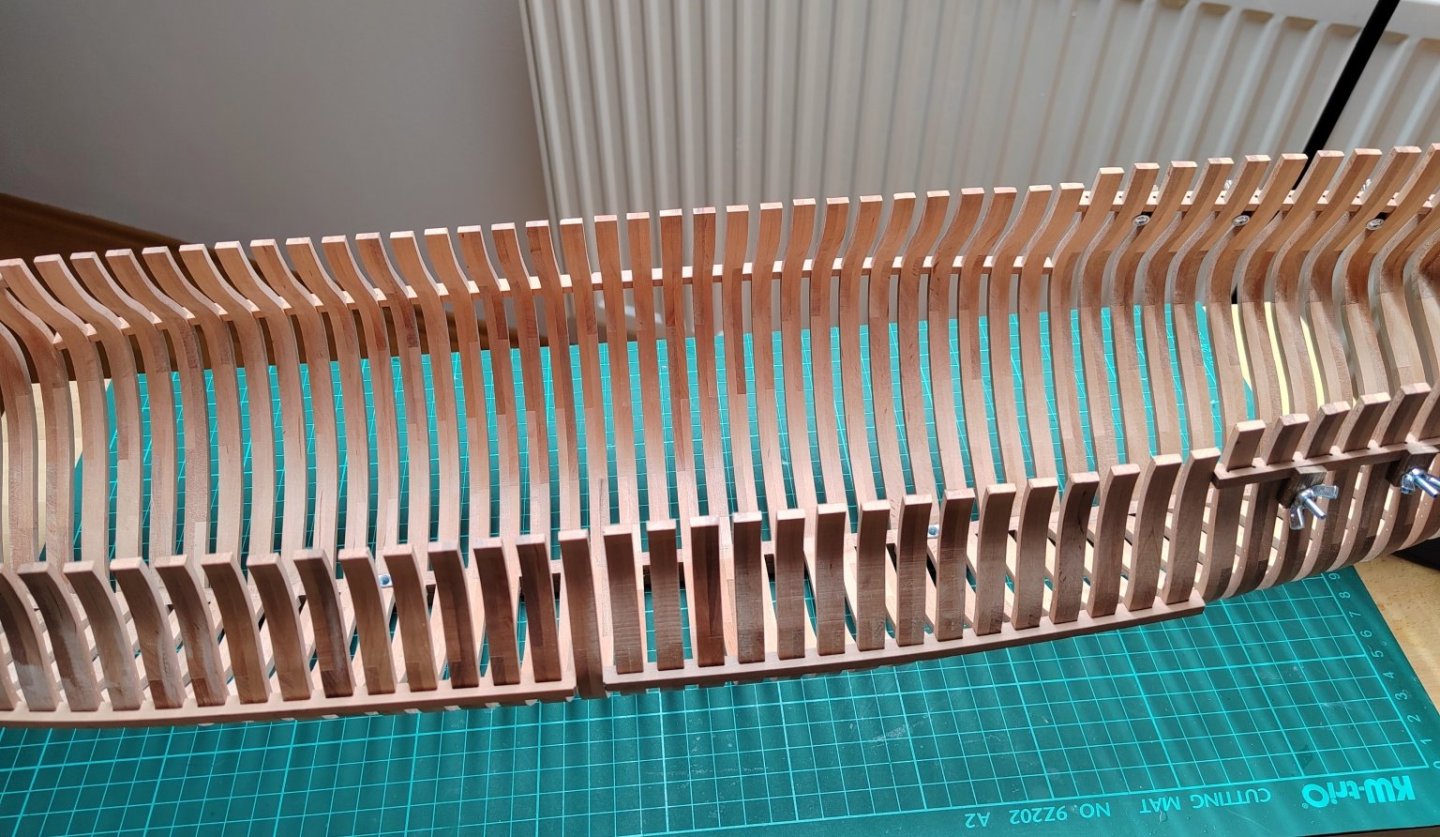
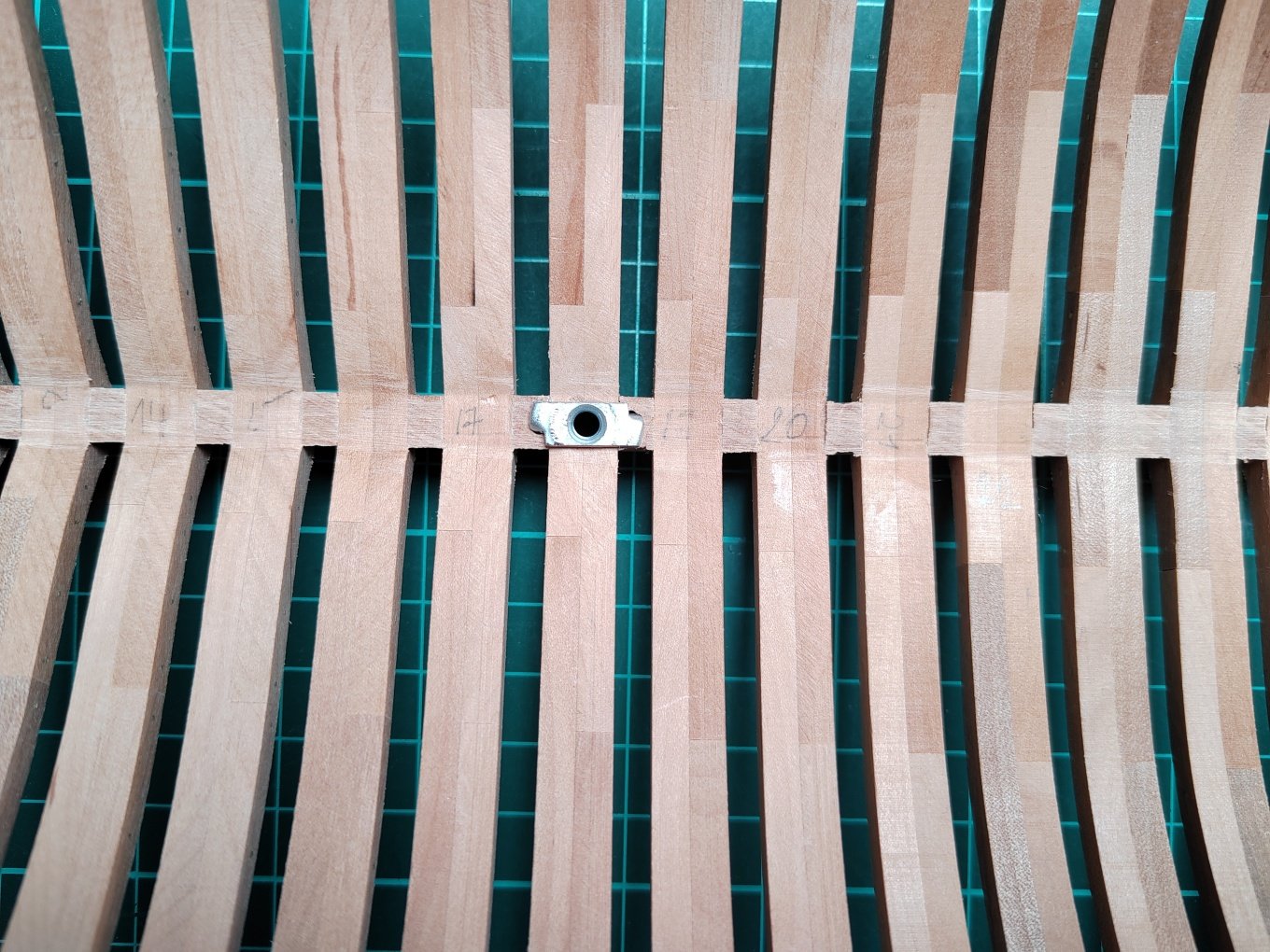
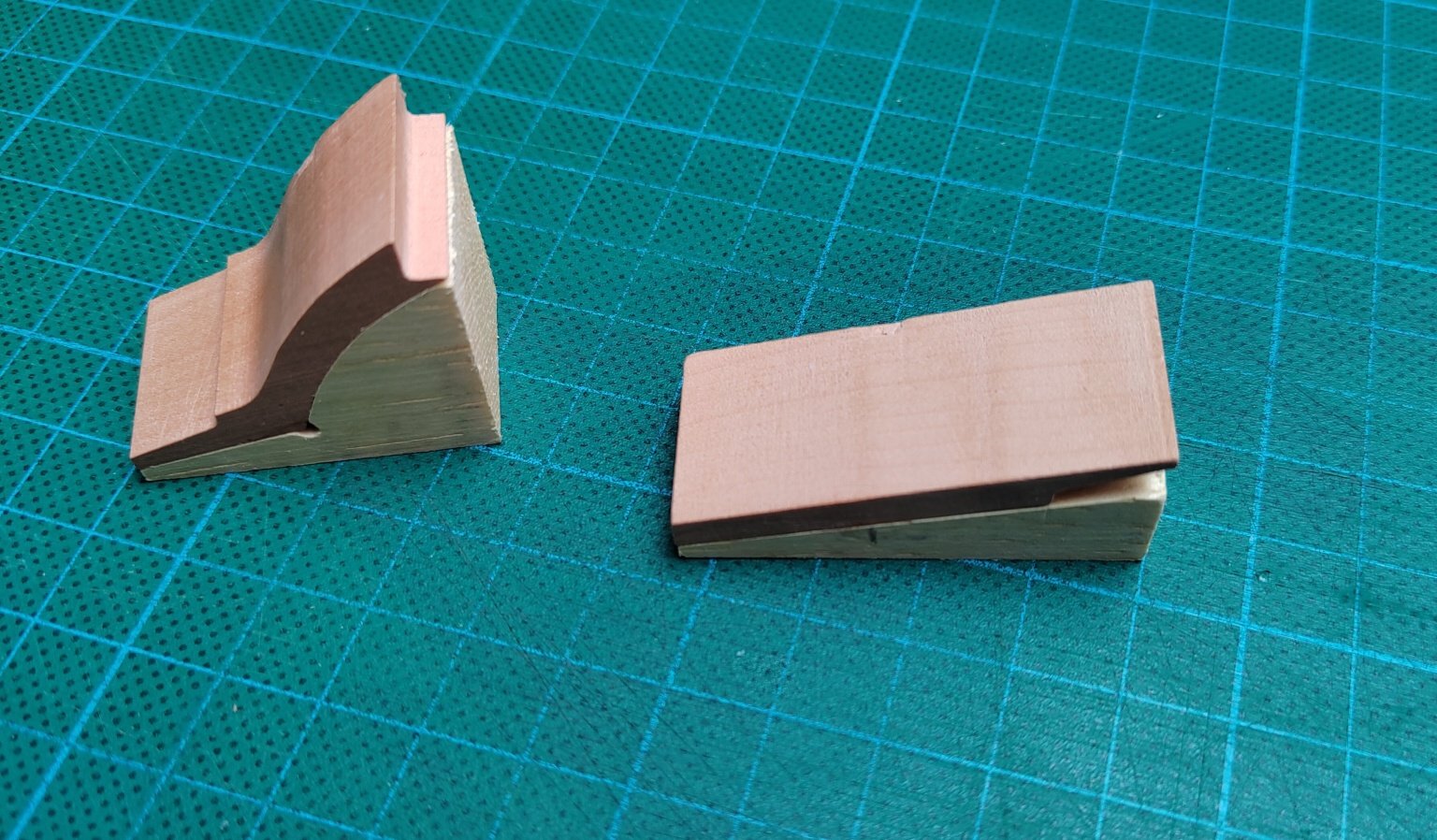
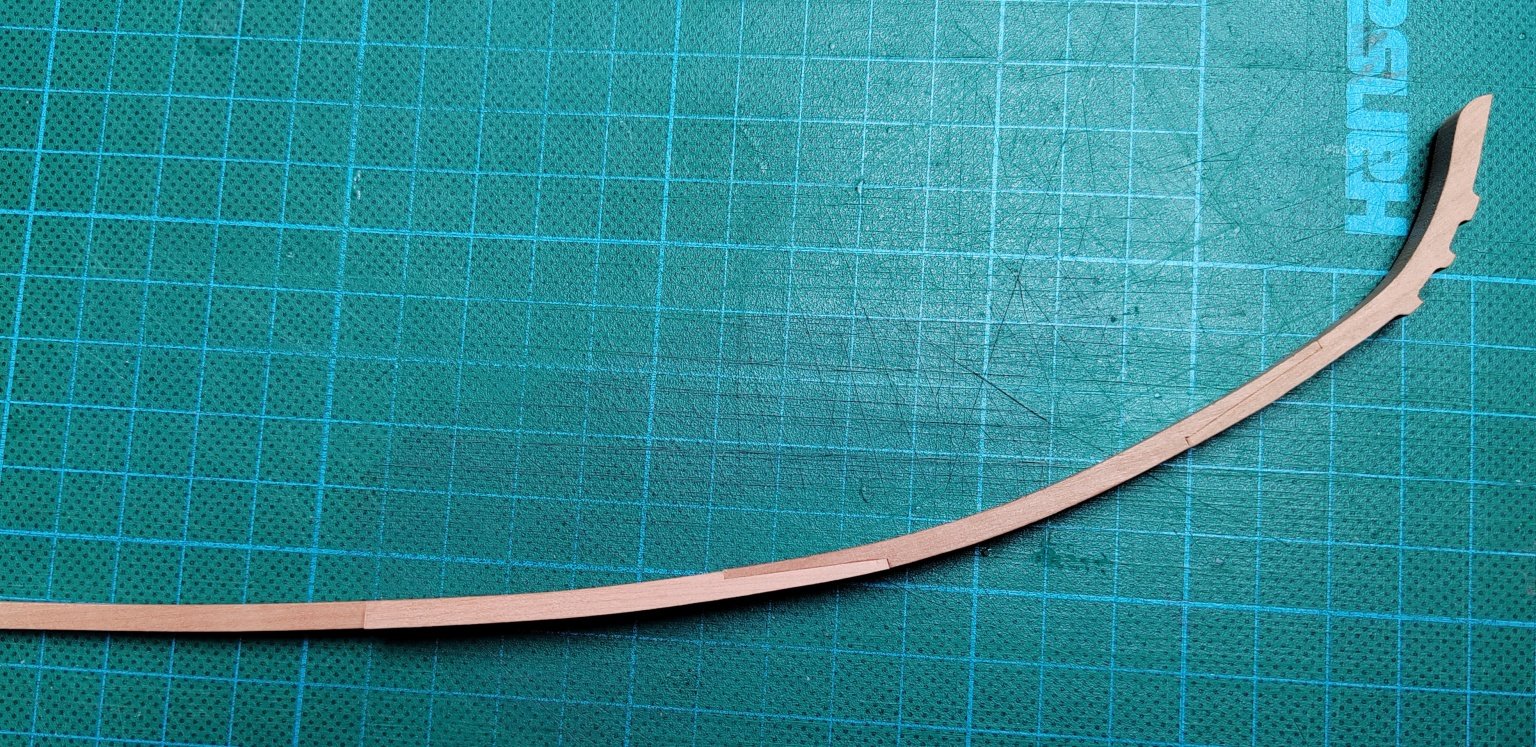
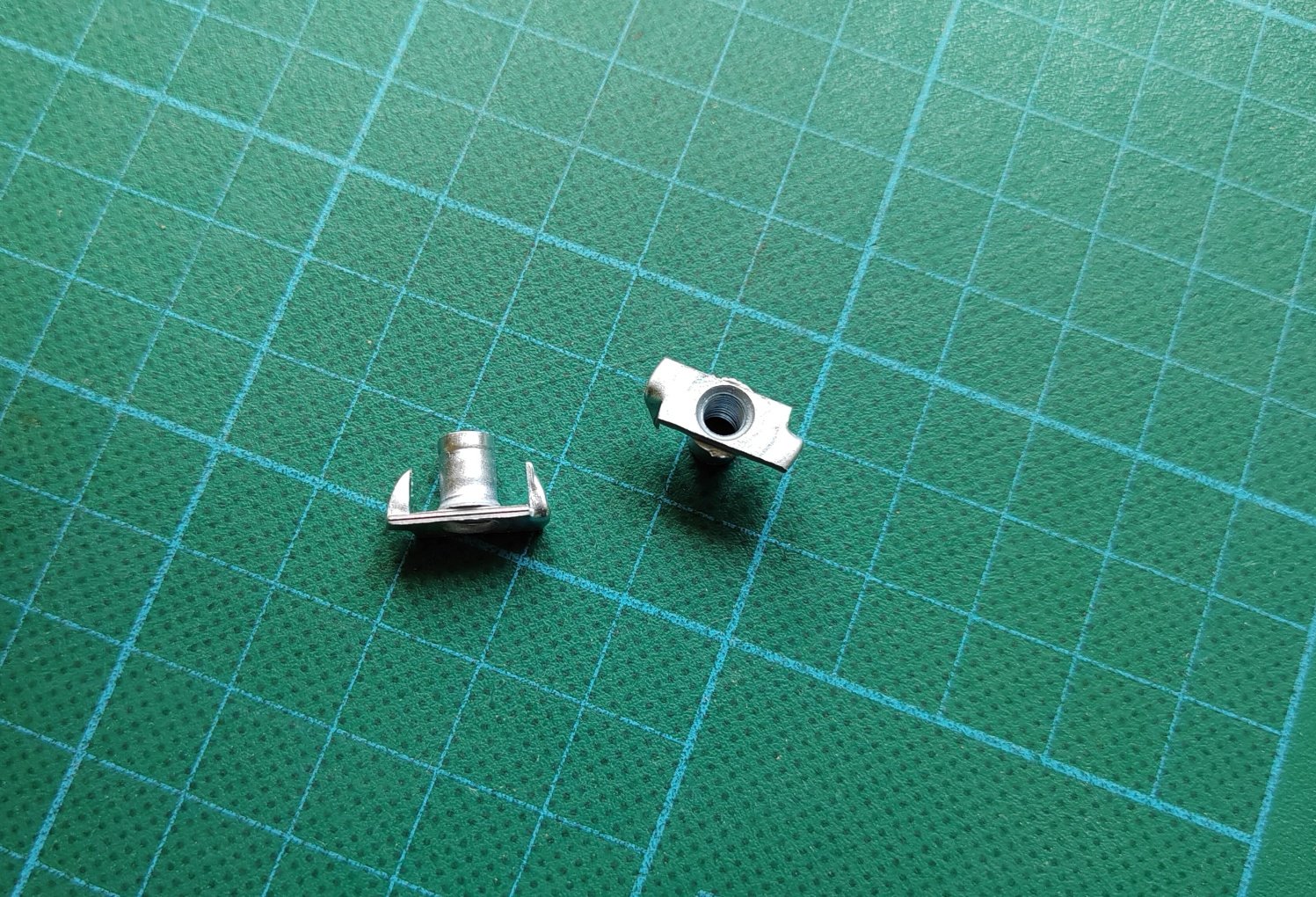
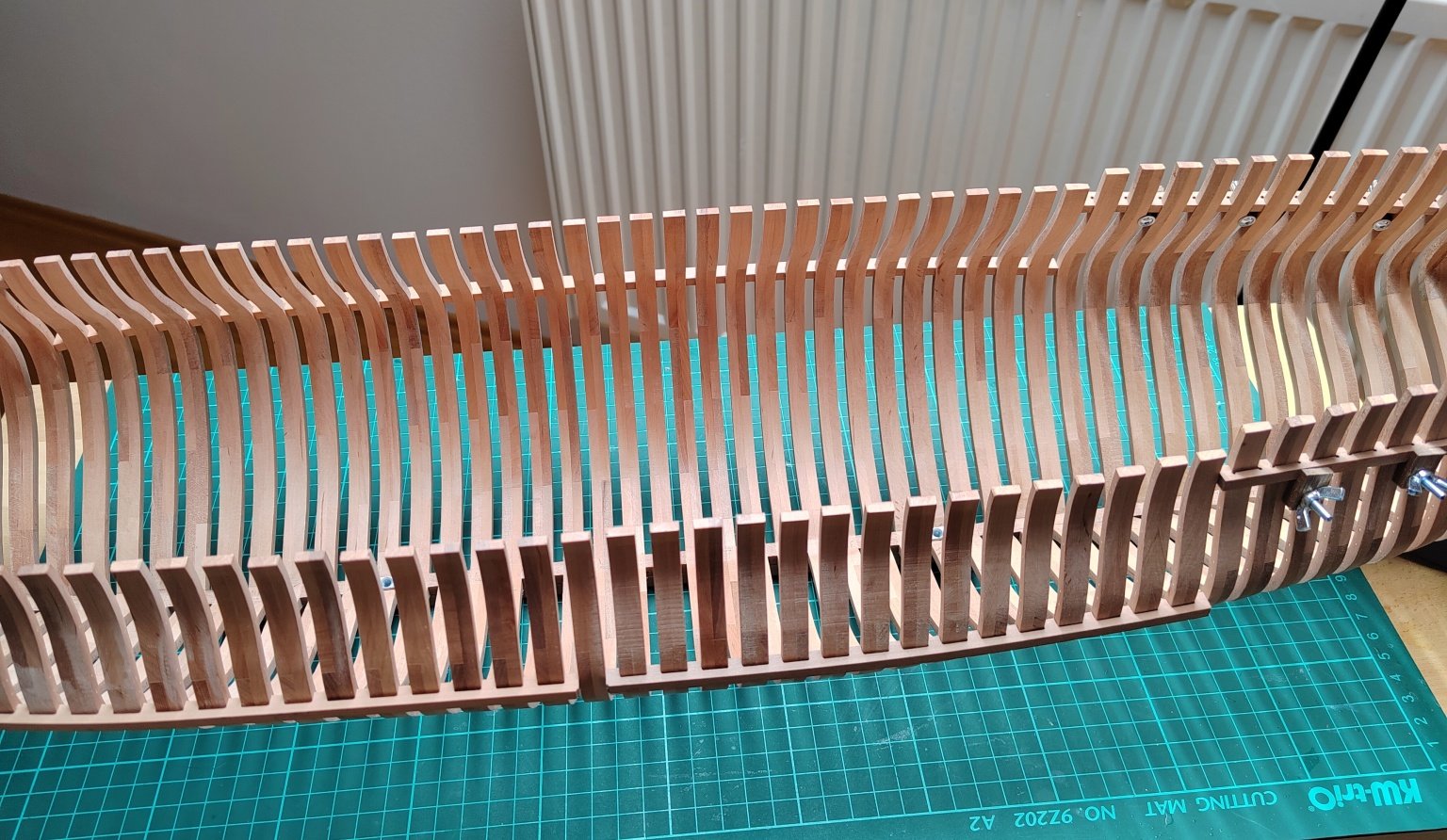
All the frames are in place, it's time to make the mounts for the stand screws. After gluing the keelson will not be visible.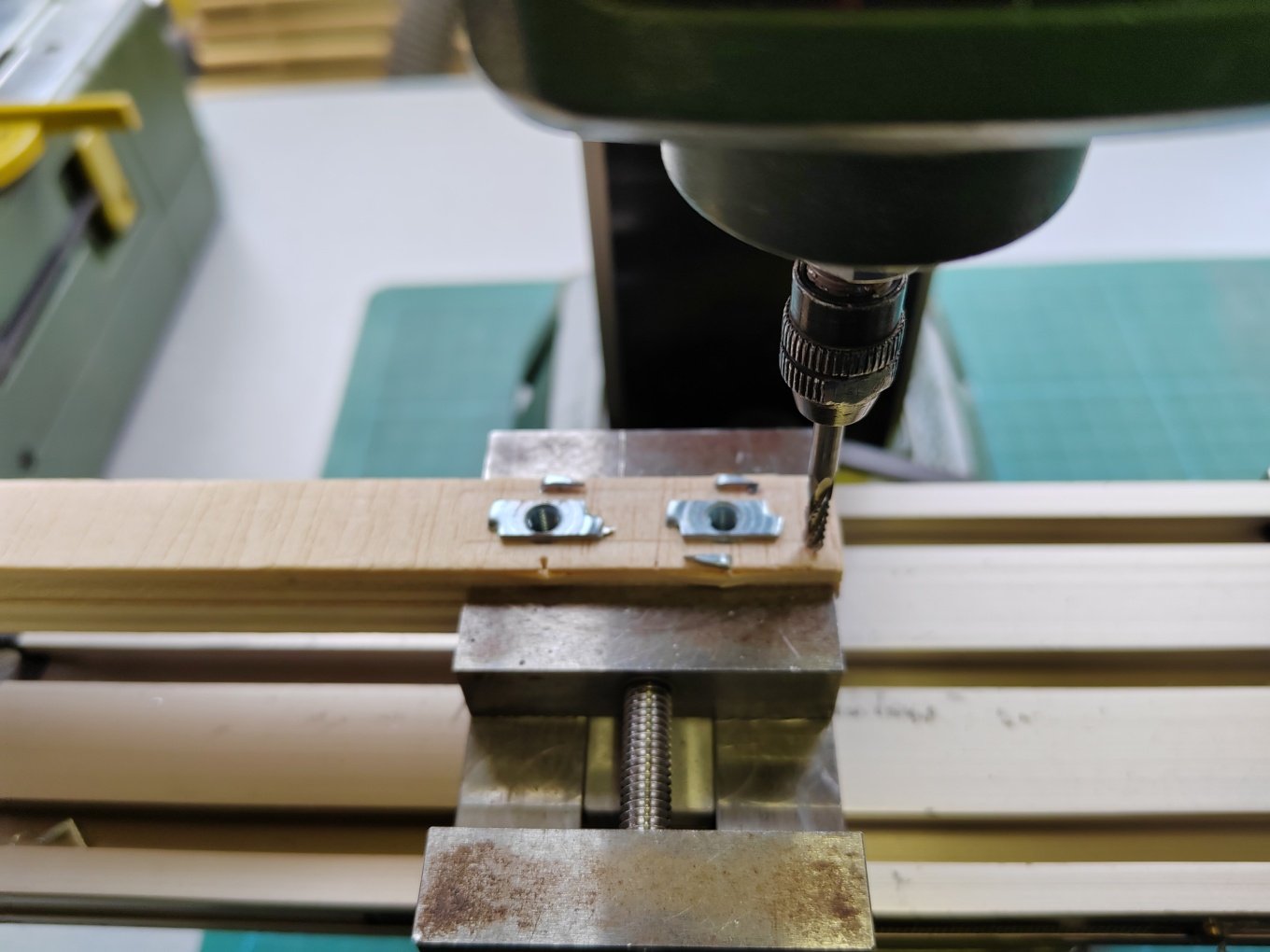
-
L'Amarante by marsalv - 1:36 - POF
marsalv replied to marsalv's topic in - Build logs for subjects built 1501 - 1750
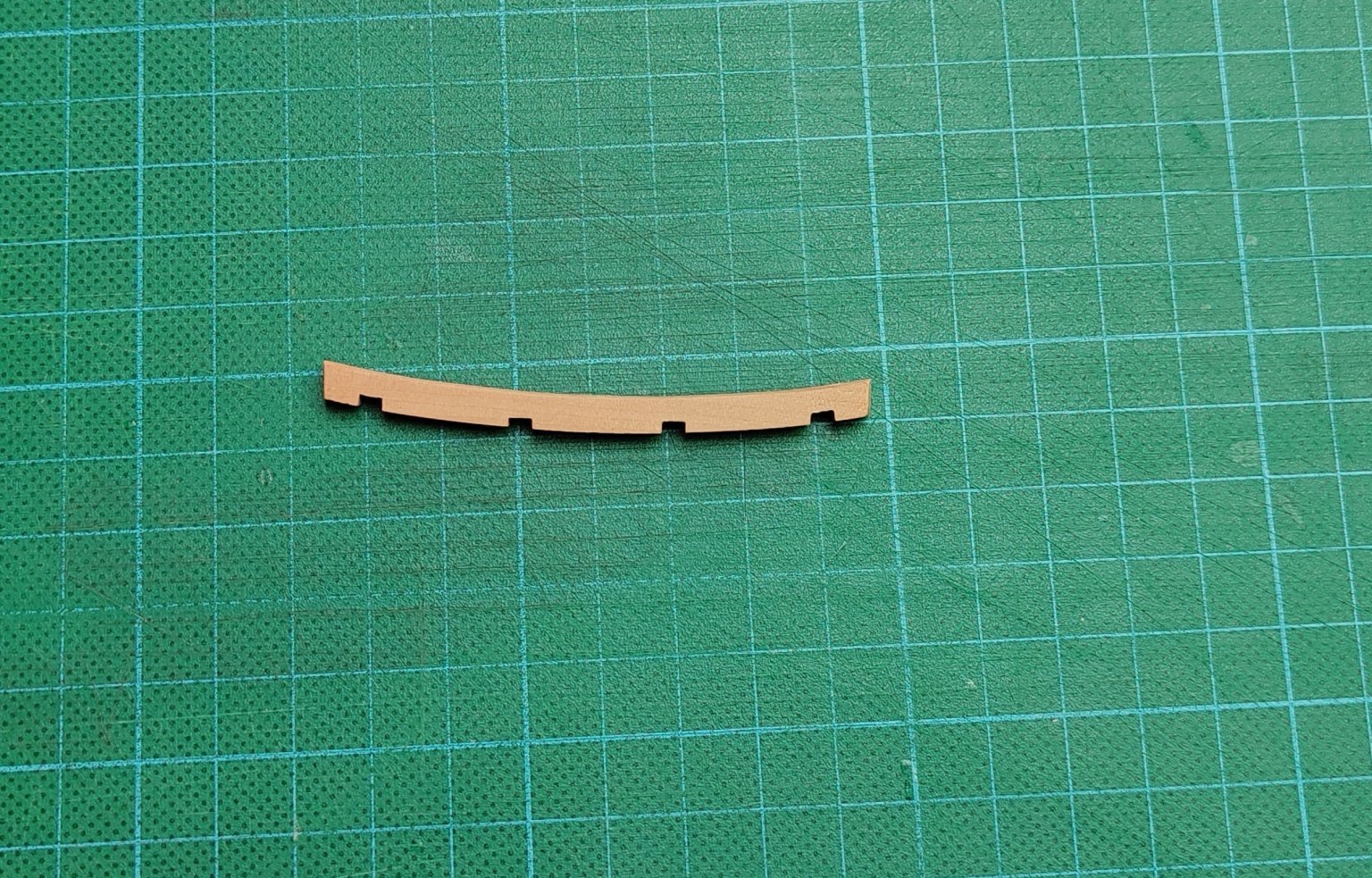
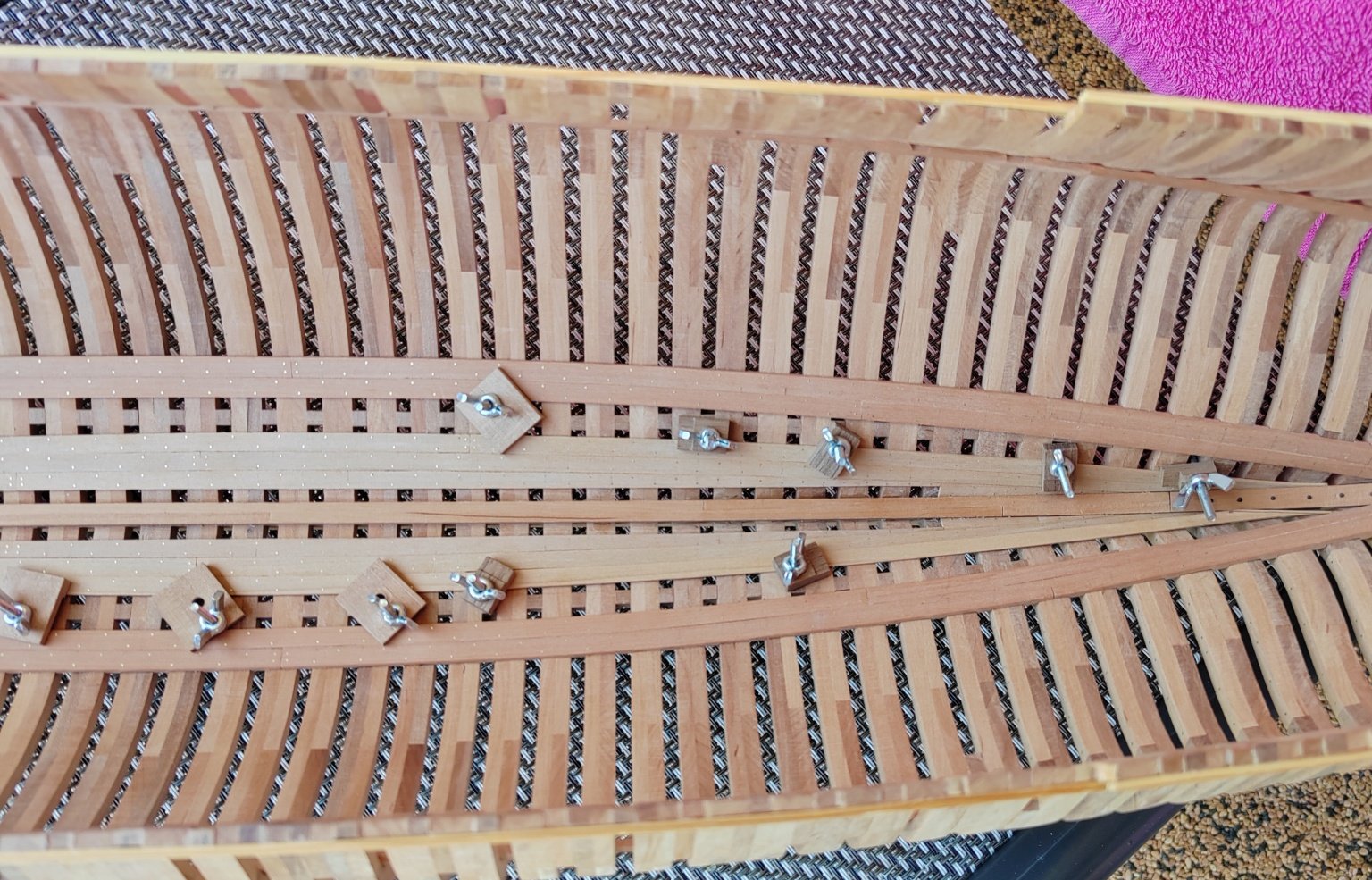
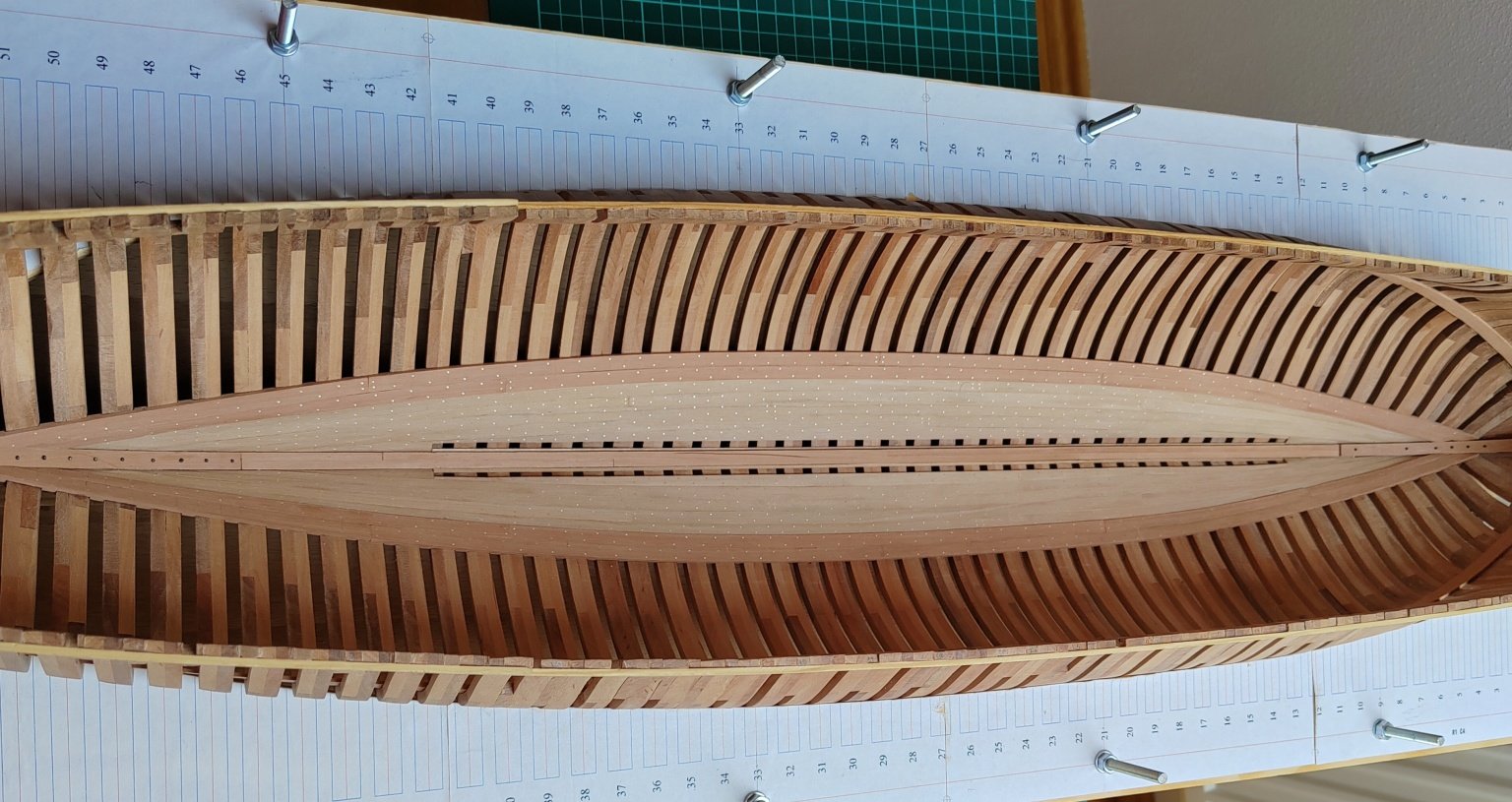
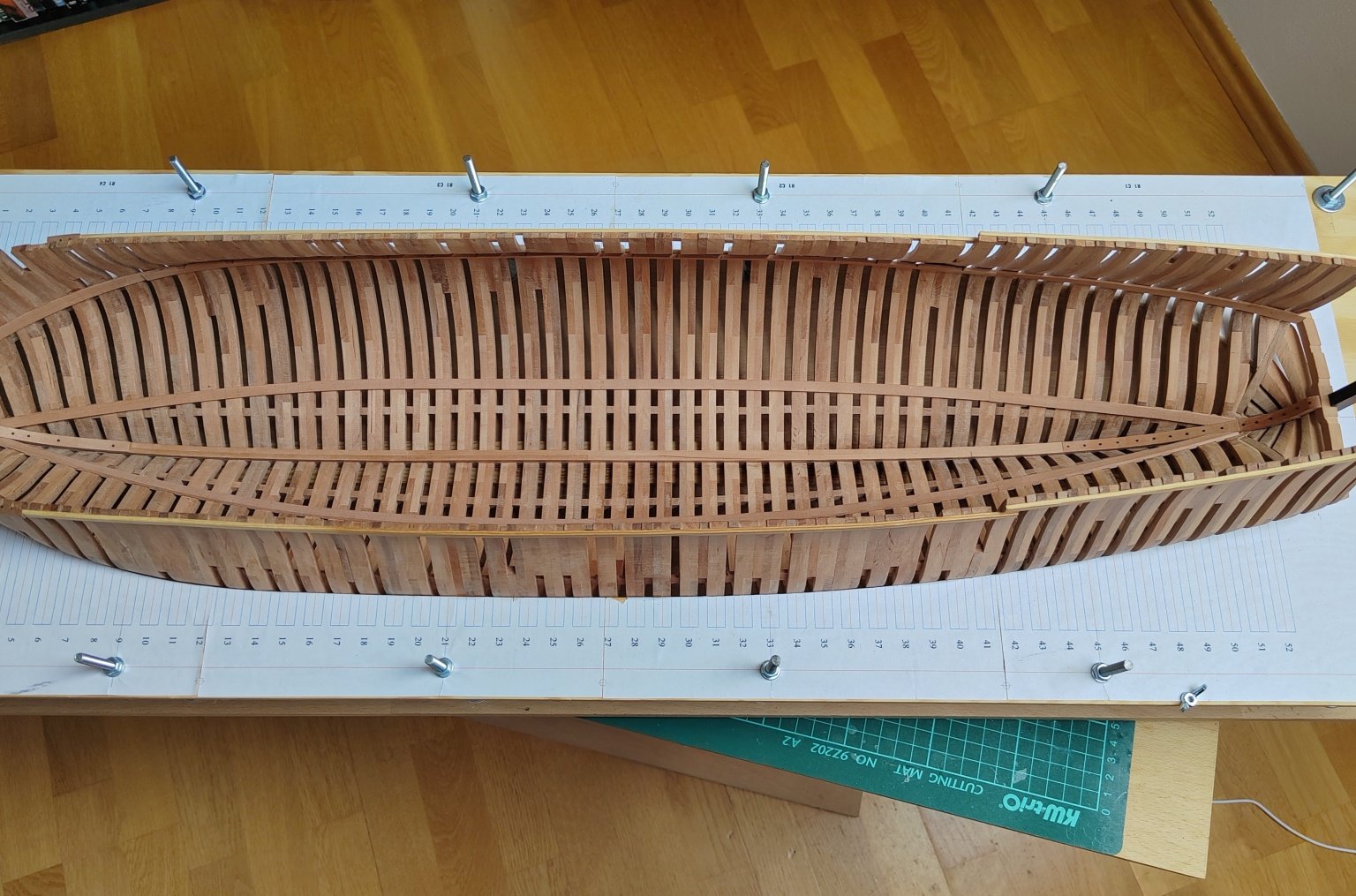
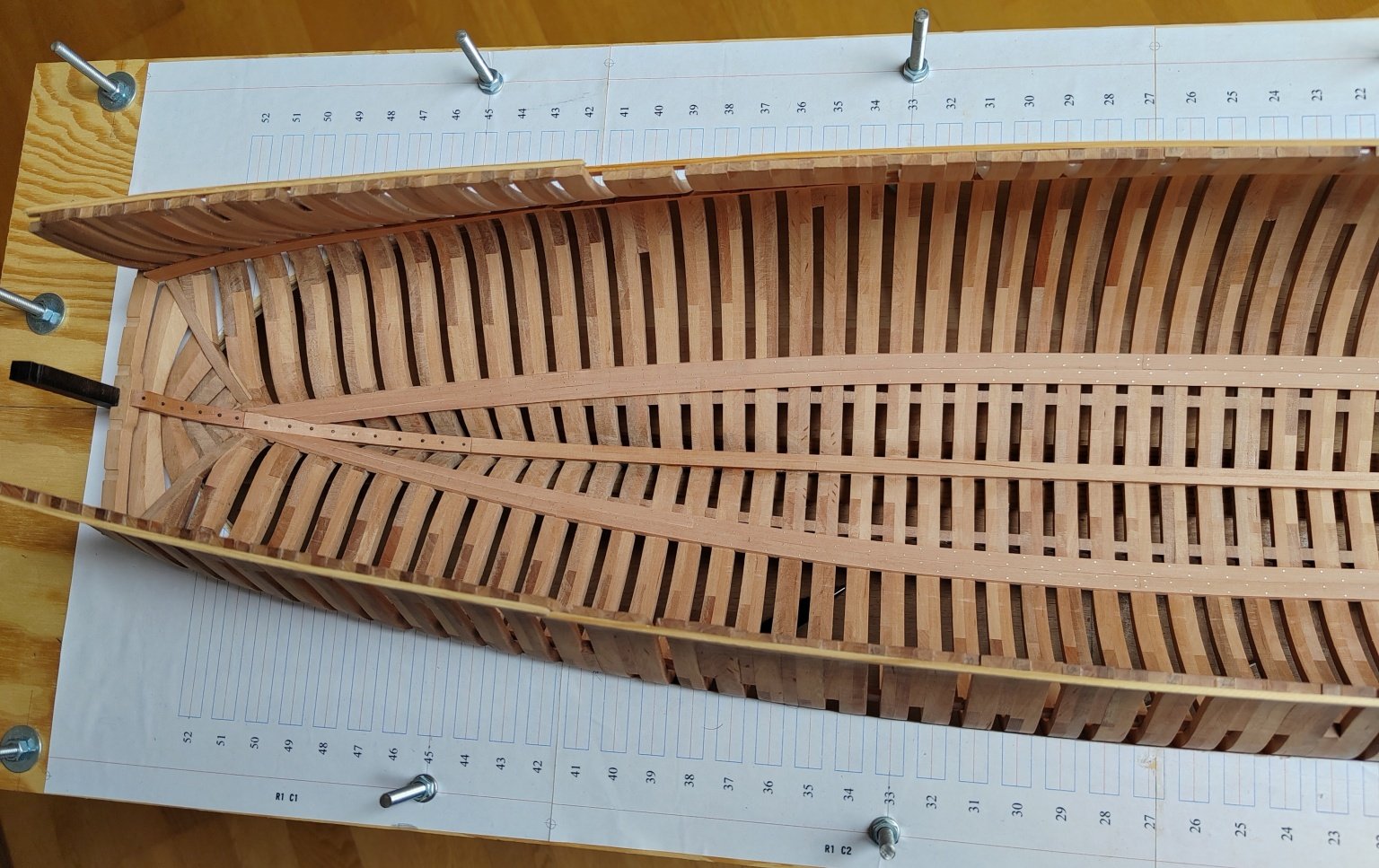
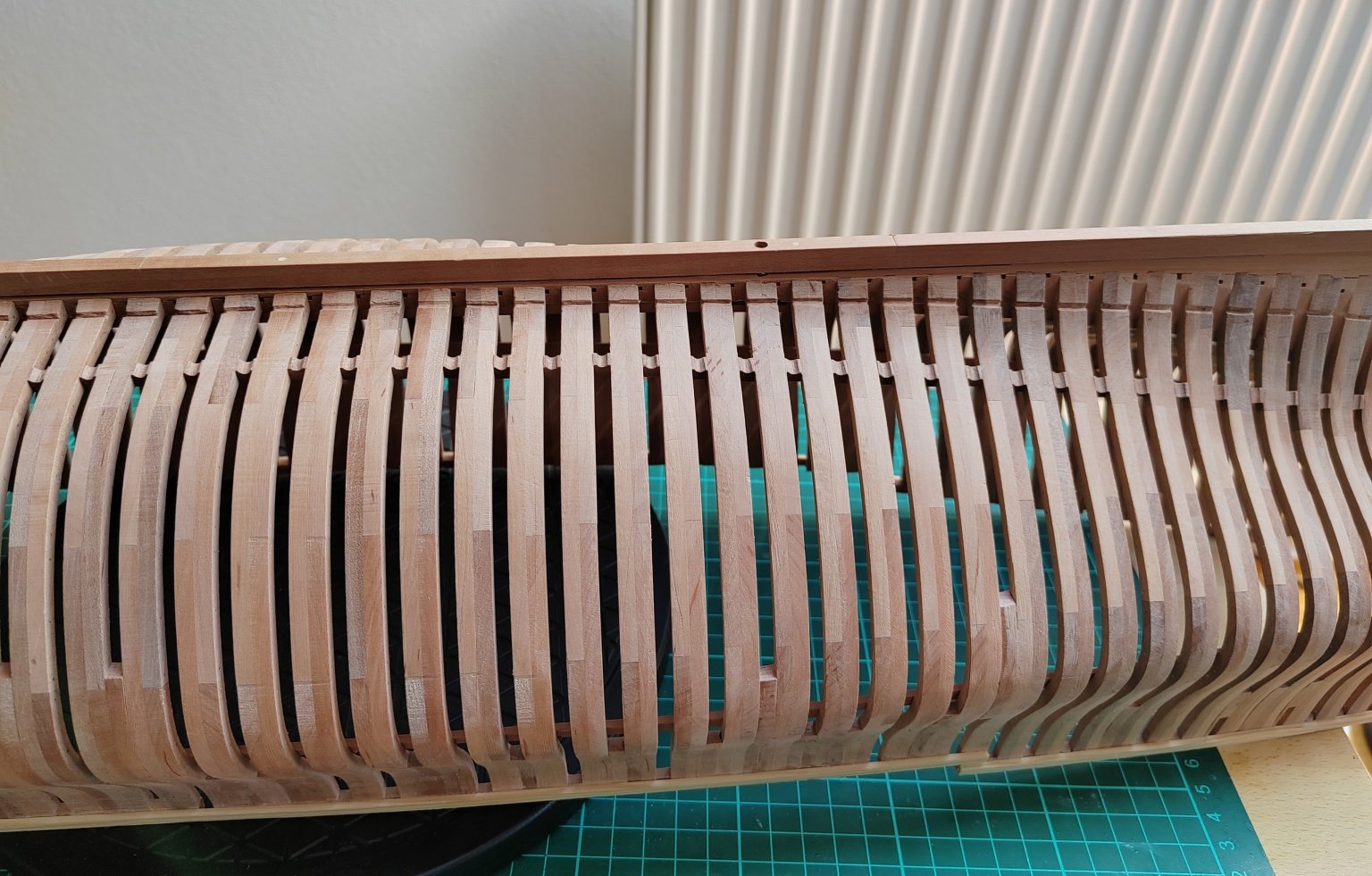
To contrecerf: In fact, these are square holes - limber-passage - see picture.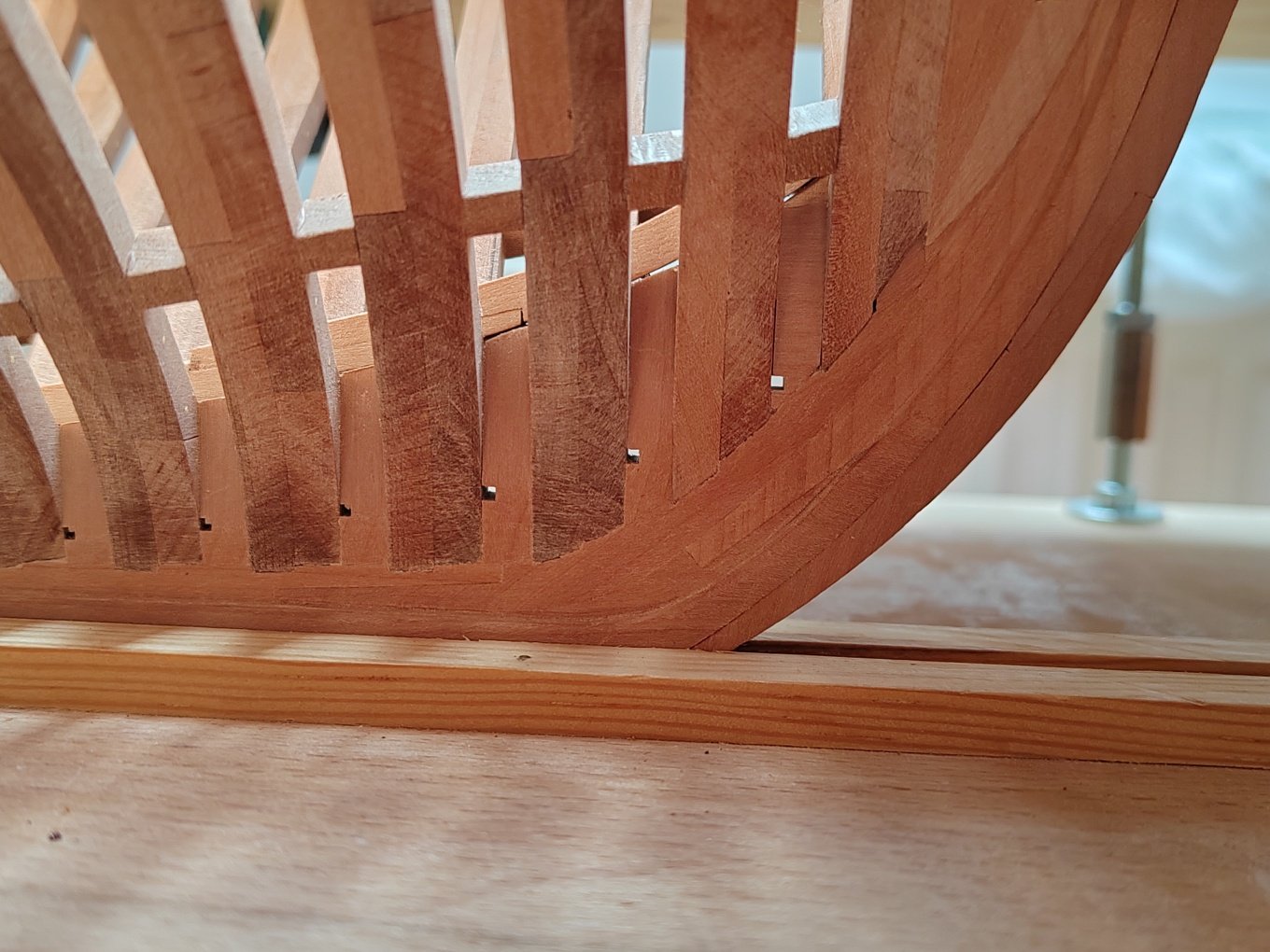



Our Emblem ®
