

KeithAug
-
Posts
3,986 -
Joined
-
Last visited
Content Type
Profiles
Forums
Gallery
Events
Everything posted by KeithAug
-

ancre La Salamandre by tadheus - 1:24
KeithAug replied to tadheus's topic in - Build logs for subjects built 1751 - 1800
Nice to see you back on the build Pawel. -
Hi if you need any more hints or photos please ask. I didn't take any photos of my build as it was pre internet and in the days of film cameras. However as the model is still on the shelf more photos are easy to take. I hope you enjoy the build, take you time the fun is in the journey. By the way I used car (epoxy) body filler to fill the low points in my planking and sanded it out using a cork sanding block. It's fairly easy as long as you take care and use long steady strokes along the line of the hull.
-
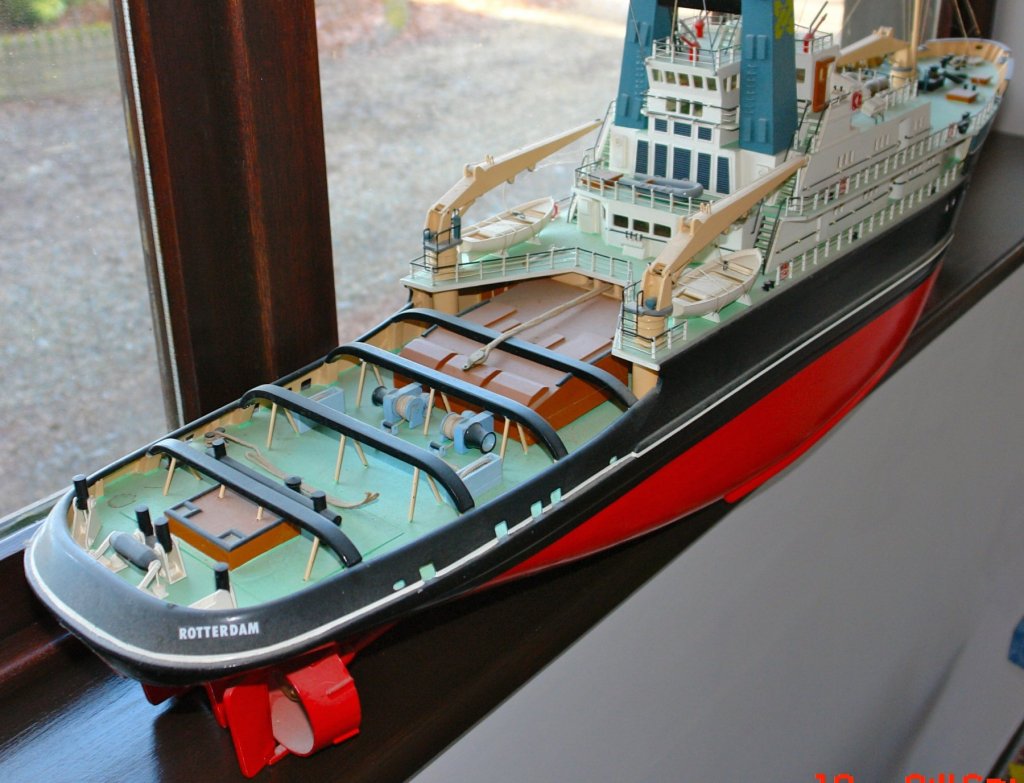
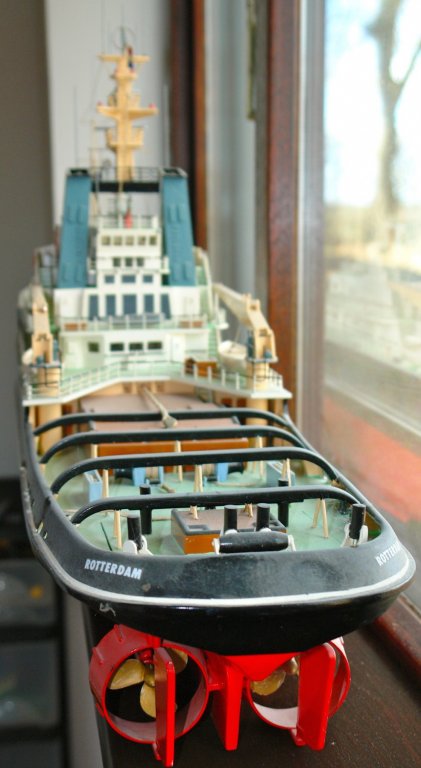
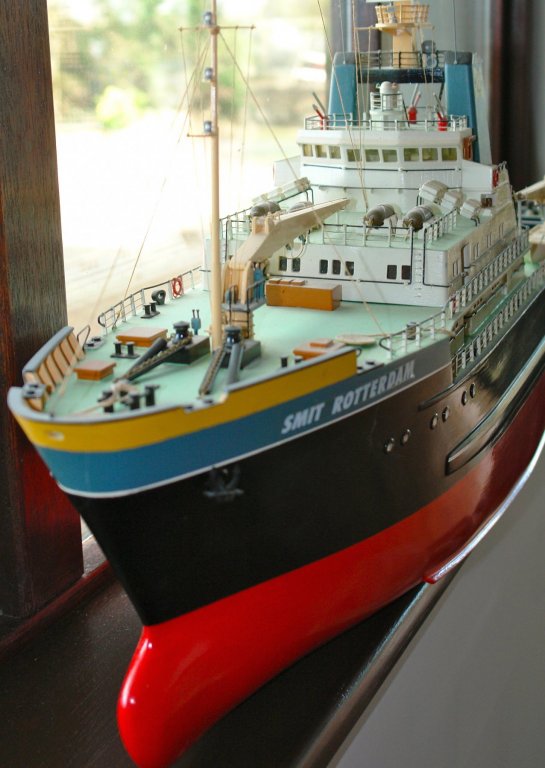
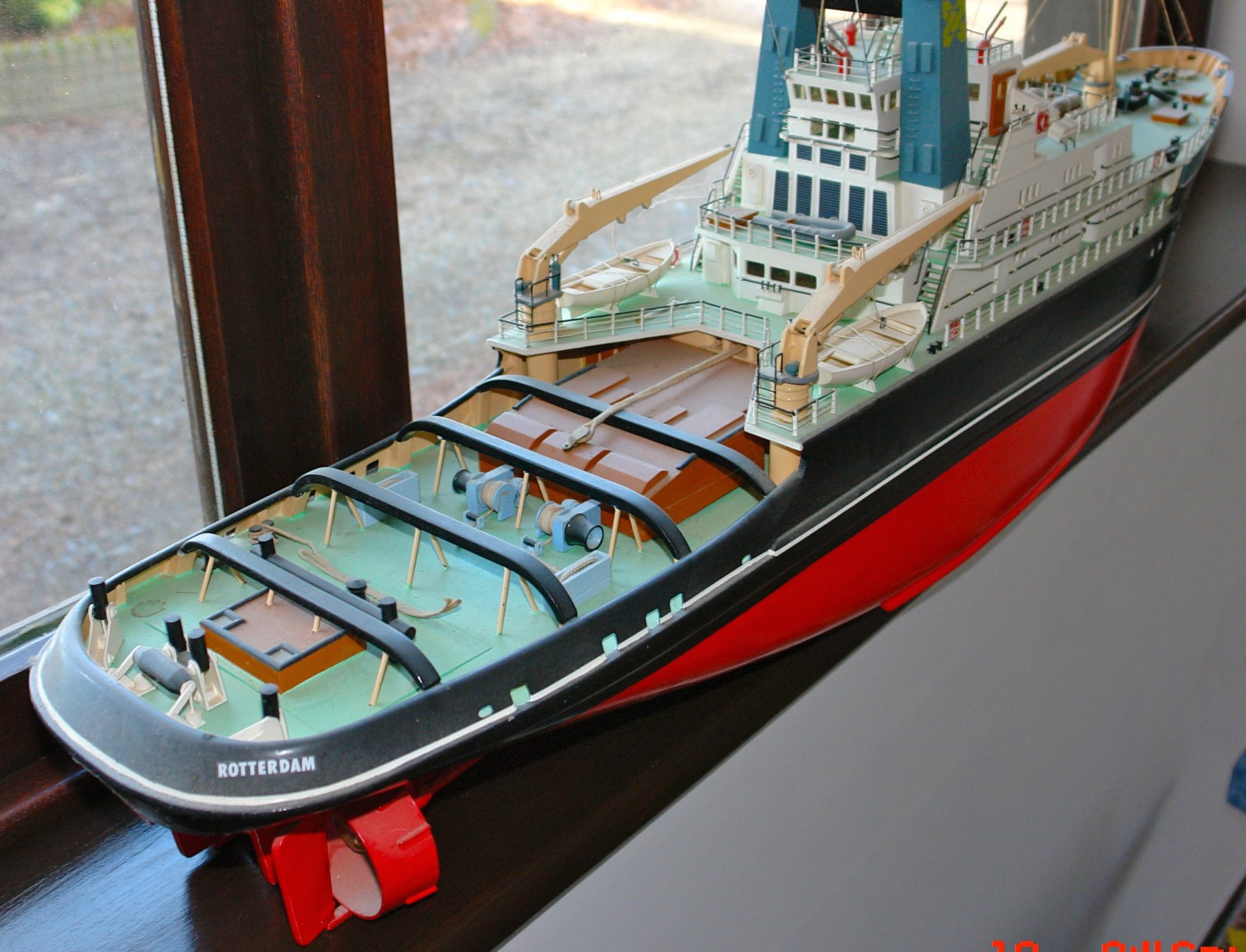
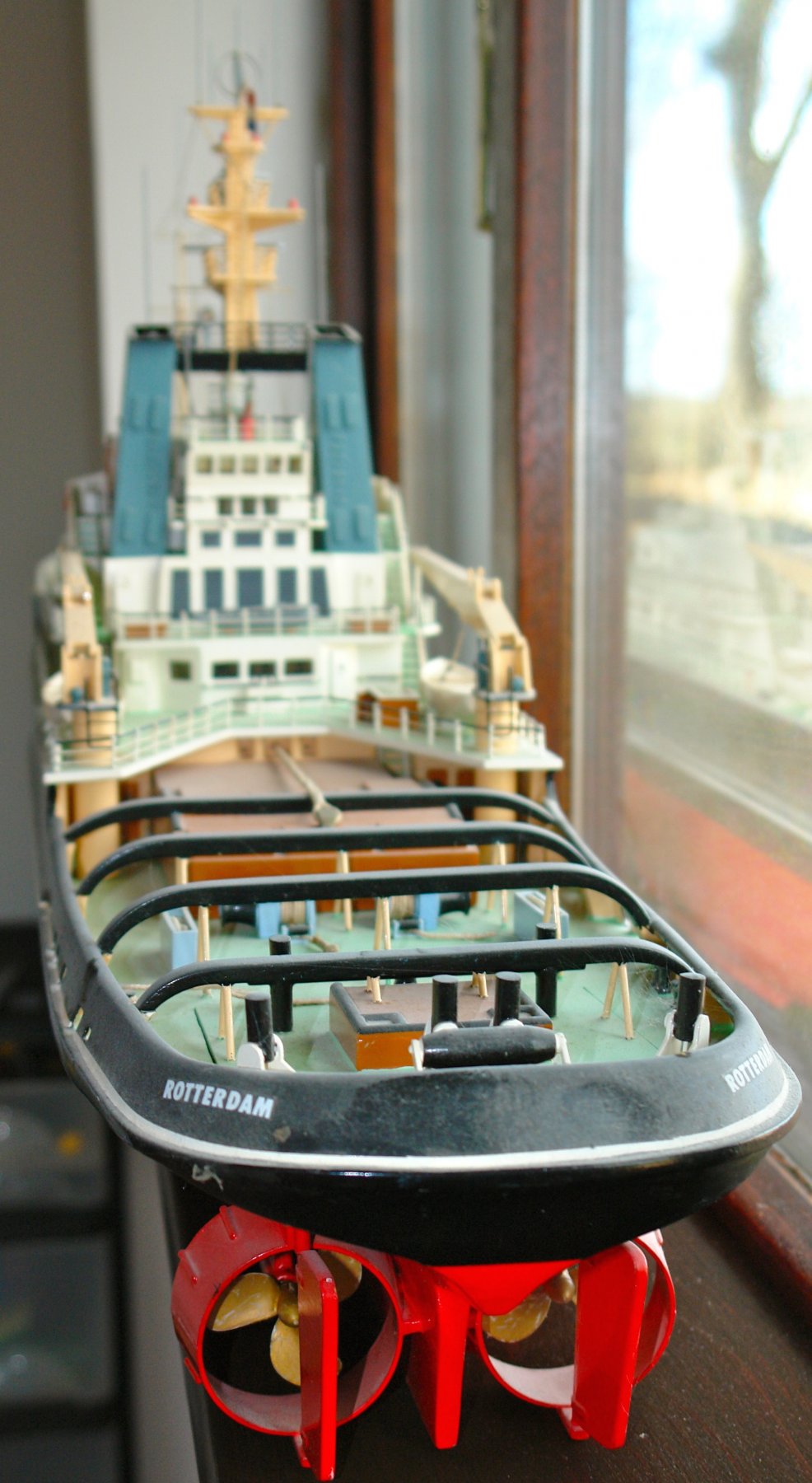
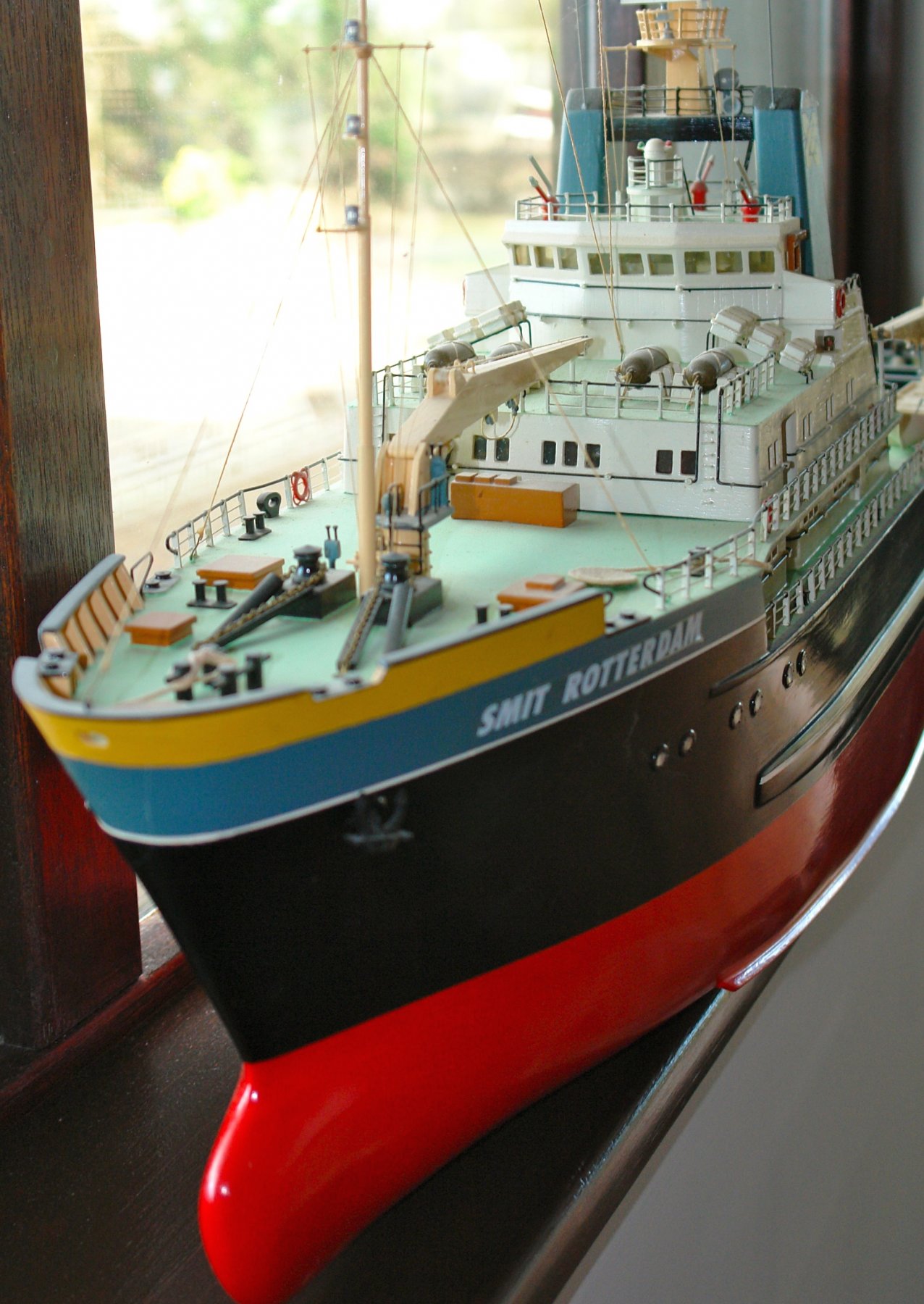
Hello Frozen Rabbit Smit Rotterdam was my first kit model so I read your post with interest. My build was completed about 30 years ago and like others I see many differences between the hull that I built and the kit you are building. The vast majority of my hull was planked in strip wood no wider than 5/16 inch. It seems to me that what you are having to deal with is a much more difficult construction method, presumably "value engineering" on steroids. Good luck.
-
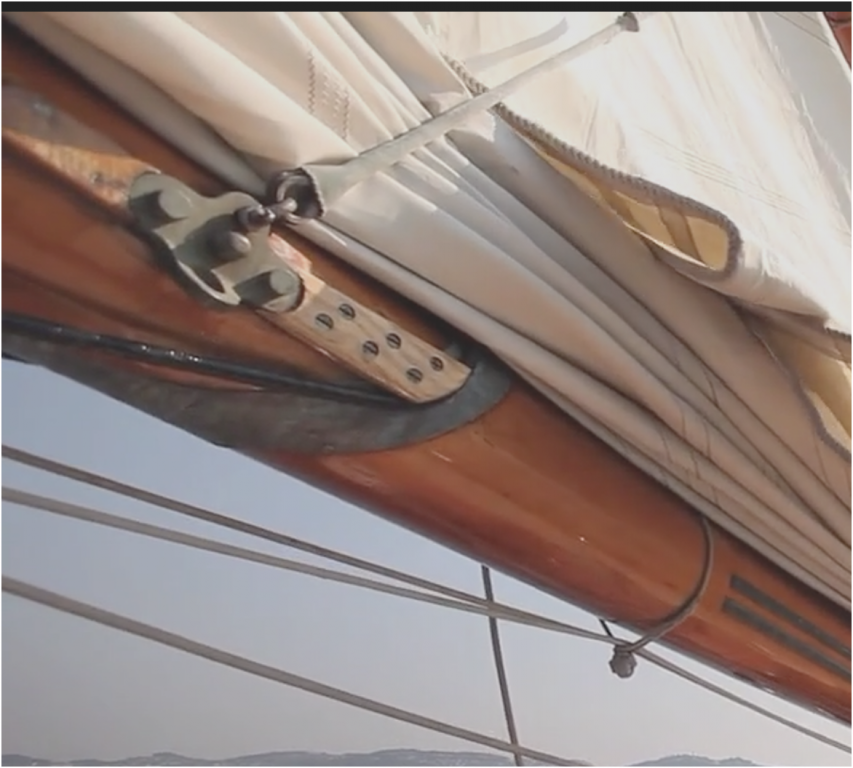
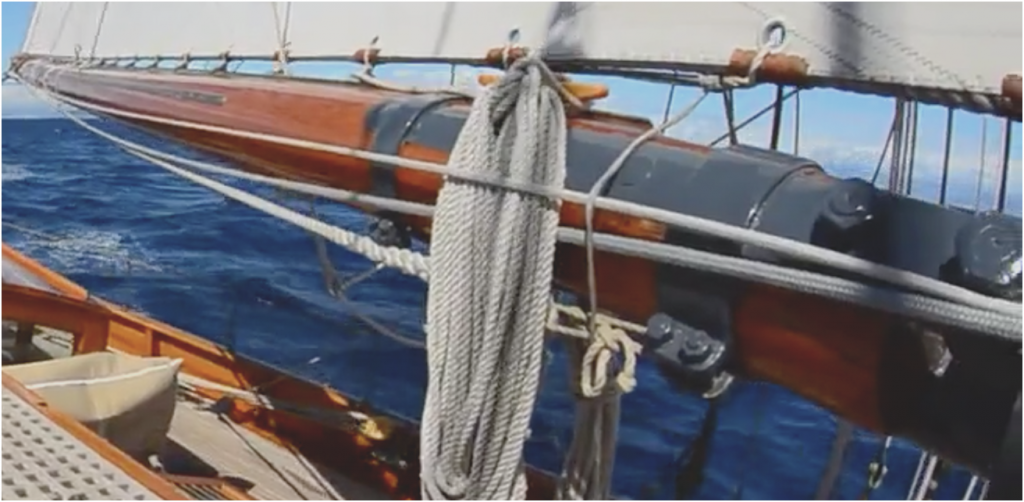
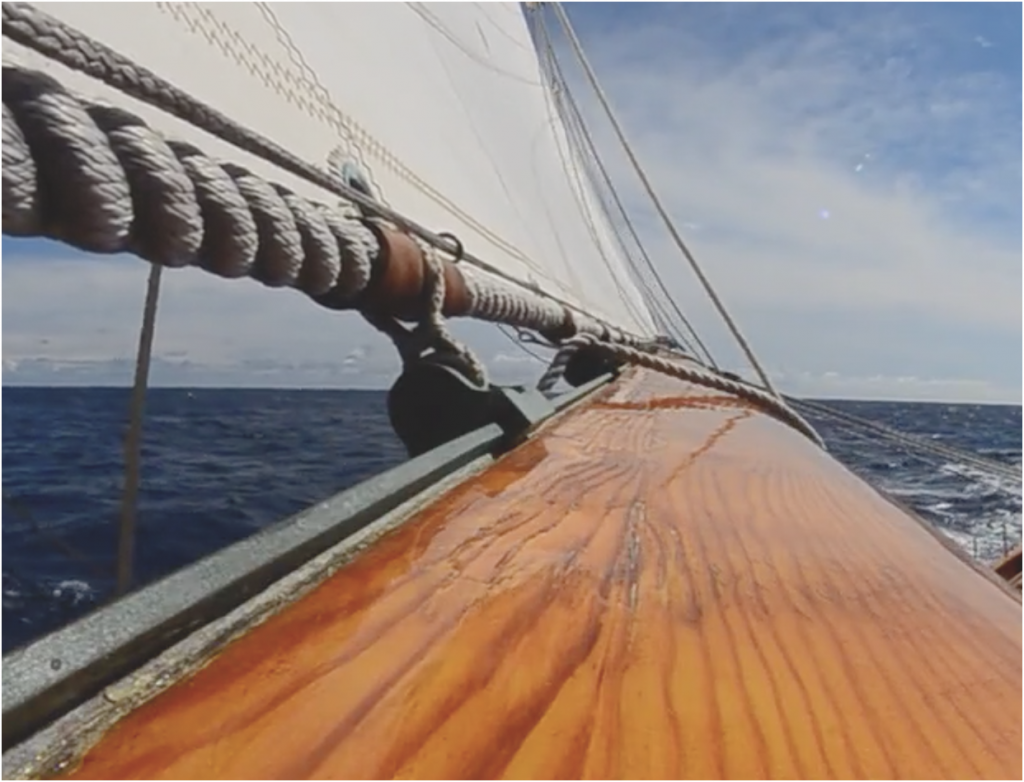
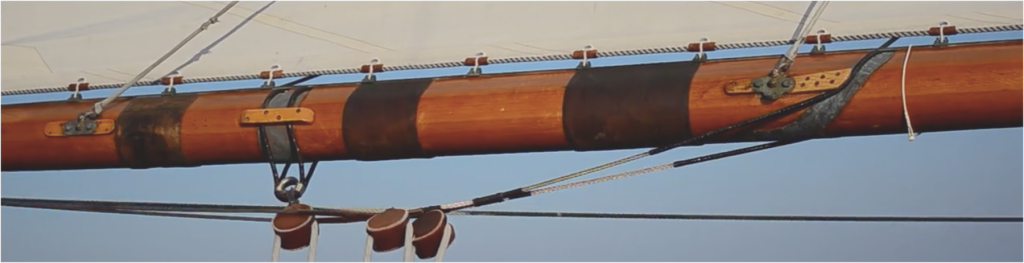
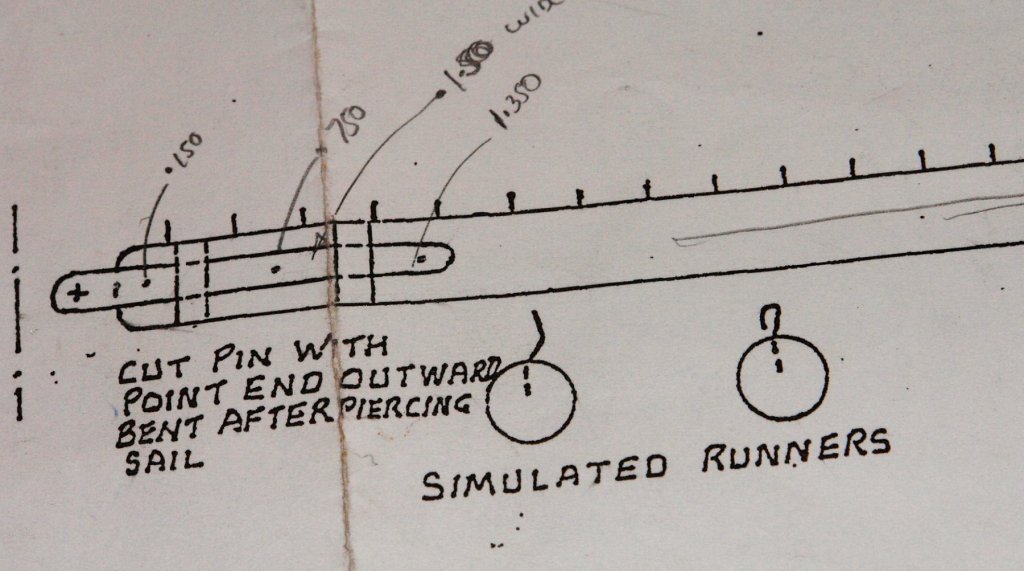
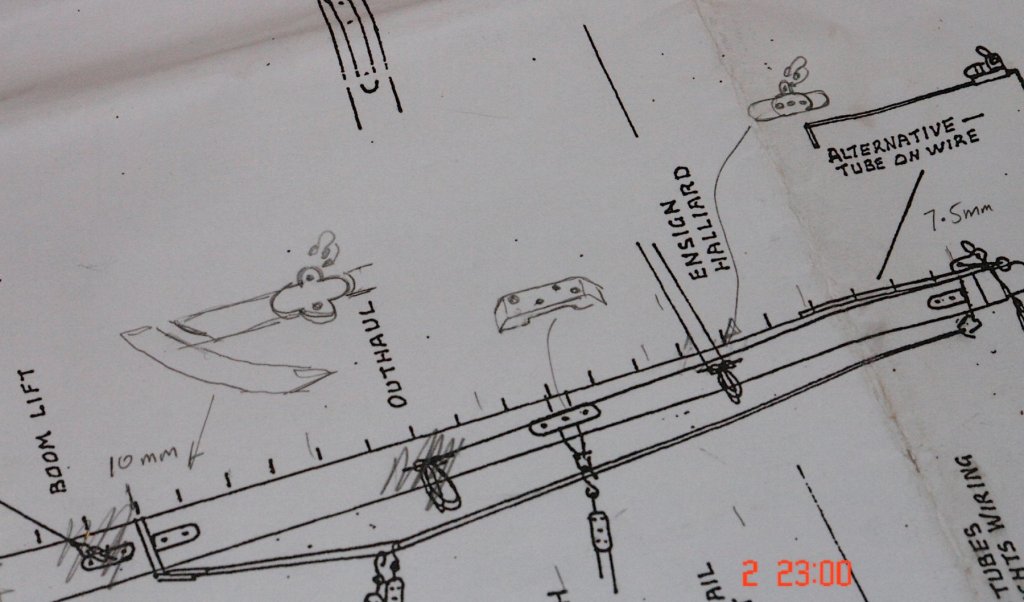
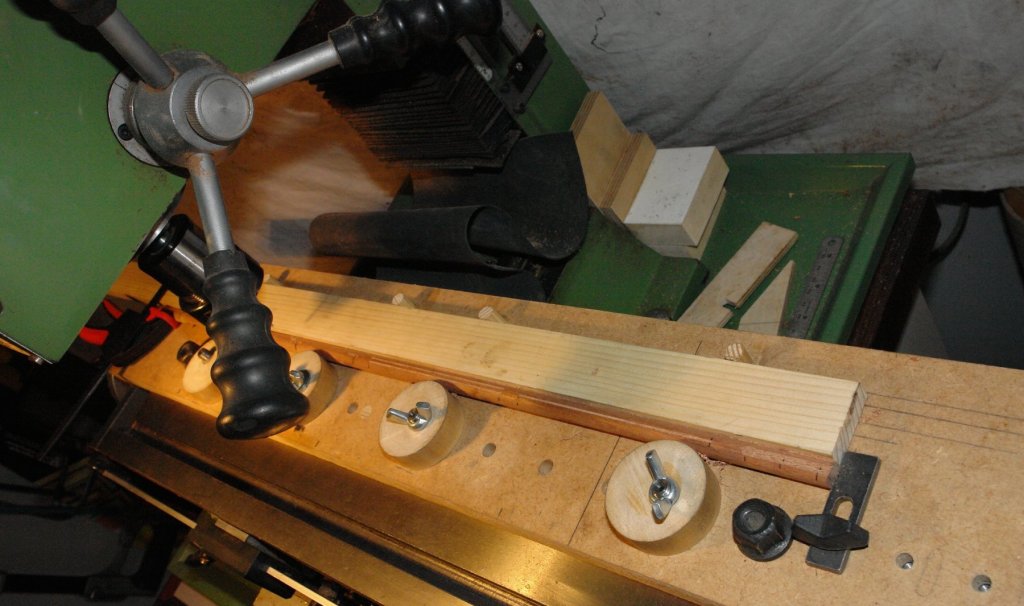
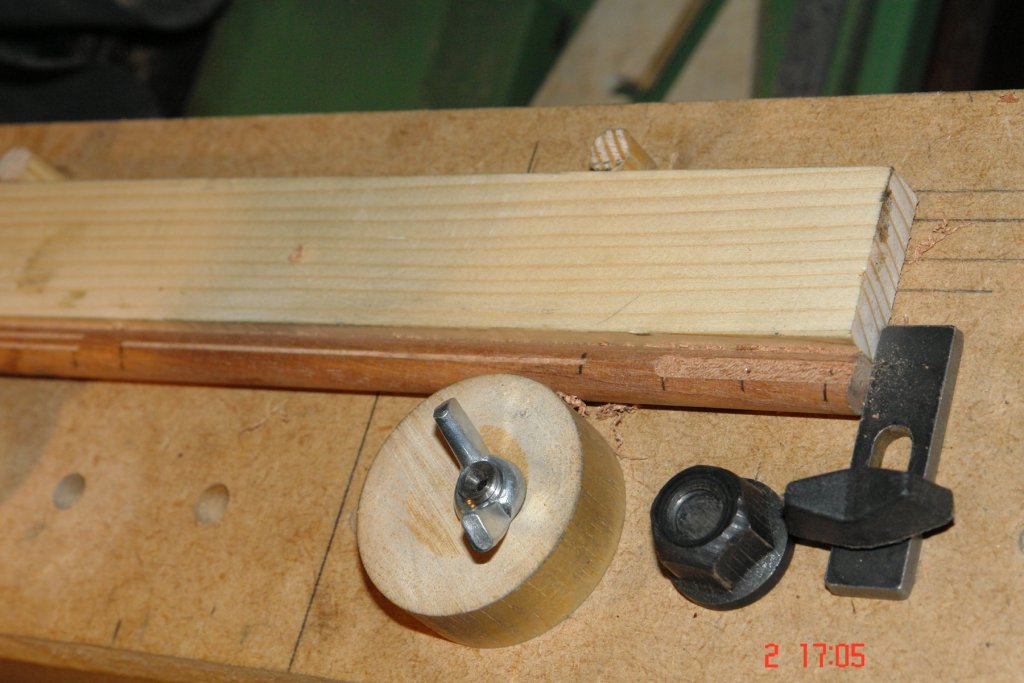
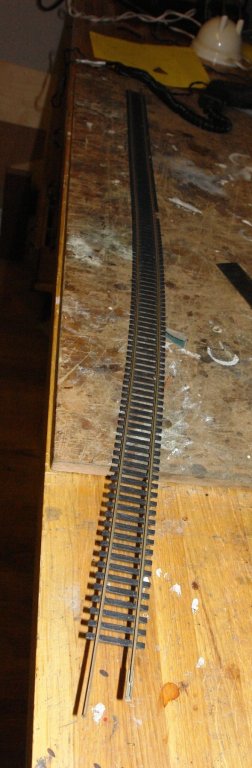
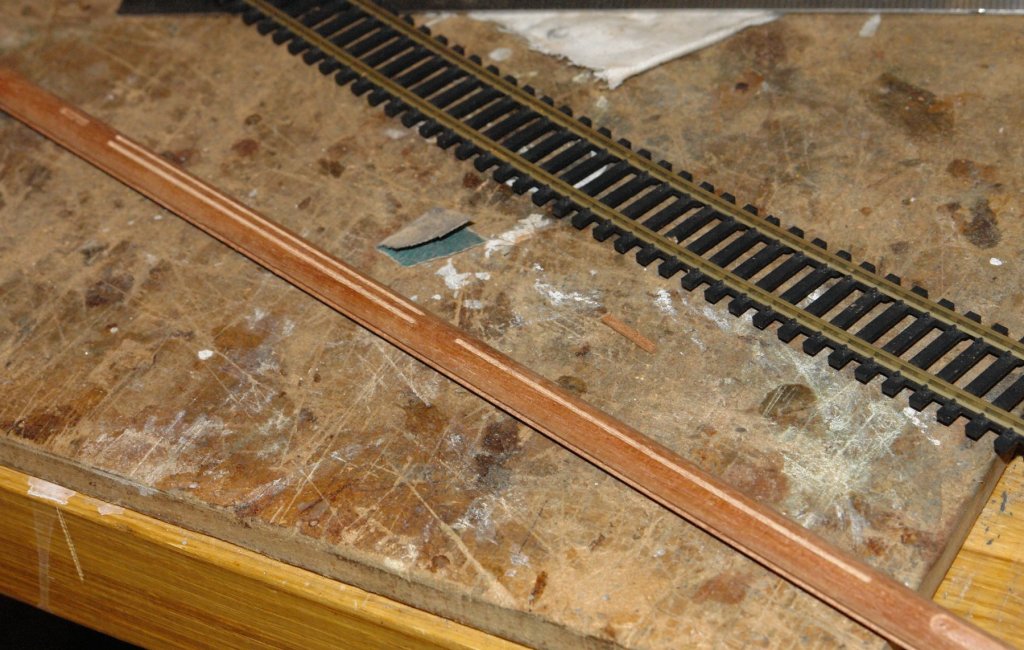
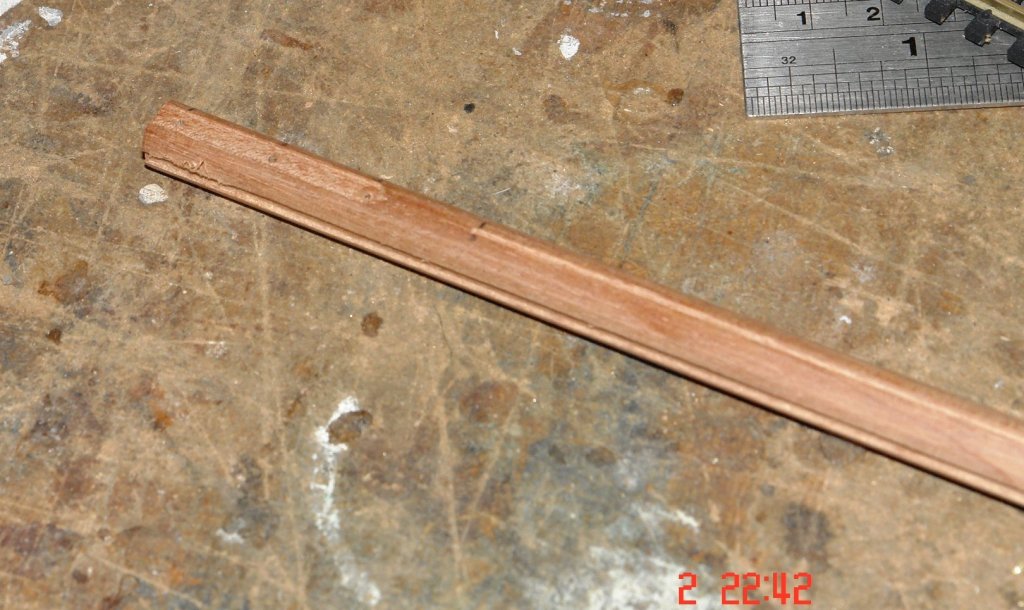
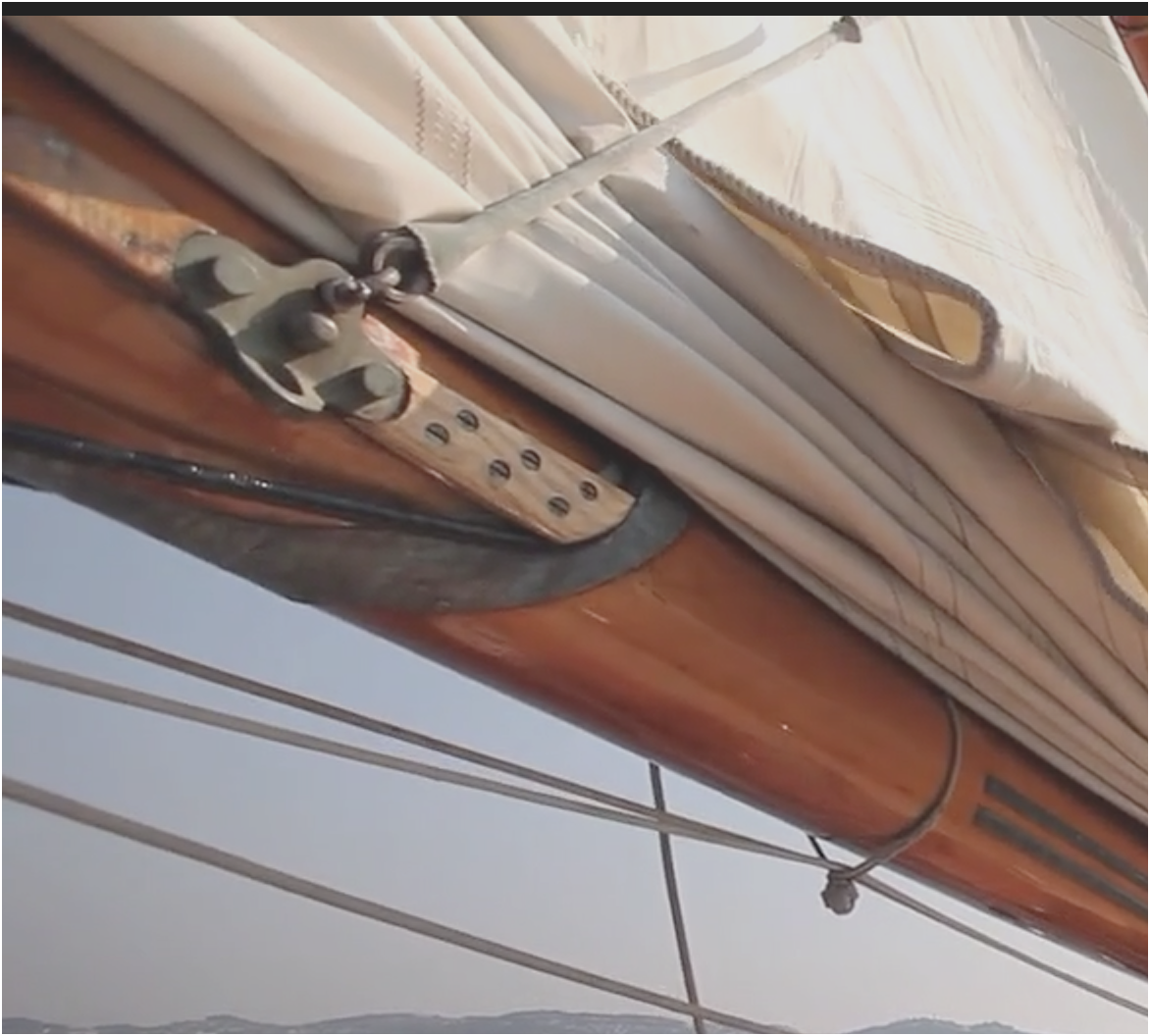
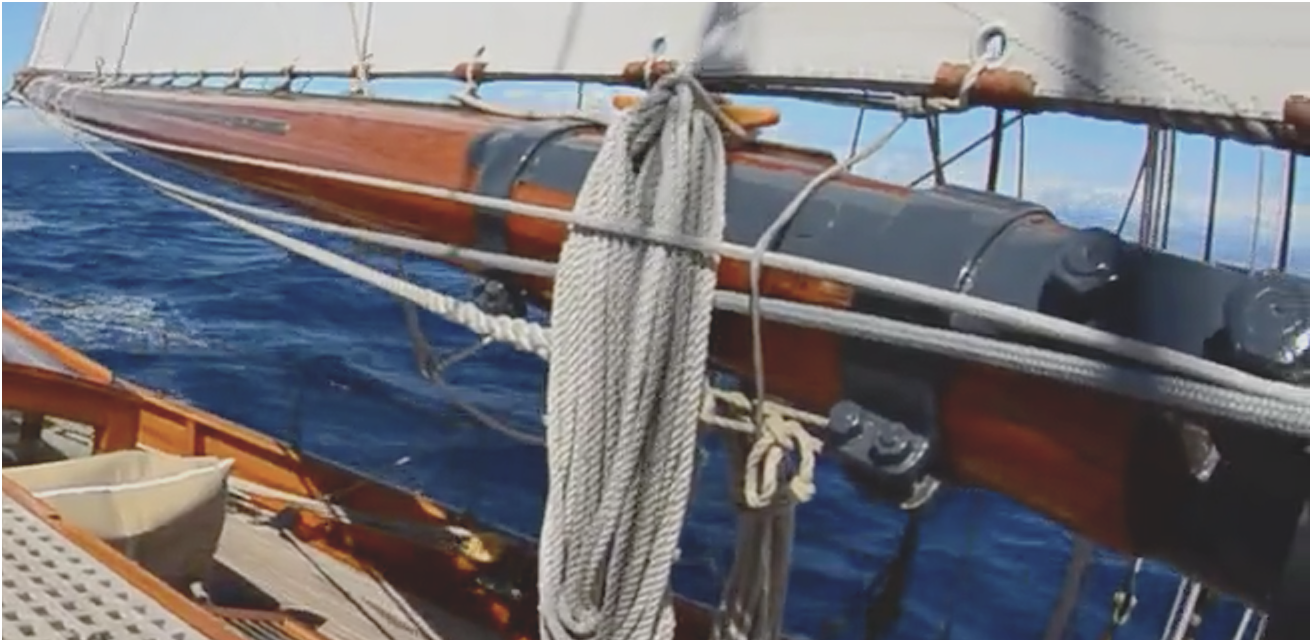
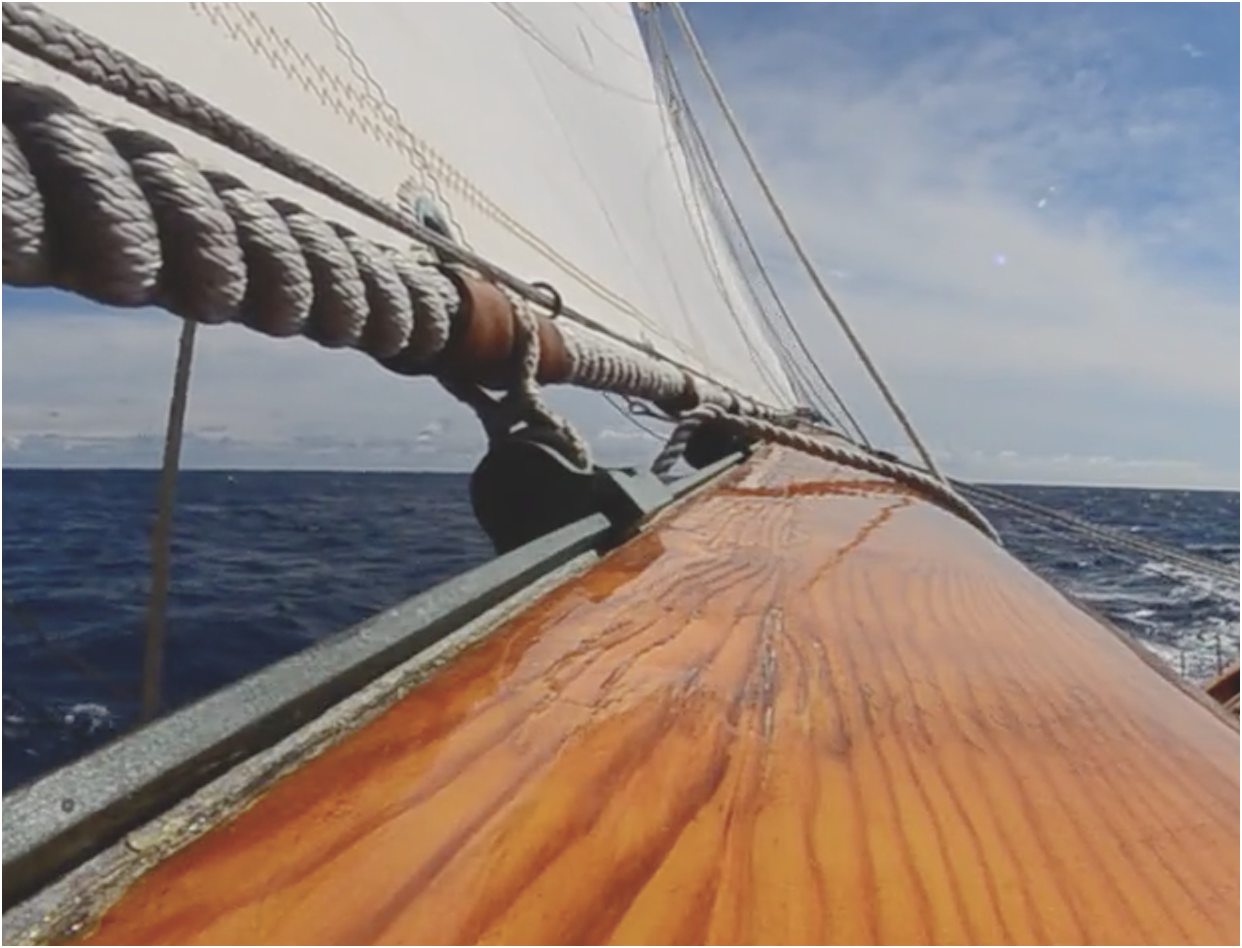
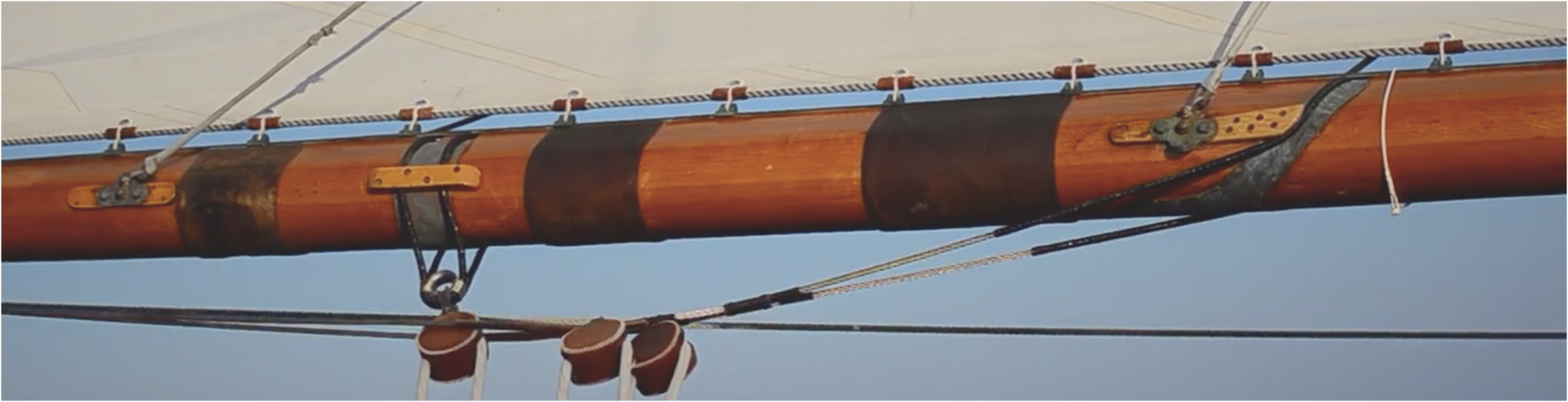
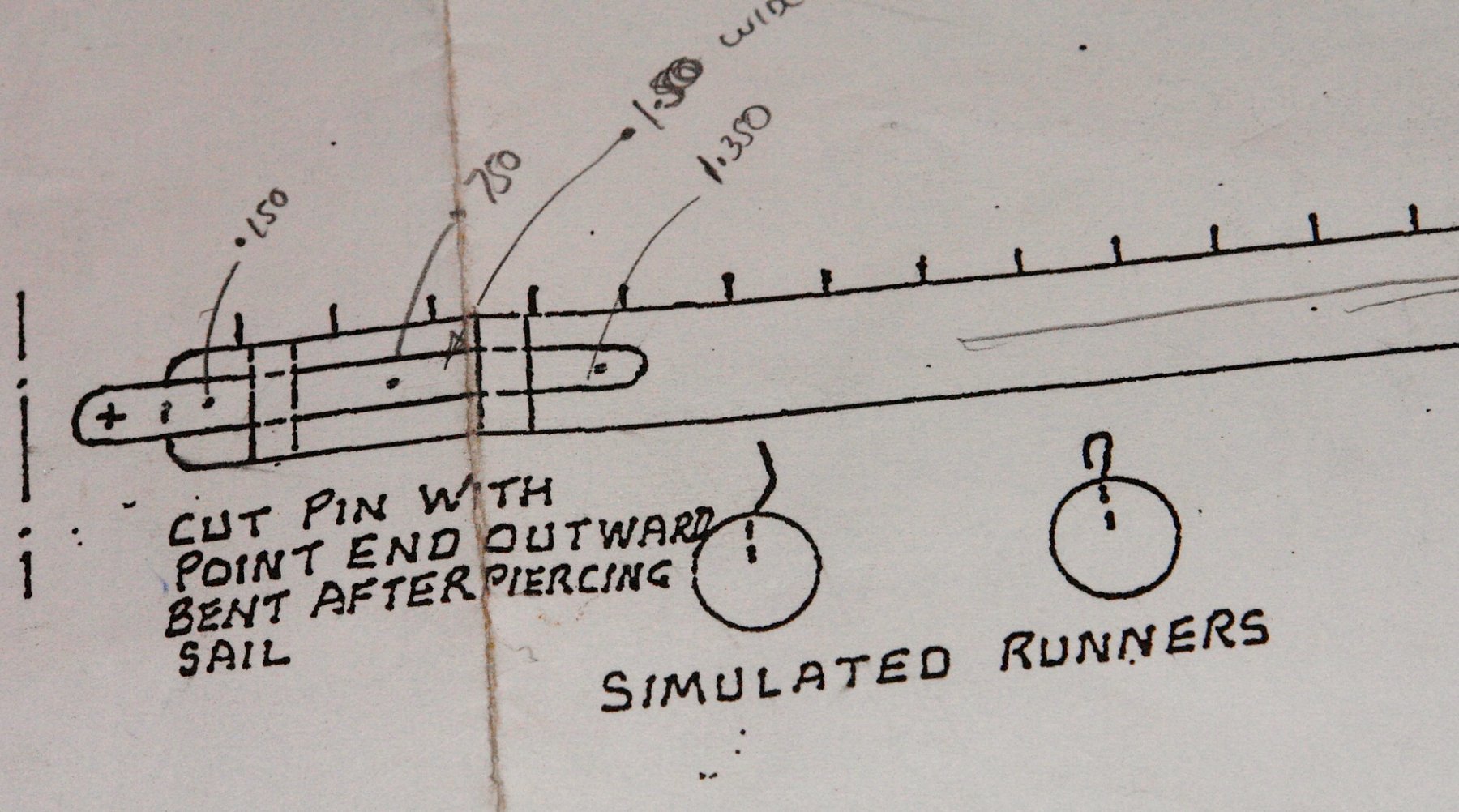
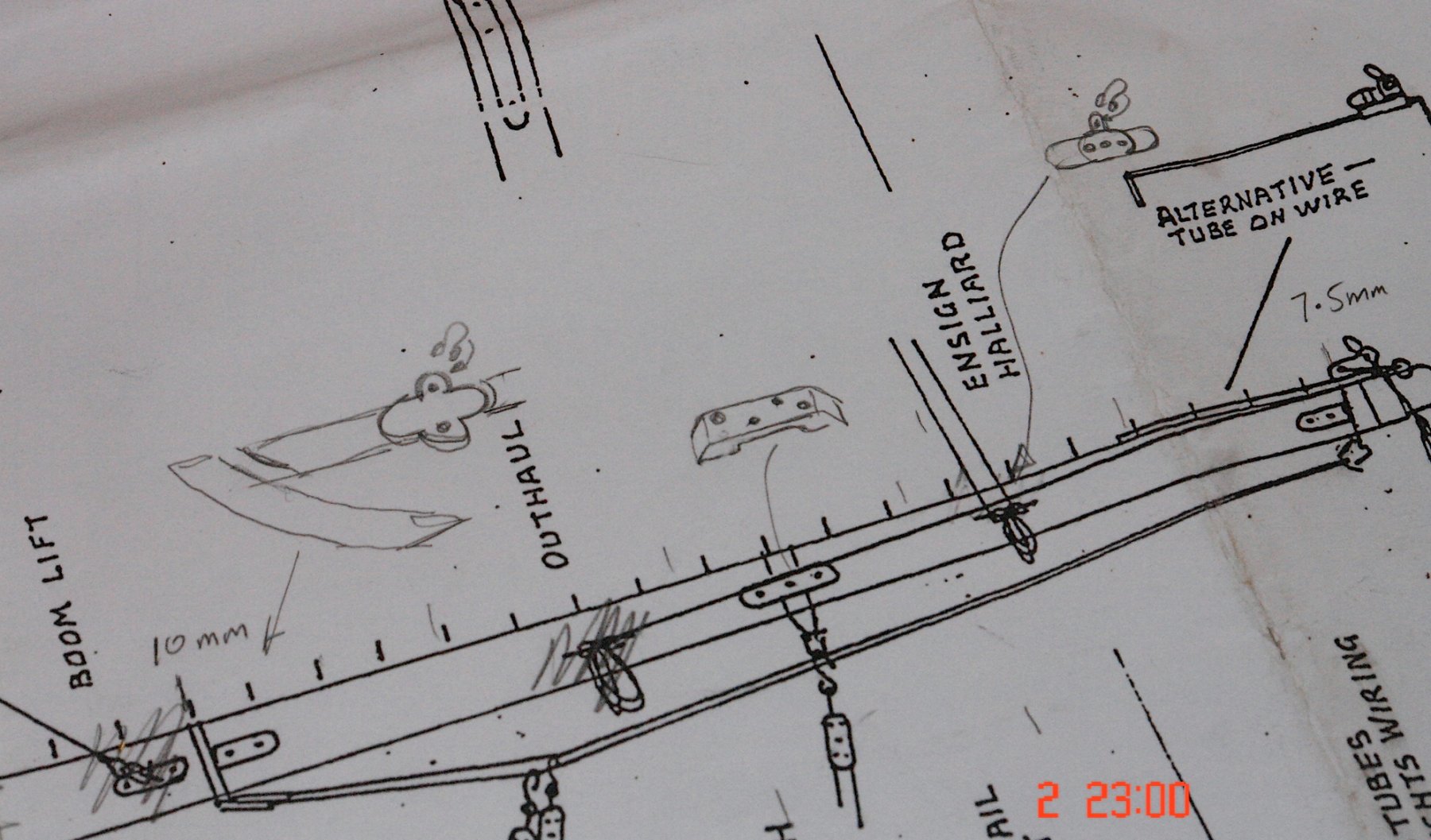
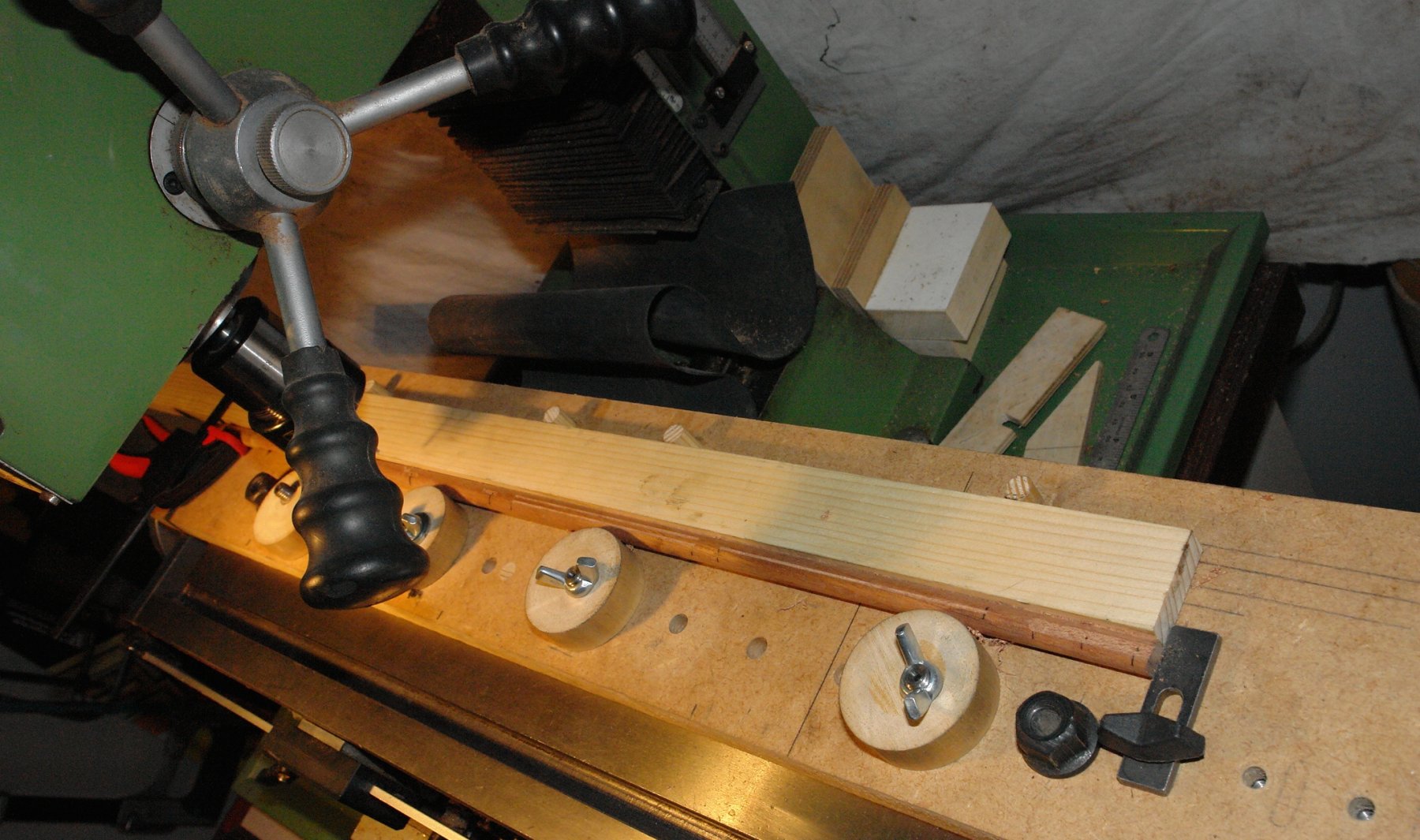
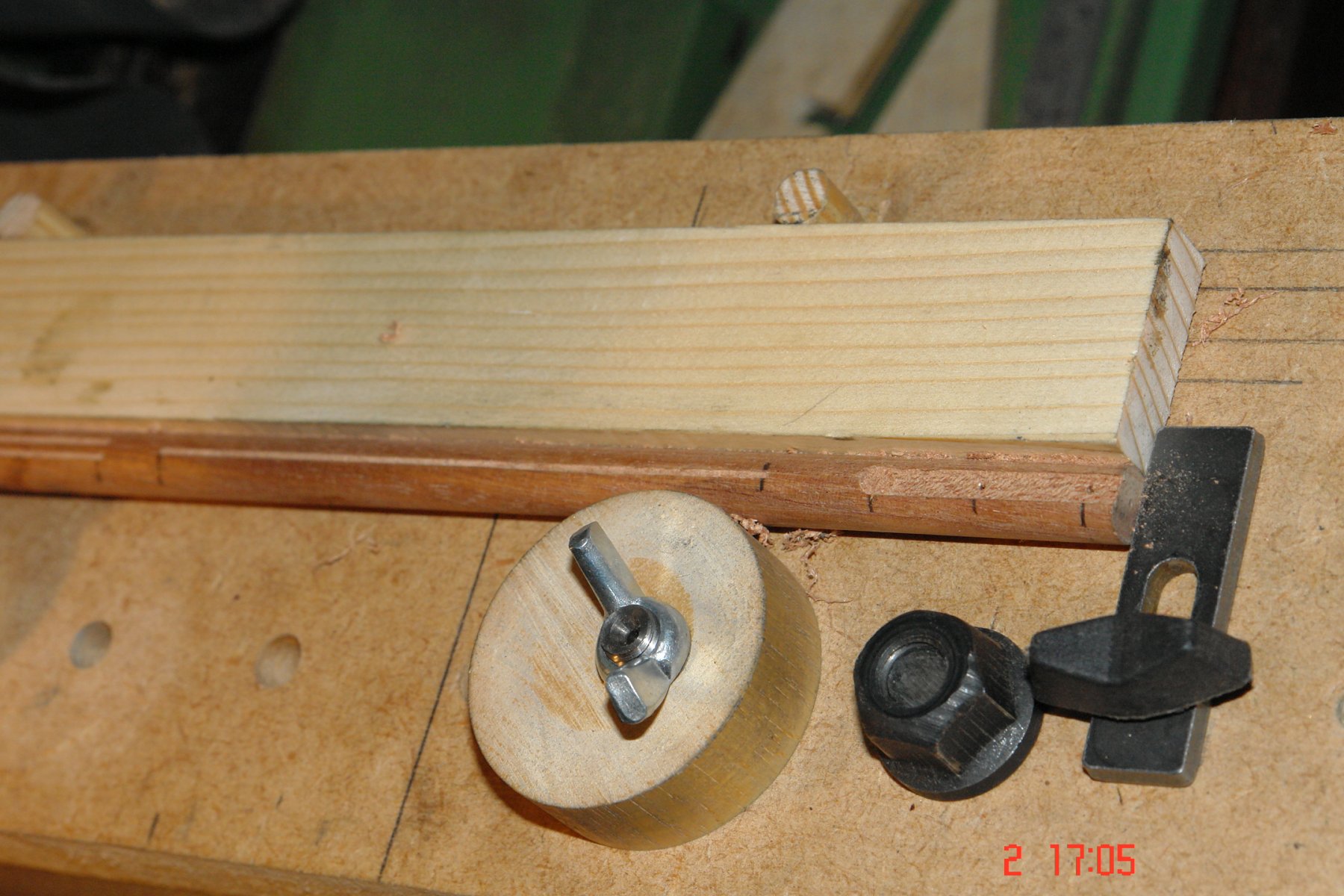
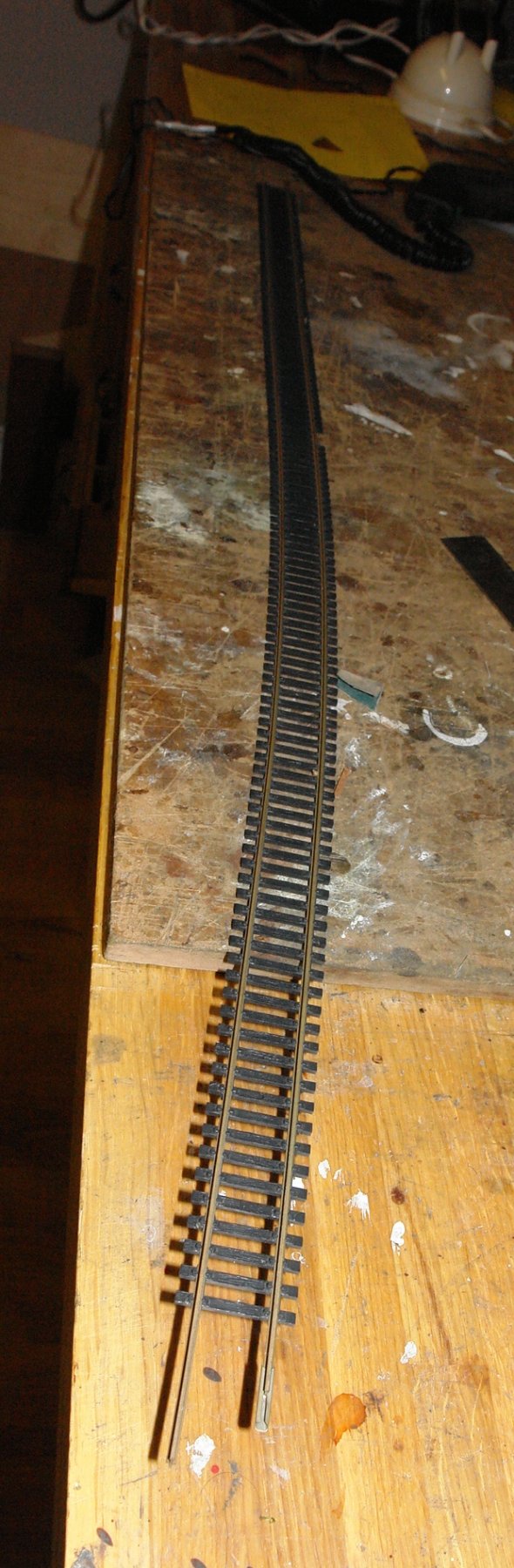
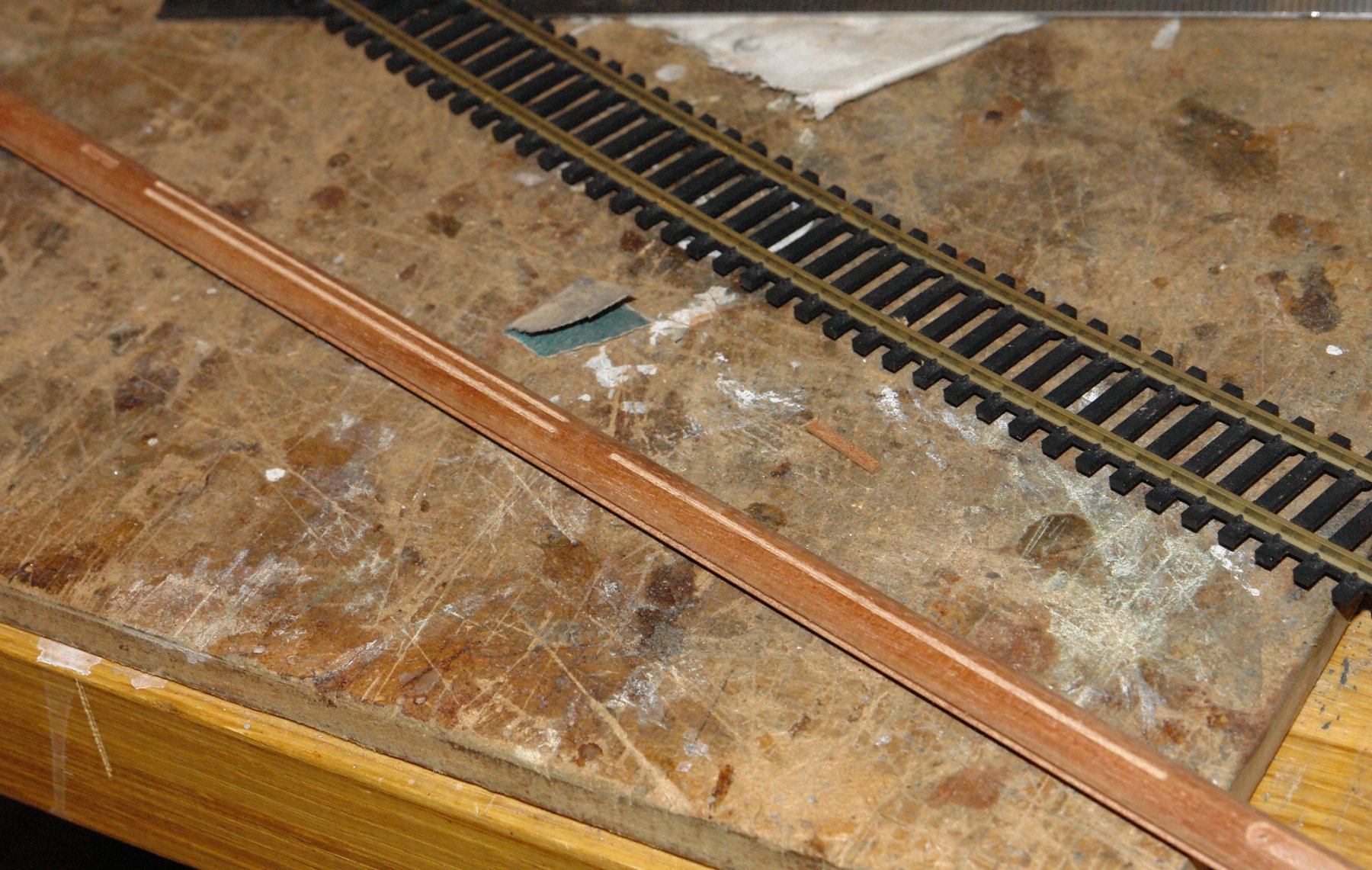
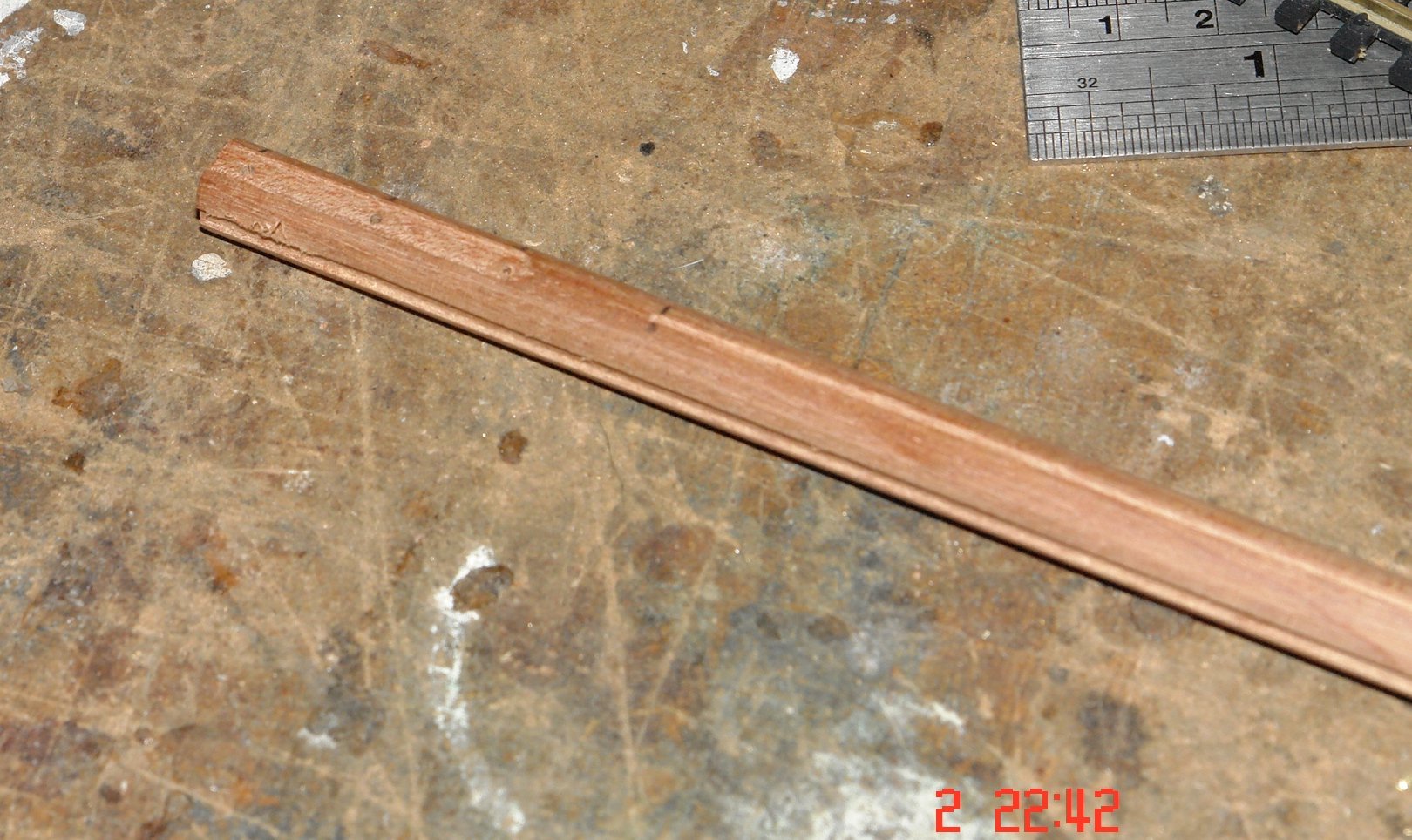
A bit of an update on a not very productive week. I started work on the main boom. I have a bit of nice detail from photographs:- The rubbing strips are quite a nice feature which it would be good to reproduce (right on the above photo and left on the photo below). The track runs for about 90% of the length of the boom and has 30 sliders on it. The plans approach to the attachment between the boom and sail is a bit of a joke! I think reference to "simulated runners" is a misuse of the word simulated! The detailing of the boom is also somewhat lacking. On the plan below you can see I am starting to sketch on extra detail. I started by turning down a .500" dowel to .400" and then tapering the last third down to .320". I left a section at the narrow end at the full .400" diameter to simplify location on the mill. I then spent a lot of time on the milling machine - drilling holes and machining slots at various places along its length. The long thin slots are to take the rubbing strips. They are .040" wide by 4.5 inches long and .030" deep. They were machined carefully with a very fine end mill - I broke one which was better than I expected. I gave making the track some thought and after a hunt in the shed came back with the "track" I had been looking for (Hornby OO). I machined a slot along the length of the boom (bottom of the boom in the image below)- .084" wide x .030 deep to match the rail bottom flange. I extracted one rail from the track and did a trial fit - I think its going to turn out well as long as I can find a sensible way of making the sliders. Across 3 sails I need about 60 sliders which feels like a bit of a challenge. Anyway thats for the future as the next few days are devoted to a new deck for my daughters garden.
-
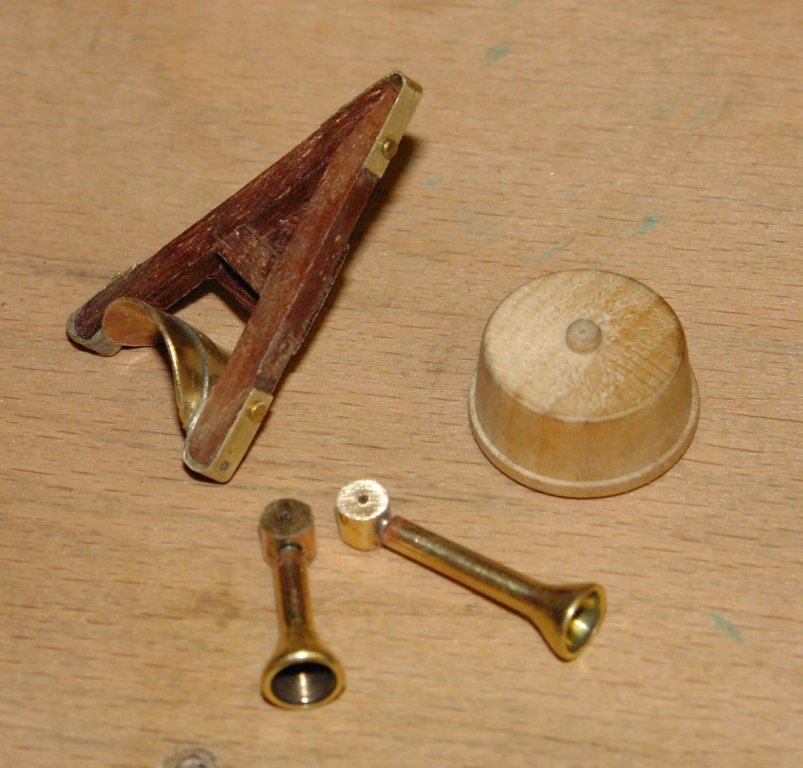
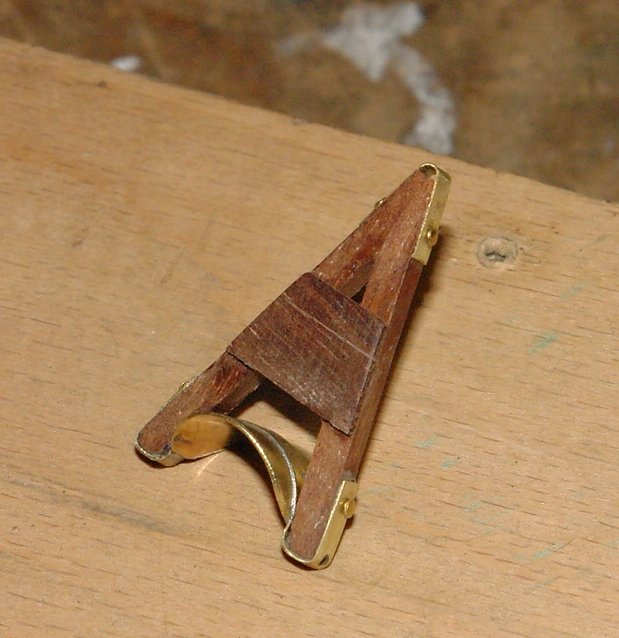
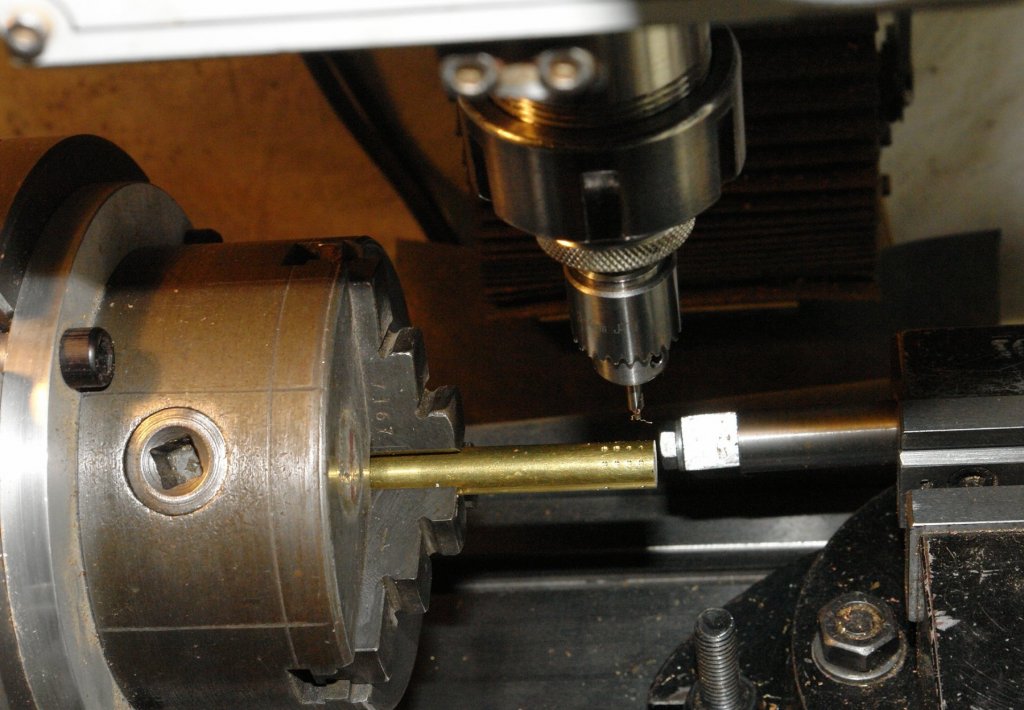
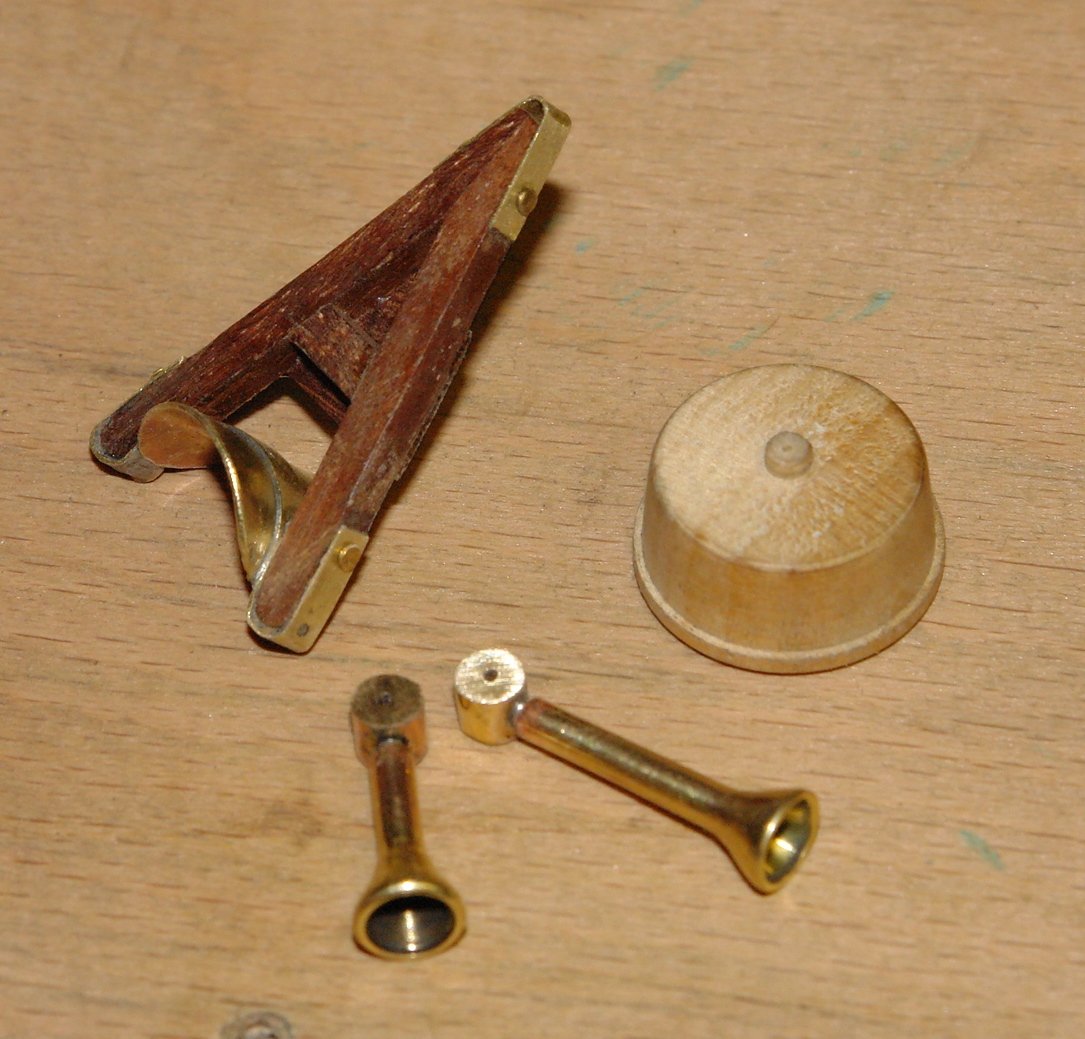
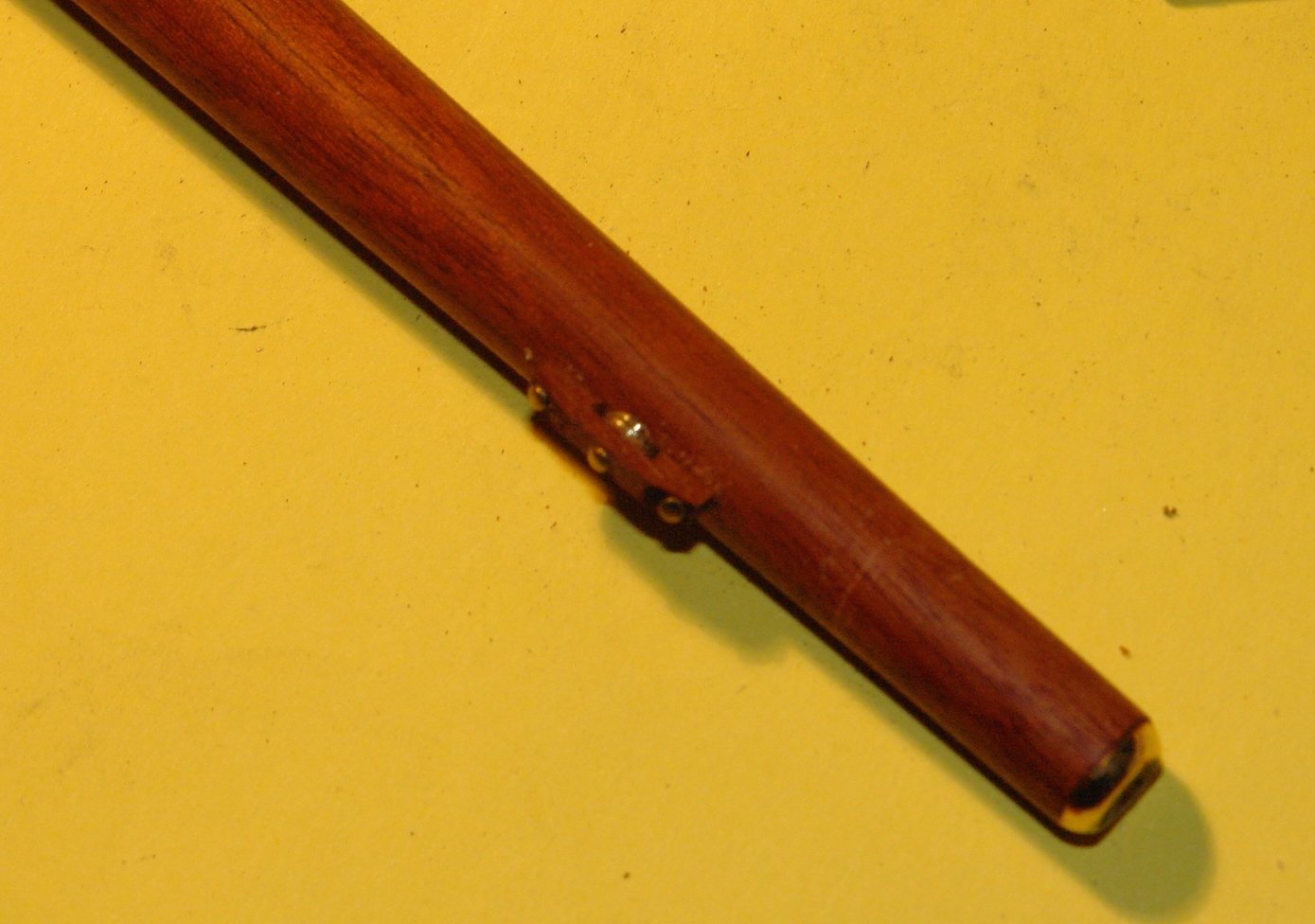
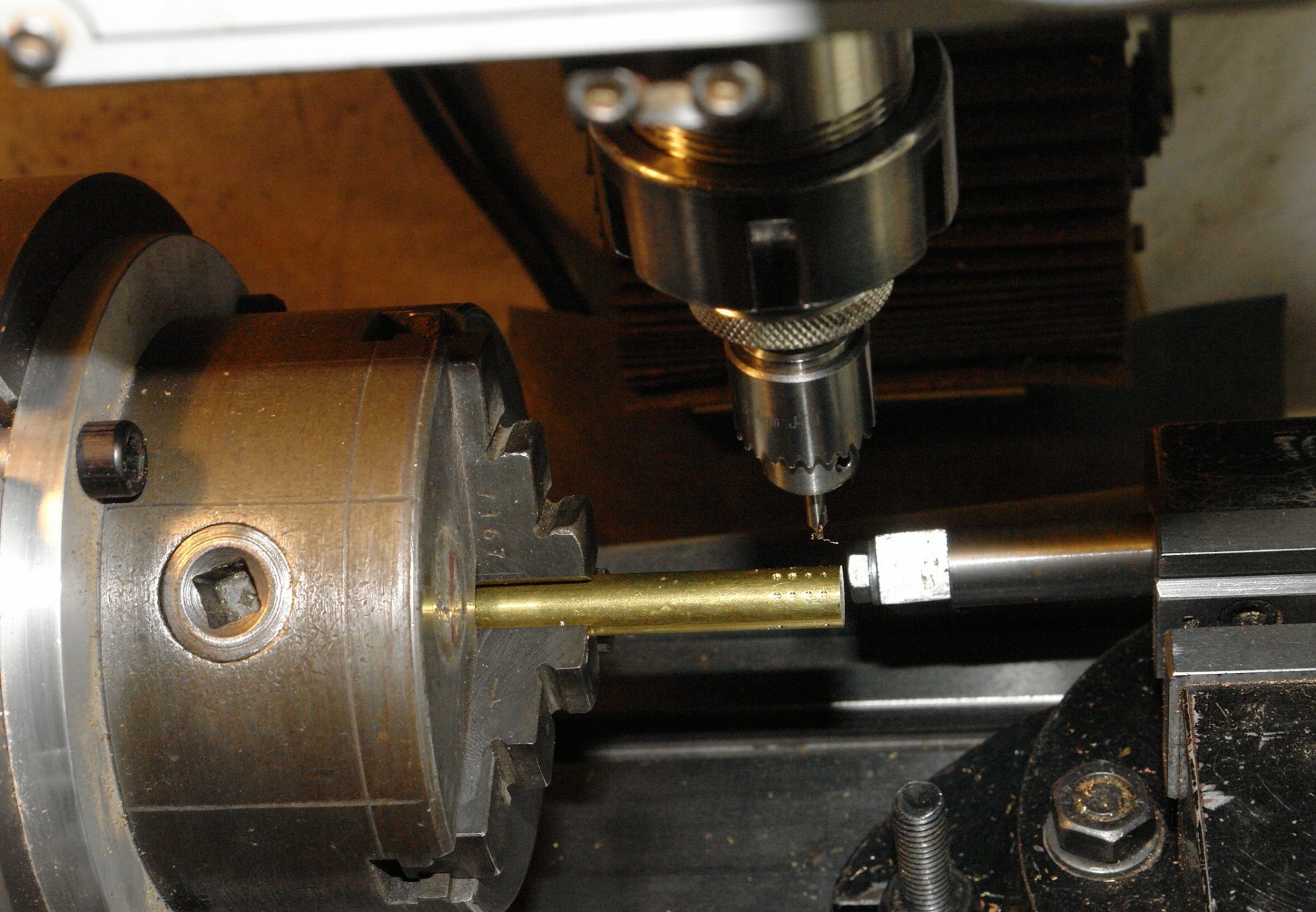
Hello JD The holes were drilled through the strap, a dimple being made with a centre drill and then drilled through with a .028" twist drill. The holes were drilled using my milling machine - to avoid breakage of the drill. The holes were made to take pin heads which simulate the attachment rivets. The previous photos were of the part complete component, in the following images its a bit further on but still with the radar dome and horns to be attached. The images are some what magnified as can be seen from the size of the pin heads. The protruding bit is a pin head. A hole was drilled in the centre of the oval and in the strap and a pin put in place to ensure alignment while soldering. I cut it out once soldered. Well spotted.
-
Richard - the poly is Wilko Satin Finish Yacht Varnish. I'm not very good at spending more than I can get away with and I find the Wilko poly quite acceptable. Bedford - I think I am going to let the brass mature with age. The yacht and myself will both fade away together!!!! Thank you both for your comments and thanks to all those who have "liked" my work
-
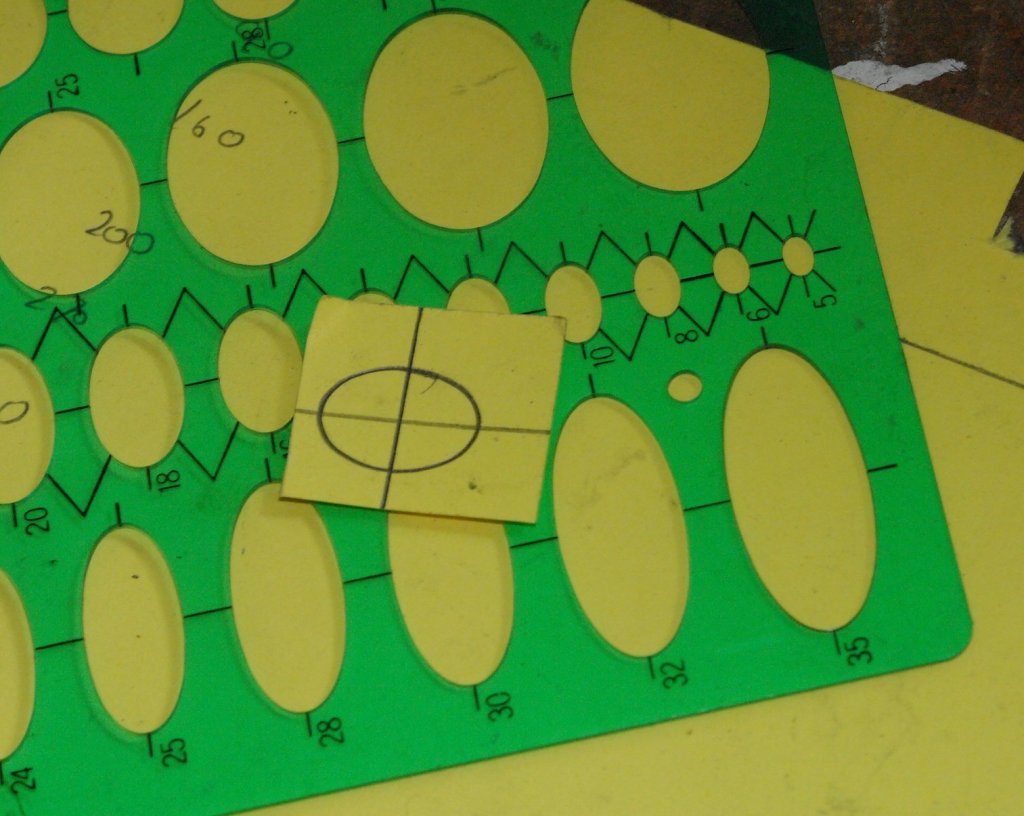
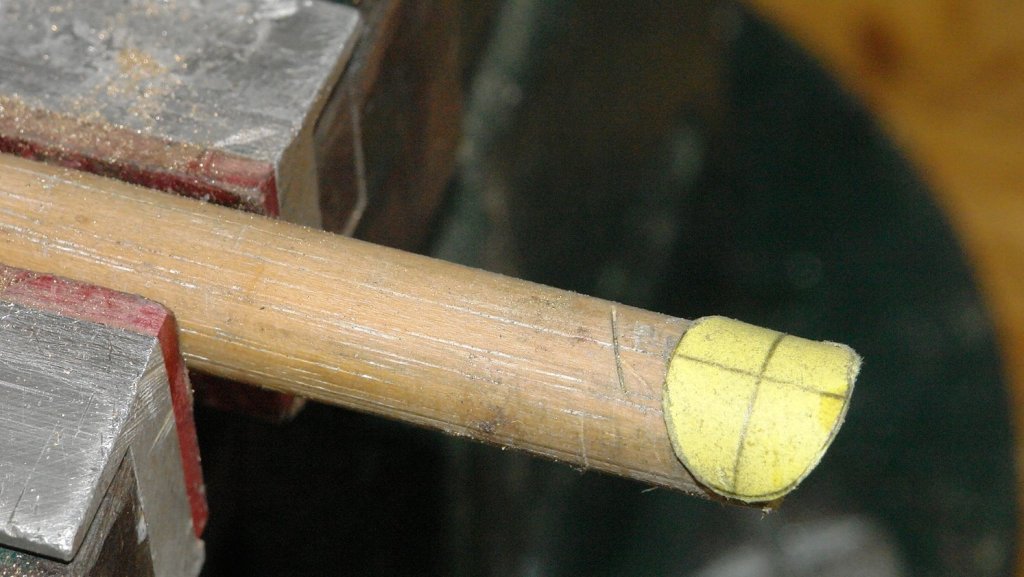
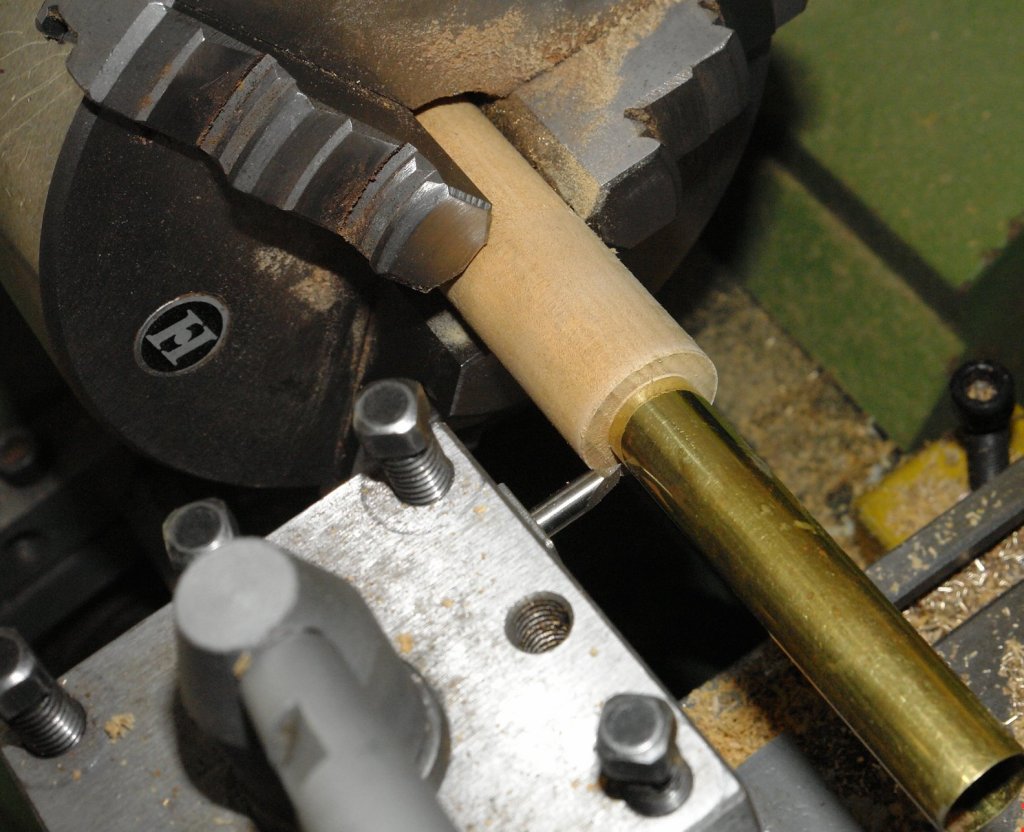
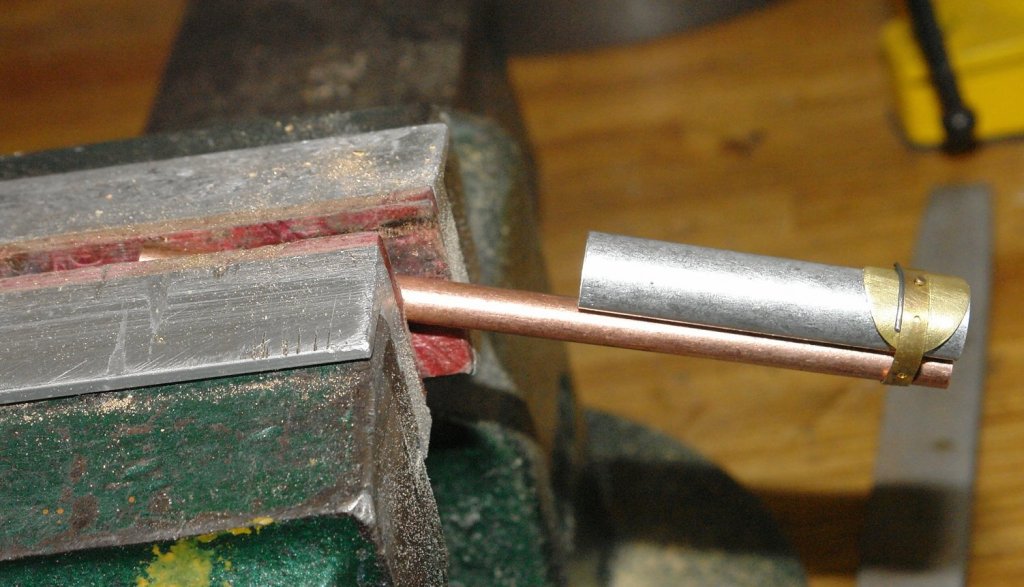
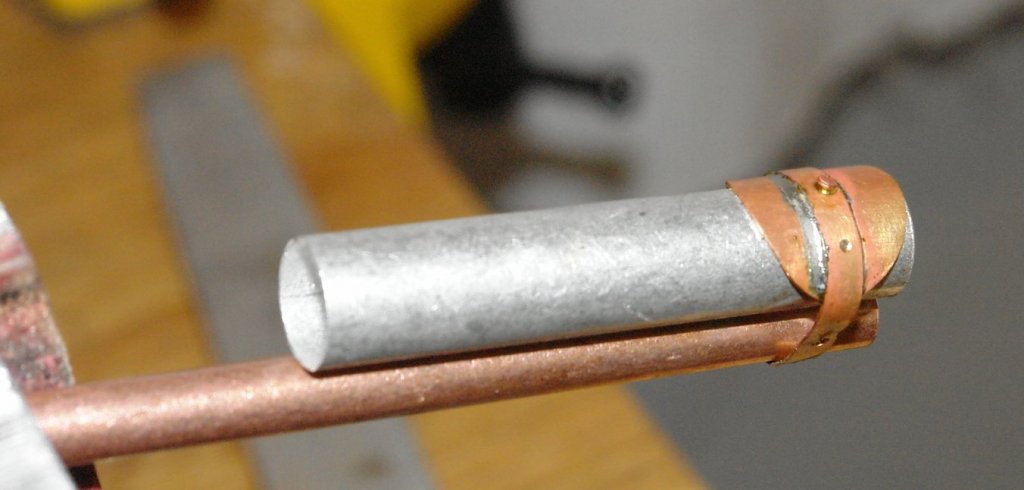
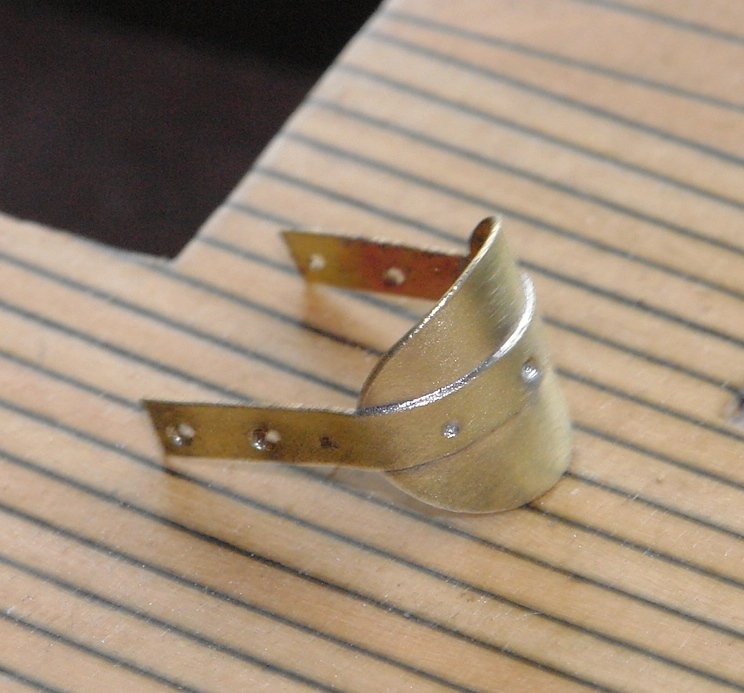
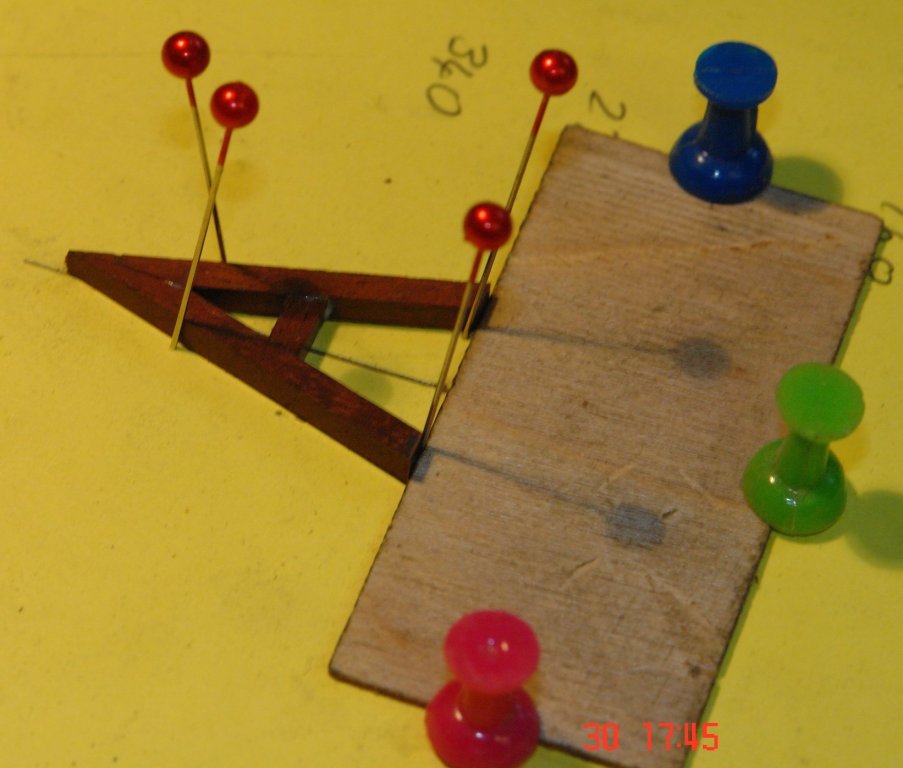
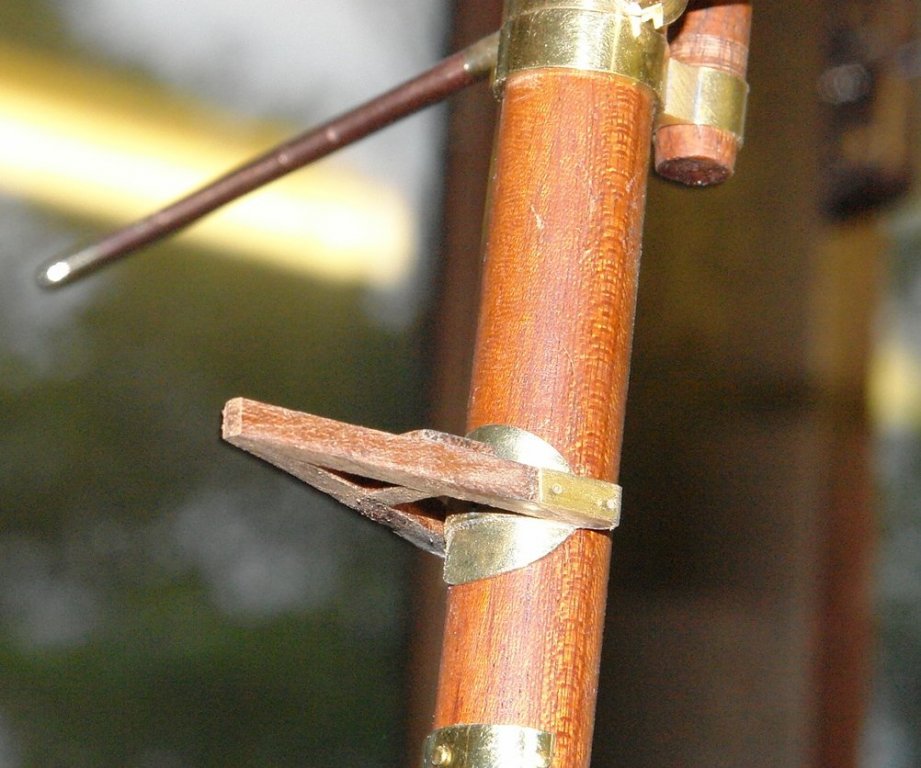
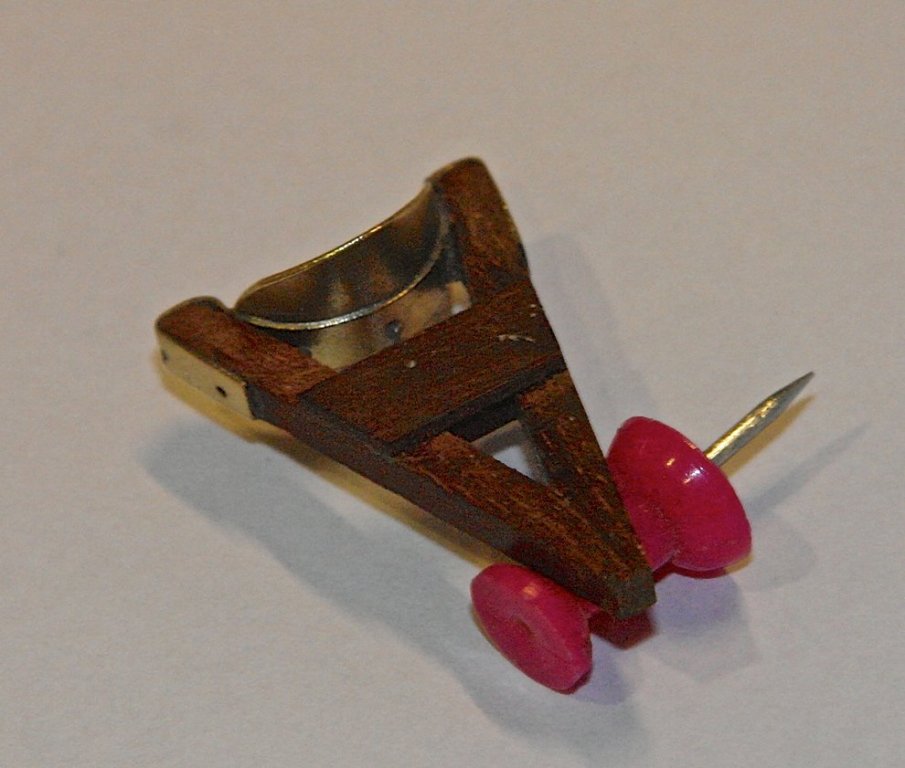
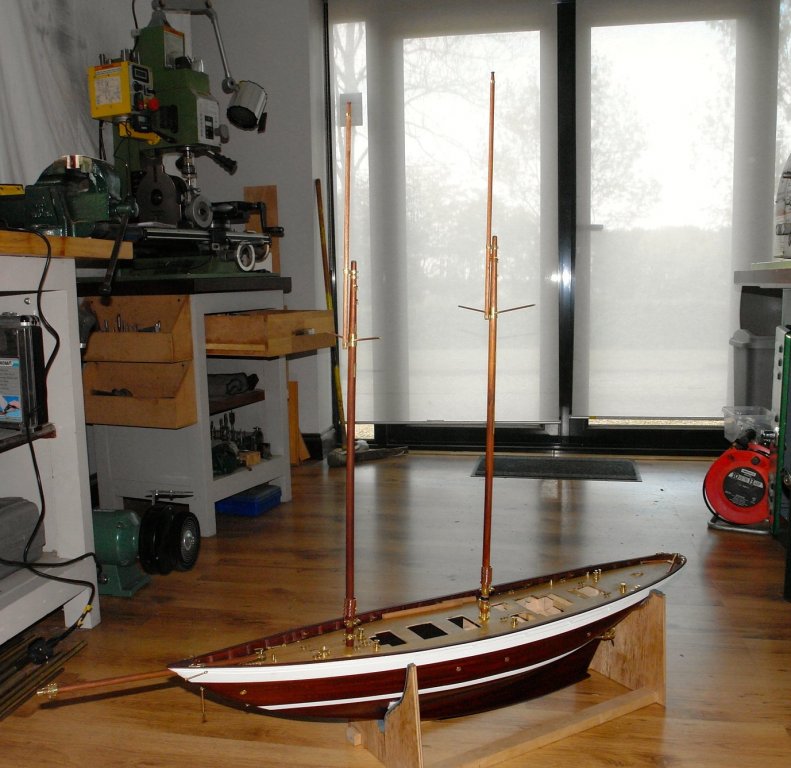
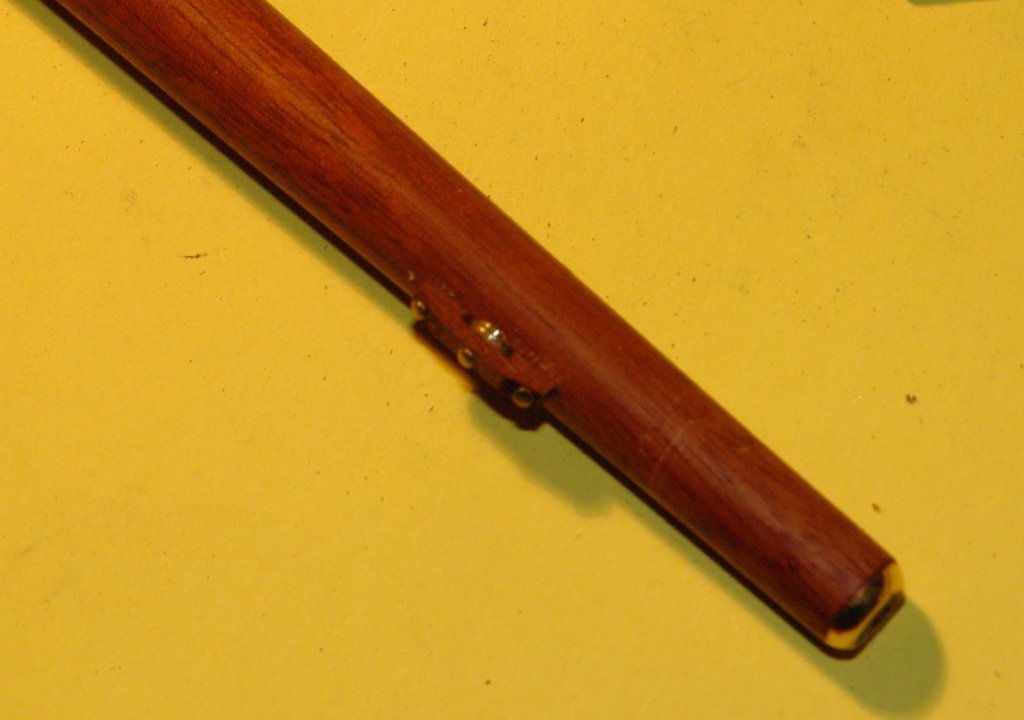
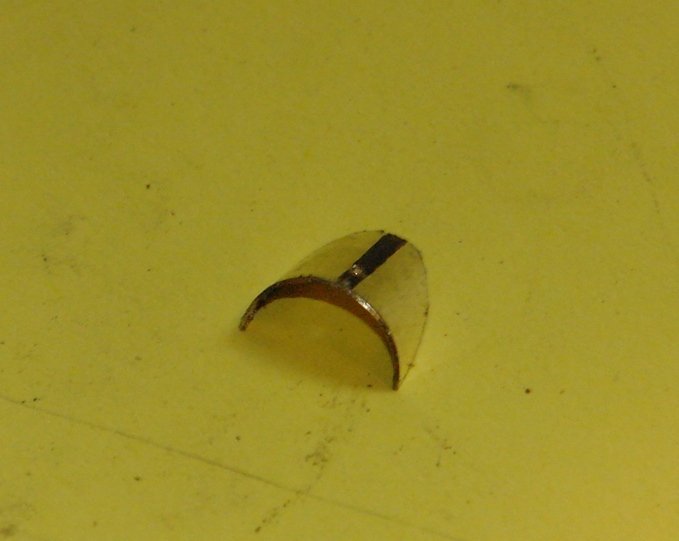
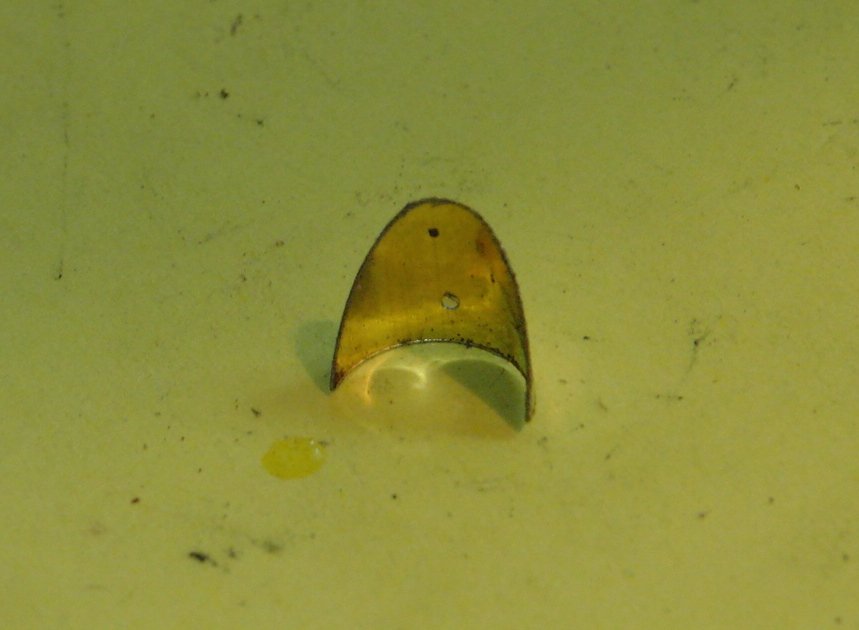
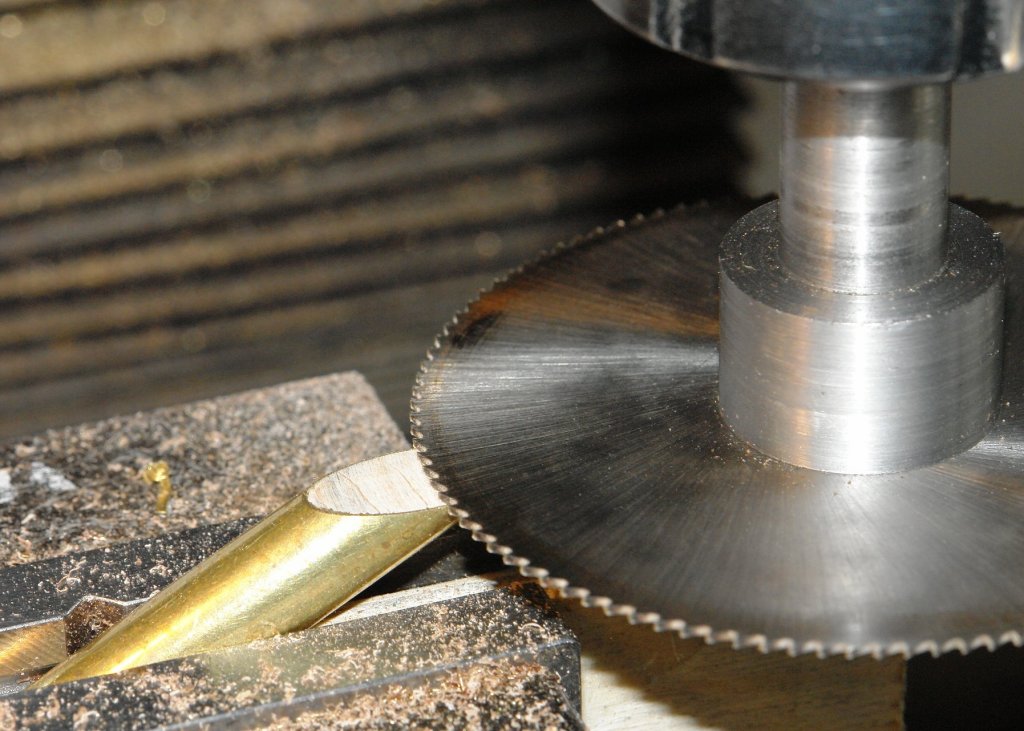
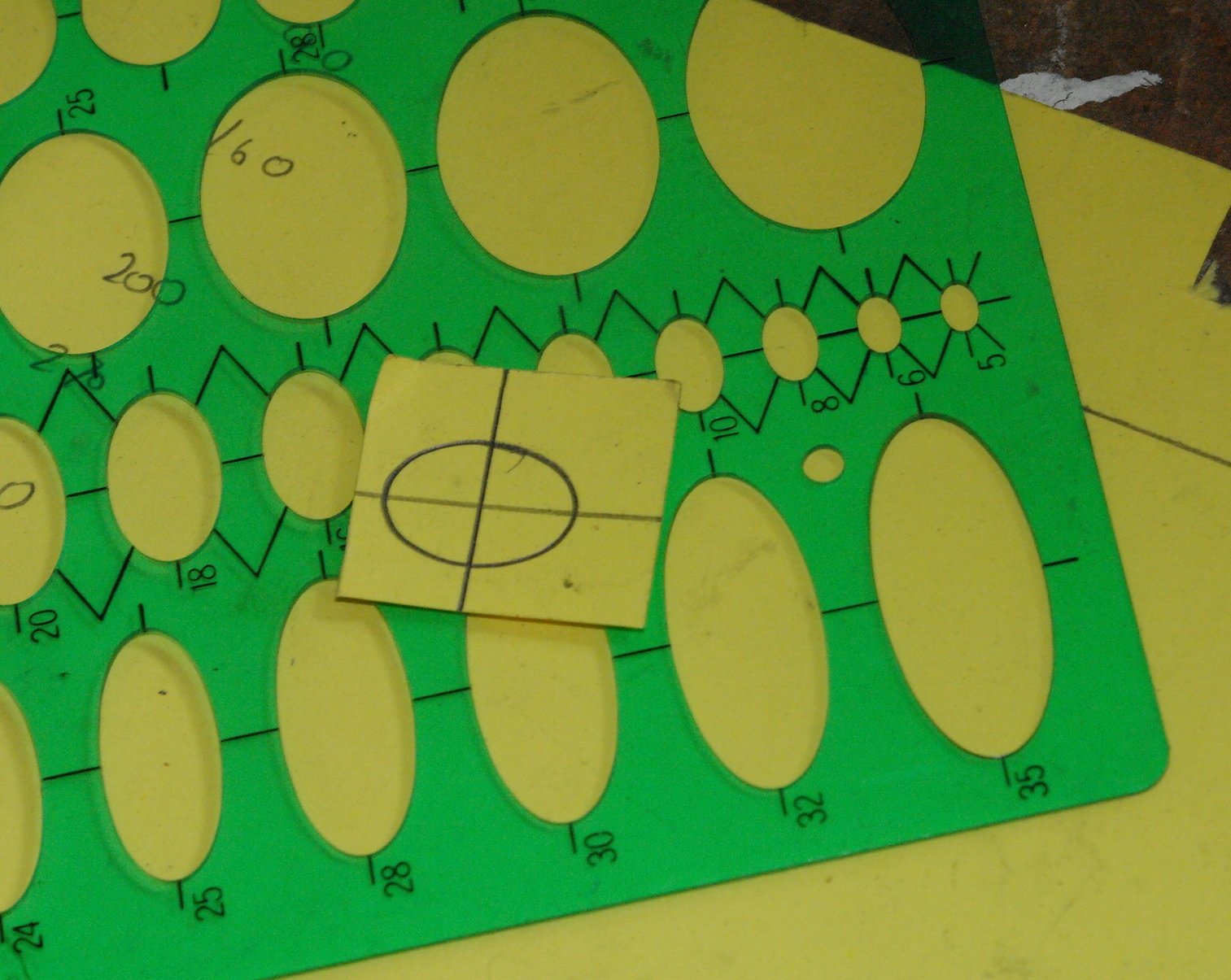
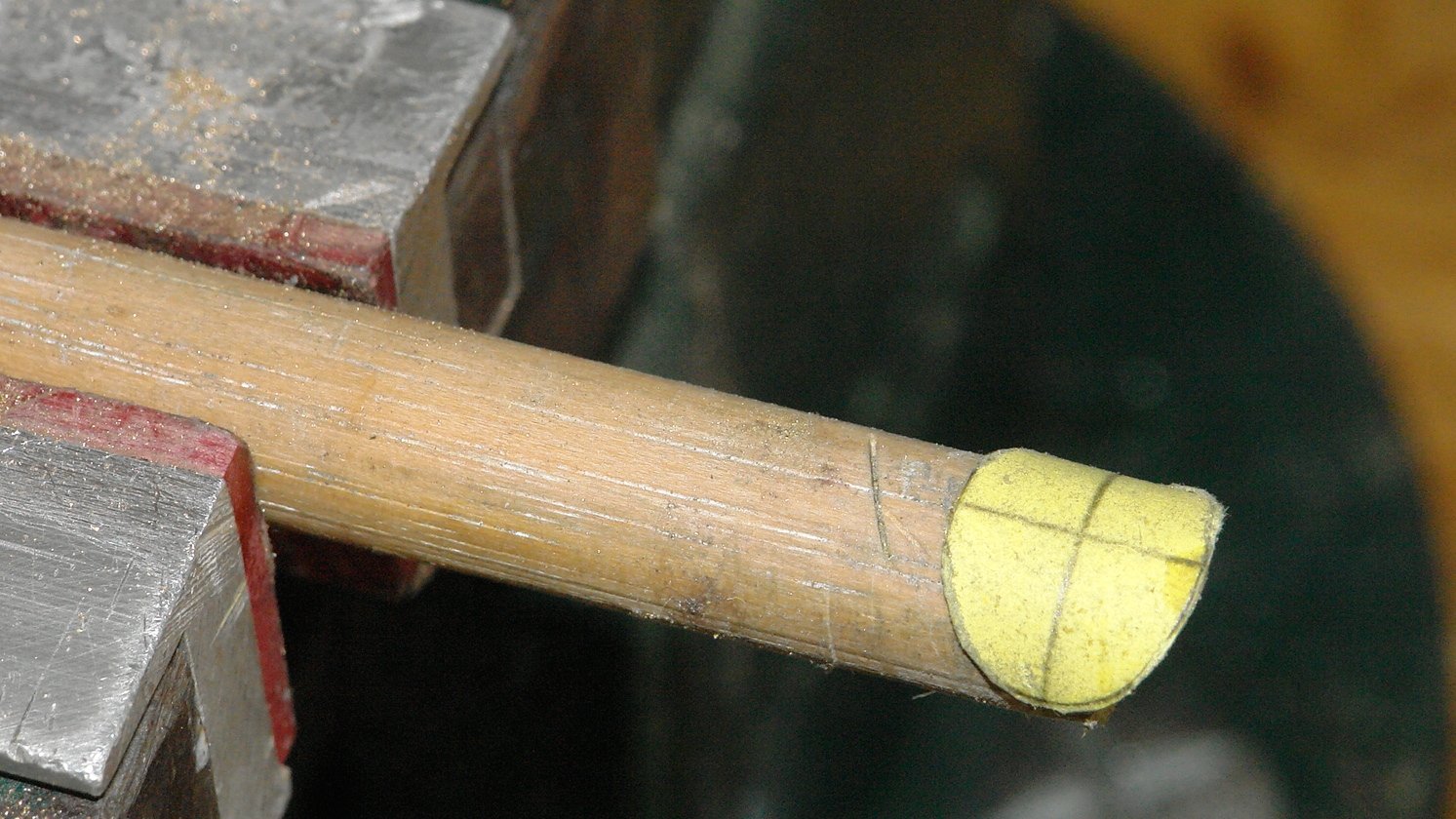
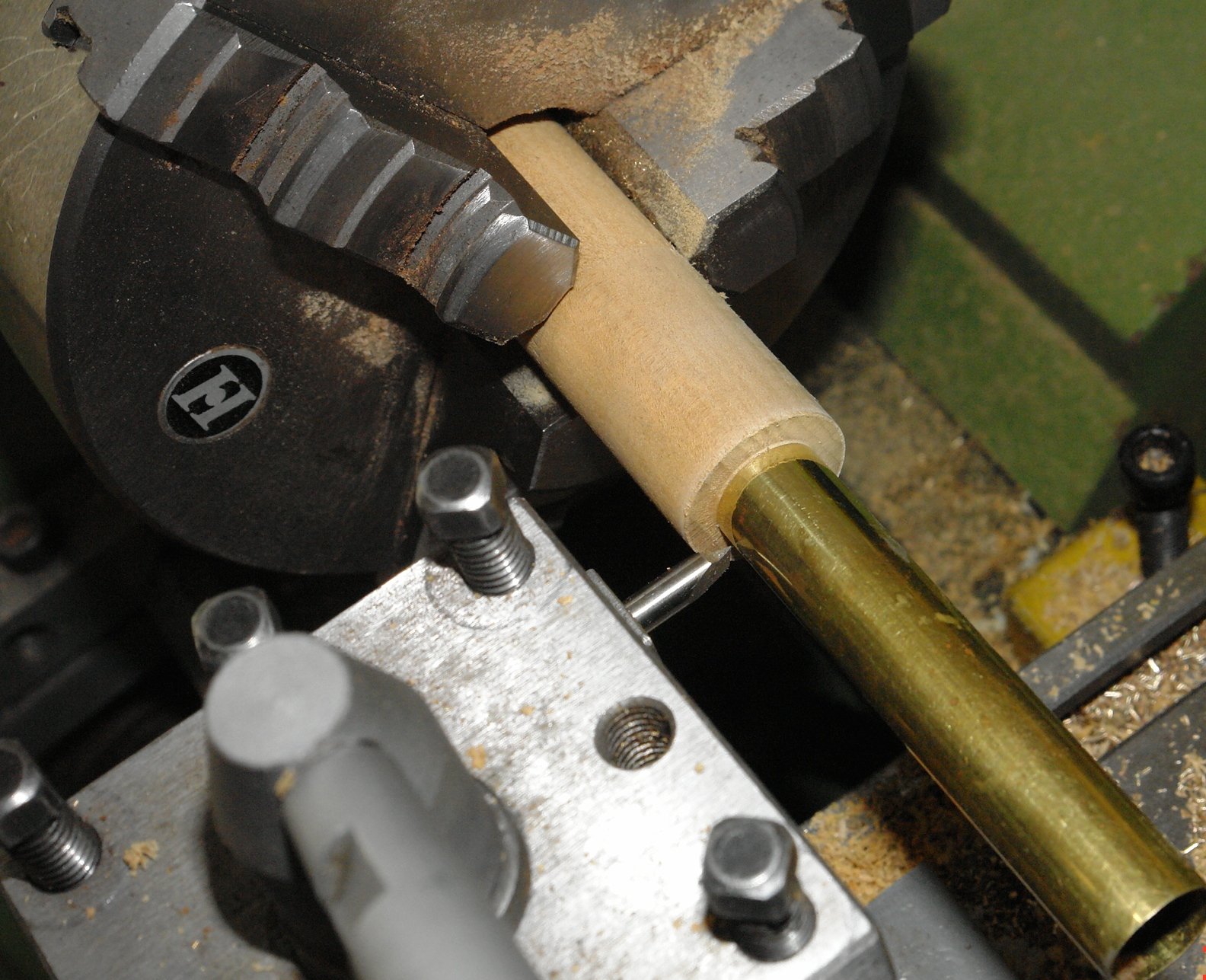
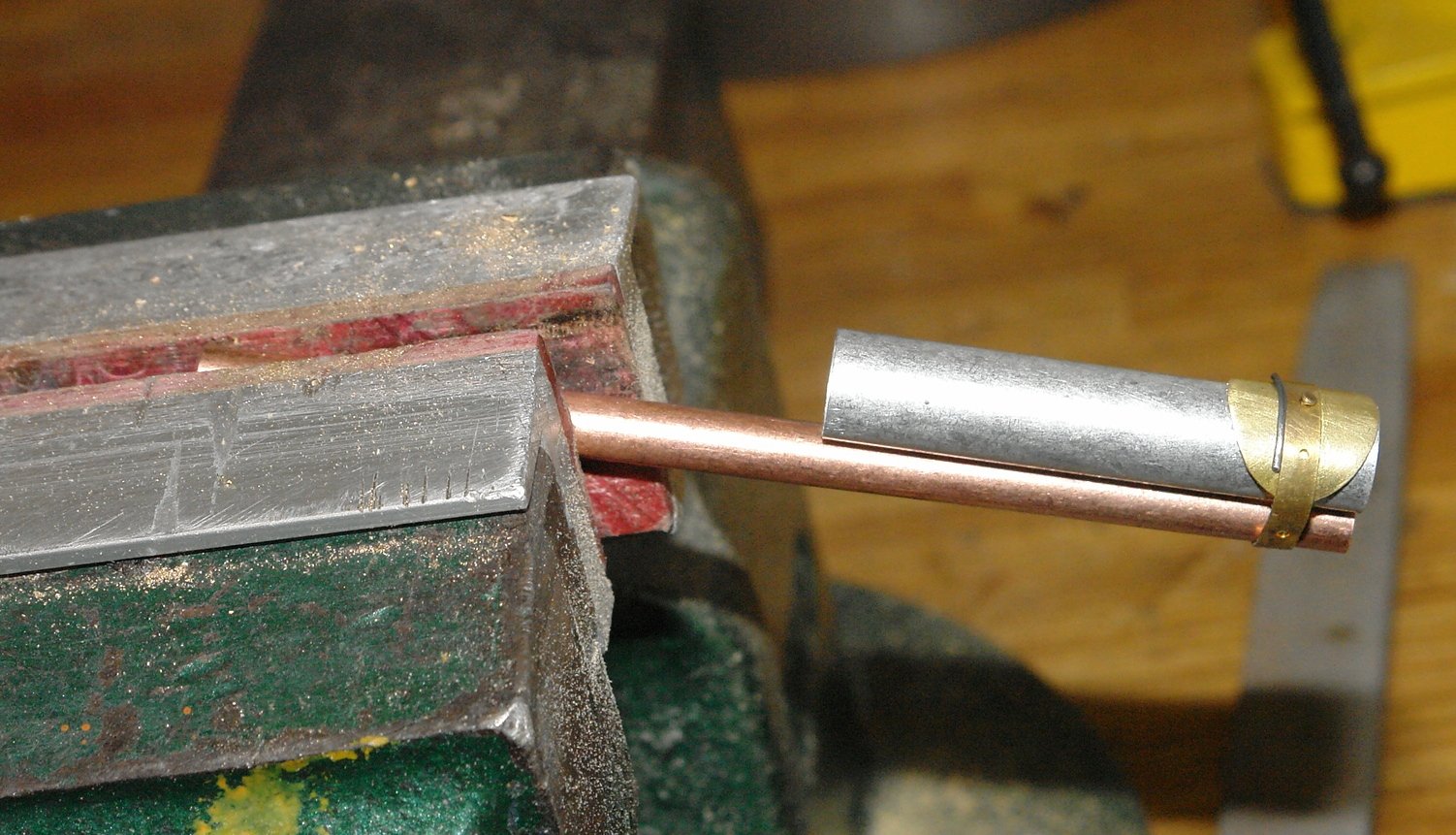
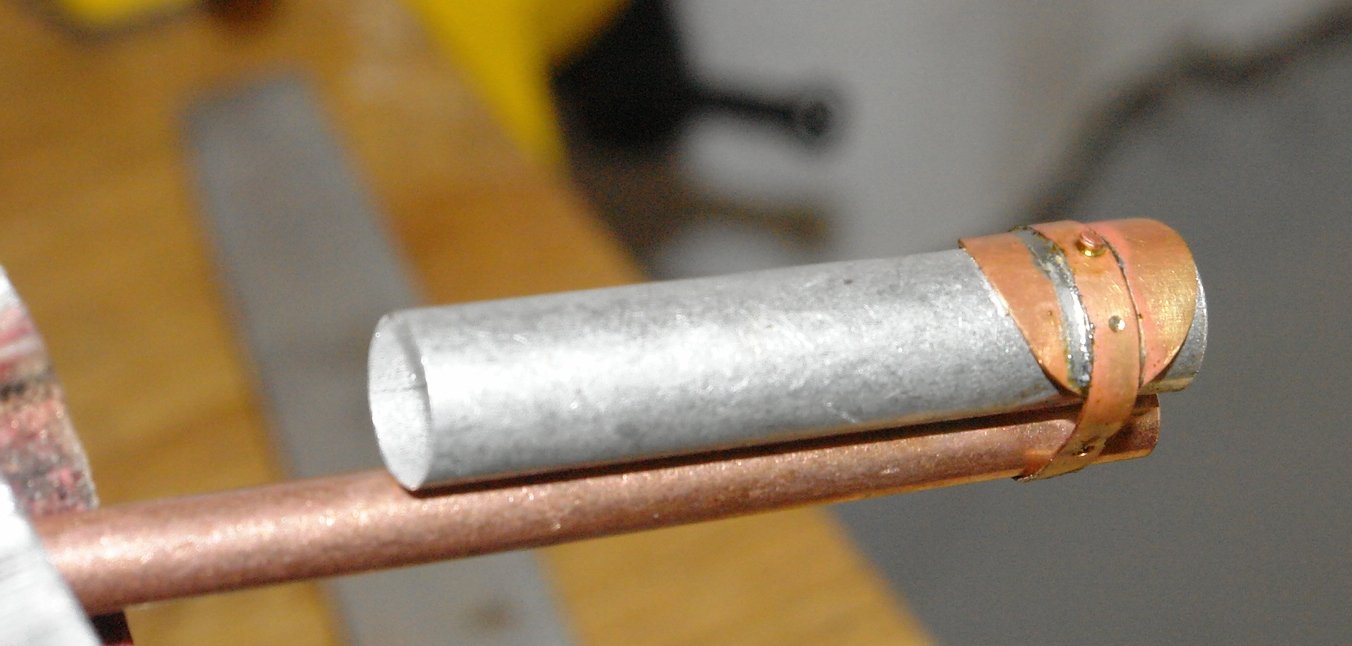
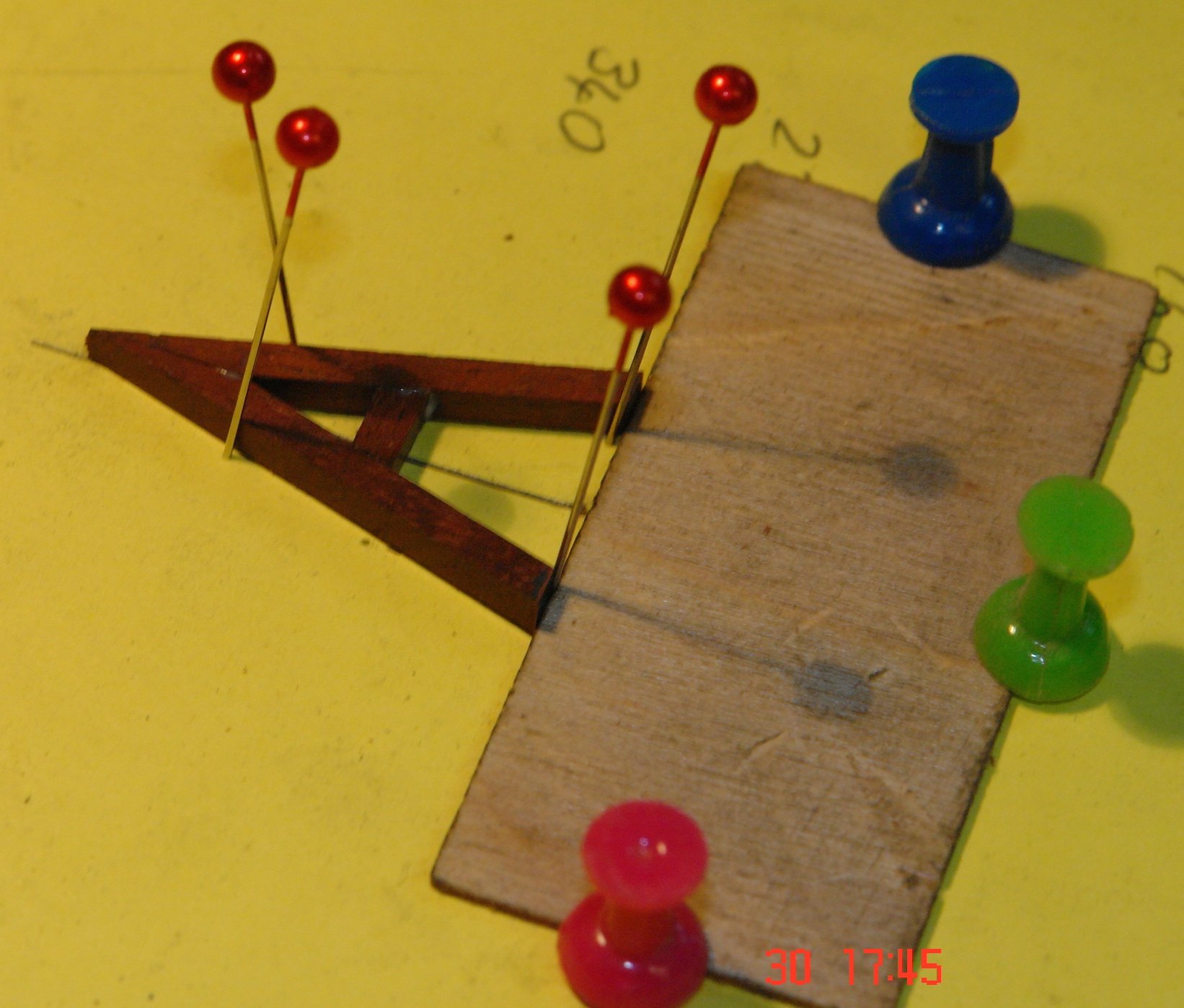
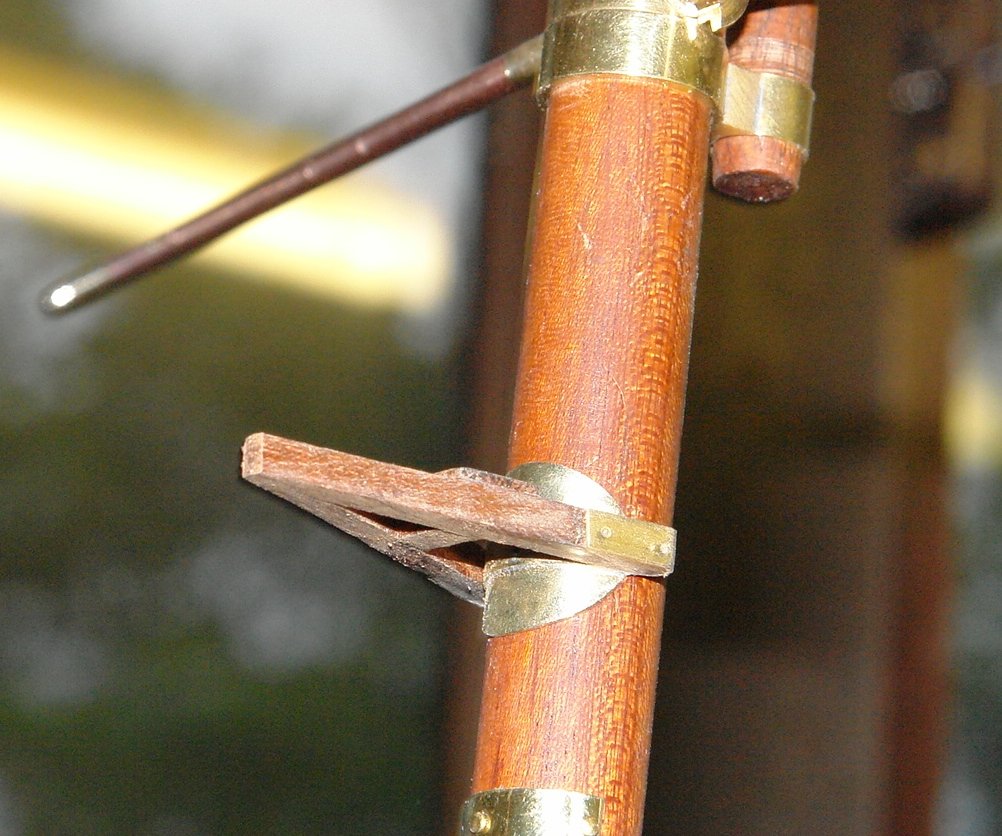
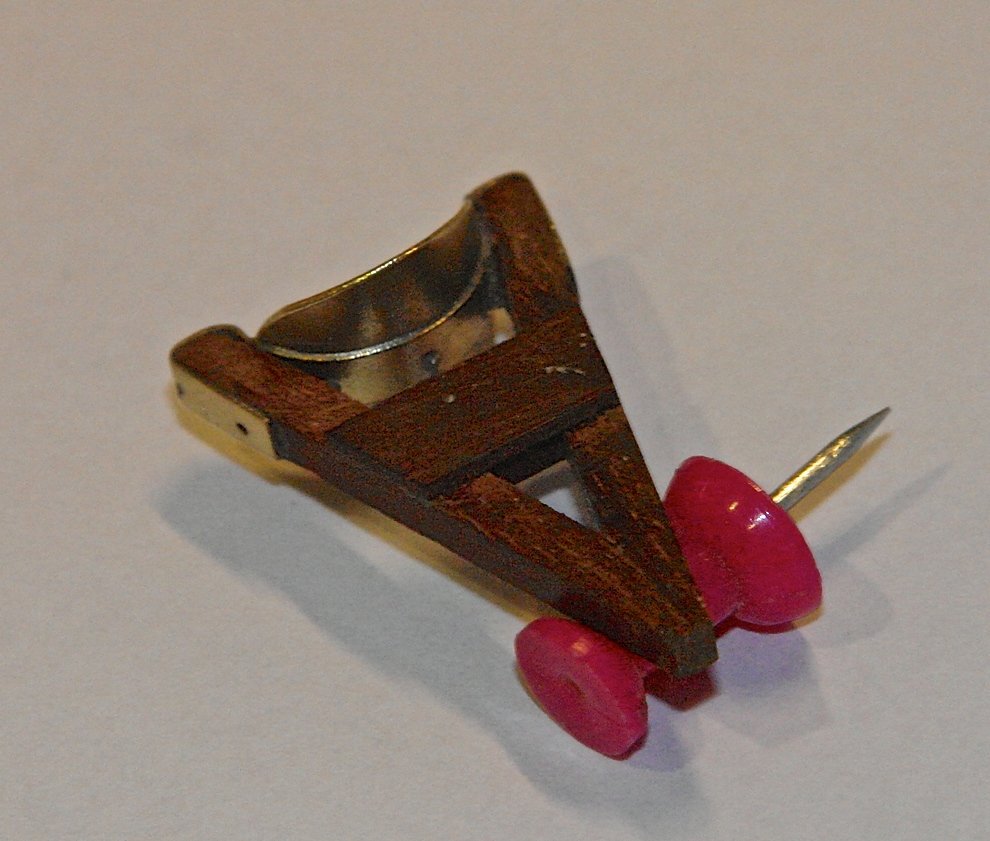
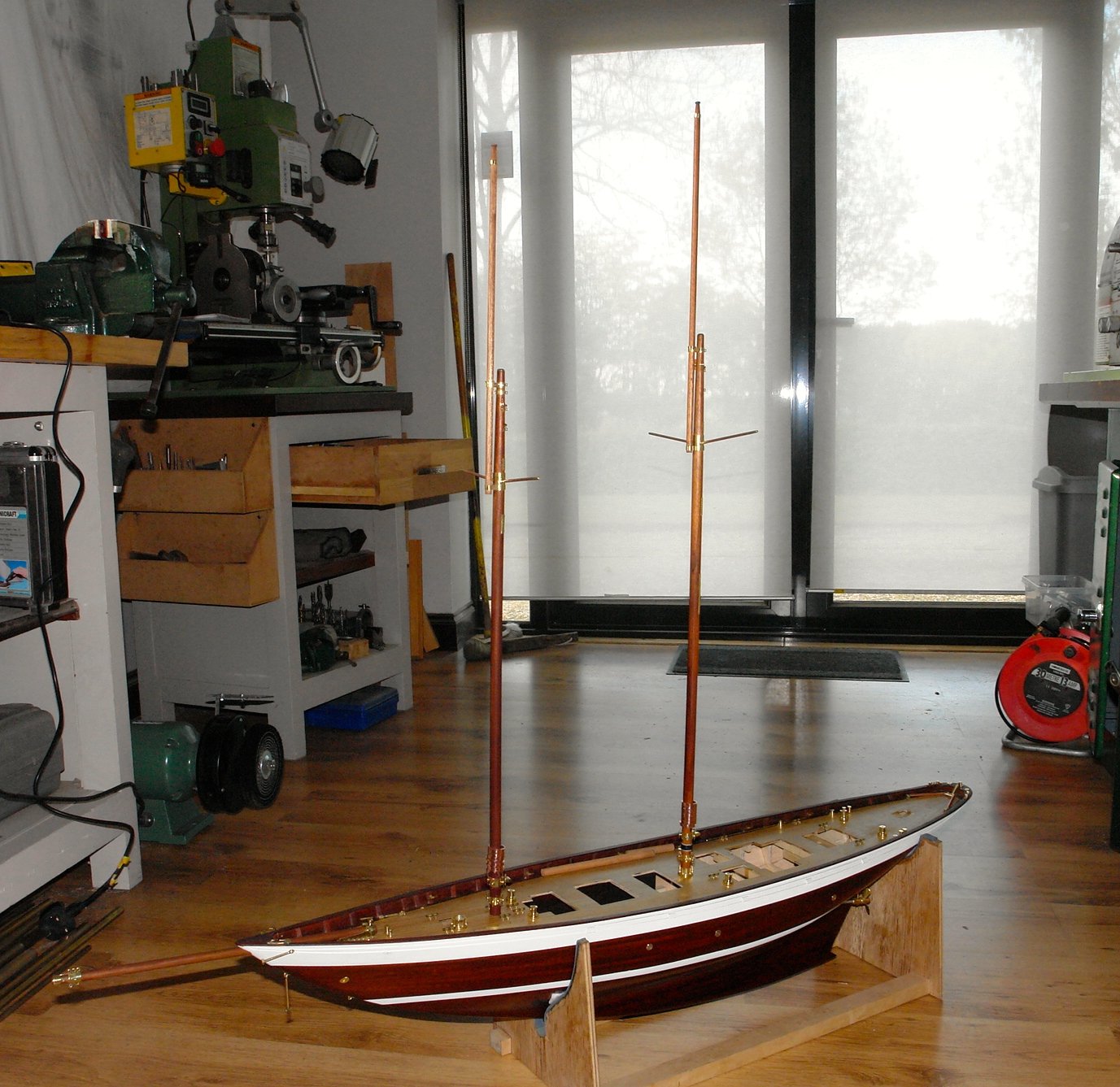
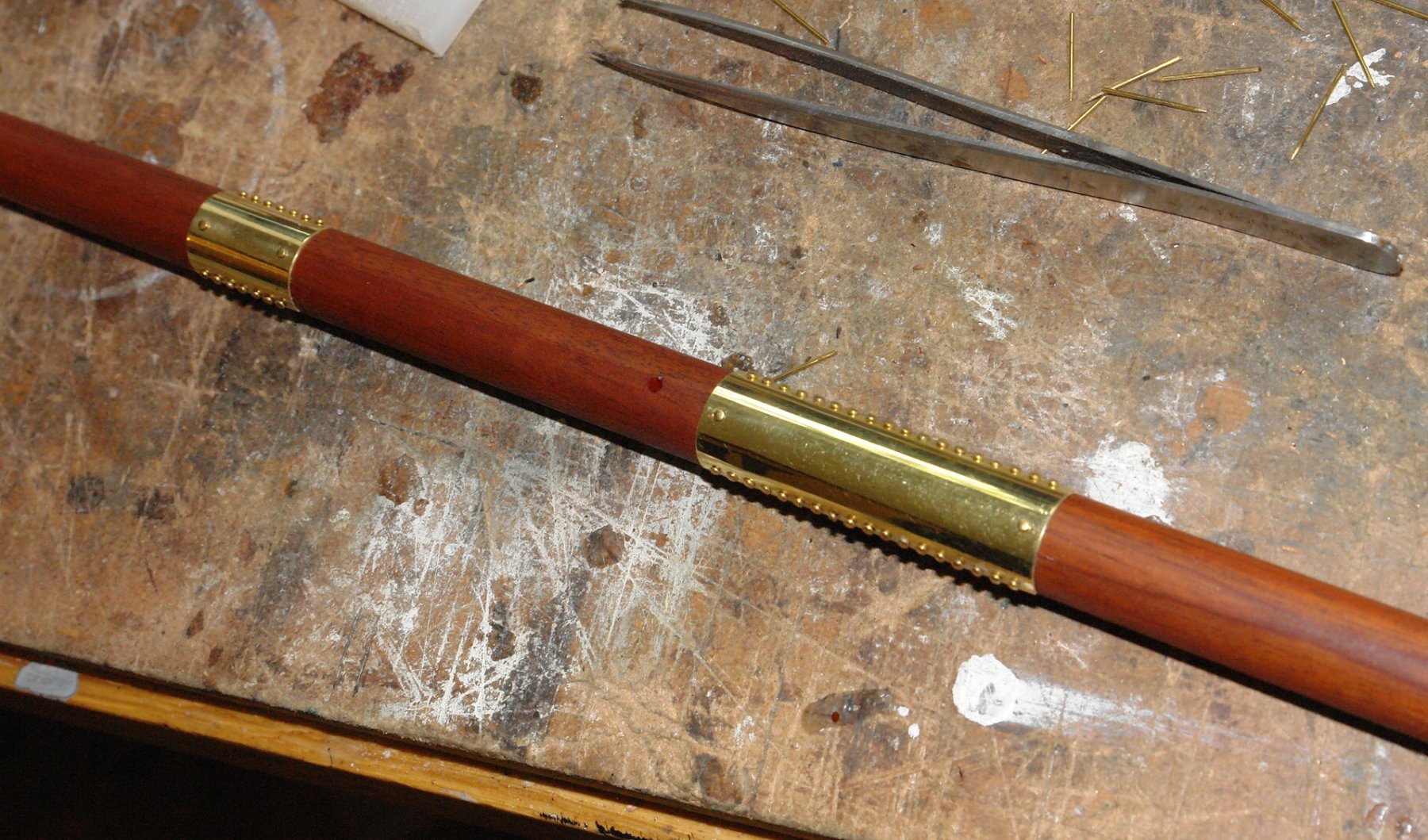
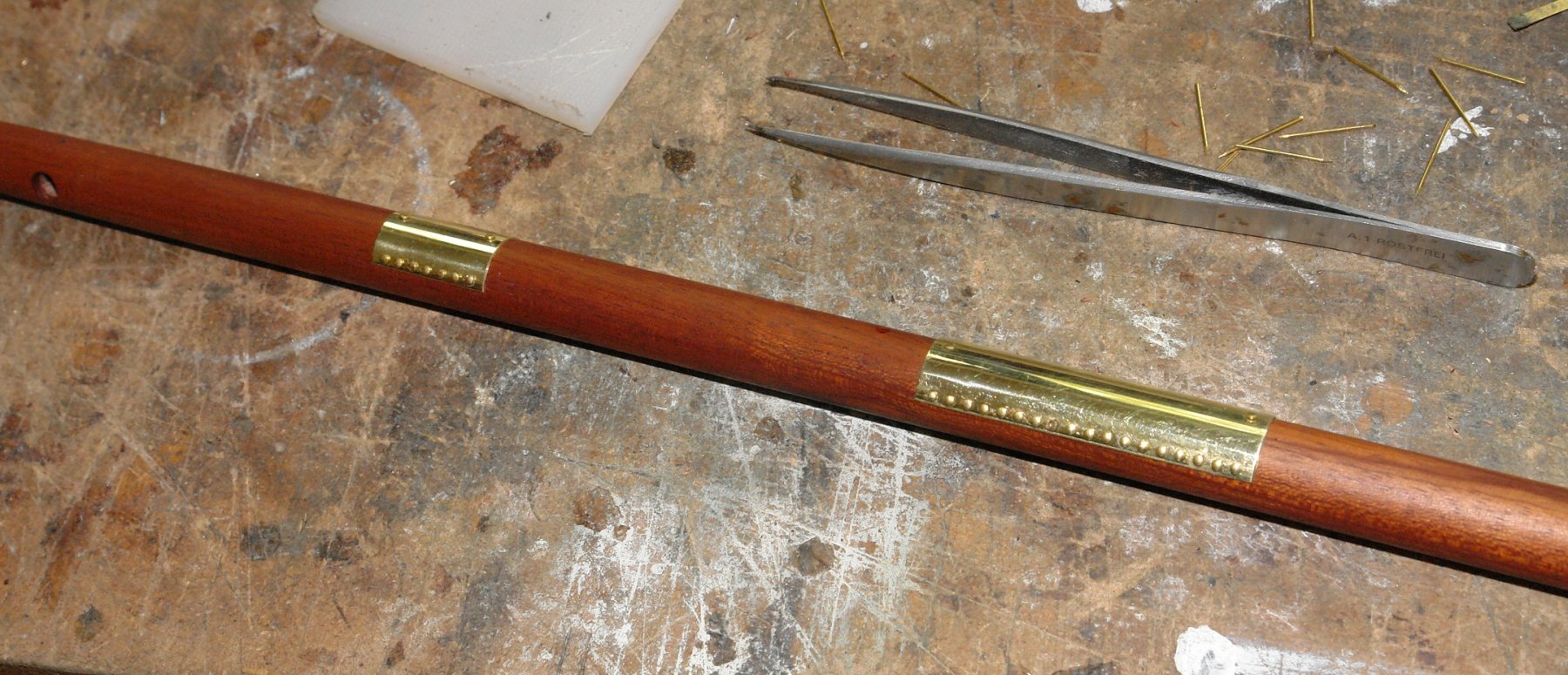
Thanks Richard. I started to feel that I could do better to mount the yards more securely and accurately. Rather than inserting the yards directly into the hole drilled in the wooden mast I decided to make a sleeve to insert in the hole. Making the sleeve a tight fit around the yard had the additional advantage of guaranteeing the correct angle. I continued to make mast fittings and attached the plates where the strops sit and where the gaff hoist pulley rubs against the mast above the yard. The radar sits on a tricky little "A" shaped frame just below the yard on the main mast. The tricky bit is the bracket which attaches to the mast. The bracket plate is a curved oval (about 0.6" x .5"). I stuck a paper template on a tube and cut this out with a jewellers saw and finished it with a file. The plate attaches to the wooden "A" frame via a strap - I cut this strap on the lathe - its 0.1" wide. The strap and the plate were soldered together. The set up for soldering uses two tube spacers (aluminium and copper) to pull the stap tightly against the plate. The aluminium was used because it wouldn't accidentally solder to the bracket. The first photo shows pre soldering with the solder wire balanced in place. The second photo is post soldering and the third photo shows after clean up using a brass brush wheel. I used a torch to do the soldering. The "A" frame was made from 0.1" square mahogany. The strap was then bent to shape and attached to the "A" using CA glue. I now need paint the frame with poly and make the radar and horns which attach to the frame. I had the Yacht on the floor so I took a photo.
- 882 replies
-
- 14
-

-
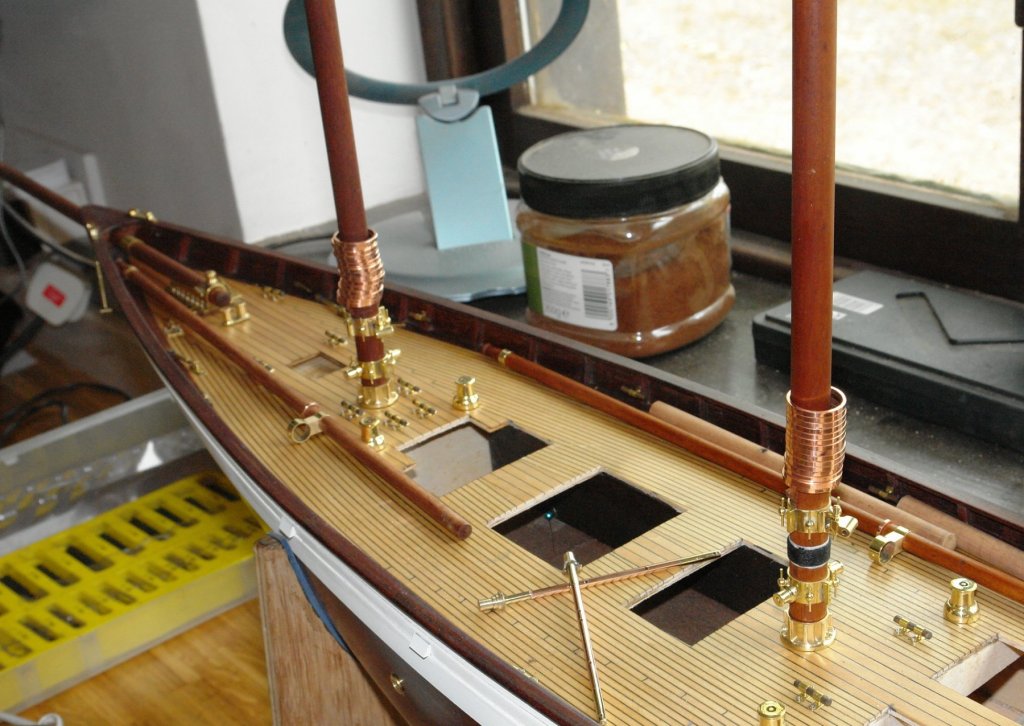
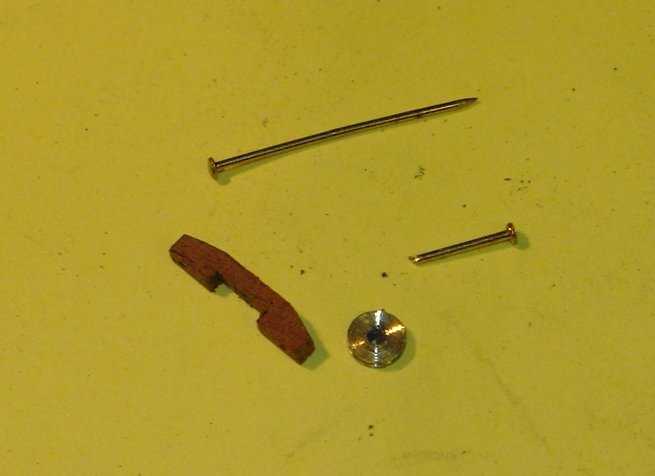
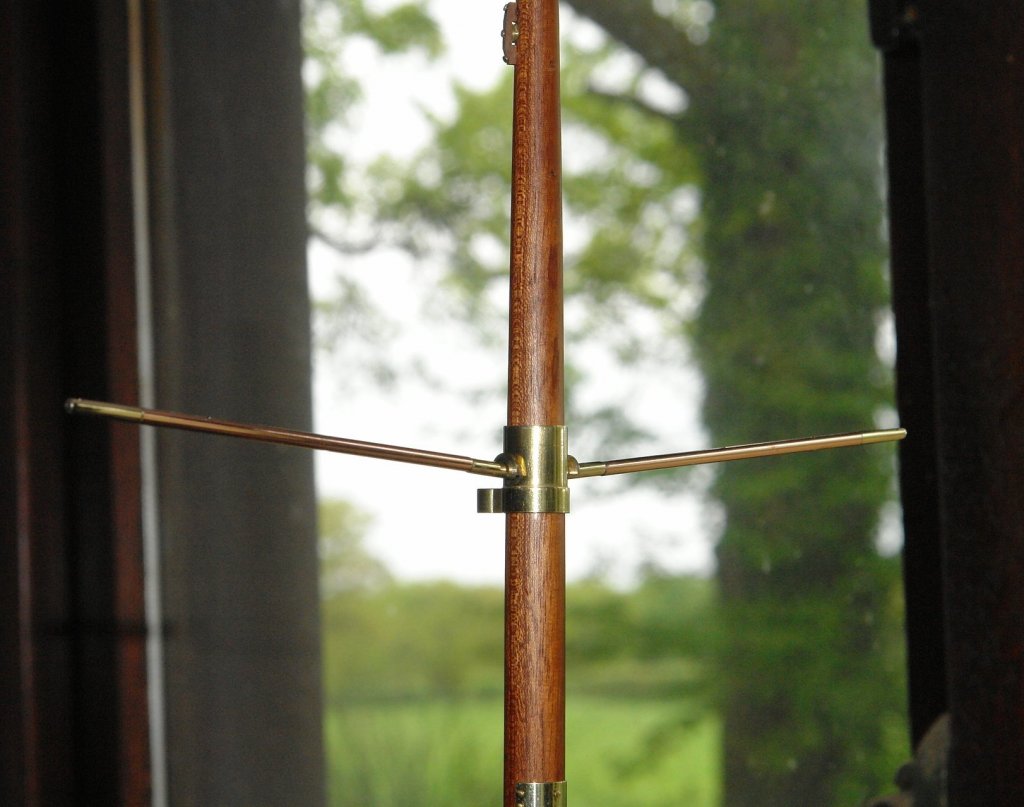
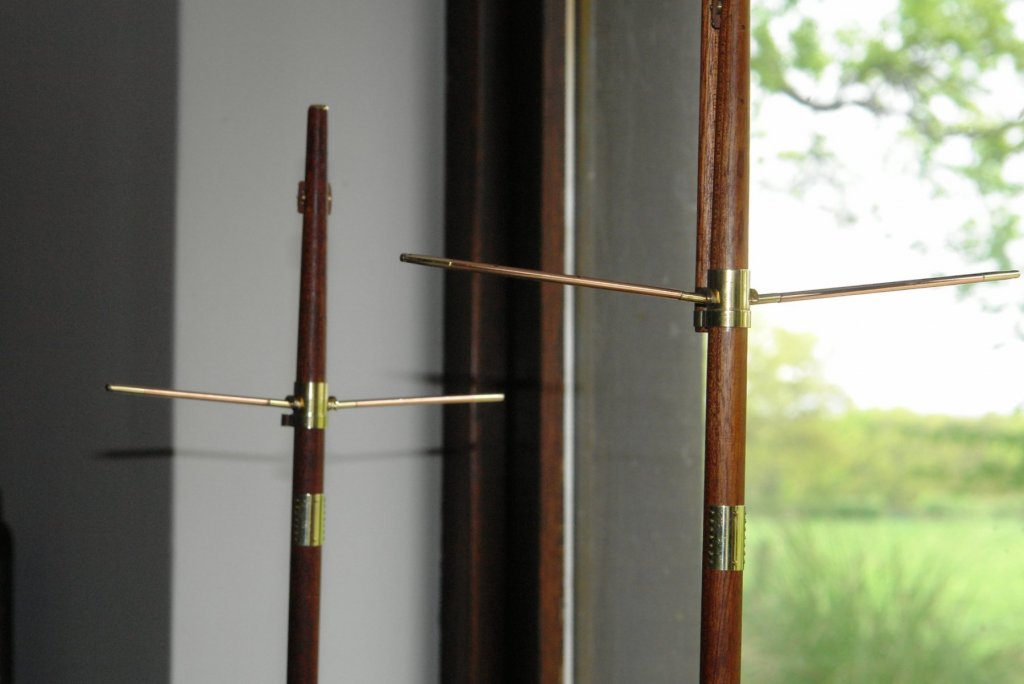
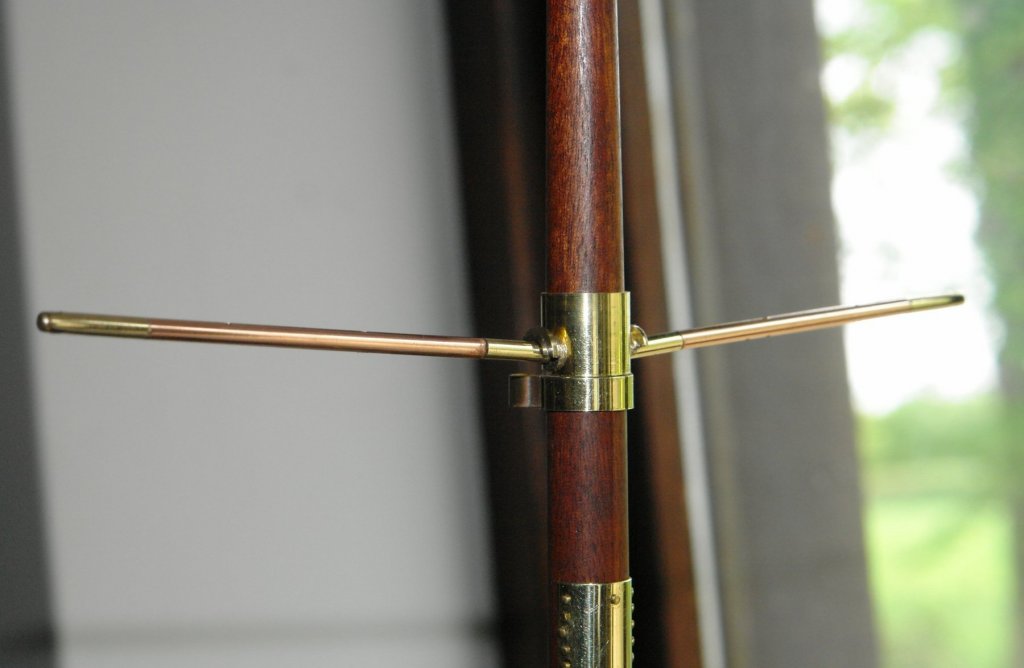
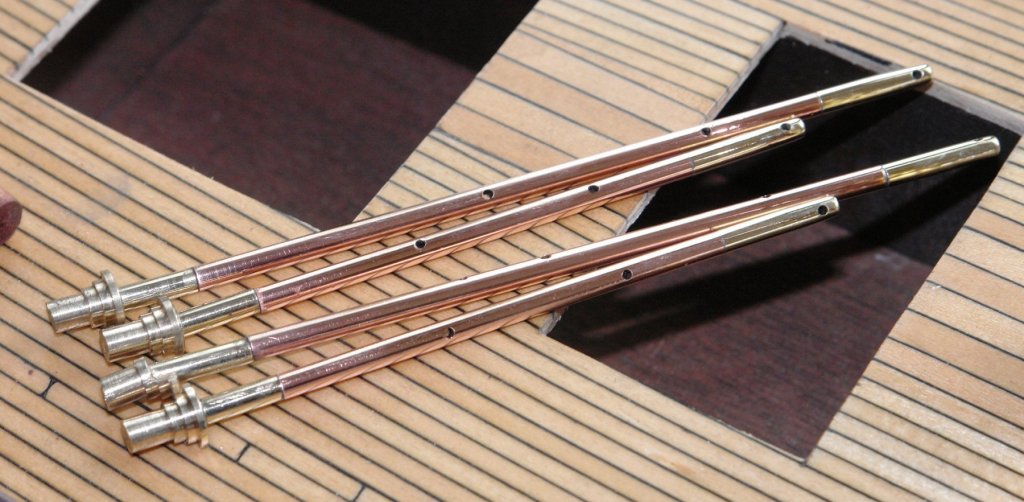
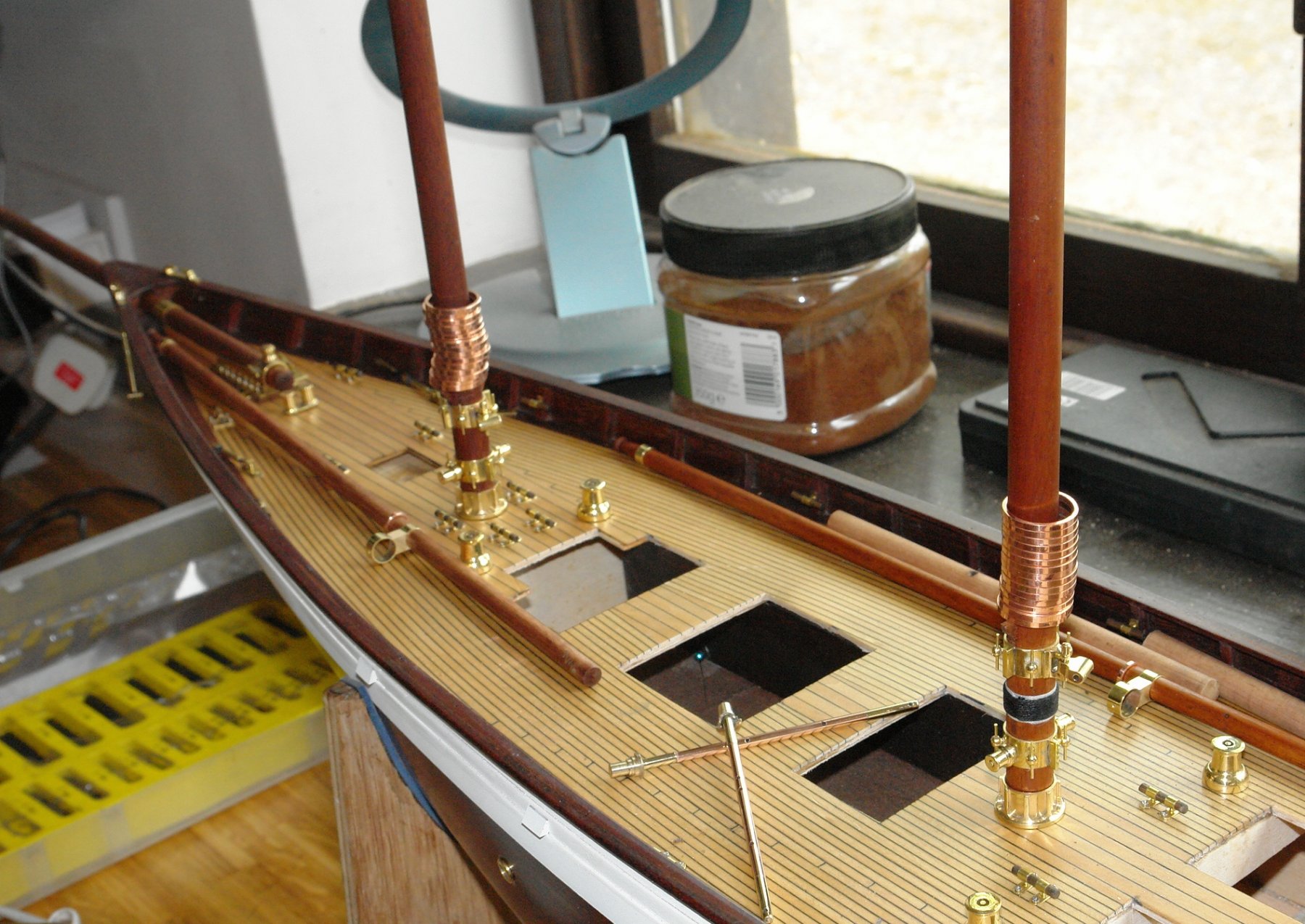
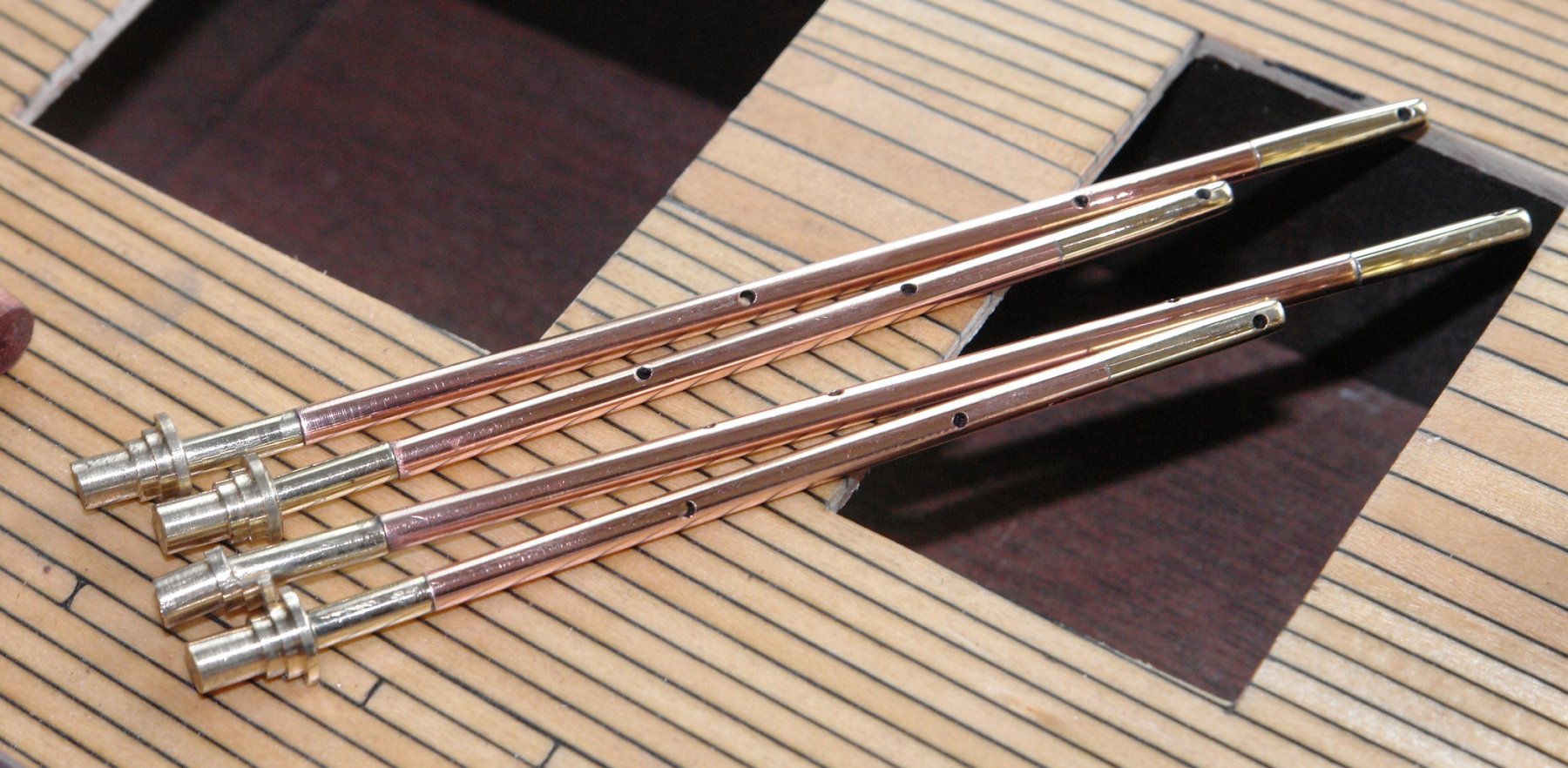
A little more progress:- The foremast caught up with the main as far as fitting out was concerned. At the head of each mast is a pair of pulleys. The body measures .32" x .08" x .08", the pulley is .160" diameter by .04" thick. The body was milled to shape. I made the yards from mahogany but at a little over 1/8 inch diameter they were quite delicate and flexible. After scratching my head for a while as to how to make them robust I went back to web photos and realised that on Altair the yards are actually made from metal - painted white. The problem of flexibility was therefore resolved with the yards made form copper tube with brass end fittings. I'll decide later whether or not to paint them. I still need to make the lights, GPS receiver etc which attach to the yards. I then went back to more mast protection plates of various shapes. I had a bit of fun working out the best way to make the oval ones for the shroud strops. Thats all for now folks.
- 882 replies
-
- 11
-
-
Nils I do think the side view with the davits in place makes the ship come alive - love it.
- 2,625 replies
-
- 7
-
-
- kaiser wilhelm der grosse
- passenger steamer
- (and 1 more)
-
Dear Richard and Michael. I think you have hit on the right solution, however my wife is now pushing for the hand sewn leather. I calculate the mesh size at .030" with a strand thickness of .0015". I fear that while the body is willing the mind is weak.
-
Richard, I was also thinking along the lines of a knurling tool as an option. I don't think you would get knurl wheels off the shelf but it is possible to make your own. The problem I'm not sure how to resolve is how to get the register right between the forward and rearward sloping cuts. It sort of needs the knurl wheels connected through a gear.
-
Michael - I have had problems in the past bolting directly on to perspex. After a while I noticed small cracks starting to grow from the bolt holes. I cured it by using rubber grommets to line the holes (slightly wider than the perspex thickness). It may be that I had a bad experience and you will get away with it. Excellent work as always.
-
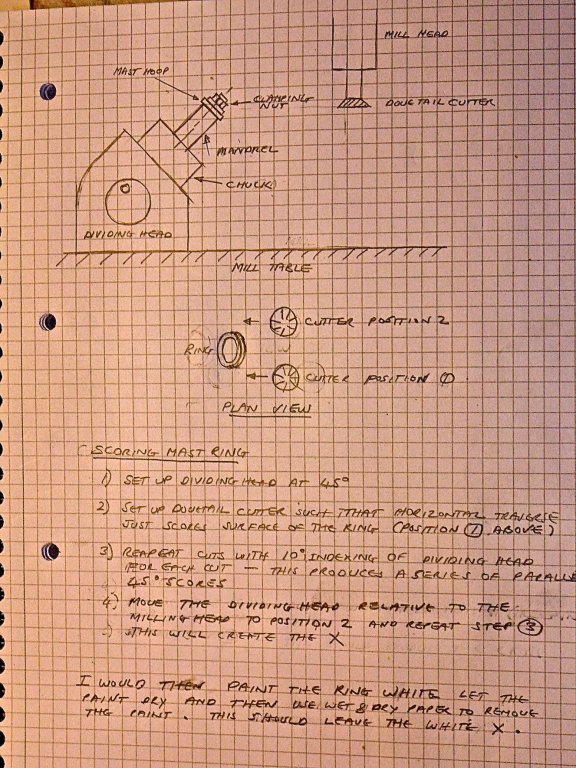
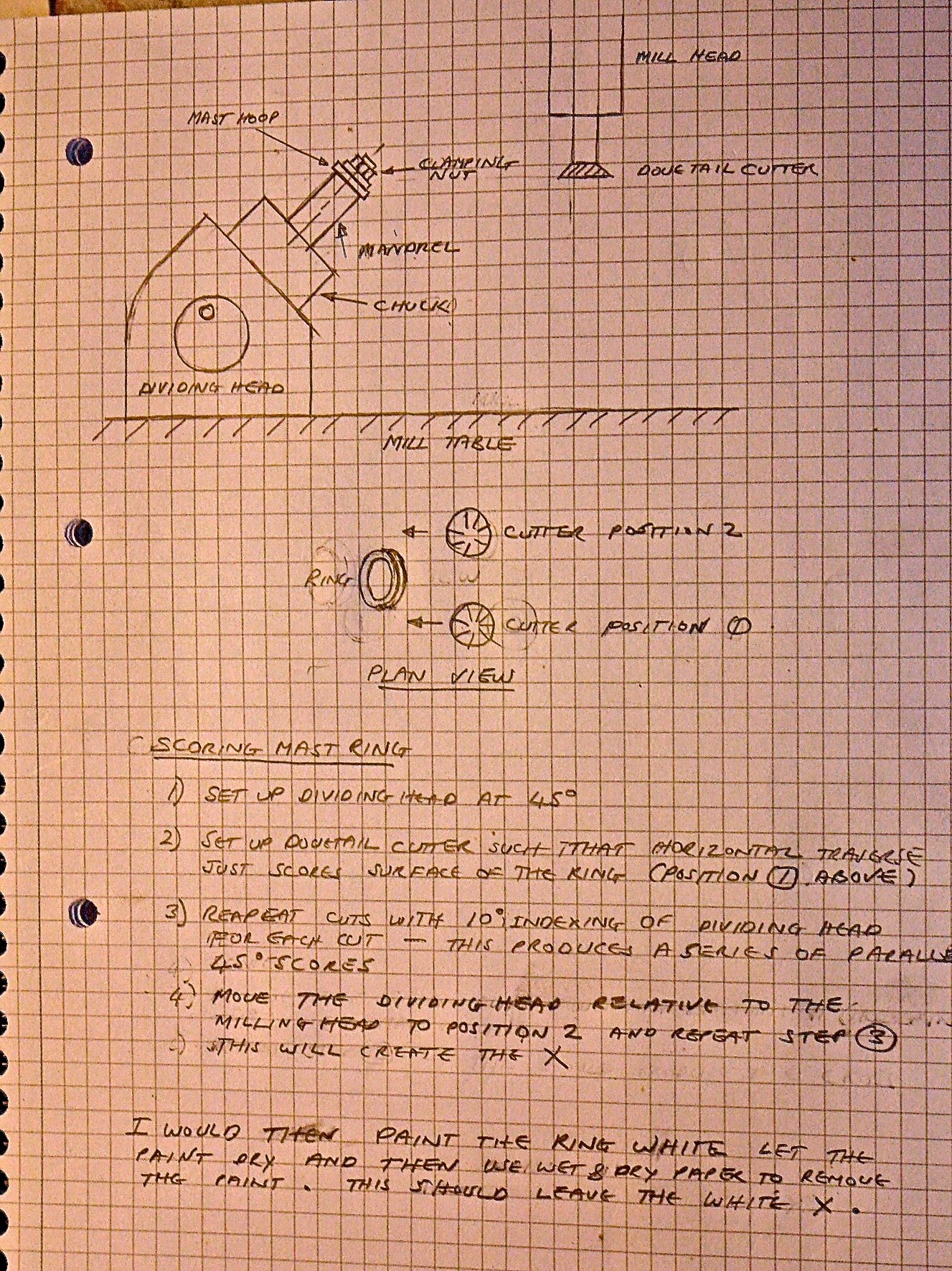
Hello Richard Thank you. I had thought I could simulate the stiching like this:- The problem is the chore of doing the cutting - 72 cuts per hoop X 30 hoops + 2160 cuts. Quite a chore and I don't want to spend a few hundred quid acquiring a dividing head.
-
Mike. I have used blue - Endeavour link below. But I think in future I will stick to white.
-
Hello Mike, The folded ribbon and glue method can be a bit messy. I find ripstop sail repair tape is much easier. Its designed for the repair of sails, is very thin, very strong and pre glued - and comes in lots of colours.
-
Michael - surprisingly I had passingly thought about it and got as far as thinking about a machining set up. I sort of wanted a tilting dividing head to make it easy but I don't have one. Anyway it seemed like a lot of work. I might have had a go if the number of components had been less but machining up 30 rings seemed to be a bit of a chore. I find the fun is in working out how to make something - not making loads of the same thing. By the way the Bristol Channel can be very choppy and I do think you need to damp that compass needle if you are intent on steering a true course.
-
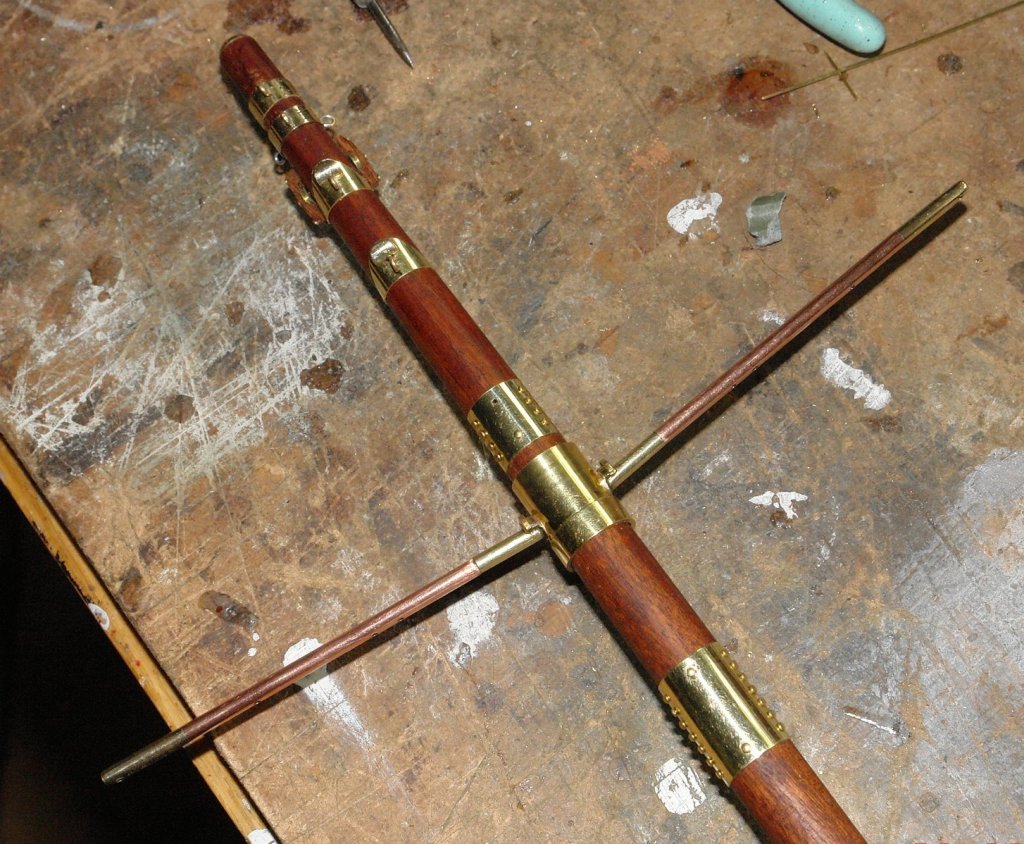
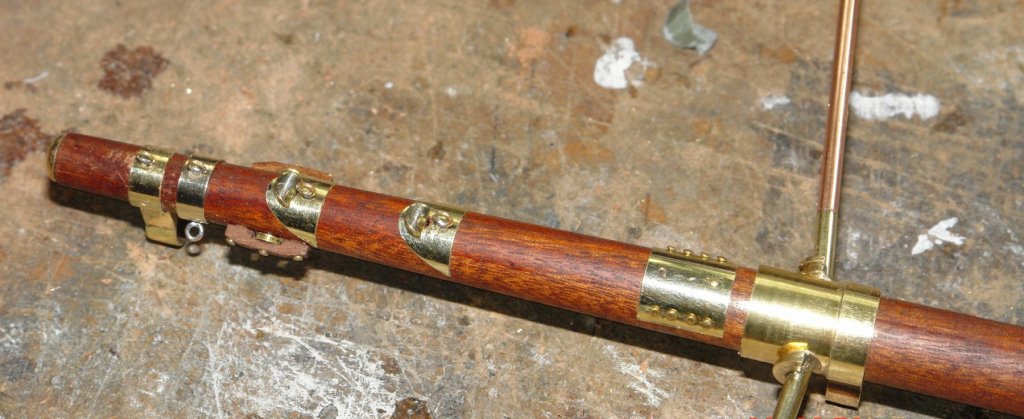
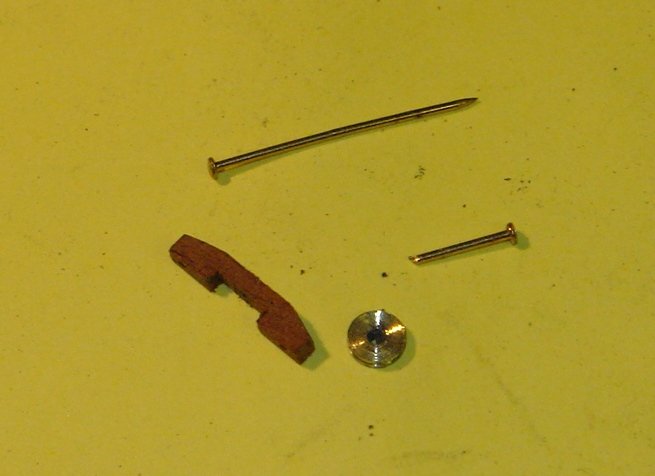
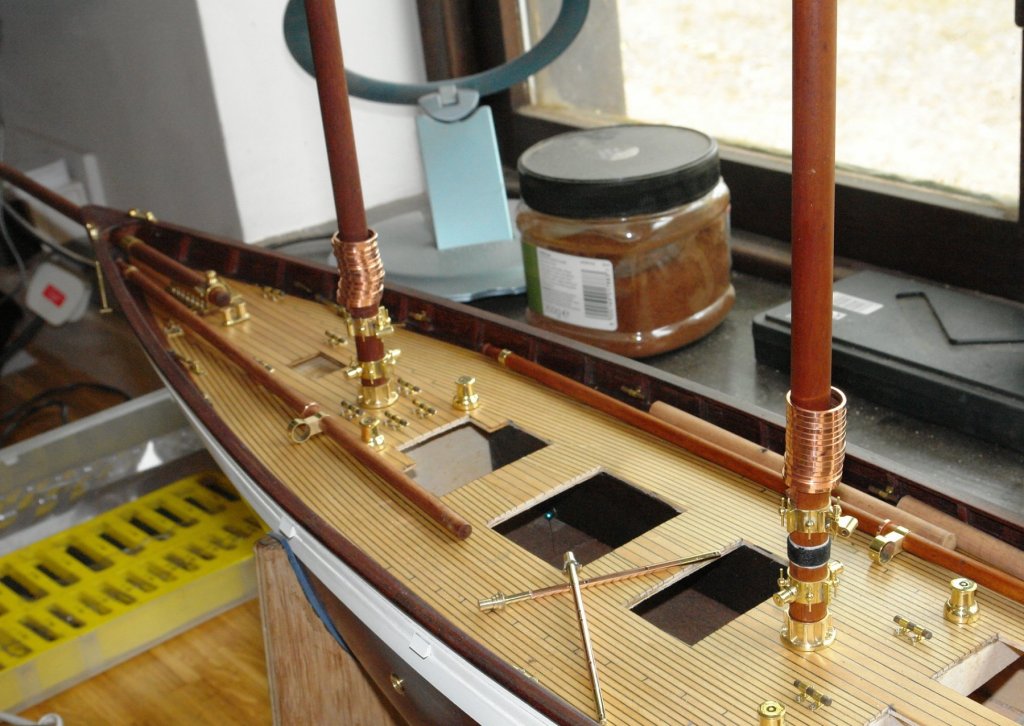
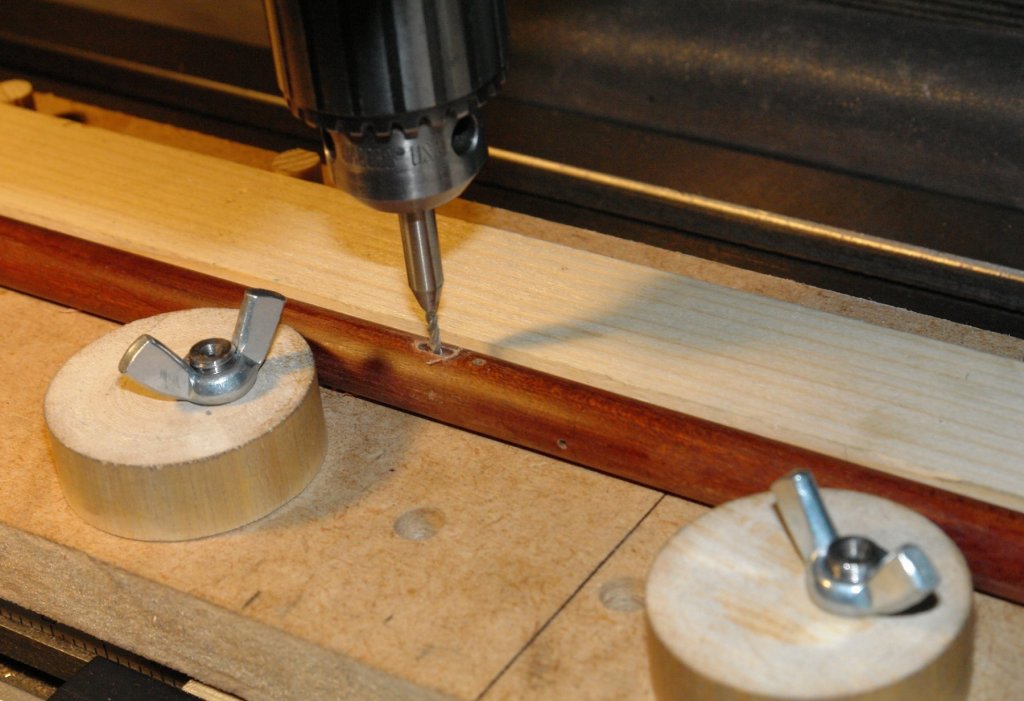
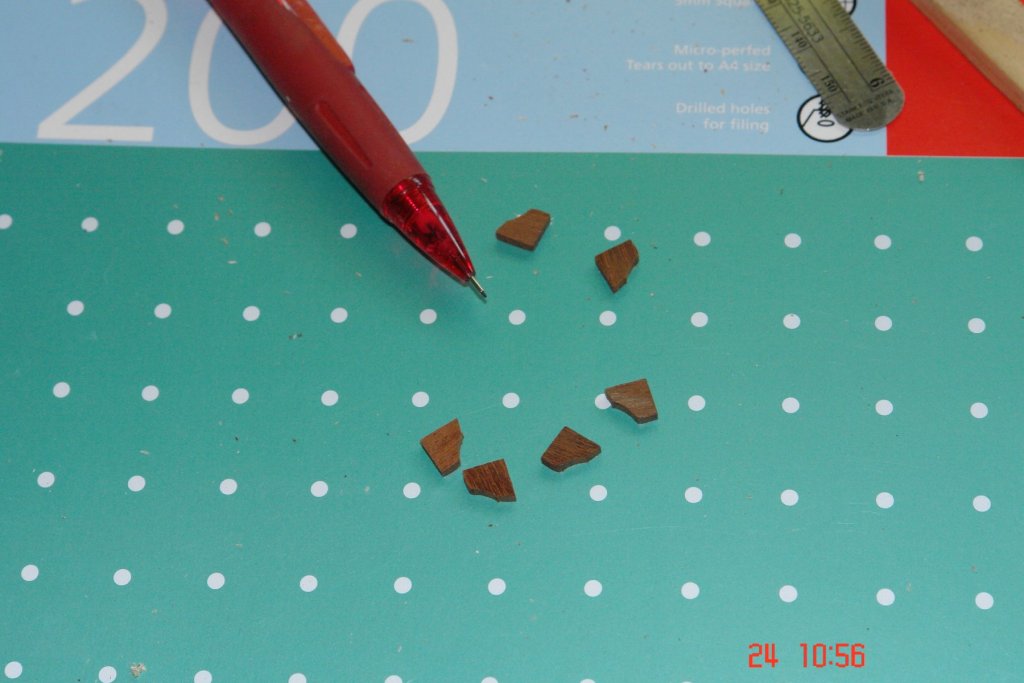
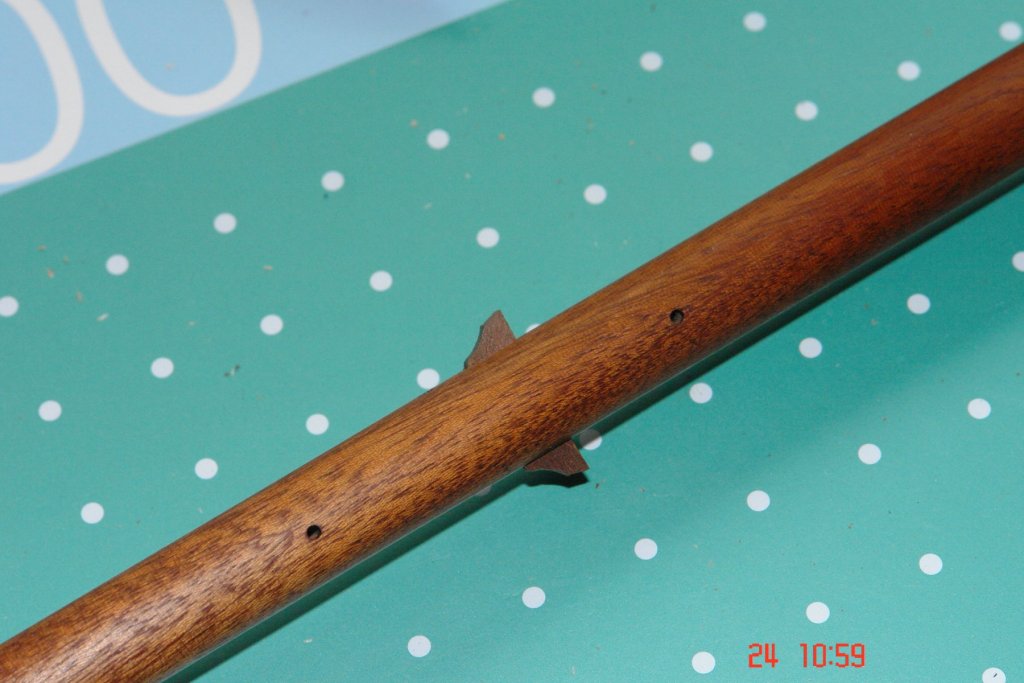
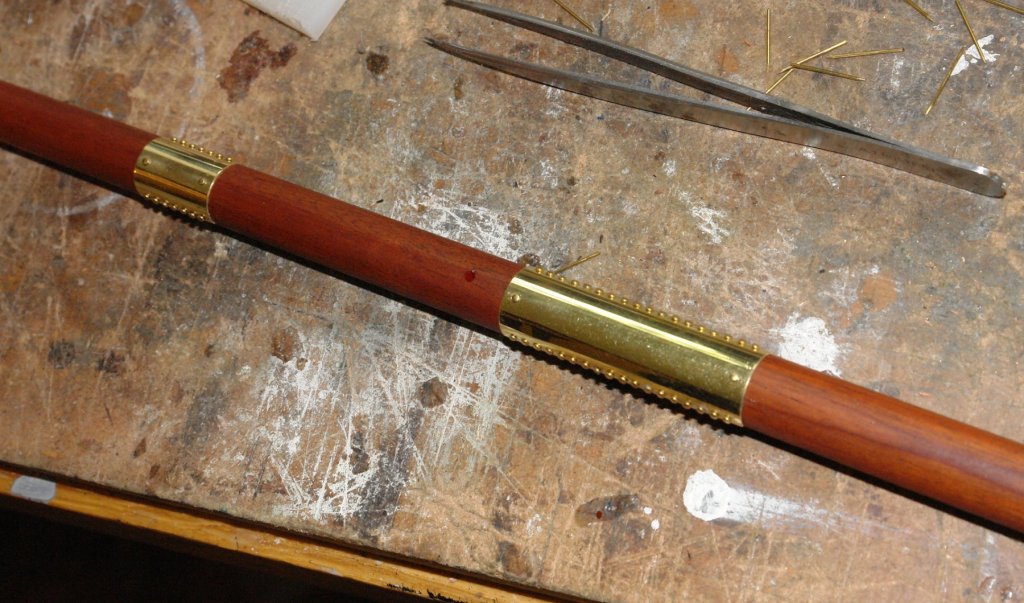
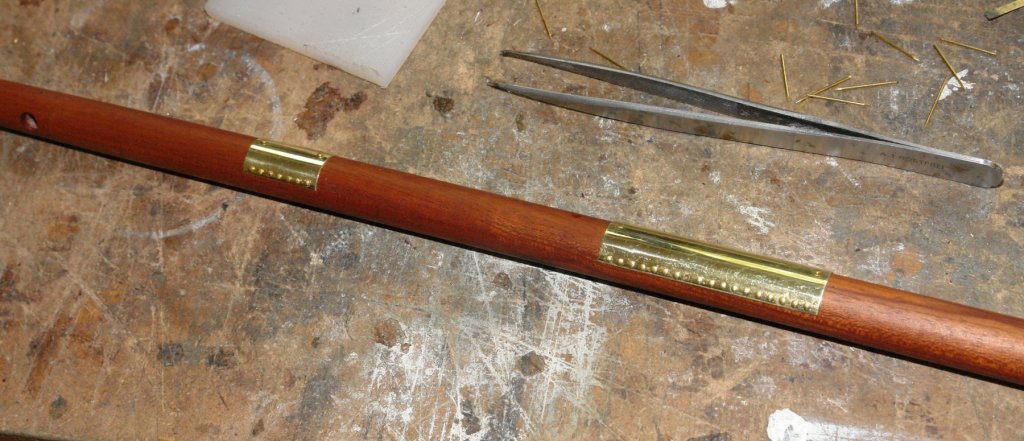
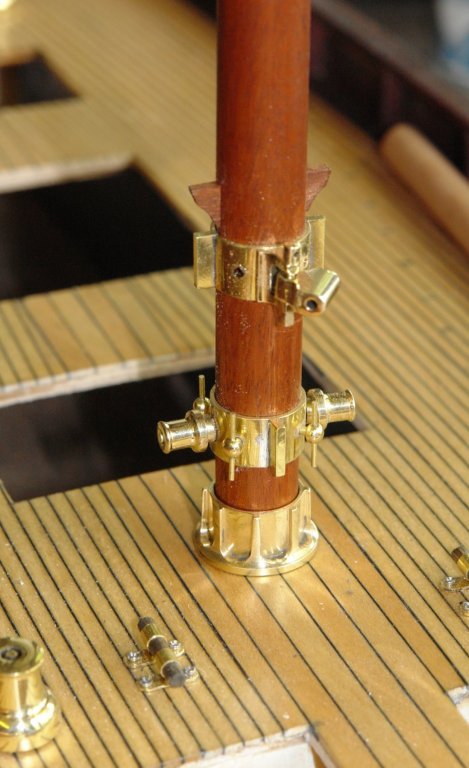
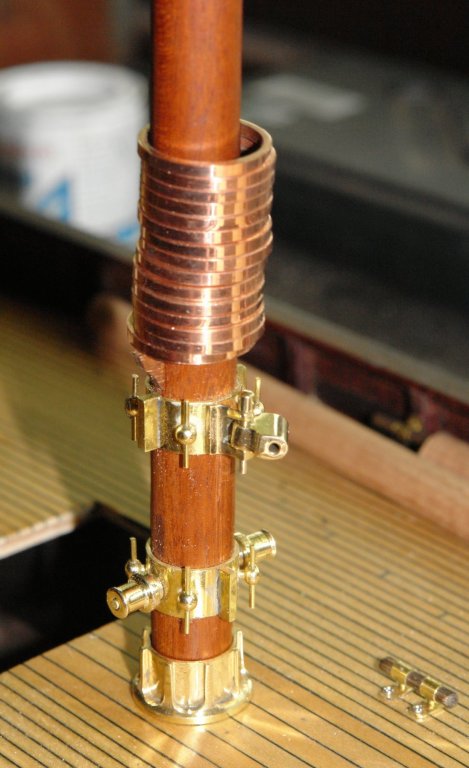
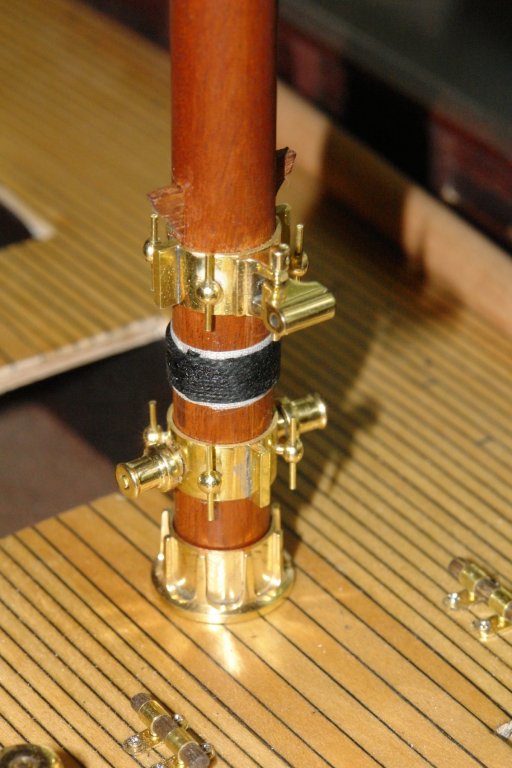
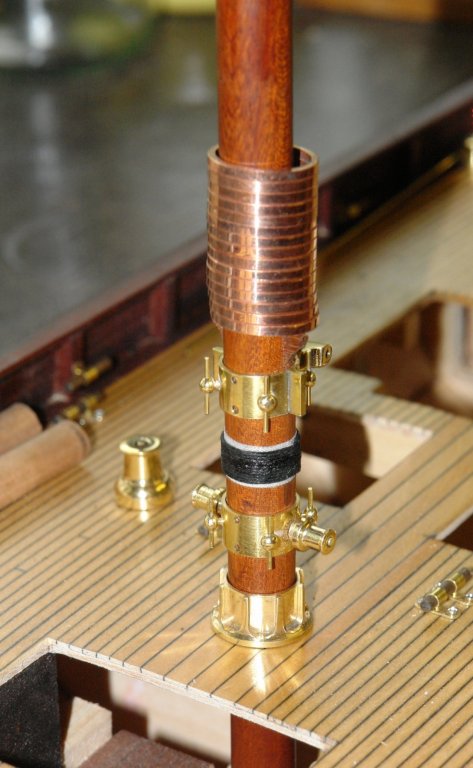
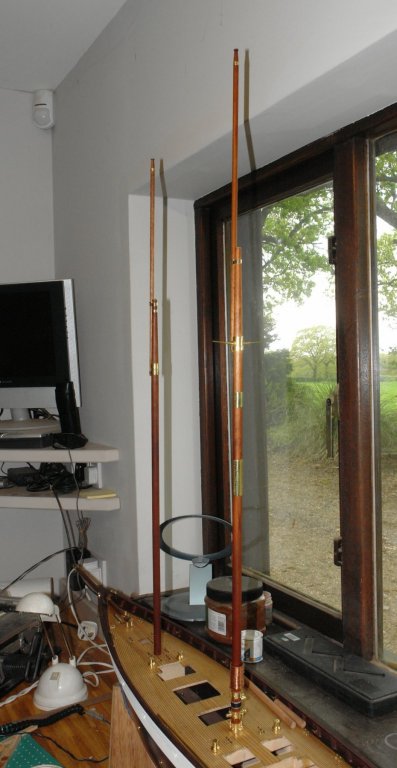
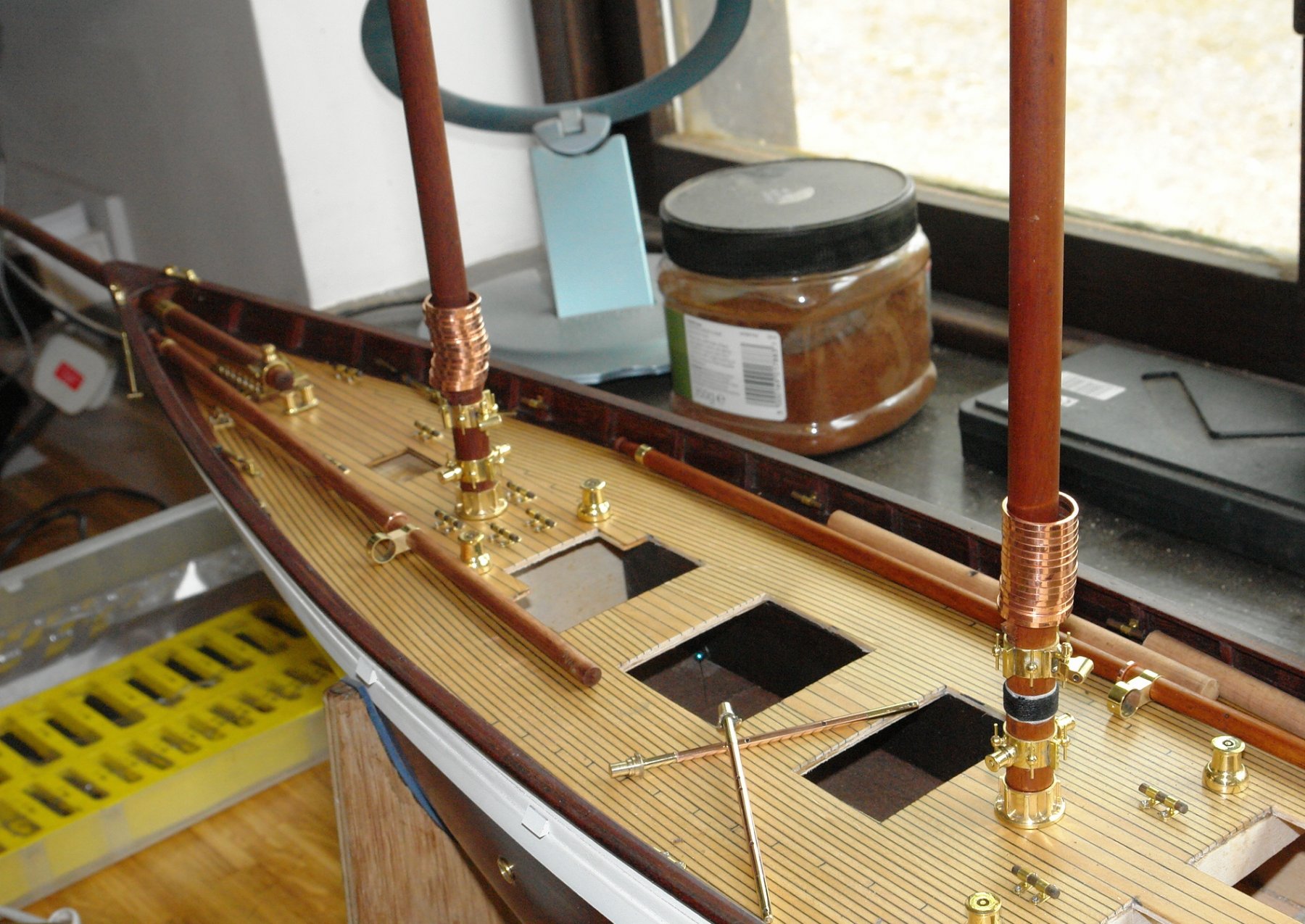
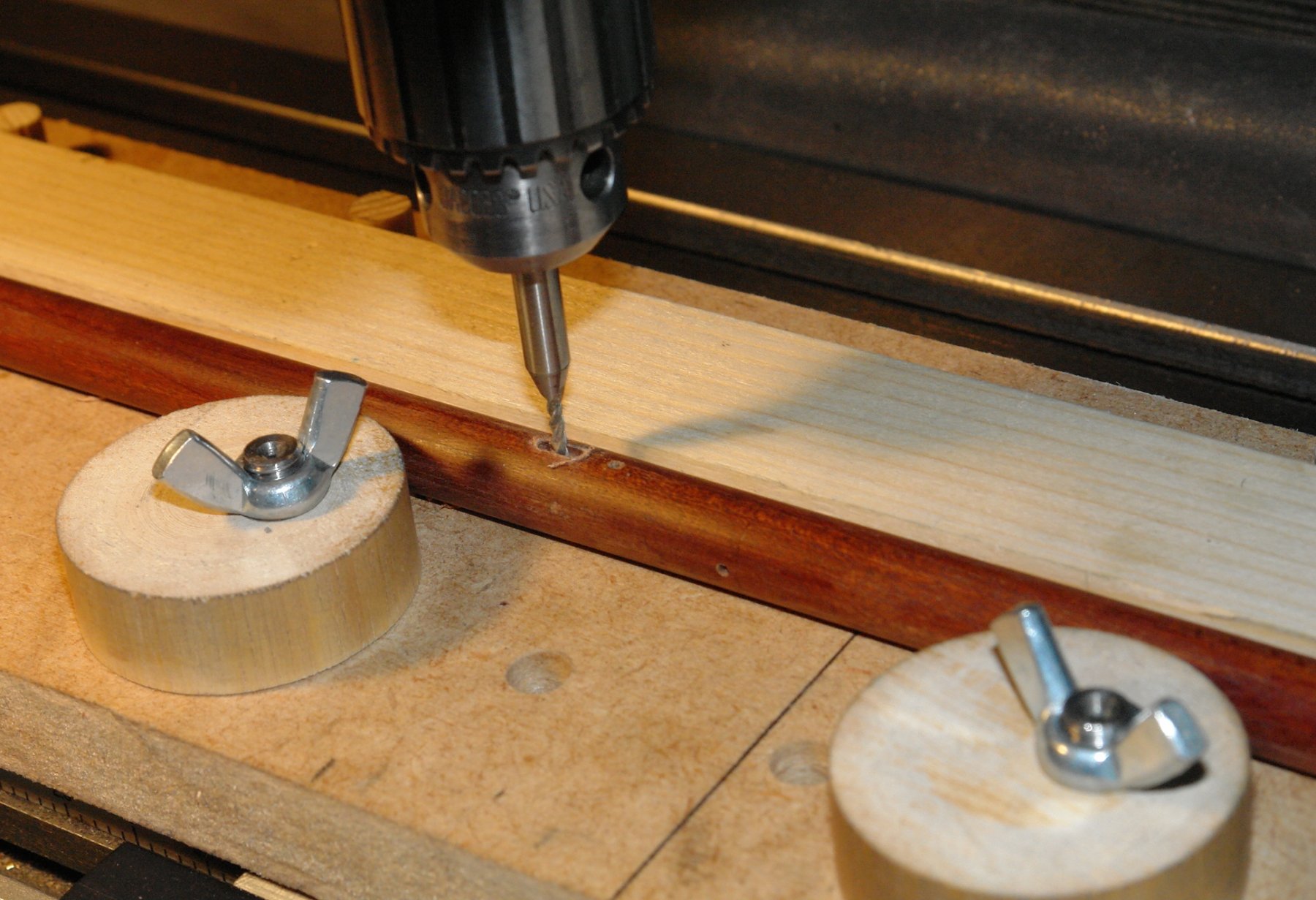
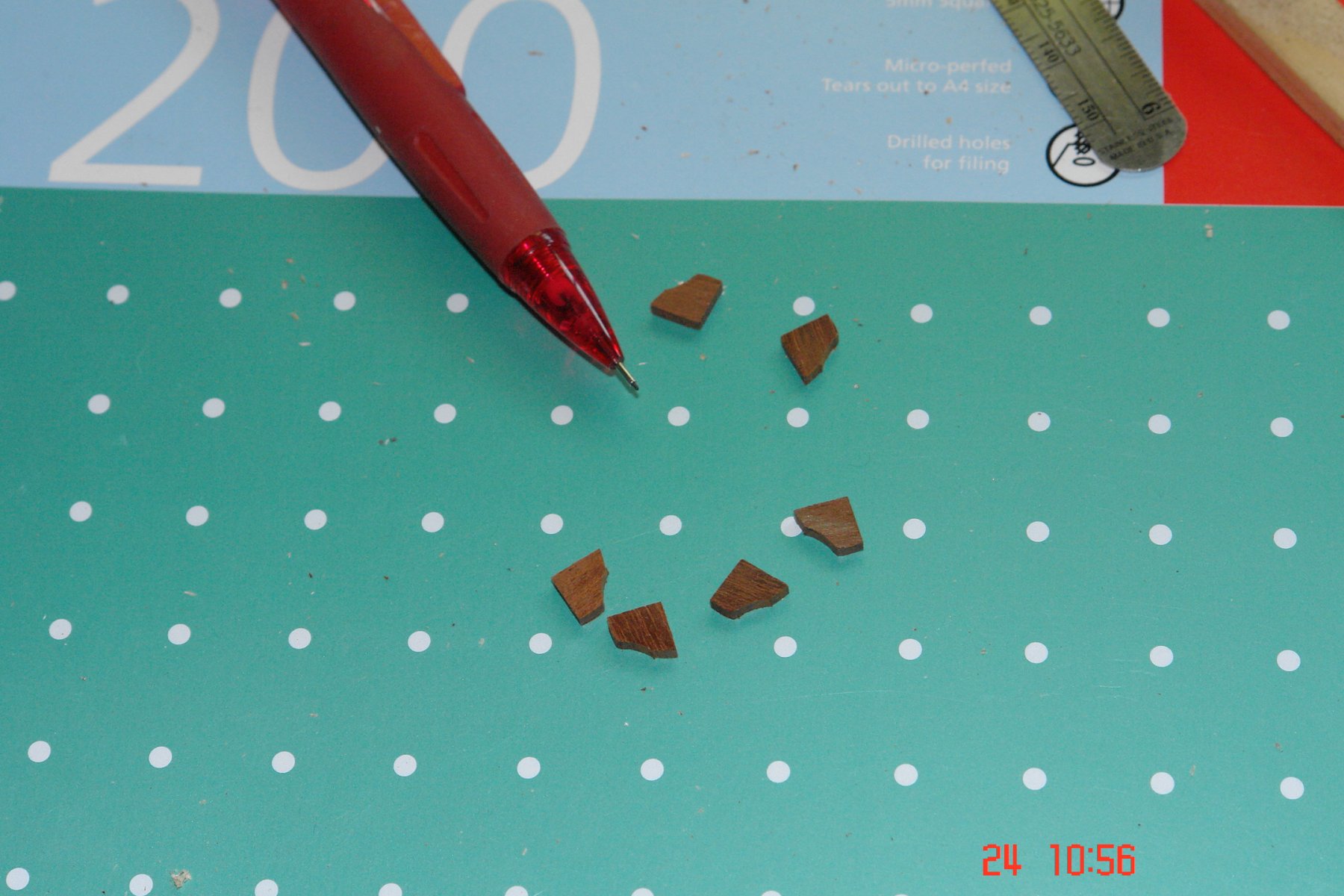
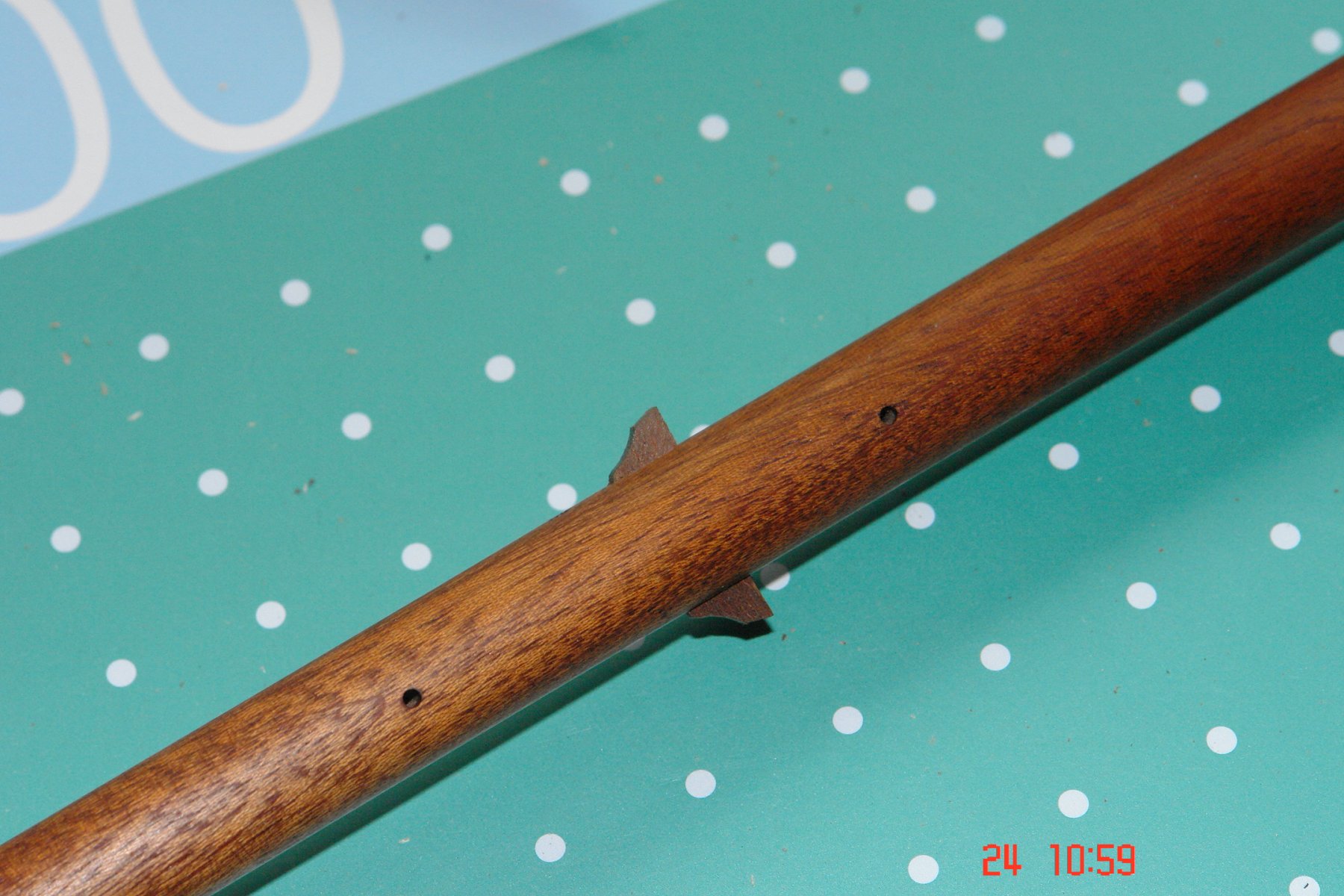
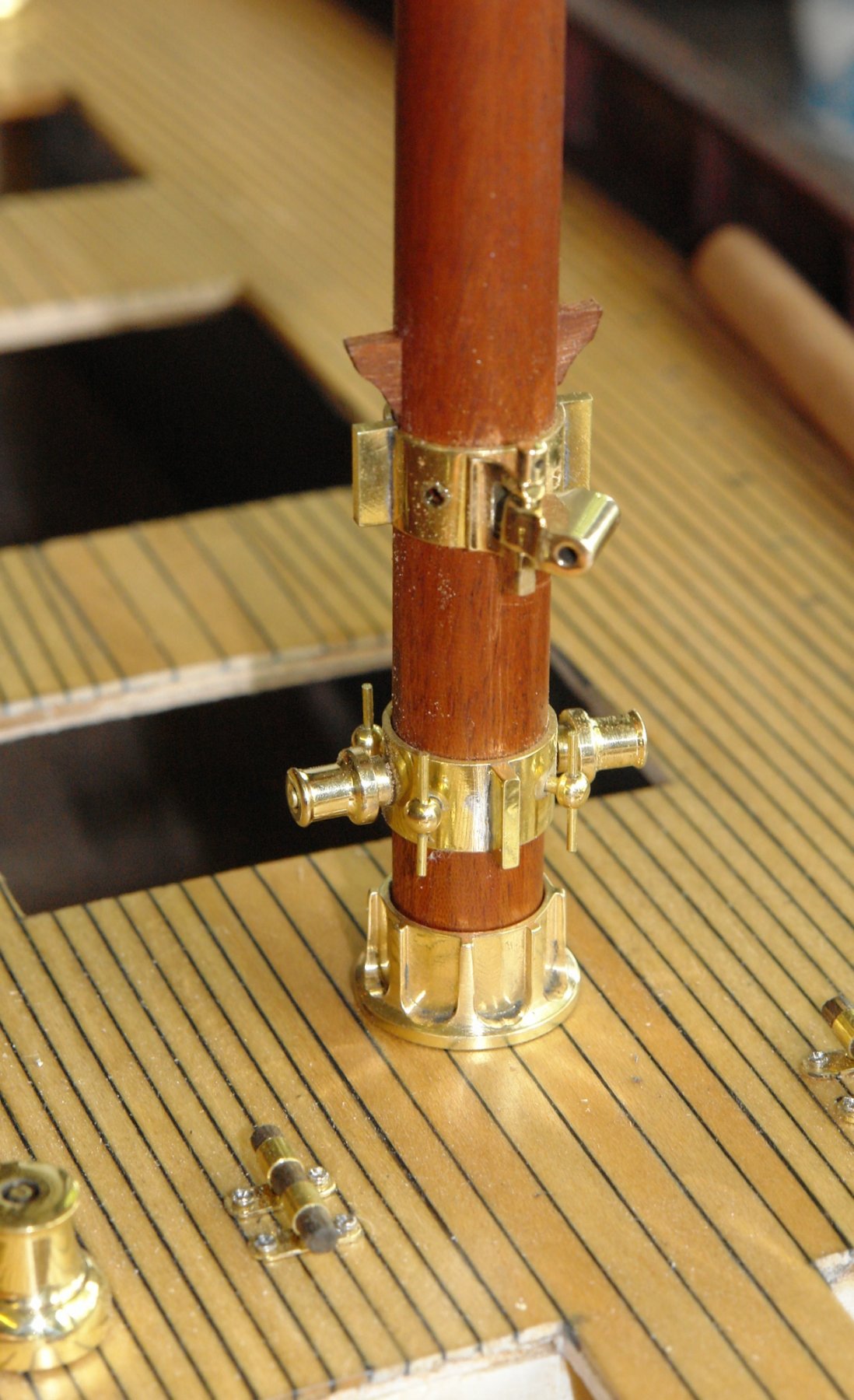
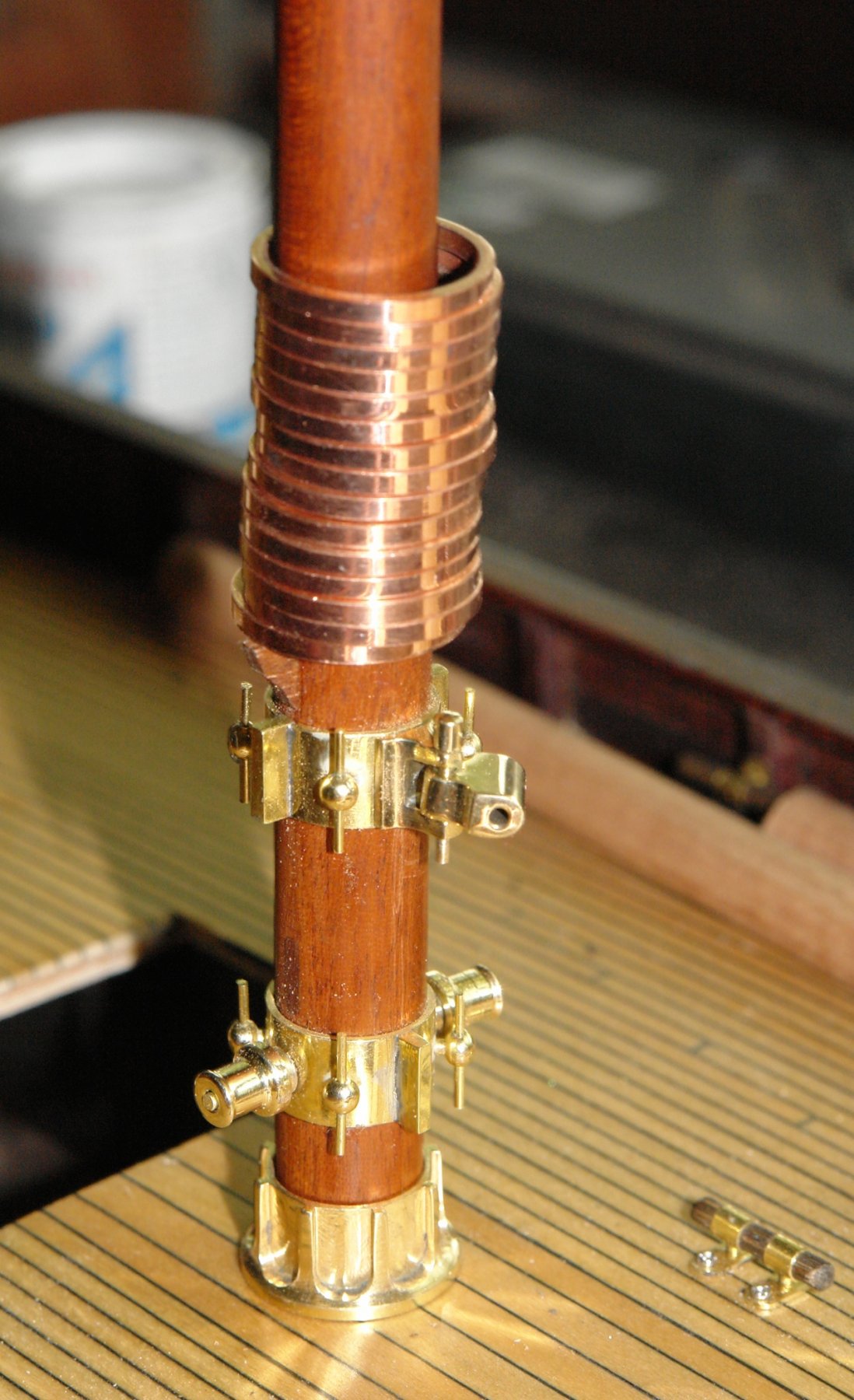
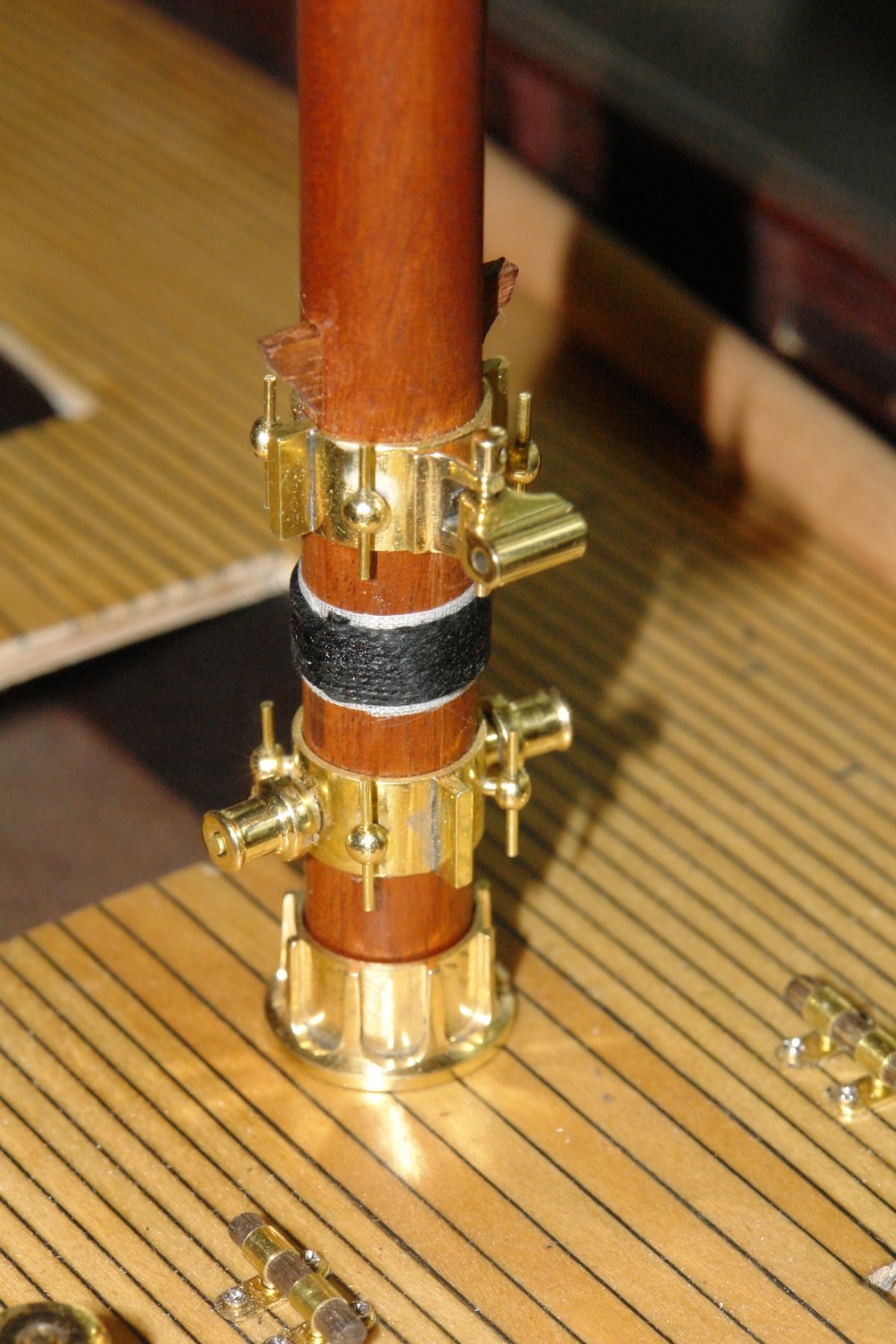
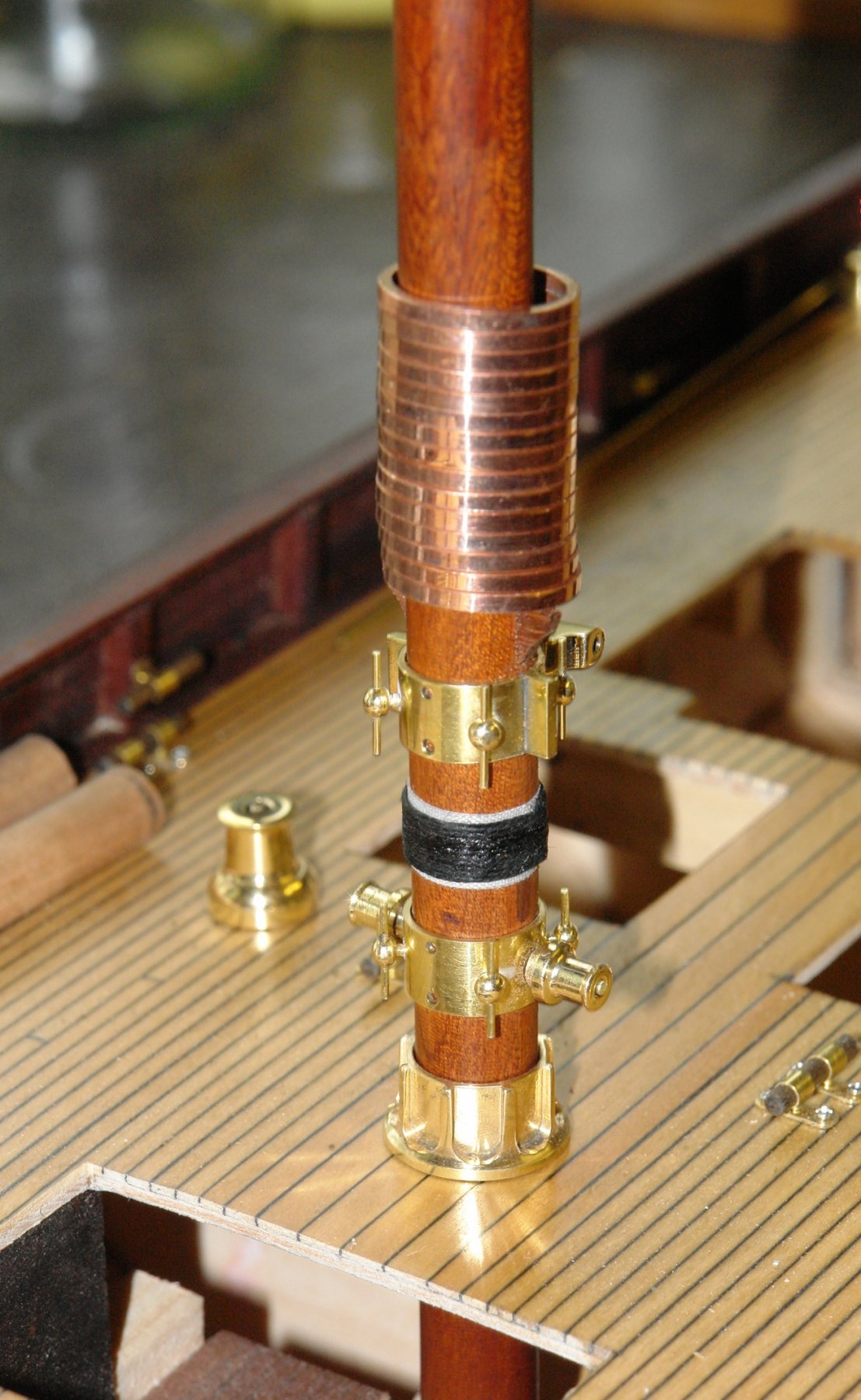
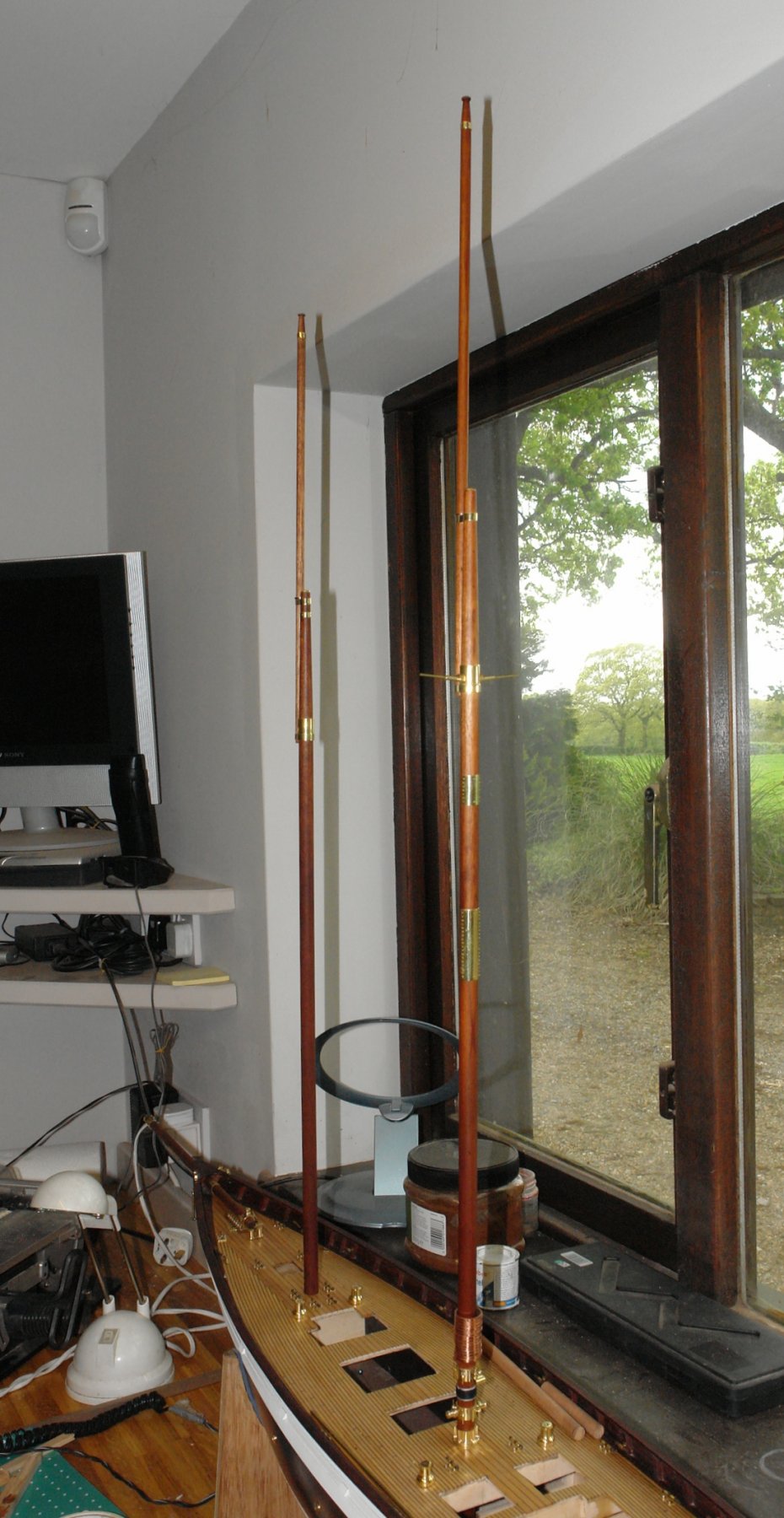
I decided the time was right to start attaching some of the bits to the main mast. The starting point was accurate drilling / milling of the mast to take the locating pins for the collars and other fittings. I took particular care with the precision of the slots for the ring rests. The rests themselves are quite small but recourse to the scroll saw quickly had them made (including spares). And here they are precisely fitted. I use the word "precisely" because I had used the wrong datum on the mill and had machined the slots in precisely the wrong position. A mast repair was necessary together with re-machining. Very annoying! I started assembly by nailing the rubbing plates to the back of the mast. I now know why you ships hull platers don't use individual nails! The nails are cut down drapers pins and the holes were predrilled undersize. The nails were coated in CA glue before insertion. I then moved on to the base of the mast and started attaching my accumulated bag of bits. If you look just above the winch you will see the repair to my "precisely" milled slot. I inlaid a piece of mahogany. Between the spiders is a rope binding with the rope bound over what appears to be canvas. In this case I used sail repair tape to simulate the canvas. Finally an overall view to show the areas where I have been working. It somehow all seems to get lost when the camera is turned off "micro" scale.
-
Greg, Thank you. Michael / Mark, I have to be numerate - my wife is a maths graduate. If I don't take an interest she takes charge of the bank account. As for days off - I think a day in the workshop is a day off.
-
Michael. Re first tools. I remember those days well. All nuts came with acres of space around them and no obstructions in sight. Perfect for accommodating the pride and joy of our schoolboy and apprentice exploits. My first product was a pipe wrench, hack sawn, hand filed, drilled, turned, reamed, riveted, case hardened and lovingly polished. Alas it is no more, its teeth gradually fell off and it was consigned to that great scrap yard in the sky. I bet these days kids make them on 3D printers and wonder what all the fuss is about.
-
Giampieroricci. A mistake on the chain!!!!!! Wow, you must be human after all. Easy to fix - If you stretch the photograph the links will become oval and all will be well.
-
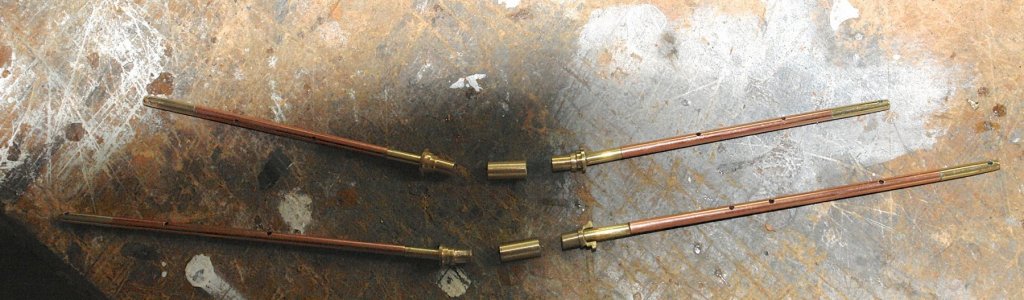
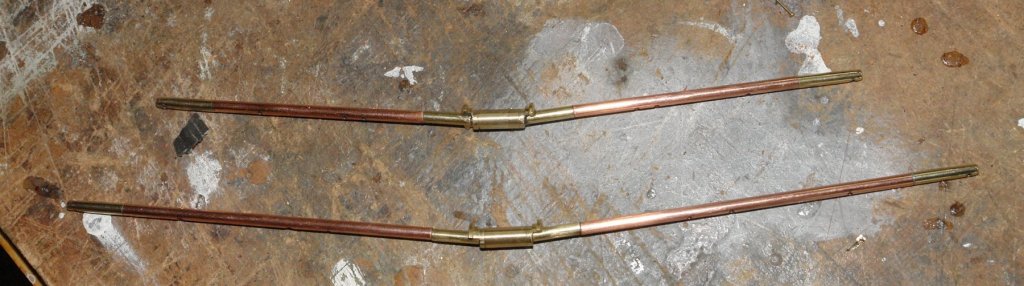
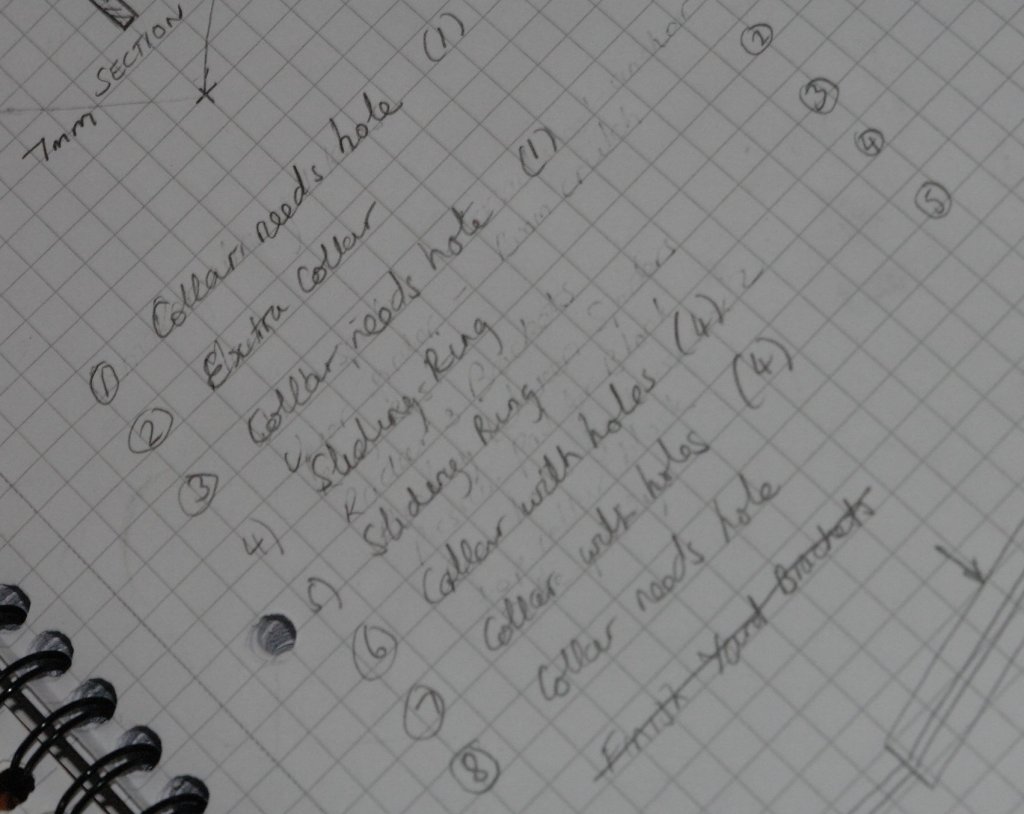
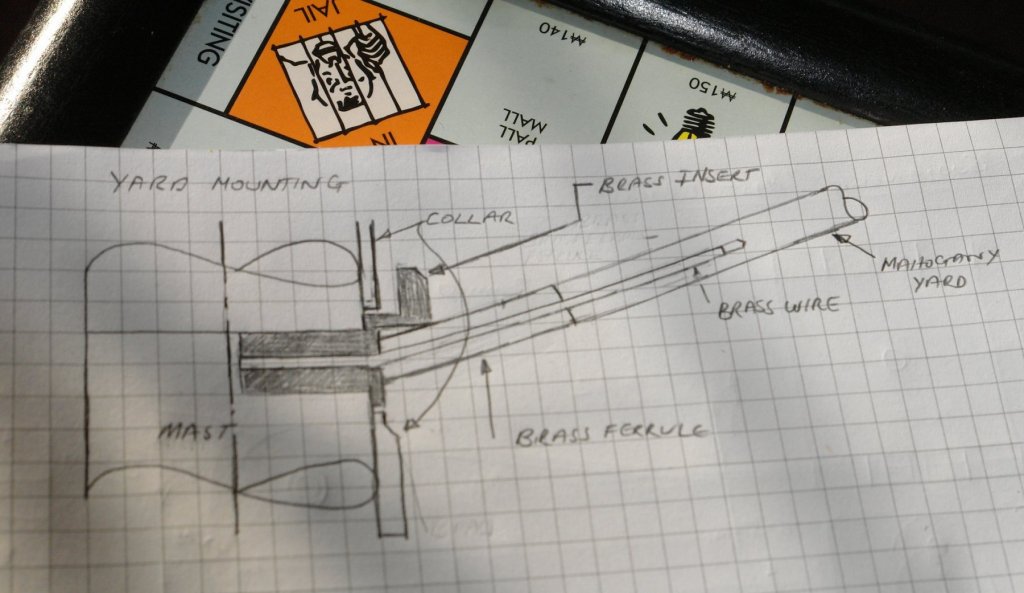
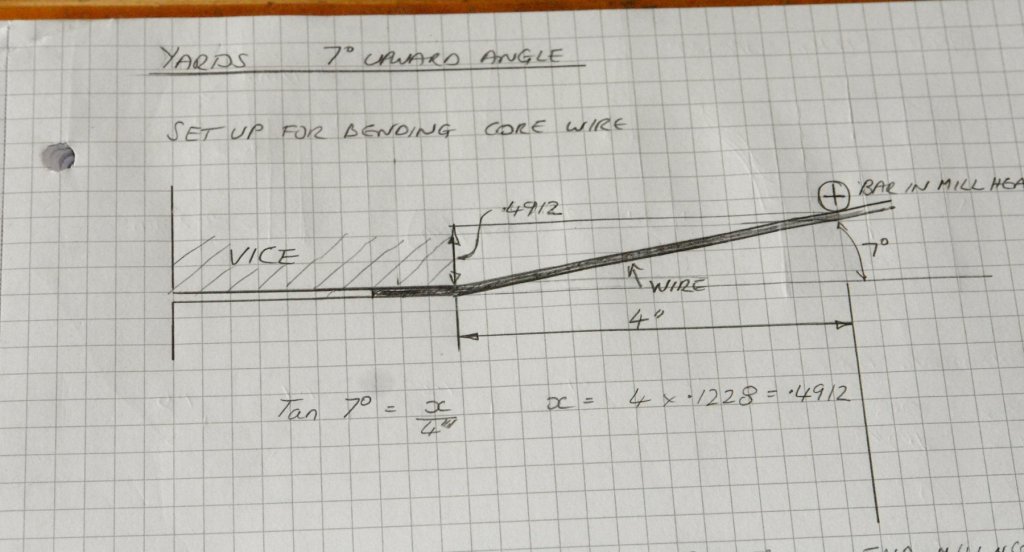
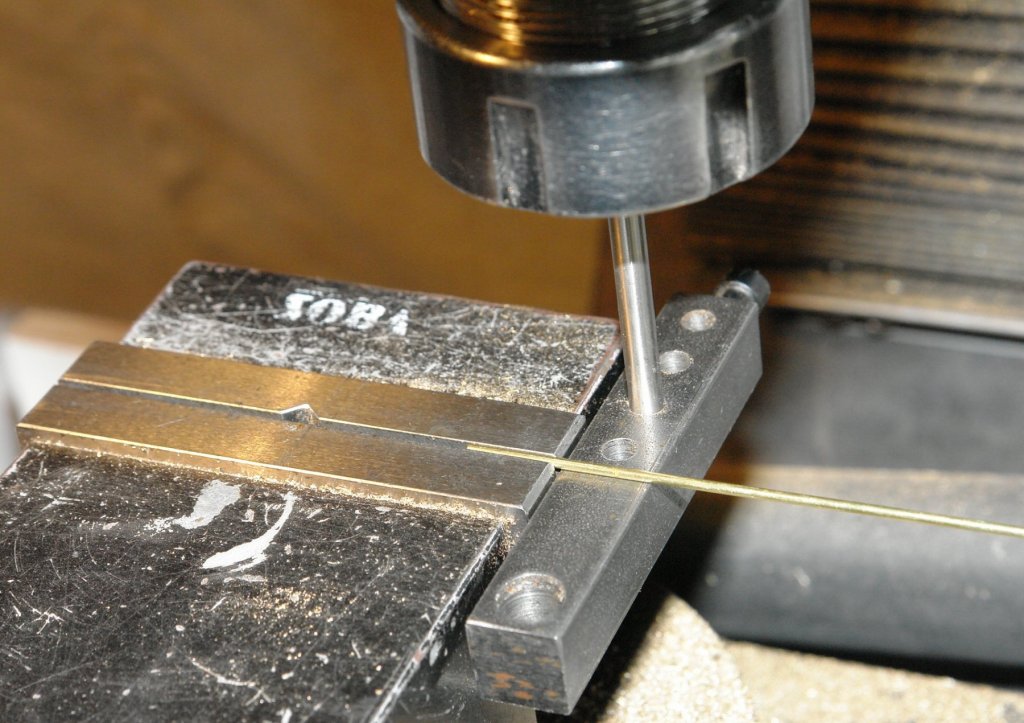
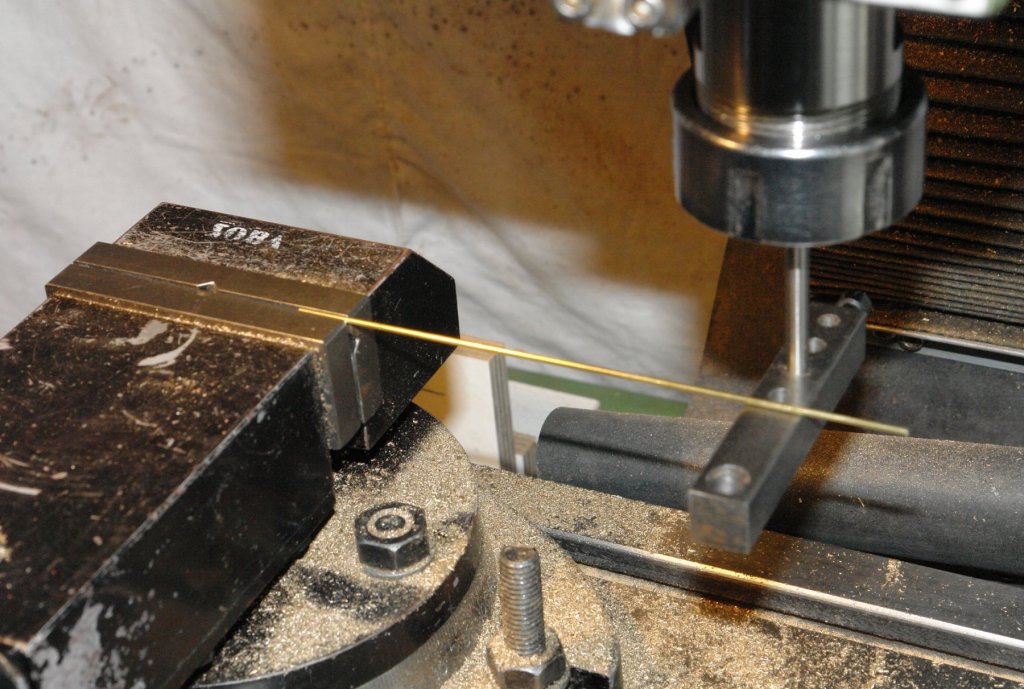
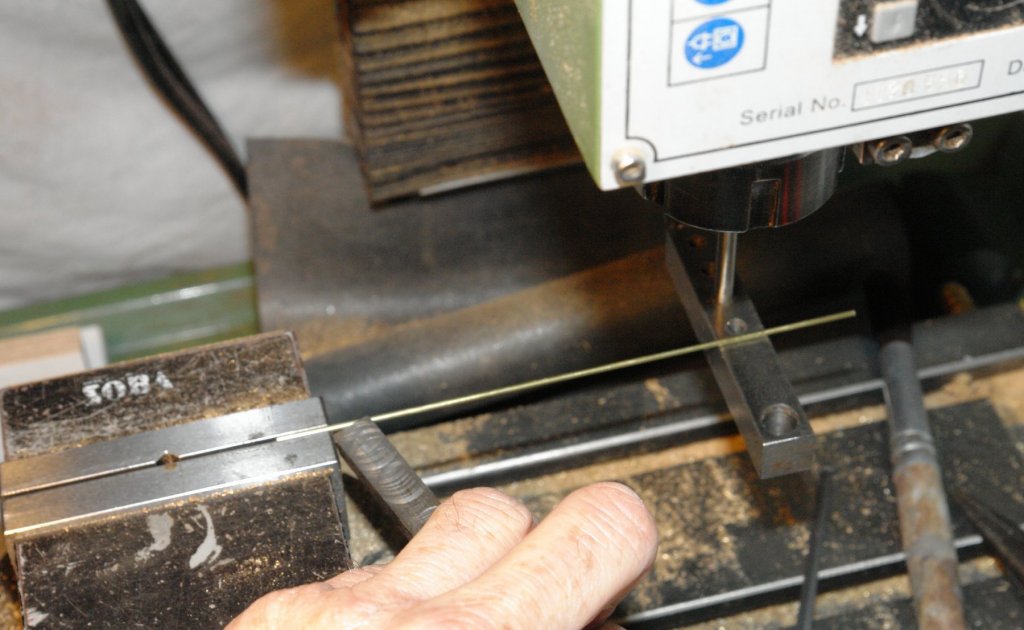
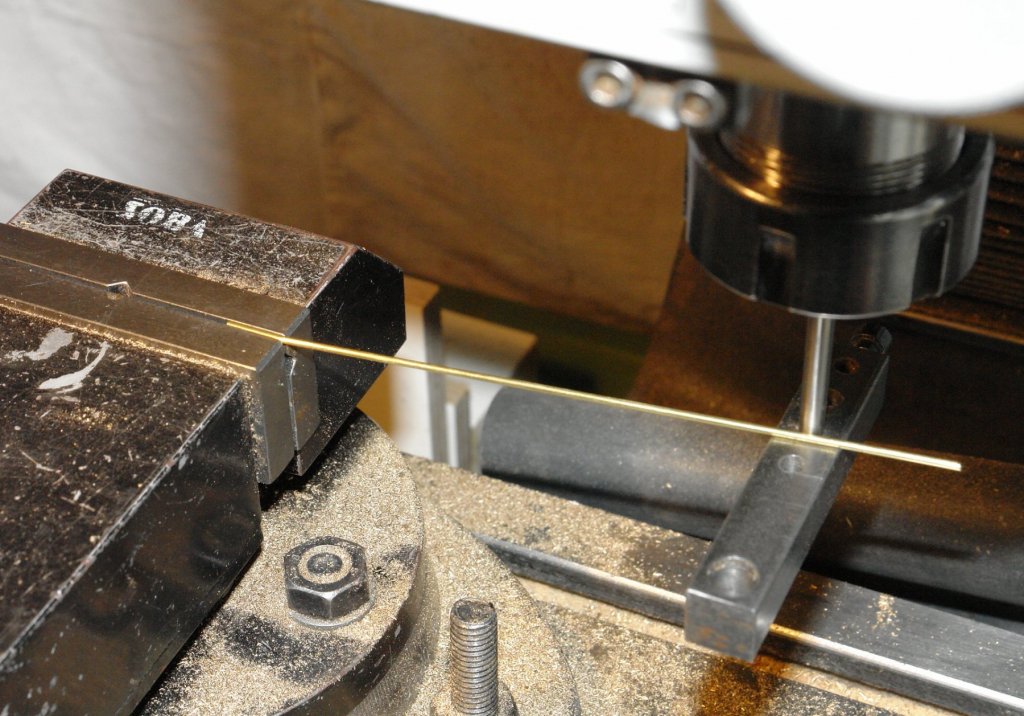
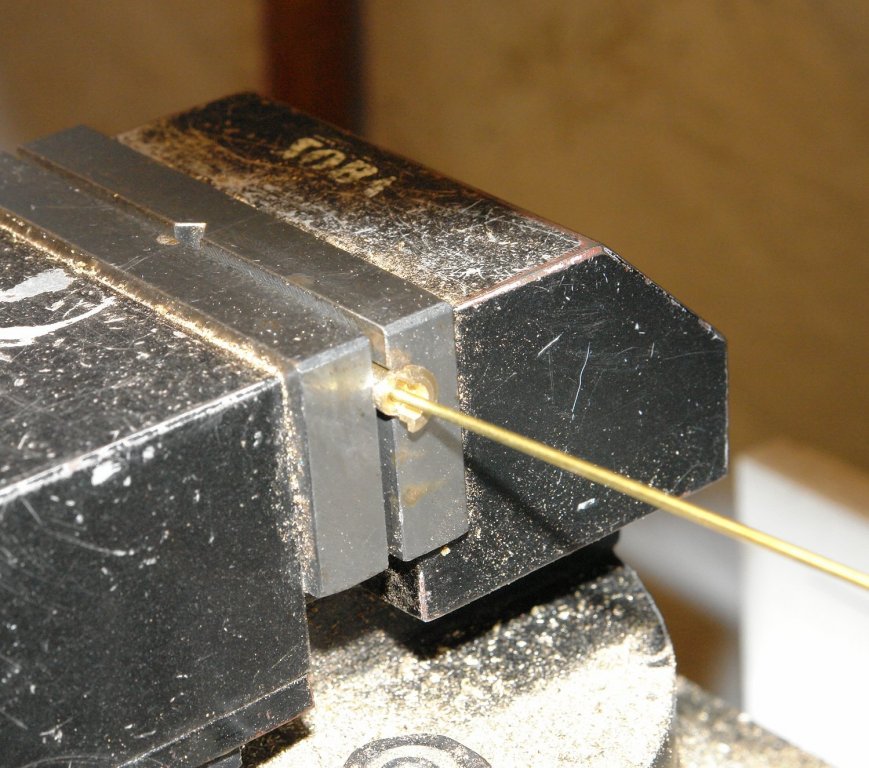
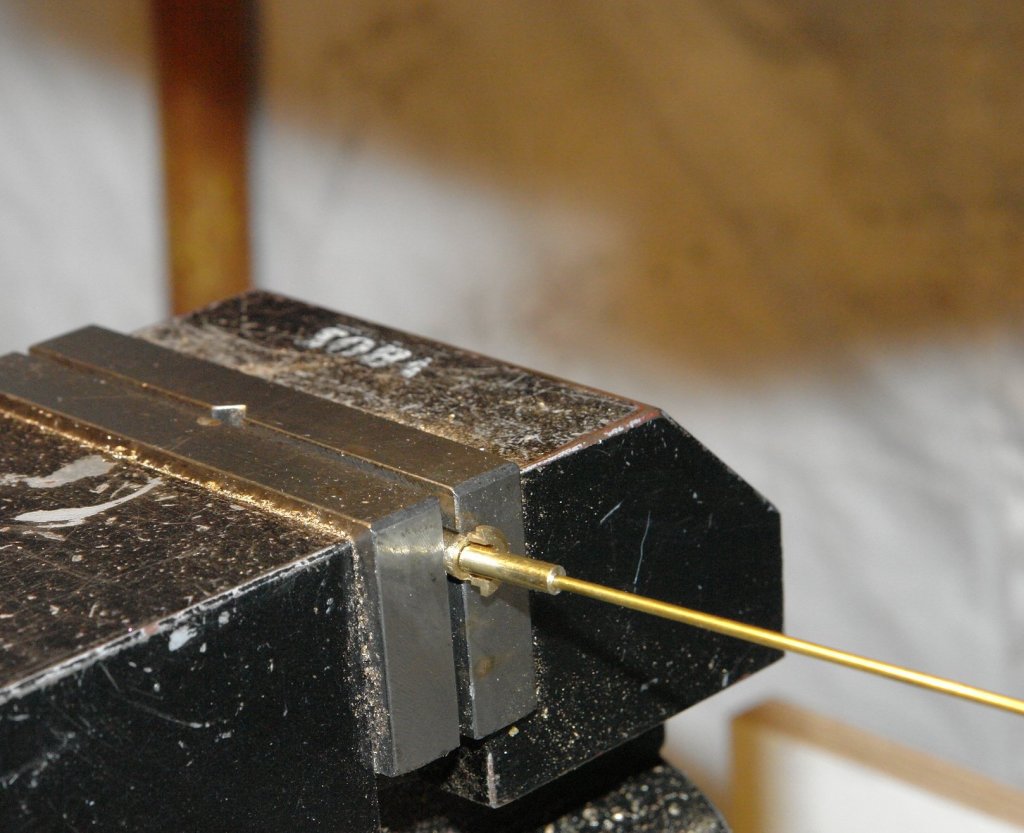
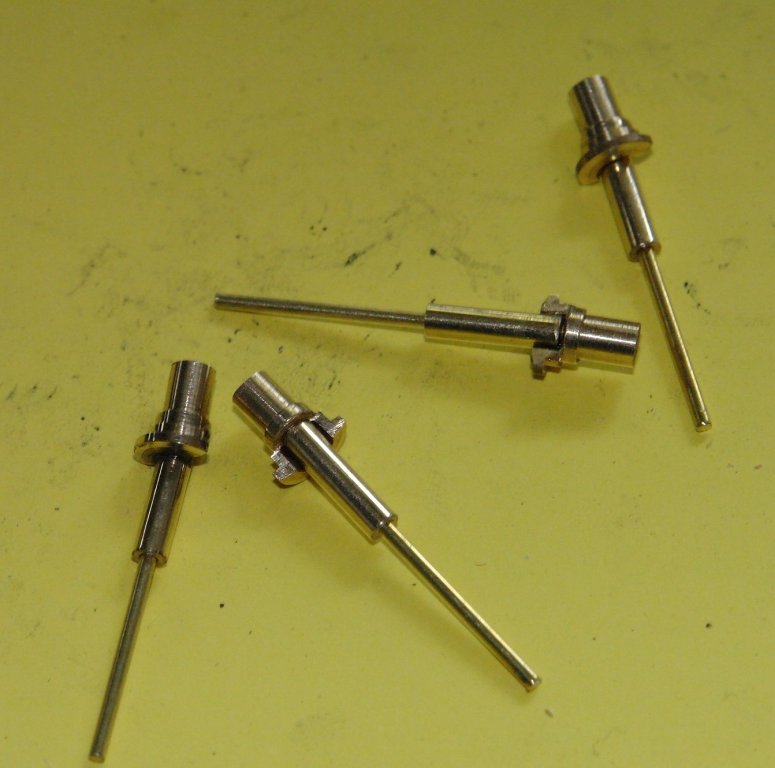
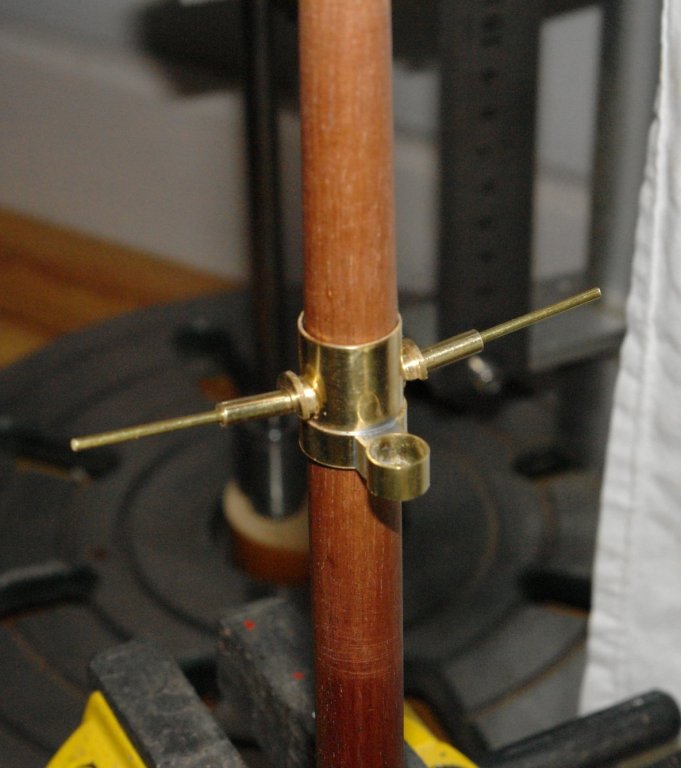
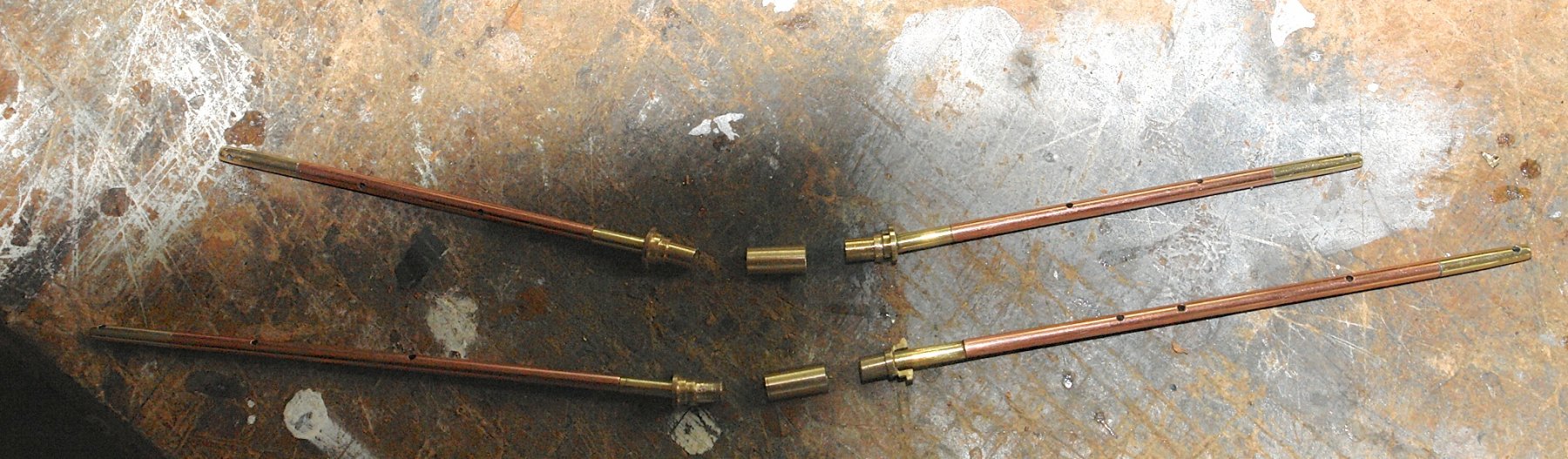
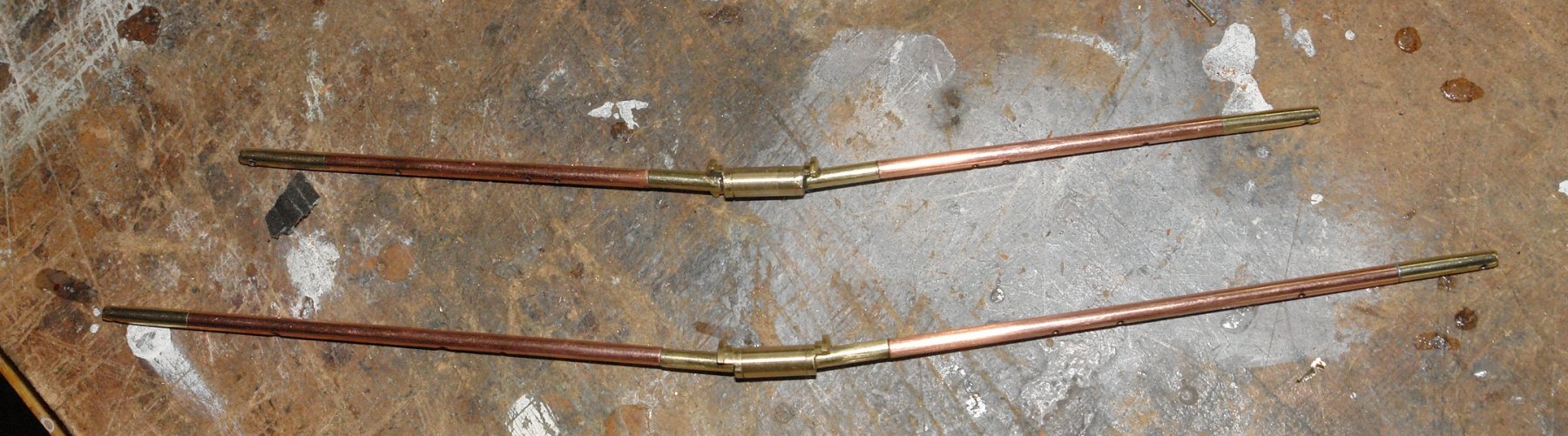
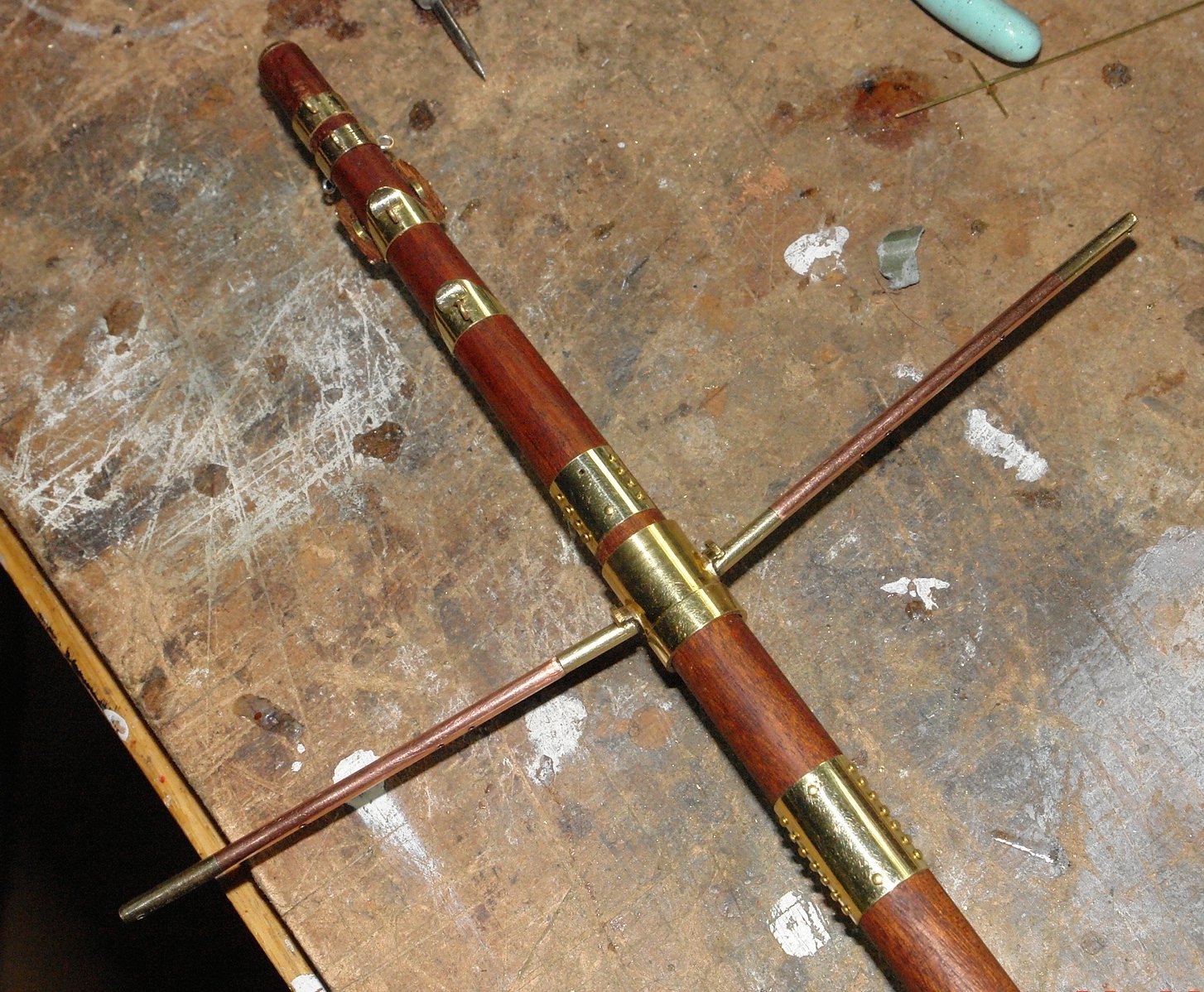
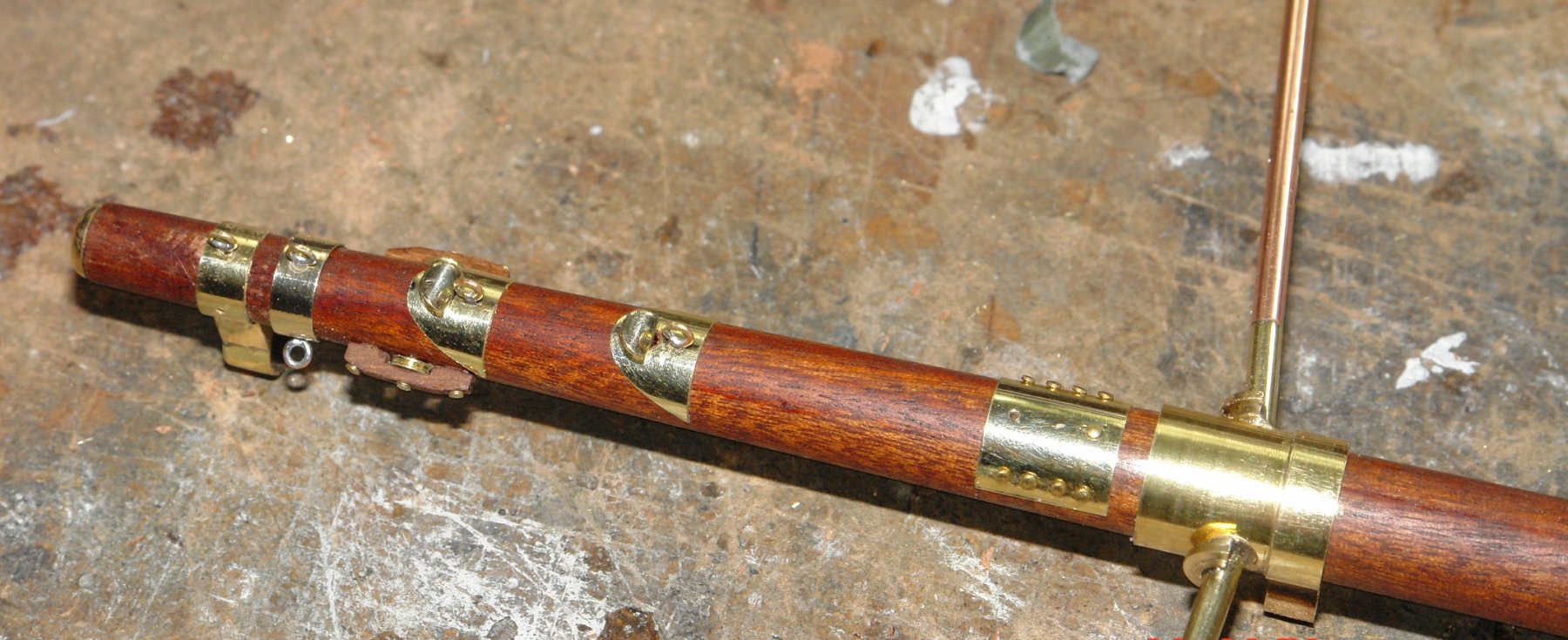
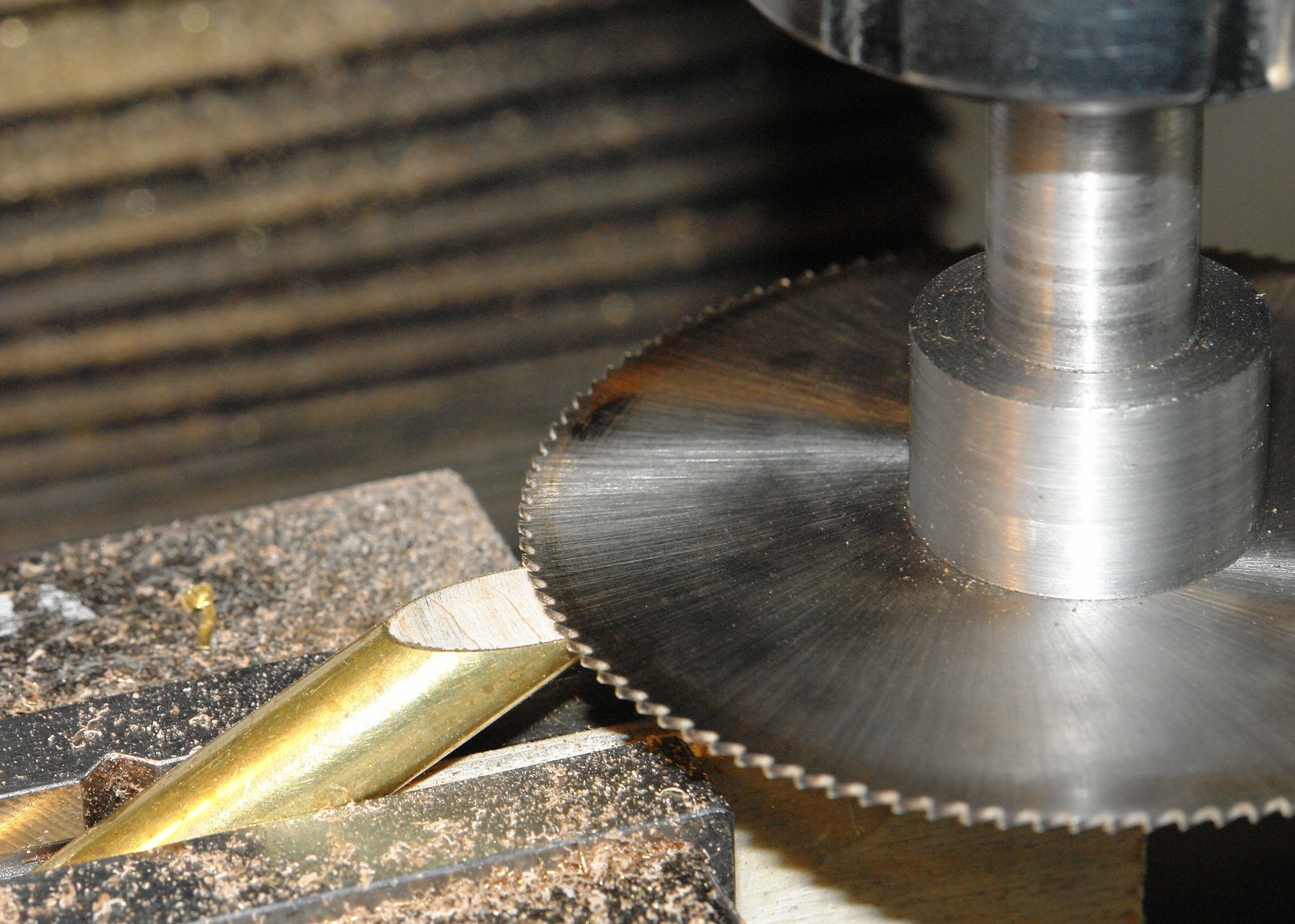
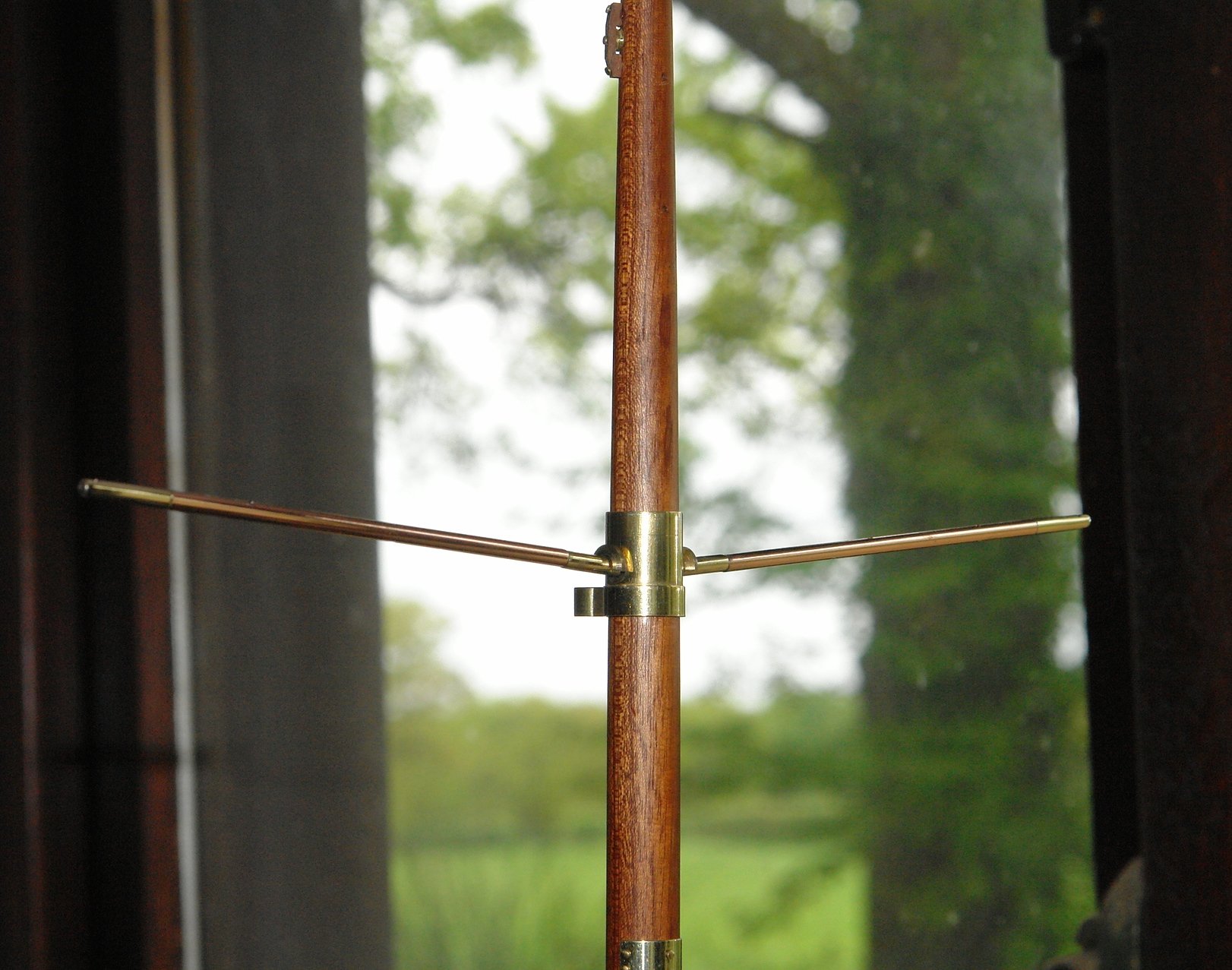
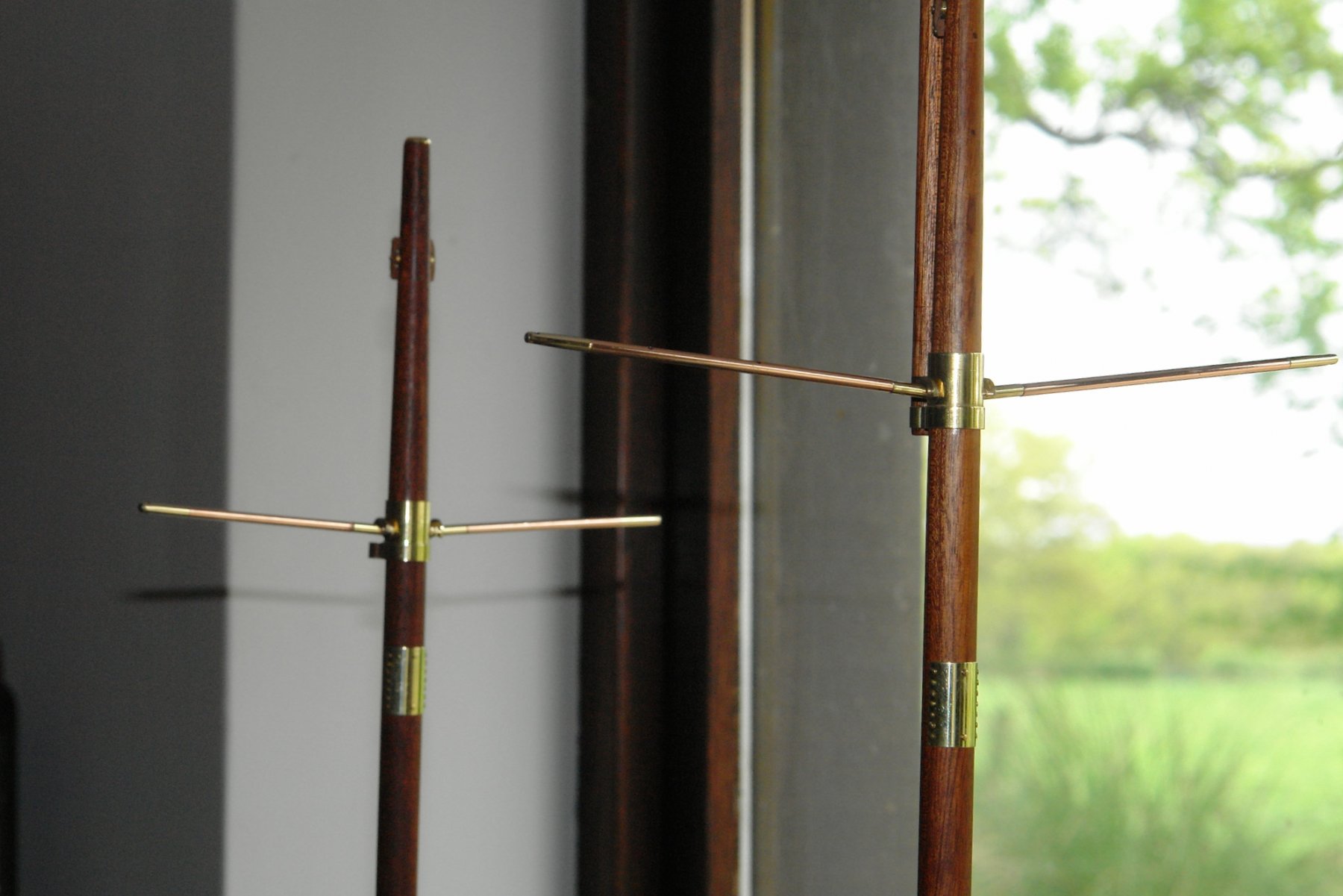
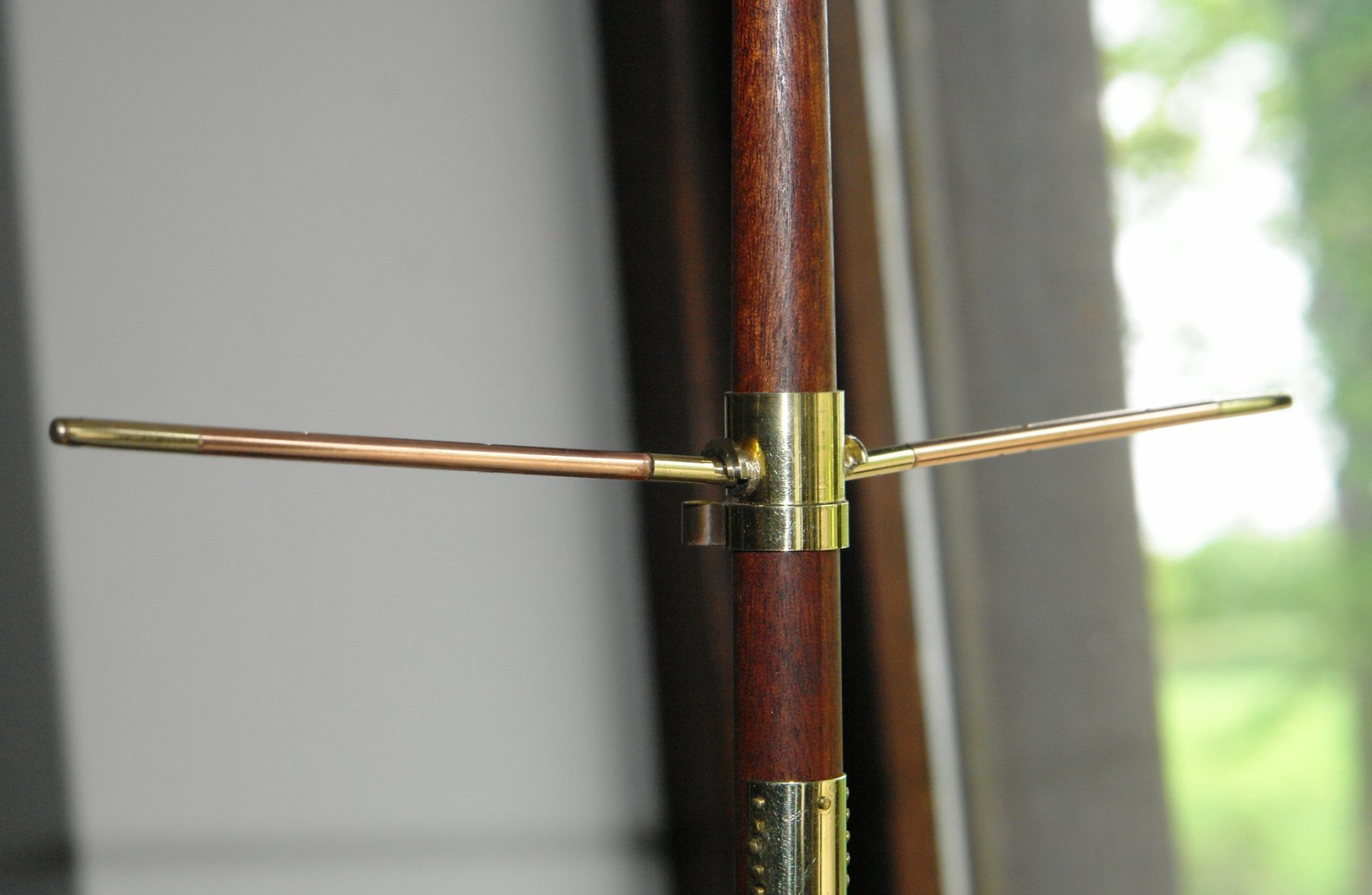
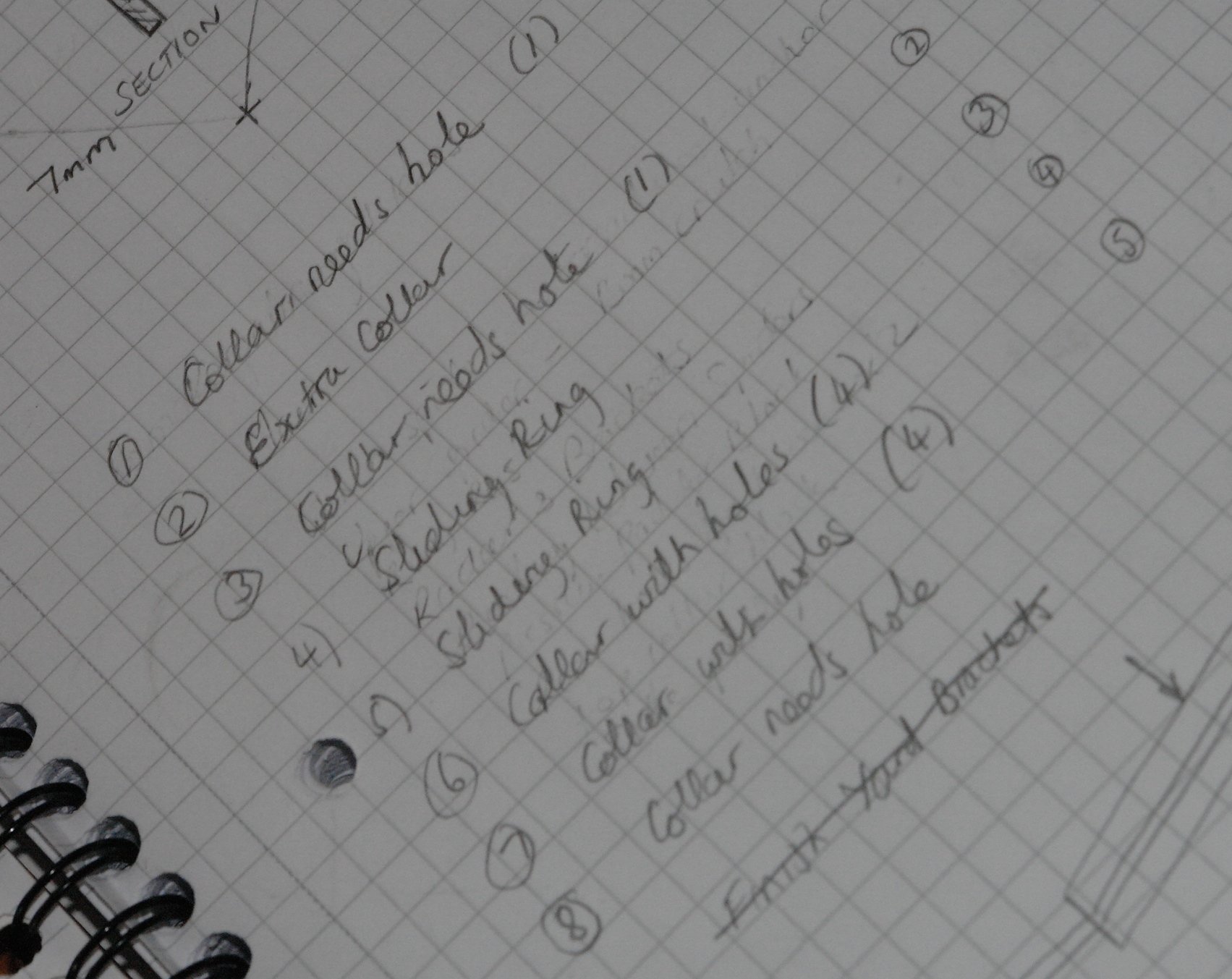
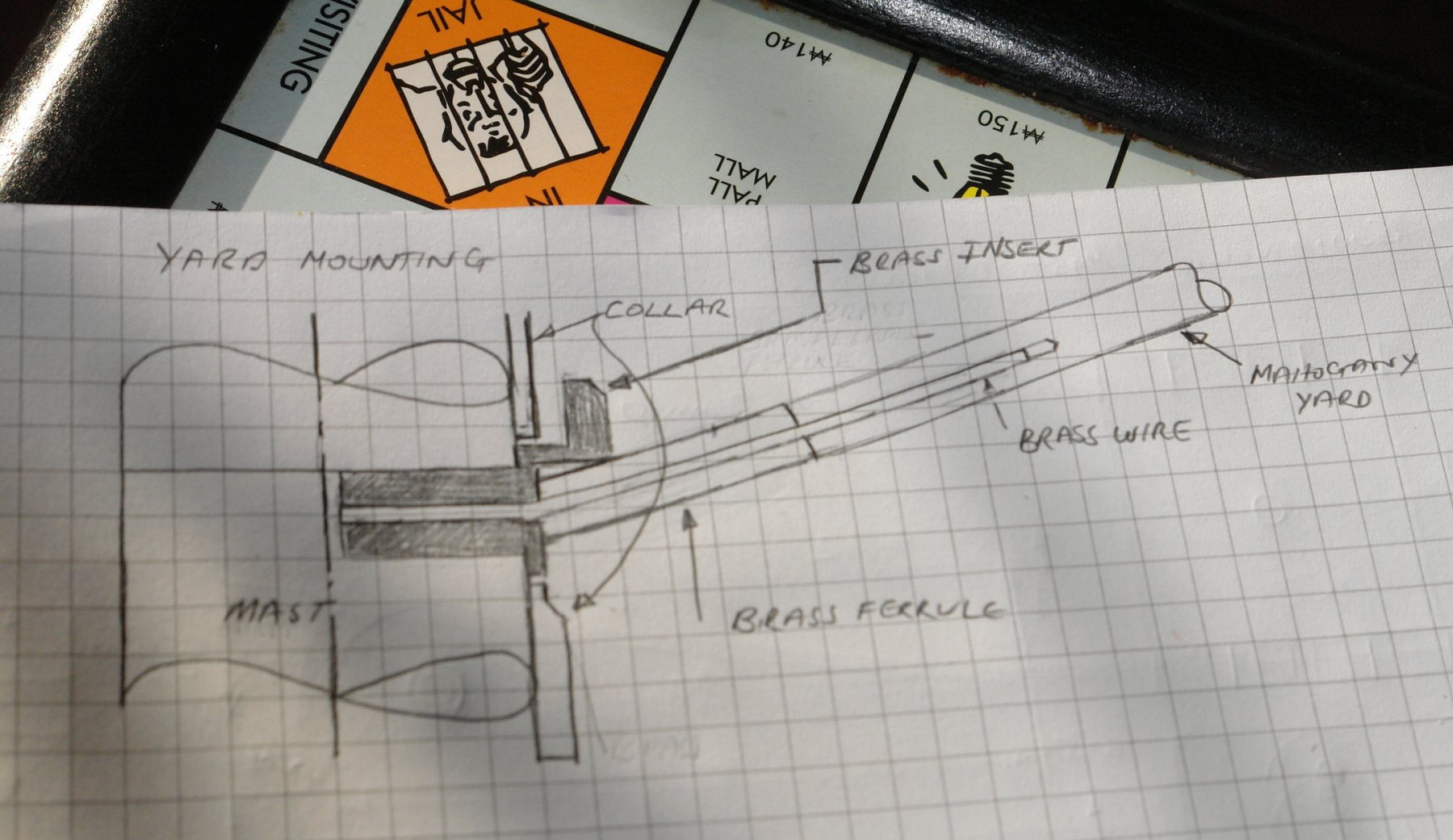
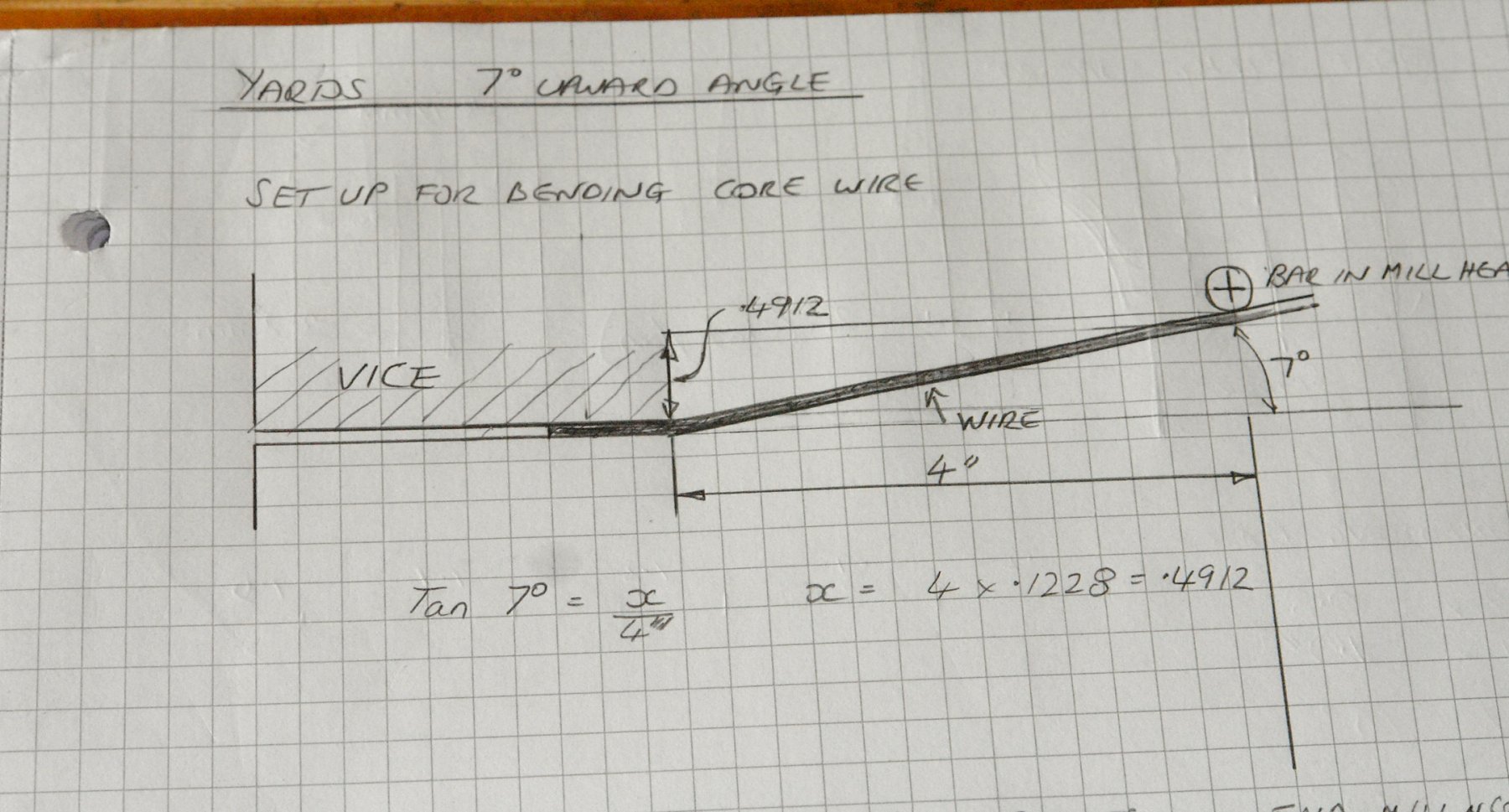
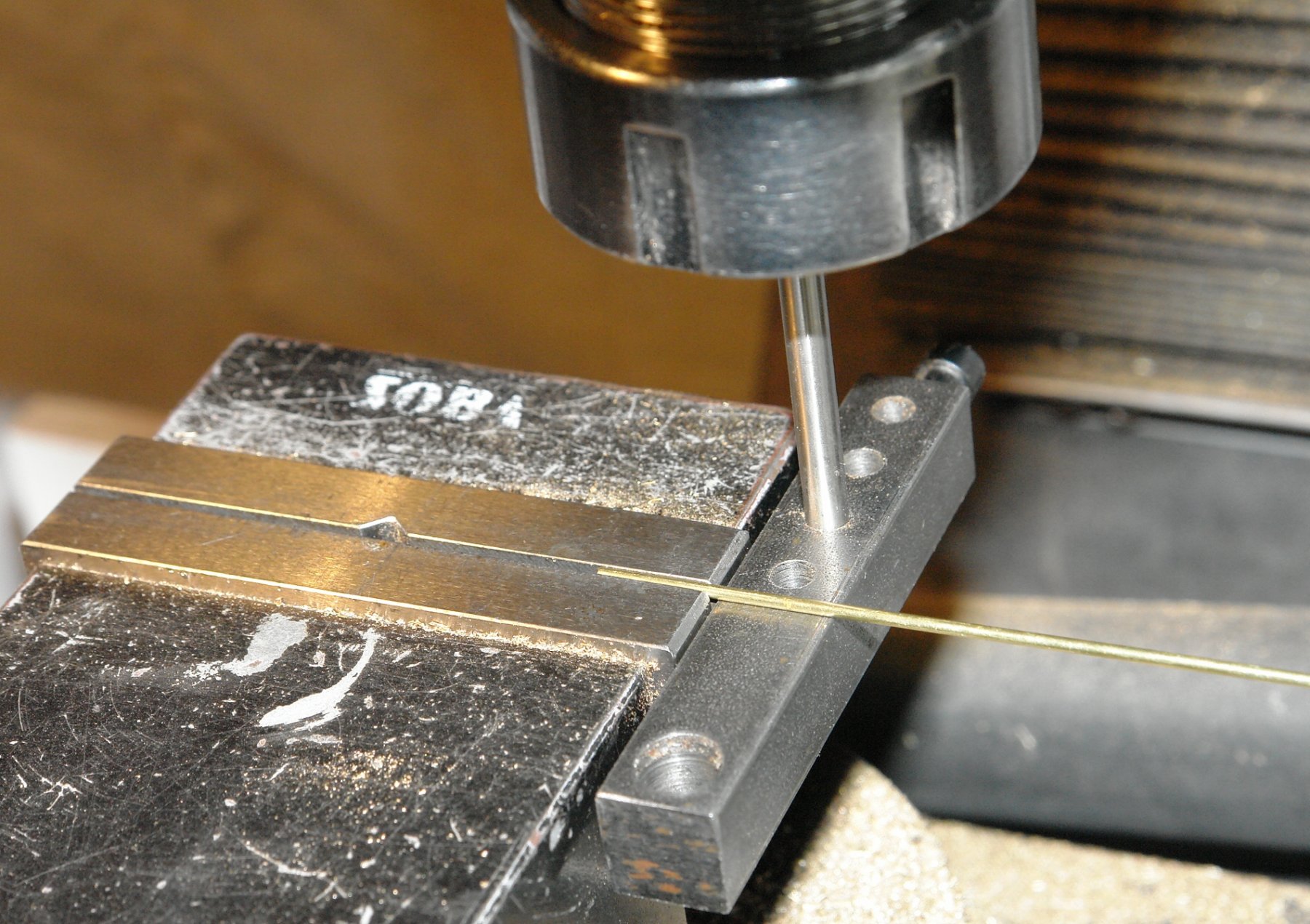
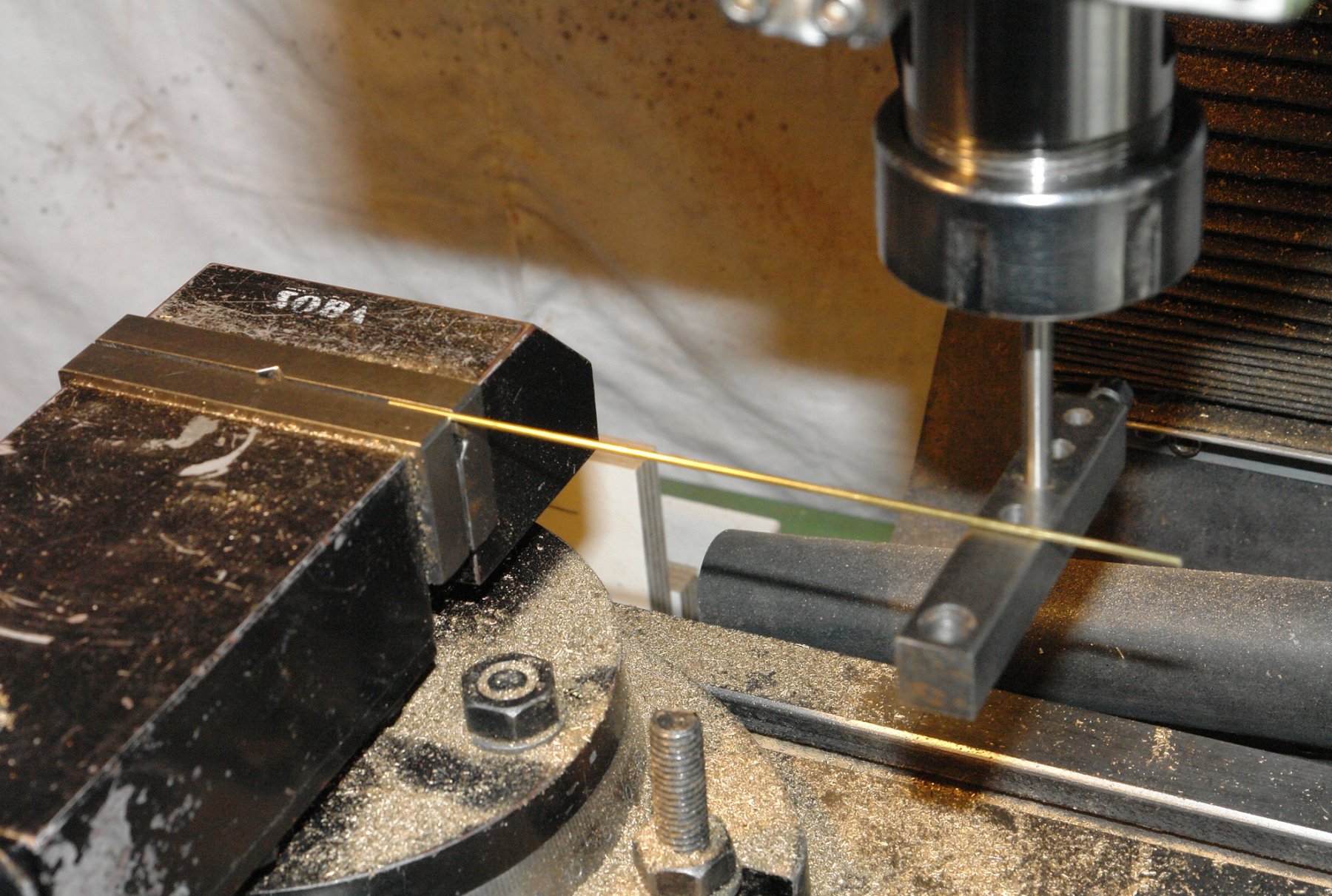
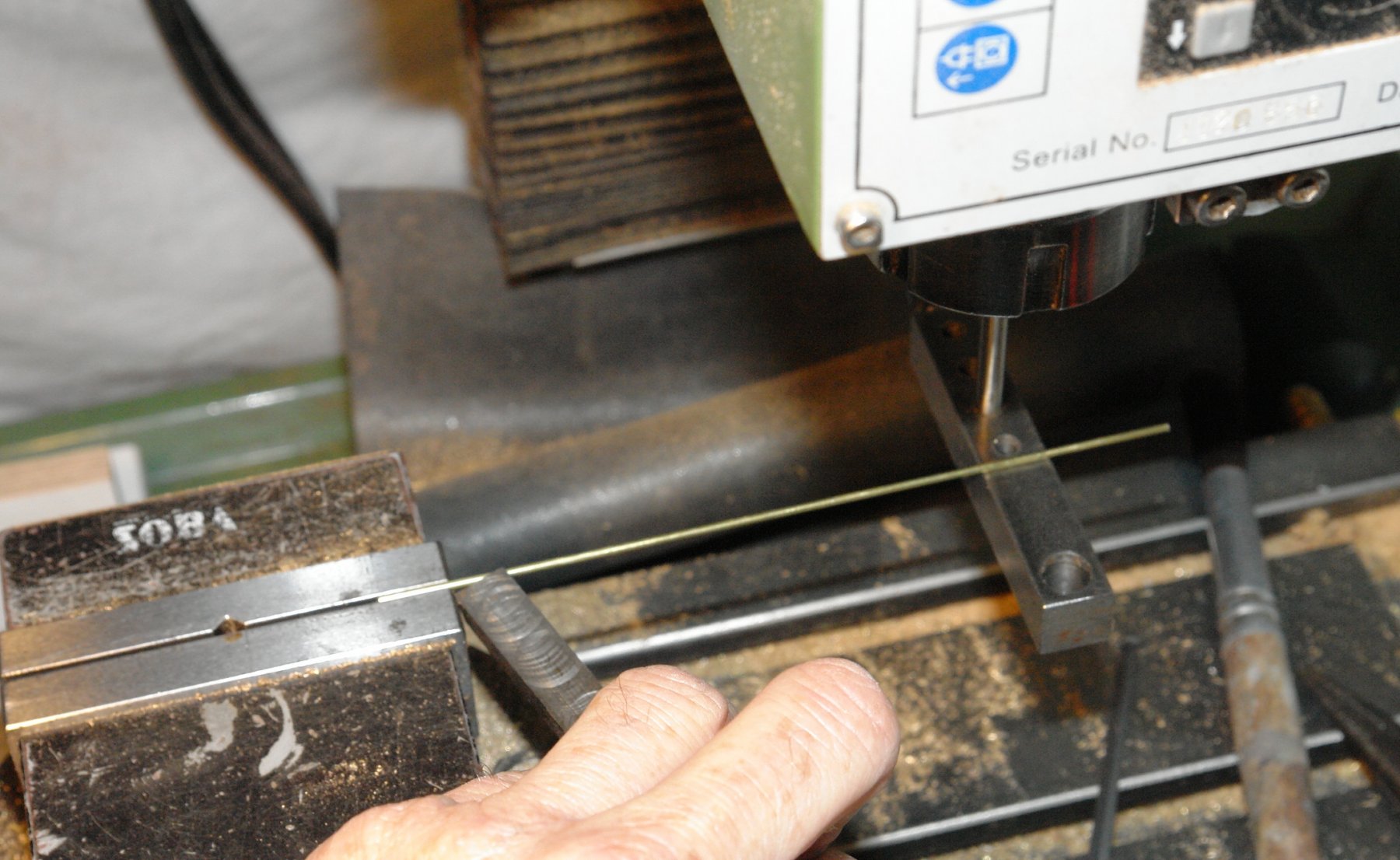
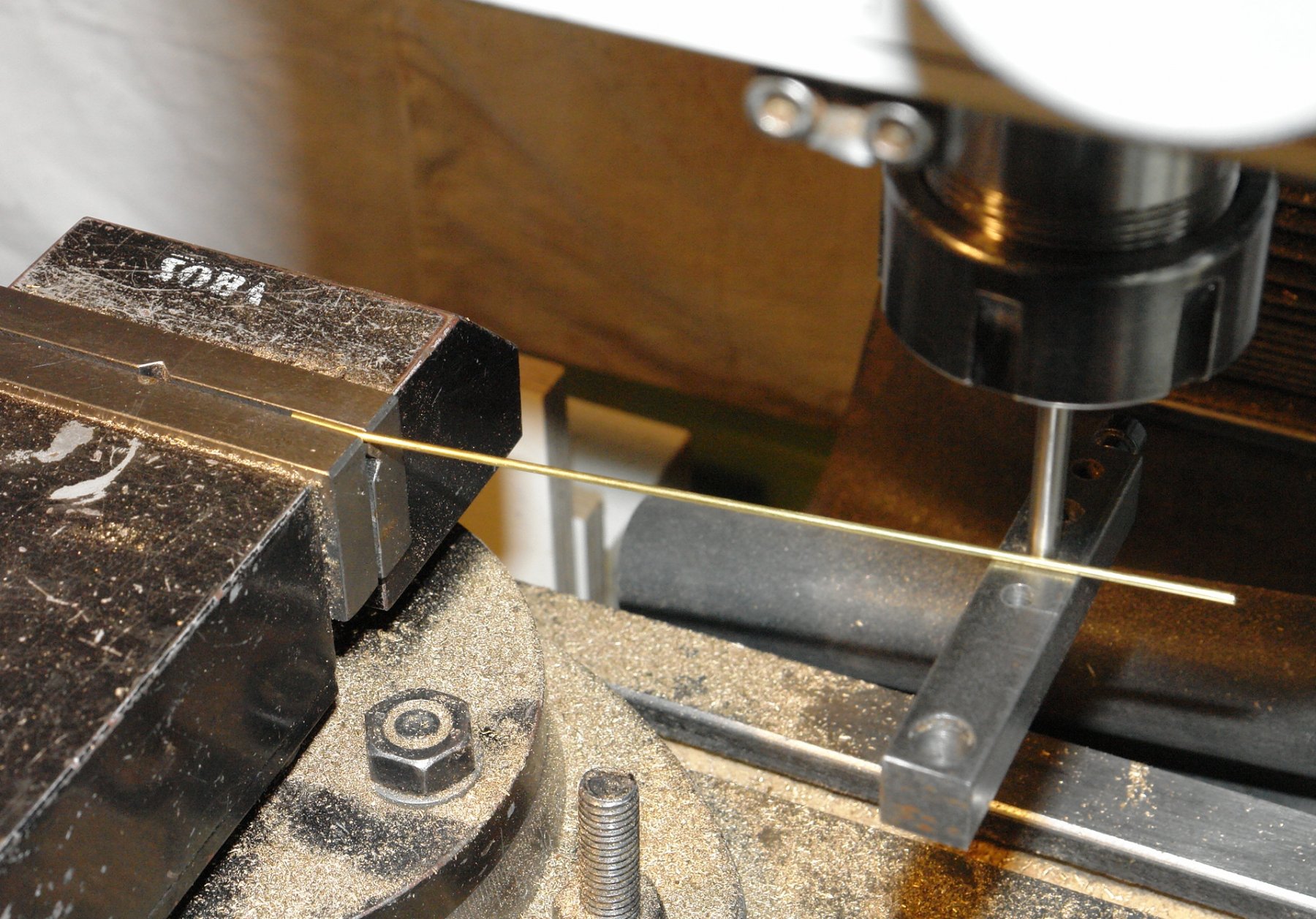
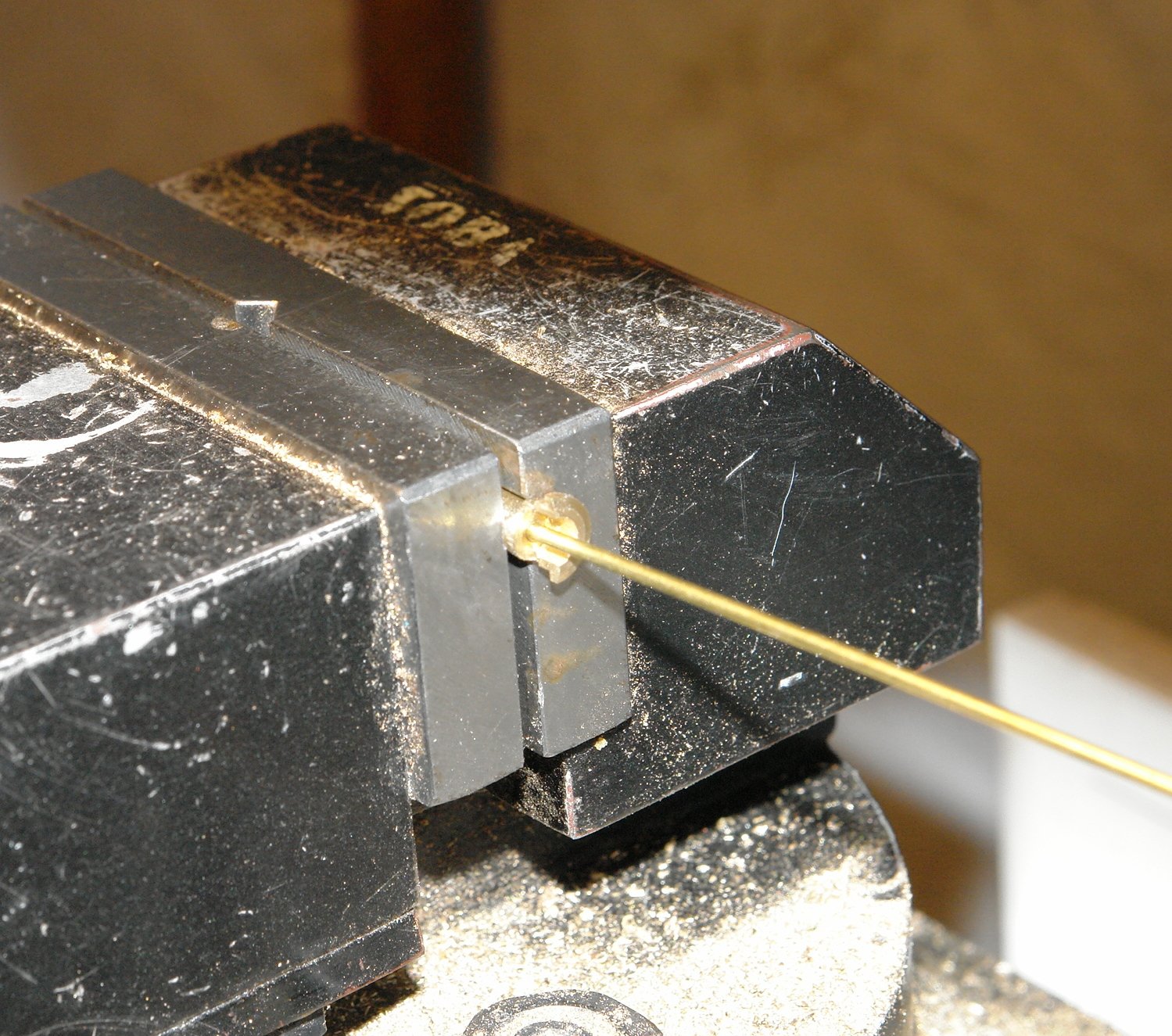
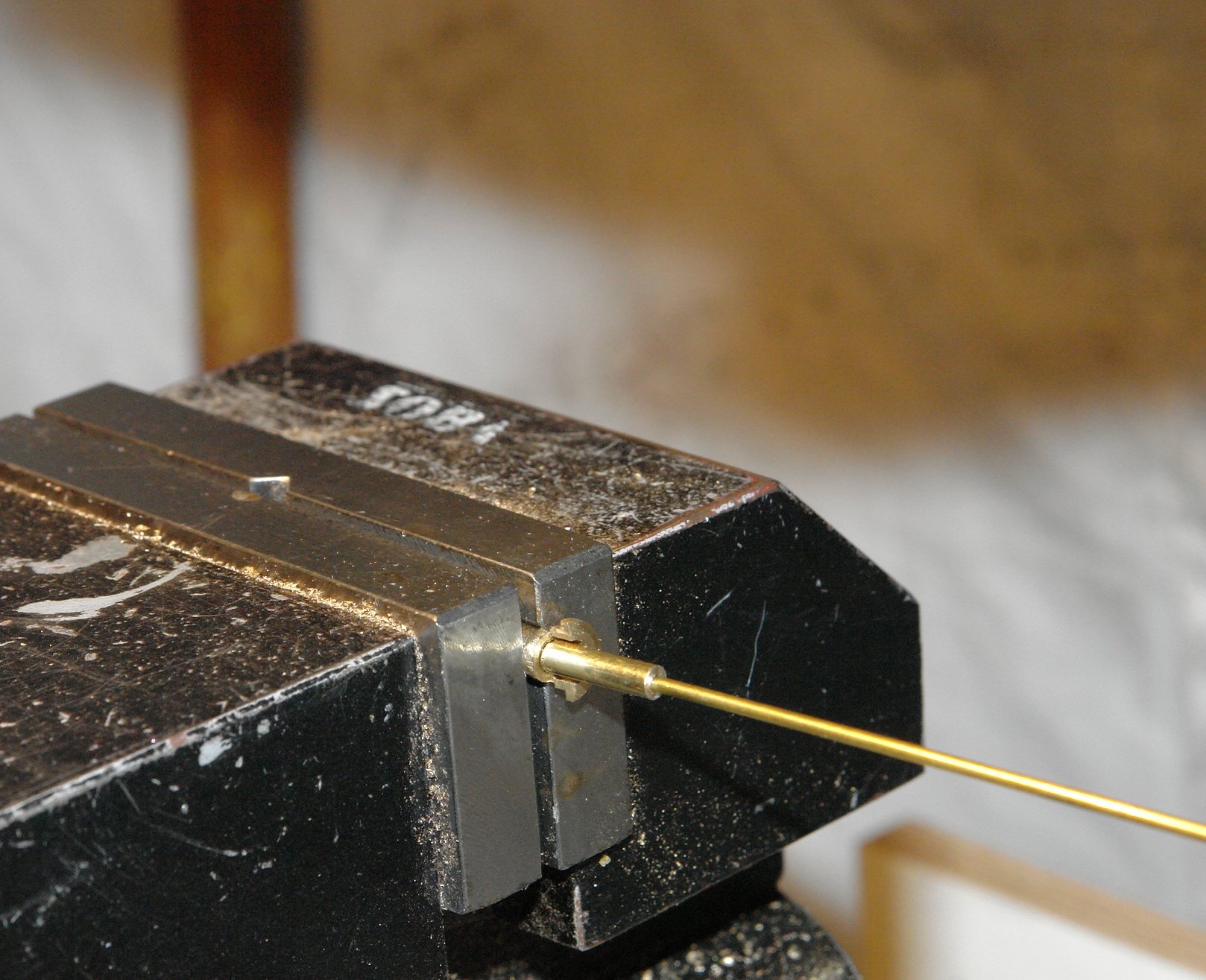
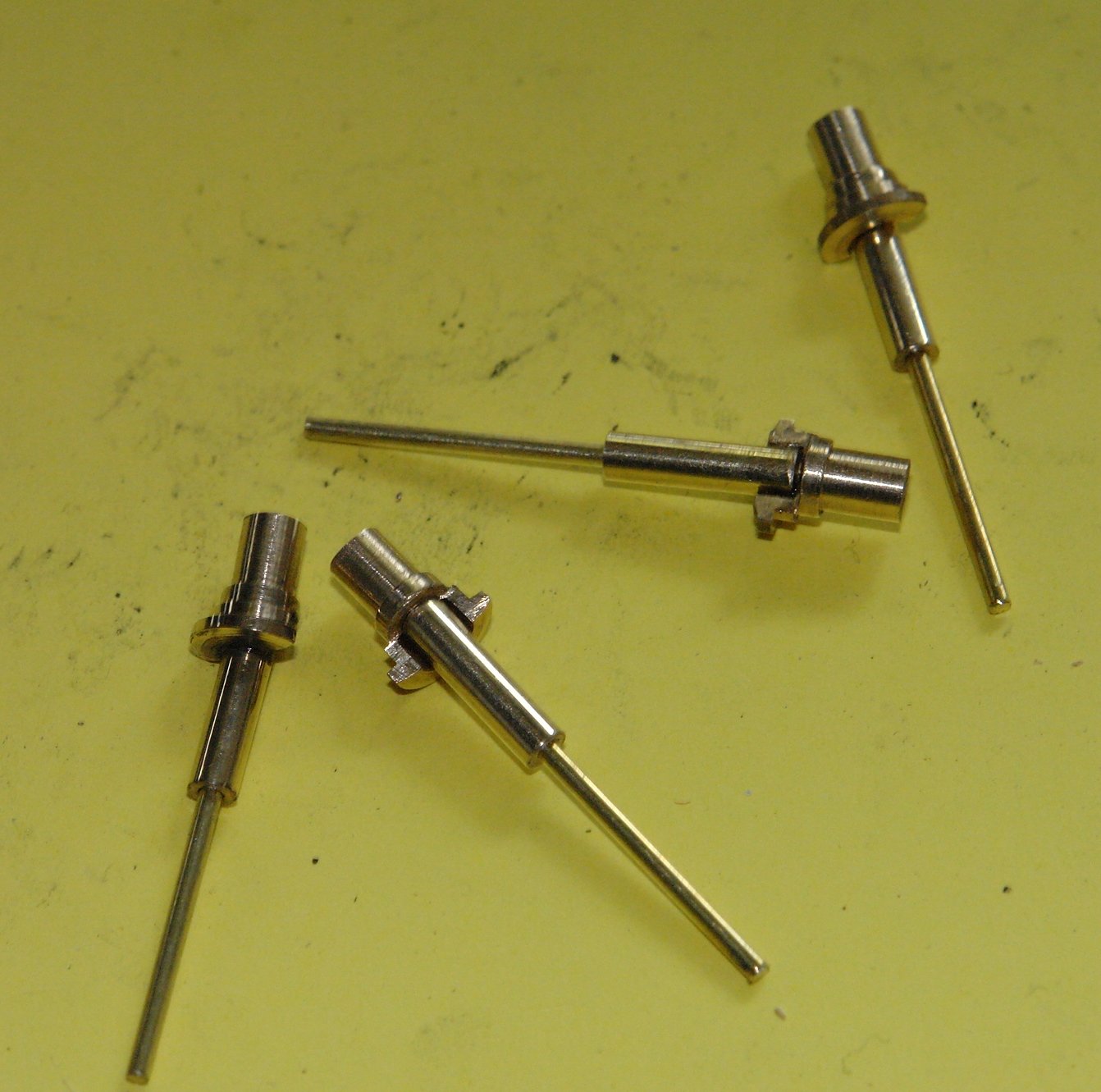
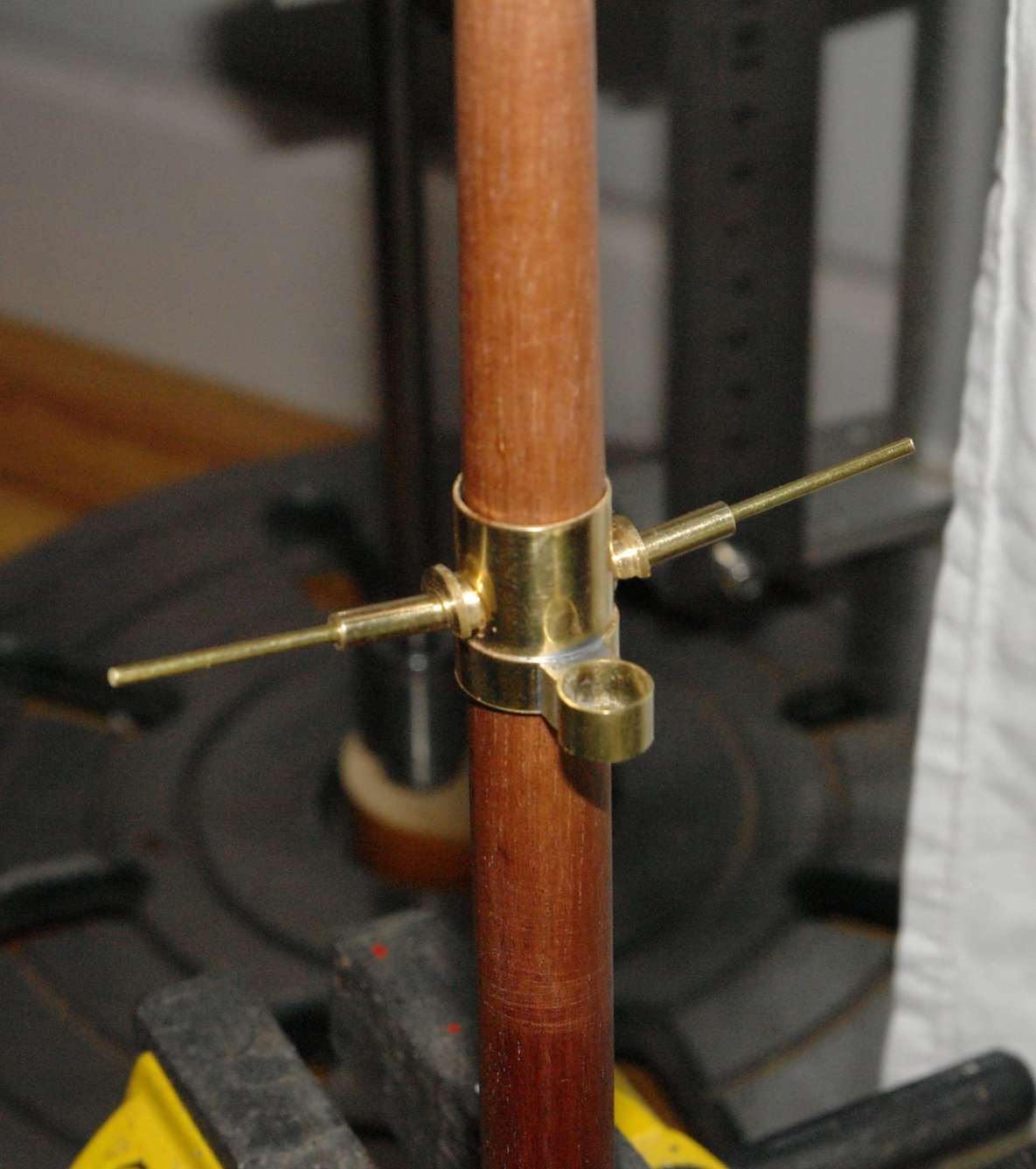
Rob, Richard, John. Thank you. Hello Julie - welcome back. I assume its getting a bit too hot to be outside in sunny Florida? Today I had a go at a bit of precision wire bending but first I wrote myself a list of the mast fittings I still had to complete. I broke the first rule of lists. According to my wife all list should start with stuff already completed. This is so the first activity can be to cross them off. If you include enough "already done" stuff you can congratulate yourself and take the rest of the day off. Anyway on with the wire bending. I needed to complete the components to fabricate the assembly where the yards attach to the mast - as per the attached sketch. I wanted to bend the "core" brass wire very accurately as this would set the 7 degree up angle for the yards. I calculated the bending set up that I was going to use on the mill. The datum was set up as the corner of the milling vice and the mill spindle was offset in both "x" and "y" directions to setup the angle. I "borrowed" the vice end stop and mounted it to support the wire and thus prevent bending in the z plane. The spindle was then moved to the calculated x and y positions. The wire was then bent at the corner of the vice using a metal bar and hammer (to achieve a tight bend). Light tapping on the bar continued until the wire touched the spindle - and at this point the bend was the required 7 degrees. I also used the vice set up with slightly different settings for assembling and gluing the brass inset, ferrule and wire. This may look a bit complicated but the set up was quite quick and the results were consistent and accurate.
Our Emblem ®