
HOLIDAY DONATION DRIVE - SUPPORT MSW - DO YOUR PART TO KEEP THIS GREAT FORUM GOING! (Only 13 donations so far - C'mon guys!)
×


rtropp
-
Posts
936 -
Joined
-
Last visited
Content Type
Profiles
Forums
Gallery
Events
Everything posted by rtropp
-
MIJ, thanks for turning me on to your build. I will enjoy watching. I am considering a scratch build for my next boat but not sure if POF will be too much for my first attempt. Nice to see how you are doing the work. Please keep up the detail. Its terrific. Also, I wanted to ask. What tool are you using for milling? looks like a Proxxon rotary tool in a Proxxon stand but I can't see which rotary tool nor which stand it is. In another thread we are debating the merits of different mills and how to get started. Thanks, Richard T
-
Bob, Oh... just use Lipton's tea. Sounds easy enough. Mark, in post #32 left a link to an article on this and they call it "bark tea". I wonder why? Richard T
-
Bob, How do you make the "tea". I have an image of cutting some bark off of a pine tree and soaking it in hot water. How far off am I Richard T
-
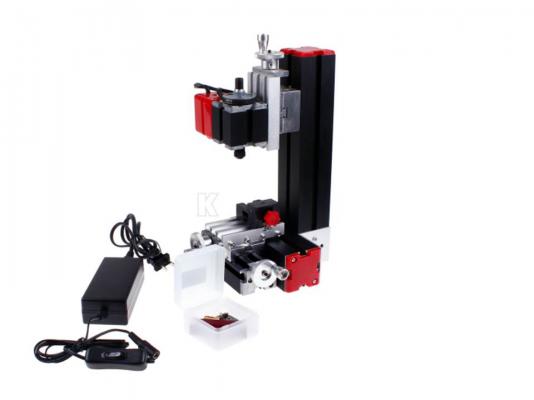
We have been talking about various machines. Some of us experience and some of us looking to try it out. The problem with trying it out is it pretty expensive for even the least costly machines, and too many of us have ended up upgrading which really adds to the cost. So, for those of us looking to learn, a cheap machine that is "adequate" would be nice if it was somewhat functional in model building tasks. I was poking around eBay and I found the product below. It is listed for education and training or crafts. It is $99 and about $50 for shipping. Now, I know it will not be a great machine. But I wonder if it would be decent to learn on and also for some of the basic wood milling tasks that a beginner would try. At @$150 including shipping, it is the least expensive option I have seen but I do not know anything about the machine or its reputation. Was wondering about your thoughts. The description is Milling characteristics: Milling tool is cutter, cutter blade side and in front of all, there is a certain degree of risk, so be sure to use under the guidance of professionals. Machine's major components: such as spindle, tailstock, dock, slider, connecting blocks and so all-metal structure, accuracy up to 0.02mm. For processing: wood, soft metals (copper, aluminum, etc.), glass, plastic, etc. Technical parameters: 1.Motor speed: 20,000 rev / min; 2.Input voltage / current / power /: 12VDC/2A/6W; 3.Slide stroke: 30 ~ 50mm; 4.Chuck :1-6mm; 5.Vise clamping size: 25 ~ 35mm. This is not computer controlled, that is just what has been put in the name.
-
Mark, Thanks for the links. The African blackwood on the wood data base sounds interesting. I might test some to see how it works. Richard T
-
OK Bob, you know I am going to try the steel chain link and vinegar. Sounds too simple to be true. I will let you know how it turns out. Richard T
-
Thanks Duff, Good info, I wonder if there is a dark wood substitute, i.e., black walnut or similar. Not sure why I am trying so hard to avoid staining. I imagine using boxwood or similar with an ebony stain would look pretty good. Mark's link to Ebonizing has an interesting solution but I am not sure how to make stuff like the bark tea. I wonder if a good quality ebony stain would not do the trick instead. I will have to experiment with some different solutions. Thanks. Richard T
-
Mark, I appreciate the insights. I began considering what I had been told about rpms but it seems that lower rpms could be countered by slower feed rates, so not sure that is significant in my decision process. I guess my holding back is to figure what would be best. I have bought some tools in the past that were limited, i.e. some dremel and proxxon. These were learning machines but were fairly inexpensive. I could sell them which would limit the cost to well within reason for something to learn on. With the mills that does not really seem possible. The key machines advised by this group seem to revolve around proxxon, micromart and sherline. all of them involve fairly significant costs so I am taking more time to make the decision. (Heck, for me the shopping is part of the fun.) Proxxon or MM would be least expensive, but once you start buying the necessary accessories the investment runs a lot higher. I think that the Sherline would give me the most flexibility and the highest quality for the price. Also I suspect that if milling did not work out it would provide the best resale. It is my intention to obtain both a table saw and a mill. Because of the precision required of these tools it would seem to be a good idea to get the best I can afford. the table saw will be the Byrnes, so I need to figure what is left over for the mill... and the accessories required. Sherline's web site has some downloads for their mills that show how to set up, and how to use them. Reading those is my next step. So, I am going to take some time to investigate used mills to see what is available. Thanks for the help. I will continue to post as I learn more.
-
Thanks Larry, good to know Richard T
-
What do you use your mill for ?
rtropp replied to captainbob's topic in Modeling tools and Workshop Equipment
Nigel, is it in this forum, Modeling tools and Workshop Equipment? Richard T -
Hi, Just got to this thread. I may have missed it but is there an issue date for the 1:64 Victory? Richard
-
What do you use your mill for ?
rtropp replied to captainbob's topic in Modeling tools and Workshop Equipment
Nigel, I would be very interested Richard T -
What do you use your mill for ?
rtropp replied to captainbob's topic in Modeling tools and Workshop Equipment
Nigel, Pictures are worth a thousand words. Thanks, Richard T -
Larry, At what stage did you poly? I've read to do it right away and also to wait until after the work on the hull fixtures. Richard T
-
Jim, talk about making assumptions... I figured since you make machines, your primary use would be metal milling. Whew... guess I was way off the mark. Richard T
-
Bob, I may not be explaining correctly. Let me try again. There are customers on Amazon that are describing their dissatisfaction with the Proxxon Mill. For instance, one wrote "... the z-axis hand wheel had a full 1/4 turn of play". Others mentioned what sounded like similar comments. If I understand correctly, you are saying that "play" is just the nature of the beast and will be experienced on many different mills? By the way, I really am enjoying the education. Thank you all. Richard T
-
May I ask which models Sherline each of you are using? I would like to do more research. Thanks, Richard
-
Chuck, I appreciate your time in providing that comprehensive answer. It is exactly what I am looking for. I don't have anyone nearby that has this equipment or I would visit them, In fact, I have not located a hobbyist or build club in GA. One reason why this site is so helpful to me. By the way, lucky for you NJ is so far away or I would turn your answer into an invitation to visit Richard T.
-
Jim, I suspect you are using these to mill metal. Are you using them to mill wood at all? Richard T
-
Brian, Is the pantograph an attachment for the Mill? If so, I would like to see a picture if possible. Also, could you let me know if there is any play in the controls for the x-y table? Richard T
-
Now that I think about, do you also use the poly over the painted portions of the build? I am experimenting with different black paint. I have the Model Shipways hull black and am testing out Chuck Ps instructions for painting. I also have an airbrush and am comparing the results it yields against painting by brush. Richard T
-
I have been looking at Mills for awhile now and had almost decided on the Microlux micro. The I read all your comments about rpms needing to be 20k or higher. The top speed for the Microlux micro is listed as 2,800. I have asked Chuck P, as model designer to comment on his experience with the Microlux Micro. I am hoping some other owners will comment. In my research I have found negative comments about the Proxxon MF70 on Amazon. There are a few comments about wobble, x or y table with too much play, etc. But, the cost is the best price to buy into milling. The Microlux looks great and has a lot of attachments to play with but there is that 2,800 rpm cap which I did not realize might be too great a limitation. So I am in kind of a quandary, the Dremel work table is pitiful for this purpose. The Proxxon drill stand with x-y and rotary drill (I only have dremel) or Vandalay equipment would cost a good portion of the price of a stand alone machine. And Byrnes does not make one Being a milling beginner, I do not want to be disappointed problems with the equipment itself while learning. What's a poor boy to do! Richard T
-
Larry, Good Point Richard T
-
I have seen recommendations to put on a coat of poly once the stain is dry. Any thoughts on that? Charlie, glad to help. I am learning that when all is said and done it is just wood and almost anything can be fixed. Of course it is a lot easier to get it right the first time Augie's point about testing first is right on target. I actually had started testing awhile back but, after finally getting the planking done, just jumped in. Sometimes I just need to take a deep breath and walk away for awhile. Richard T
-
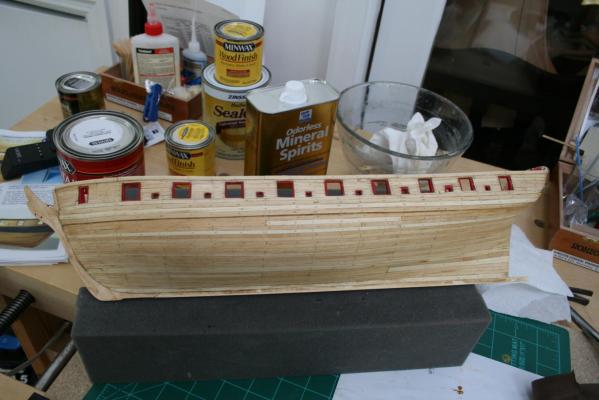
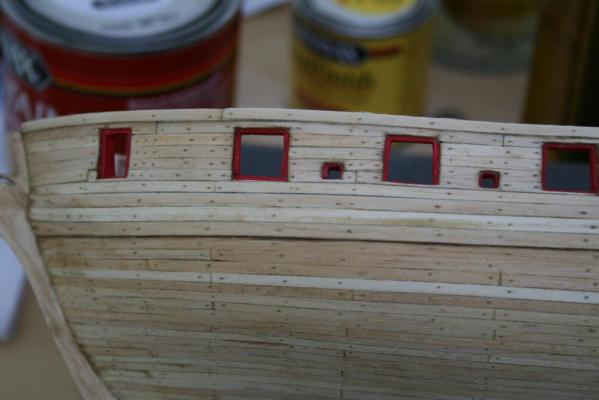
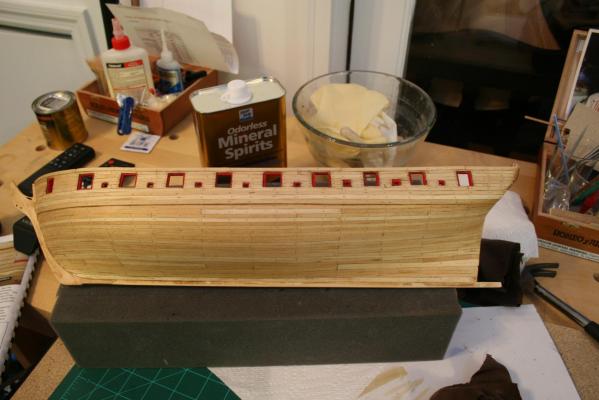
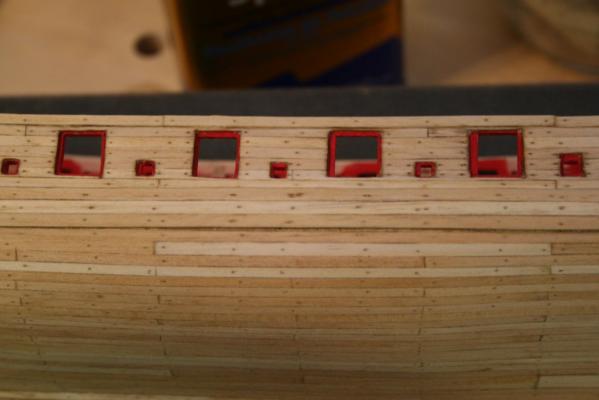
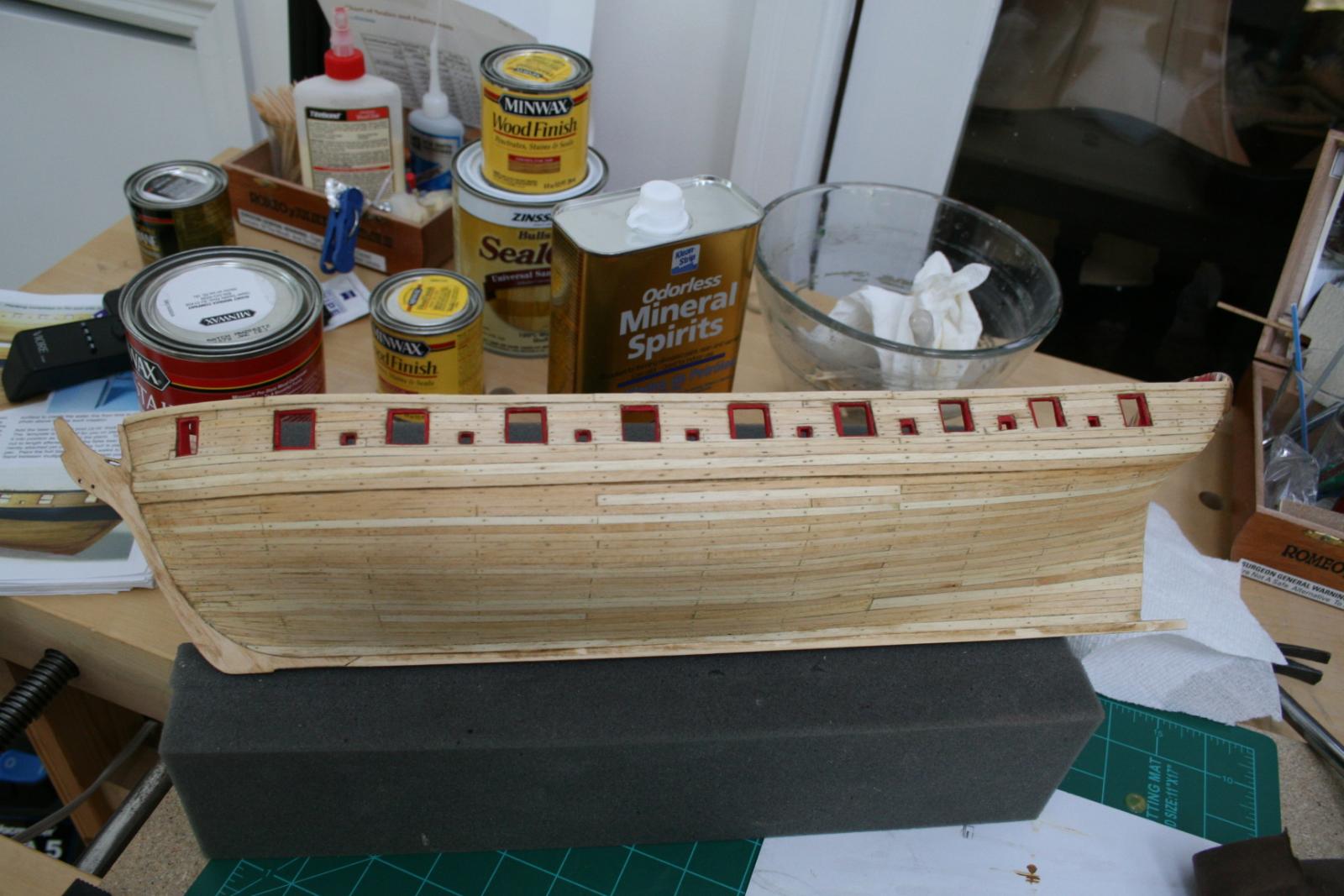
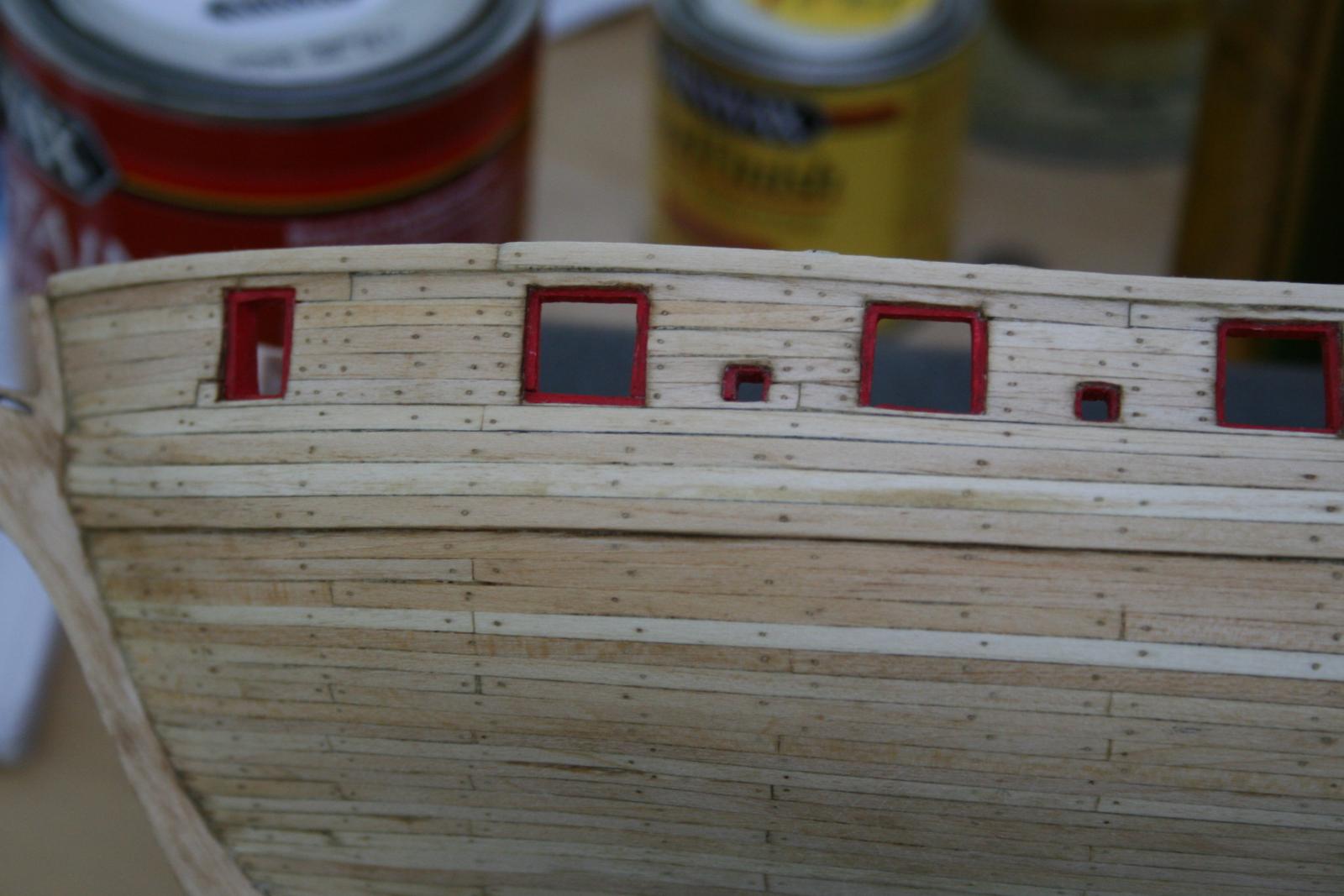
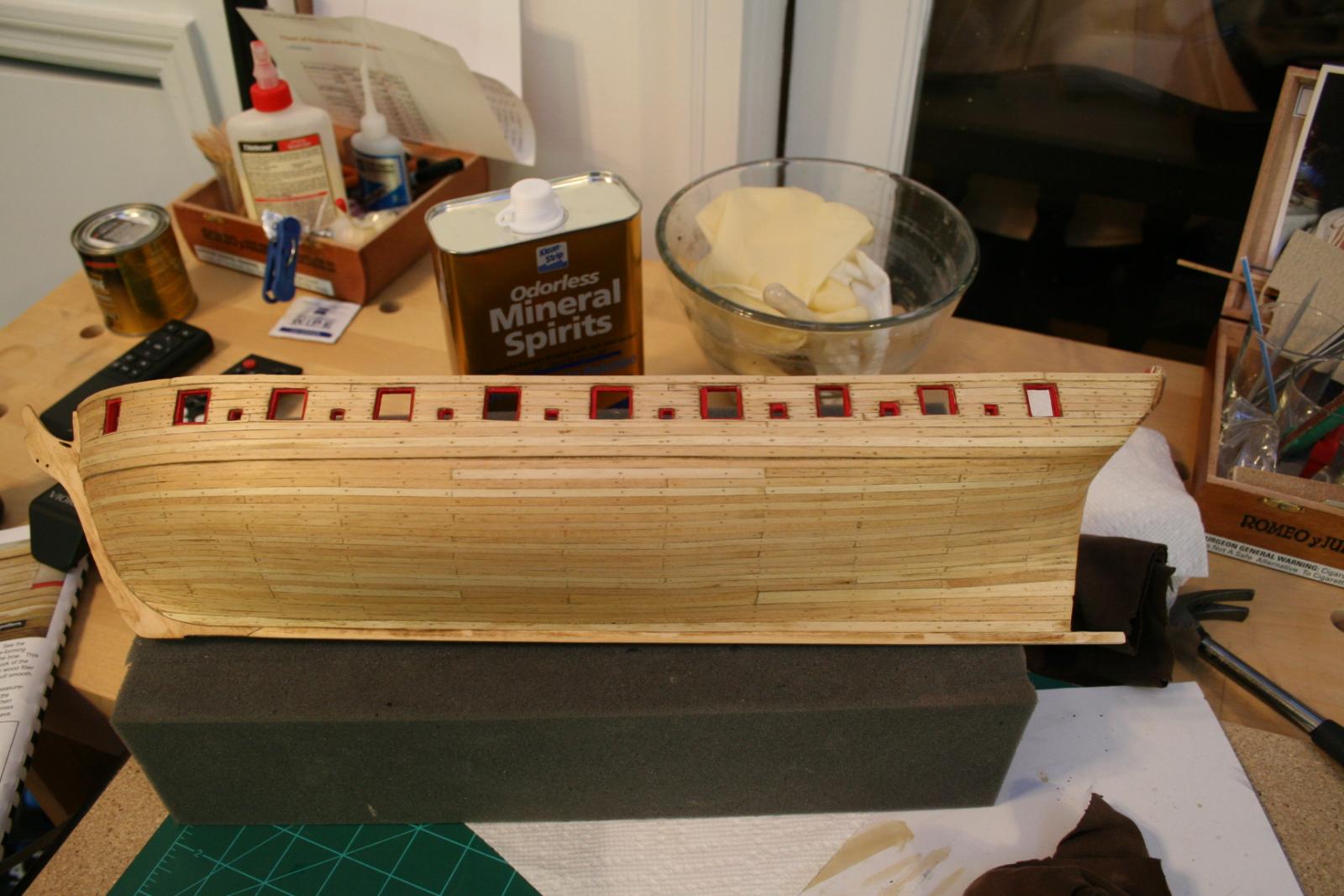
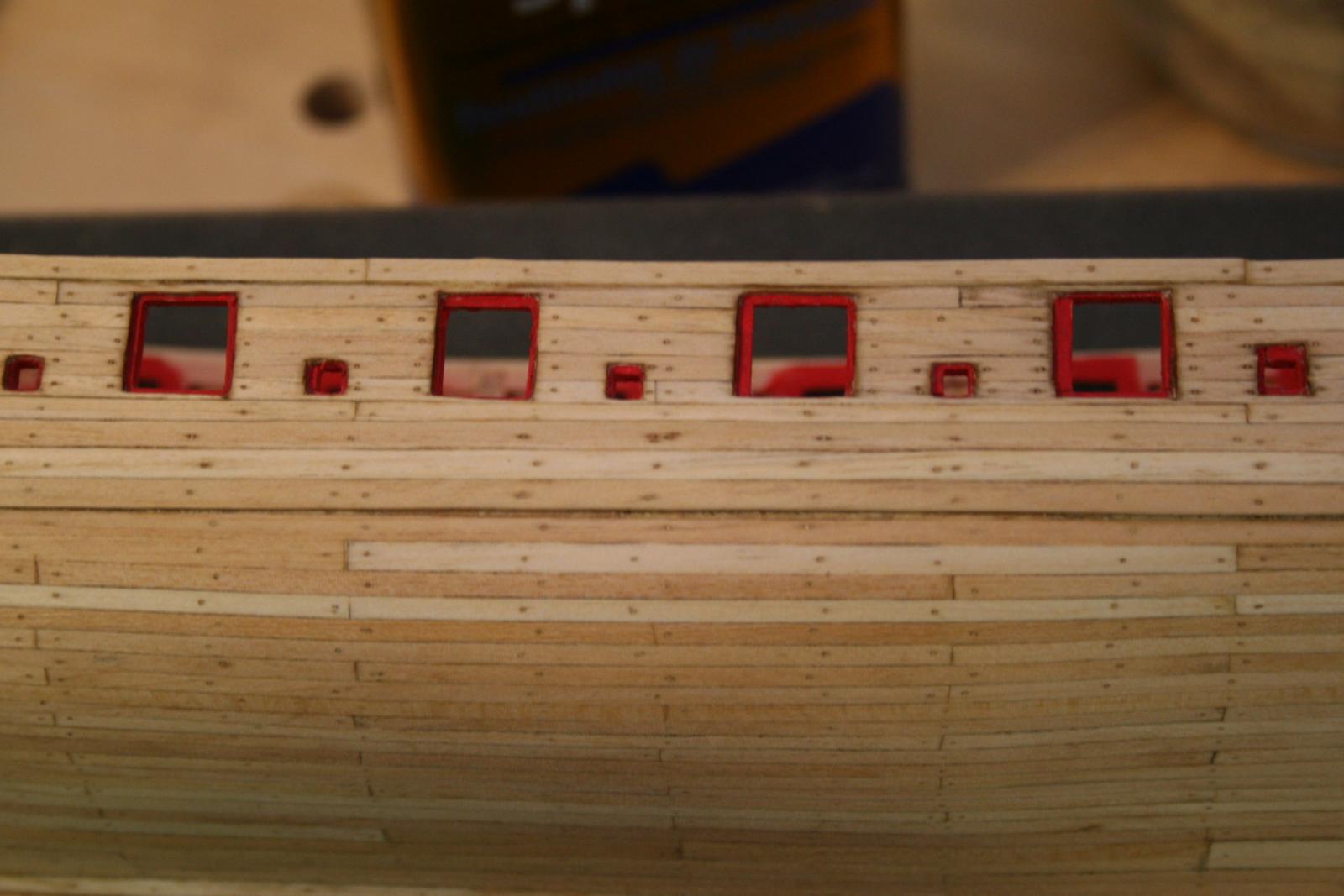
OK, re-staining results are in. The following pictures are just with the pre-stain The next three are after staining with 20% golden oak and 80% natural It does look a lot better than the first time around. The treenails are a not sharp circles and over all it looks a little more worn than if I had not stripped it and re stained. Overall is seems to have more of a worn... or aged look. I am not sure if I like it but at this point I think I want to move on. I was wondering, on builds where other woods, cherry, walnut, etc are used, are the hulls still stained or are they just given a finish coat? Richard T


Our Emblem ®
