


Louie da fly
-
Posts
7,993 -
Joined
-
Last visited
Content Type
Profiles
Forums
Gallery
Events
Everything posted by Louie da fly
-
 You're doing a beautiful job with the planking. I'm at about the same stage, and I know how frustrating it can be. But you're making good progress, and it just takes as long as it takes. Keep up the good work. She's taking shape well. Steven
- 473 replies
-
- 2
-

-
- greek bireme
- dusek
- (and 1 more)
-
Very nice. That looks very much like the Serce Limani "glass wreck" ship and also several of the merchant ships uncovered at Yenikapi in Istanbul. Steven
-
Good luck with it. There'll never be an exact replica of the Golden Hind unless someone gets a time machine and goes back to have a look (and take photos, measure up etc). Whether she had a stern gallery, what her colour scheme was - all conjecture. But it's certainly possible to make a model of what she could have looked like and not be too far wrong. She may not have been a new ship in 1577, as Francis Drake renamed her on the voyage - she'd been the Pelican. According to Wikipedia, she was 100 feet long. You already have Mathew Baker which is probably your most reliable source, but (though these are not English), you might also look at the SO-1 wreck (see here) and the Red Bay wreck which sank in 1565 (see here and here. (there are also other websites available if you do a bit of a search). And the Swedish warship Mars, sunk in 1564 here And there's a thesis here on the evloution of hull design in sixteenth century ships of war which has some useful information in it. Have fun! Steven
- 756 replies
-
- 8
-
-
- galleon
- golden hind
- (and 2 more)
-
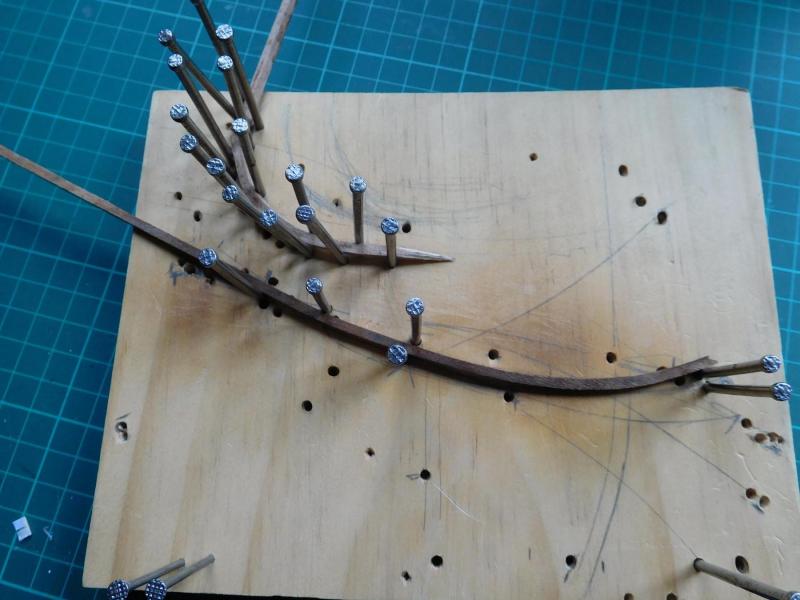
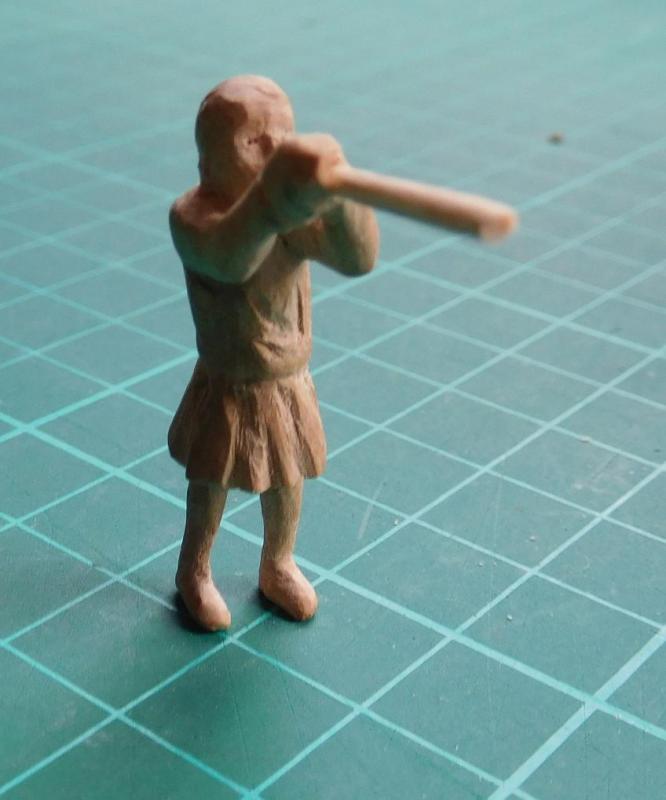
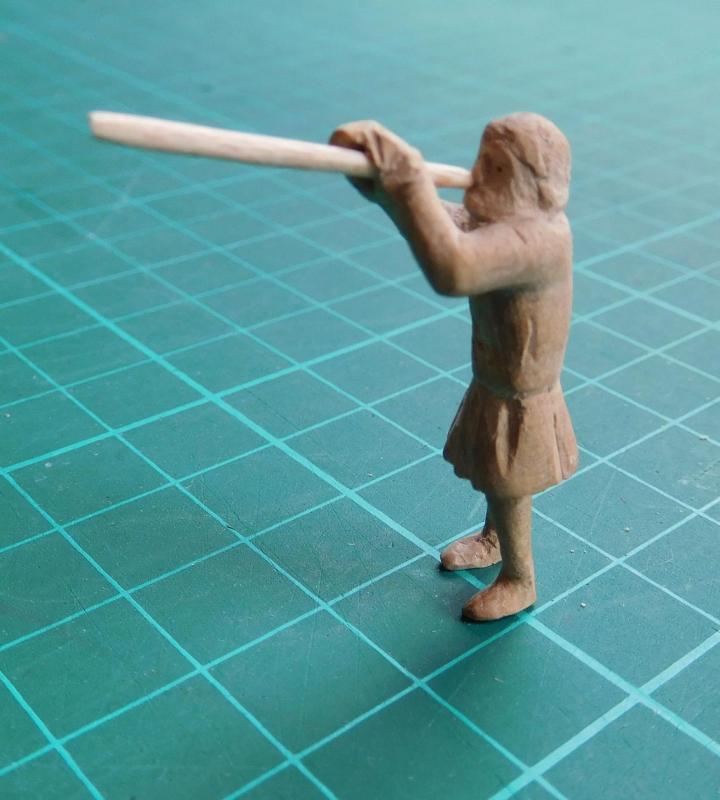
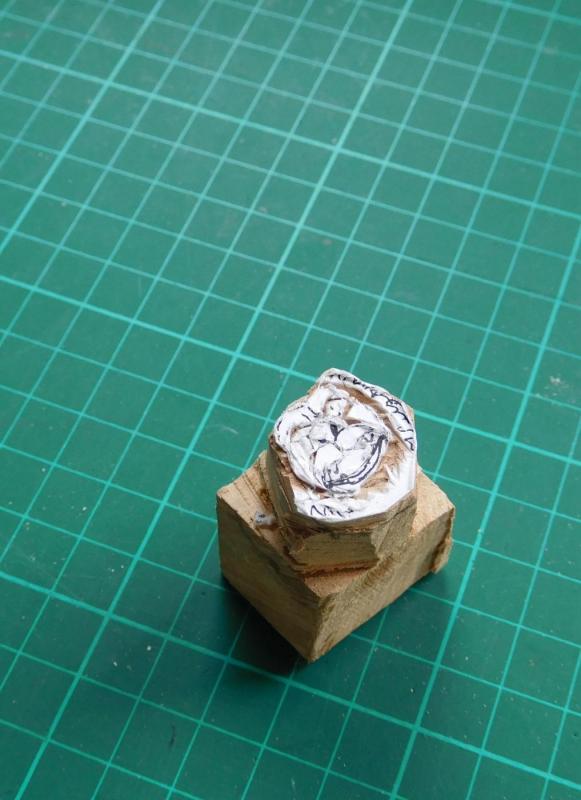
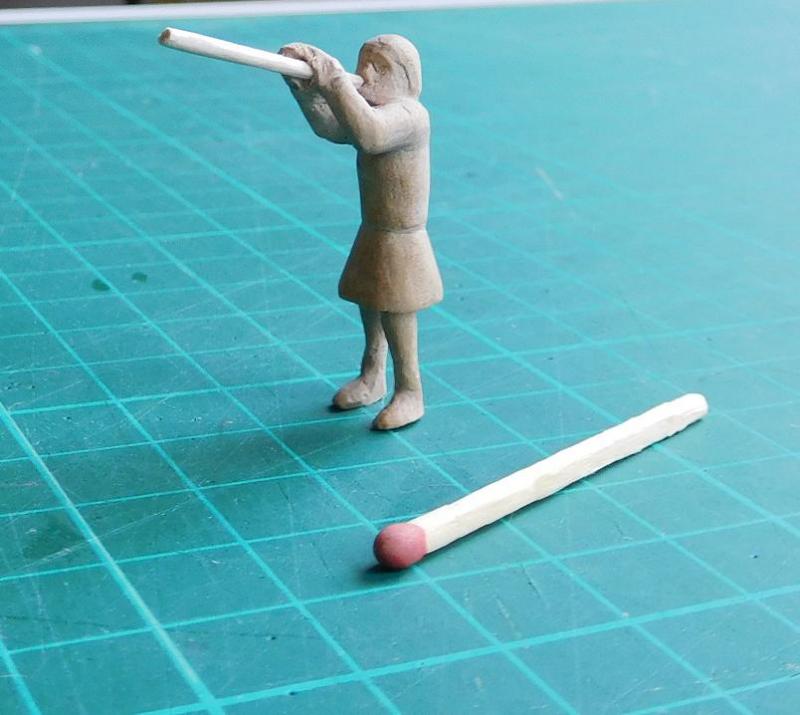
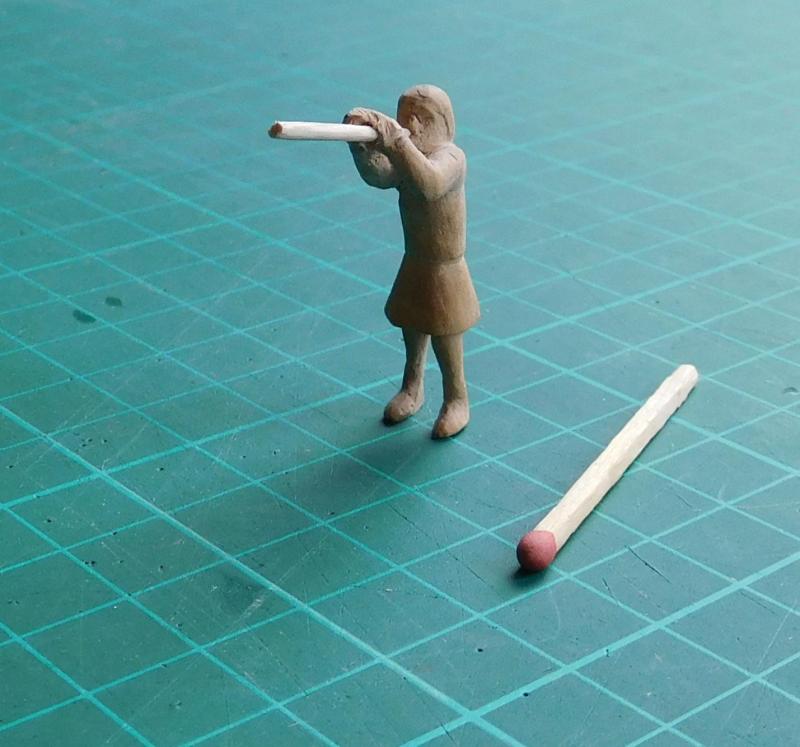
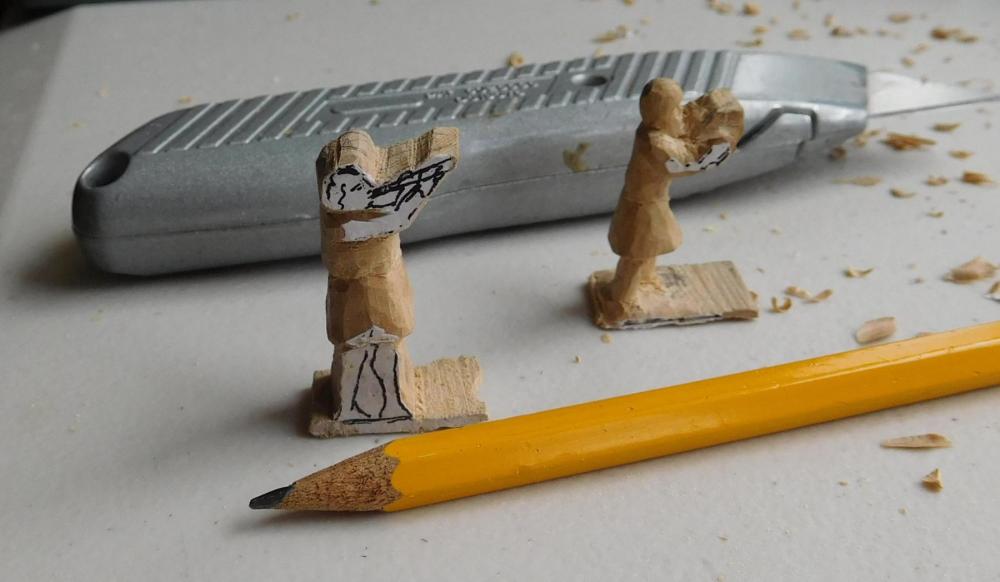
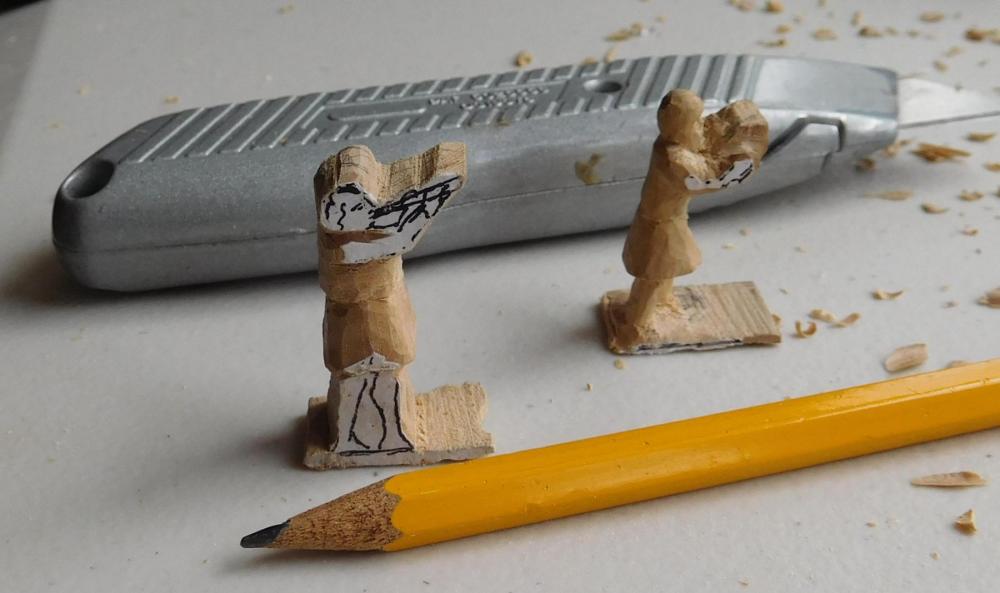
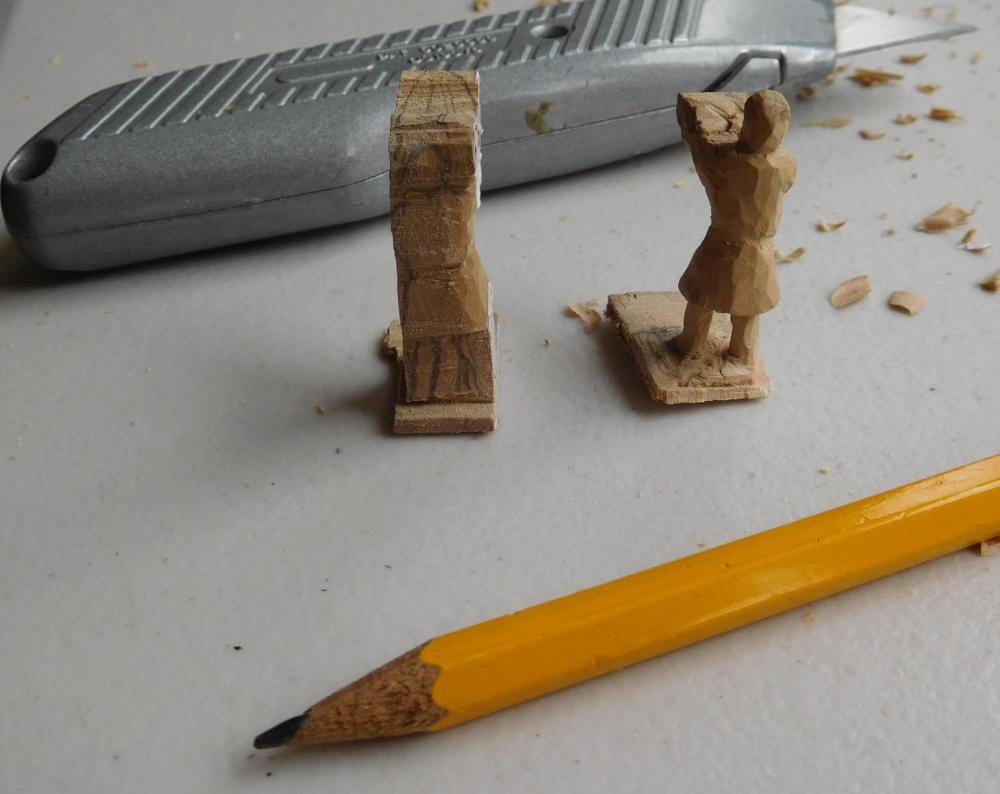
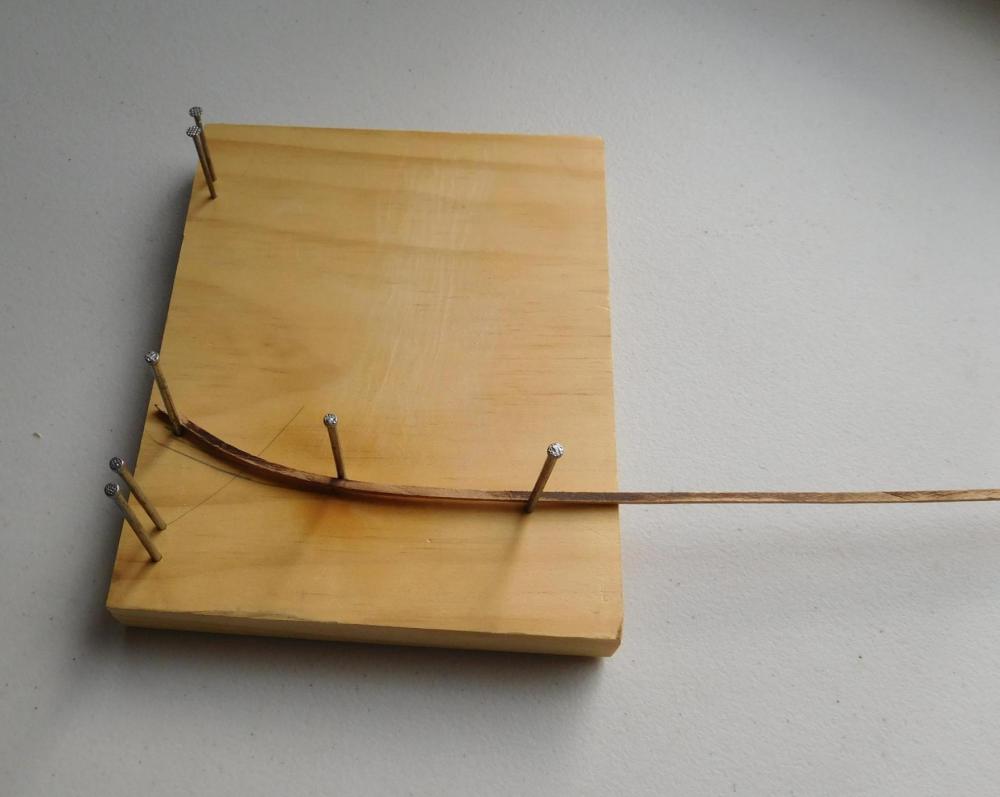
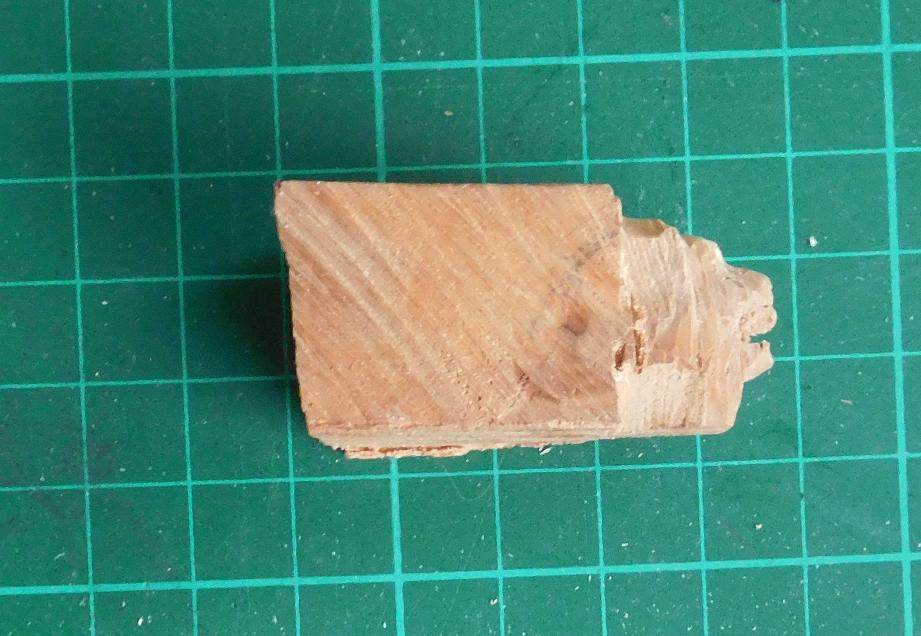
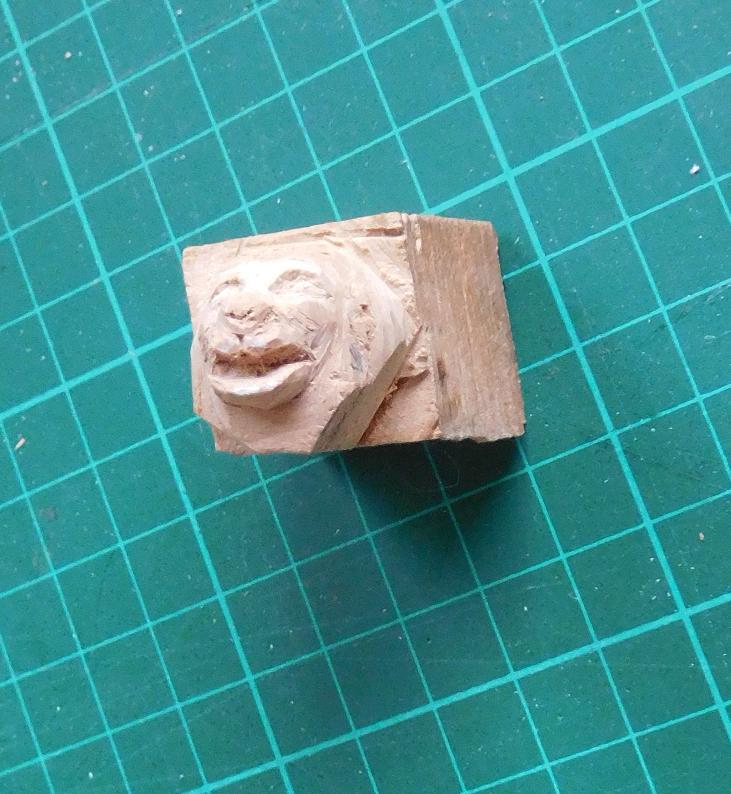
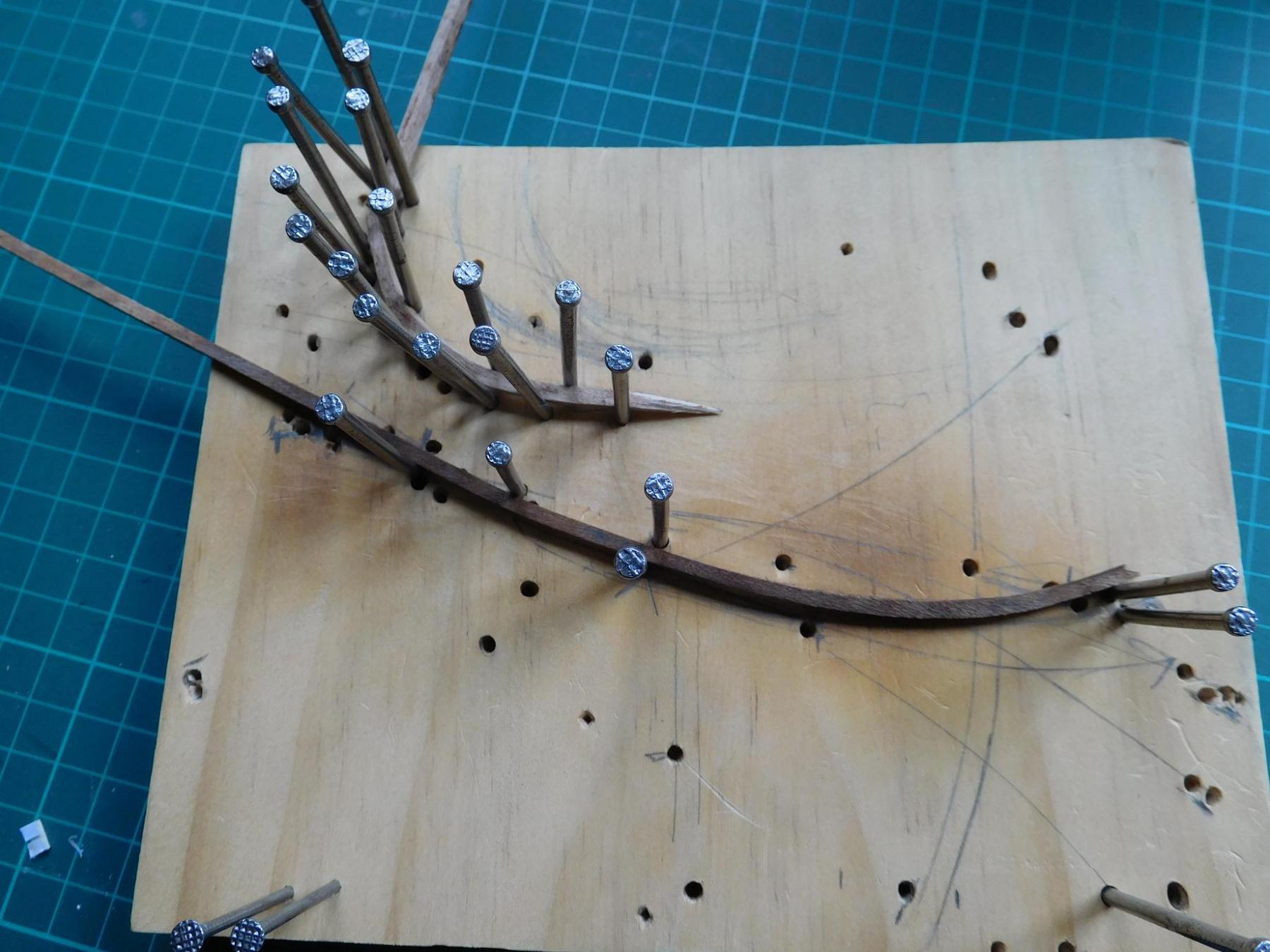
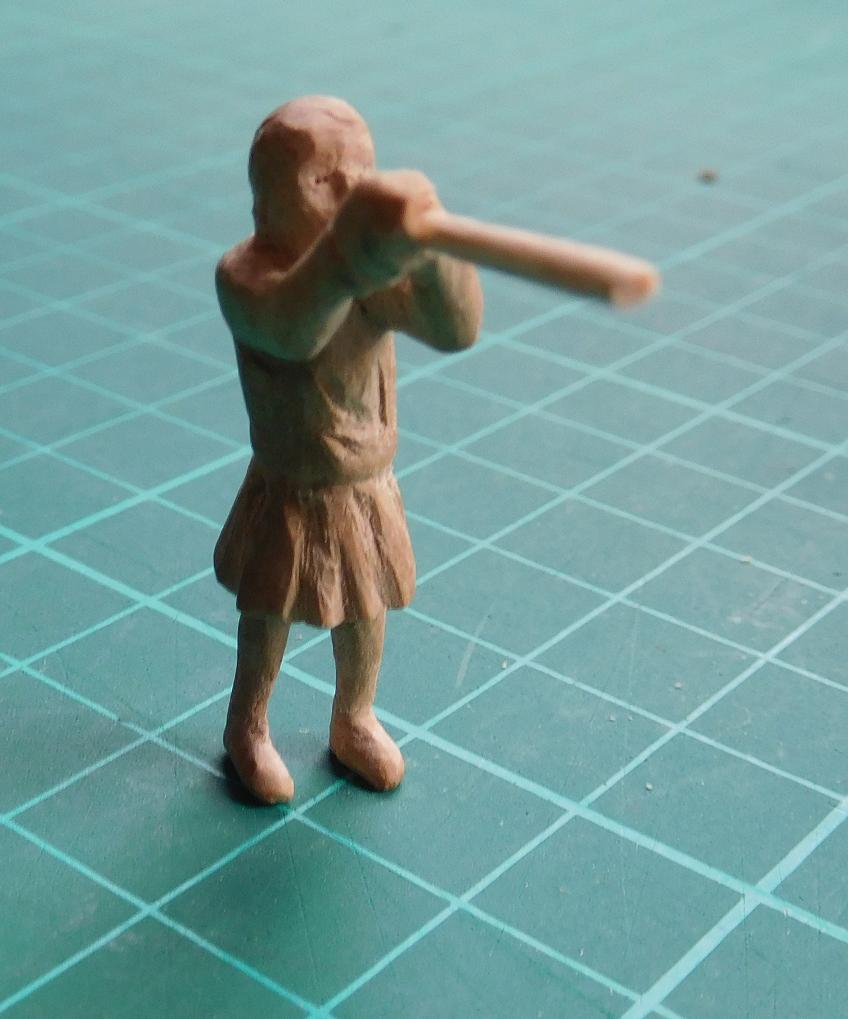
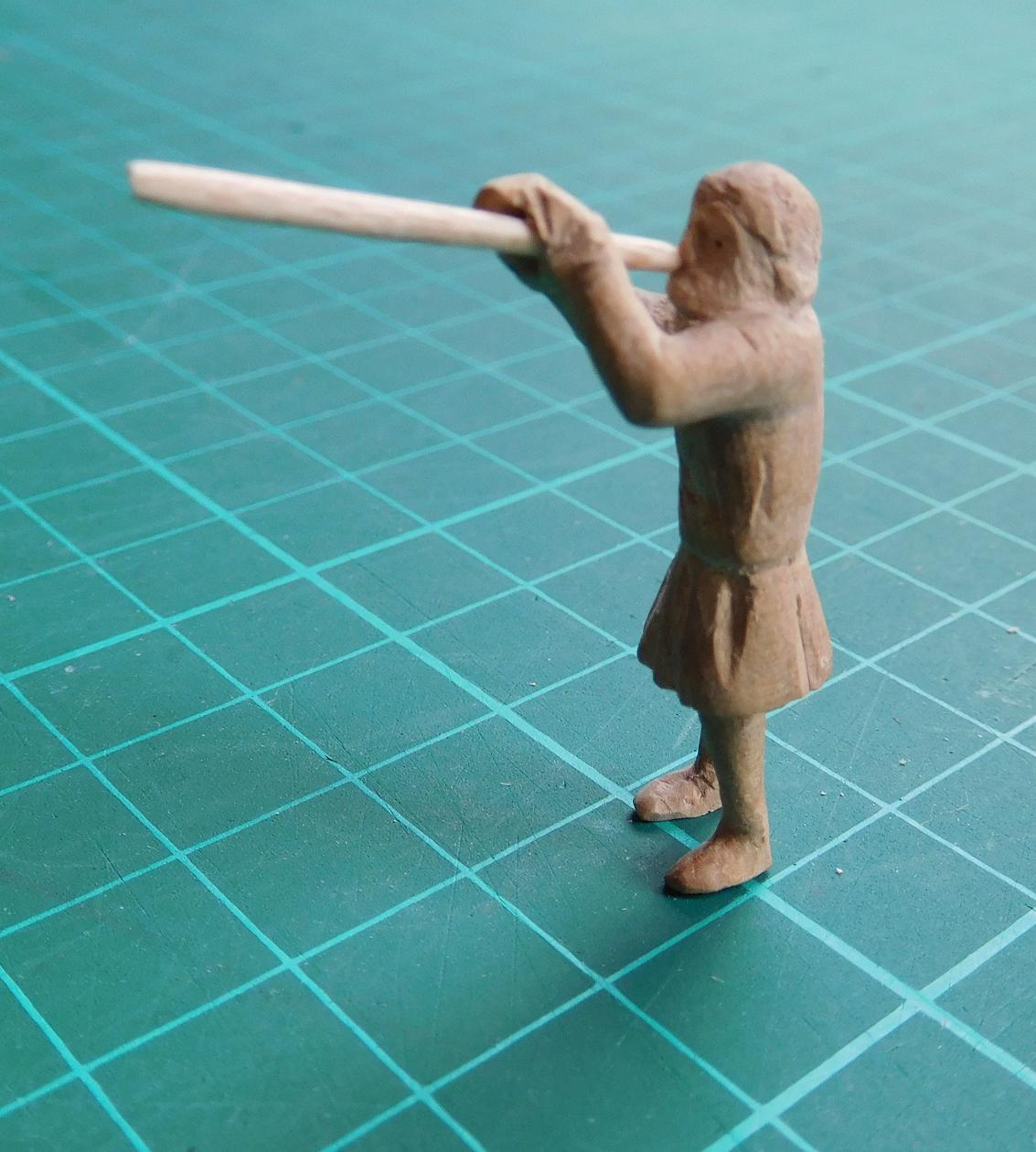
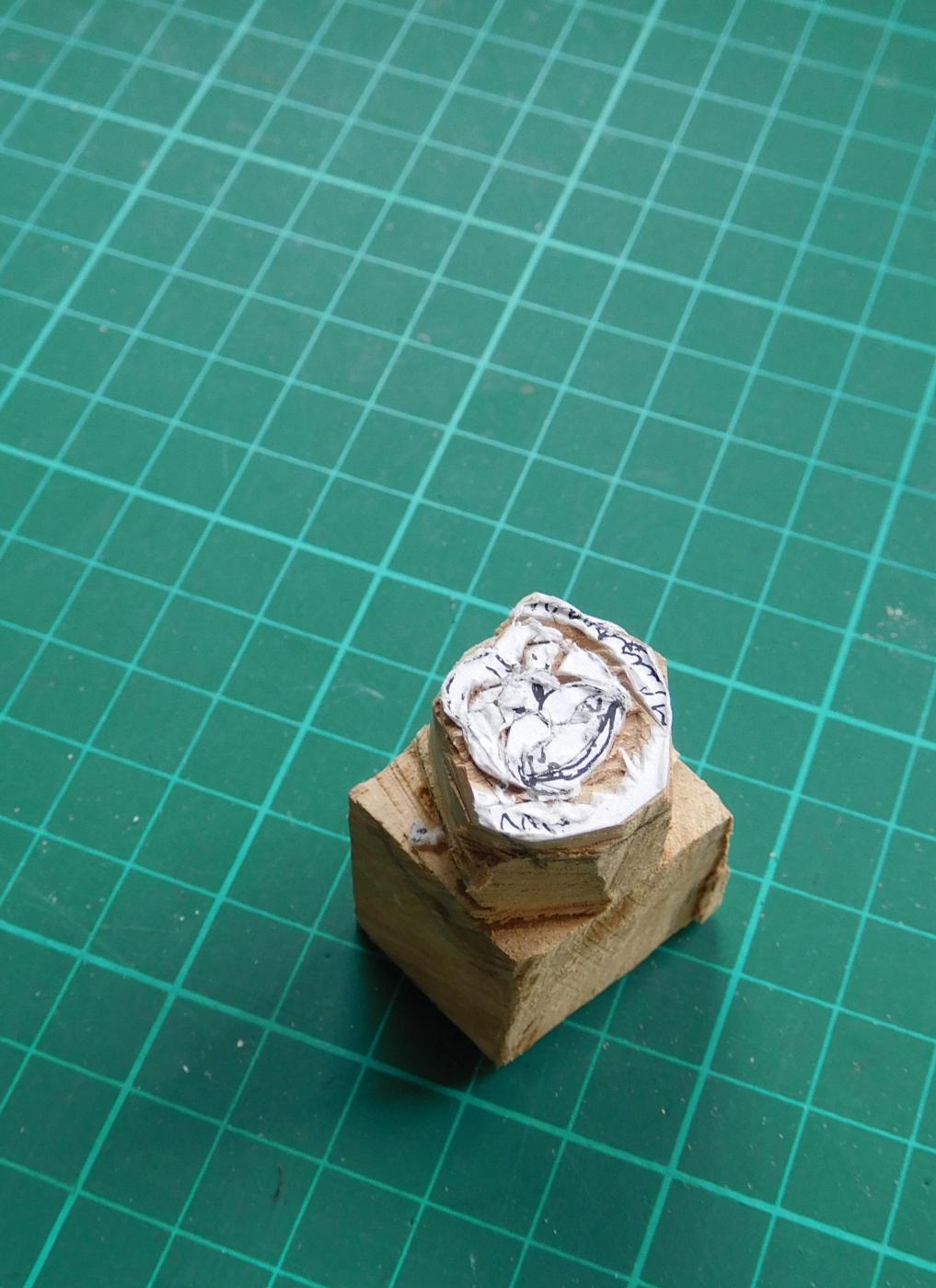
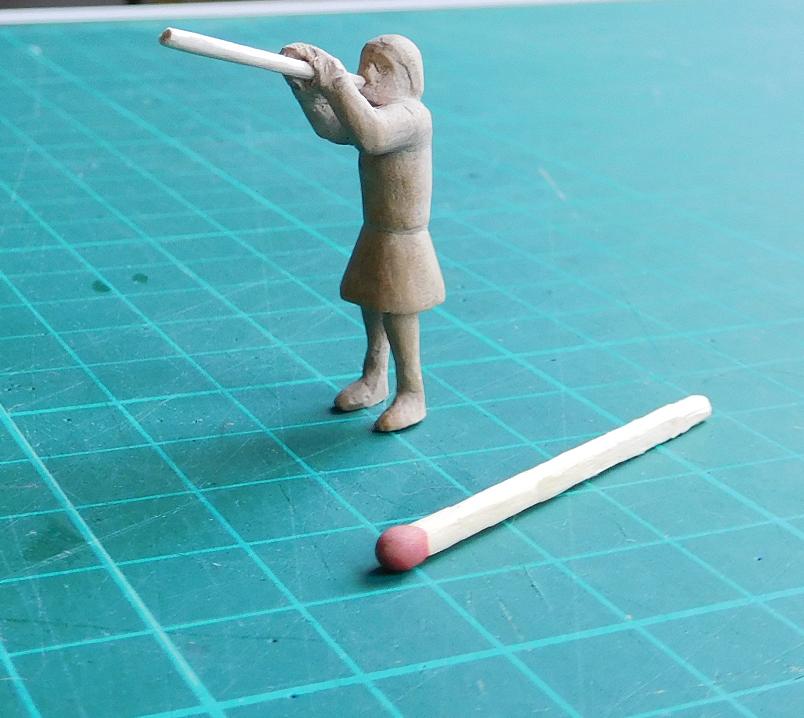
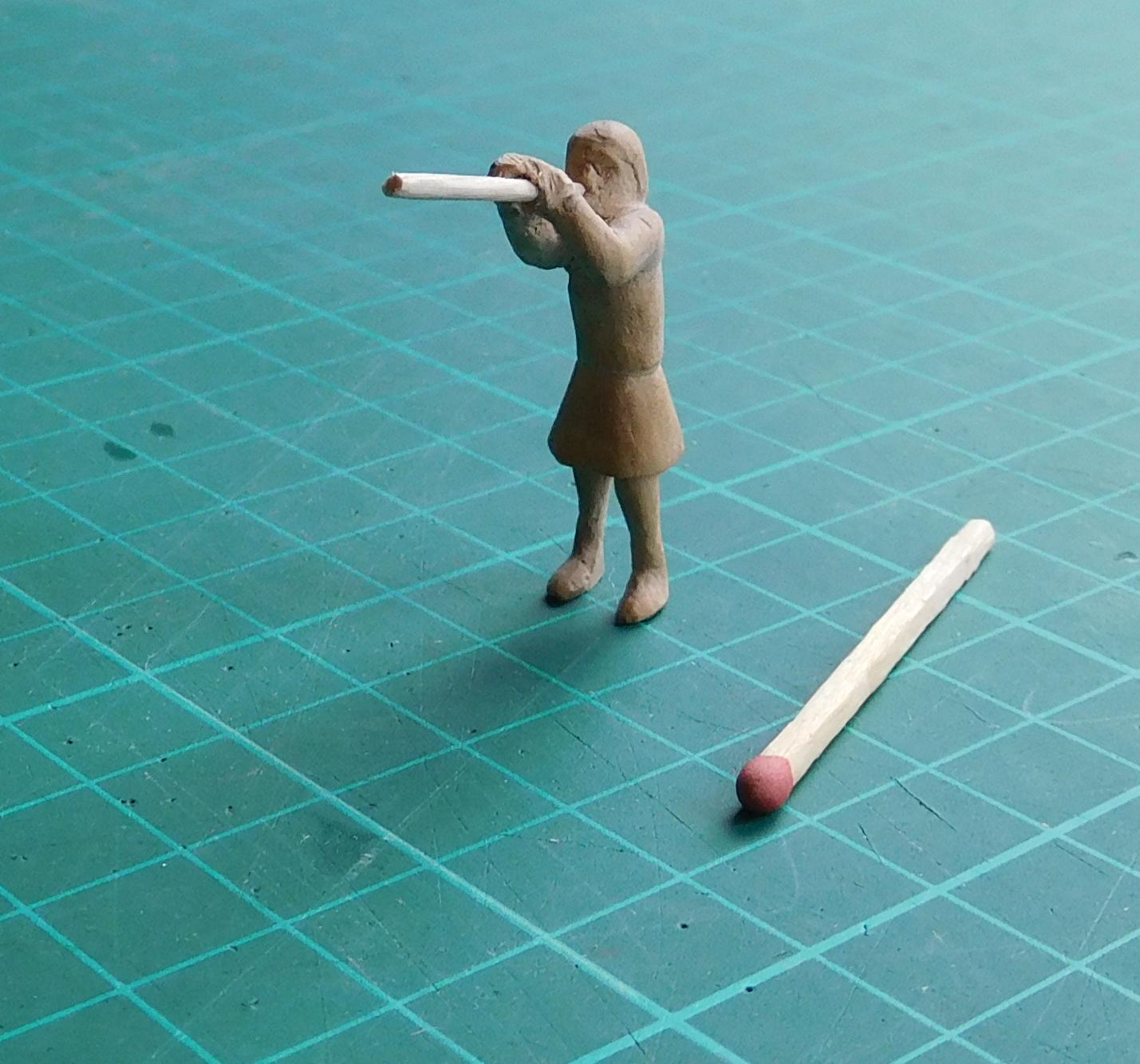
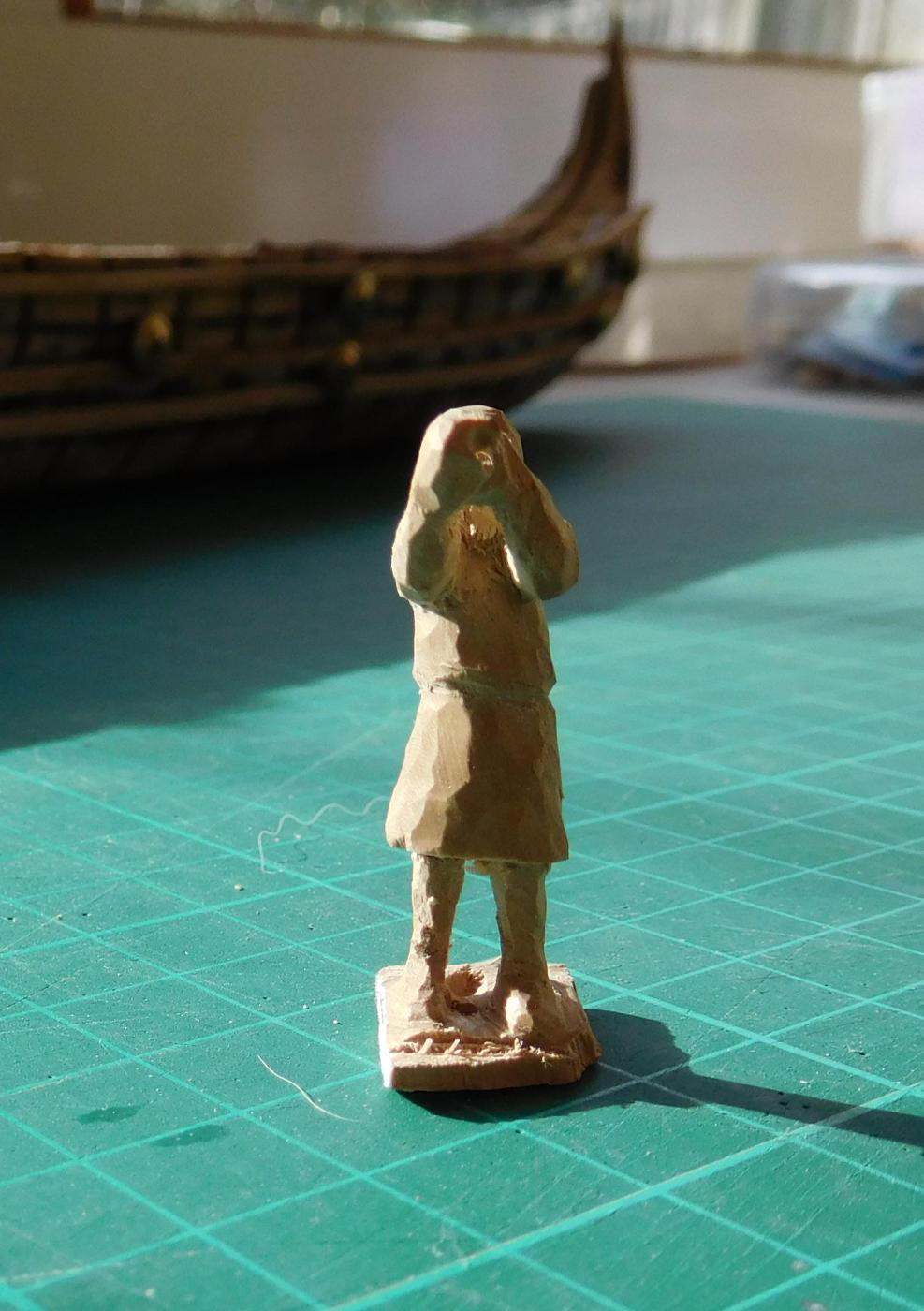
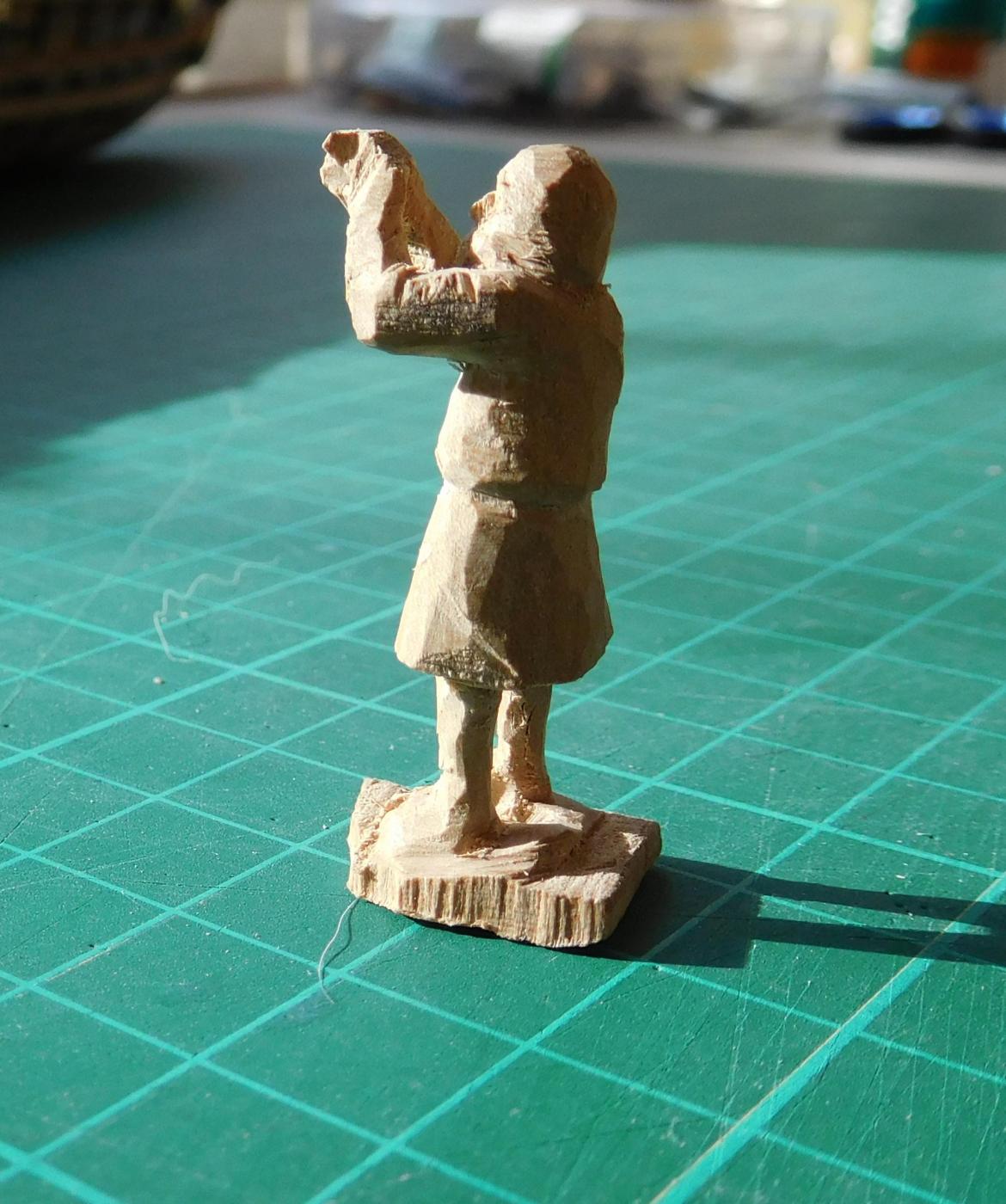
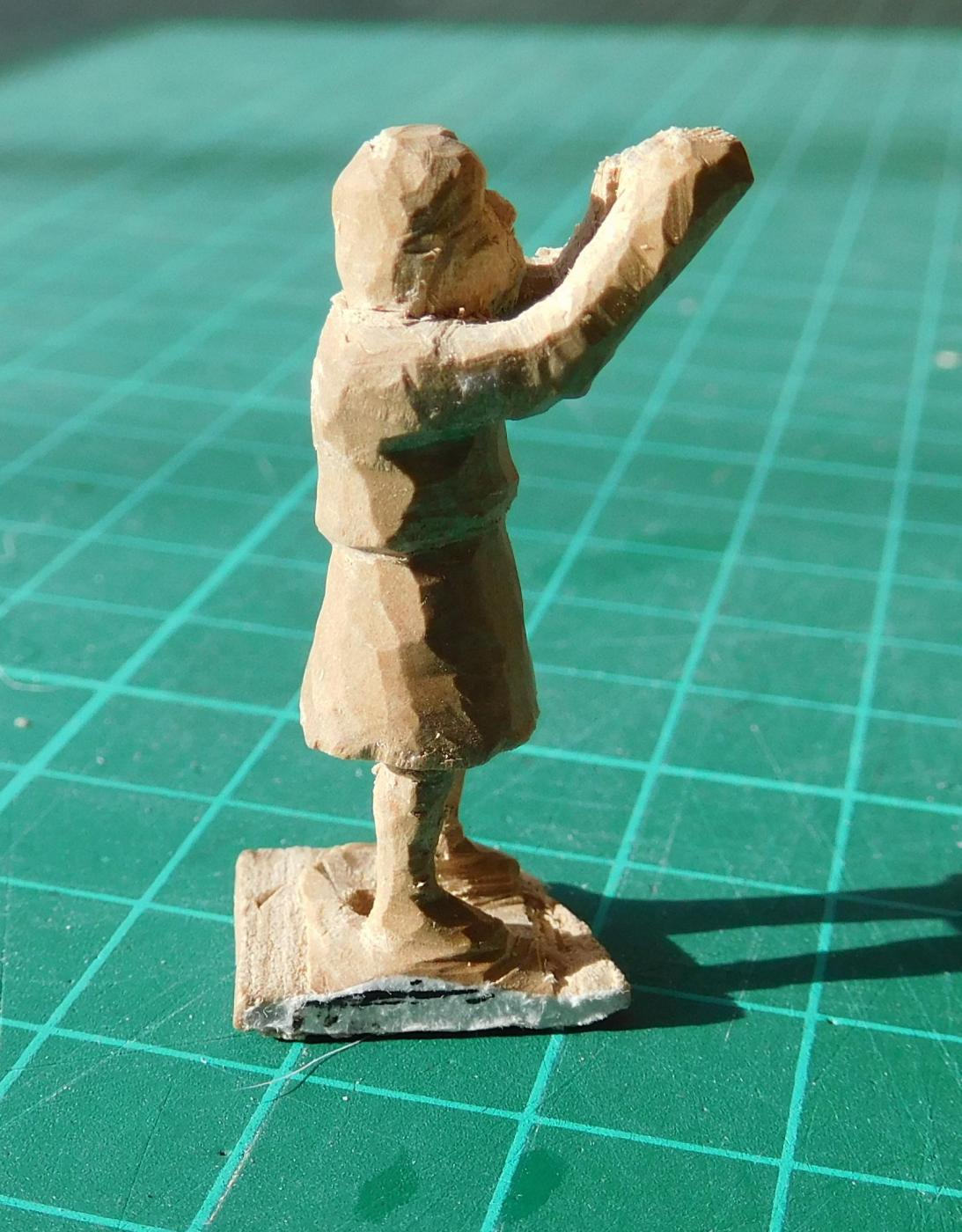
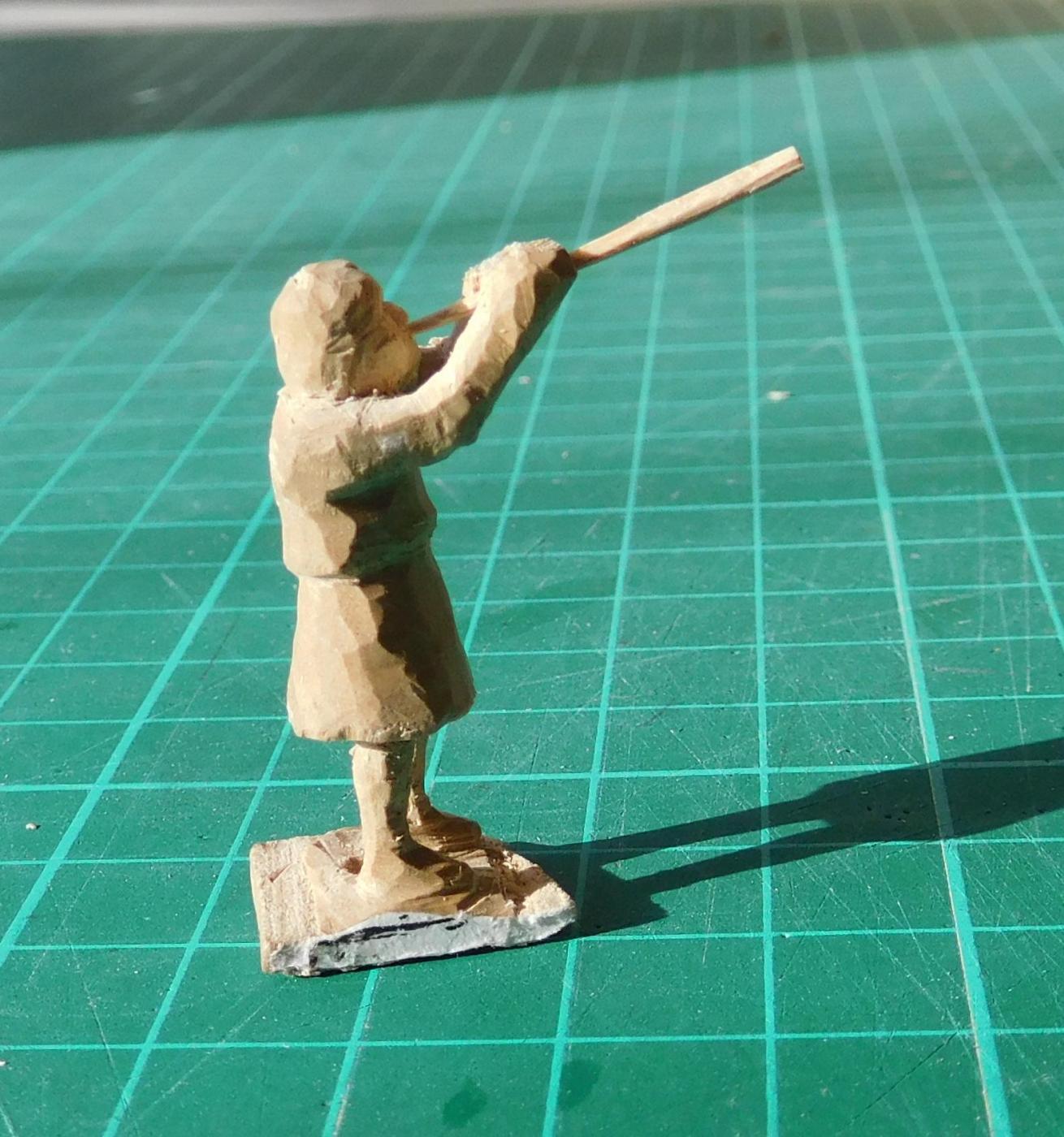
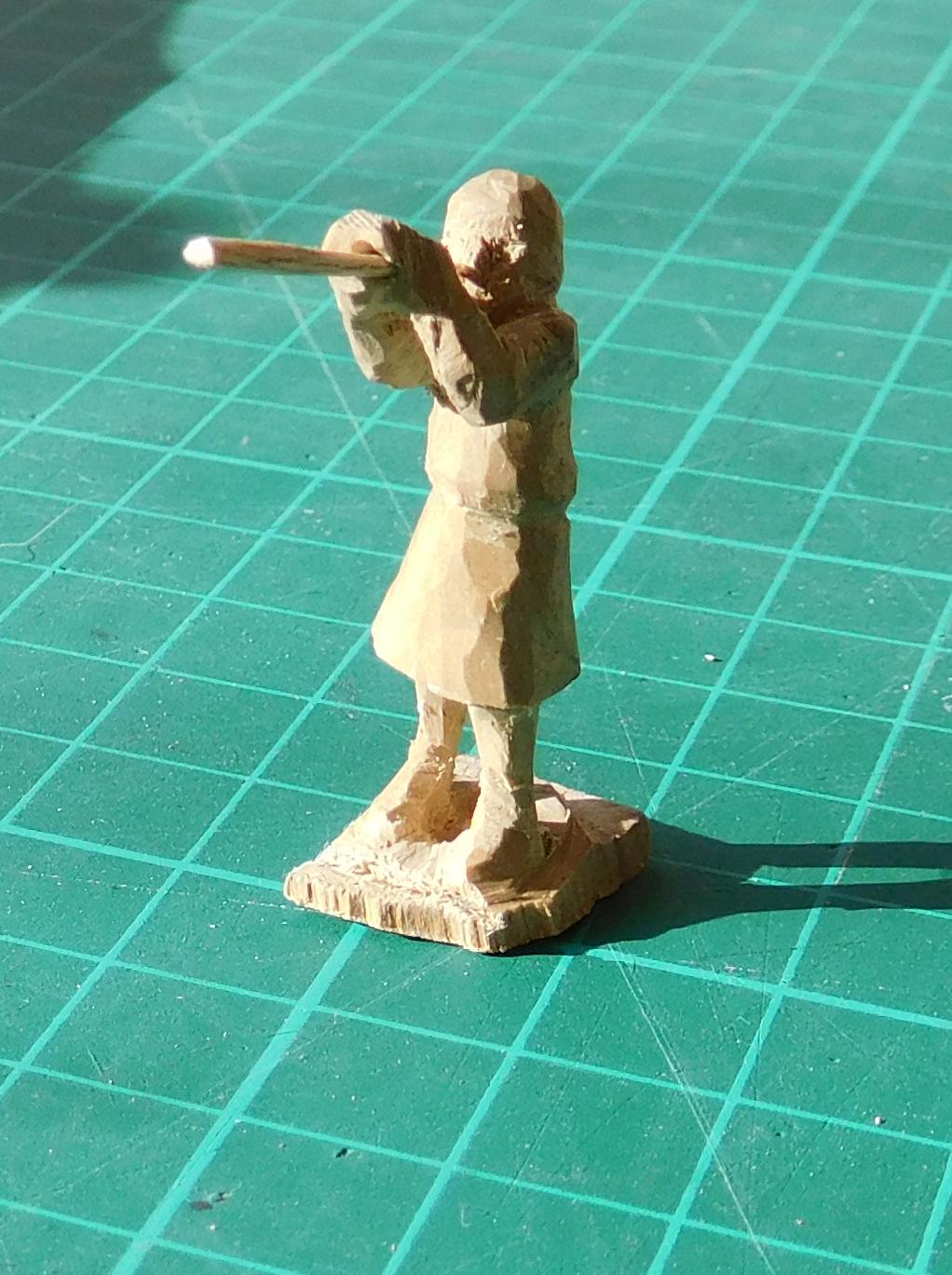
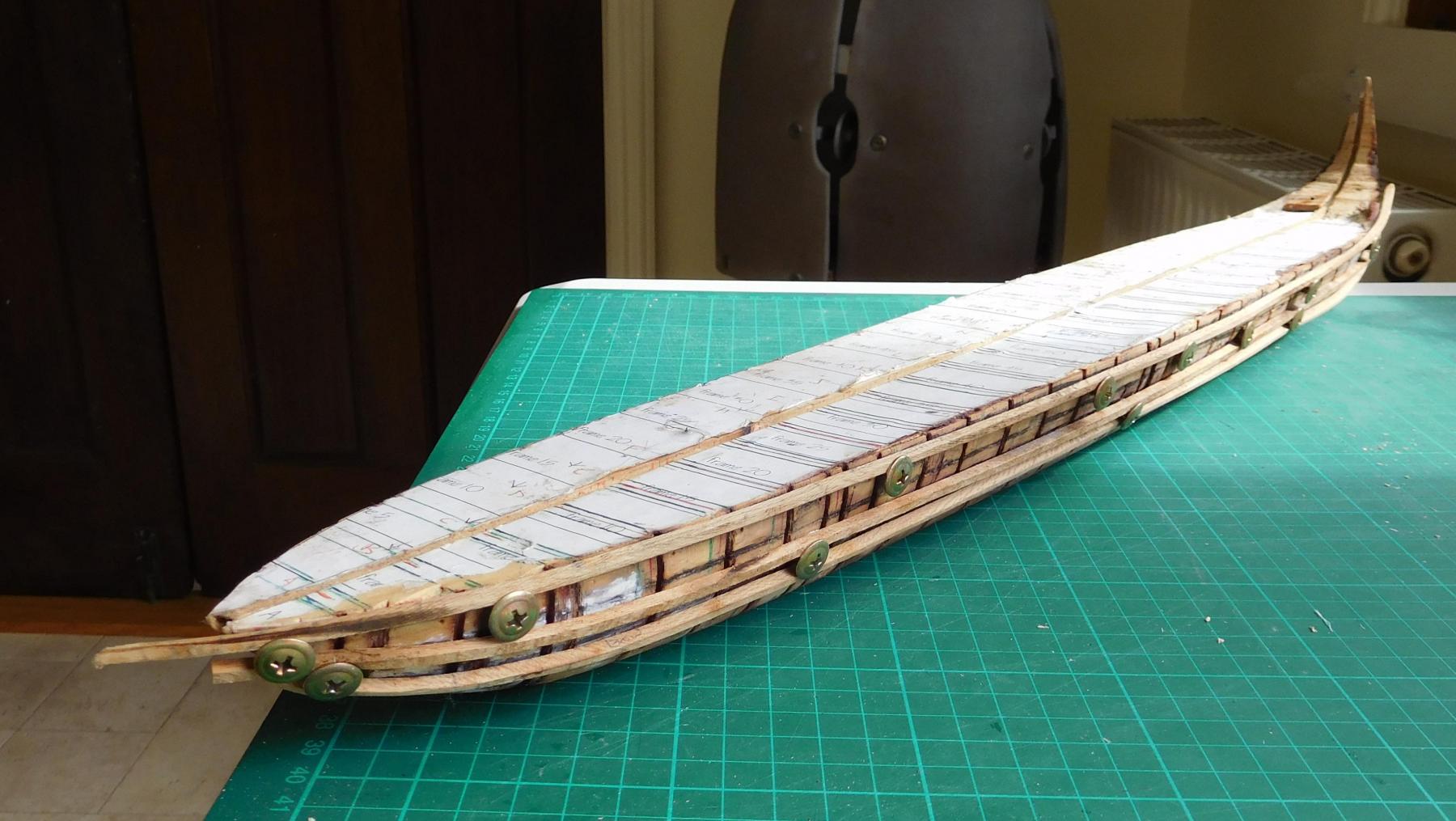
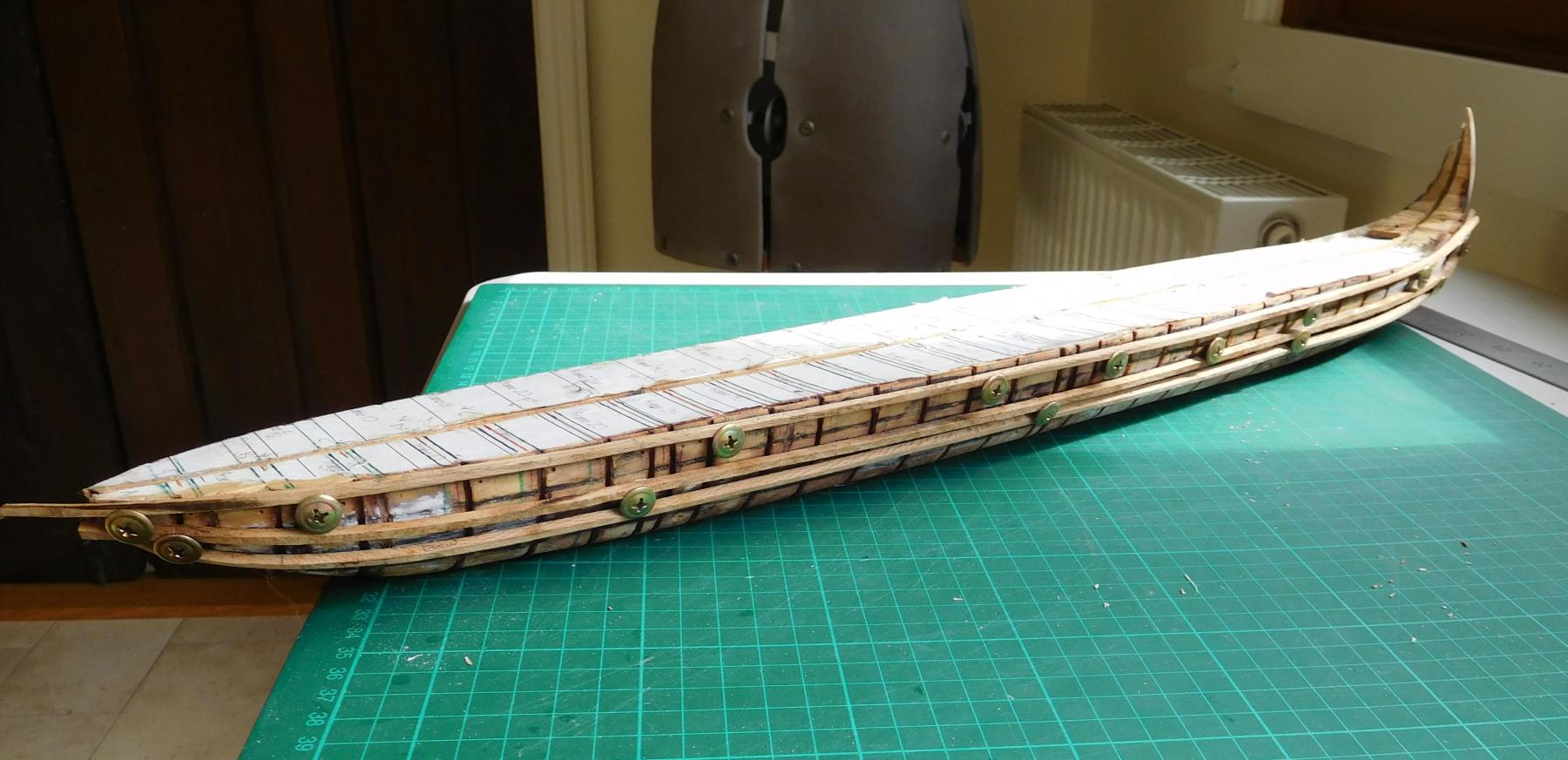
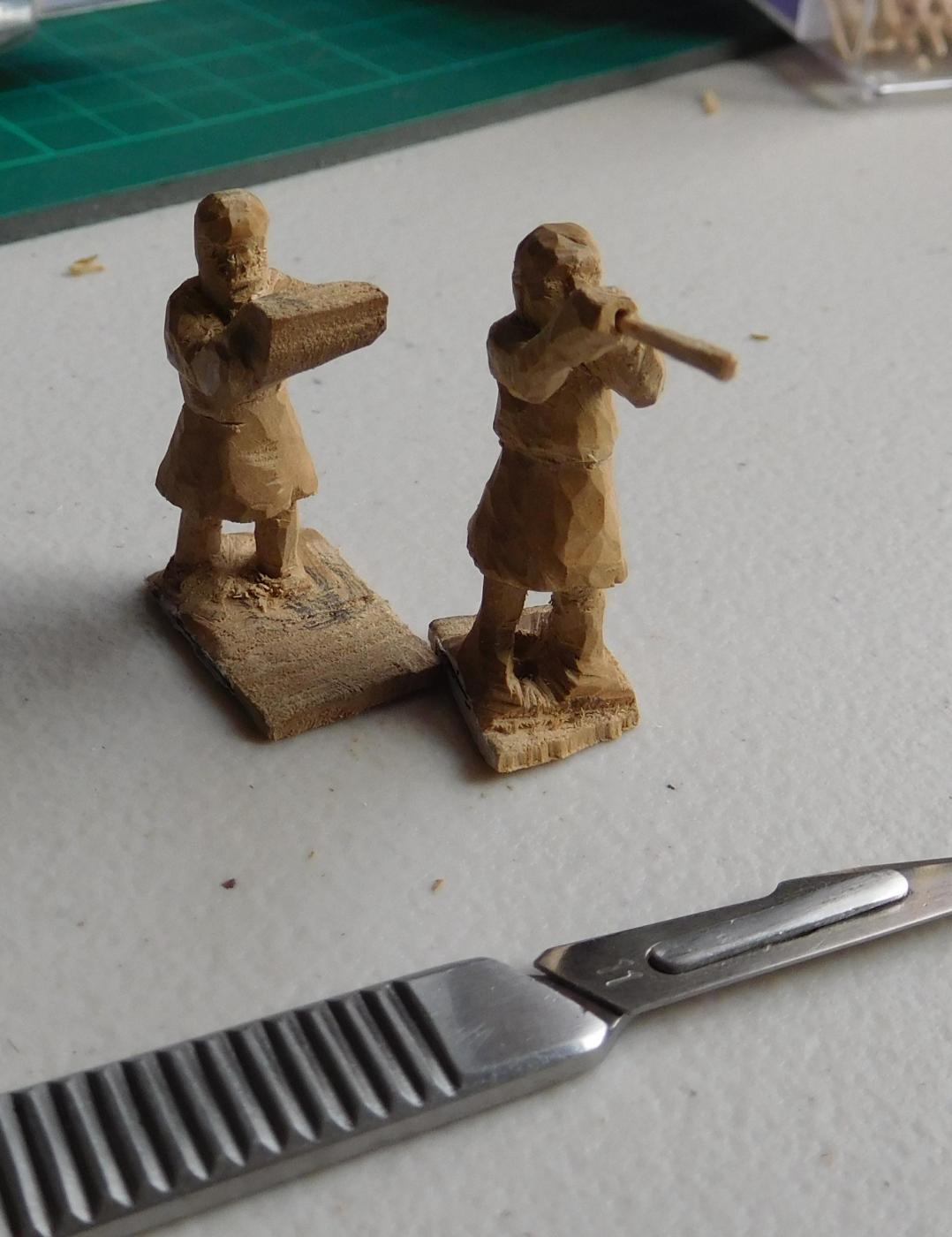
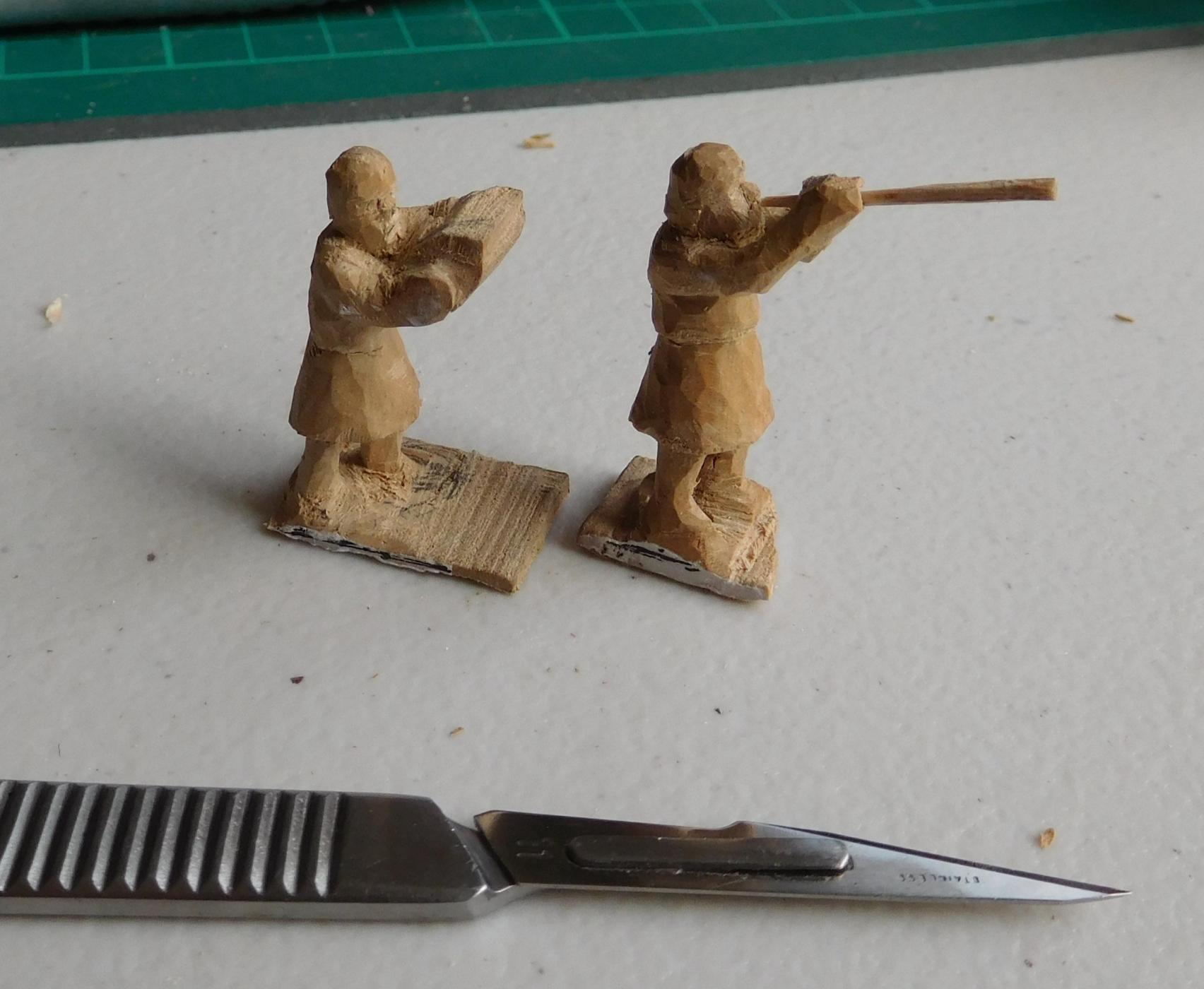
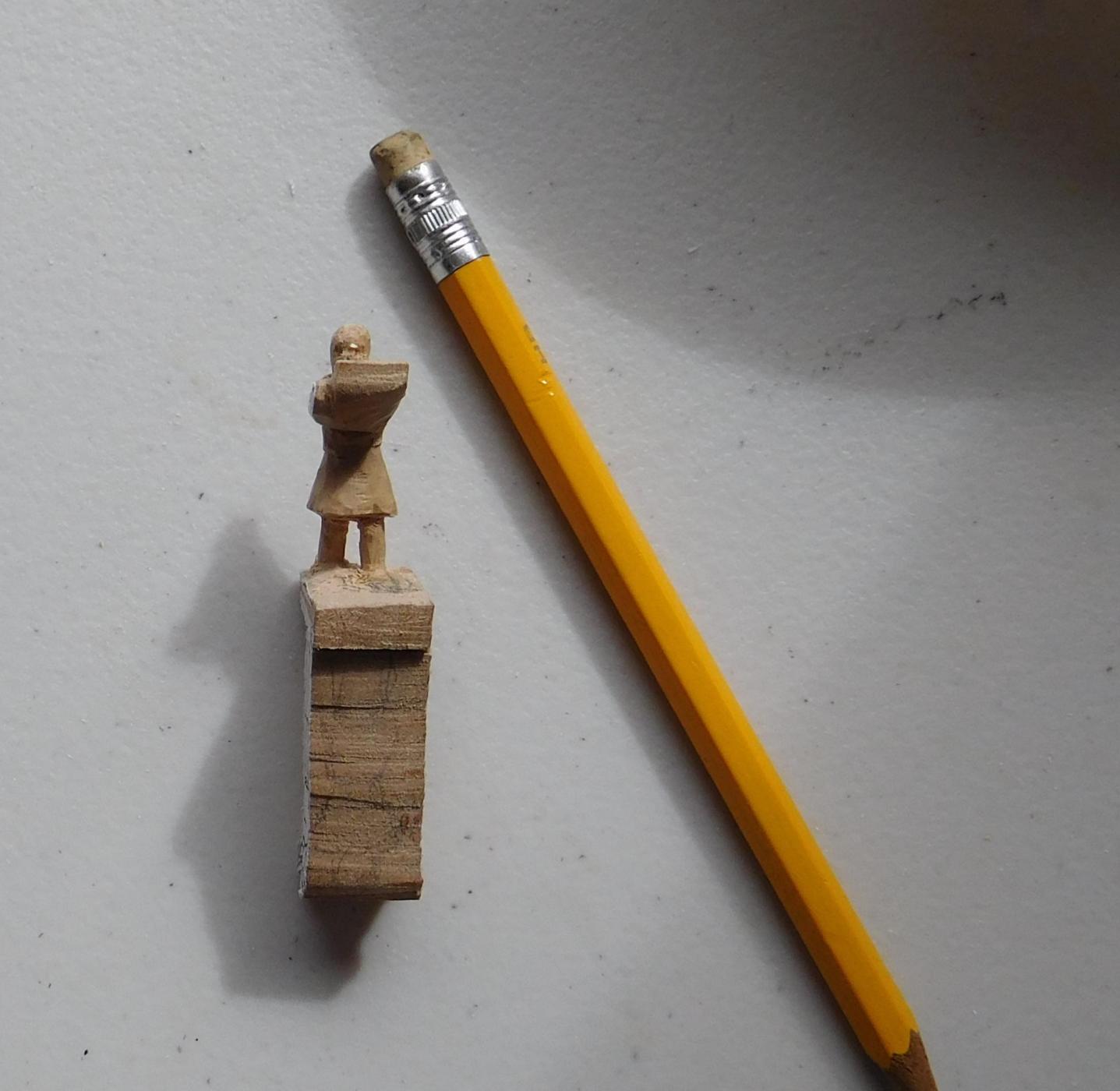
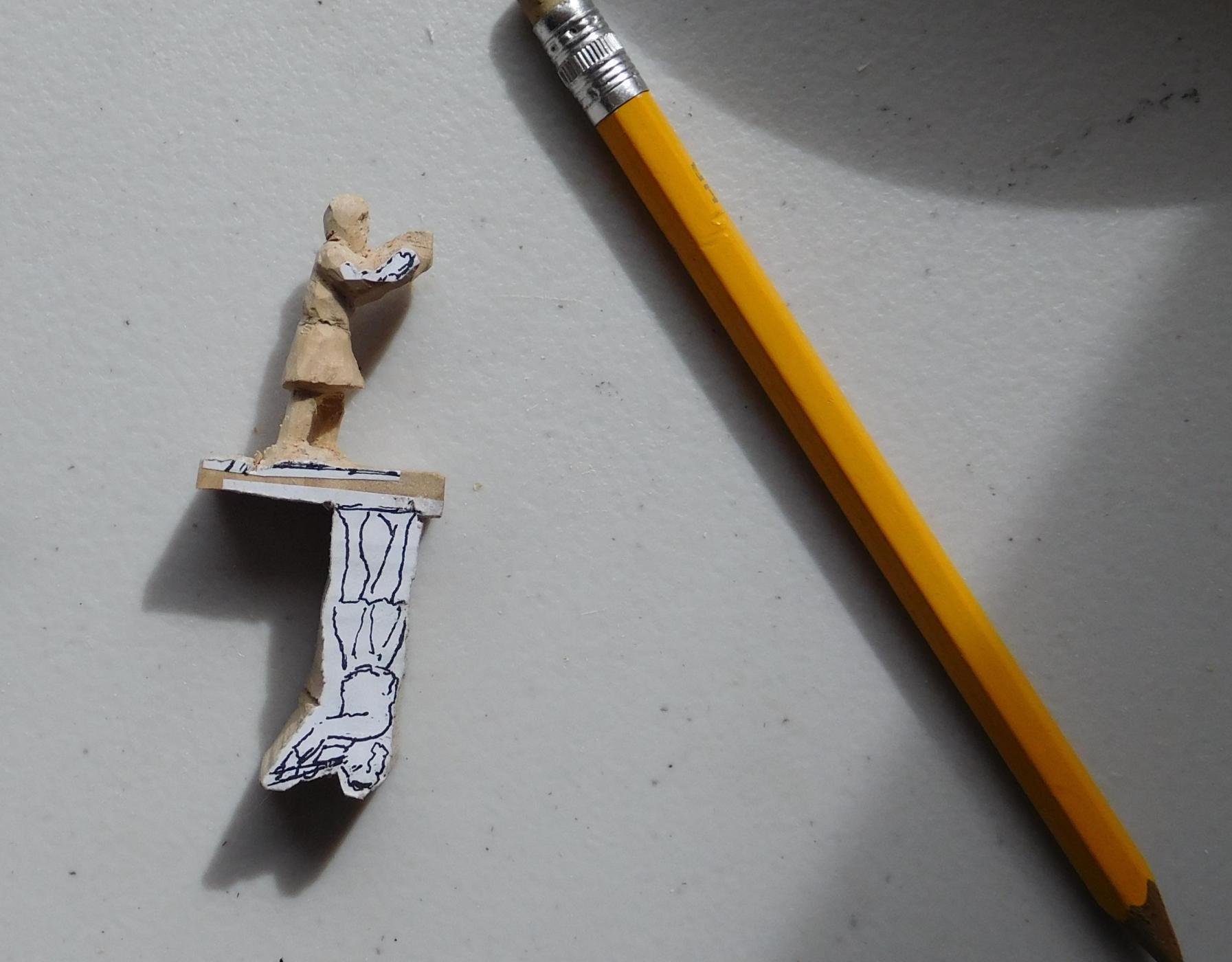
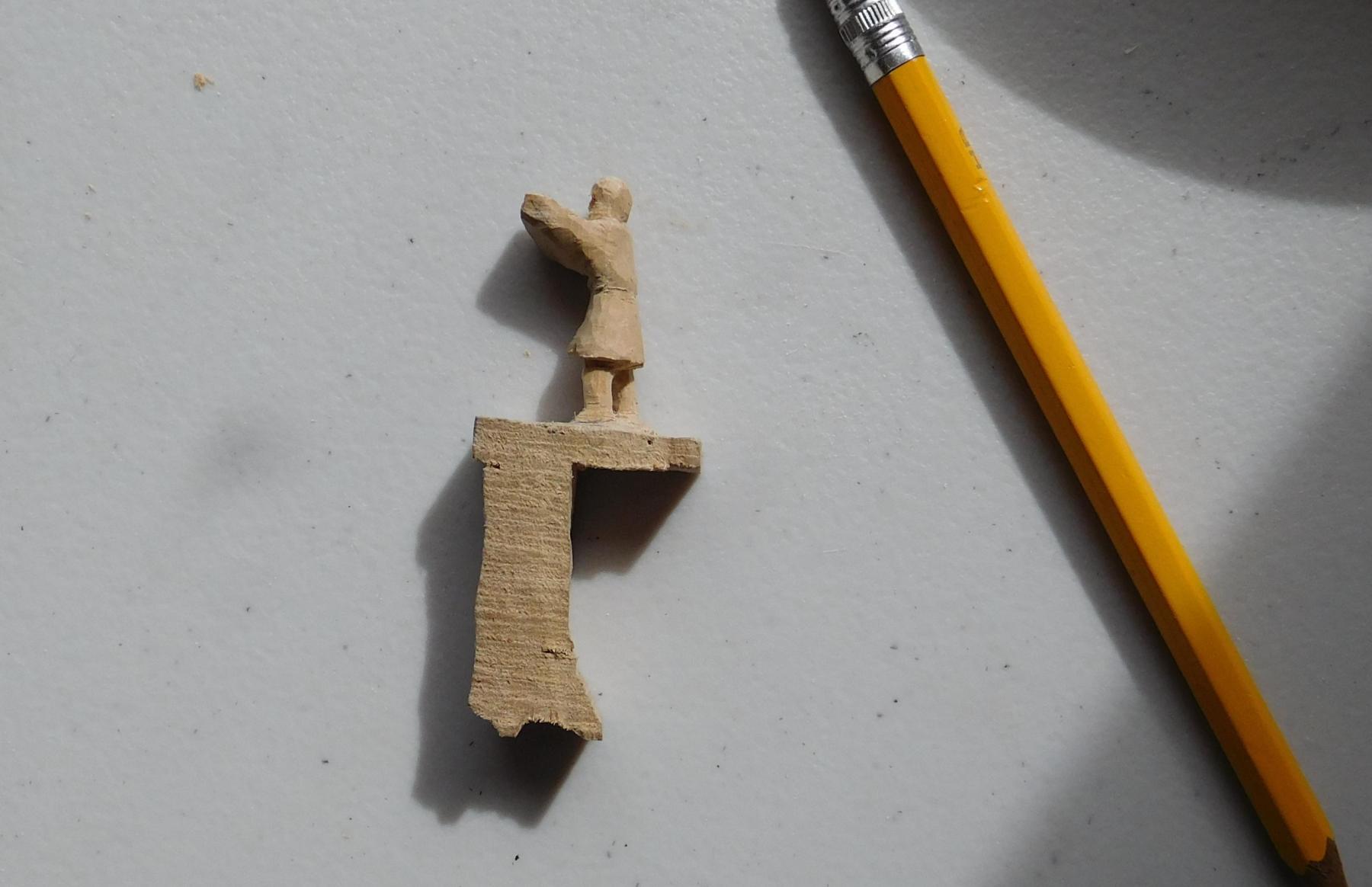
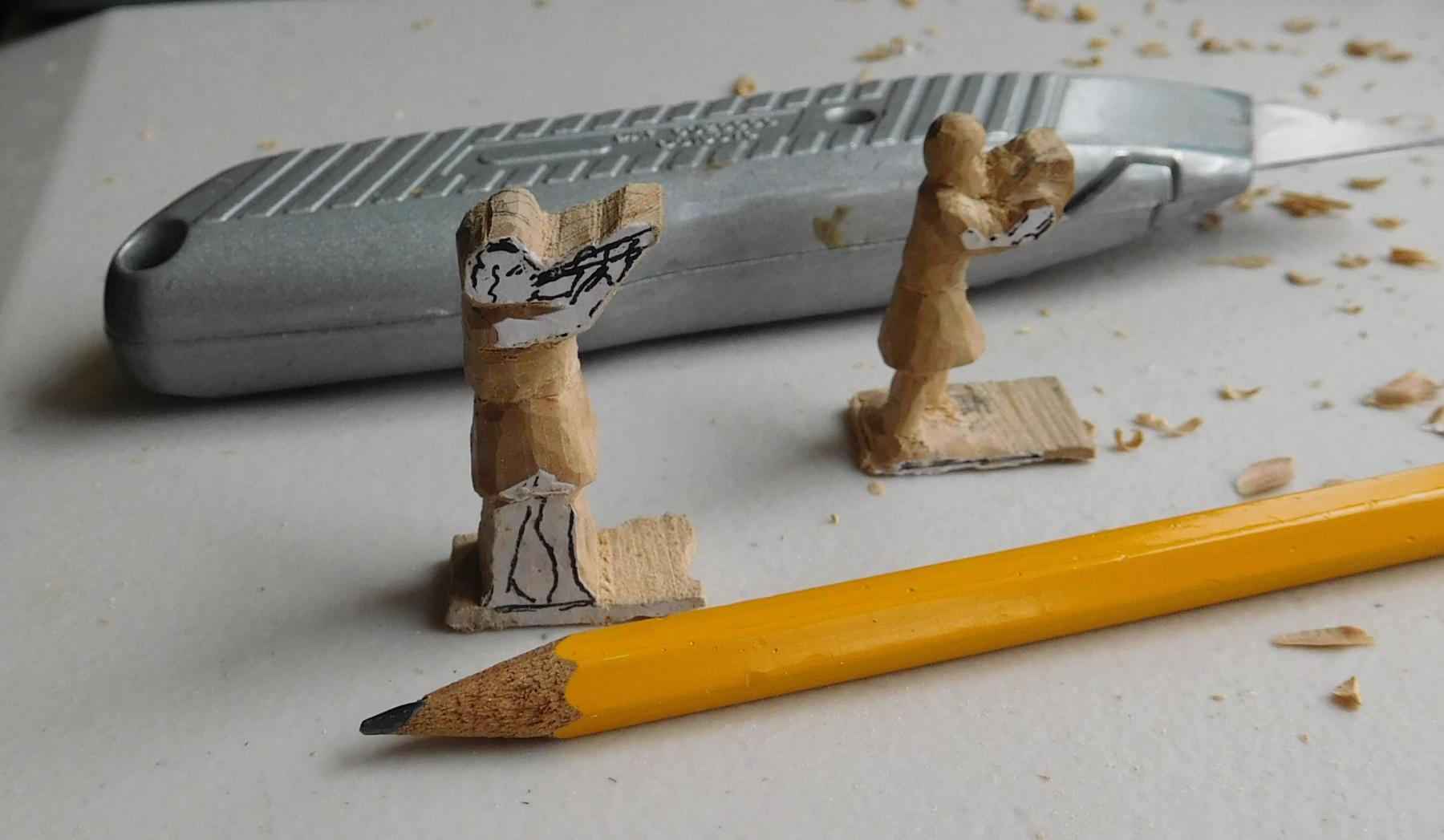
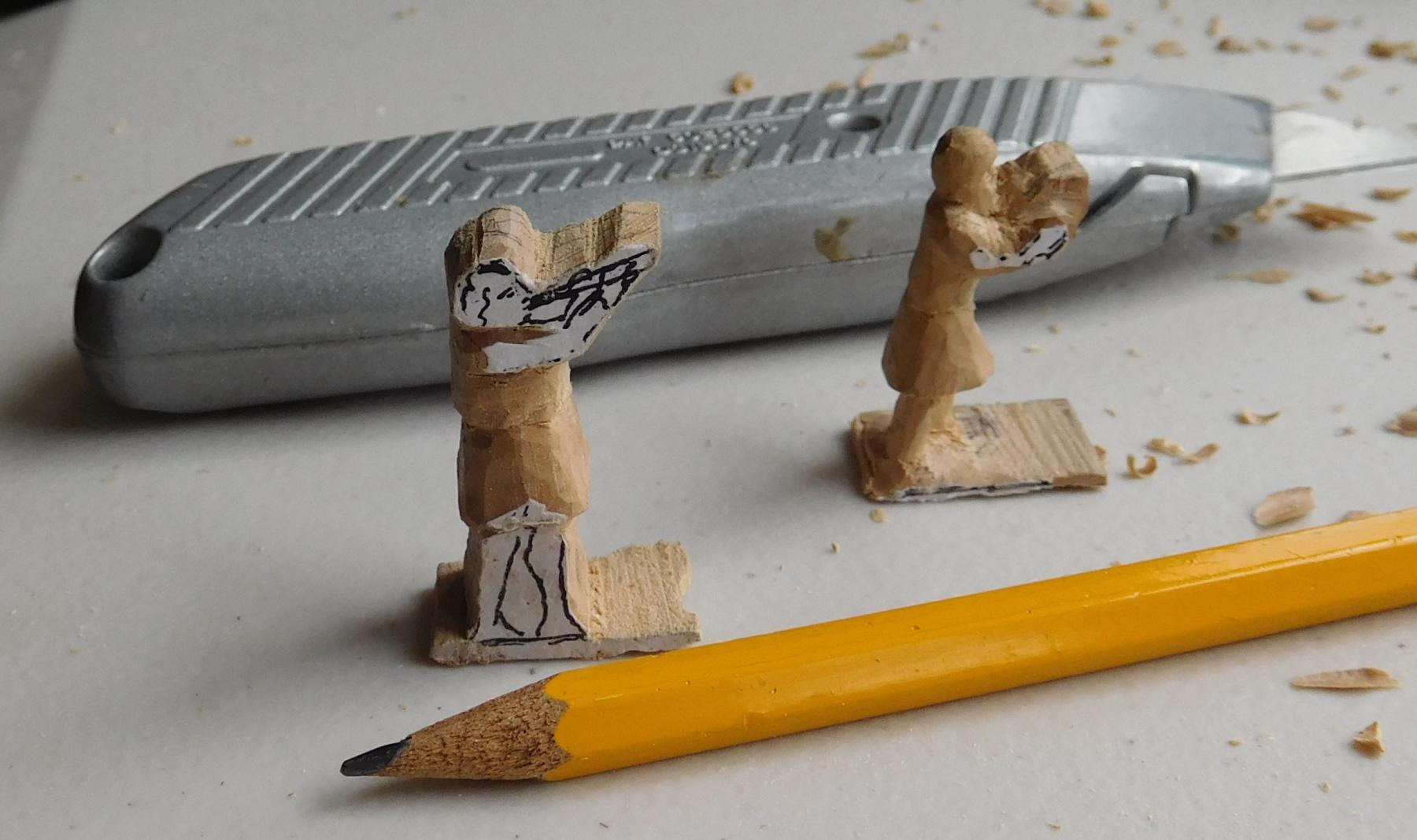
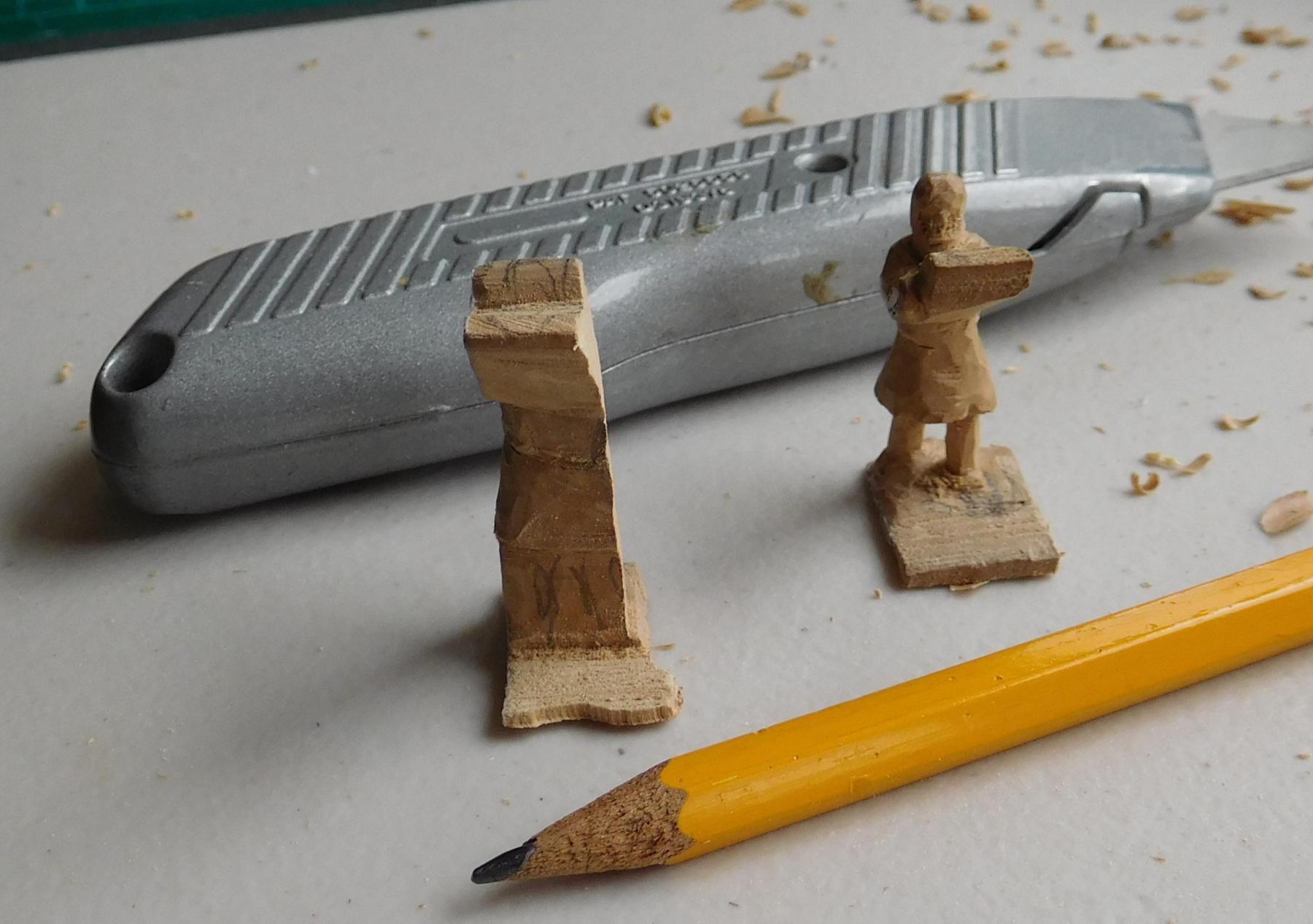
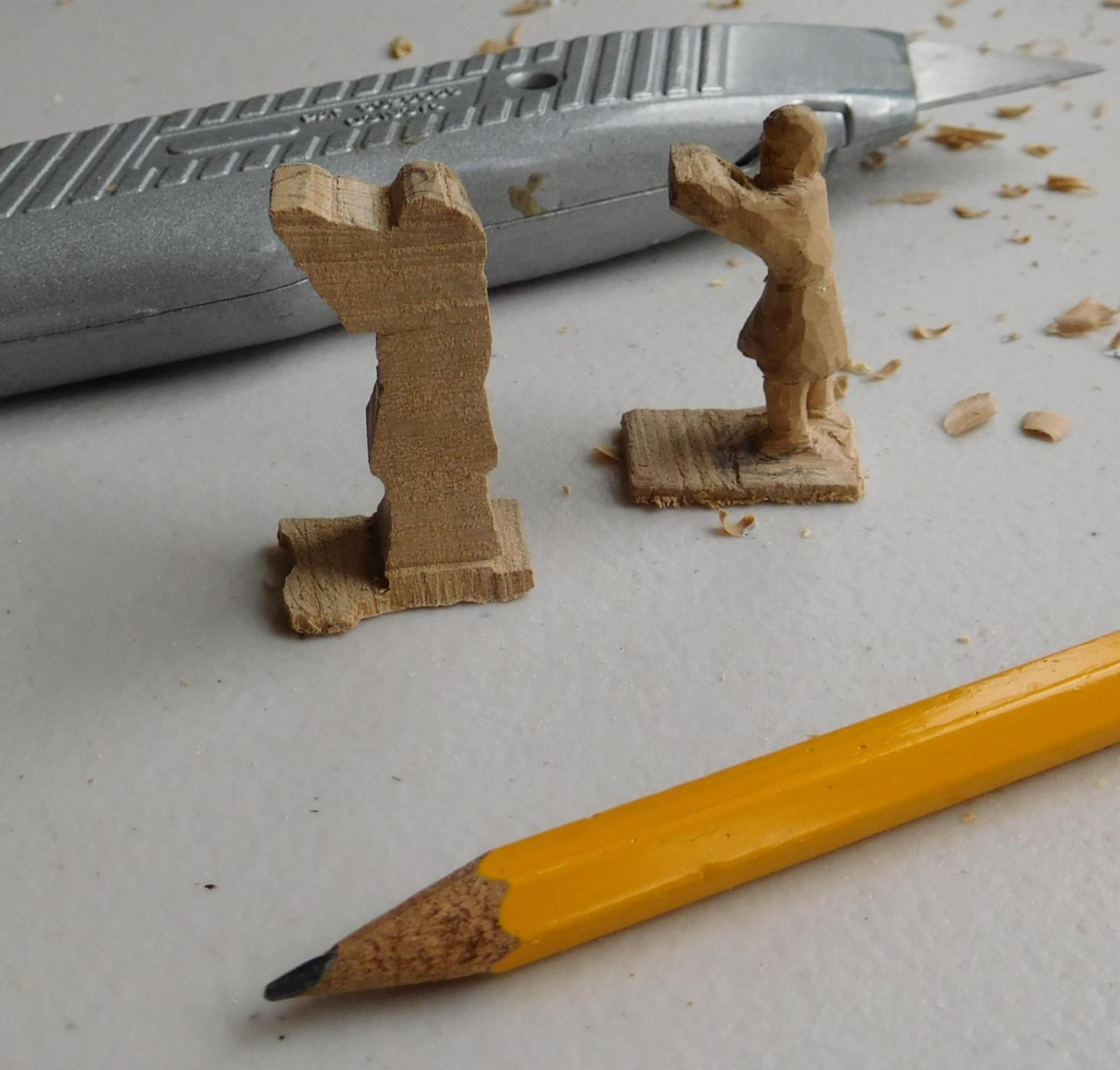
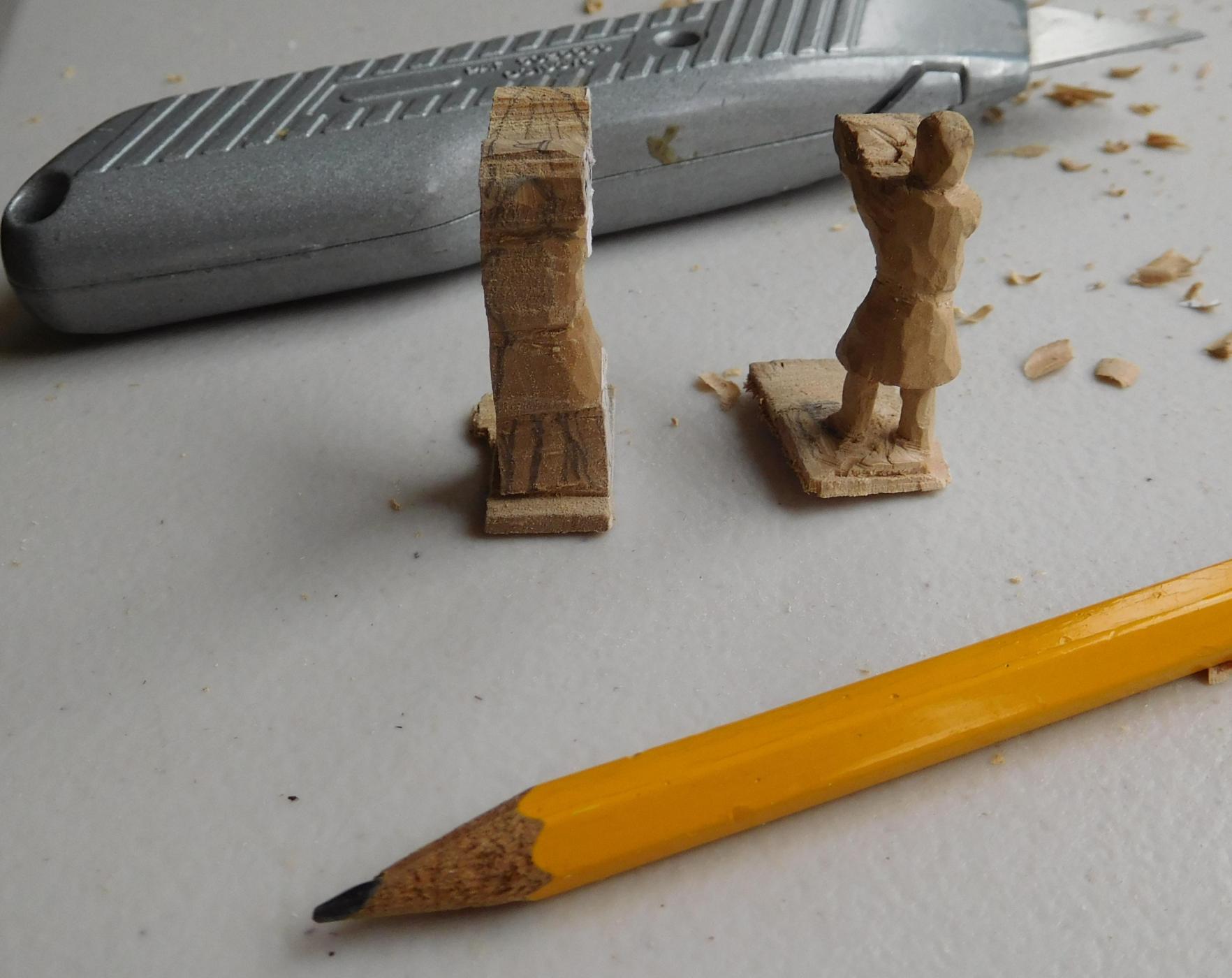
I've pretty much got all the tweaking done on the wales and fairly happy with the result. I took my time this weekend, working on a single wale and getting it the way I wanted before moving onto the next one. A little bit of asymmetry at the bow between the port and starboard "gunwale", but I'll be able to fix that next weekend. I've also bent the two 'tail' pieces of the gunwale to go on the curved stern - one either side. Not totally happy with them - the "plank and nails" jig I made doesn't make as smooth a curve as I'd have liked, and I've had to cut and file the wales to shape. Which makes them thinner than the rest of the gunwale. I'd been planning to taper the gunwale at bow and stern anyway, but I'm not sure I haven't been forced into cutting too much of a taper. If it doesn't work, I've thought of another jig to make better ones. Then I cut scarph joints (my biggest bugbear to date) to join the tail pieces to the main gunwale. This means I now have to think about putting the actual structure of the hull together - wales, keel and frames. I have to admit it's a bit daunting - mainly scared of stuffing something up by carelessness and having to start over again and make new pieces. But if I'm careful and painstaking I'm hoping everything will turn out all right. I've got a bit of wood the same thickness as the keel so I can work out where and at what angle to cut the wales at bow and stern to fit smoothly when it comes to glue them to the keel. The flute player is nearly finished now. I've cut him off his stand, and he stands nicely on his feet. He's also got eyes now, and I've added folds in his tunic and a bit of structure to his hair so he doesn't look like he's wearing a Beatle wig (or for our Australian viewers, like Eric Bana doing an impression of Ray Martin). Maybe needs a bit of sanding still, but honestly the remaining roughness is invisible to the naked eye. I've realised the steersman has his arms up too high. If you kept them up there all the time you were steering you'd get tired arms very quickly. So I'm going to replace him with another guy I'd already been planning to make (to go on the other steering oar) and use this one as a sailor pulling on a rope. And rather than make a second steersman, I'm going to have only one rudder in the water and the other swivelled back out of the water (to reduce water resistance, apparently a fairly common practice). It should add a bit of interest (as well as meaning I don't have to make another steersman). Oh, and I've been working on the lion's head to go at the bow to house the Greek Fire siphon. The original was made out of metal, probably bronze, but I'm carving mine out of pear wood. He's looking pretty good so far, I think. I'm basing him on a Byzantine lion statue I photographed when I was in Istanbul many years ago. He started out looking like an angry Homer Simpson, but now he’s actually staring to resemble a lion!
-
It's coming together nicely. I think it requires a special kind of insanity to choose a galley to build a model of. You're doing a very good, methodical job, and it shows in your results. Steven
- 473 replies
-
- 2
-
-
- greek bireme
- dusek
- (and 1 more)
-
Druxey, I've had success with the jig and I'm happy to continue with it. I think the main problem was that I tried to sort out 6 wales in the time I should have been using to do one, or maybe two, properly. If there's not too much going on this weekend I should be able to have another go at it and not hurry this time, but concentrate on getting it right, even if I only finish one or two. (The wood is patient). Steven
-
Druxey, I'm soaking them in water, then bending them in a jig and using a heat gun on them to make the bend permanent. Some of it at least was my own fault in misreading my own notes on how much bend was needed.Normally it works well. I think I just had a bad hair day today. Plus I think I was trying to do too much too fast. Steven
-
One of those days, I'm afraid - rather frustrating. My attempts to tweak the shapes of the wales didn't work the way I wanted them to. The bends I'd made were either too sharp or too loose, or the wales seemed to be the same shape after I'd bent them as before I started. And it had all seemed so easy! Eventually I gave up - the alternative as I saw it, was to go ahead getting more and more frustrated and make mistakes - or trash the wales and throw the plug of the ship against the wall. So I decided to put it aside and come back when I was fresh. Some better news - my flute player has made a lot of progress. I've filed him smooth(er) - though there's still work to be done - and the stand has gone - he's now standing on his own two feet. Back next weekend, hopefully with better results. Steven
-
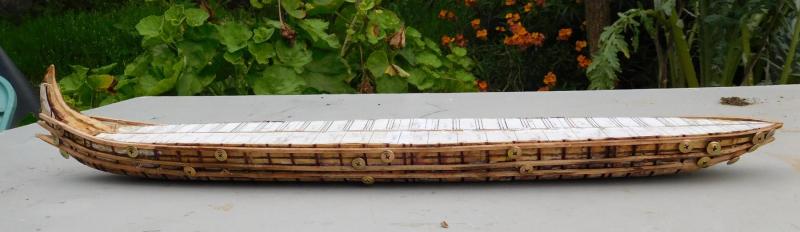
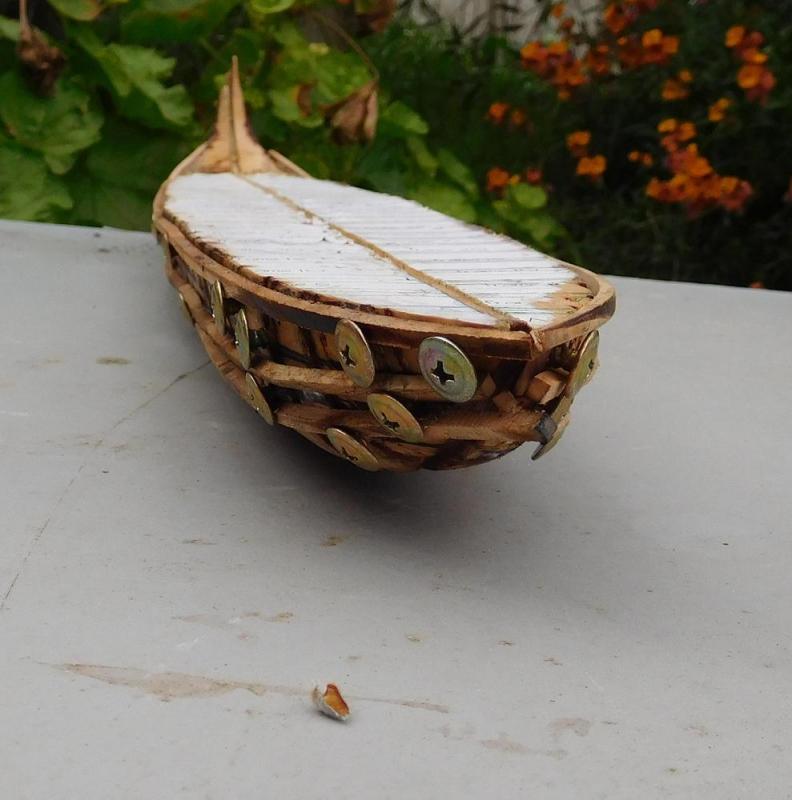
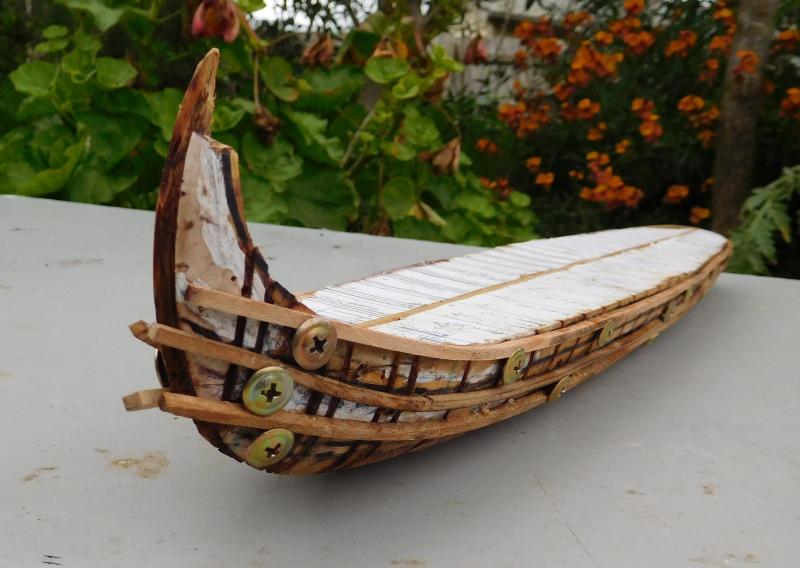
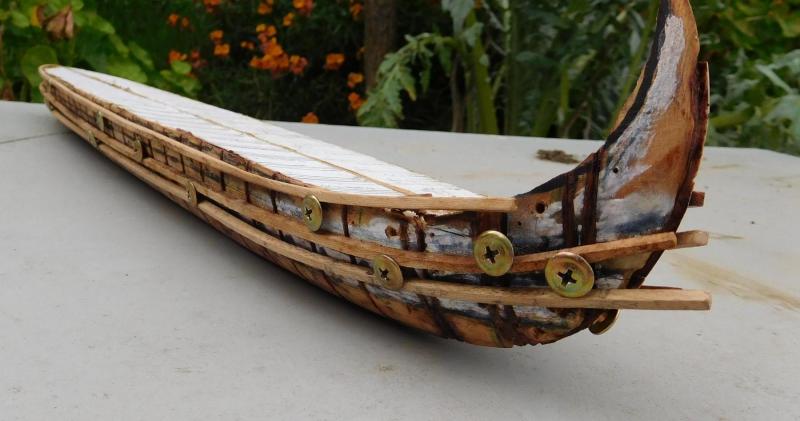
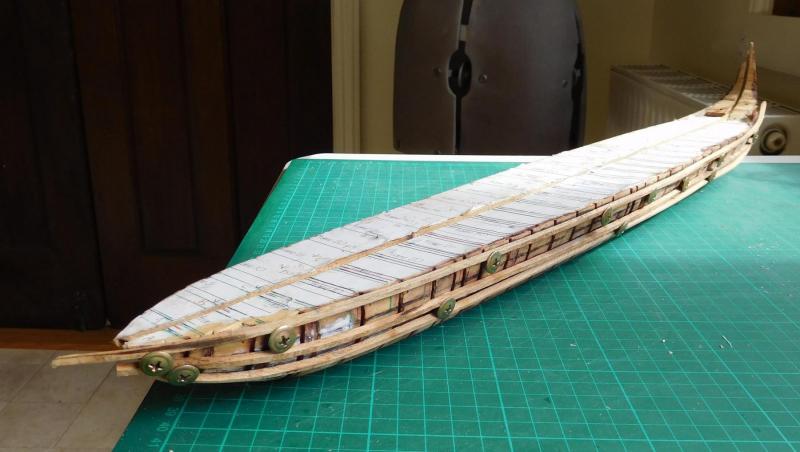
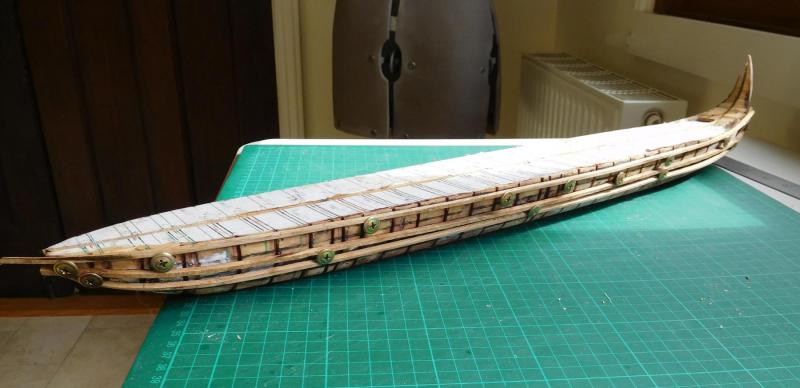
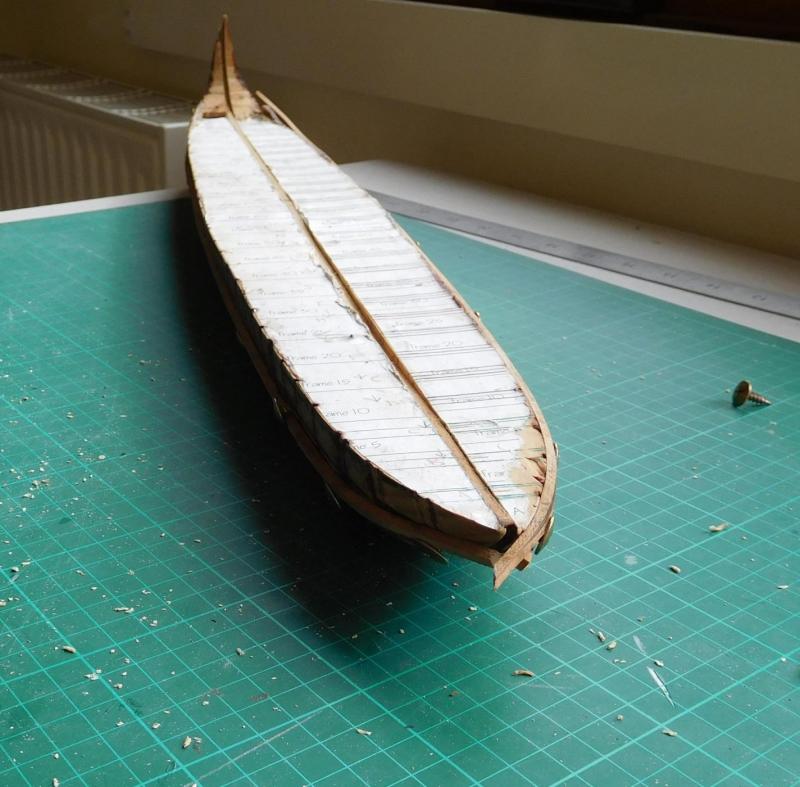
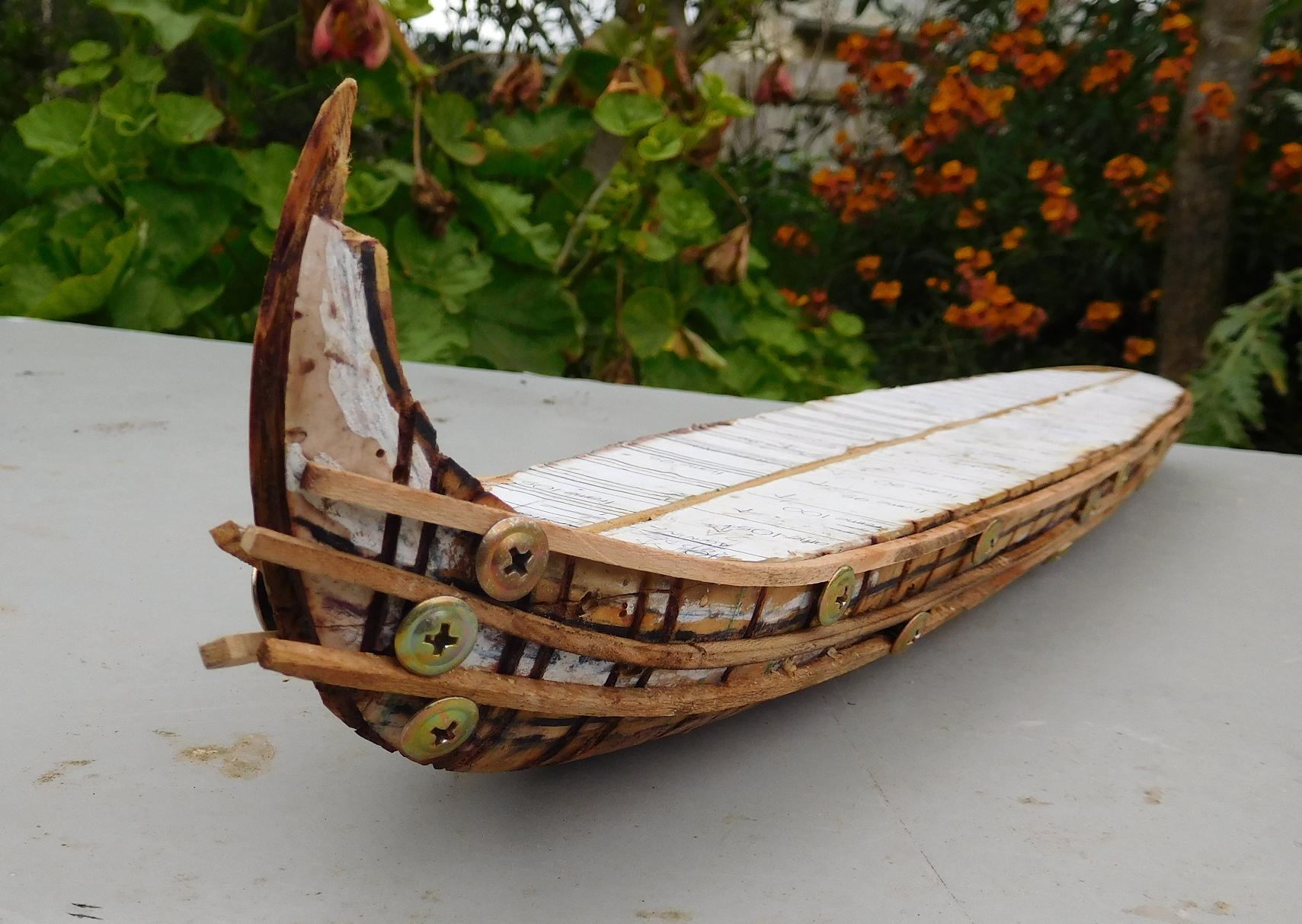
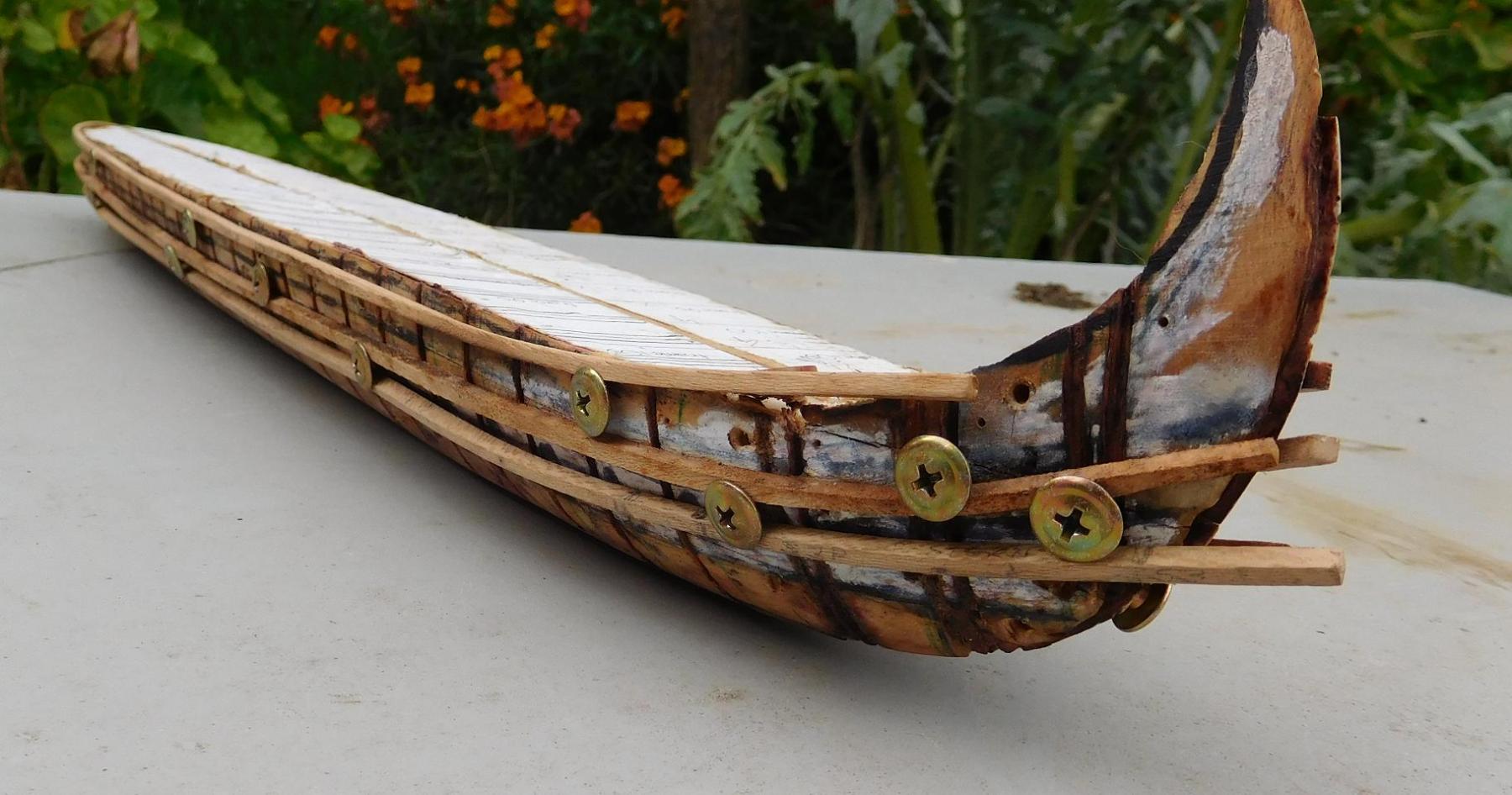
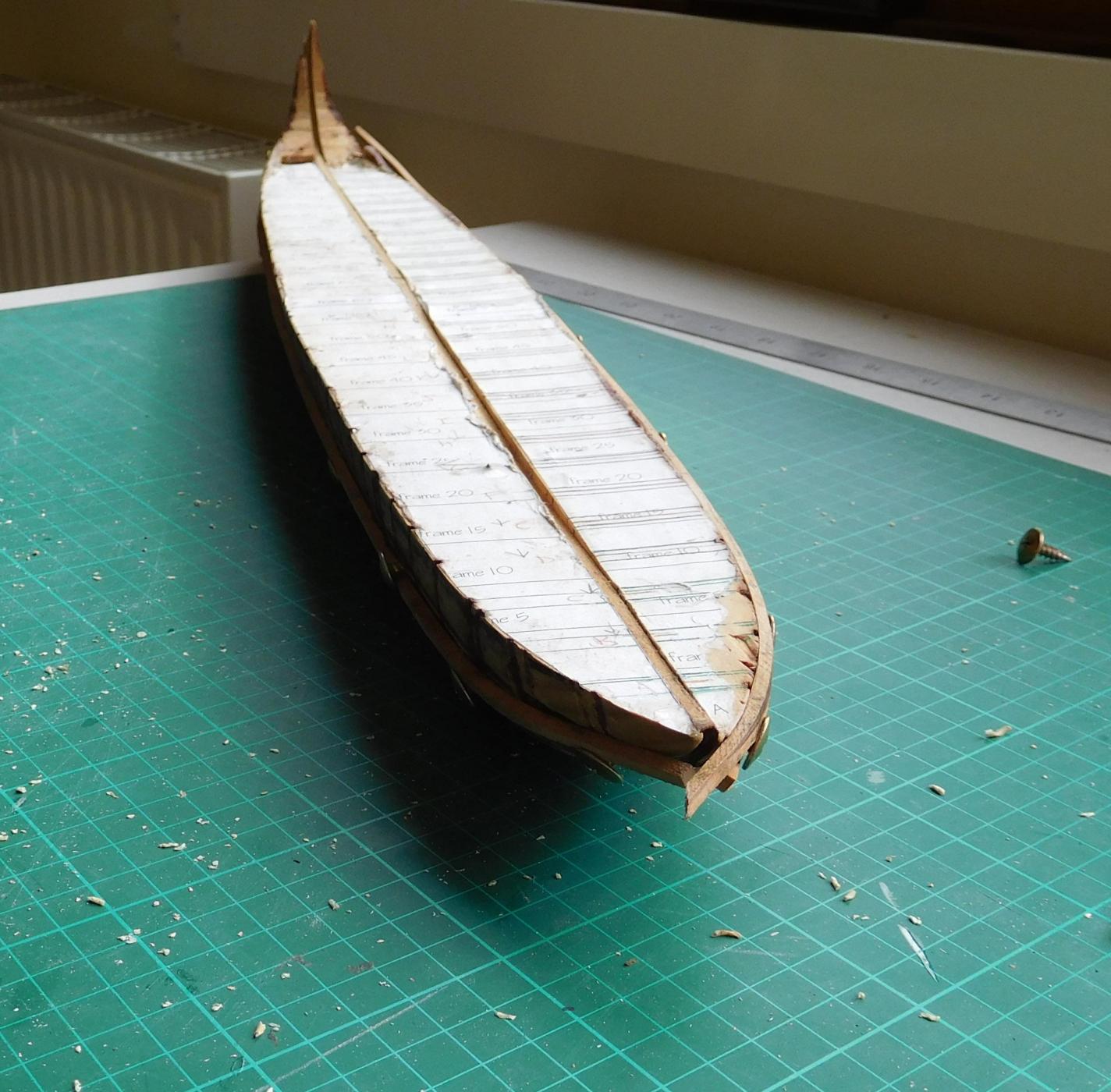
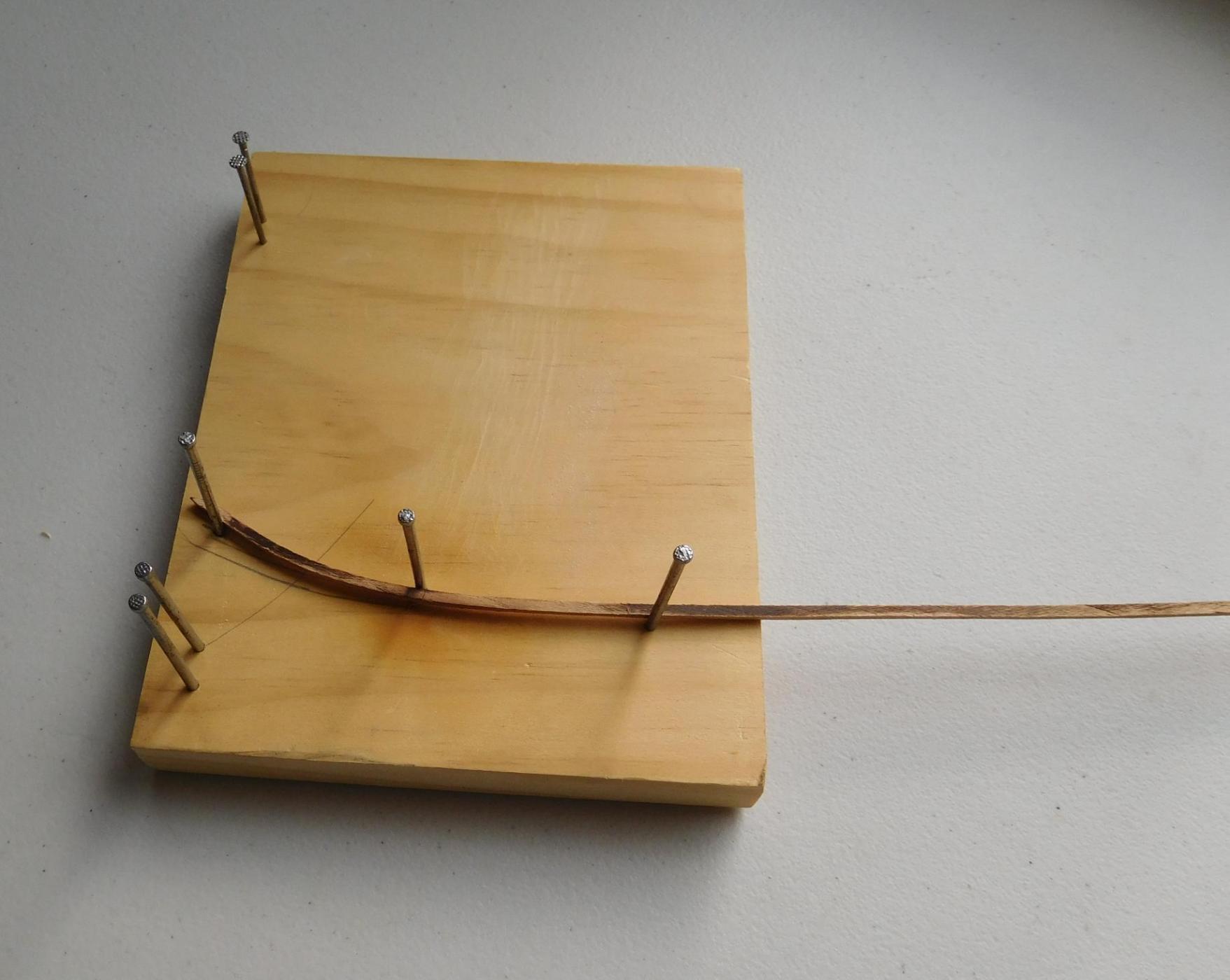
I've got all the wales made now, and temporarily attached to the plug. I'm pretty happy with the smoothness of the curve, and how symmetrical they are from port to starboard. There's still some tweaking to be done, as the latest wales don't follow the plug exactly at the tighter curves. I'll put them in my home made bending jig (a piece of wood with nails in it) and finalize the shapes. My pieces of wood were all just a little too short to do the gunwales in one long run, so I also have to make extra pieces for the tight curve at the 'tail' and scarph them to the gunwales. Then I'll round them to the correct cross-section, and they'll be done! Steven
-
That's really interesting, Jack. A pity the scale isn't shown on the drawings so we could get some idea of how big these things were. Pretty obviously, the drawings are at all kinds of different scales, as the tholes are enormous compared with the rest of the items. Nice carvings, though. If the curved side of the steering oars is toward the bow, we can see by the sectional drawings that they are streamlined to give a smooth 'entry' and fairly blunt at the 'tail'. Further evidence that the Vikings had (as was already fairly obvious) a good practical knowledge of hydrodynamics. Steven
- 170 replies
-
- 1
-
-
- gokstad
- dusek ship kits
- (and 1 more)
-
Perhaps the kind of horn they called an oliphaunt, on account of because the first ones were made out of tusks.
-
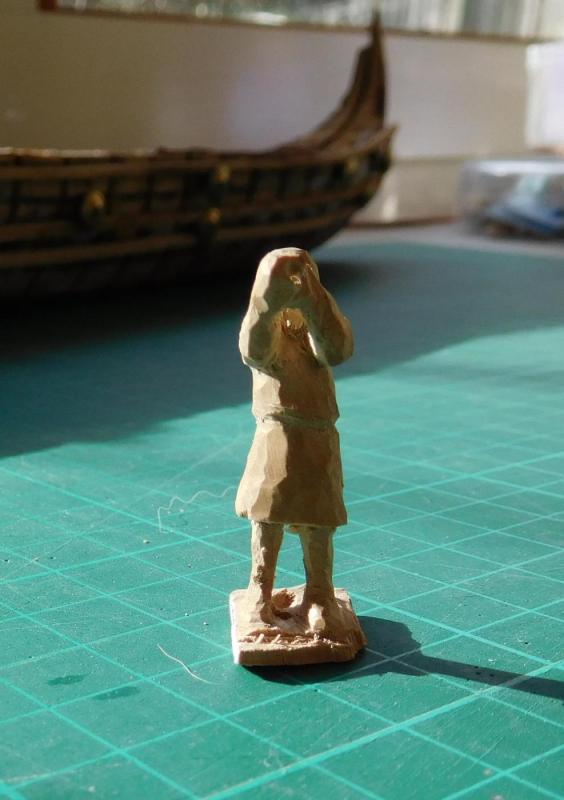
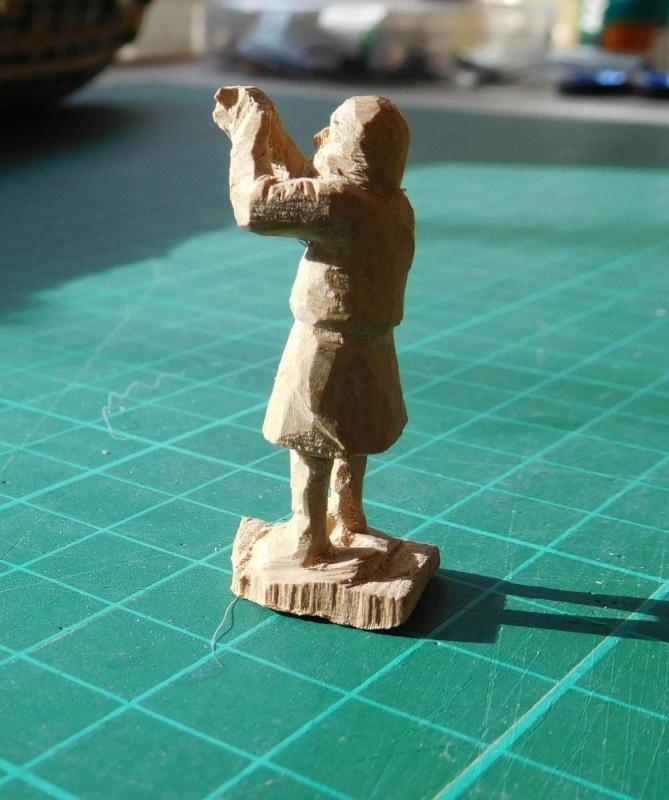
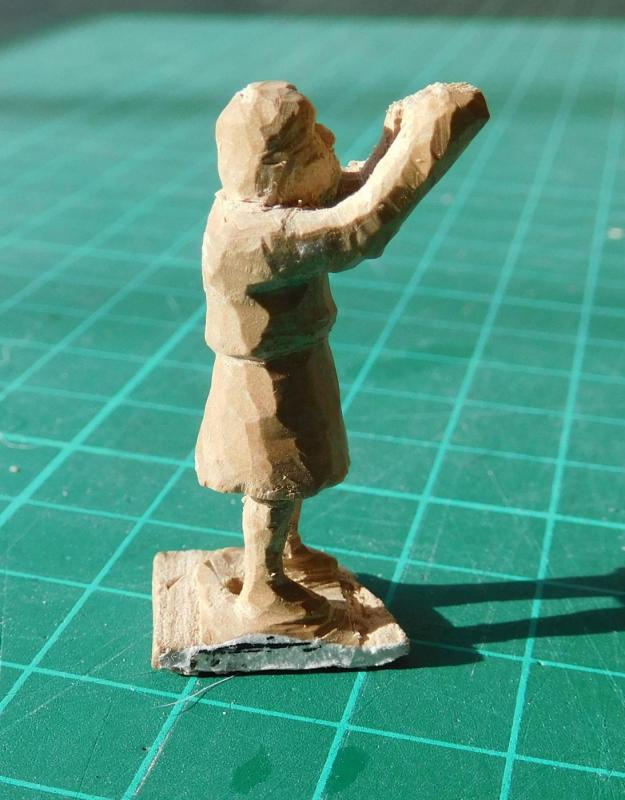
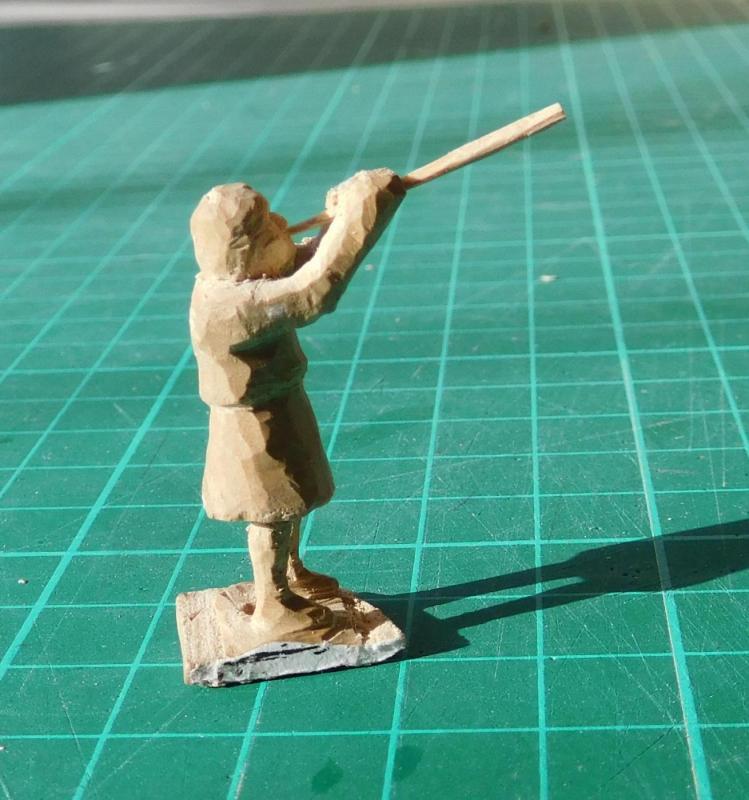
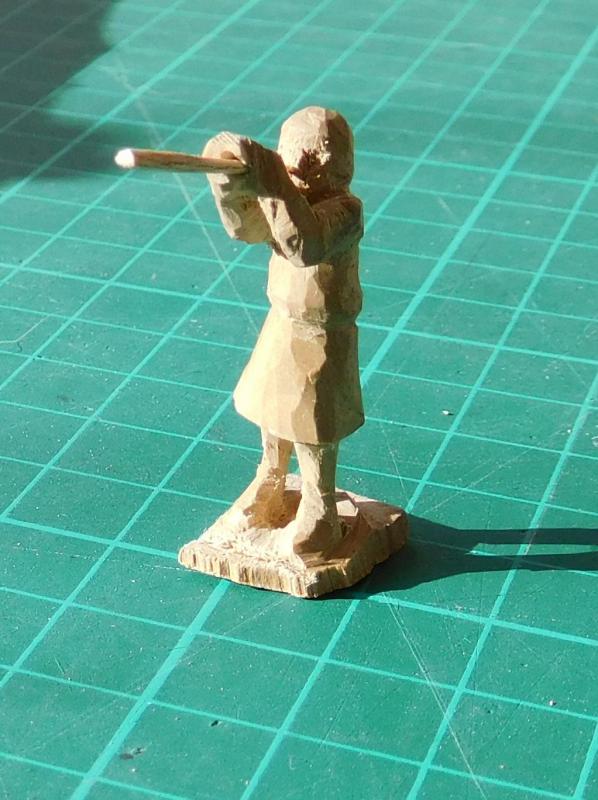
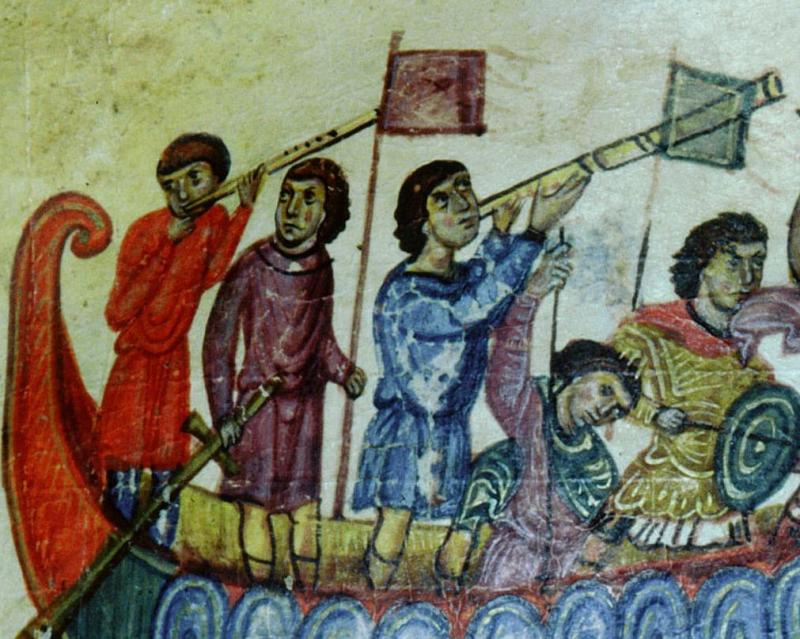
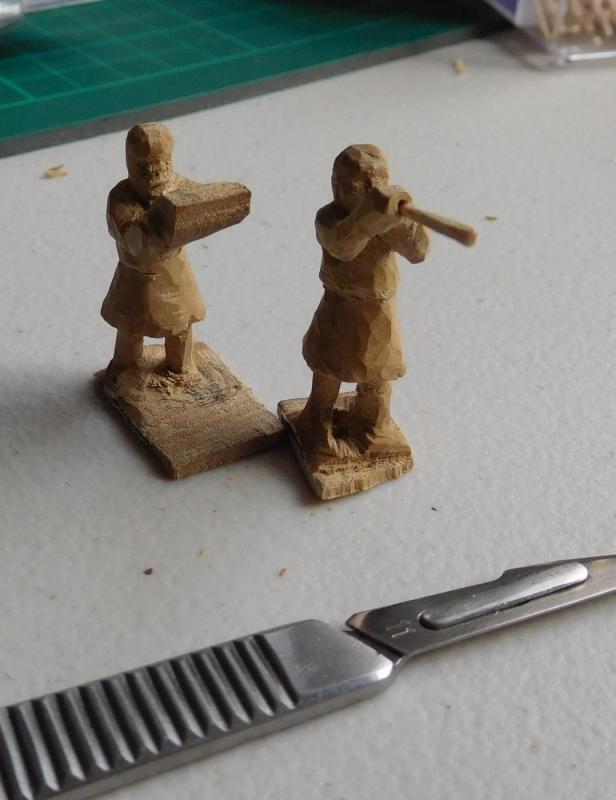
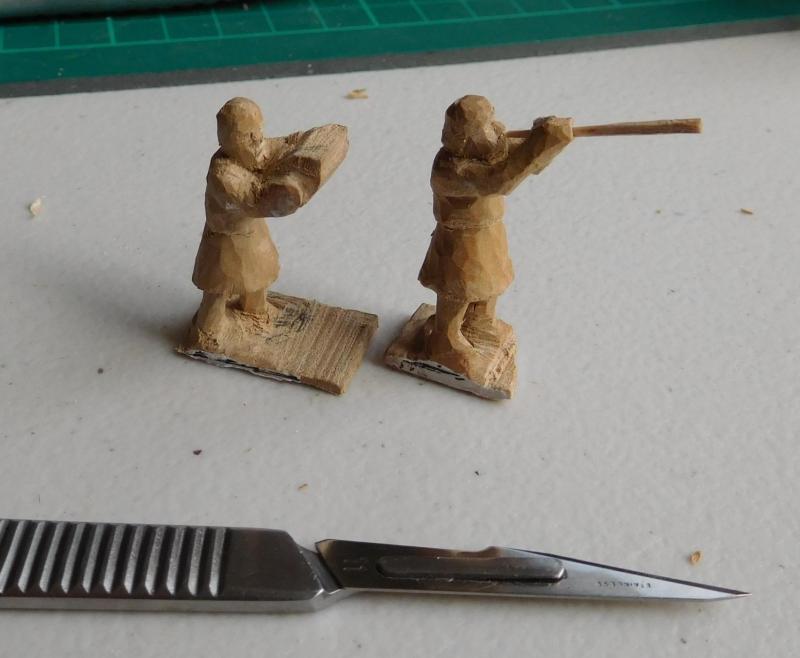
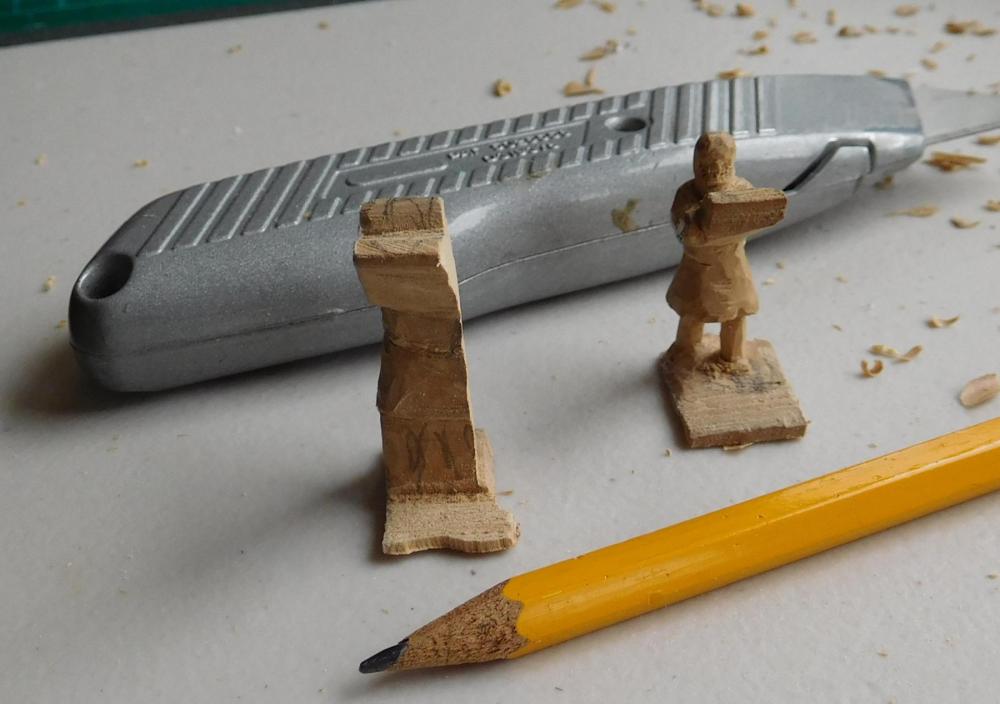
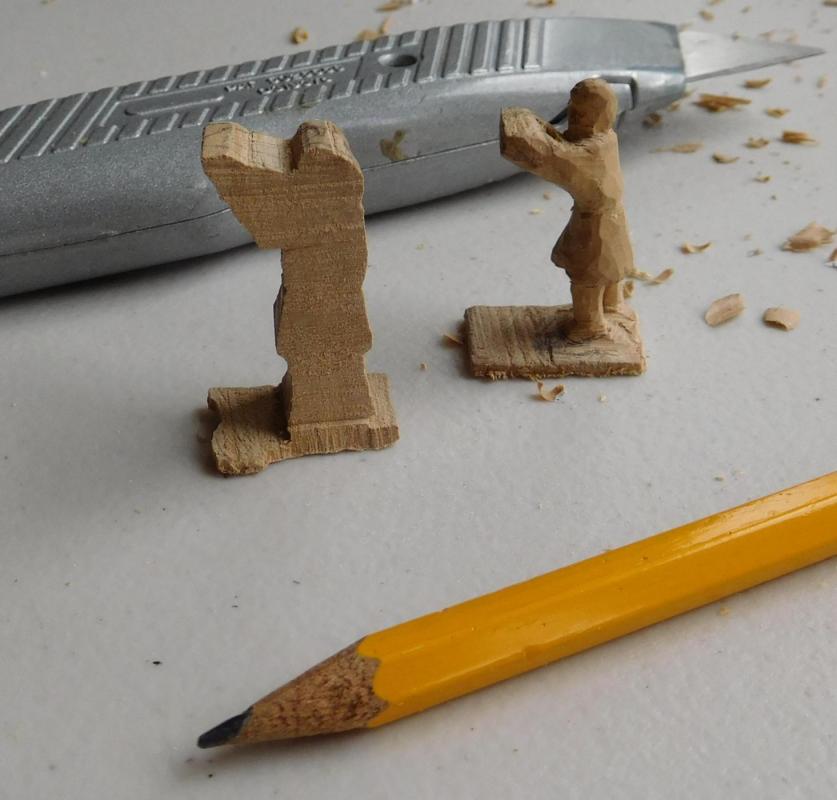
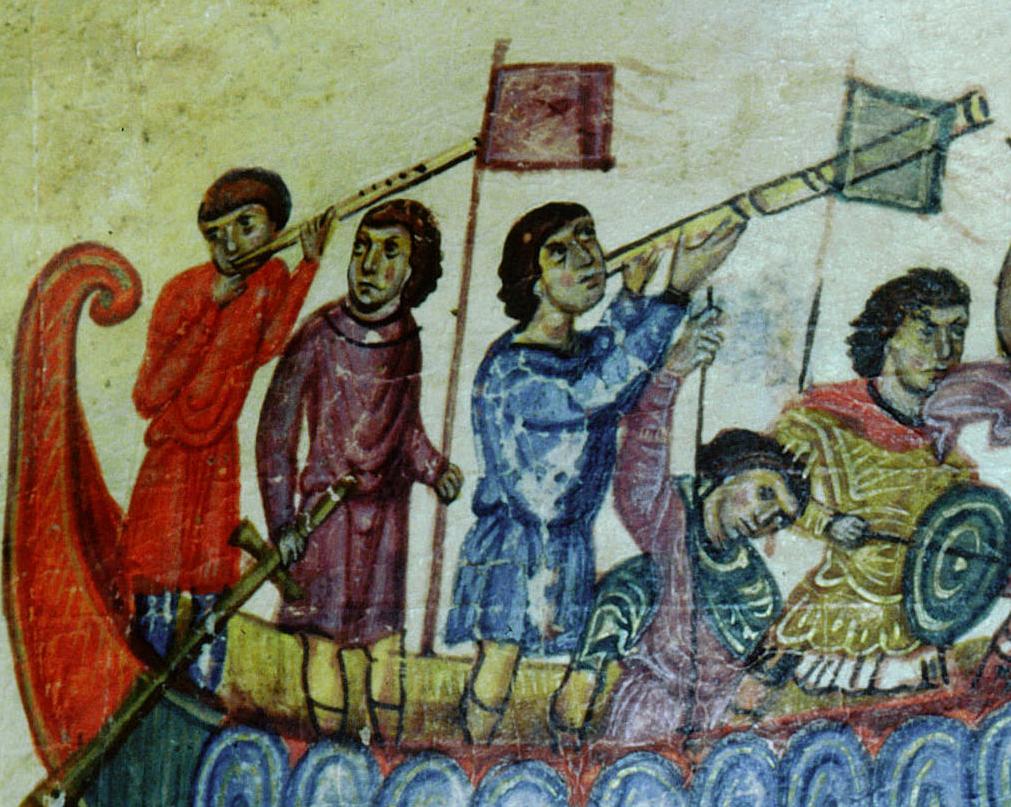
I've got four wales made and fitted onto the plug for the dromon now. I looked again at the Yenikapi archaeological finds and realised that I was trying to merge the wales of two different ships, so I had more wales than I should. So instead of having 5 wales each side, she'll only have three (including the "gunwale" (not really a good name - guns hadn't been invented). This is something of a relief, as I'm finding it rather hard going getting them to the shape I want, and I'm rather glad to be getting rid of 40% of my problem. I'm hoping to get the other two wales bent this weekend, and then tweak all of them so they're exactly the right shape. I've also done more on the flute player and one of the steersmen. The flute player's pretty much complete except for smoothing off. I won't be able to complete the steersman until I have the steering oars in position so I know exactly where his arms and hands should be. The flute is a separate piece, as there's no way I could carve it all from one bit of wood. So there's a hole for the flute to go through. Actually this is just my trial flute, to see if it worked. I'll be making a better one. When I'd got this far I so pleased with him I was very tempted to leave him as he was, but the photo makes him look a lot rougher than he looks to the naked eye. So I suppose I'll have to smooth him off after all. Here's the picture I modelled him on. He's the one in blue. I realise this could be taken as some sort of horn rather than a flute, as it doesn't have holes in the barrel as does the one held by the guy in the stern. But flute is the word the sources use, so as far as I'm concerned that's what he's playing. And anyway, I don't think there's any point putting finger holes in the flute at this kind of scale . . . By the way, note the tiller on the steering oar. Steven
-
I'd never seen these oars before - thanks very much for posting them. But are those other things steering oars? It seems strange that there are three of them for a single ship. Steven
- 170 replies
-
- 2
-
-
- gokstad
- dusek ship kits
- (and 1 more)
-
Torbogdan, do Dusek specify the shapes of the bireme's oars? You might like to have a look at the contemporary representations of Ancient Greek galley oars among the images here. While doing my dromon, I've got very interested in oar shapes. I've made mine as close as I can to contemporary representations, but as no oars have ever been found, it's largely educated guesswork. Steven
- 170 replies
-
- 3
-
-
- gokstad
- dusek ship kits
- (and 1 more)
-
I think you have to take time and place into account, Druxey. I really don't know about the drum, but it certainly appeared in Hollywood epics like Ben Hur. But then they also perpetuated the myth that the Romans used slaves to man the galleys. Certainly, there is contemporary evidence for the use of flutes both in a Byzantine and an Ancient Greek context. The guys are 1:50 scale, and I've already made one. But I wasn't all that happy with him - I think these will be better. I'll be mass producing the oarsmen, and apart from them I'll have the two steersmen, the flute player and probably the captain reclining in his krabbatos. Steven
-
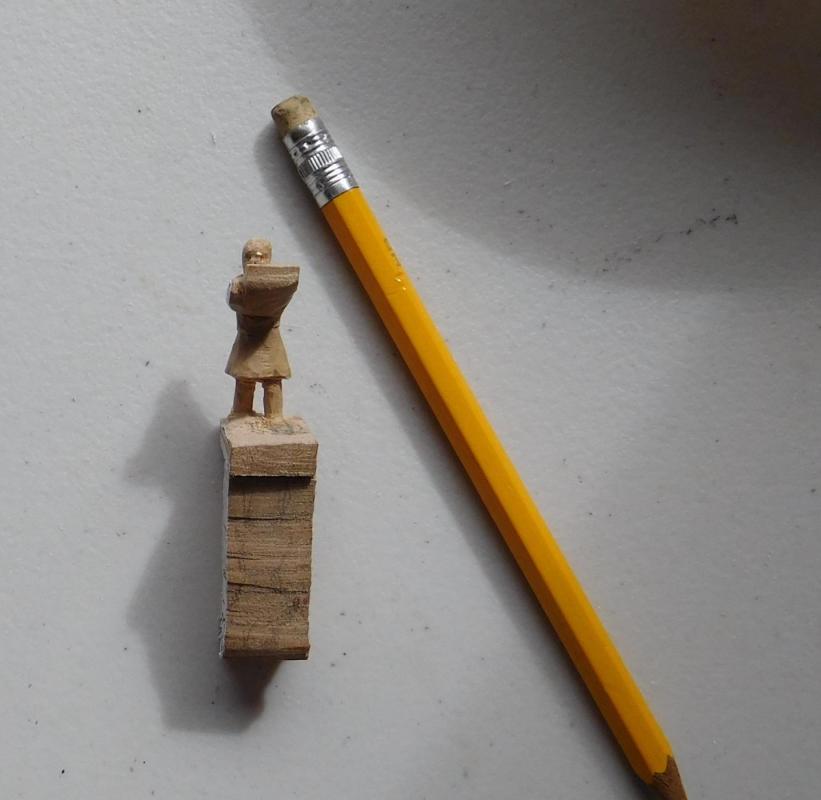
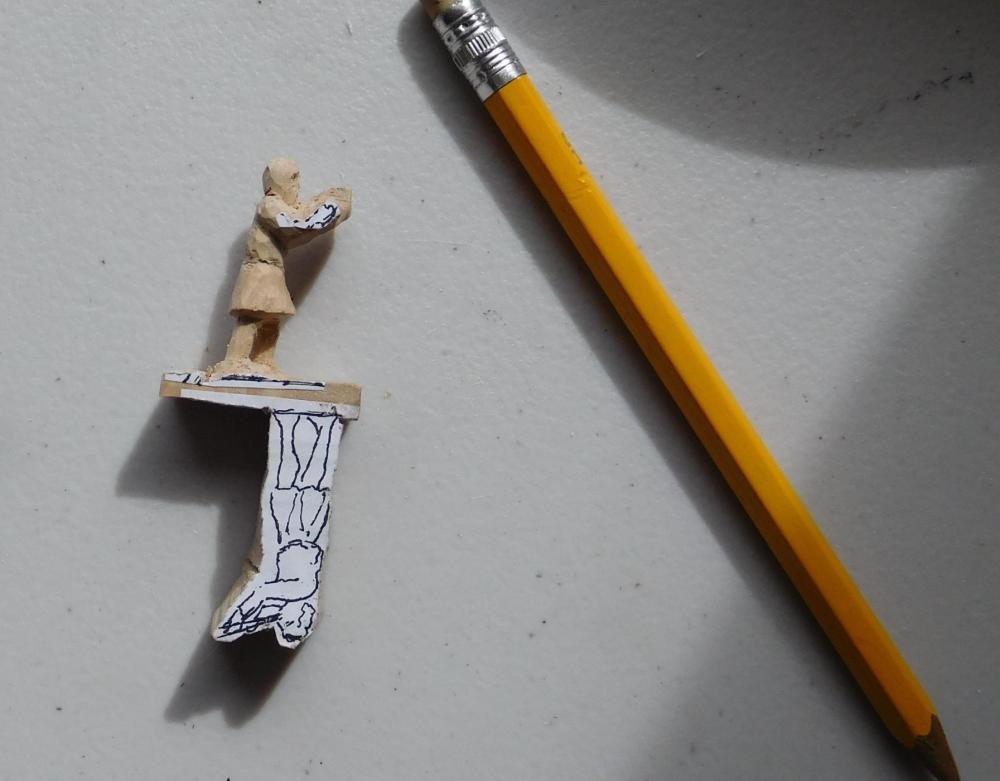
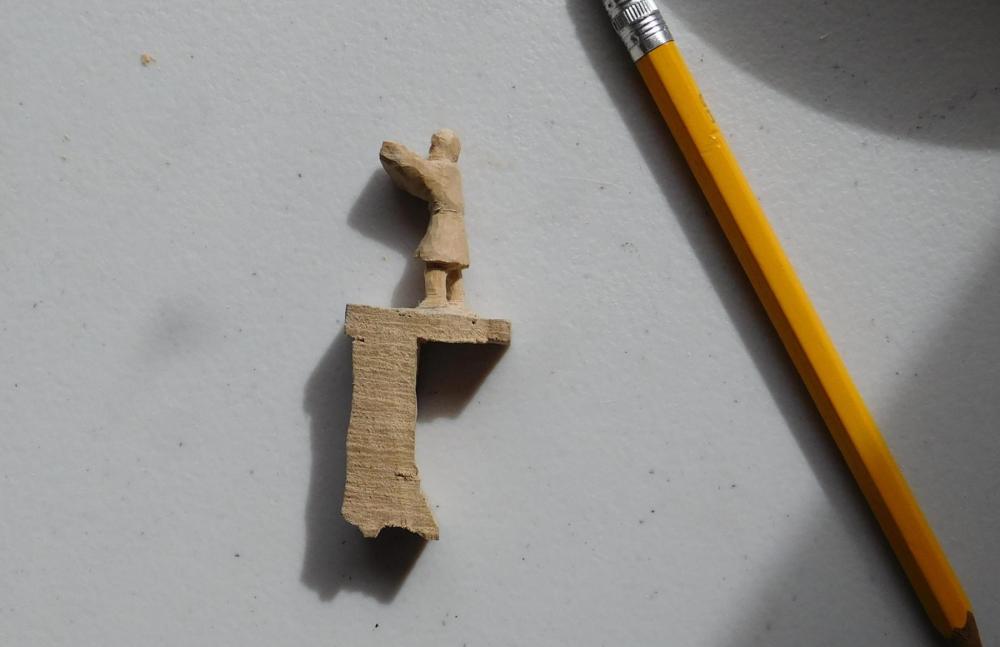
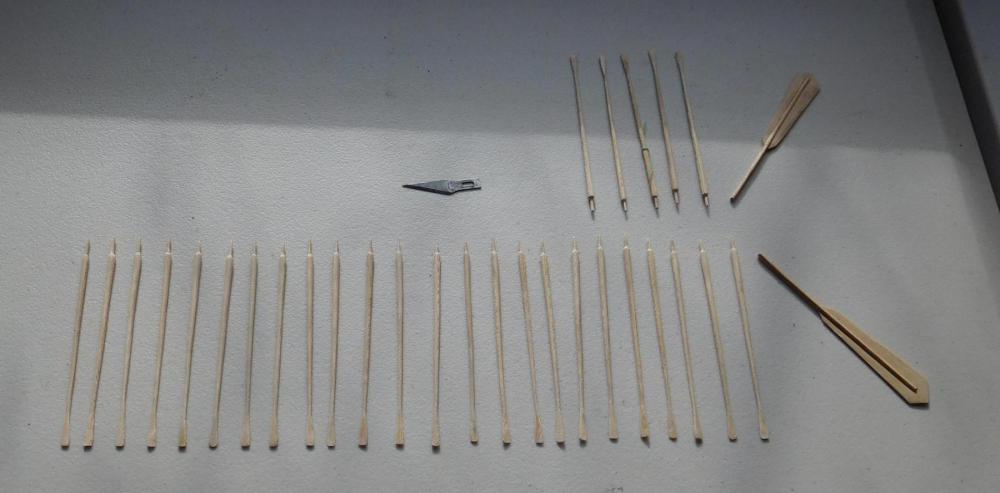
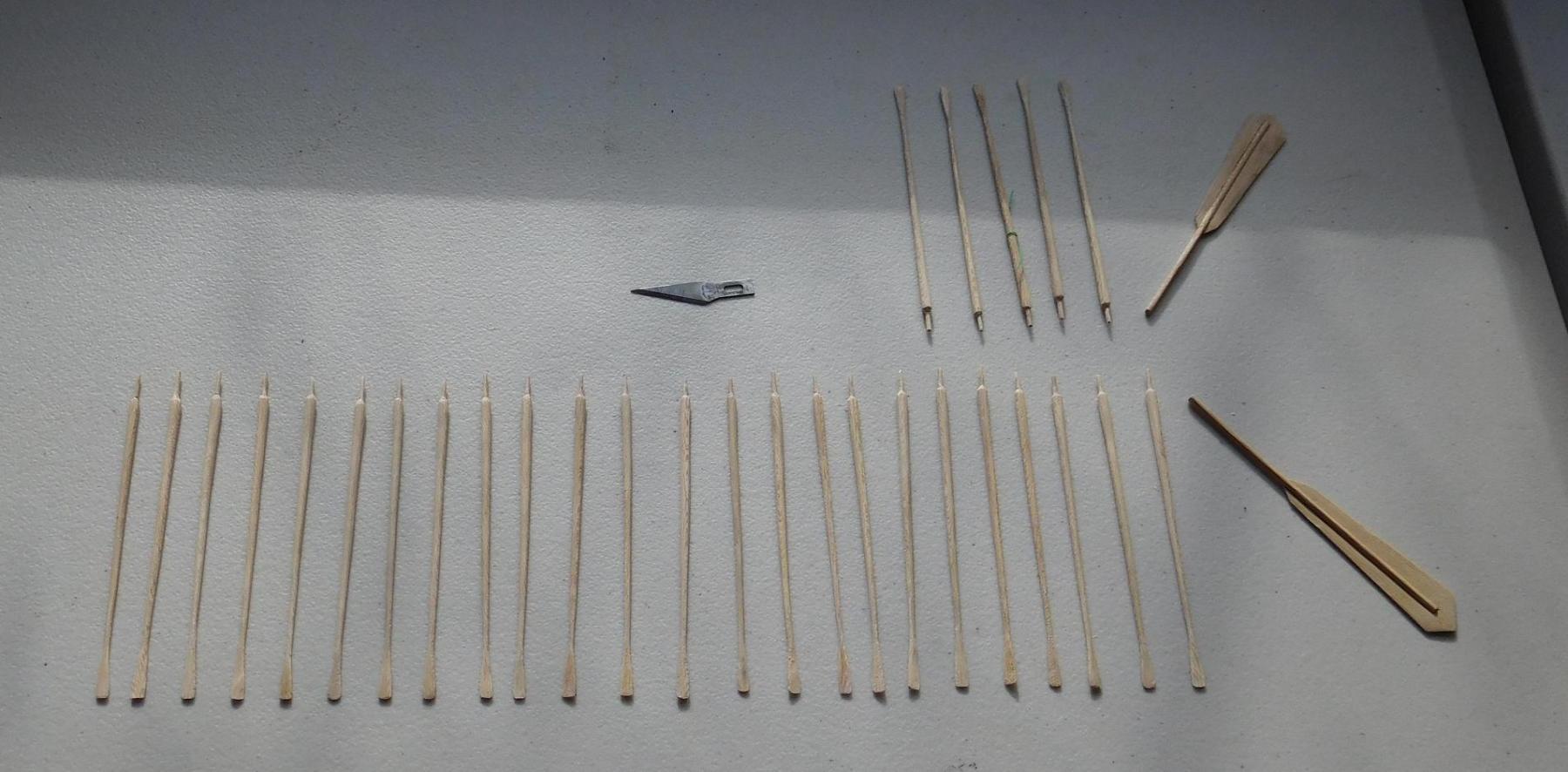
I've now done 36 oars for the upper bank. Only 14 left to go! (I'm not going to do the lower bank until later, when the hull's pretty much made). I've bent several wales and have re-configured where the wales go, after having another look at the archaeological finds from Yenikapi. Looks like I won't have so many wales to do, which is a bonus. And I'm working on two figures - a steersman and a flute player (who gives the time to the oarsmen)
-
I've broken and thrown away maybe 5 or 6 oars, but on purpose - they weren't good enough. I find that when I try to hurry, the quality goes down dramatically. Trouble is, I keep forgetting the lesson and have to re-learn it by messing up good oar-blanks.
- 170 replies
-
- 2
-
-
- gokstad
- dusek ship kits
- (and 1 more)
-
Very nice build, Jack. It'll be good to see it all displayed. I envy you only having to make 30 oars. My dromon has 100, and I don't have a lathe. I'm up to 36 so far . . .
- 170 replies
-
- 3
-
-
- gokstad
- dusek ship kits
- (and 1 more)
-
The other thing is that these ships were very vulnerable to the weather. They simply wouldn't have put out from a protected harbour if the winds were strong. Steven
-
Yes, but that only really applies to ancient Greek vessels. Leo is pretty specific about the use of planks for the castles. Steven
-
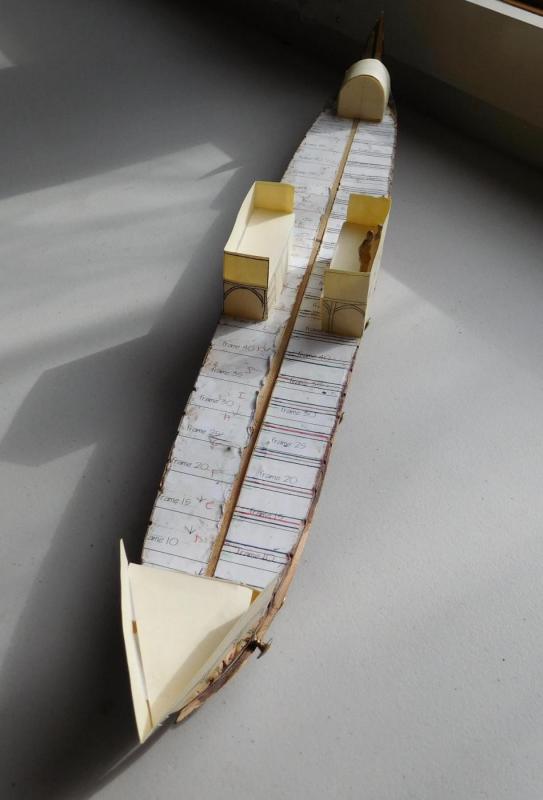
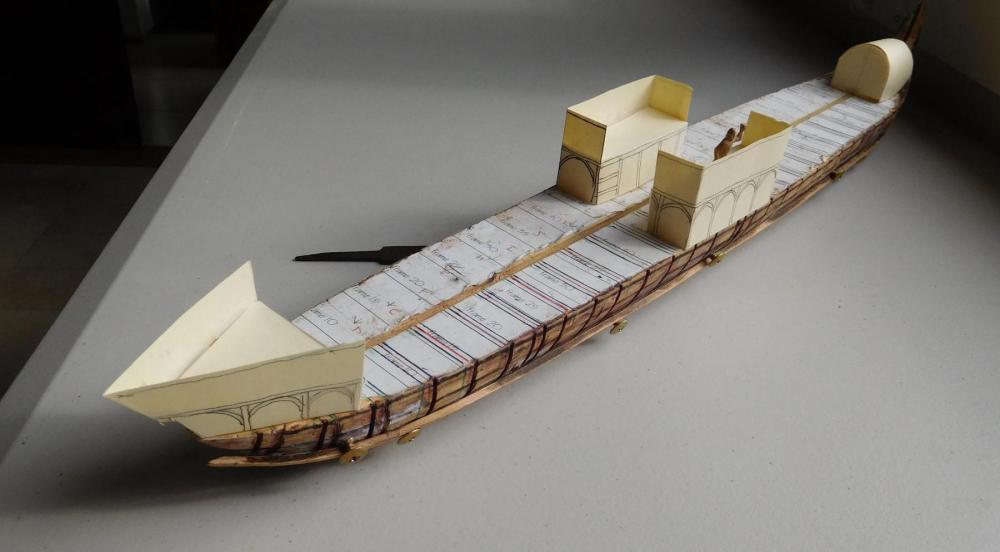
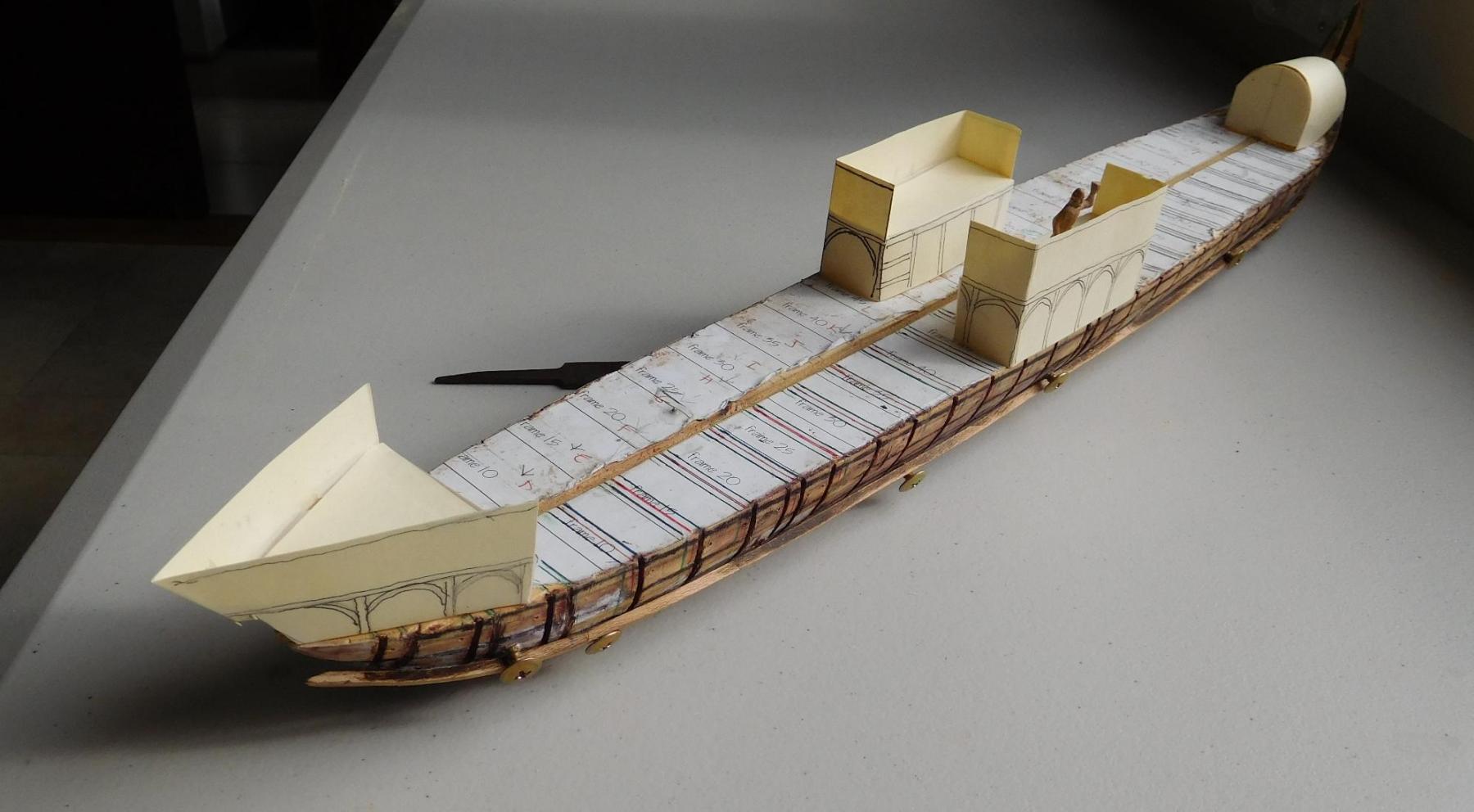
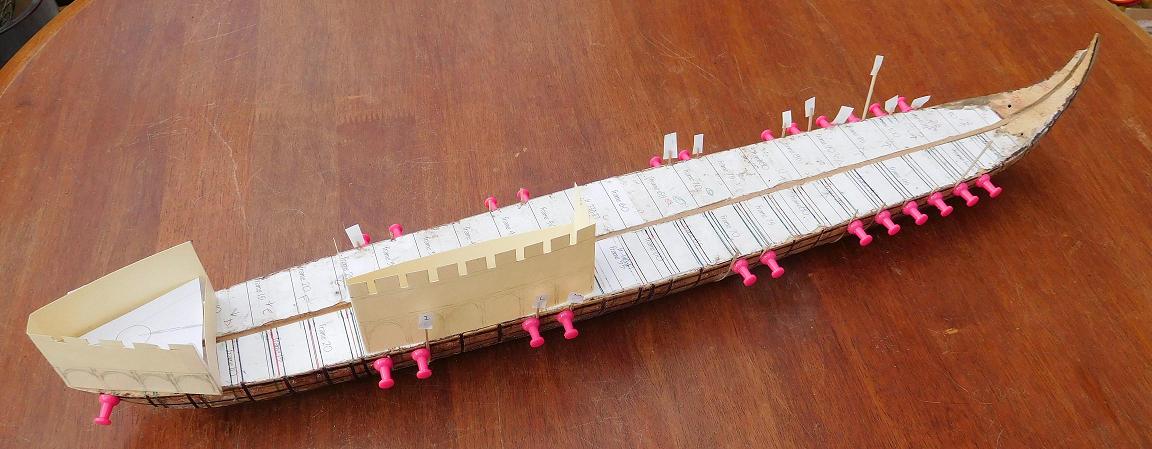
Druxey, the cardboard mockups are a bit misleading. I don't think the bulwarks themselves would be closed - the castles would be up above the decks, supported by columns. I've drawn the columns (and arches) on the cardboard mockups, but I wasn't prepared to go to all the work of cutting out the gaps when I was just trying to work out shapes and proportions. But they are fortifications - as Leo wrote; "fortified with planks", to protect the marines inside. I agree about the windage issue, but if the castles aren't too large it shouldn't be too big a problem. And they were only used on the largest dromons, so they shouldn't be too large in proportion to the size of the ship itself. Ancient Greek biremes appear to have had something like latticework screening as protection for the lower oarsmen, but I believe the problem being solved in that case was to let them get enough air. And it's possible that in battle the screens were covered in leather. Speaking of which, according to Professor Pryor the problem of sufficient air for the lower oarsmen on a dromon still hasn't been satisfactorily solved. The evidence all points to their having been fully decked, but if that's the case, airflow wouldn't have been sufficient for men working as hard as these. It's currently just one of those mysteries. There's no evidence, written or pictorial, to suggest an answer.
-
Nice work. You've done a very good job. Steven
-
Nice work, Ian. Have you thought of a figurehead for her? The Gokstad ship was found without any - in fact, apart from the Oseberg ship which is a special case, no figureheads have been found for Viking ships. Though other things have been found, like carved ends of tent poles, bed ends etc.Might be work a google search. Also, (this time before you do anything about it!), the Gokstad ship's shields were painted alternately black and yellow - one black, one yellow, one black . . .).
-
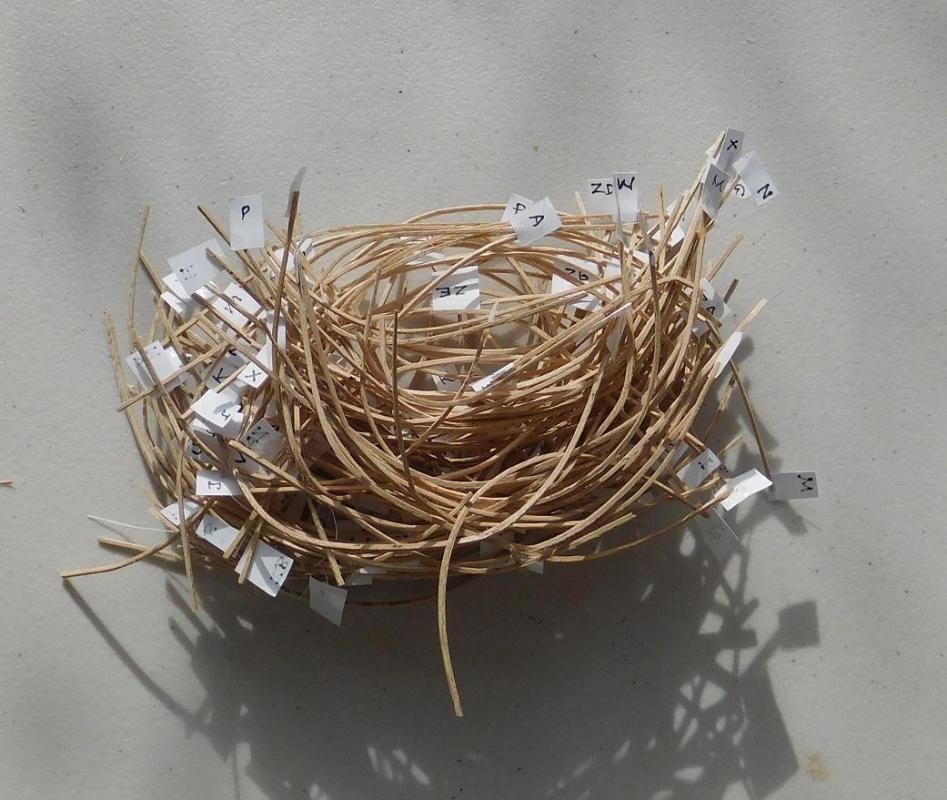
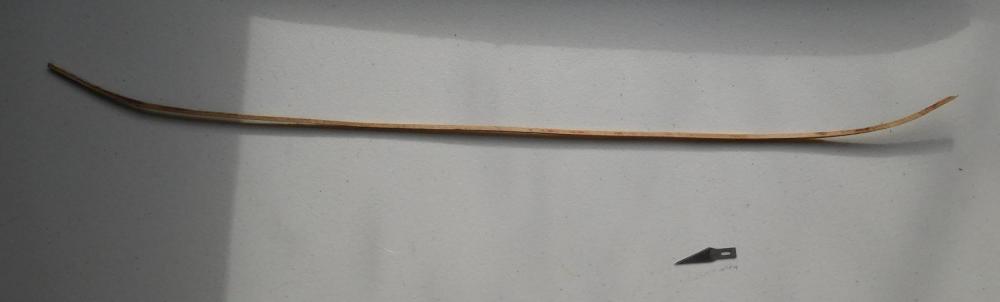
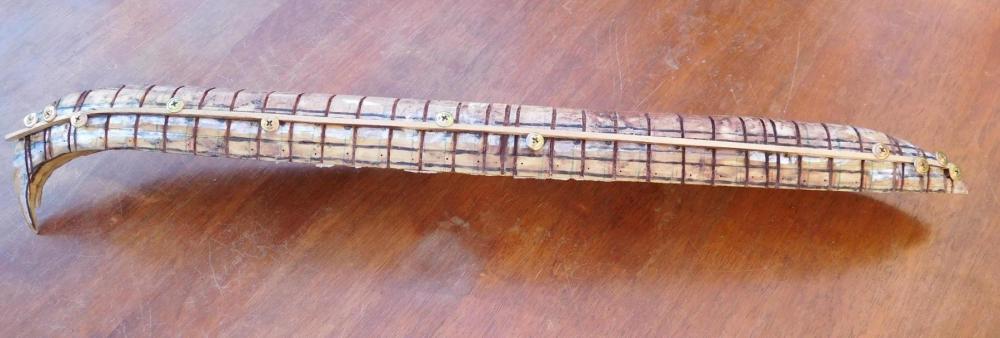
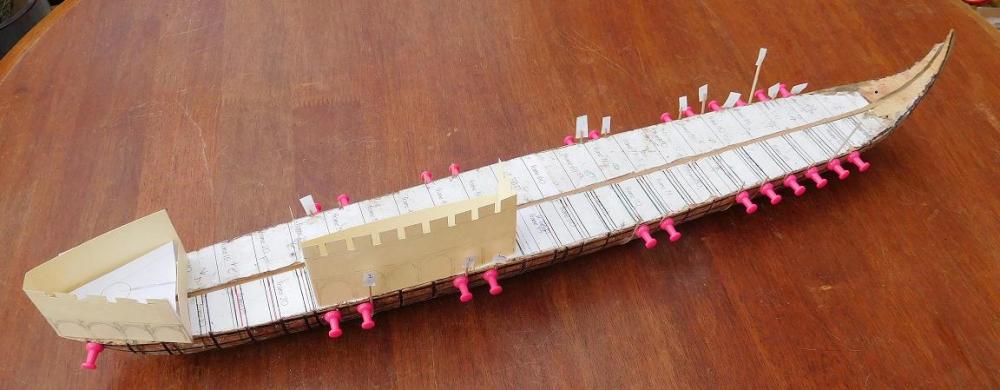
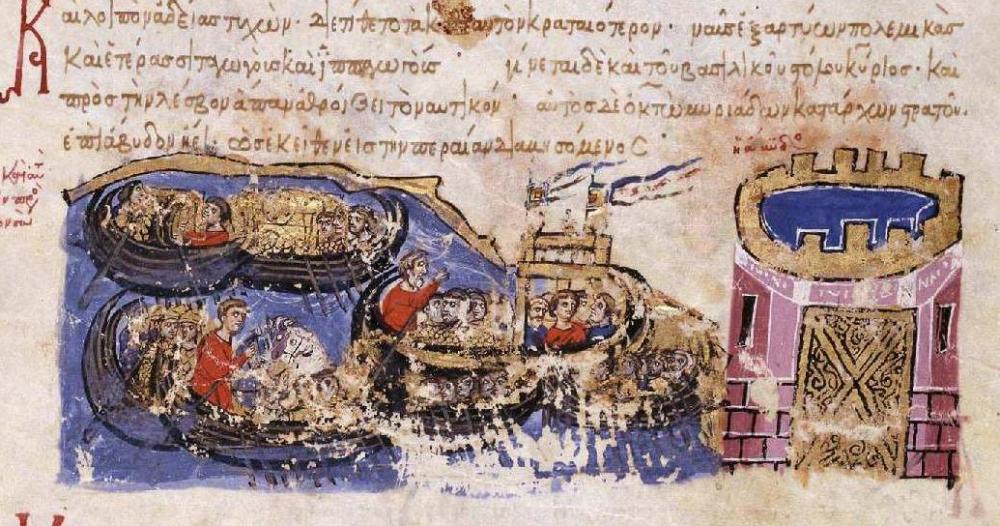
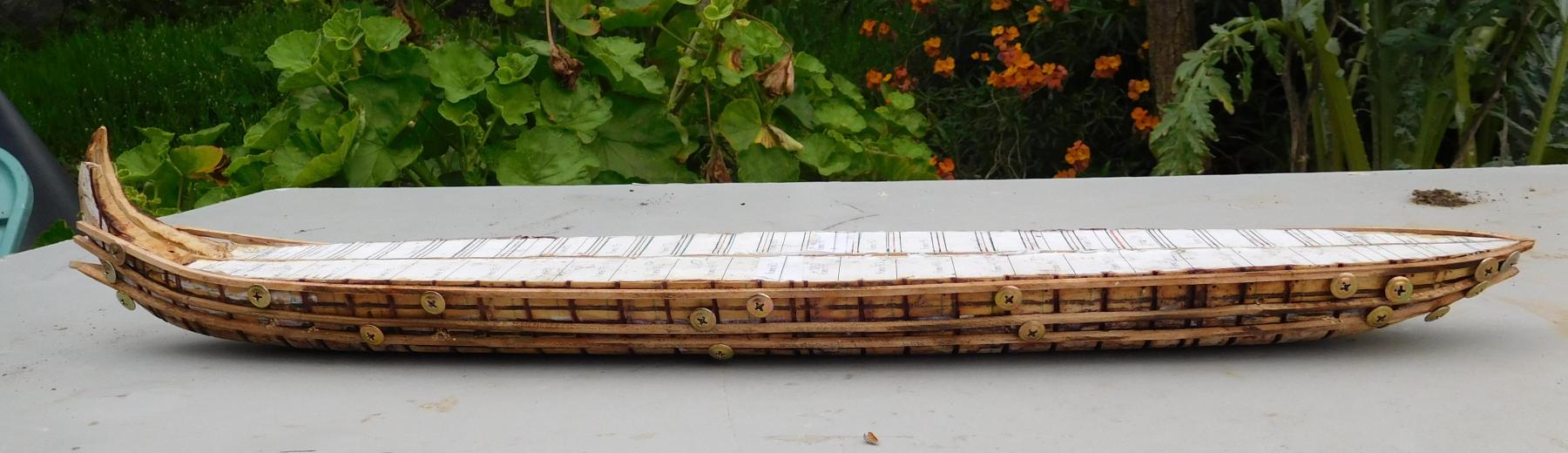
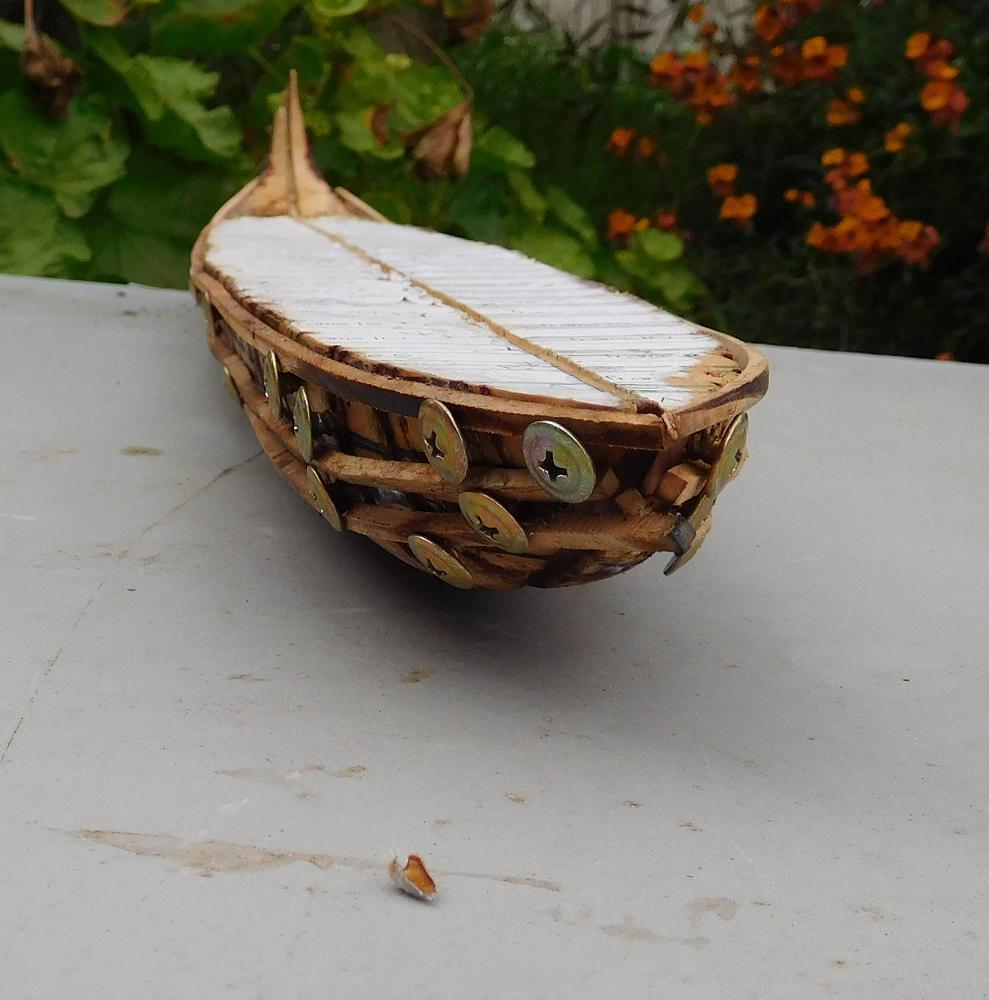
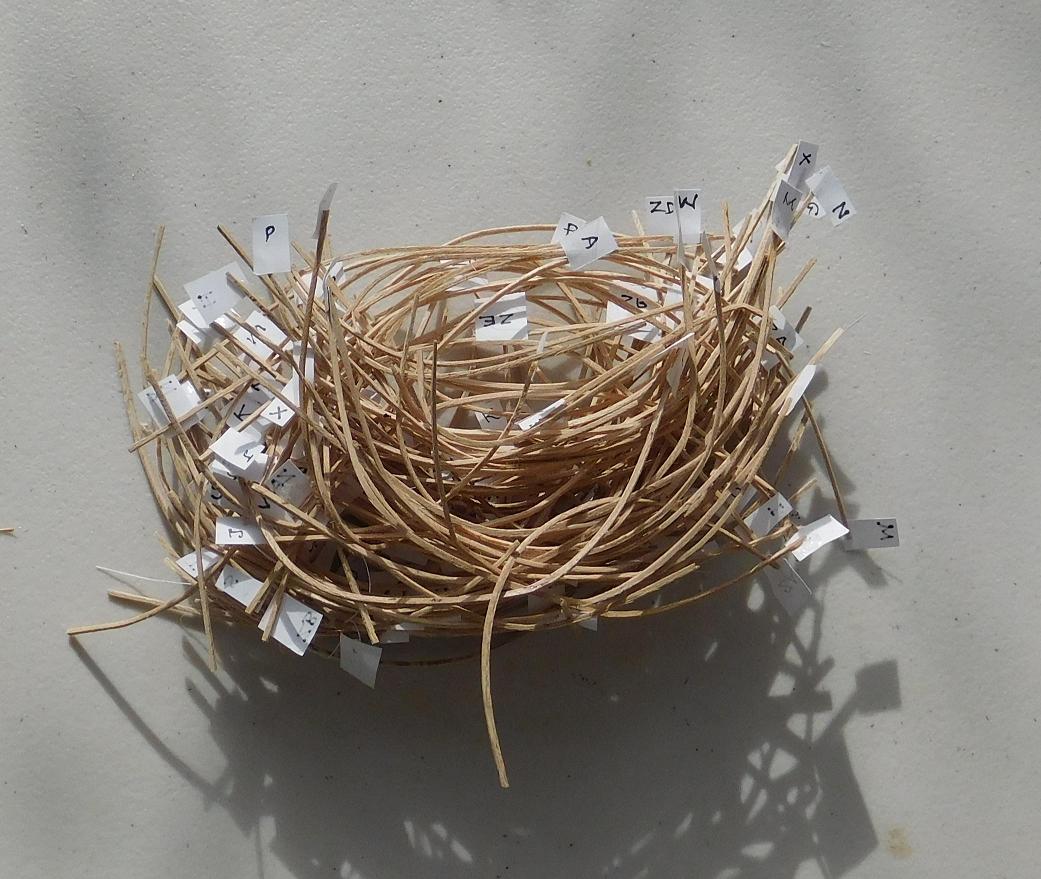
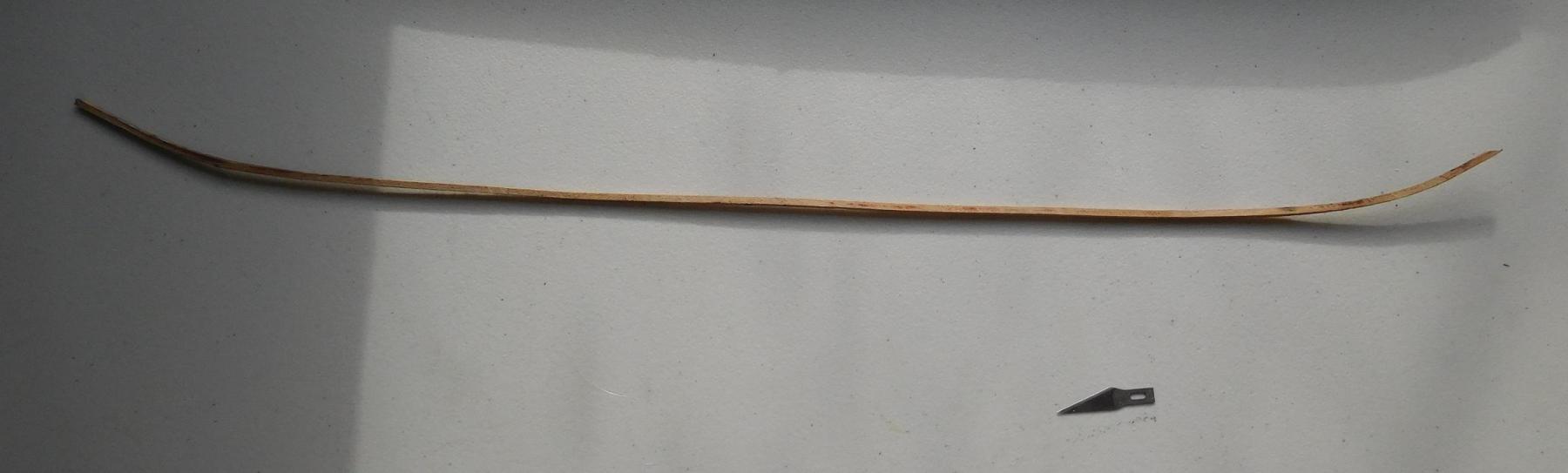
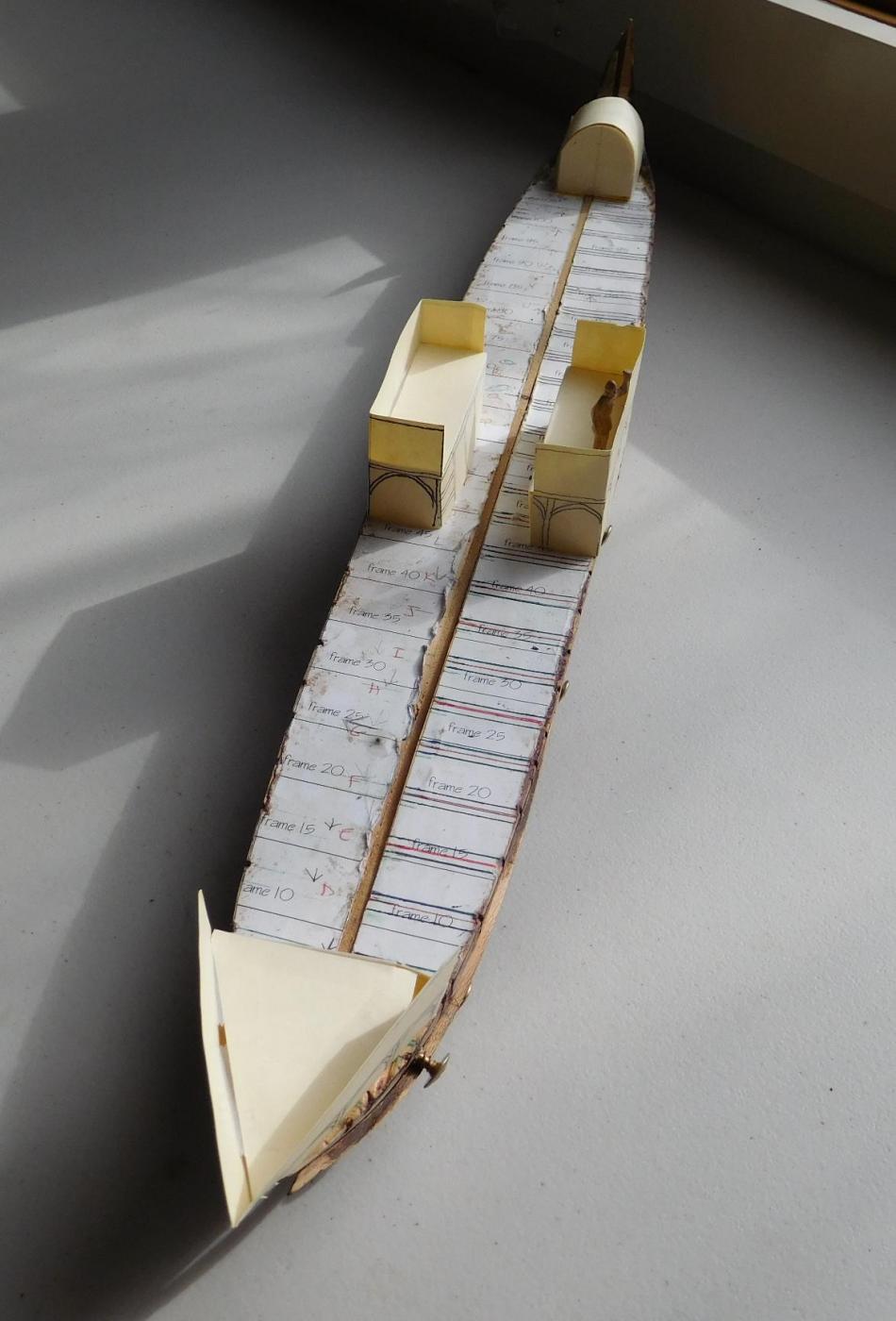
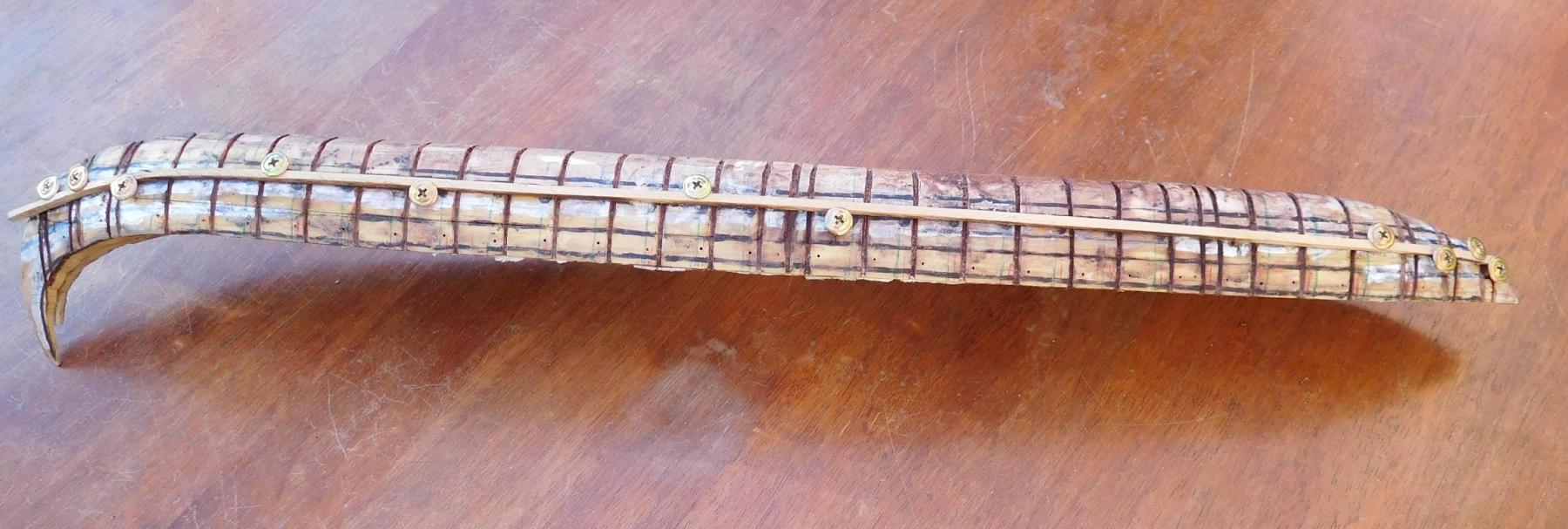
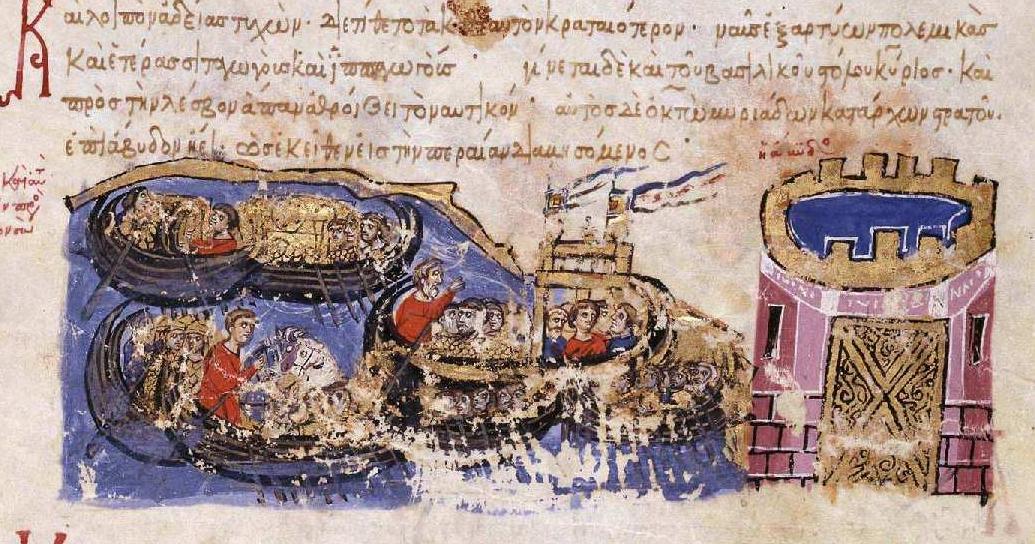
I’ve now finished all the frames – 124 of them, each with its little paper tag to tell me where it goes. And I’ve so far carved 30 oars of the 50 needed for the upper bank. This means I’ve got enough upper deck oars for one whole side of the ship, with some left over. I'm a lot happier with their consistency - they all look very much the same now, instead of having differences that were obvious to the naked eye. Maybe I'm getting better at this stuff! I’ve had my first experiment with bending the wales. I don’t have a steamer so I soaked each wale in water and fixed it in place using large headed screws as clamps, and then ran a heat gun over it. It worked after a fashion – the wale took the shape of the plug reasonably well, but not completely. Particularly at the ends the curve wasn’t tight enough – it sprang back a bit. The one I worked with was one of my “throwaway” wales – if I stuff it up it doesn’t matter – and it’s a little shorter than the others - too short to get a good purchase on the ends to bend them properly. However, even the longer ones will have the same problem. I needed a way of putting bending force on the ends and clamping them there. So I put together a simple jig to tighten the curve after the initial bending, just using a bit of wood and some nails. And it works! So now I’ve started using my ‘good’ wales, and I’ve done the initial curving on two of them. There’s still some adjustment and tweaking to be done, but it looks like I’ve got a workable technique. While I’ve been working on shaping the frames and wales I’ve also been looking at how the superstructure will work. According to the 10th century treatise “On Sea Warfare” by Emperor Leo VI: The dromon should have a siphon (flamethrower) in front at the prow . . . . Above this siphon there should be a kind of floor of planks fortified all around with planks, so that marines can stand on it to fight the enemy attacking from the prow . . . So dromons had a forecastle raised above the siphon for marines to stand and fight from. Moreover, they should set up xylokastra [wooden castles], fortified with planks, on the large dromons ‘towards the middle of the mast’, so that men can stand on them and throw into the middle of the enemy [ship] great millstones or heavy iron [weights] like sword-shaped blooms . . .. The statement ‘towards the middle of the mast’ implies some sort of fighting top halfway up the mast. But it was usual practice for dromons to lower their masts before going into battle, as ships of the time had weapons designed to cut shrouds so the mast came crashing down on deck. A fighting top would be a liability. Professor Pryor in Age of the Dromon proposes that the passage above has been incorrectly copied by a mediaeval scribe, and that the original Greek is more likely to have read “around the middle mast” or “around the middle [i.e. halfway between] of the masts”, or even “around the mast of the middle” (i.e. a mast stepped midships). He proposes two castles, one either side of the ship, with a catwalk between allowing easy access between bow and stern. This would also allow room for the lateen yard, which would have been obstructed by a single central castle. This idea is supported by Leo’s reference not to a castle, but to castles. I took the forecastle and xylokastra from the illustrations in Age of the Dromon, but I had to make some adjustments. Their floors are higher off the deck – the forecastle needed room below it for access to the siphon apparatus, and the xylokastra had to be high enough for the oarsmen below to row without hitting their heads. And their sides had to be higher to properly protect the marines standing on them, so I placed the bulwarks at chest height, with battlements on top. In my original drawings it sort of looked ok, but once I made up cardboard mock-ups and put them on the hull, it looked totally wrong. The forecastle was too big and too high, and the castles were too high and too far forward. And all that superstructure so far forward would weigh the ship down by the bow. I started by removing the battlements – after all a dromon’s primary purpose is attack, and the battlements would have interfered with the marines lifting their “millstones and heavy iron weights” high enough to drop them onto the enemy ships. I made the forecastle shorter – it still left plenty of room for the fighters. I also angled the forepart of the triangle forward, in line with a dromon illustration found in Malaga in Spain. It started looking better. The floor of each xylokastron will be about a metre (3’3”) above deck level. they can’t be too long because galleys are notoriously unstable, and too many marines standing above decks along one side, as they would be when fighting another ship, would make it even more unstable. (a galley can only heel about 10 degrees before the oarports are under water). I shortened the castles moved them aft, half way down the ship. It looked better still, while allowing enough room for 5 or 6 marines to stand and fight from it (any more might capsize the ship). At the prymne (poop) - though this may or may not be an actual raised deck – there is a krabbatos (berth) for the captain, probably with an arched awning over it, as both earlier and later galleys had. There’s still enough room either side for the steersmen to stand. You can see the little guy standing on the castle. I've worked up designs for two more crewmen - the helmsman and the man who gives the oarsmen the time with a flute/trumpet thingy, plus a lion's head for the siphon to look out of and scare the enemy. But that will take a while to do. The word used for the captain's berth is one usually used for beds, so perhaps it was some kind of day-bed the captain could either sleep in or sit on for councils of war. An 11th century Byzantine picture of refugees shows two people carrying beds (and one with a table). Perhaps it was like this? I’ve made the castles about 1.3 metres (4’3”) wide, which should give enough standing room on top as well as space on deck to walk between them and enough room for the oarsmen to row. They’ll be open at the back with a railing to stop the marines falling off backwards. There’ll be an opening at one end of the railing with rungs to climb up. The forecastle is about 0.9 metres (3 feet) above the deck to give space for the siphon and its equipment. Access from the deck will be the same as with the xylokastra. The mid-12th century copy of the Chronicle of John Skylitzes held in the Biblioteca Nacional in Madrid contains many illustrations of warships, and one illustration shows a ship with a xylokastron. I’m using that as a model as well.

Our Emblem ®
