
bruce d
-
Posts
3,046 -
Joined
-
Last visited
Content Type
Profiles
Forums
Gallery
Events
Everything posted by bruce d
-
 Hello Sperry, sorry to have so much fun with what is in fact a serious and fascinating subject. This is well worth looking at: https://archive.org/details/chathamdockyards0000macd/mode/1up Regards, Bruce
 -
Thin ice ahead, beware.
-
Hello Joel and a warm welcome to MSW.
-
Hello COP and a warm welcome to MSW.
-
Hello Niall, welcome to MSW.
-
Hello tkryder, and a warm welcome to MSW.
-
Hello Tim and welcome to MSW.
- 1 reply
-
- 1
-

-
Youtube photoetching tutorial
bruce d replied to Nirvana's topic in Metal Work, Soldering and Metal Fittings
Thanks, very nice explanations. Two points about the video: first, he handles the resist film with bare fingers. This should be avoided, fingerprints are not desirable; and the hydrogen peroxide in his process is 3% (a.k.a. 10 vol) which is not explained. As I used to be an etcher by trade, I feel qualified to offer another couple of observations. The copy-paper and resist in the kit looks well suited to the home etcher, the occasional user. We don't know from this video what instructions are given for storage and handling but whatever they are, obey them! It is very common, especially with the light sensative resist, that the product 'dies' between uses because of temperature or light spoilage while in storage. Also, the airpump used to agitate the etchant is perfectly adequate but it surprised me that the workpiece was flat, i.e. horizontal, in the tank. All of the 'bubble tanks' I ever used had the workpiece on edge and with the bubbles directly below to agitate both surfaces at rhe same time. This is worth considering even for the home etcher because both sides are constantly visible for inspection and it is easier to ensure equal etching on both sides for an equal undercut and a better exposed edge. This is especially important if delicate pieces are being etched because an uneven undercut can be the difference between a piece looking right or not (yes, even at .004 thickness). The copy film in the video seems to be the ideal product for home etching. Image reproduction and registration are the two biggest hurdles for the non-professional to overcome. Haven't tried it myself but this looks like a good system. HTH Bruce -
Hello Stickman and welcome to MSW.
-
Welcome, JB, looking forward to hearing from you.
-
Knowing RS for a few decades I am certain they will send you a fact sheet on the product. 😁
-
I found this in a site selling the product: "Artistic Wire is available in the largest selection of exclusive permanently coated colors and gauges that offer striking beauty and shine for your wire designs. The softness and flexibility of this wire make it great for Beading and Wire Wrapping projects. Color: Black ~ Tarnish Resistant Shape: Round Material: Copper Temper: Soft Nickel Free- EU Compliant" This says the wire is copper but does not shed any light on the colouring. The same product range includes a silver plated version: https://www.etsy.com/uk/listing/523087166/artistic-wire-18-20-22-24-26-28-30-guage?ga_order=most_relevant&ga_search_type=all&ga_view_type=gallery&ga_search_query=Black+Artistic+Wire+Tarnish+Resistant+Craft+Wire&ref=sc_gallery-1-4&plkey=8e9df4a23913a998cb80a37c7088605484d00d3f%3A523087166 Perhaps the plated version is more likely to give consistent results, assuming you have a satifactory means to blacken silver. Looking at their wording, I wonder if the 'black' wire has been blackened, not coated? Whatever the method, the wire is advertised as being very flexible and the implication is the colour remains consistent during any handling. If so I would like to know their process.
-
Christian, this is a nice looking model. I always look forward to seeing your progress and evening pictures.
-
Second half is full of technical drawings and details. Navies of the World 1880.pdf
-
- 2
-
-

-
Welcome to MSW. Regards, Bruce
-
Welcome to MSW!
-
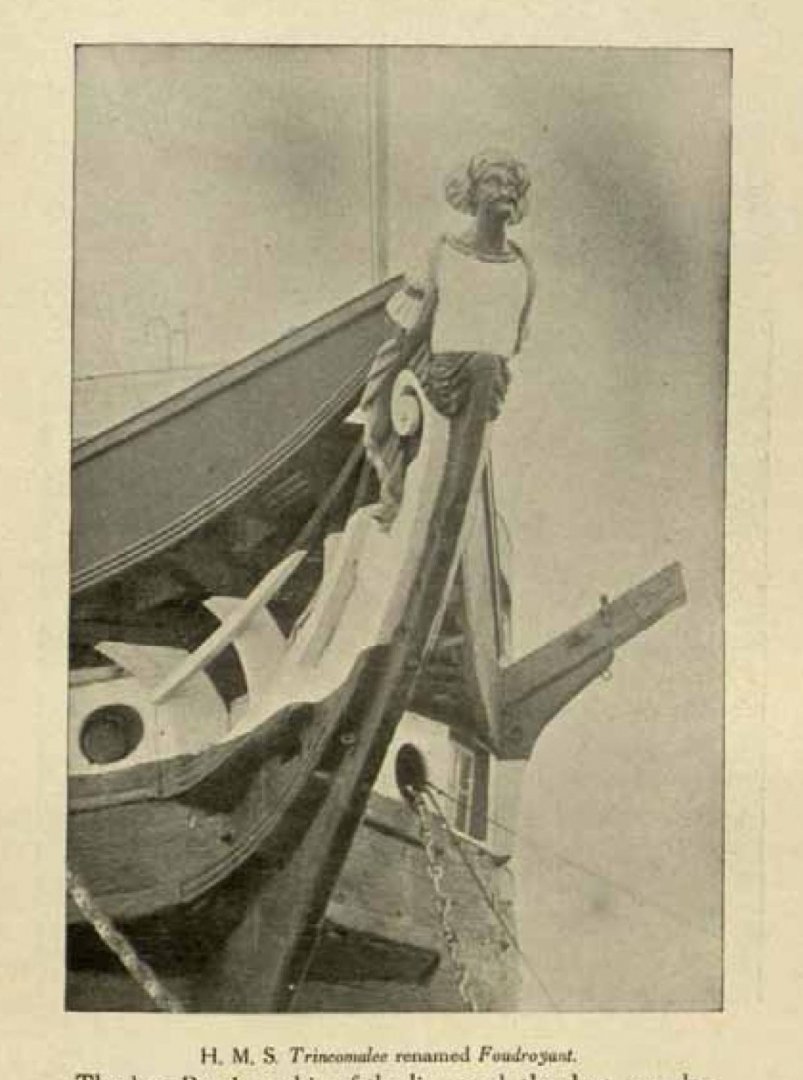
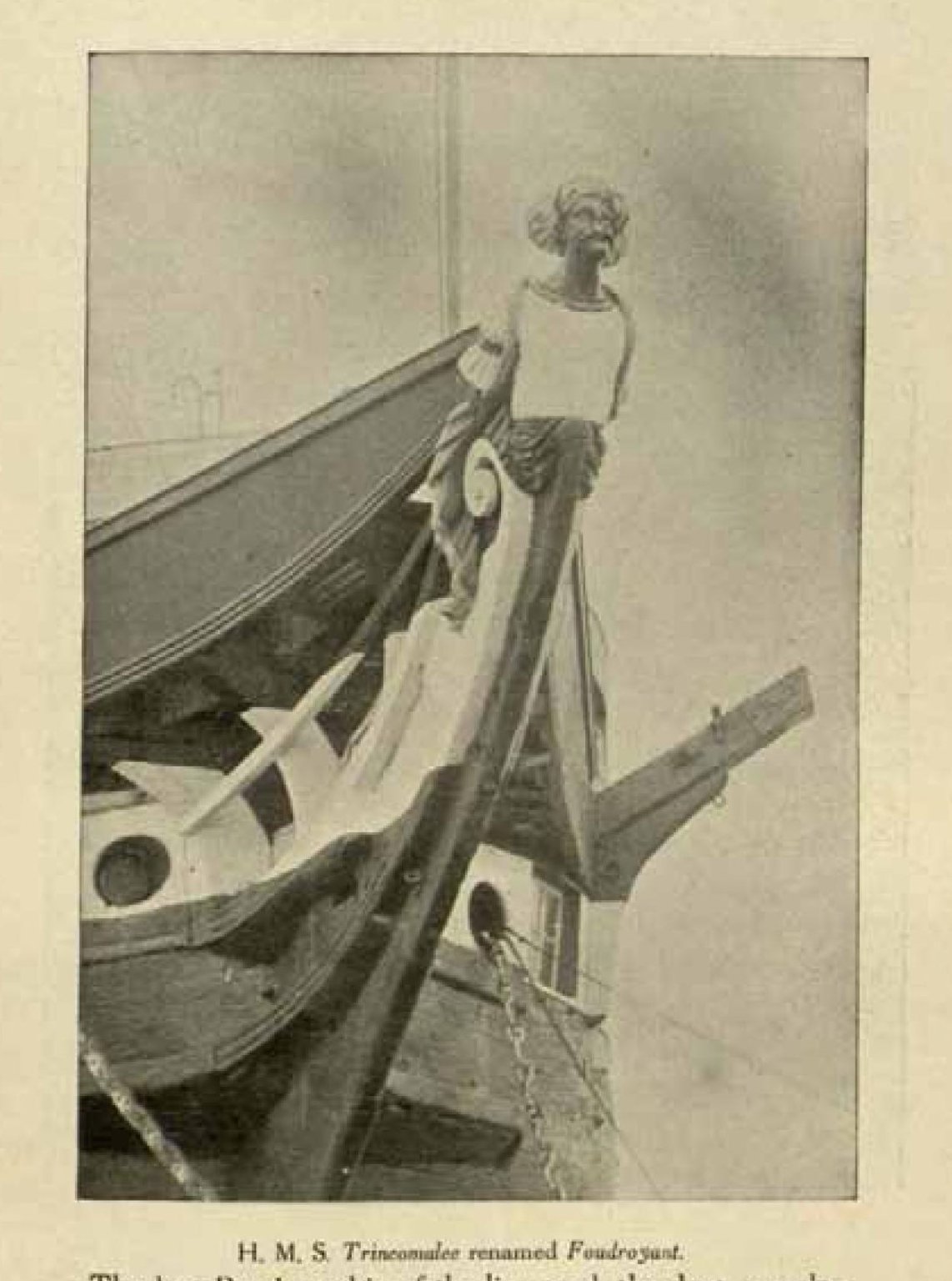
HMS Trincomalee/Foudroyant
-
Pretty sure Swann Morten make a craft handle to take the Exacto blade shank. That opens up the choices quite a bit.
-
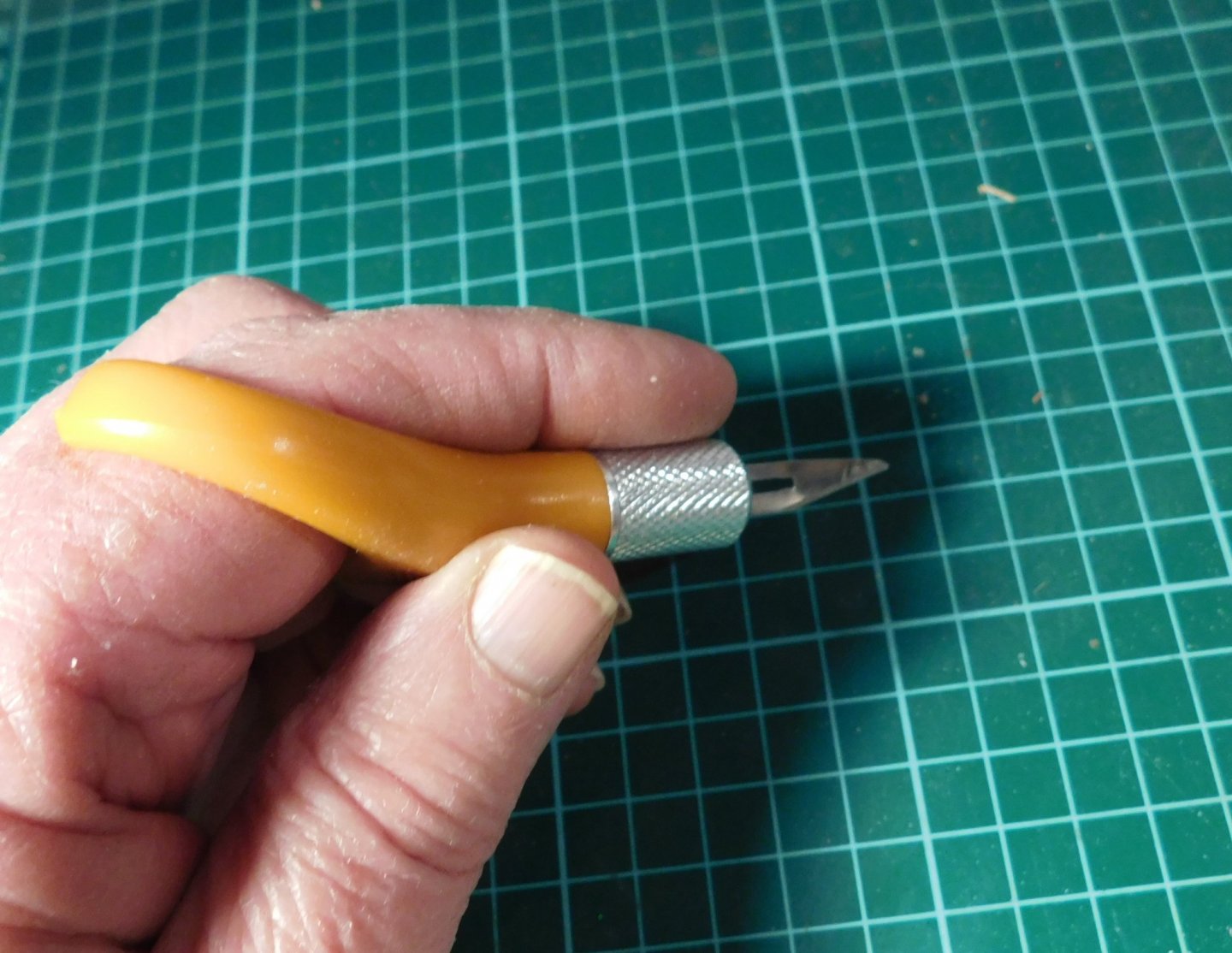
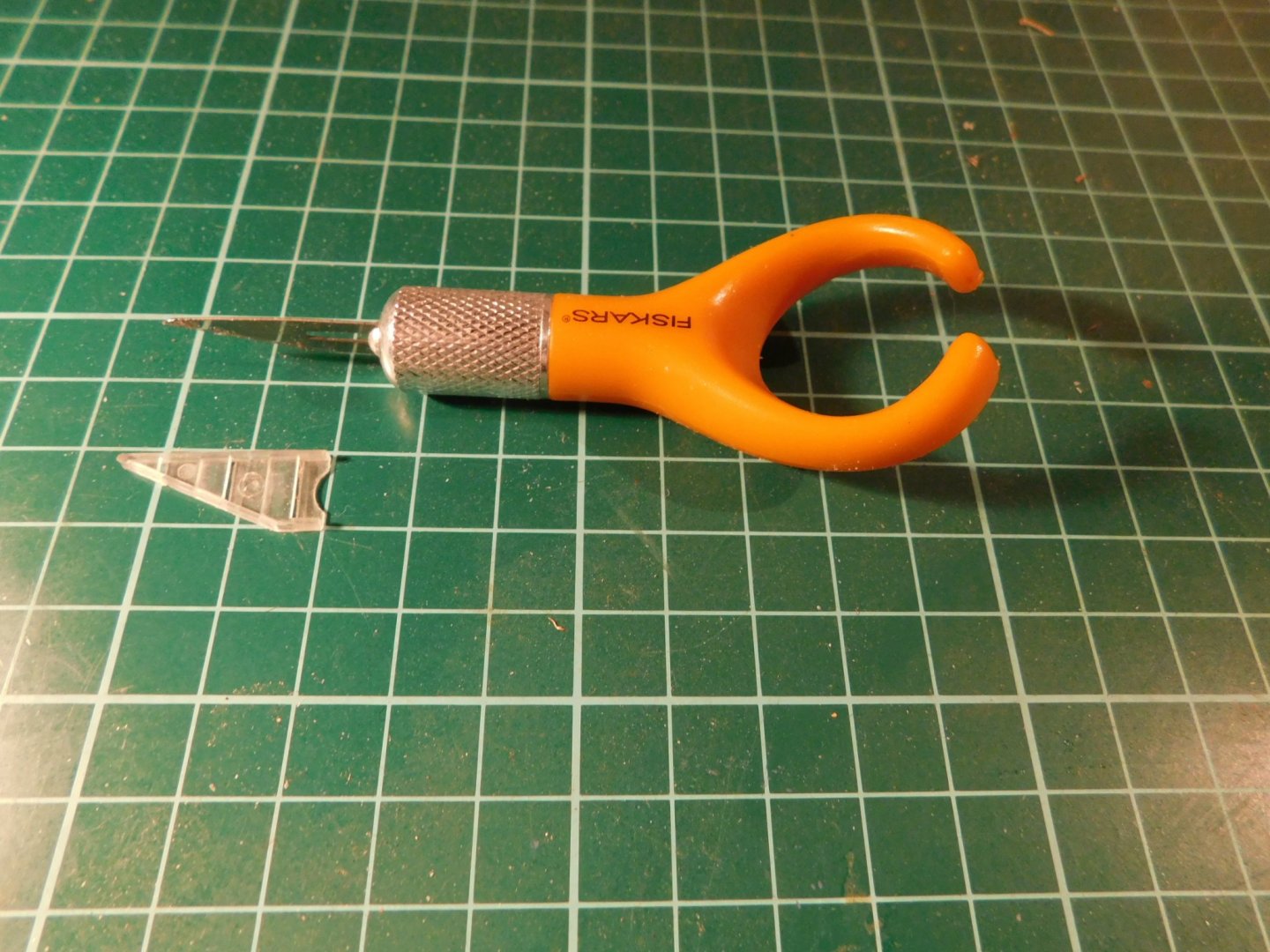
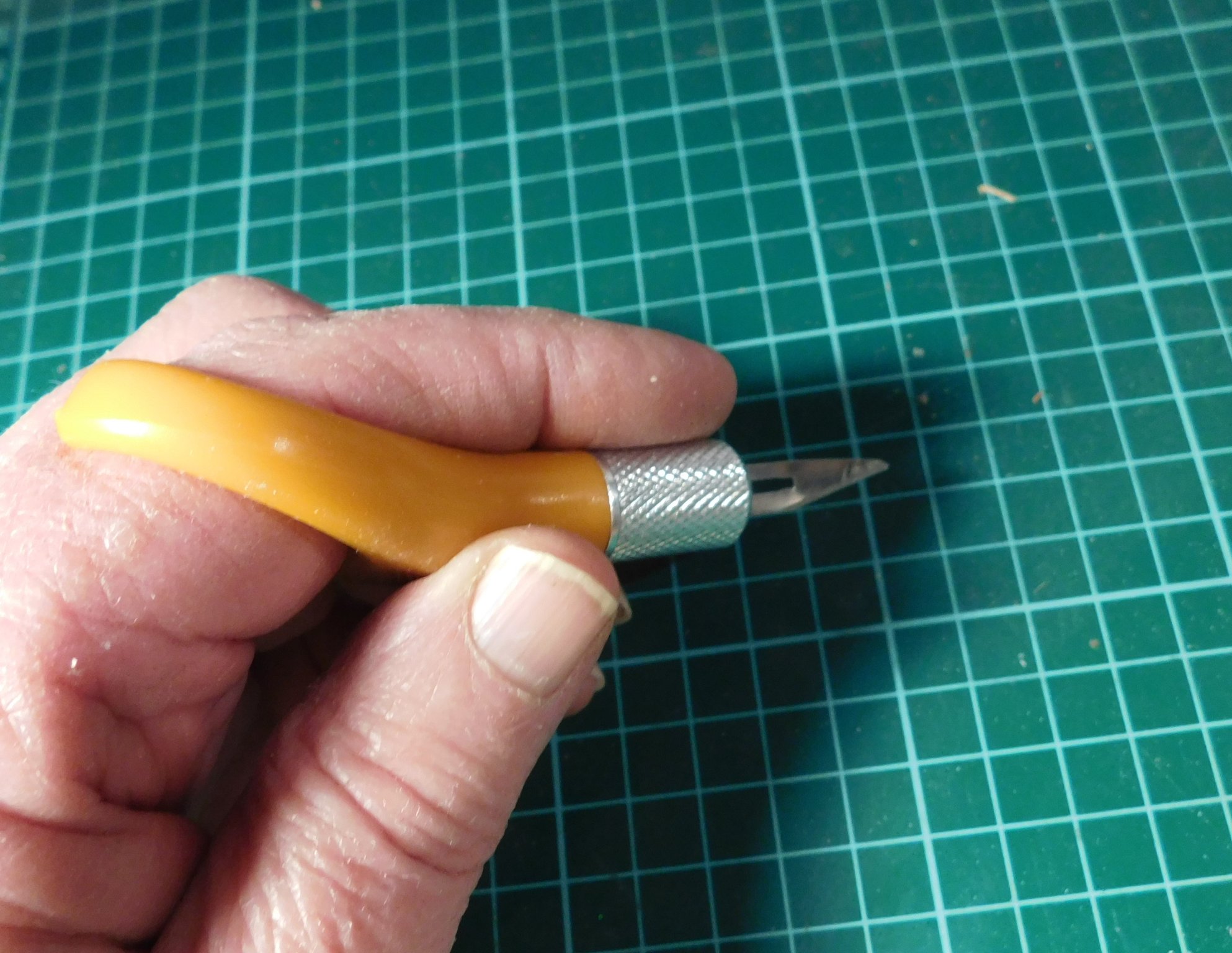
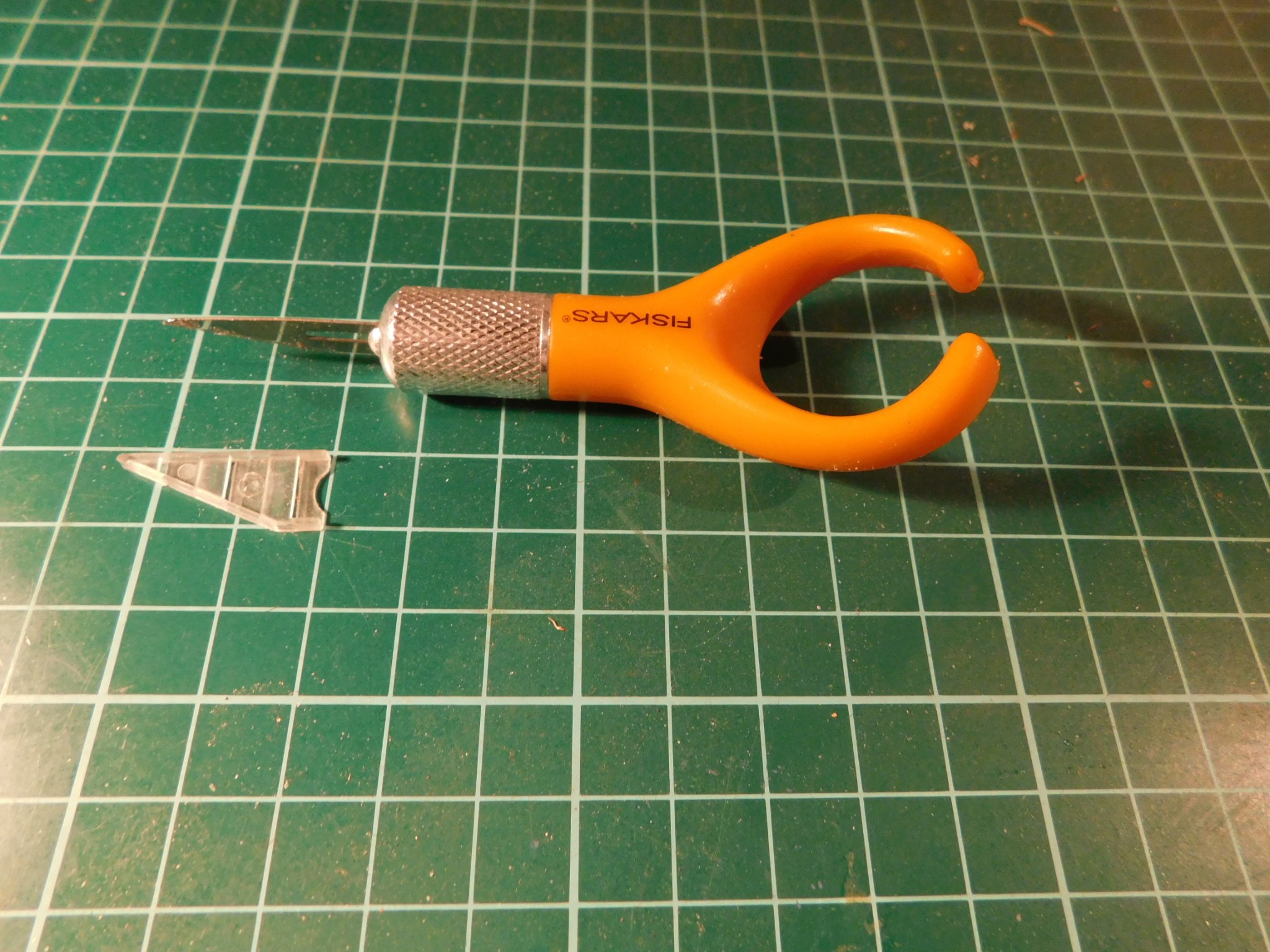
I purchased this on a whim and now rely on it constantly. Fiskars Finger Tip Art Knife
-
Hello Farmerjon and welcome to MSW. Looks like you are off to a good start, please keep us up to date. Bruce
-
They are splinter shields and I believe they were purpose made. I studied the photos in a lot of the Japanese Maru (sp?) Special series a long time ago and the mats just looked too long and wide to be hammocks. It is possible they were originally something else, such as a laundry bag, but nothing came to mind that was the right size. I modelled them as being about 8.5 feet long. Also, I believe these splinter bags stayed in place for as long as needed, which is another point against the hammocks idea. Never found proof, just couldn't ever believe they were the crew's hammocks once I saw the size. HTH Bruce
-
B.E. sorry of I missed it, but what is the thickness of these planks? Looking good!
-
Haven't seen that first hand yet. I abbreviated the story a bit; there is one delivery from the US where I was charged £28 'admin' and another from China for the £40 'admin'. Both these are outside the EU and my understanding is that the carrier automatically adds this charge if they settle up the duty. It also happens with Royal Mail but the fee is smaller. The sinister part of the situation is (a) the sender is often not aware of the fee and (b) in the case of DHL the item will be delivered and then the invoice sent out and aggressively pursued.
-
Frustrating, but at least it avoids the 'admin charges' that are then imposed on the recipient if a commercial carrier is used to deliver items originating outside the UK. I'm currently arguing with DHL over £40 they are trying to charge me on top of the duty for an item that cost $70 including P&P. The sender was not aware of this when they chose the carrier.

Our Emblem ®