


petervisser
-
Posts
581 -
Joined
-
Last visited
Content Type
Profiles
Forums
Gallery
Events
Everything posted by petervisser
-
 Hallo Jens, I am also building this old kit, that I received from a friend. Mine has the even older mahogany wood for the hull planking which I will be replacing. I enjoyed looking at your build. You have used some original techniques which add alot of interesting details. Thanks for posting your log. Peter
- 188 replies
-
- 3
-

-
- cutty sark
- billing boats
- (and 1 more)
-
Hi Ian, The binnacle is a great addition to your model! Lovely work. As for the bulwark, I would lean towards a wood dowel of sufficient diameter instead of the brass rod. They are easier to hide I think and easier to sand to the correct length. Just an idea... Looking forward to your final solution. Good luck! Peter
-
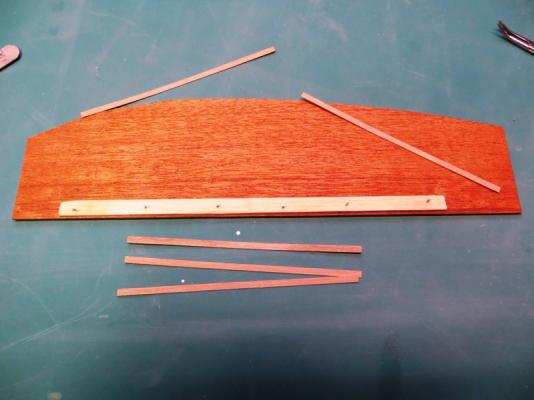
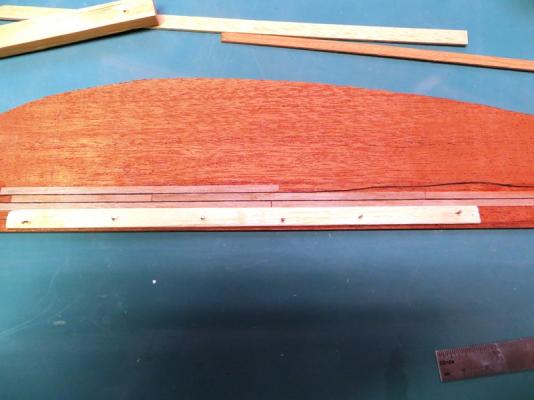
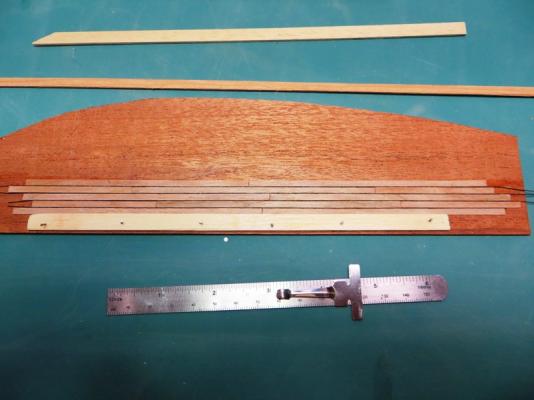
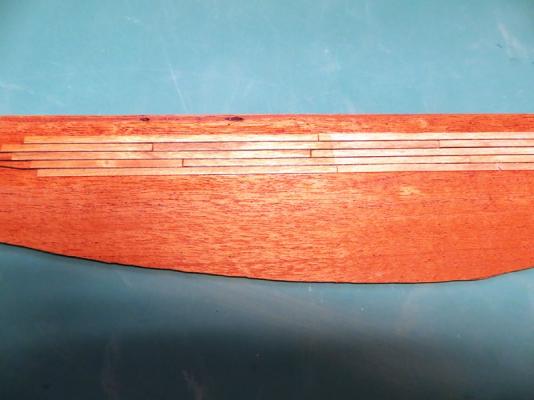
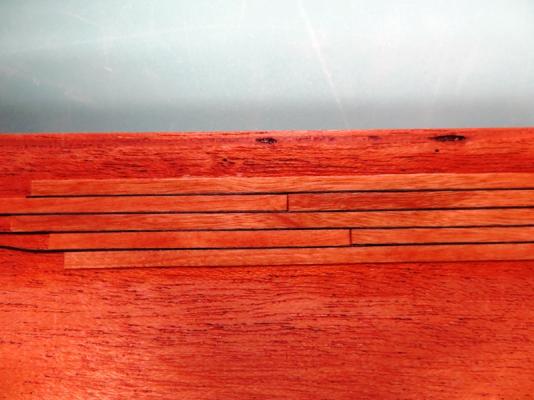
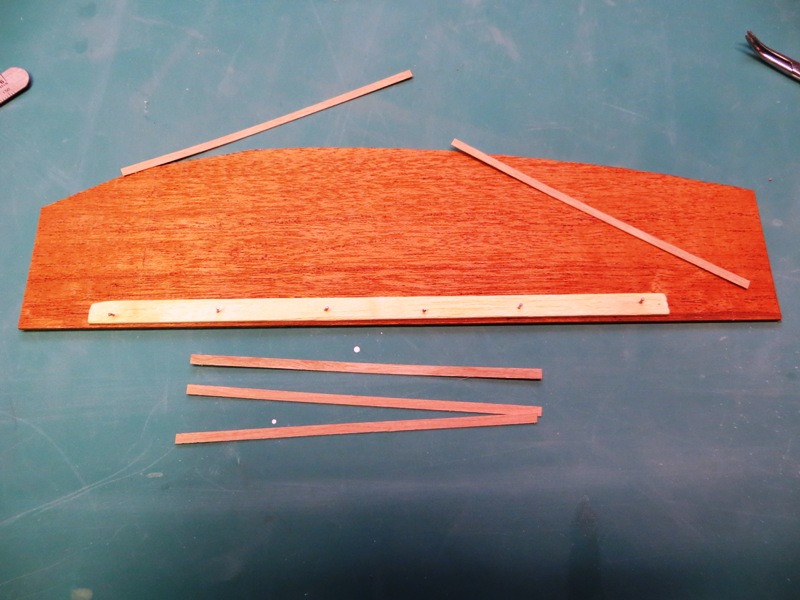
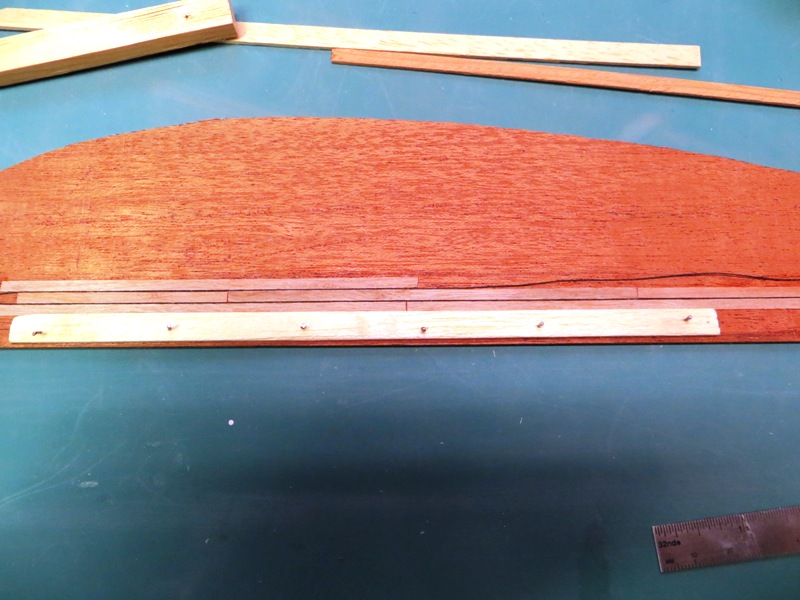
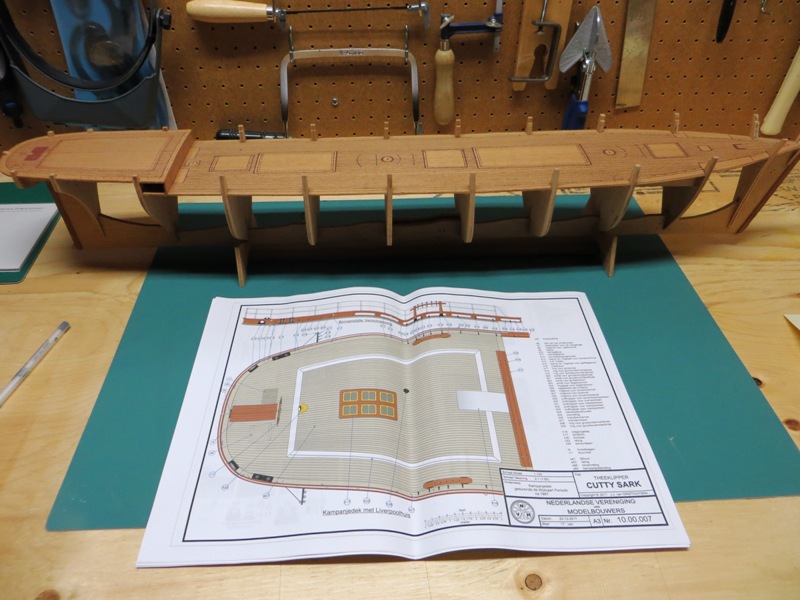
The next big step to tackle is the decks. This is an old Billing kit and the decks consist of sheets of mahogany with the planking inked onto them. Less than ideal to say the least. So I purchased a tube of cherry strips from Lee Valley which are 1/8" wide by 24" in length. I decided to experiment with them to see how they would look on a scrap piece of mahogany and how best to apply them. Here are the results... I first attached a plank that simulated the centre plank I will use as a guide on the actual false deck of the model. There are just pin nails holding it in place. I buttted the first cherry strips against the reference plank, and then laid a black thread against them to simulate the caulking. Then repeat as necessary. The experiment worked and I will use this method on the model. I then applied three coats of satin varathane on half the planks to see if it improved the appearance of the wood. I liked the richer colour and it also brought out the grain a little. Now, onto the real thing! Peter
- 207 replies
-
- 6
-
-
- billing boats
- cutty sark
- (and 1 more)
-
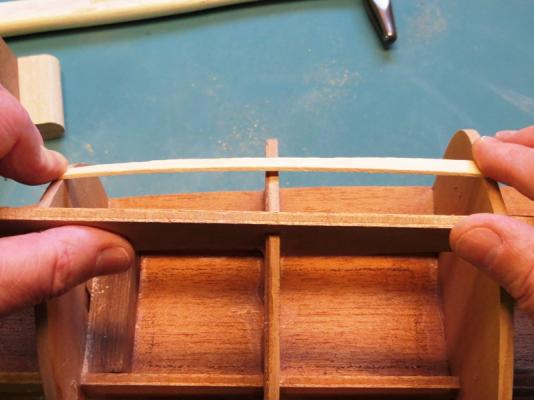
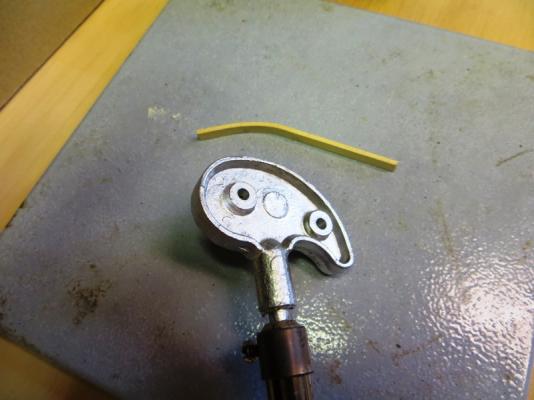
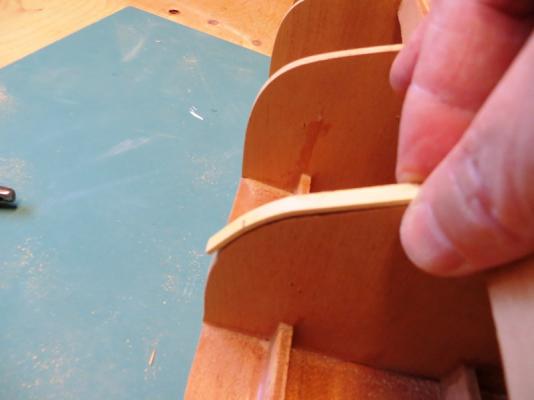
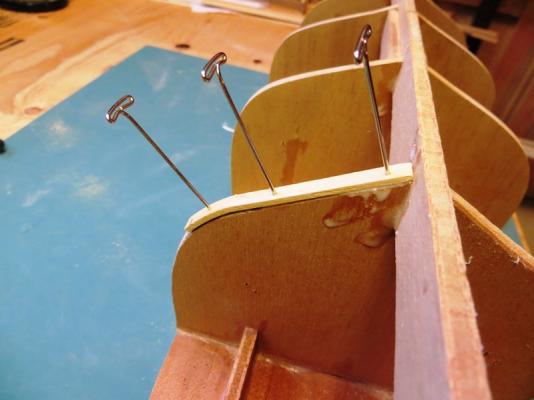
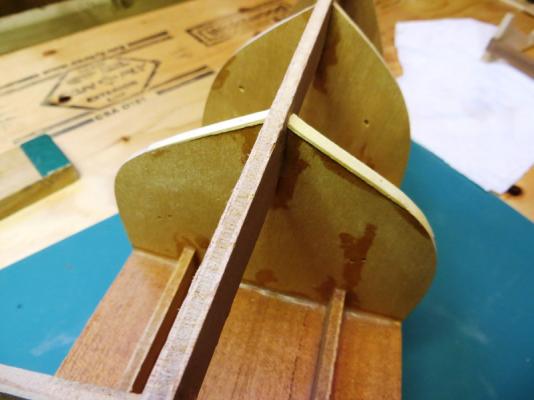
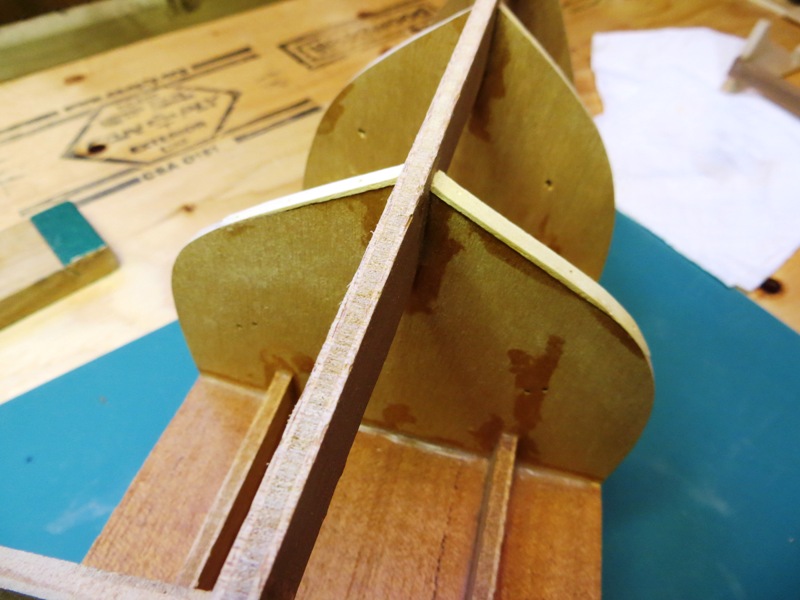
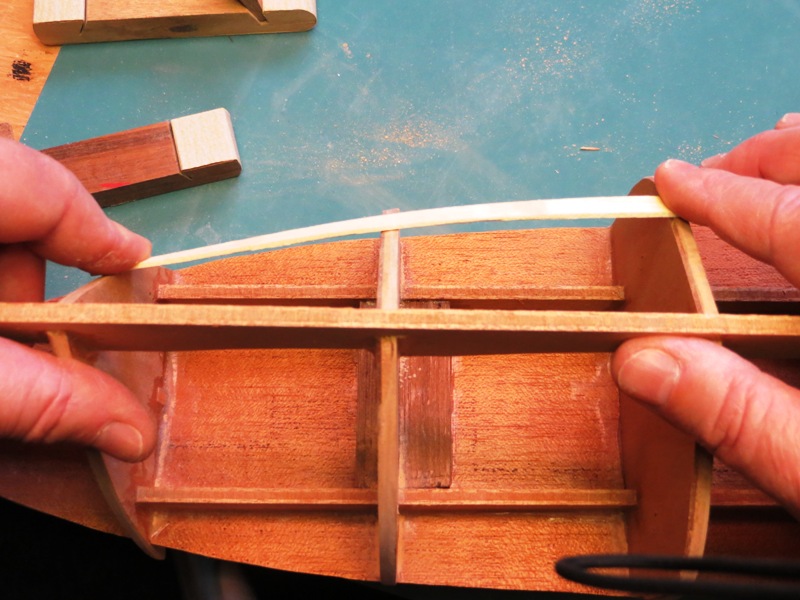
I ran into an issue with one of the bulkheads. The previous owner who had started the model, sanded off a bit too much of frame #4 when he was fairing the hull. I could see this when I was checking the beveling, as seen in the following photo. I decided to add a fillet in order to fill the gap. Here's a couple of photos showing that process... ] I ran the plank along the the offending bulkhead and the adjacent ones and all is well! I will commence the hull planking when the deck is finished. Peter
- 207 replies
-
- 4
-
-
- billing boats
- cutty sark
- (and 1 more)
-
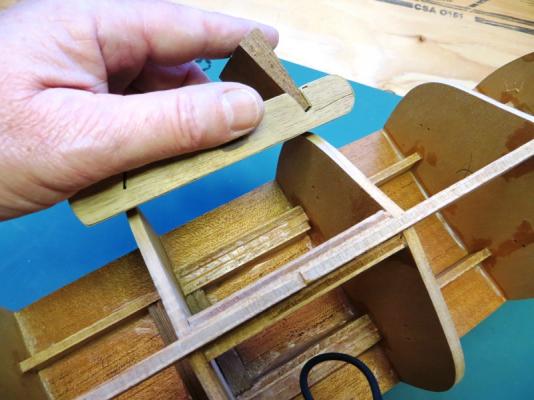
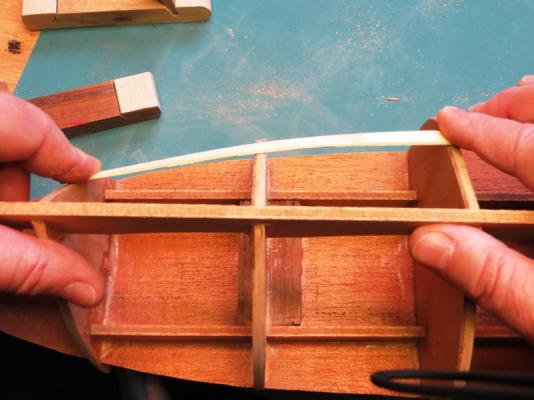
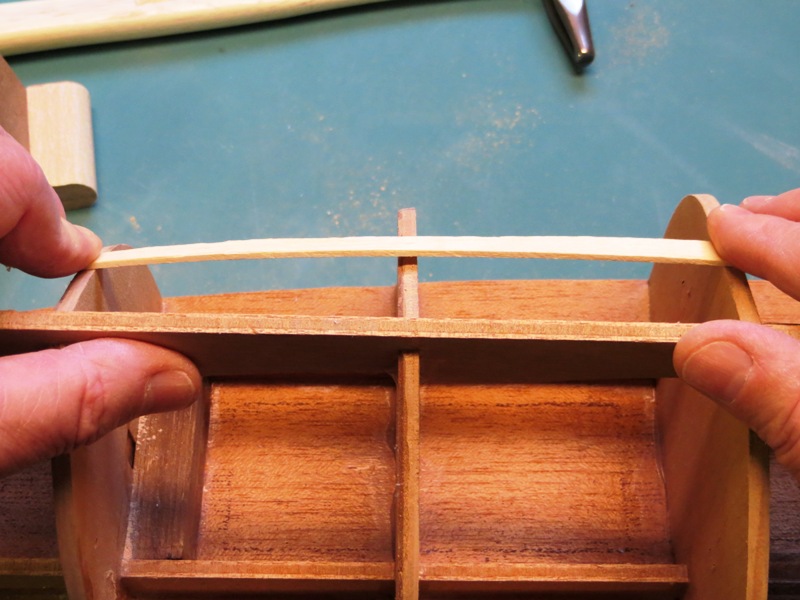
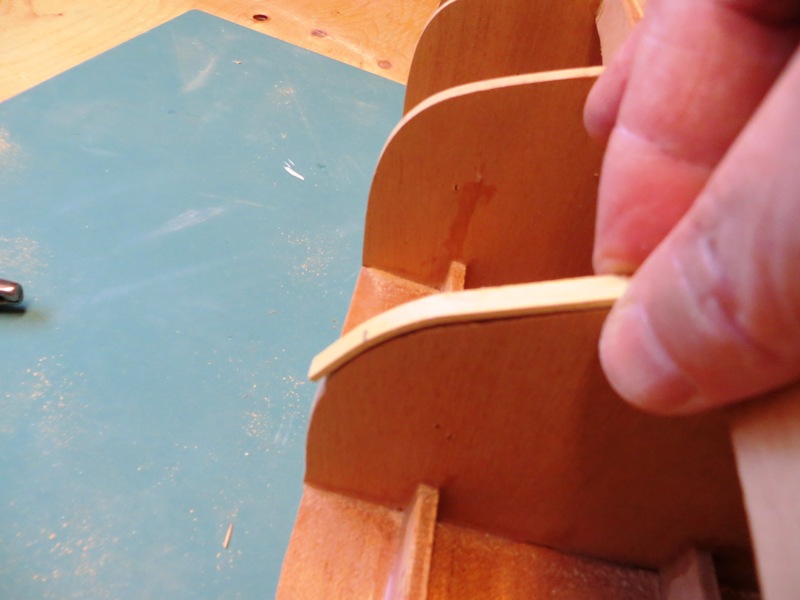
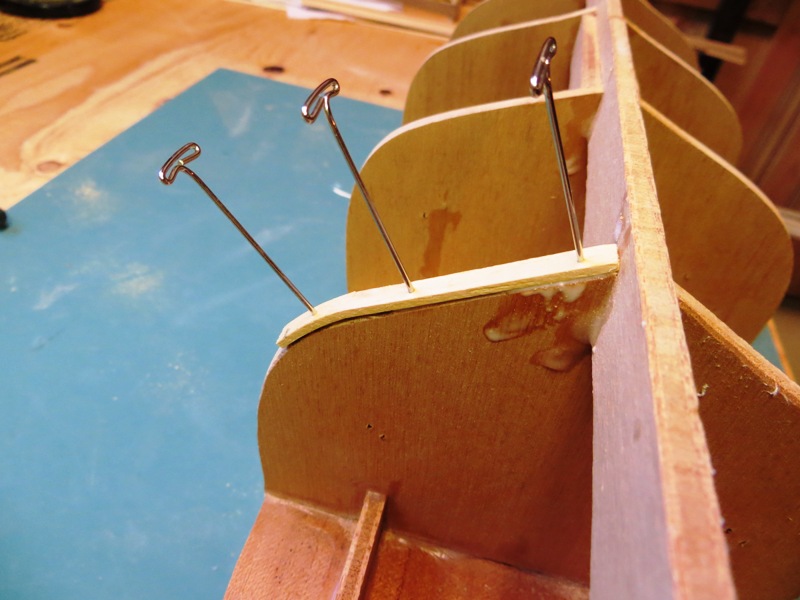
Next up, fairing the bulkheads. This is something that needs special attention in order to have a smooth looking hull. I have always used a couple of sanding blocks (a wide one and a narrow one) made by Exacto which work really well. By running the sanding block lightly the length of two bulkhead (keel to deck) it bevels the edges. I bevel two bulkheads at a time, then move on to the next one and bevel that pair. In this way every bulkhead is fair to the one immediately fore and aft of it. Using a shot piece of plank I check the beveling of three bulkheads in order to see the results. Here's a couple of photos showing what I mean.
- 207 replies
-
- 5
-
-
- billing boats
- cutty sark
- (and 1 more)
-
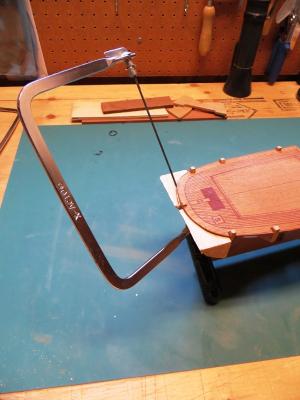
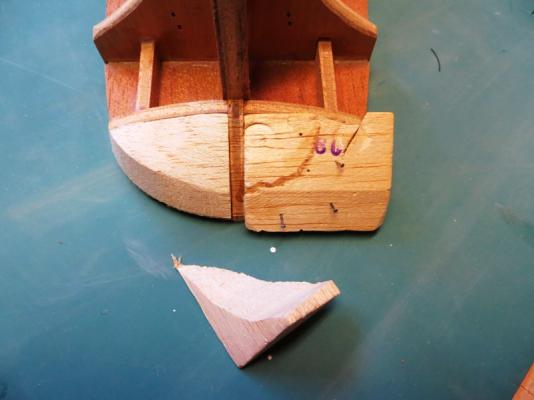
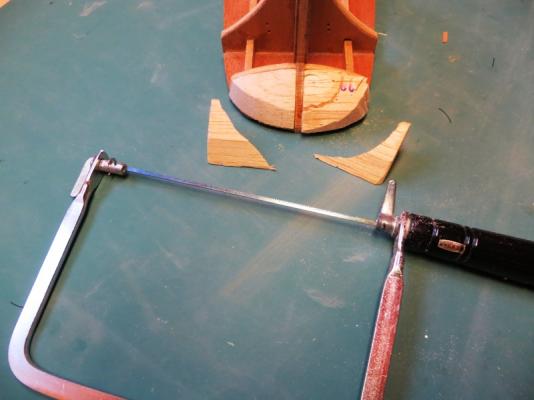
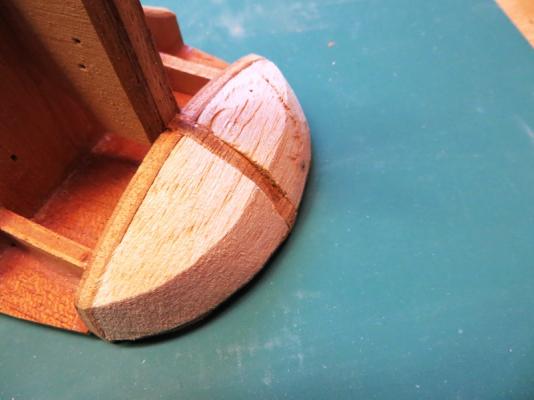
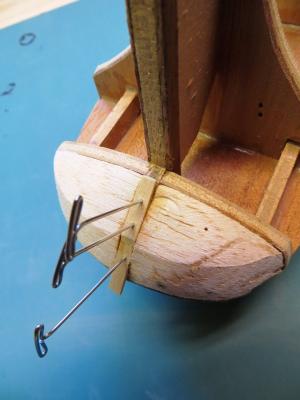
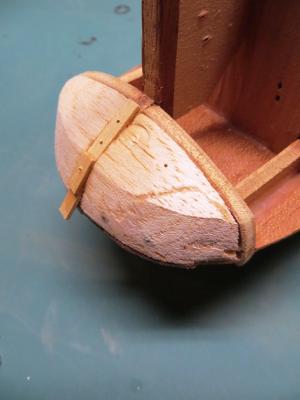
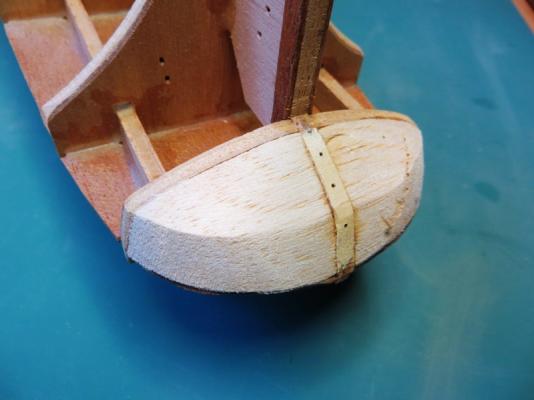
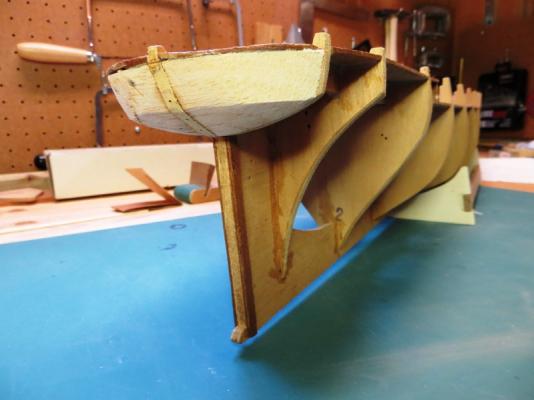
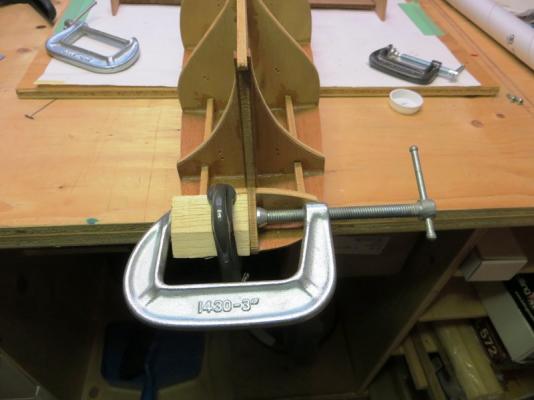
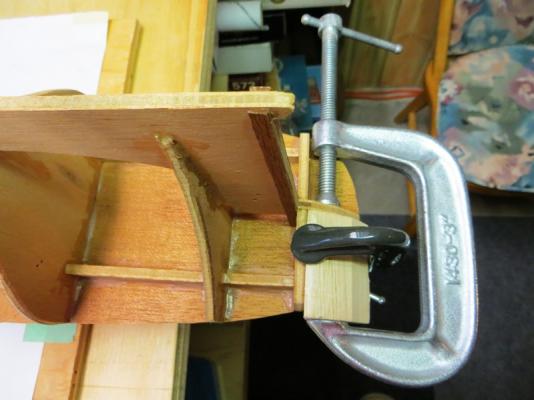
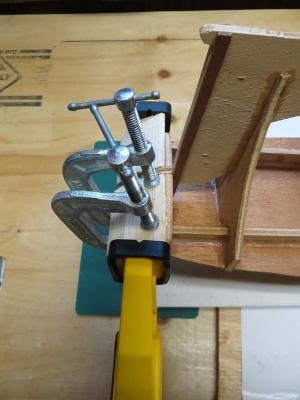
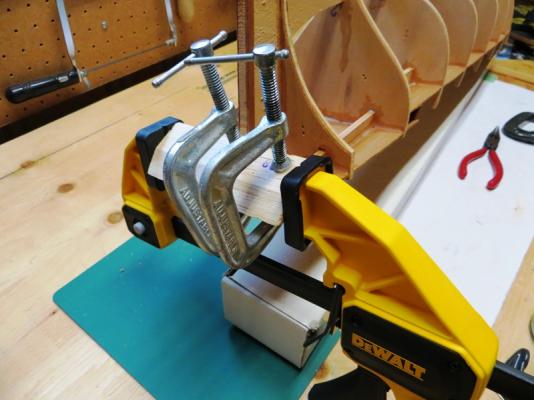
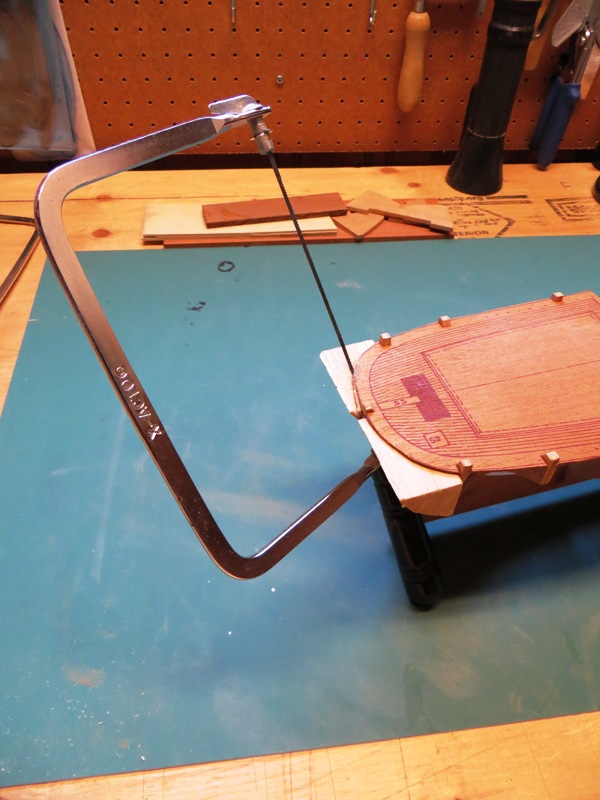
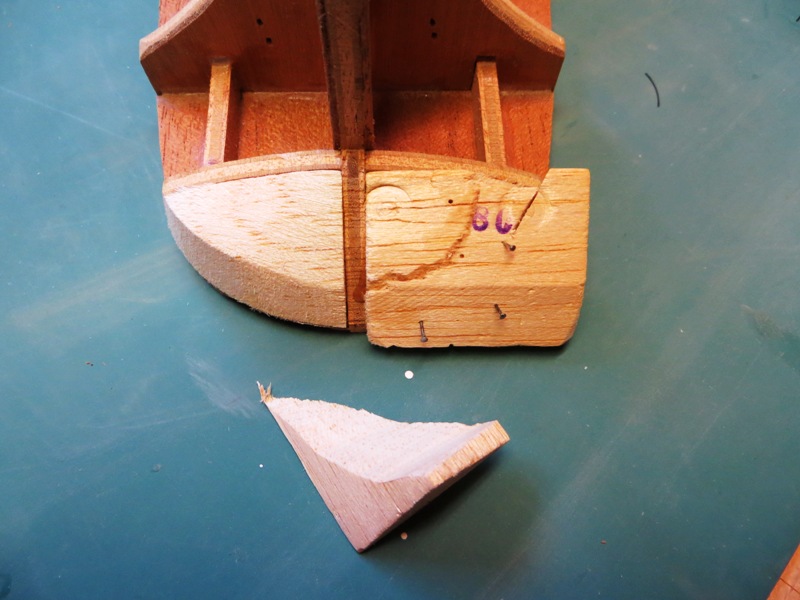
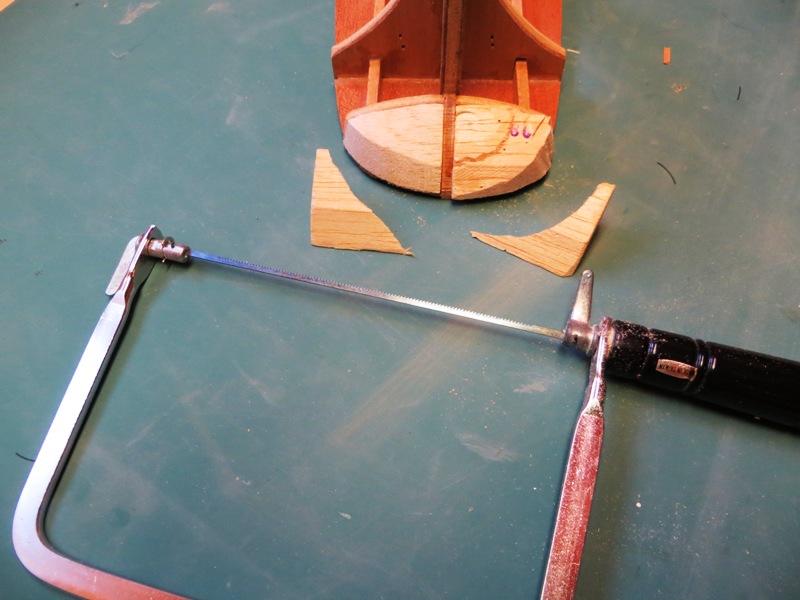
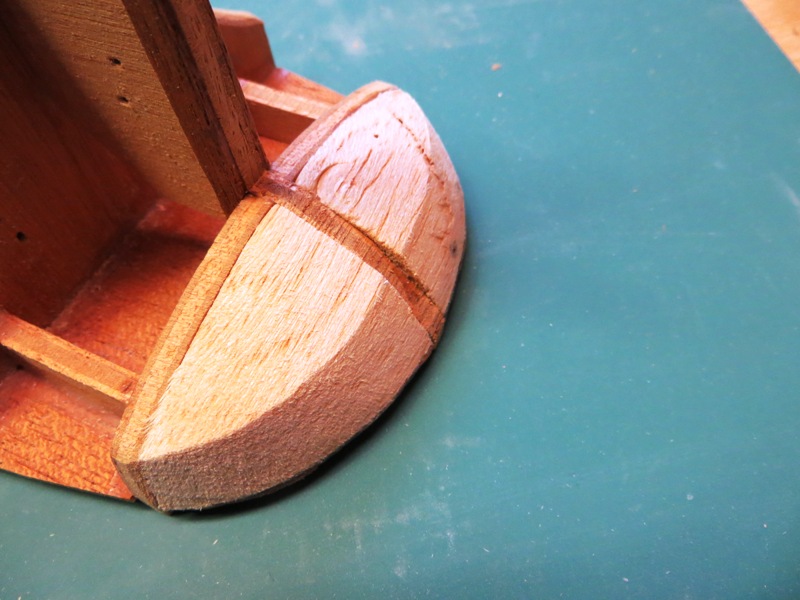
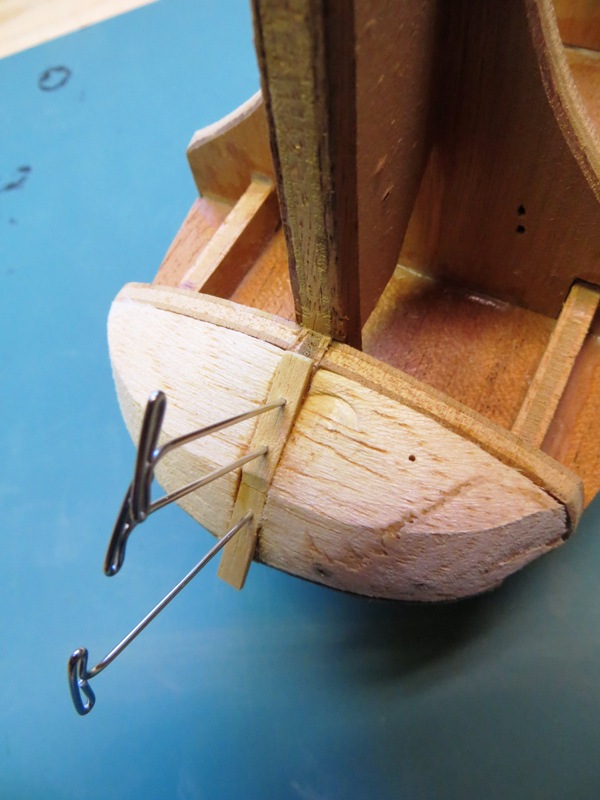
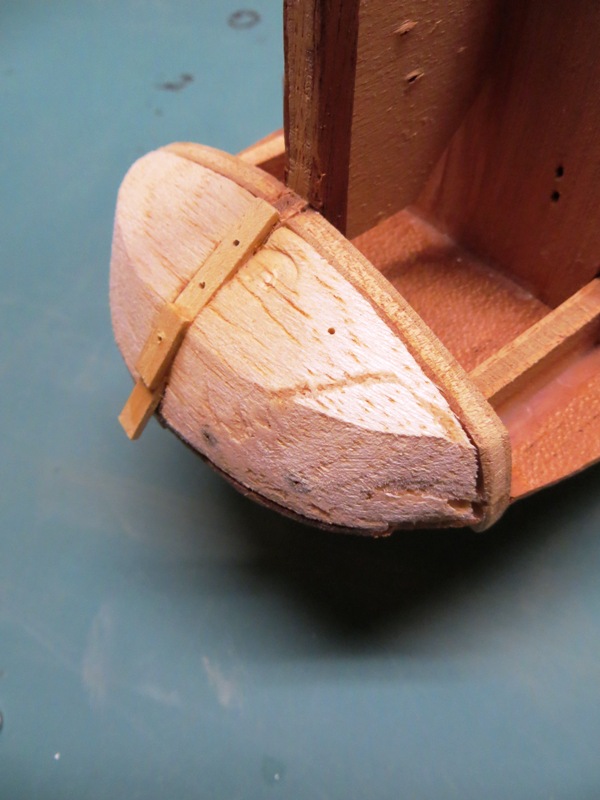
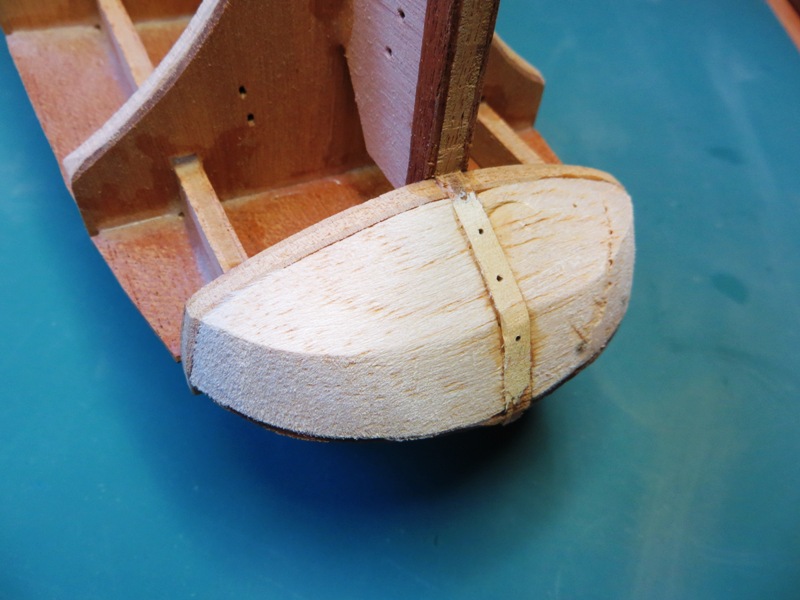
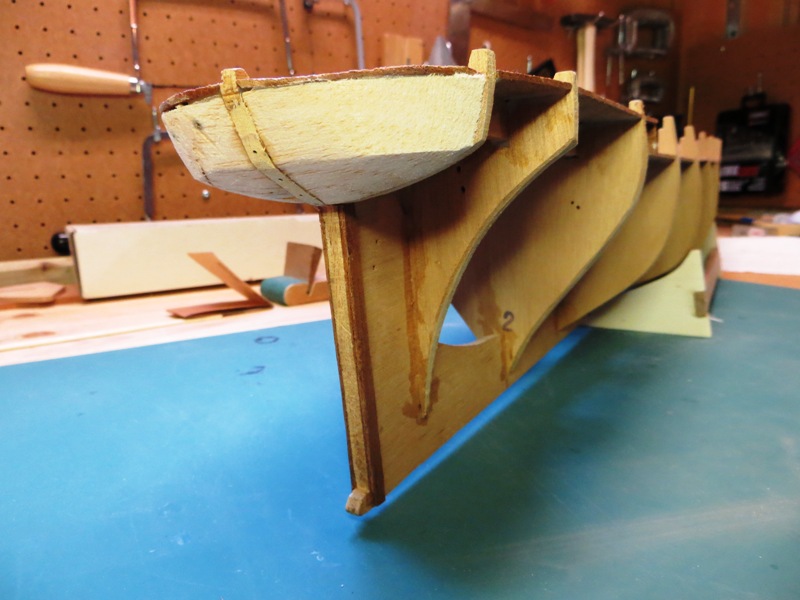
Once the blocks had a chance to set overnight, I could trim off the excess. I used a coping saw to get the bulk of the excess wood off and then sanded off the rest. Here are a few photos of the process. This is a mistake in the making. I started sawing from the wrong direction. I should have started at the side, instead of the stern. I couldn't really see where my blade was going, and where it would end up. In essence, I removed too much of the filler block. I simply glued the wedge I sawed off back onto the model, let it set overnight and re-sawed the wedge off again. The other side went off without a hitch. You can see the initial cut on the right with the wedge glued back on. Here both filller blocks are sanded to shape. However, the stern timber is somewhat recessed. I didn't want to sand off any more of the balsa, so decided to fill in the gap. [
- 207 replies
-
- 5
-
-
- billing boats
- cutty sark
- (and 1 more)
-
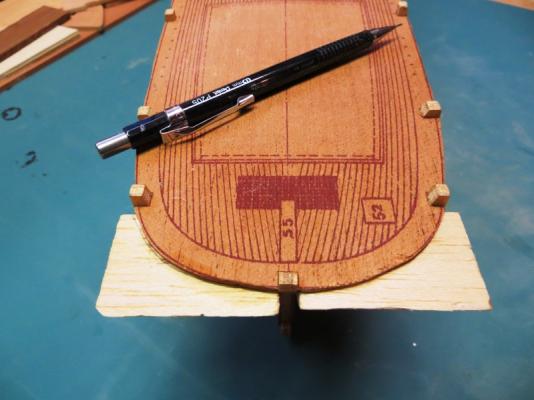
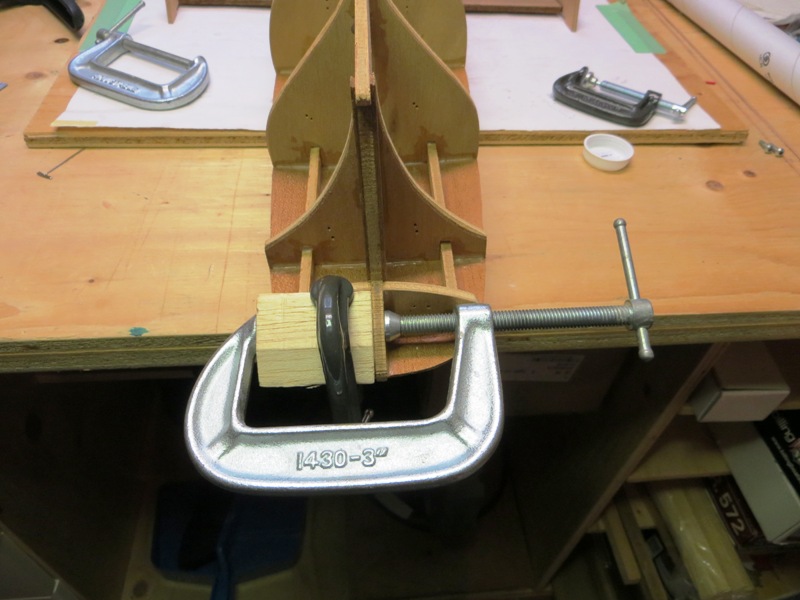
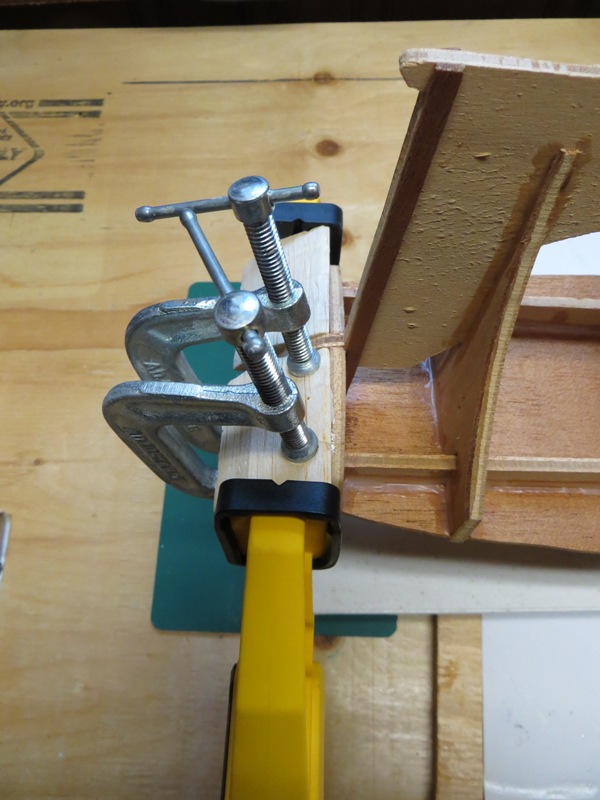
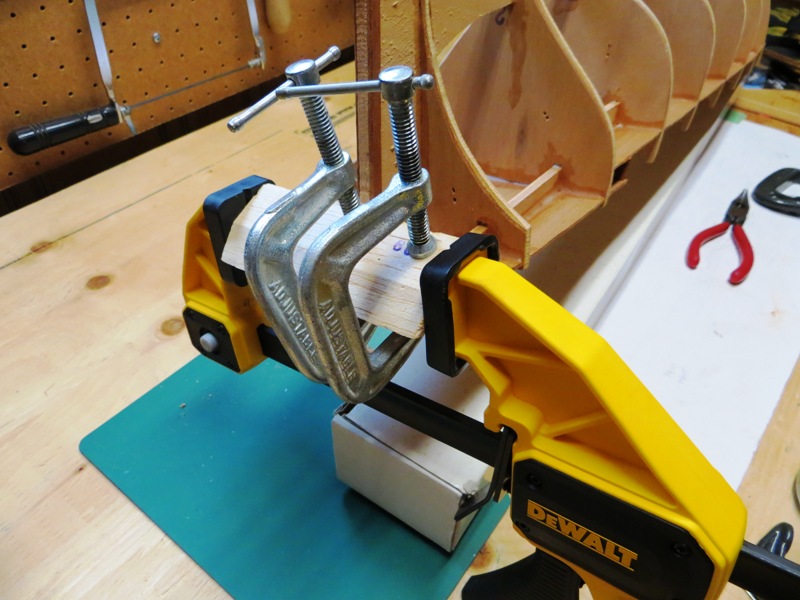
Thanks for all the encouragement gents. Yes, there are a few CS projects on the go and I have been watching a few myself. It's always nice to get ideas on different ways to skin the proverbial bird in the bush... The next order of business is to shape the filler blocks on the stern to coax the hull planking in that area. The kit provided a pair of balsam blocks that were somewhat pre-shaped. All that was needed was a bit of glue and a few clamps to hold it in place initially. Here's how I went about it...
- 207 replies
-
- 4
-
-
- billing boats
- cutty sark
- (and 1 more)
-
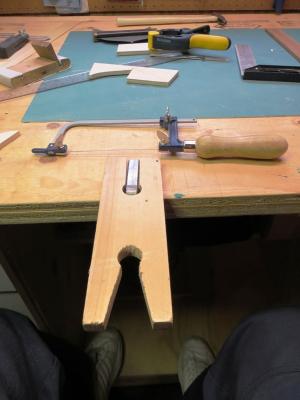
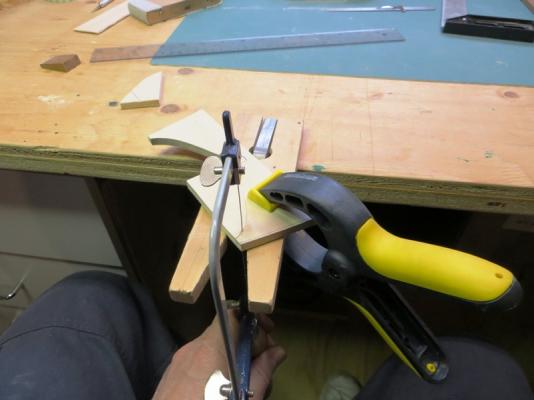
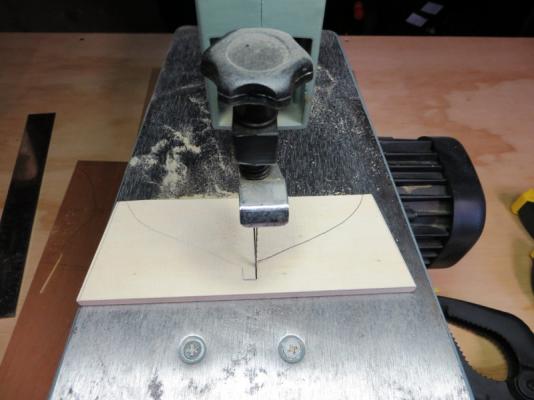
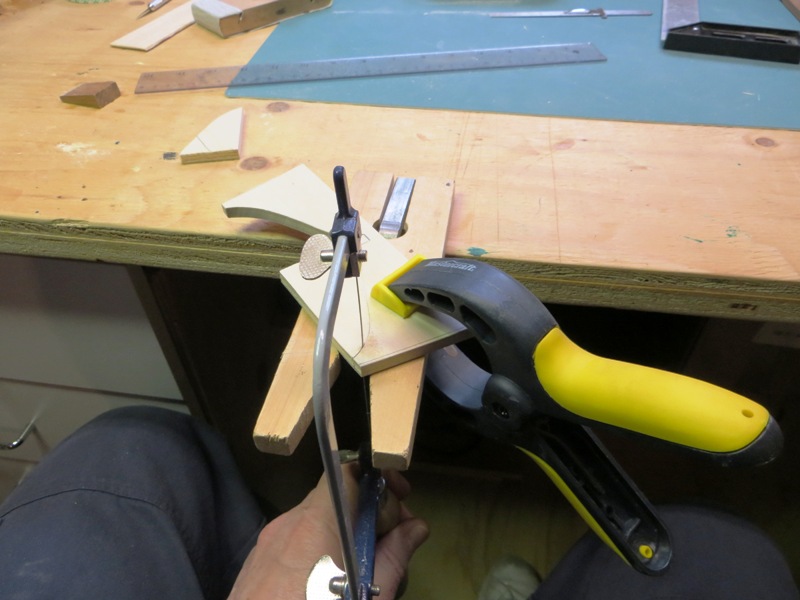
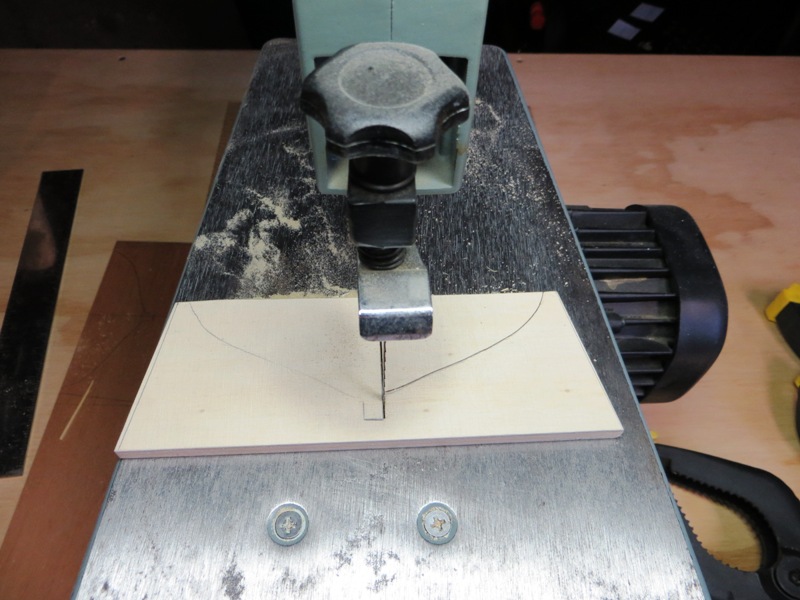
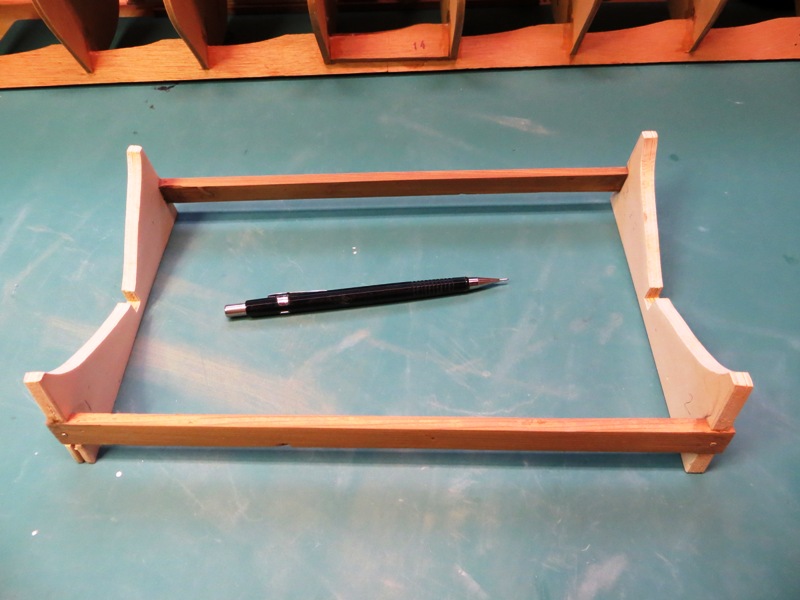
Now for the sawing.. And here is the finished product, in action no less! More progress coming soon! Happy New Year everybody!!! Peter
- 207 replies
-
- 3
-
-
- billing boats
- cutty sark
- (and 1 more)
-
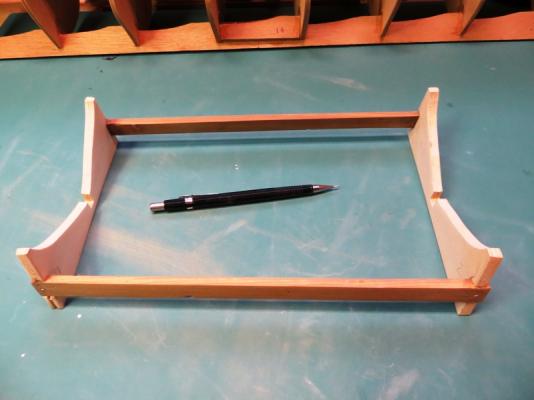
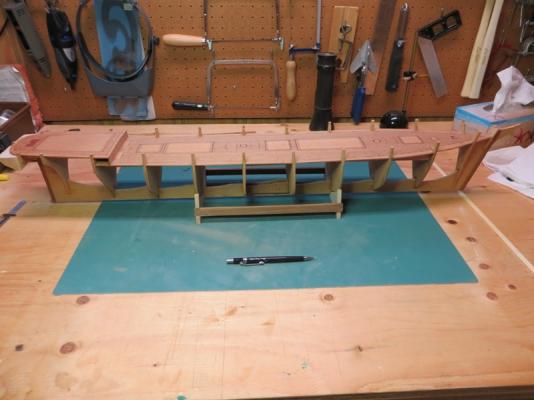
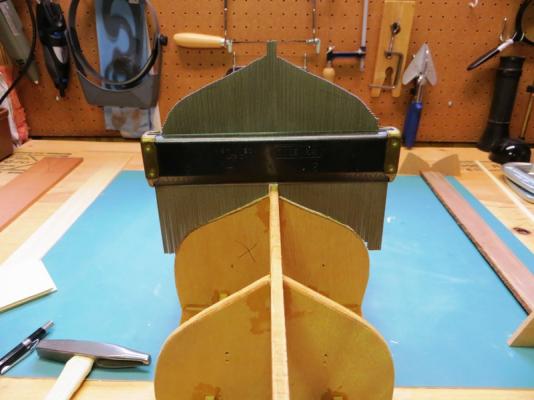
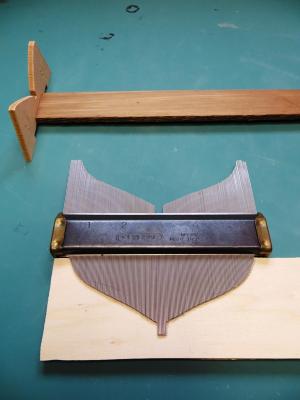
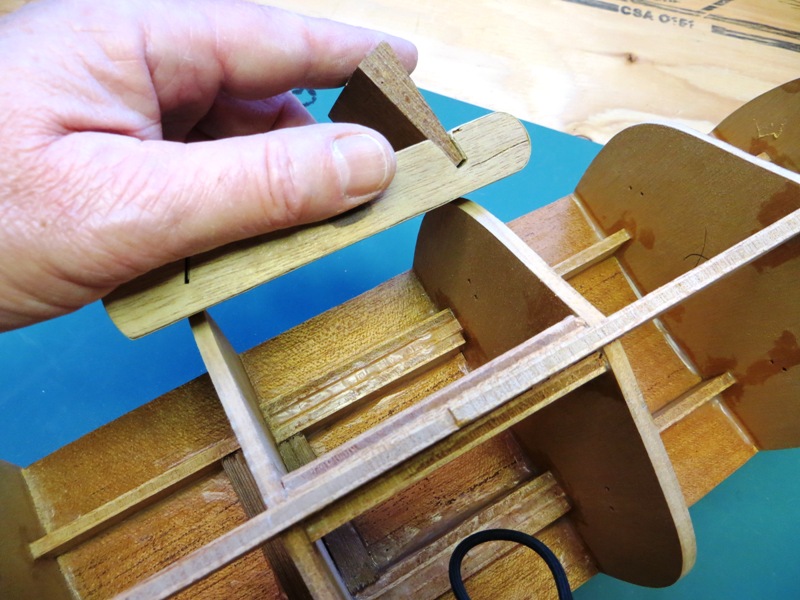
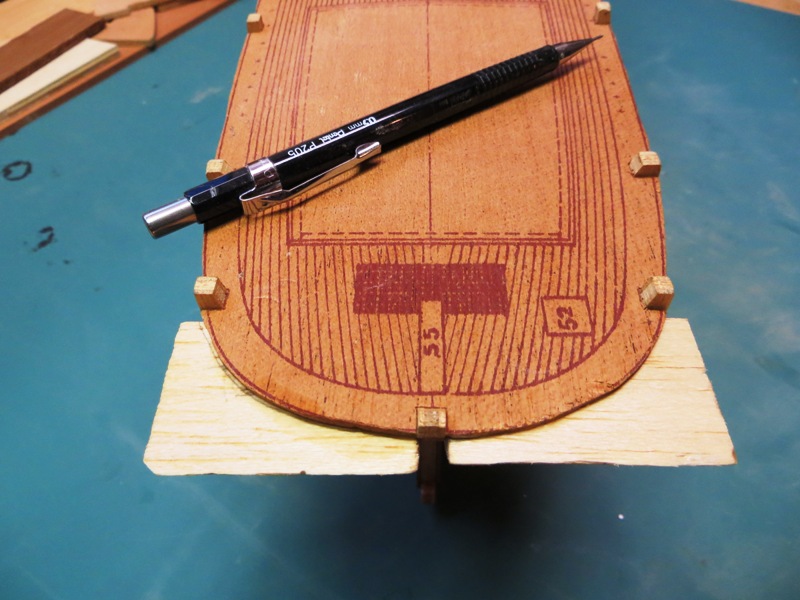
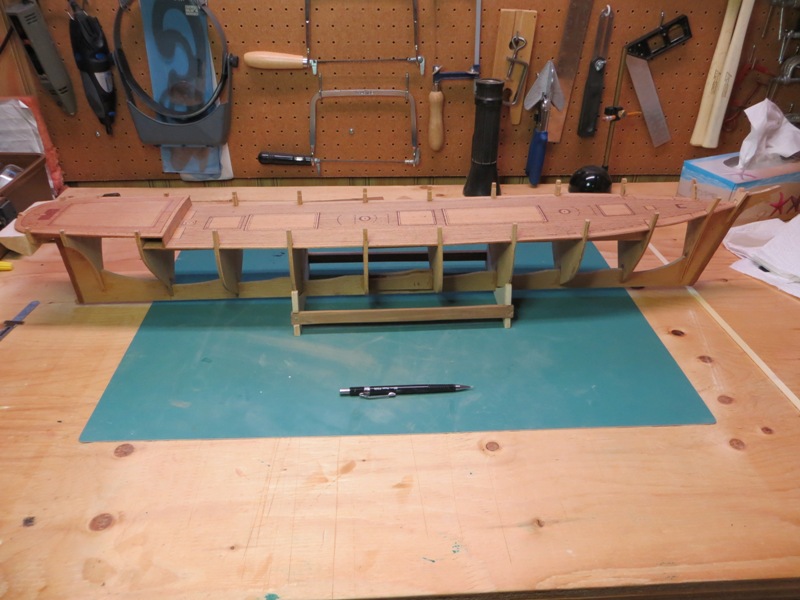
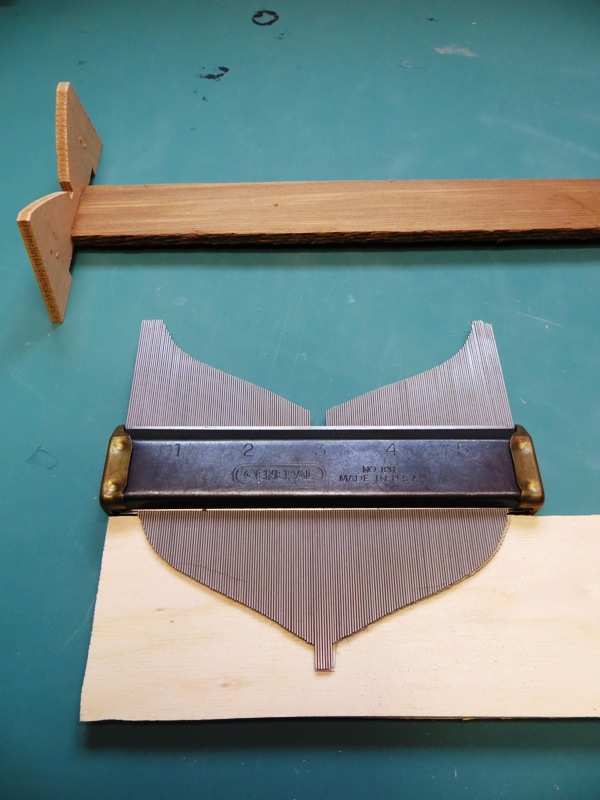
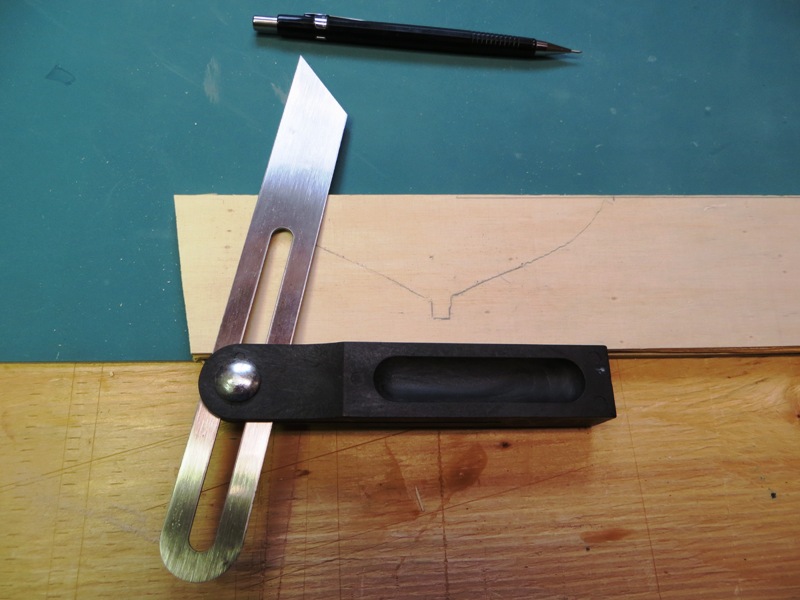
Well, after a particularly long hiatus from model boat building, I am very glad to get back into the wood shop and make vast quantities of sawdust. The first order of business is to build a sturdy cradle in which to hold the ship while I plank the deck. The kit had already been started by the previous owner, but it did not hold the model well. So, the cradle was built to "warm up" with some tools and skills! The contour gauge was placed on two of the bulkheads which are meant to "cradle" the carcass, as seen in the photo. The contour gauge was then placed on a sheet of ply and the outline traced. The sides of the chocks were then drawn on the ply as seen in the photos.
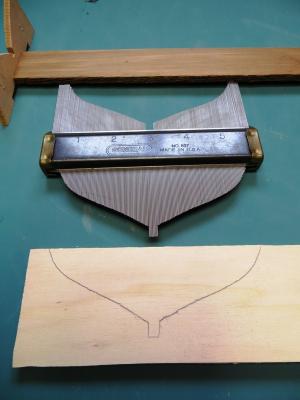
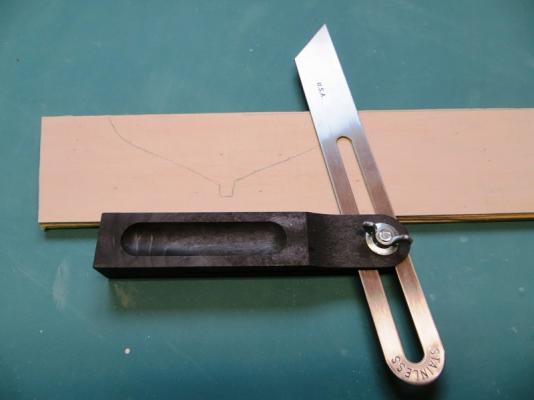
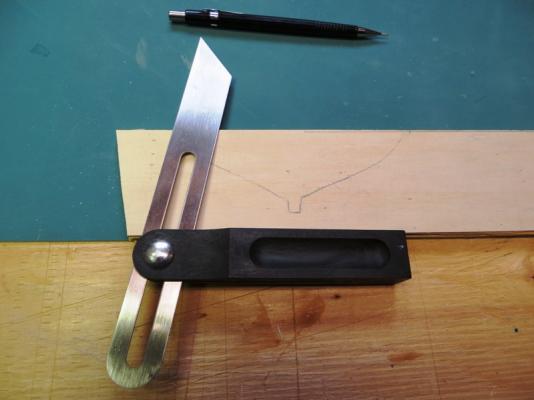
- 207 replies
-
- 2
-
-
- billing boats
- cutty sark
- (and 1 more)
-
Hi Vince, Wonderful work on the stern gallery! Thanks for posting all the detailed work you have done. I have this kit waiting patiently in the wings, and will be using one or two ideas (ok, all) in building my own Royal William. Looking forward to more of your build log. Peter
- 593 replies
-
- 1
-
-
- royal william
- euromodels
- (and 1 more)
-
Hi Don, and congratulations on a beautiful ship! I just ran across your log tonight and am glad I did. I would love to see it in person too, and help you christen it. I come home in a few weeks. Cheers, Peter
-
Another fantastic addition to your Unicorn Ian. I really enjoy following your work. Mr Corel would be proud!! Cheers, Peter
-
Hi Luca, I was just catching up with your Cutty Sark. Nice work indeed. I have been neglecting my shipyard, but you are giving me a huge boost in my own inspiration. Thanks for posting all your pictures! Peter
- 121 replies
-
- 1
-
-
- cutty sark
- artesania latina
- (and 1 more)
-
Hi John, I really like what you've done with your Unicorn. A nice clean build! I wonder what railings with hammock nettings would look like? I'm not even sure if it would be historically accurate. But hey, you're the shipwright/skipper/bosun. You can do as you like! I will look in from time to time and see what you decide. Peter
-
Hi Chuck, I am really enjoying your Cheerful unfold. Beautiful craftsmanship! My question is, the wood you are using for your hull planking. Is it boxwood, and could you recommend a a supplier? Cheers, Peter
-
Hi Guys, I thought this was a Aubrey / Maturin / O'Brian thread. It's already been cleaned up once of other authors works. Could we please keep it on topic? Peter
-
Hi Phil, Great work on your Bounty! You have done a fine job with the rigging. It looks really authentic and detailed what with all the seizings. Where are you getting the rigging info from? Not Billing I'm guessing... Peter
-
Hi Nenad, Actually, that article is already written. With Banyan's (Pat) help, I wrote a series of posts on building a display case. He converted it into an article on the NRG's Ship Modelling Resources page, under the Ship Modellers Database of articles, Furniture and Fittings. Keep in mind, the display case is pretty rudimentary in its construction. The wood I used is easily accessible and inexpensive. I am no finishing carpenter and have only basic tools. But the display case is functional and it finishes up pretty well. With different woods and more refined skills, one could fiddle with the design and build a better one. Here is a link to the article. Hope it helps. http://modelshipworldforum.com/resources/furniture/Building_a_Display_Case.pdf Cheers, Peter
-
Hi guys, Thanks for the warm welcome from the Cutty Sark Club. There certainly are a fair number of Cutty Sark builds going on and I have been following along with yours from the wings. I am currently busy with building a couple of display cases, so my build log won't truly take off for a couple more weeks. But I can't wait to get it going proper. So please be patient. Cheers, Peter
-
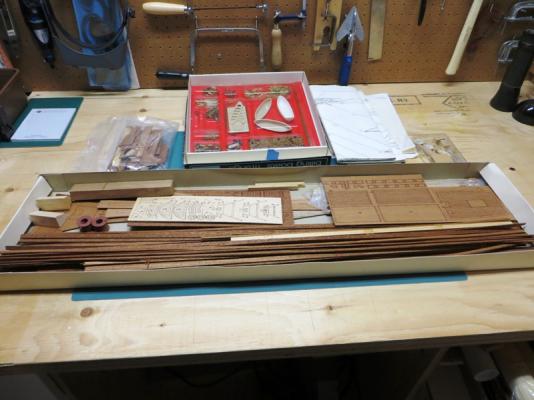
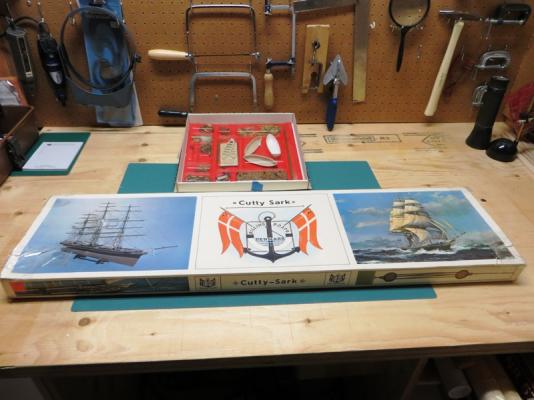
Here are a few more pictures of the model as it looks now. I have also downloaded the building instructions from the Billing web site that include step by step building sequence drawings. They will help. The kit number on the box is 459 which will give some of you an idea of the age of the kit. The fittings kit is #1080.
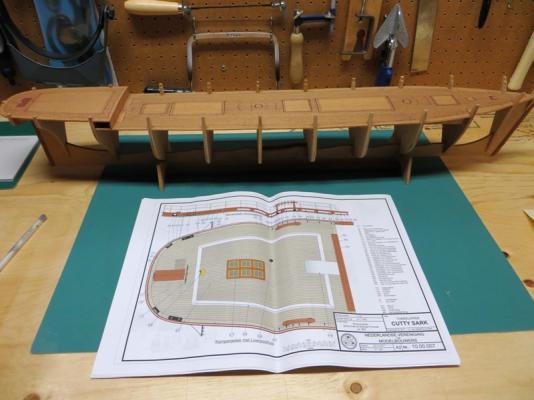
- 207 replies
-
- 3
-
-
- billing boats
- cutty sark
- (and 1 more)
-
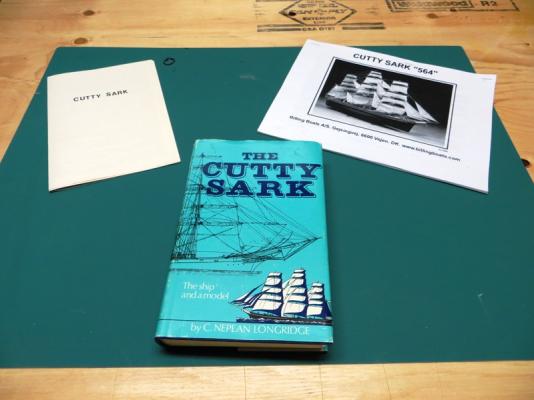
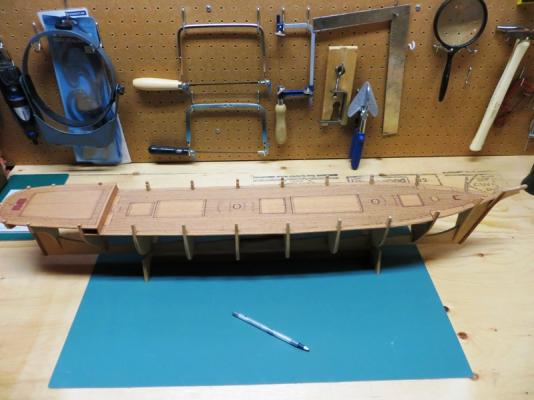
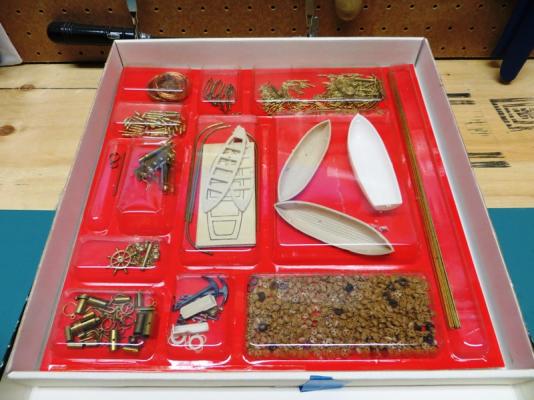
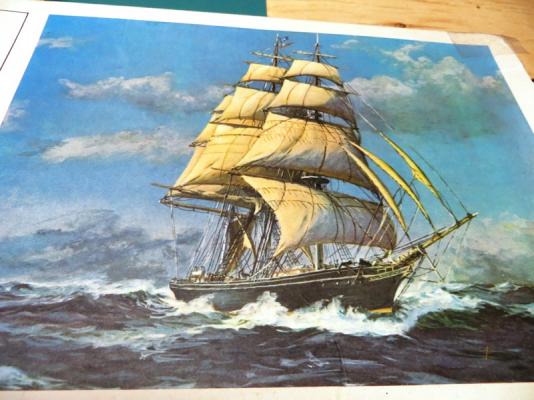
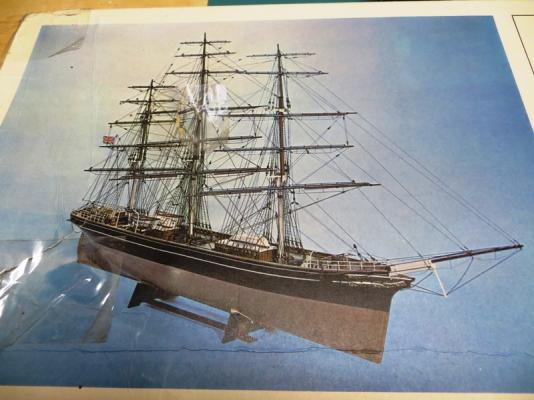
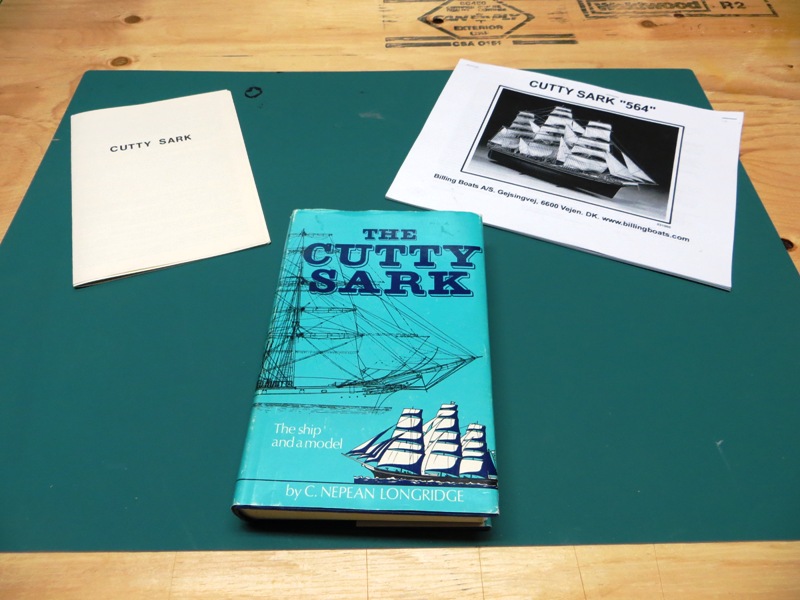
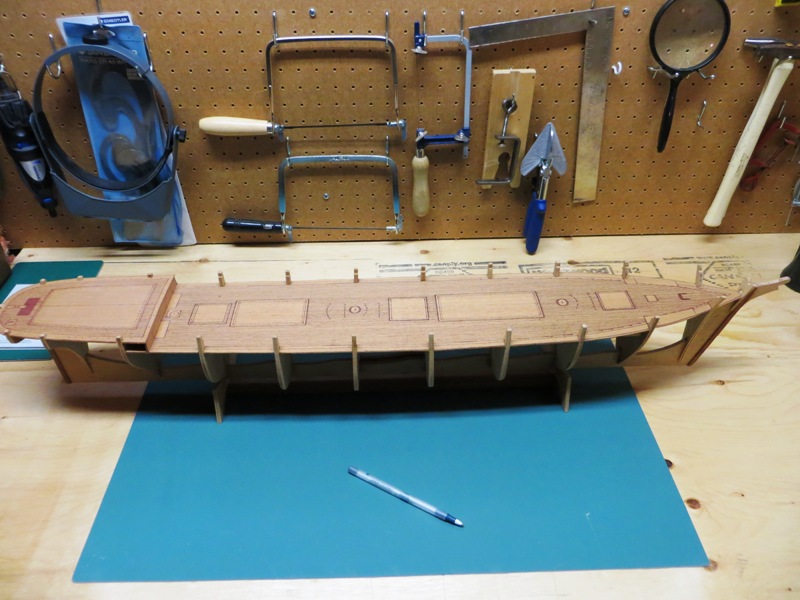
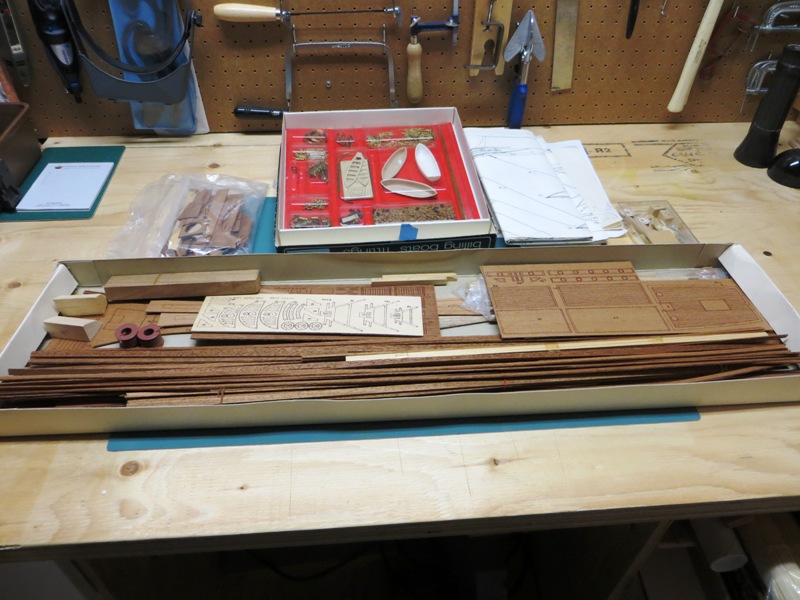
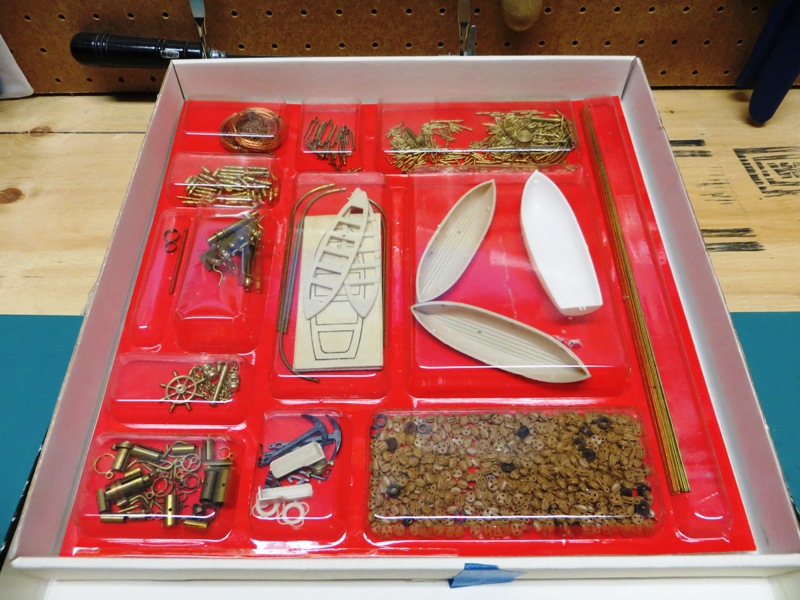
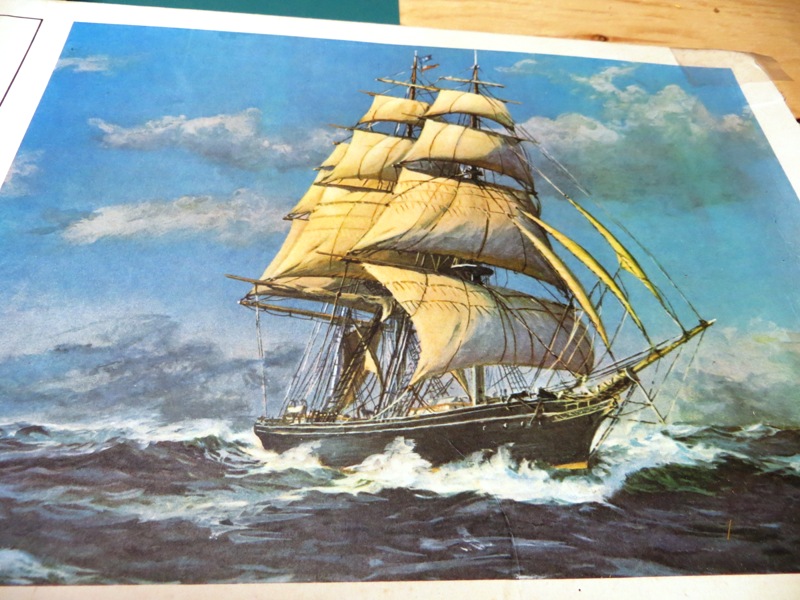
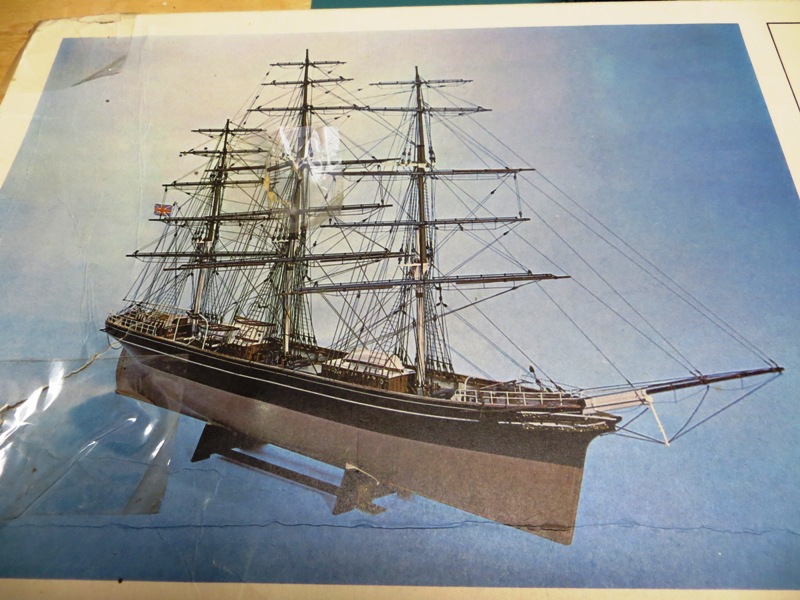
Well with winter round the corner, it's time to hunker down and get back into the shipyard with Cutty Sark. This is a model I have always wanted to build since starting out in this hobby with Billing's Mary Ann. Thanks to Kip (aka Sawdust), I was able to acquire this second hand model which he purchased from a neighbor for 2 bottles of wine. He also sold me Nepean's book and Campbell's drawings so I have lots of info over and above what Billing supplies which isn't much. Thanks to Lou's lead, I have also purchased J.J. van Griethuysen,s drawings which are spectacular. As you can see from the photos, this is an early Billing kit , from the 70's I would guess. Einar Billing includes a little intro with the Reader's Digest version of instructions they are known for. In them he states that the kit is intended to be built and not merely assembled. He expects the builder to exercise skill and imagination in the building of the kit. Sage advise indeed. As with all earlier Billing kits, the hull and fittings are sold separately. Billing believed some modellers might want to create their own fittings. They also recognized that many models are never completed so why buy a bunch of fittings that might never make it onto the model which will never be used. The majority of the wood in this kit is mahogany, which you can imagine is now rather dried out and a little warped. I have decided to replace the hull planking with obechi which I have used on previous Billing kits. It's not expensive, bends easily with a little steam and will be painted, so no need for top quality timber. As the build progresses, I will decide what other wood needs replacing. As can be seen from the photos, the kit is already started. The original owner of the kit did get it stared but then realized he no longer wanted to continue. So I have the kit framed and with the false deck installed. The rest will be all me. He has done a first rate job, and the keel is straight so it is a good point to resume where he left off. Job one will be to bevel the bulkheads. So here's a couple of pictures of what is to come...
- 207 replies
-
- 3
-
-
- billing boats
- cutty sark
- (and 1 more)
-
Ain't it amazing what you can find on YouTube. I have begun re-reading the Aubrey-Maturin series for the fourth time (yup, I like 'em) and for the heck of it, decided to see if there was anything on YouTube about the author. Lo and behold, there is an hour long interview sponsored by the The Mariners' Museum, in Newport News, VA, on April 11, 1995. I sure do miss him.. Peter
-
Hi Don, Great work on your Gorch Foch! As for your turnbuckles, glue them in place and then do the following. Secure the shroud at the head of the mast. Take that line and thread it through the top of the turnbuckle. Cinch up the line by doubling the end back up the shroud. This takes the slack out of the shroud. Now pinch it off with an aligator clip about an inch (2.54 cm ) above the turnbuckle. And then seize the doubled line just at the turnbuckle. I just tie a series of half hitches a bunch of times to secure it. Then give the seizing a dab of matt laquer to hold all the knots in place. Presto! Hope this makes sense... Peter
-
Congratulations Grant on a stunning display of craftmanship. A model to be proud of, that's for sure. Time to splice that mainbrace! Peter
-
Hi Gundorph and welcome to the site. Mary Ann was also my first wood model. You have made a great choice. Now I am contemplating my 8th model ship! So I think Mary Ann is a good beginning for a long journey with model ships. Good luck with your build. You have made a fine start. Peter









Our Emblem ®
