

druxey
-
Posts
13,405 -
Joined
-
Last visited
Content Type
Profiles
Forums
Gallery
Events
Everything posted by druxey
-
 That broadside view is now particularly impressive, Marc! That is a lot of breeching rings to close up. I hope you have a pair of very small-nosed parallel pliers for the job....
- 2,699 replies
-
- 3
-

-

-
- heller
- soleil royal
- (and 9 more)
-
Sweet! That hull is looking terrific, Keith.
-
1450????
-
If sanding, use sandpaper glued to a flat stick to keep the bevel flat at a constant angle.
- 33 replies
-
- 3
-
-
- Model Shipways
- Norwegian Sailing Pram
- (and 1 more)
-
Animation of Newport 'mediaeval' (15th century) carrack/nao
druxey replied to Louie da fly's topic in Nautical/Naval History
I was amused by the sailor climbing by every other invisible ratline. That's picky, Steven! Nicely done, though. -
1876 Parcel van by michael mott
druxey replied to michael mott's topic in Non-ship/categorised builds
Terrific, Michael! Your metalwork is equal to that of the late, great Gerald Wingrove. -
Your trials and tribulations are familiar to all of us. Persevere, and you will find that your skill at cutting joints will keep improving.
-
Well done indeed, Matt. A very nice first model. Now you can build on your experience and skills.
- 69 replies
-
- 1
-
-
- Lowell Grand Banks Dory
- Model Shipways
- (and 2 more)
-
1876 Parcel van by michael mott
druxey replied to michael mott's topic in Non-ship/categorised builds
Nice (re)start, Michael. -
You have a lot going on, haven't you? Hopefully you'll keep the kitties away from the model now!
- 31 replies
-
- 2
-
-
- Lowell Grand Banks Dory
- Model Shipways
- (and 1 more)
-
Hope that you are doing OK now, MB. And no, it was not particularly cooler near the lake last week! Thanks for asking.
- 69 replies
-
- 1
-
-
- Lowell Grand Banks Dory
- Model Shipways
- (and 2 more)
-
Very neat and ship-shape work, Mark.
-
Excellent, Chris. But it sort of begs to be placed on a bit of airfield landscape....
-
Terrific and convincing result, Gary!
-
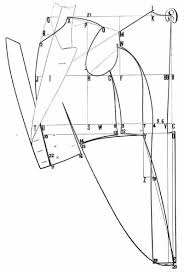
I agree with Martes; the coat is fitted using a drop shoulder seam to the back of the shoulder and separate pieces along a curved seam from the rear shoulder down: It give a very elegant line. You can just see the curved seams in the uniform coat photo. Darts in clothes were used once wider bolts of machine-made material became available.
-
As impressive as ever!
-
If the hands are too large - and perhaps the extended one of the standing figure might be - the head is rather small for the figure's height!
-
You should be OK painting the filler. It may need sanding and repainting a few times to get a really smooth finish, though. For larger gaps a tube of wood filler (such as LePage's 'natural') is easier to handle and sand. It also dries faster! Looks like a nice job that you've done. You commented on the variation in wood. As it is a natural not synthetic material, any wood piece has its own peculiarities that you have to adjust your techniques to. We all experience this, whether kit or scratch builders.
- 69 replies
-
- 3
-
-
- Lowell Grand Banks Dory
- Model Shipways
- (and 2 more)
-
Perhaps a dab of glue on the line before you cut it might help.

Our Emblem ®
