


yvesvidal
-
Posts
3,642 -
Joined
-
Last visited
Content Type
Profiles
Forums
Gallery
Events
Everything posted by yvesvidal
-
 To conclude this beautiful thread about some Fiat legendary cars: Yves
 -
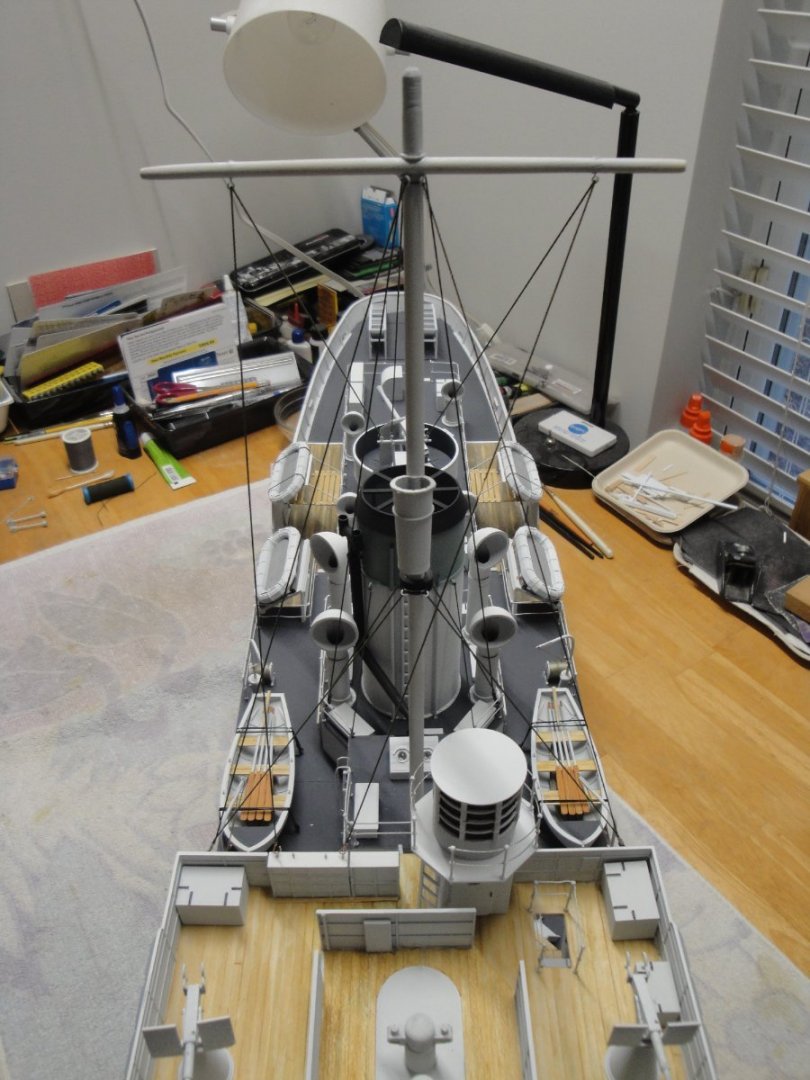
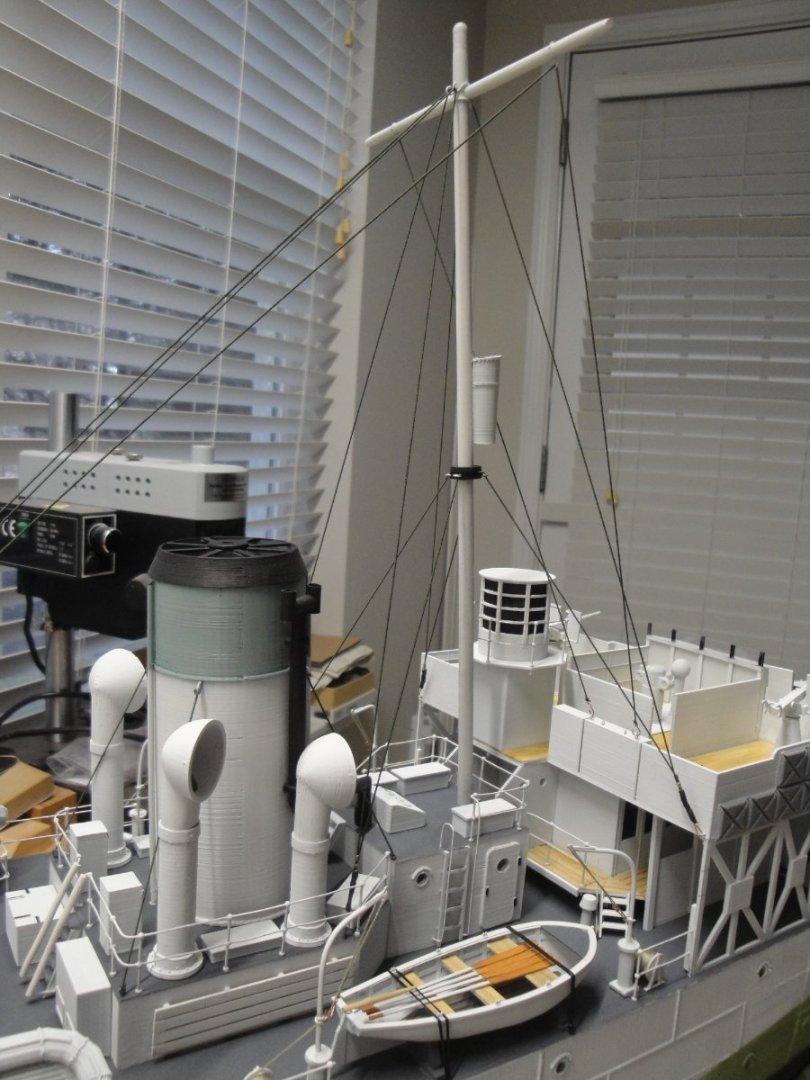
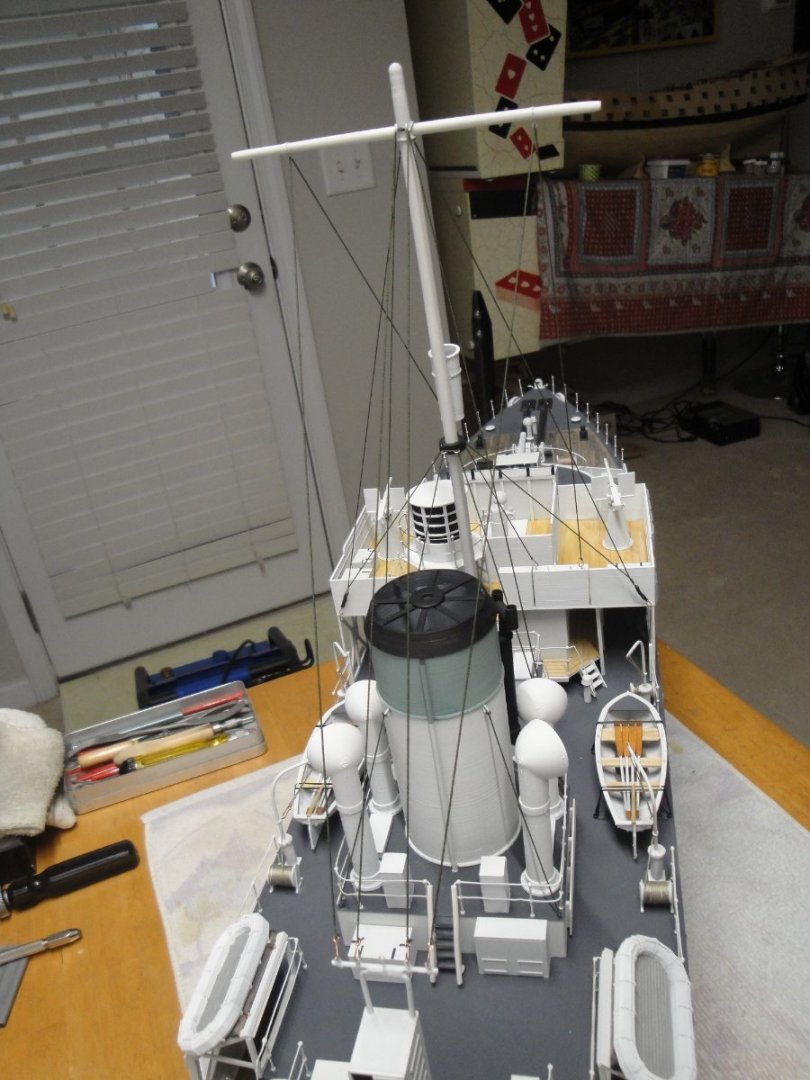
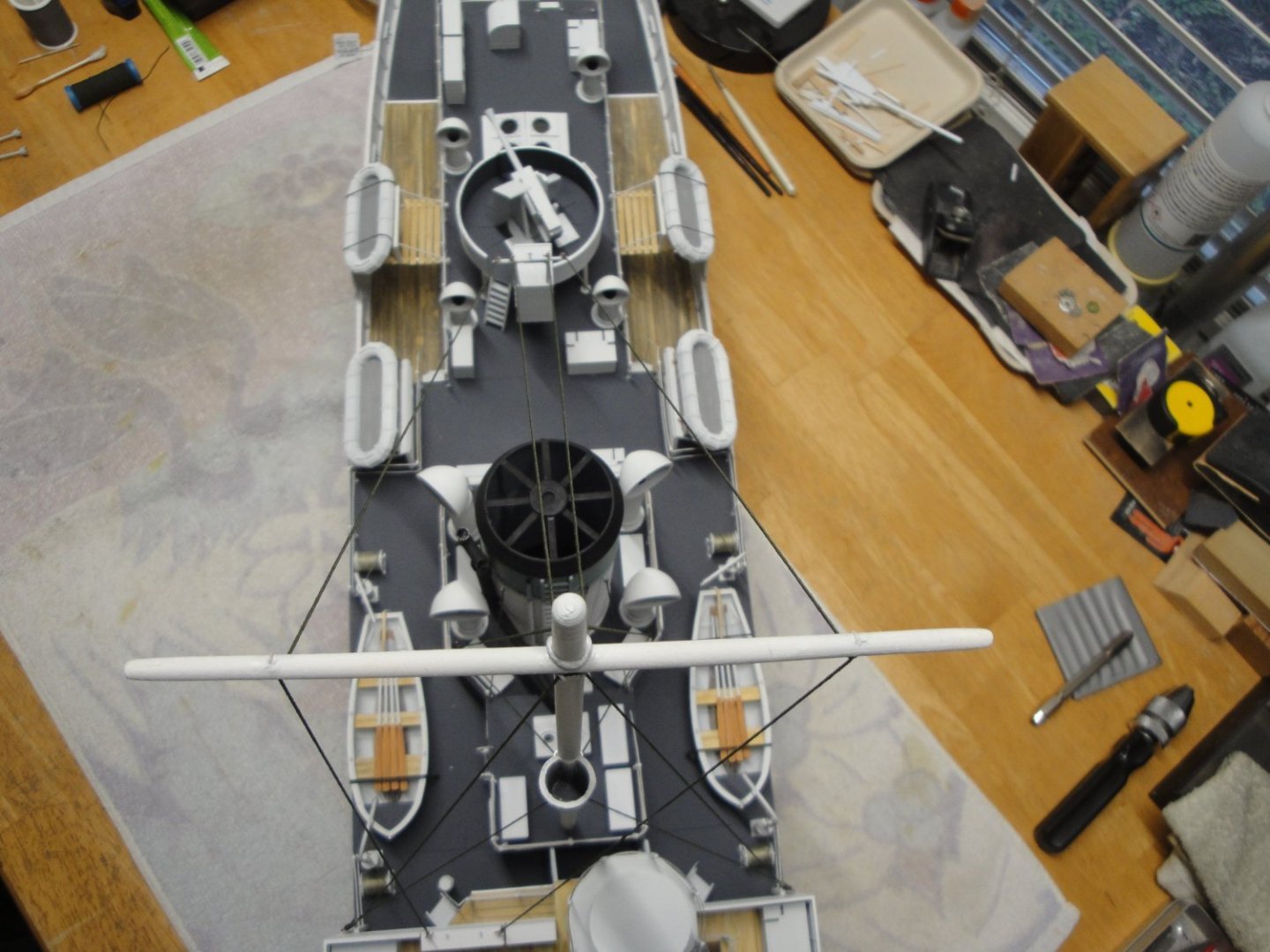
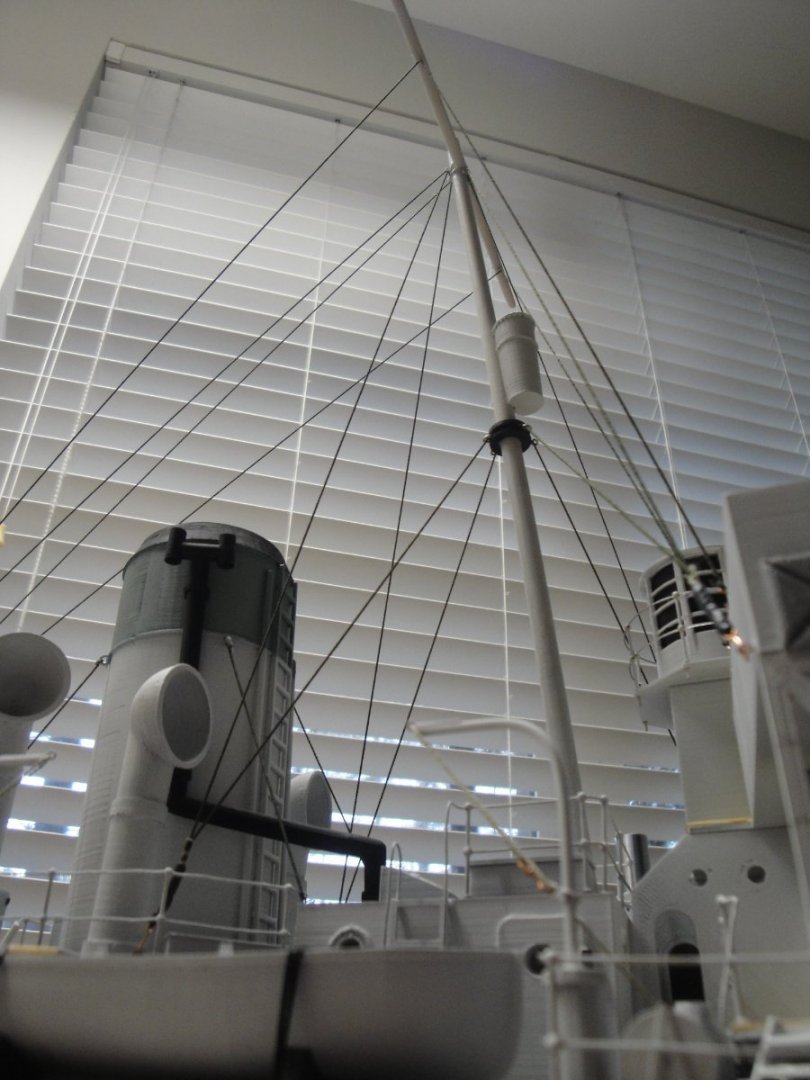
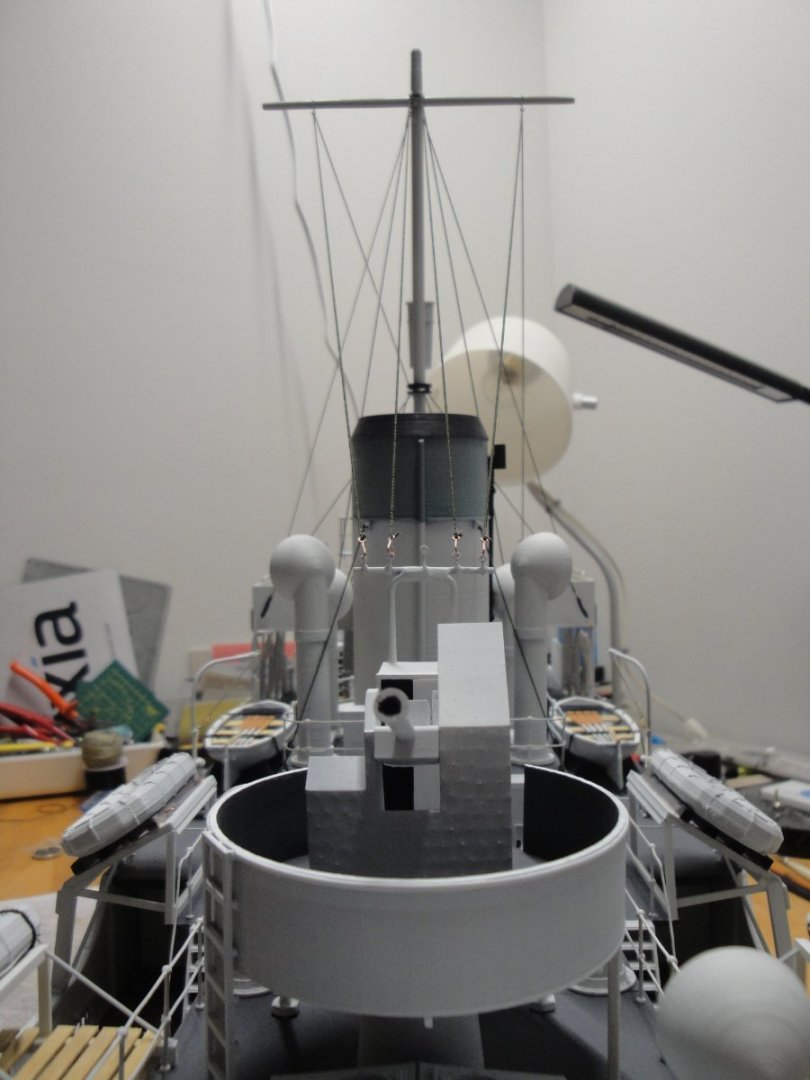
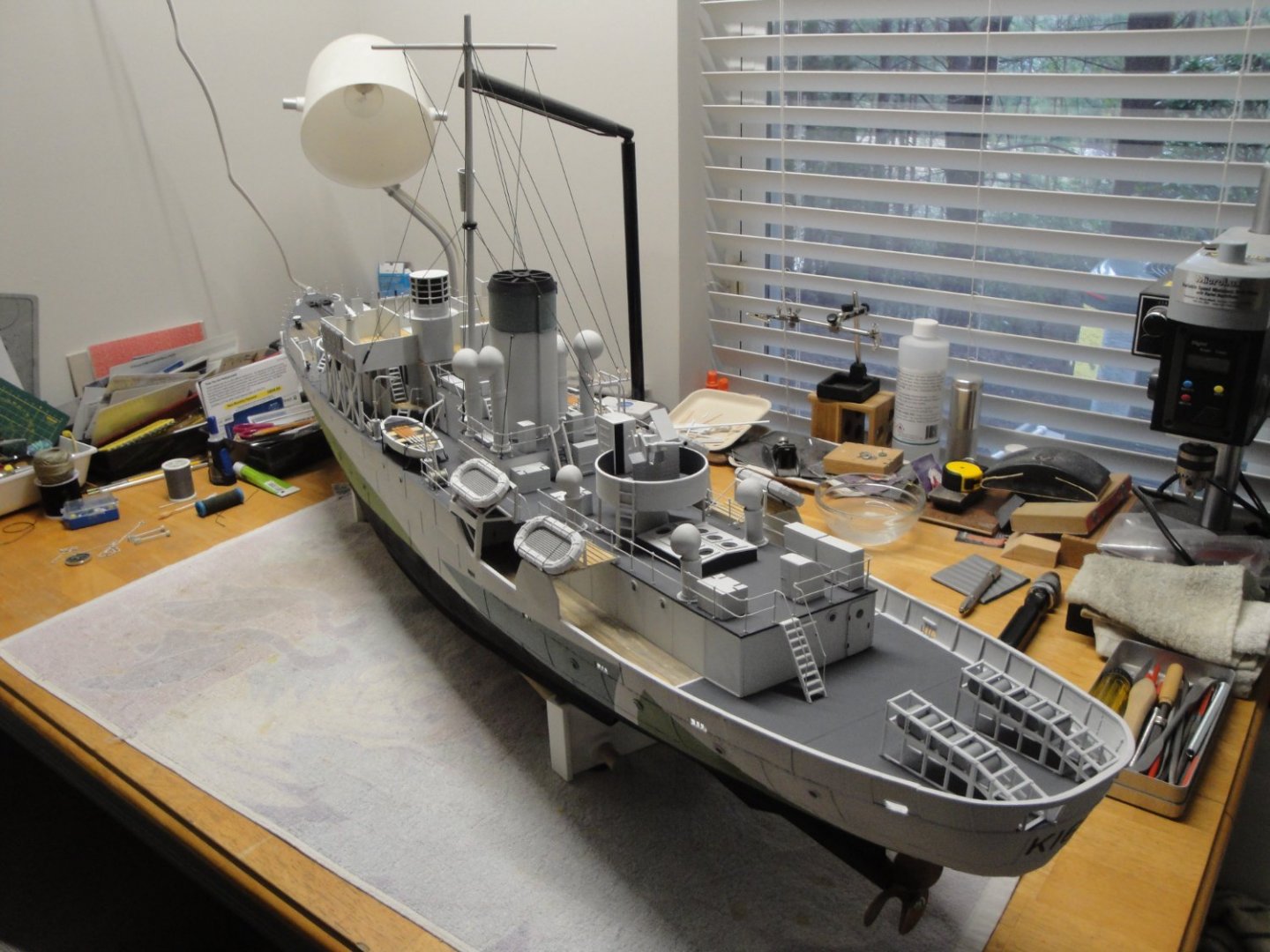
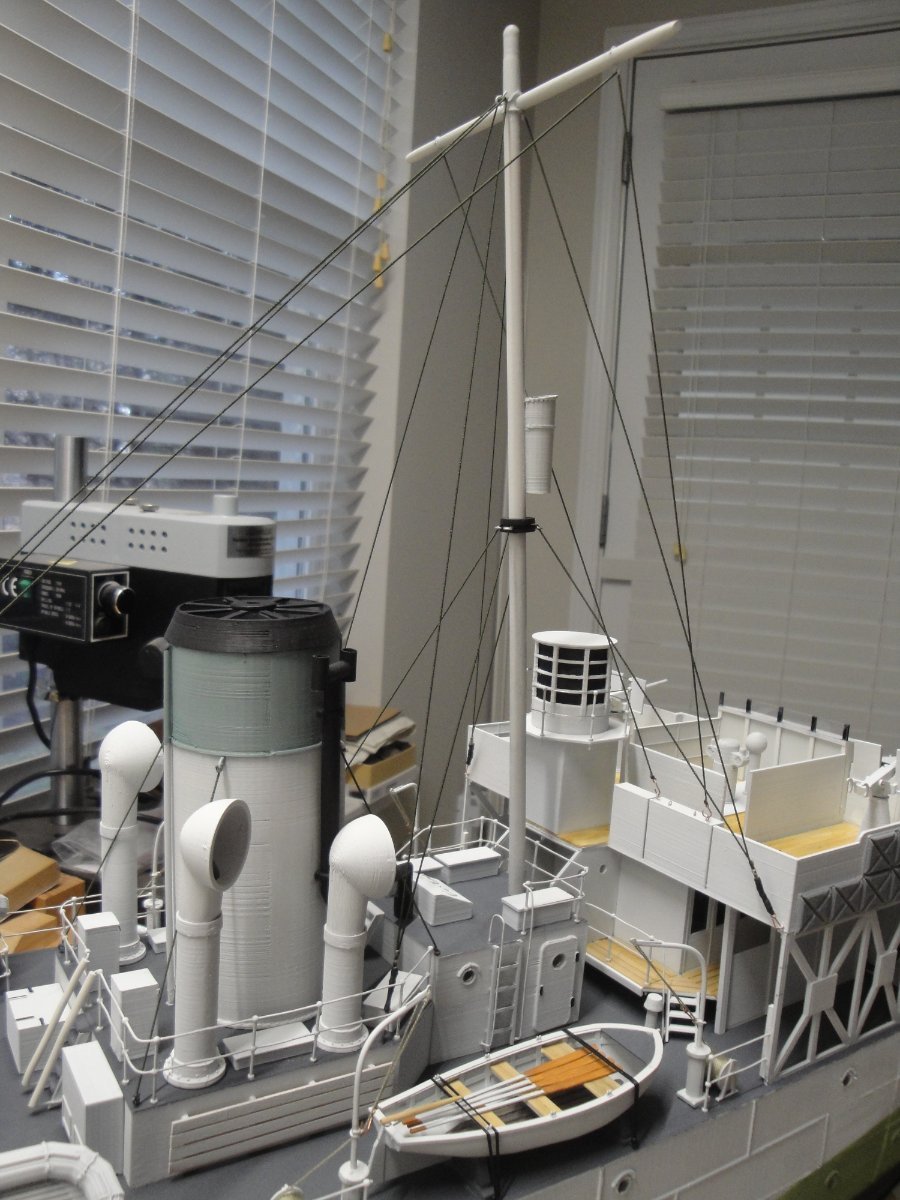
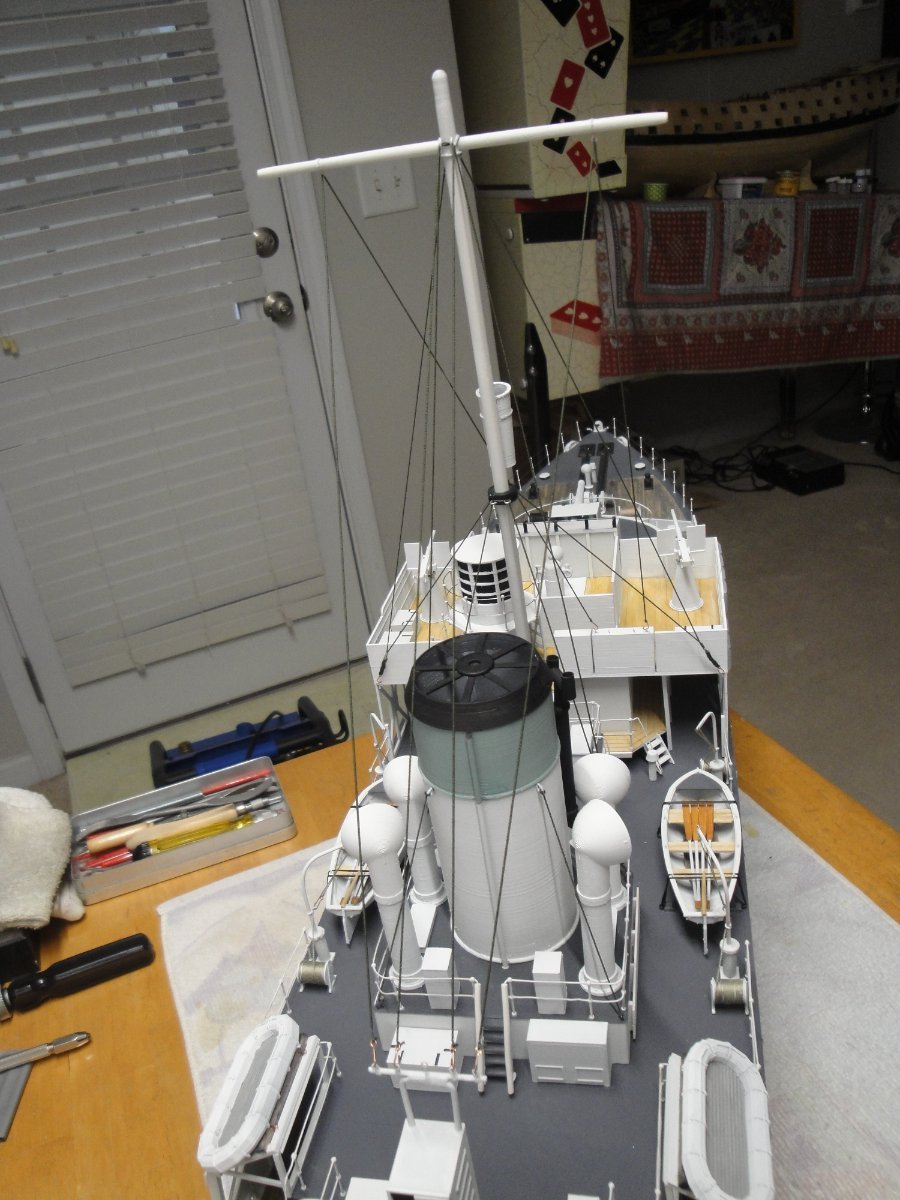
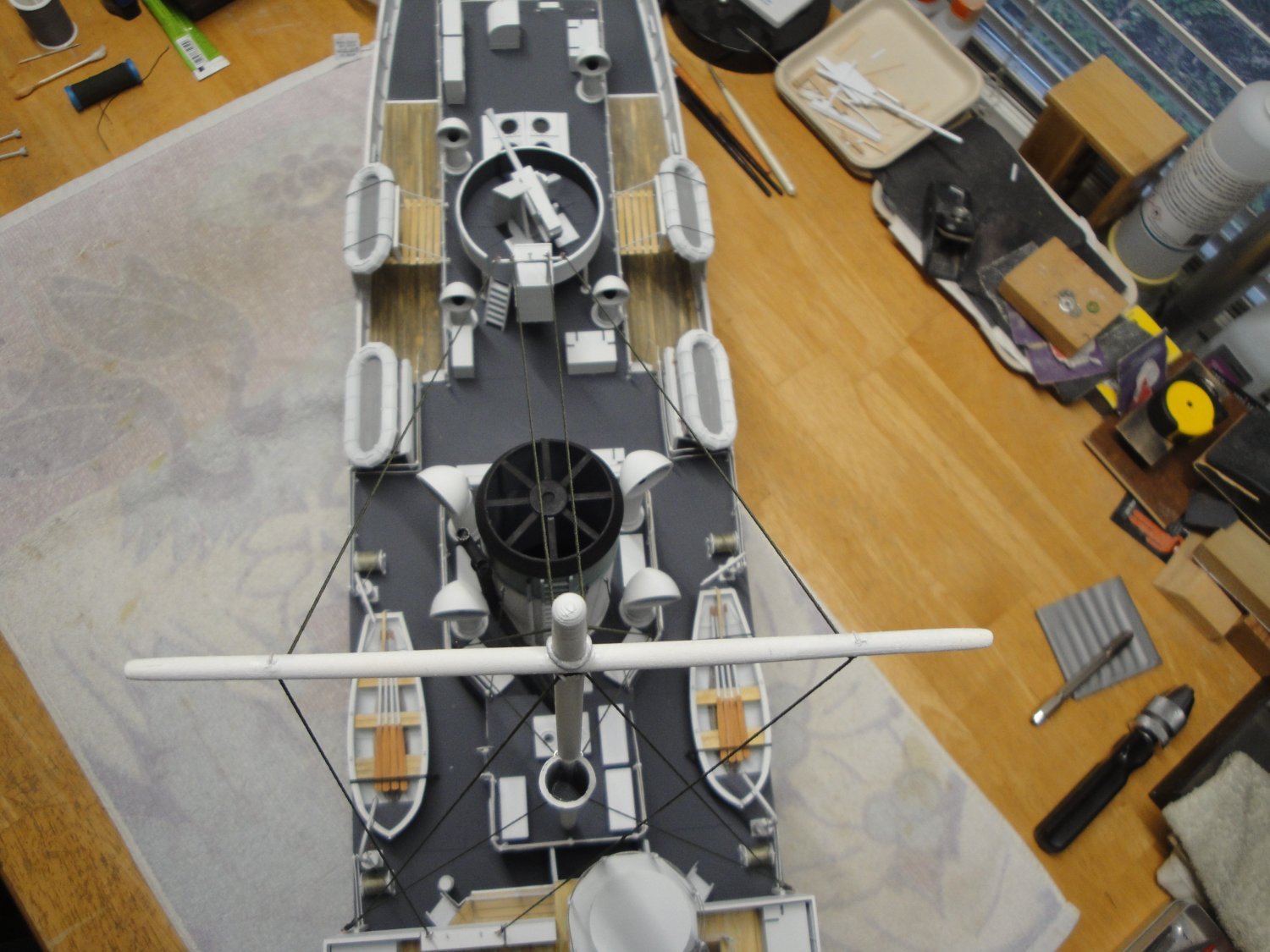
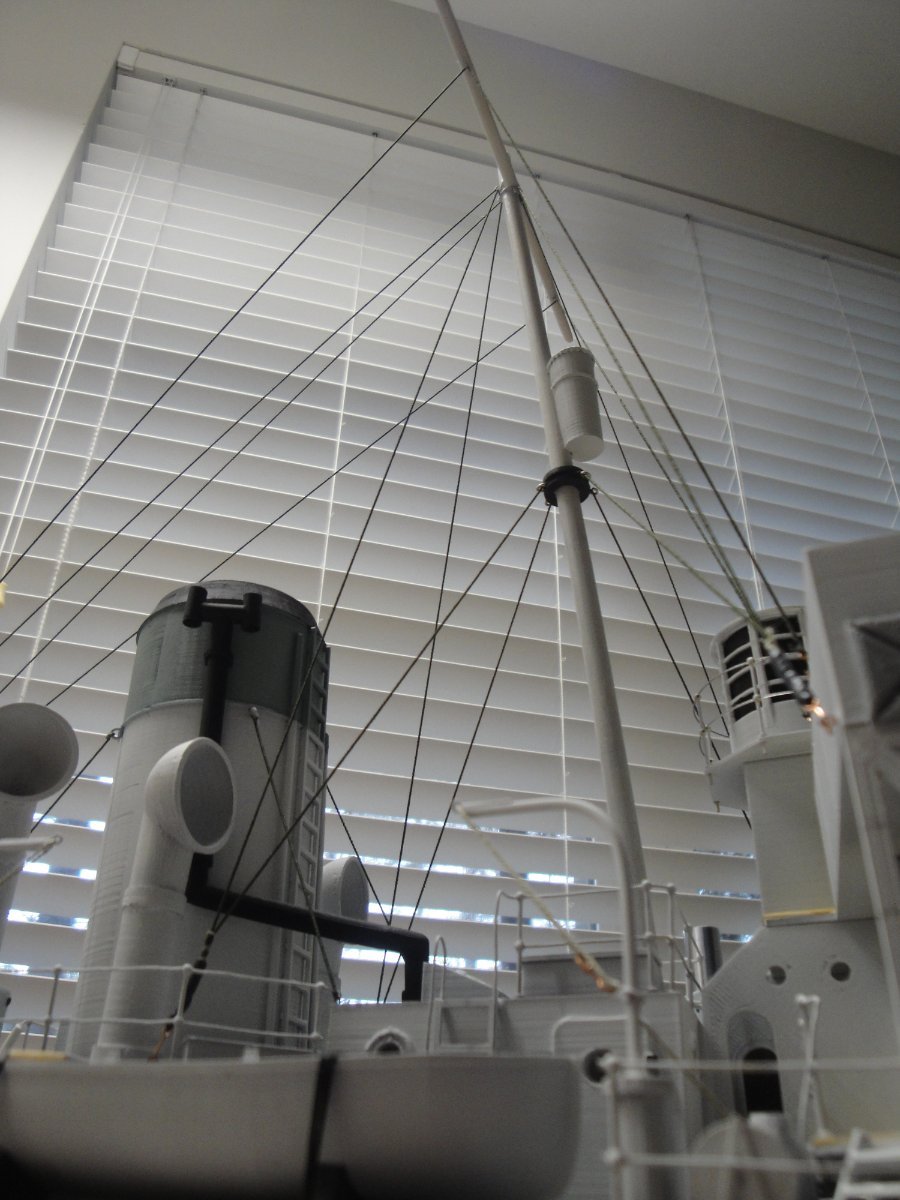
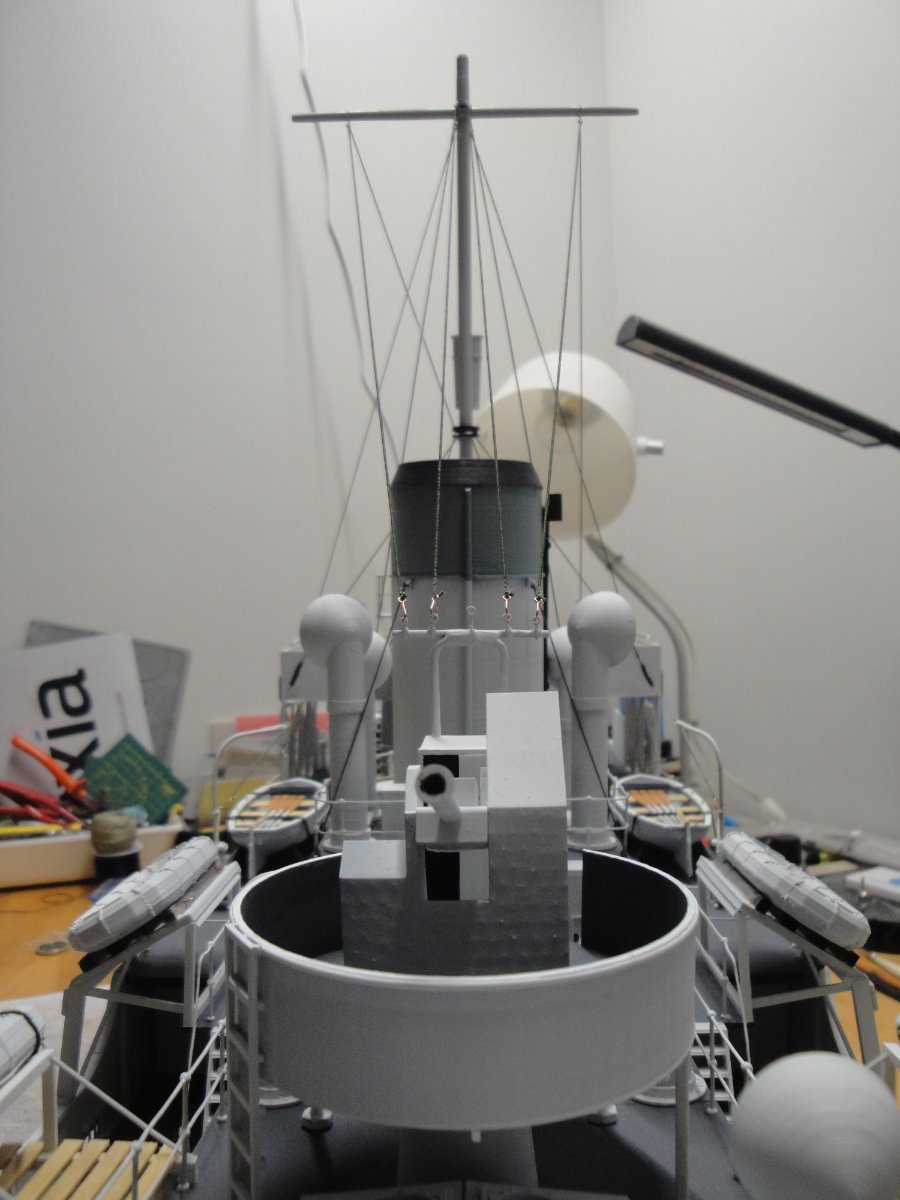
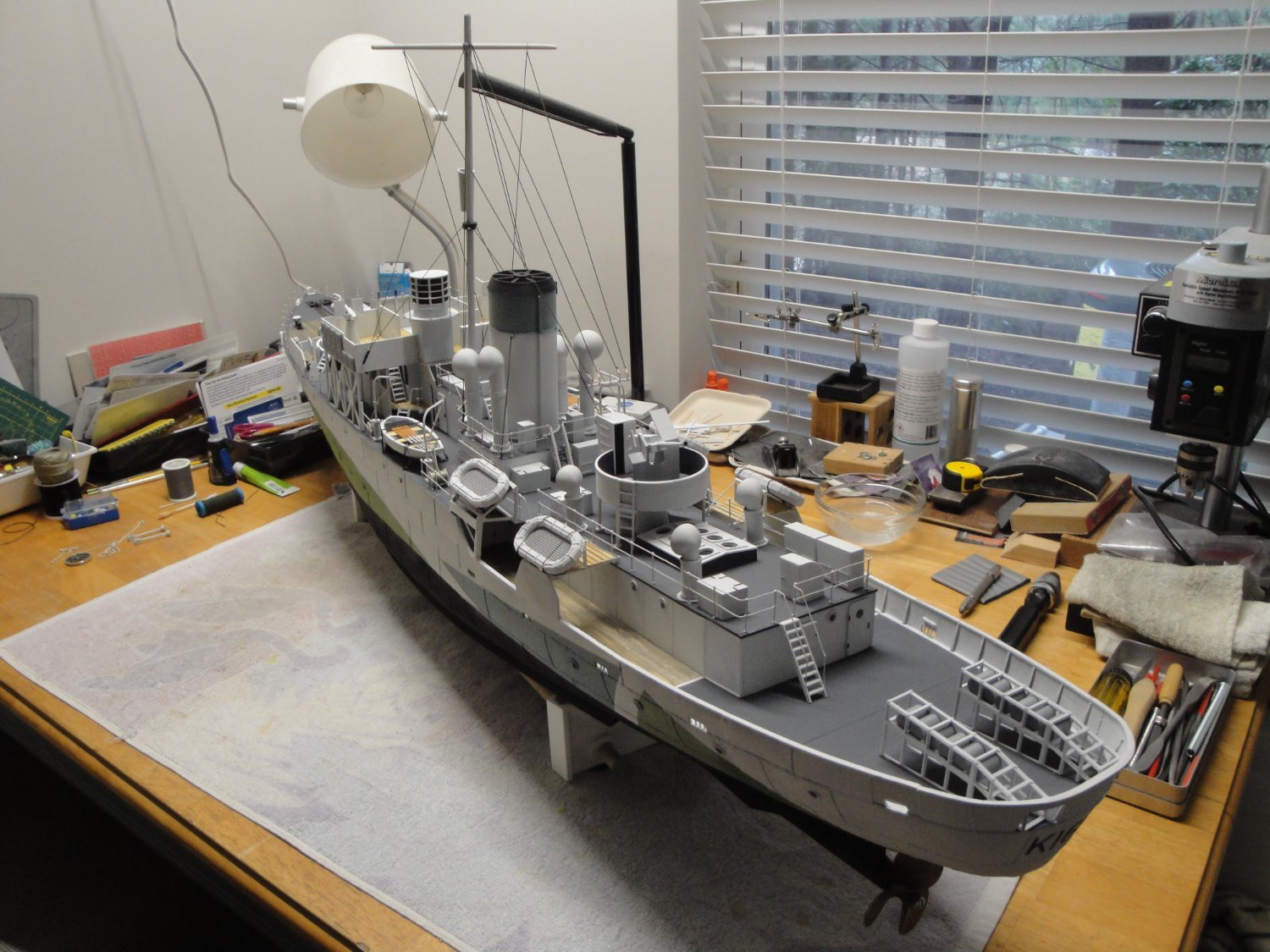
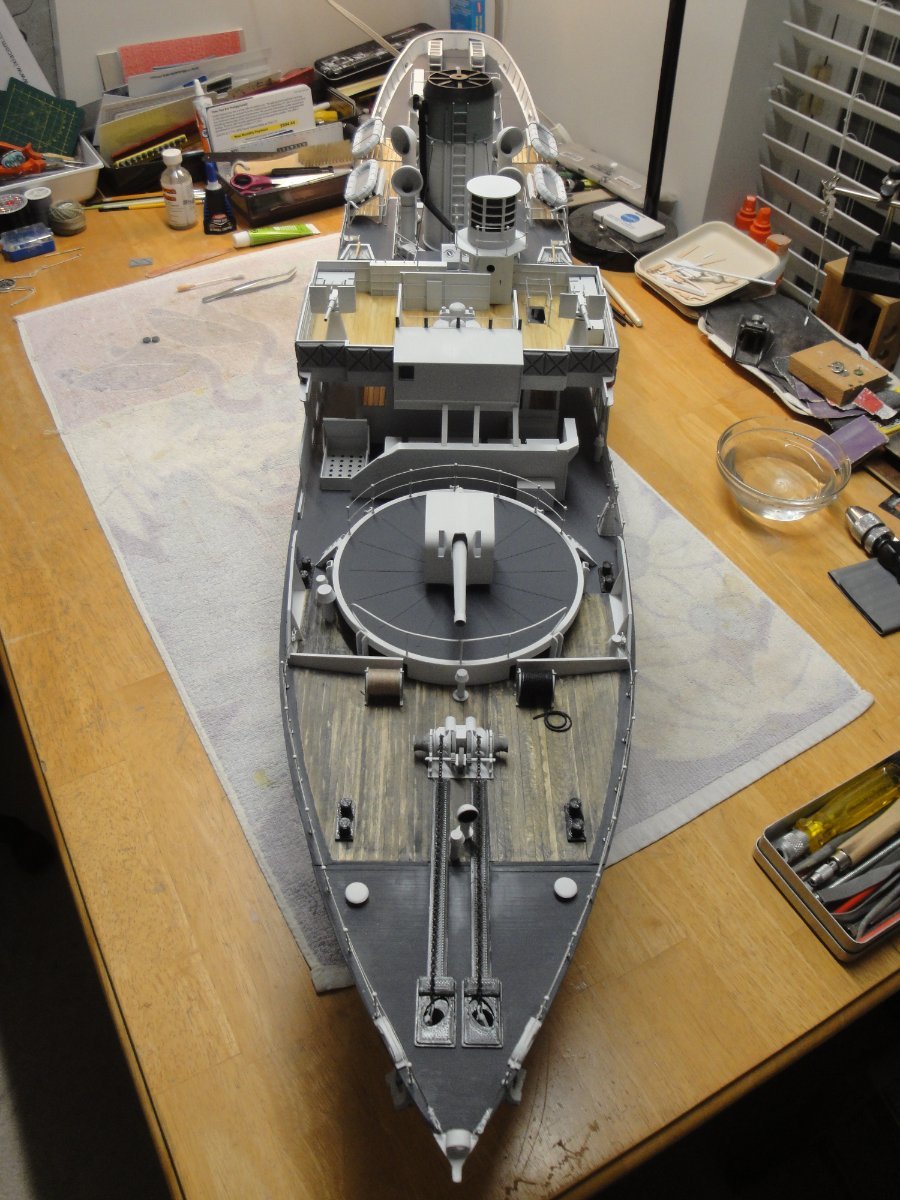
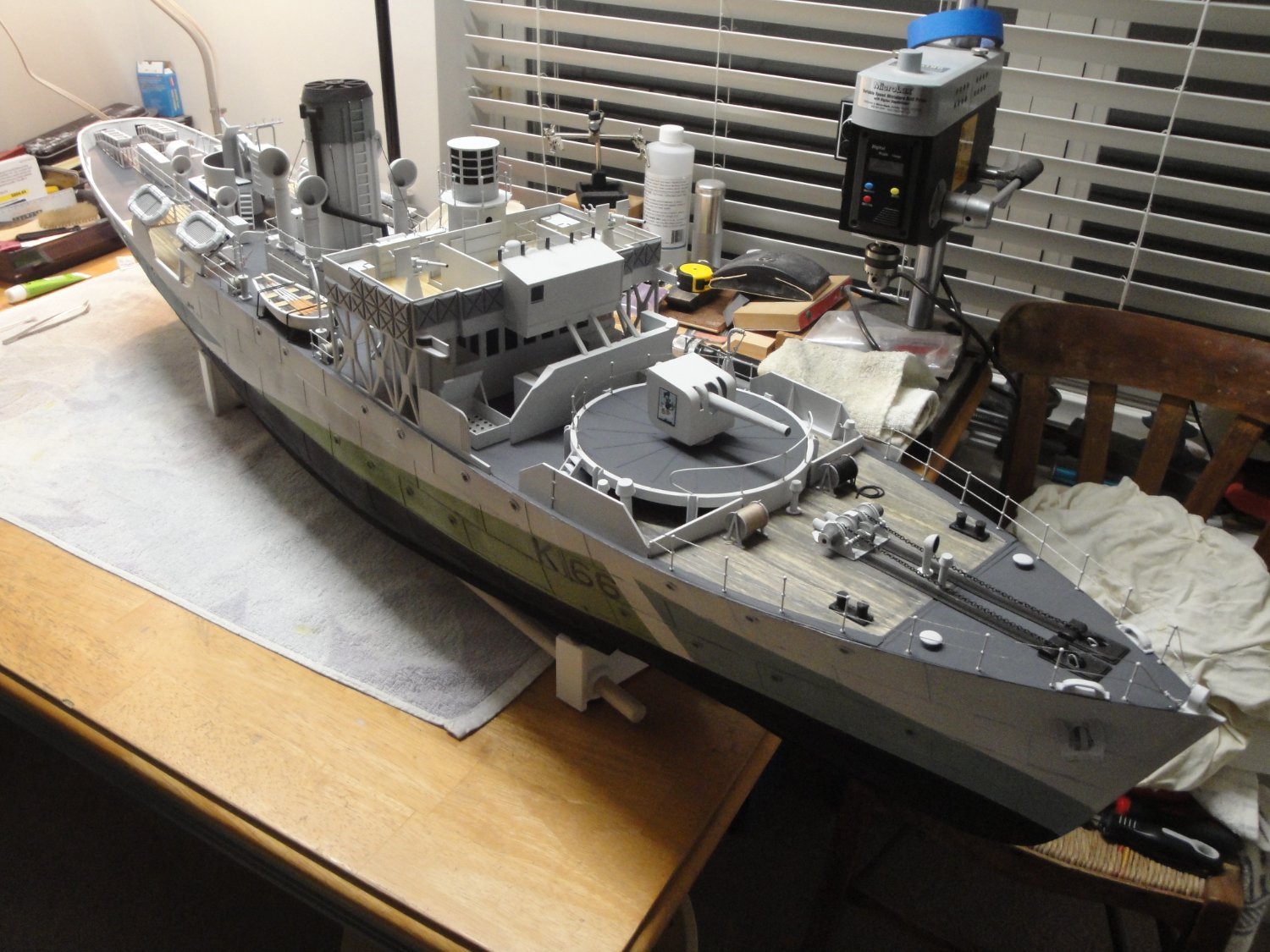
Mast and rigging are pretty much completed. This is a simplified rigging for multiple reasons: I have very little information on how the Snowberry was rigged. Each Corvette was different and the archive pictures are not sharp enough to really distinguish how the rigging was done. With this virtual kit, I am more interested in giving an overall and realistic appearance rather than a perfectly and precise arrangement. Rigging can be improved later on by adding more lines, especially around the flag bins. All the lines are made with elastic thread of 0.3 mm, knotted and glued. I like using that material as it gets under tension very easily and will withstand some mishaps. The entire mast and rigging can be removed if the model needs to be transported. The mast is made of wooden dowels. I did not use the masts provided in the kit as printing such round and long parts is not very pretty, with PLA. Besides, the wood is stronger and a lot straighter. An overall view of the model. The last Module to be completed is Module #6, stern and depth charges. Yves
- 321 replies
-
- 12
-

-

-
- Finished
- Flower-class
- (and 1 more)
-
From what I recall, the Mefistofele has a complete and working engine with moving pistons and a real crankshaft. I saw a model finished once, in a European show and was amazed by what these artists (like you...) can do. These PROTAR kits are almost like assembling the real car, from a mechanical perspective. Yves
-
Fantastic work. For a first time, this is amazing. I hope you tackle the Mefistofele as well and perhaps the Bugatti when it comes out. Yves
-
It will be interesting to follow your Build, as I am building the same ship two times as big. Yves
-
Those judges can be silly sometimes and confuse weathering and actual rendering with sloppiness. Yves
- 454 replies
-
- 3
-
-
- Union Steamship Company
- Stepcraft 840
- (and 3 more)
-
Beautiful planking. Very well done. Yves
-
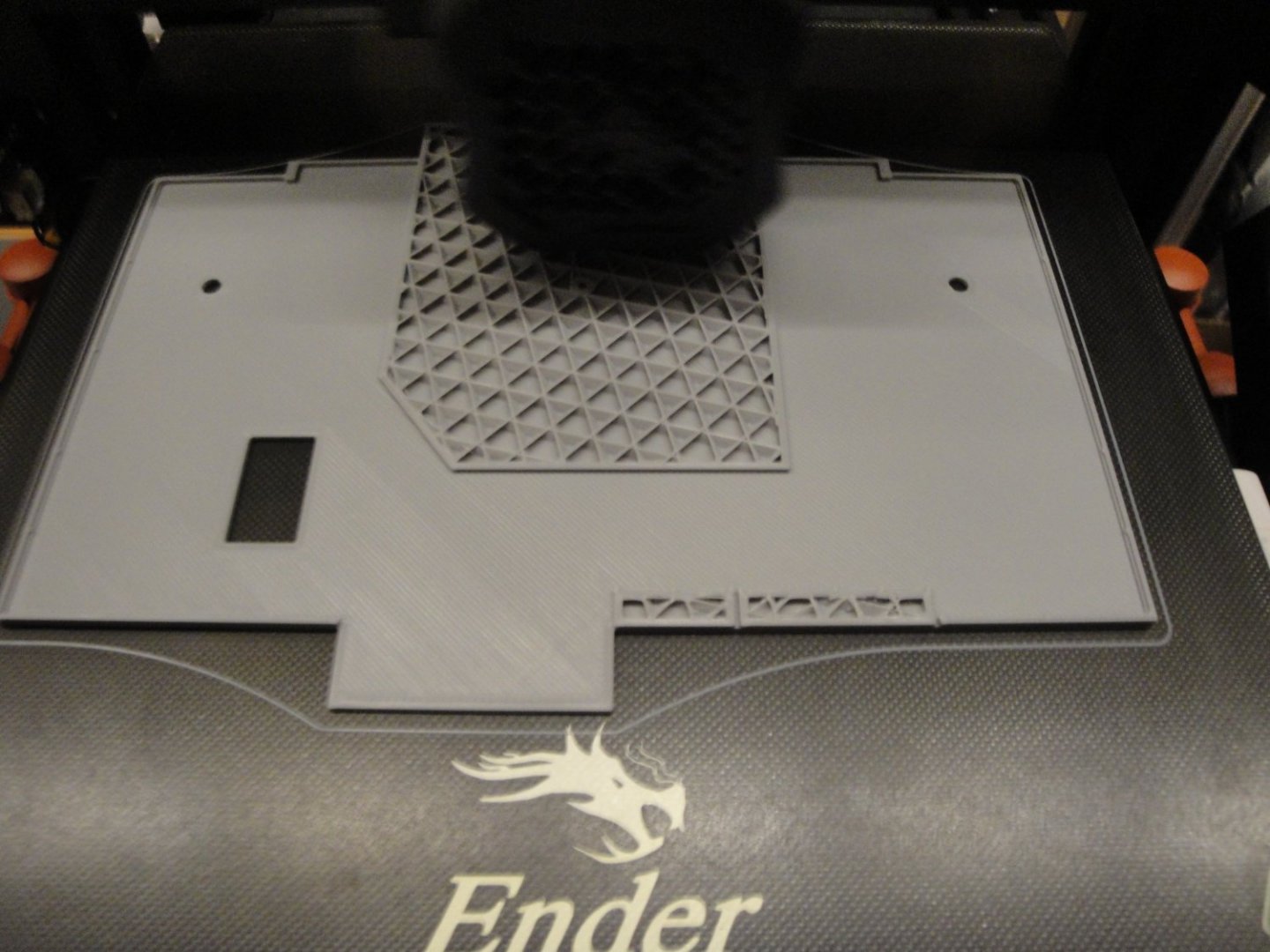
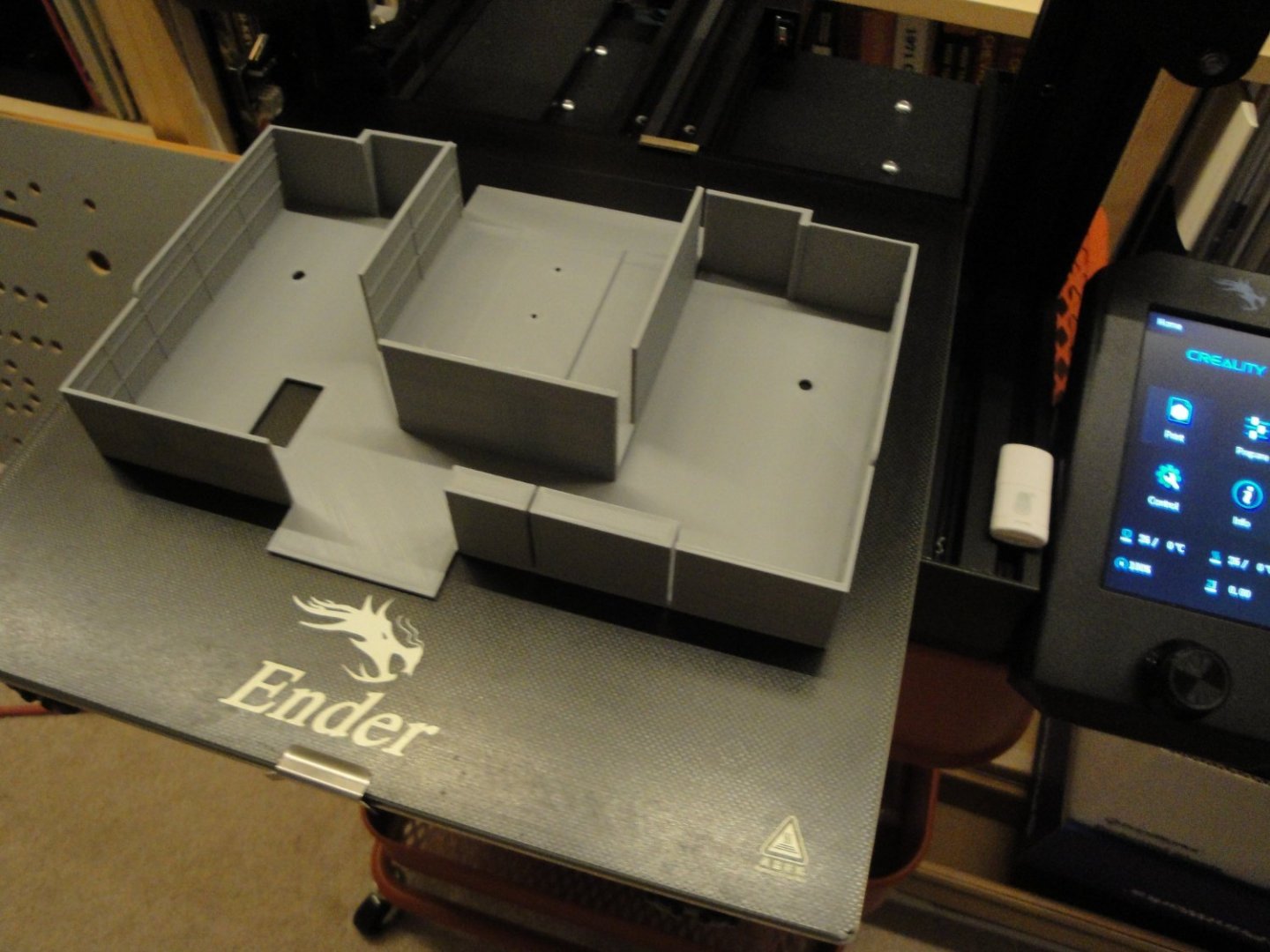
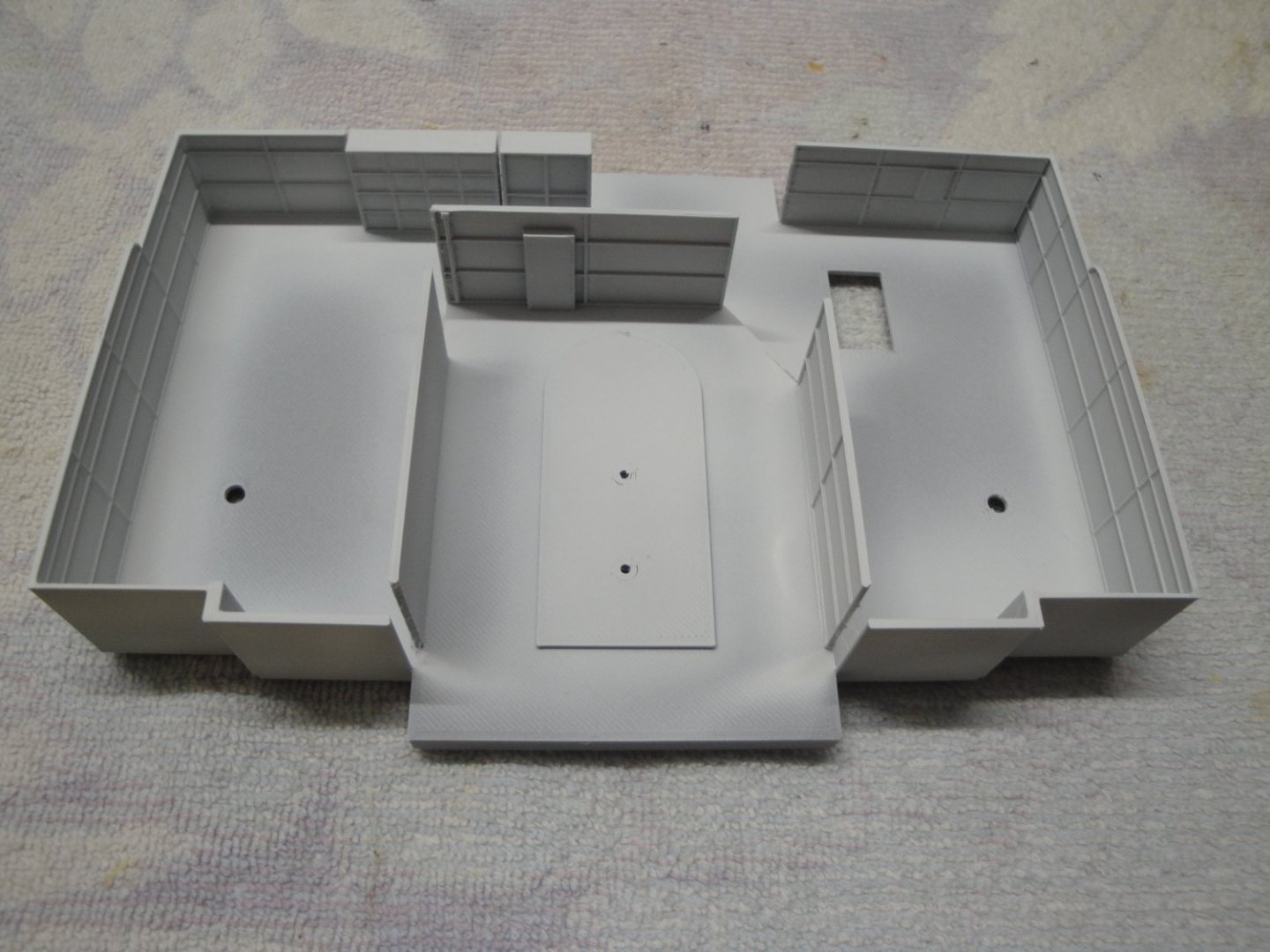
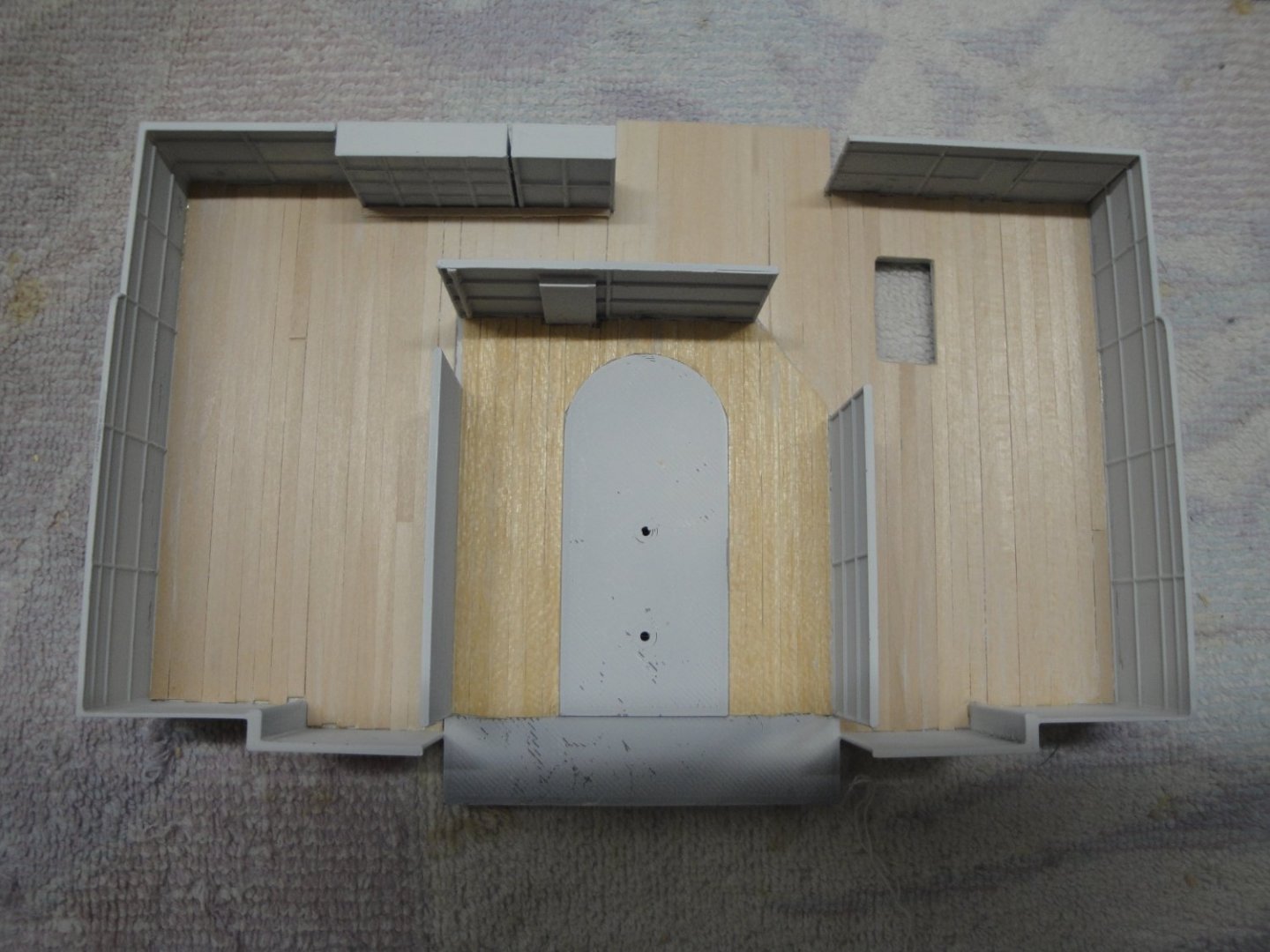
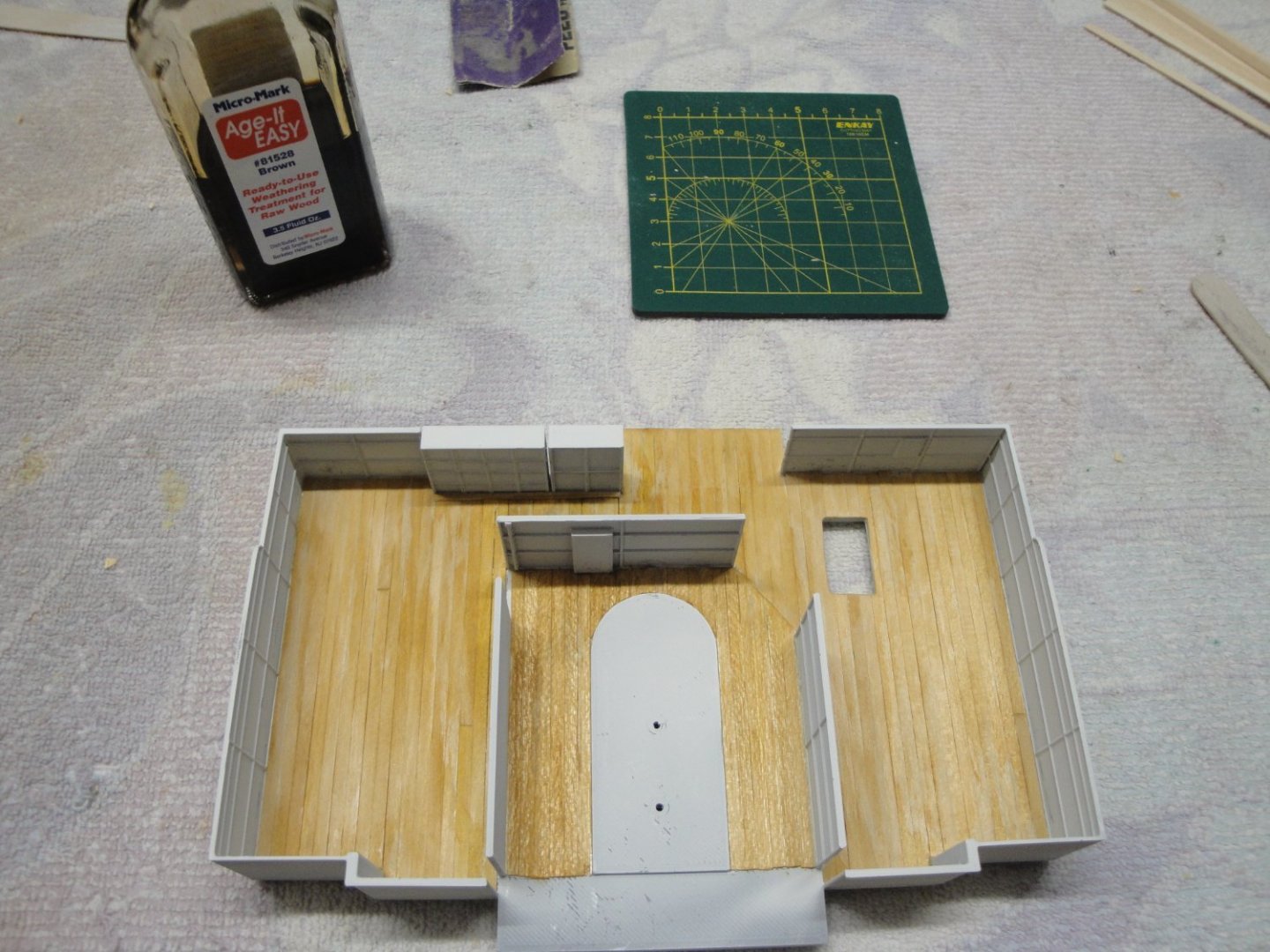
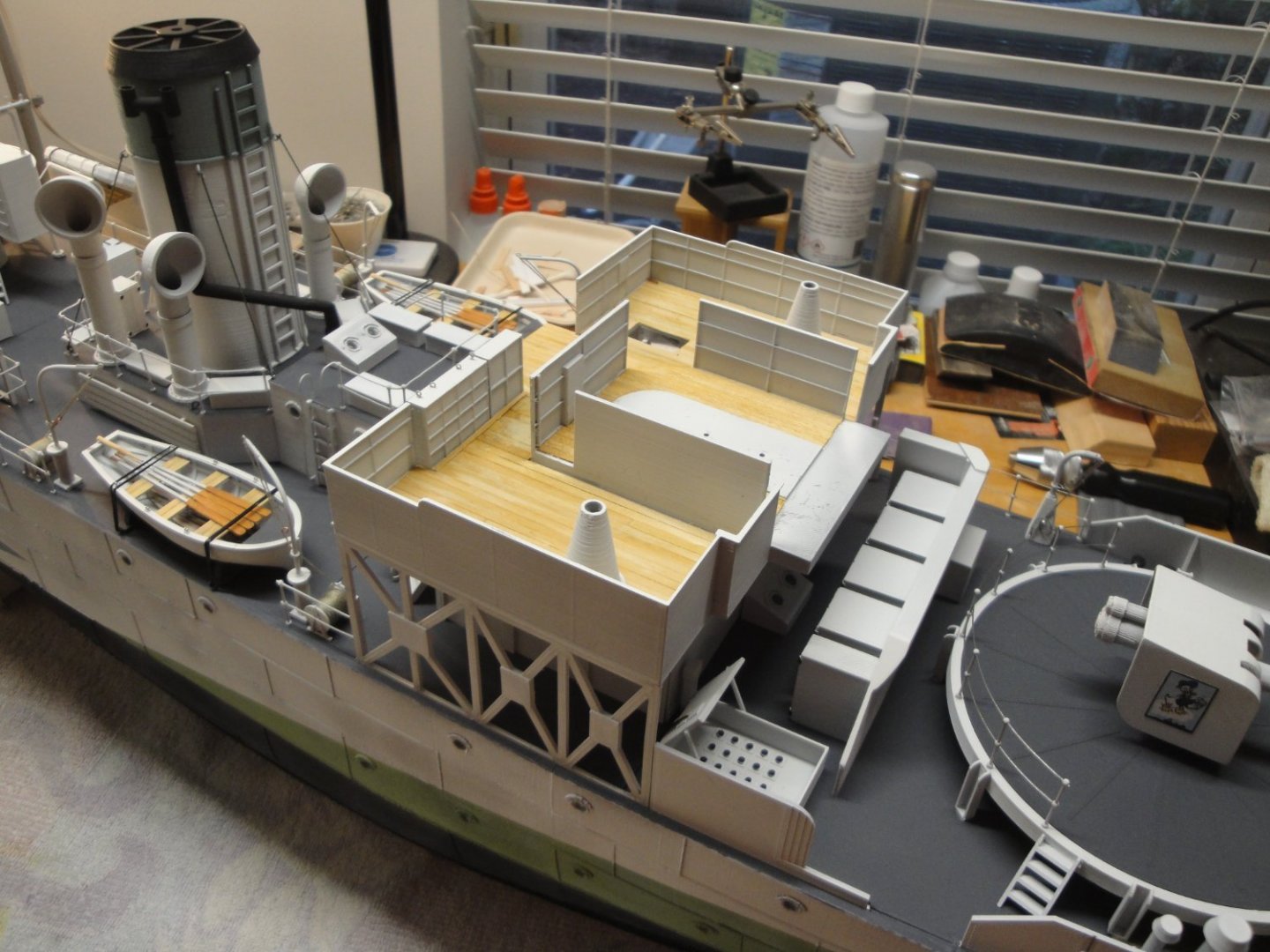
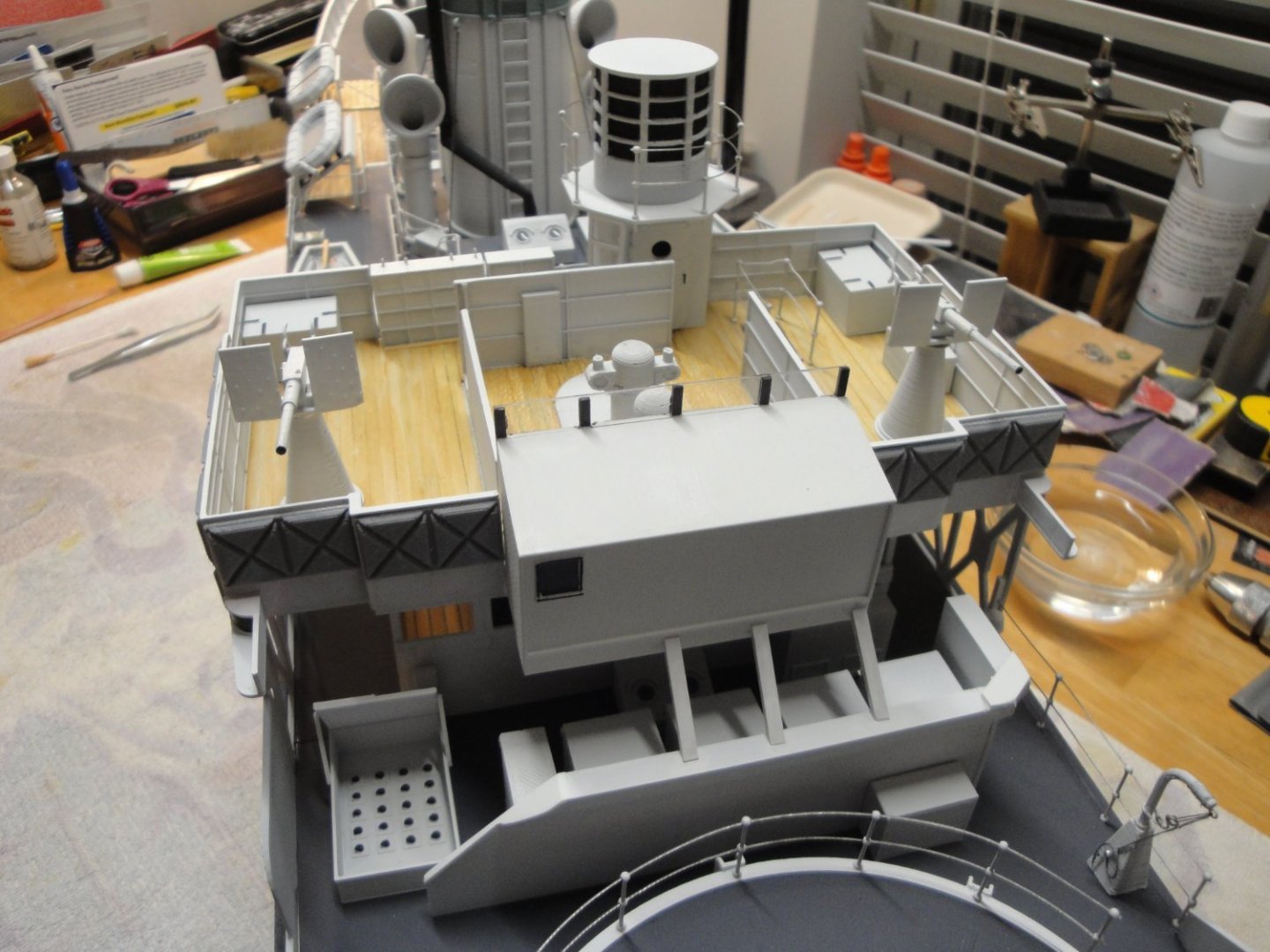
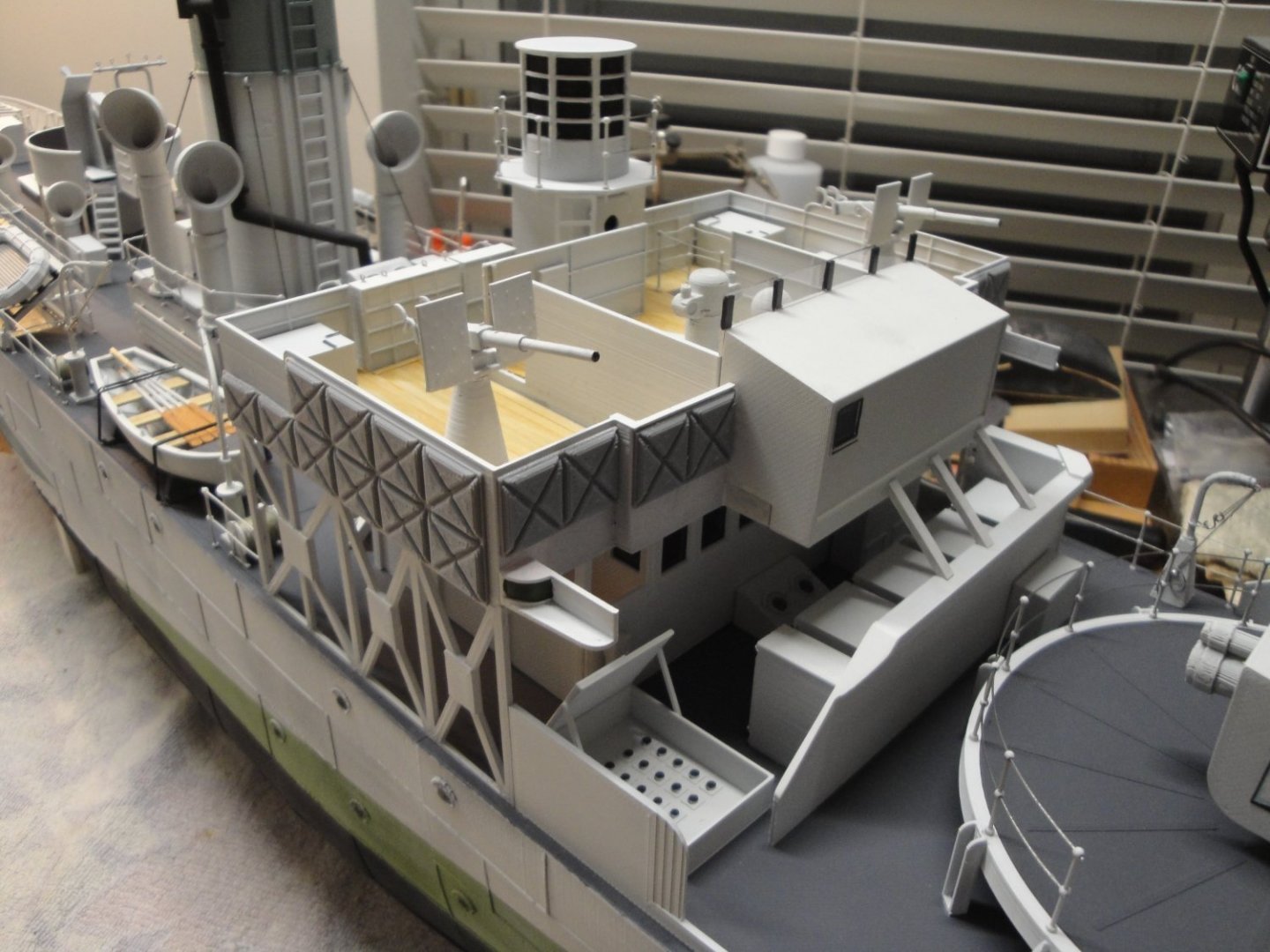
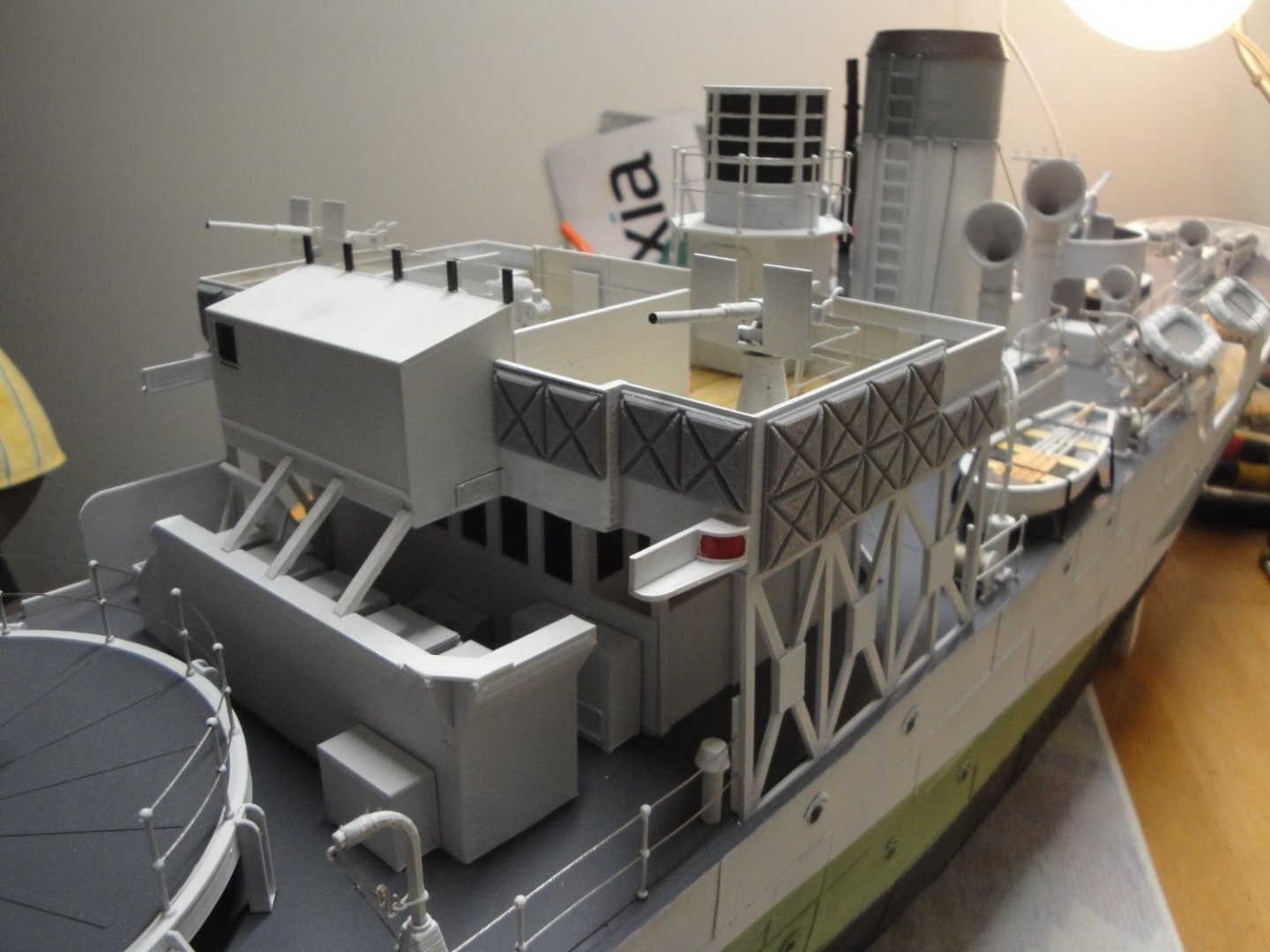
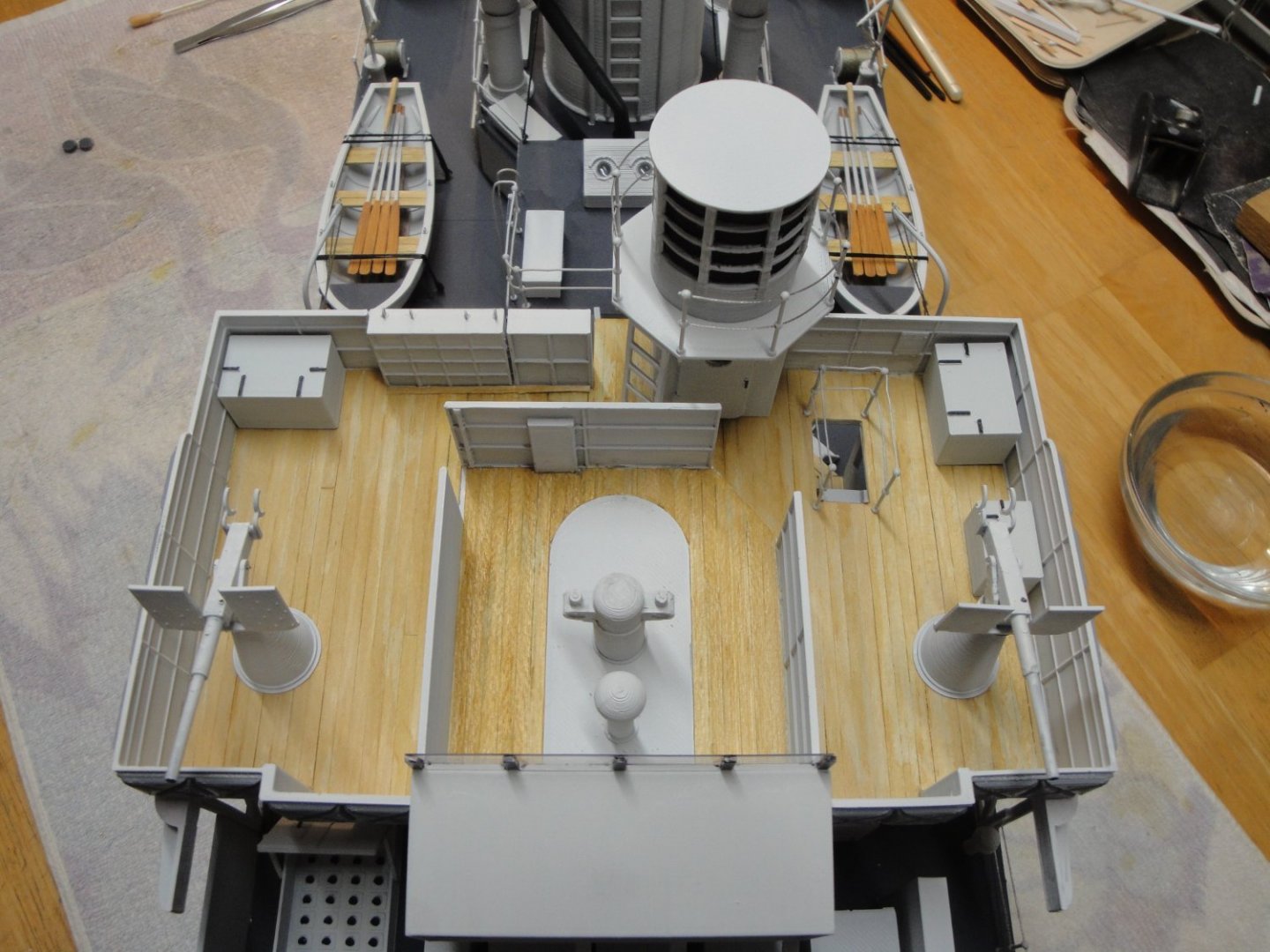
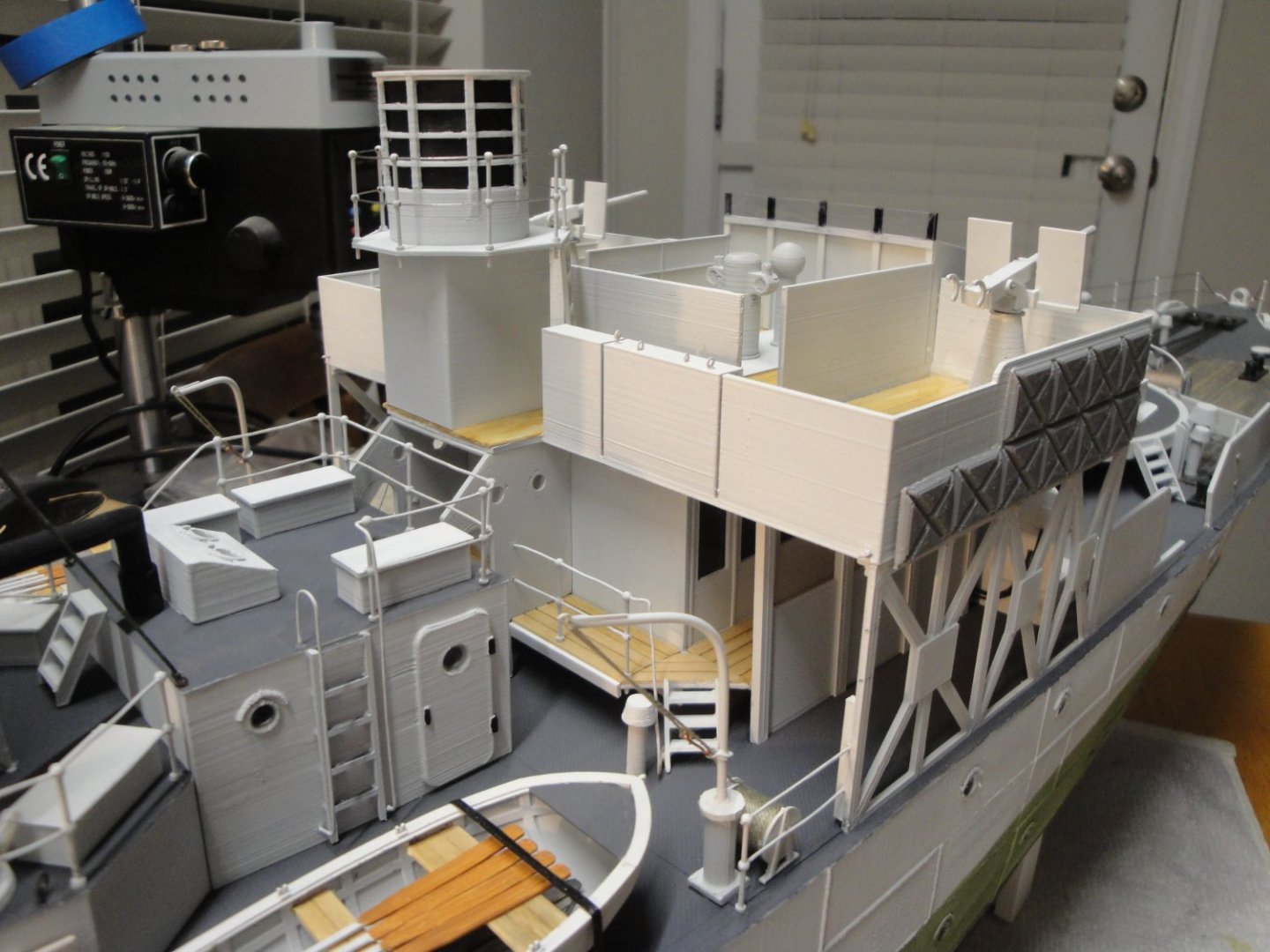
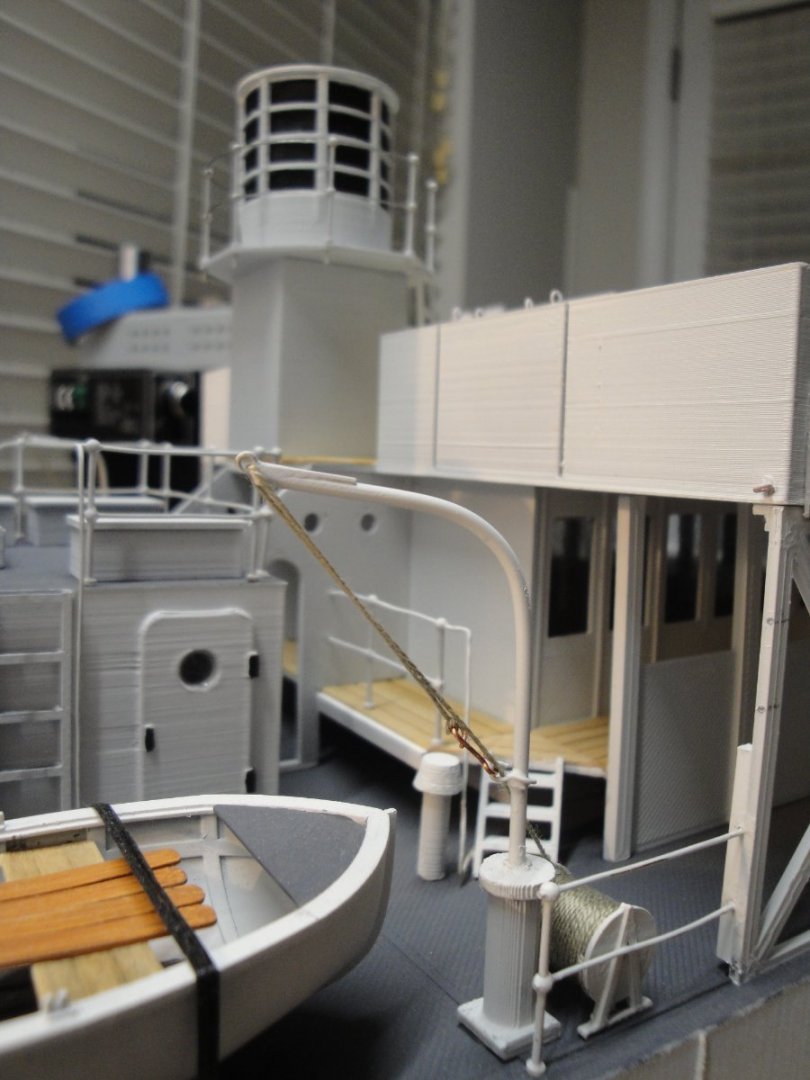
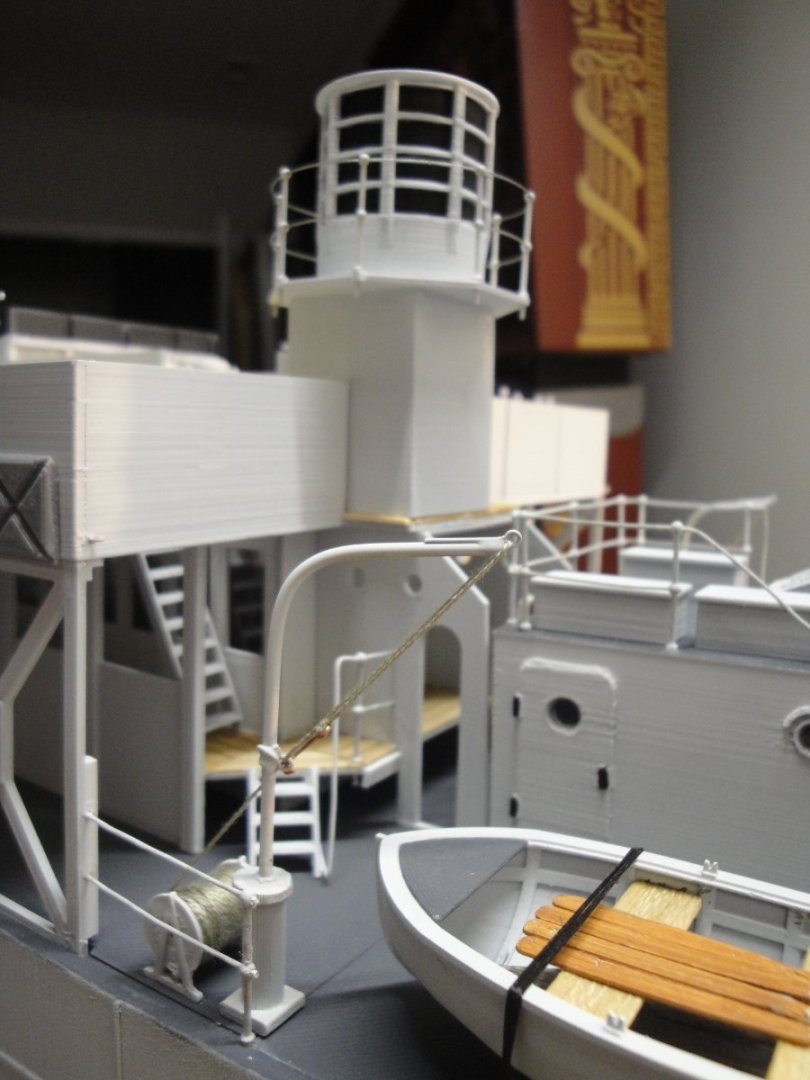
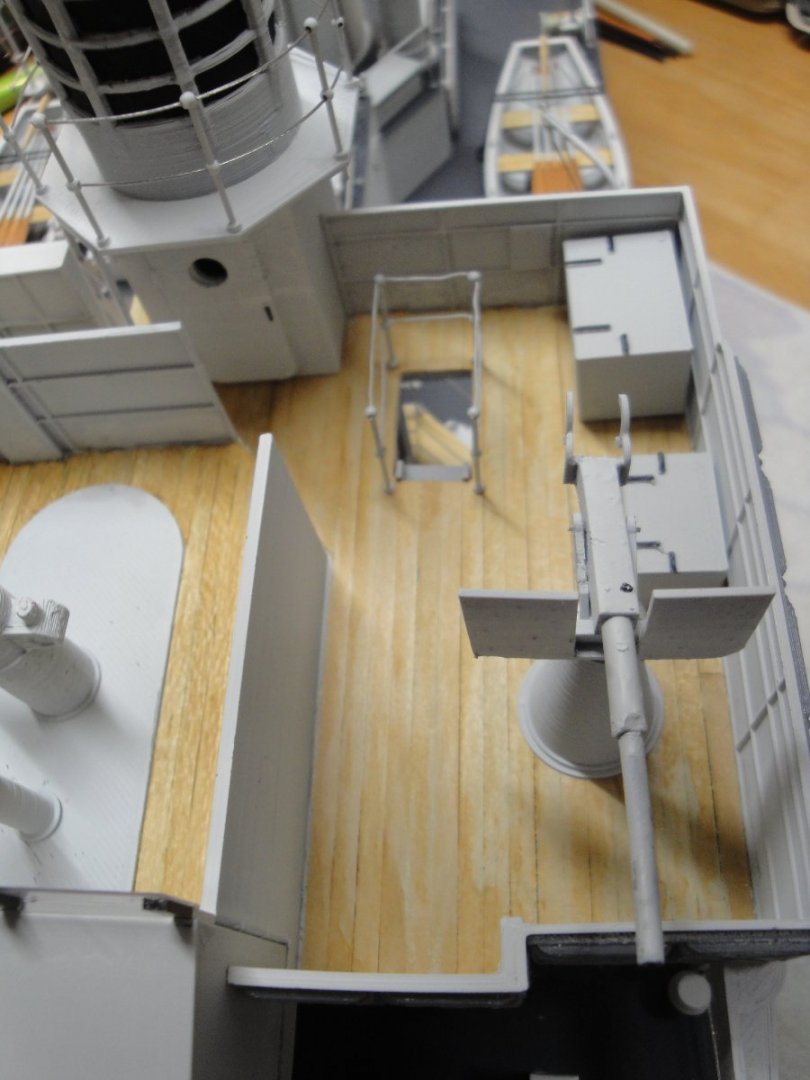
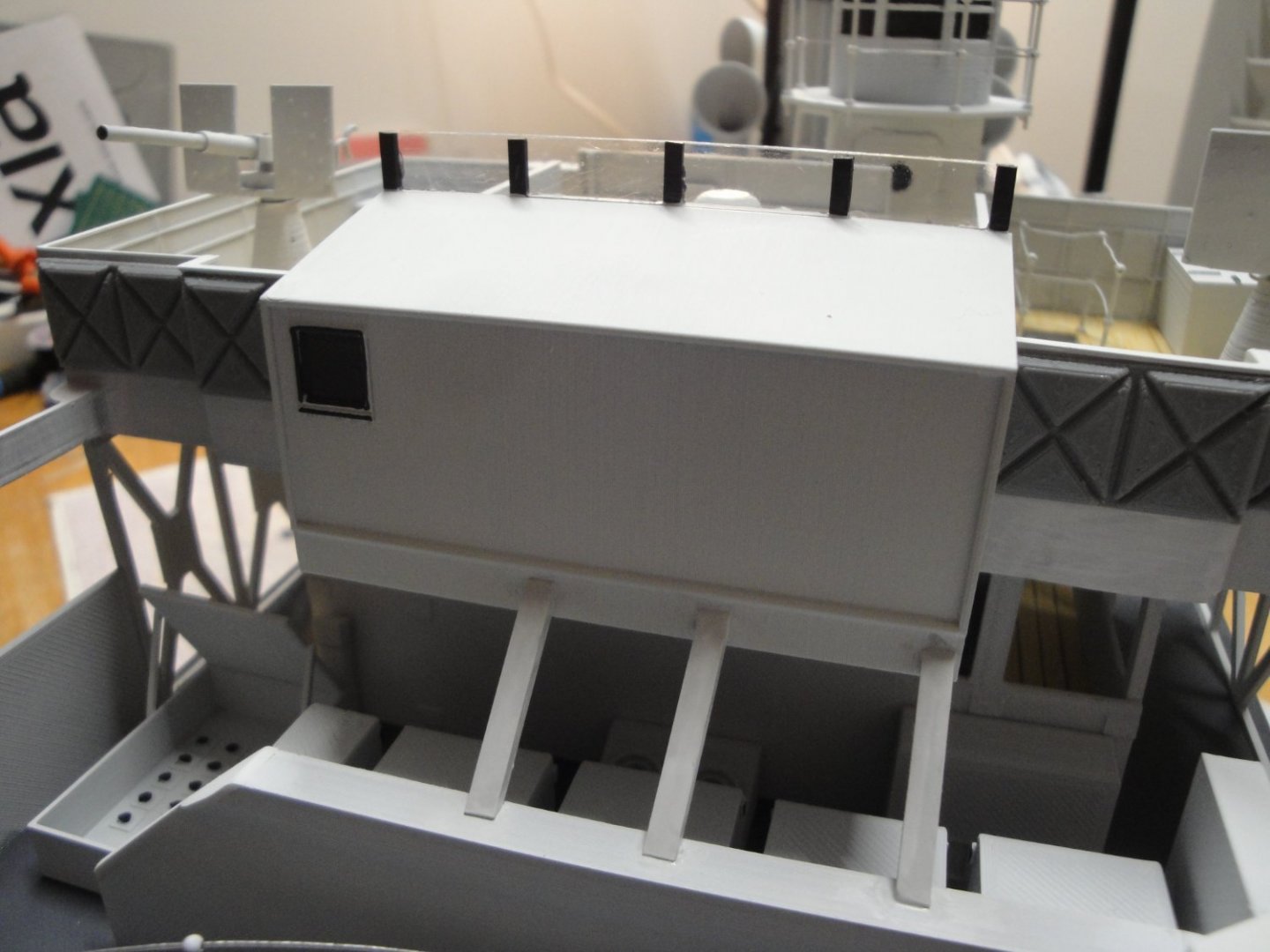
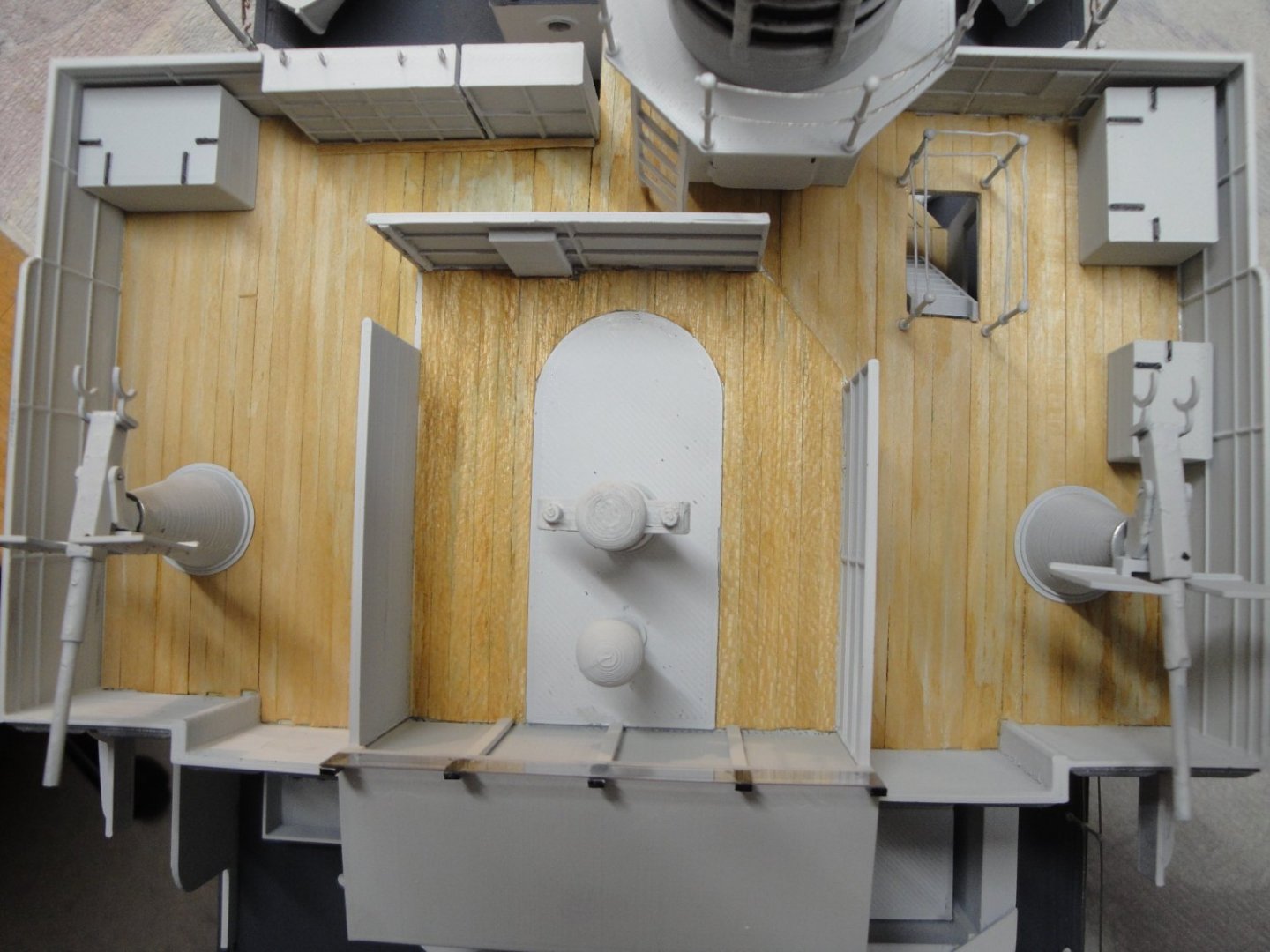
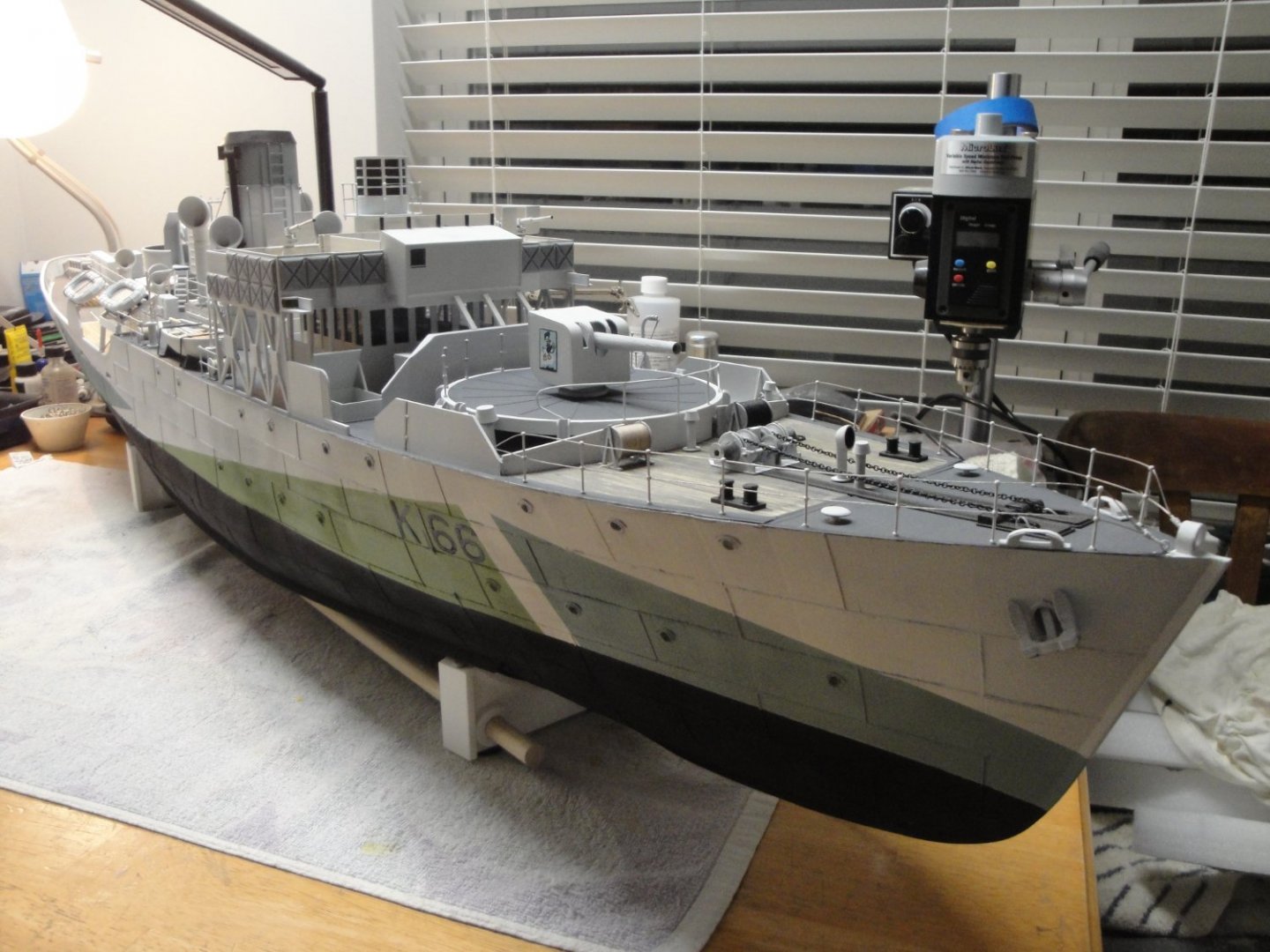
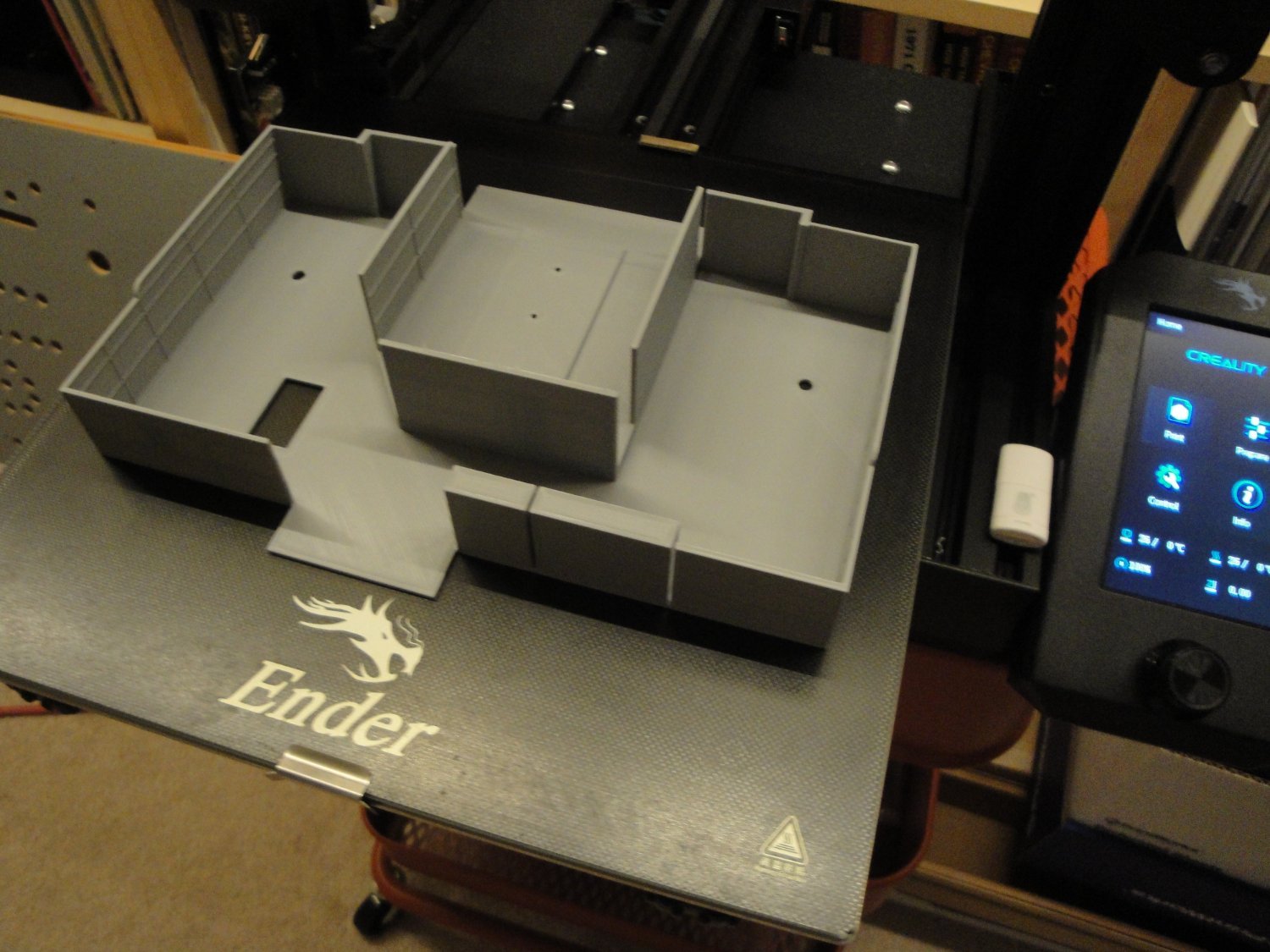
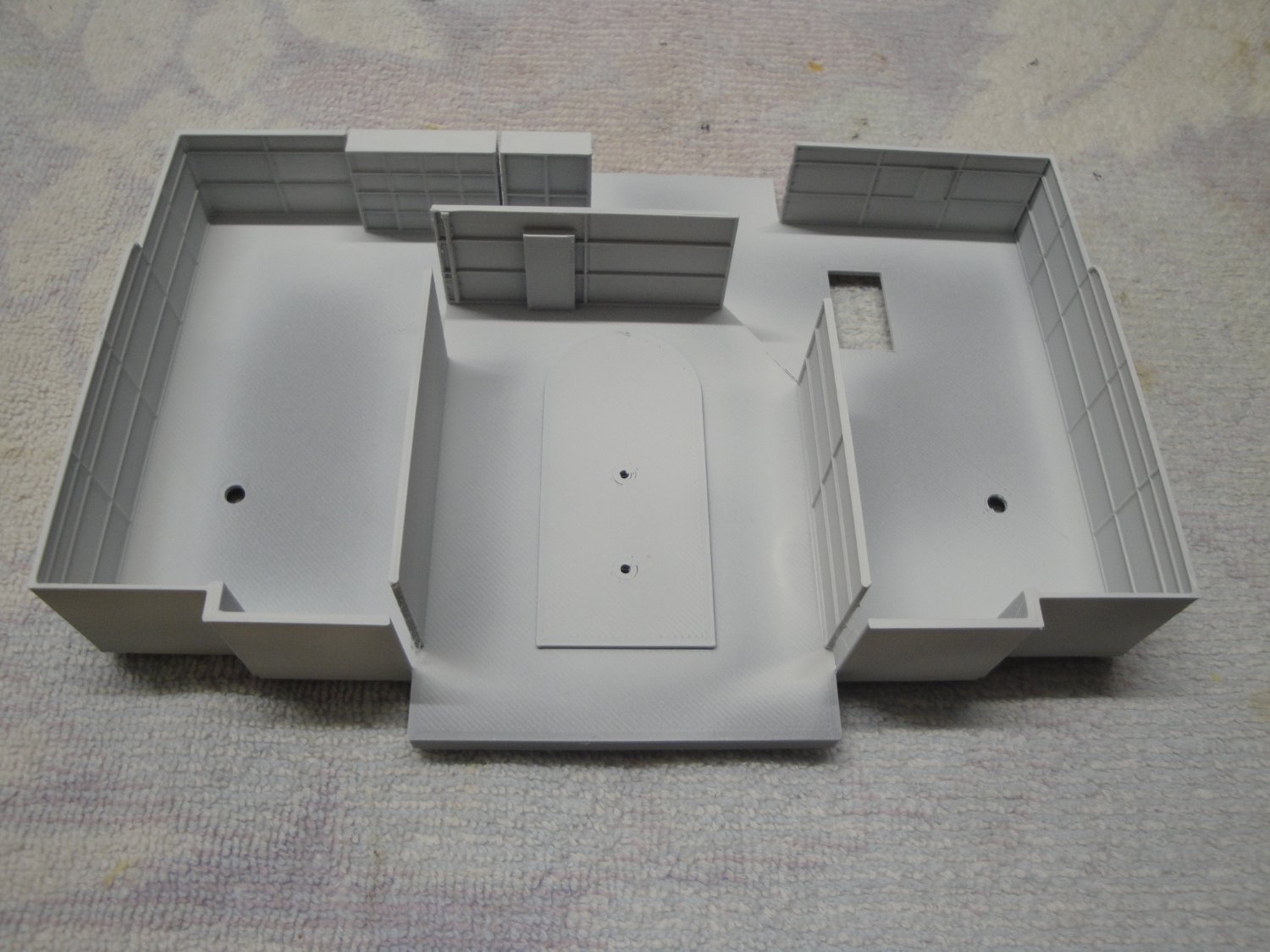
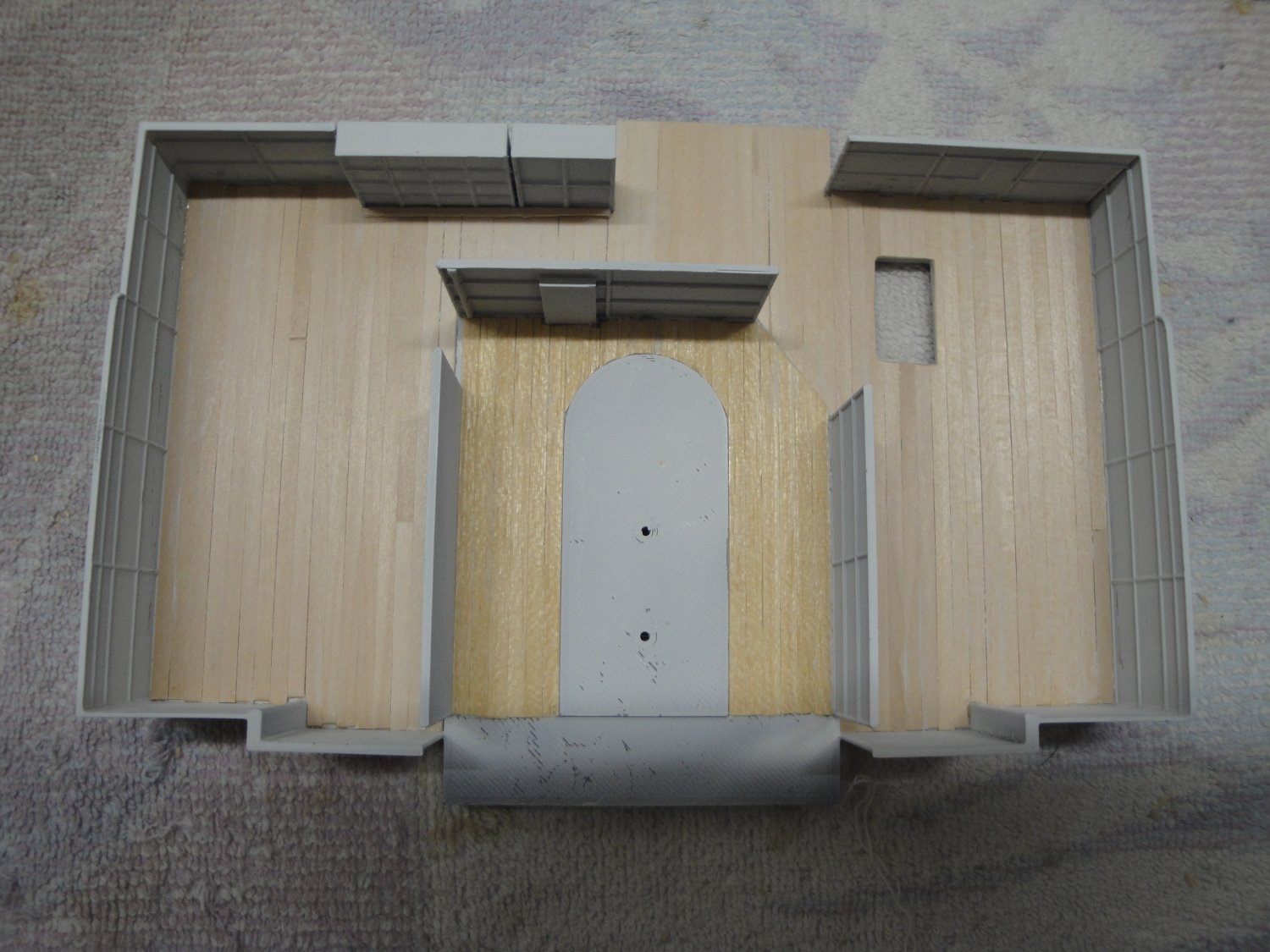
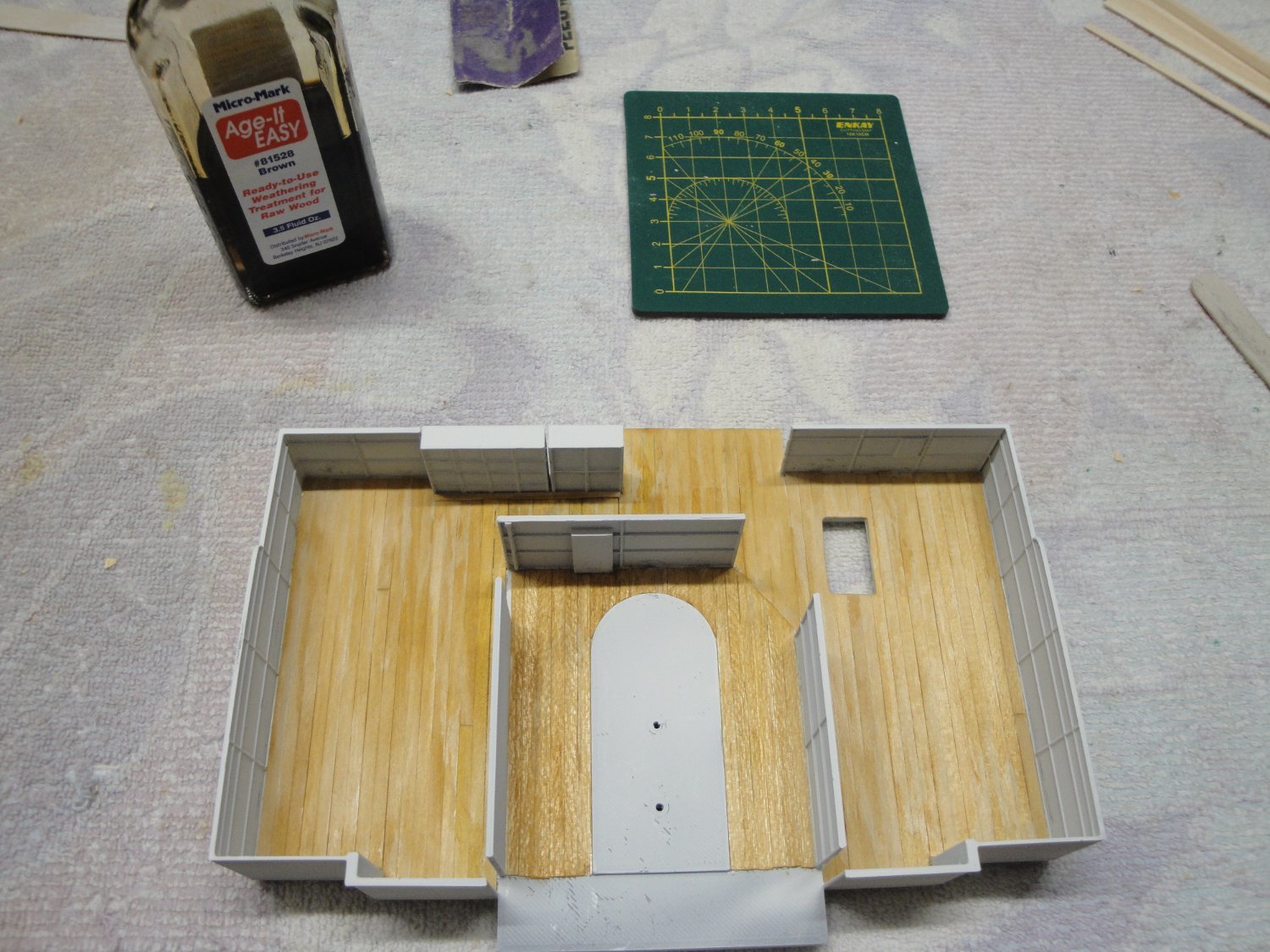
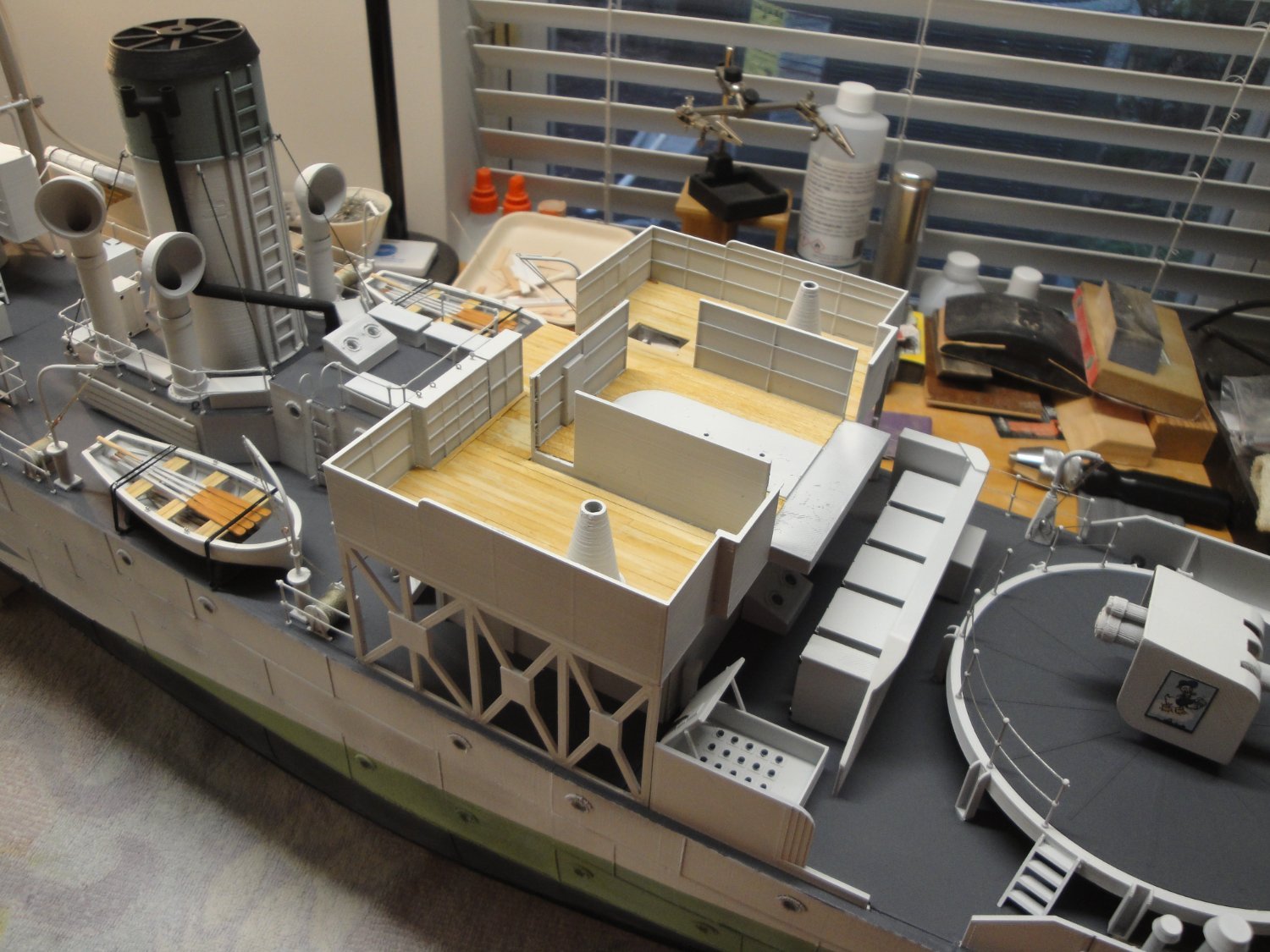
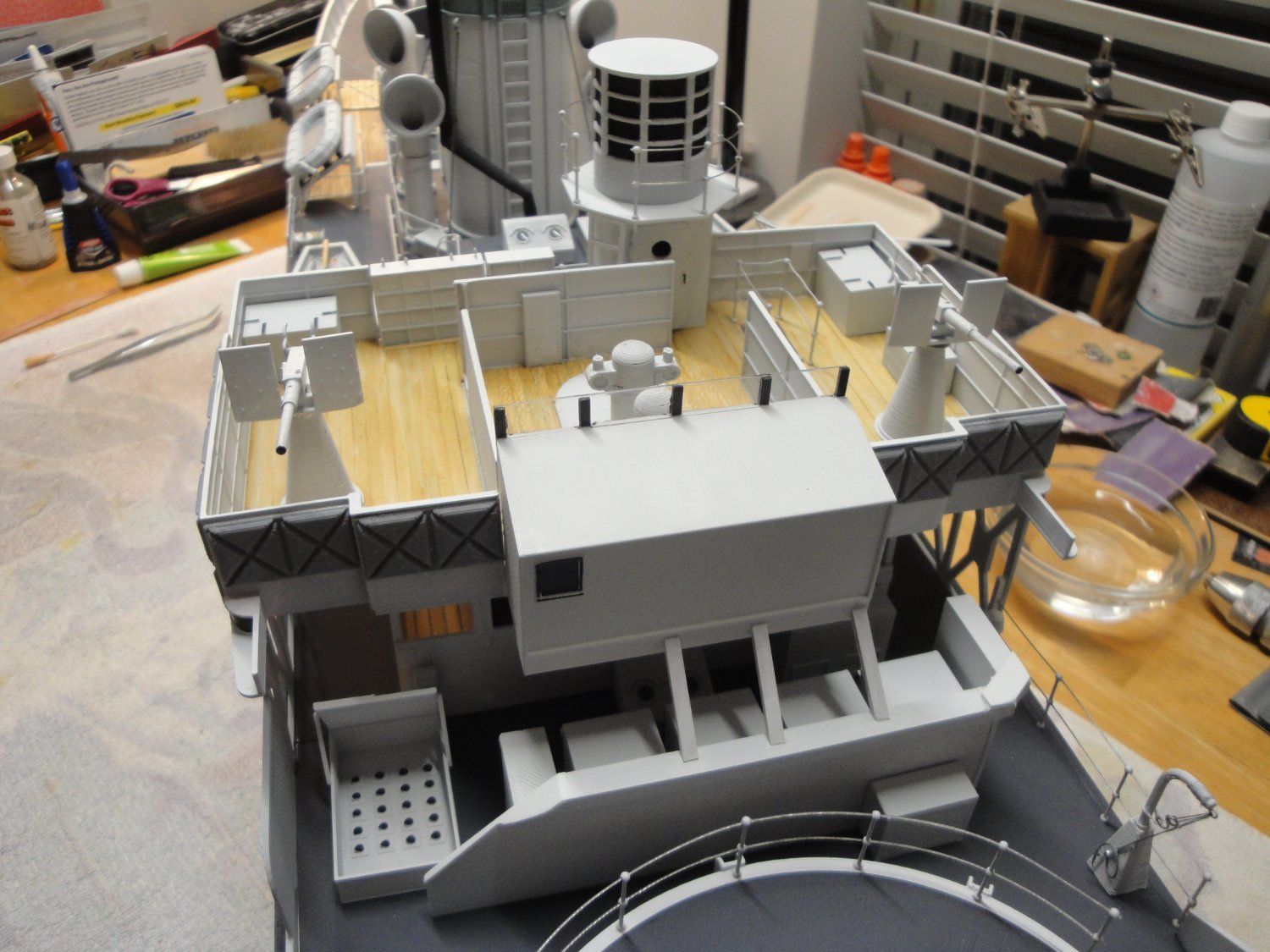
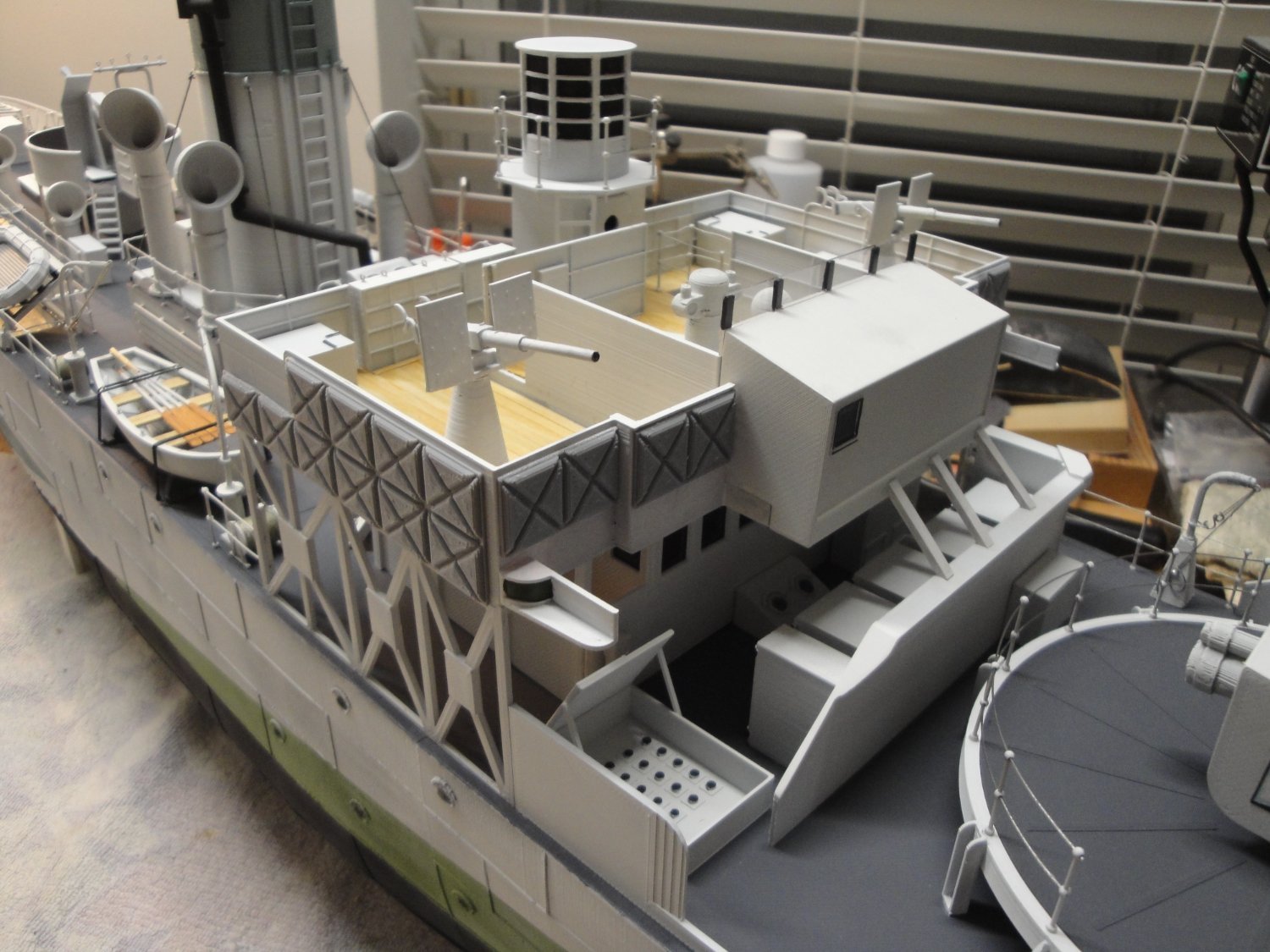
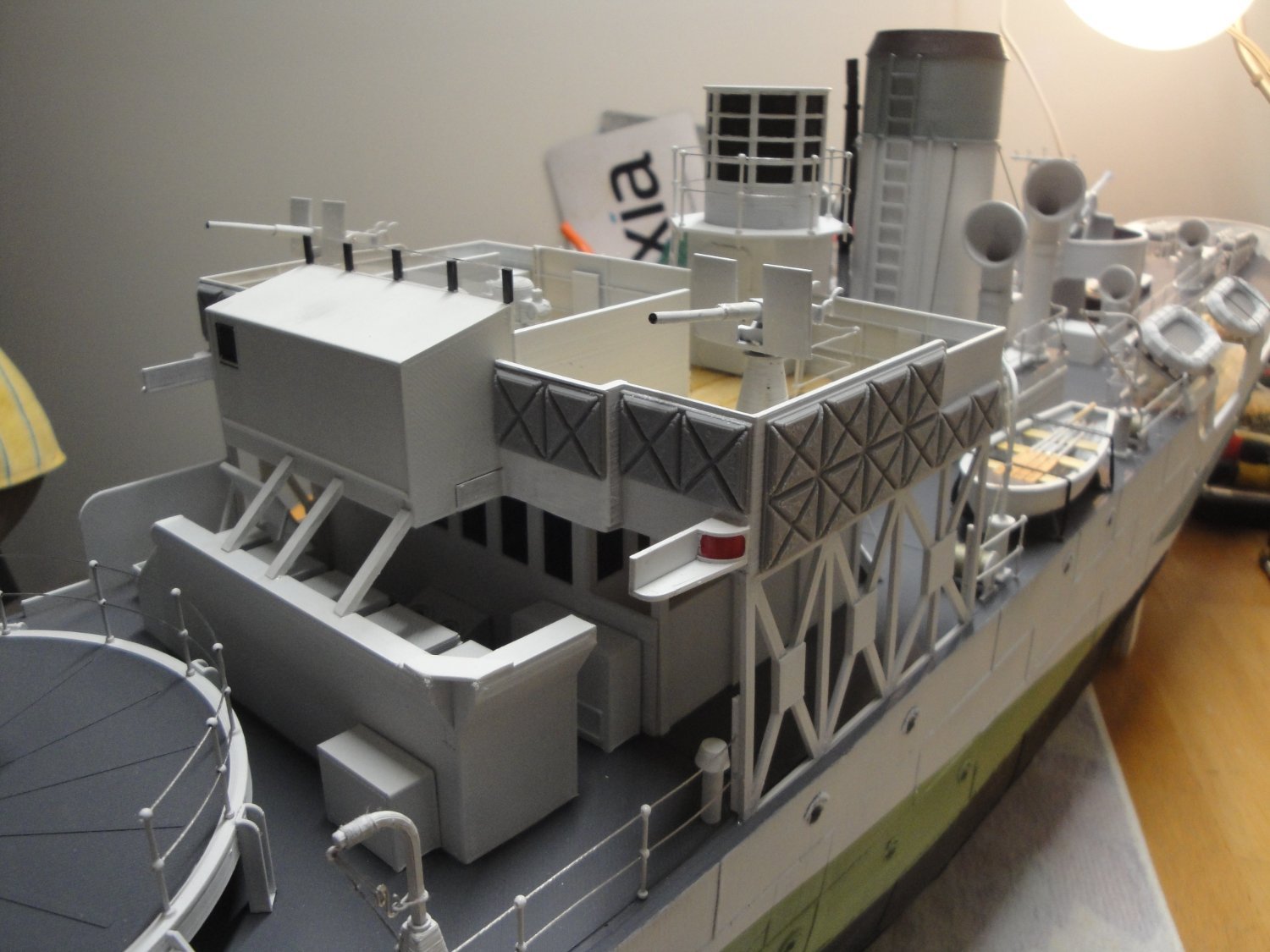
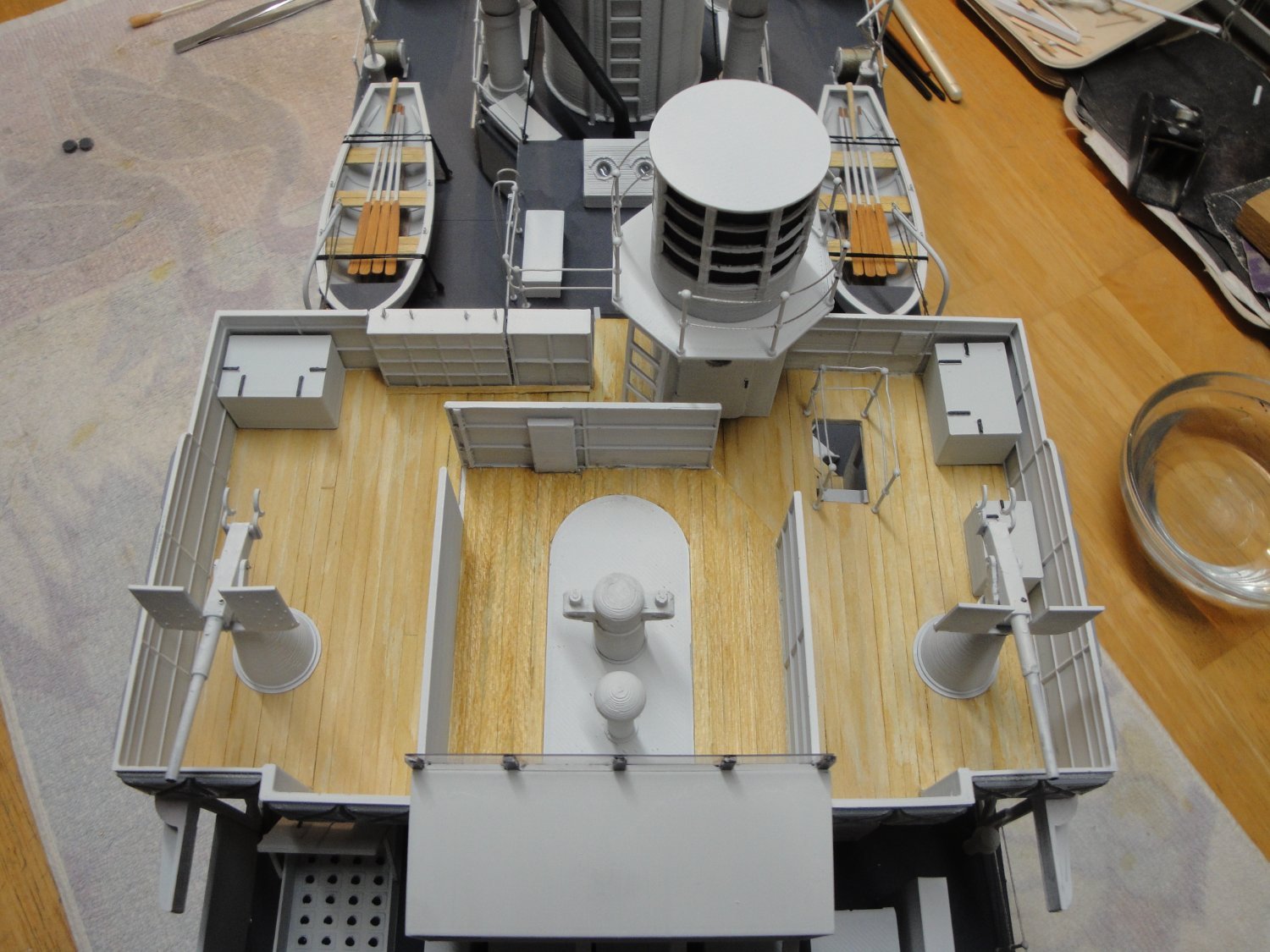
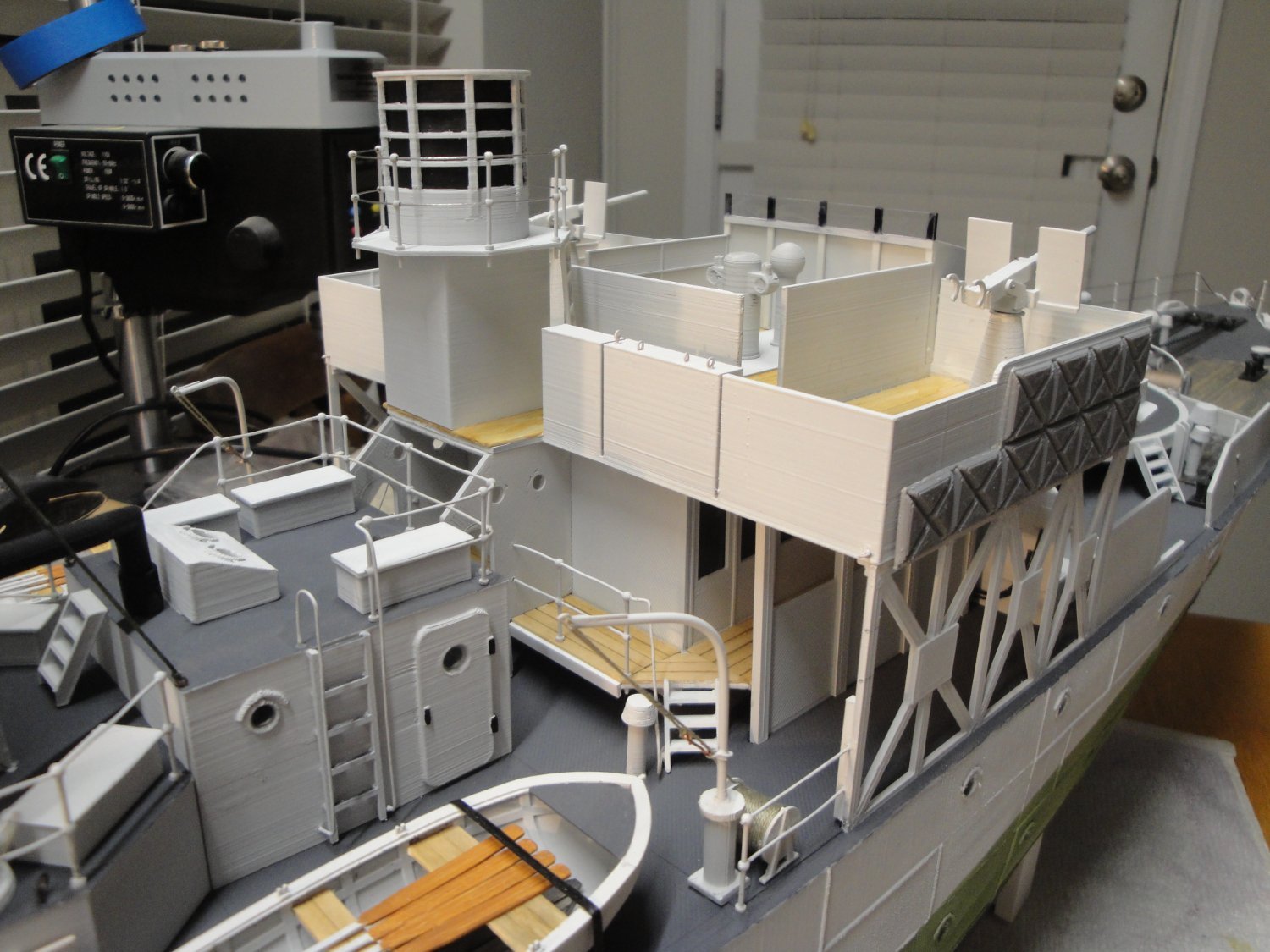
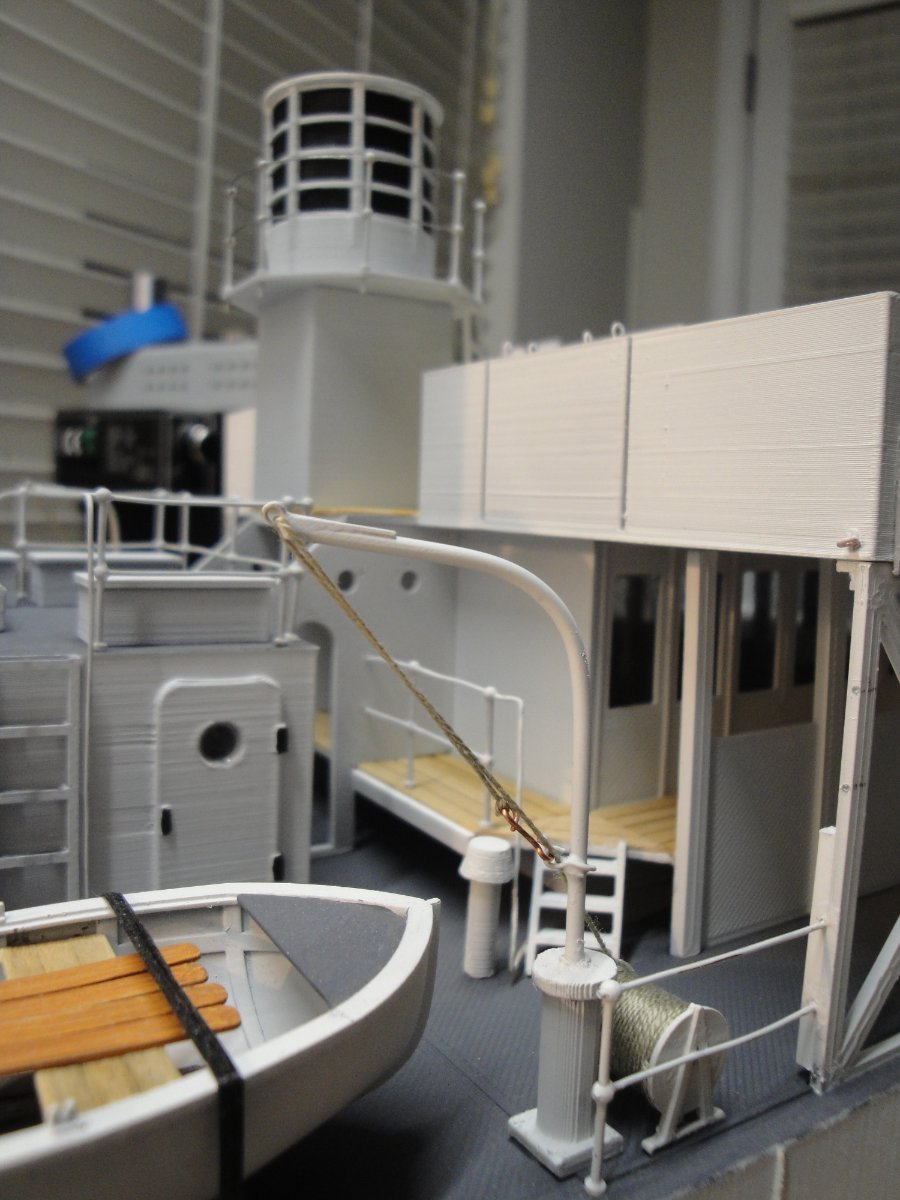
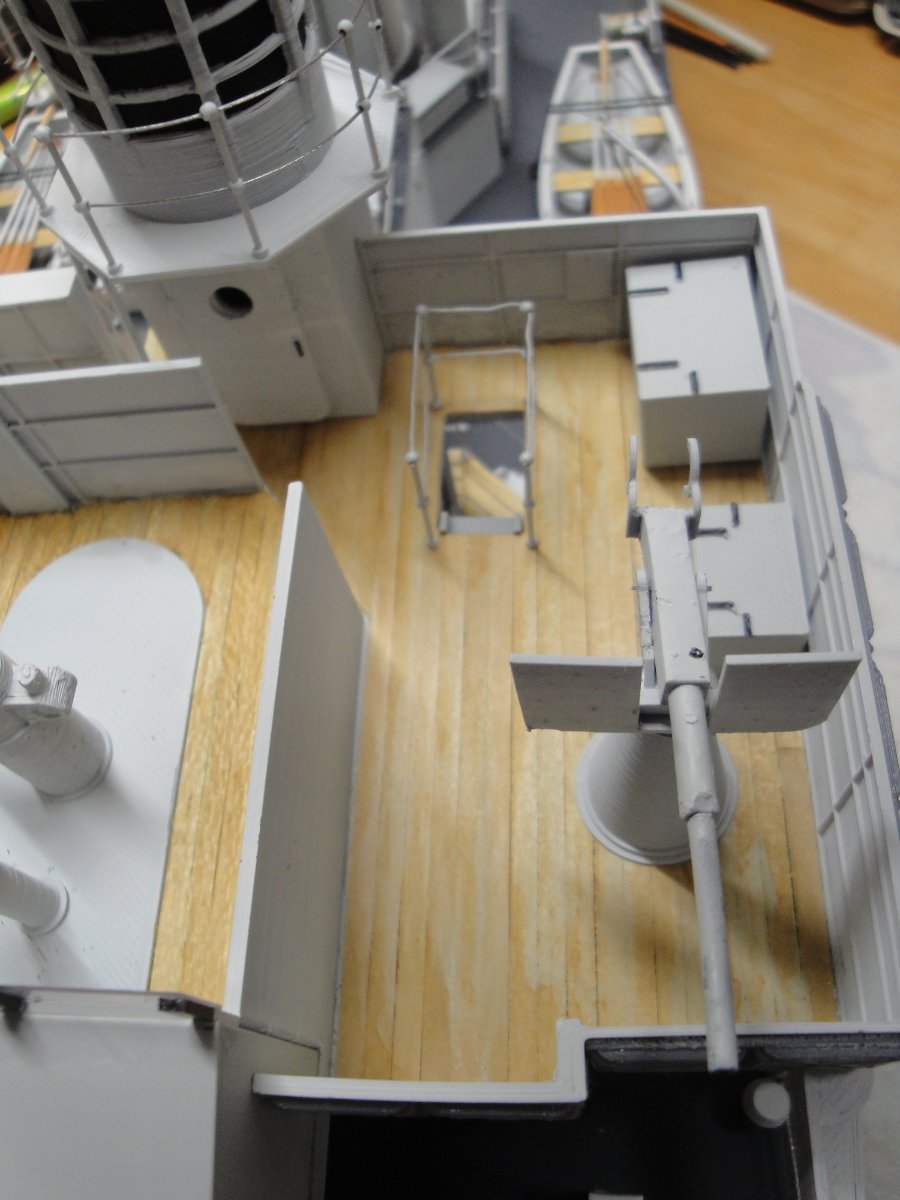
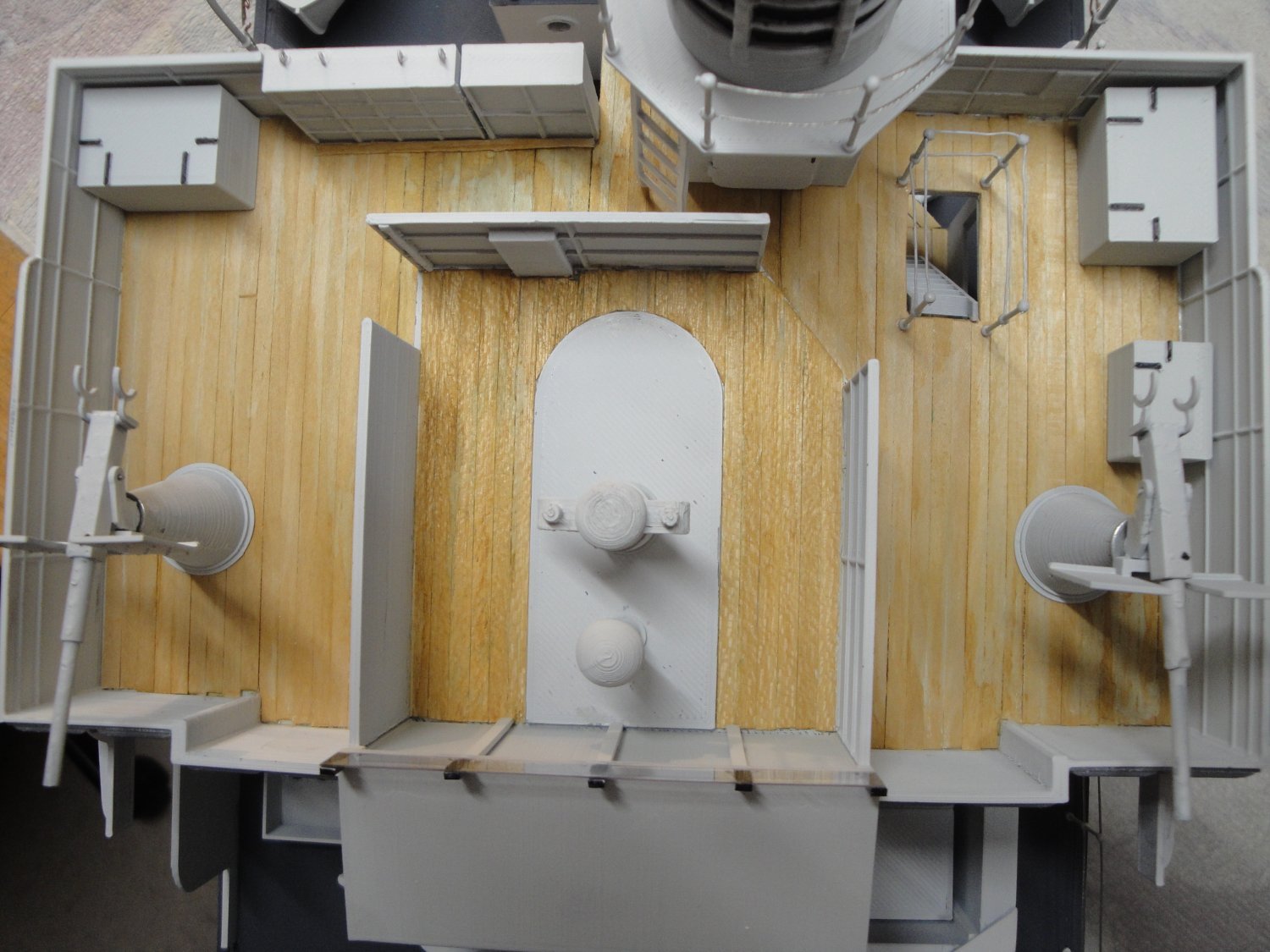
A quick update on the BENSWORX Virtual kit, slightly improved. I have been working on the main bridge and this is the result. The main bridge is printed in one large part: Resulting in this solid bridge: There are pros and cons with this way of doing. The Pros are that the part is very sturdy, easy to remove from the main cabin (for RC application) and relatively easy to finish. The Cons are that it does not offer too many details and makes the planking of the bridge, a tedious challenge. The original bridge was surrounded by canvas stretched on a tubular structure. The 3D print renders some of that aspect, at least from the inside. Anal modelers will likely cut everything and build the sides from soldered brass wires, covered by a thin canvas made of fabric. I thought about that .... for about one minute. Planking takes a lot of precise and small cuts and is labor of patience. I used two varieties of wood and I am not sure if the central part is planked or not. It probably is.... On the rear wall, the small shelves are used to store all the pennants and flags. This is again highly simplified on this 3D kit. A coat of AGE-IT finishes the wood and gives it a nice blond hue: Then, it is the relatively easy task of gluing all the parts, after painting them. The radar enclosure is unfortunately simplified and would have to be entirely rebuilt, if you wanted to replace the solid PLA by transparent films. Overall, the end result is not too bad and blends harmoniously with the rest of the ship. The shielding panels are installed, in the front and sides of the bridge. The rear wall of the bridge was apparently not protected, according to the pictures I saw. The two Oerlikon guns were printed using a resin printer. I need to find some Canadian sailors to populate that bridge..... The radar (above) is carefully painted to simulate the inside of the radar enclosure (dark). That part could be represented with a canvas covering it, if you decide to picture your Corvette in a harbor. The staircase going to the main deck and the ammos storage bins. I have added a small windshield which is not part of the kit. Overall view of the beast: I still have to work on the mast and finish the 6th module, comprising the depth charges deck and stern. I hope you are enjoying that big project. Yves
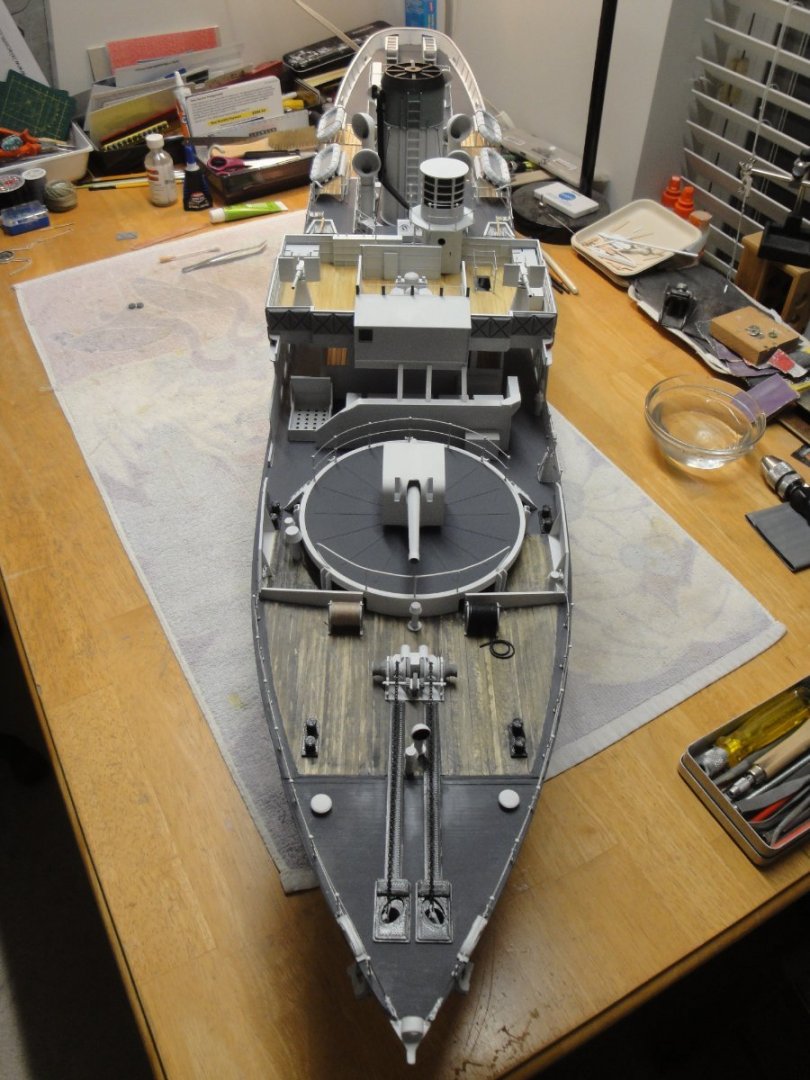
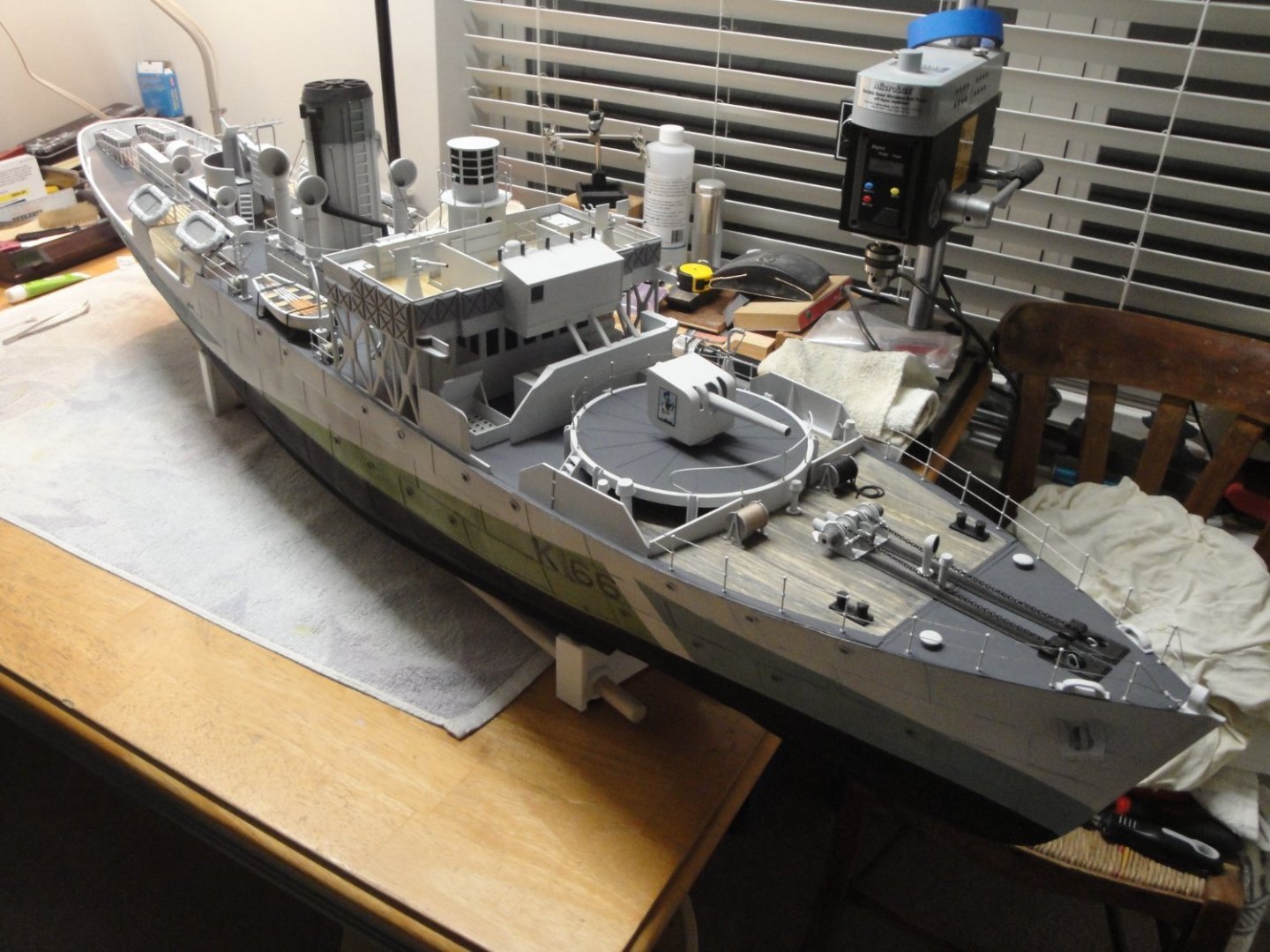
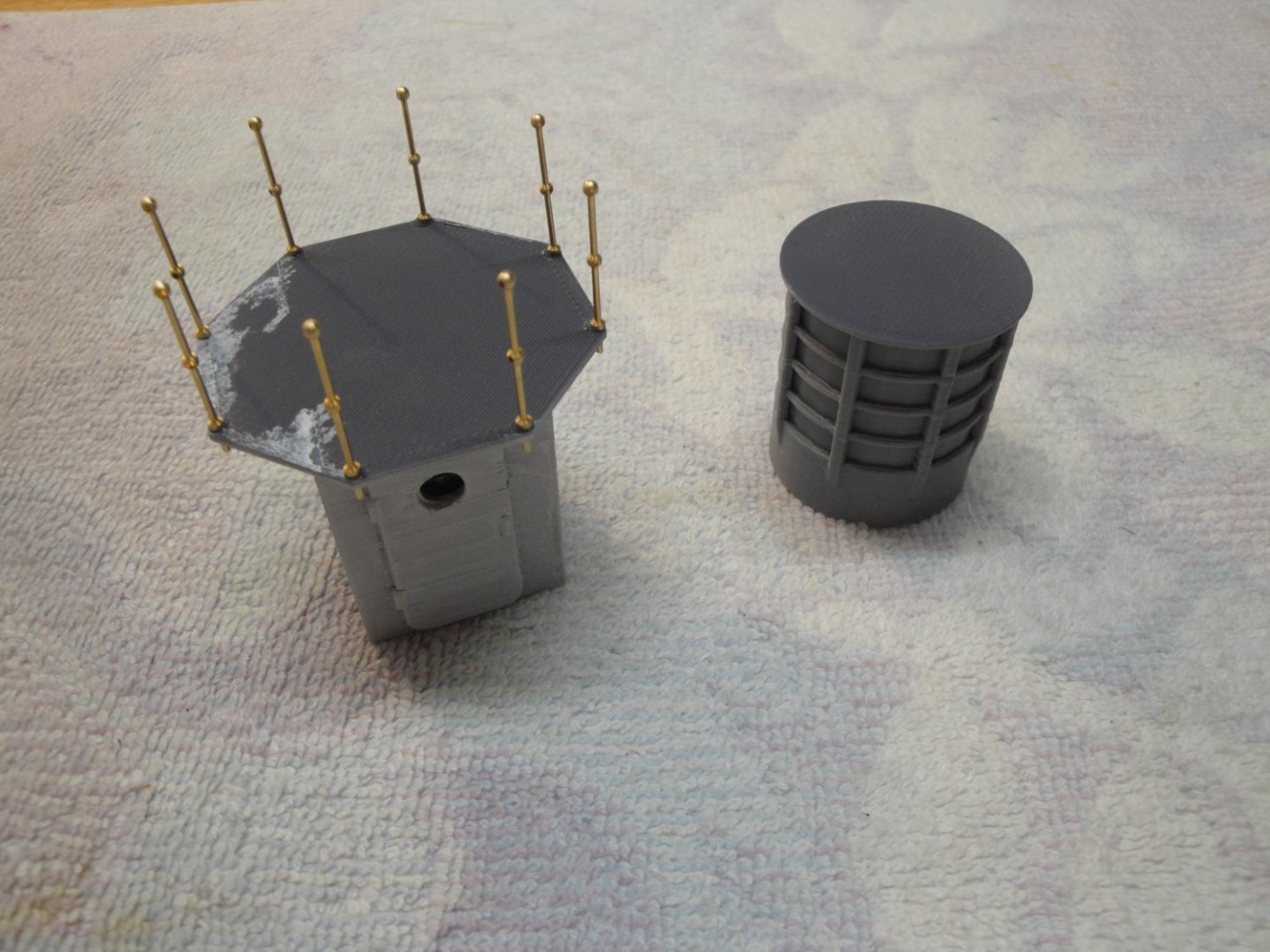
- 321 replies
-
- 17
-
-
-
- Finished
- Flower-class
- (and 1 more)
-
The Modelling News: Preview: Border Model's new 1/35th scale DKM Type VII-C U-boat conning tower & deck That could be interesting.... Yves
.thumb.jpg.f38b37b3e4c31890827d1b32ce256a7f.jpg)
-
- 2
-
-
There it is.....available sometime in 2022: Yves

-
I have come to the stage where I need to copper plate my Bellona. I really dread that process since I have never done it before. Your technique (and mistakes, too) will come handy when I tackle that monstrous project. Yves
-
It is looking really sharp. I love the sprayed number on the front. It is very realistic. Do you have plans to build the FIAT Mefistofele too? I also saw that Italeri announced the Buggati 35 in 1/12 scale. Yves
-
These wheels would have to be 3D printed or laser cut to be perfectly precise and aligned. What a challenge!! Is it possible to build all four at the same time, stacked on top of each other? This way, alignment errors would be minimized. Yves
- 238 replies
-
- 2
-
-
- Robert E Lee
- steamboat
- (and 3 more)
-
Kevin, You wanted to do a diorama of a wreck! Maybe that went beyond your wildest dreams...... Sorry to hear about this. Fortunately, there are plenty of other projects (U-552, Enterprise, Tall ship) waiting for your return. Yves
- 79 replies
-
- 7
-
-
- SD 14
- Marcle Models
- (and 1 more)
-
With liquid plastic glue, you don't even have to put glue on the parts. Do that instead: - Clamp the parts together - Using the brush, applicator or needle, cover the seam between parts with liquid glue. - Wait a minute or two.... et voila. Clean, perfect welding between the parts. Yves
-
Beautiful build and great model. Yves
-
For the decals "Compagnie Internationale....", you may want to use Micro-Sol if you can procure that chemical: http://www.microscale.com/Merchant2/merchant.mvc?Screen=PROD&Store_Code=MD&Product_Code=MI-2&Category_Code=FINPROD It works beautifully to stick the decals next to the surface and to get rid of the micro air bubbles underneath. Yves
-
Kevin, Hope you recover fast. The great weather of the islands will help you immensely. You should also take daily some zinc and vitamin D3 to stop the replication of the virus. And get as much sunshine on your skin as you can. Yves
-
Very nice "distraction"..... Where did you get that kit? Which scale is it? Yves
-
Definitely use a plastic cement such as Ambroid, Tamiya, Testors, UHU or Faller. The best are the liquid ones with needle applicator. Yves
-
Great work. It is almost as good as a POCHER kit and I wish Italeri would not have kept that large plug under the rear section of the car. Yves
-
WOW!! It is coming along rather nicely. The blue color is spot on. Will you spray a coat of satin clear to lock everything? Yves
-
Fabulous. Yves






.jpg.8ffbfcc84b9a39949f29823ee6b6ba02.jpg)


Our Emblem ®
