

druxey
-
Posts
13,402 -
Joined
-
Last visited
Content Type
Profiles
Forums
Gallery
Events
Everything posted by druxey
-
 The size is deceiving in the photos, but for the cork! A happy holiday season to you Eberhard.
 -
Great result, Bob. This boat looks deceptively simple to build but, as you discovered, it has some interesting challenges. Well done!
- 111 replies
-
- 2
-

-
- Nonsuch 30
- Model Shipways
- (and 1 more)
-
HMS Renard 1872 by Draque - 1/24 - POF
druxey replied to Draque's topic in - Build logs for subjects built 1851 - 1900
You can find duodecimal scale rules on eBay. For instance: https://www.ebay.com/itm/154275696623?hash=item23eb8c4fef:g:i2kAAOSwU7ZjETA9&amdata=enc%3AAQAHAAAA8JpMbcQ%2FrZ9PBVz%2BQ0tOuhu6DOrTJAazSBgjEOcSwa%2Bj2Z2FTa%2Bx1m96r0GrUXN869l2qRYE%2Bgybhfv3yDVWvP9vuXORlbkWWzXax46iQmYY755EmxewIc6mBmNbcRxkeHl4Lij9JFthY3jxWiZQkfuvan54h%2FWvJ14FFnA1kv2yrPpkOa0gwpCVEqJI%2FJfZ4YjrIGYTUveQfT0atBgCUZ4l%2FEhnAqfwH7SbOy5Zb1F%2F8pt9RW7yz6C%2BnIOQt8vBwFAdTcJt2B%2BiEqATHpw5bUnpcMz%2Bmwc%2Bzfu556vDwRD%2FYn8aI707qIj1cVho5IGKdg%3D%3D|tkp%3ABk9SR56yz5-nYQ This is one of many choices under 'scale rulers imperial' search. -
Lovely work at that small size. Well done!
-
HMS Renard 1872 by Draque - 1/24 - POF
druxey replied to Draque's topic in - Build logs for subjects built 1851 - 1900
Normally lines are to the inside of plank. The rabbet on the body plan confirms this. I don't know what scale you are planning to build your model to, but you will save yourself a lot of headaches to think in terms of full size. For instance, not 30 mm but (assuming a duodecimal model) X" full size. Buy a scale rule so that you can measure directly off the plan at the appropriate scale. I note the original plan is at ½" = 1' 0" or 1:24 scale. -
Welcome aboard Jm. Sure, certain skills in cabinetry transfer well to wooden ship models, but some skills will need miniaturizing!
-
There are not many kit makers that spend just that little bit extra to supply better line. If you are taking care to build a really nice model, then go the extra mile and buy quality line. It really makes a difference, as you've discovered!
- 111 replies
-
- 1
-
-
- Nonsuch 30
- Model Shipways
- (and 1 more)
-
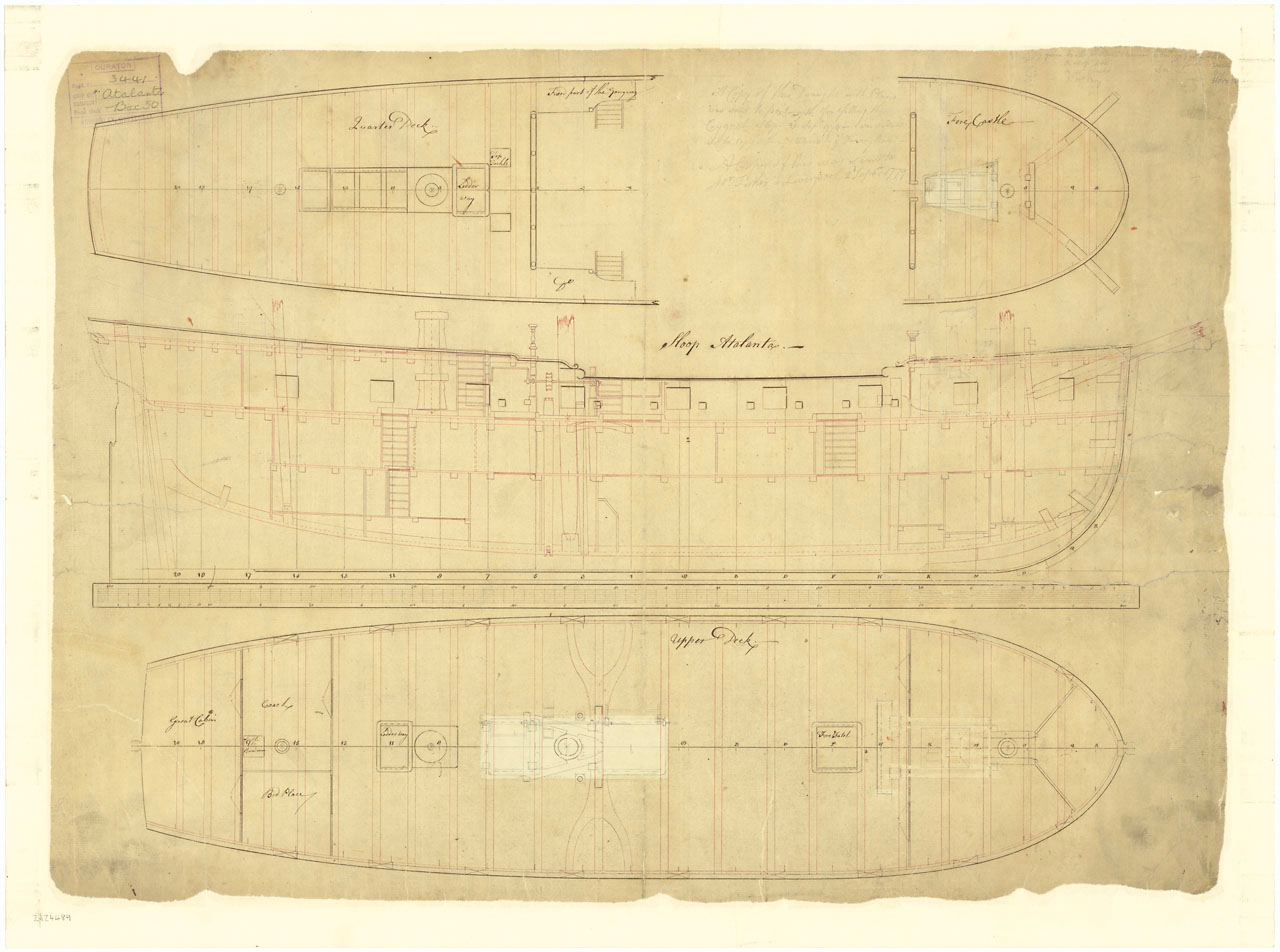
Yes there are a number of variations seen on plans of mast partners. Some are experimental, such as on Vulture:
-
As others suggest, laminate two layers over a form and heat/moisture bend.
-
If you use sanding sticks rather than freehand sandpaper, rounding over of the end frames should not be an issue. And yes, the scupper supports will not be seen on a completely planked side.
-
Amazing as the photos are, I bet it's even more impressive in actuality.
- 542 replies
-
- 6
-
-

-
- Sphinx
- Vanguard Models
- (and 3 more)
-
There are also very small specialist mills that dental technicians use by Meisinger. See: https://meisingerusa.com/home Warning: this site may present the possibility of danger to your credit card!
-
The cove looks much nicer, Ben, but I have the same reservations as Greg about that lettering....
-
Your image of Bouteille du vaisseau le Soleil Royal is weird! My suspicion is that the image was rotated 15 degrees, as you point out; but whoever did that then turned the title in PhotoShop or similar to make it horizontal again. Otherwise it makes no sense at all. In any case, what purpose was there in rotating the image to begin with? "I guess the back end has to line up with the edge of the page!"
- 2,699 replies
-
- 2
-

-
- heller
- soleil royal
- (and 9 more)
-
Delightful! What a lovely gift for Bean, aka Eve. Would you consider not using CA on your line, Keith? Acrylic matte medium is kinder if at any time in the future any line needs overhauling or adjusting again (See Rob Napier's new book!)
-
But does that make sense?
-
EURYALUS 1803 by Peter6172 - 1:48
druxey replied to Peter6172's topic in - Build logs for subjects built 1801 - 1850
A great start, Peter! I would caution you against the use of ferrous material in the model; at some point it will corrode. Instead, use brass or copper, chemically colored or blackened. When building what will be a very fine project, consider longevity as well! Also, iron was not used below the waterline. -
It's a projection drawing, showing what it looks like from the side once it's in place on its correct angle and faired.
-
It's almost all been said already. Congratulations! But, please, a nice protective case as well?
-
Looking good, Ben. I see that you 'nailed' texturing the ground to those coves! You might want to make the central motifs cross 'over ' and 'under' for a bit more depth.
-
I can't advise you on the curved transparent panels. They need to be of some flexible plastic and using plastic is something I've very little experience of. Hopefully someone else here can advise you. And yes, Mark Twain was a great writer. And then, there's the notorious 'Court of Elizabeth' essay!
- 111 replies
-
- 1
-
-
- Nonsuch 30
- Model Shipways
- (and 1 more)
-
That is interesting. I wonder what makes for a cleaner char line? Presumably lower temperature, but does that imply a slower cutting speed? If so, it would severely affect production speed. And yes, the color looks very acceptable.
-
Rather than fabric, consider using SilkSpan for the bimini. Stretch it like watercolor paper and use dilute acrylic paint, before cutting and fitting it. The boat looks great so far! As an aside, I see Mark Twain on the wall. You must be a fan!
- 111 replies
-
- 2
-
-
- Nonsuch 30
- Model Shipways
- (and 1 more)
Our Emblem ®
