

druxey
-
Posts
13,390 -
Joined
-
Last visited
Content Type
Profiles
Forums
Gallery
Events
Everything posted by druxey
-
 Actually, the rudder should sit a little high; if the ship takes ground, the rudder won't get torn off.
 -
Those tilted Corinthian capitals are exceptional! Well done.
-
I anneal brass tube, cut off slices and put them in a thickness jig to file both cut edges flat. I then place the ring on a steel block and flare both sides using a centerpunch.
-
Please read the pinned planking topics on this site! It will explain everything you need to know about planking a hull. https://thenrg.org/resource/articles Scroll down to Chuck Passaro's and David Antscherl's articles.
-
Congrats on a beautiful finish, and condolences on the result of the seventh....
- 167 replies
-
- 3
-

-

-
- Norwegian Sailing Pram
- Model Shipways
- (and 1 more)
-
Thank you, Bruce. With a little practice, one can get the consistency of paint right (rather like airbrushing!) and a ruling or bow pen will lay down a consistent line. I can see the advantage of the striping pen, except that you are limited to white and yellow.
-
So far, so good. But the knee also tapers in two directions. That also needs to be taken care of.
-
Chuck; you make a very good point that has otherwise bothered me; the output looks too perfect! For figures such as the captain above, it's great, but for carved work on a ship, the surface lacks the markings of actual tools. Your concept of hand carving the output before hardening addresses this issue.
-
For a chewed mole, he looks very good! Well done. (We are always our own worst critic.)
-
Loose Planks
druxey replied to Rich Sloop's topic in Building, Framing, Planking and plating a ships hull and deck
Is this water-based paint? Wait until the moisture has completely evaporated and see if the planks sit down again. Then reglue from the inside. (I assume this is still accessible.) -
It must be a pear mouse, not an Apple one!
-
A less expensive book is the facsimile reprint of Rees' Naval Architecture. While slightly later, the plates are copies of those in Steel. eg: https://www.abebooks.com/Reess-Naval-Architecture-Rees-Abraham-David/31527245291/bd Although the plates are half the scale of those in Steel, they are still too large for a home scanner.
-
A thought: Is it possible that the 'lid' of the cover was removeable or hinged in order to ship or unship the rudder?
-
question about waxing thread
druxey replied to ford34tom@comcast.net's topic in Masting, rigging and sails
Wax used to be recommended years ago to lay 'fuzz' on rigging line. Unless you are using really cheap and fuzzy stuff, forget about using wax. Also, beeswax is slightly acidic and will rot the line in time. (A lot of old timers' advice was not the best!) If you absolutely have to use wax, use conservator's pH neutral wax instead. Ideally, use good quality commercial line such as from Ropes of Scale. This has no fuzz and does not require 'treatment'. If you need to use adhesive, pH neutral white glue is best. Avoid CA (superglue) as it will eventually make the line brittle and break. Alternatively , spin your own rope! -
Man, you don't do things the easy way! Good progress, Alan.
-
Just what I was going to suggest!
-
Definitely a win, Mark! I agree that the gudgeons need more recessing; ideally there should be no gap between rudder and post, if you can achieve it.
-
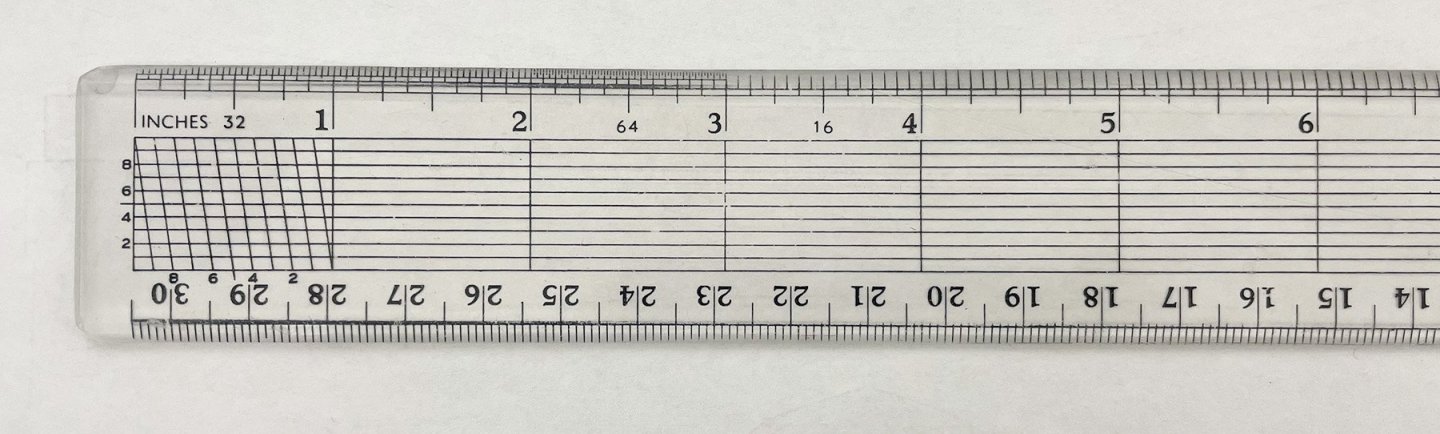
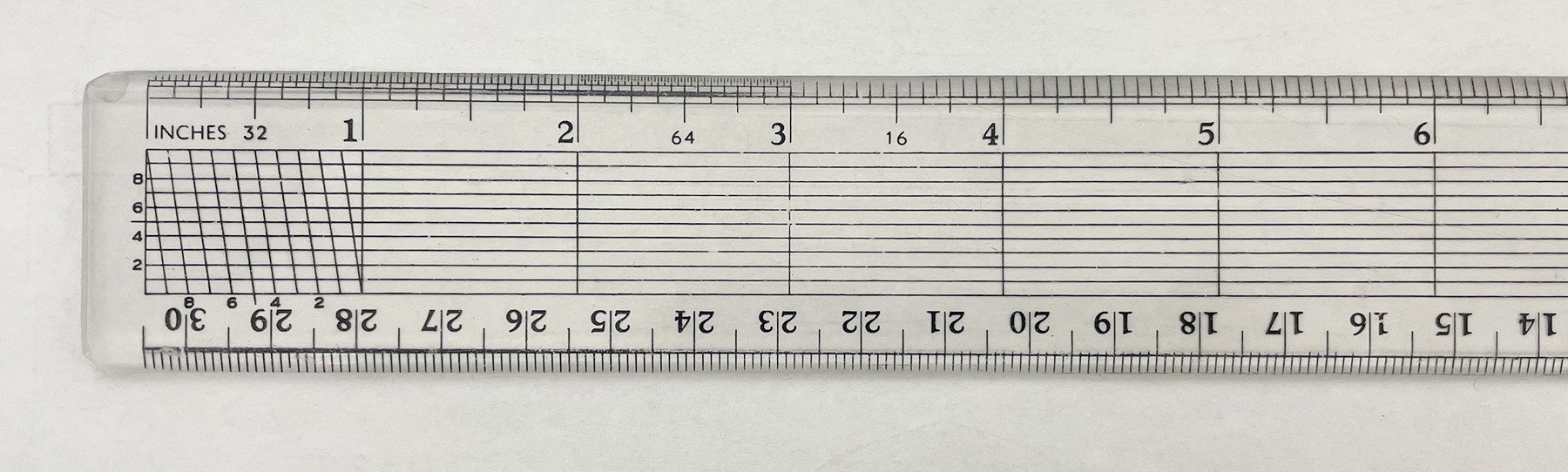
The y axis markings allow one to draw a series of closely spaced parallel lines. I have a rule that works on the same principal. Glad to oblige, Mike!
- 969 replies
-
- 2
-
-
-
- hahn
- oliver cromwell
- (and 1 more)
-
The first time one does hawse timbers it means a lot of do-overs. Looks like you've nailed them now. Well done! I prefer to file out the majority of the material for the hawse holes before I install those timbers. Saves drill tear-out issues and establishes the slope up of the holes.
-
Bowlines (literally 'bow lines') normally lead forward, at least in English practice. The line for the fore course leads forward to a block hooked to the aft side of the bowsprit cap, then aft to belay at the forecastle. The main course bowline also leads forward. The English belayed it at the fore topsail sheet bitts forward of the fore mast. In your diagram it appears to belay inside the bow bulwark, presumably on a pinrail. Hopefully this is of some help!
-
It's more realistic to omit them on a deck, especially at scale. There was a time when modelmakers used to treenail all their decks (about 20 to 50 years ago) and it became a fashion that has been followed to this day. (I was guilty of this with my early models!)
-
Actually, there are nails securing the planking to the beams, and those are wood plugs over the nail heads, not treenails.

Our Emblem ®
