

Baker
-
Posts
4,302 -
Joined
-
Last visited
Content Type
Profiles
Forums
Gallery
Events
Everything posted by Baker
-
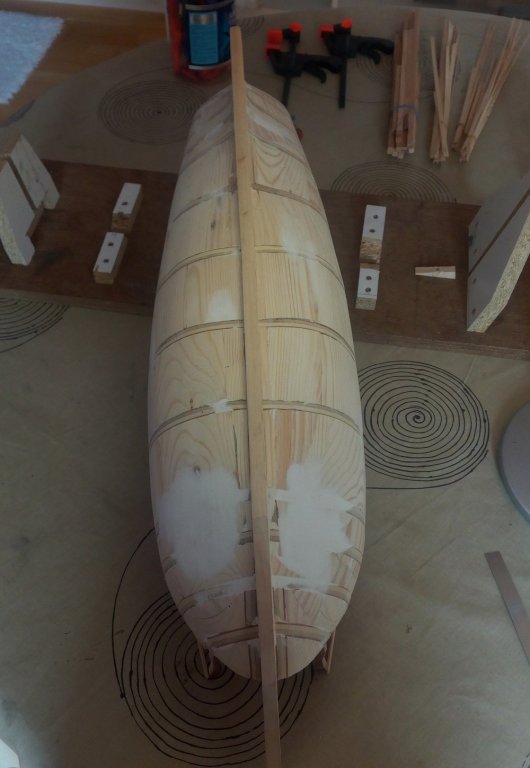
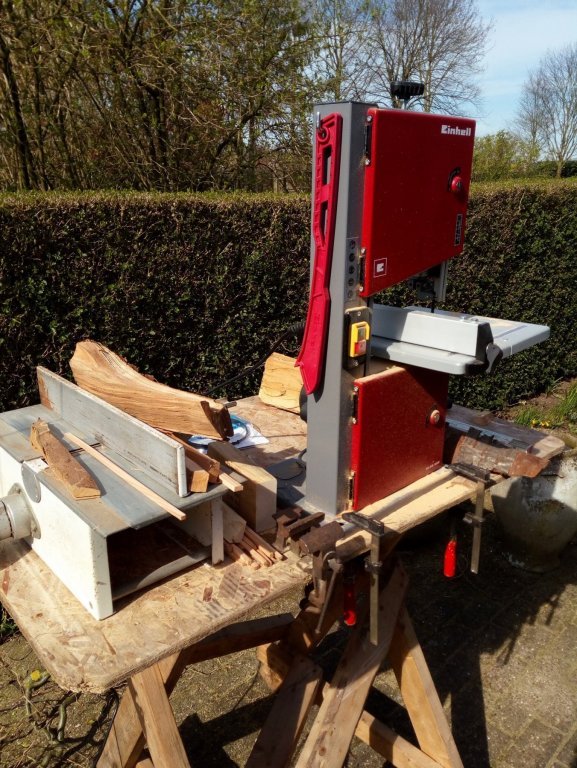
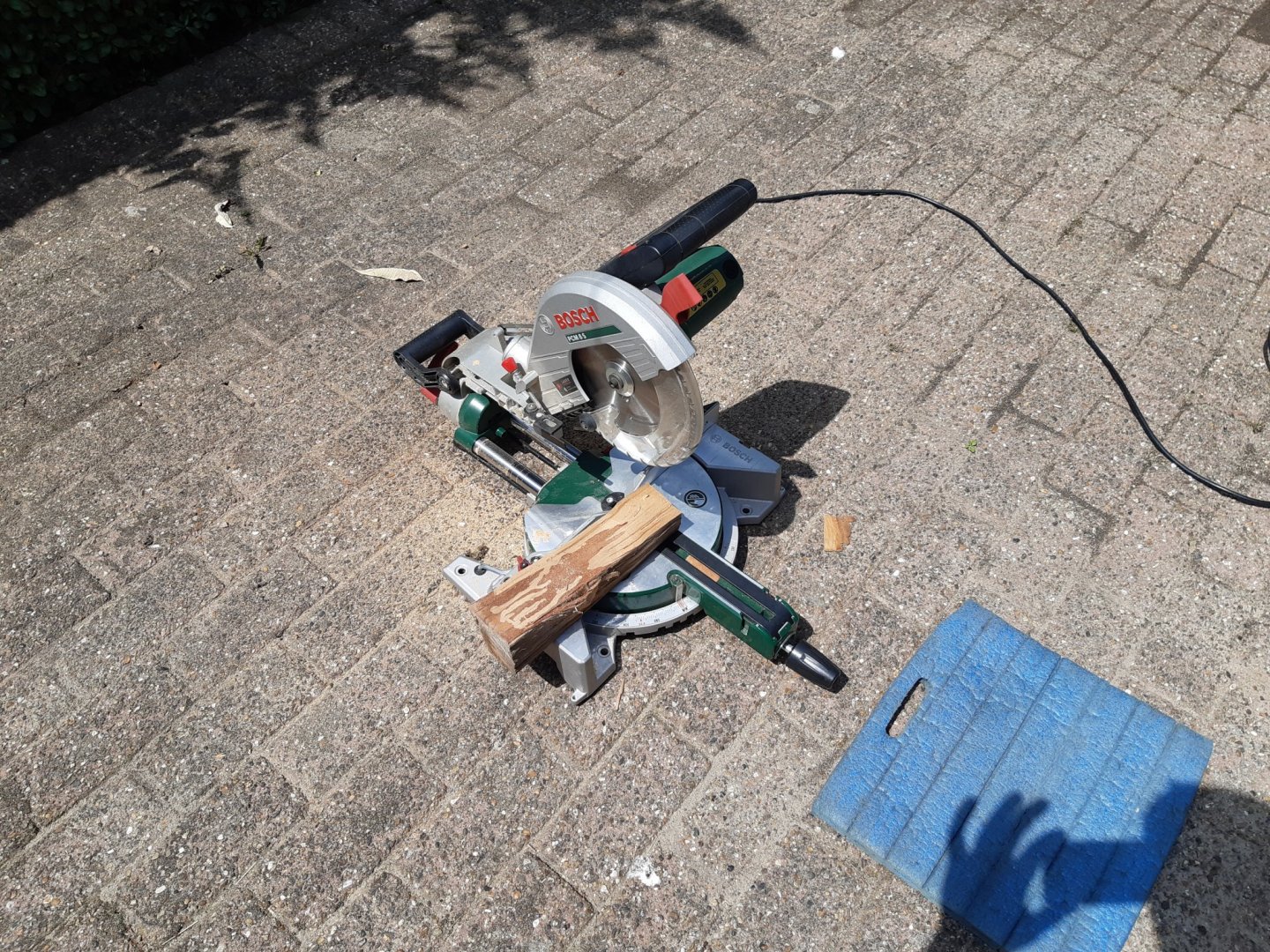
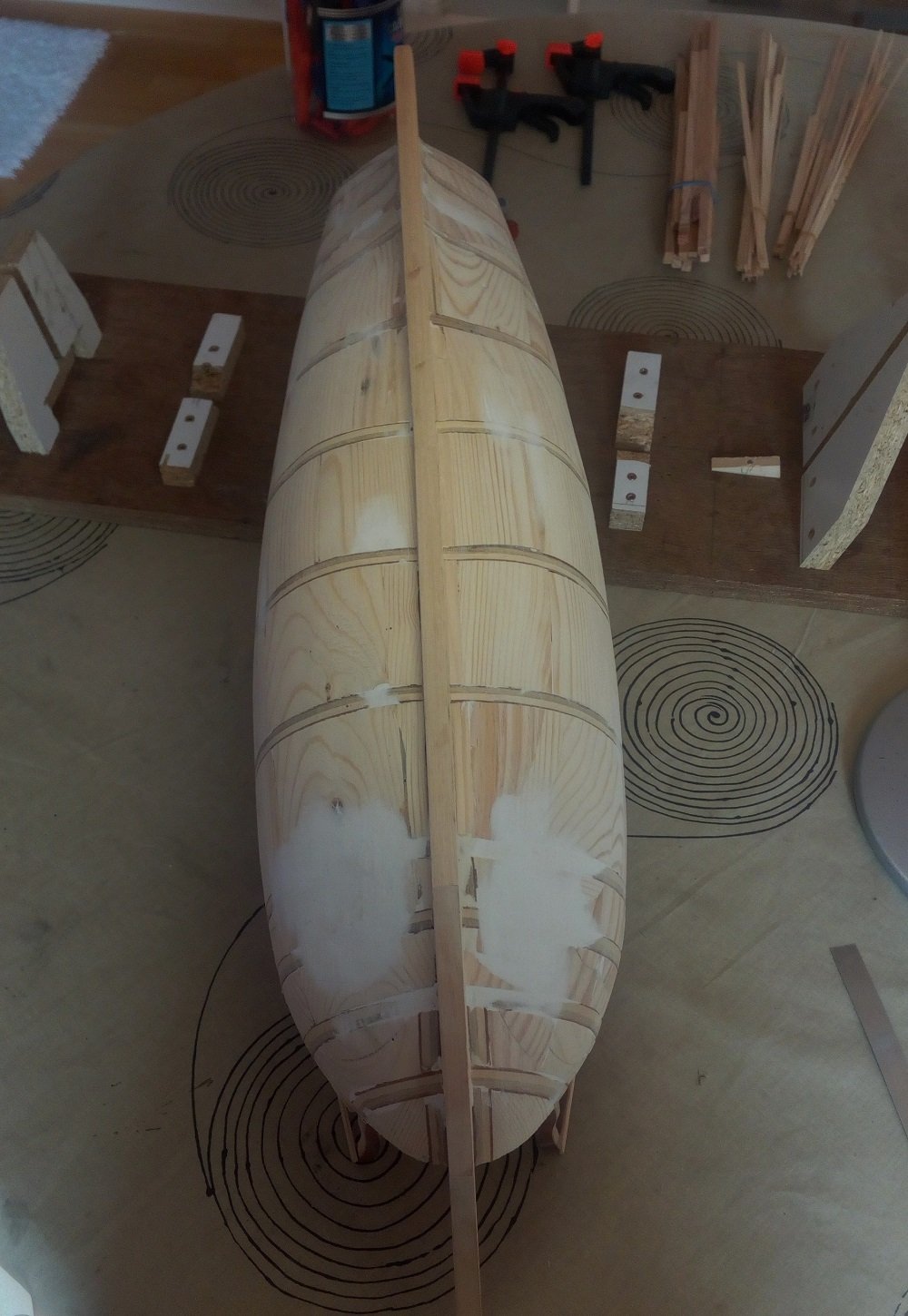
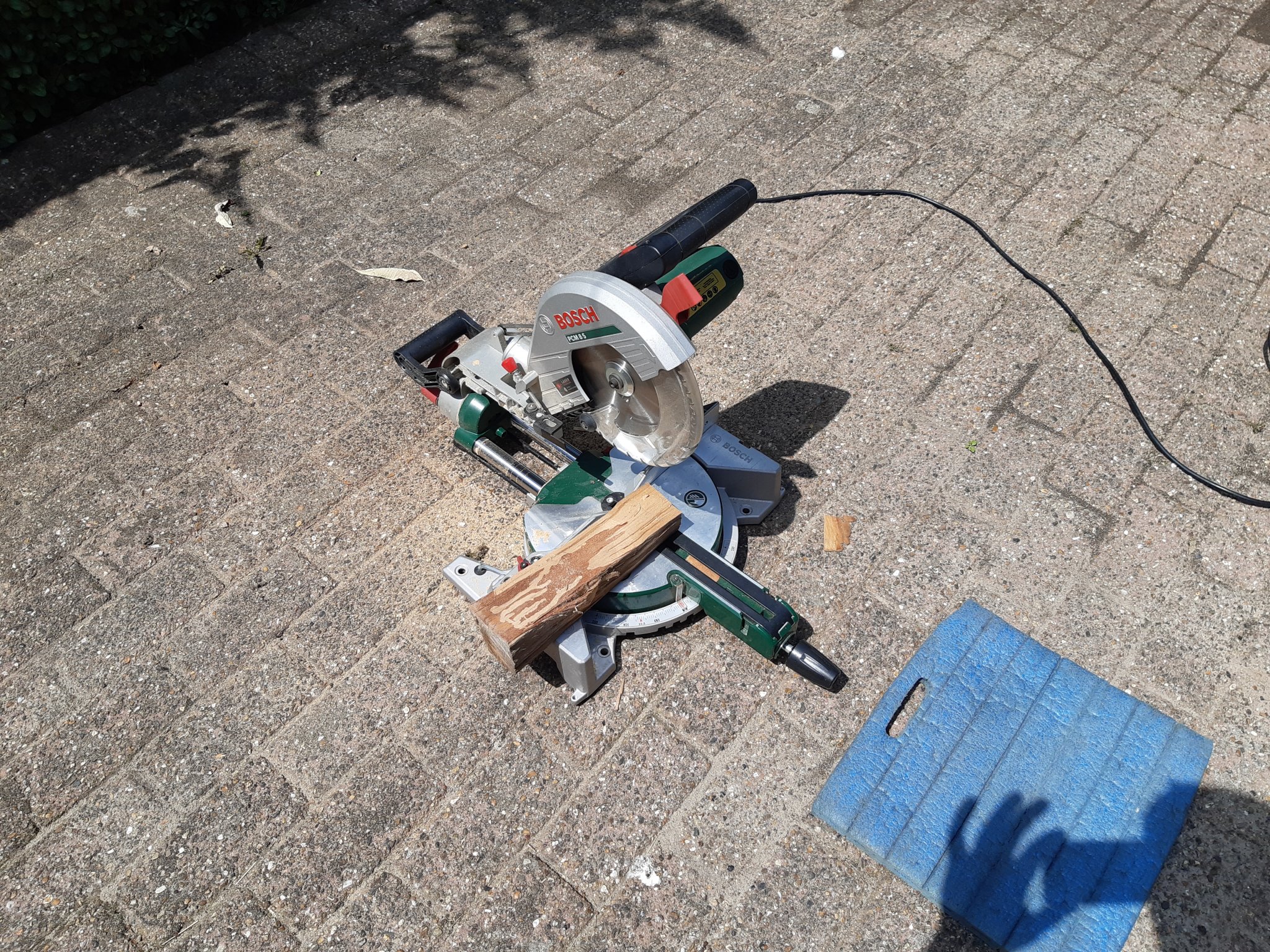
What I learned from my first scratch build. With filler blocks between the frames you can sand away many errors. I used fillerblocks and one layer of planks. Sanding filler blocks and sawing planks yourself creates a lot of dust. Saw and sand outside in the garden. And the wife will not complain Hull with sanded fillerblocks Dust in the garden ...😉
-
Looks good, but. The first three frames appear to be too narrow in relation to the deck.
-
 Welcome back. Good work 👍
 -
Hi from15 nm west of Hamburg / Northern Germany
Baker replied to Oboship's topic in New member Introductions
-
I am in the 2nd row and following. Great start 👍
-
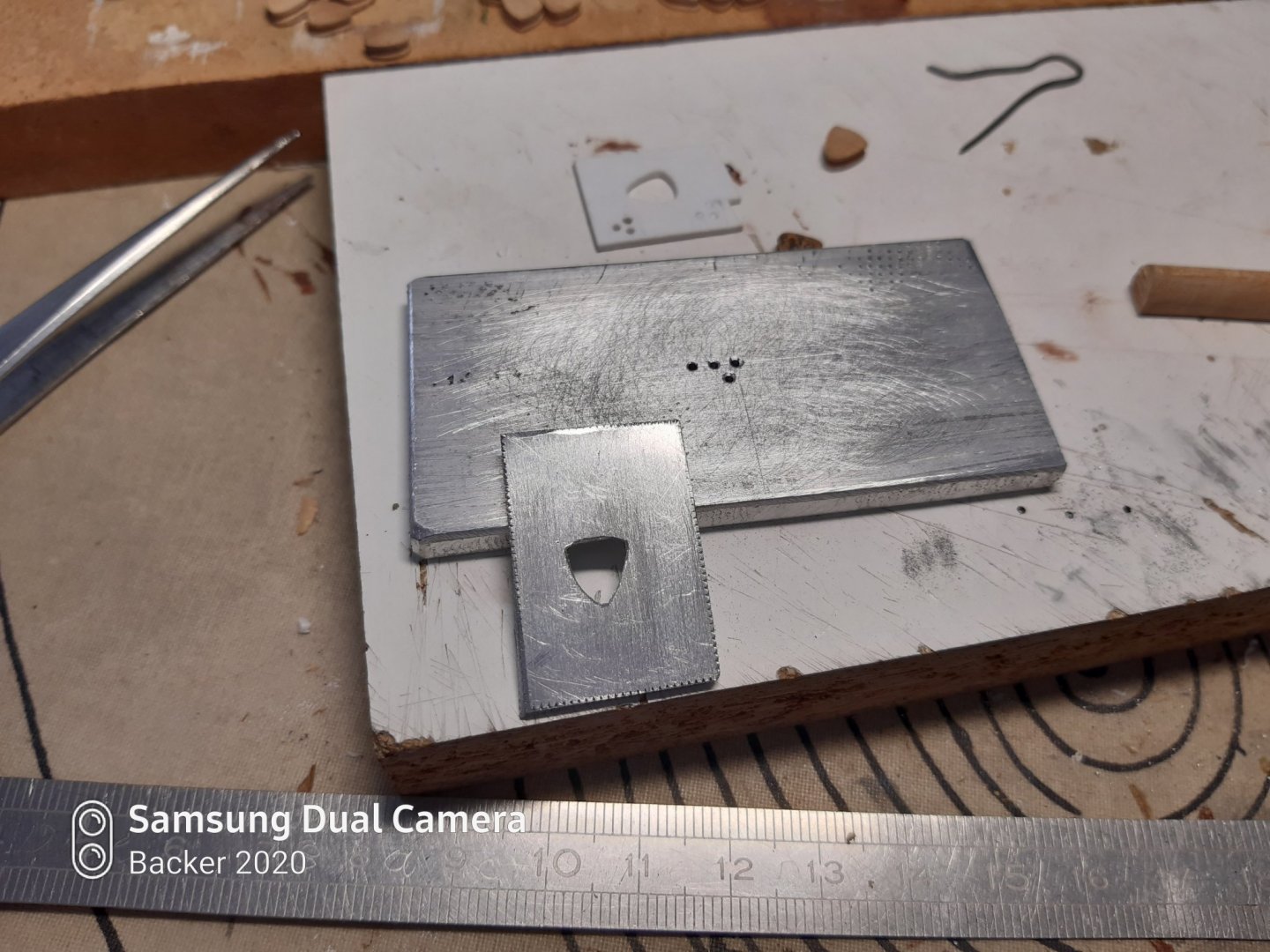
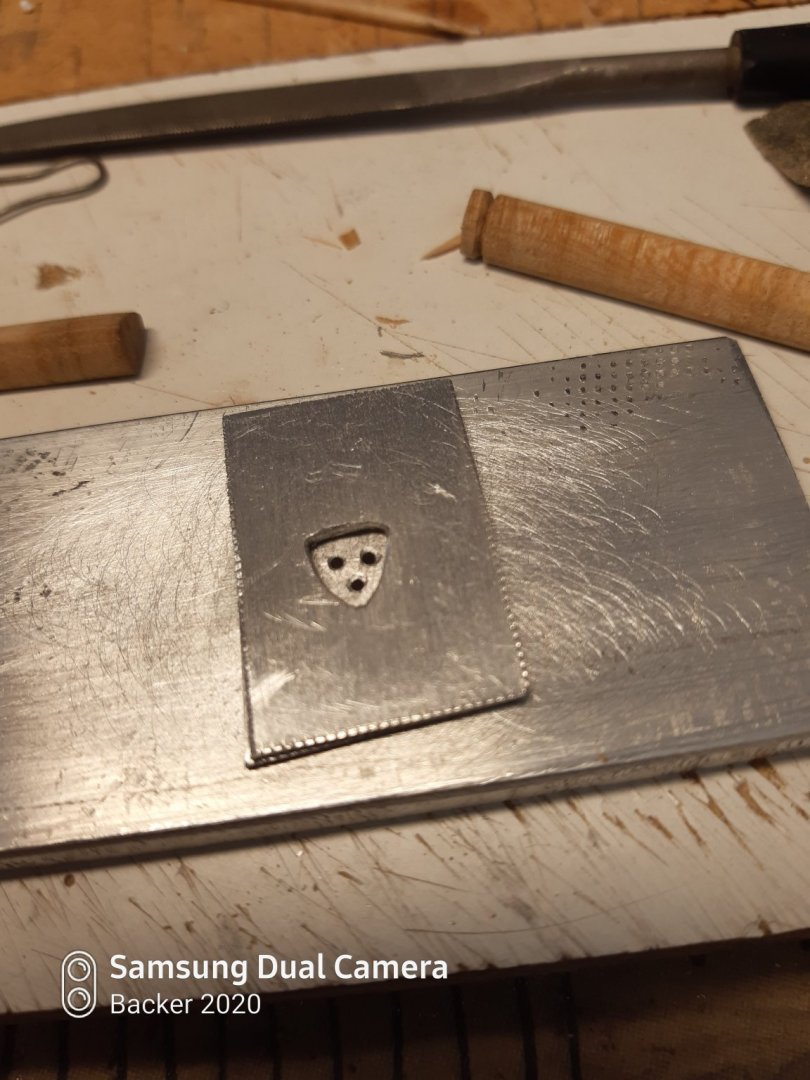
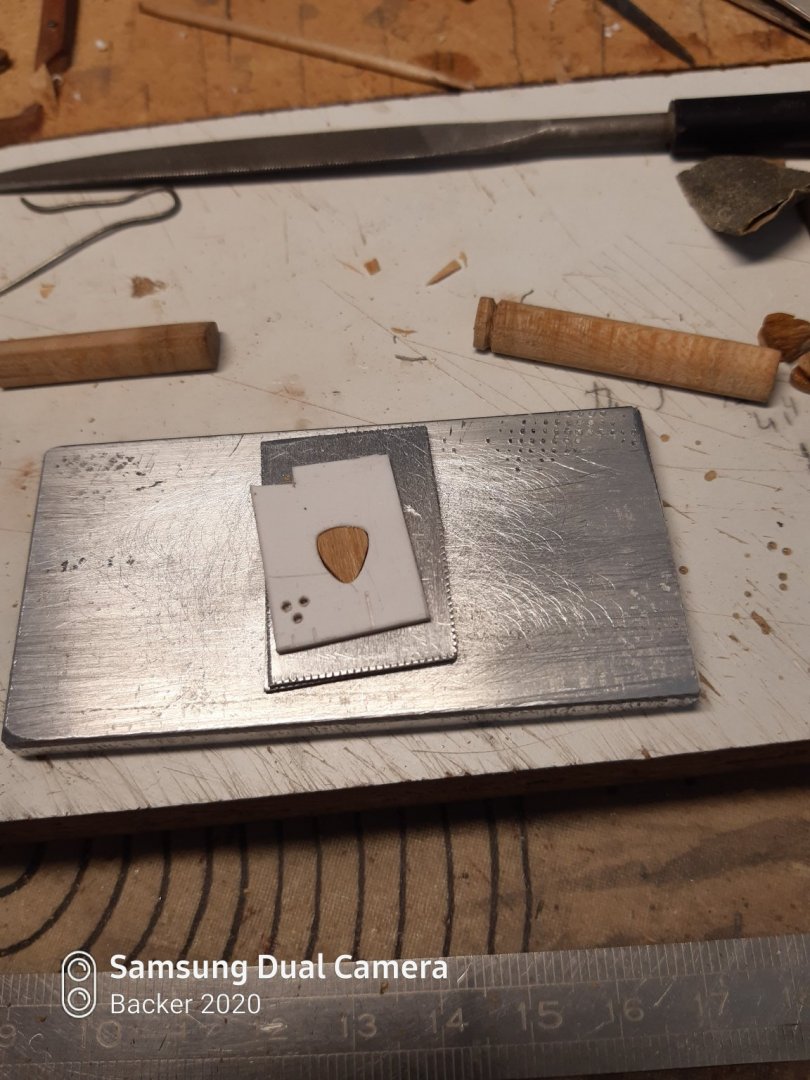
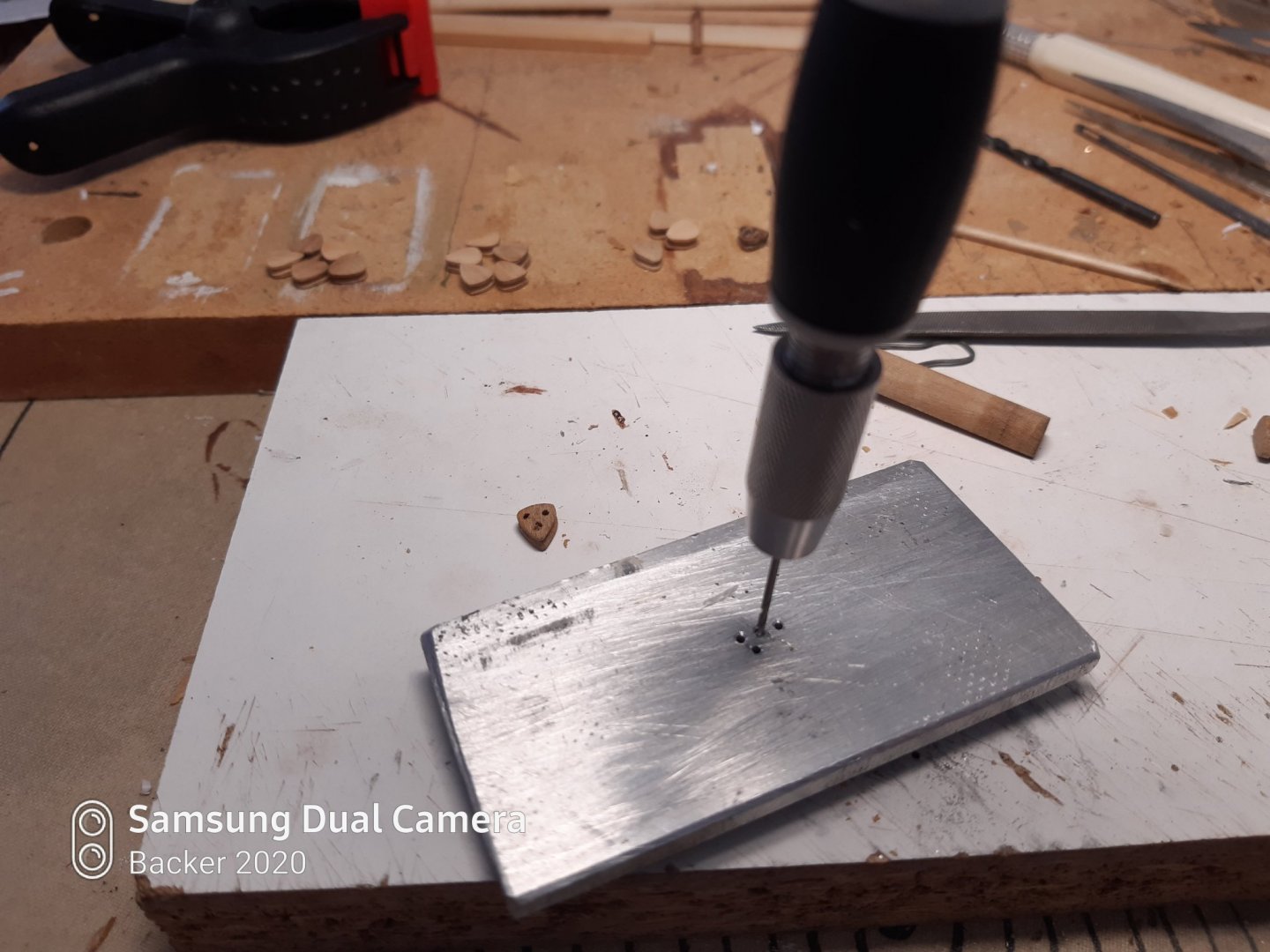
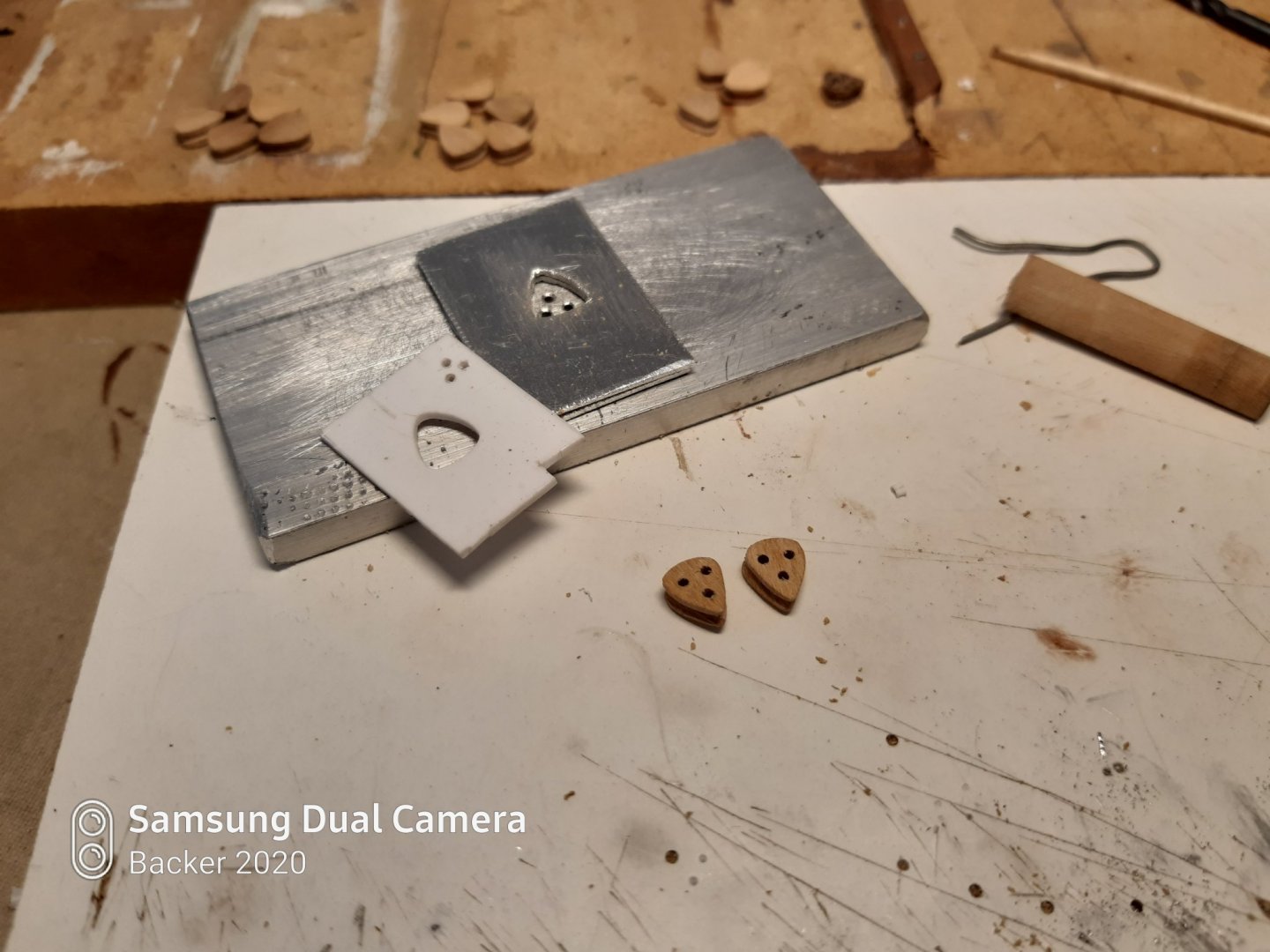
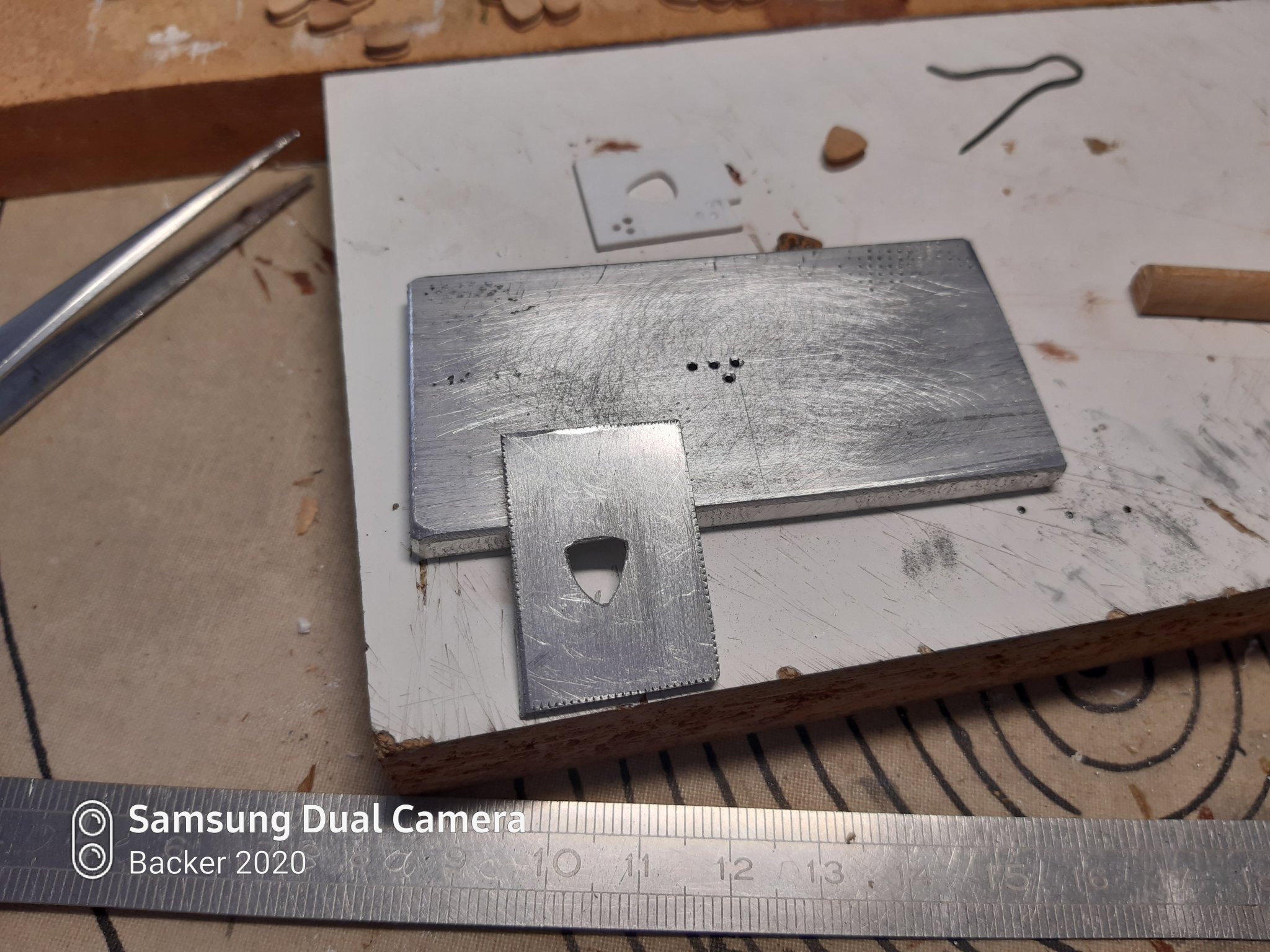
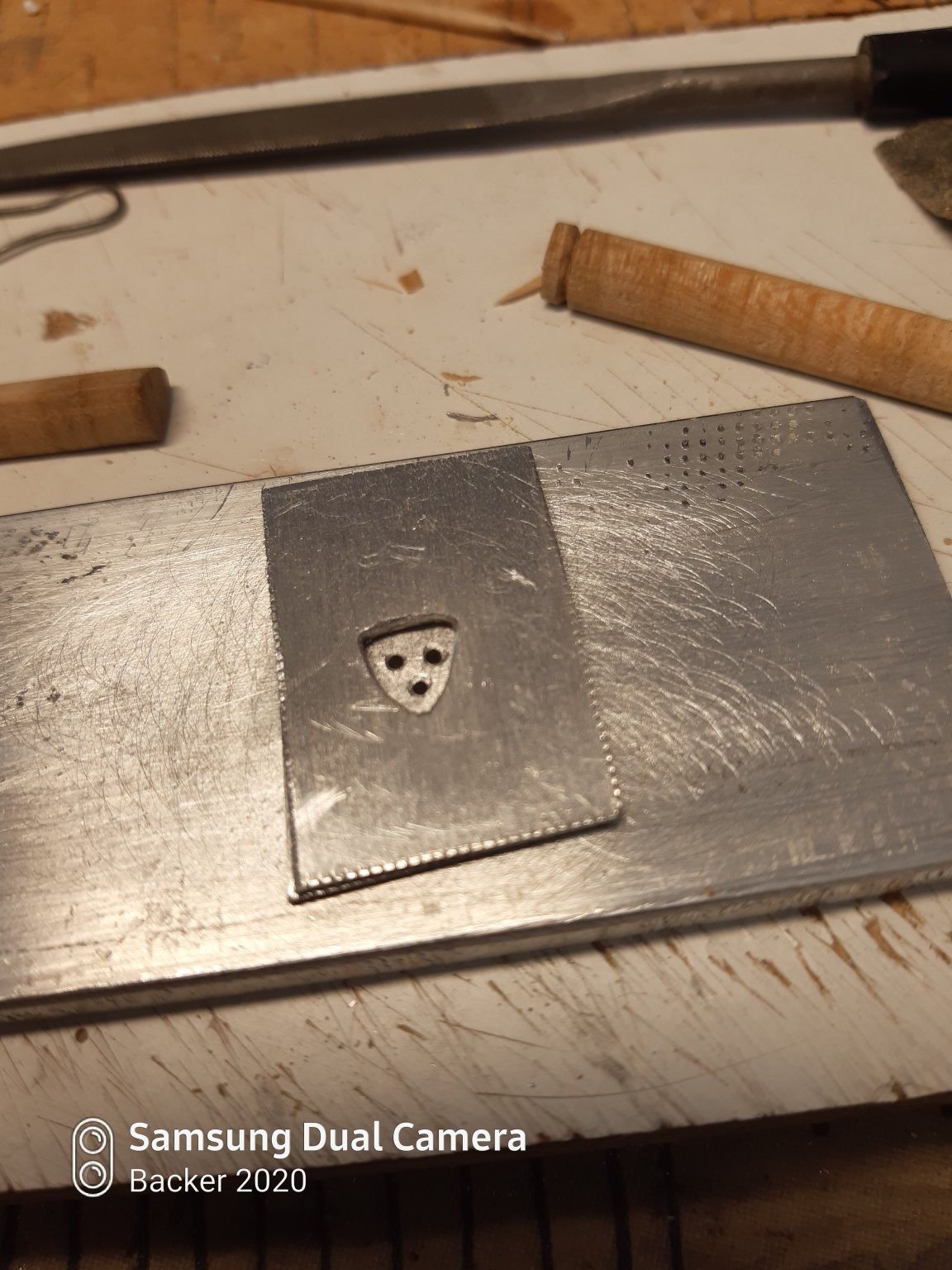
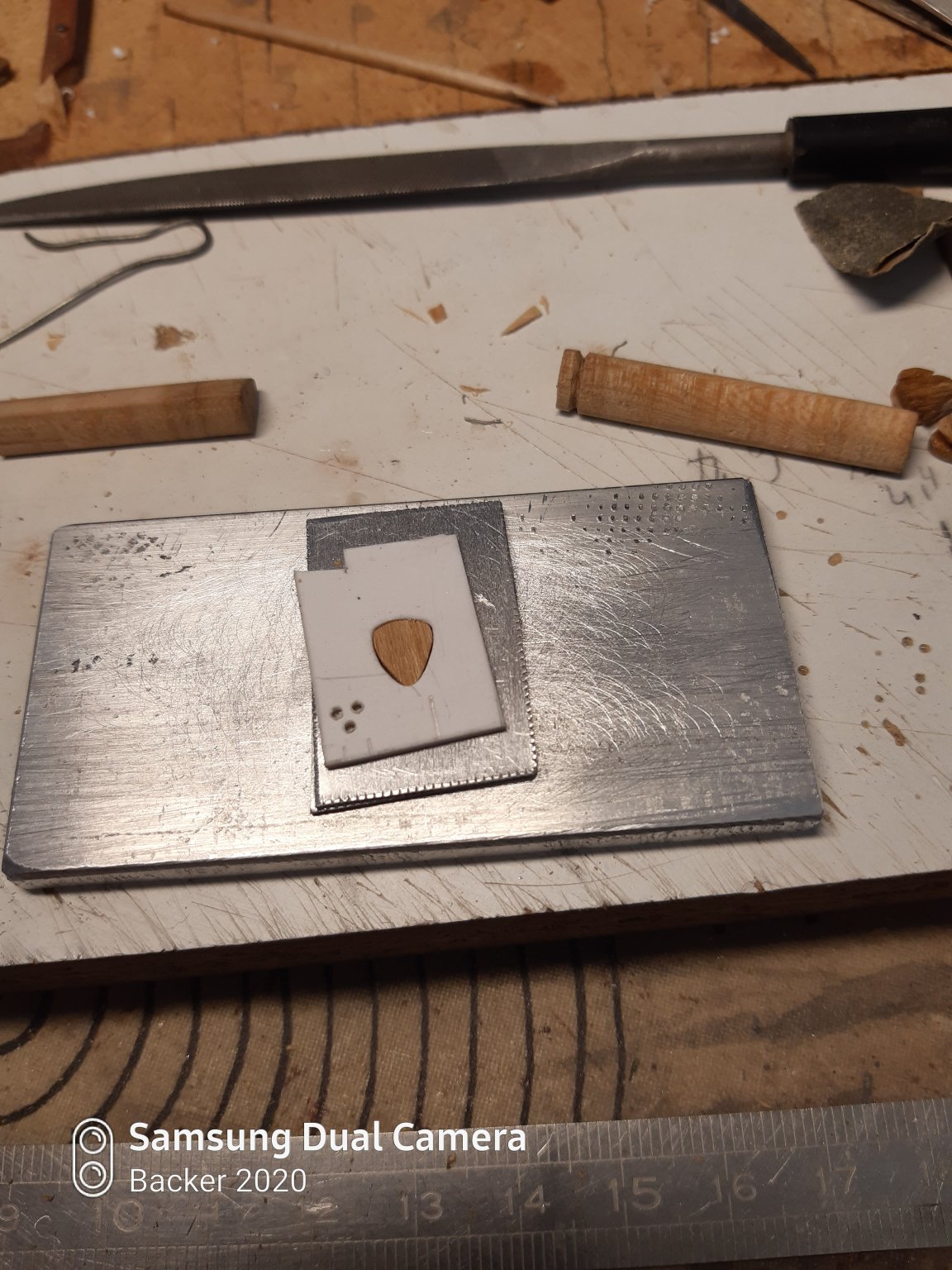
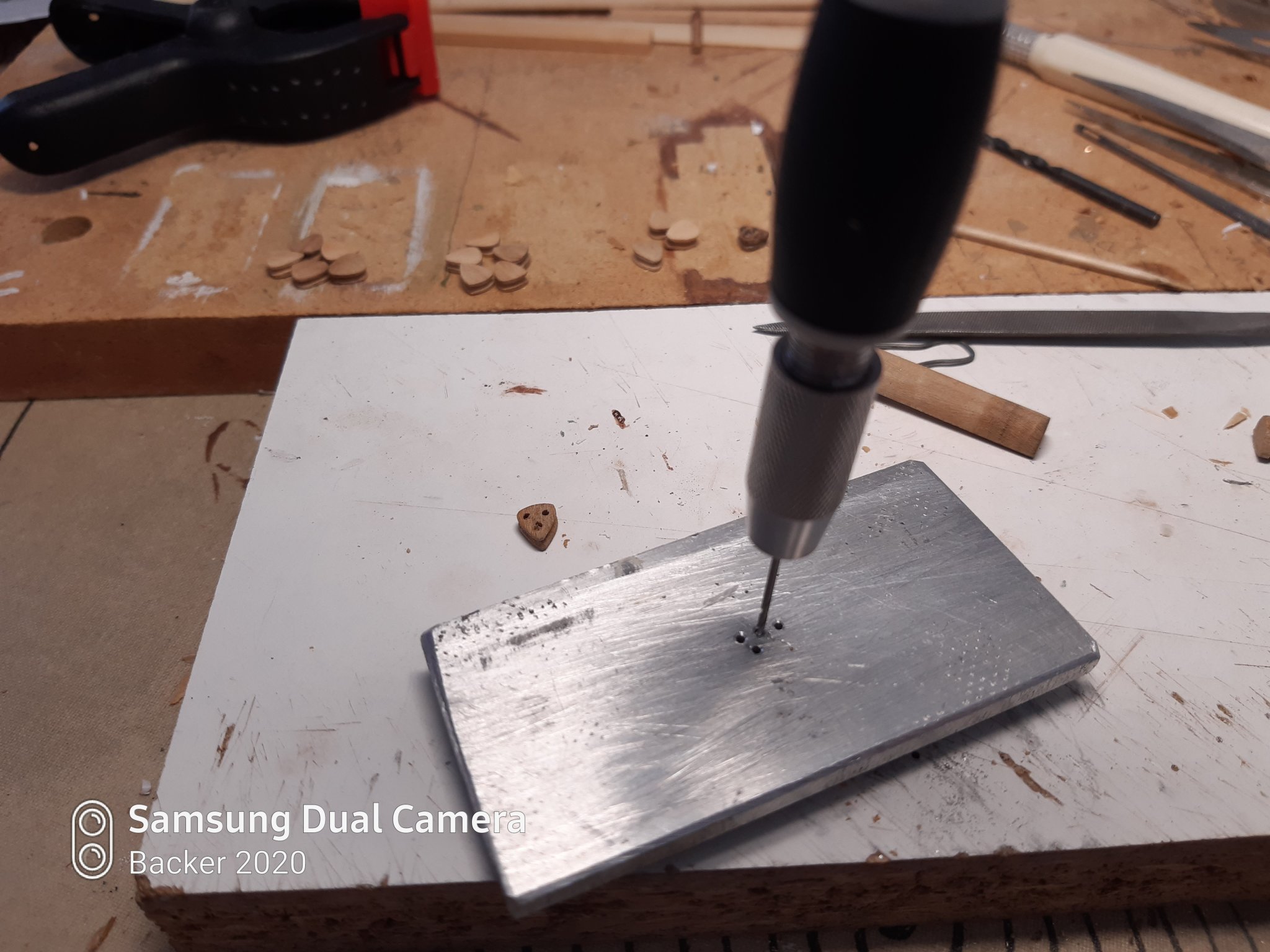
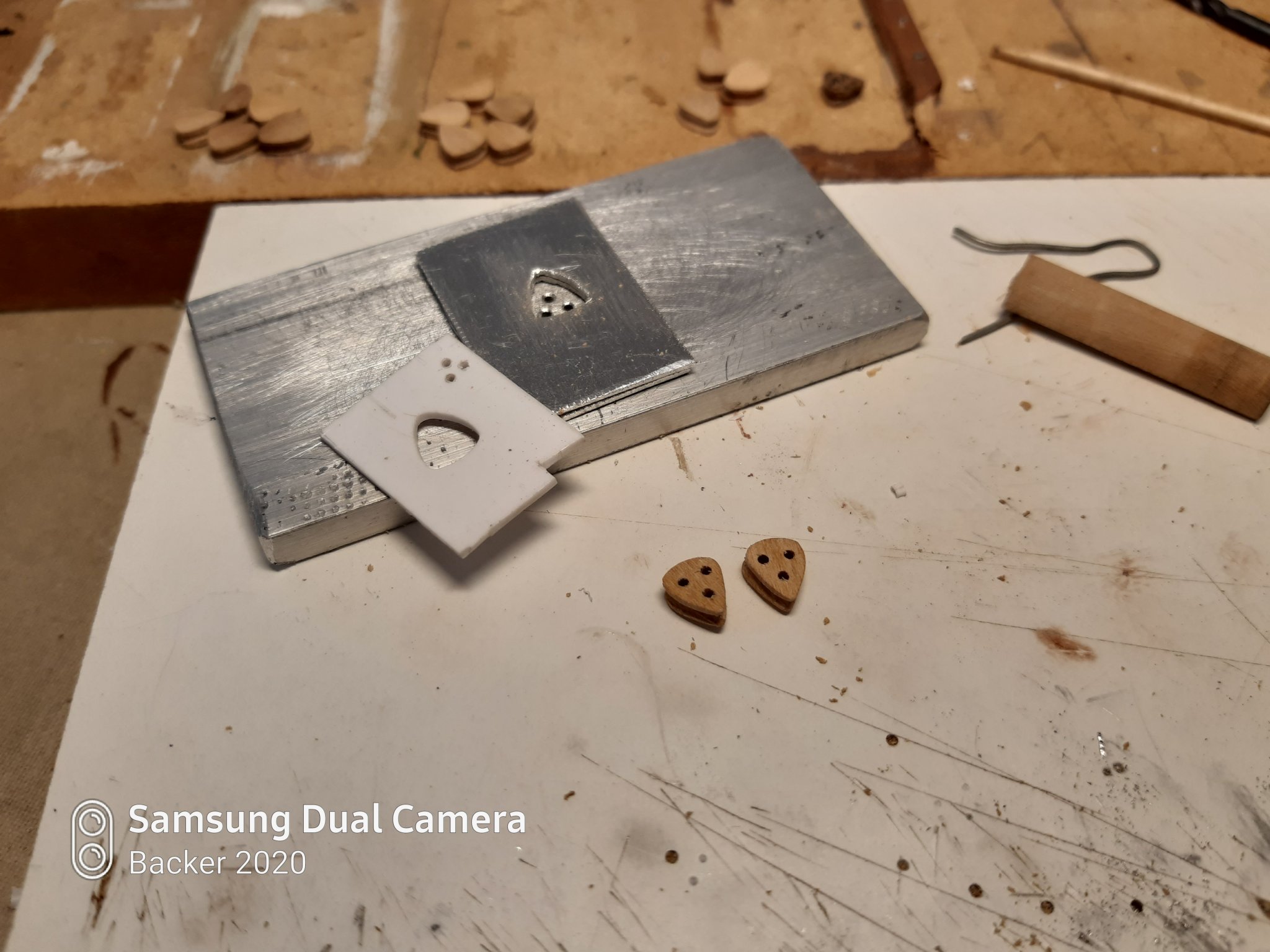
Thanks for comments and advice. And the used wood is cherry Something I learned here. Listen to good advice. So first i do a test whether the wood does not split during drilling. First make an aluminum mold. The plates are glued with CA. (1 a hole was drilled incorrectly) The test (careful drilling of course) Hurray, they don't split. I set a watermark on my smartphone photos (Backer2020). Why that thing also put Samsung on it is a mystery to me.
- 756 replies
-
- 12
-

-
- galleon
- golden hind
- (and 2 more)
-
-
Yes, But, I have to drill holes of 1mm and I don't have the right tools to drill holes of this diameter to enough depth Therefore I will have to drill them one by one by hand. If a few fail, bad luck for Backer (there is plenty of wood availeble to make more)
- 756 replies
-
- 4
-
-
- galleon
- golden hind
- (and 2 more)
-
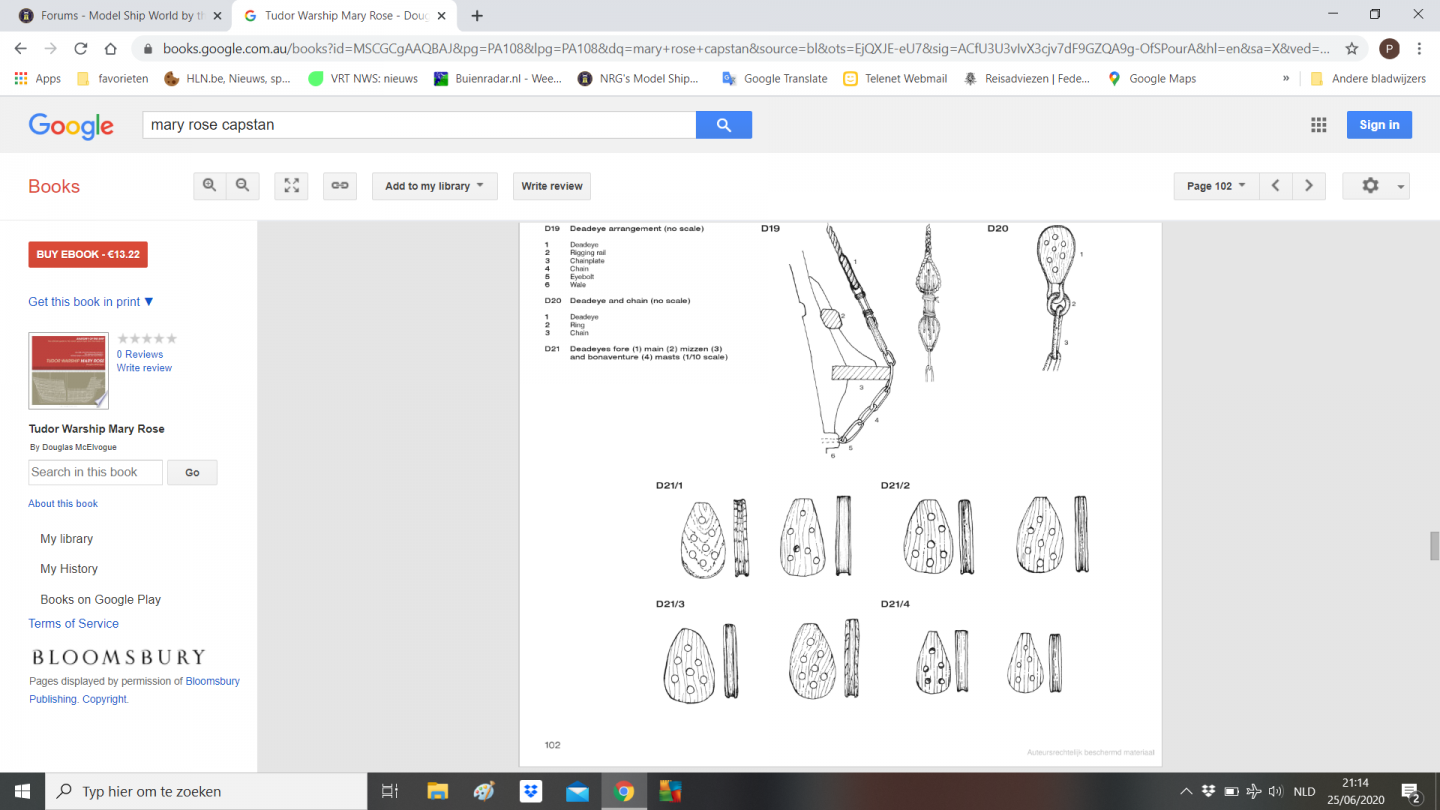
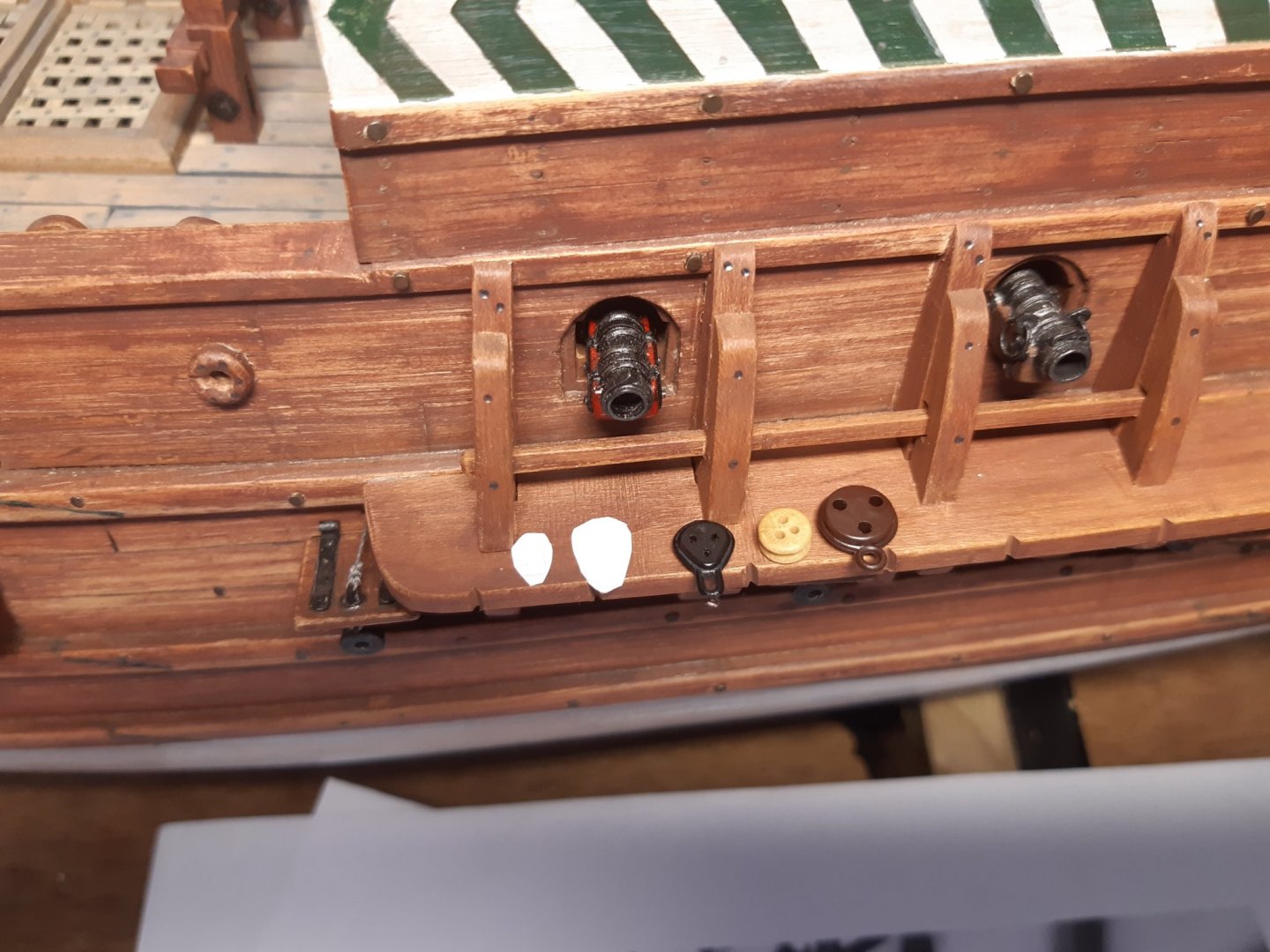
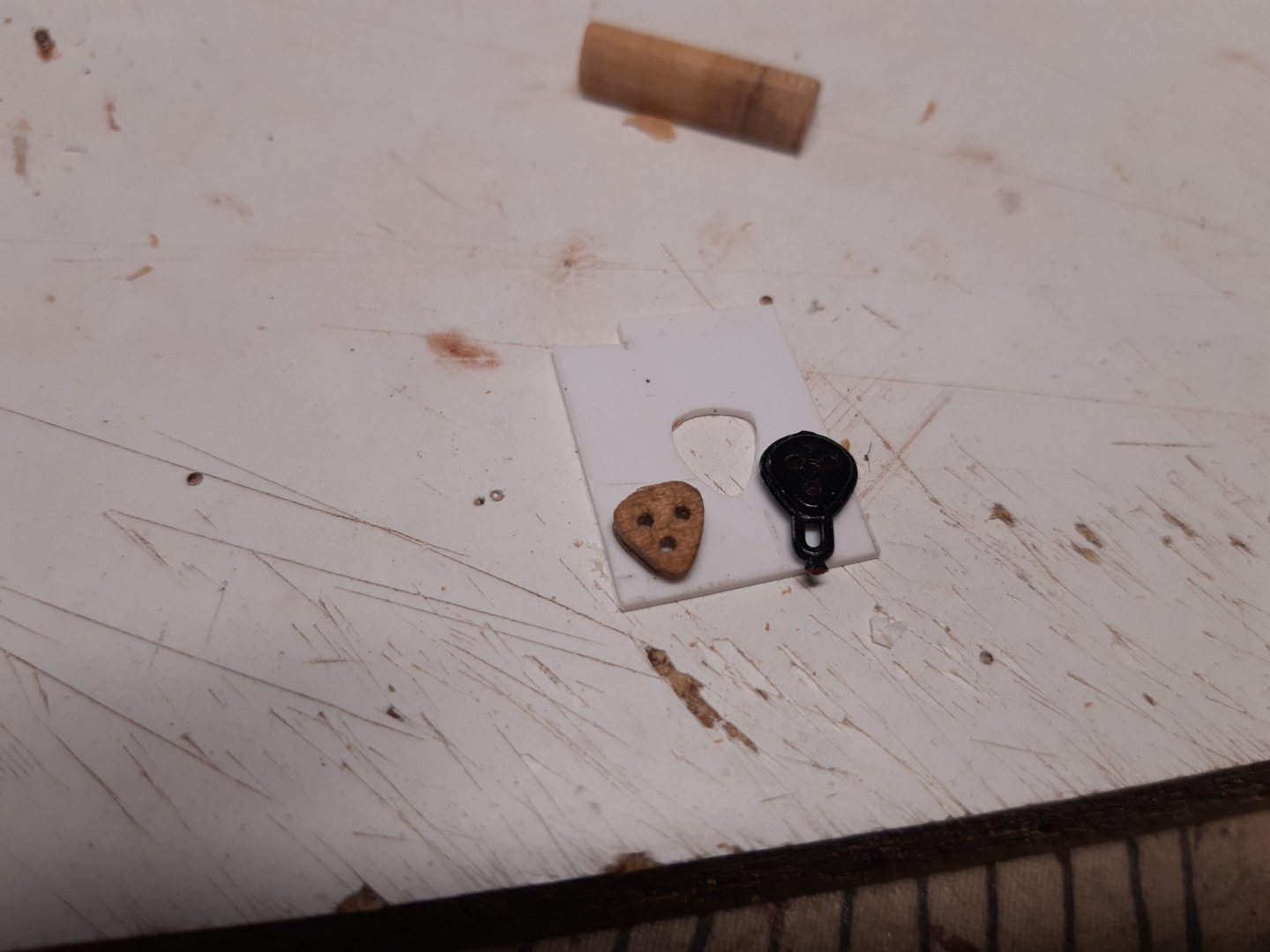
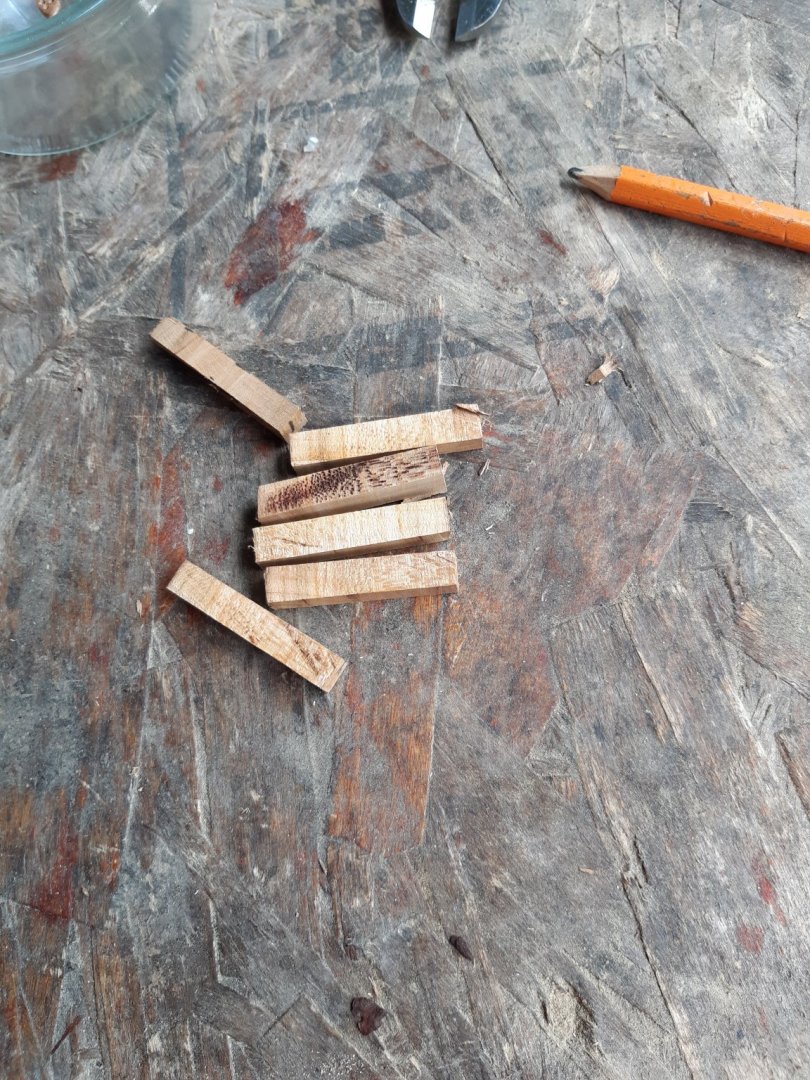
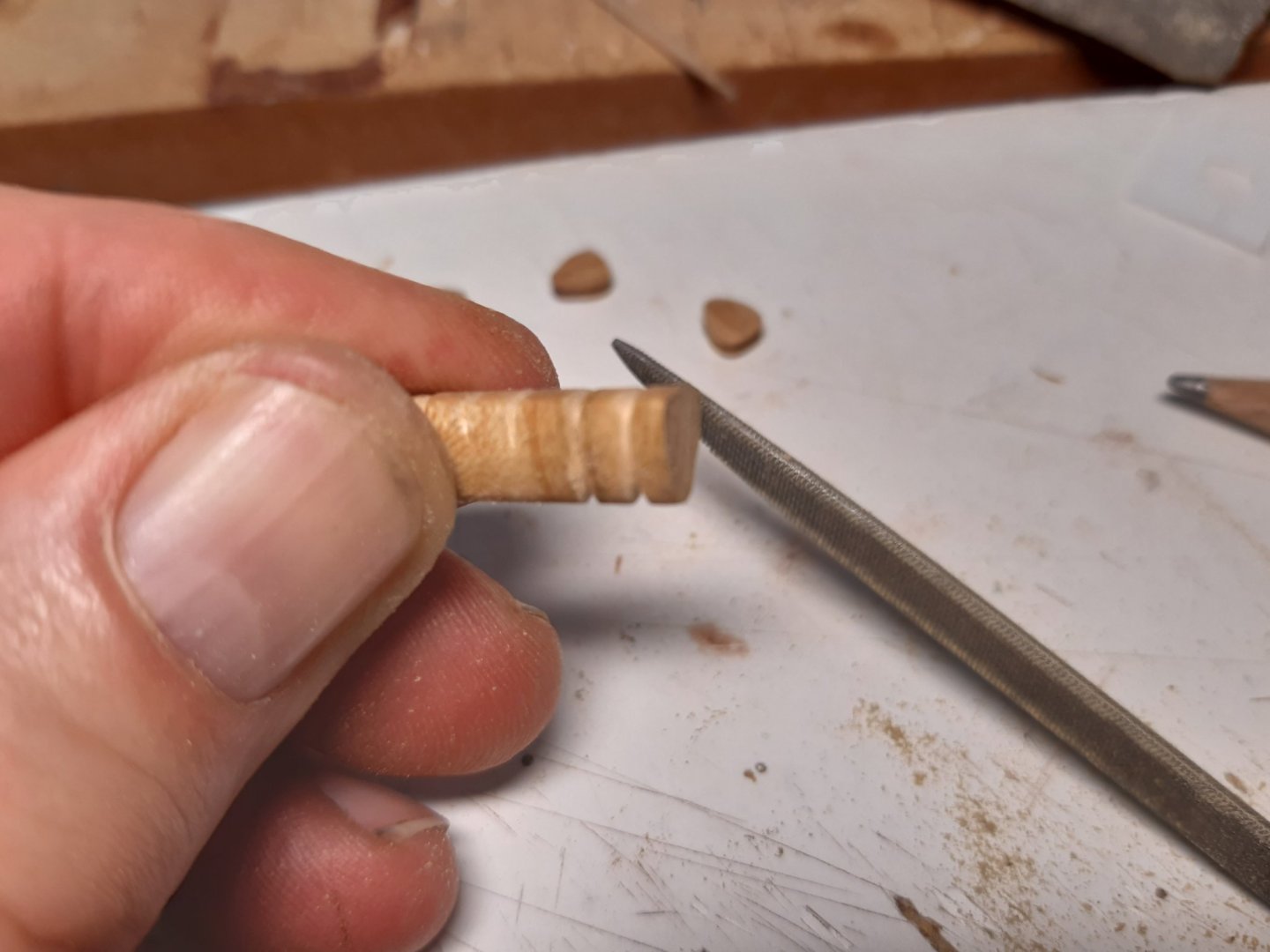
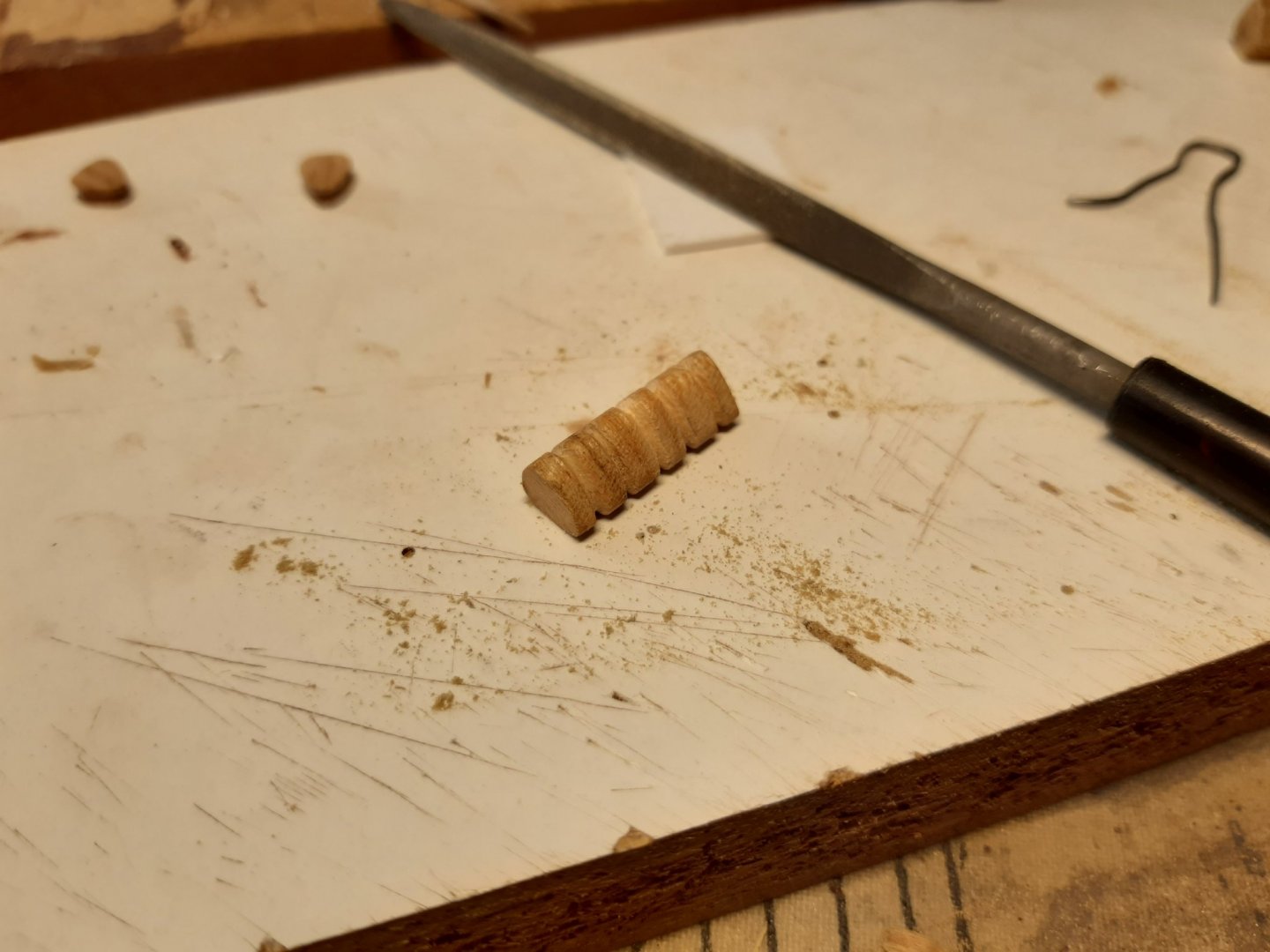
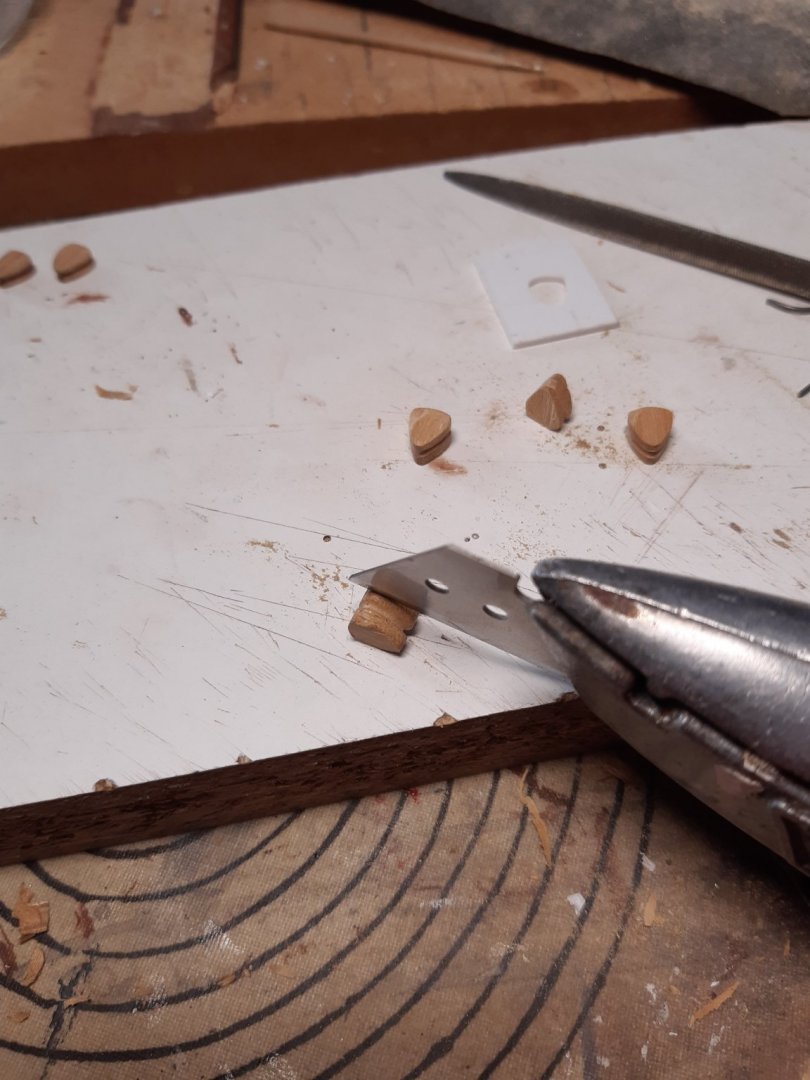
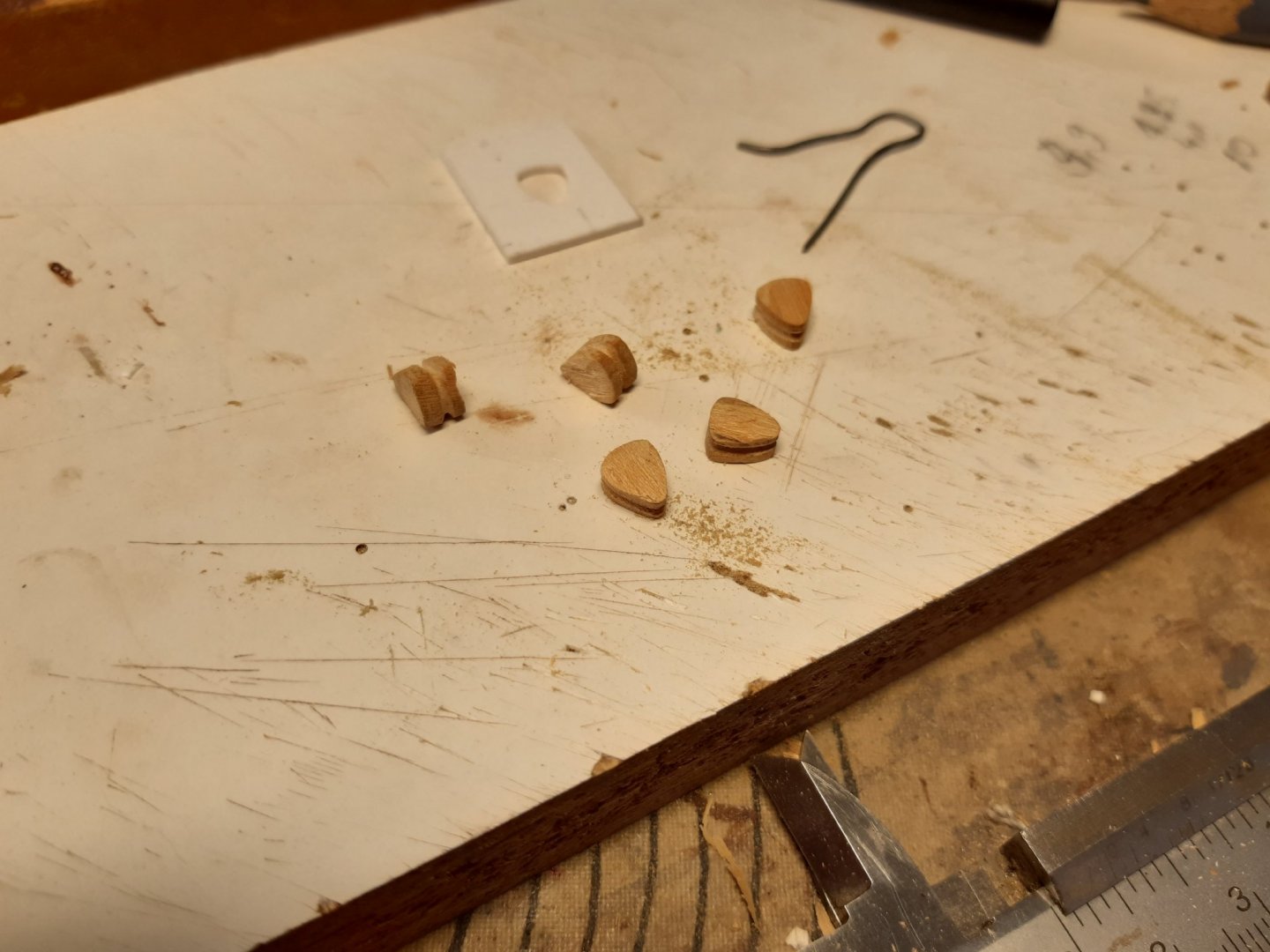
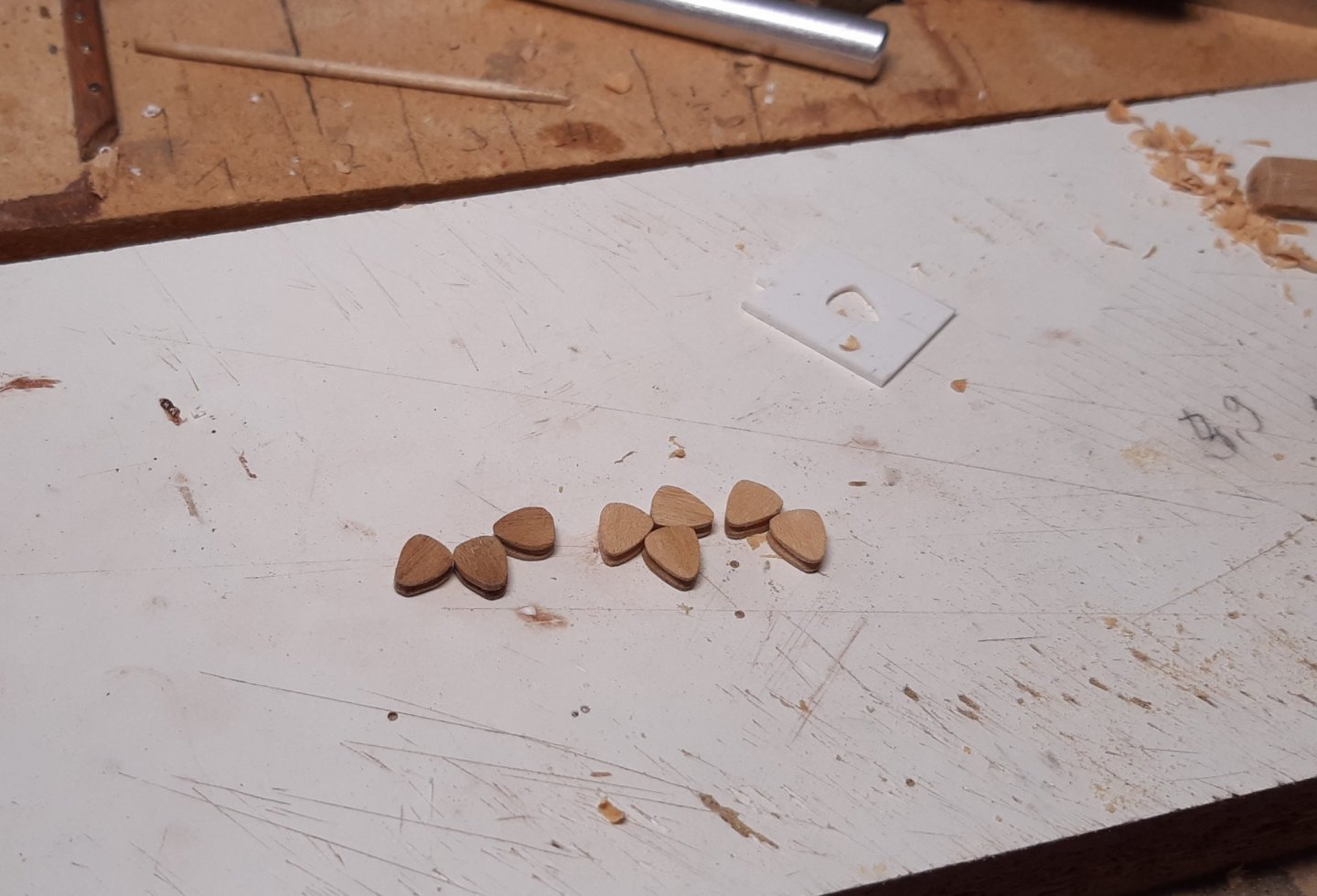
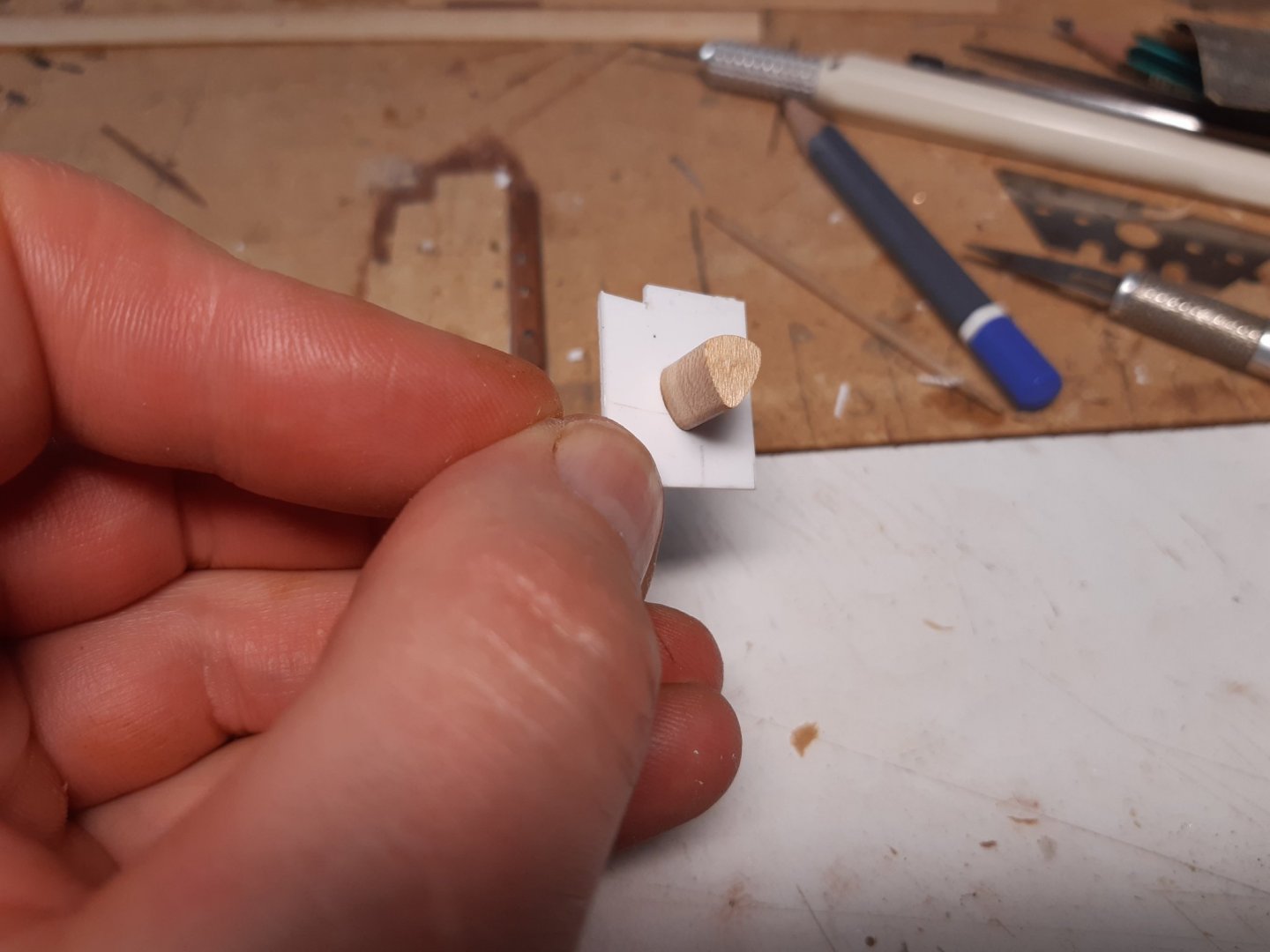
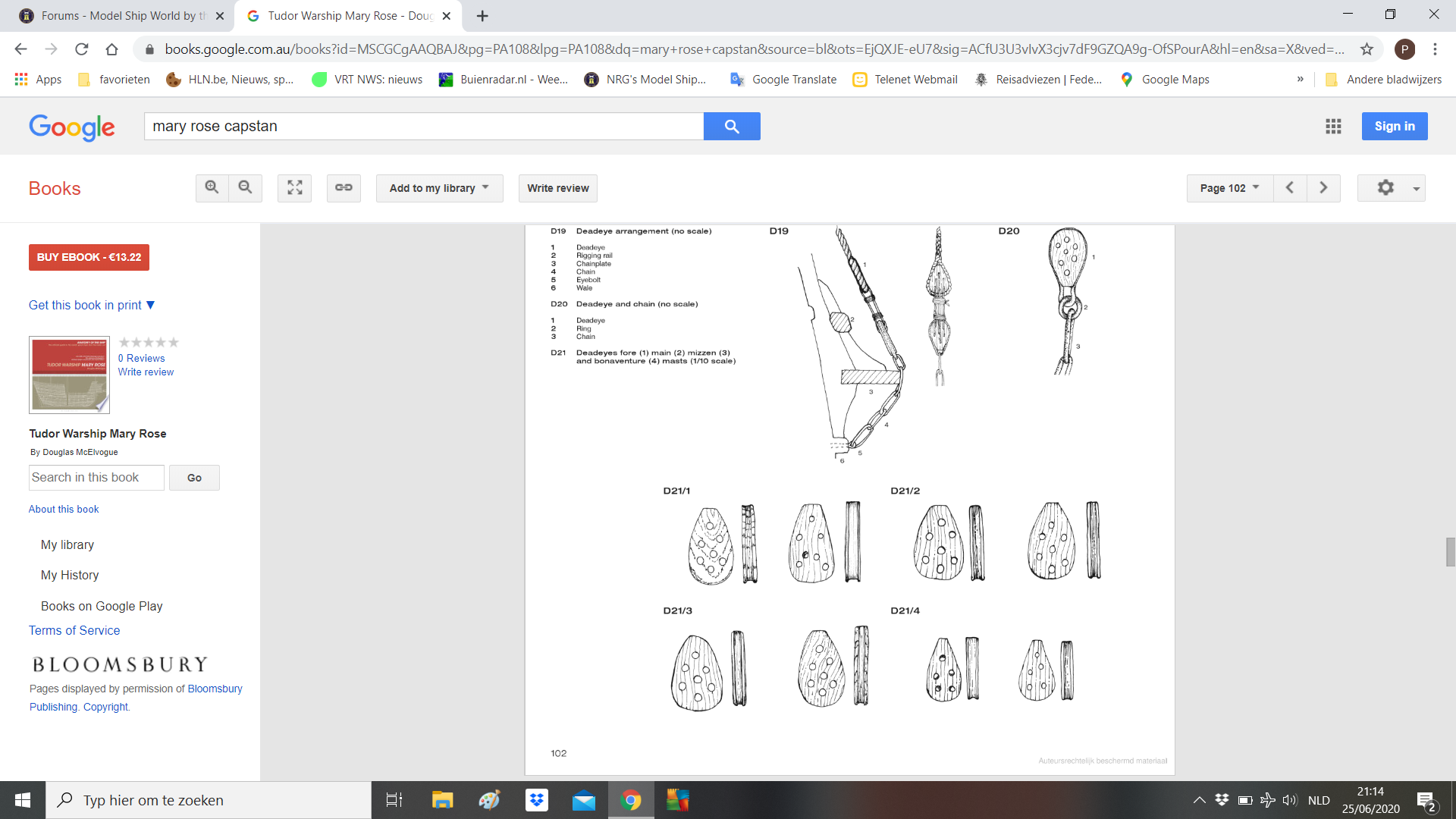
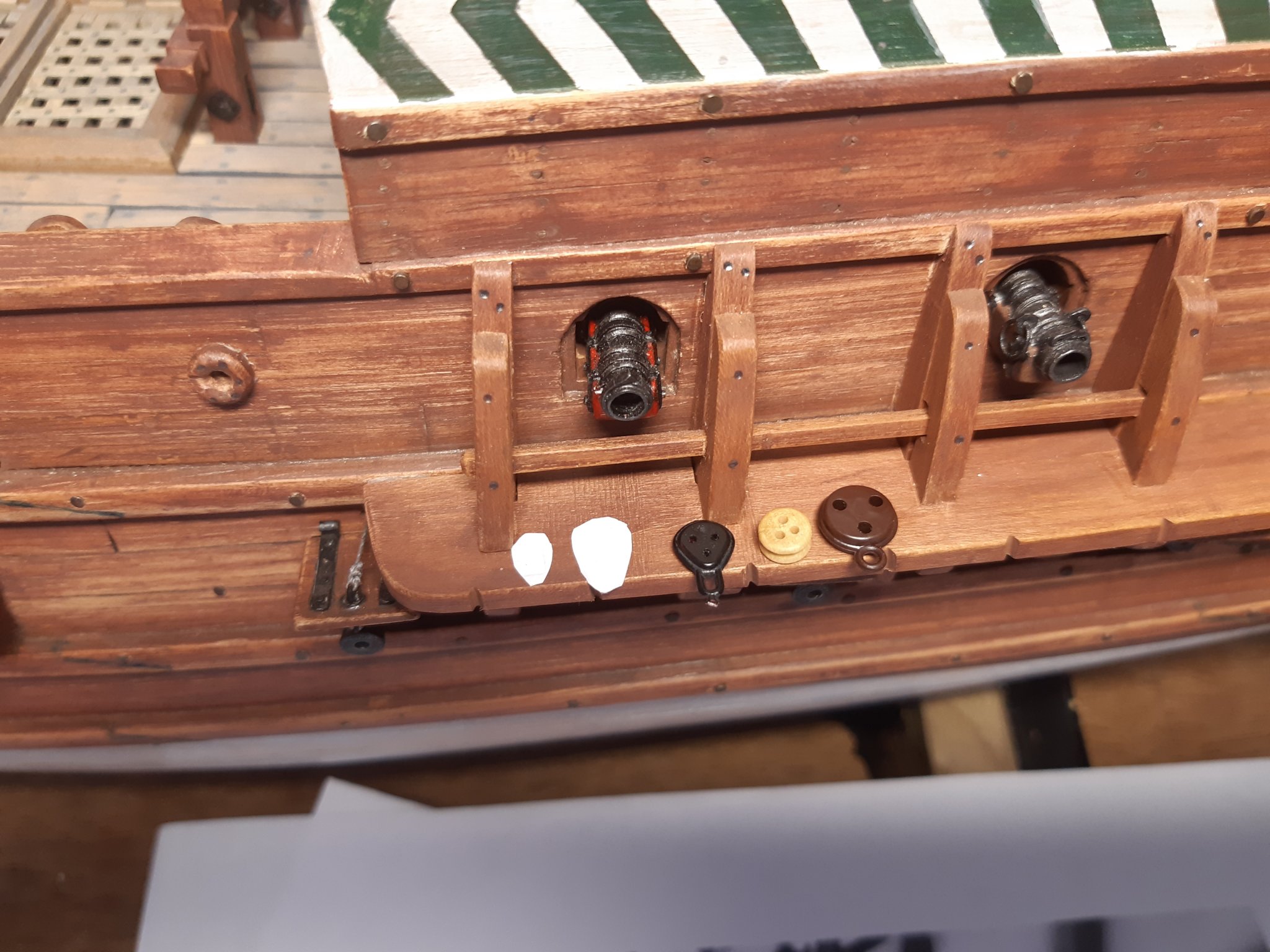
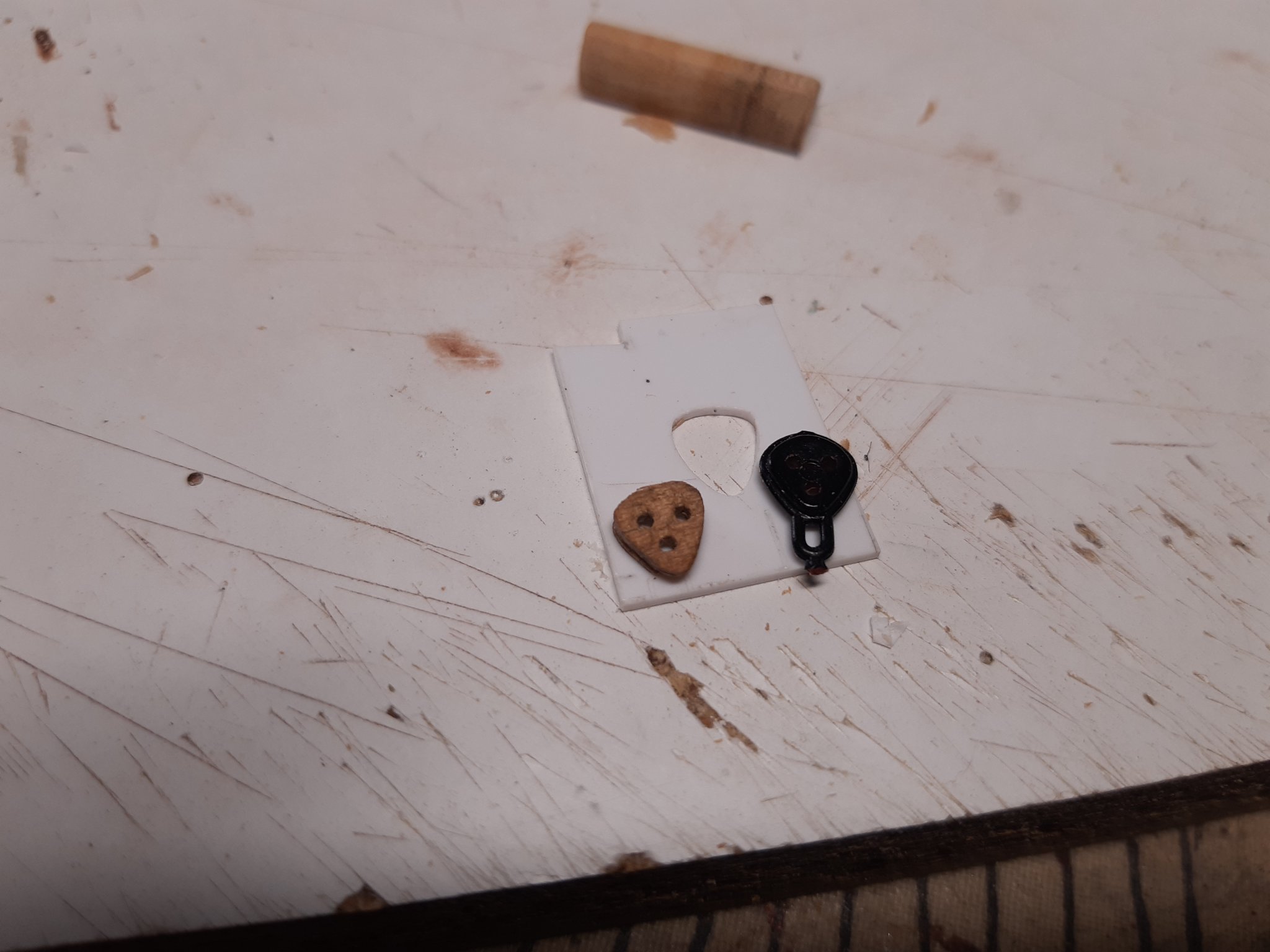
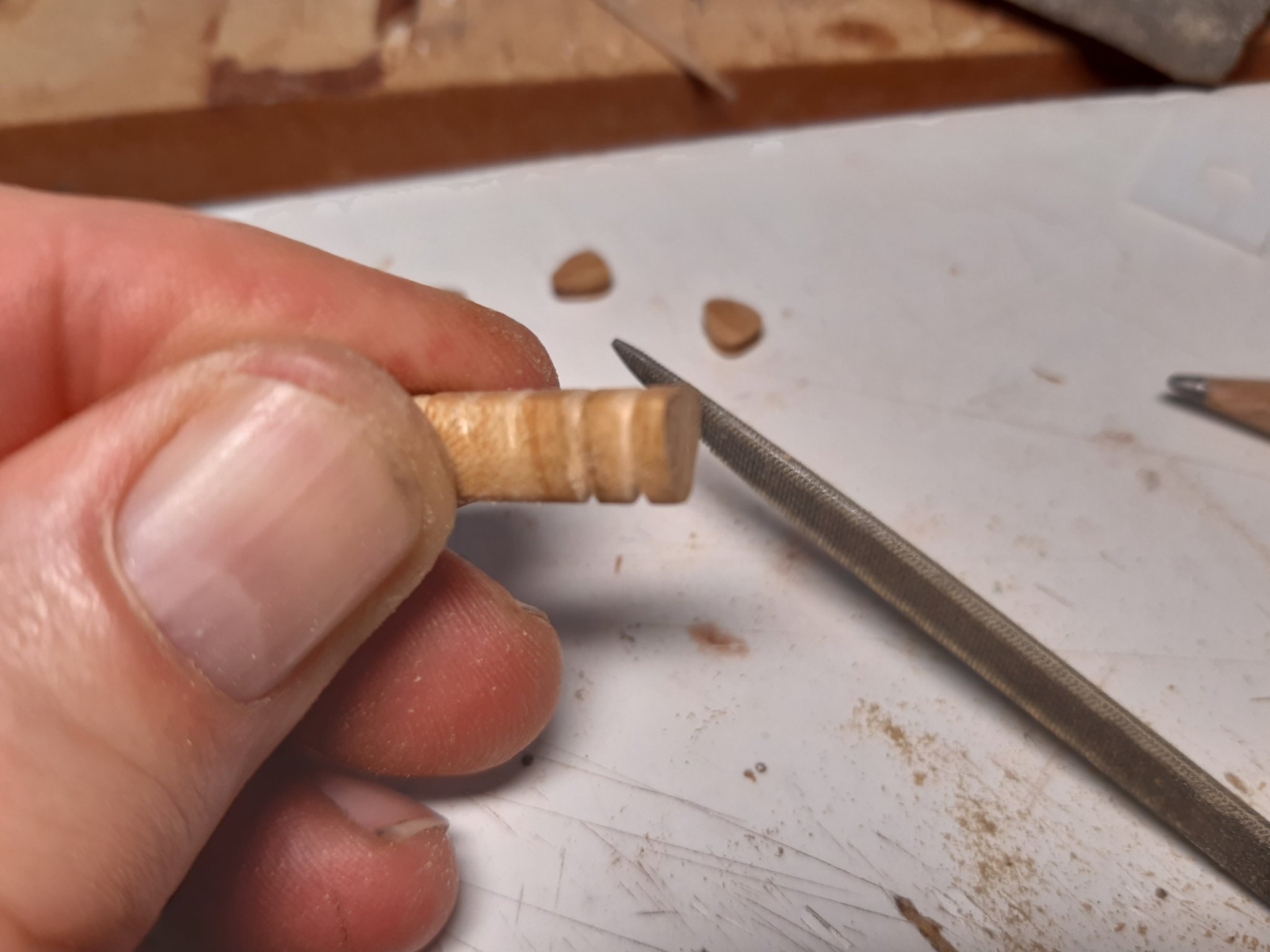
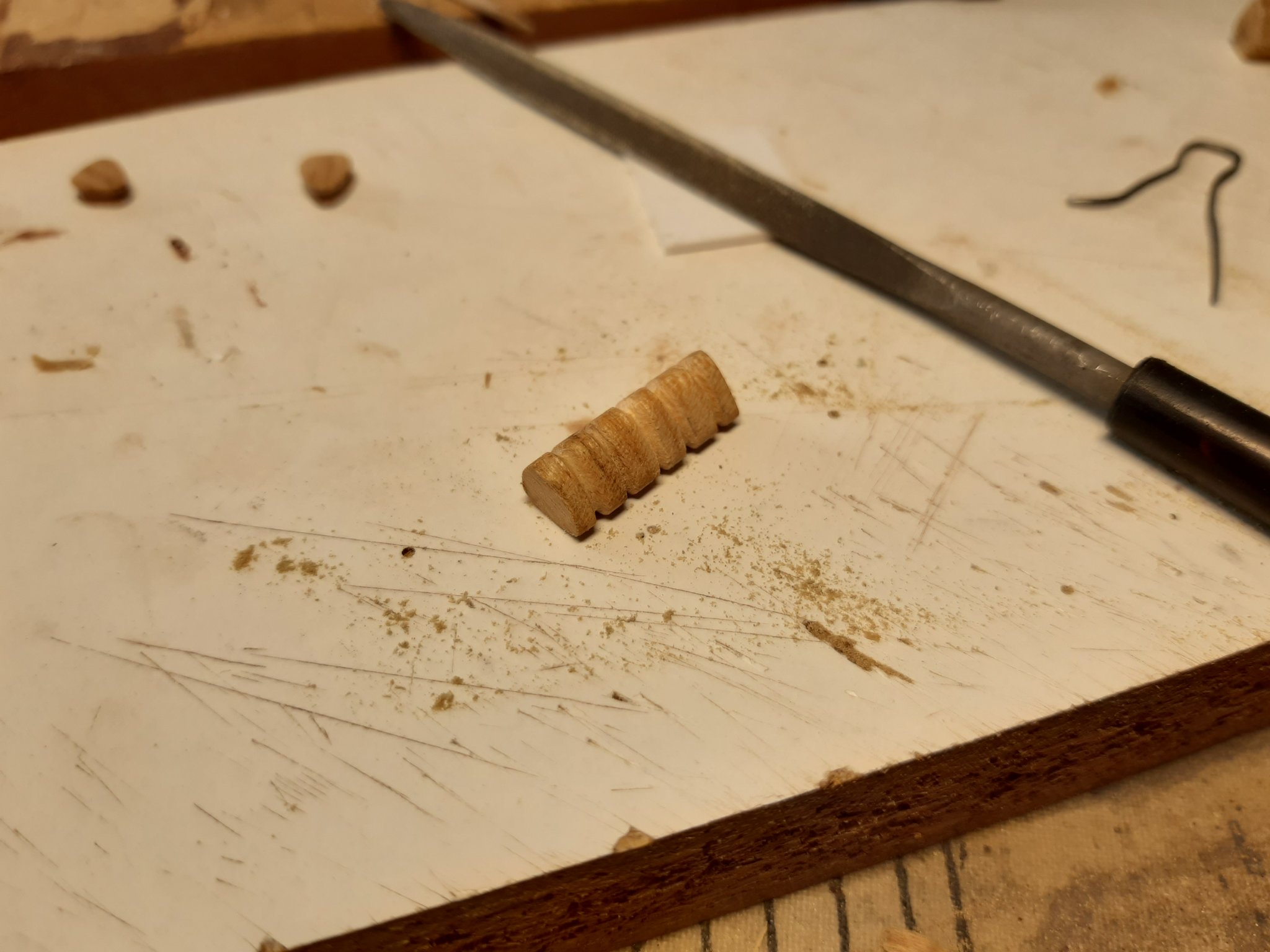
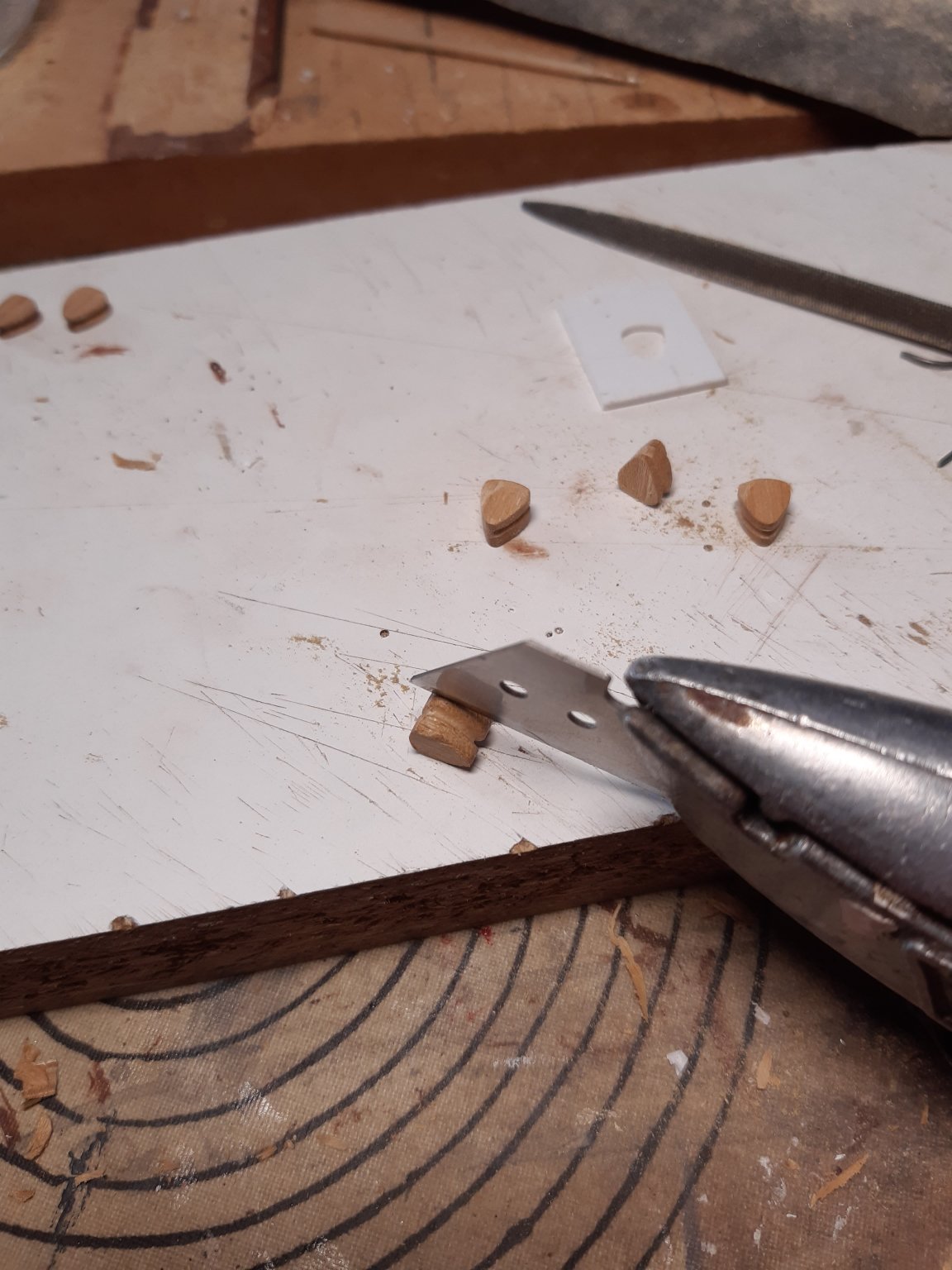
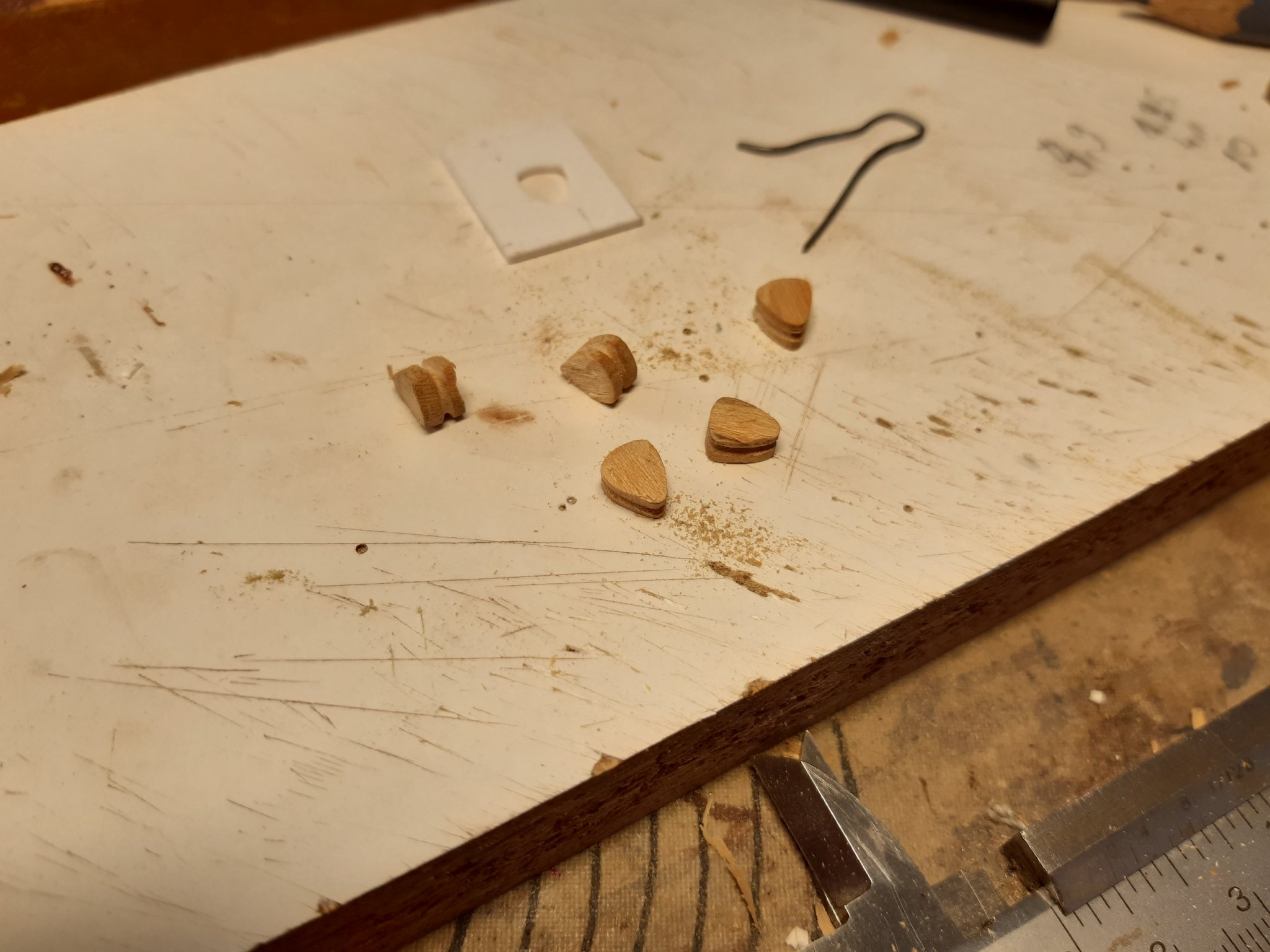
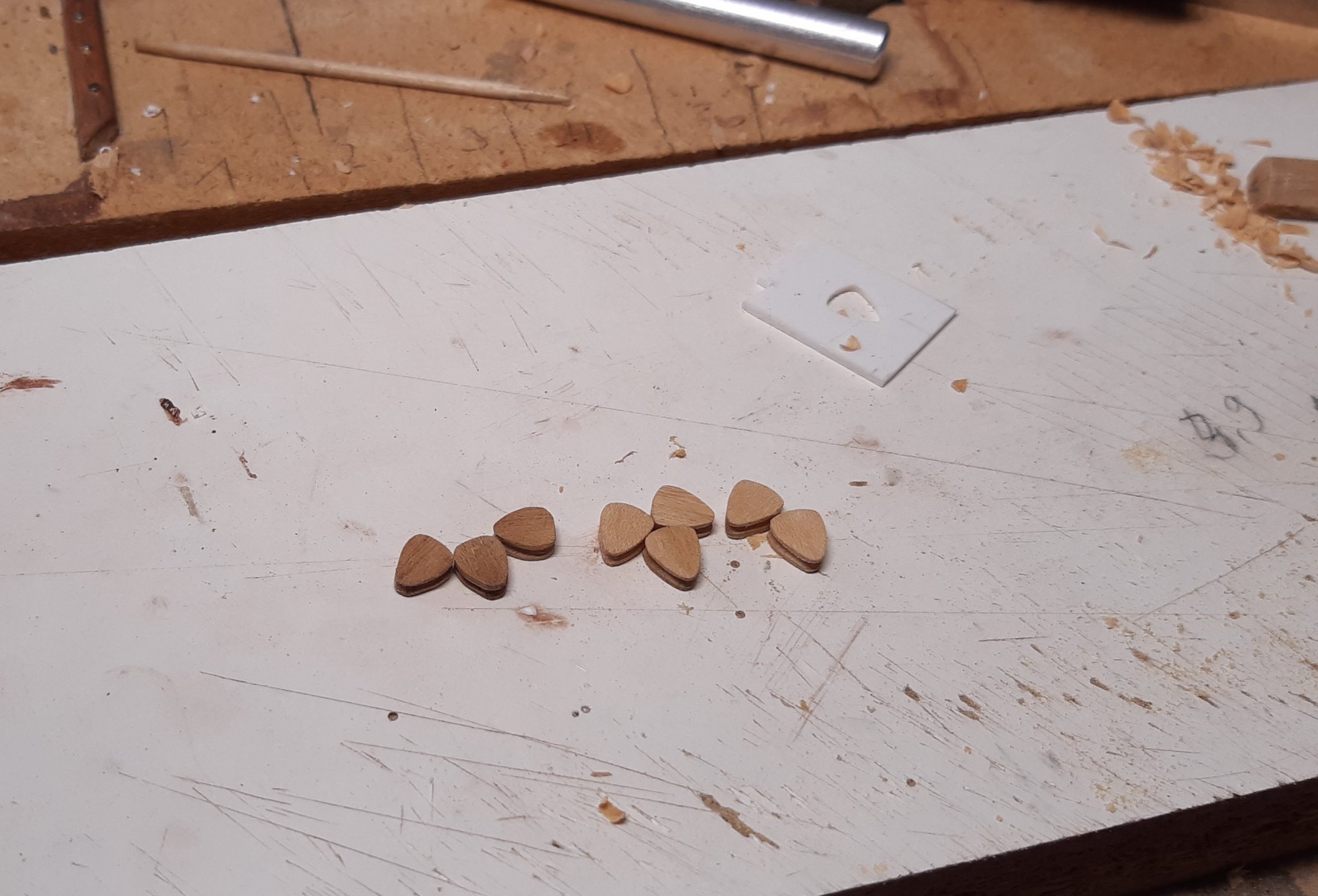
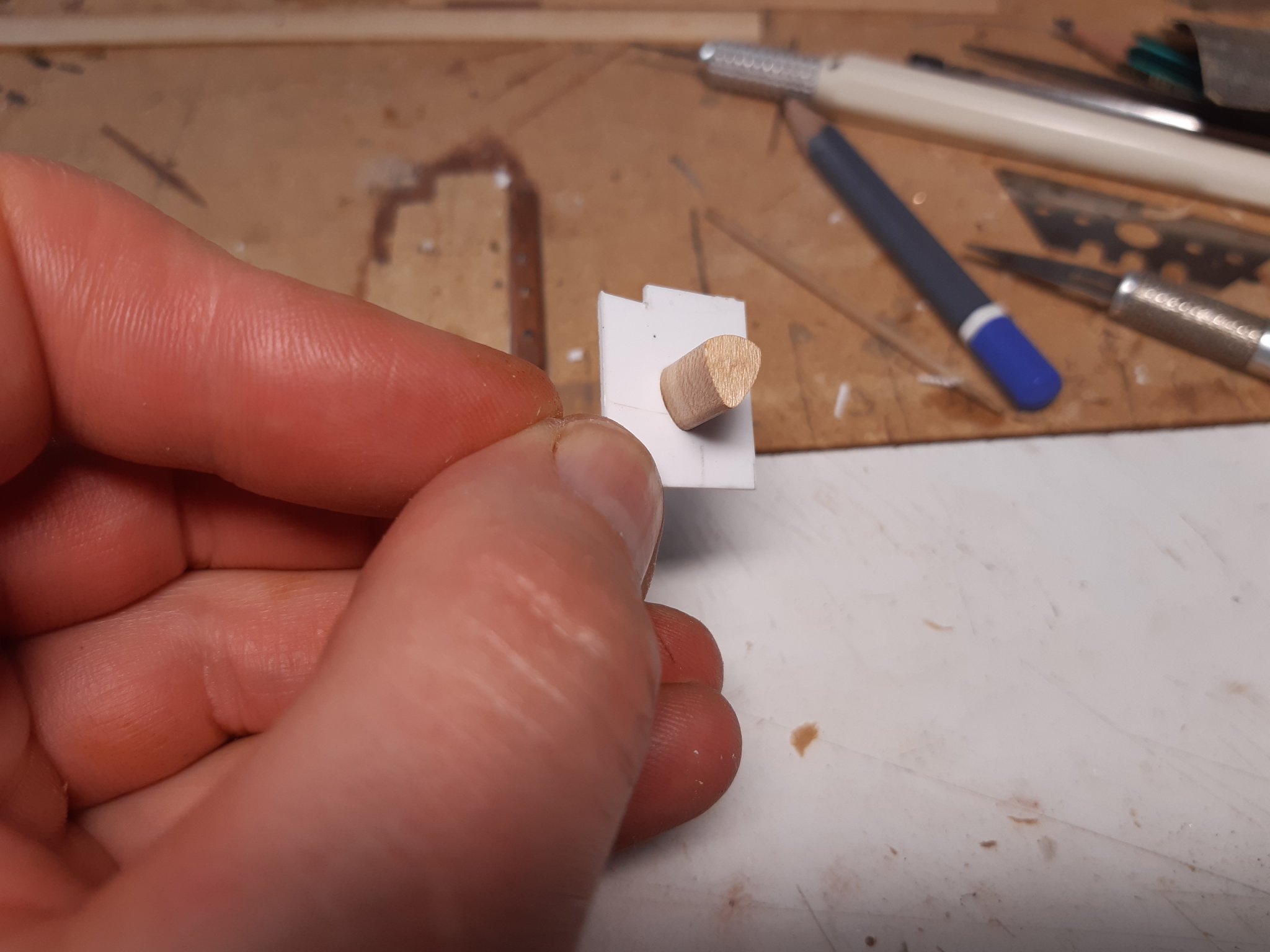
Indeed, let opponent come preferably along port and starboard, because maneuvering is not yet possible Thanks Making the triangular deadeyes (Much work, little progress) To the person who once invented the triangular deadeyes , rounds are much easier to make (I think this advice comes centuries late...) Make these to scale, with the grain of the wood in the longitudinal direction is not easy Much time has passed to find a way how to build them. Examples are the Vasa and Mary Rose. The triangular deadeyes from this era look quite thin. And determine the size. A surplus of my Heller Soleyl Royal has about the right thickness height and length. The deadeyes (plastic) of Billing's Vasa are clearly too thick. Building a wooden prototype and a mold First saw wooden beams Sand the wood to size so that it just goes through the mold. File grooves cutting this is fairly easy because it is in the same direction as the grain. Sanding to thickness. 8 done 40 more to go. Then drill the holes. That will also be a challenge. Thanks for following, comments and likes


- 756 replies
-
- 17
-
-
- galleon
- golden hind
- (and 2 more)
-
Beautiful work Rodolfo
-
No, It's a pelican, with a Tudor rose on the balcony
- 135 replies
-
- 1
-
-
- billing boats
- half moon
- (and 1 more)
-
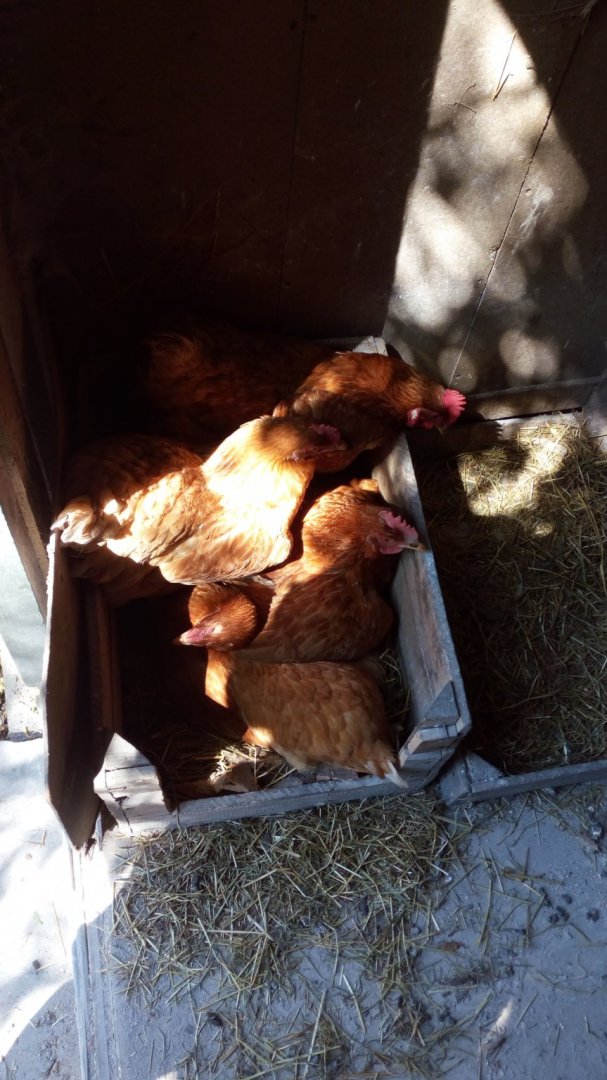
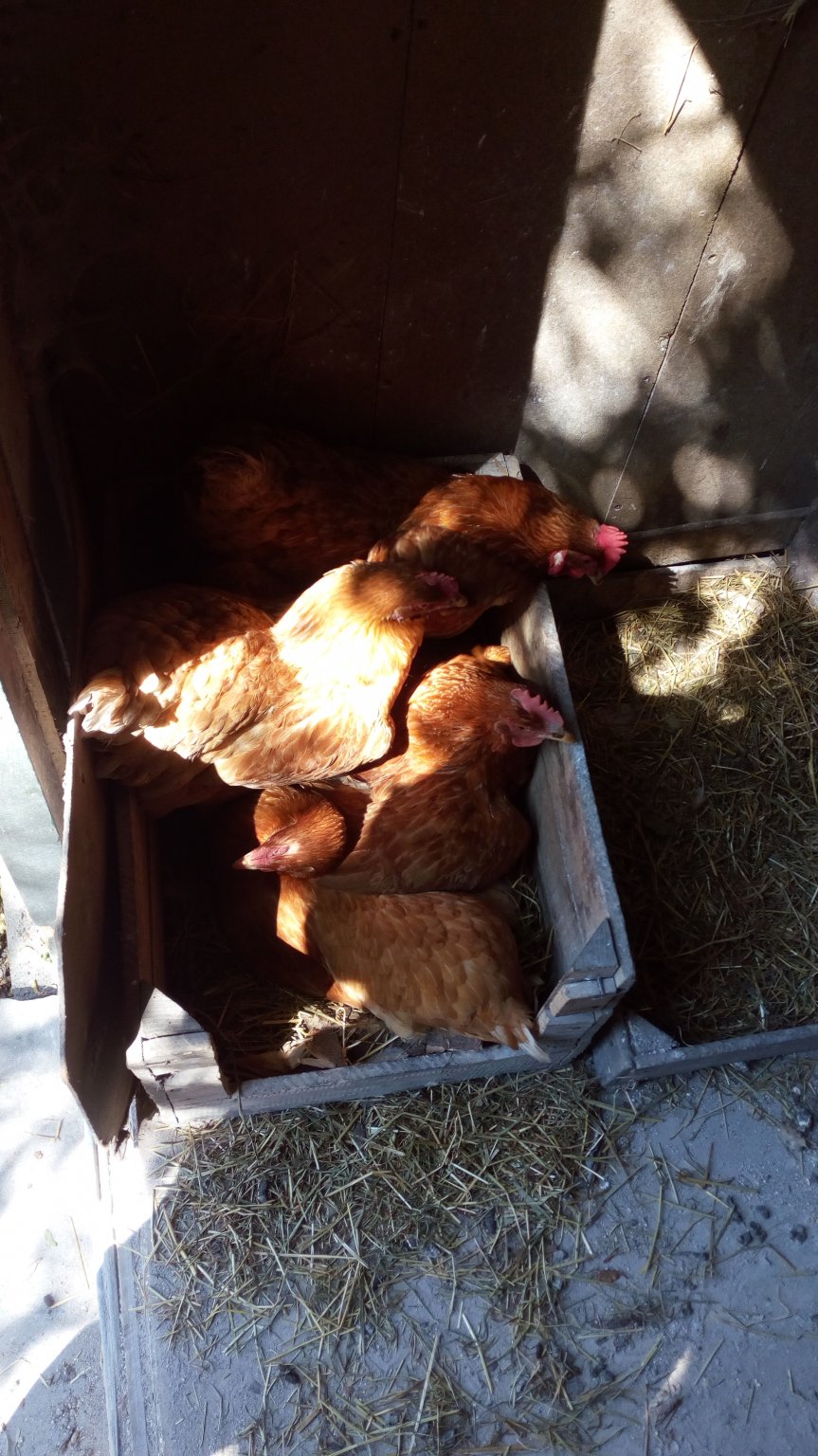
Nice model. The nickname with us is "geit" (goat). Have no idea why Can someone from Belgium also come along. Just ordered eggs from my chickens. .And I told them it is urgent 😂
-
Another beautiful model in the collection. Congrats 👍
-
Good luck with the Victory. Building your first wooden ship is the most difficult. All of the following ships are "a piece of cake" .
-
Tiger 1 by marktiedens - FINISHED - Dragon - 1/35 scale
Baker replied to marktiedens's topic in Non-ship/categorised builds
Completely correct. A mammoth. -
Tiger 1 by marktiedens - FINISHED - Dragon - 1/35 scale
Baker replied to marktiedens's topic in Non-ship/categorised builds
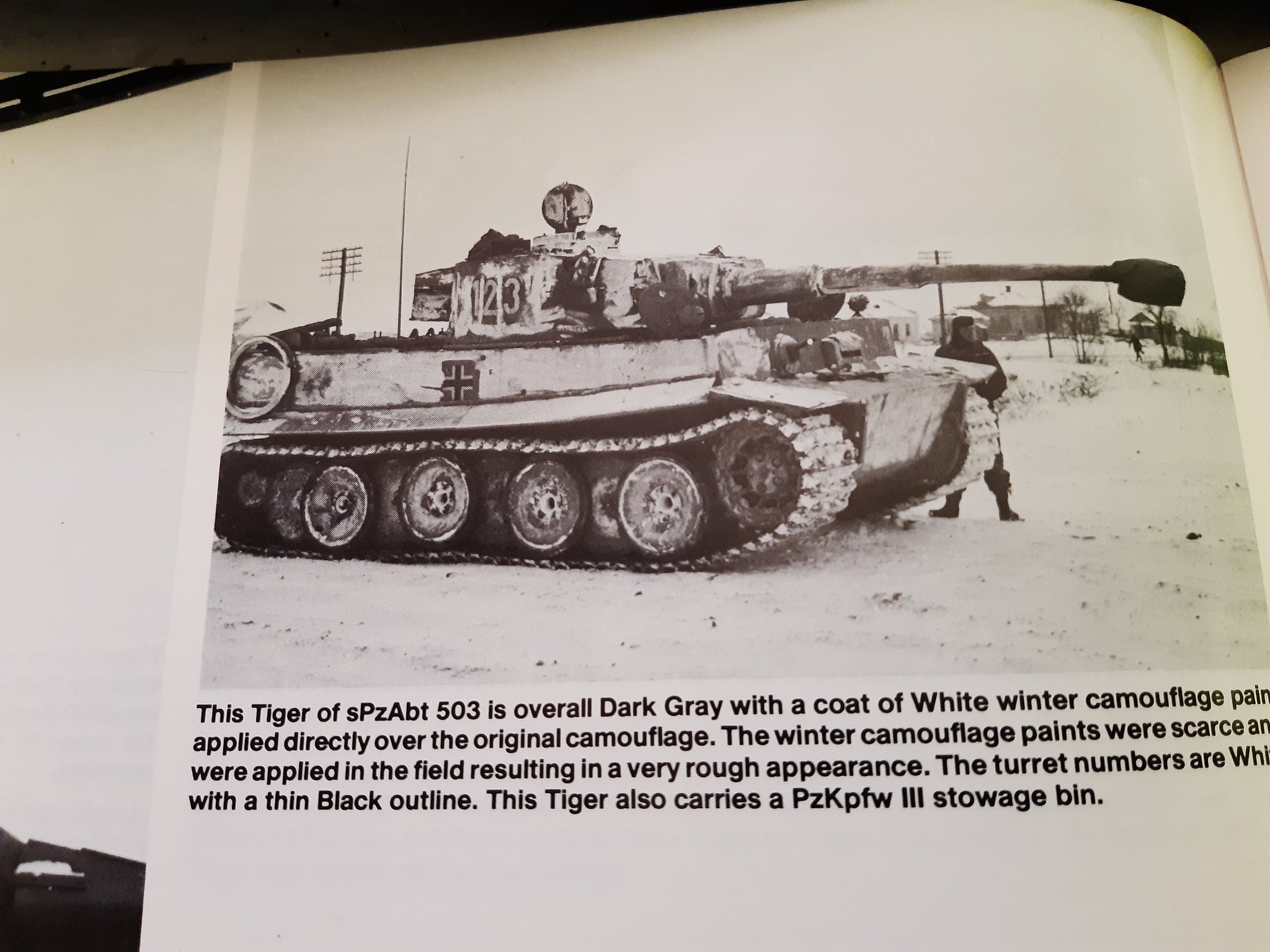
Congrats, nice Tiger. Your tank probably belongs to the leader of the first company, (but the numbering is unusual) German tank numbering http://bunker3030.blogspot.com/2011/06/beginners-guide-to-german-3-digit.html -
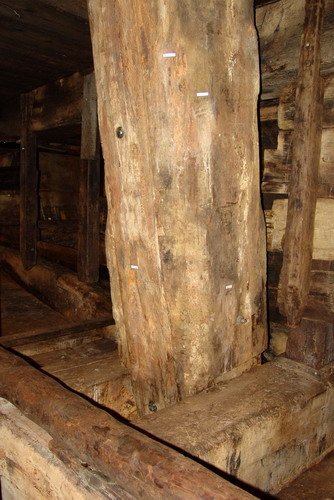
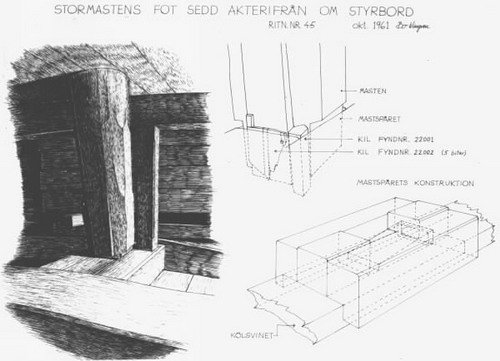
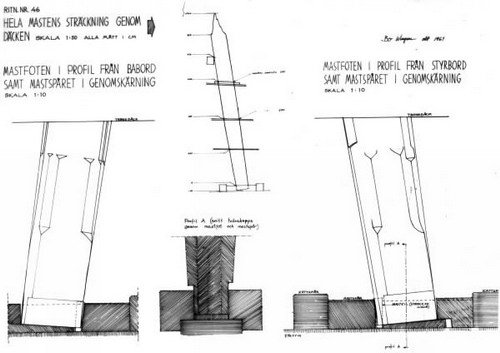
I do not know the answer. But maybe this will help you Vasa, early 17th century http://www.wasadream.com/Index/indexenglish.html
-
Greetings, And
-
Welcome to MSW, and good luck with the Missouri
-
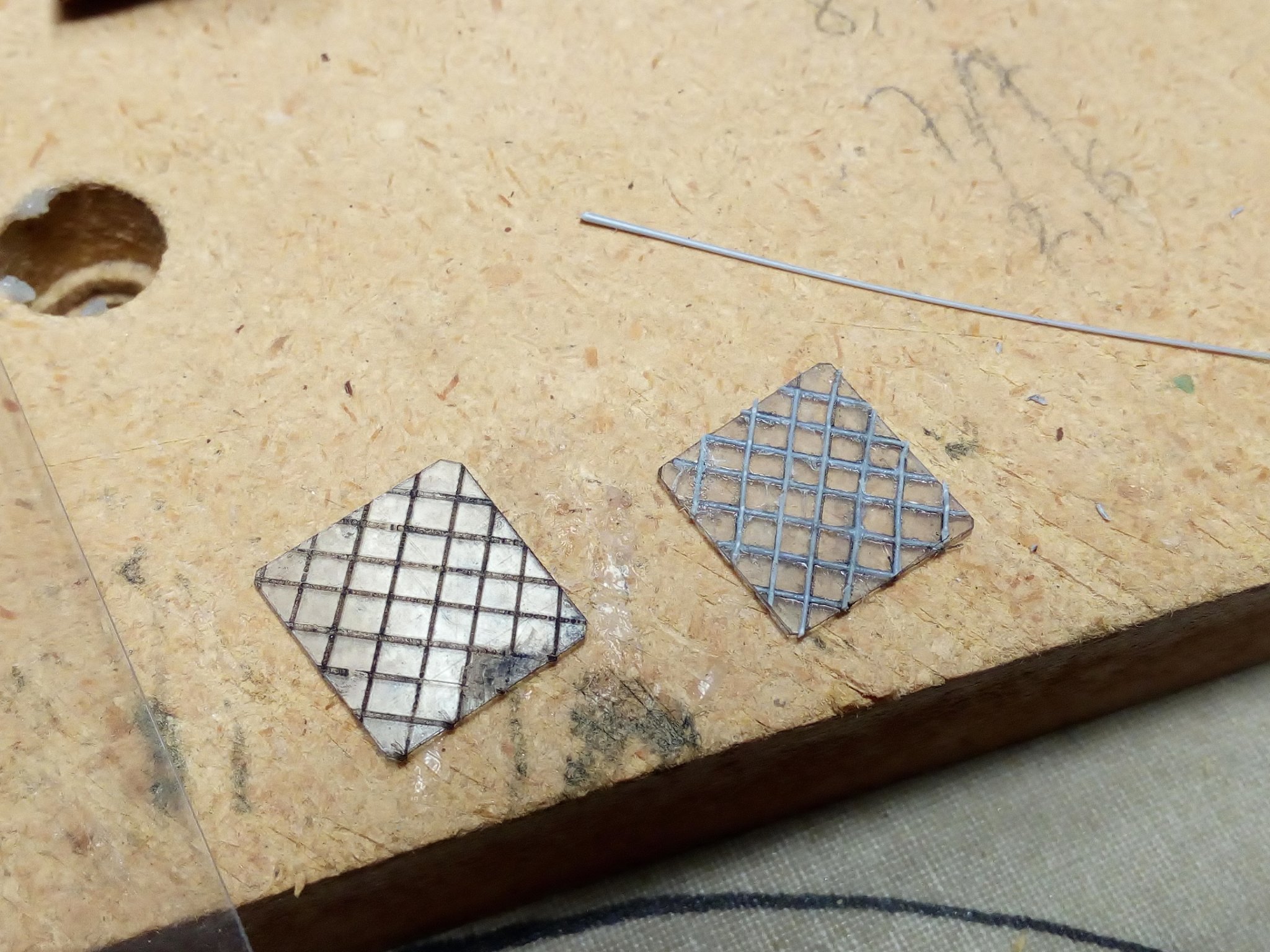
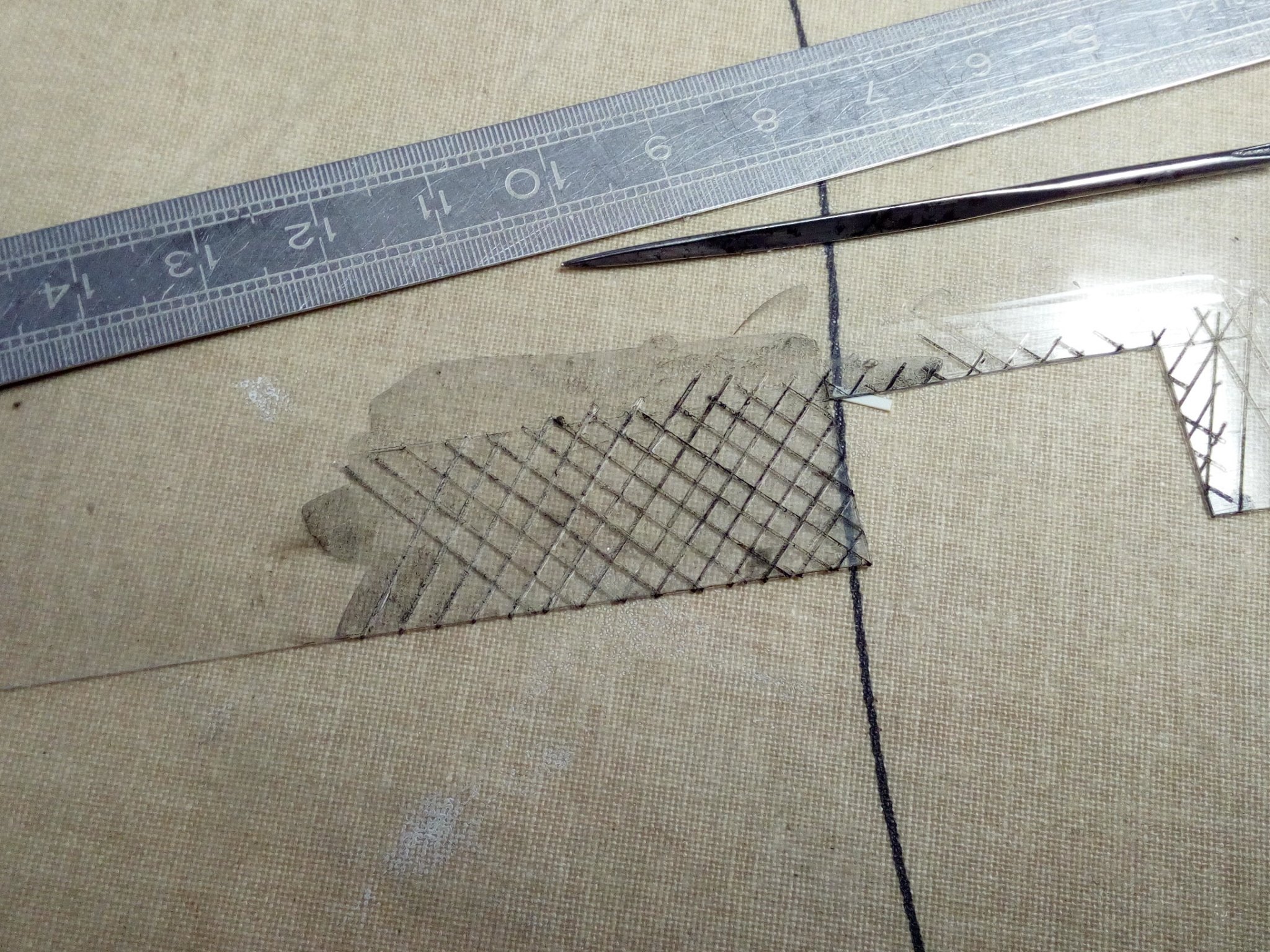
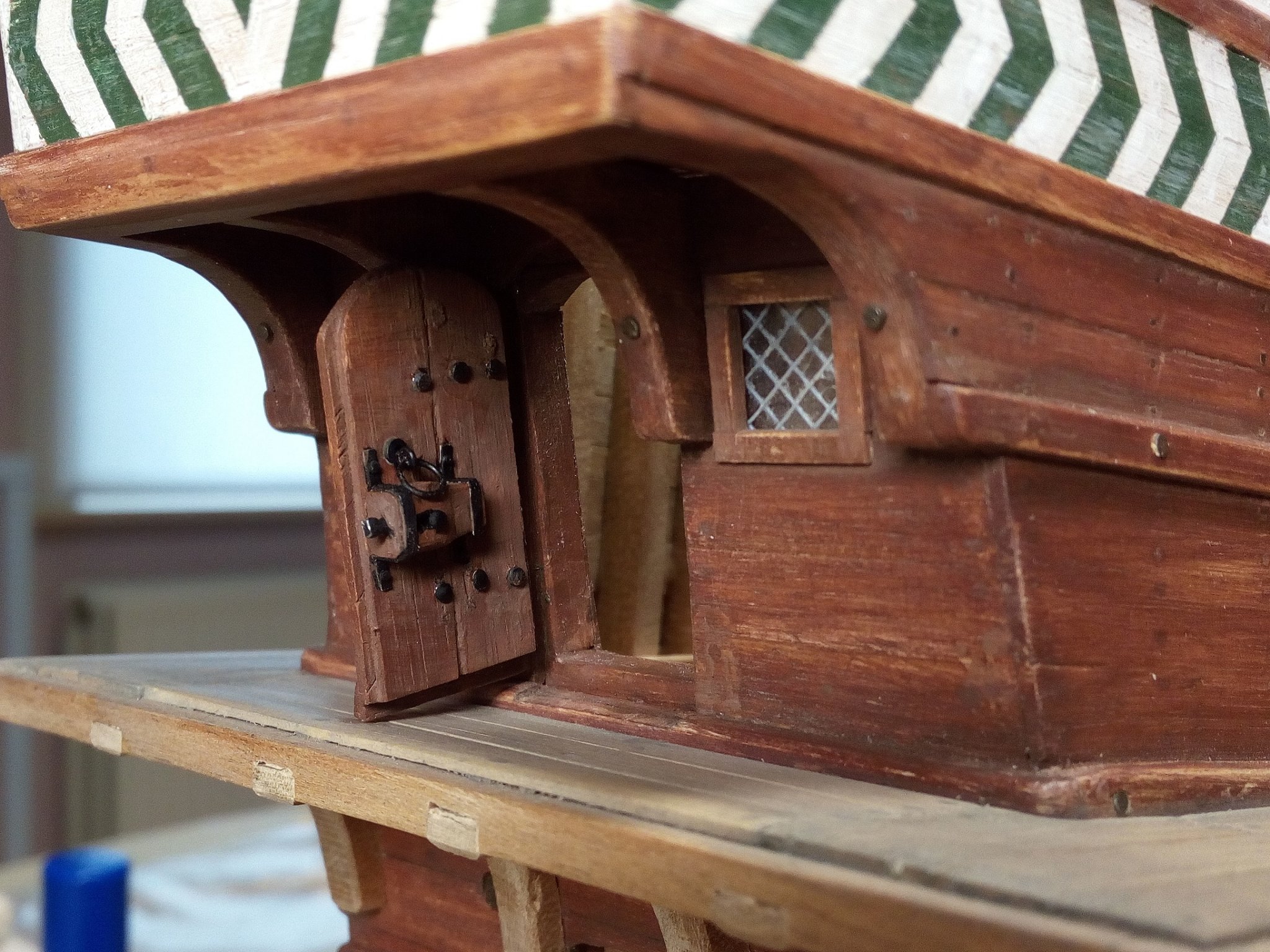
How I did mine Clear plastic sheet. Make grooves with a thick needle ()vertical, horizontal or diagonal. The grooves can be filled with thinned black paint. And / or filled with plastic sprue. result If it fails the first time you try this (with me too) practice, practice, practice Good idea, always more fun.
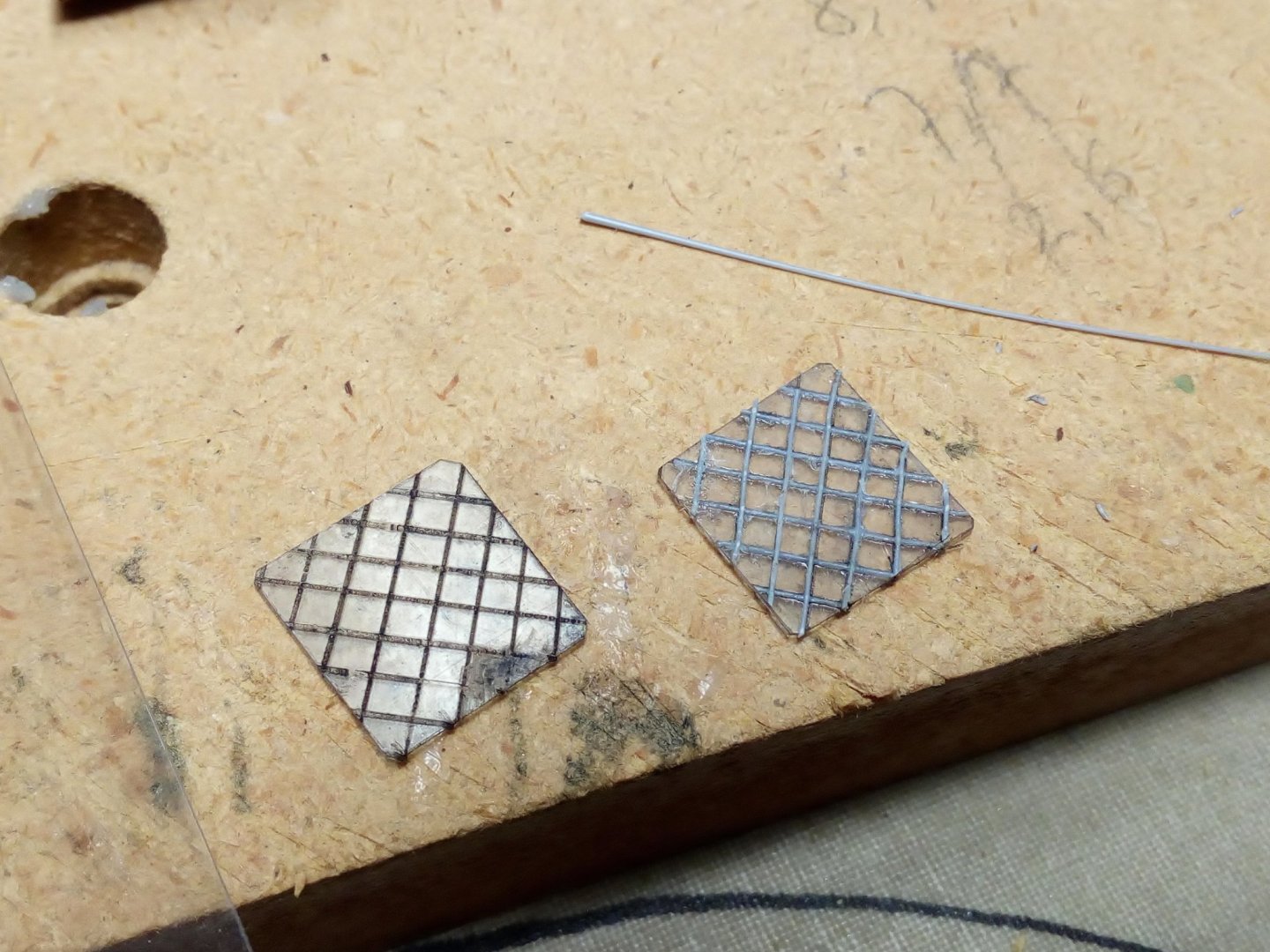
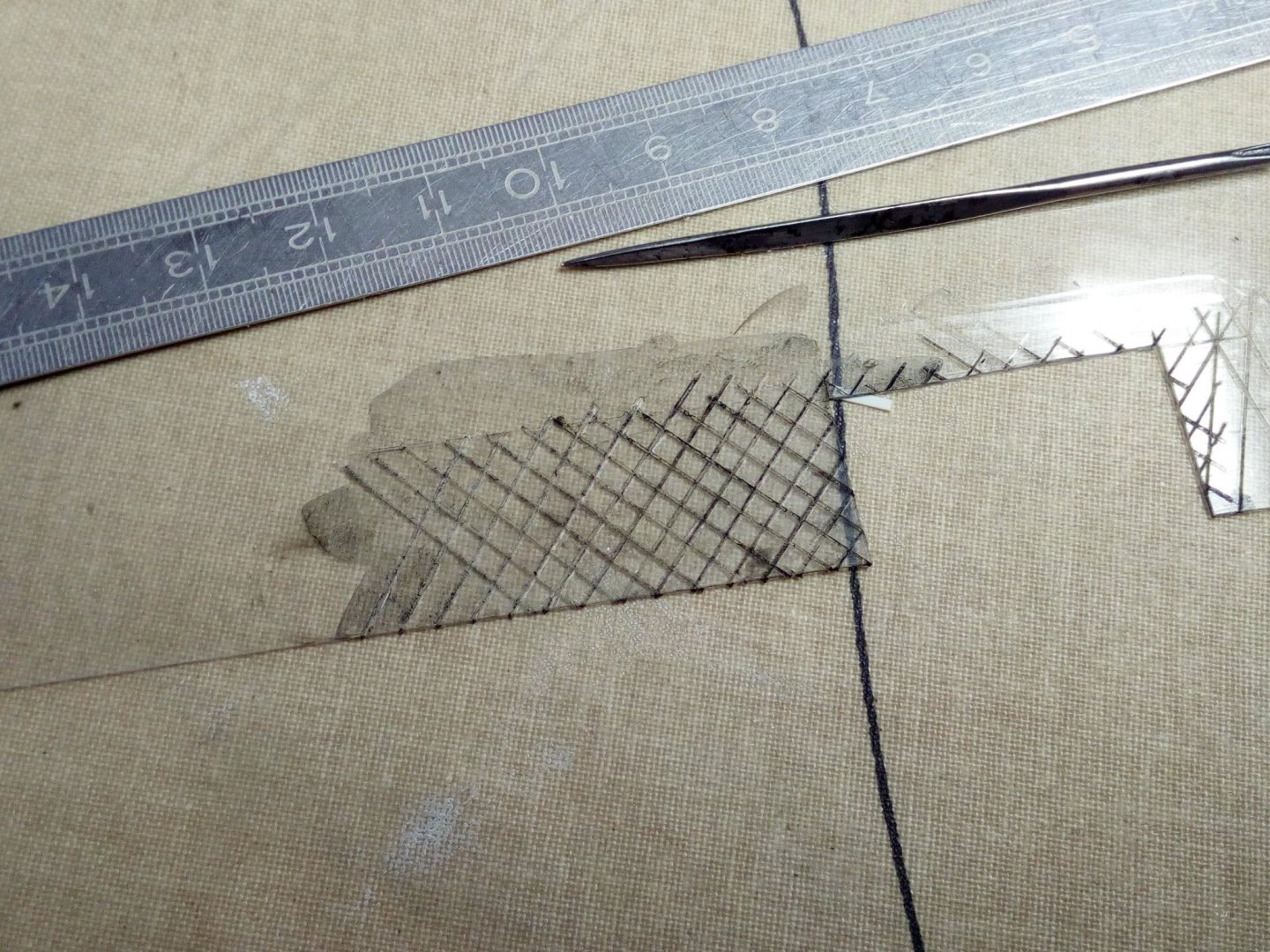
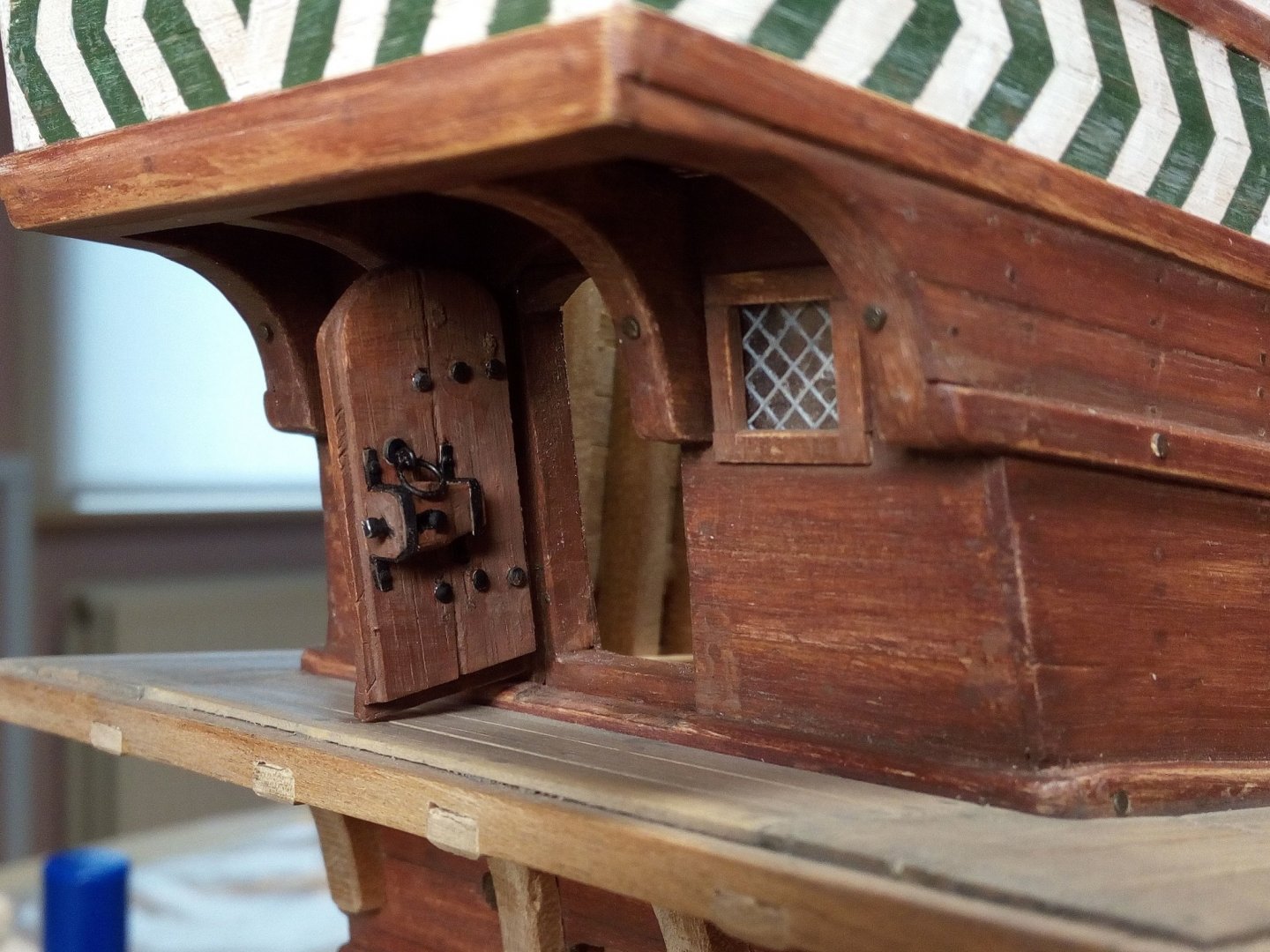
-
Tiger 1 by marktiedens - FINISHED - Dragon - 1/35 scale
Baker replied to marktiedens's topic in Non-ship/categorised builds
Never seen this system. If a photo shows up, it can be photoshopped This is possible. Then you build a Tiger from sPzAbt 503. Also available in panzer gray. If you don't want to, don't apply a white wash. There is evidence of a N ° 123. And, If there is an N ° 123, then there is also a N ° 121. The container at the back of the turret is a "rommelkiste". Only for personal items. But, You are building a very early model with 2 pistolports in the turret. The sPzAbt 503 Tigers have a hatch on the right, no pistol port. My idea, It is possible that the 4 Tigers on the Leningrad front did not have a container on the turret (and the 2 pistolports) This is the simplest solution to build, no container. And no one can say that you did something wrong (i hope ) Ps, This is your model, of course you build the model of your choice. But I'm glad to study Tigers again. It has been years since I built one. myself.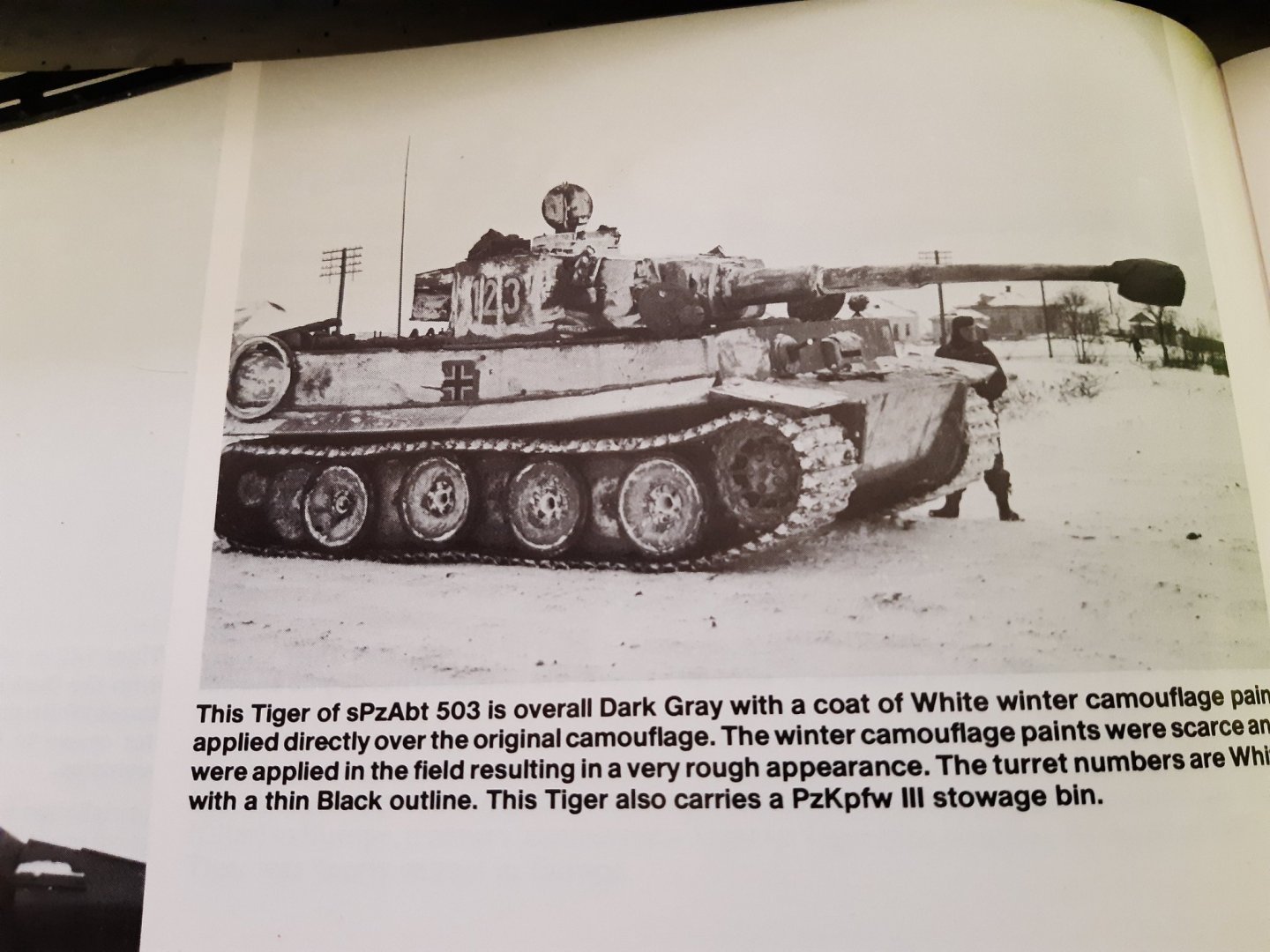

Our Emblem ®
